Accommodation in Pretoria
Pretoria has 75 listed properties ranging from R578 to R3,420 per night, with an average around R1,369. That spread reflects genuine variation at every budget level.
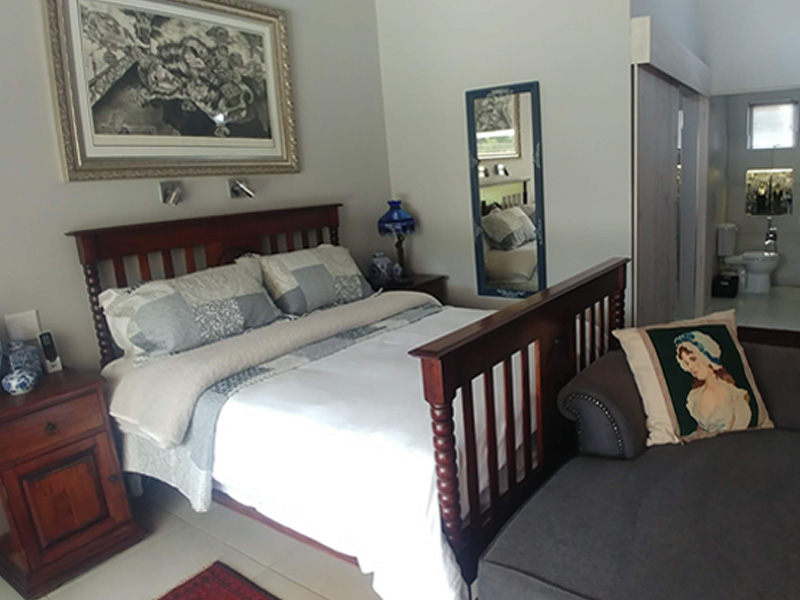
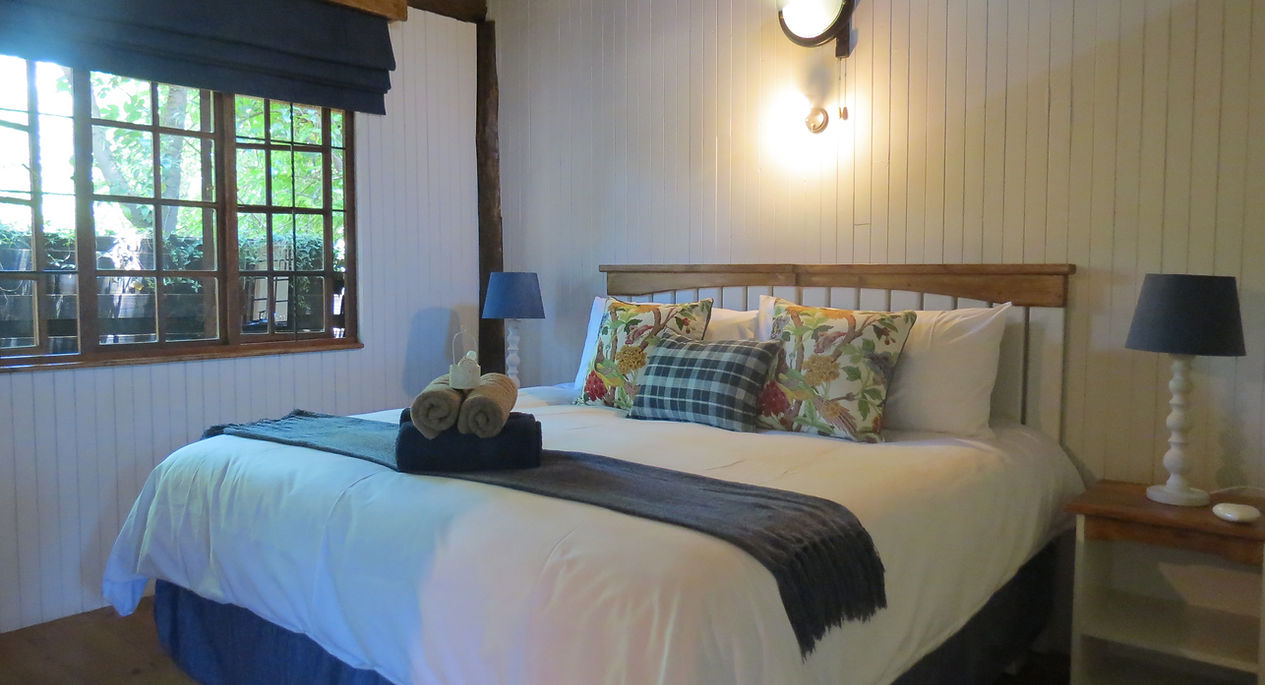
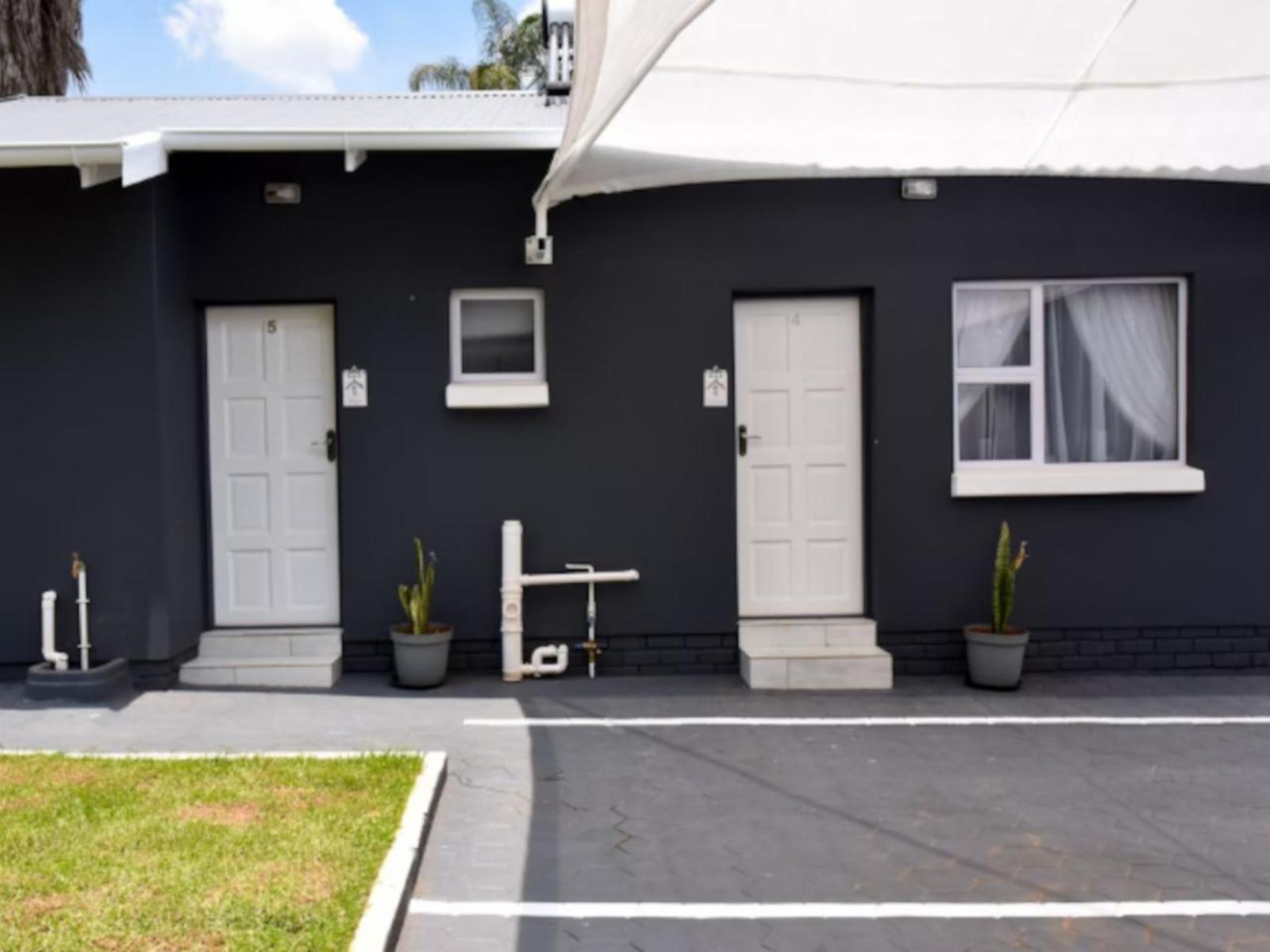
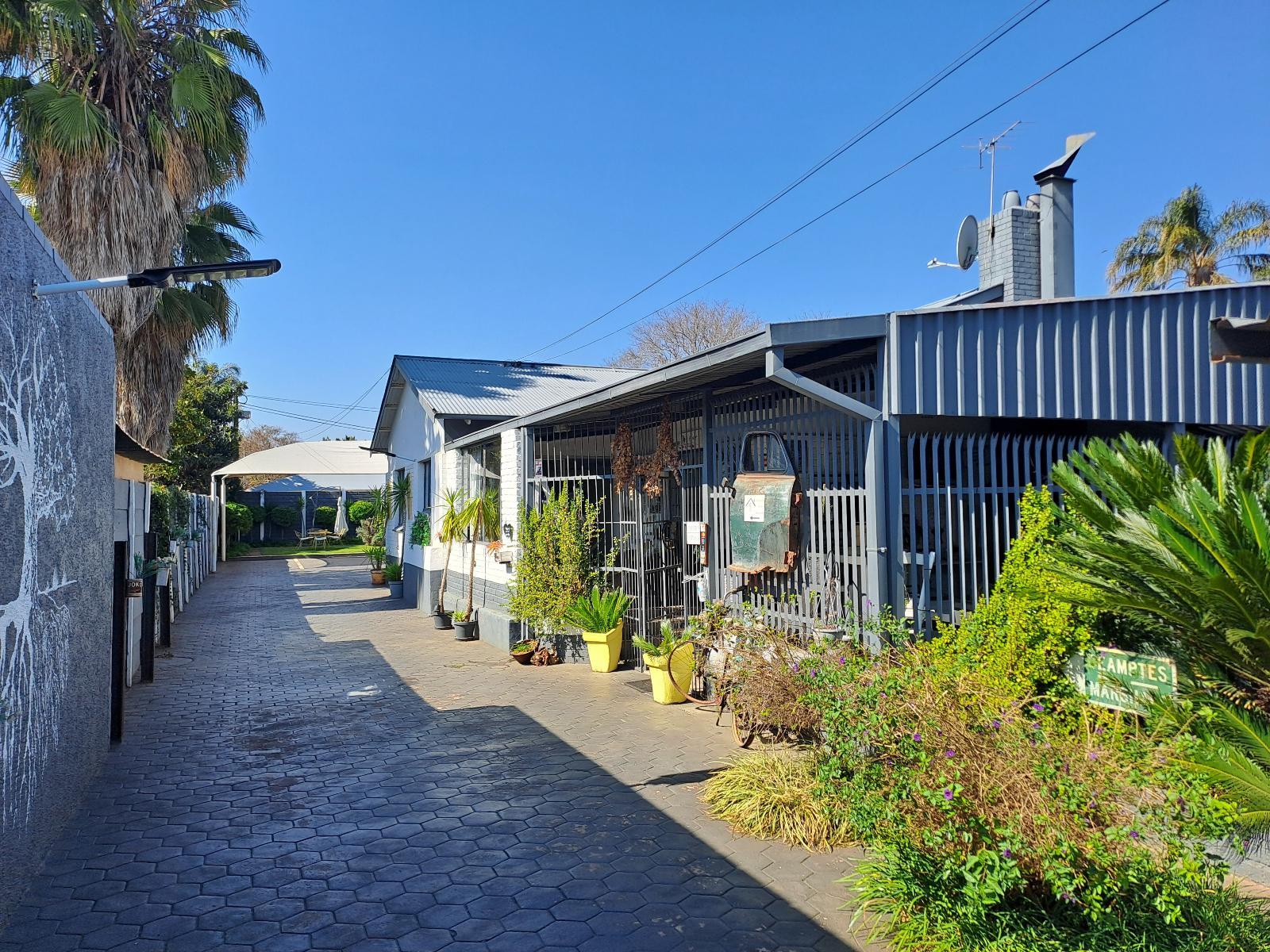
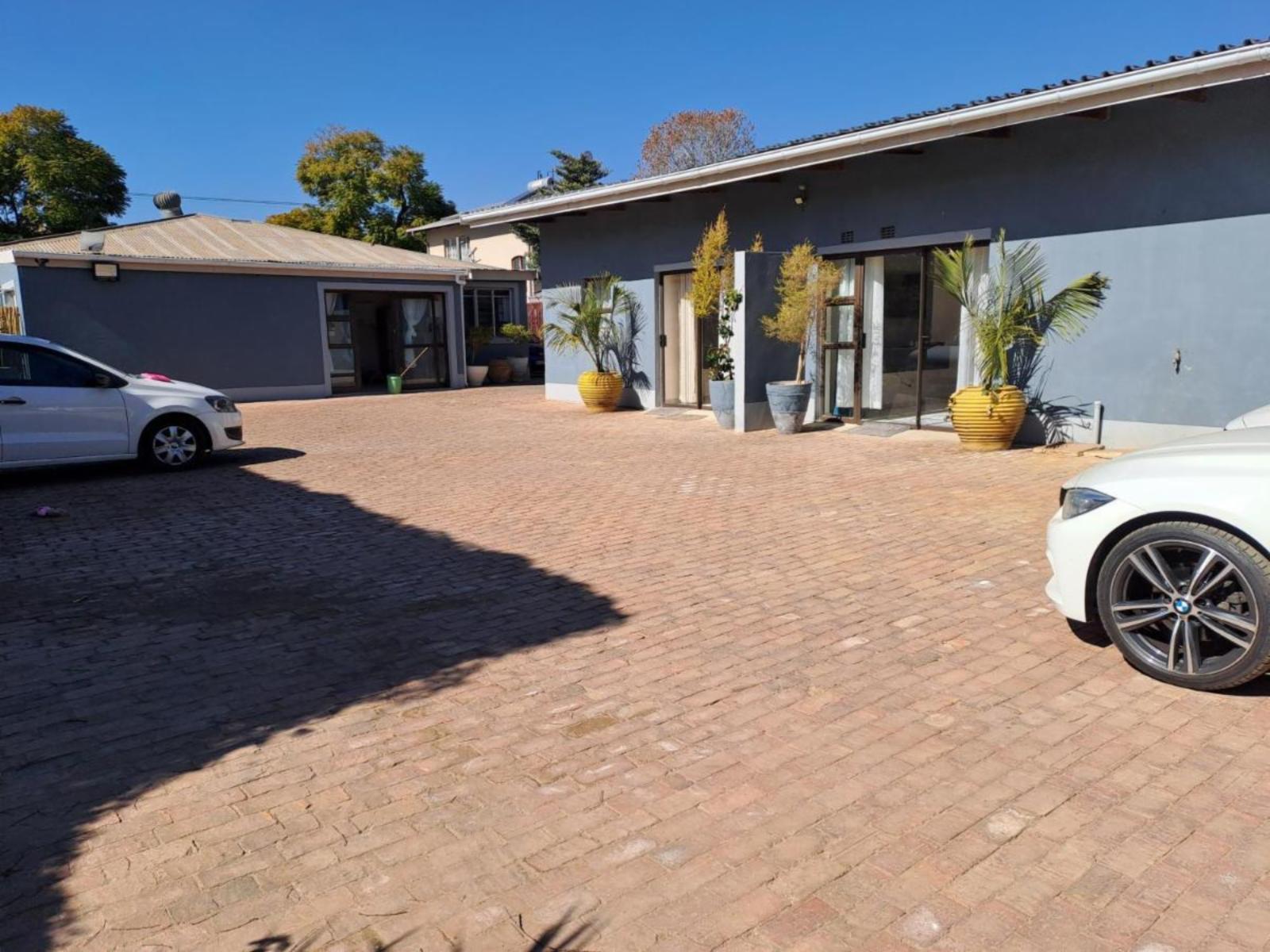
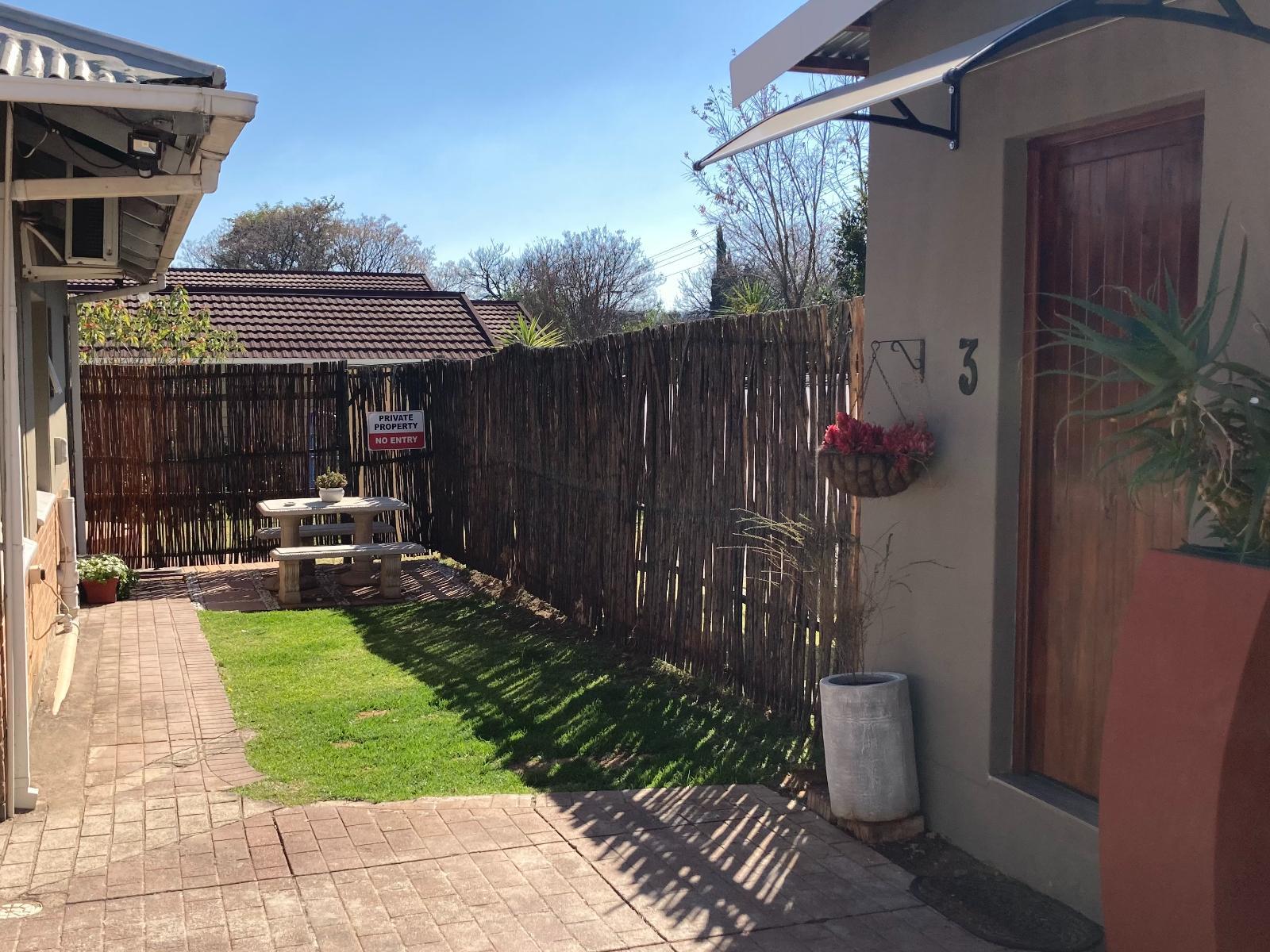
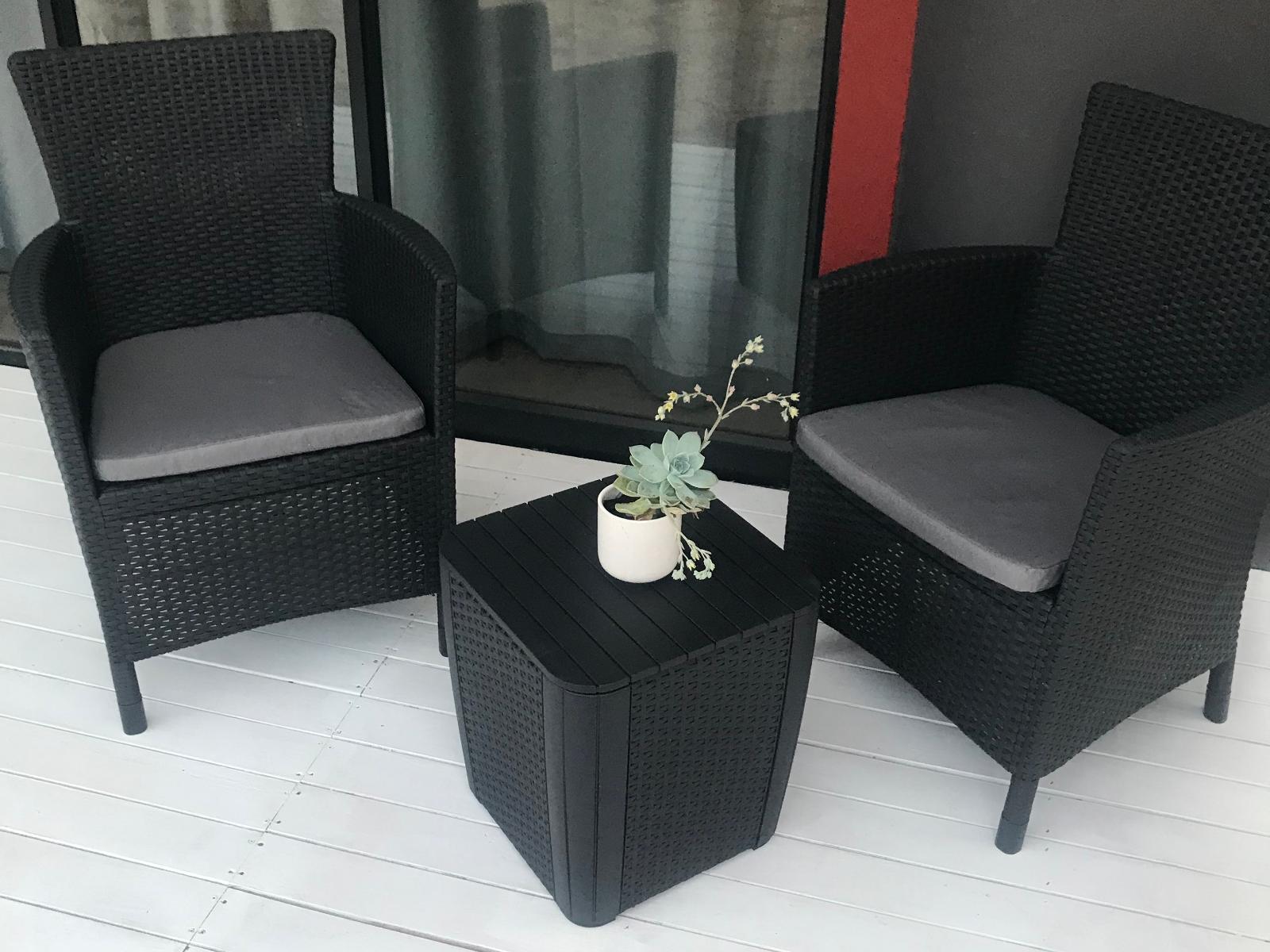
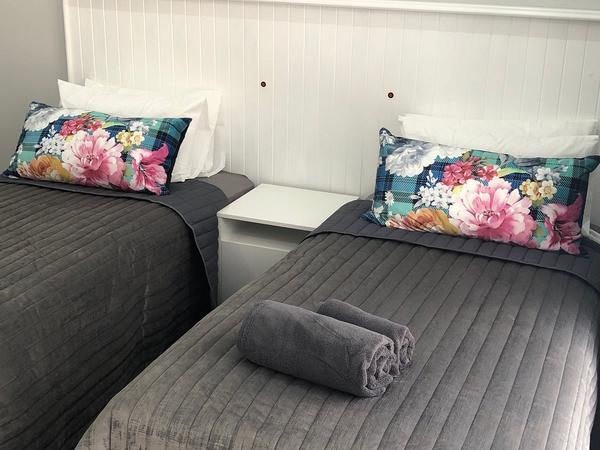
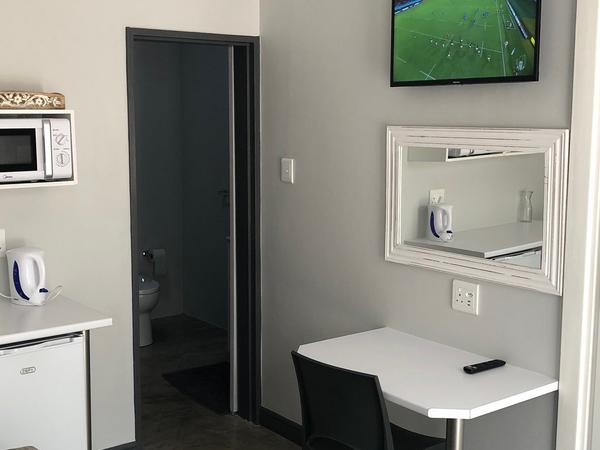
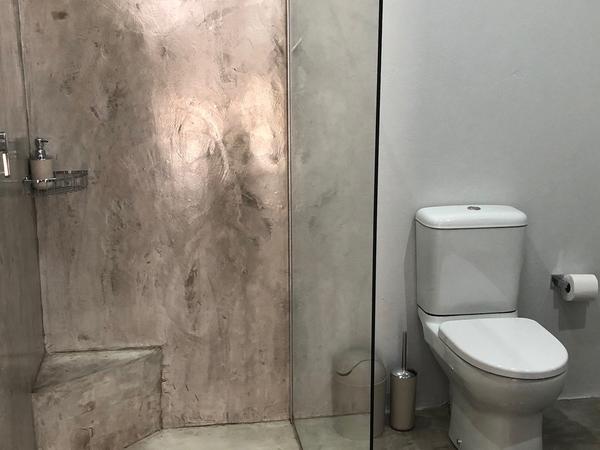
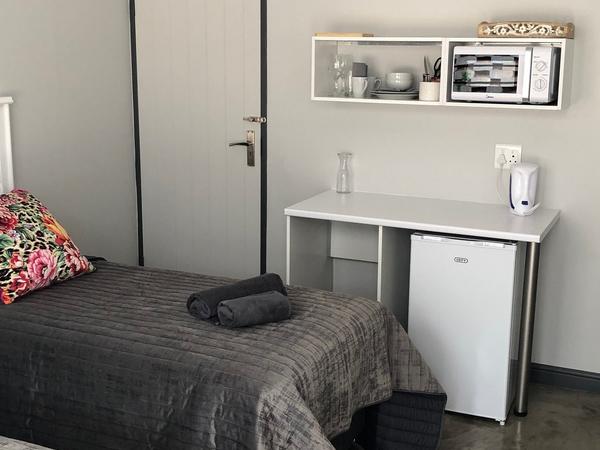
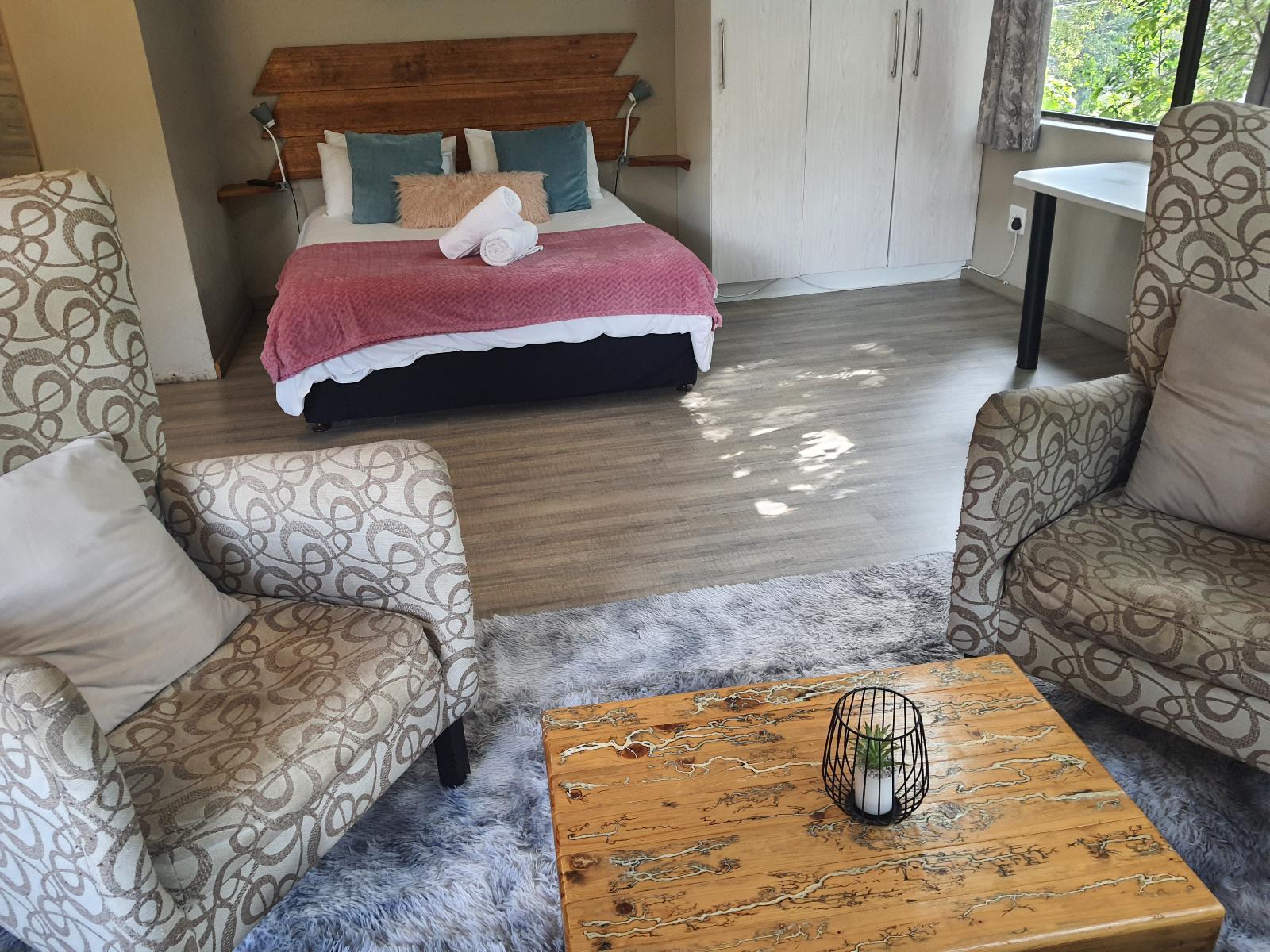
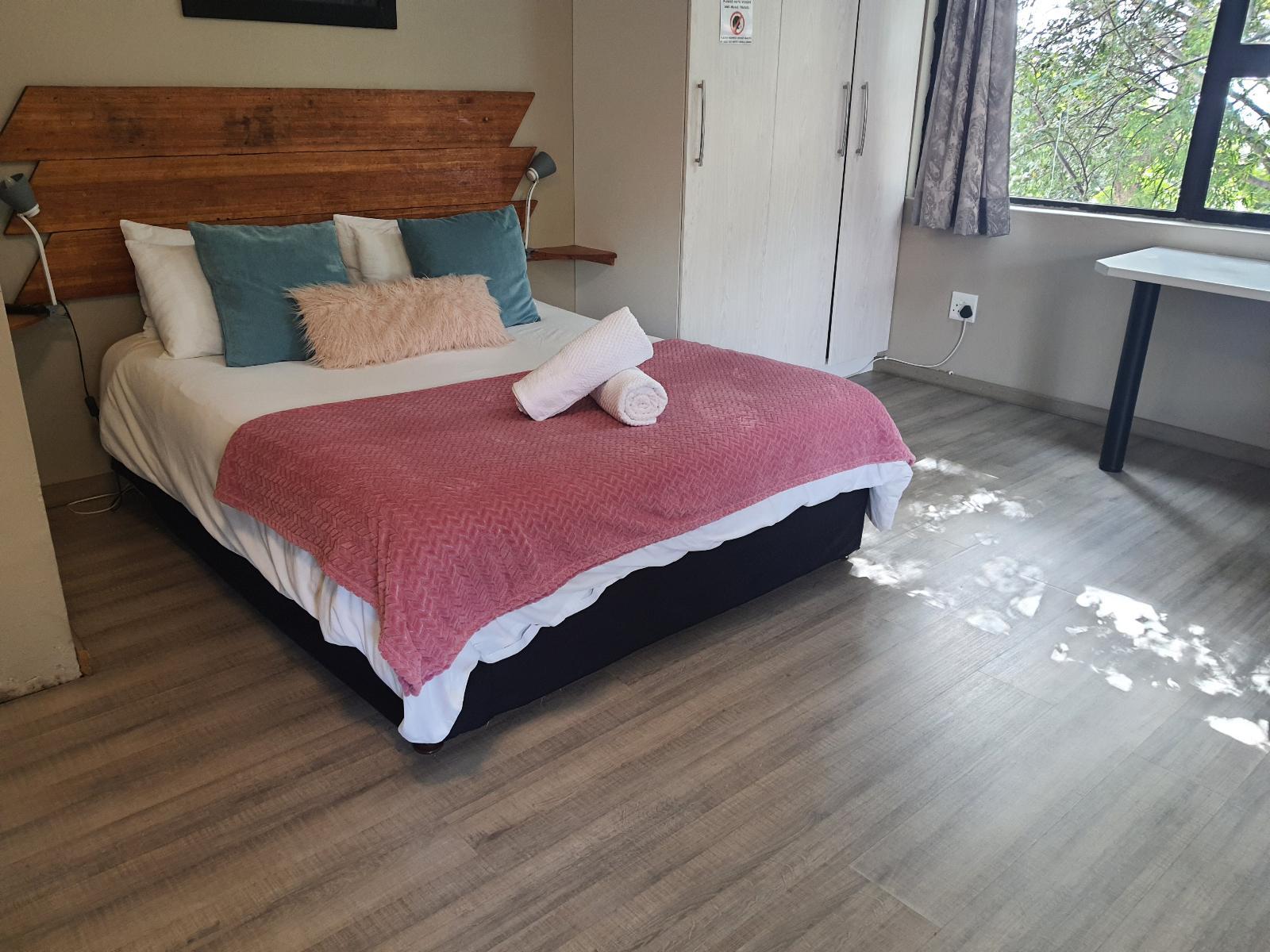
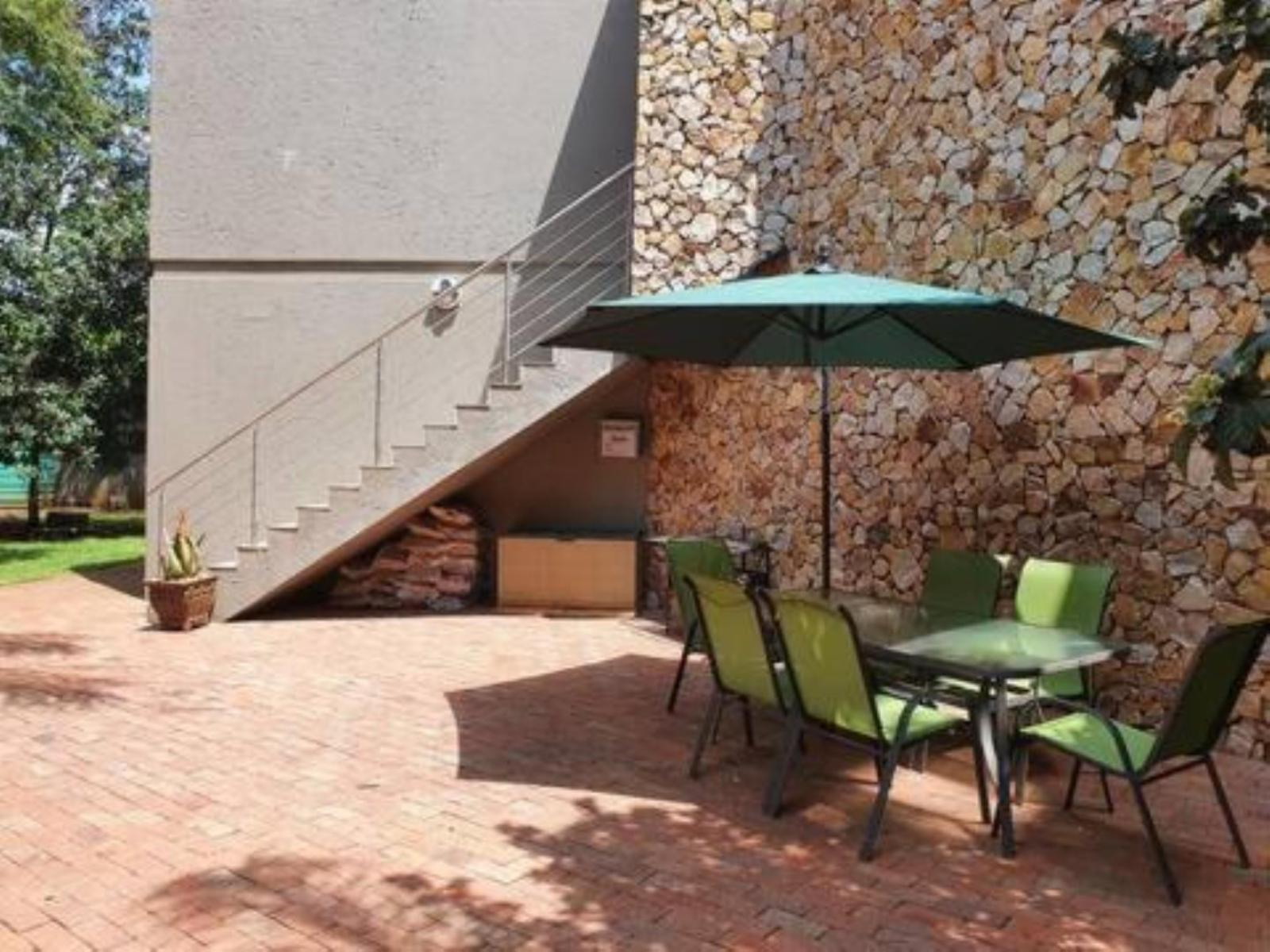
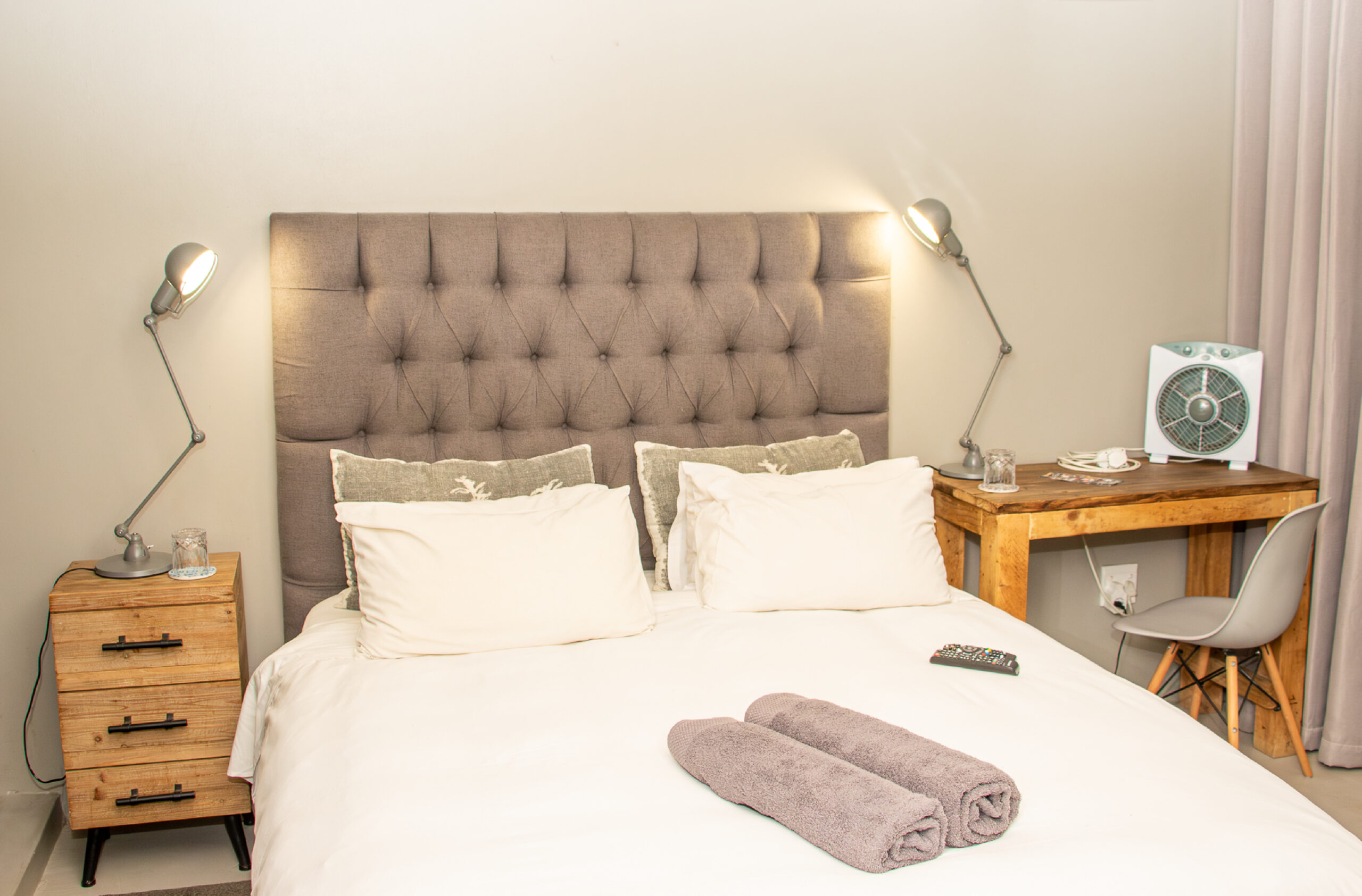
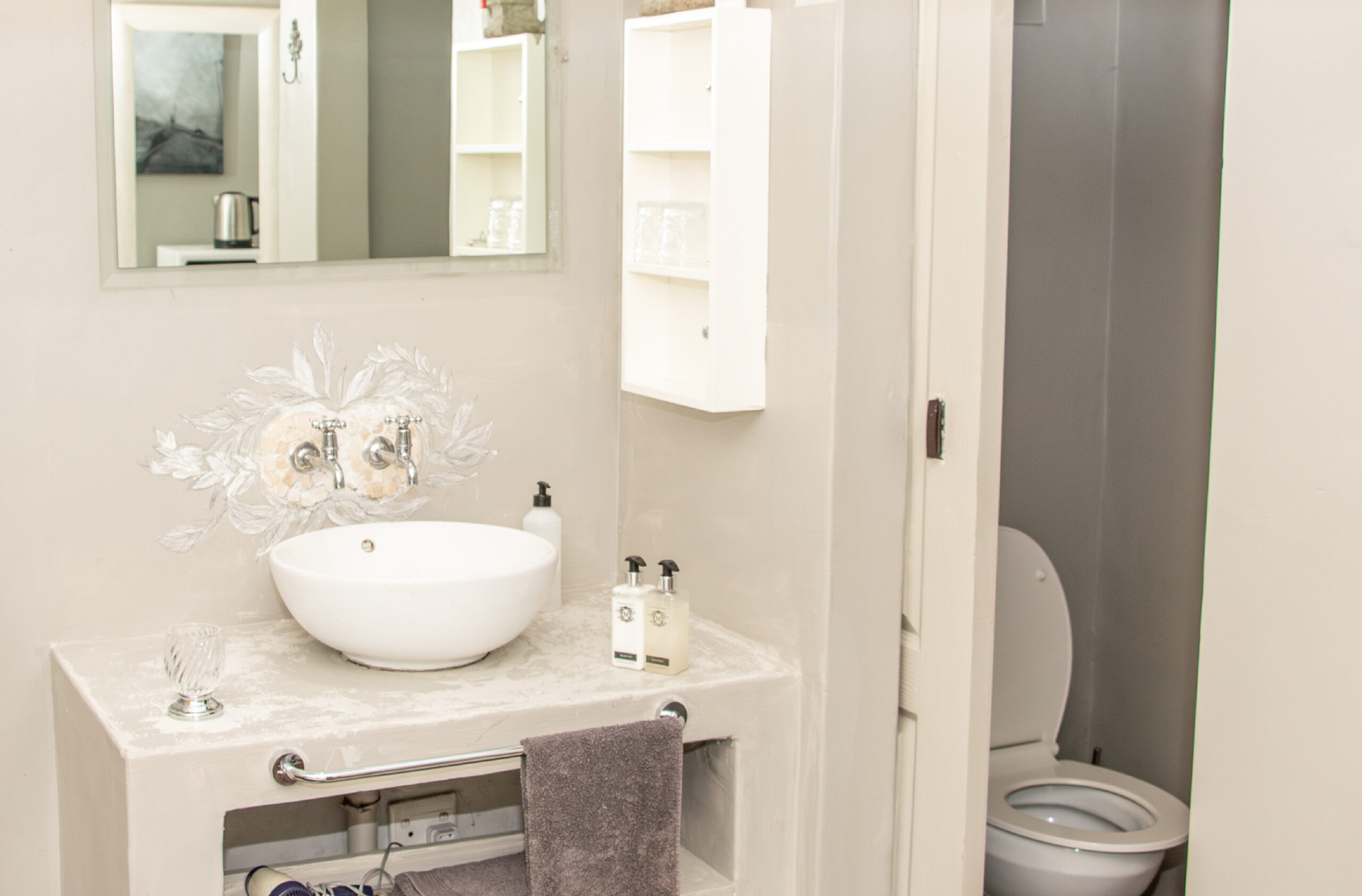
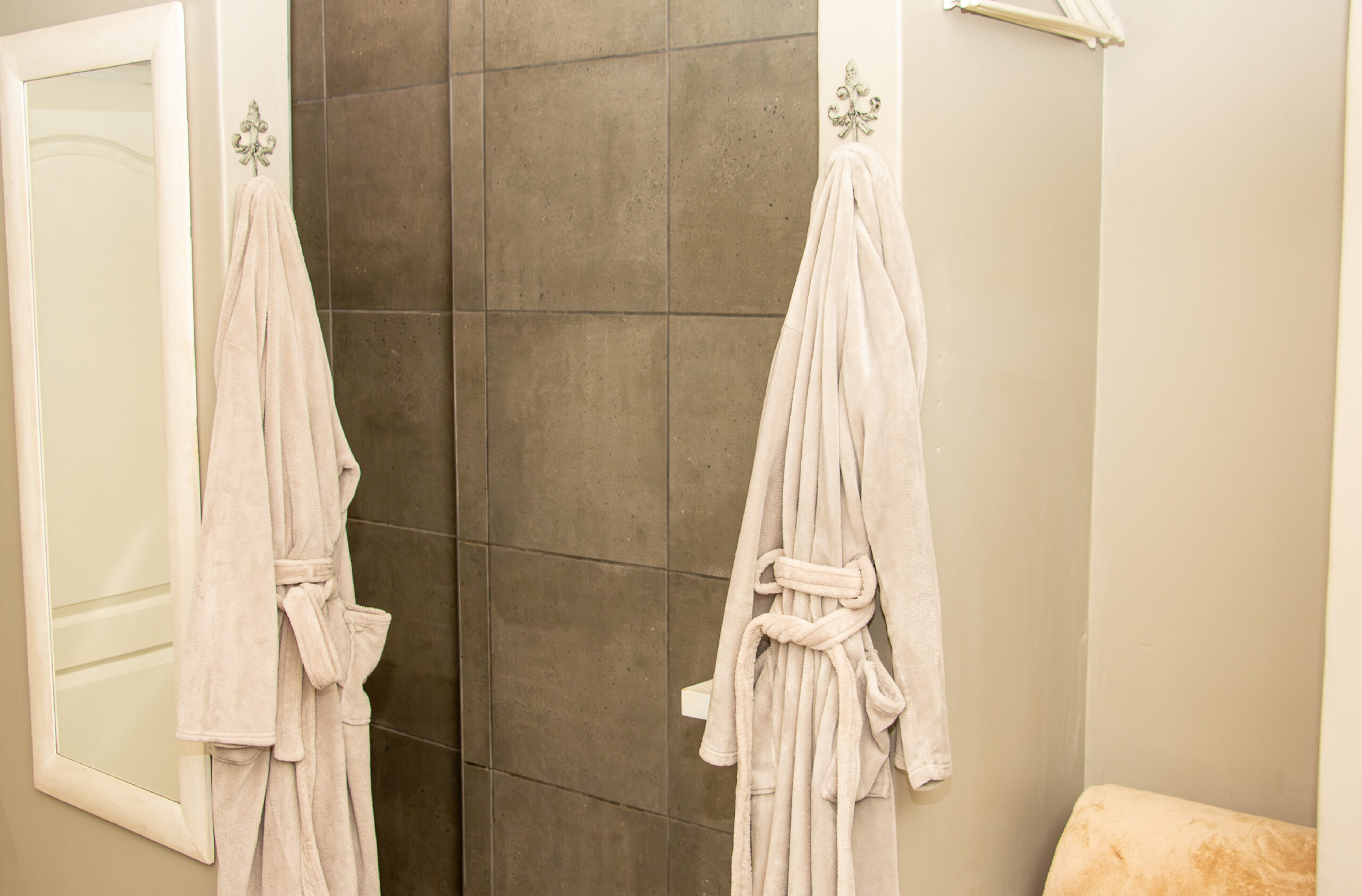
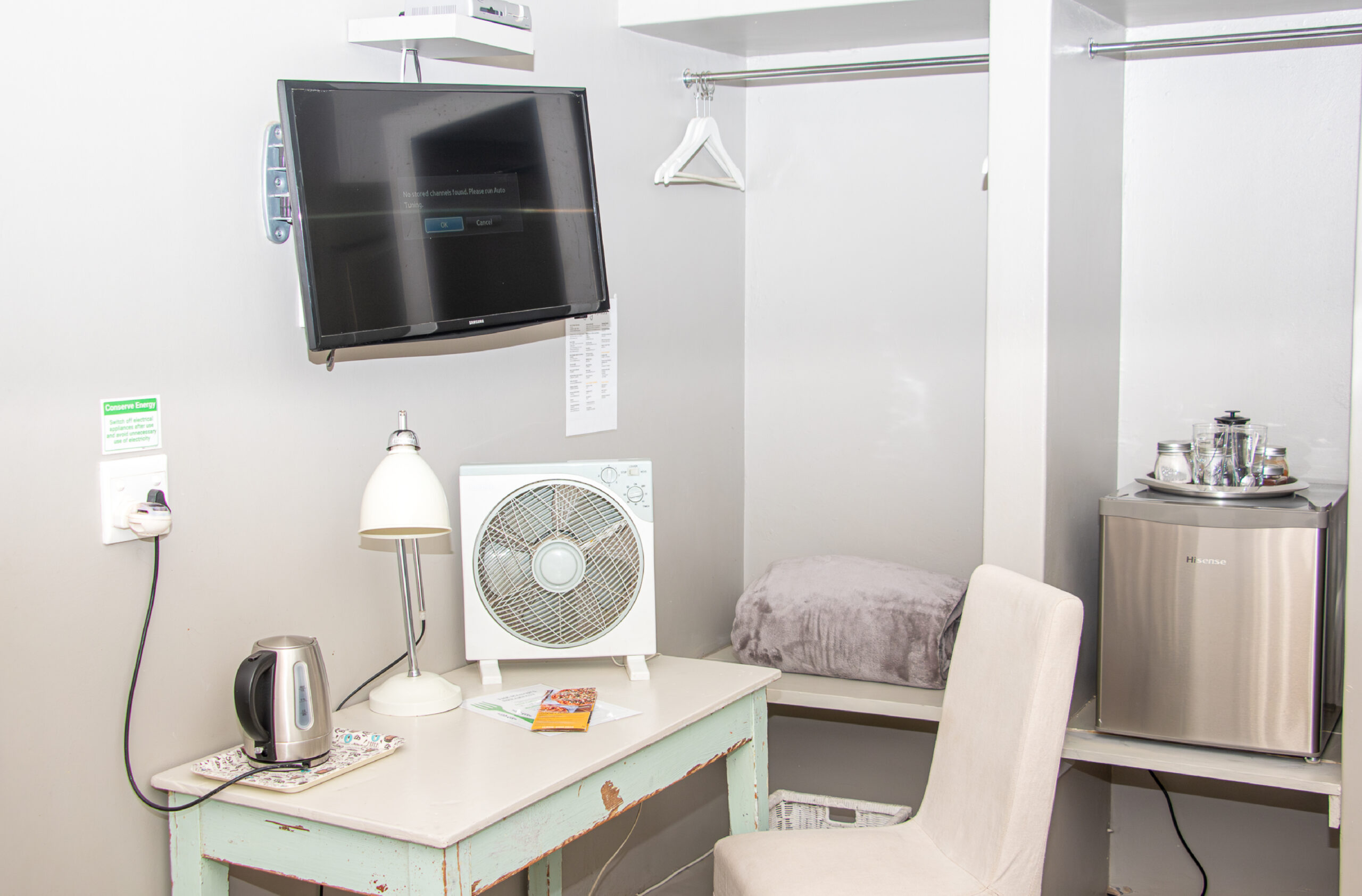
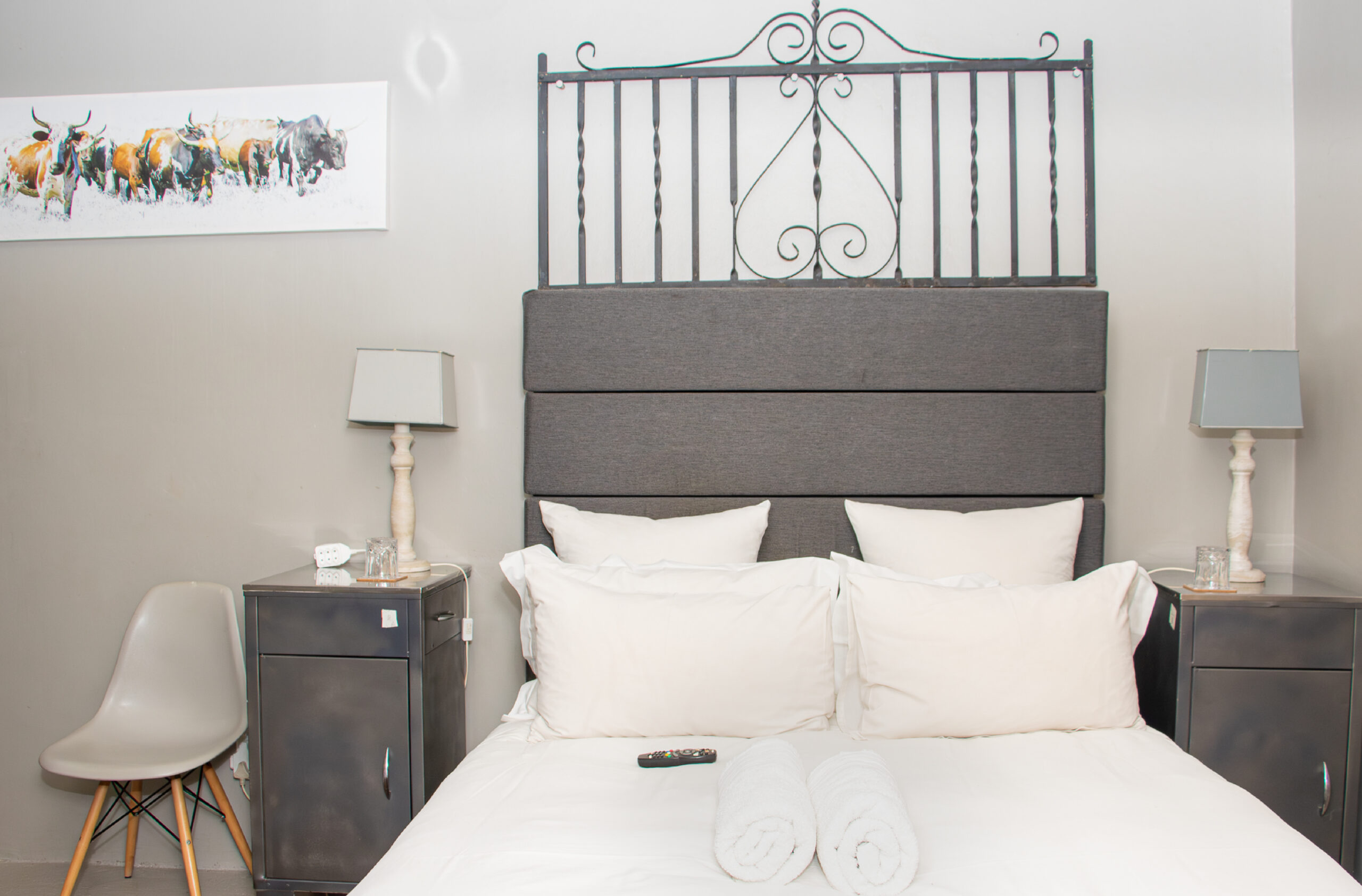
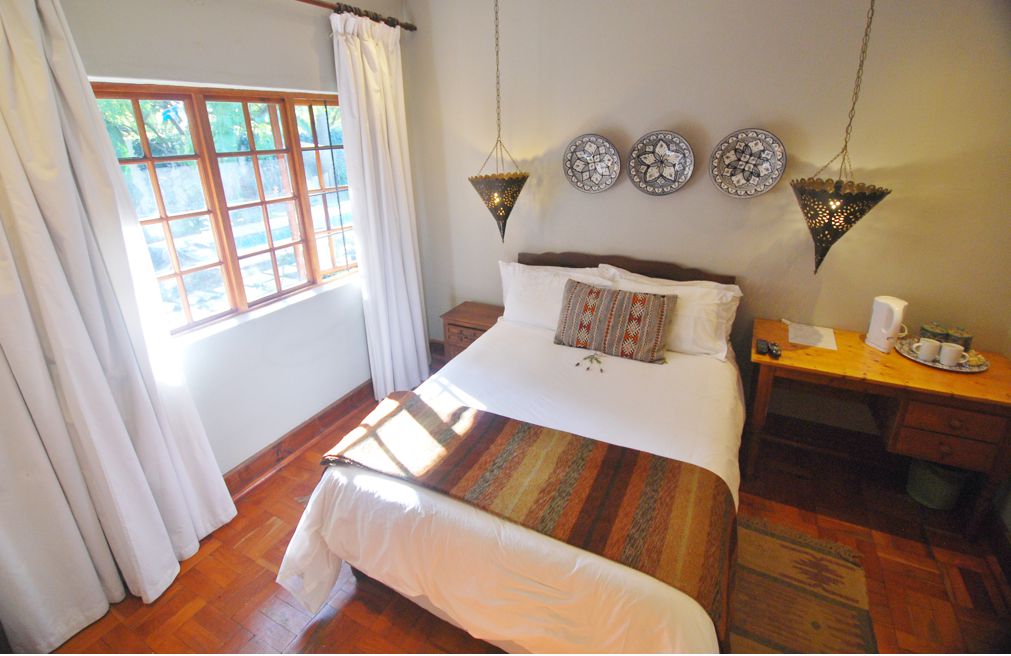
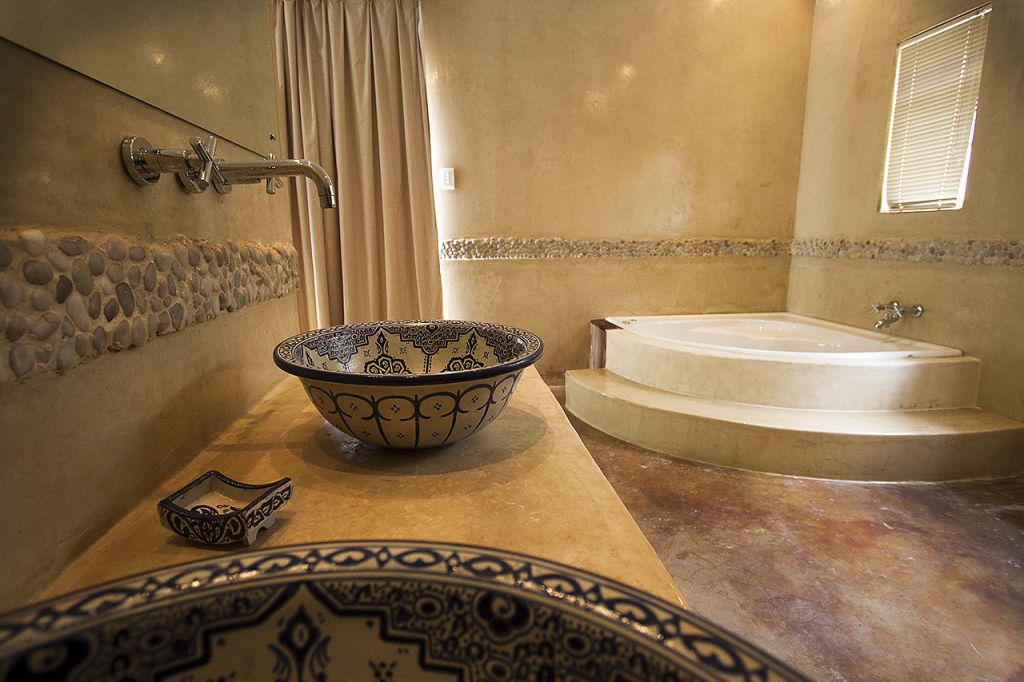
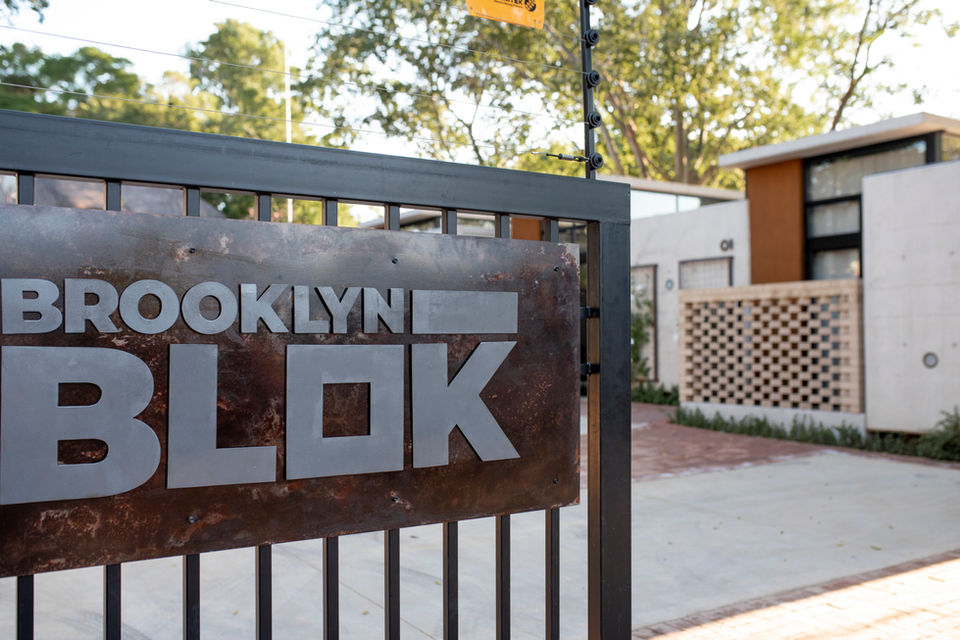
At the lower end, a backpacker hostel and a campsite bring costs well down for travellers who prioritise flexibility over comfort. Bed and breakfast options add more privacy, with en-suite rooms and morning meals at rates that sit below the city average. These suit visitors who spend most of their day out and need a clean, straightforward base to return to.
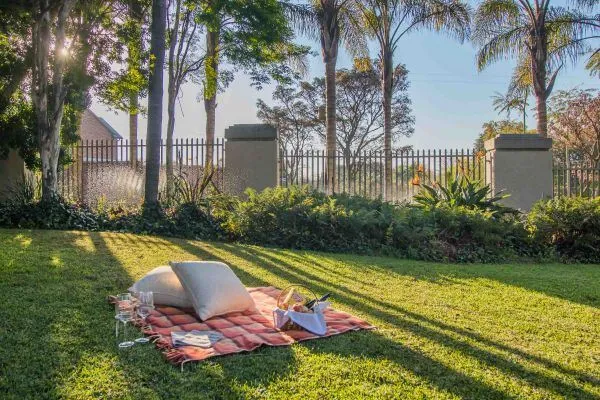
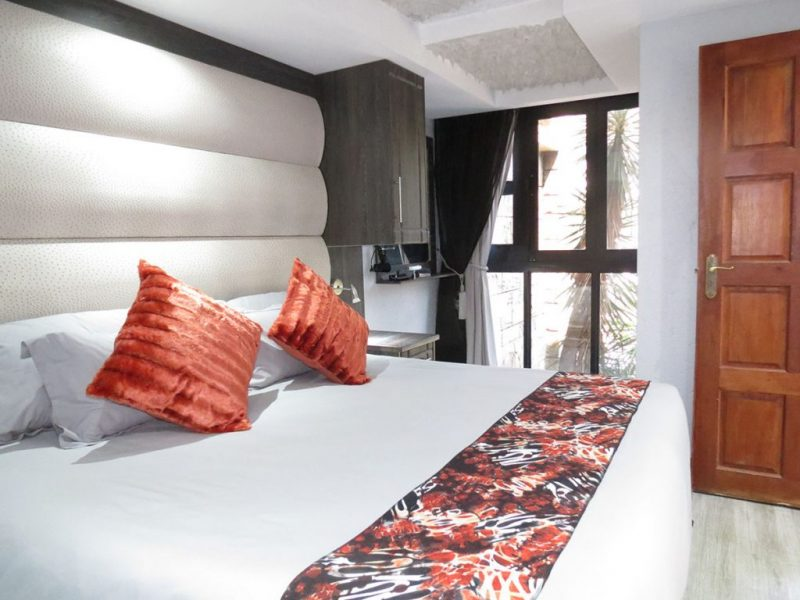
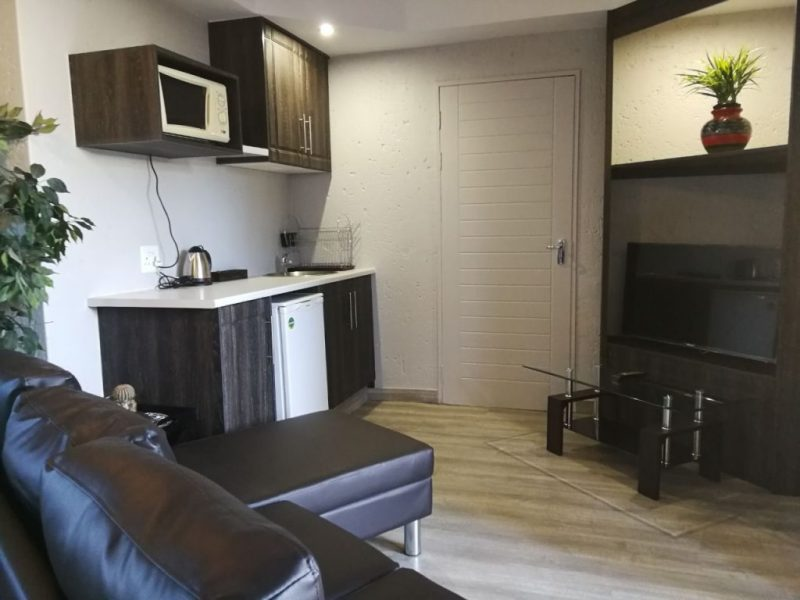
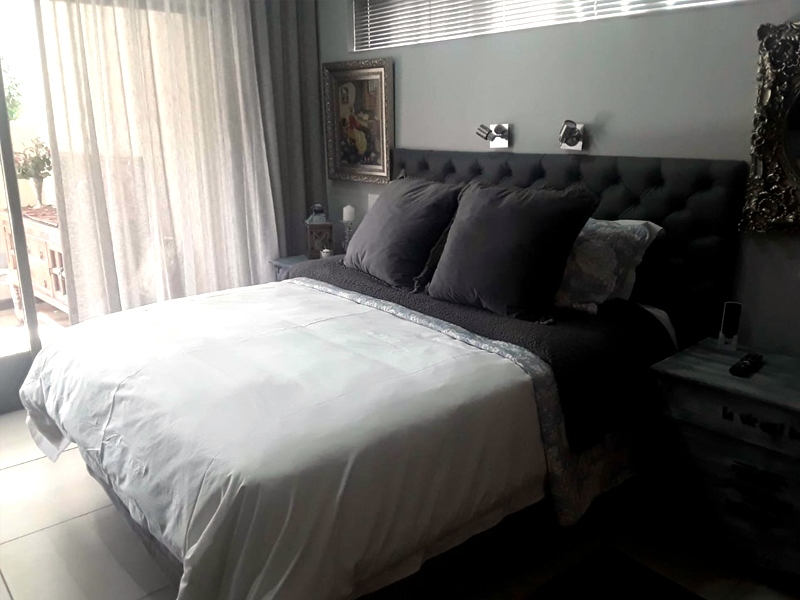
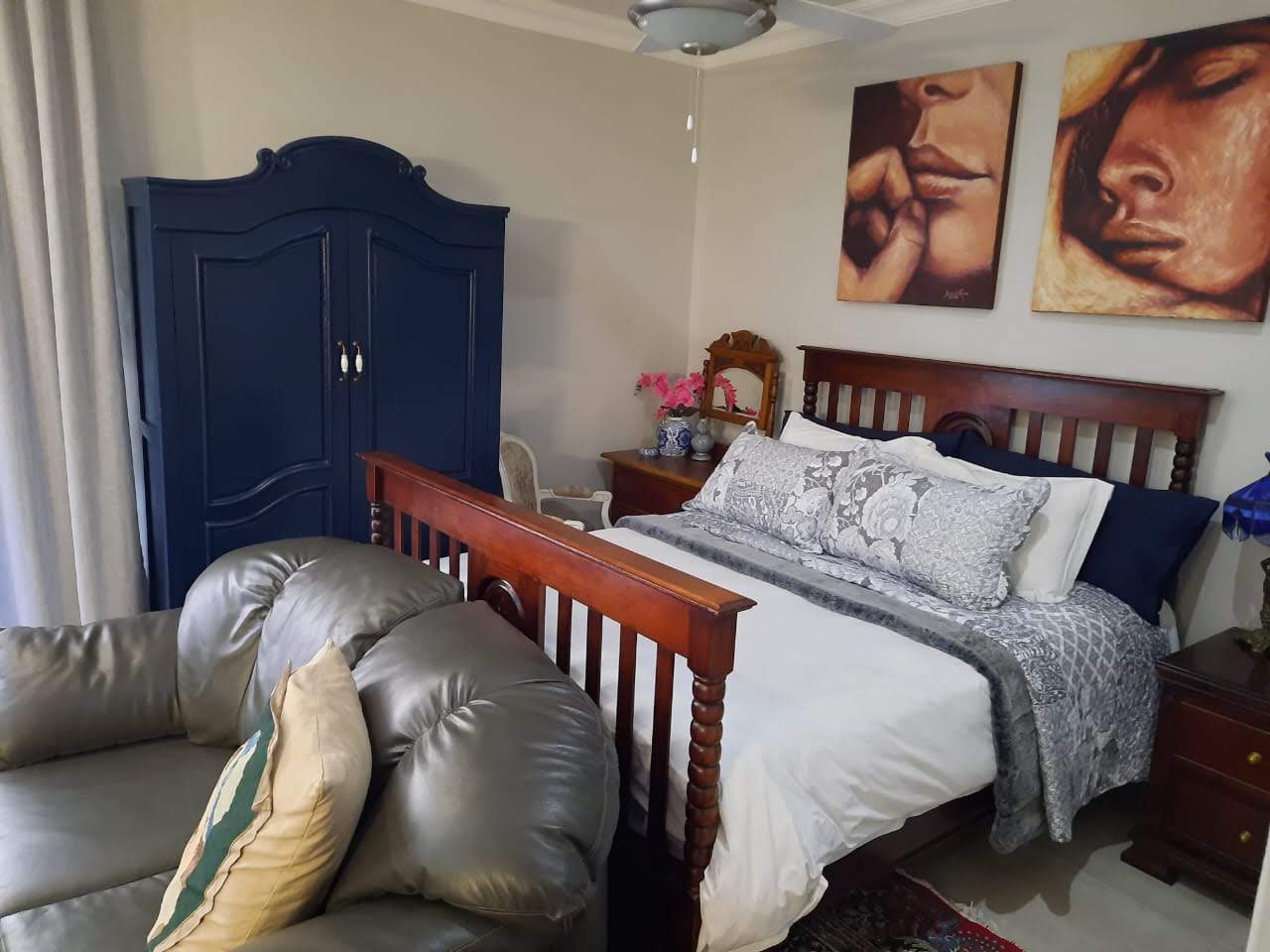
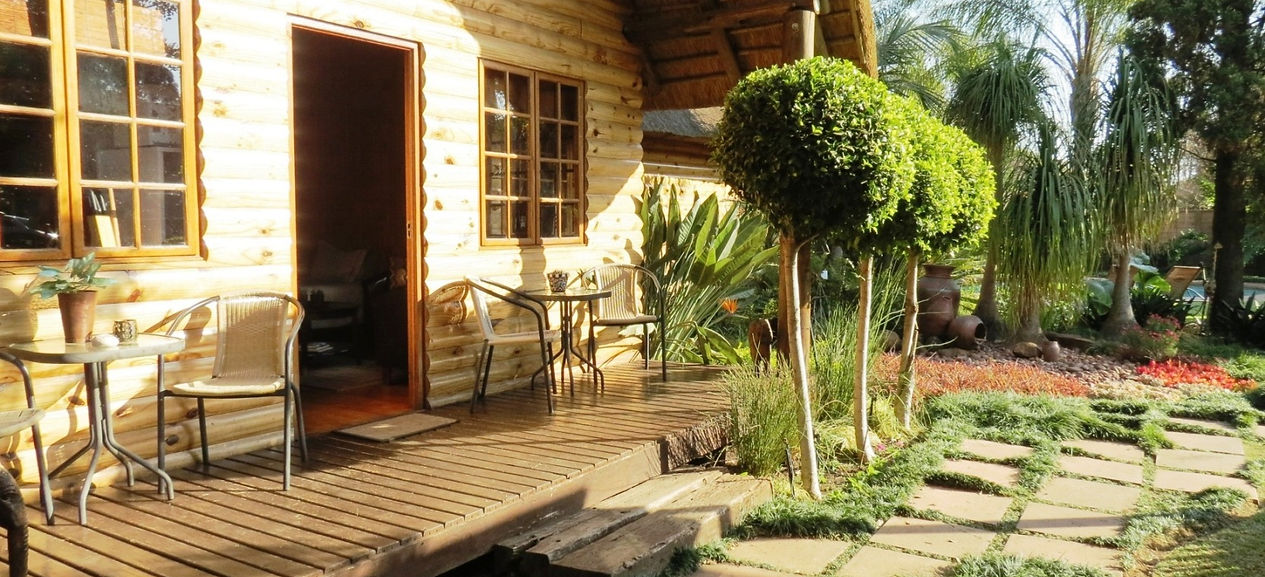
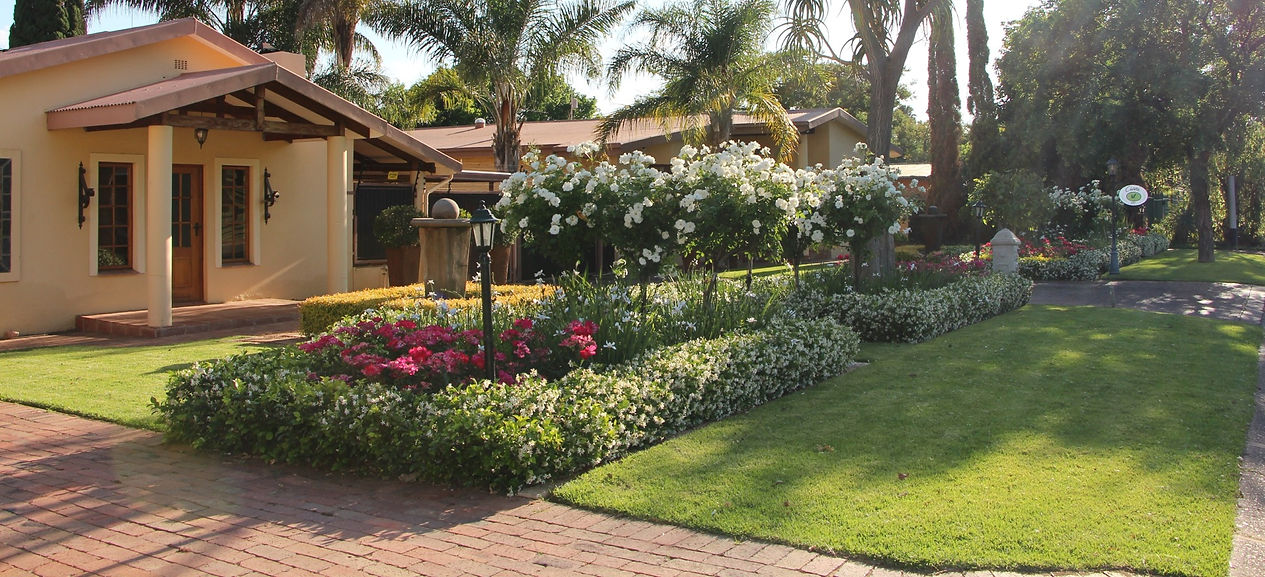
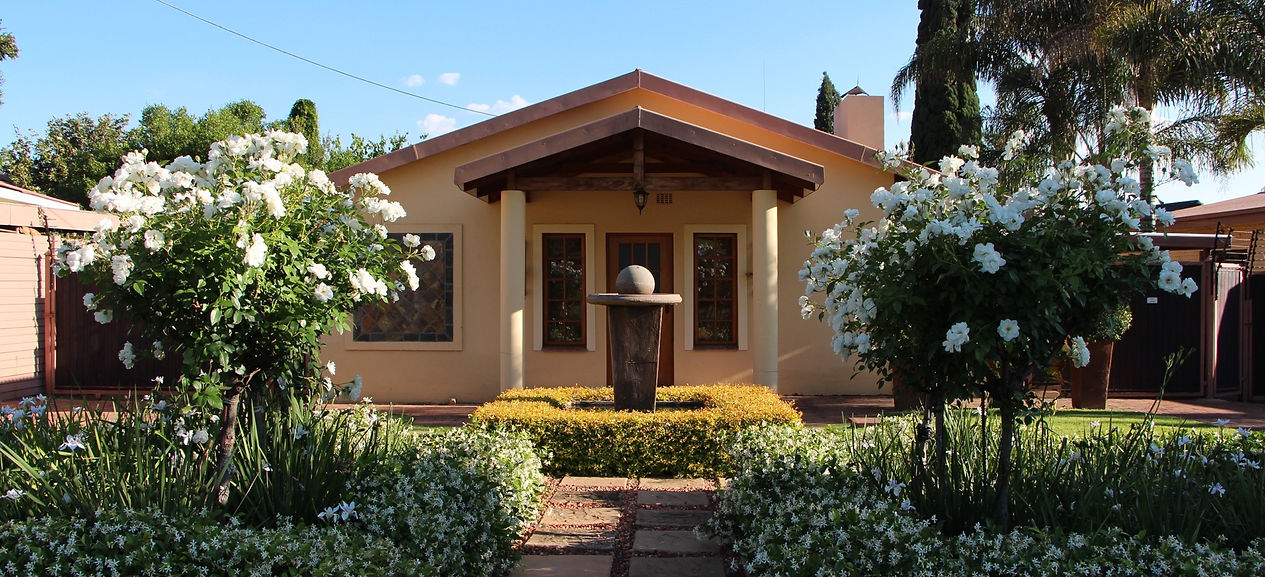
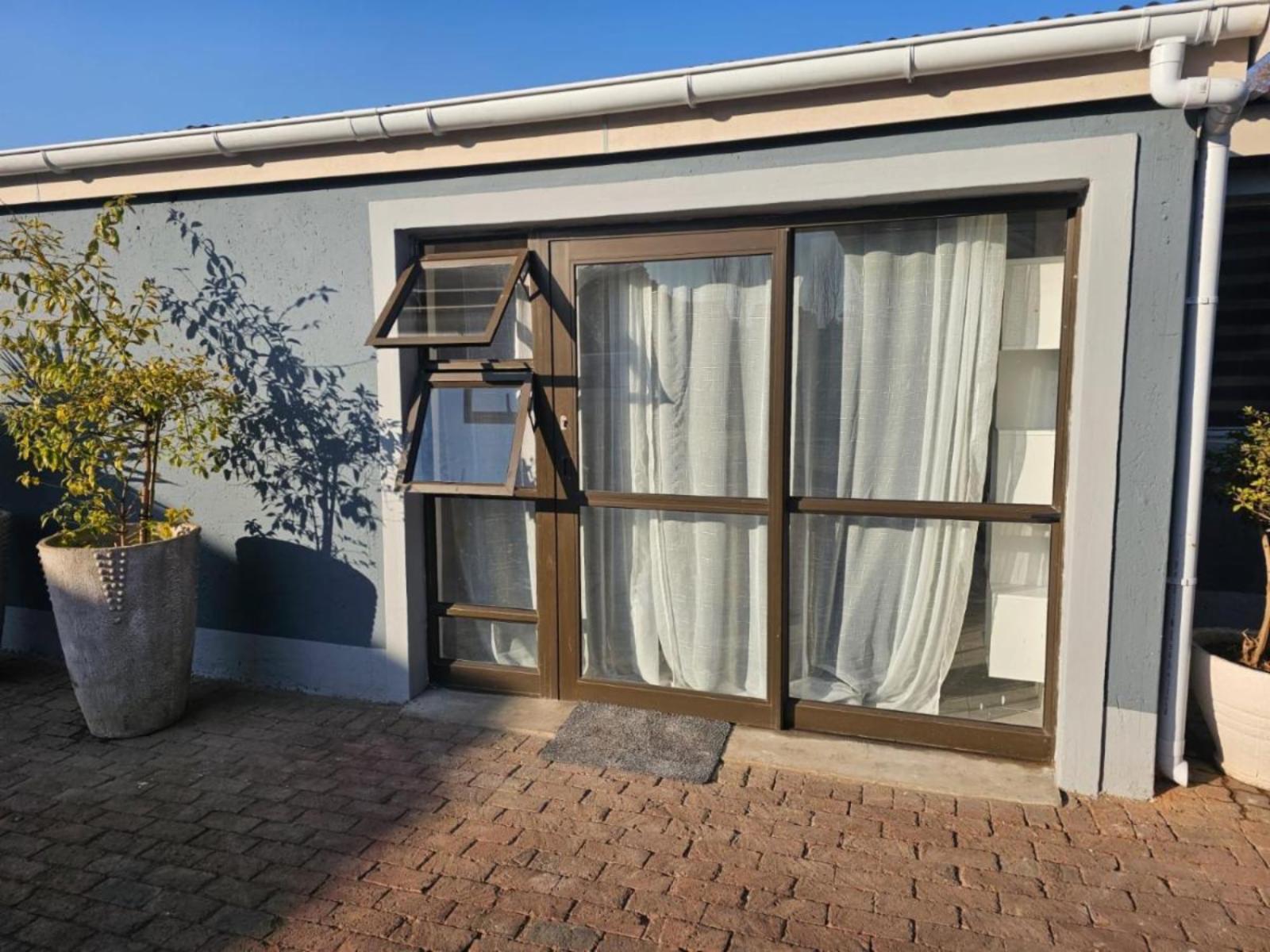
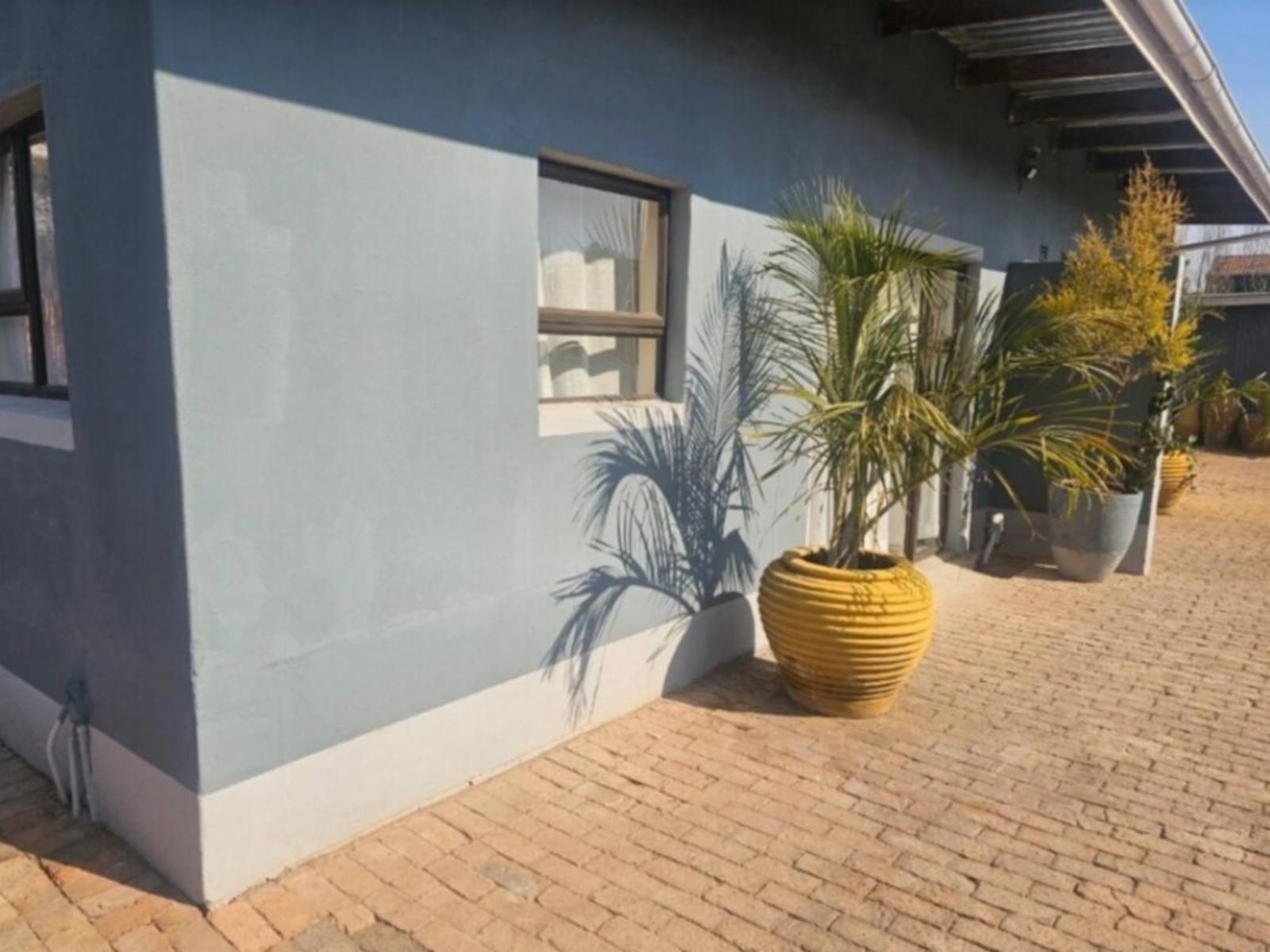
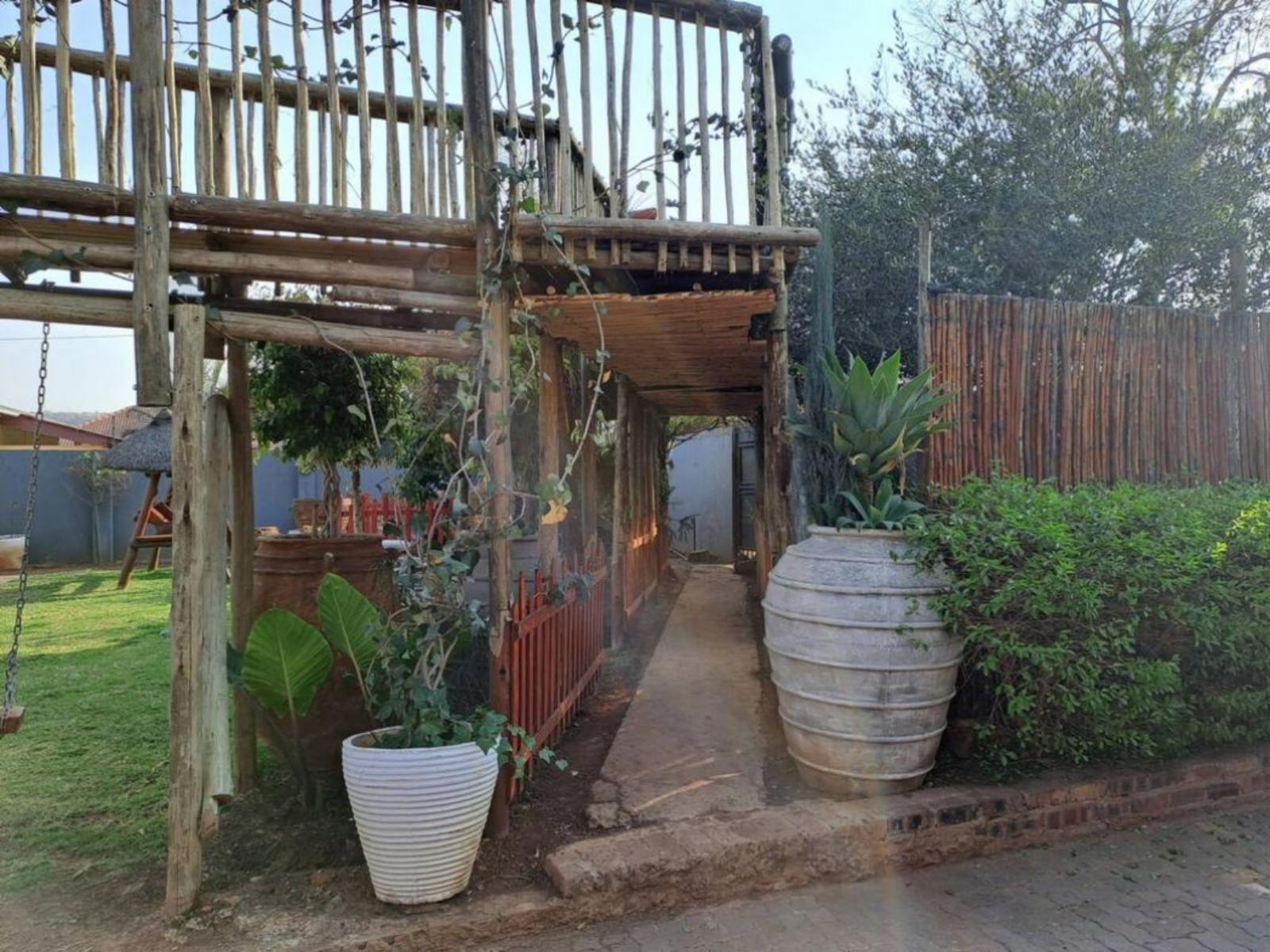
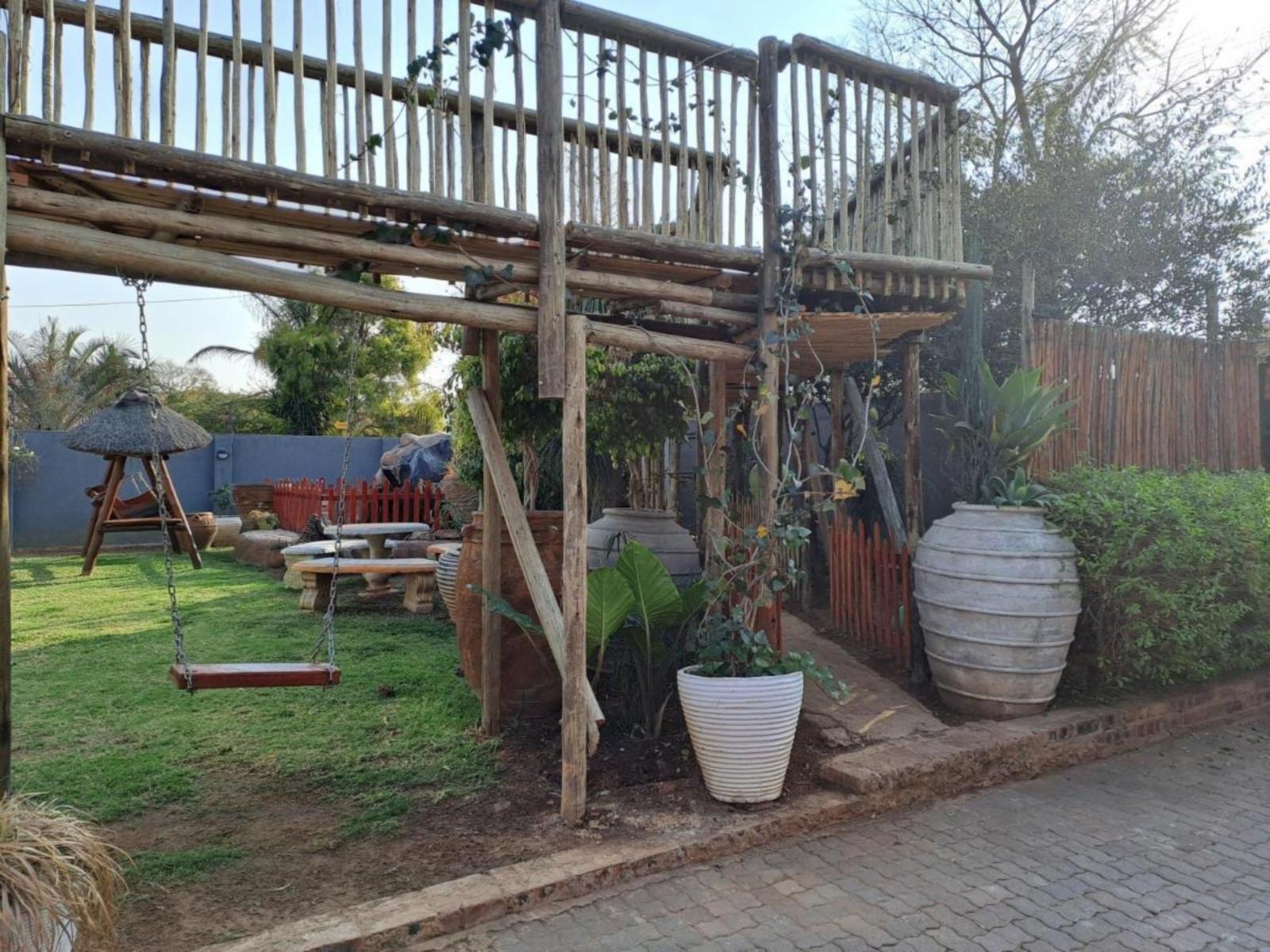
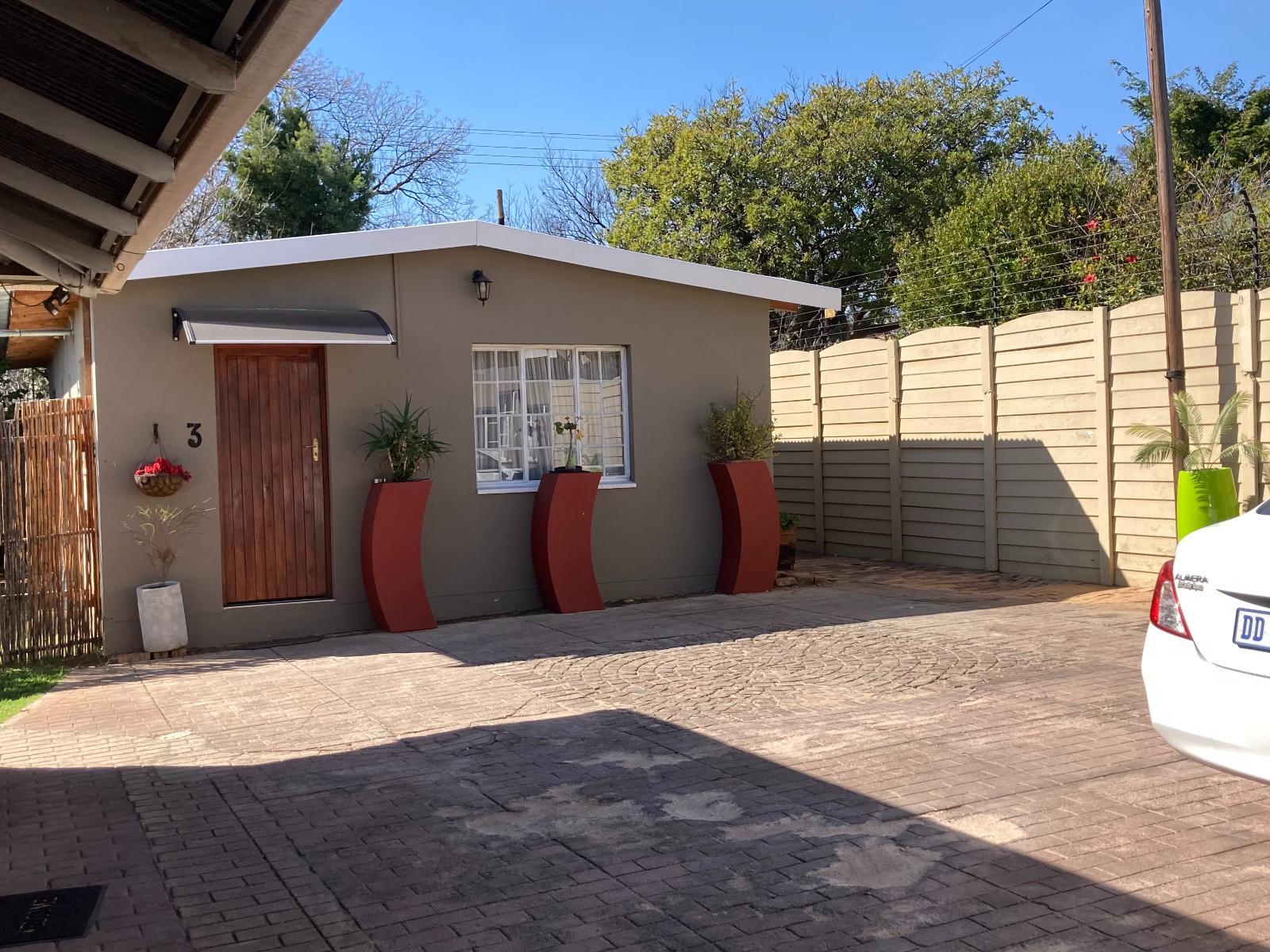
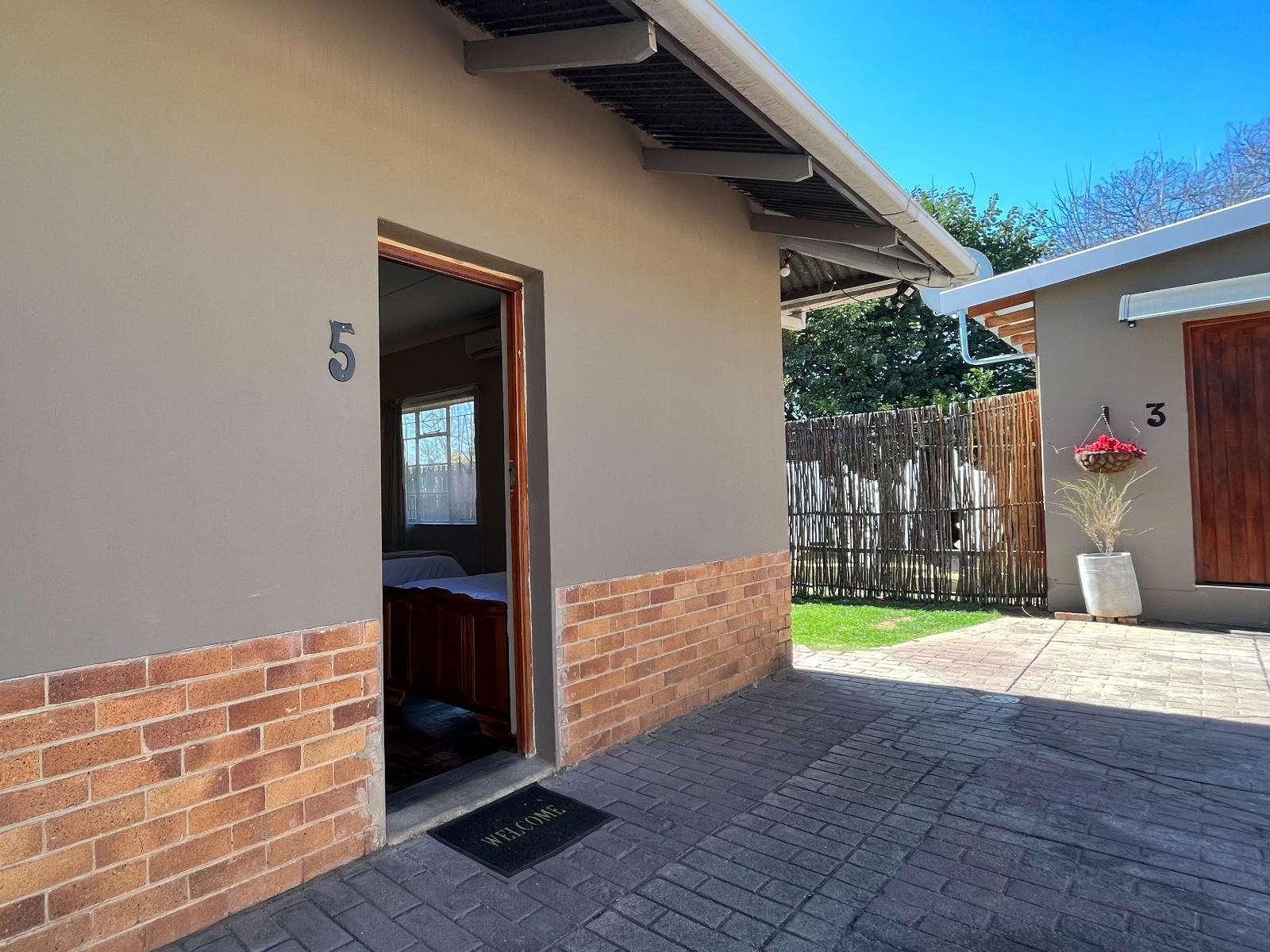
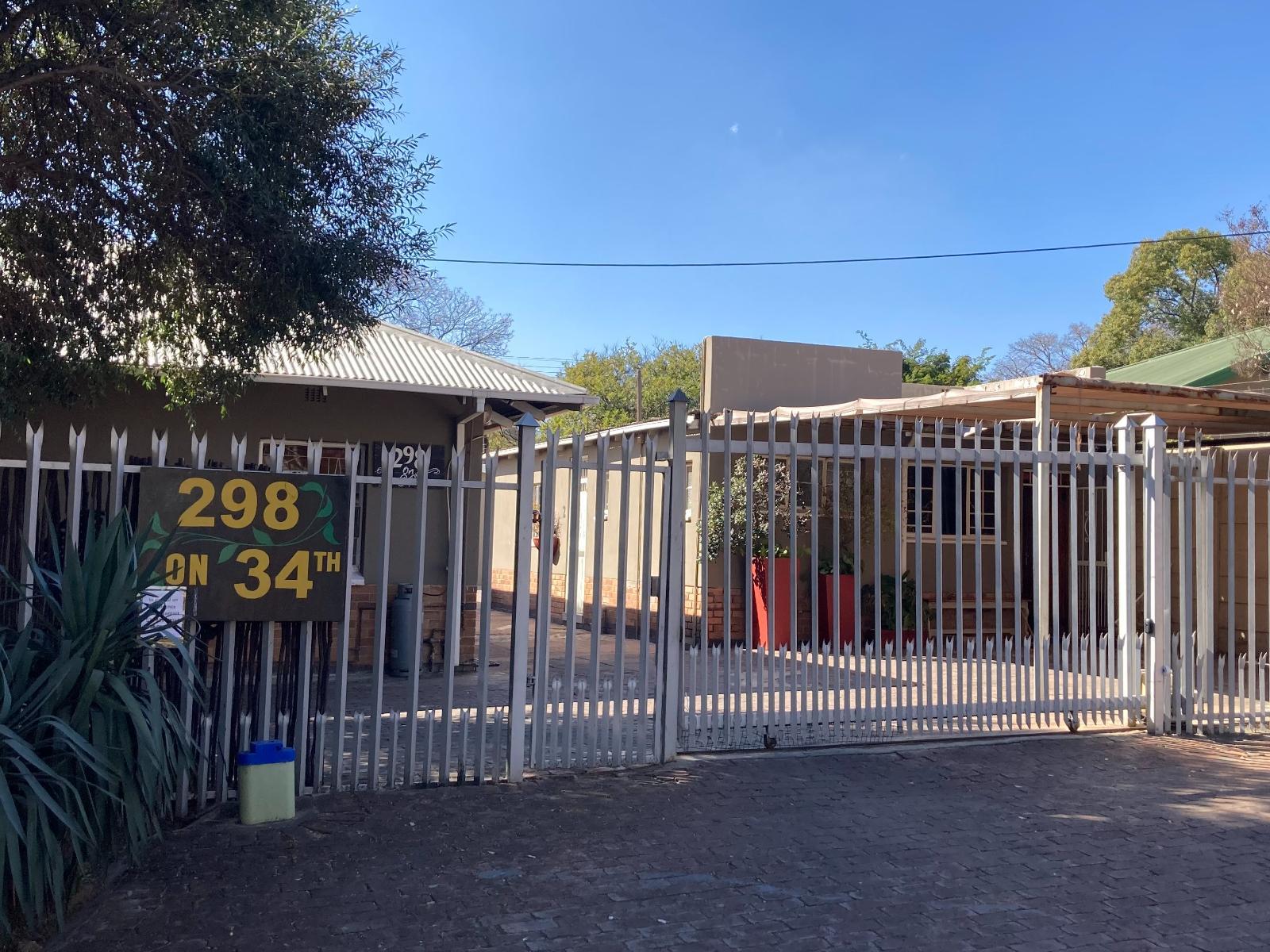
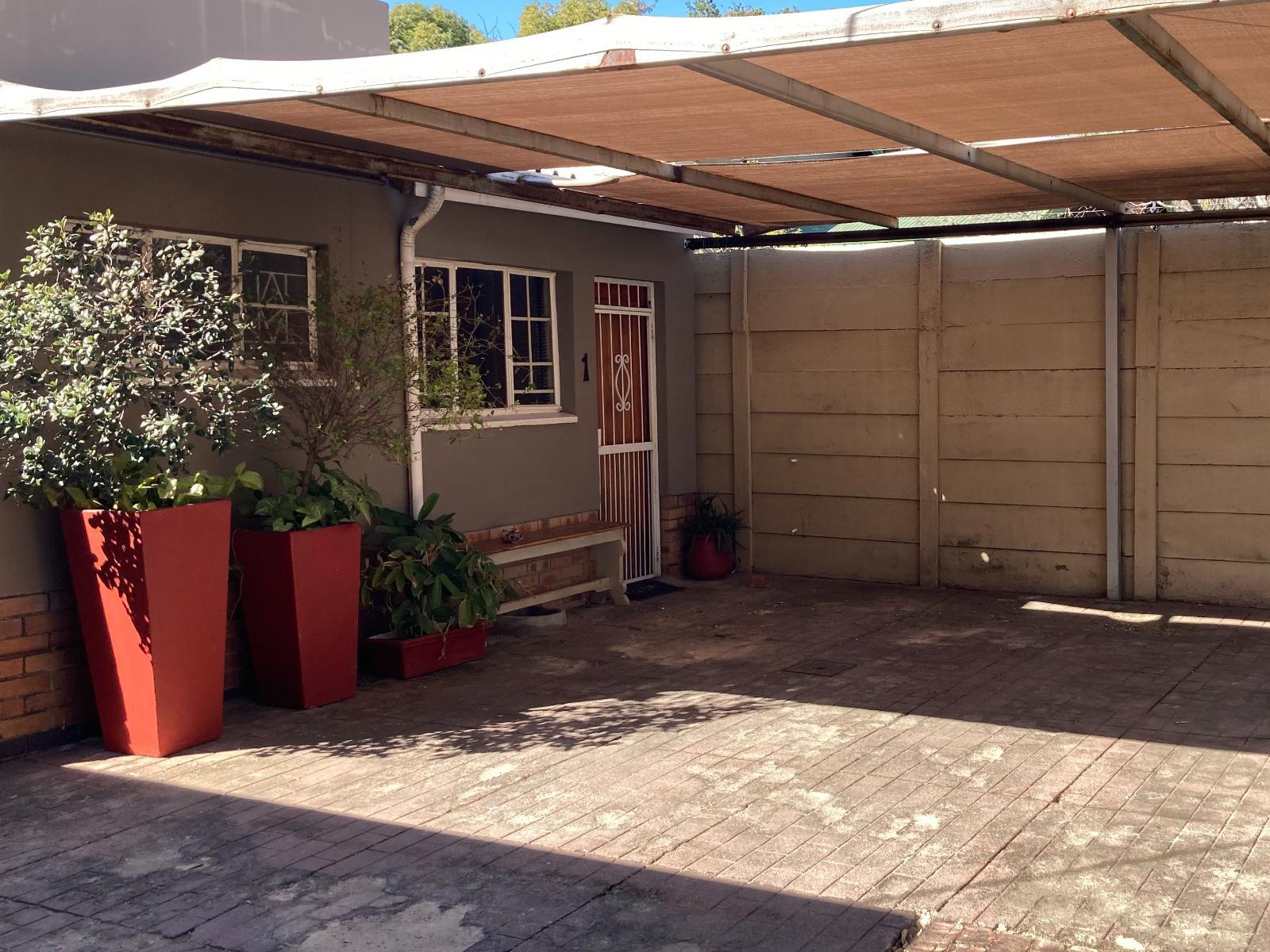
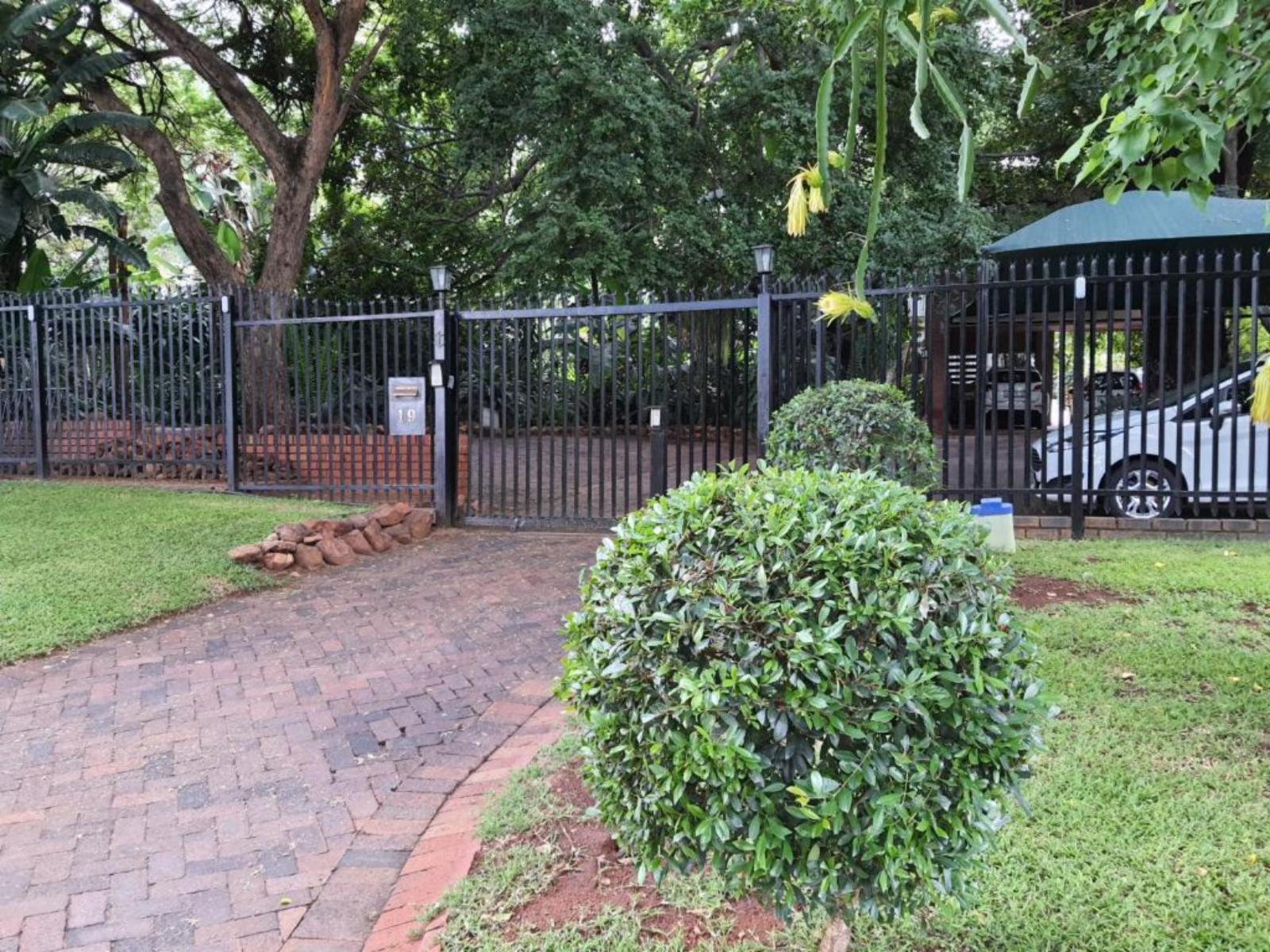
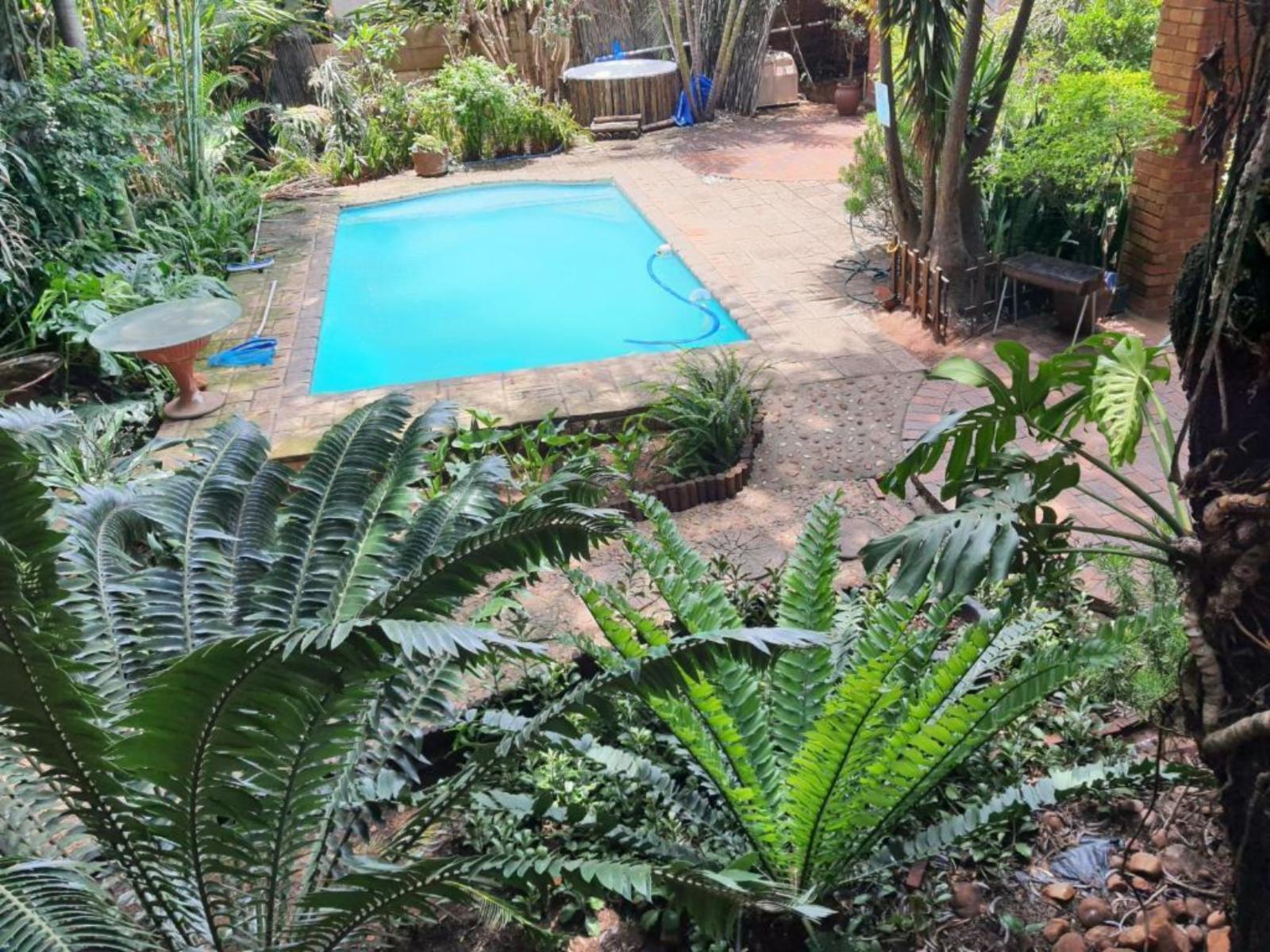
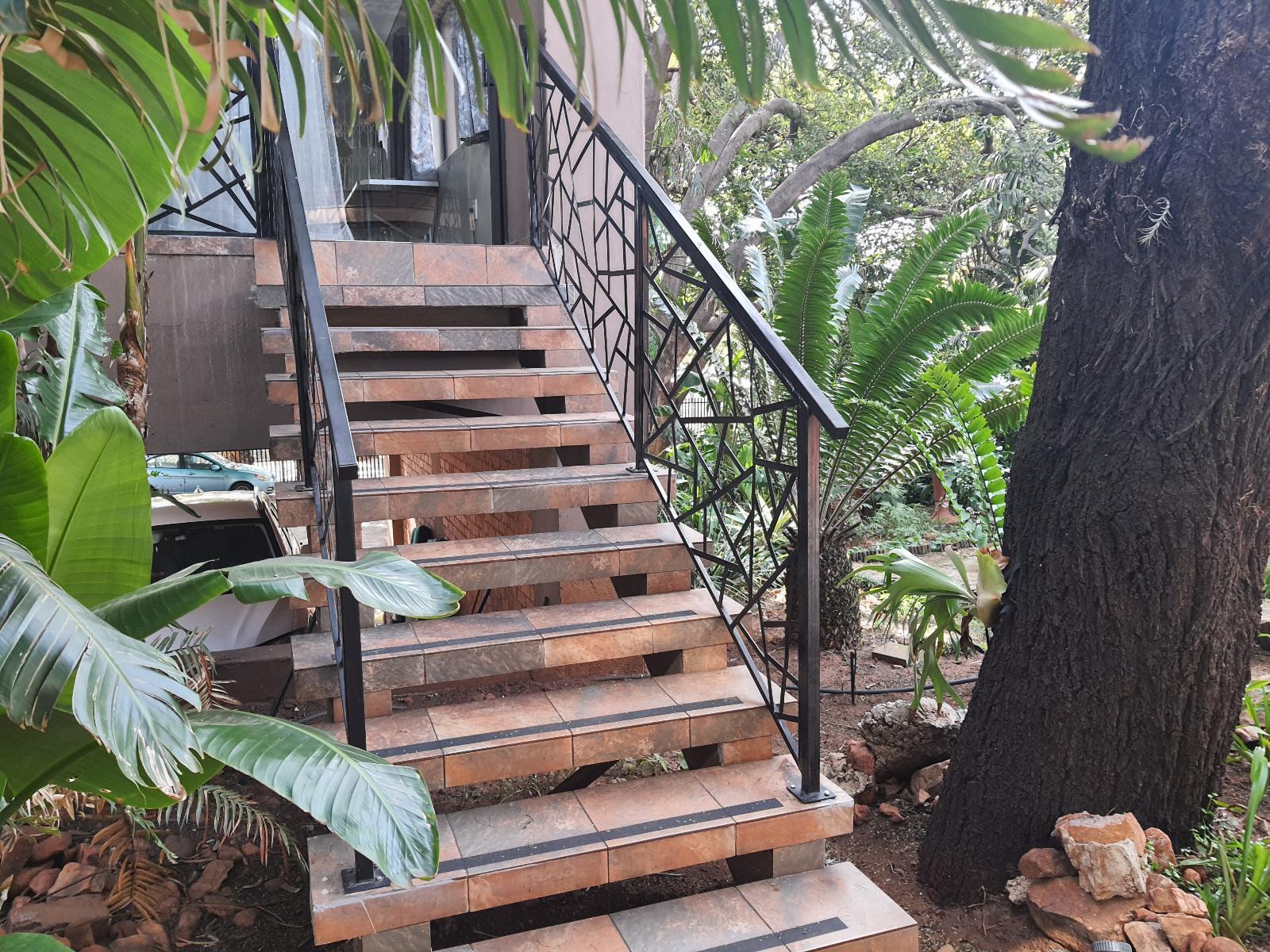
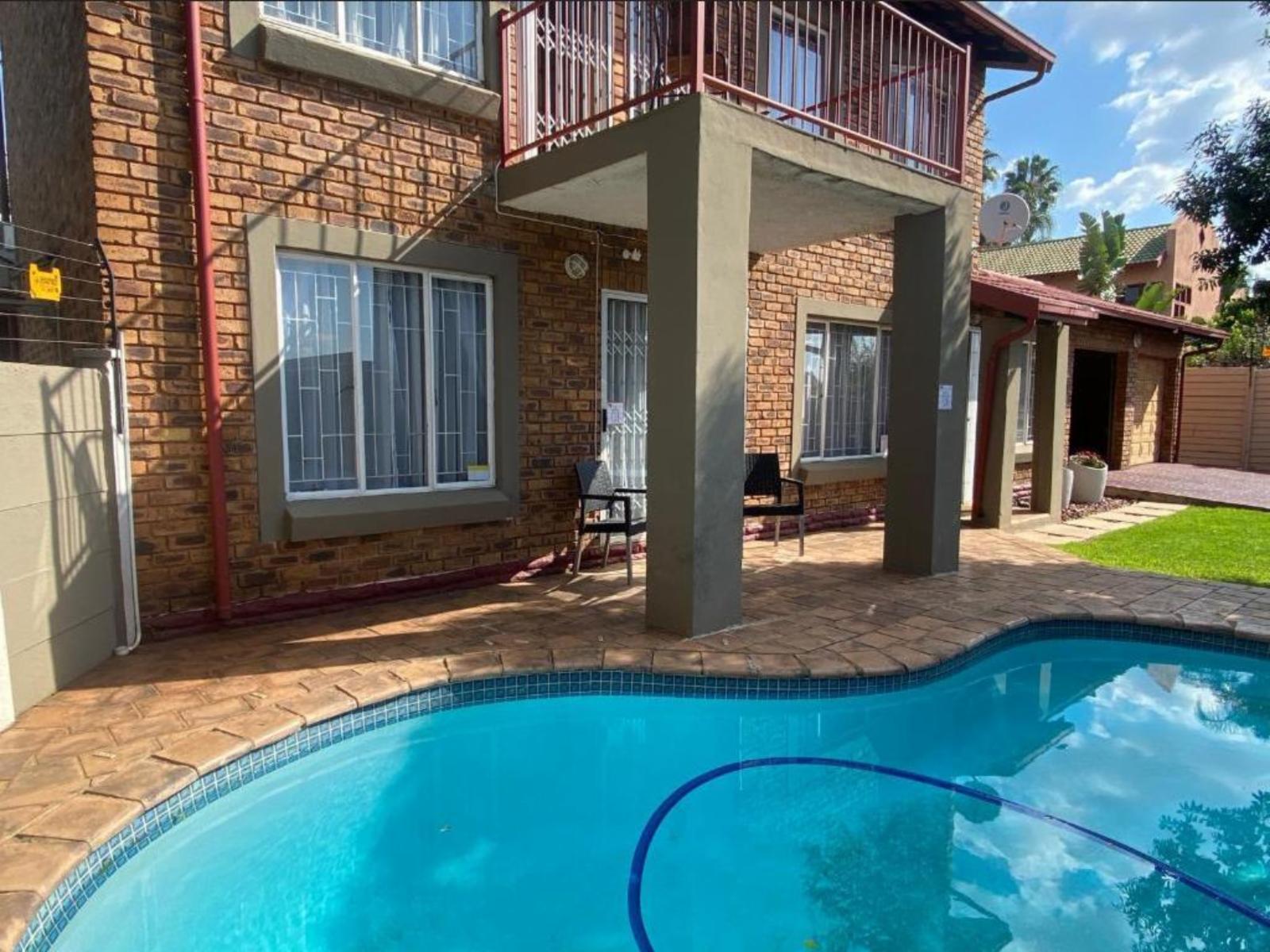
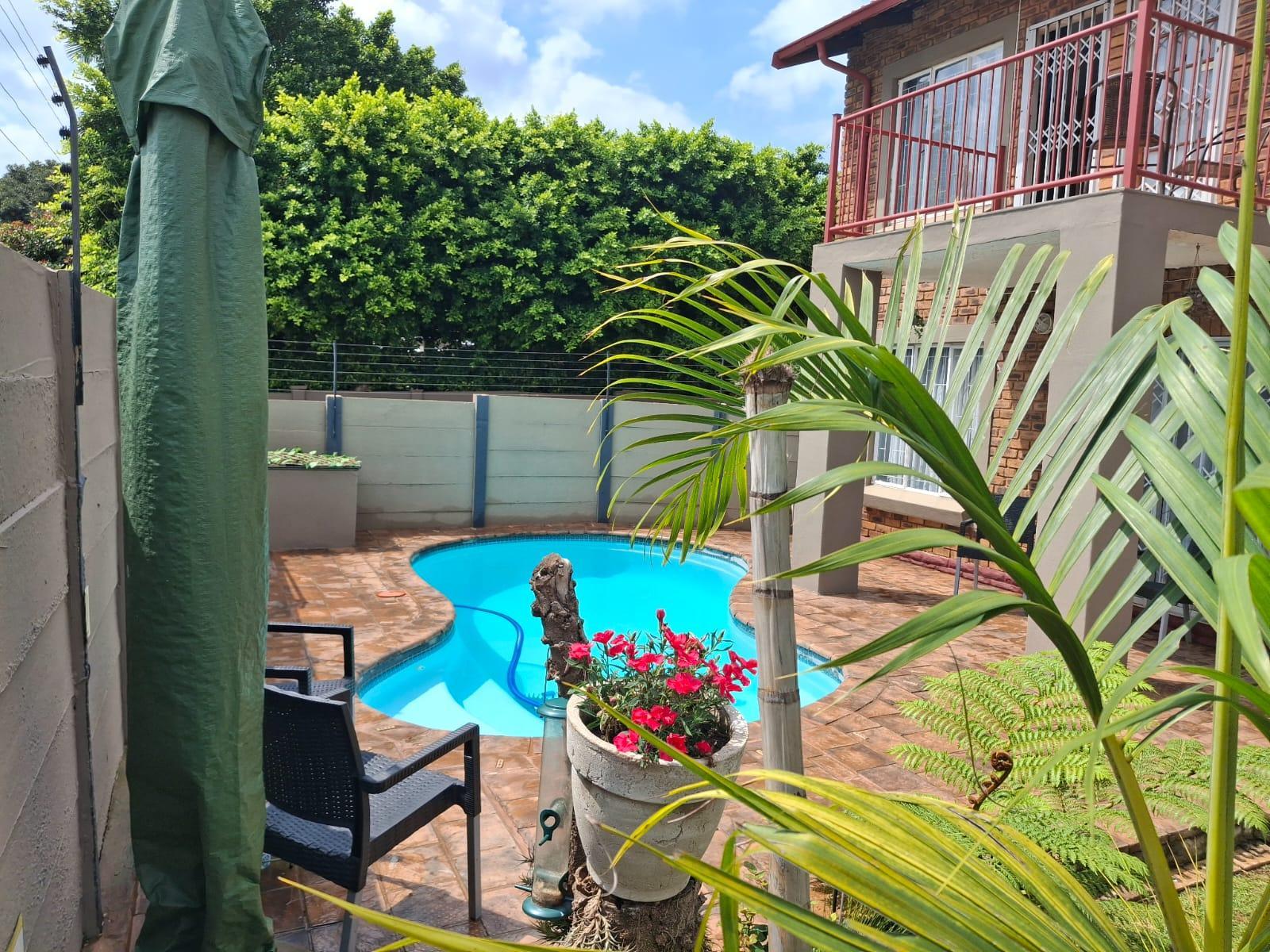
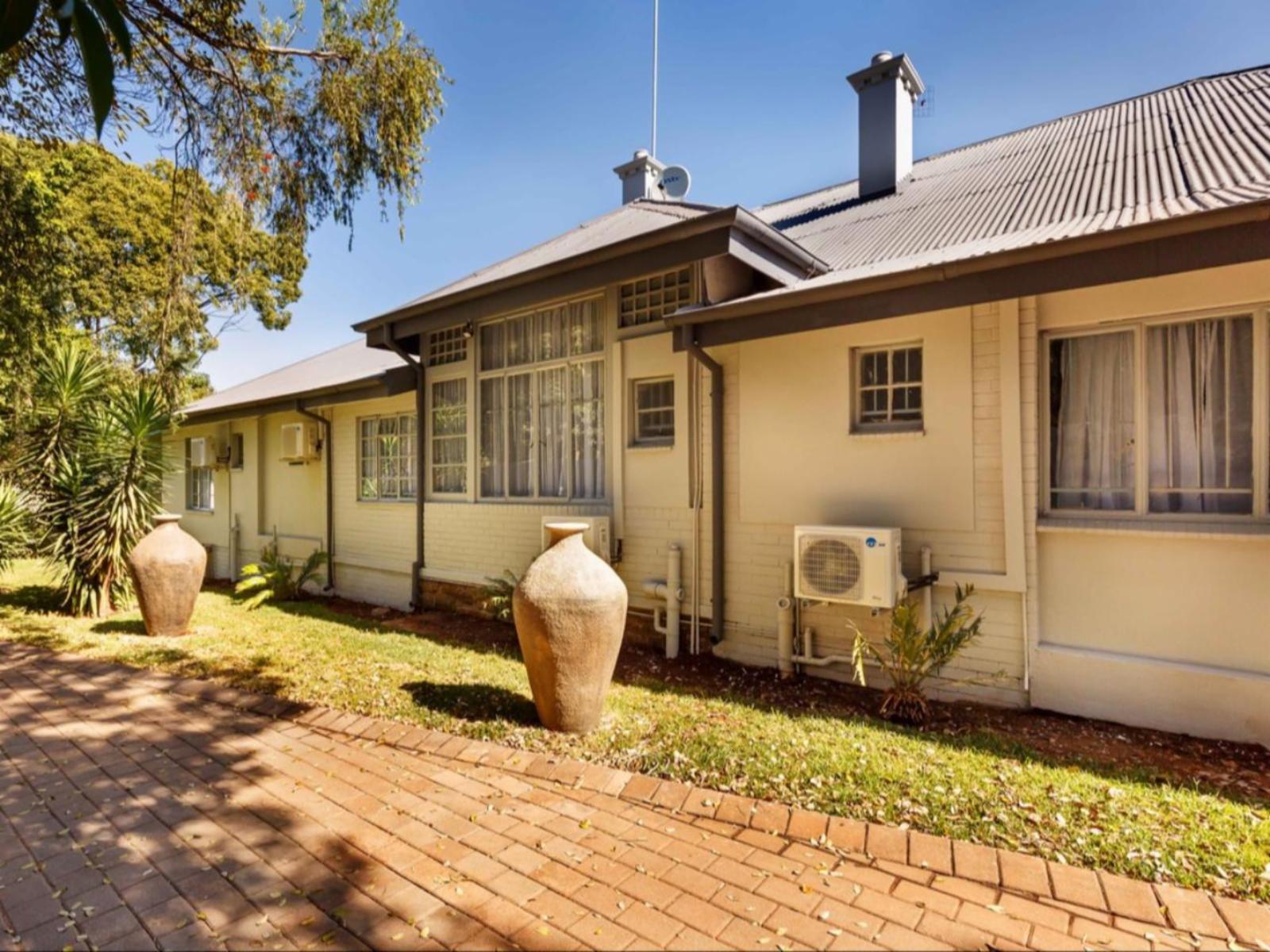
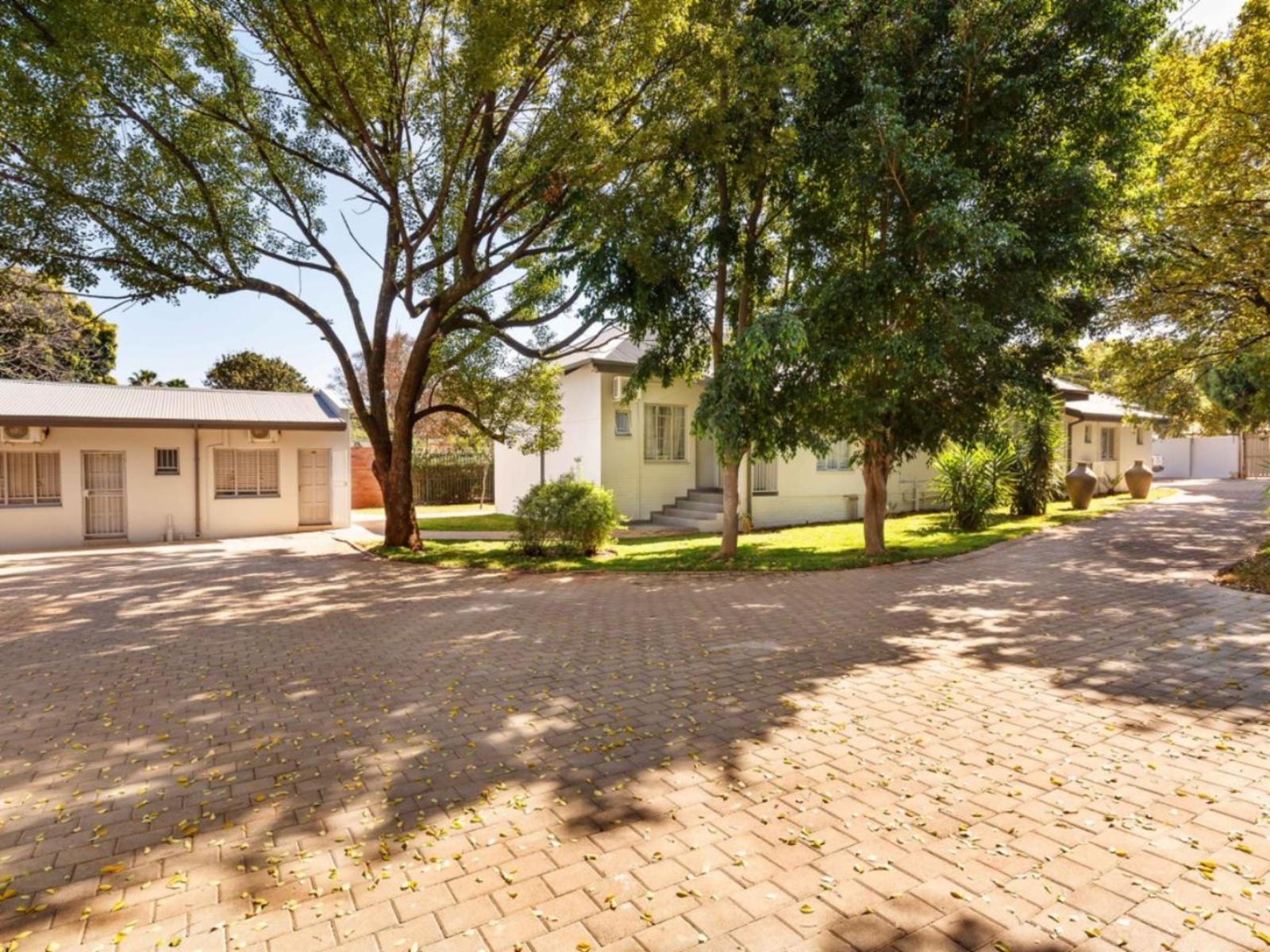
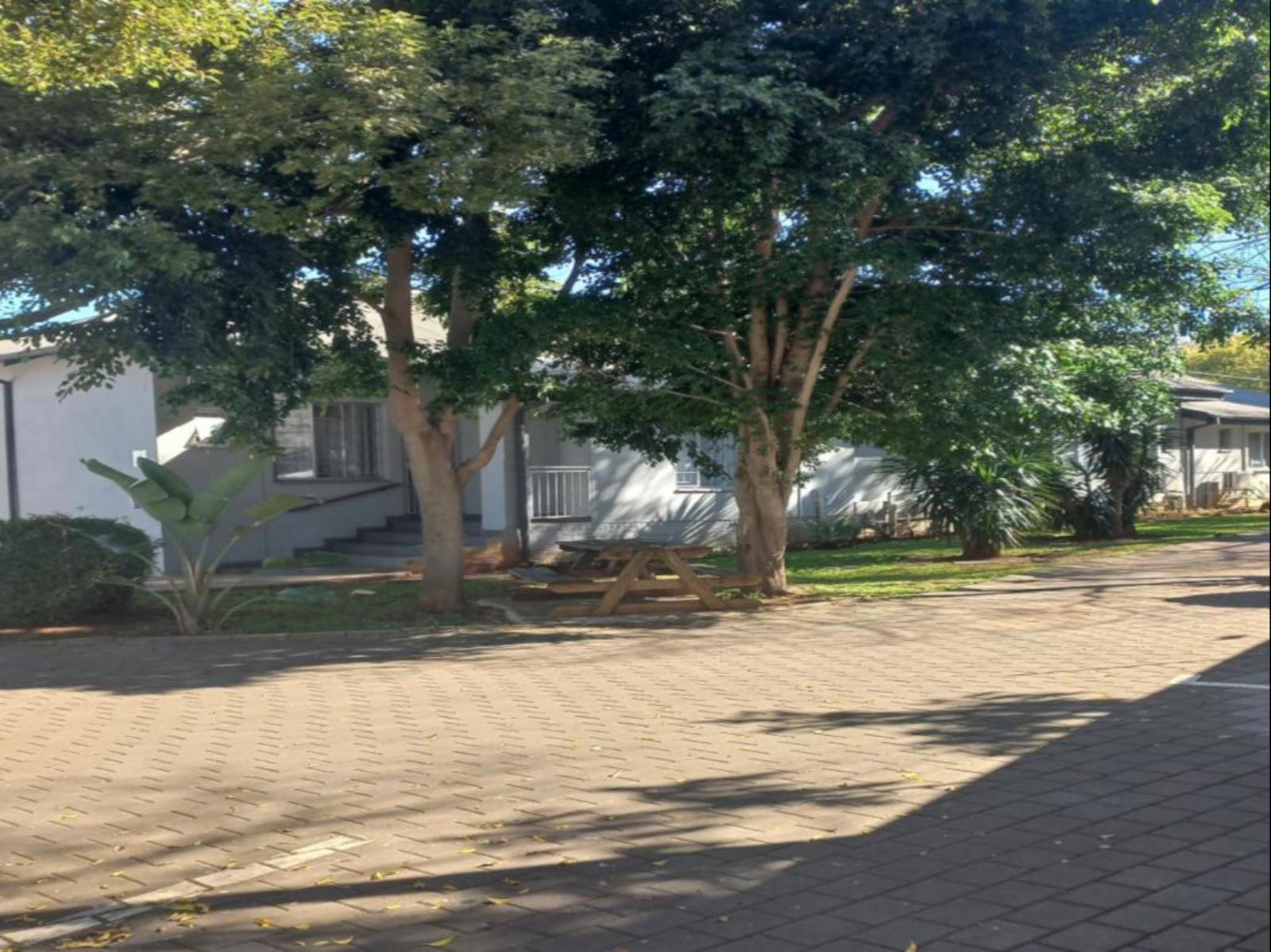
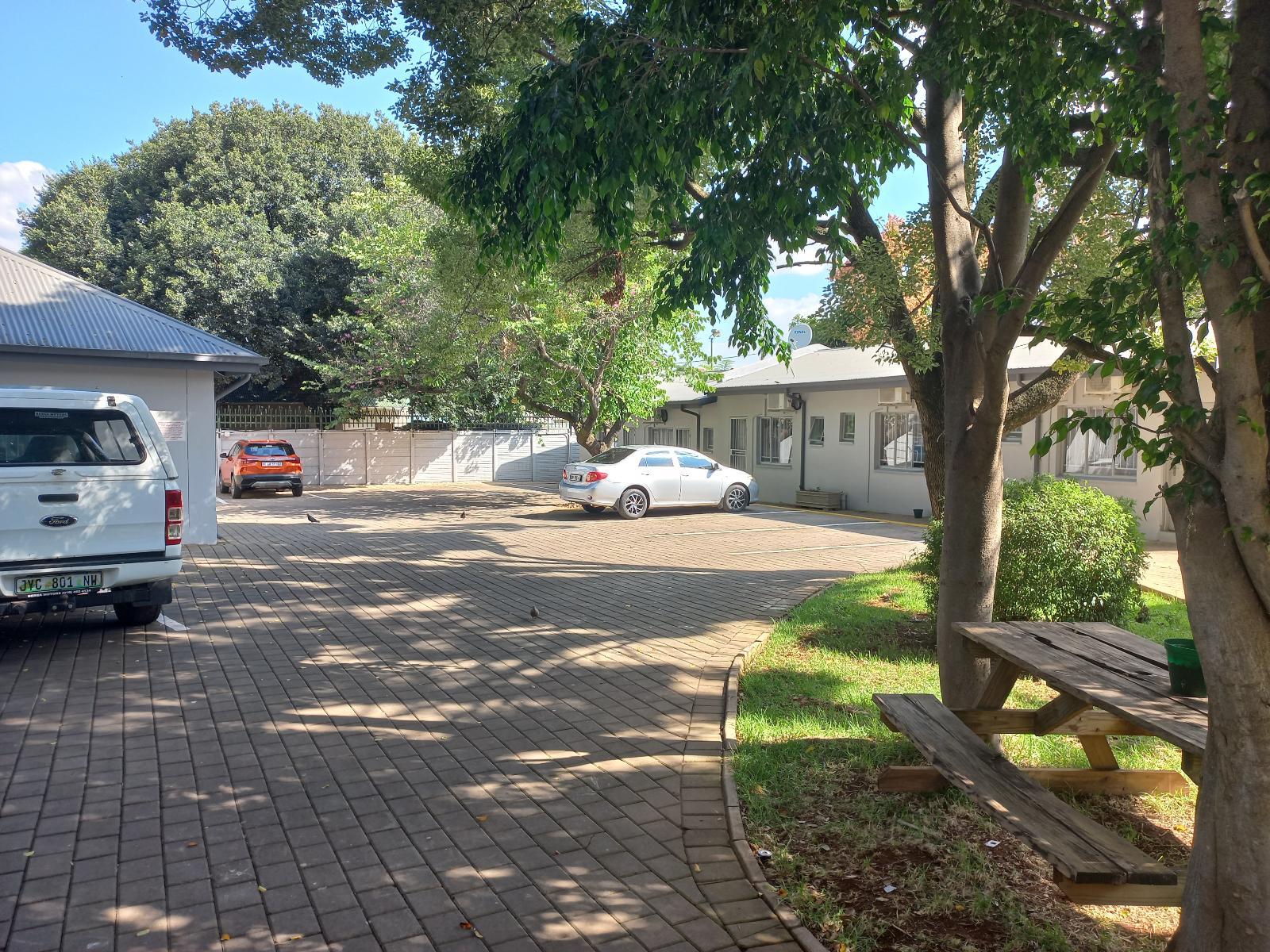
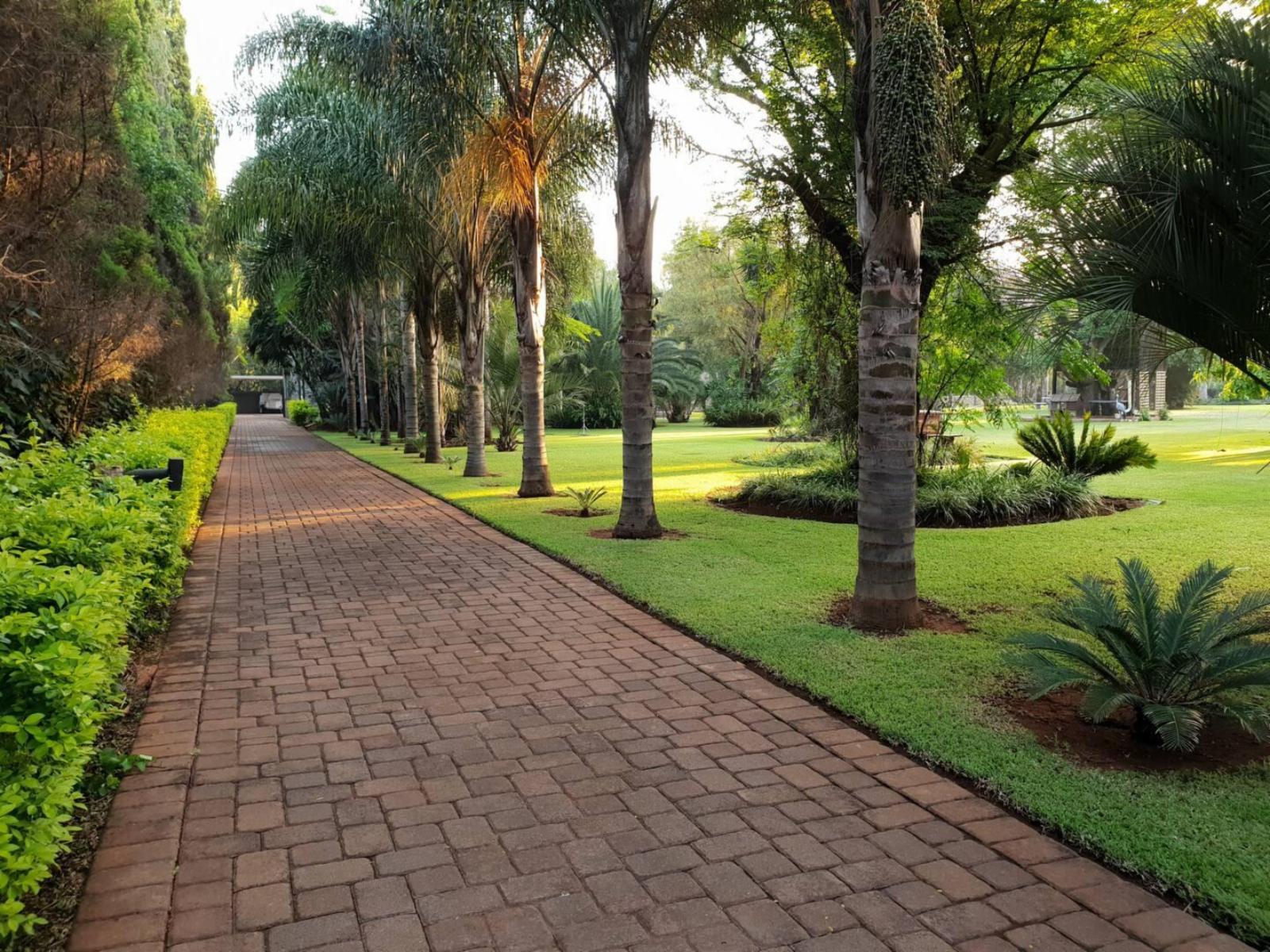
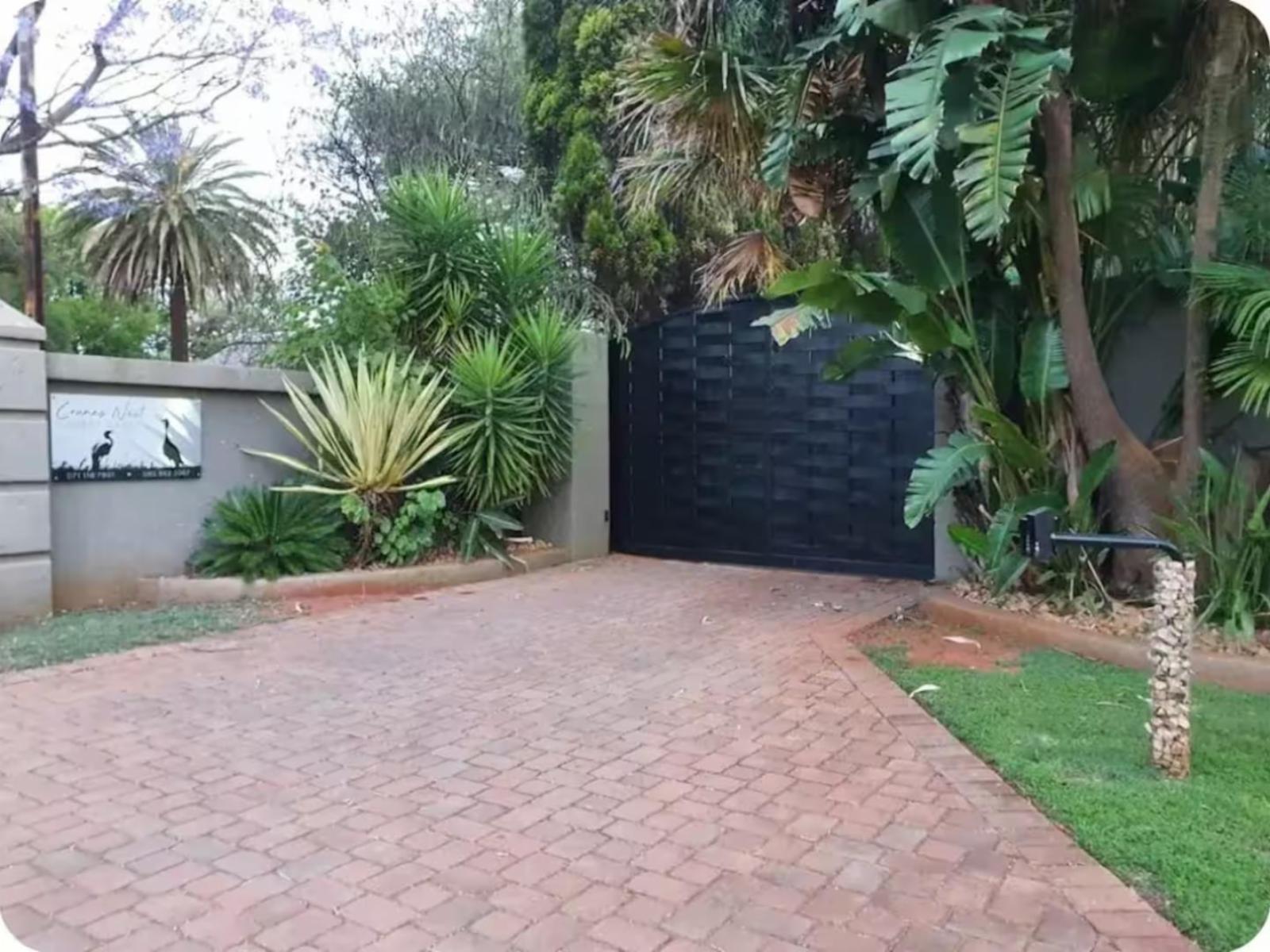
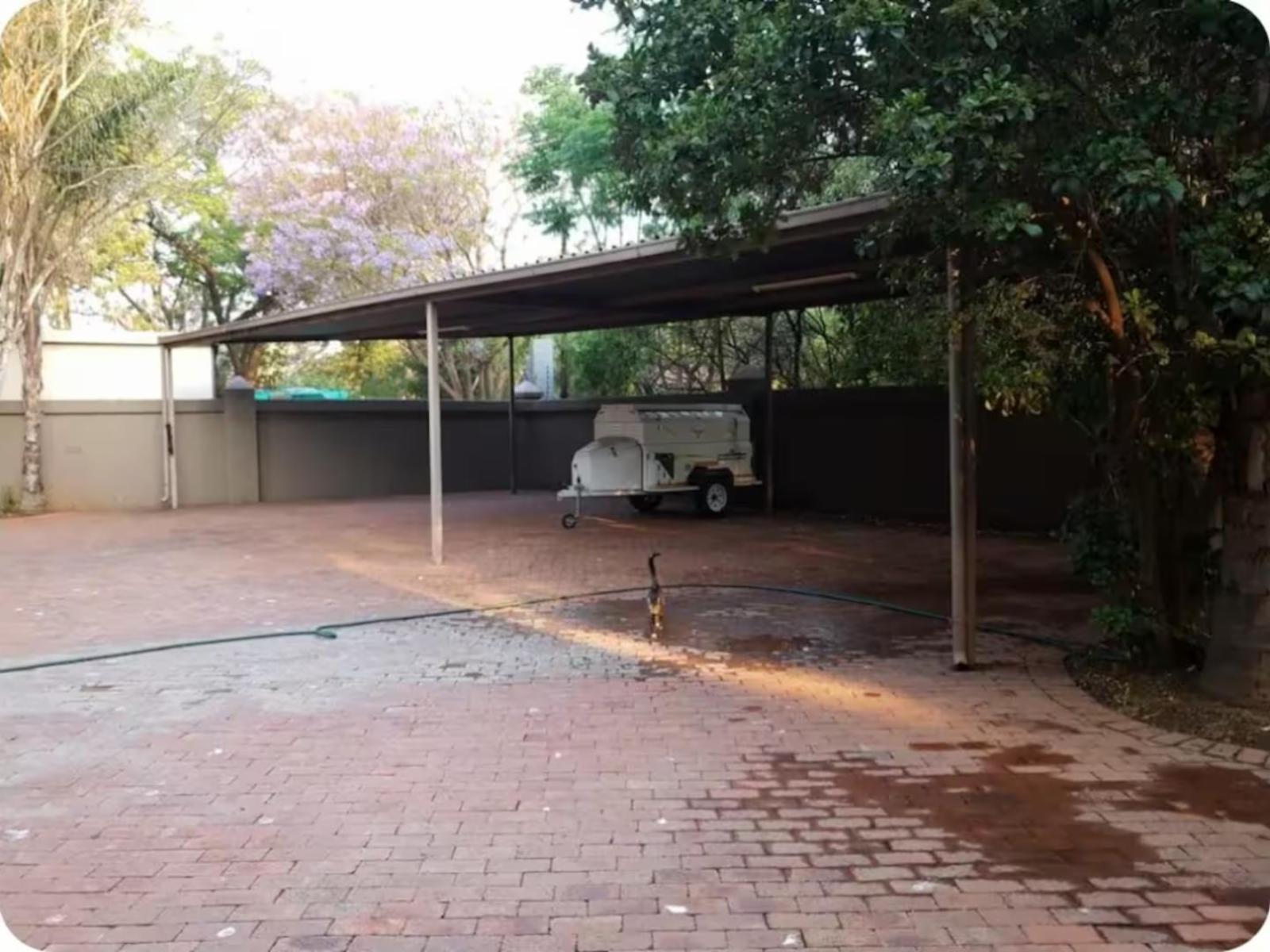
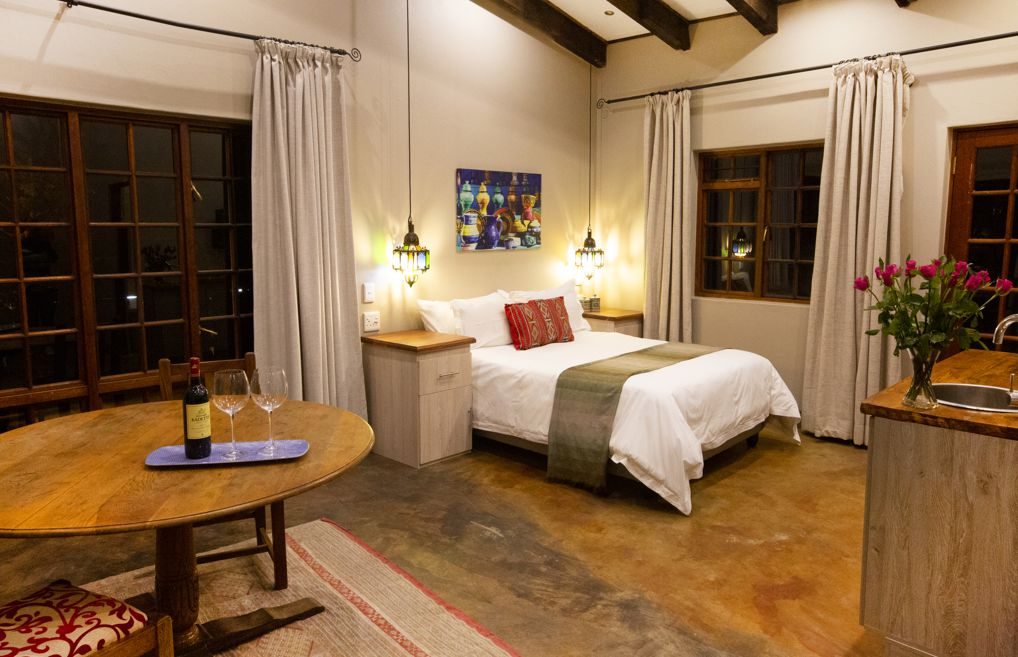
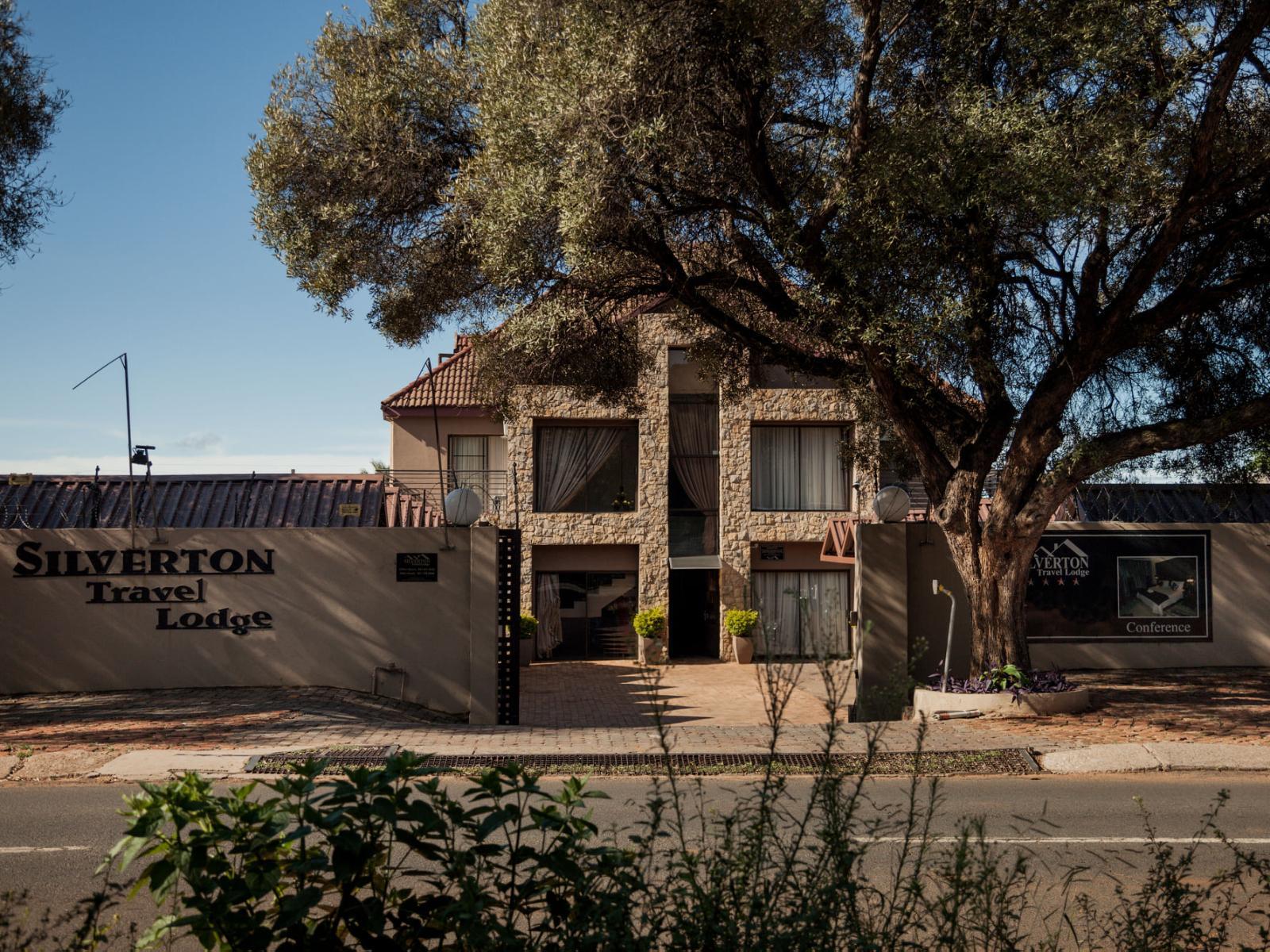
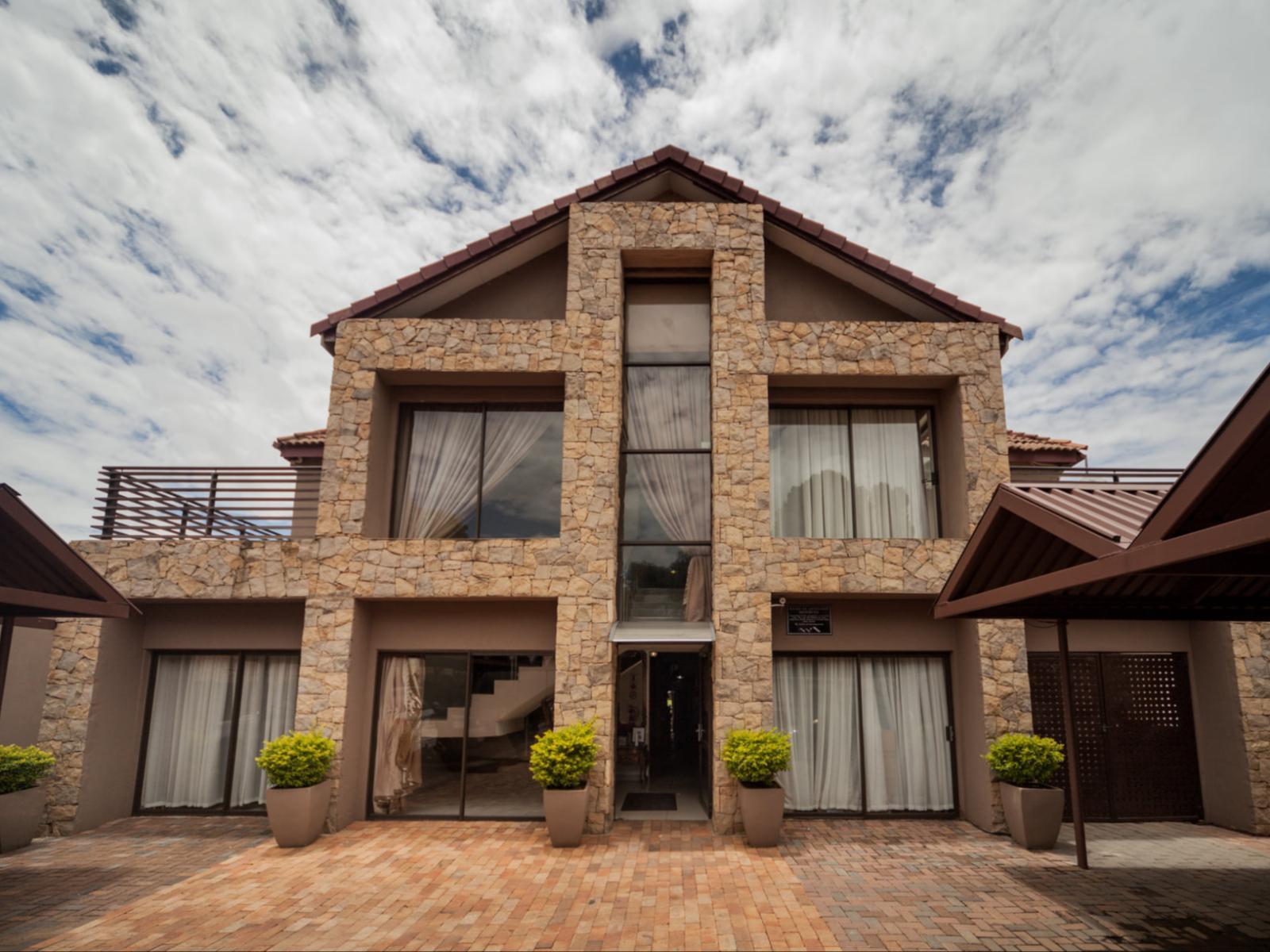
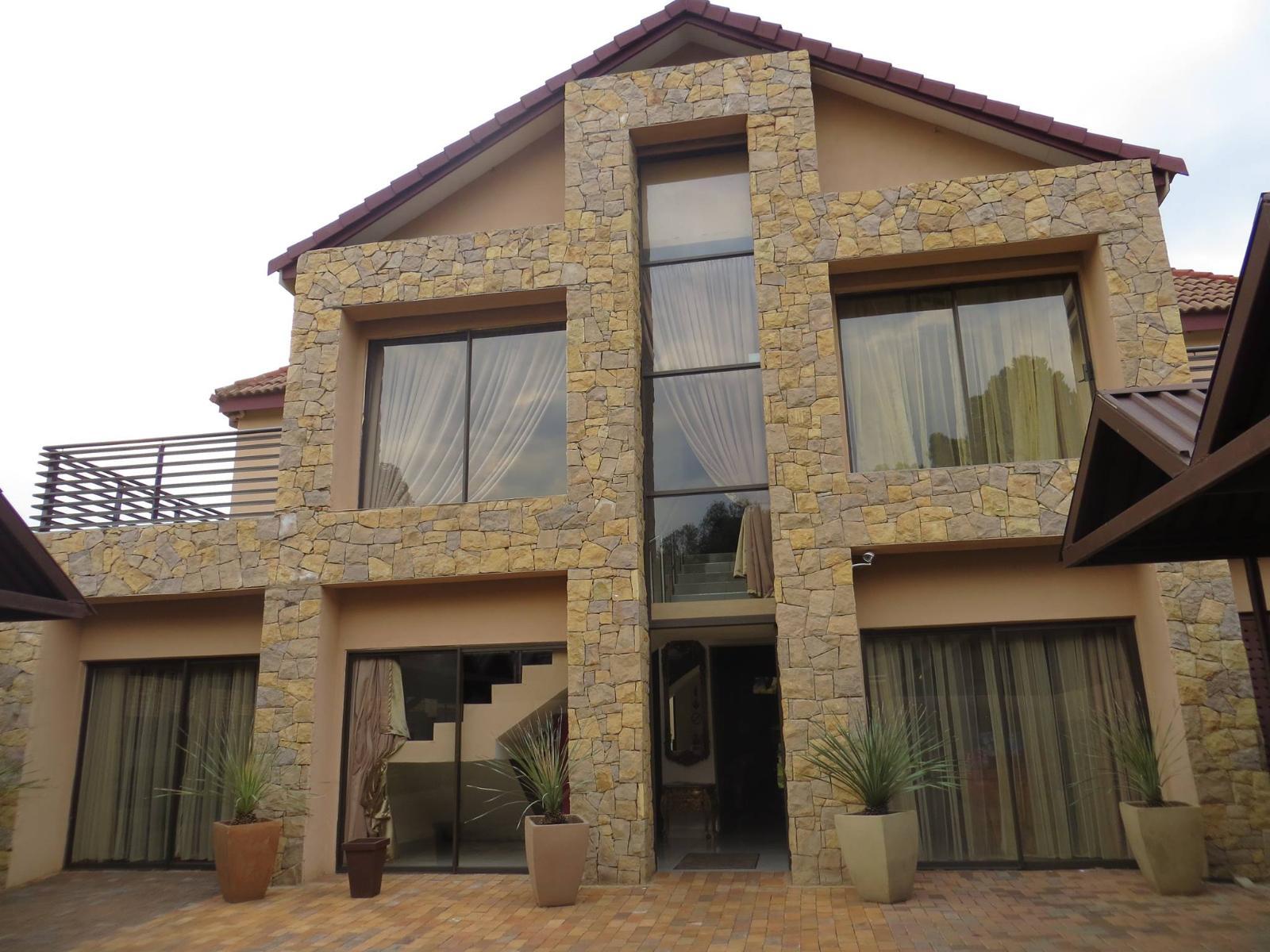
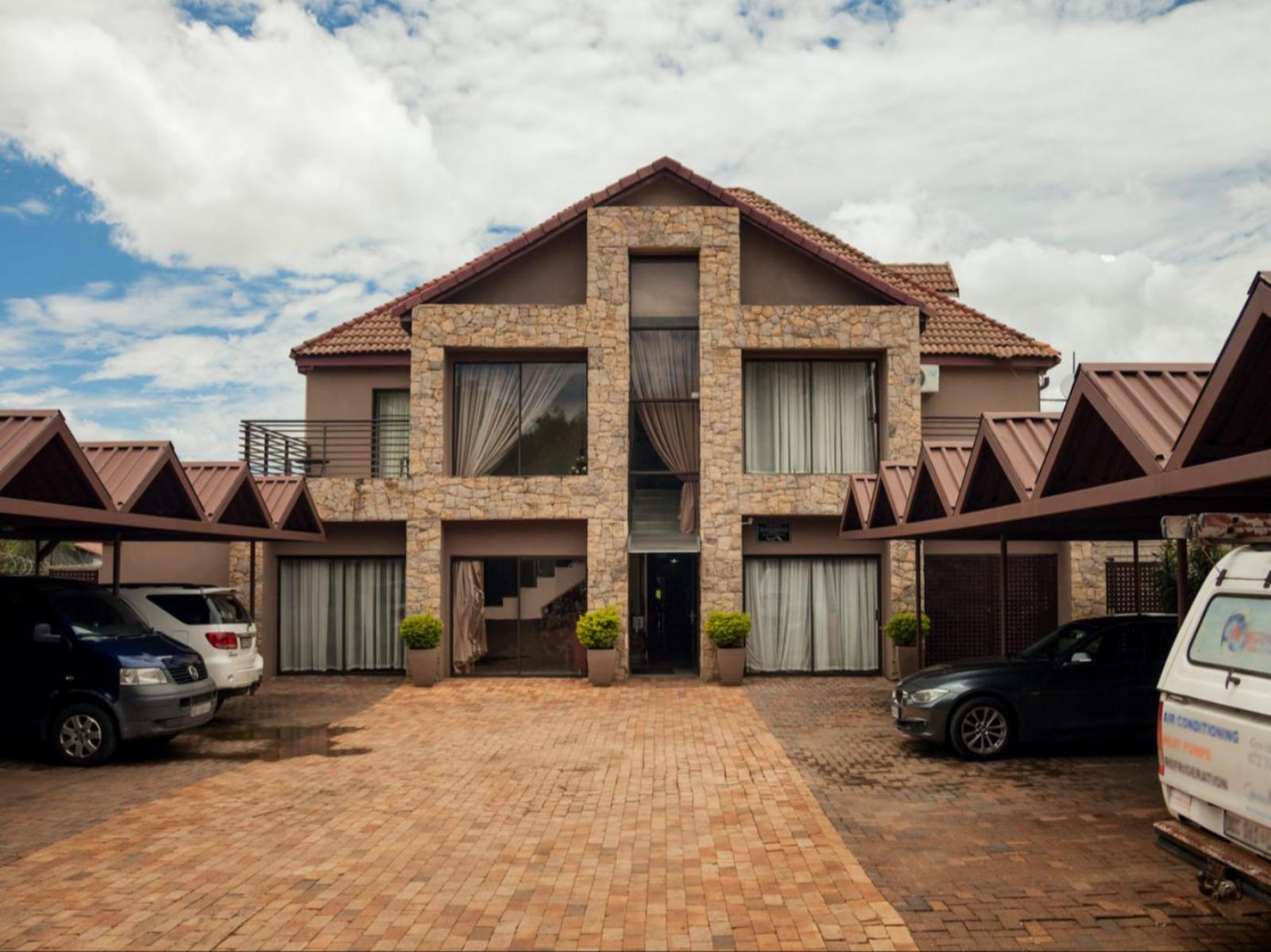
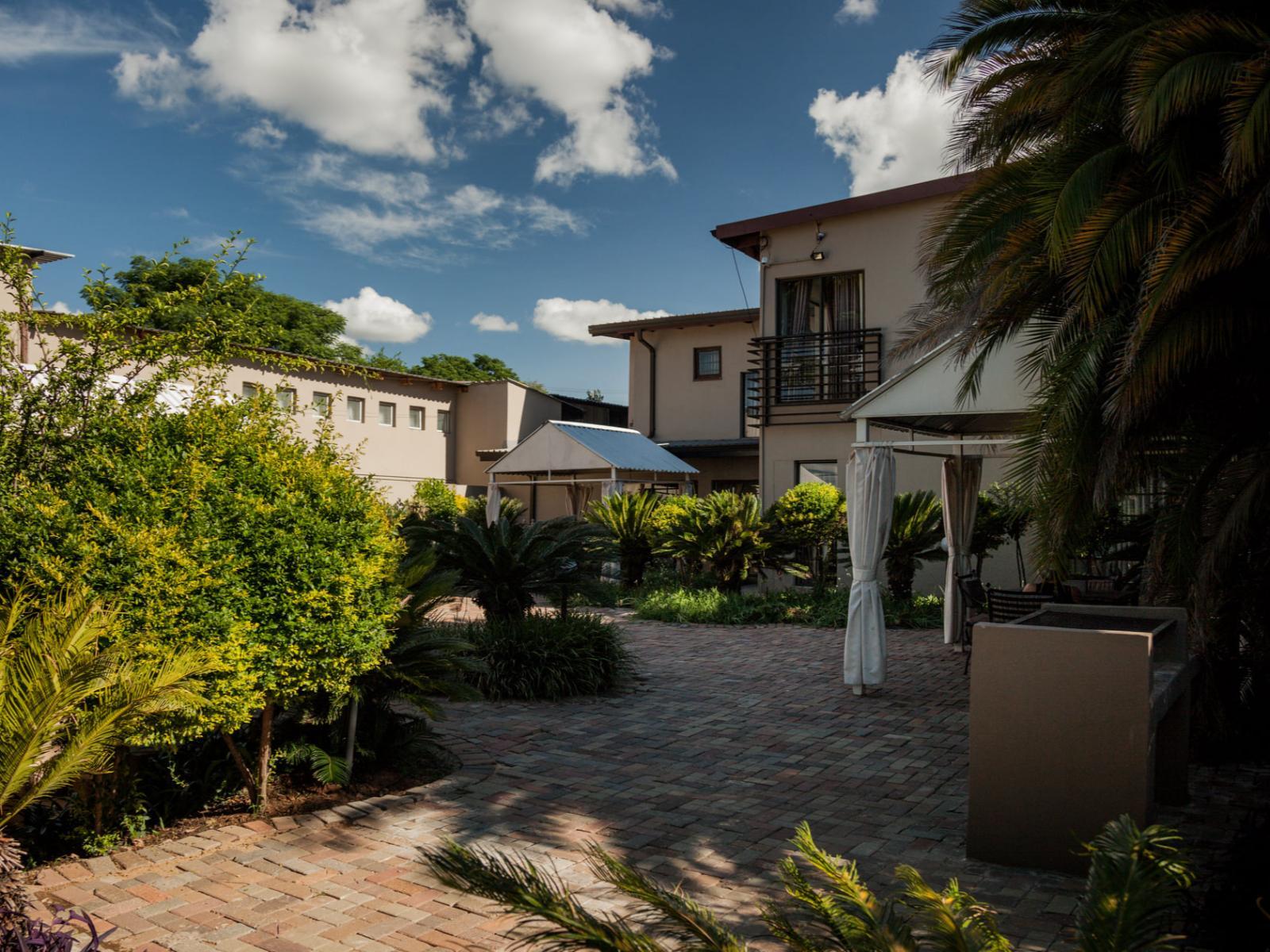
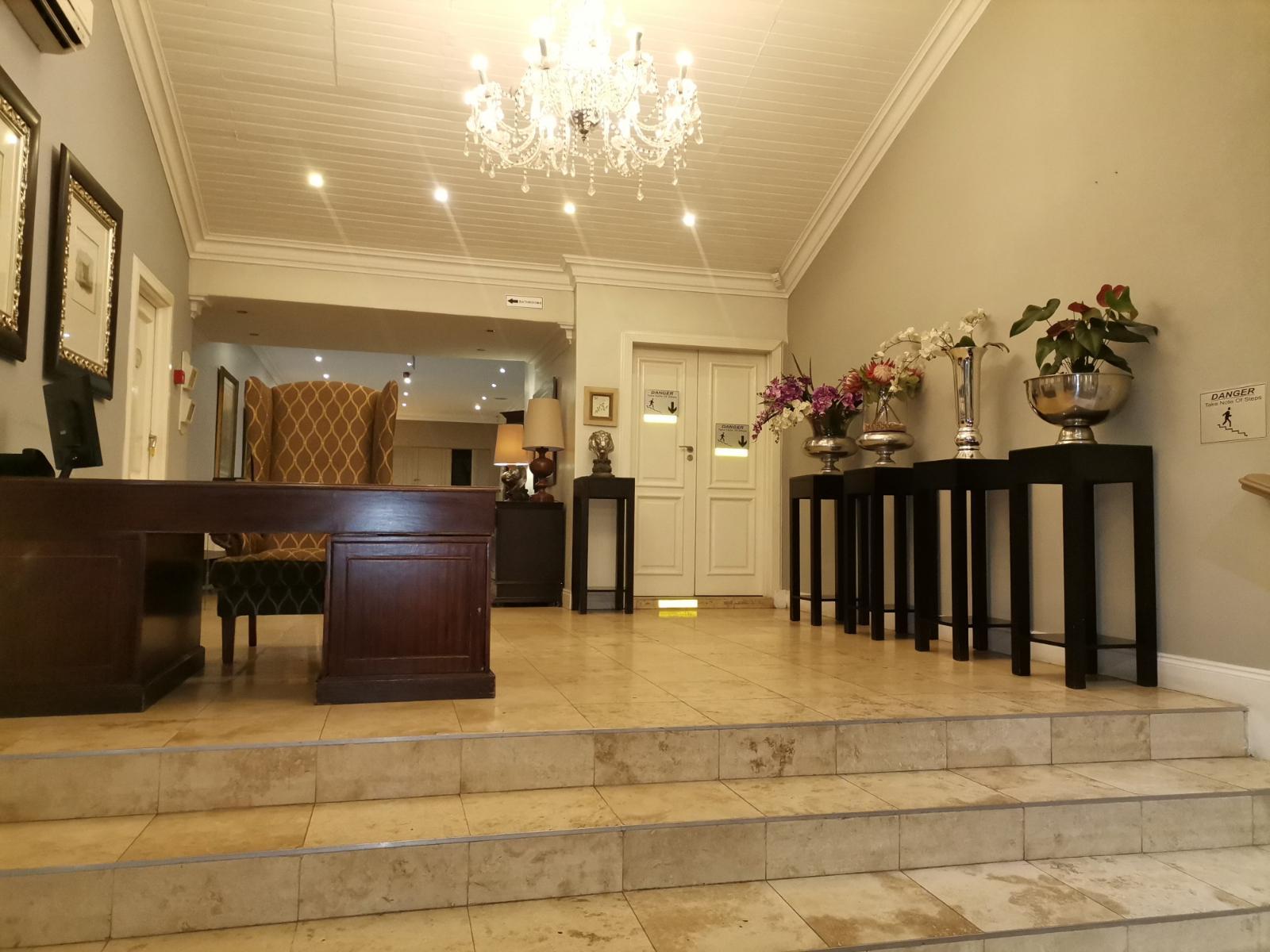
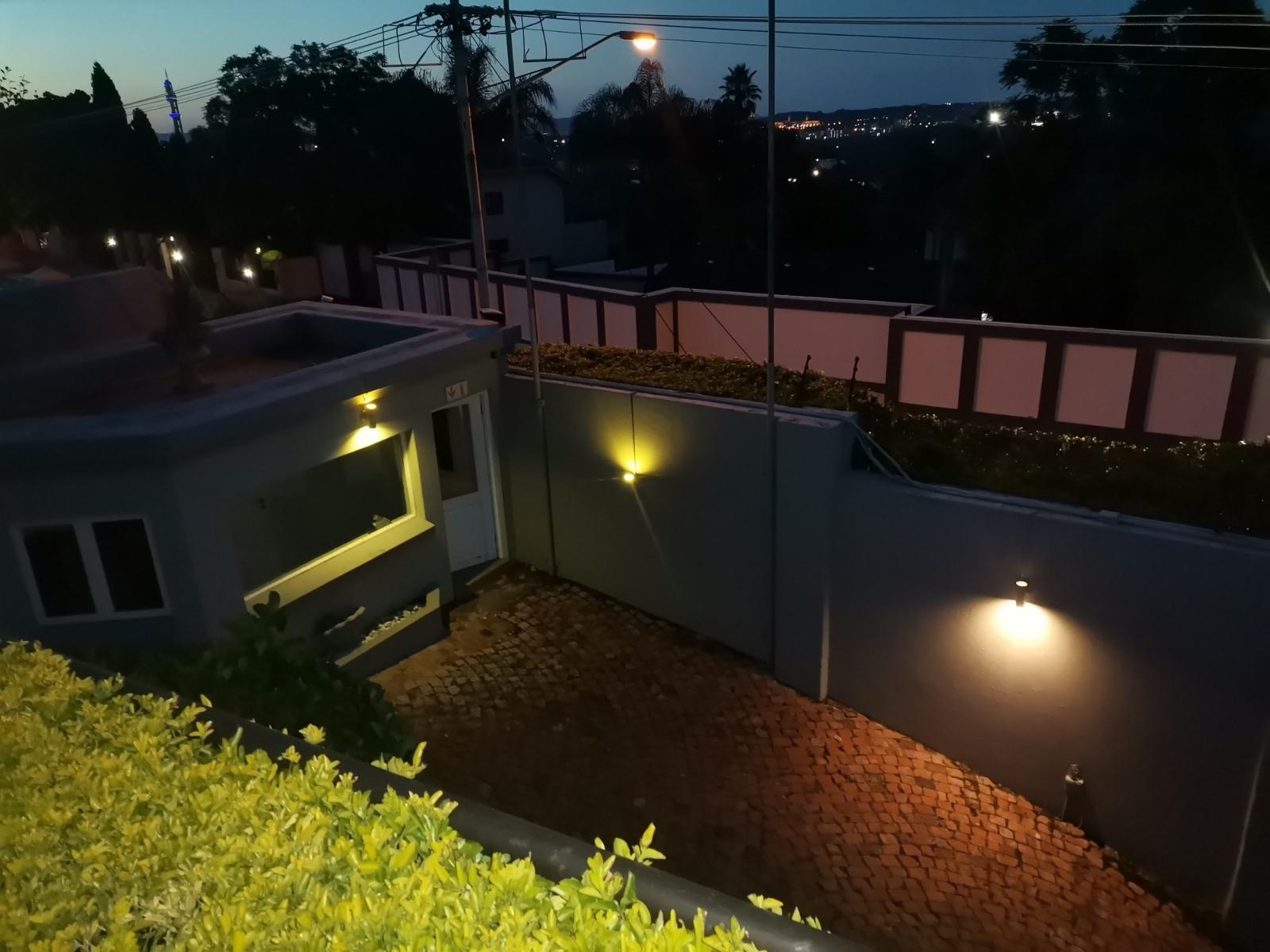
The mid-range carries most of the stock. Guest houses account for 18 listings and typically occupy converted homes in quieter suburbs, with off-street parking, gardens, and personal service that larger properties rarely match. Self-catering units, a cottage, and an apartment sit in the same tier and are practical for longer stays or families who prefer to cook for themselves. A number of guesthouses with breakfast included round out the options at this level.
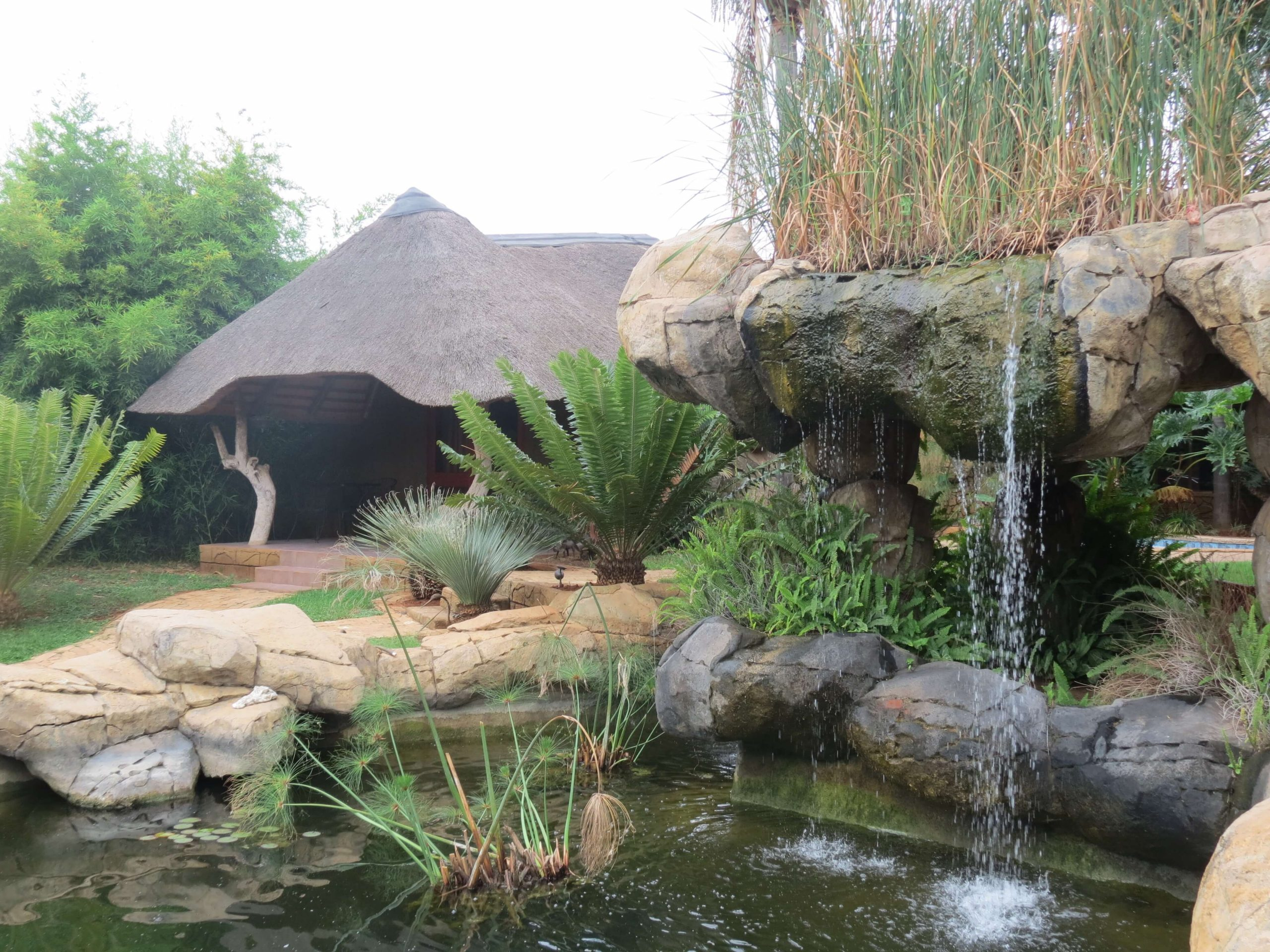
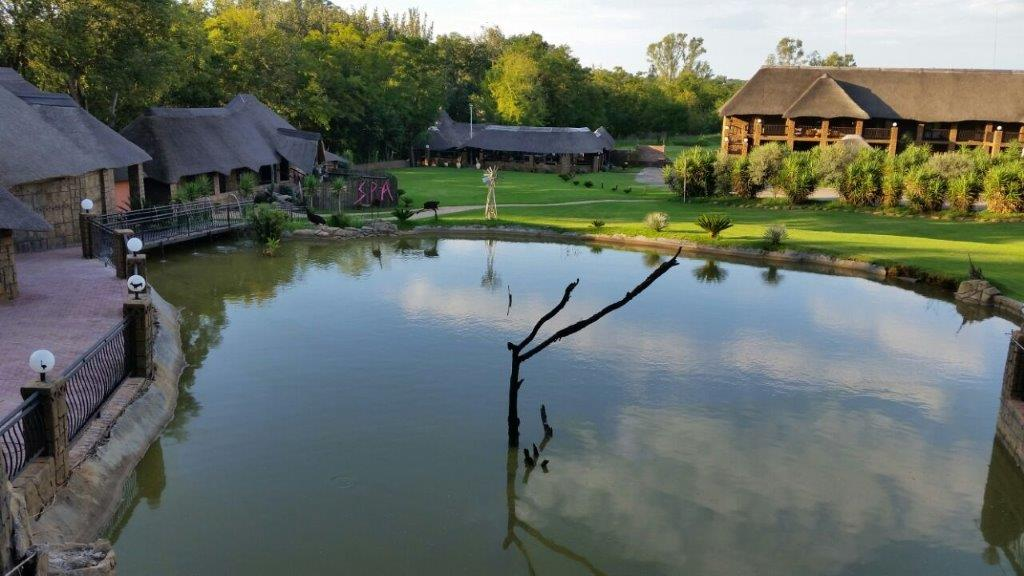
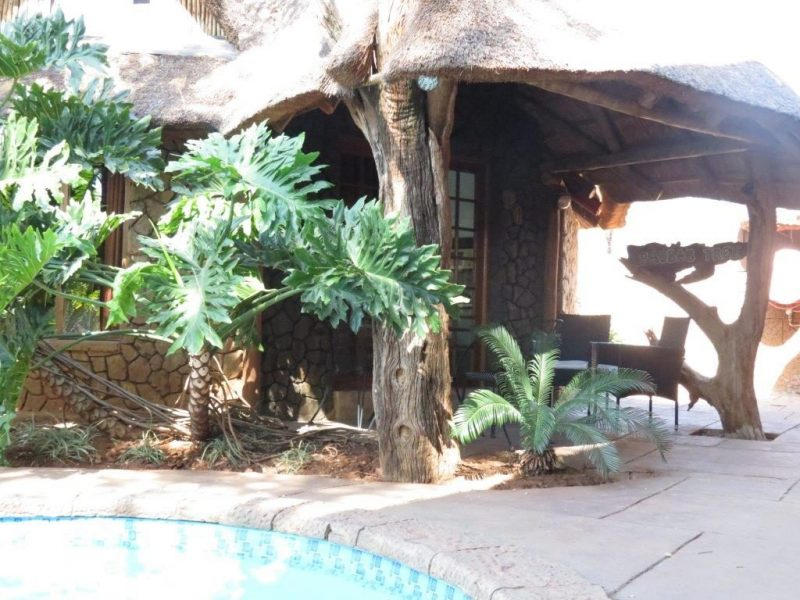
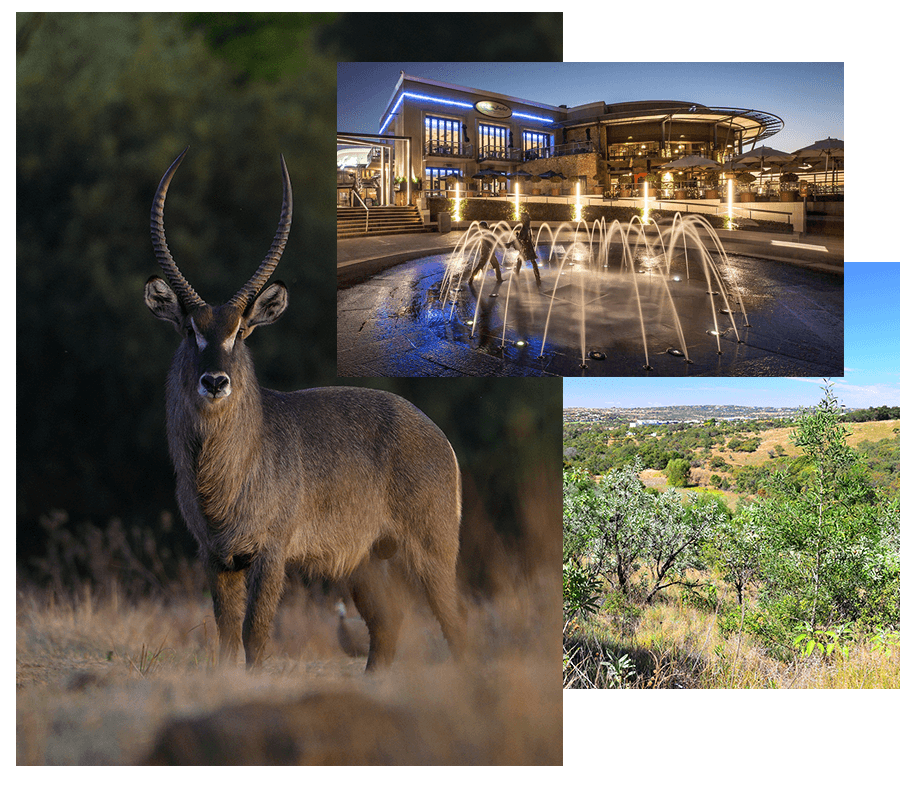
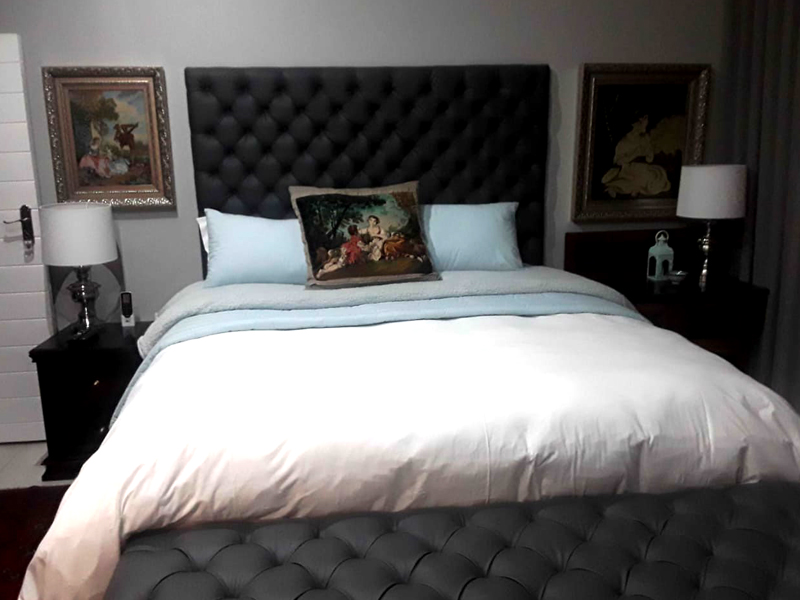
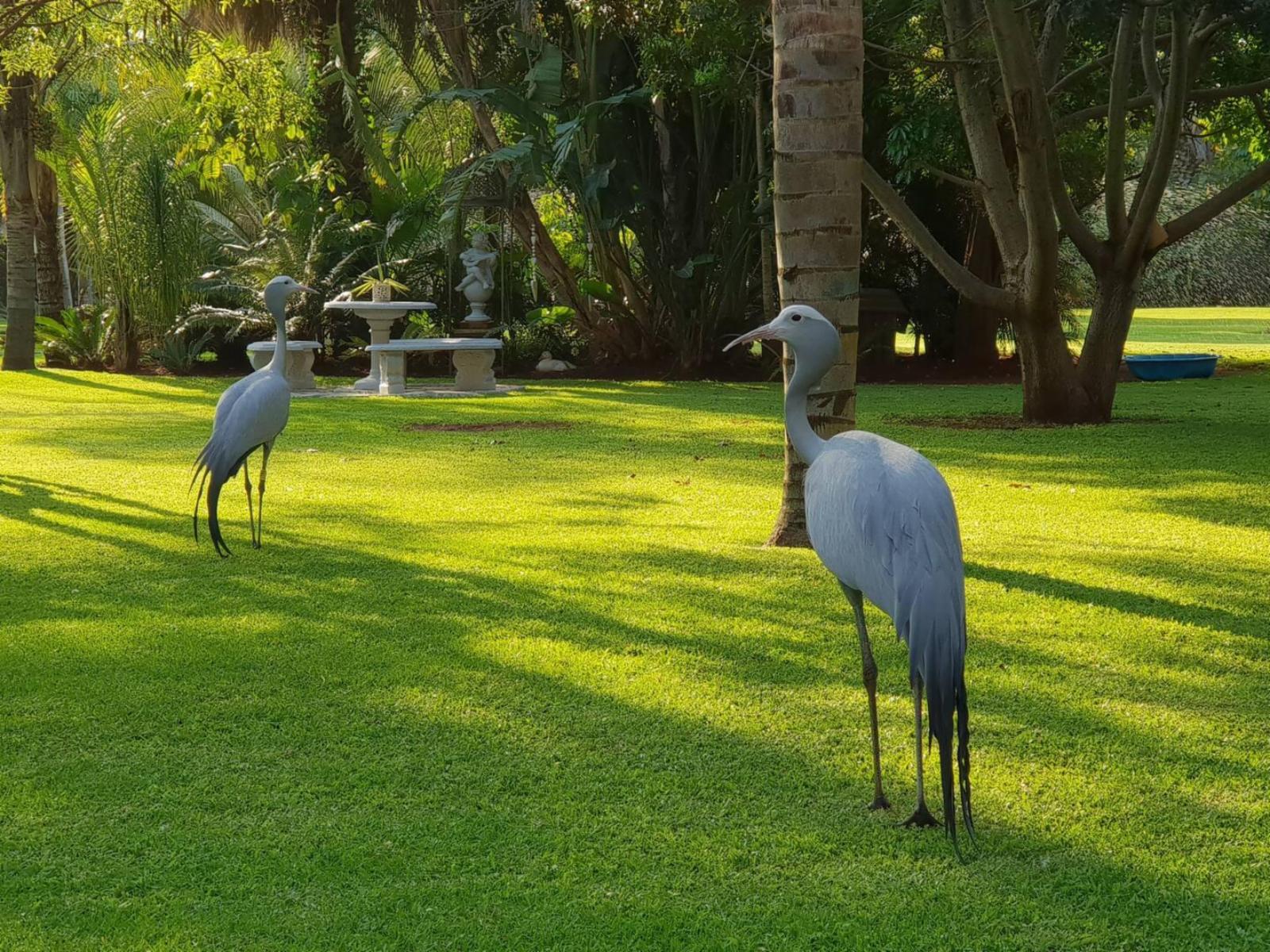
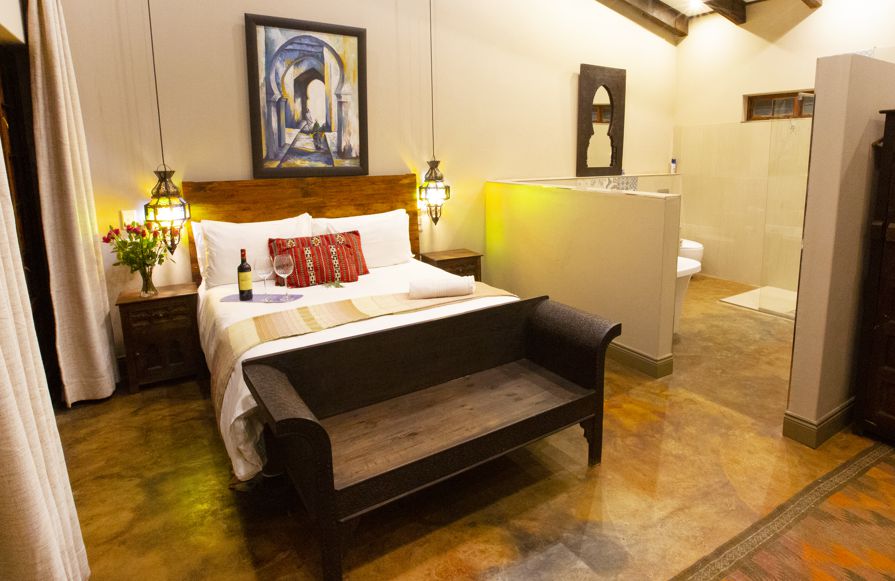
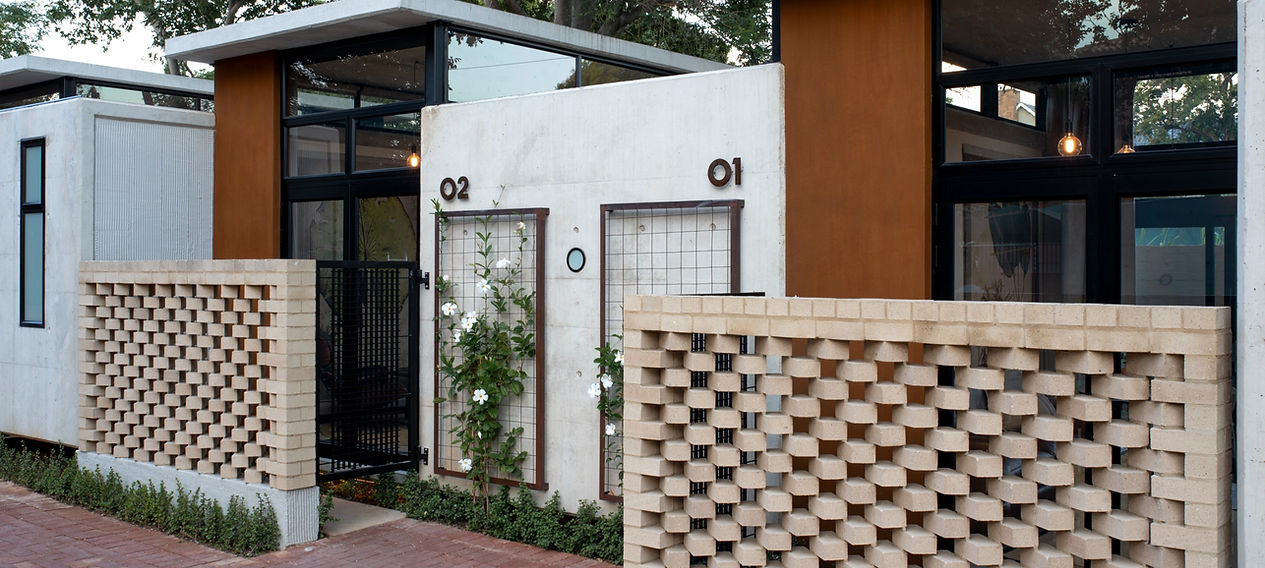
Lodges also run to 18 listings and tend to occupy larger grounds on the city's outskirts, sometimes with wildlife-adjacent settings or working-farm contexts. They average around R1,848 per night and suit visitors who want open space without travelling far from the city. Boutique hotels push the offer further upmarket, combining smaller room counts with more individual design and an average around R2,195. For full hotel services, including conferencing facilities and 24-hour reception, three hotel listings are available at the upper end of the price range.
One wine farm listing stands apart from the rest. It suits travellers who want accommodation connected to agriculture and open landscape, and given its scarcity, it tends to book out well in advance. Properties are distributed across the metropolitan area, with a higher concentration in the northern and eastern suburbs.
Things to Do in Pretoria
The Union Buildings occupy Meintjieskop hill above the city centre, serving as the official seat of the South African presidency. Guided tours cover Herbert Baker's design, completed in 1913, and the terraced gardens below are free to enter. From the upper terraces, there are open views northward over the residential suburbs.
South of the city, the Voortrekker Monument was completed in 1949 to mark the Great Trek migrations of the 1830s. The interior centres on a marble frieze of 27 panels depicting trekker history, and a cenotaph at its base receives a shaft of sunlight at noon on 16 December each year. Freedom Park occupies a neighbouring hilltop with a broader historical perspective: memorials and a wall of names document lives lost across conflicts from the pre-colonial period to the late 20th century, and an eternal flame burns at the site throughout the year.
Church Square, in the old city centre, is ringed by late-19th and early-20th century civic buildings including the Palace of Justice and the old Raadsaal. It makes a practical starting point for exploring the historical district on foot.
The National Zoological Gardens covers over 85 hectares and holds more than 9,000 animals, making it one of the larger collections in Africa. For day trips further out, the Magaliesberg mountains lie roughly an hour's drive west and are suited to hiking, rock climbing, and birdwatching, with a notable concentration of raptors including Verreaux's eagles. Several private game reserves to the north offer Big Five drives within two to three hours, and Pilanesberg National Park, set in an ancient volcanic crater about two hours from the city, works well as a day trip with an early start. Golf courses are distributed through the metropolitan area at various price points.
Best Time to Visit Pretoria
Pretoria has a subtropical highland climate with well-defined wet and dry seasons. Summers run from October to March. December and January are the hottest months, with temperatures regularly reaching 30°C and afternoon thunderstorms forming most days. These storms pass quickly but can be heavy, so morning hours are the better window for outdoor activities in summer.
October and November stand out for a specific reason: the city's jacaranda trees flower during these weeks, covering entire street corridors and park borders in purple blossom. The display peaks in the last two weeks of October in suburbs like Arcadia, Sunnyside, and Brooklyn, and it draws visitors who time their trip specifically for it.
The dry winter months, from June to August, suit a different kind of visit. Days are clear and sunny with temperatures in the low to mid-20s, and nights can fall to 5°C or colder. Sparser vegetation makes game viewing easier, and animals become more predictable in their movements around available water sources. Mornings and evenings require warm layers regardless of the midday warmth.
School holidays drive the sharpest demand peaks: mid-December to mid-January is the busiest period, followed by Easter, the July break, and the September holidays. Visiting in May or early September avoids the crowds and offers settled, pleasant conditions.
Getting to Pretoria
O.R. Tambo International Airport lies approximately 50 kilometres from central Pretoria and handles the majority of international arrivals. The Gautrain connects the airport to Pretoria station in under an hour, stopping at Midrand and Centurion along the way. Trains run during daytime hours only, so travellers arriving on late flights will need a taxi or pre-booked shuttle.
Lanseria Airport, northwest of Johannesburg, is a smaller alternative used by regional carriers. From there, Pretoria is about 60 kilometres by road, a drive of 45 to 60 minutes in normal traffic.
The N1 highway between Johannesburg and Pretoria is the main road connection, taking 30 to 50 minutes depending on congestion. Weekday peak hours add considerably to that time in both directions. The N4 crosses through the city east to west, providing access toward Mozambique on one side and toward the North West Province and Botswana on the other. Heading north on the N1, the road continues through Limpopo toward Kruger National Park, roughly four hours away, making Pretoria a practical staging point for longer overland trips.
Within the city, Uber is reliable and the default choice for most visitors without a car. The Gautrain bus service connects train stations to several suburbs on fixed schedules. Hiring a car is the most flexible option for anyone planning excursions to game reserves or mountain areas beyond the reach of scheduled transport.
Pretoria and Surrounding Areas
Hatfield, roughly 5 kilometres east of the city centre, is the most socially active district in the metropolitan area. Burnett Street and the blocks around Hatfield Plaza concentrate restaurants, bars, and coffee shops serving students, embassy workers, and young professionals. A Gautrain station connects the suburb to Johannesburg in about 35 minutes, making it a convenient base for visitors moving between the two cities. Several foreign embassies maintain residences in the quieter surrounding streets.
The central CBD, at a similar distance from most accommodation clusters, holds the main government ministries, courts, and older commercial buildings that define the administrative core. At street level, informal traders and pedestrian plazas sit alongside formal office blocks in a mix that feels distinct from the residential suburbs, and the area is compact enough to cover on foot in a morning.
Pretoria North, 6 kilometres from the centre, is a residential suburb with a predominantly Afrikaner character that developed through the mid-20th century. It has its own shopping centres and a major hospital, offering a quieter pace without being far from anything.
Waterkloof, 8 kilometres south, is one of the oldest established and most upmarket suburbs in the area. Large properties, mature gardens, and several diplomatic missions give it a private, leafy character. The Waterkloof Air Force Base sits on its western edge and opens to the public during air shows, typically held once or twice a year.
Pretoria/Tshwane, listed separately at around 7 kilometres, refers to the broader City of Tshwane metropolitan boundary, which encompasses newer commercial nodes and developing residential areas stretching well beyond the historical city along the main highways.
Eersterus, 9 kilometres northeast, is a township with a long residential history. Community tourism operators run guided walks and cultural experiences that offer context on the area's social history, going beyond what is available at the standard heritage sites.
Pretoria West, also 9 kilometres out, developed as an industrial and working-class district in the early 20th century. Adjacent to the N4 highway, it retains an independent character that is separate from both the heritage core and the more affluent southern suburbs.
Planning Your Stay
Book four to six weeks ahead when travelling during the December or January school holidays, over Easter, or during the July break, when demand across the city rises sharply. Late October also sees increased bookings, so forward planning applies during that period too.
Location is the most important factor when comparing properties. The metropolitan area covers a wide footprint, and a property in the southern suburbs adds meaningful travel time for visitors whose main activities are in the north or east. Most listings state whether breakfast is included, whether parking is available on site, and what policies apply to children and pets. It is worth confirming these details directly with the property before finalising, as listing descriptions do not always reflect recent changes.
South Africa operates a system of scheduled rolling power cuts known as load shedding. Smaller independently run properties may not have backup generators or inverters, which can affect lighting, hot water, and kitchen use during outages. If uninterrupted power is important to your stay, ask the property directly before booking.
Check the cancellation policy before paying any deposit. Many smaller properties require several days' notice for a full refund, and conditions tighten over public holiday periods. Guest reviews from the past six months give a more accurate picture of current conditions than older entries, particularly for independently managed properties that may have changed hands recently. Carrying some South African rand in cash is practical for tips, market purchases, and properties without reliable card terminals.