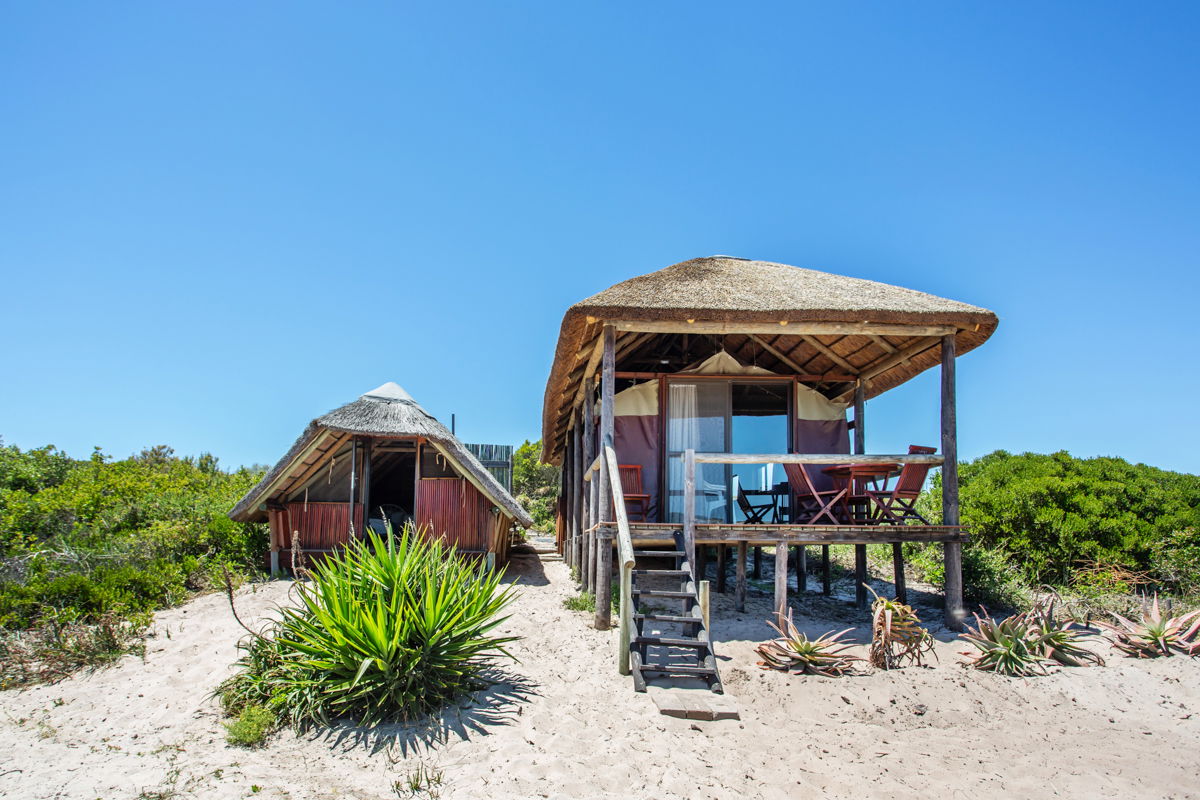
Accommodation in Redelinghuys
Redelinghuys is a small farming town with a limited accommodation footprint, which reflects its size and the unhurried character of this part of the West Coast. At present, the town has one listed property, and rates are variable, so prospective visitors should contact the accommodation provider directly for current pricing rather than expecting fixed tariffs online.
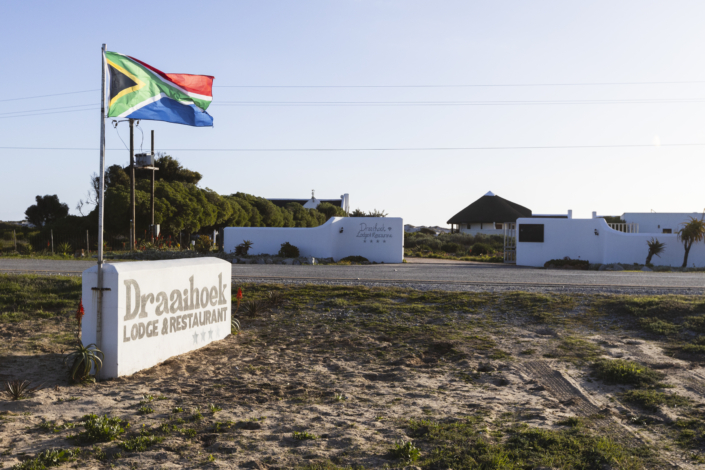
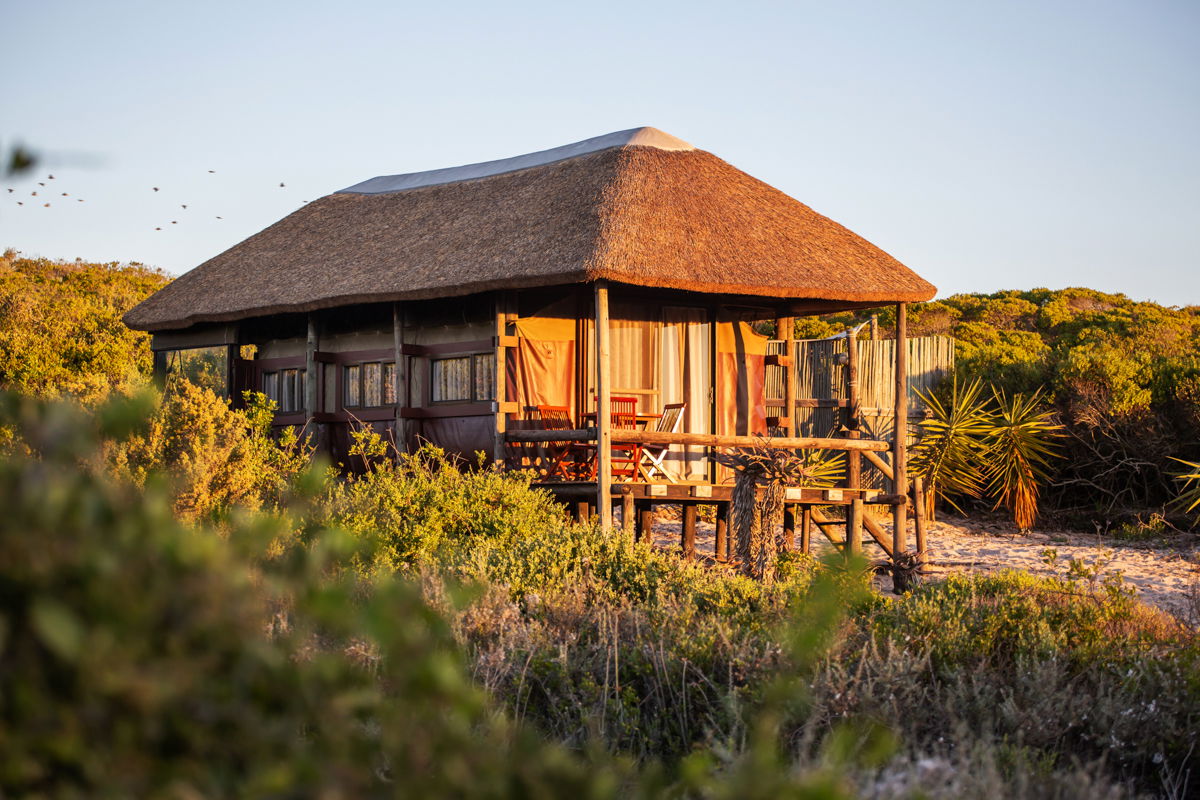
The single available option is a lodge, a format that suits the region well. Lodge-style accommodation in agricultural Western Cape typically means self-contained units or farm-linked rooms with more space and privacy than a standard guesthouse setup. Guests can generally expect en-suite bathrooms, basic kitchen facilities or breakfast arrangements, and outdoor areas that make use of the fynbos surroundings. This works particularly well for couples or small groups wanting a rural base without the isolation of true wilderness camping.
Because the supply is thin, the lodge format rewards forward planning. Self-catering practicalities carry real weight here: the town has limited restaurant options, so properties with kitchen access or breakfast inclusion make a meaningful difference to the stay. Visitors who prefer a wider choice of accommodation in a single location might look at larger towns on the West Coast route, but Redelinghuys offers something those towns cannot fully replicate: genuine farm-country quiet, with working agricultural land on the doorstep.
The property also suits extended stays for travellers who want a stable base for day trips along the coast and into the mountains. Book as far ahead as possible, particularly for school holidays and the wildflower season, when demand across the broader West Coast region rises sharply and even small-town properties fill quickly.
Best Time to Visit Redelinghuys
The Western Cape follows a Mediterranean climate pattern, with dry summers running from November through March and most of the annual rainfall arriving between May and August. Summer days around Redelinghuys are warm and largely cloud-free, well-suited to walking farm roads and exploring the rolling fynbos hills. Winter temperatures are mild by South African standards, rarely dropping below 5°C overnight, though the region can see sustained rain for days at a stretch during the wettest months.
August and September bring the wildflower season across the West Coast. Fynbos blooms and roadside annuals transform the landscape during this window, drawing visitors from across the country and making it the most sought-after period for touring the area. Accommodation across the region books up well in advance for this period.
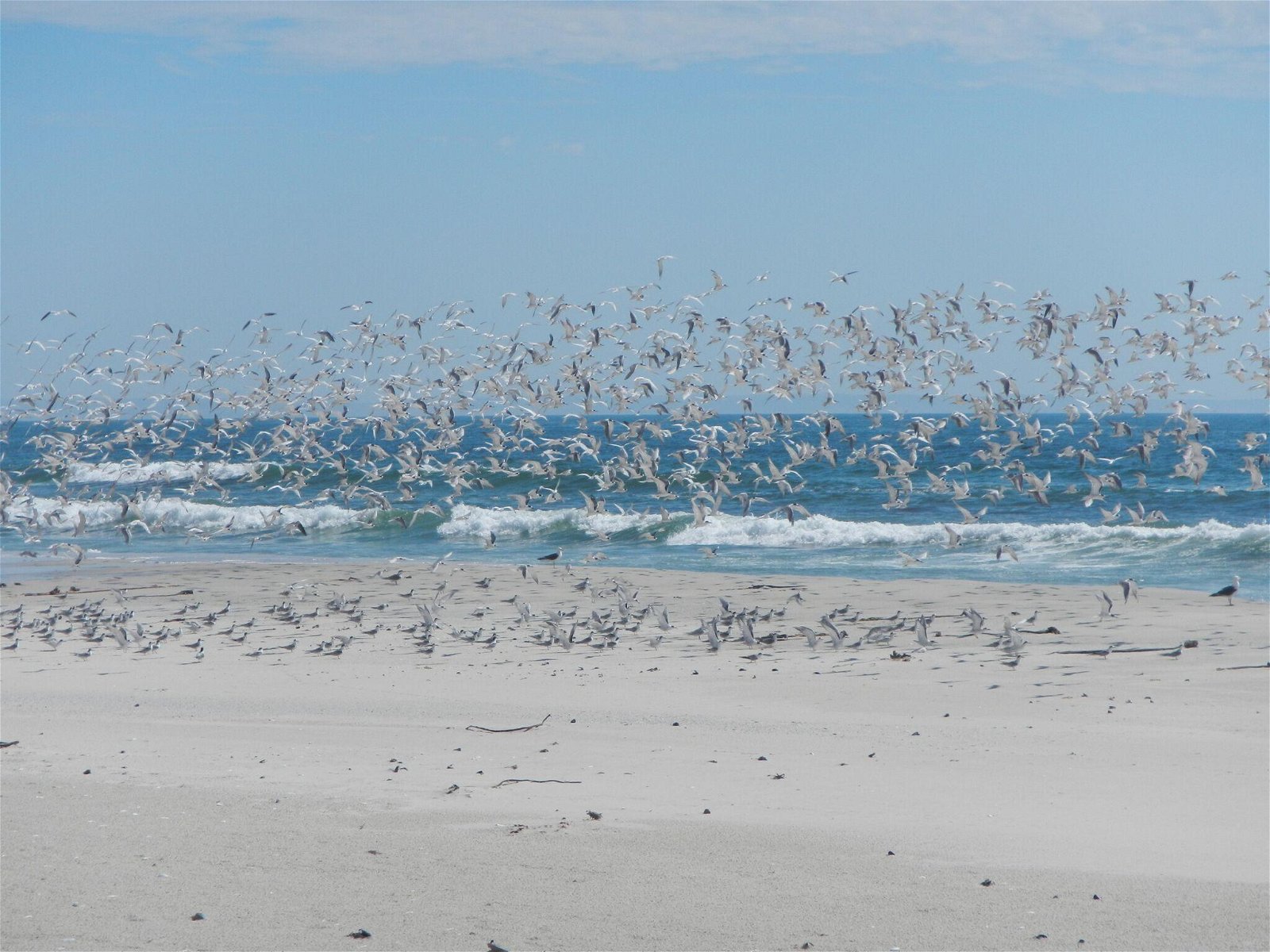
Spring and autumn offer the best balance of favourable weather, manageable visitor numbers, and reasonable availability. October through early November can be particularly good: the flowers are still present in some areas, daytime temperatures are comfortable, and the summer holiday crowds have not yet arrived. Summer suits beach day trips west toward the Atlantic, while the cooler months work well for birdwatching and farm walks.
Getting to Redelinghuys
The practical approach to Redelinghuys is by private vehicle. Cape Town International Airport is the nearest major gateway, roughly 180 kilometres to the south, making it approximately a two-hour drive under normal conditions. From Cape Town, the standard route heads north on the N7 through Malmesbury and Piketberg before turning west onto the R366 toward the coast. The tar roads are generally well-maintained, though some farm tracks in the immediate area are gravel and can be rough after winter rain.
From the north, travellers coming from the Cederberg region can approach via the R303 through Piketberg, which then connects to the Redelinghuys road. The town does not sit on any major national route, so GPS navigation is advisable for first-time visitors unfamiliar with the local road numbering.
No public transport serves Redelinghuys directly. Intercity buses on the N7 stop in Piketberg, about 30 kilometres east, but completing the final leg requires a hired vehicle or pre-arranged transfer. Renting a car in Cape Town is the most practical option and gives the flexibility needed to make use of the surrounding West Coast on day trips. Petrol availability in town is limited, so filling up in Piketberg or another larger centre before heading in is advisable.
Redelinghuys and Surrounding Areas
Redelinghuys sits within reach of several distinct West Coast destinations, each different enough to justify the short drive.
Elands Bay, 26 kilometres to the west, is a low-key Atlantic surf town with a well-regarded point break that has a following among experienced surfers. Shore anglers work the beach for kabeljou and white steenbras. Behind the town, the Verlorenvlei is one of the larger freshwater lakes on the west coast, supporting significant waterbird populations including various heron species and African fish eagles.
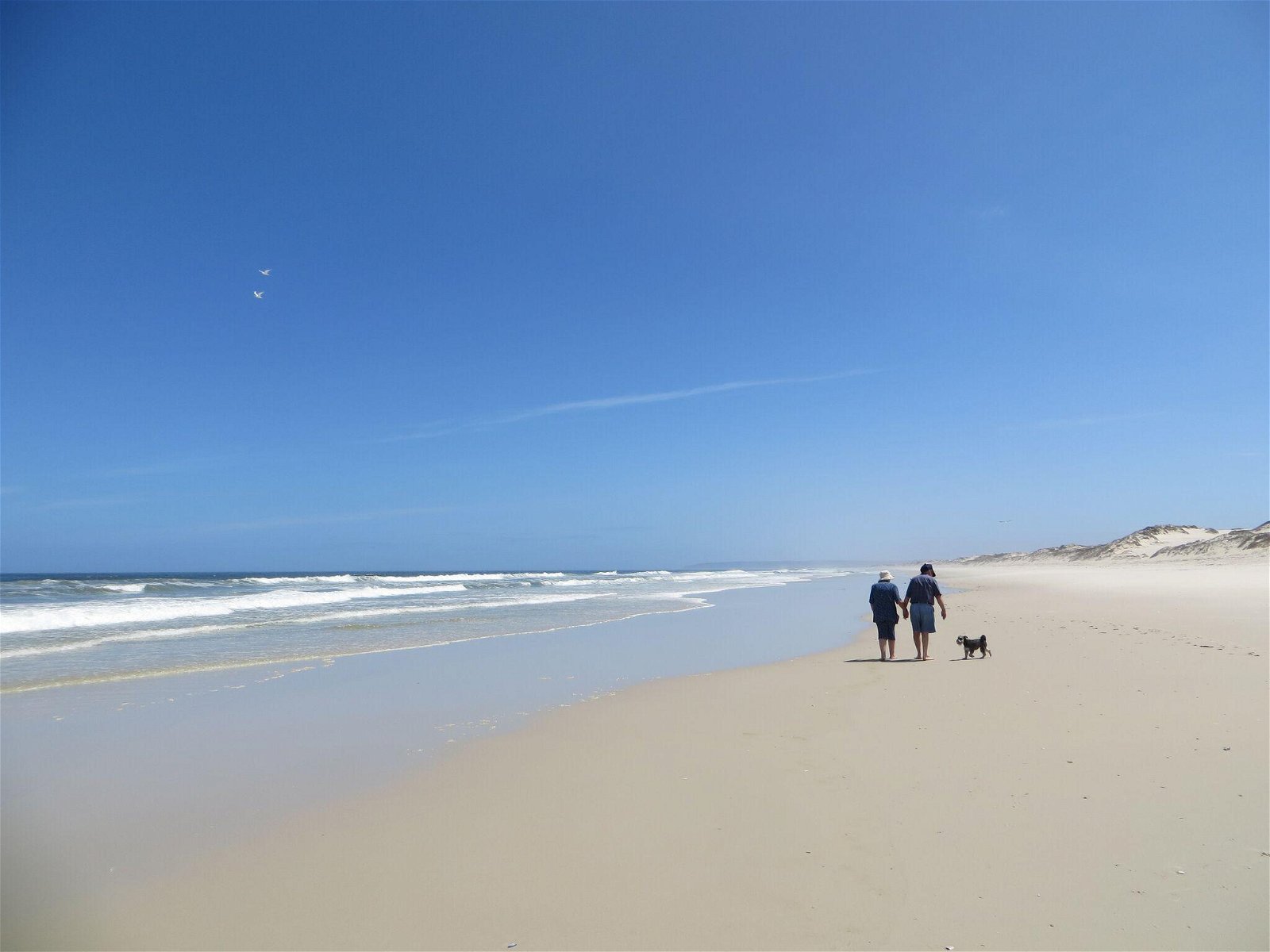
Dwarskersbos, 38 kilometres away, is a quiet coastal holiday town popular with Cape Town families. It lacks Elands Bay's surf reputation but offers calm swimming beaches and a relaxed atmosphere that suits those looking for beach time without a crowd.
The Cederberg Wilderness Area, 46 kilometres to the east, is one of the Western Cape's most significant destinations for hiking and rock art. Sandstone formations include the Wolfberg Arch and the Maltese Cross, both accessible on day walks. San rock art sites can be visited on guided routes, and overnight hikes require permits from Cape Nature.
Citrusdal, also 46 kilometres away, sits in a valley famous for its citrus farming and thermal springs. The Baths resort there offers hot mineral pools in a mountain setting, a popular stop along the R303.
Clanwilliam, at 47 kilometres, is the main service town for the Cederberg region, with a growing wine route, a rooibos tea industry, and a dam that attracts anglers and campers. It serves as the principal supply stop for Cederberg visitors.
Velddrif, 48 kilometres to the south-east, sits at the mouth of the Berg River. The town is known for bokkom, a pungent dried harders fish product with deep roots in local culture. The estuary is exceptional for birdwatching, with flamingos and a wide variety of waders present throughout the year.
Planning Your Stay
With only one listed property in Redelinghuys, availability is straightforward to check but limited. If the lodge is full on your preferred dates, you will need to base yourself in a nearby town, so confirming availability before finalising travel dates is worth doing well ahead of time. The wildflower season from August through October is the period when West Coast accommodation fills fastest.
When contacting the property, confirm what meals or kitchen access are included. Dining options in town are limited, and knowing what is provided helps with planning supplies. Also ask about vehicle access. Some West Coast farm properties have gravel approach roads that become difficult after heavy rain, and knowing road conditions before arrival avoids complications.
Cell reception can be patchy across parts of the surrounding farmland. Downloading offline maps, saving local contact numbers, and noting the nearest town with fuel before leaving the main road will make navigation easier. Carrying water and basic provisions on day trips into the mountains or along quieter coastal roads is sensible, as some routes pass through long stretches with no services.
For comparing accommodation beyond Redelinghuys itself, look at what each property specifically includes rather than relying on category labels, since lodge-style offerings vary considerably in the West Coast region.