Accommodation in Richards Bay
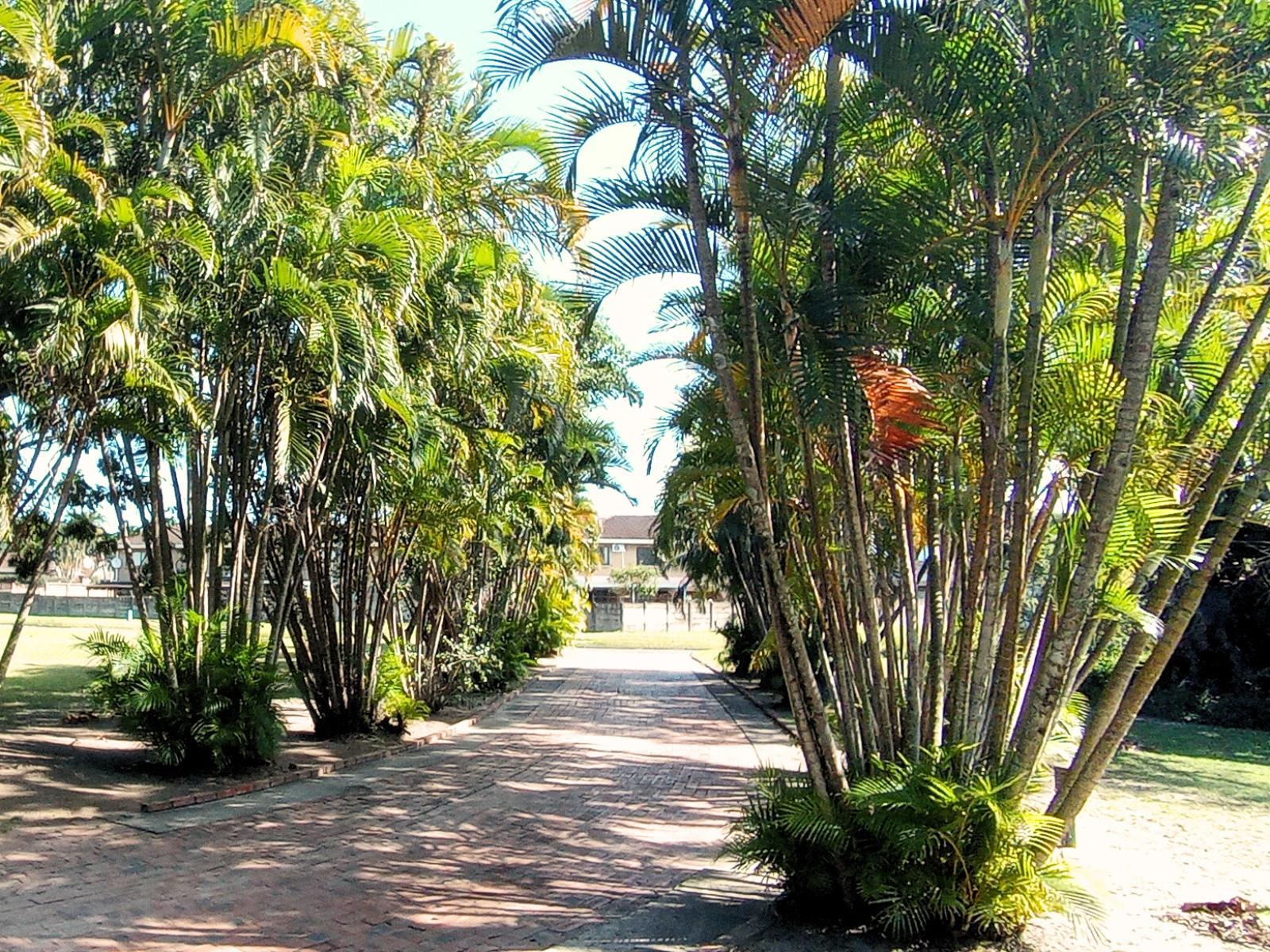
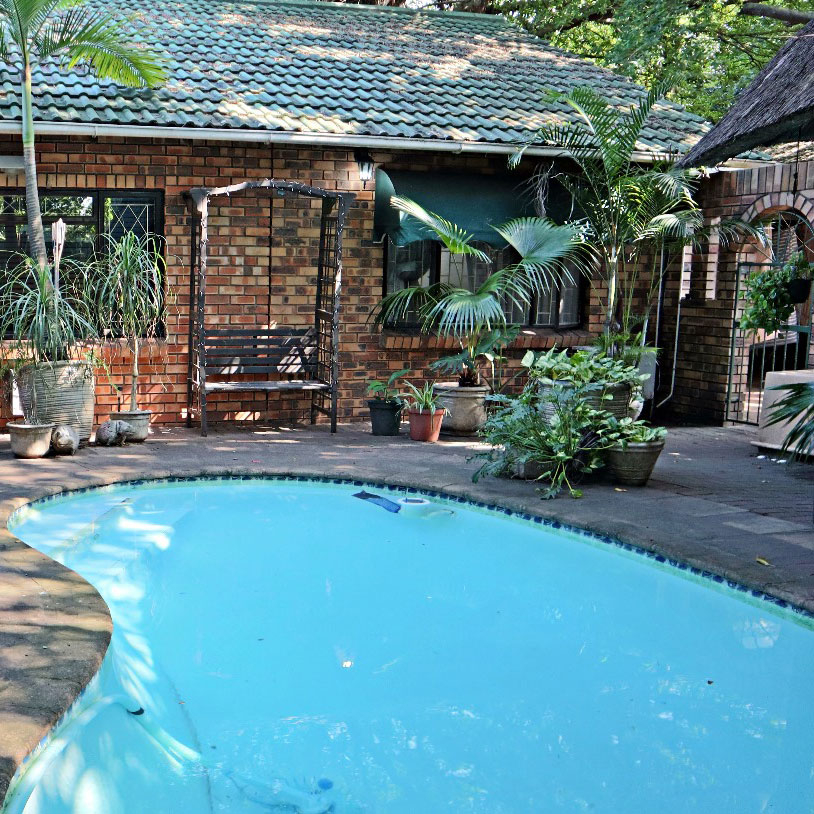
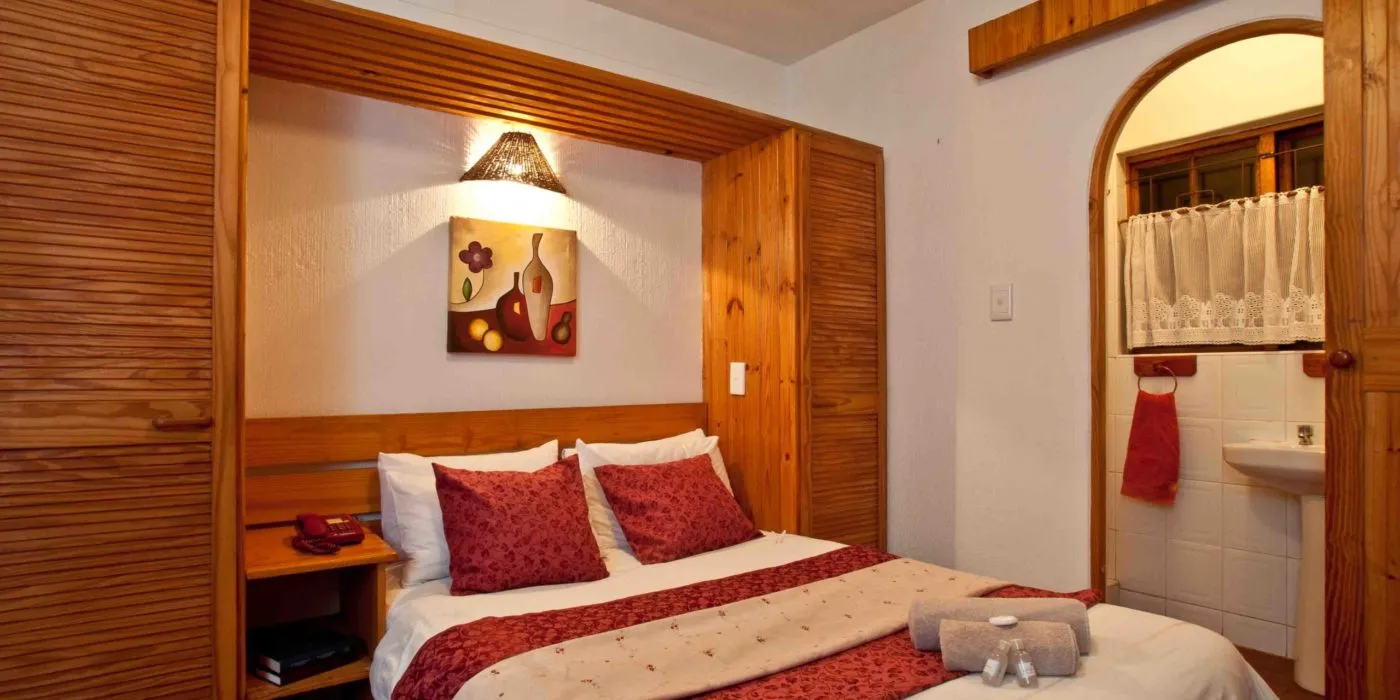
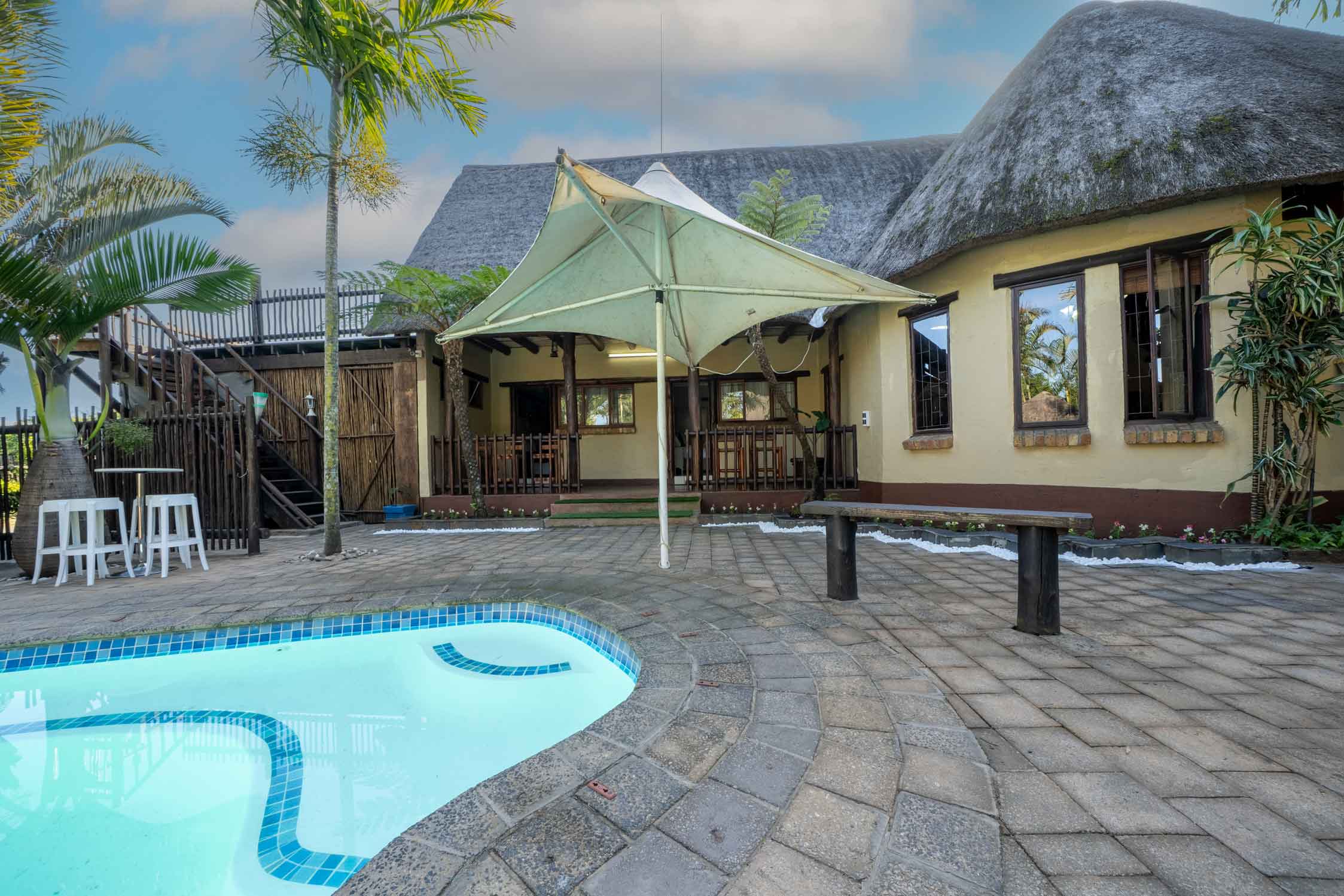
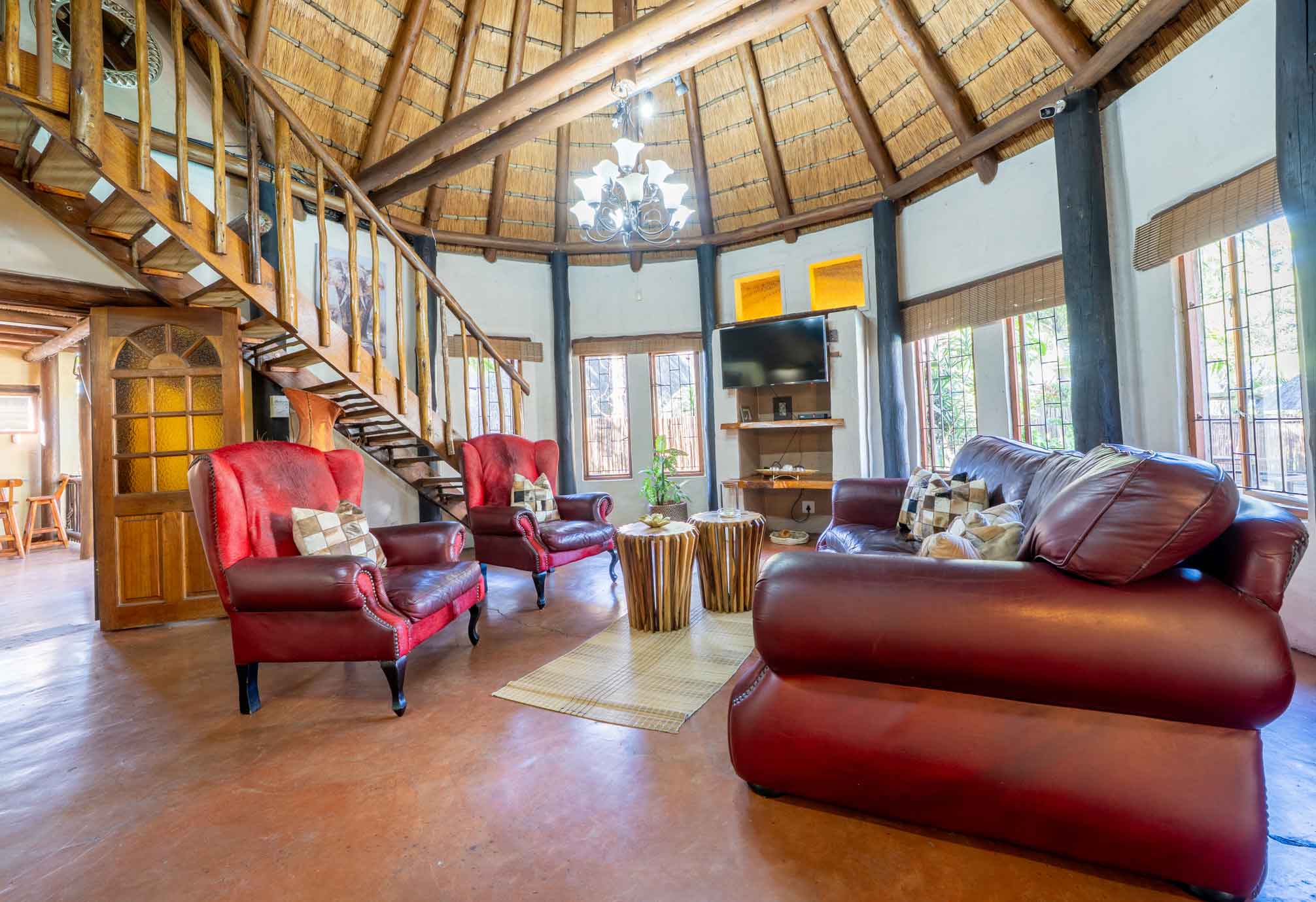
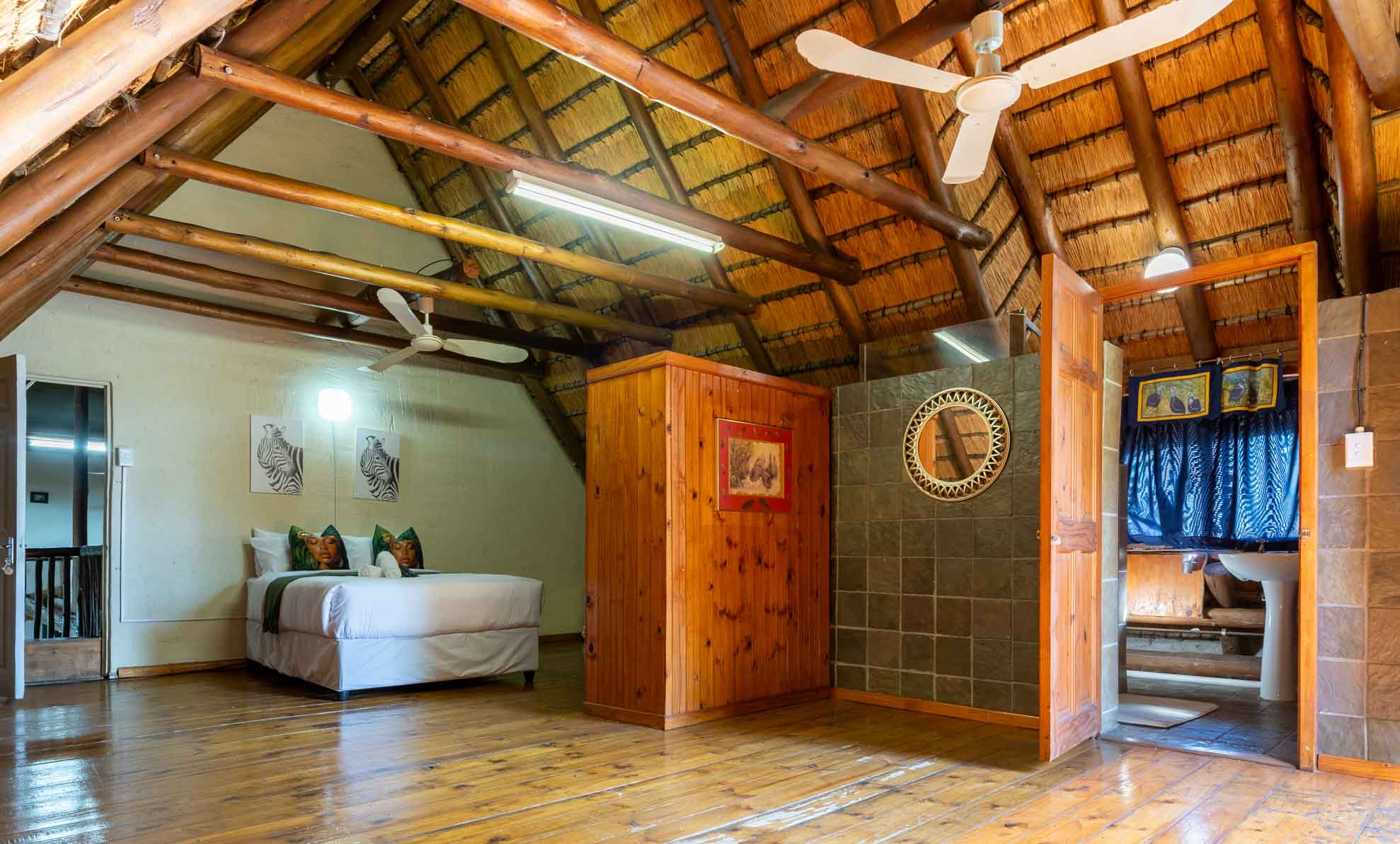
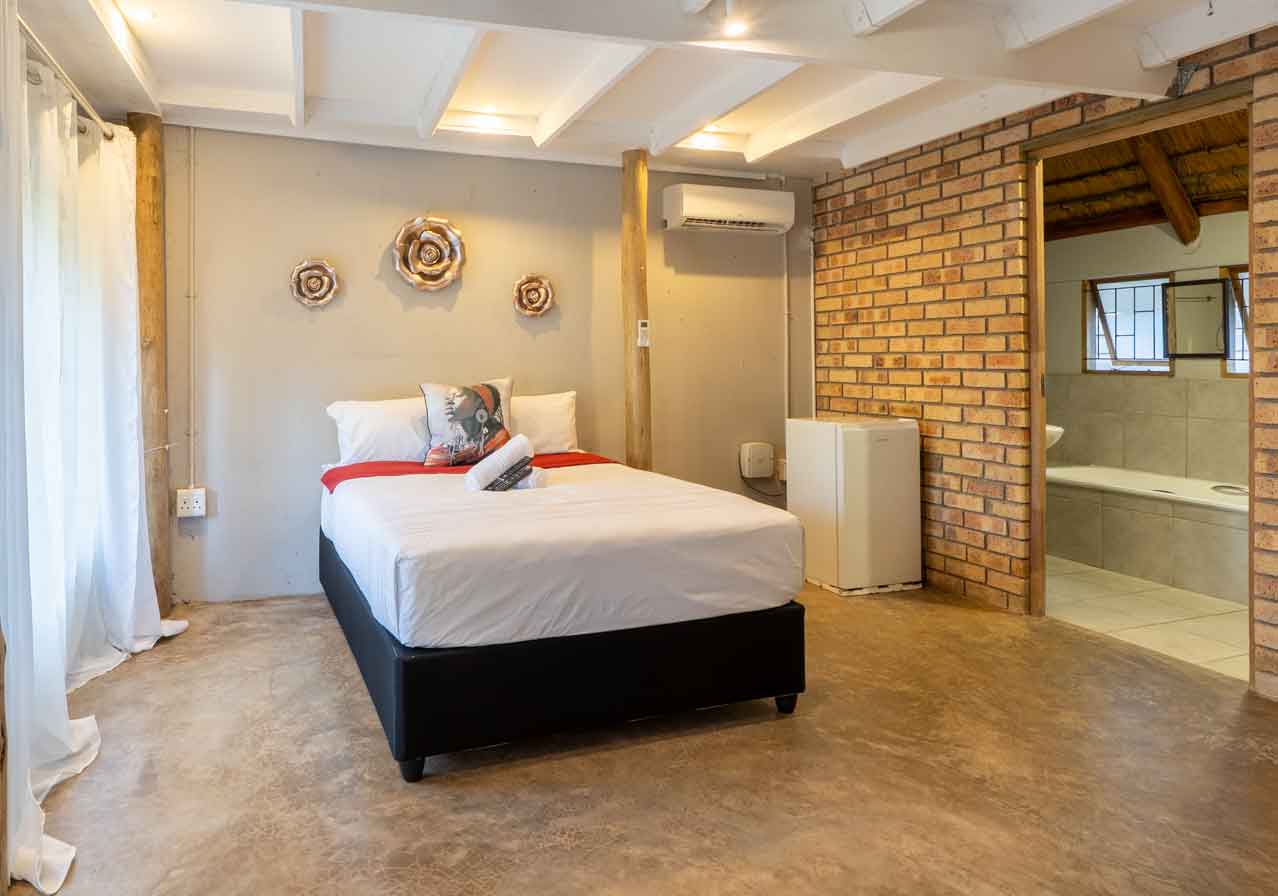
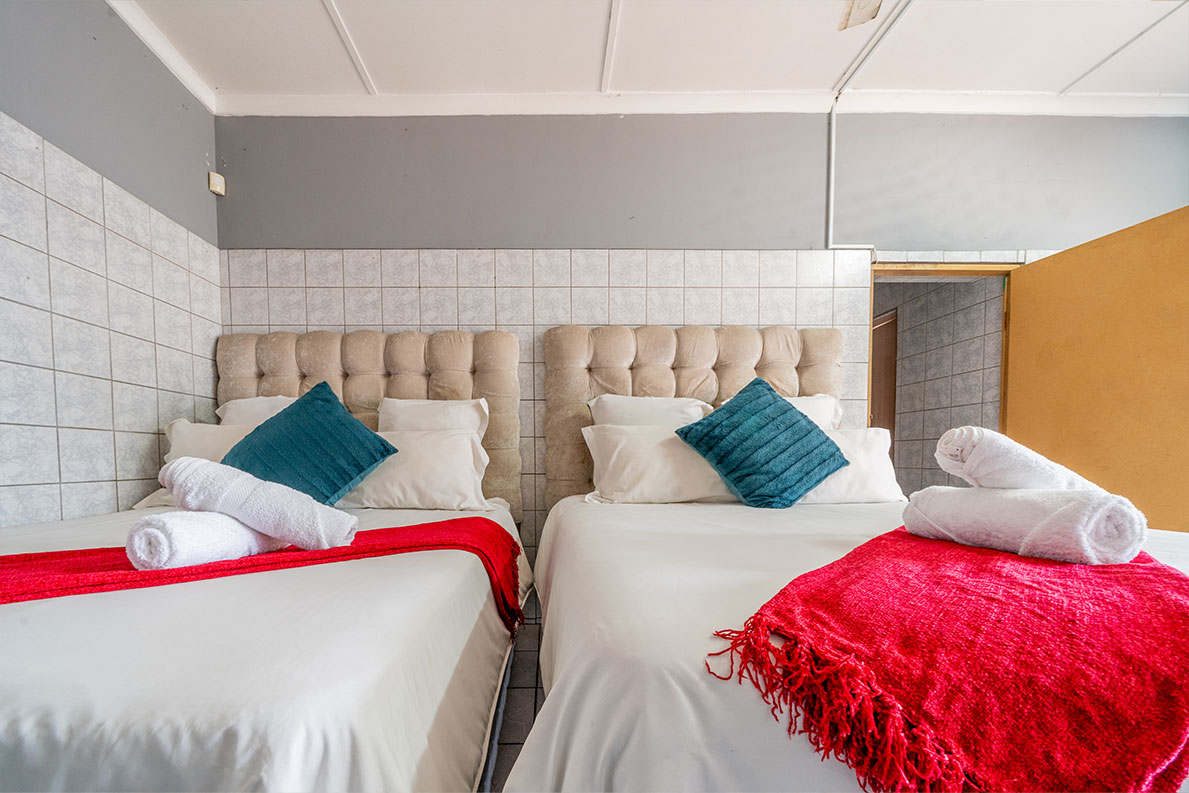
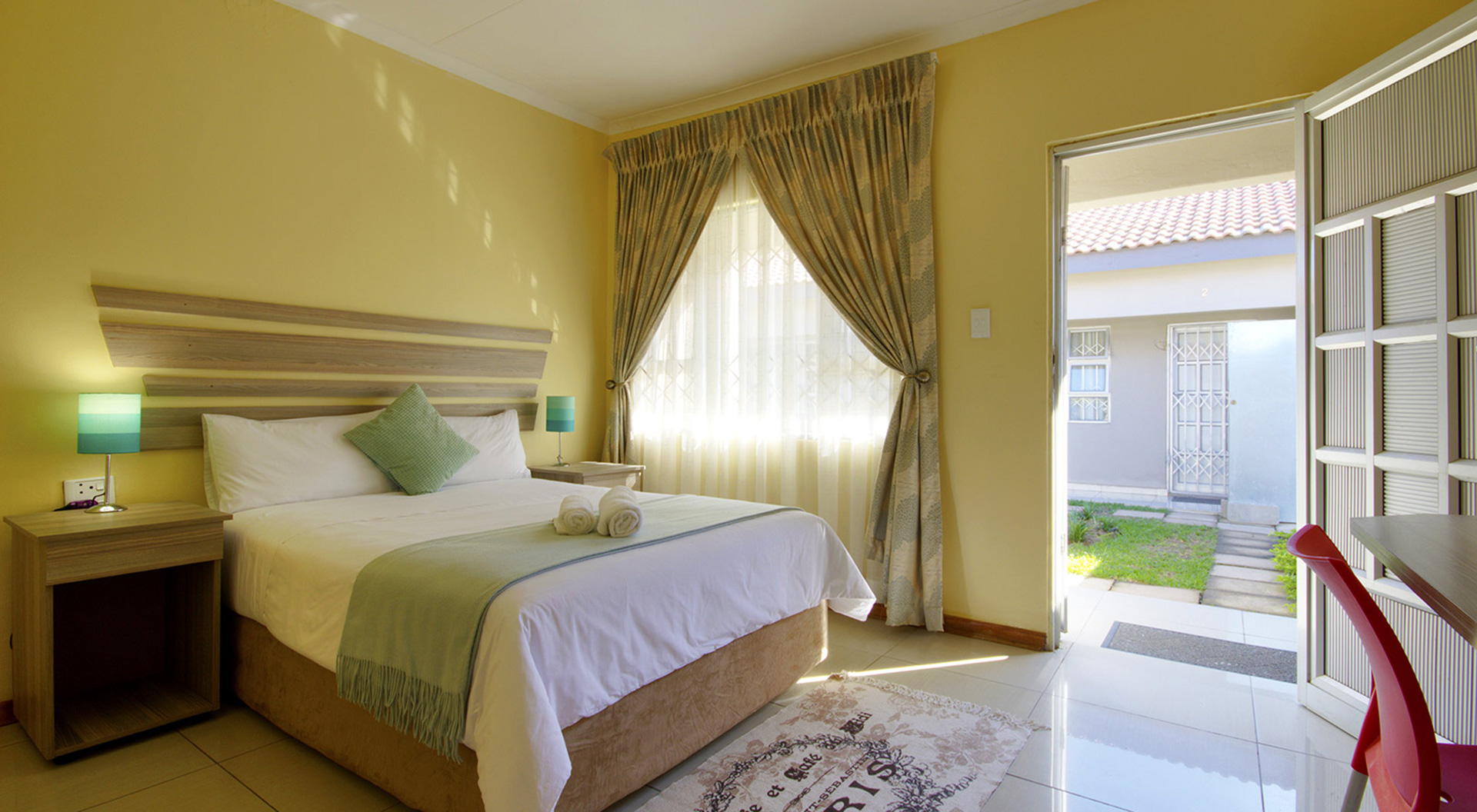
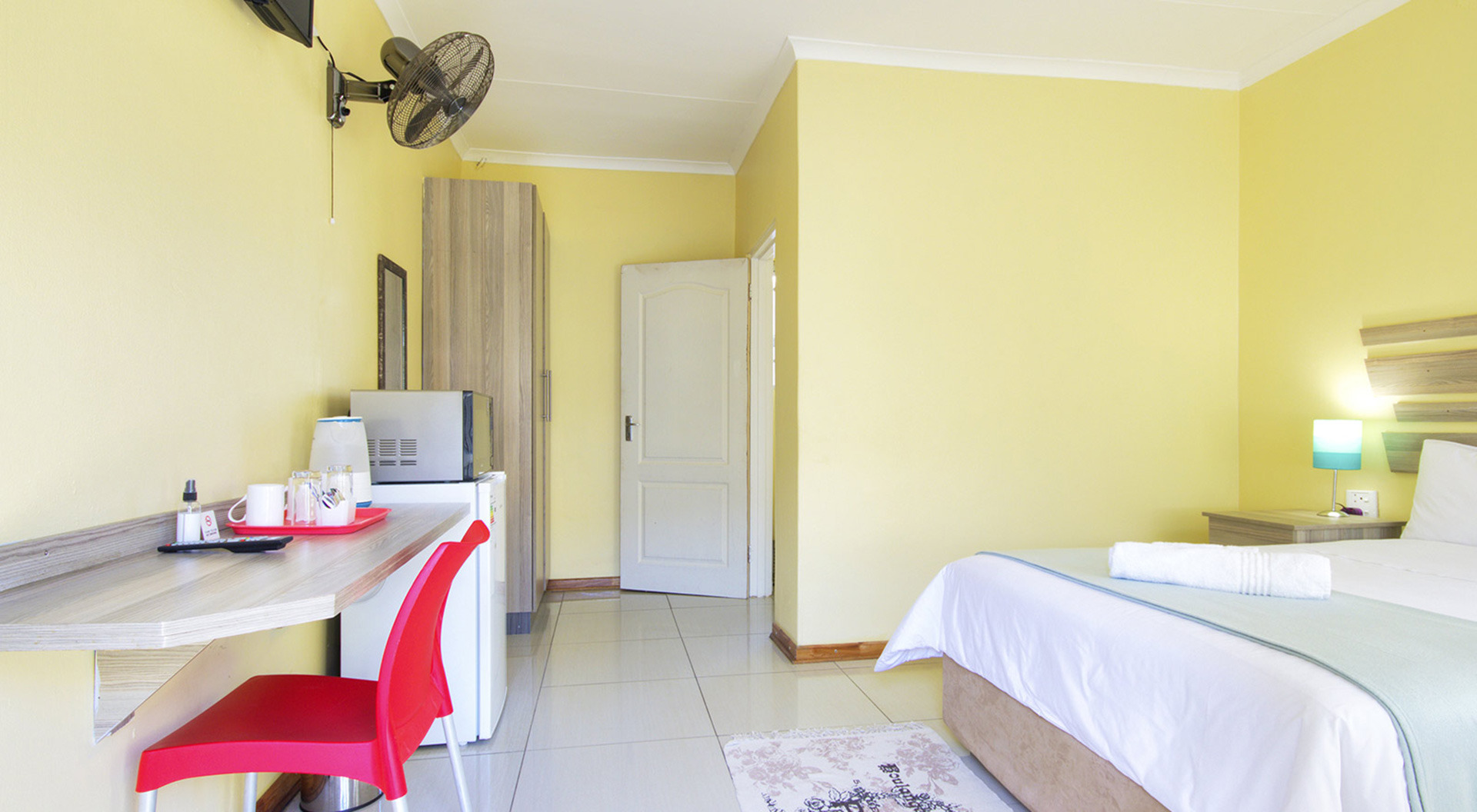
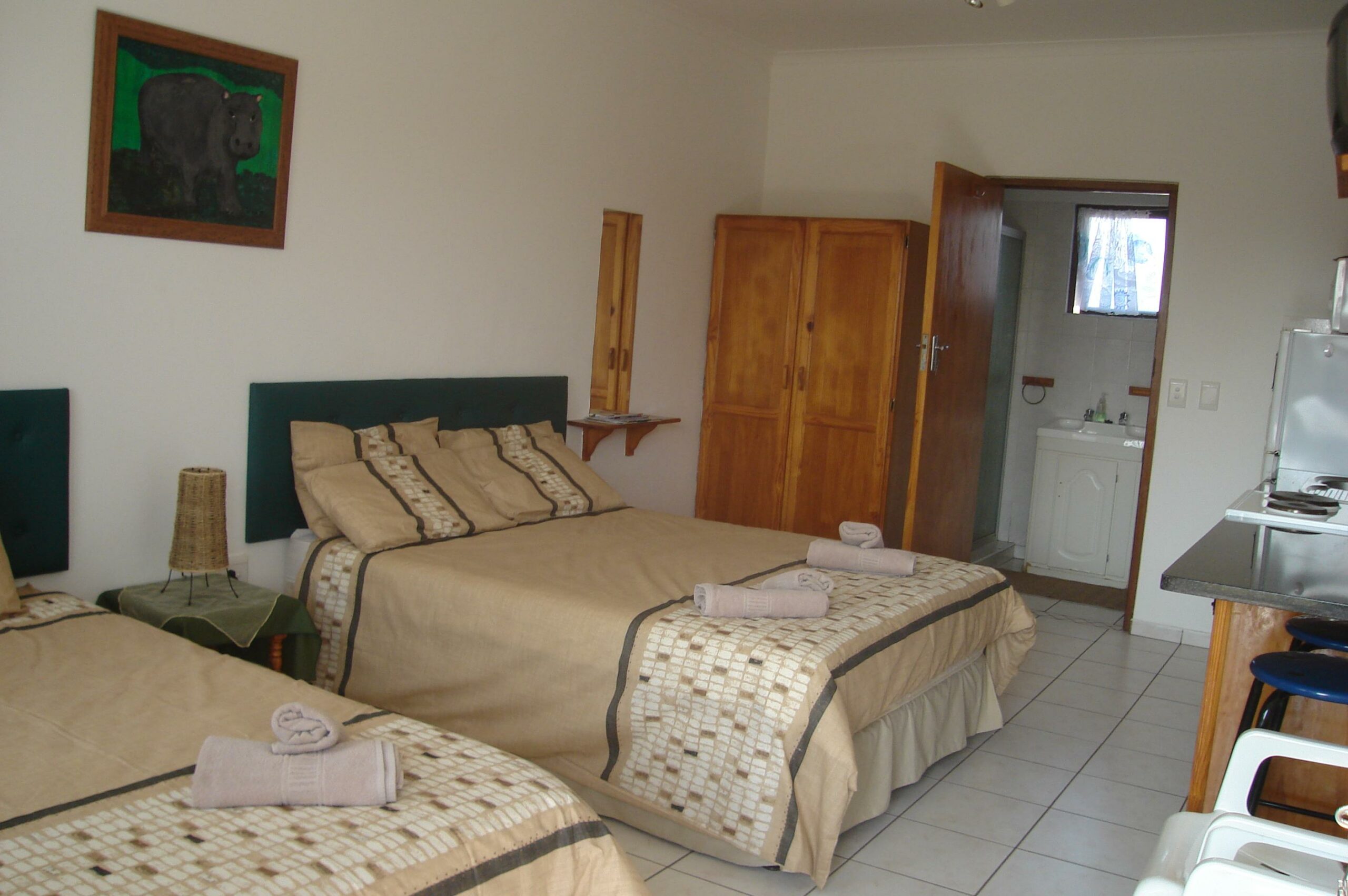
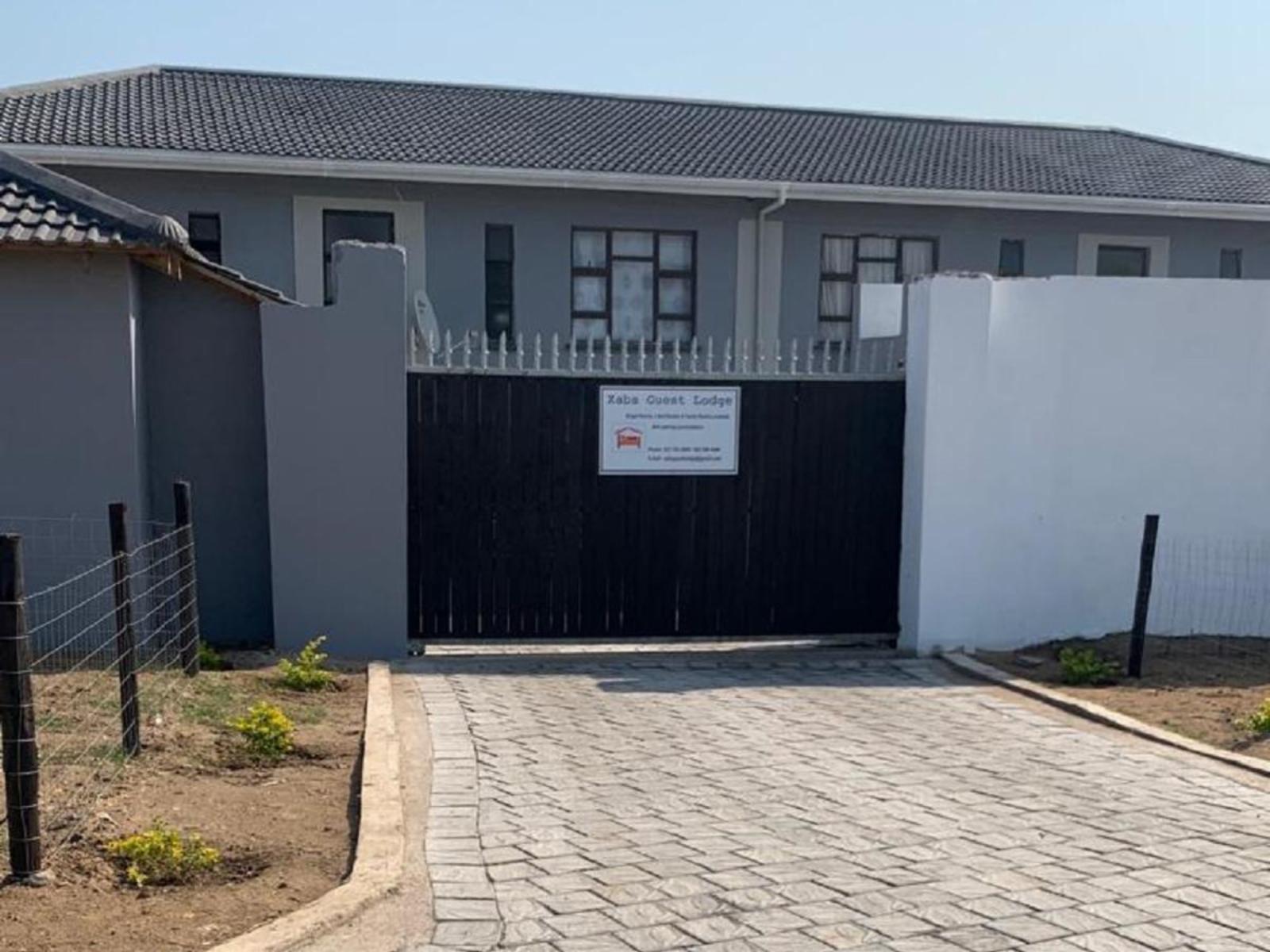
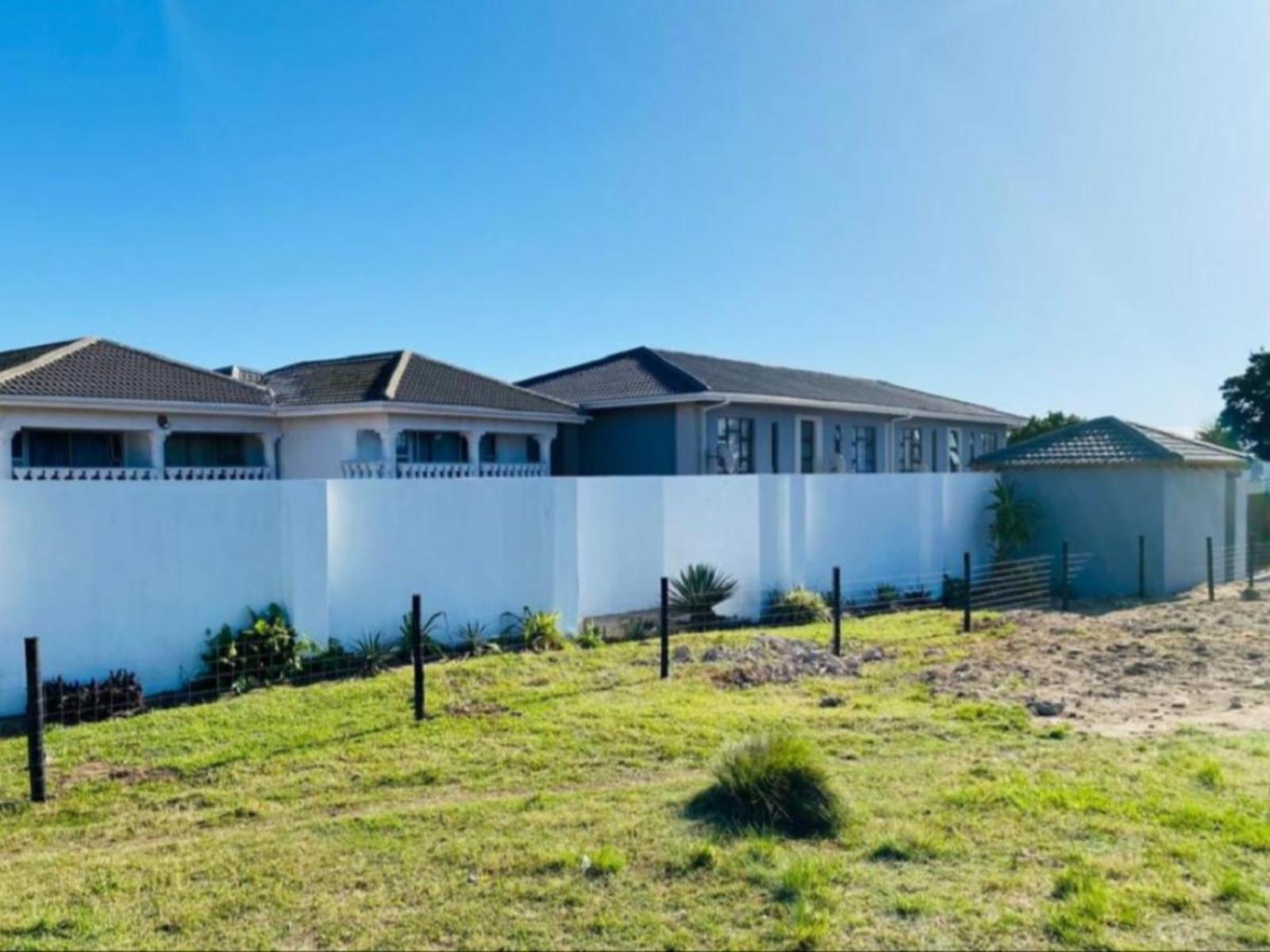
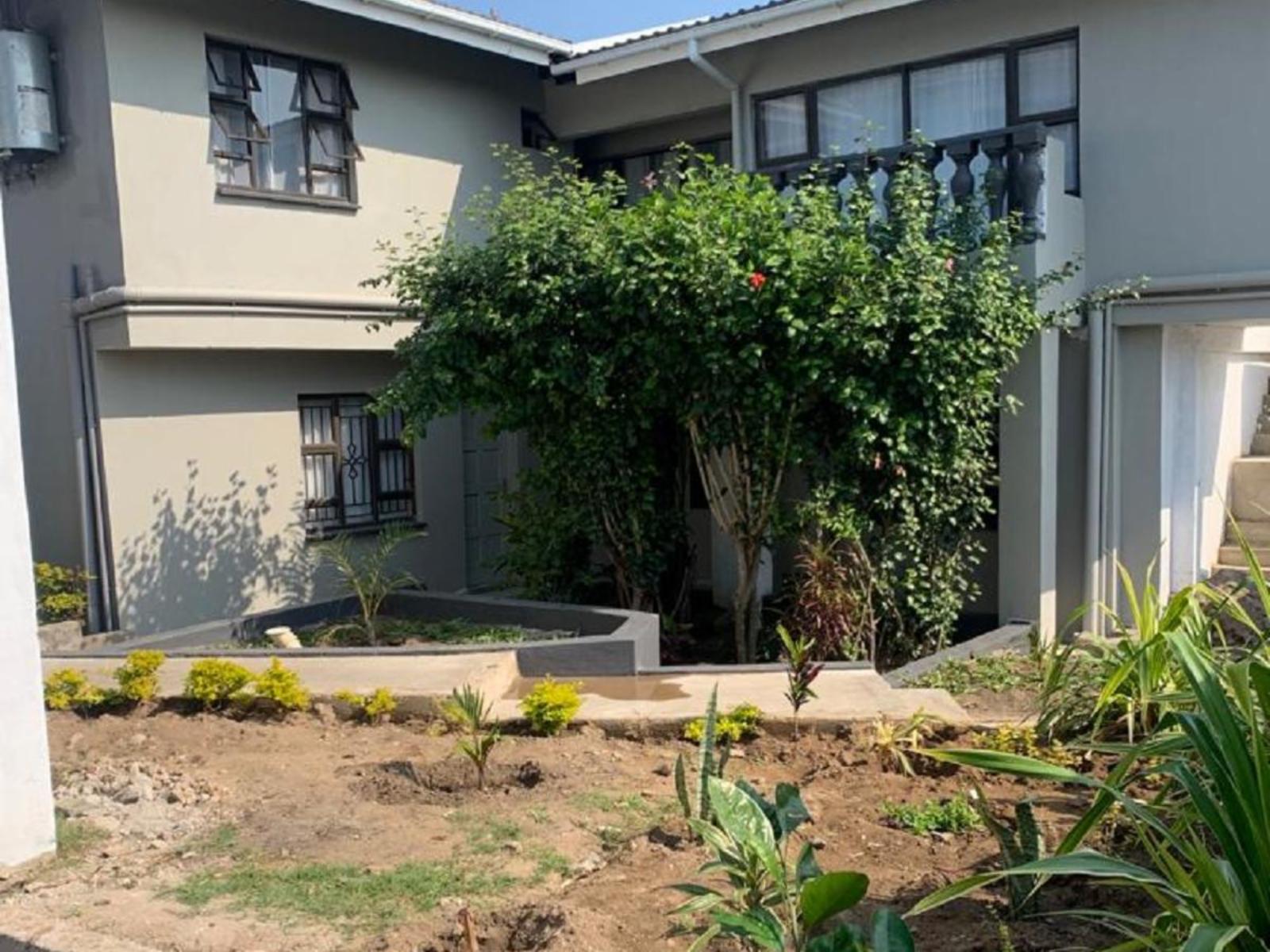
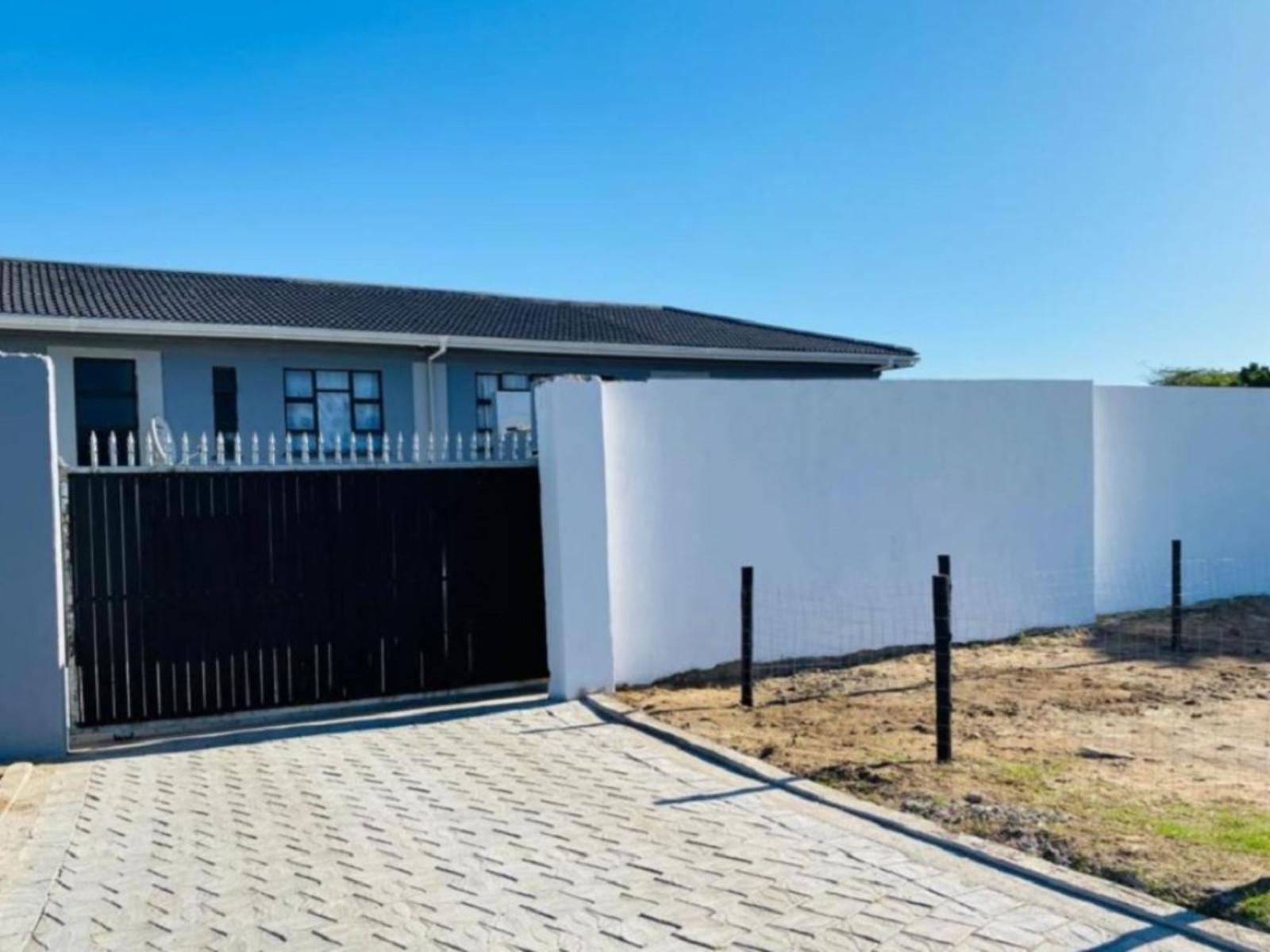
Richards Bay has seven properties to choose from, with nightly rates ranging from R1,030 to R2,600. That spread reflects genuine differences in accommodation style rather than just grading tiers, and the mix covers most traveler types reasonably well.
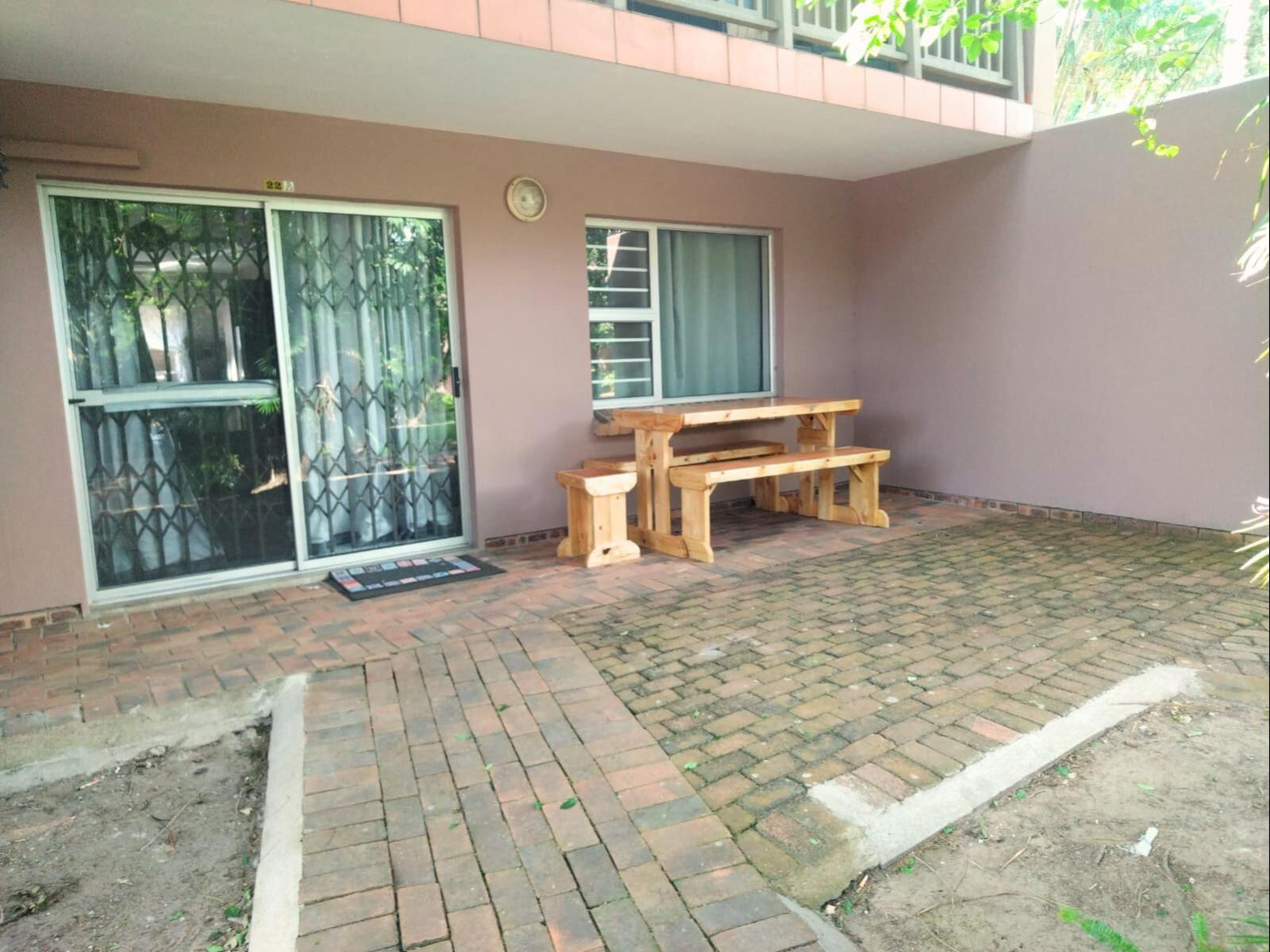
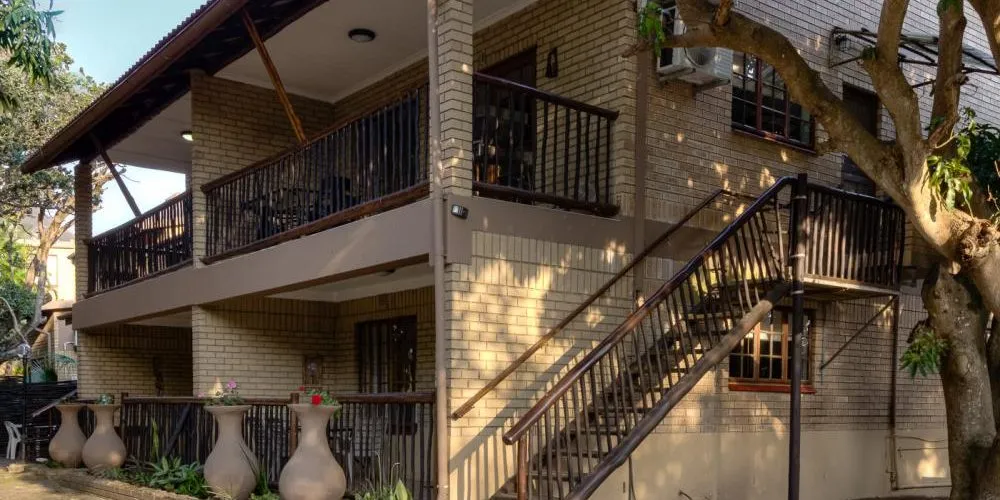
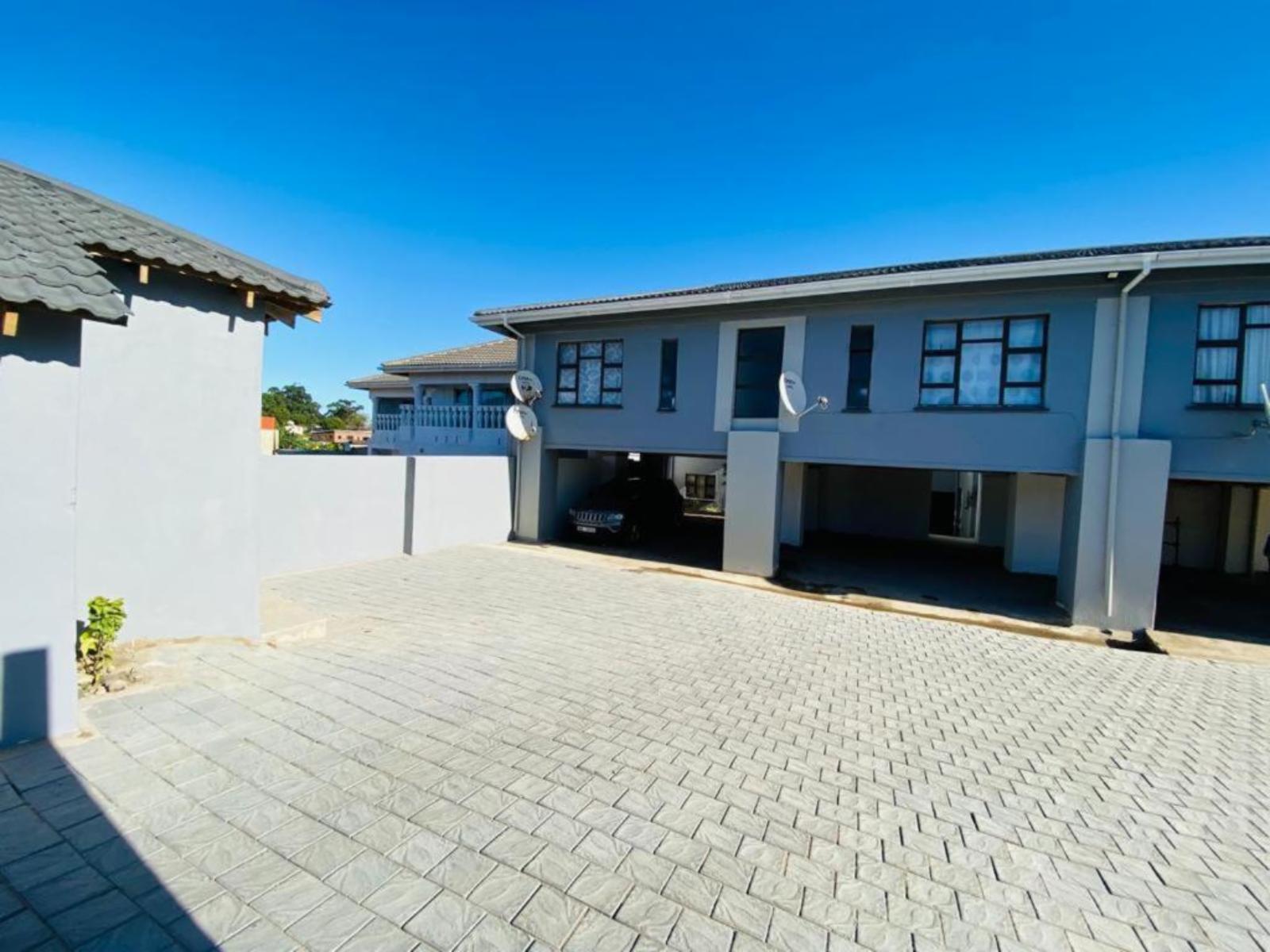
At the lower end, self-catering units offer the most flexibility, averaging around R1,230 per night. These suit families and longer-staying visitors who prefer to shop locally and cook their own meals. Properties at this tier tend to sit in or near residential areas, close to supermarkets and petrol stations, which makes day-to-day logistics easy without needing to rely on restaurants.
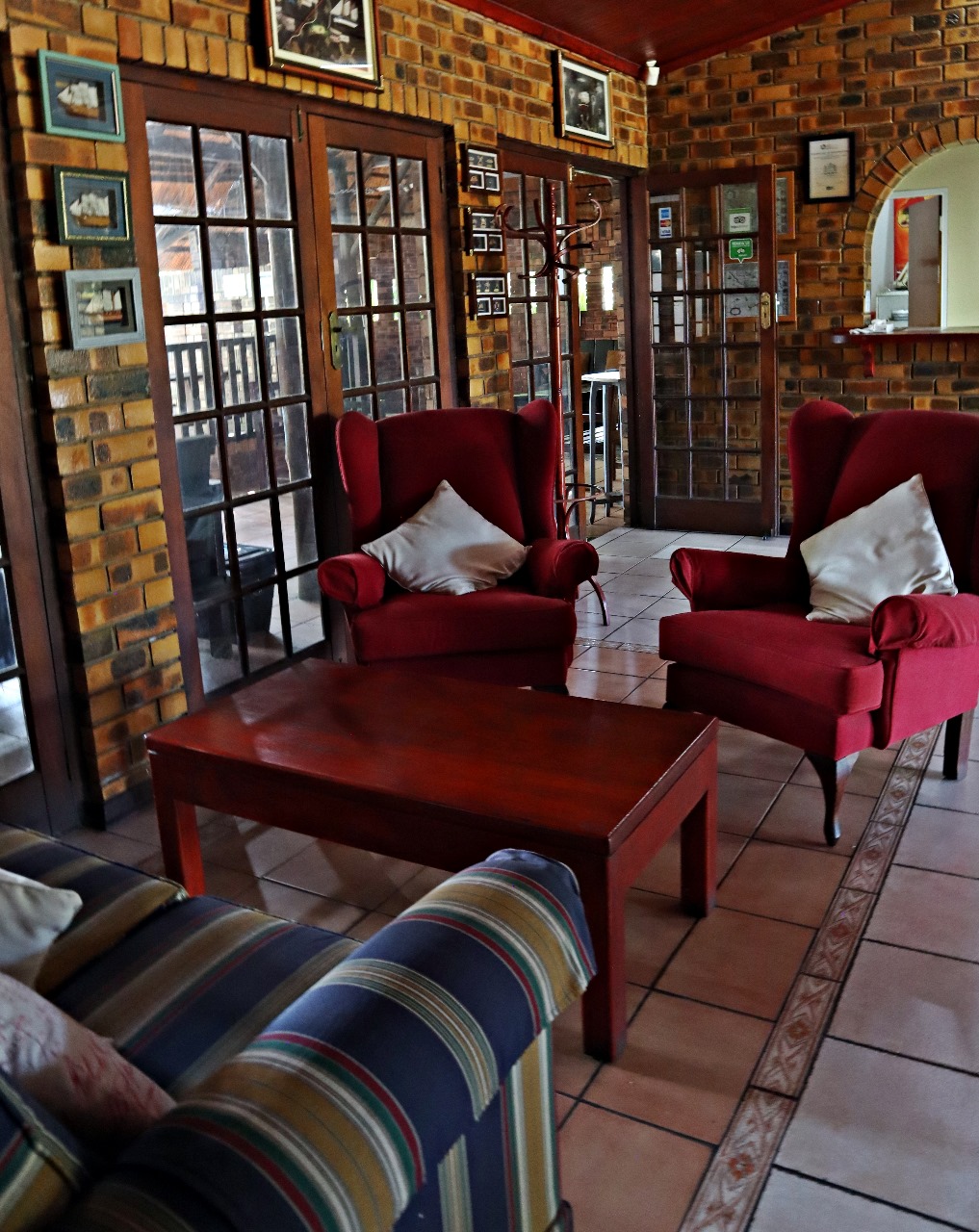
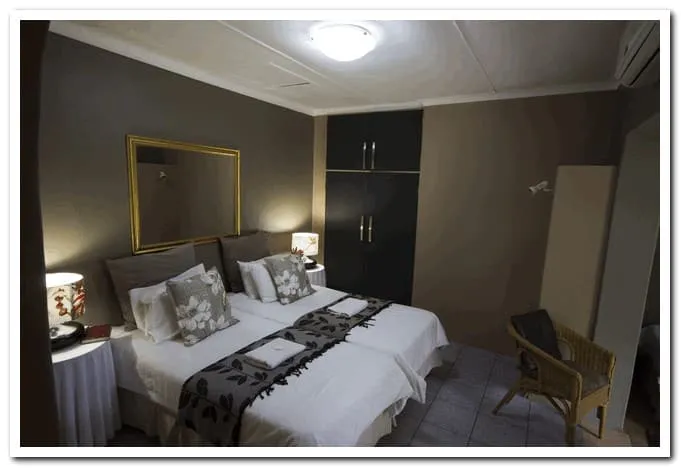
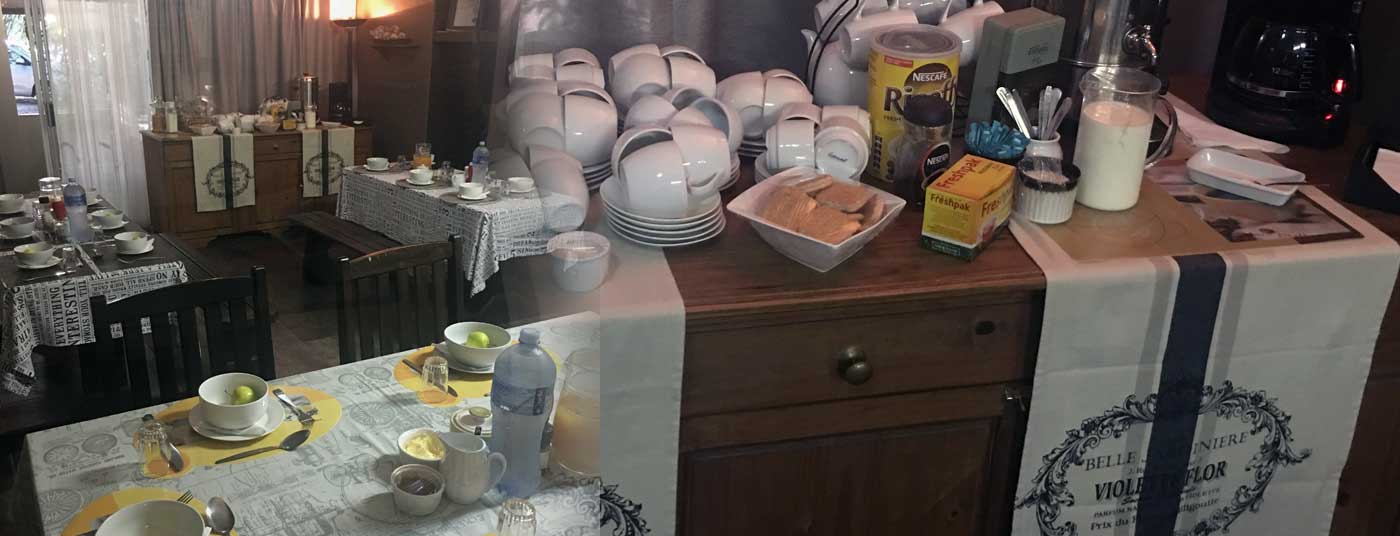
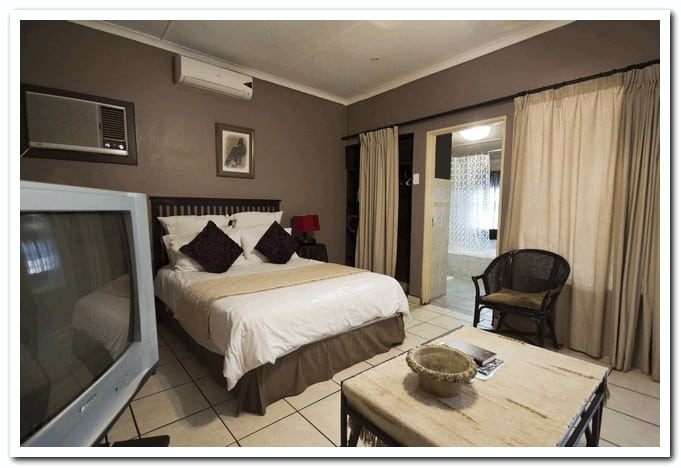
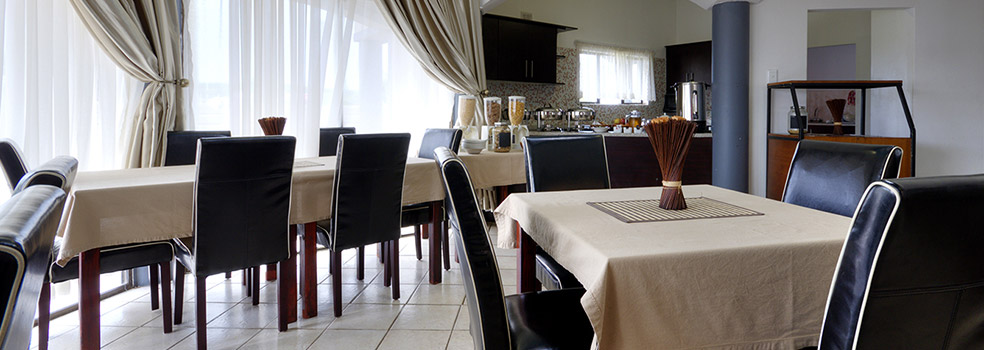
The guesthouse option sits in the middle ground at roughly R1,500 per night on average. Guesthouses in a city like Richards Bay typically provide a more personal experience than chain hotels, with owners who know local fishing spots, boat charter operators, and where to find a decent seafood meal. Breakfast arrangements vary, so it's worth checking what's included before booking.
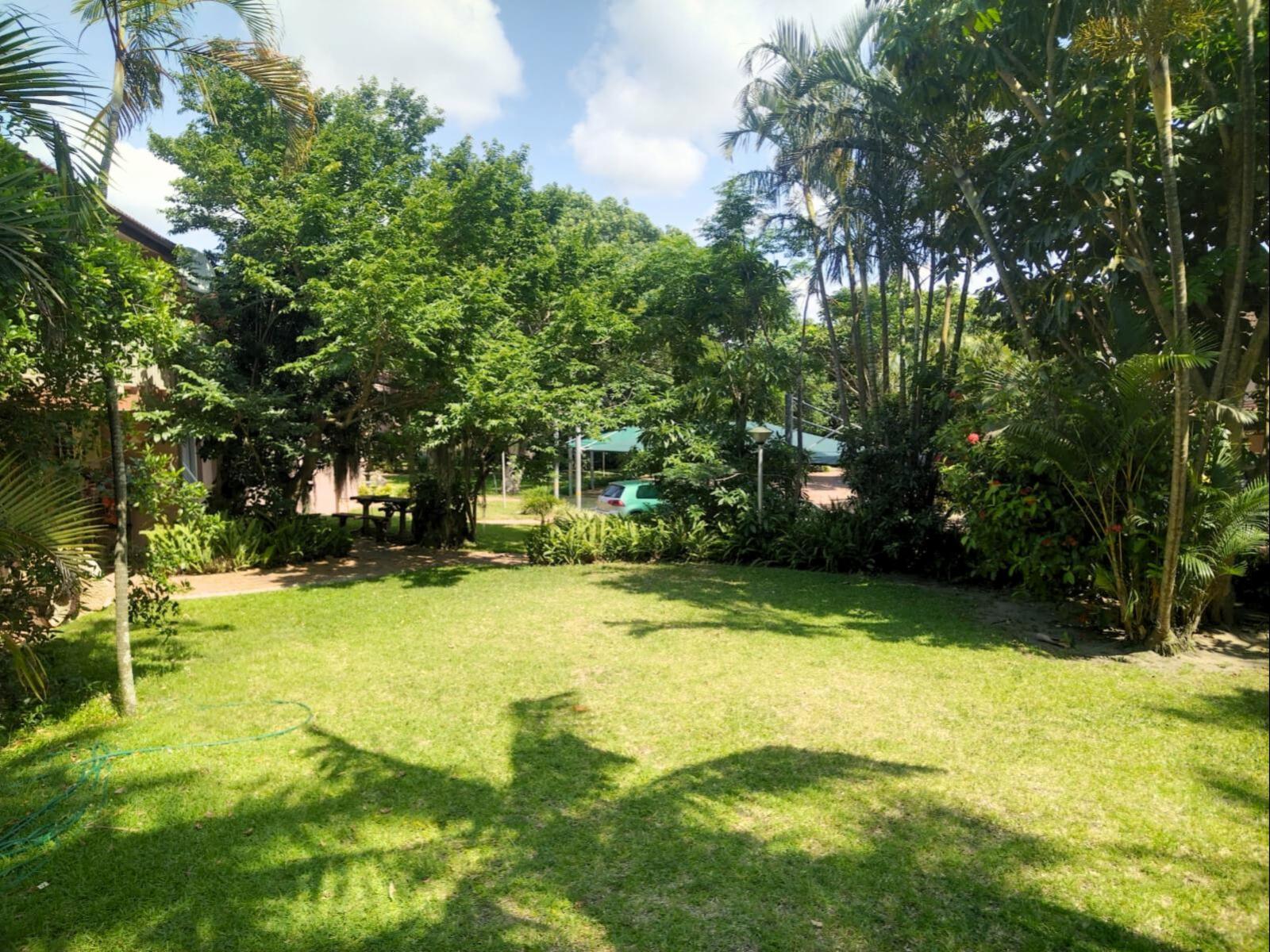
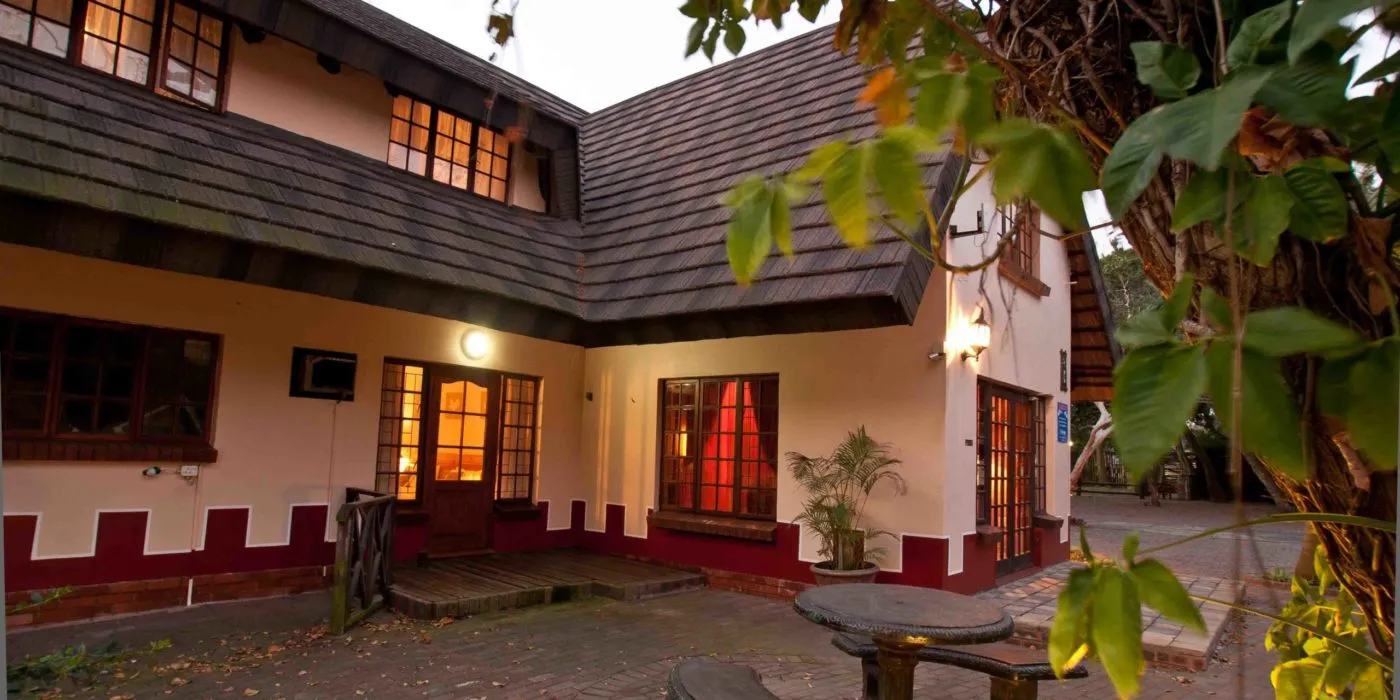
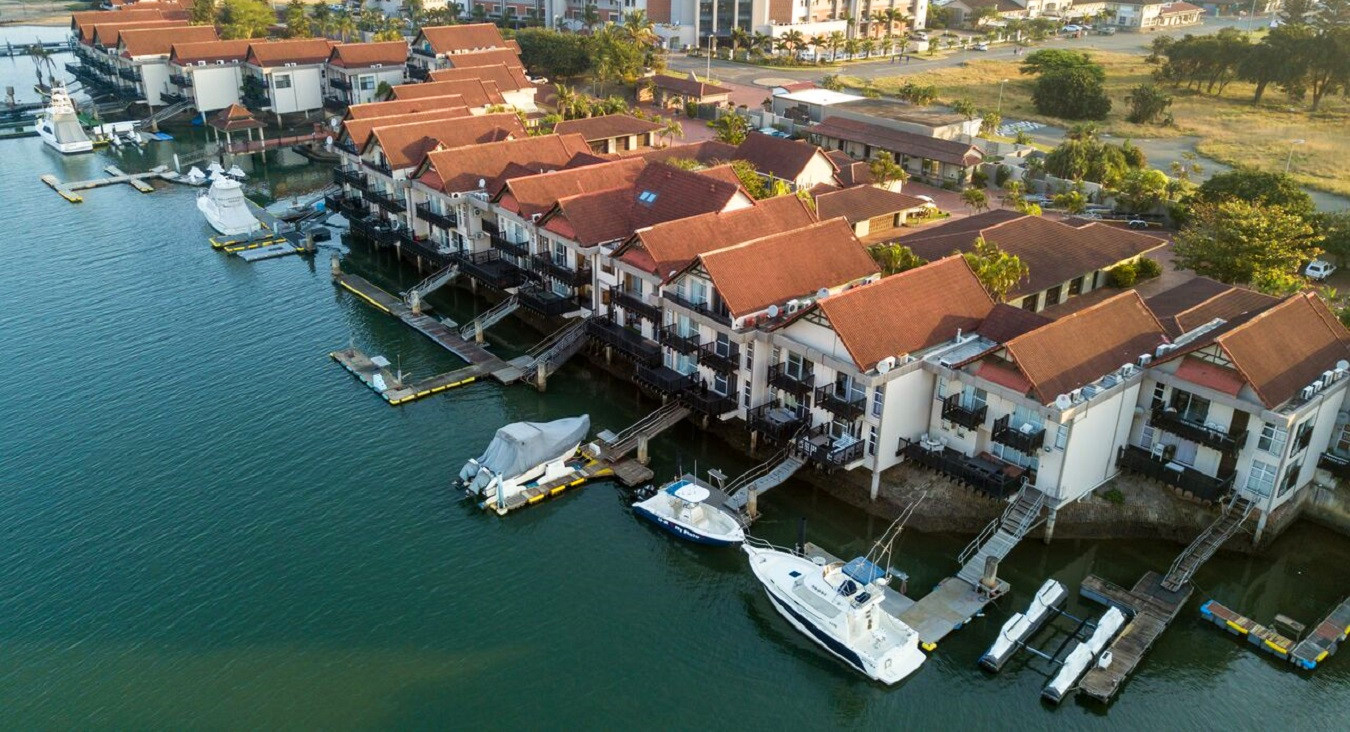
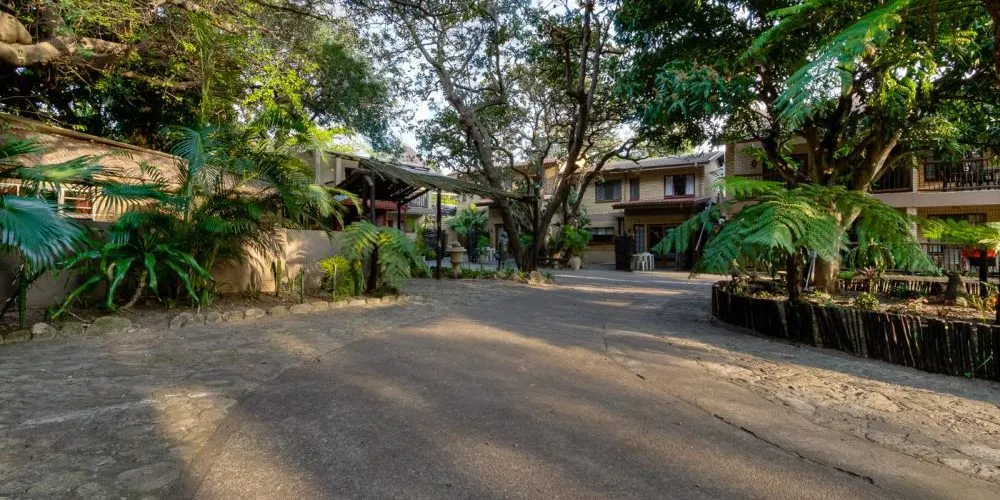
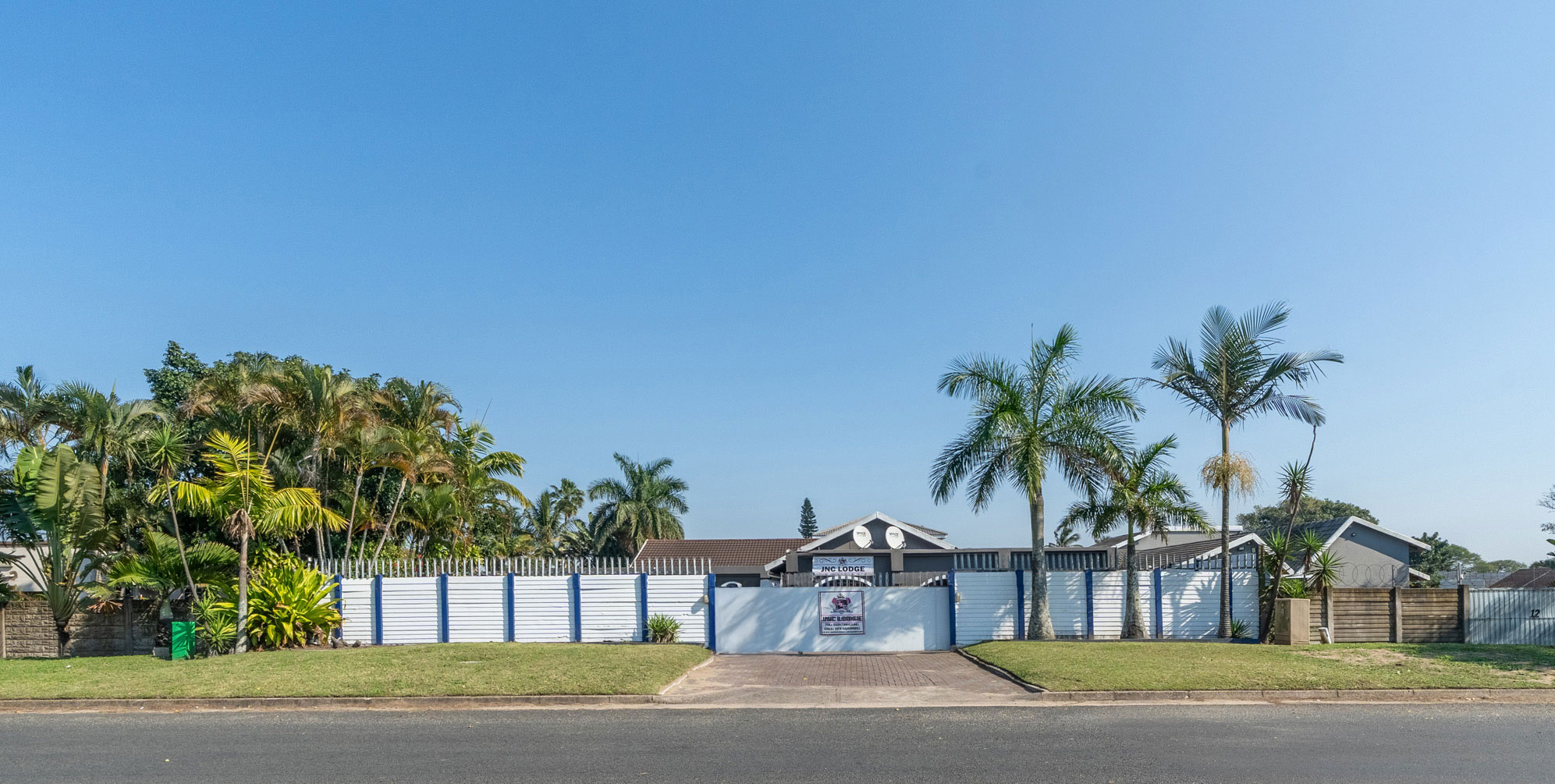
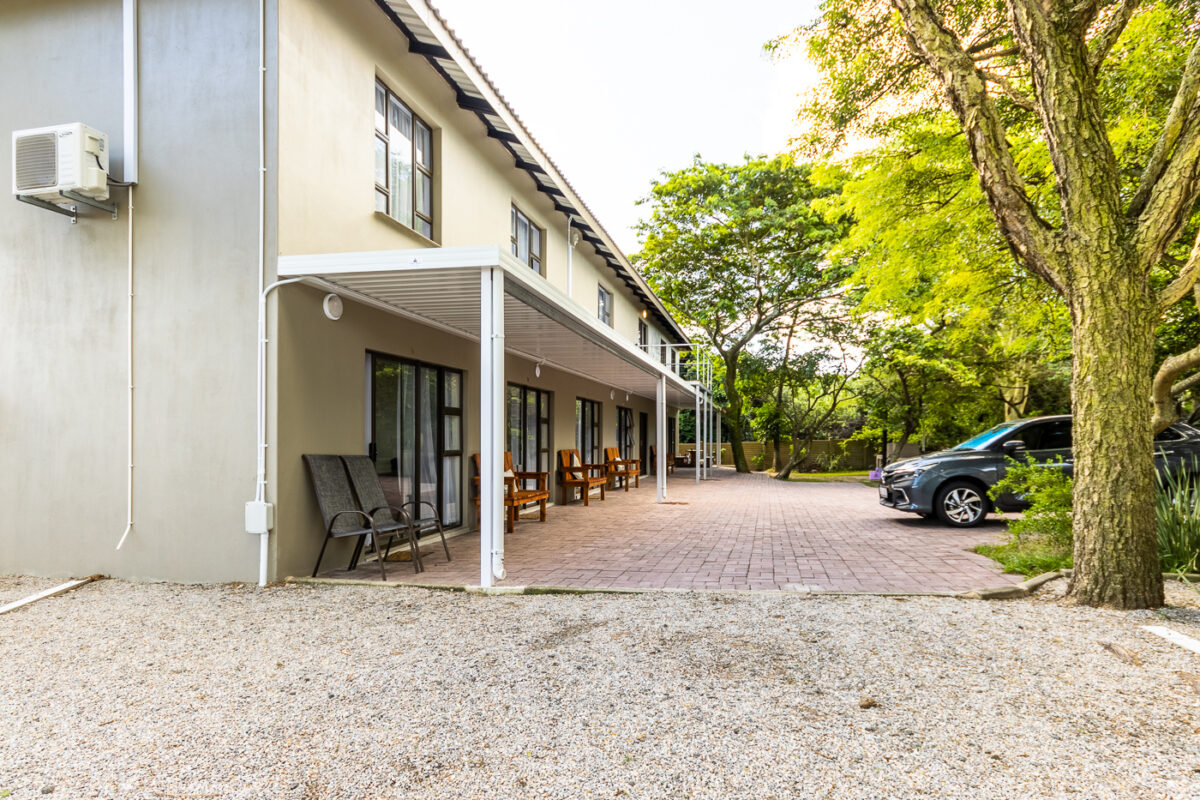
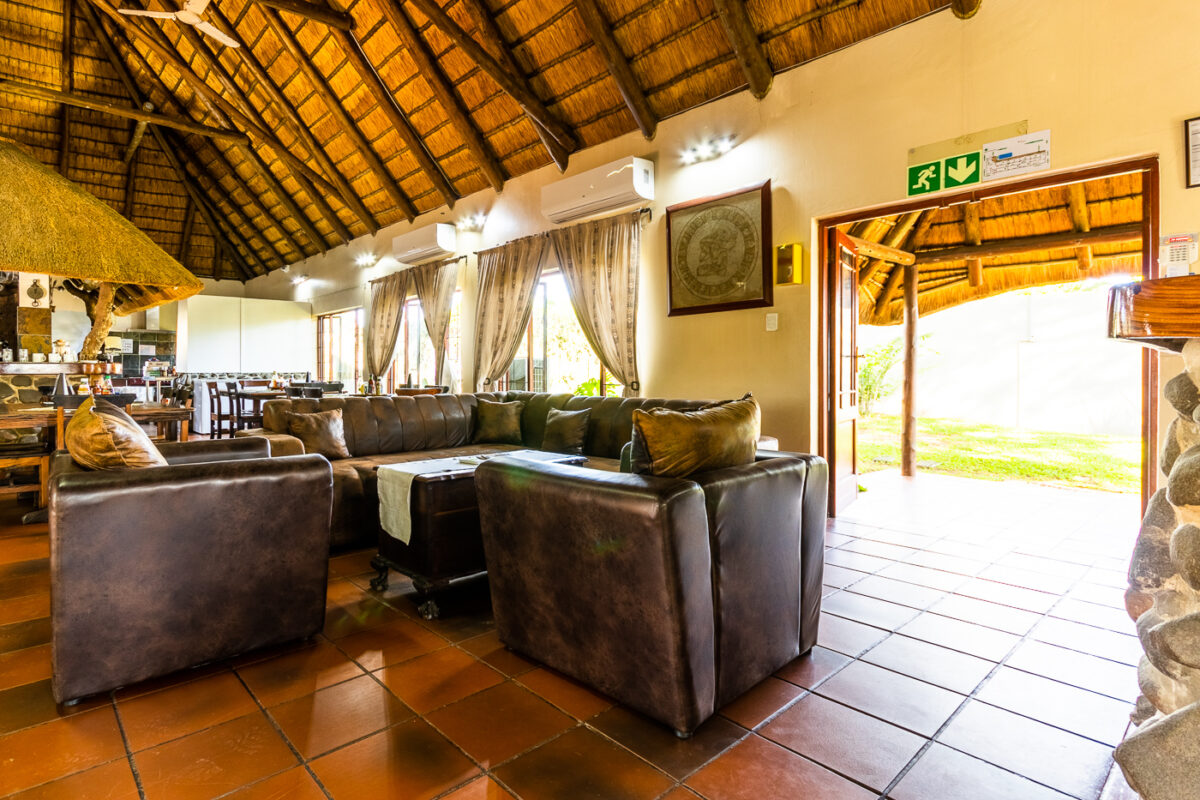
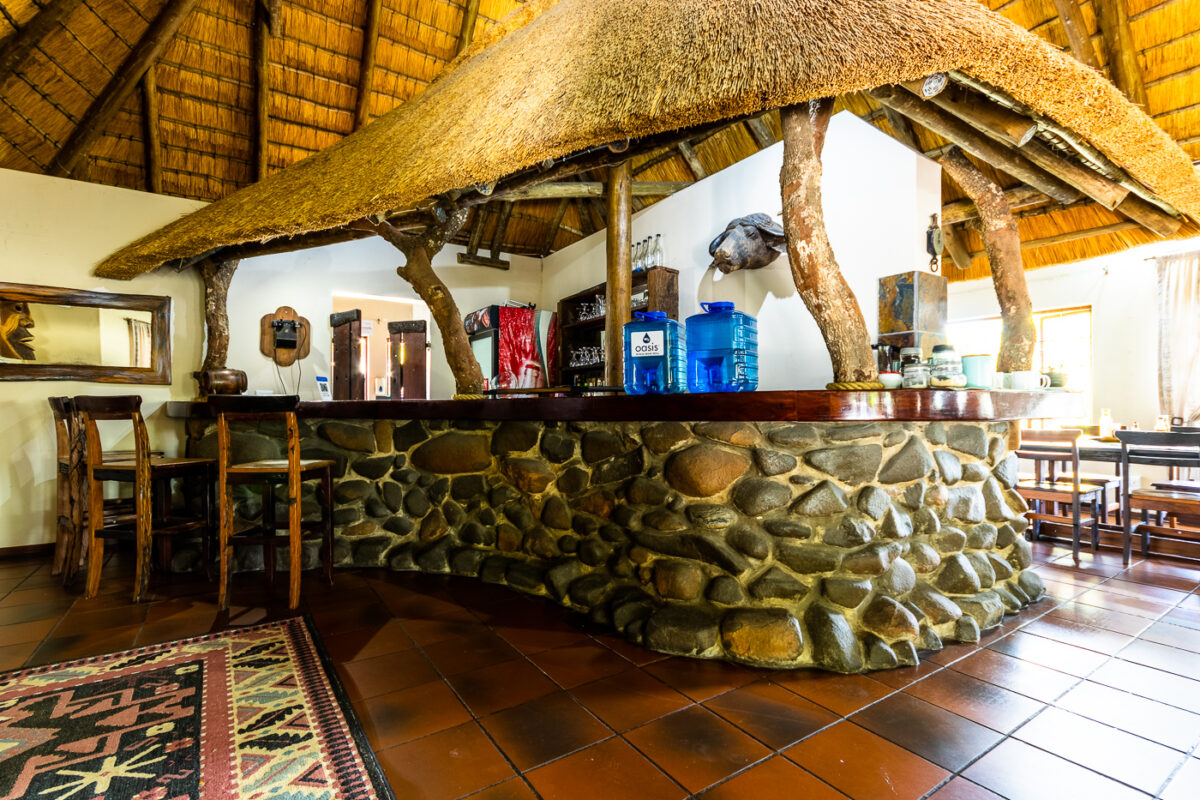
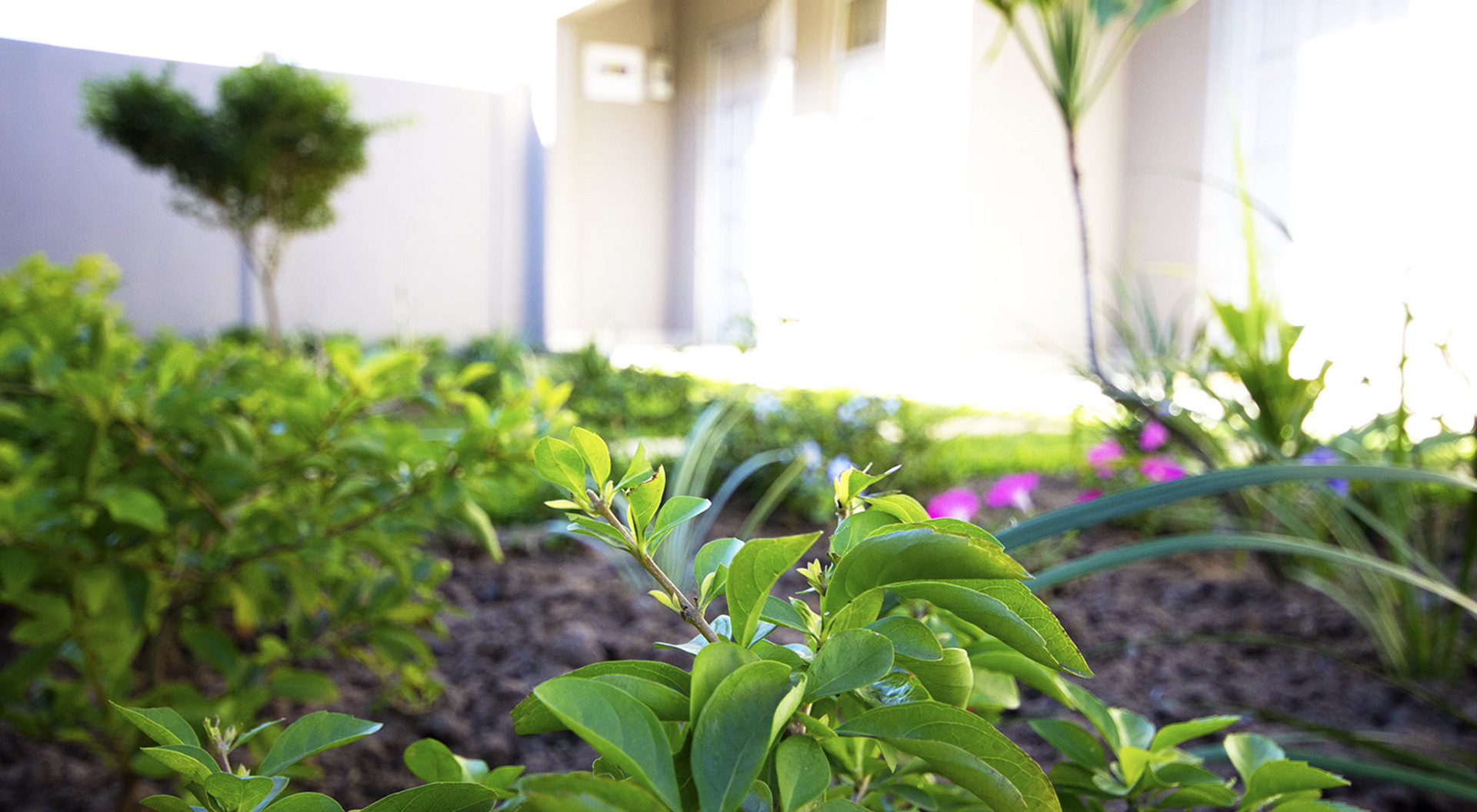
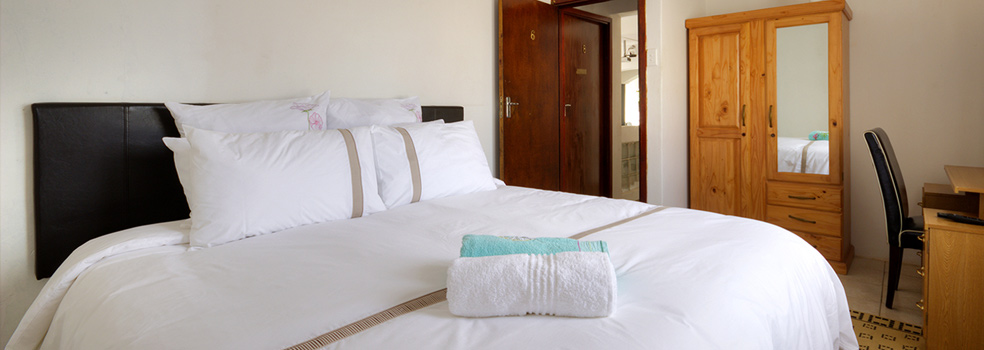
The upper tier is where most of the choice sits. Three bed and breakfasts average around R2,277 per night, usually with morning meals, secure parking, and rooms that often have garden or waterfront outlooks. The lodge, priced at R2,600 per night, is the highest-priced property in the city and offers a more self-contained stay with greater privacy, suited to those who want outdoor space or a quieter base for exploring the surrounding natural areas.
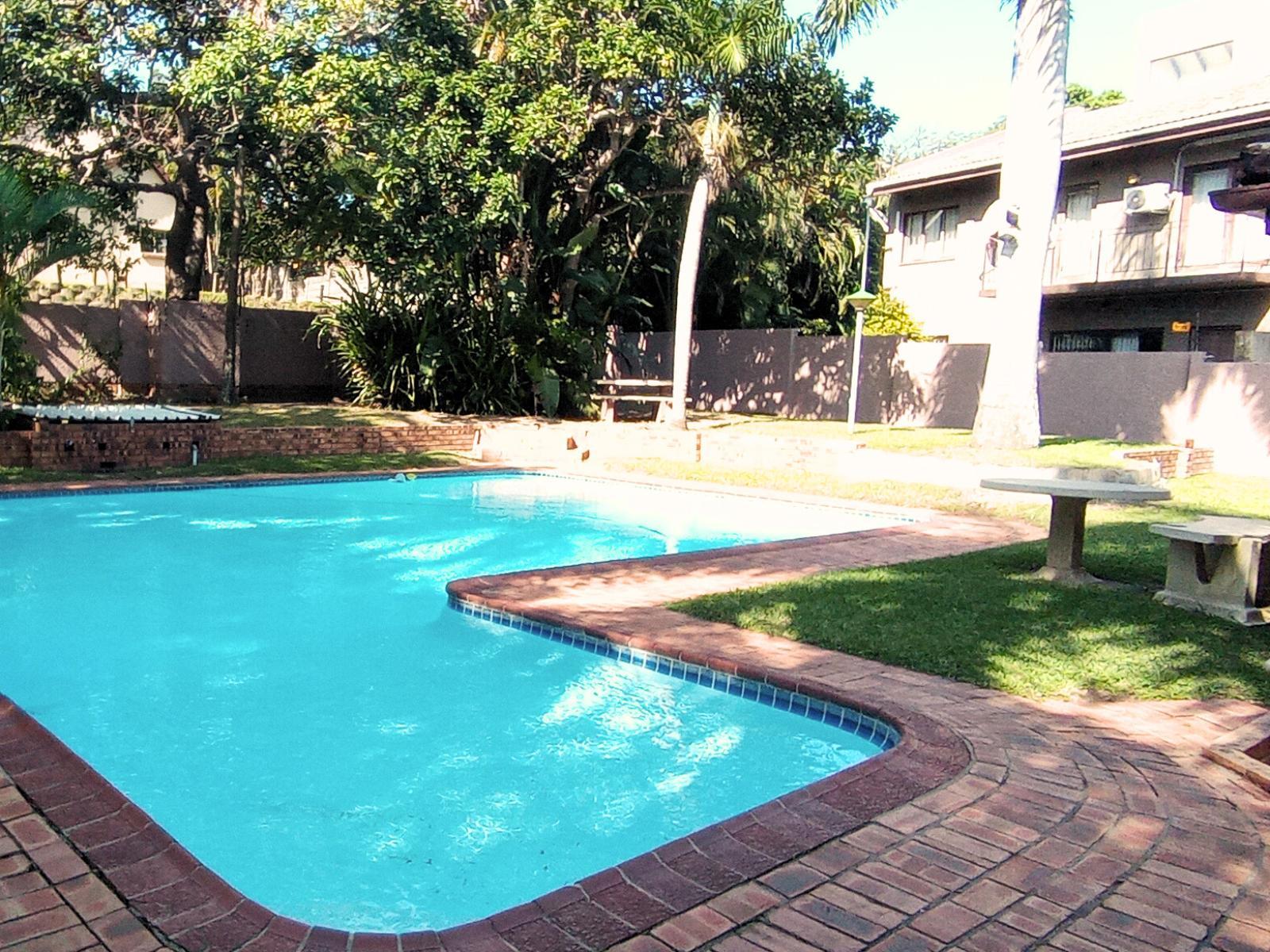
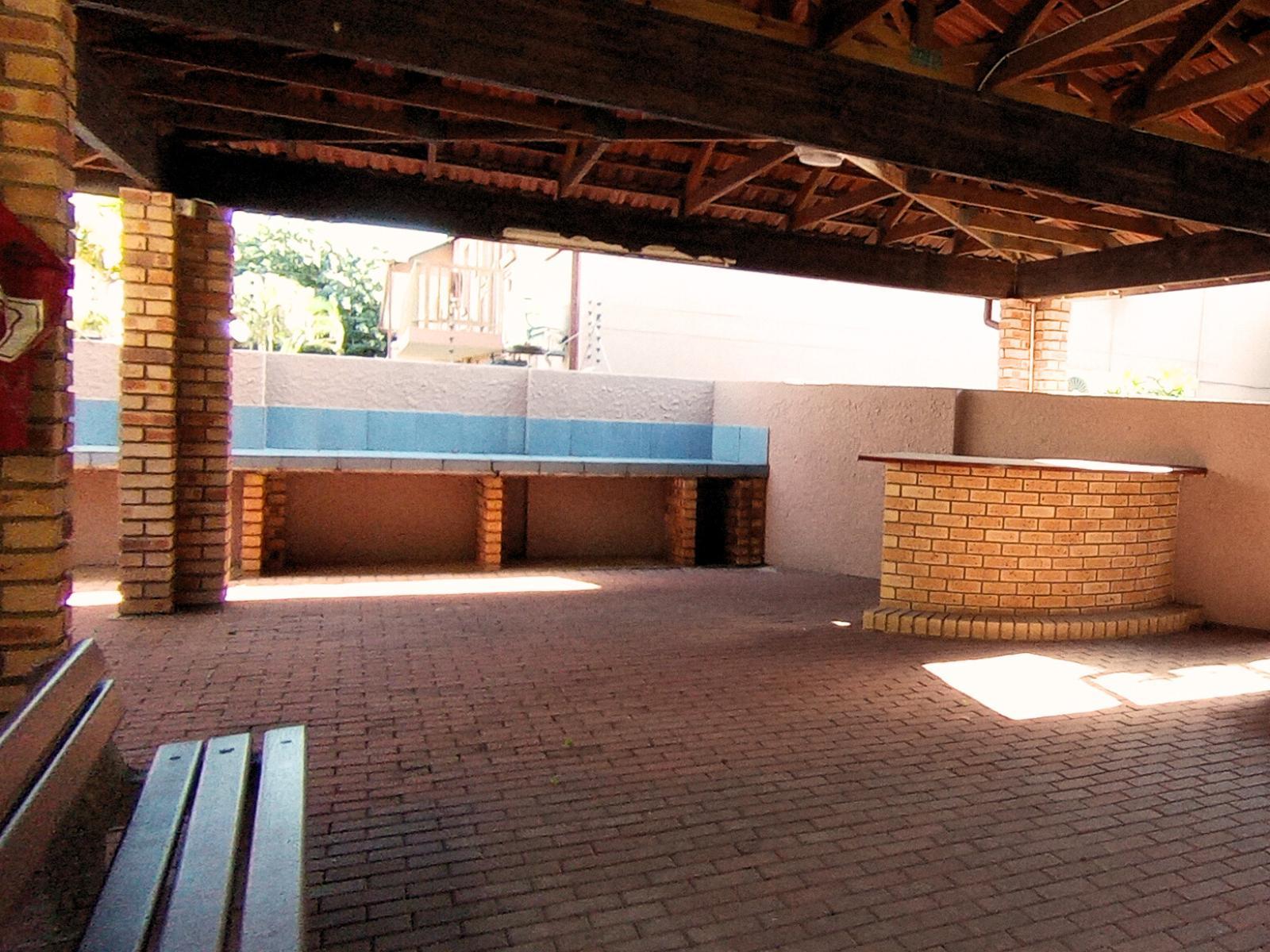
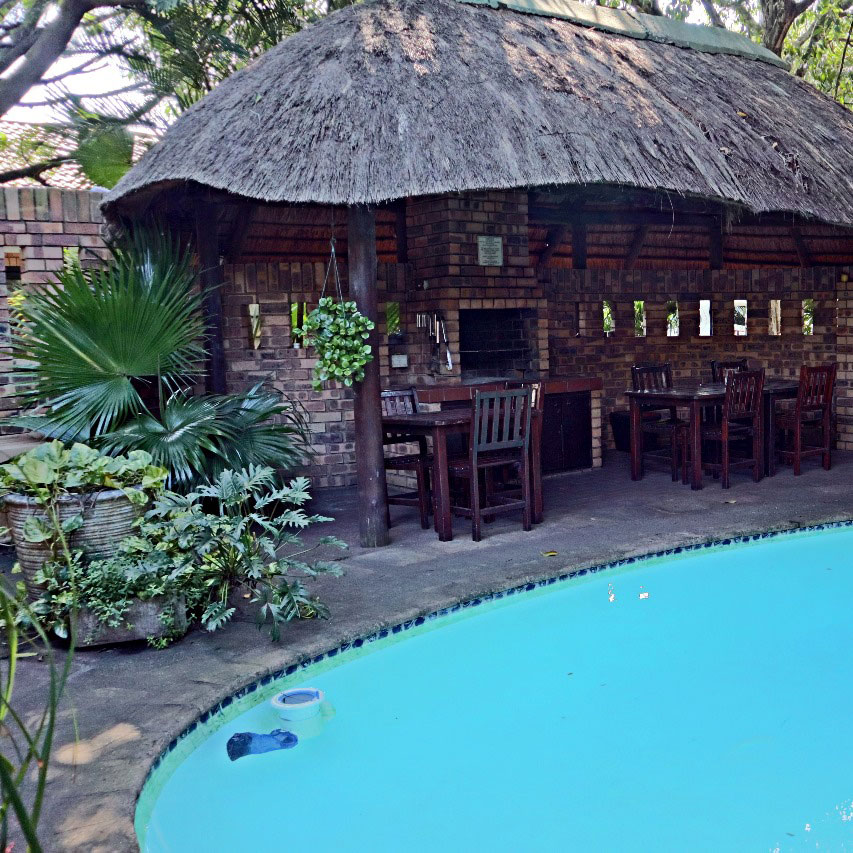
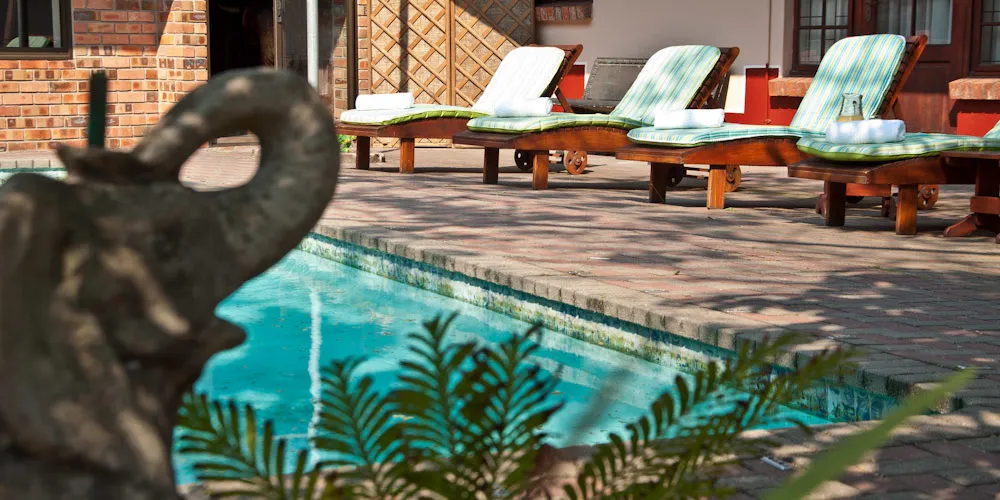
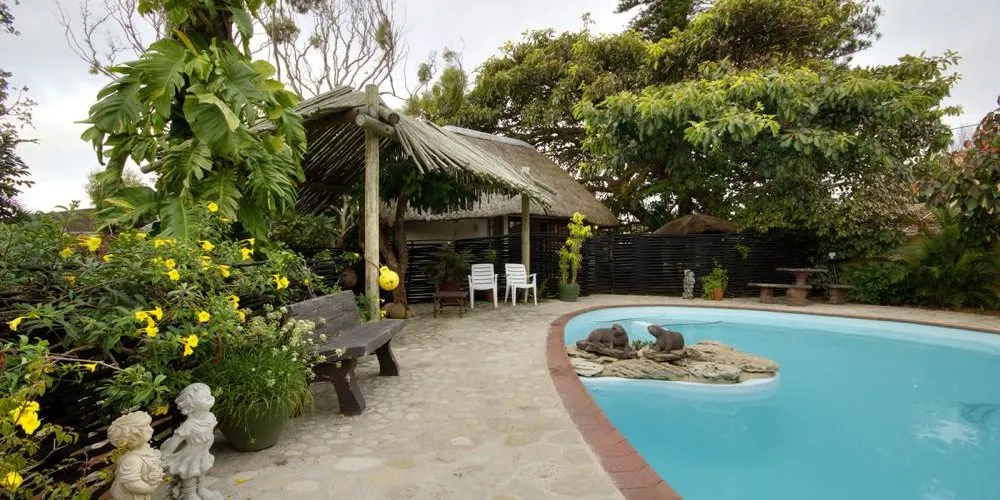
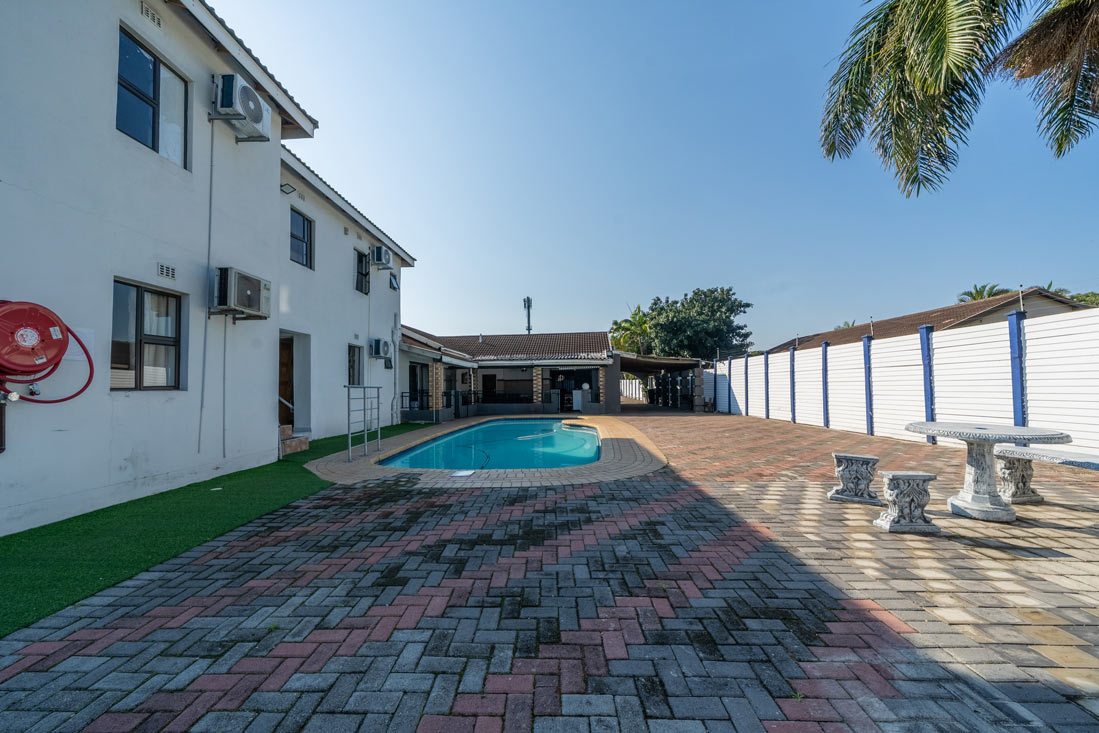
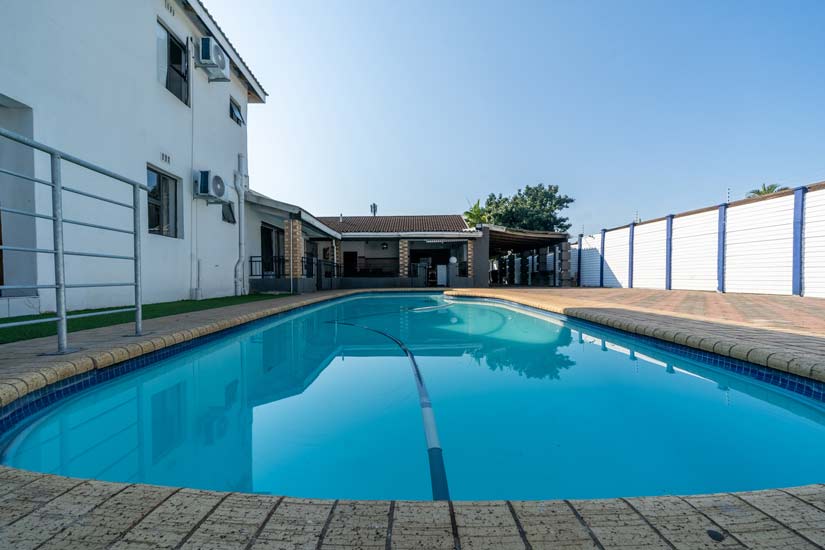
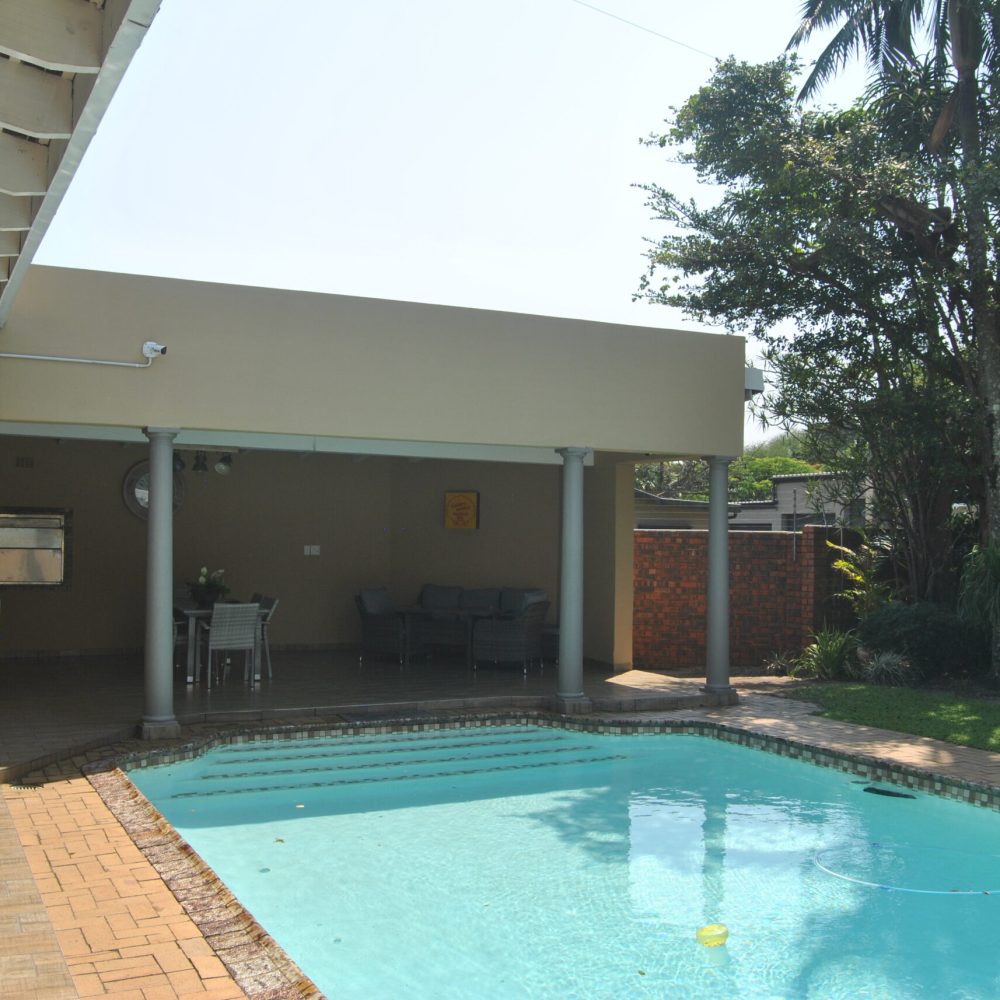
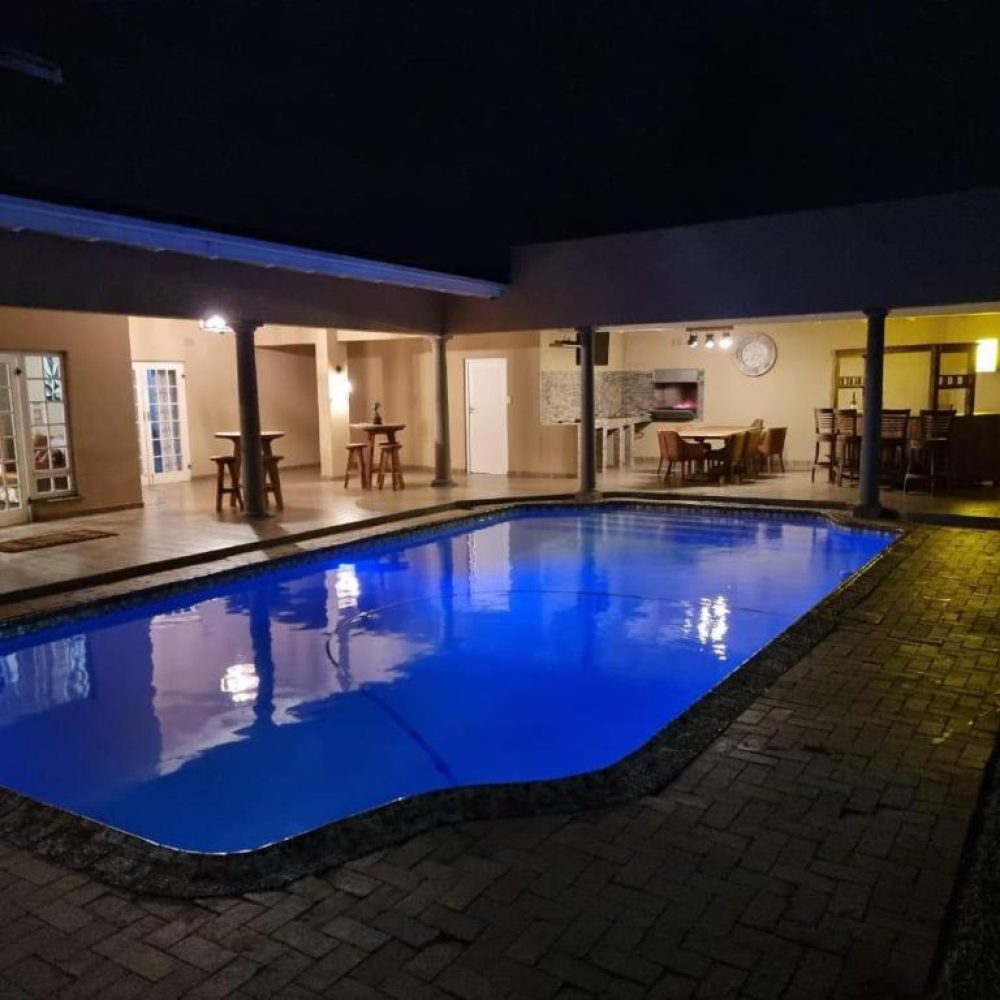
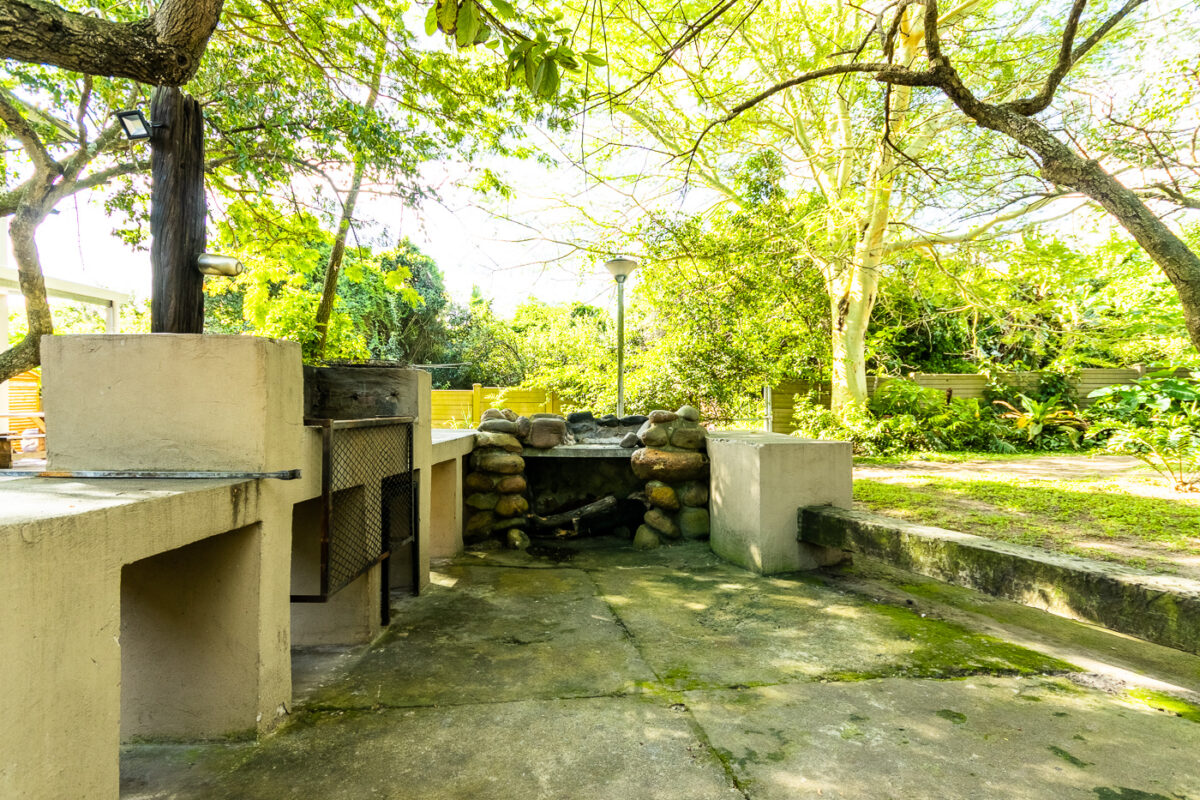
Given the city's industrial economy, a significant portion of guests arrive for work rather than leisure, which shapes what properties offer. Reliable Wi-Fi, secure parking, and flexible check-in are standard expectations across most listings. Business-oriented amenities sit alongside the pool and braai facilities that leisure visitors look for, so the properties tend to be practical rather than resort-focused.
Things to Do in Richards Bay
The city's beaches are the most accessible natural feature and hold up well for unpressured coastal activity. The shoreline is generally wide and open, without the crowds that concentrate on the Durban South Coast, making it better suited to early-morning walks, fishing sessions, and swimming in the warm Indian Ocean than to organised beach tourism. Local anglers target shad, garrick, and rock cod from the shore, and bait shops near the waterfront can advise on conditions.
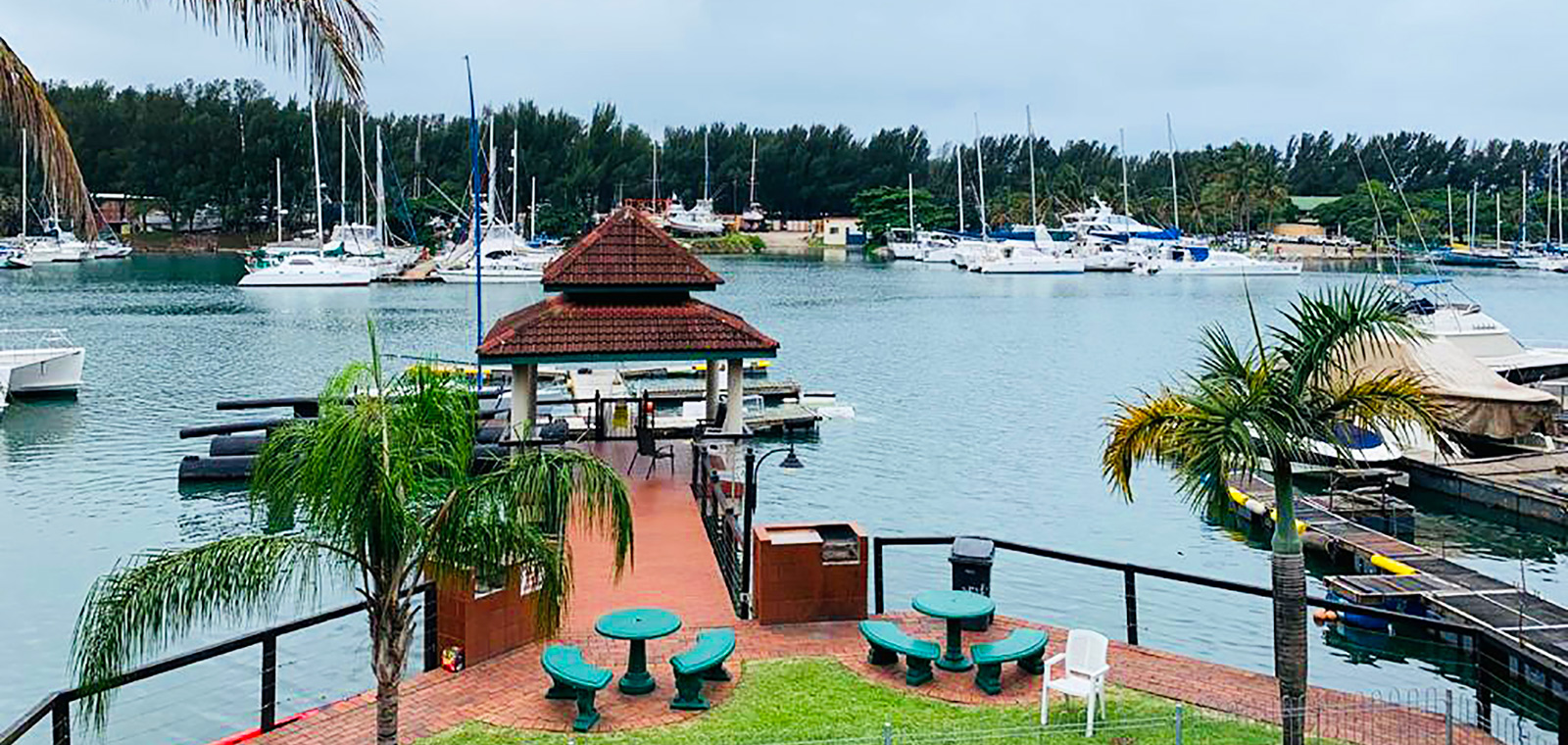
Tuzi Gazi Waterfront, on the southern edge of the bay, is the social hub of the city. The marina has restaurants, a small craft market, and boat charter operators offering sunset cruises and fishing trips. Dolphin sightings are reasonably common from vessels heading out through the channel, particularly in the morning hours.
The Mhlatuze Nature Reserve provides a short escape into subtropical bush without requiring much travel. A few hours here covers the main walking trails through reed beds and coastal forest, and the birding is productive for anyone carrying binoculars. It's a low-key option that doesn't require a guide or advance booking.
For more structured wildlife experiences, boat-based trips through the wetland channels north of the city are a highlight of the region. Operators run half-day and full-day excursions into channels where hippos and crocodiles are regularly encountered alongside large concentrations of water birds. Pel's fishing owl and palmnut vulture are both recorded in the broader zone, giving the area draw for serious birders.
The bay itself supports jet ski hire, kayaking, and wakeboarding through water sports operators based near the waterfront. Protected inner waters make the bay accessible to beginners, while the open channel provides conditions for faster activities.
Best Time to Visit Richards Bay
The north KwaZulu-Natal coast stays warm year-round, but the differences between seasons matter for comfort and activity.
October through March is hot and humid, with daily highs regularly between 32 and 35 degrees Celsius. Afternoon thunderstorms are frequent during this period and most of the annual rainfall falls in these months. Beach swimming remains pleasant, but extended outdoor walking in the heat can be tiring. December and January are the busiest months due to the South African school holidays, and accommodation availability drops significantly over this period.
May through August offers the most comfortable conditions. Daytime temperatures settle between 18 and 24 degrees Celsius, humidity falls, and dry weather becomes the norm. Vegetation in the surrounding bush thins out, making game and bird sightings easier. June and July bring humpback whales along the KwaZulu-Natal coast as they migrate northward, and whale-watching trips are available from the bay during this window. Leatherback and loggerhead turtles nest further north from November through January, offering a seasonal draw for those willing to travel to the iSimangaliso beach sections.
April and September sit in between, offering mild weather, reduced crowds, and generally better room availability than the peak months on either side.
Getting to Richards Bay
Richards Bay Airport (IATA: RCB) is served by Airlink on the Johannesburg OR Tambo route, with daily scheduled departures. Flight time is approximately one hour. The airport is small and compact, with car rental counters on-site from the main national operators. Pre-booking a vehicle is advisable, as fleet sizes are limited.
By road, the primary route from Durban is the N2 highway heading north. The distance is around 180 kilometres and the drive takes roughly two hours under normal traffic conditions. The road passes through sugarcane and timber plantations for much of the route, with the coastal range visible to the west. From Johannesburg, the standard route follows the N3 down to Durban and then continues north on the N2, covering approximately 620 kilometres with a travel time of six to seven hours depending on conditions and stops.
Long-distance coach services connect Richards Bay to Durban via Intercape and Greyhound, with a journey time of around two and a half hours. The coach terminal is in the central business district.
Getting around within Richards Bay requires either a rental car or a willingness to use local taxis. Ride-hailing apps have inconsistent coverage in the city, and public transport routes don't reach most accommodation areas or the waterfront. A car becomes particularly important for day trips to surrounding towns and nature areas.
Richards Bay and Surrounding Areas
Empangeni, 16 kilometres inland, is the administrative and commercial centre for the uThungulu district. It has larger retail facilities than Richards Bay, including major supermarkets, banks, and the regional hospital. Visitors staying on the coast often drive through for errands or medical appointments. The town itself has limited tourism appeal but is genuinely useful as a service hub.
Kwambonambi, 20 kilometres north along the N2, sits at the edge of the wetland reserve system. It's a small town with fuel and basic supplies, making it a practical stop before heading into more remote areas. The surrounding farmland transitions fairly quickly into the coastal bush that characterises the reserve boundaries.
Mtunzini, 35 kilometres south, is one of the most appealing stops on this stretch of coast. The town sits on a forested ridge above a river mouth and is one of the few places in South Africa where palmnut vultures breed reliably. The mangrove boardwalk below the town takes about 45 minutes to walk at a relaxed pace and passes through dense riverine vegetation to the beach. The atmosphere is quieter and more established than Richards Bay, with good coffee shops and a small arts scene.
Mtubatuba, 42 kilometres north, is the logical access point for St Lucia, a further 15 kilometres to the east through the reserve. Mtubatuba has fuel, a fresh produce market, and basic groceries. Most visitors pass through rather than stay, but it works well as a lunch stop on a day trip into the southern section of the wetland park.
Kwagingindlovu and Gingindlovu, at 53 and 54 kilometres south respectively, are farming towns in deep sugarcane country. Gingindlovu has historical significance as the site of a battle during the 1879 Anglo-Zulu War, where British forces defeated a Zulu army while marching to relieve Eshowe. A monument marks the site and the surrounding landscape gives context for the campaign. Neither town is a destination in its own right, but together they illustrate the rural character of the KwaZulu-Natal interior just off the coast.
Planning Your Stay
The pattern of demand in Richards Bay is shaped by industrial and business travel as much as by holidays, which means availability can tighten at unexpected times when conferences or port-related work brings groups into the city. The December school holidays are the most predictable pressure point, and booking two to three months ahead for that period is sensible.
Outside peak times, the small total supply of properties in the city means a single large booking can effectively exhaust options at short notice. Checking early, even for what looks like a quiet period, avoids being left with poor choices.
Before confirming any property, verify that air conditioning is available if you're arriving between October and March. Not all units are fitted with it, and summer humidity makes the difference significant. If you're flying in rather than driving, ask whether the property offers airport transfers or can recommend a reliable local taxi service. Options on arrival at the terminal are limited, particularly in the evenings.
If nature activities such as boat trips or guided walks feature in your plans, contact operators directly before you arrive rather than assuming same-day bookings are possible. Outside of school holidays, group tours may run infrequently and advance notice allows operators to confirm departures.