Accommodation in Robertson
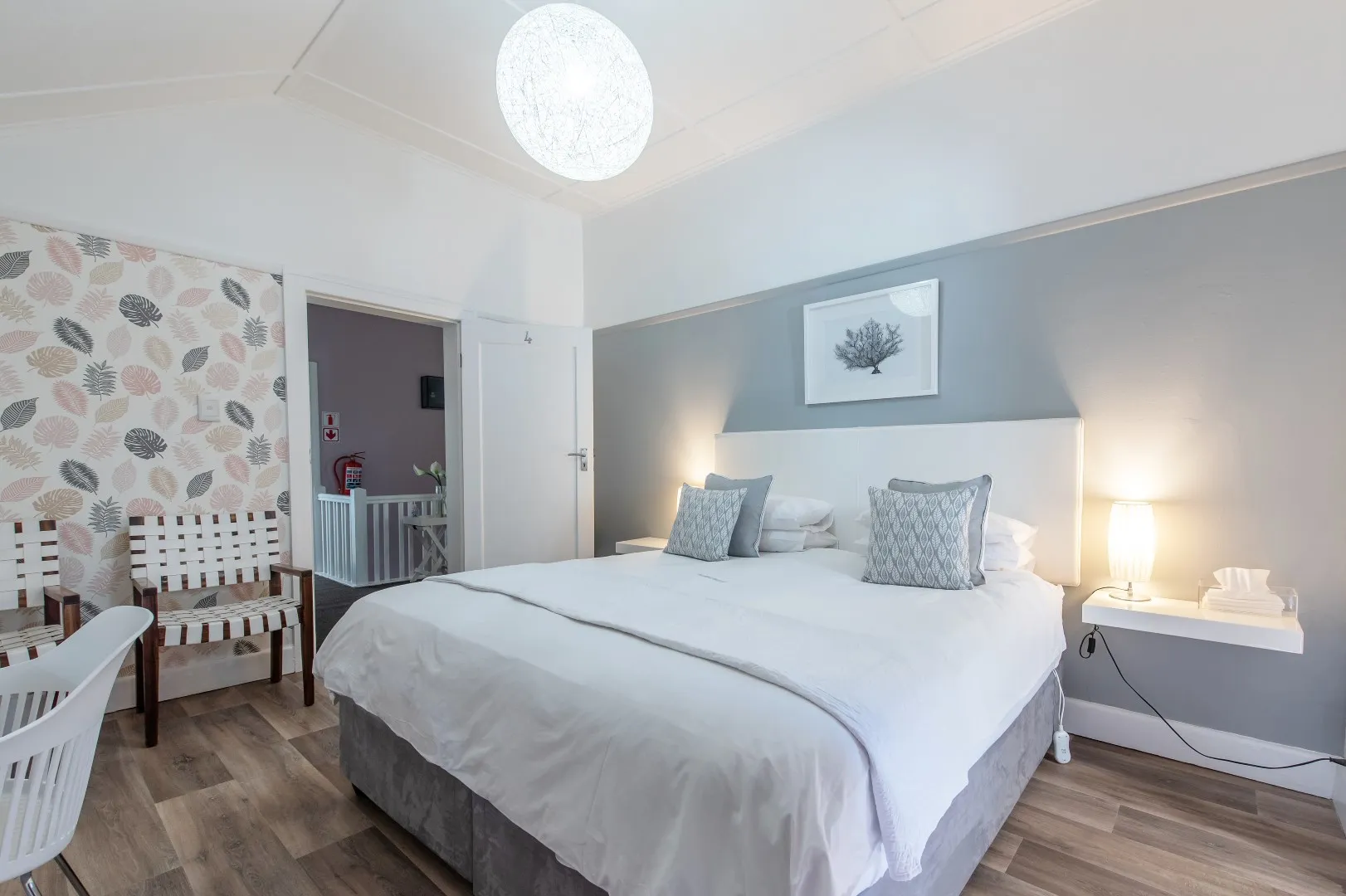
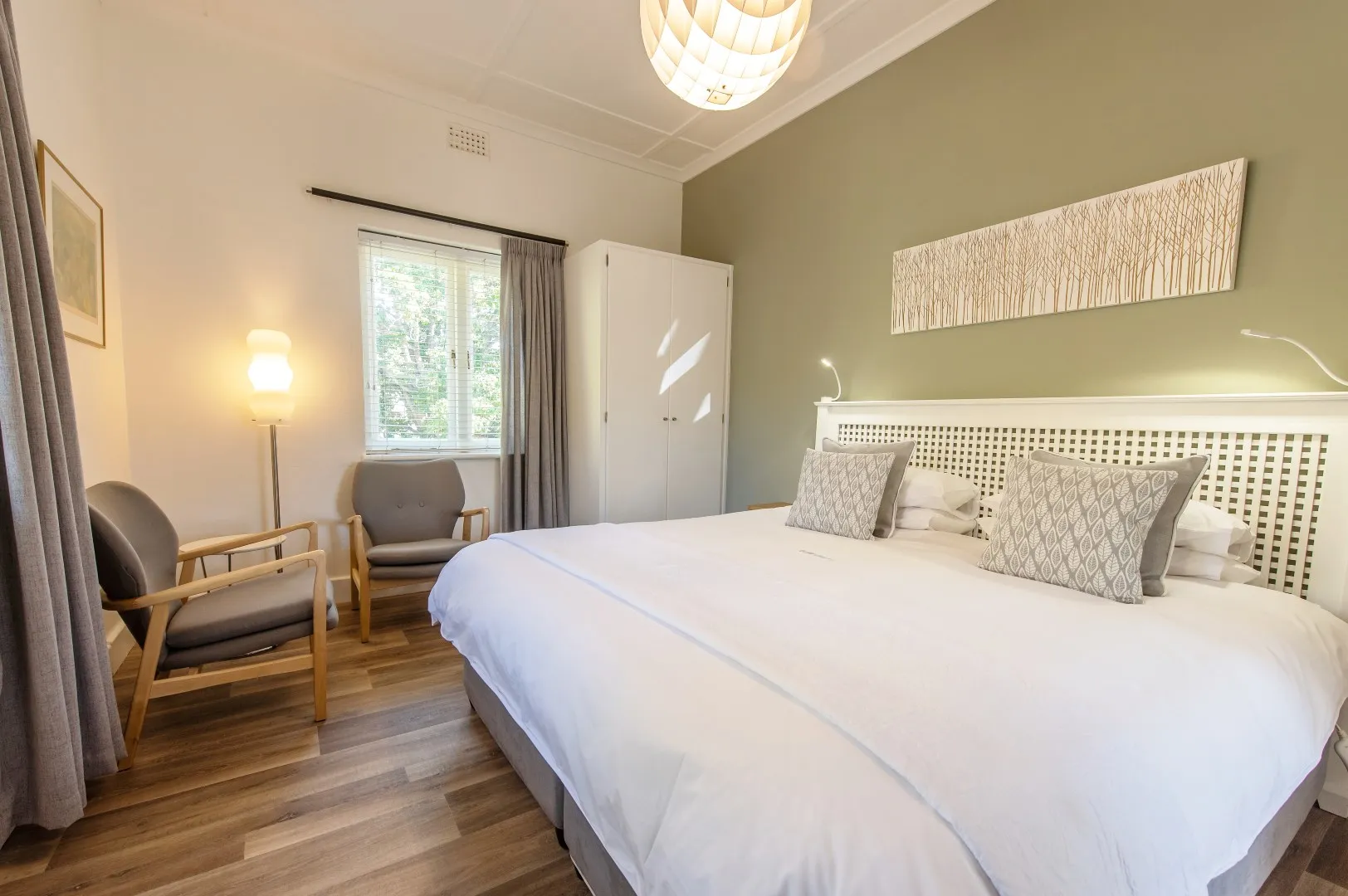
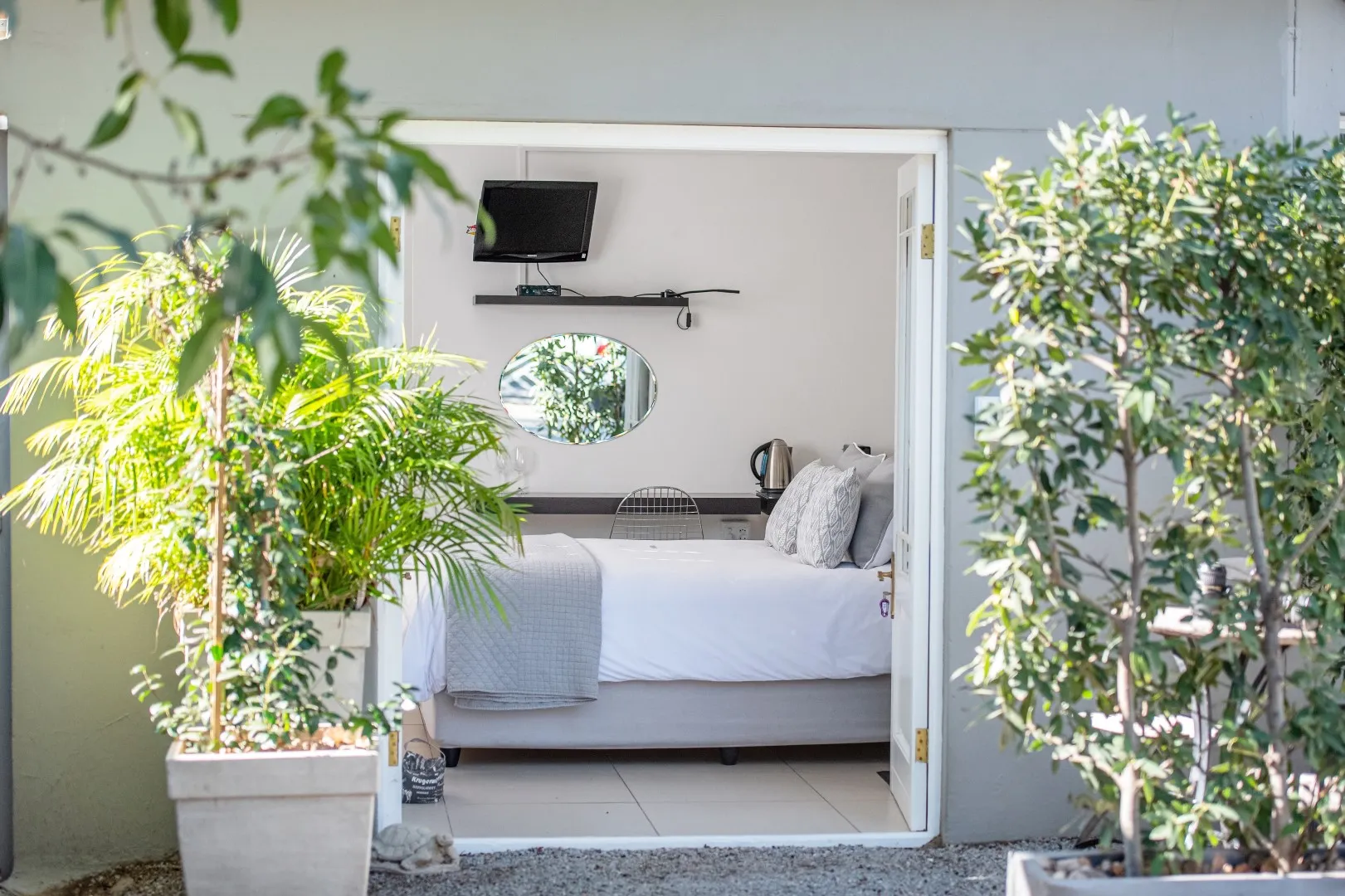
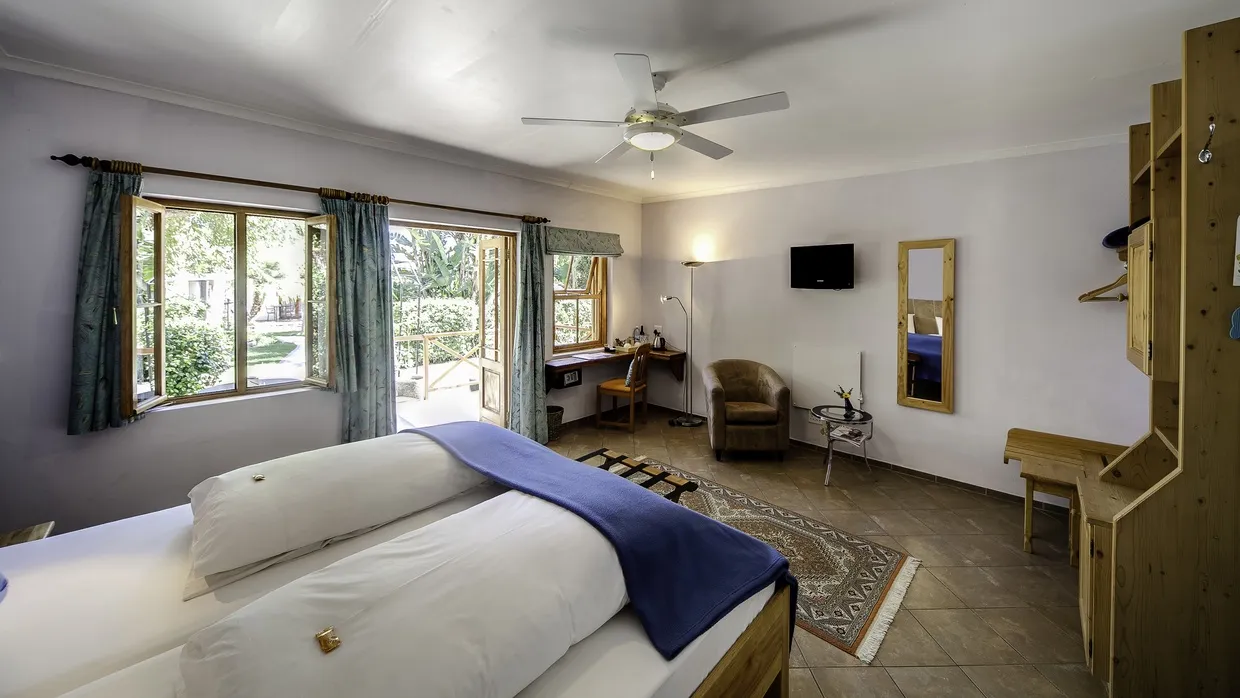
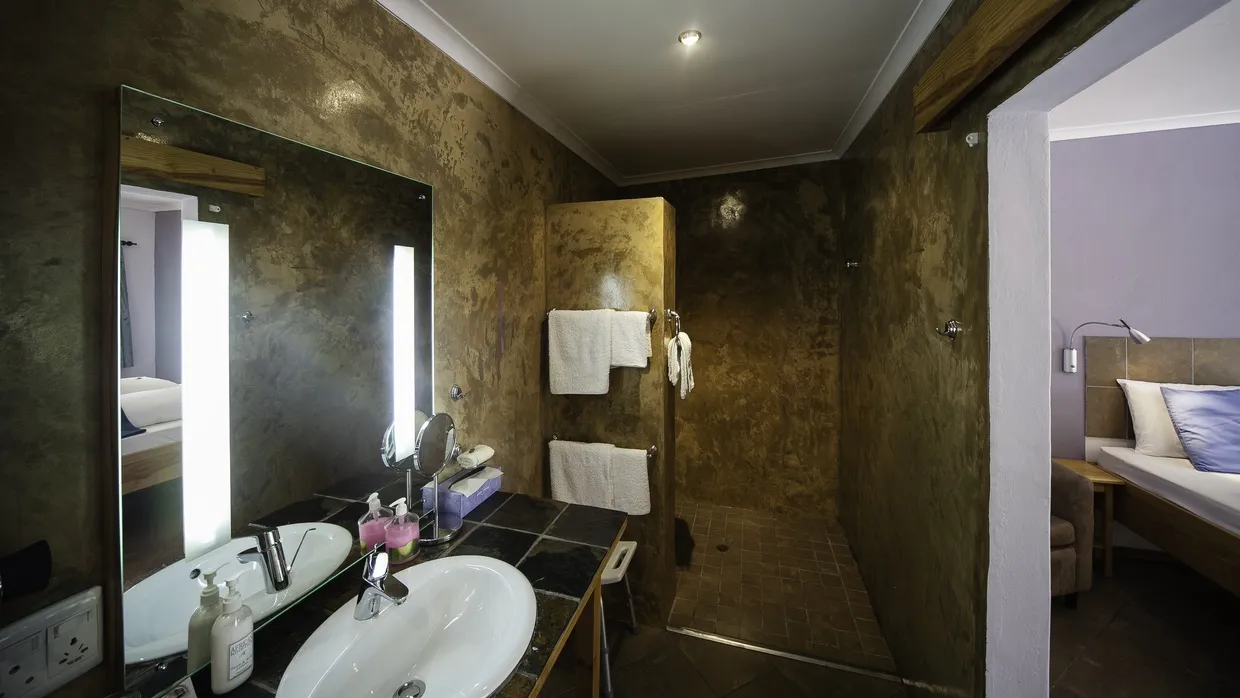
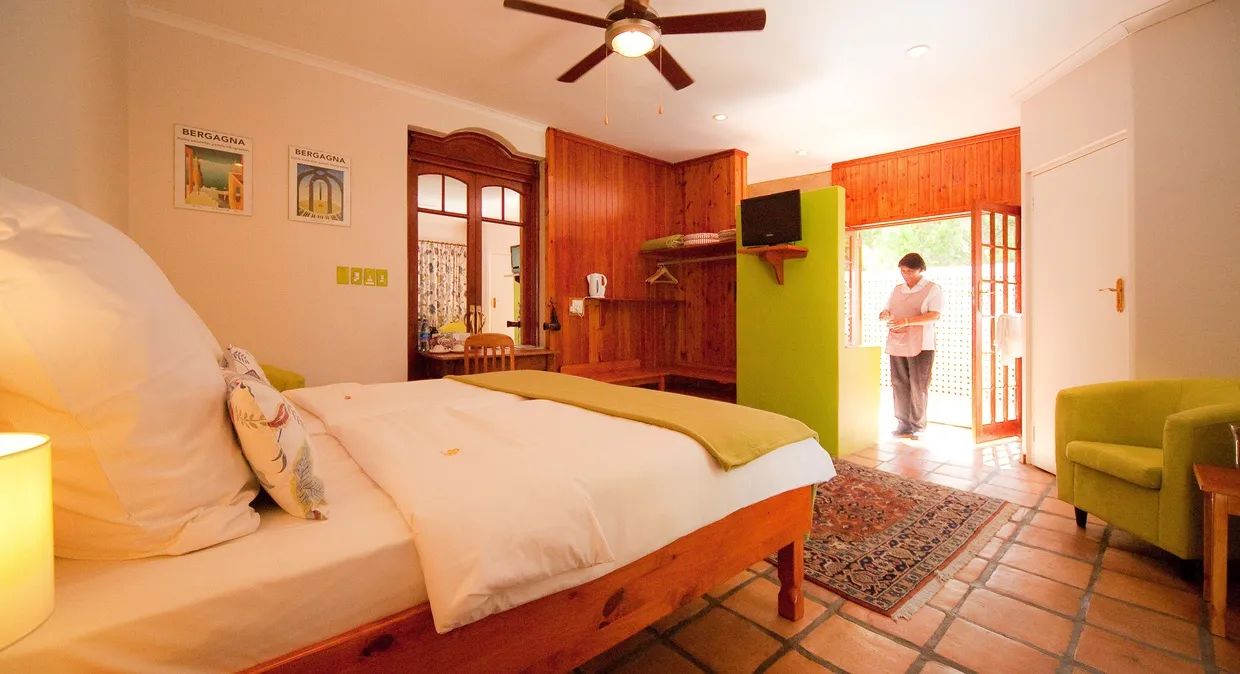
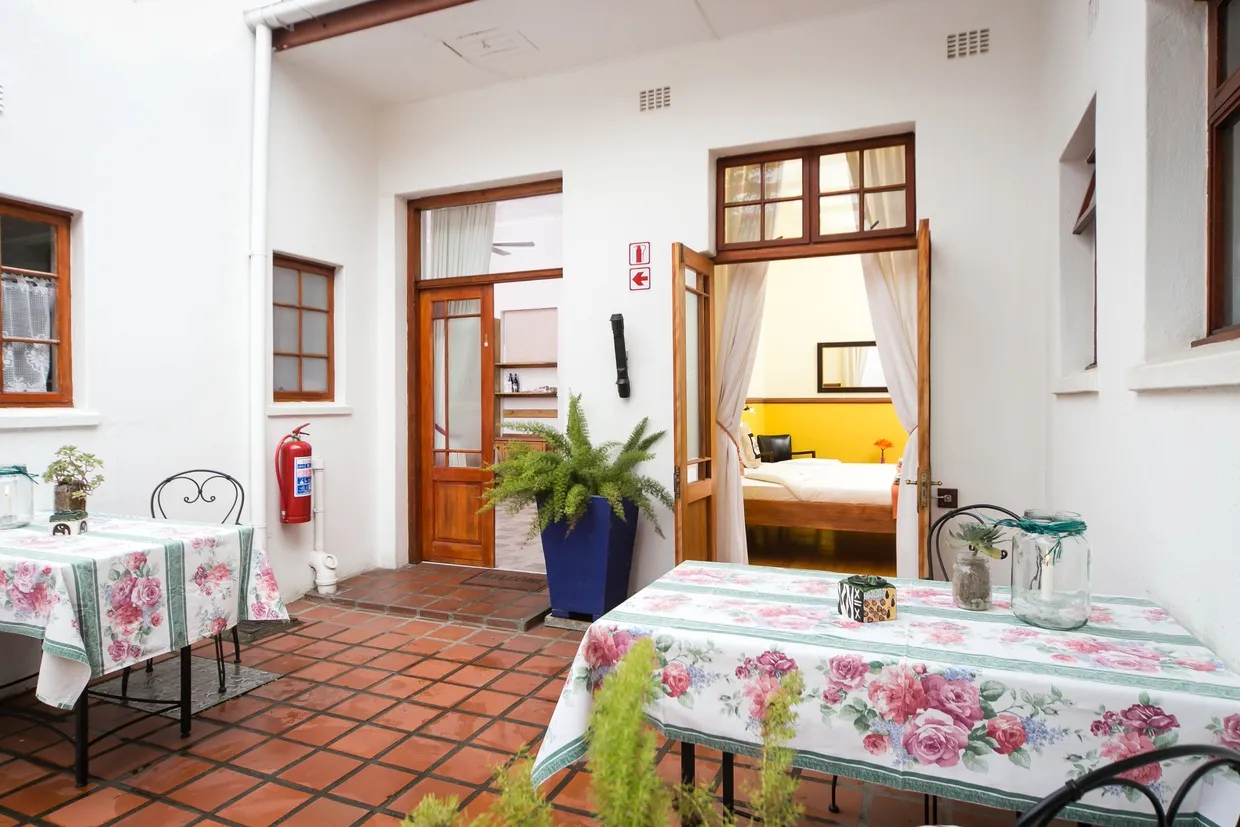
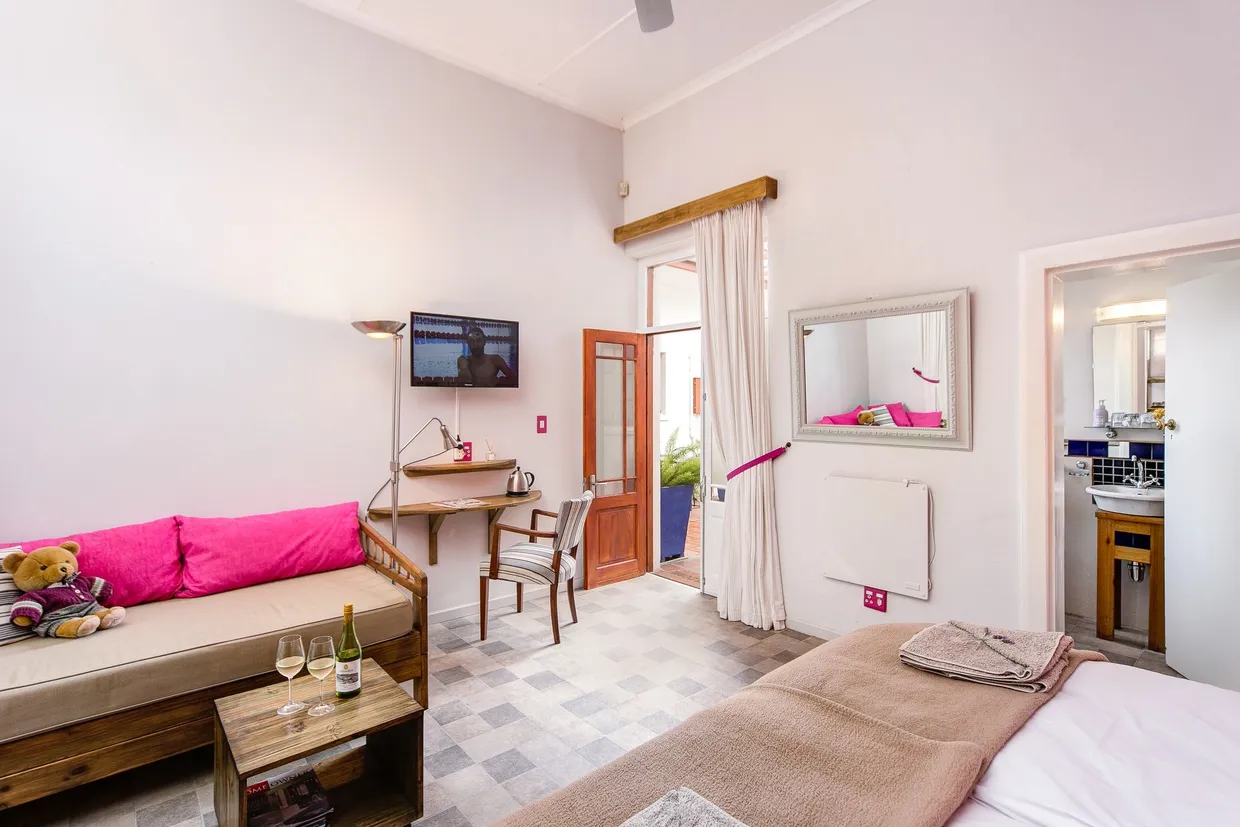
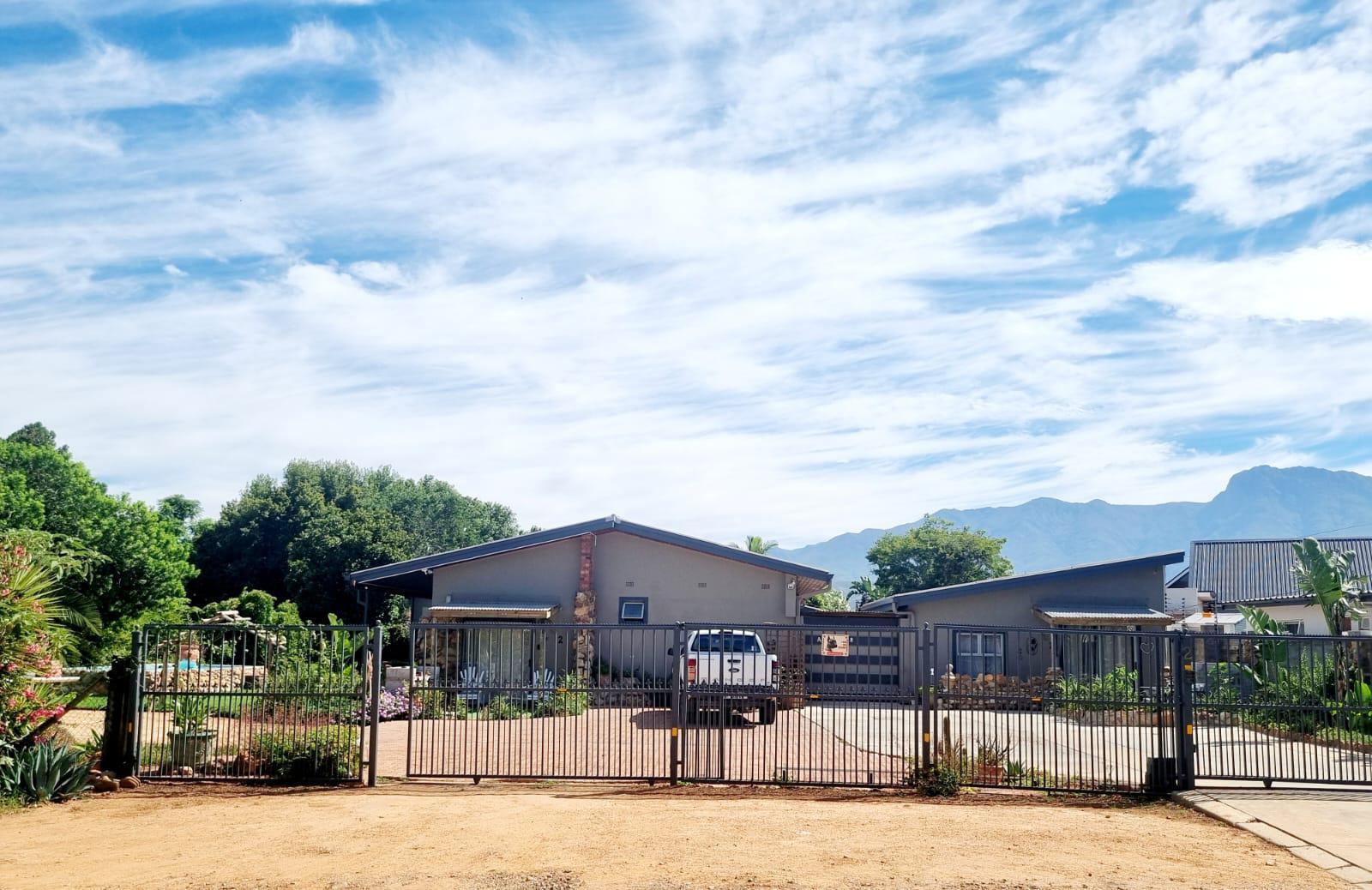
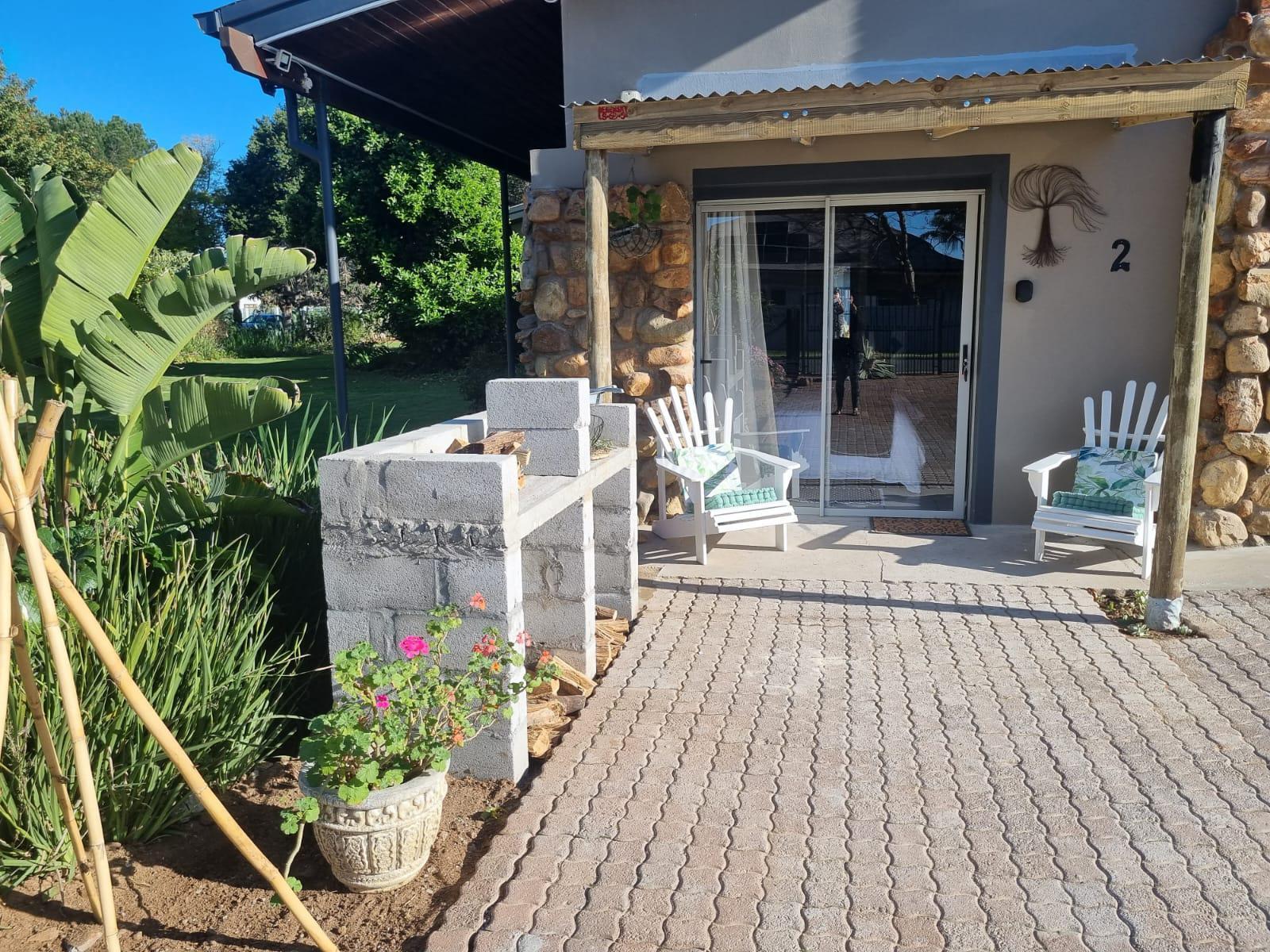
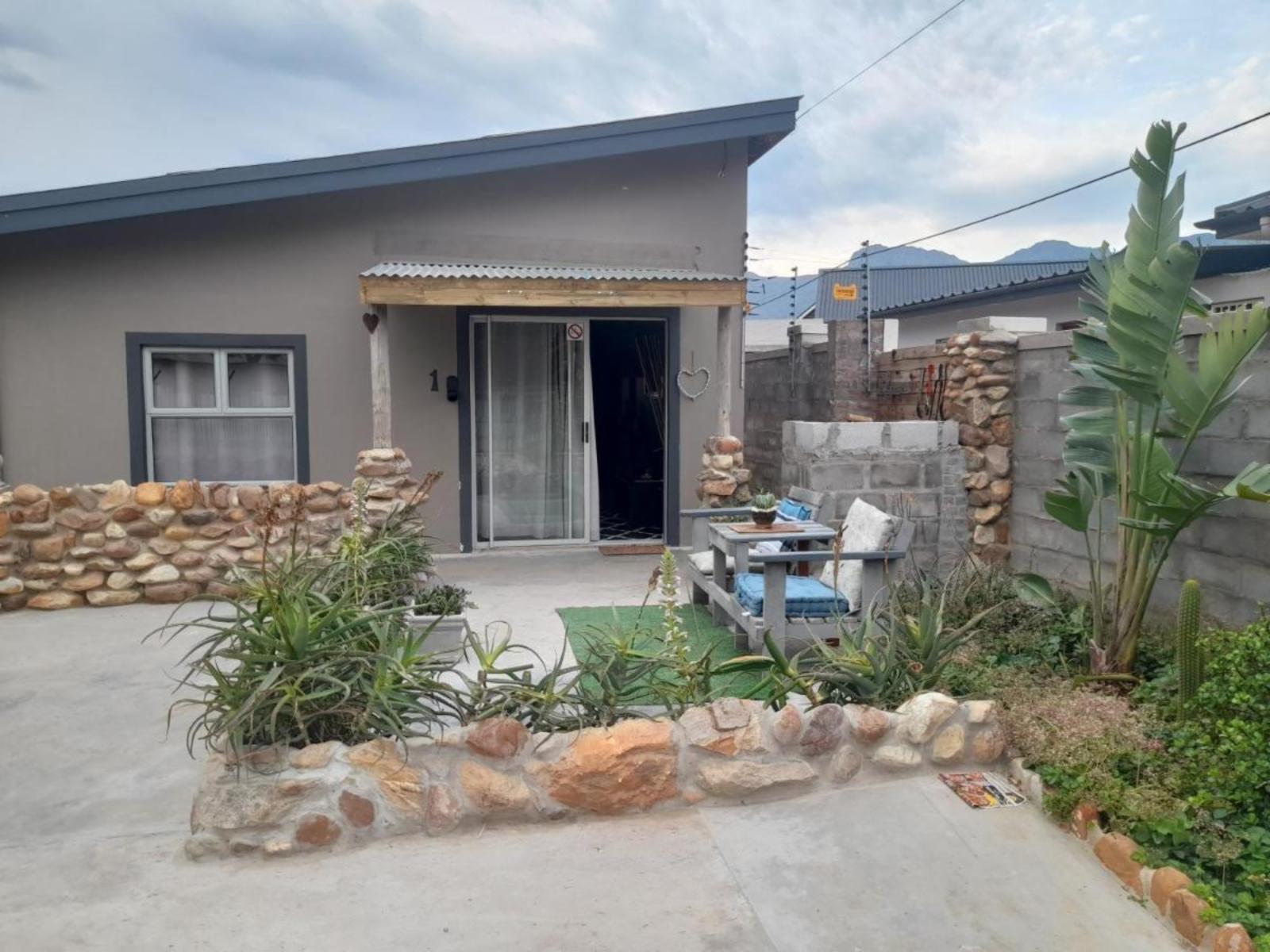
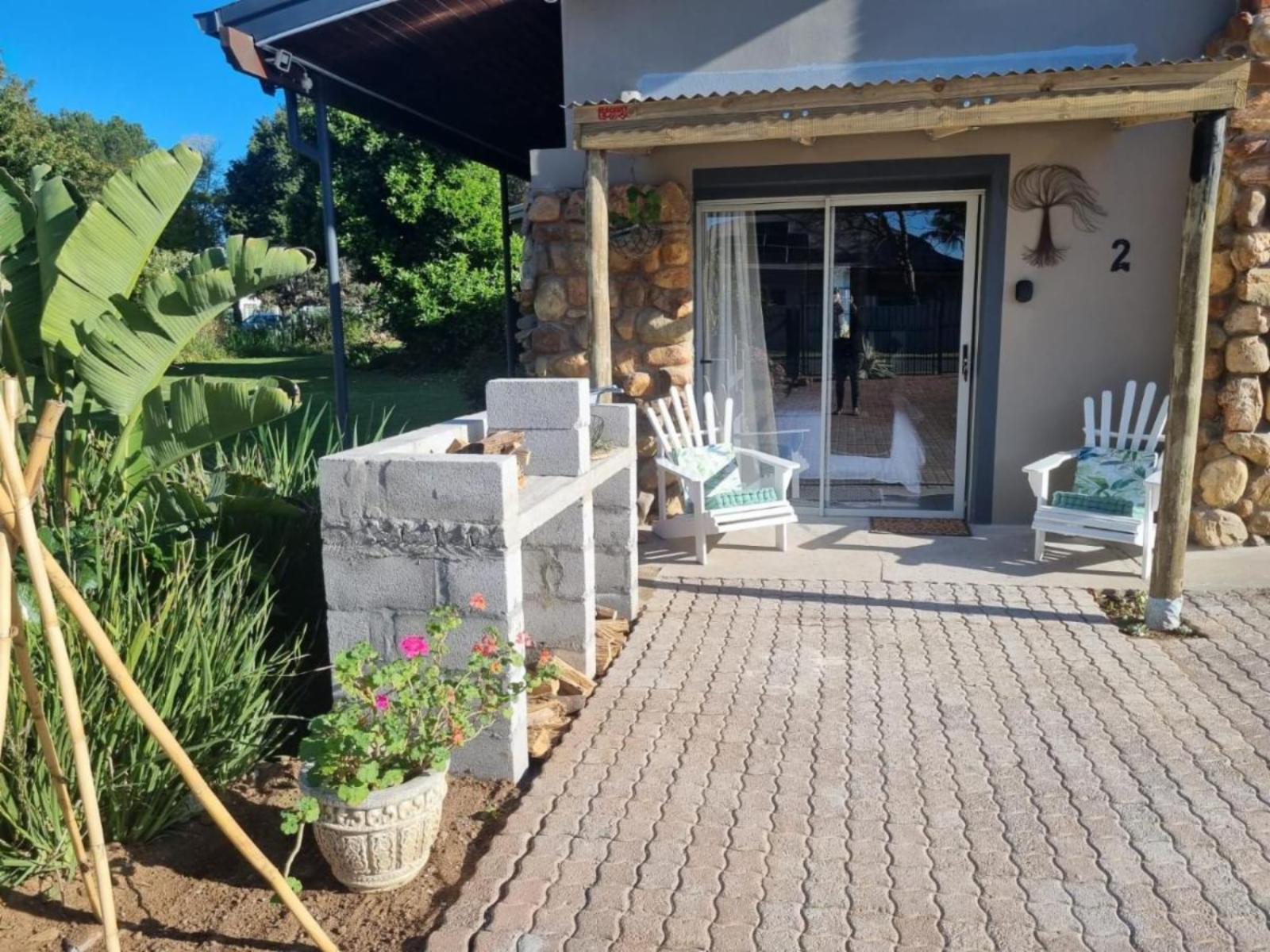
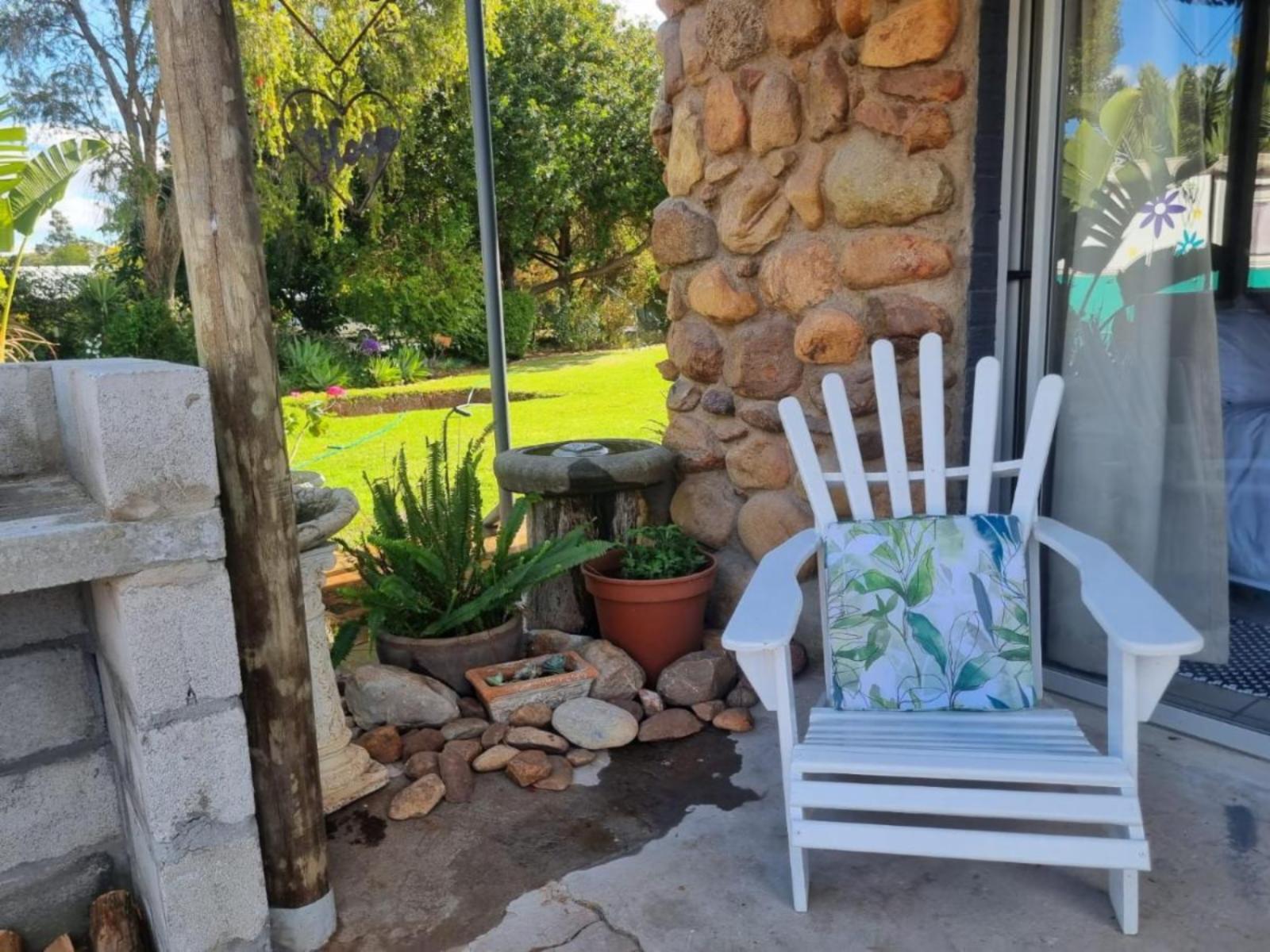
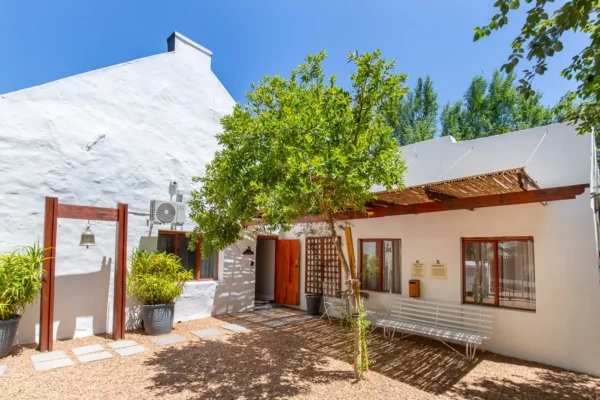
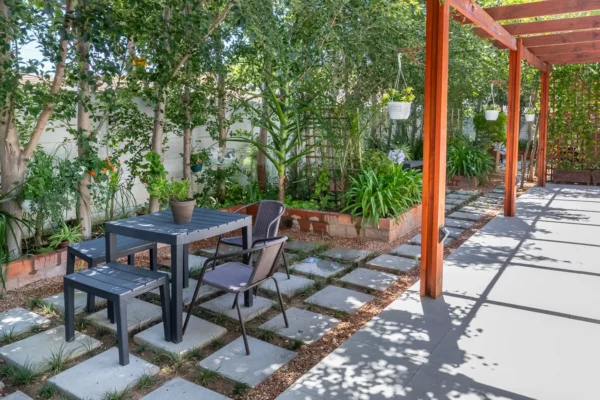
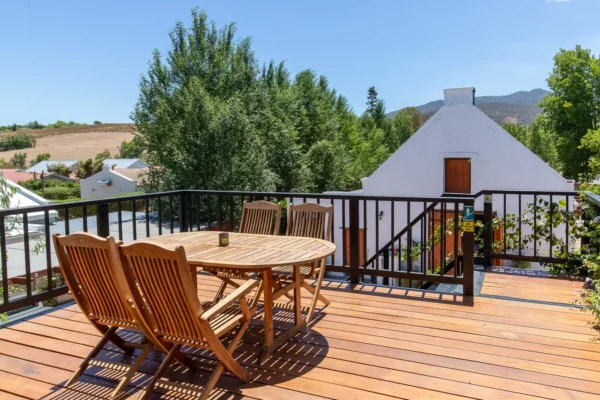
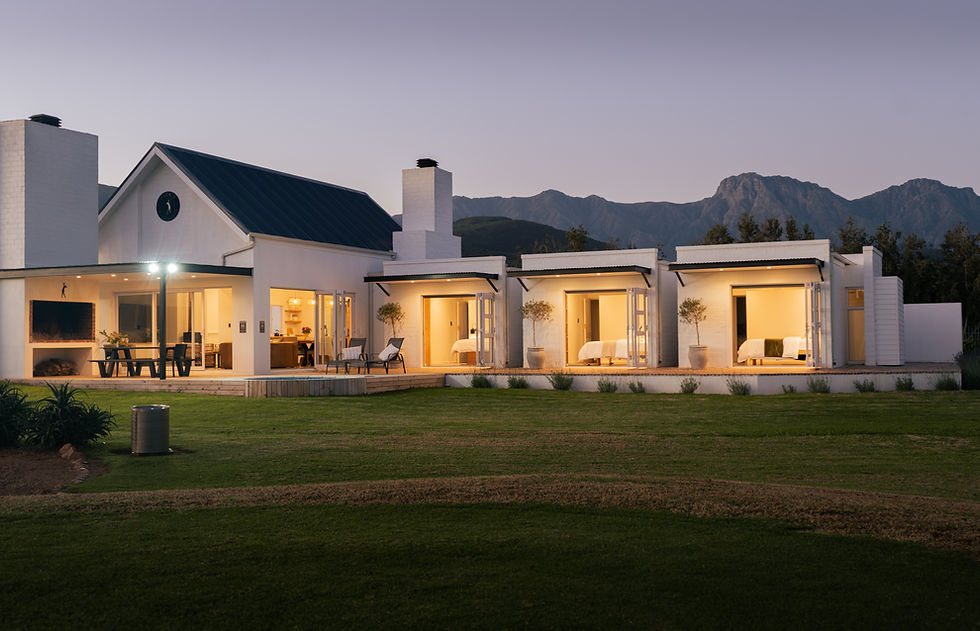
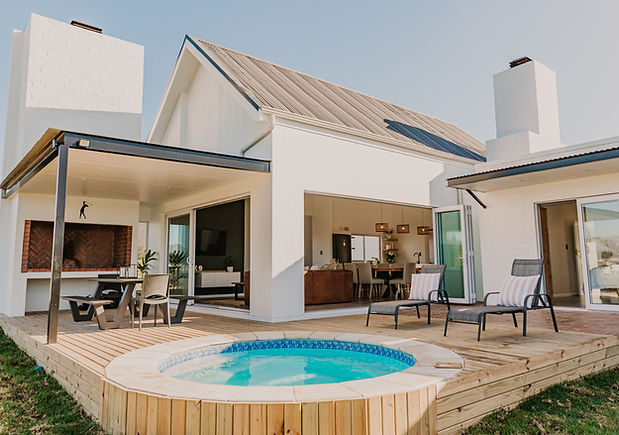
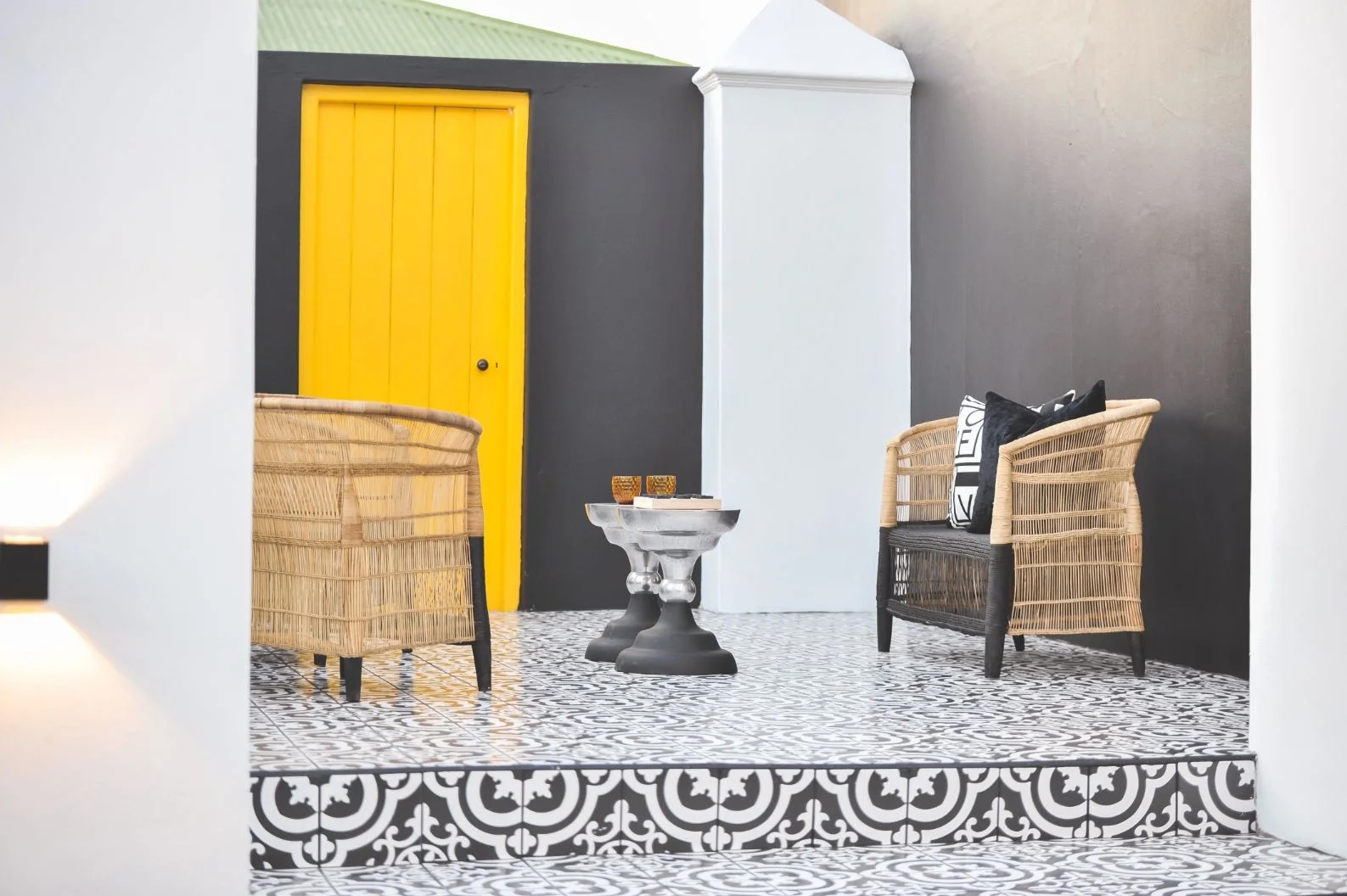
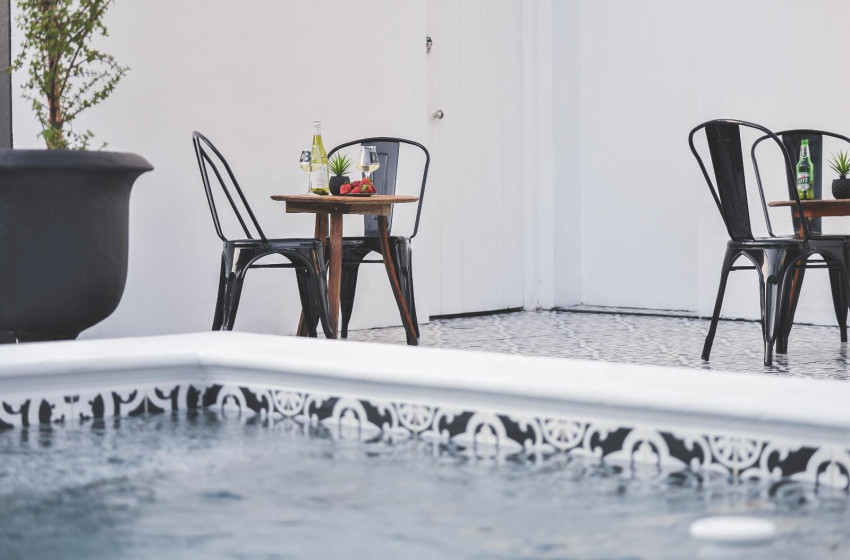
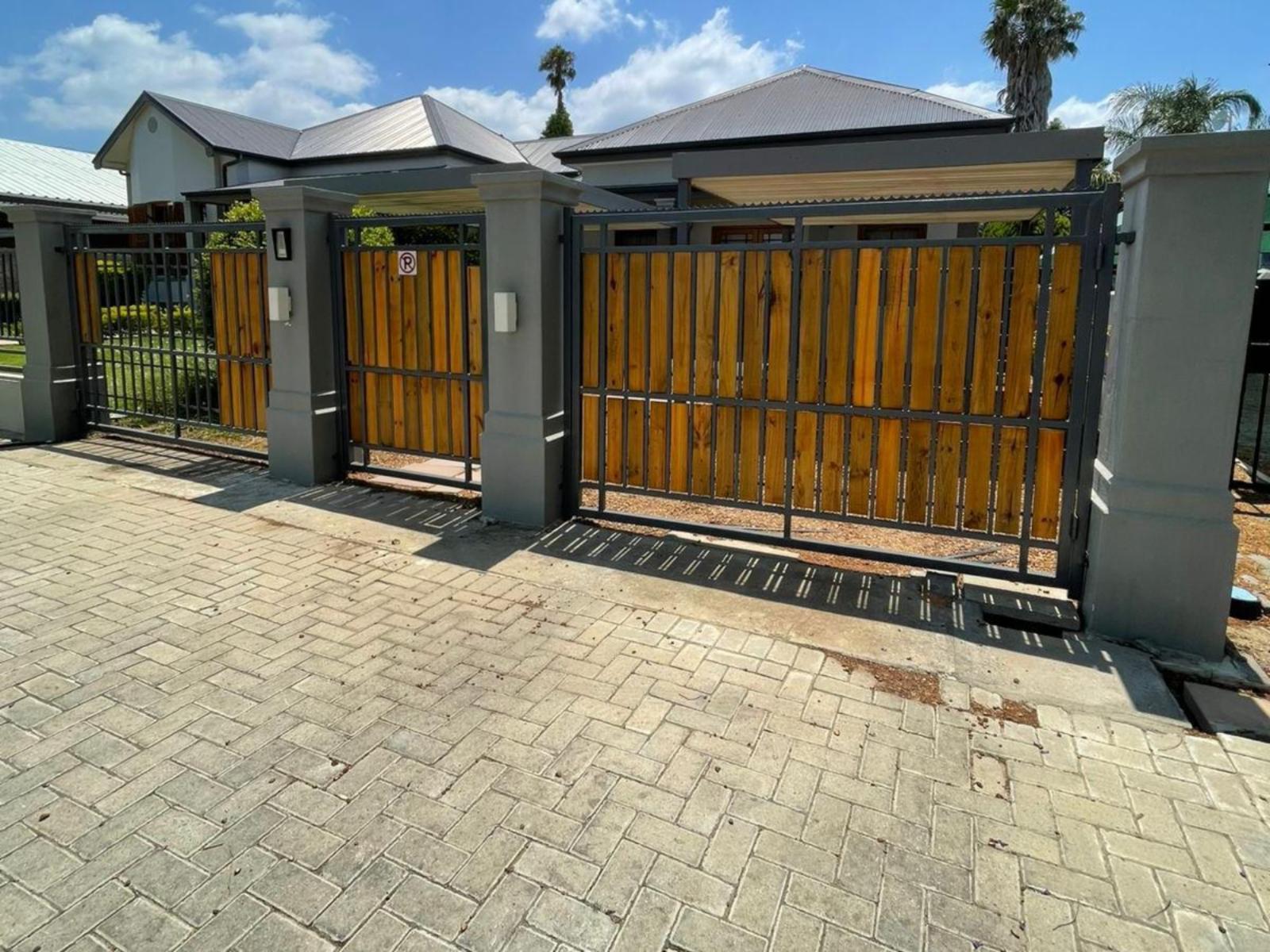
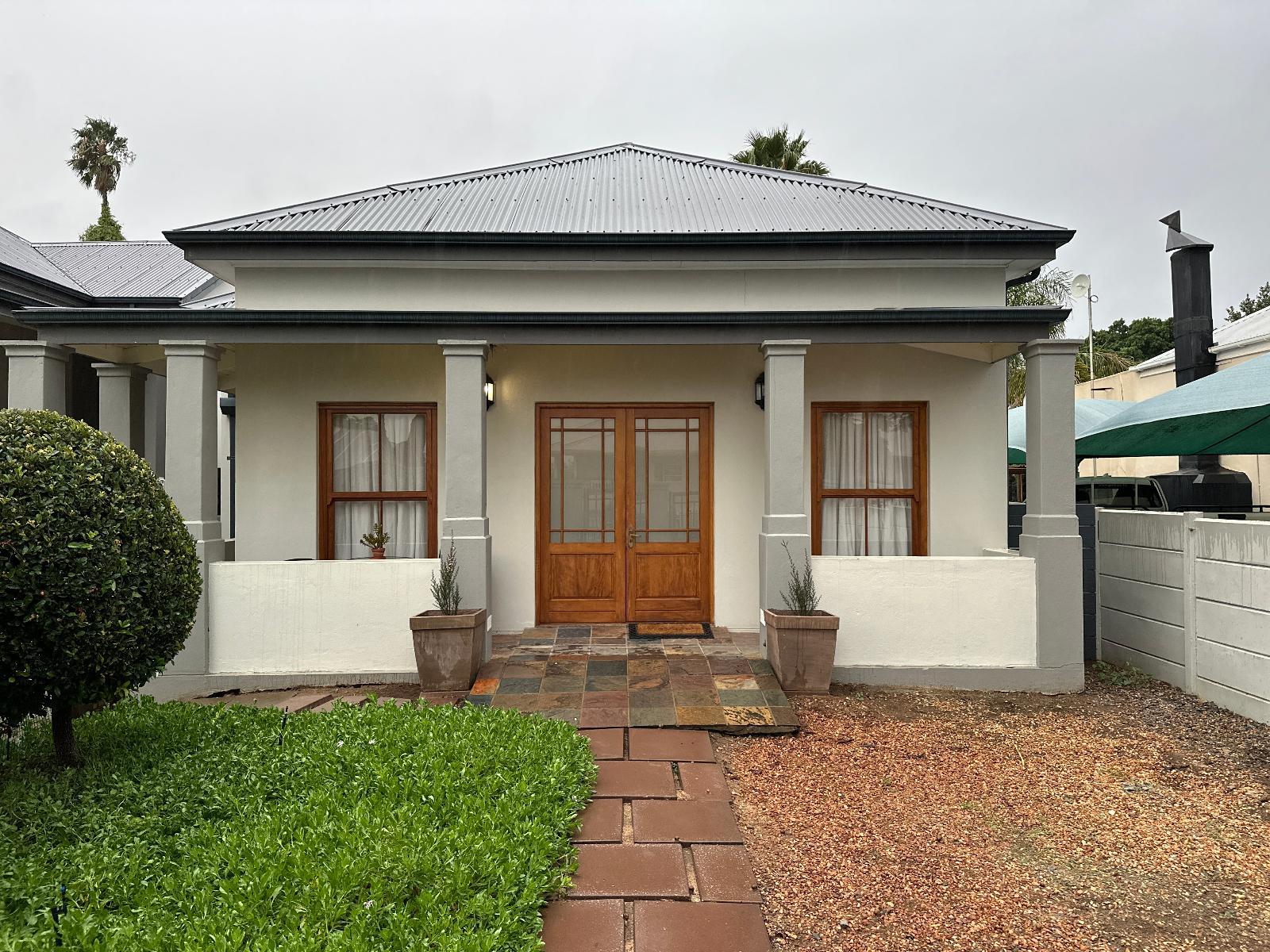
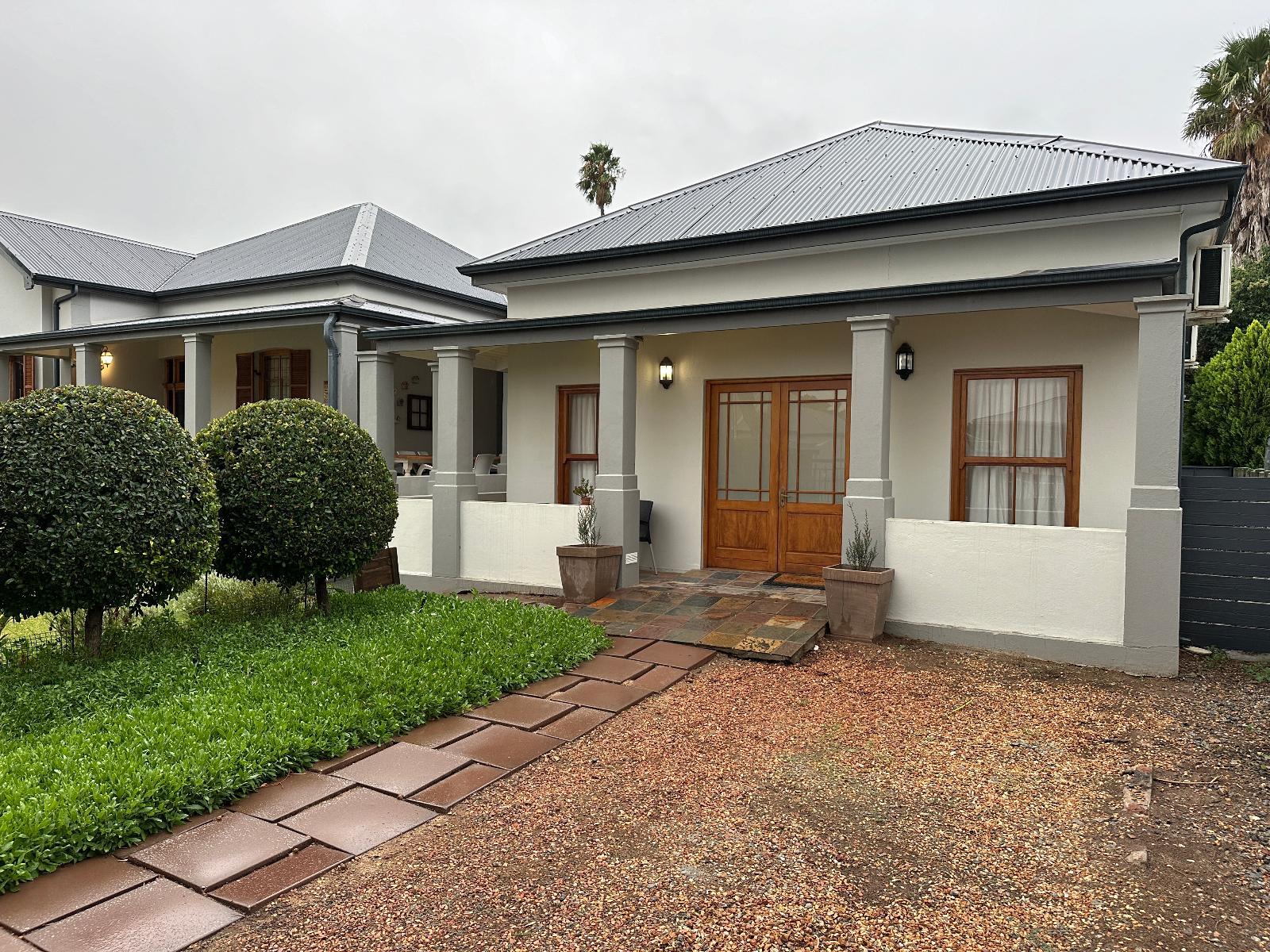
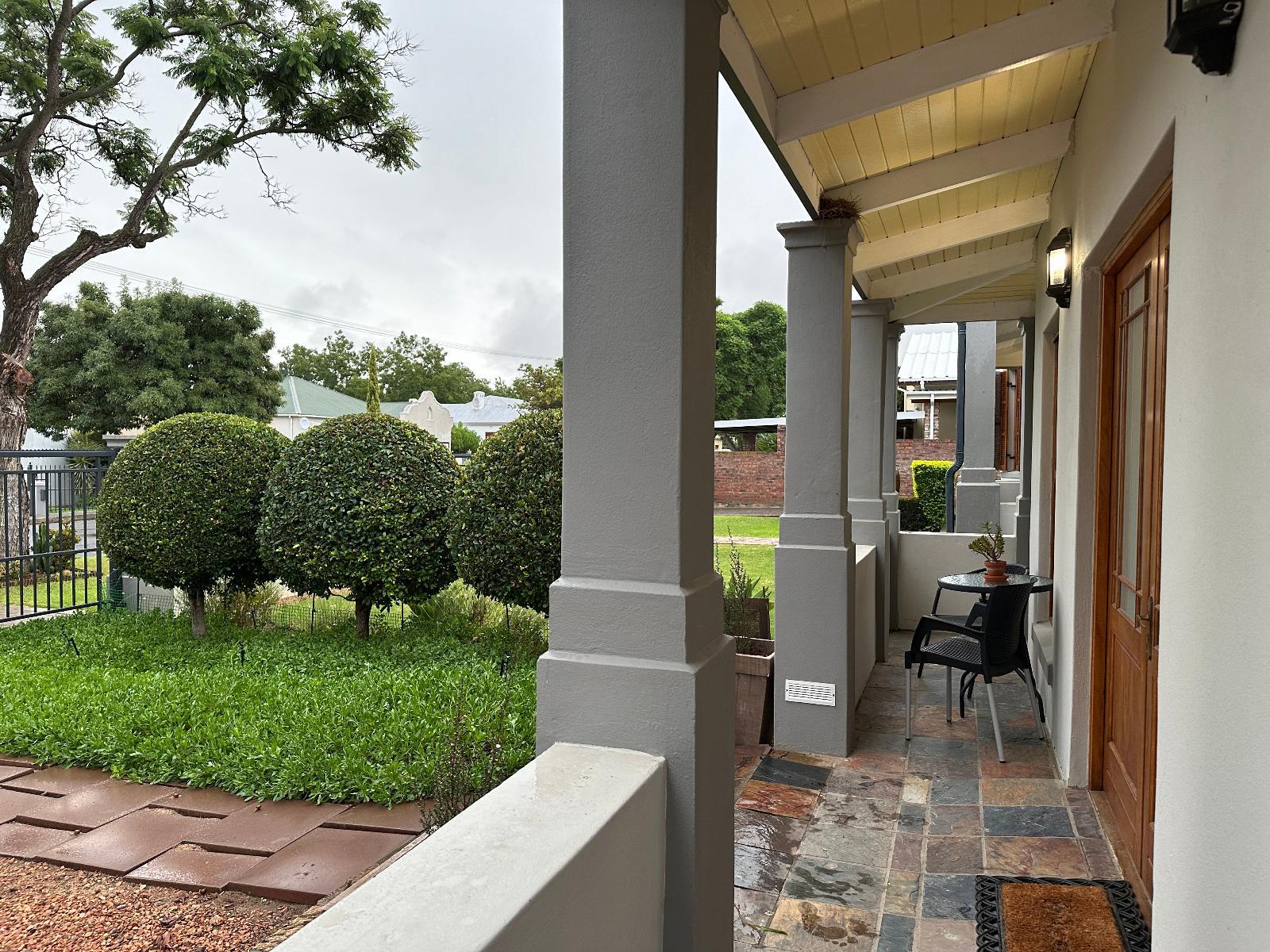
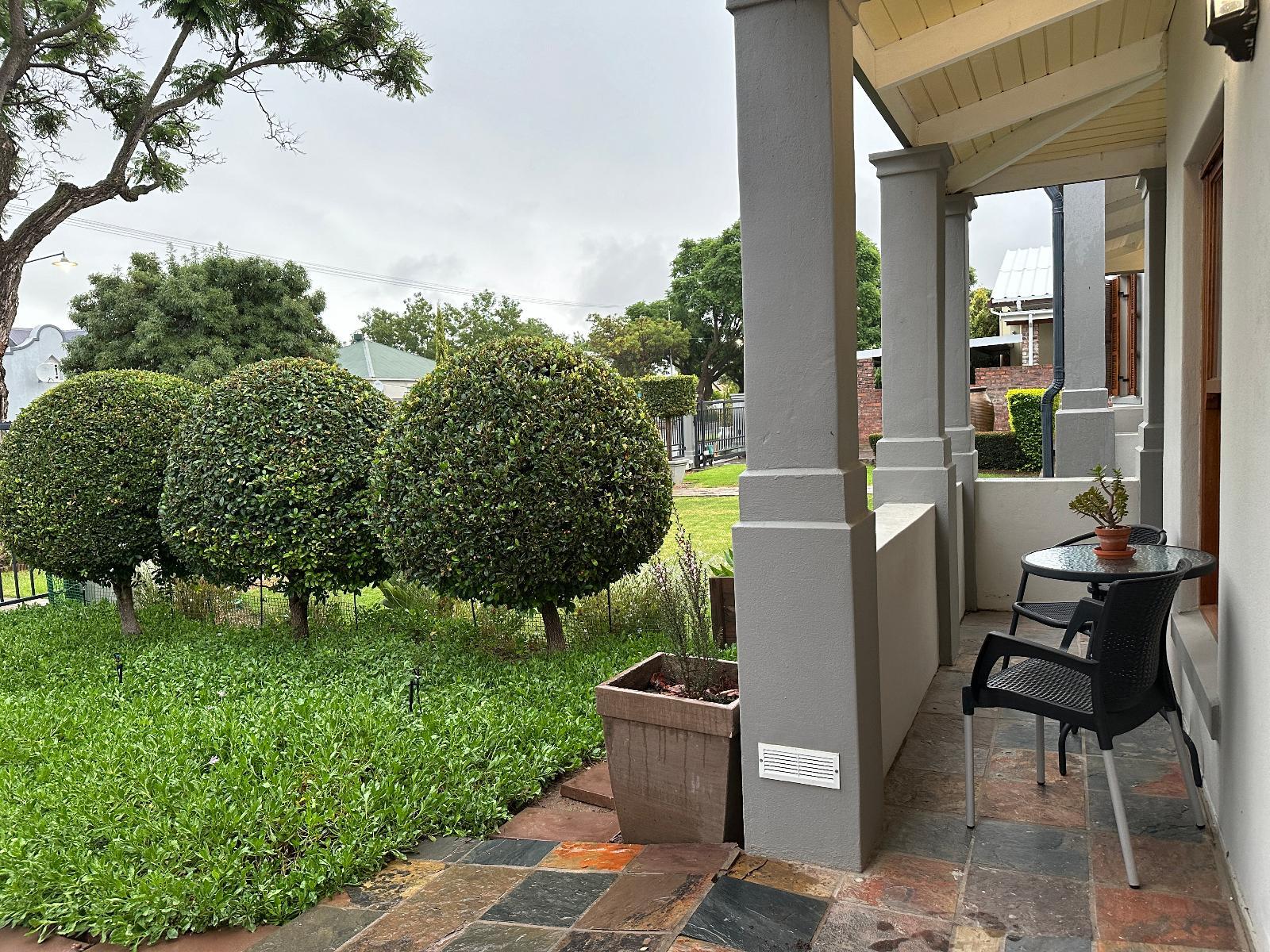
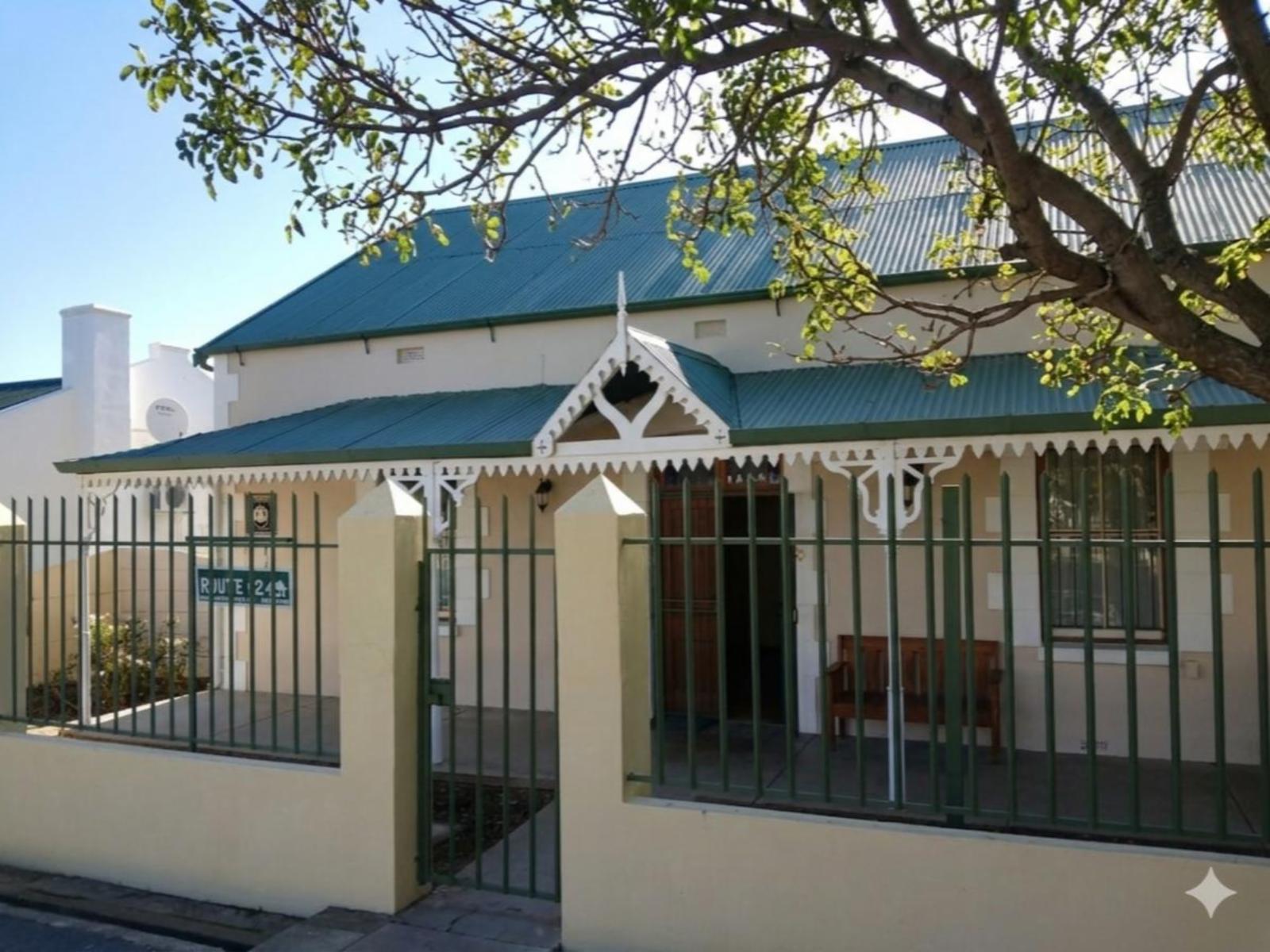
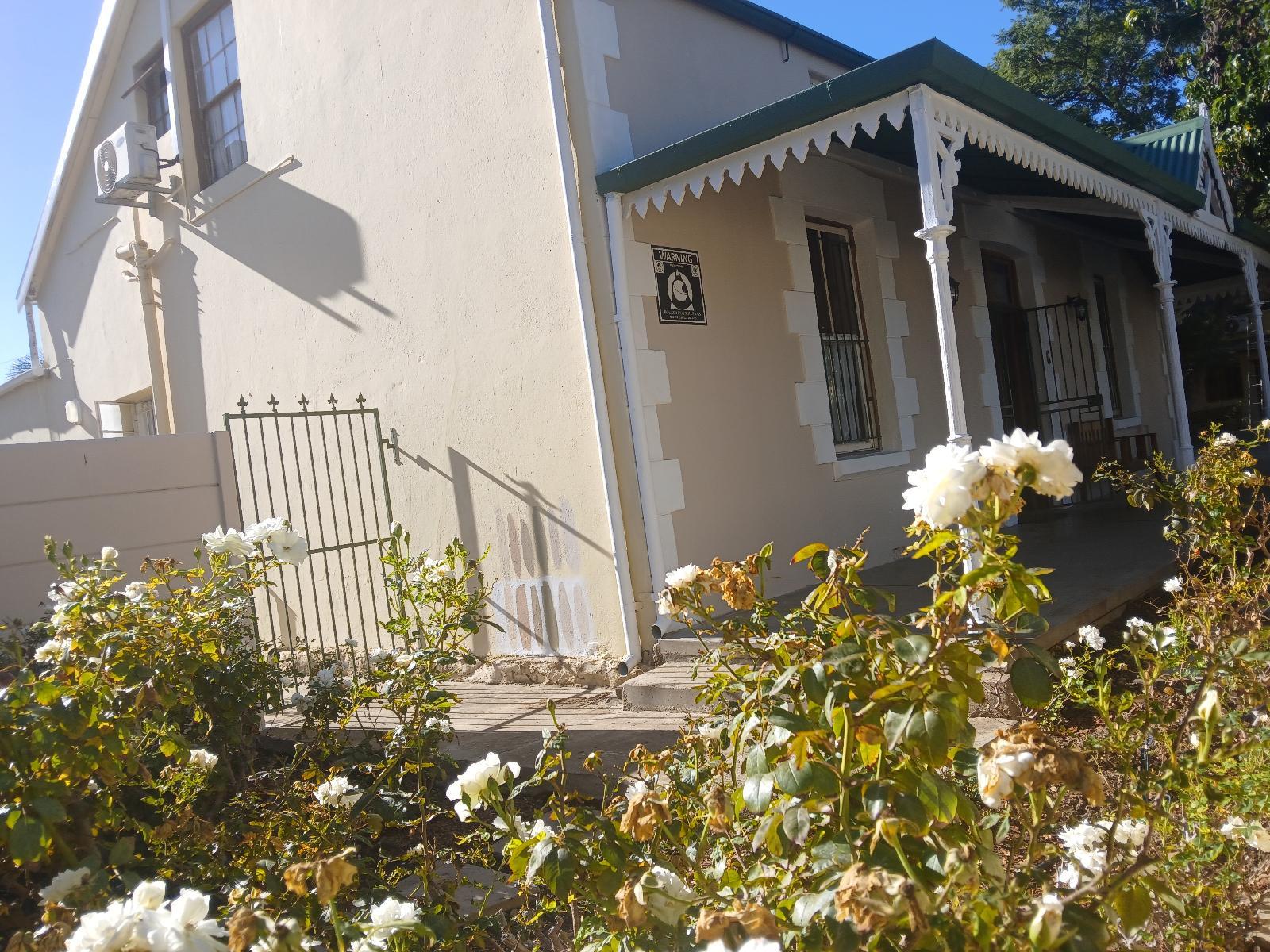
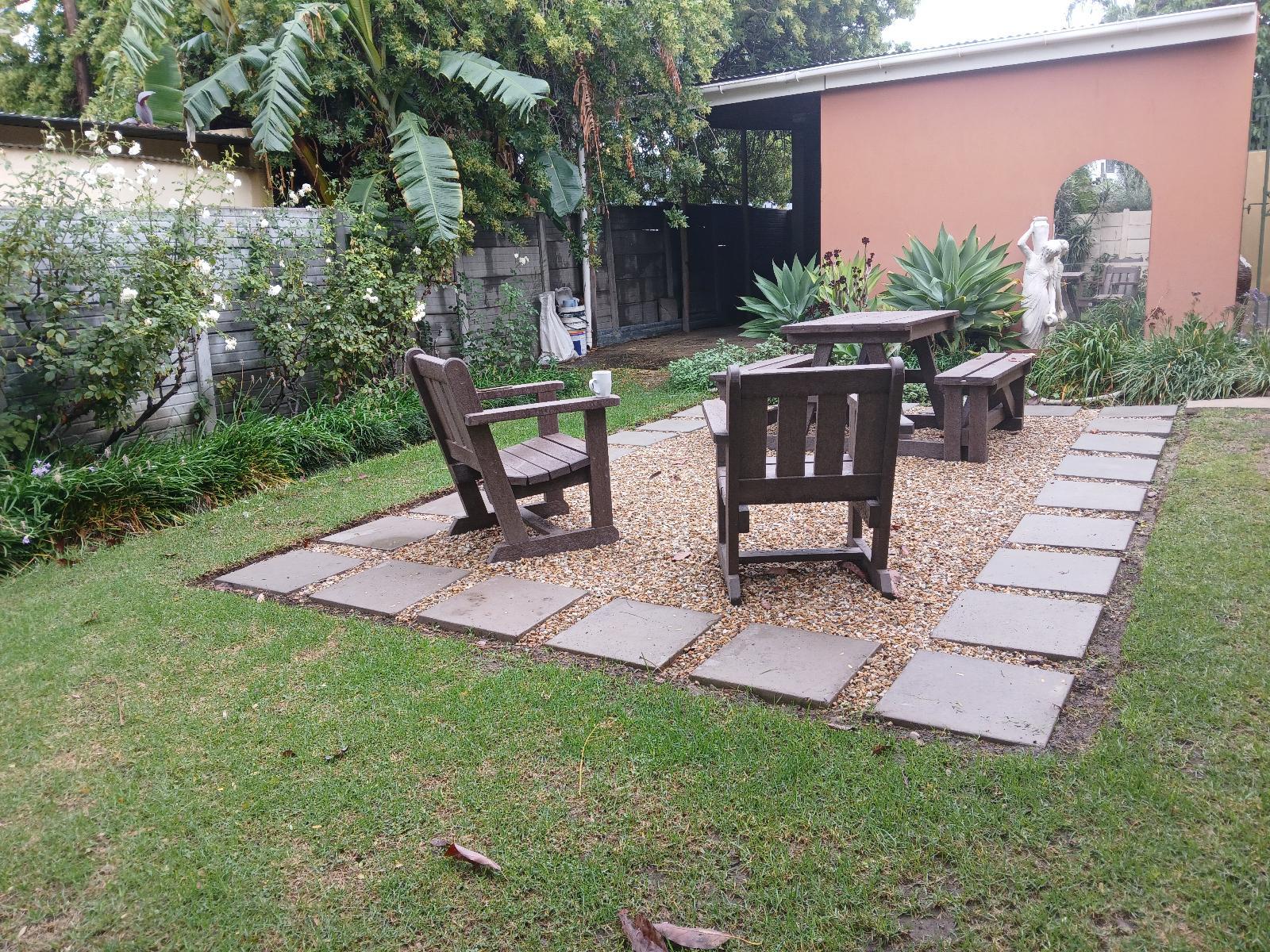
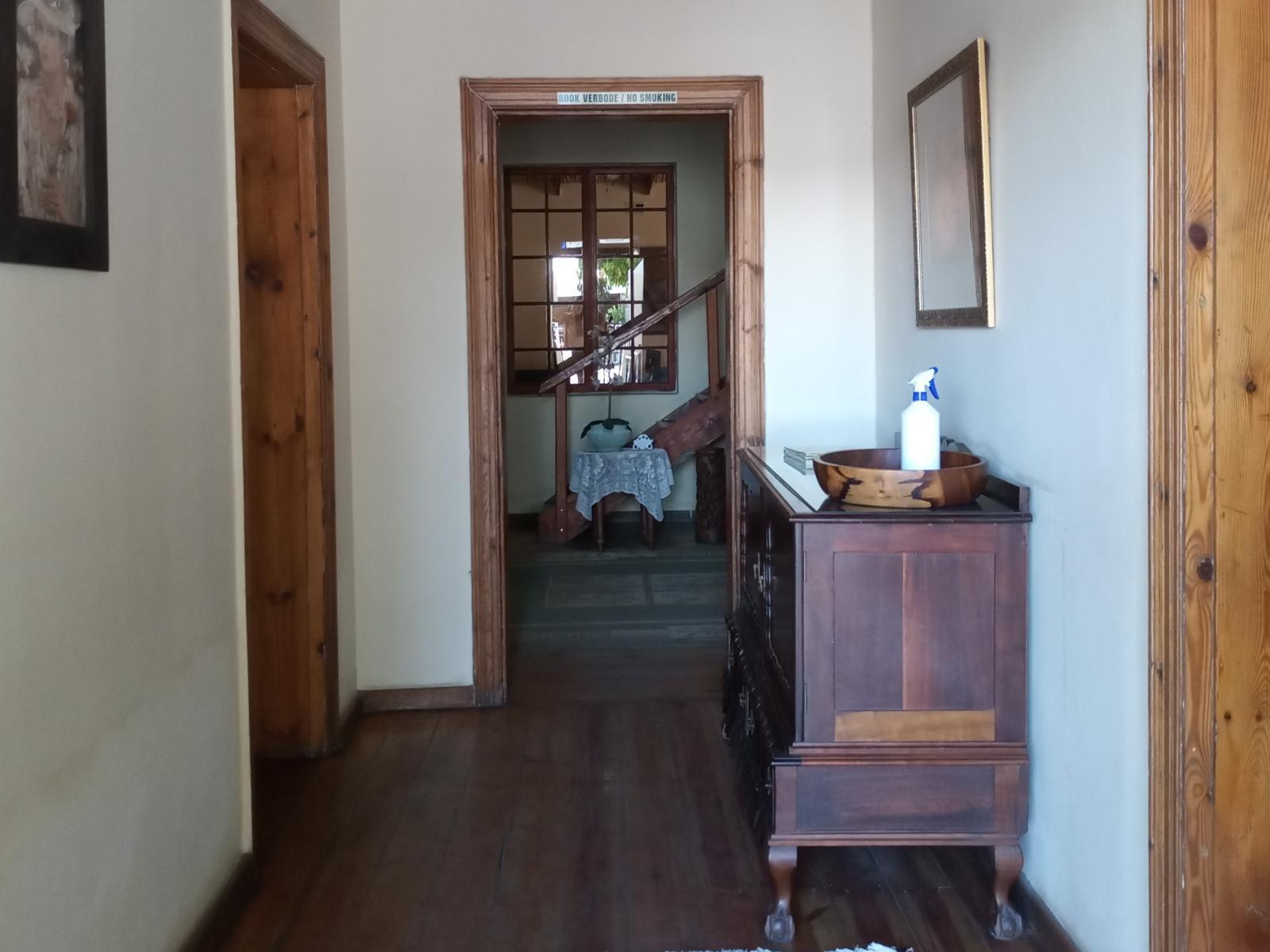
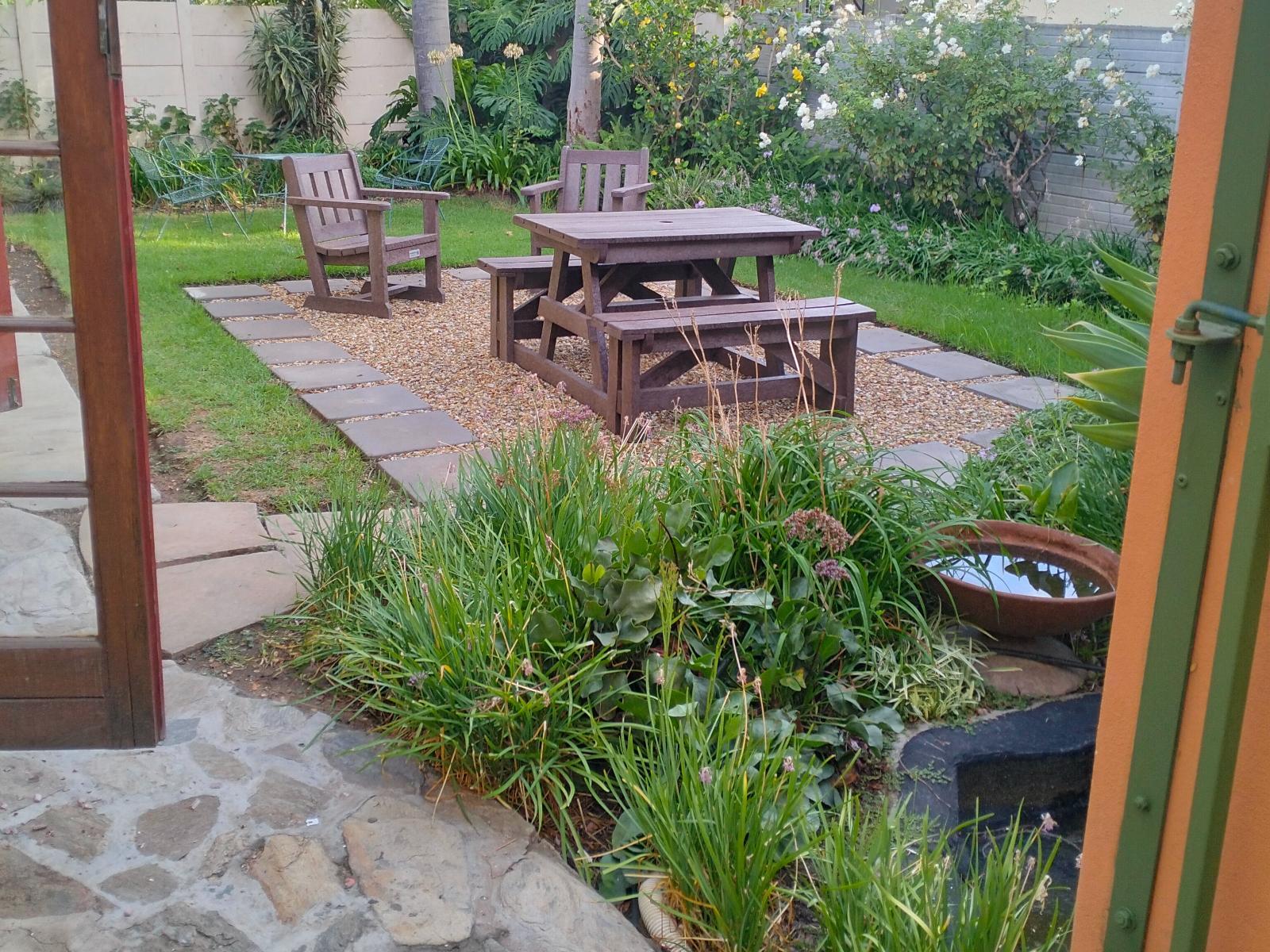
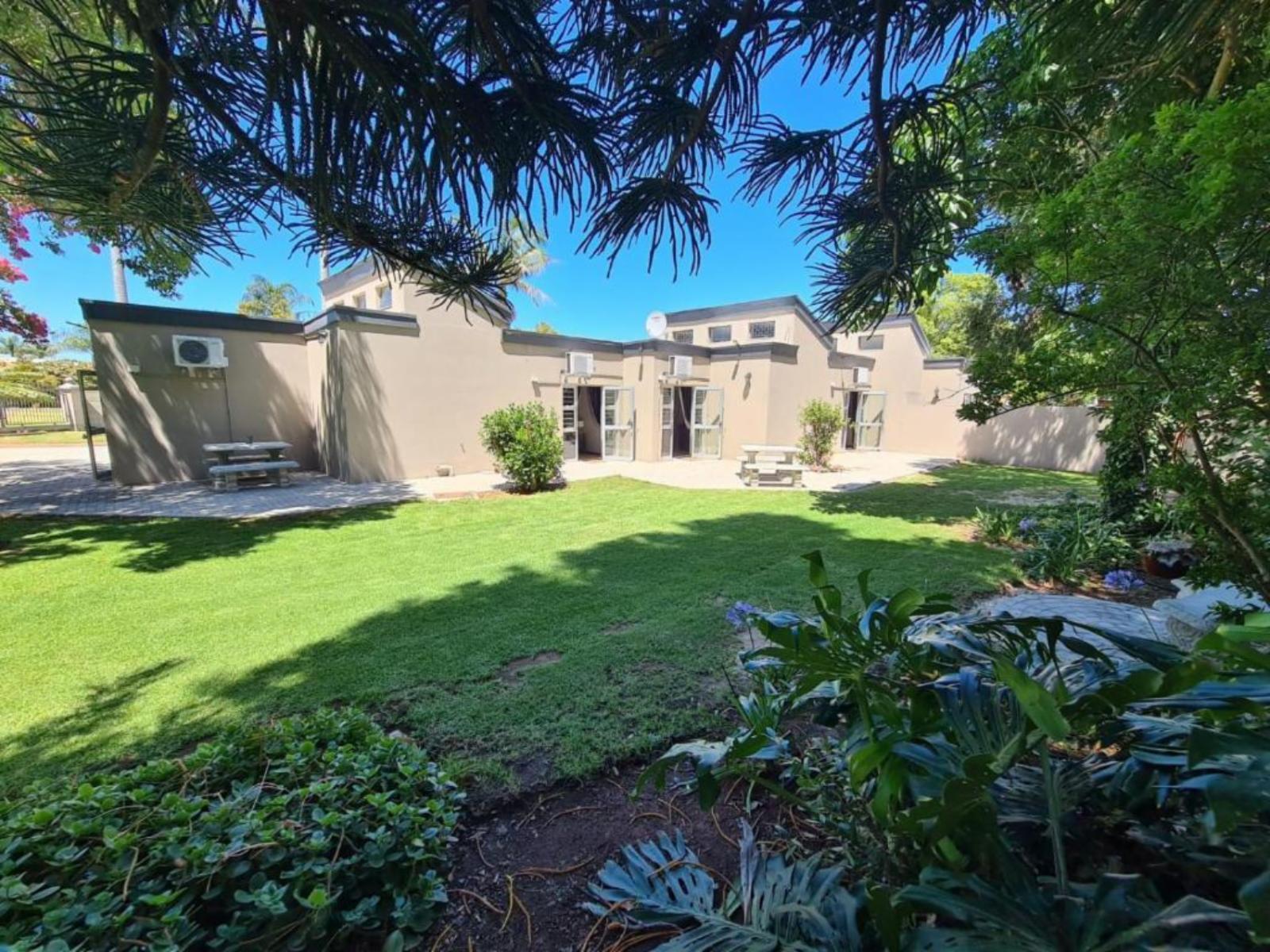
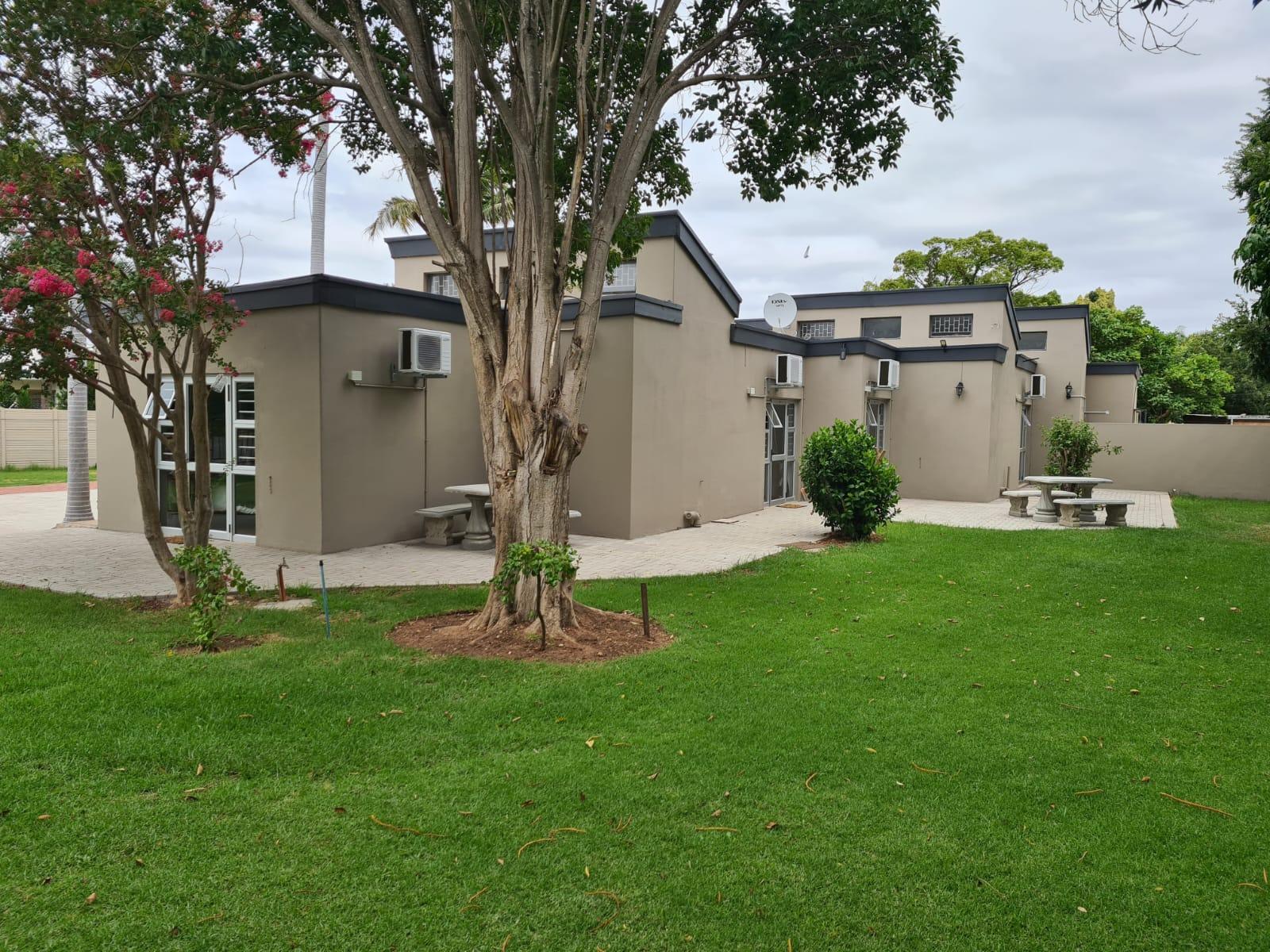
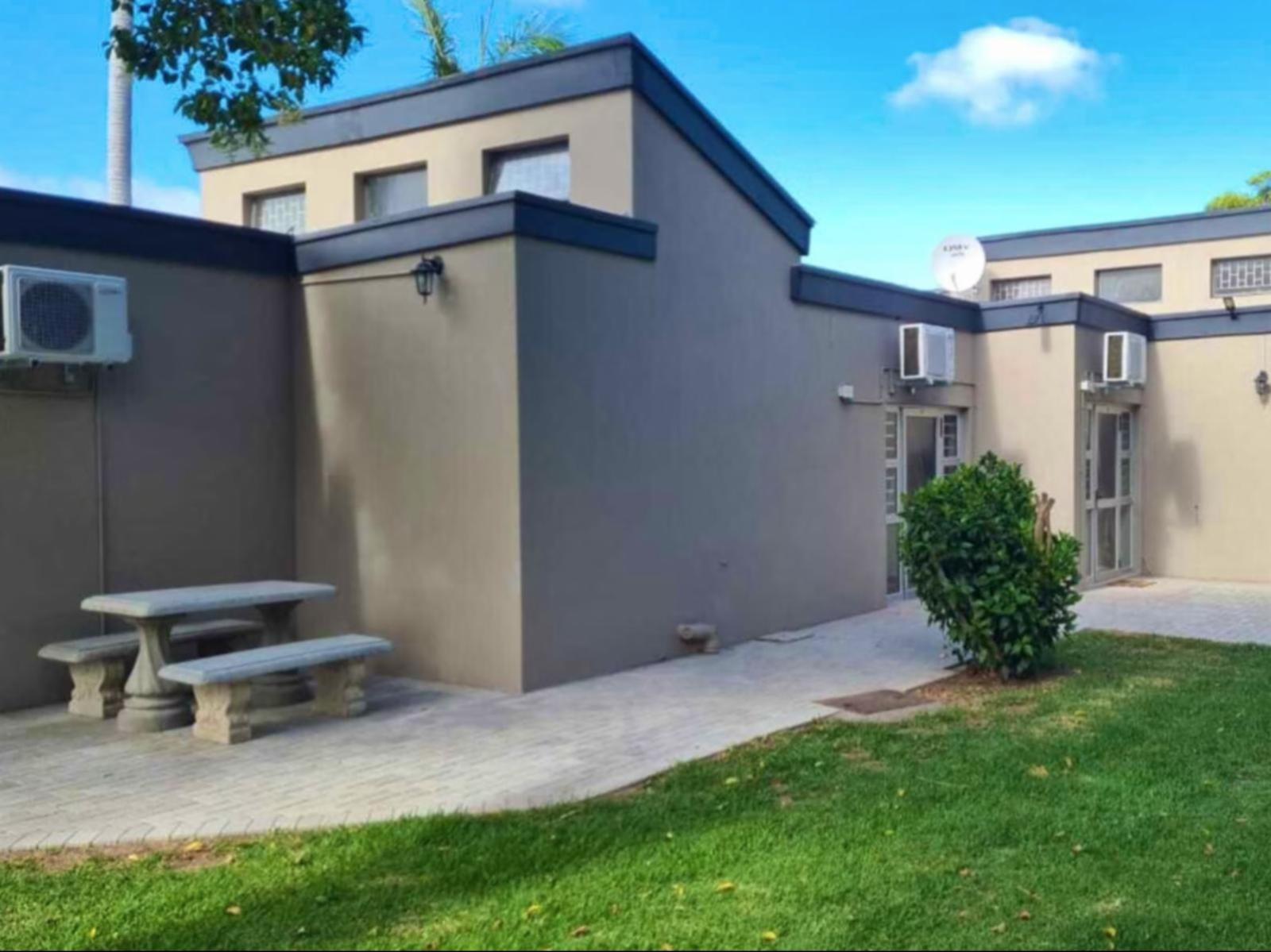
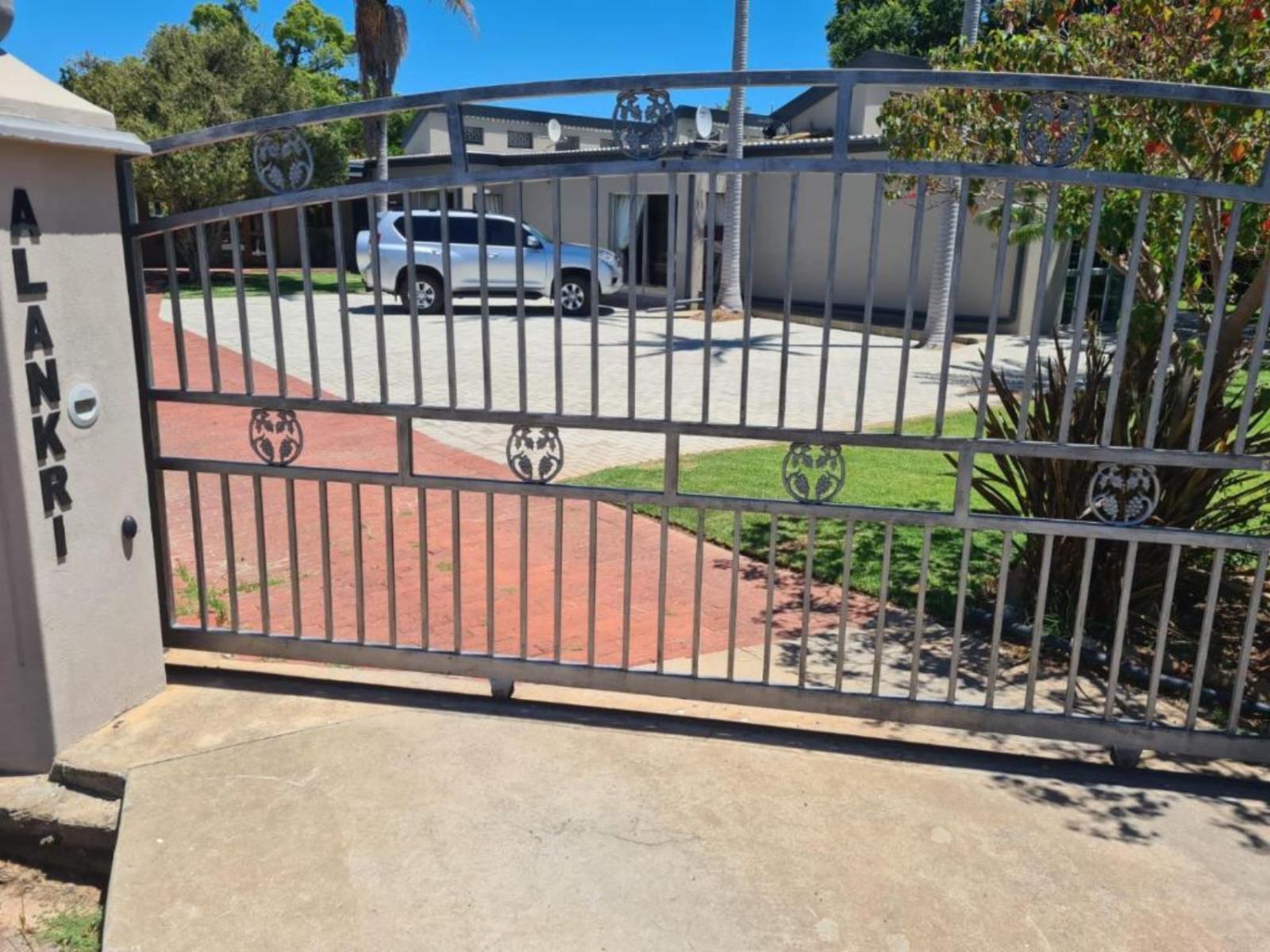
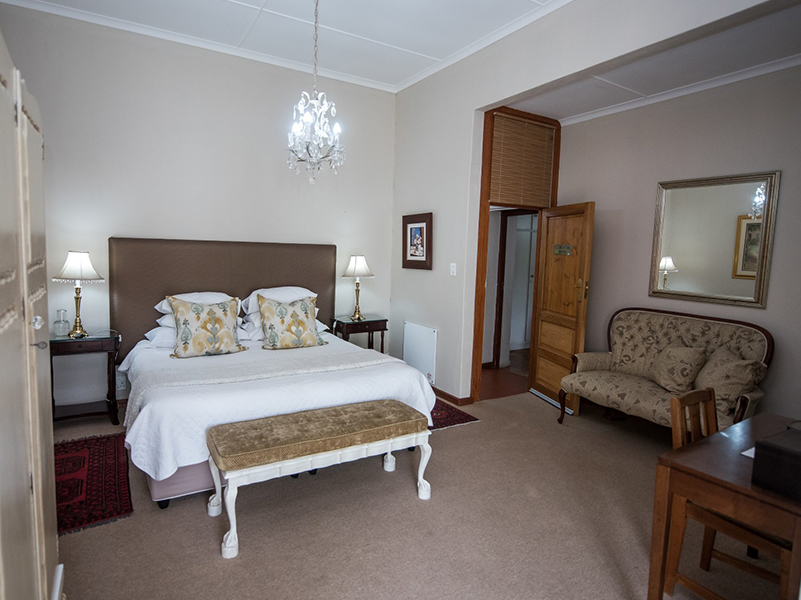
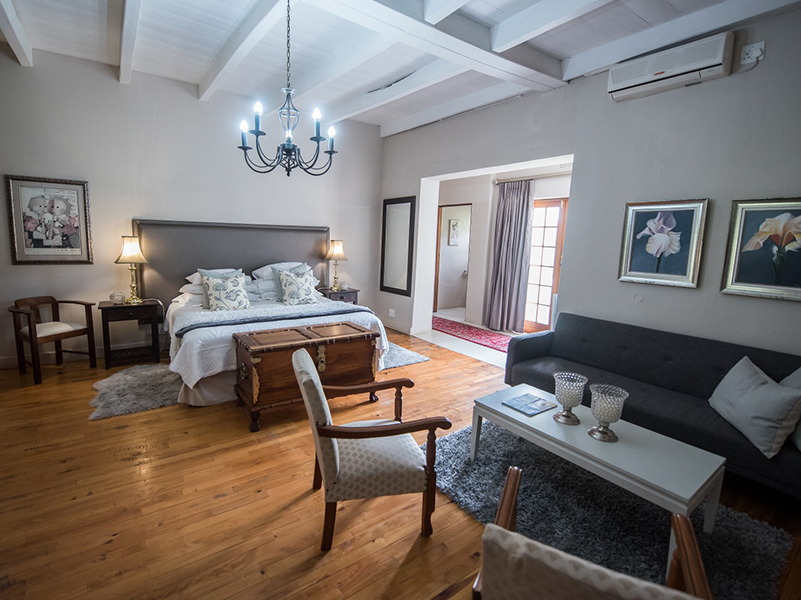
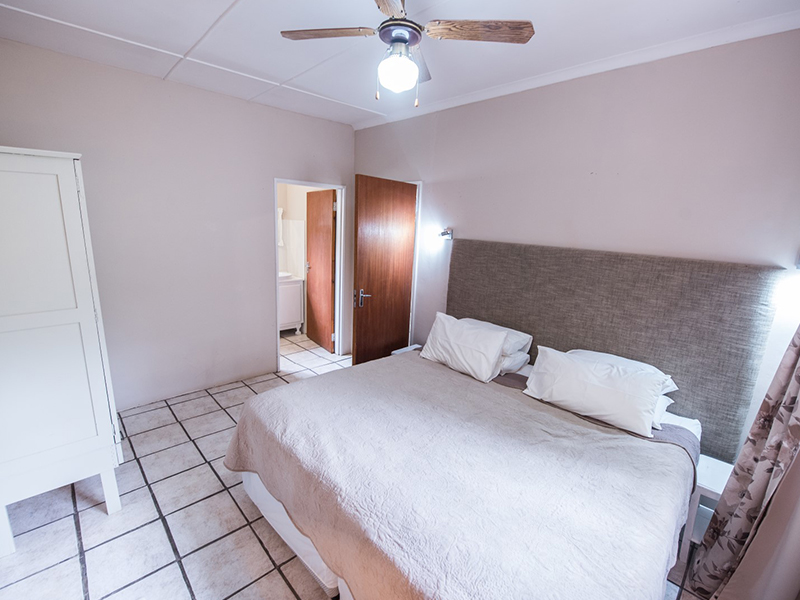
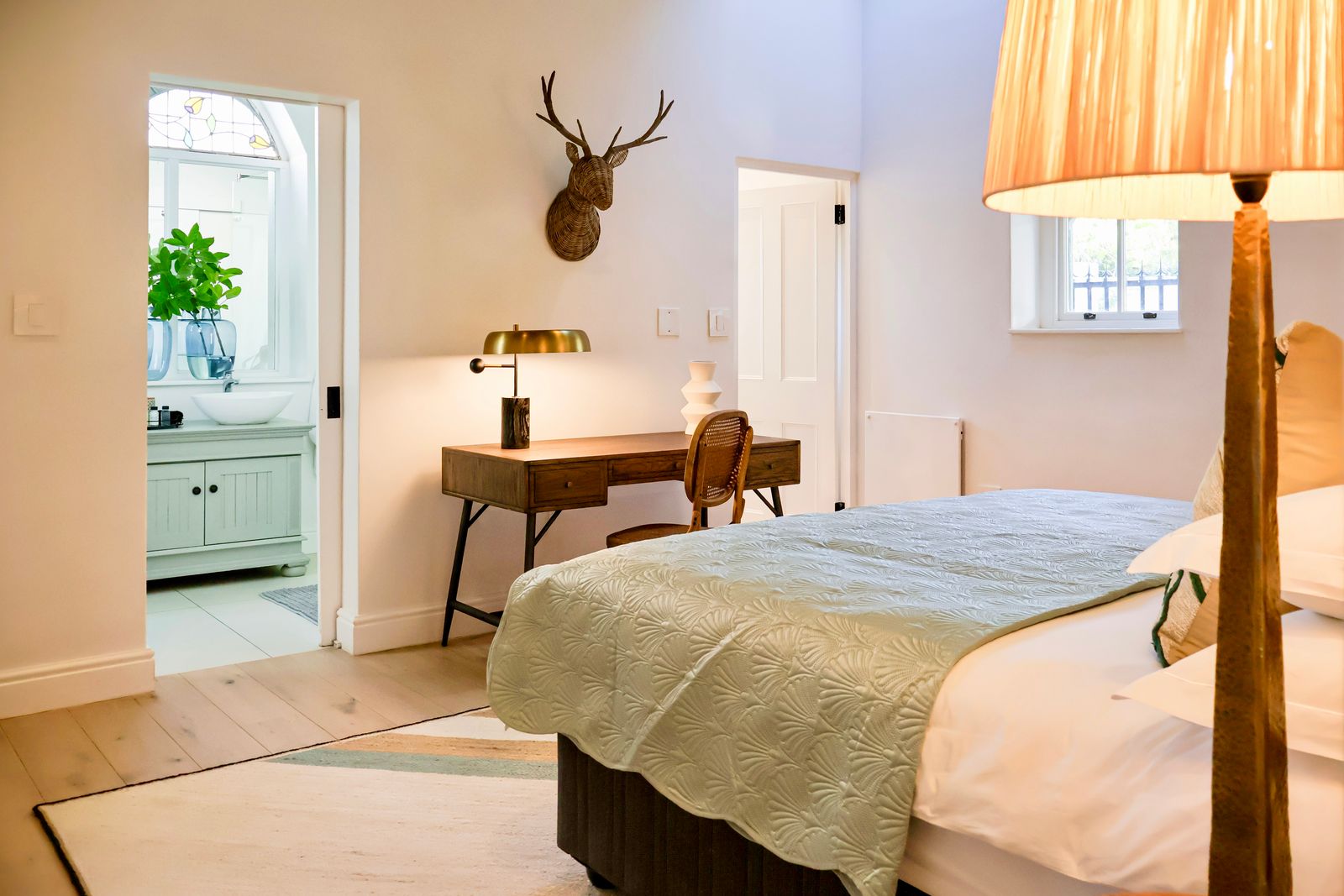
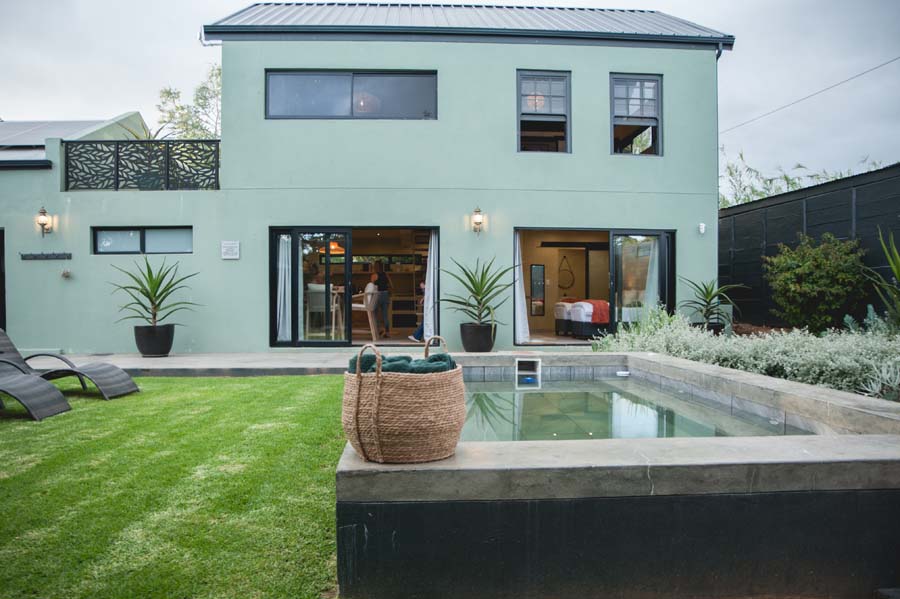
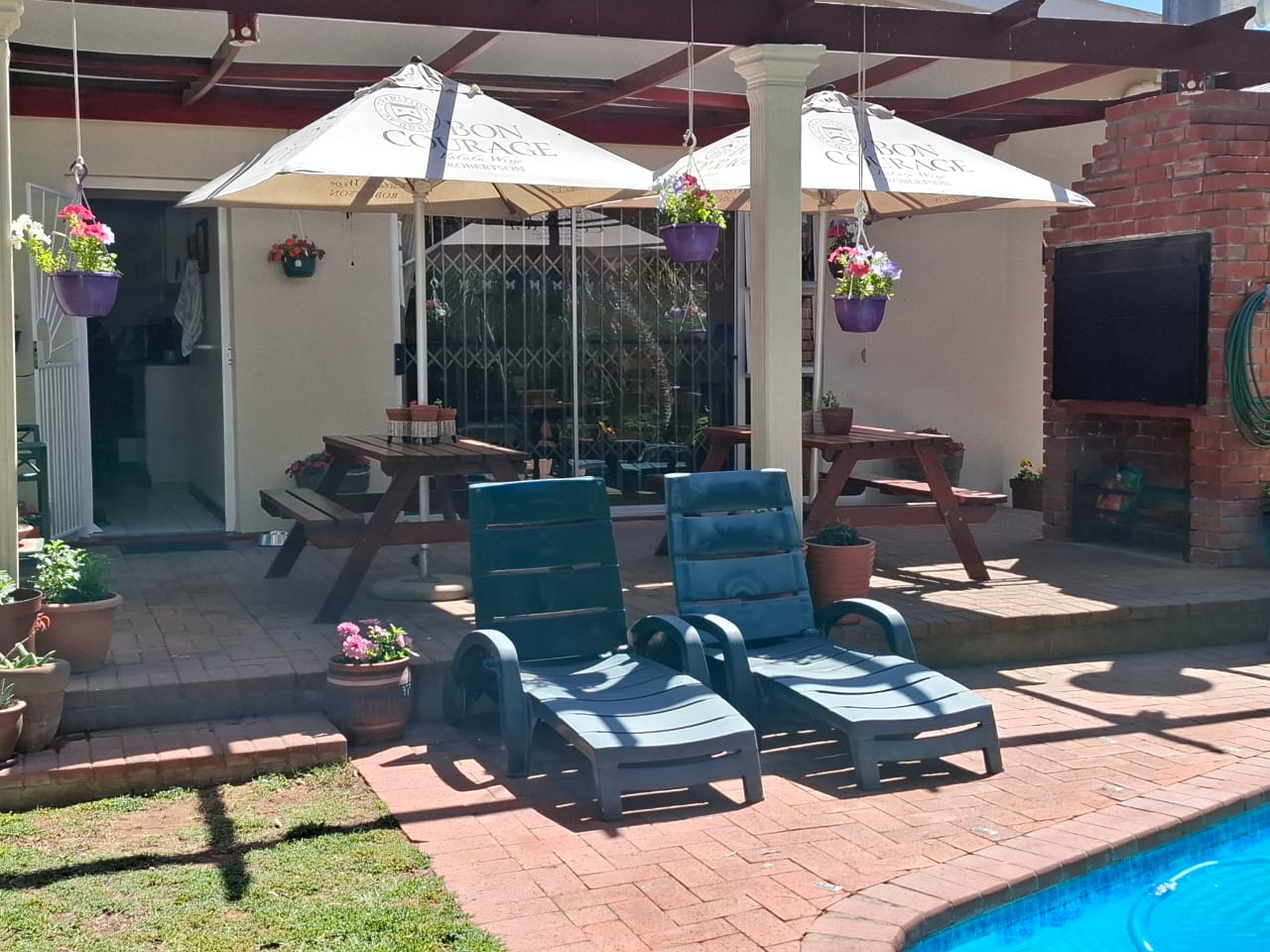
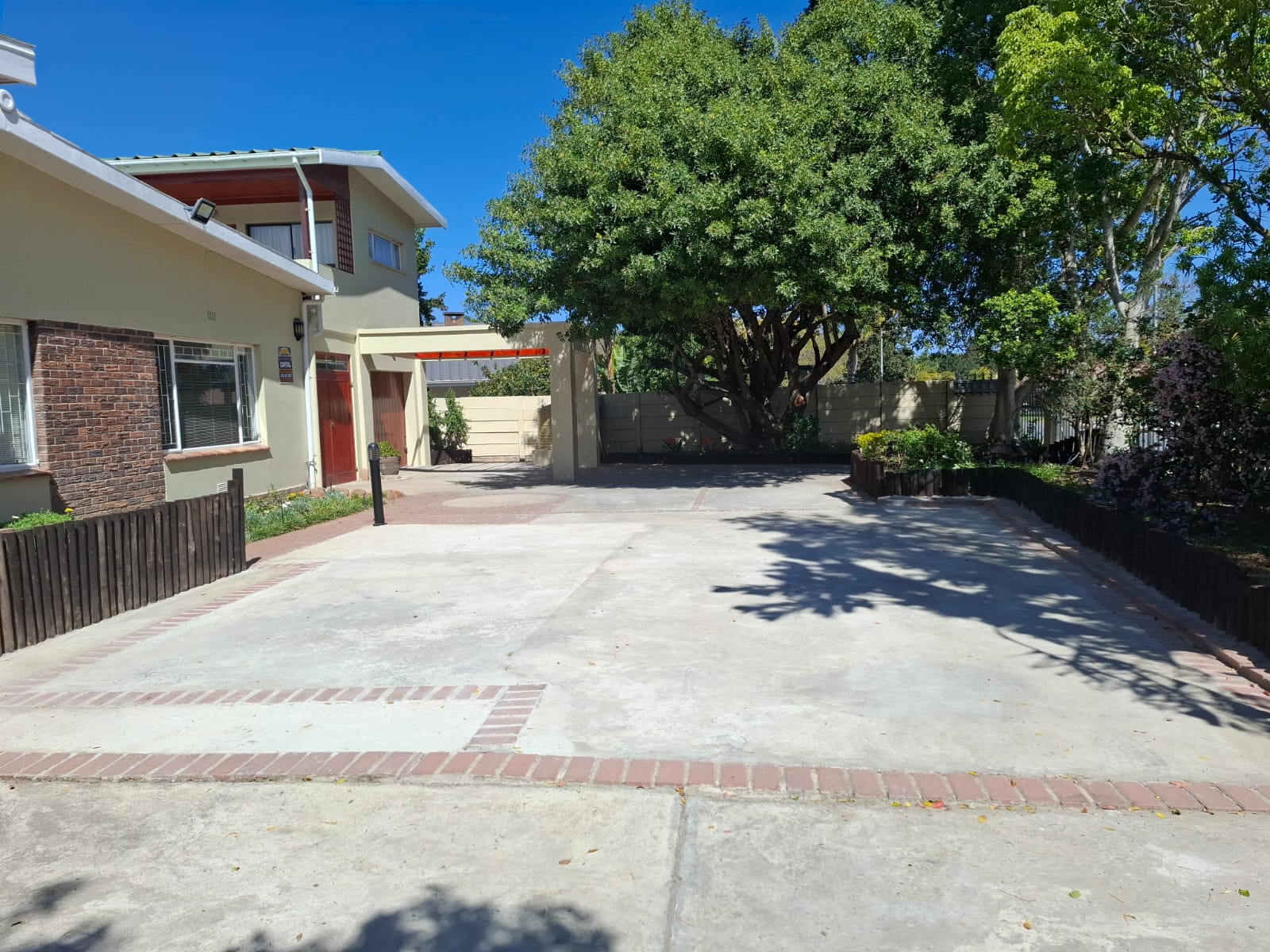
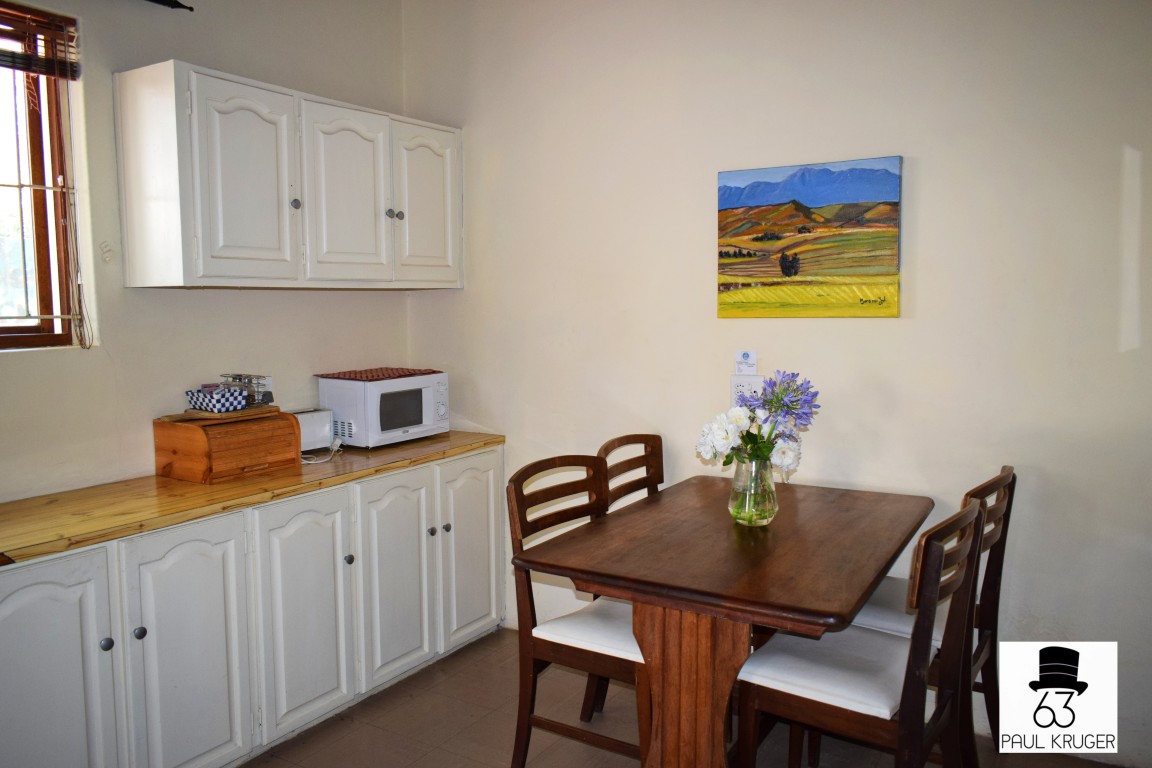
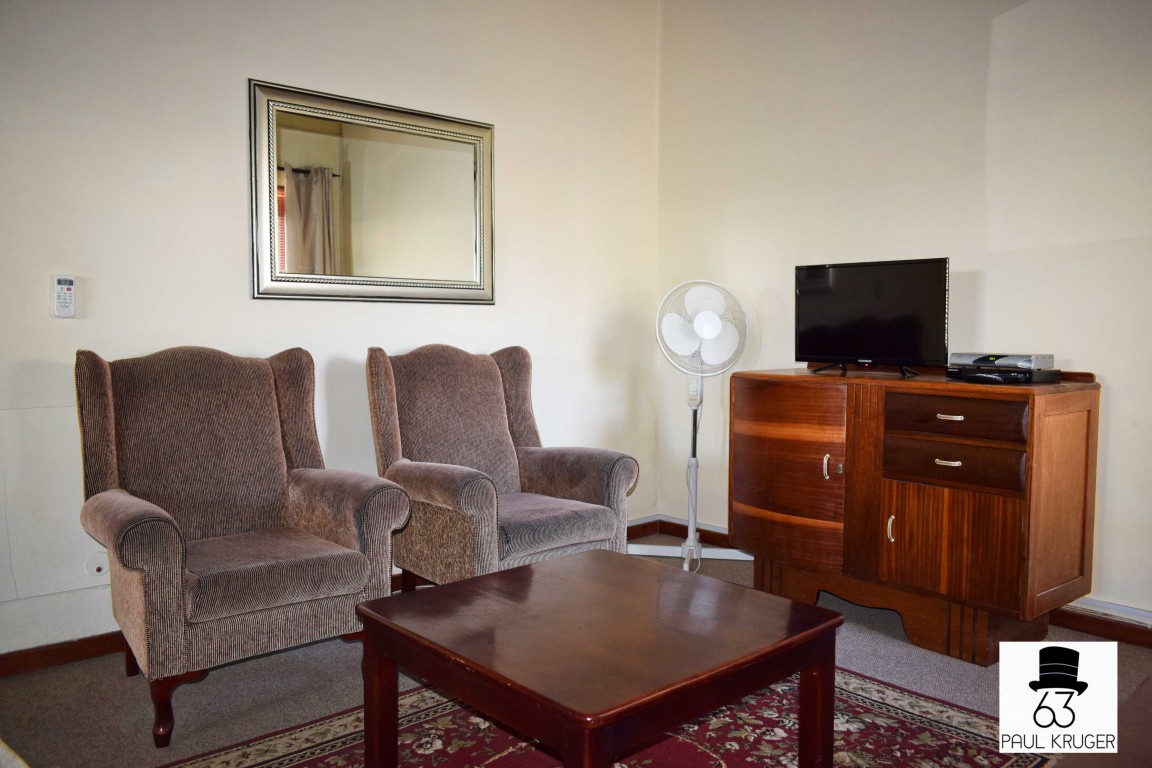
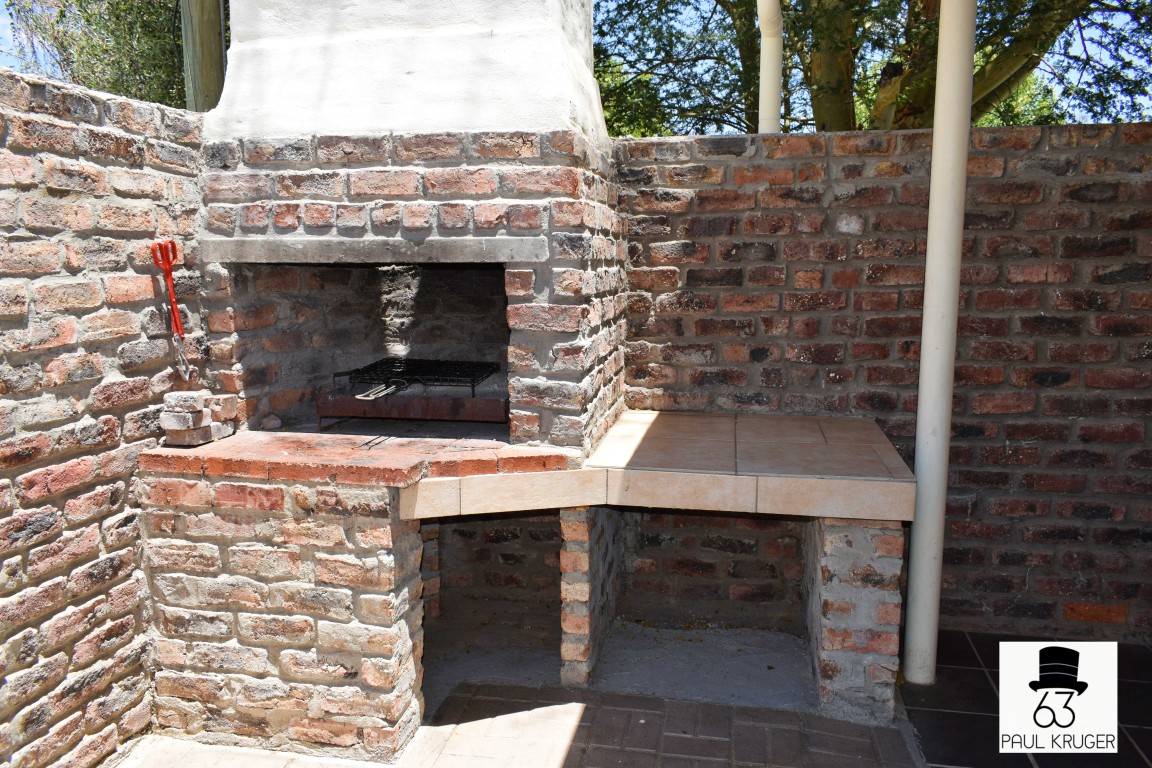
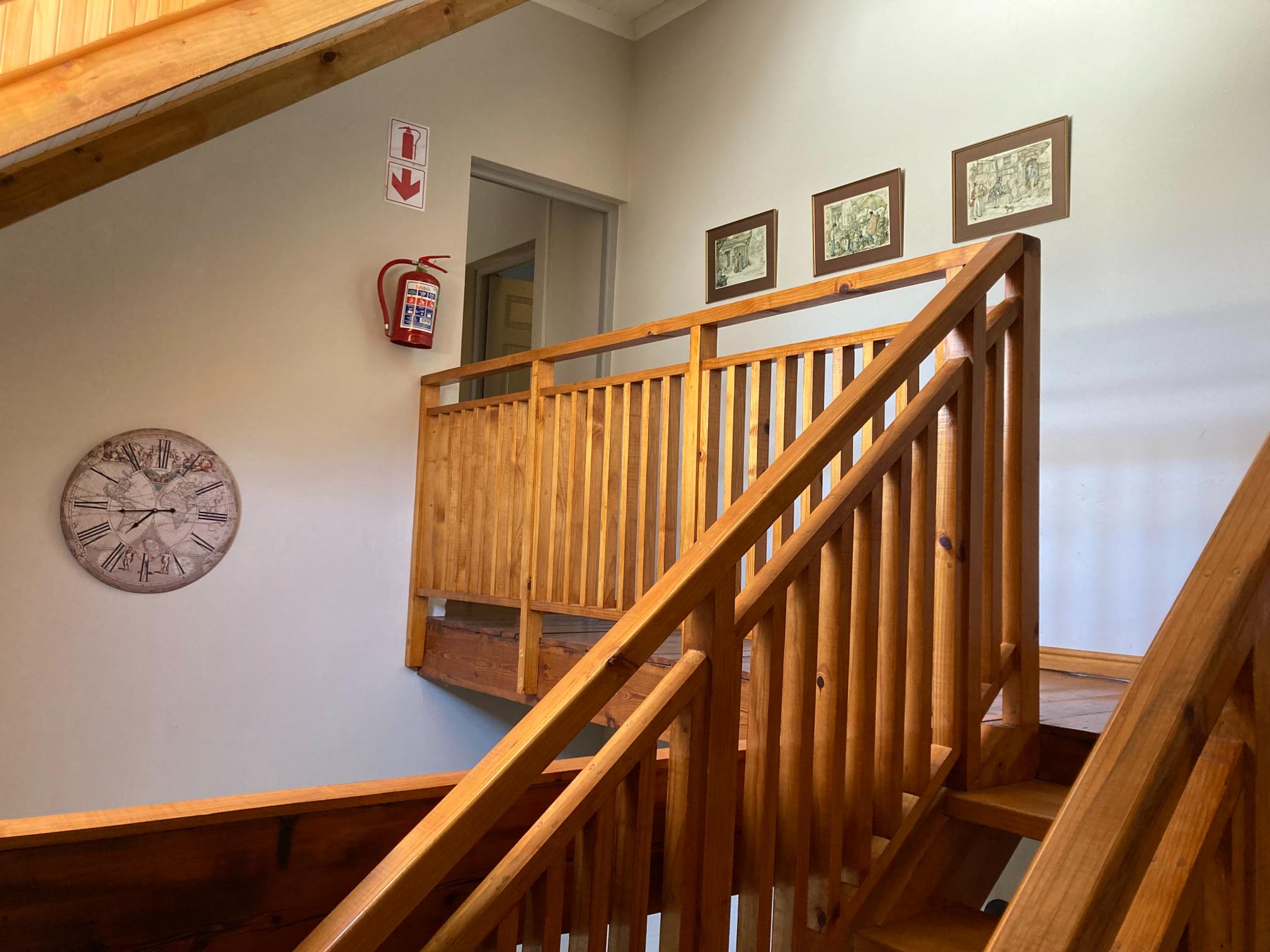
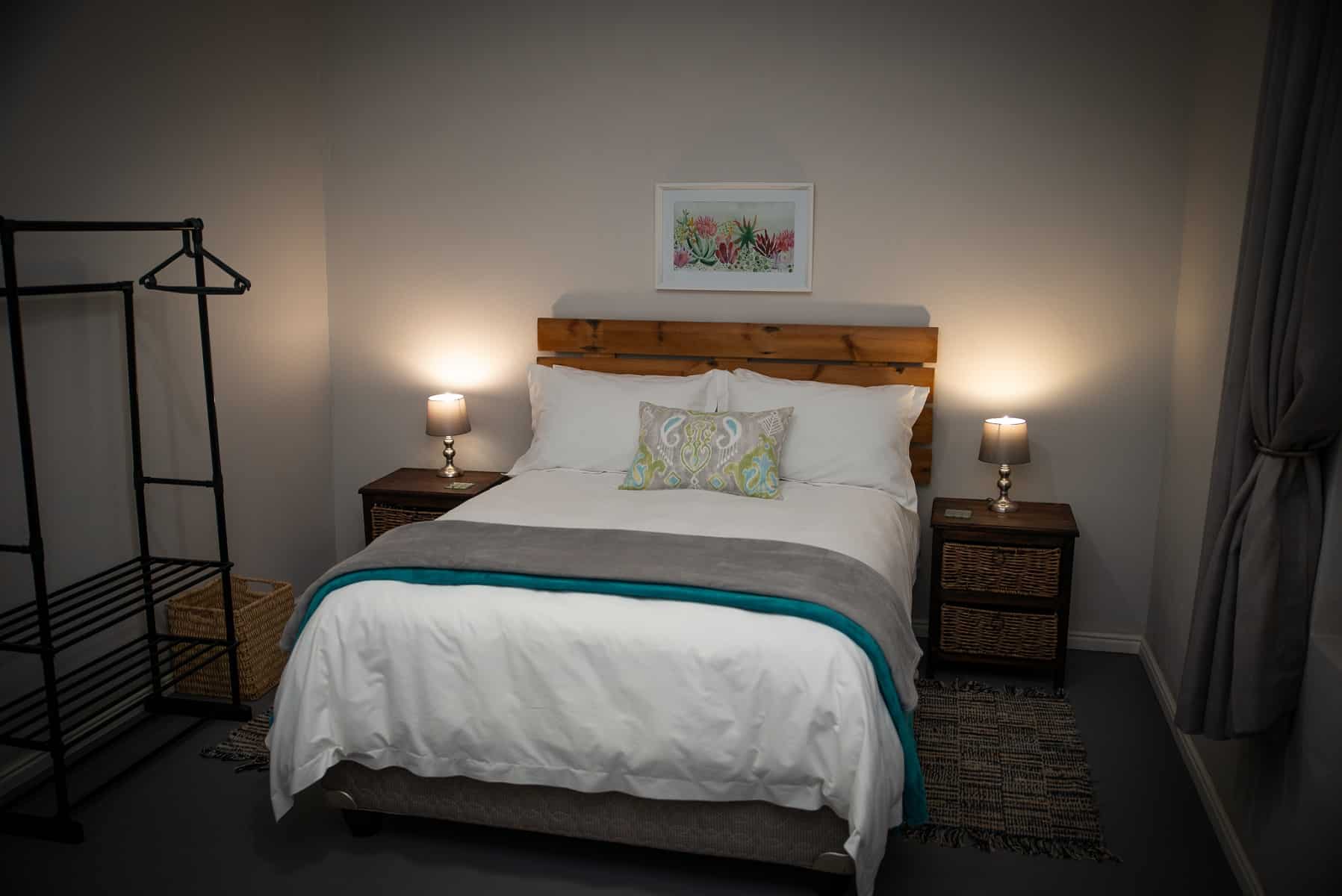
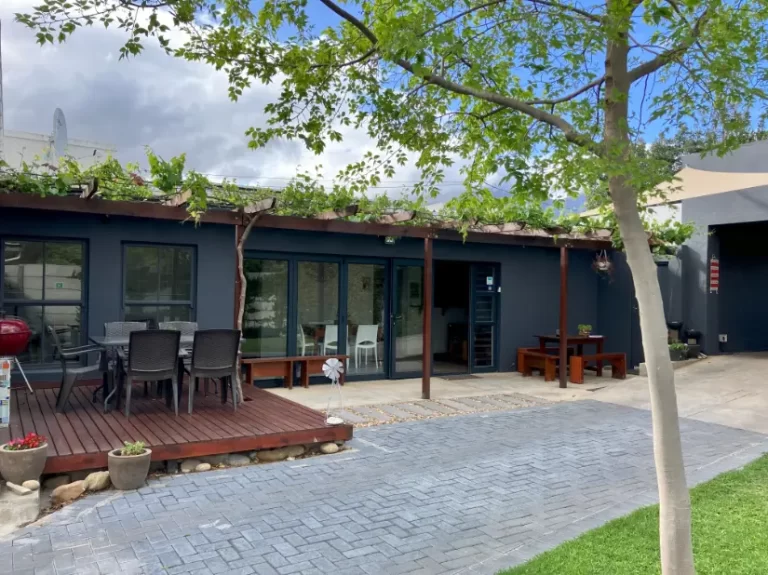
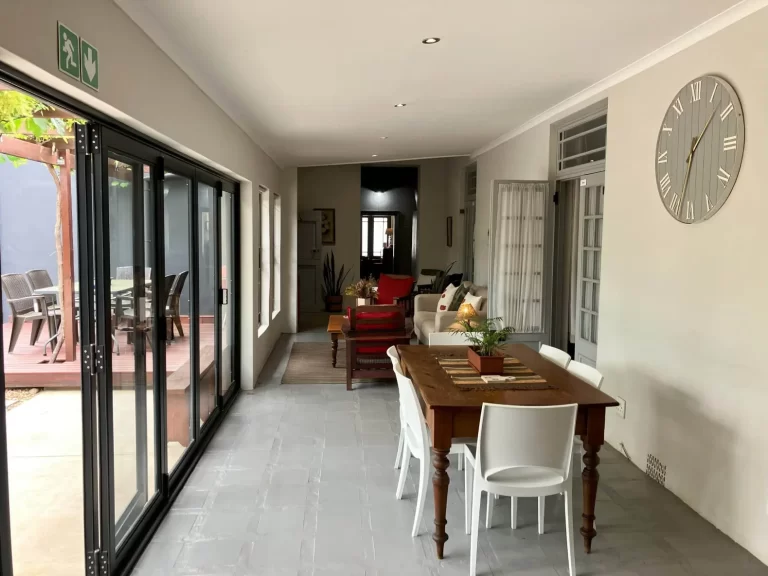
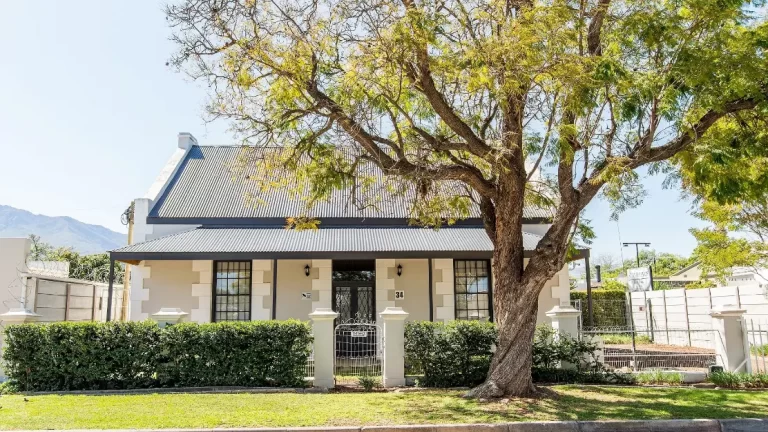
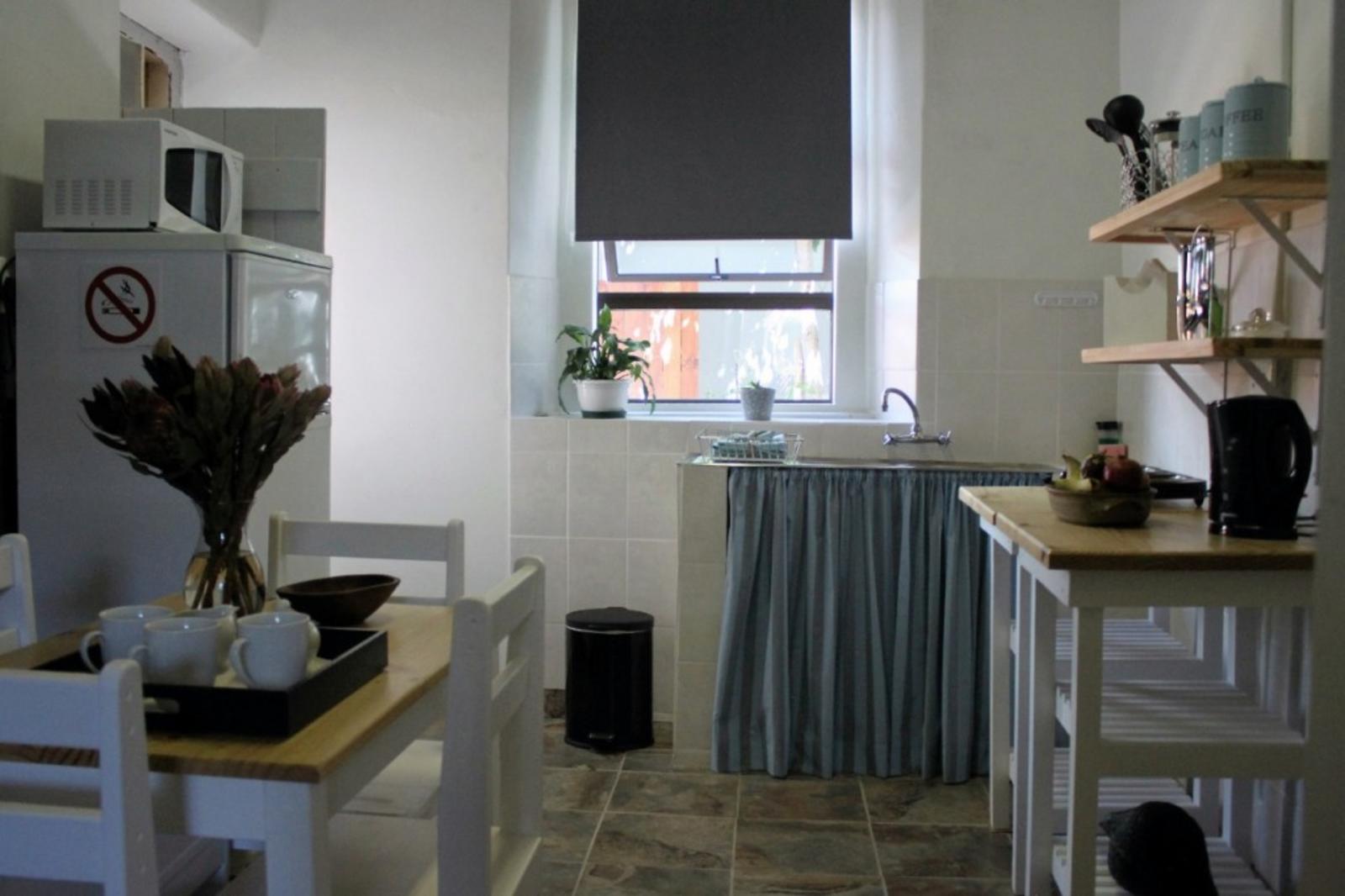
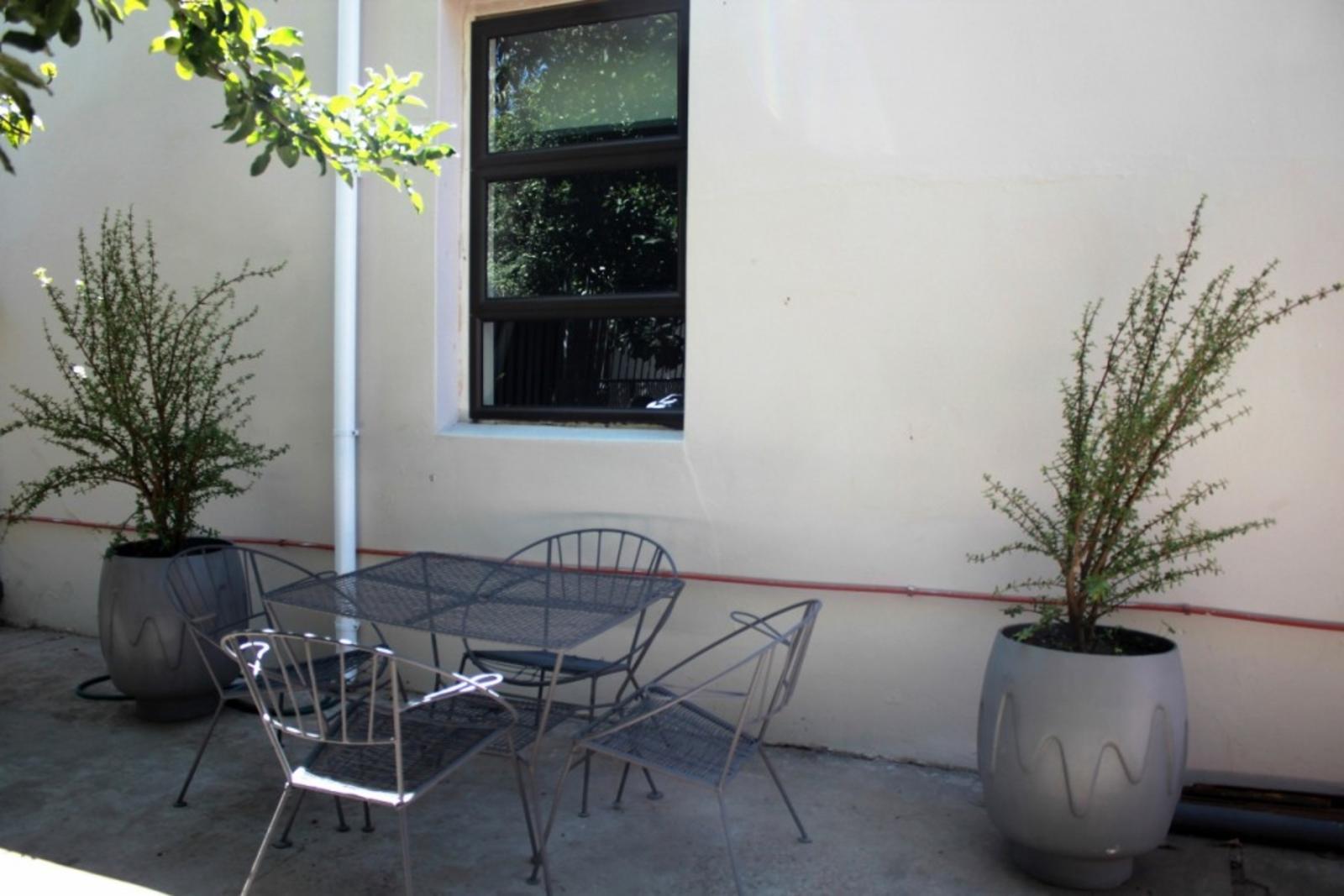
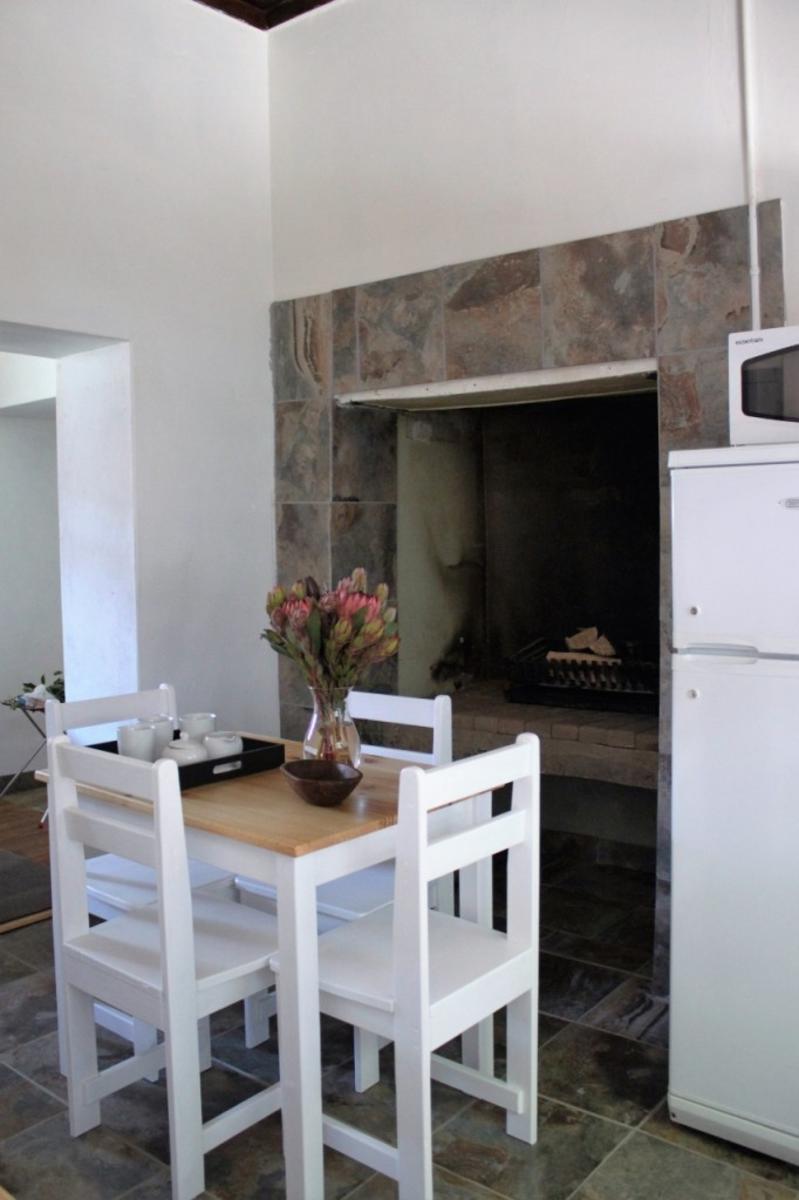
Robertson's ten listed properties span a broad price range, from R1,170 to R4,980 per night, which means genuine options exist whether you're watching a tight budget or willing to spend more for comfort. The self-catering category anchors the lower end: four properties give guests their own kitchen, flexible meal times, and a degree of independence that suits families or those planning multi-day stays in the valley. These tend to be cottages or farm units on working properties, often with outdoor space and views across vineyards or orchards.
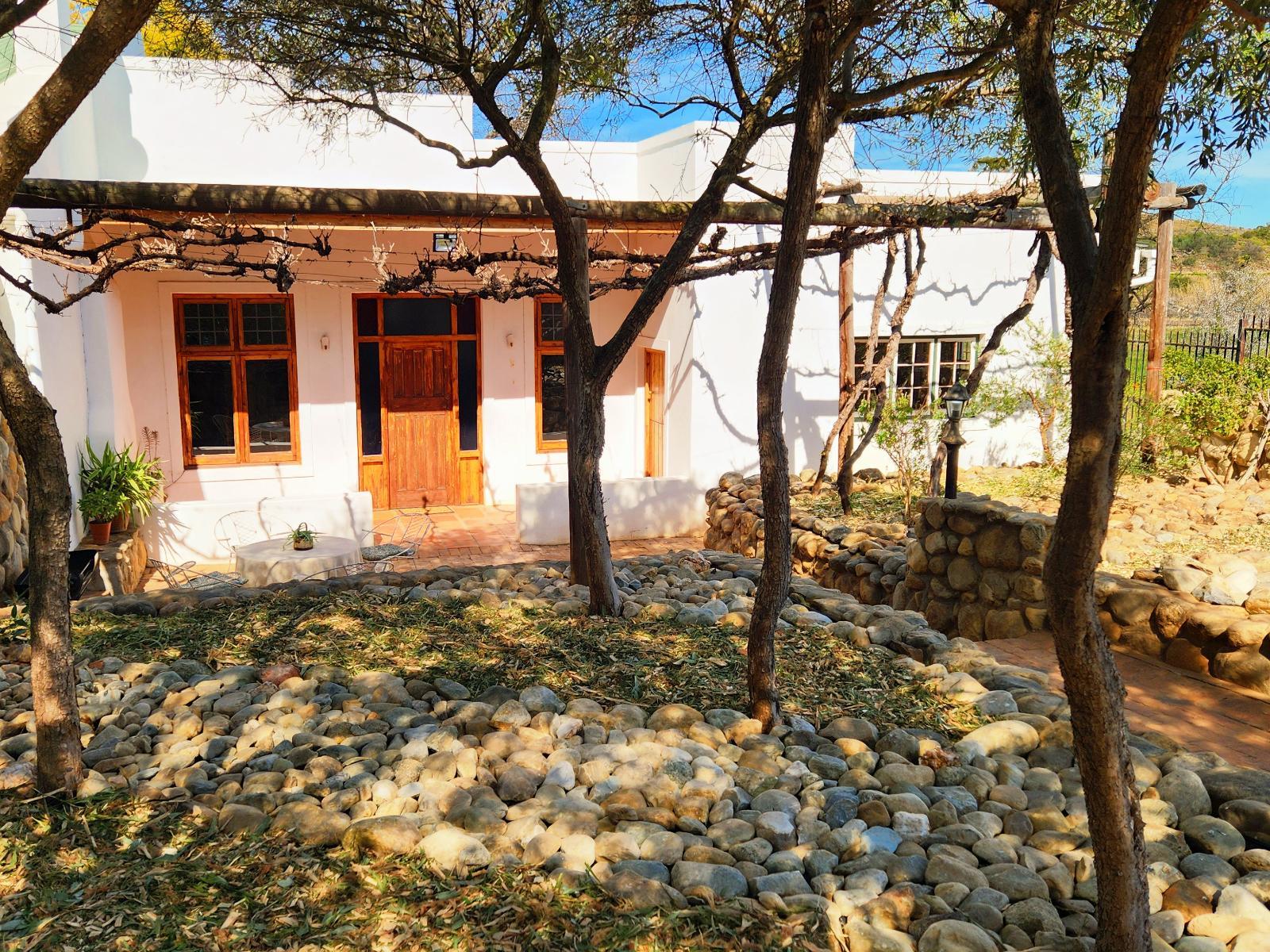
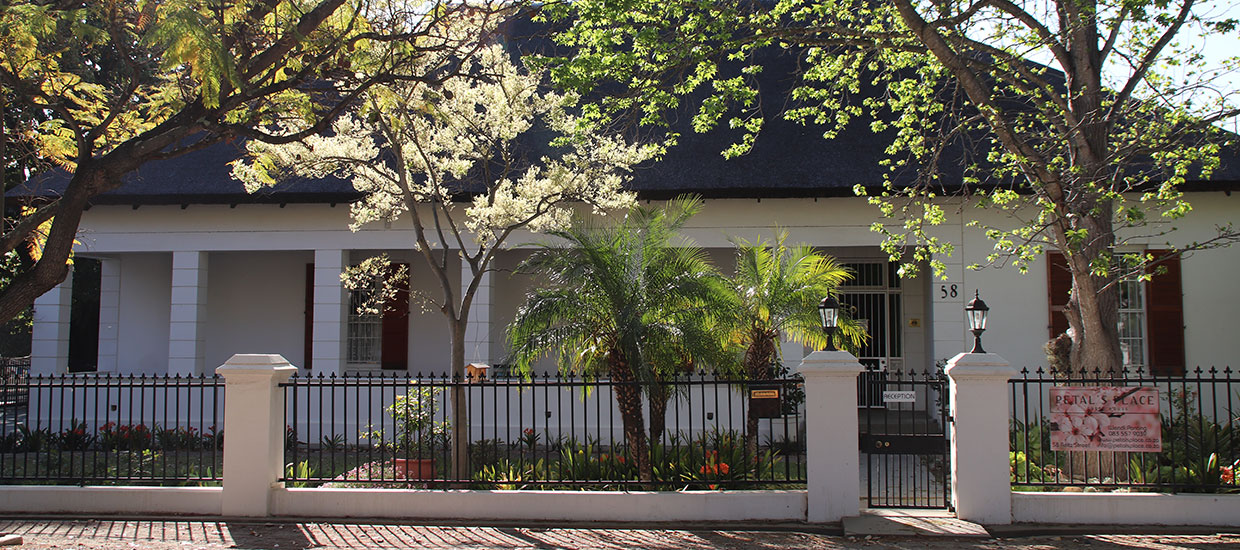
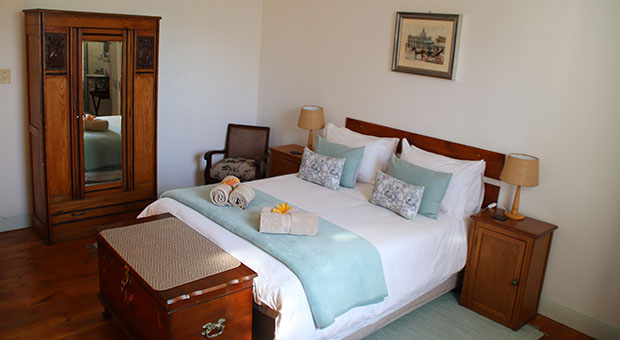
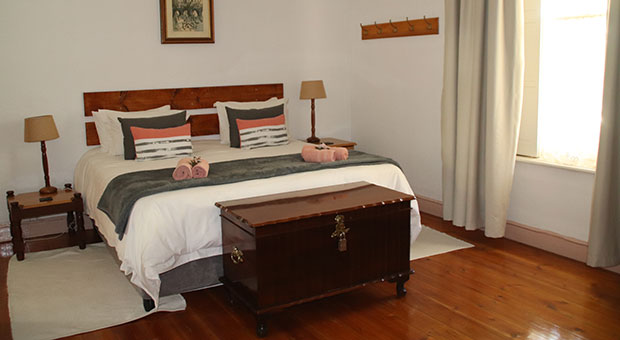
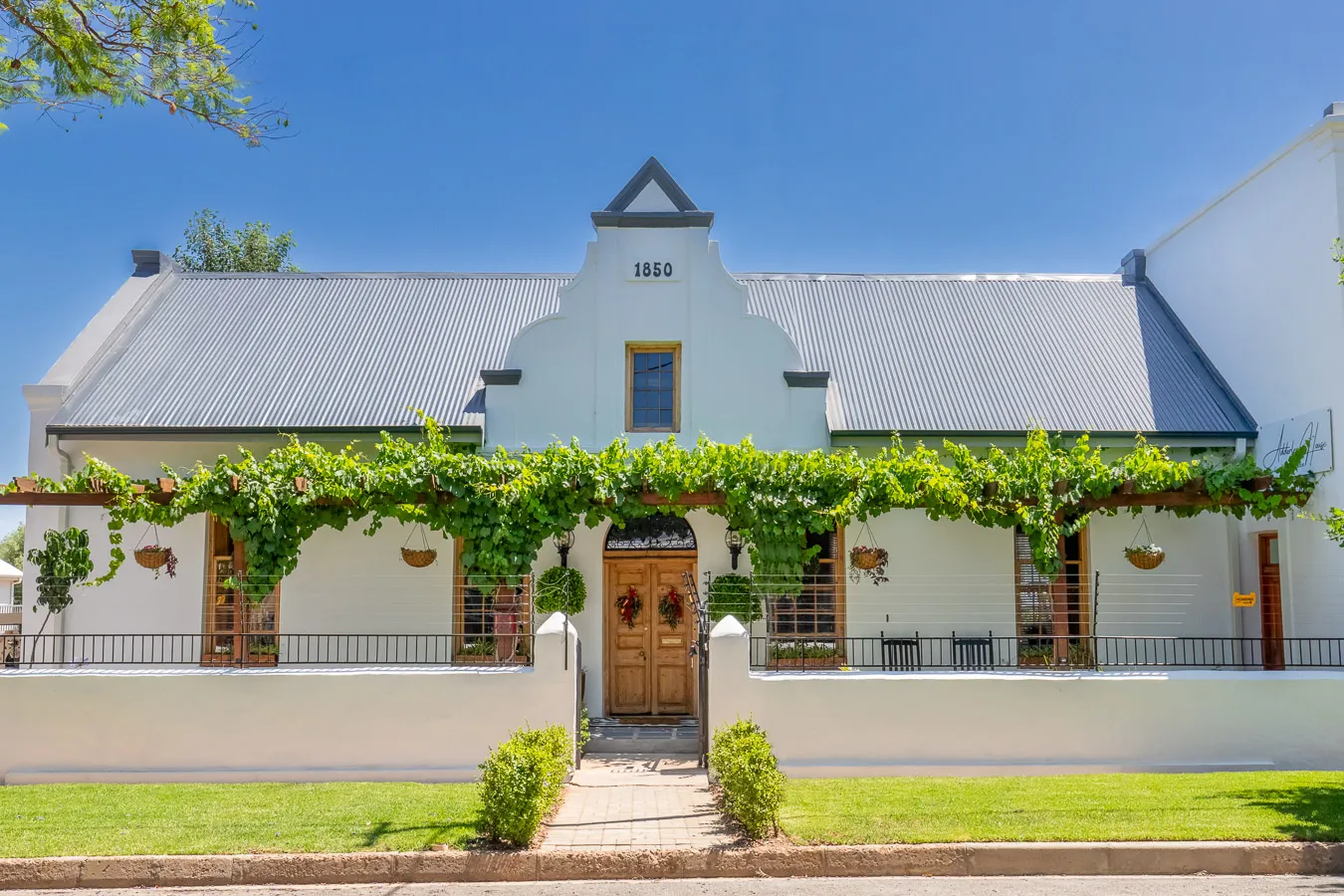
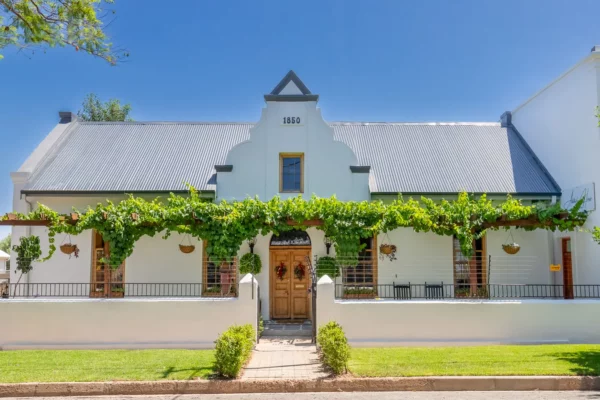
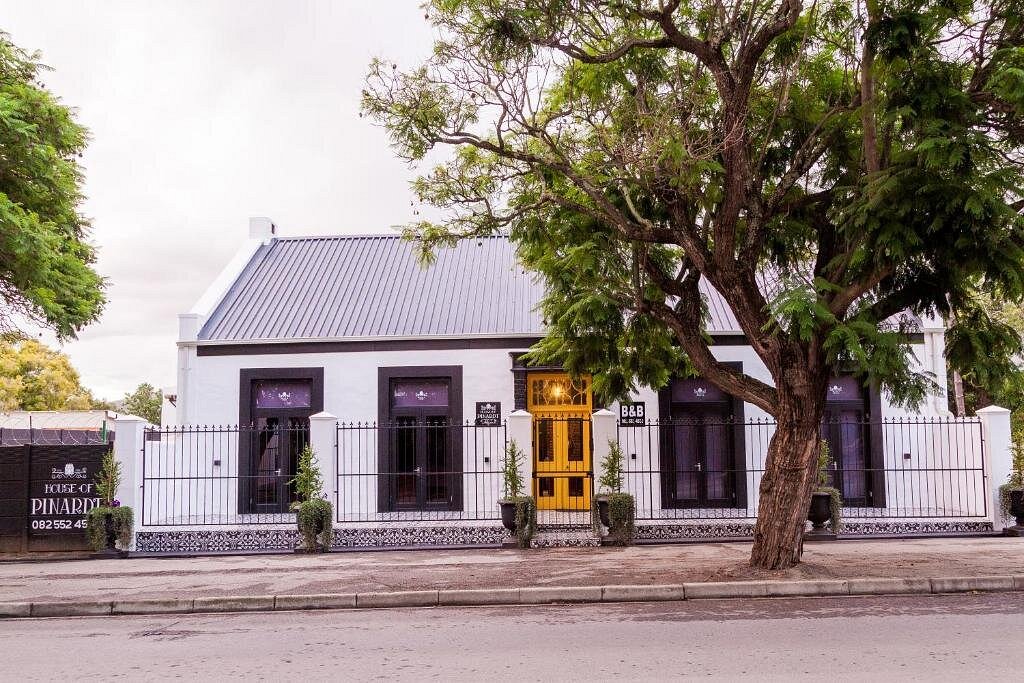
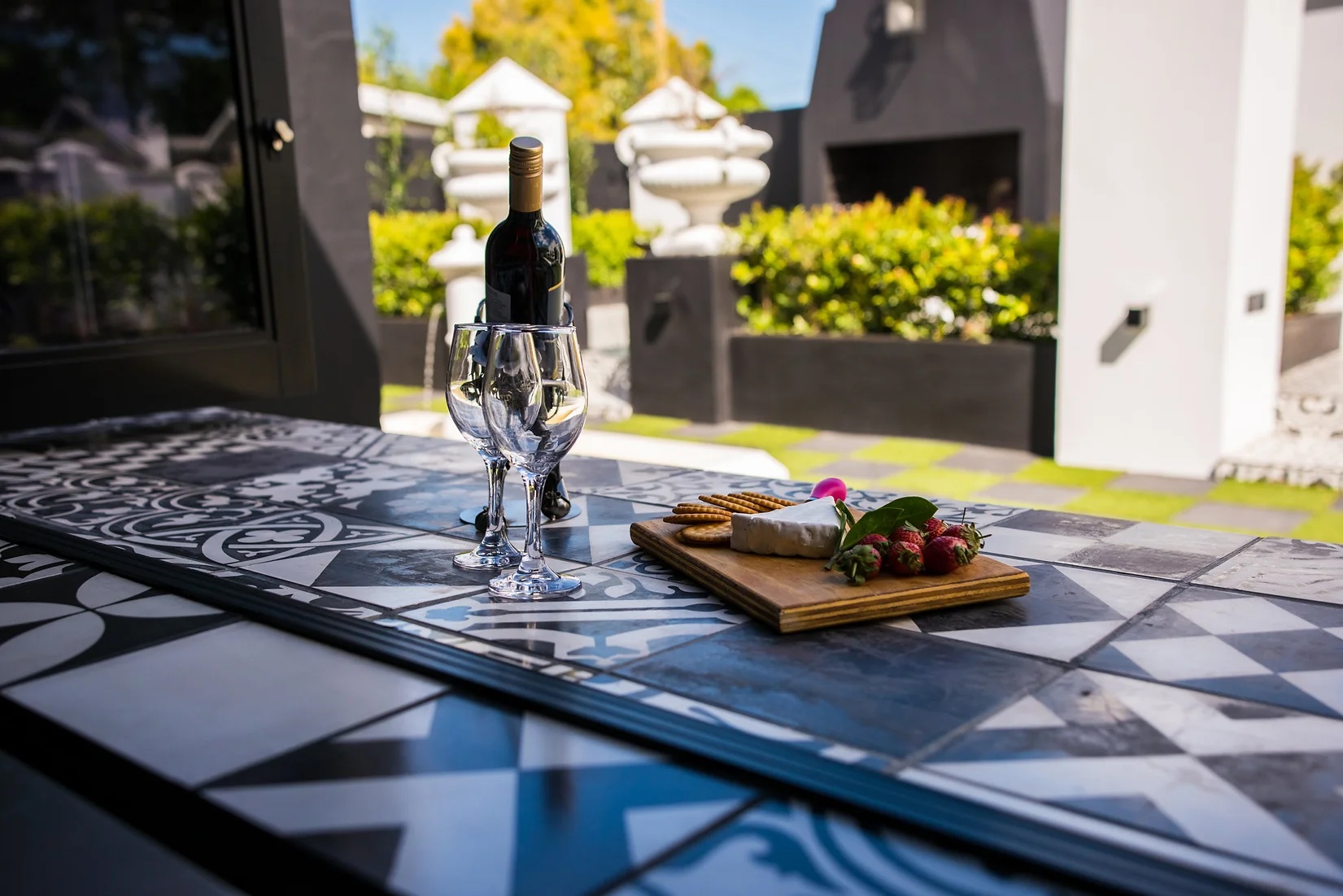
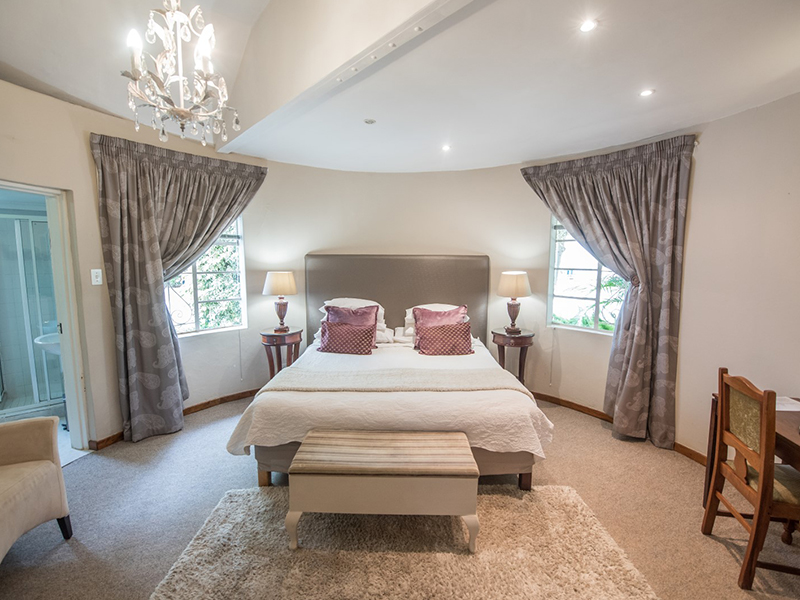
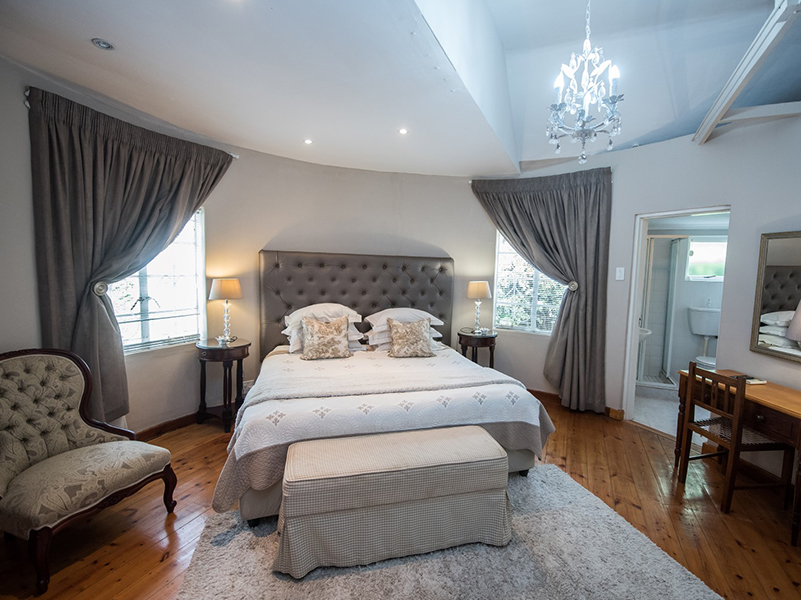
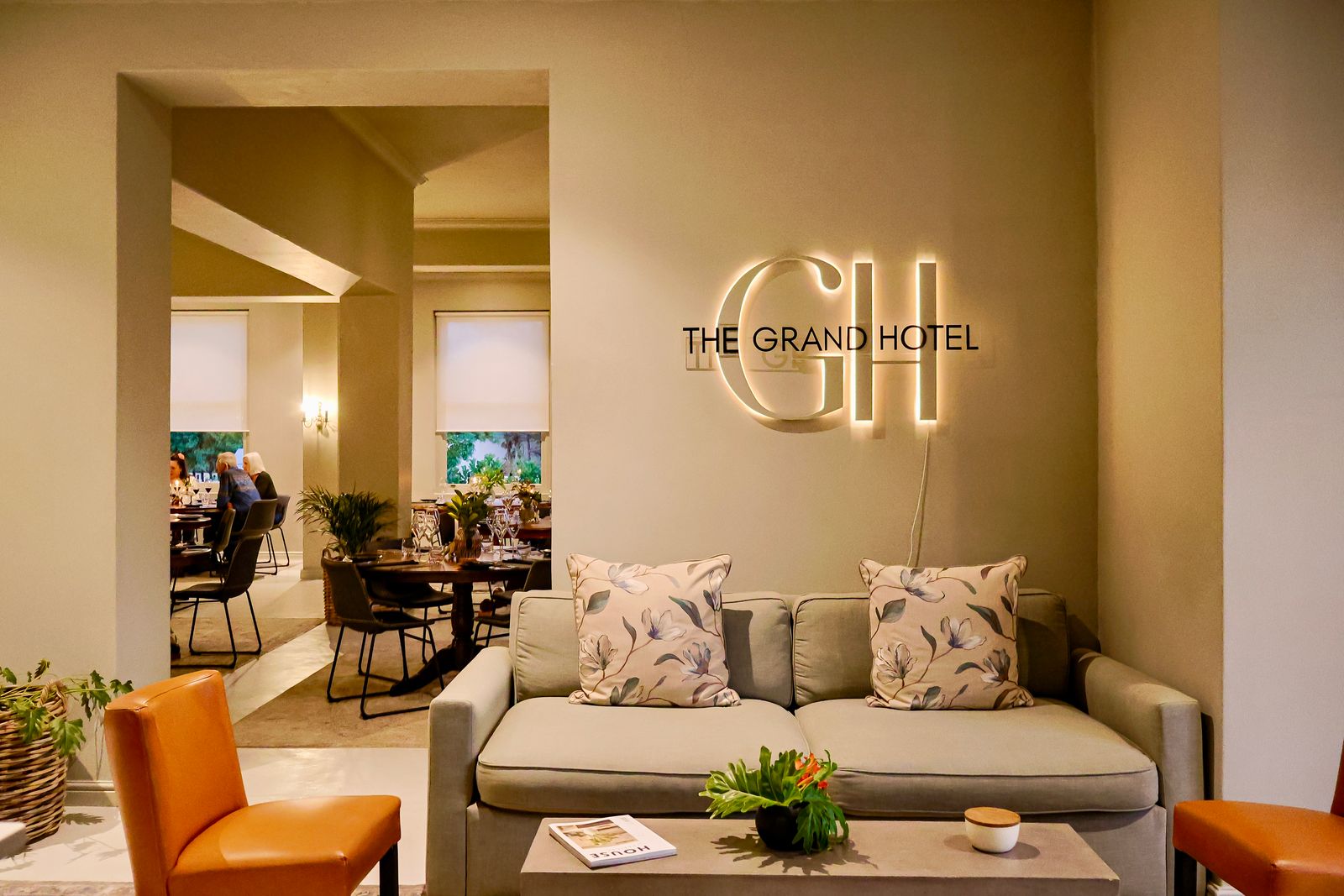
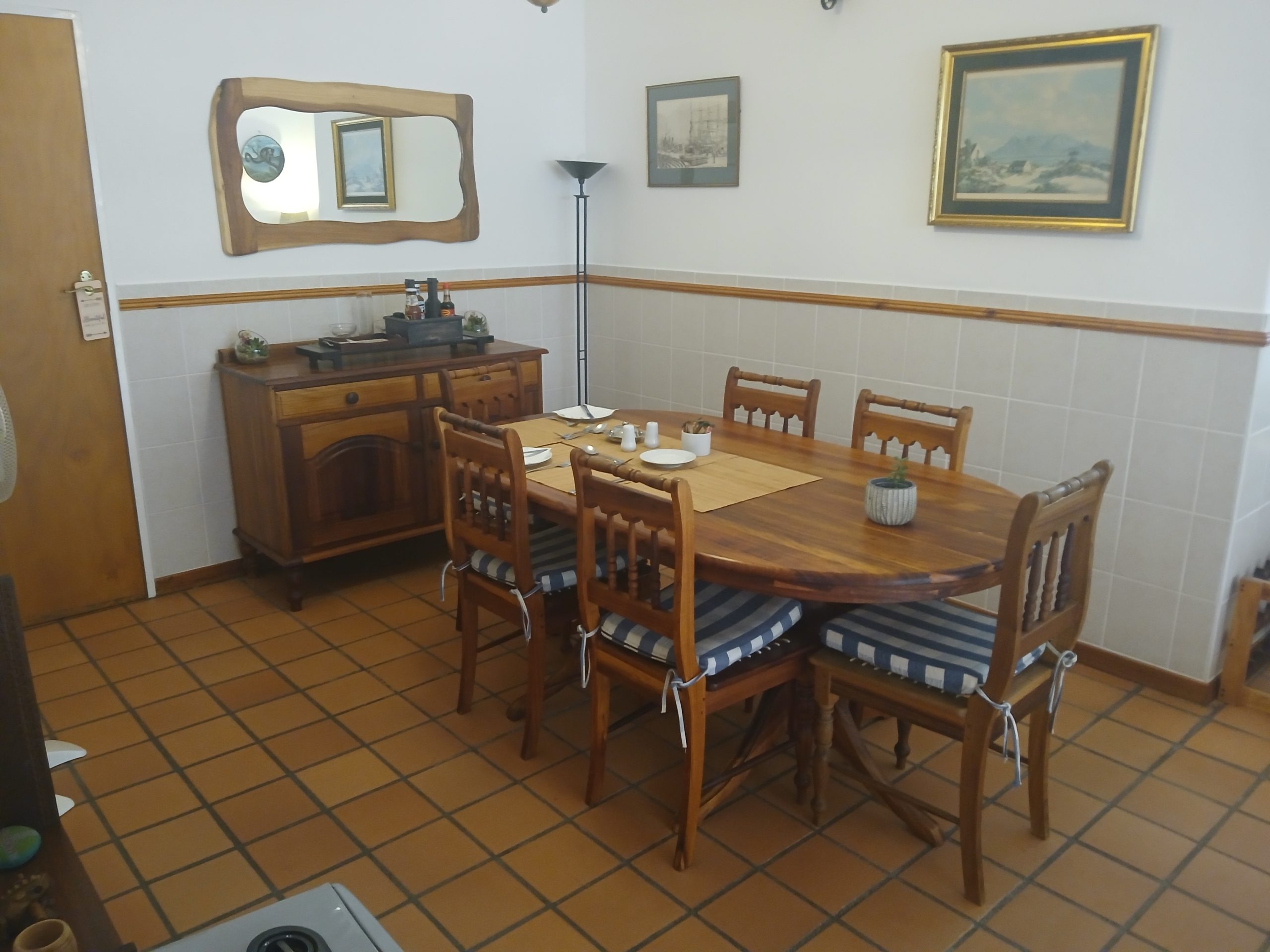
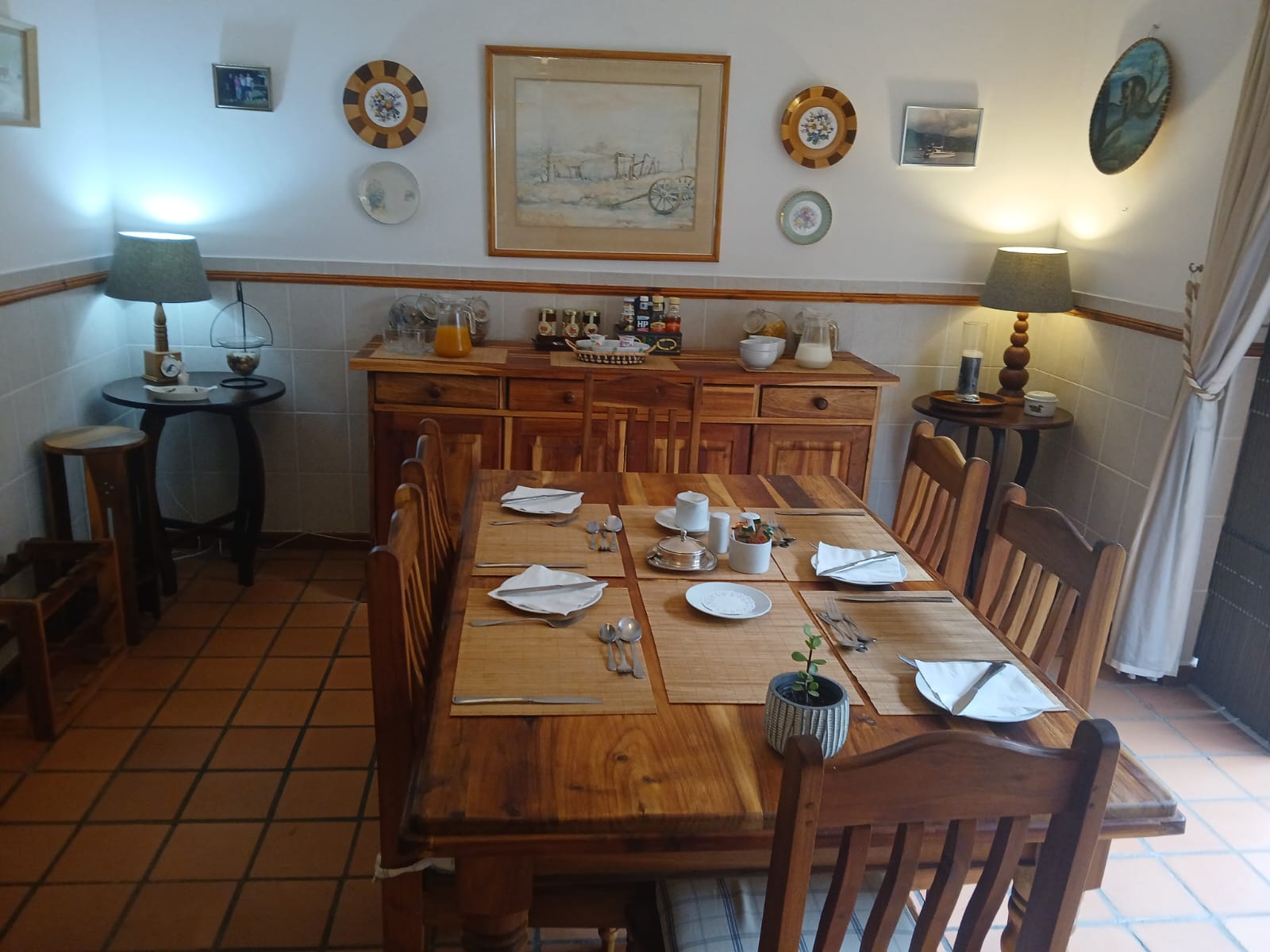
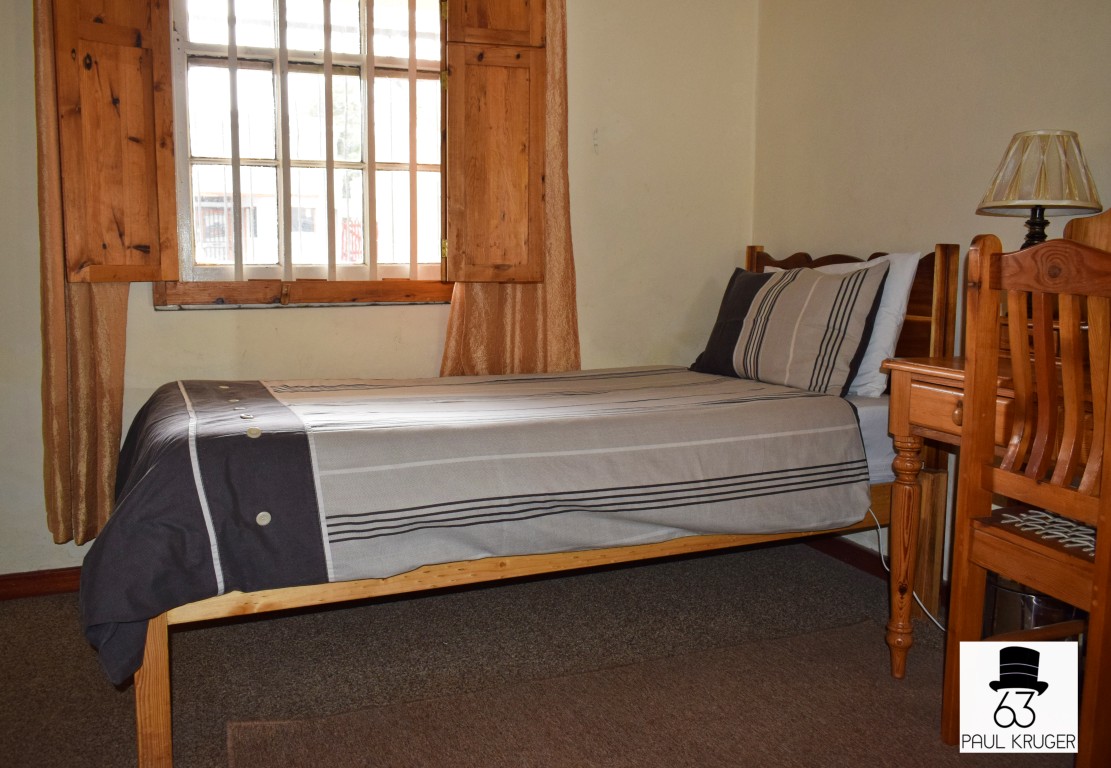
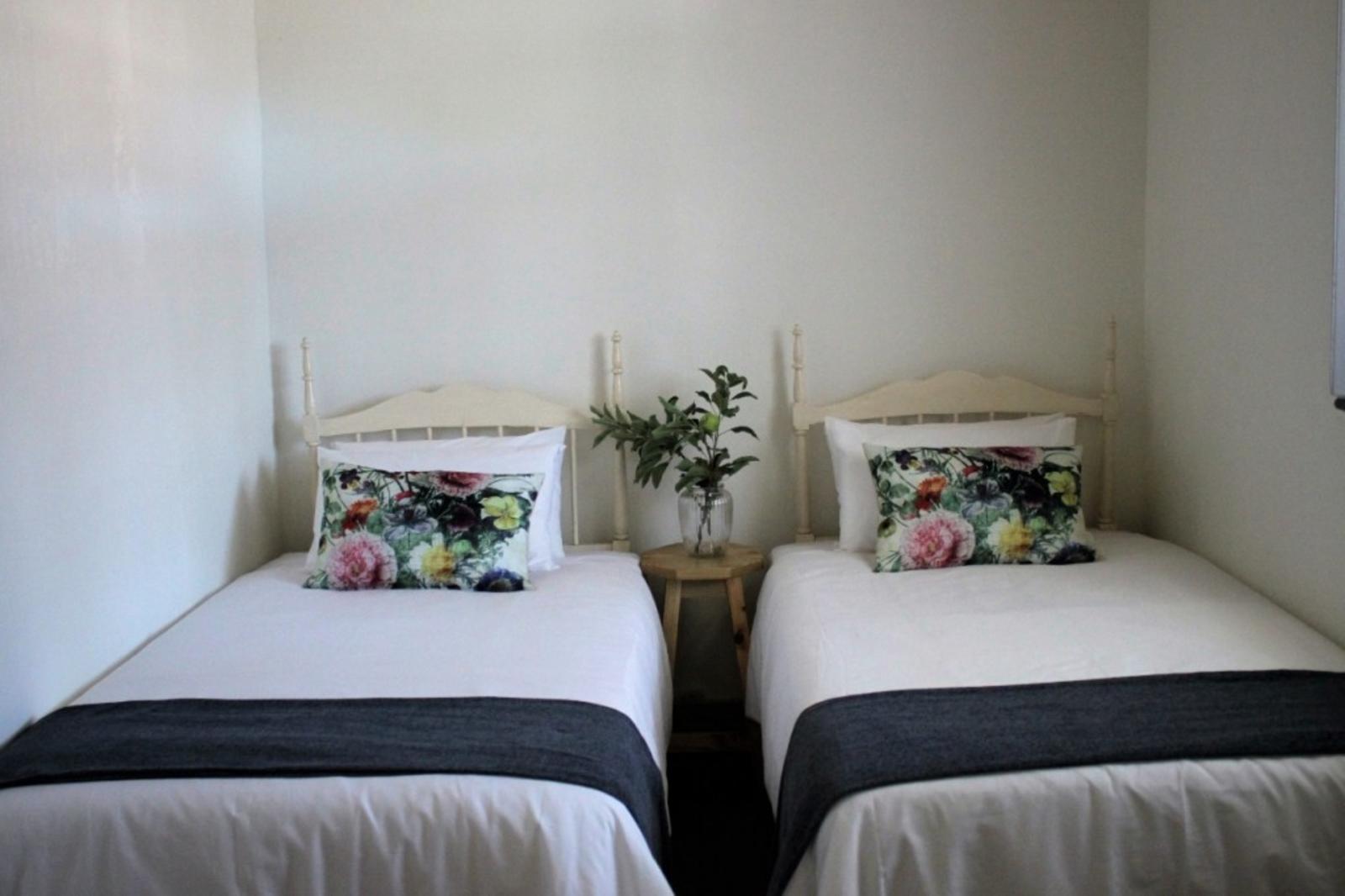
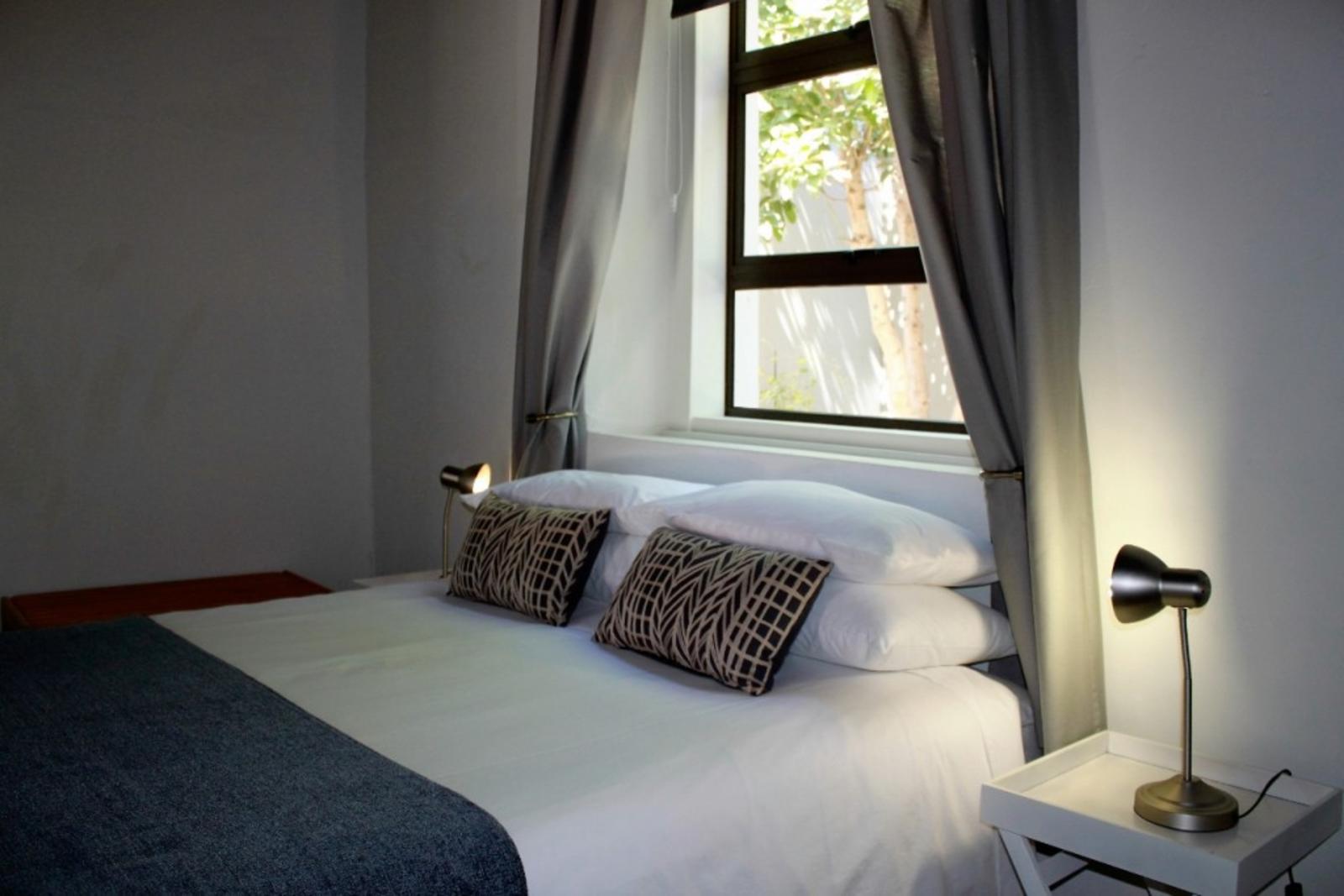
The bulk of the Robertson accommodation market sits in the guesthouse category. Six of the ten listings are guesthouses, and at an average around R3,530 per night they occupy the mid-to-upper tier of what the town offers. Most operate on a bed-and-breakfast model, meaning breakfast is included and there is usually an owner or manager on site who knows the area well. Wine farm guesthouses in particular often give guests access to the estate's tasting room, which collapses the distance between where you sleep and the main reason many people visit.
For those willing to spend toward the top of the range, a handful of properties offer more polished surroundings, larger rooms, and better-appointed common spaces. These are worth considering if Robertson is the sole destination rather than one stop on a broader circuit.
Booking directly with smaller guesthouses can sometimes yield rates not listed on aggregator platforms, and most properties along the wine route will help arrange tastings or transfers if asked in advance. The town centre has a few more straightforwardly priced lodges as well, though farm-based options dominate the market. Whatever tier you choose, most accommodation in the valley is small-scale and owner-operated, which shapes the experience considerably.
Things to Do in Robertson
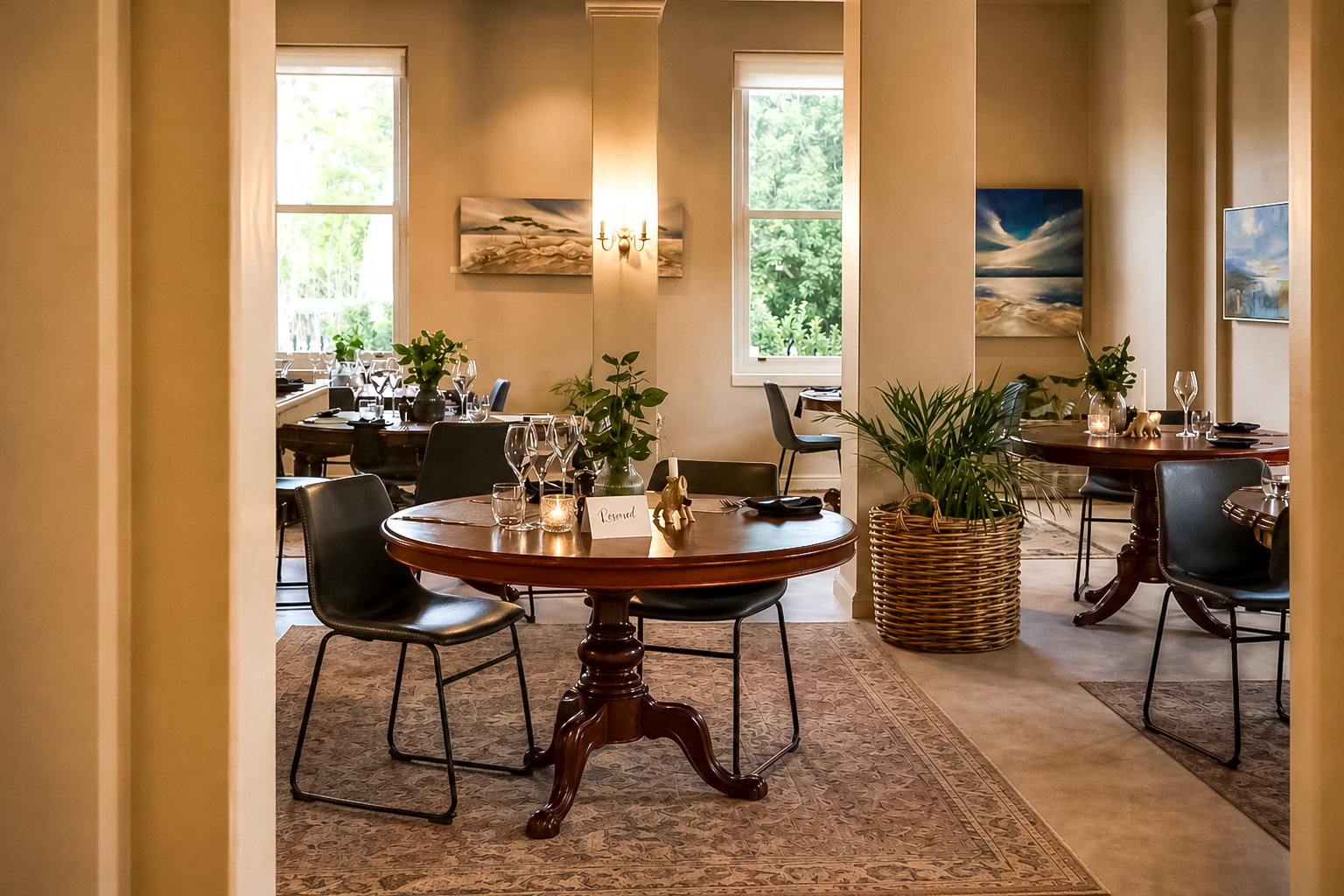
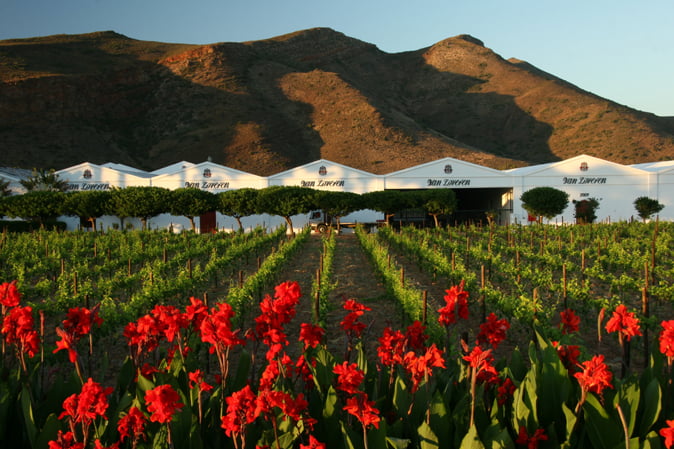
The Robertson Wine Route is the primary draw, and it earns that. The valley's warm days and cool nights produce distinctive Colombard, Chardonnay, and Shiraz among others, and the estates here tend to be smaller and less corporate in feel than those in Stellenbosch or Franschhoek. Van Loveren, one of the region's larger family estates, offers a full tasting room experience along with a restaurant open for lunch. Graham Beck, known internationally for its Méthode Cap Classique sparkling wines, draws serious wine visitors from across the country. Several smaller producers along the route welcome walk-in visitors during the week, though weekends get busy in summer and some require bookings.
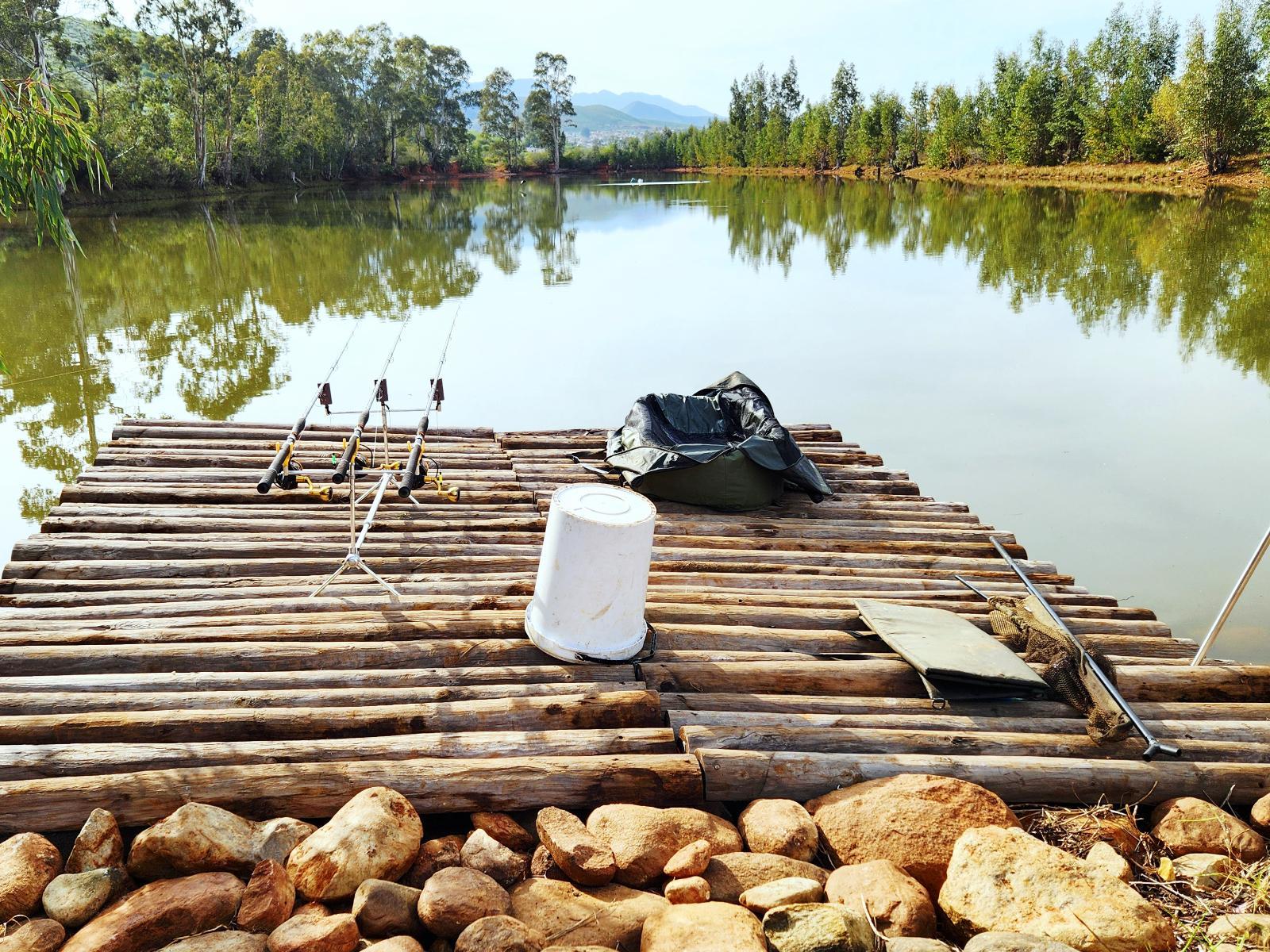
The Breede River runs through the valley and provides a quieter counterpoint to the wine estates. Fishing for yellowfish is possible at various access points, and canoe hire is available for those who want a few hours on the water. The river's banks are particularly pleasant in the early morning before the summer heat builds.
East of town, the Langeberg Mountains form a natural boundary and offer hiking trails that pass through fynbos. The vegetation is diverse, with proteas and ericas visible in season, and the higher trails give good views across the valley. Routes range from short walks to half-day climbs, and most are accessible without a guide.
Arnoton Spa, a few kilometres outside Robertson, uses thermal springs that have been drawing visitors since the early 1900s. The mineral-rich pools are the main attraction, and the setting away from the main road makes it a workable half-day stop. It is not a resort, but the springs are functional and the surroundings are quiet.
Best Time to Visit Robertson
Robertson follows a Mediterranean climate pattern: hot, dry summers and mild, wet winters. Peak summer months from December through February bring temperatures regularly above 35°C in the valley, which makes midday outdoor activity uncomfortable, though evenings are pleasant. The Robertson Wine Festival falls in this period, drawing larger crowds and pushing accommodation demand up sharply.
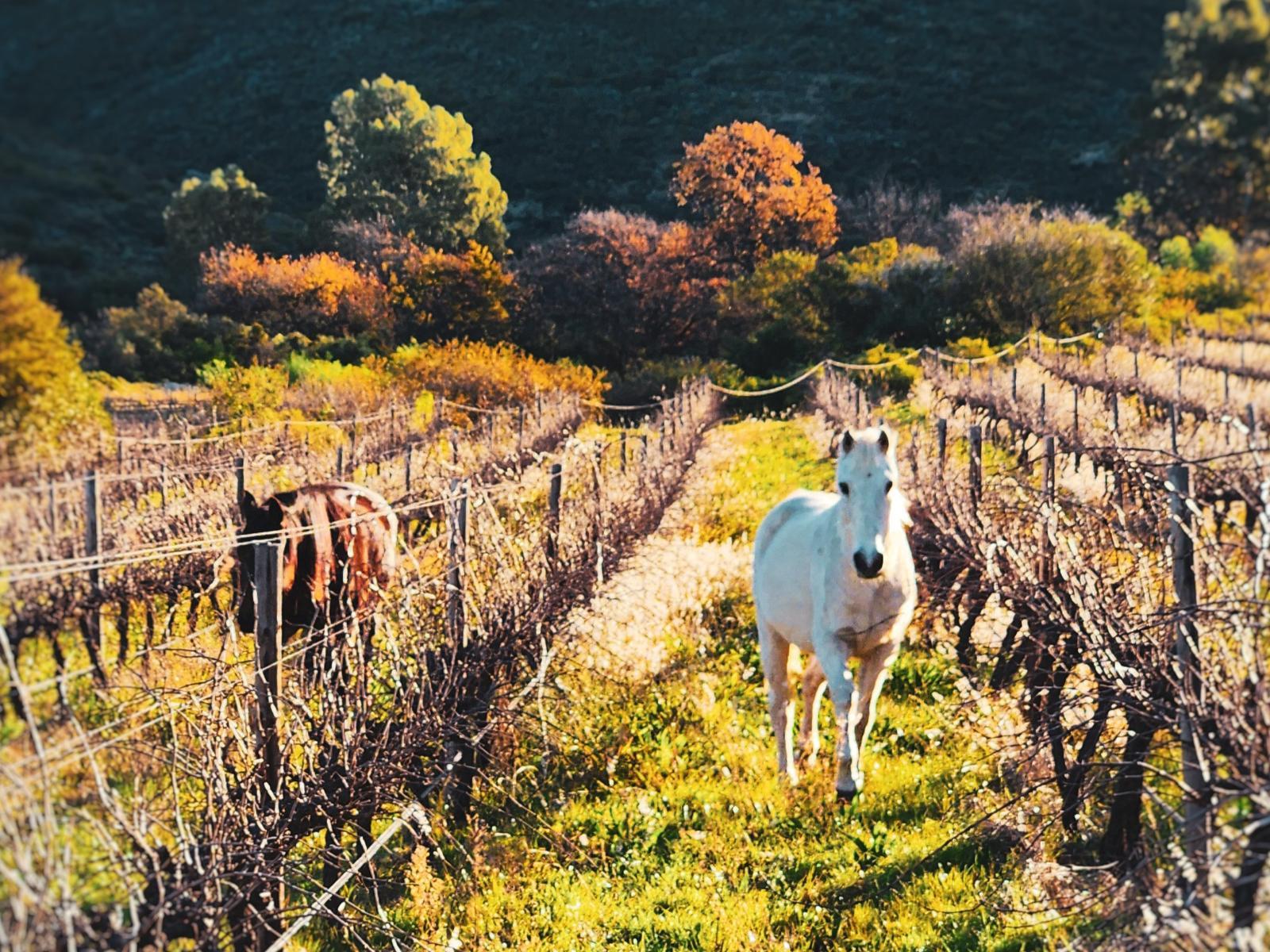
Autumn, from March to May, is arguably the most practical time to visit. Temperatures ease to the low-to-mid twenties, harvest activity is visible on the farms, and the valley takes on warm tones as the vineyards turn. Many estates release new vintages at this time of year.
Spring, September through November, is the better season for hiking in the Langeberg, when fynbos is in flower and the trails are not yet baked dry. Wildflower variety peaks in October. Winter brings occasional rain and cooler temperatures but remains mild by most standards. June through August offers lower demand, quieter estates, and more negotiable rates, though some smaller tasting rooms reduce hours or close midweek. For those primarily interested in wine rather than outdoor activities, the shoulder seasons of March to May or September to October offer the most comfortable balance.
Getting to Robertson
Robertson sits approximately 170 kilometres east of Cape Town. The most direct route follows the N1 through Paarl to Worcester, then the R60 through the valley. Under normal traffic the drive takes roughly two hours, though the N1 out of Cape Town moves slowly on Friday afternoons. An alternative approach via the N2 to Sir Lowry's Pass and then inland through Grabouw and Villiersdorp adds distance but offers a different landscape.
Cape Town International Airport is the nearest major gateway. No scheduled bus service connects Robertson directly to Cape Town, though intercity coaches stop in Worcester, 44 kilometres to the west, from where a local taxi or private transfer can complete the journey. George Airport in the Garden Route is a secondary option for those travelling from the eastern side of the country.
Within Robertson itself, a car is essentially necessary. The wine estates are spread across the valley, there is no public transport between farms, and while the town centre is walkable, outlying attractions are not. Car hire from Cape Town airport is straightforward and the roads throughout the valley are in good condition. Fuel is available in Robertson town and in Ashton to the east.
Robertson and Surrounding Areas
Robertson works well as a base for day trips into neighbouring towns, each with a distinct character that adds to a visit rather than competing with it.
Ashton, 16 kilometres east, is a practical agricultural town driven by a large canning industry. It is not a tourist destination in the conventional sense, but it provides context for the Breede River Valley's broader economy and offers a supermarket, pharmacy, and fuel for self-caterers stocking up.
McGregor, 17 kilometres south via a mountain pass, is a well-preserved Cape Dutch village that draws artists and those looking for a slower pace. The streetscape is largely intact from the 19th century, there are several small galleries and ceramics studios, and the town has a concentration of good restaurants relative to its size. Many visitors use it as a one-night add-on to a Robertson stay.
Montagu, 22 kilometres northeast, is known for rock climbing and its own thermal baths at Montagu Baths. The Cogmanskloof Pass connecting it to the valley is historically significant and worth driving slowly. The town also has strong Cape architecture and accessible hiking in the Langeberg foothills.
Greyton, 37 kilometres south, is a compact village popular with Capetonians. The Boesmanskloof Trail, a point-to-point mountain route that links Greyton to McGregor, is one of the more demanding and rewarding day hikes in the Western Cape and draws walkers specifically for that reason.
De Doorns, 42 kilometres northwest in the Hex River Valley, is surrounded by table-grape farms and dramatic mountain walls. Tourism infrastructure is minimal, but the valley itself is visually striking, particularly in late summer and autumn.
Worcester, 44 kilometres west, is the regional service hub. The Karoo Desert National Botanical Garden there is well maintained and worth a few hours, especially in spring when succulents are in flower.
Planning Your Stay
Booking two to three weeks ahead is sufficient for quieter periods, but the Wine Festival and Easter long weekend require considerably more lead time, sometimes months. Many wine farm properties enforce minimum two-night stays on weekends, which is worth checking before committing to a single overnight.
When comparing options, pay close attention to what is actually included. Some guesthouses quote rates per person rather than per room, and breakfast inclusion is not universal even within the same accommodation category. Self-catering properties vary significantly in what the kitchen supplies, from basic utensils only to full pantry staples.
Before confirming, it is worth contacting the property directly to ask about noise levels (some farms host weekend events), the condition of access roads in wet weather (a few outlying properties require a high-clearance vehicle after heavy rain), and whether children or pets are welcome. Most Robertson property owners are responsive to specific questions. Mobile signal coverage is patchy across parts of the wine route, so downloading offline maps before leaving Cape Town or Worcester is a practical step rather than an optional one.