Accommodation in Rondebosch
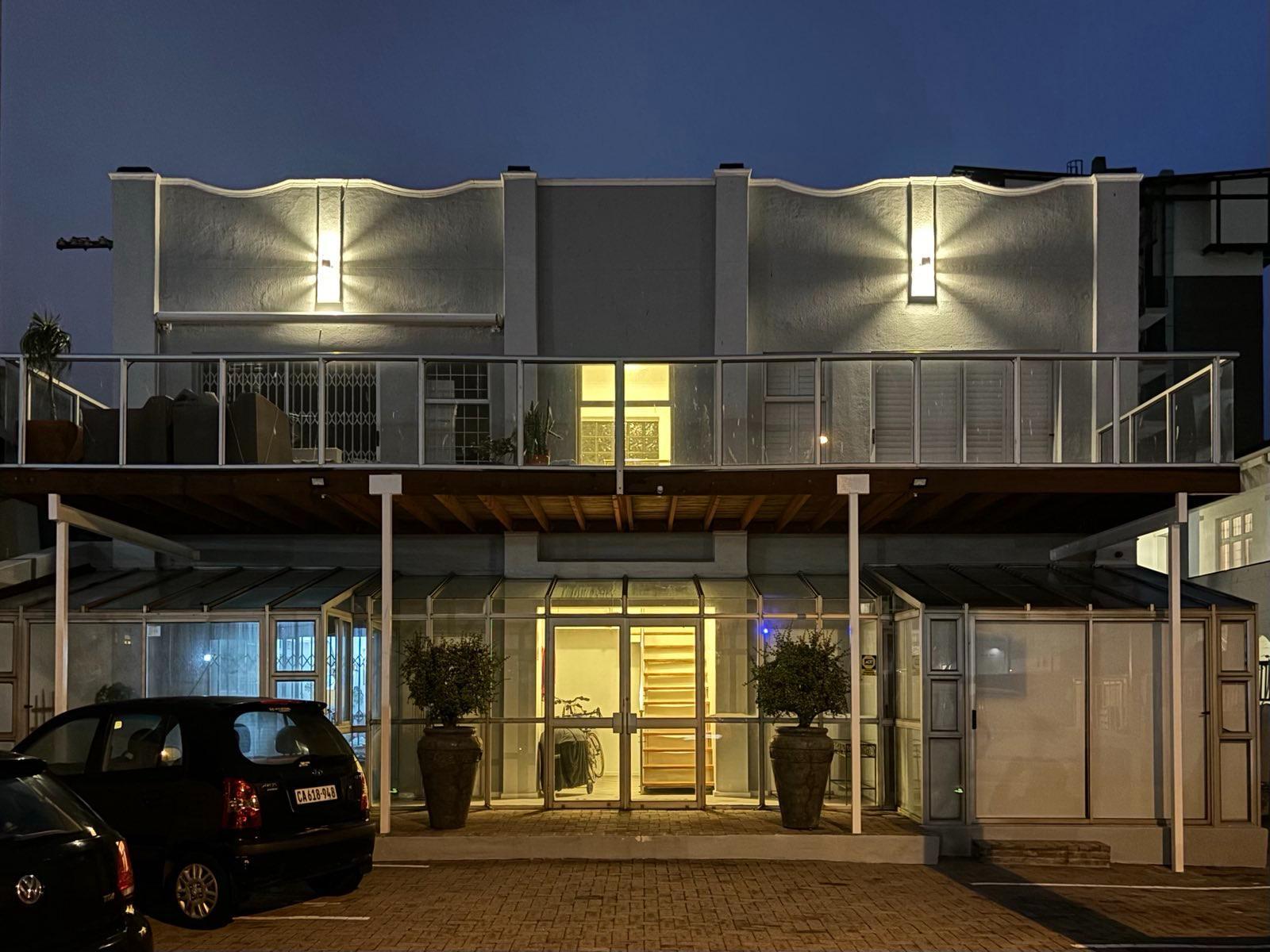
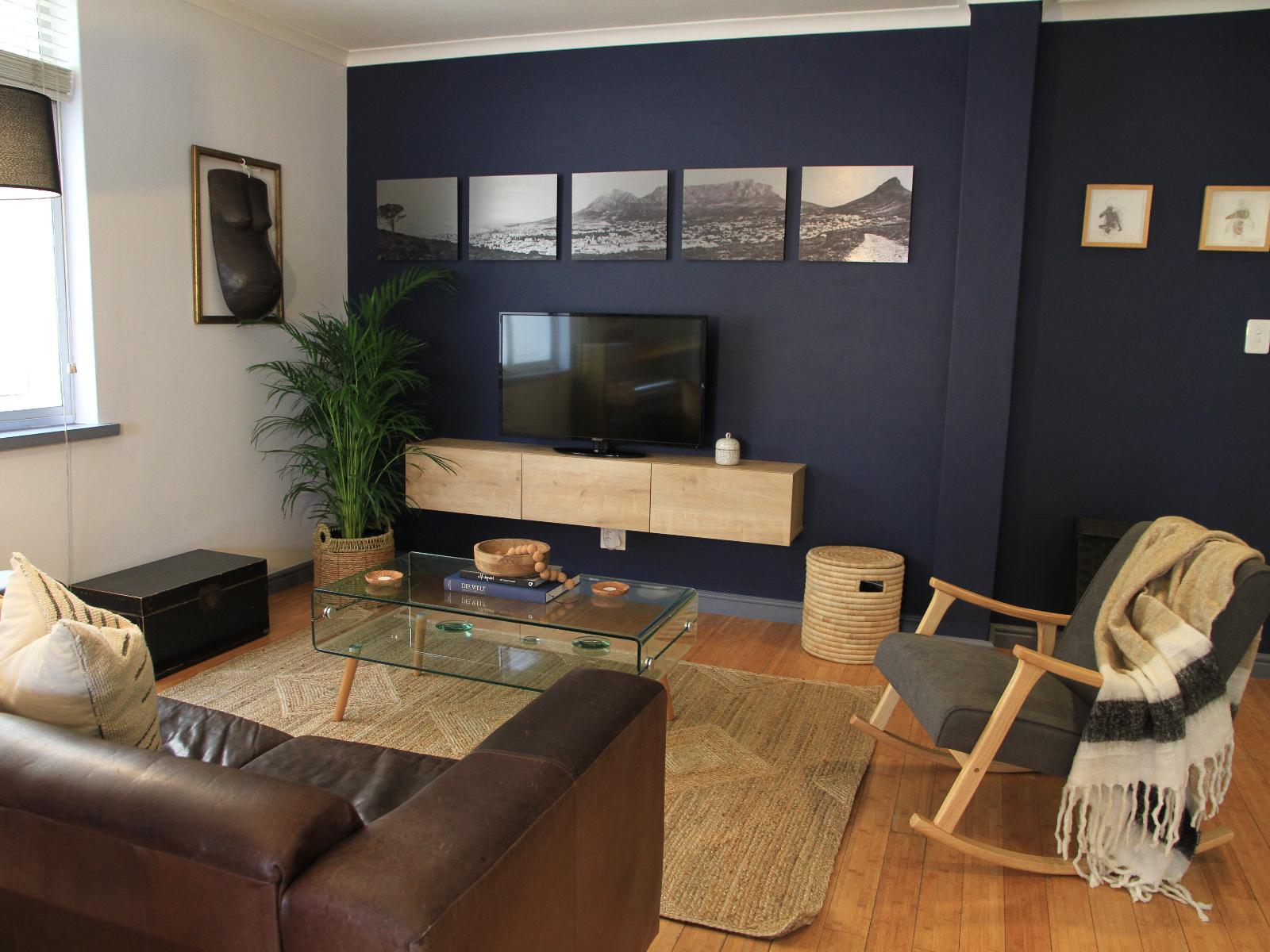
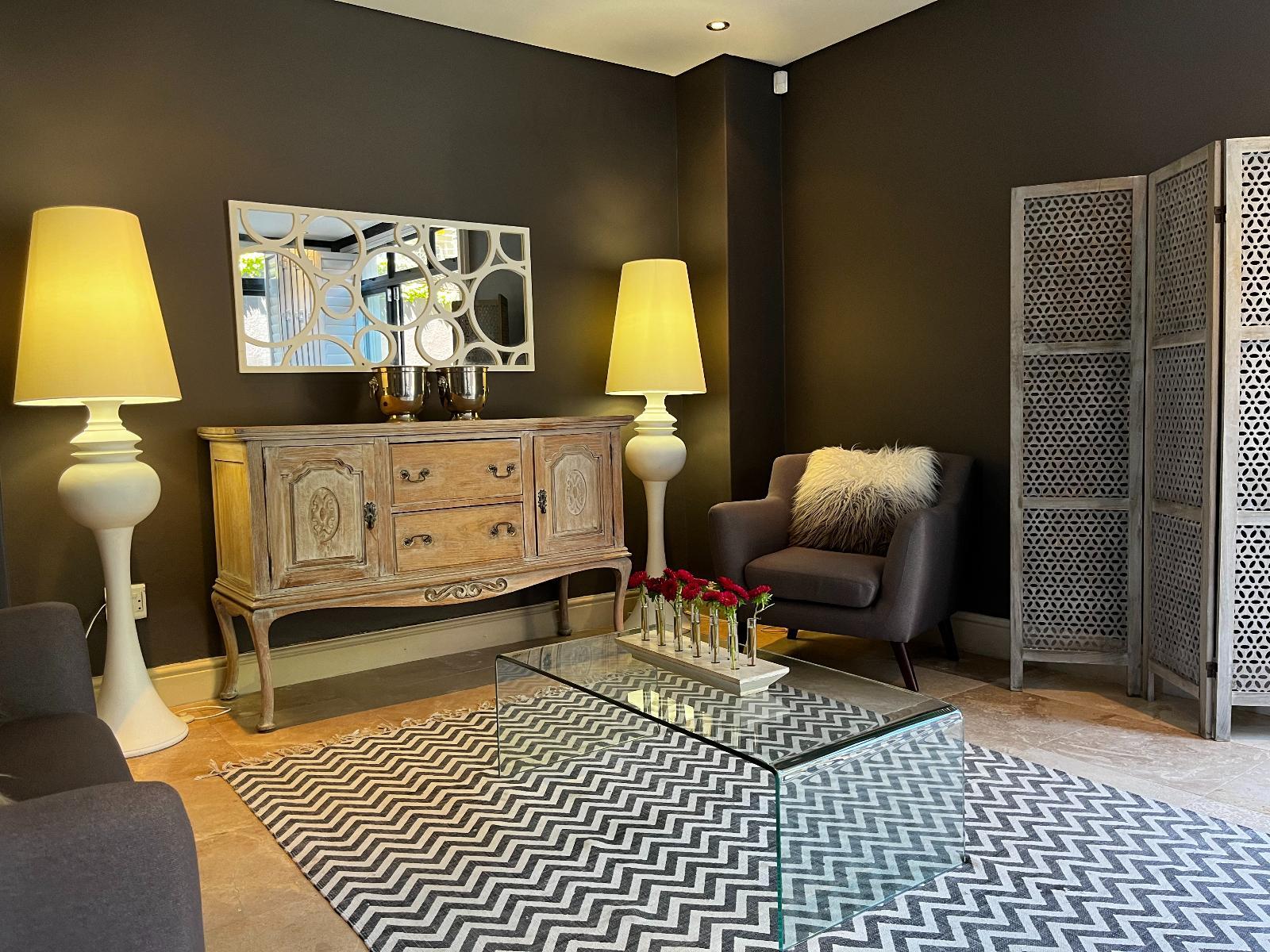
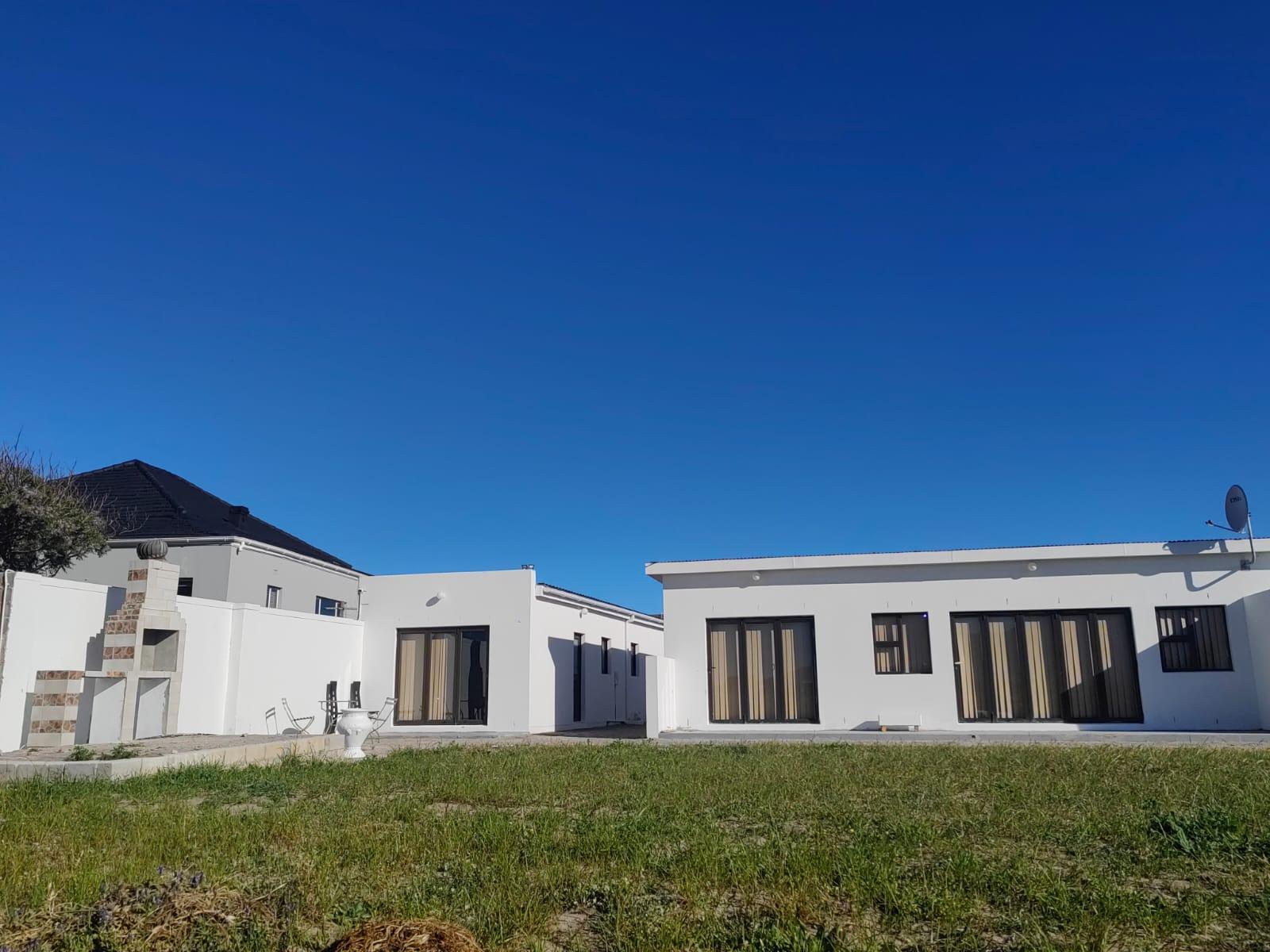
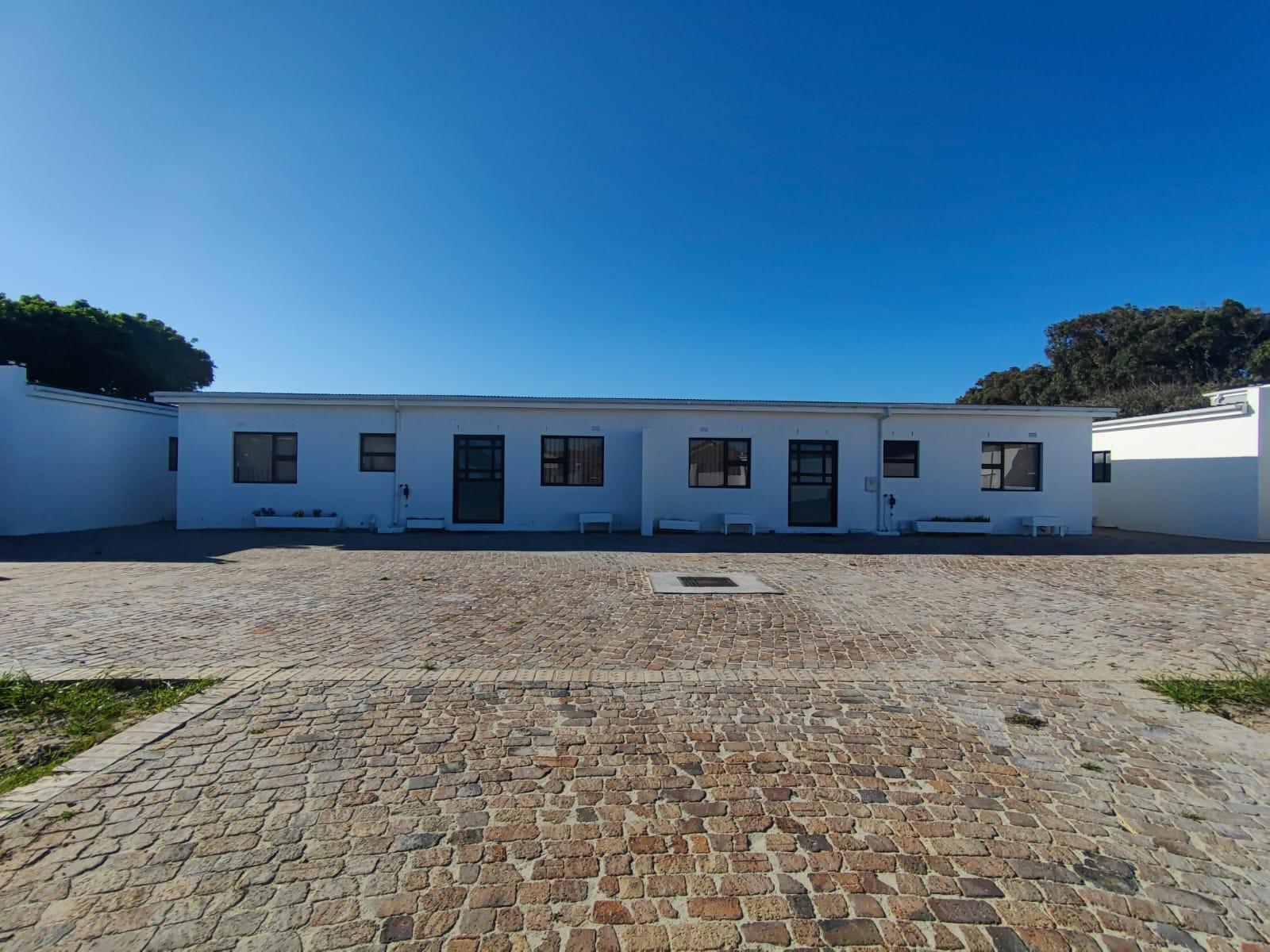
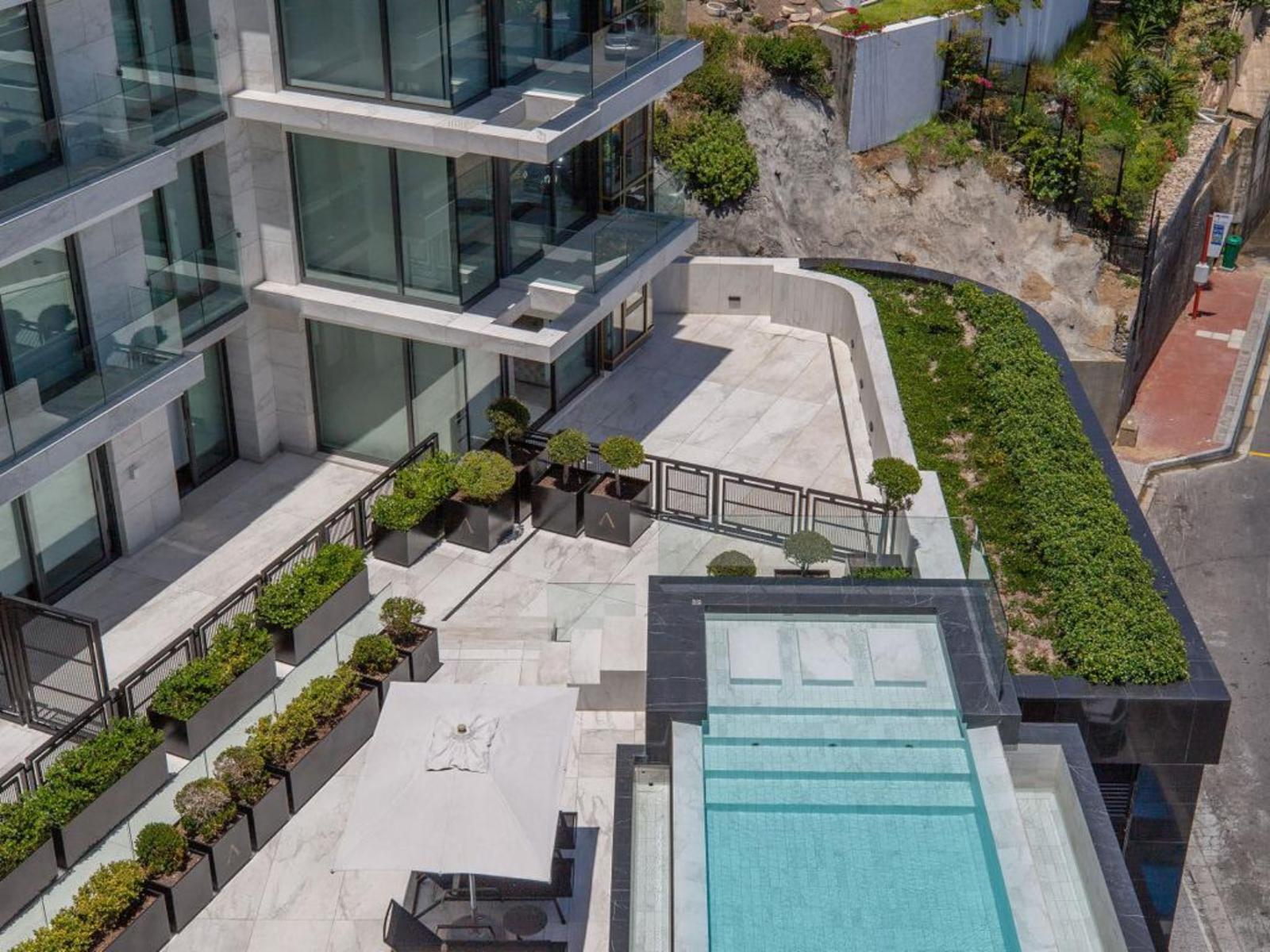
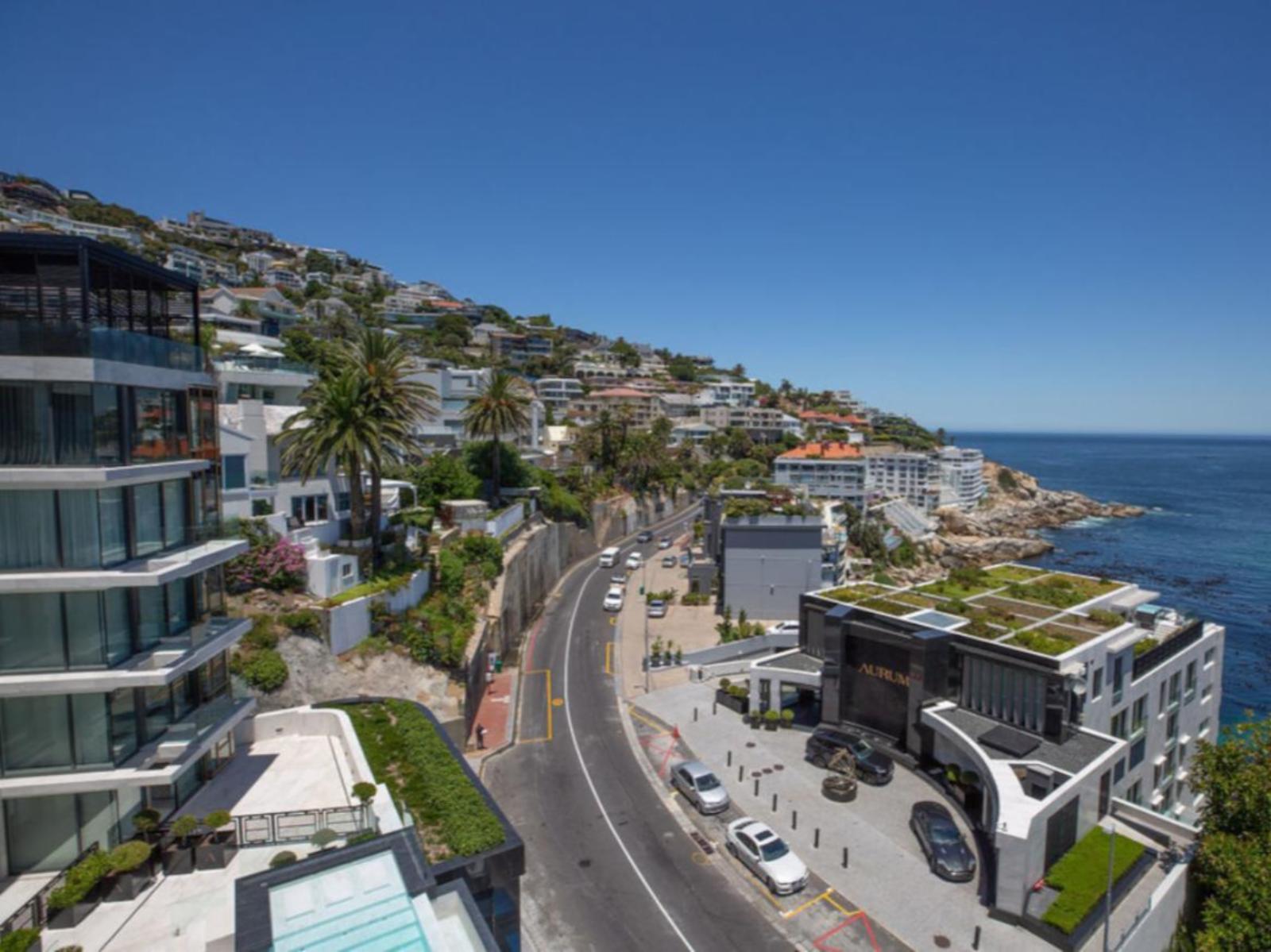
With 208 properties listed across the suburb, Rondebosch covers a considerable spread of accommodation, from dormitory beds at around R400 per night to villa rentals approaching R27,937, with an overall average of R3,444. The mix reflects the suburb's dual character as a residential neighbourhood with steady, year-round demand driven by the university.
At the budget end, a small number of backpacker hostels cater to students, visiting academics, and travellers on extended Cape Town itineraries, averaging around R1,400 per night. A handful of lodges occupy a similar price bracket, offering slightly more privacy than a shared hostel without a significant price jump.
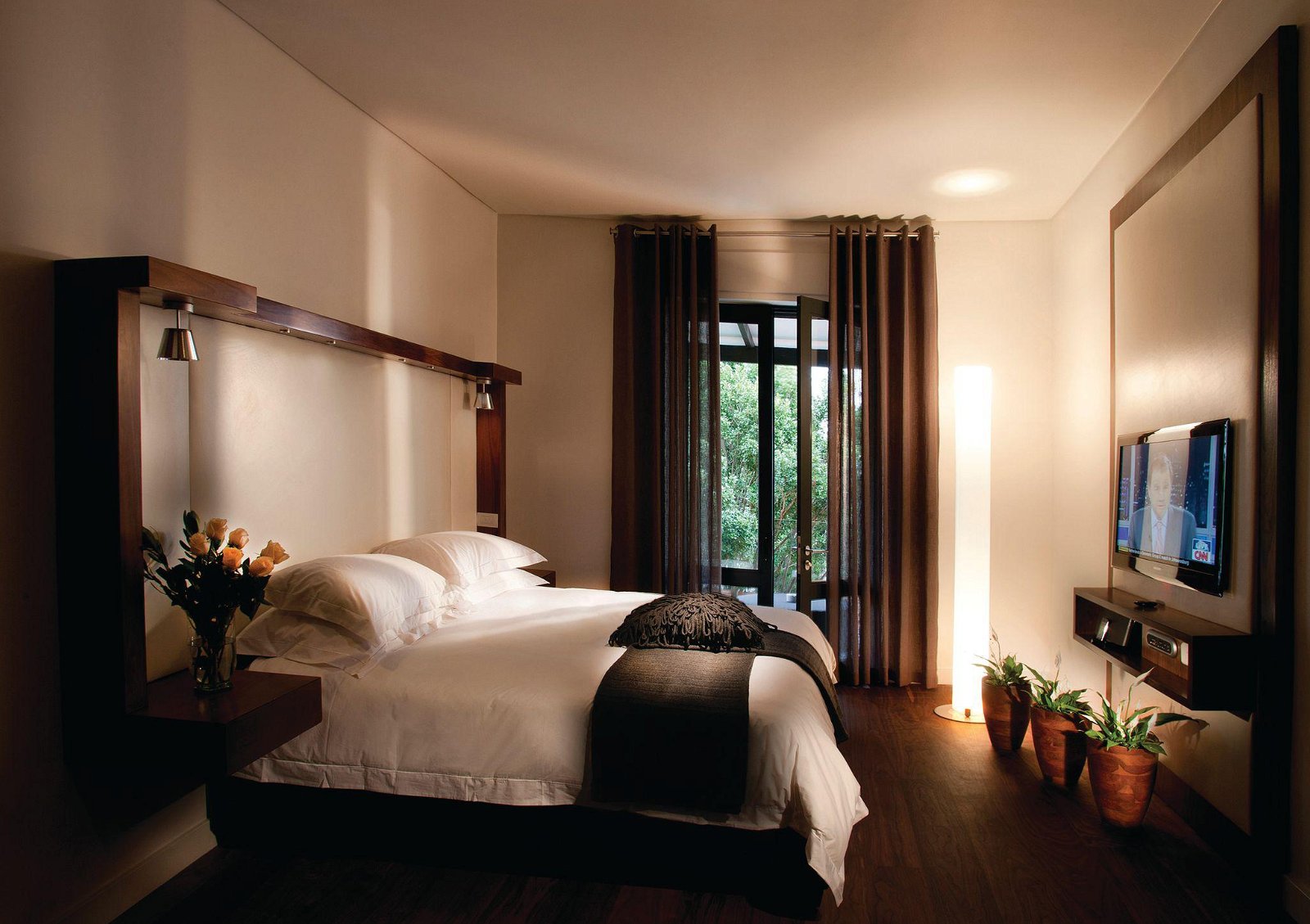
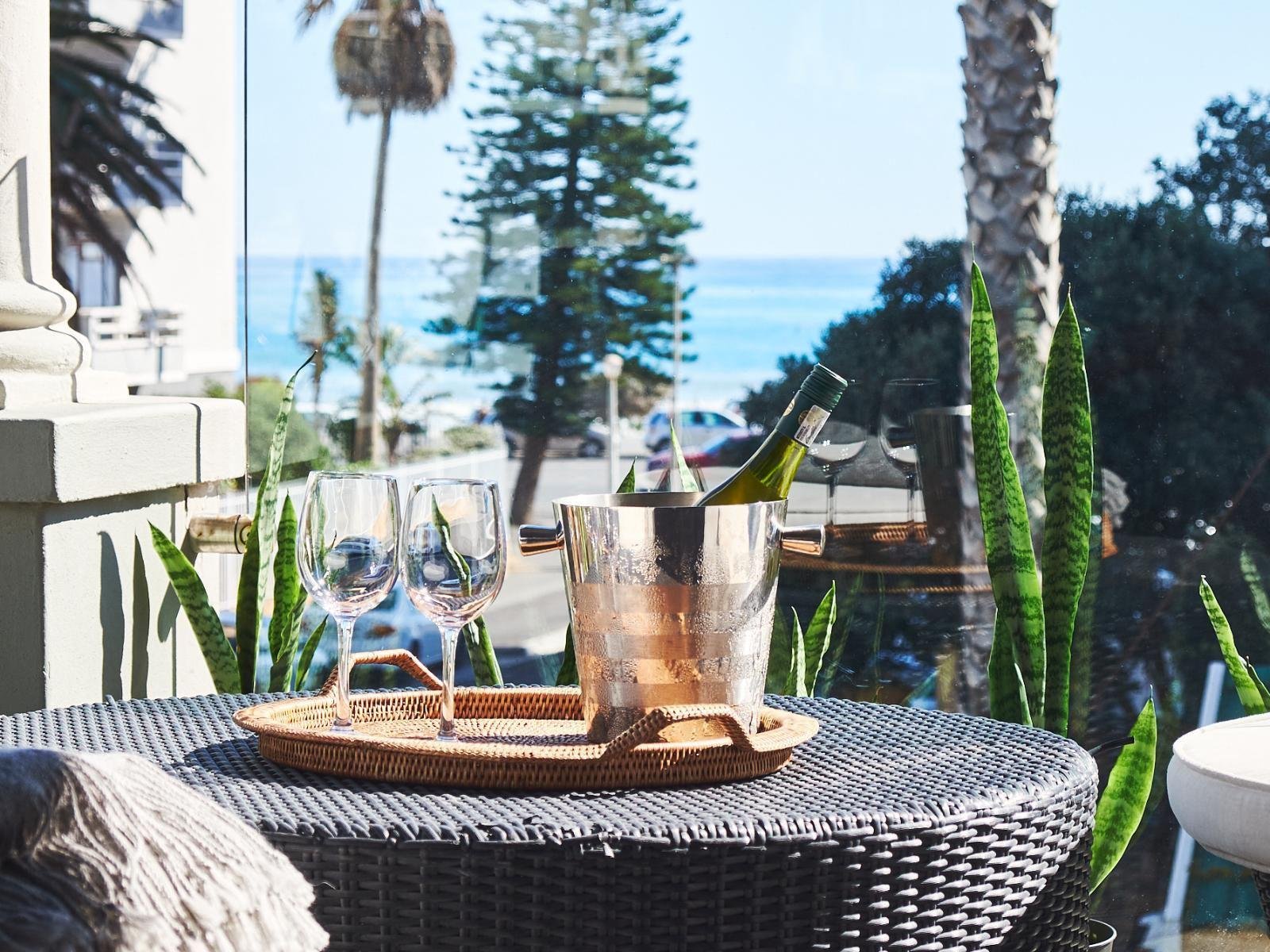
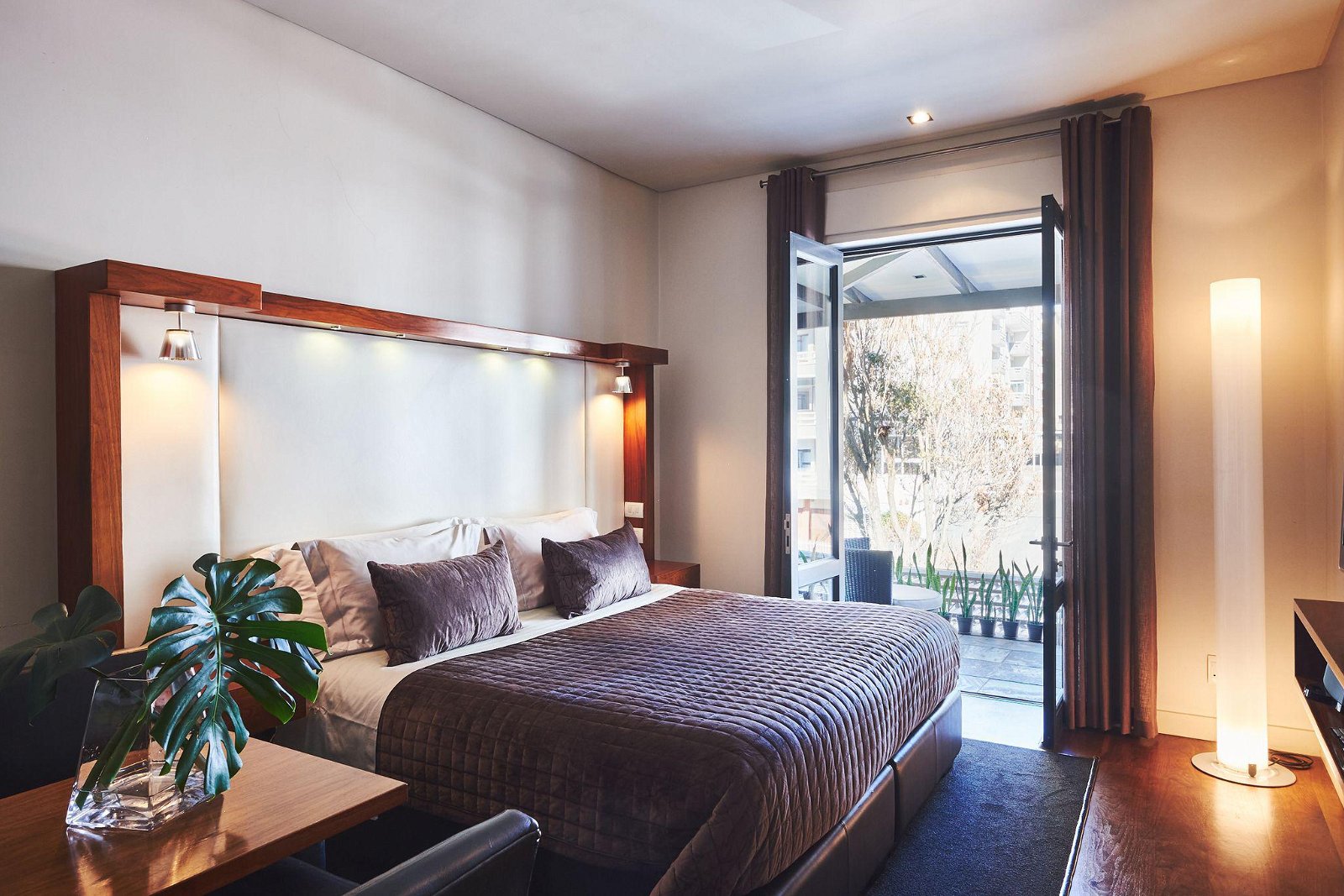
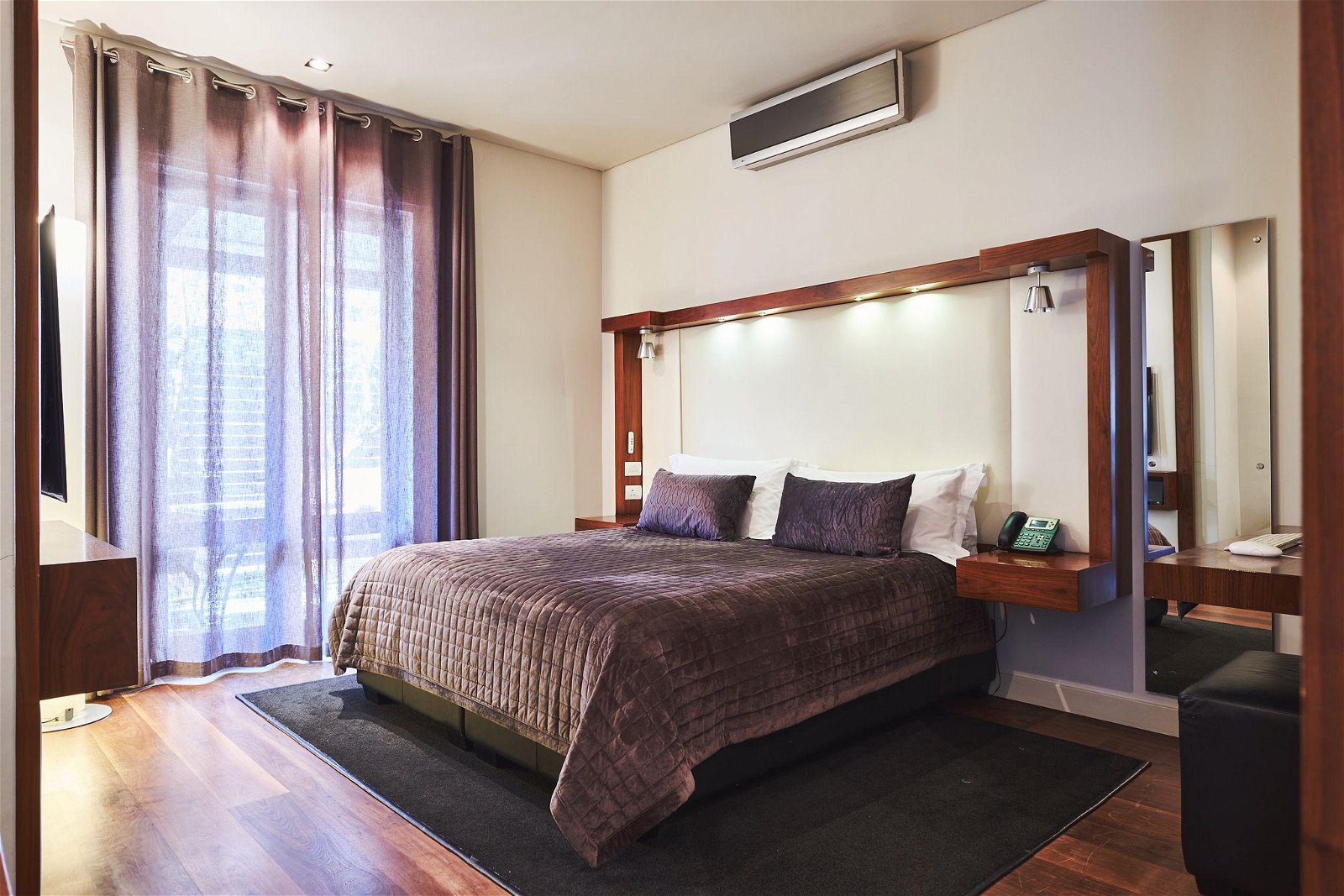
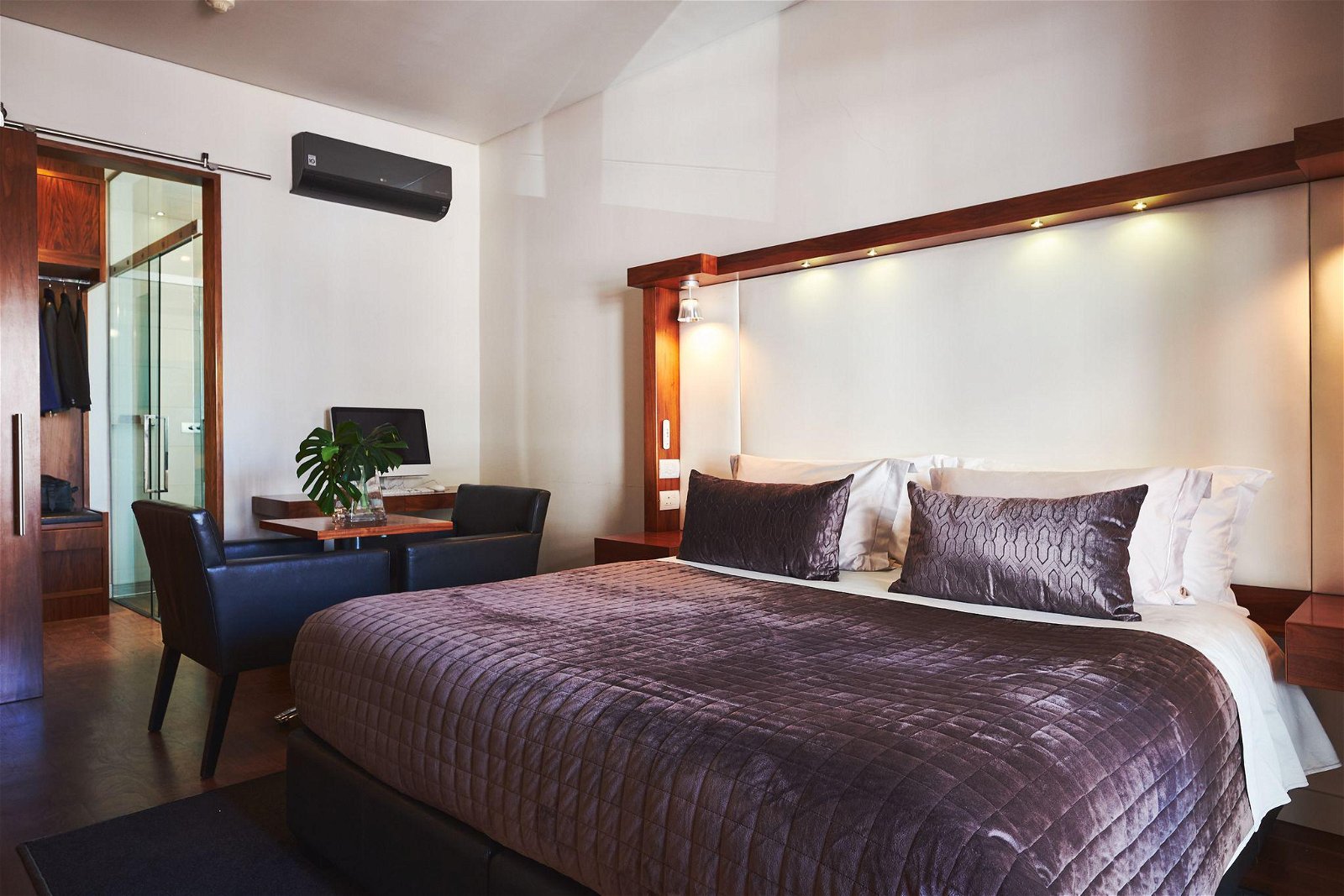
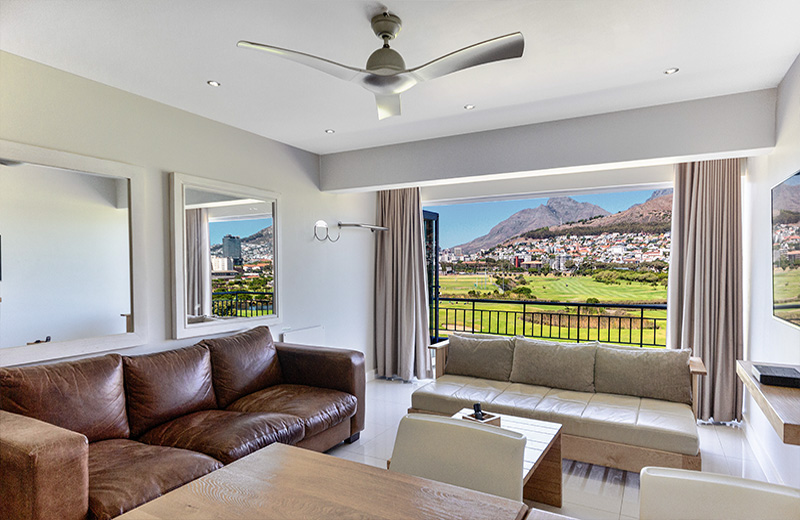
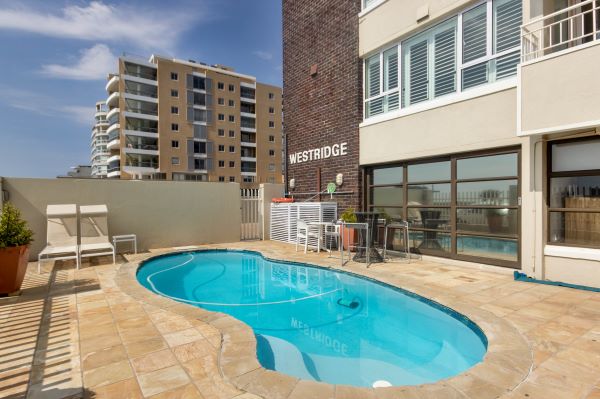
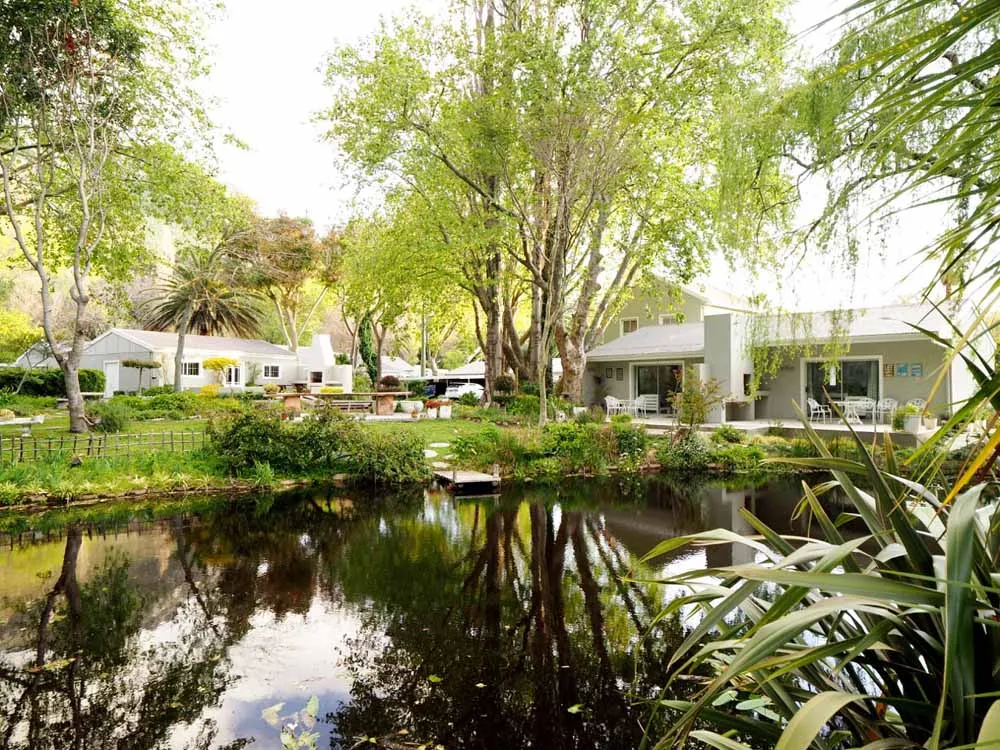
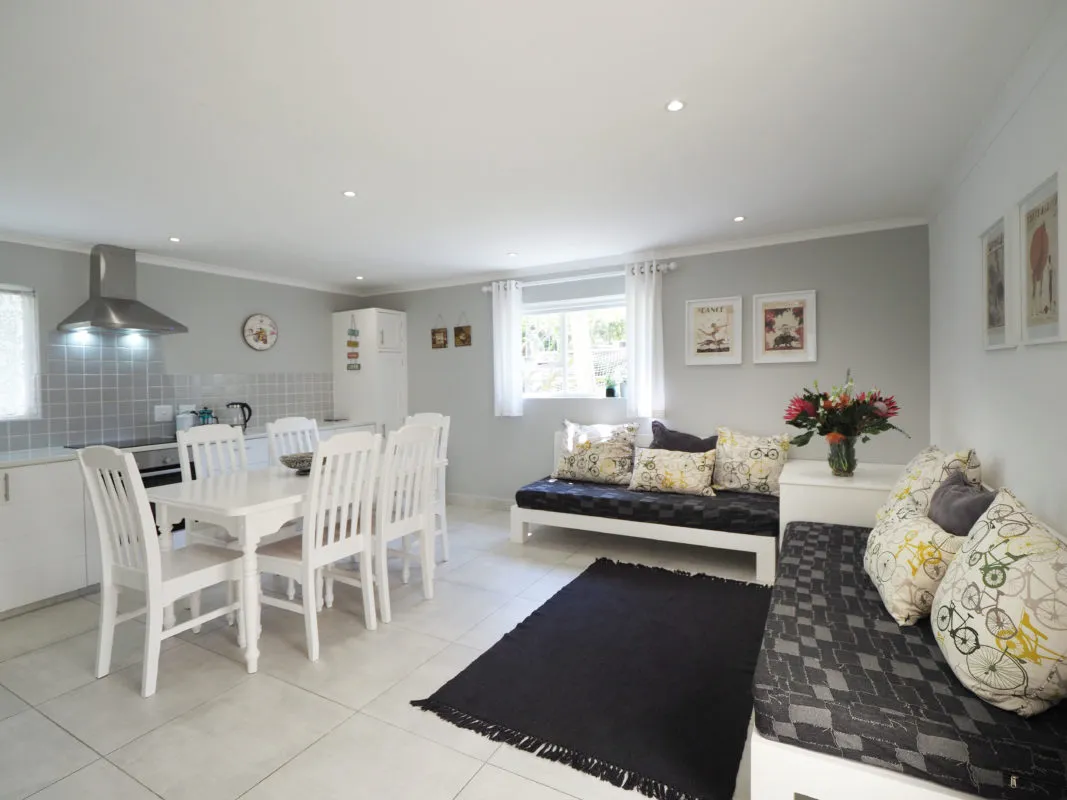
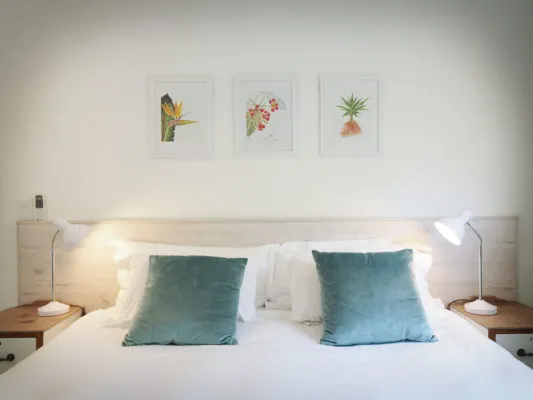
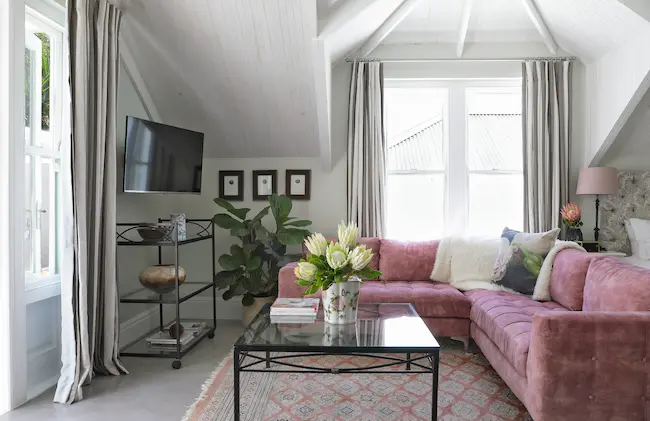
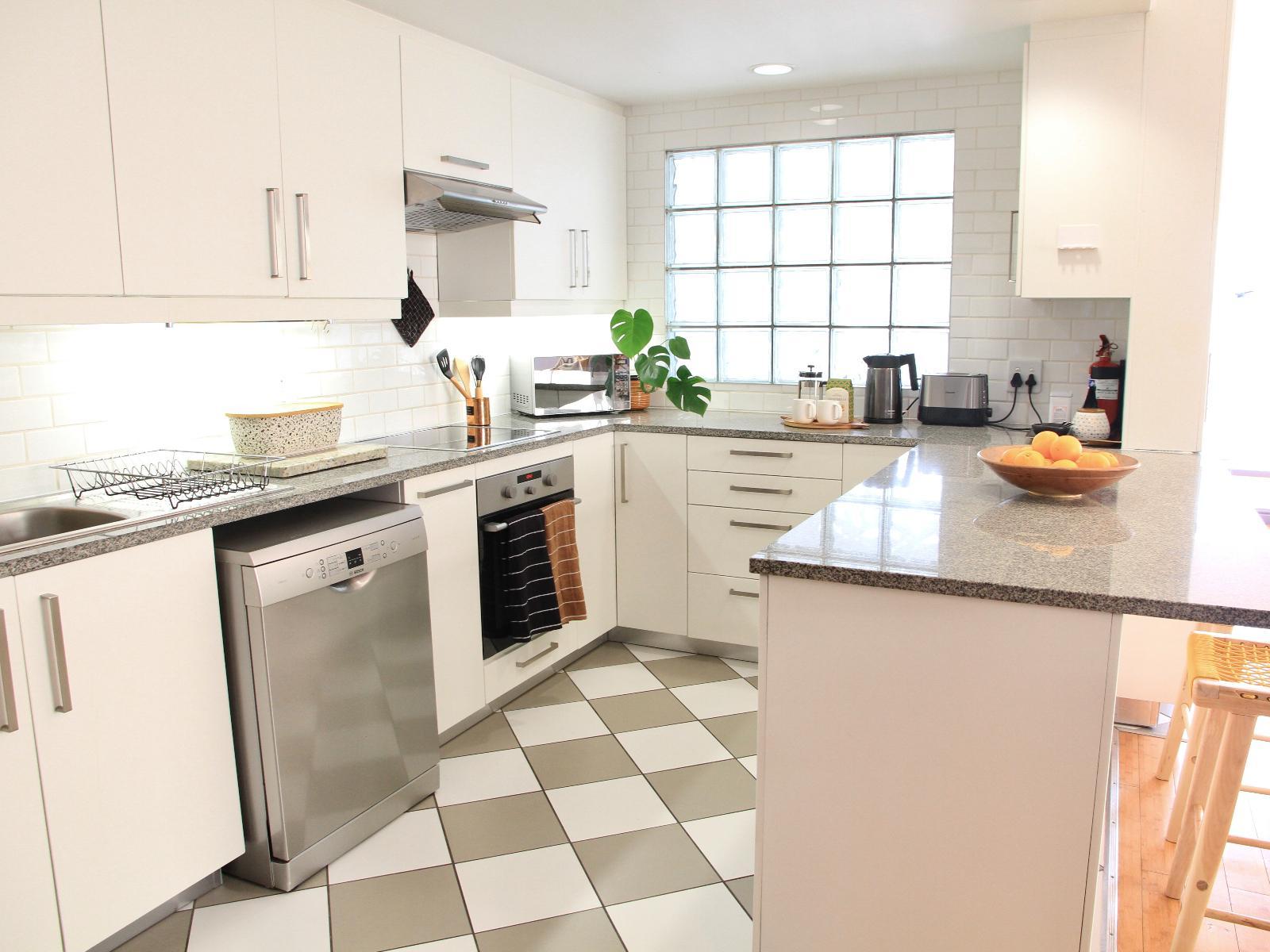
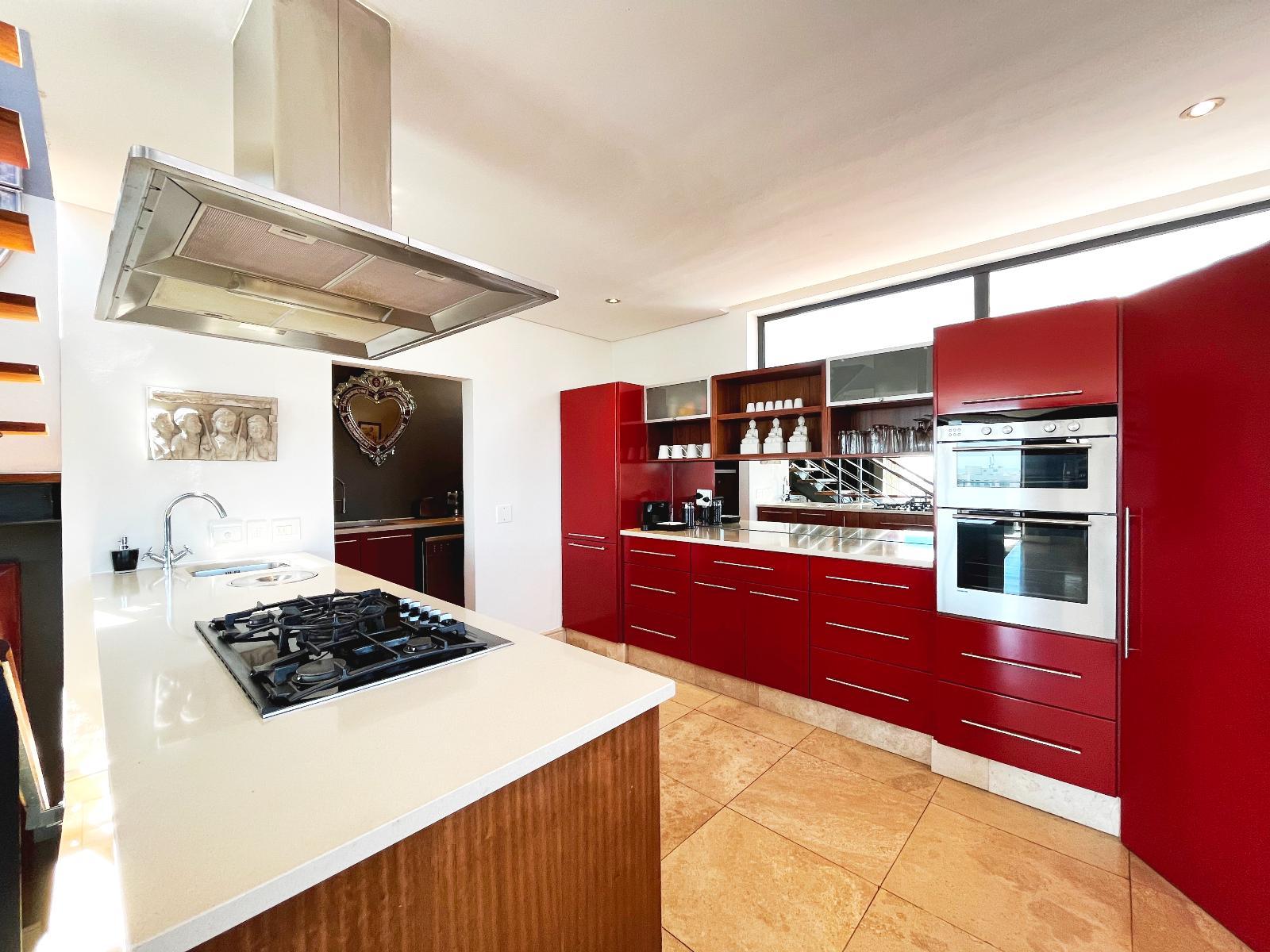
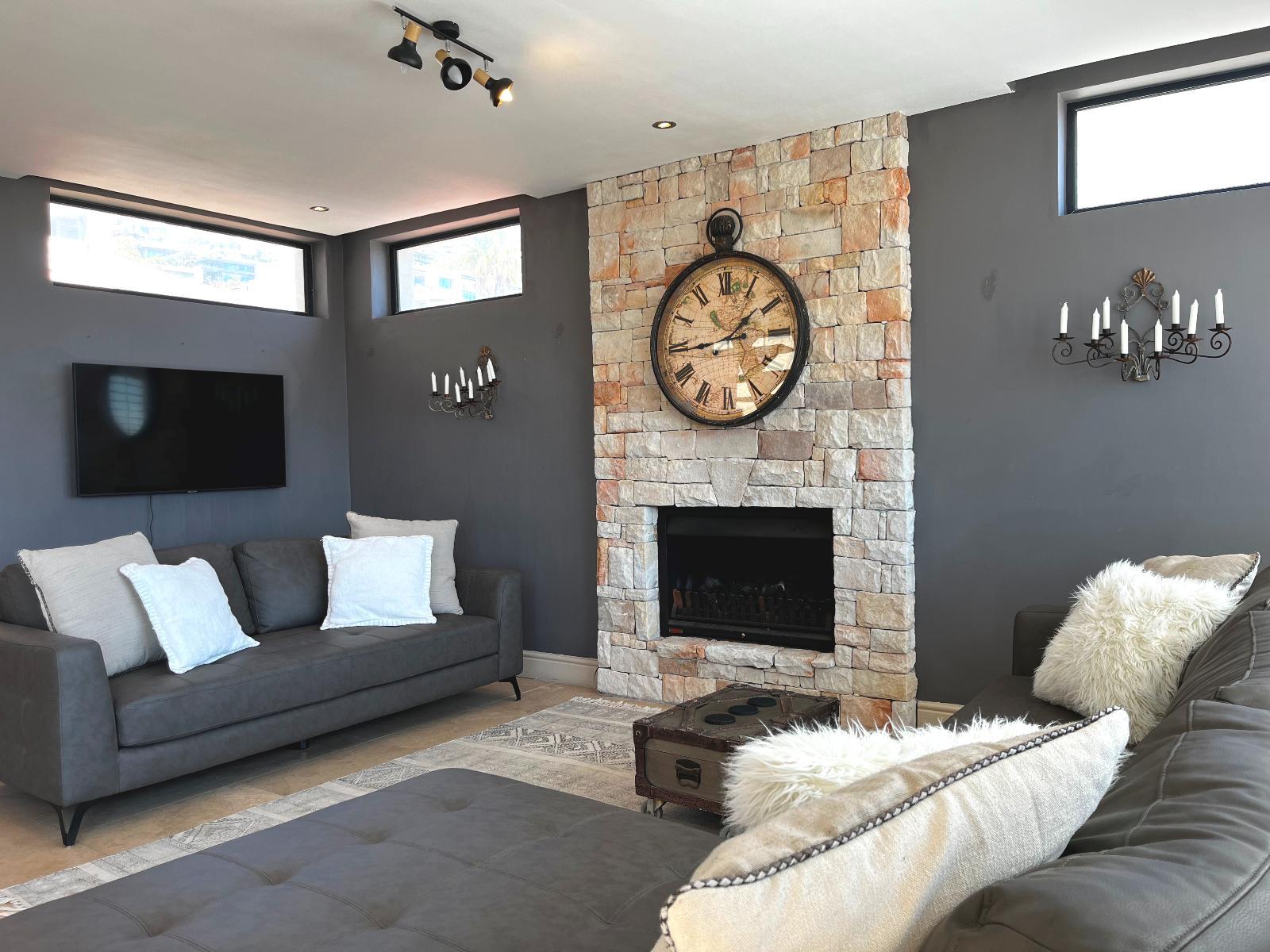
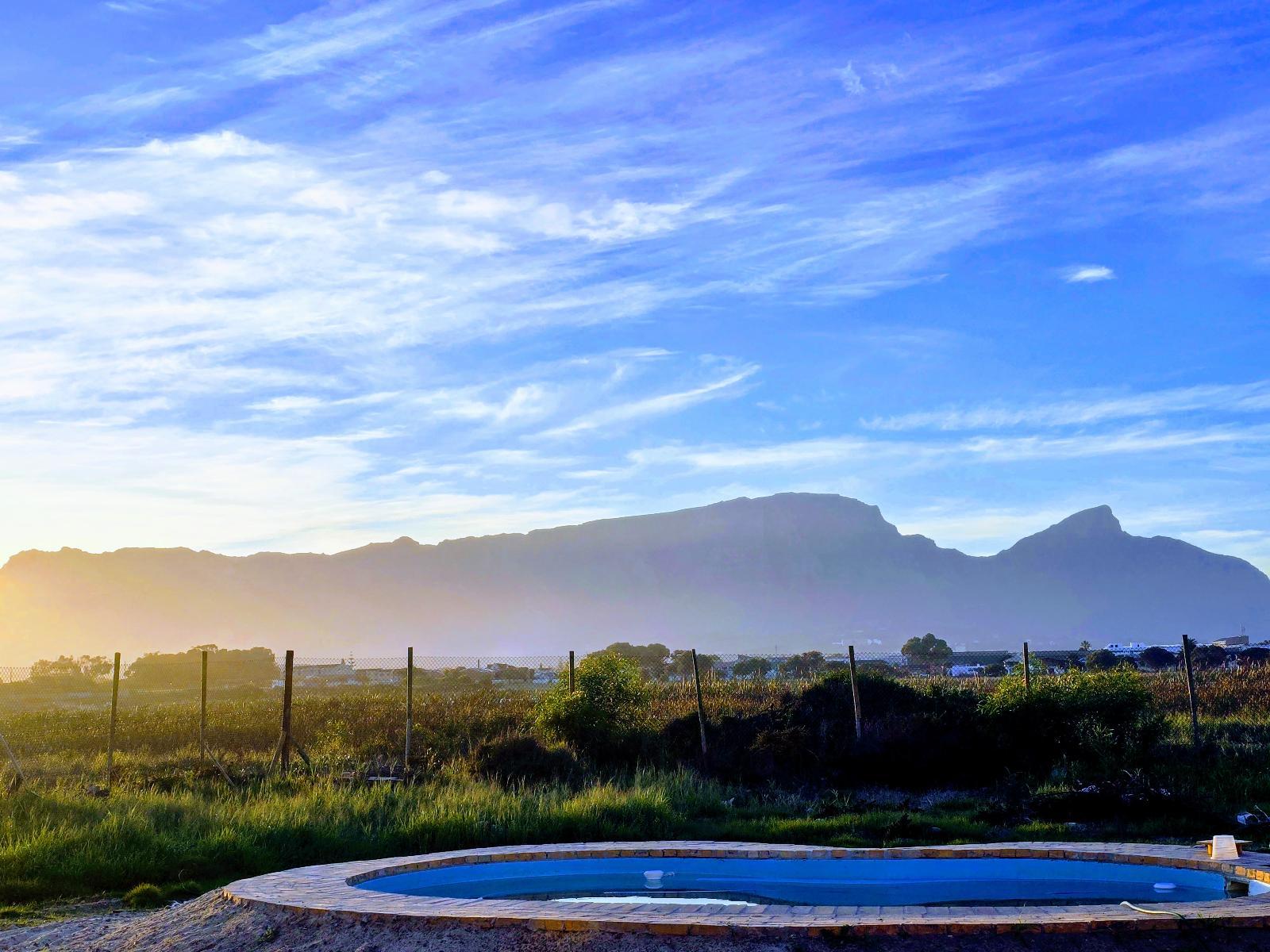
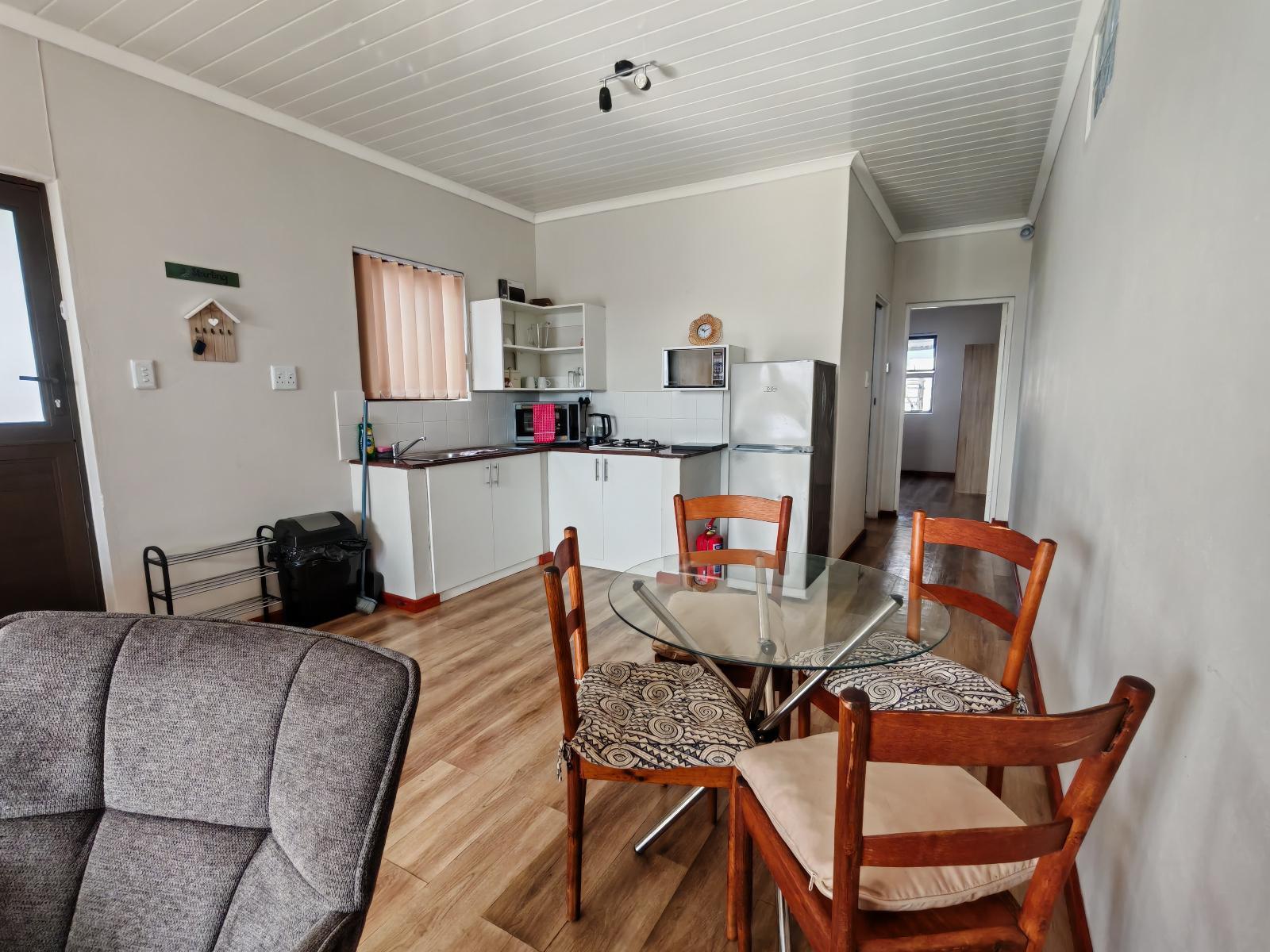
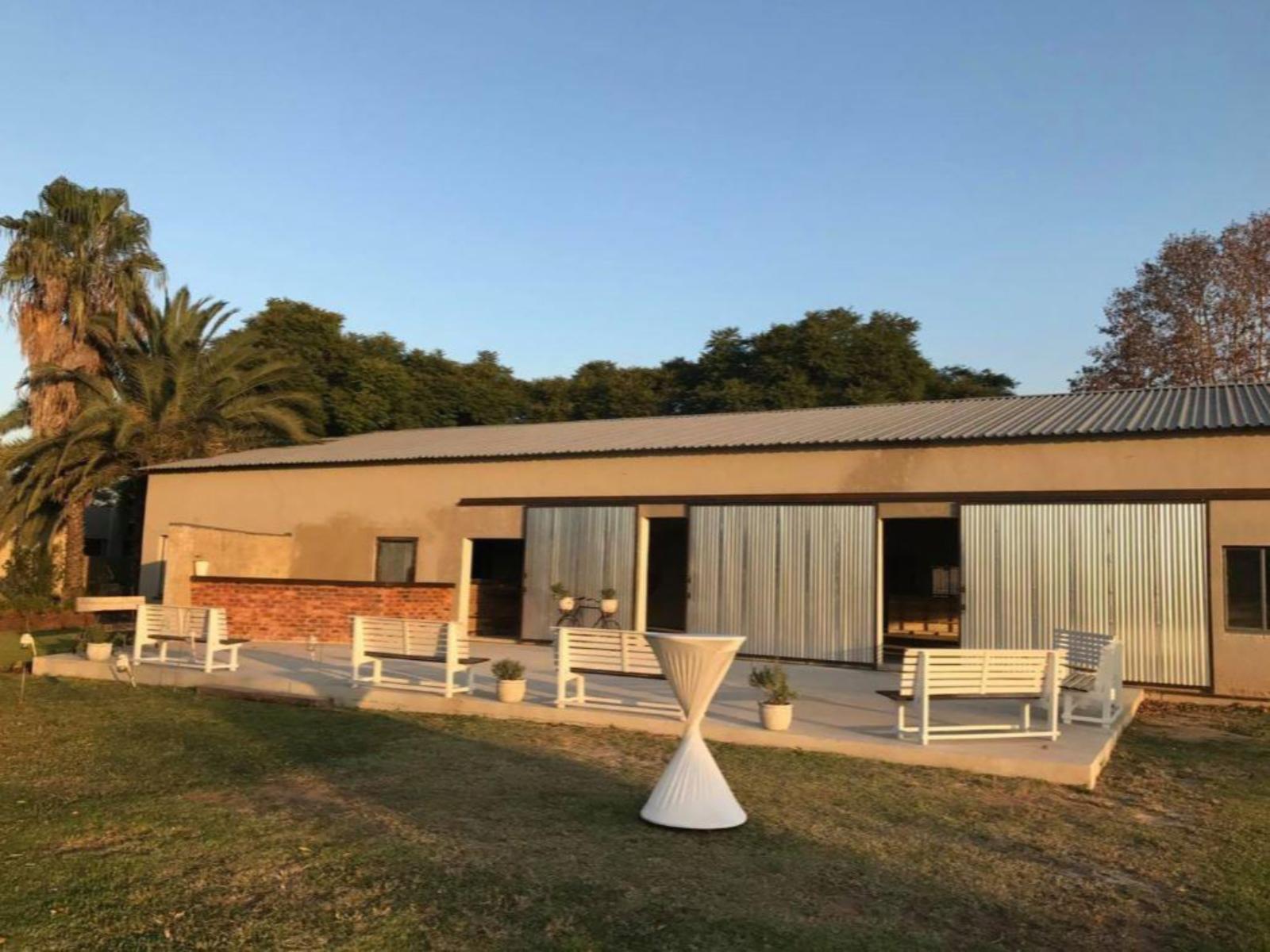
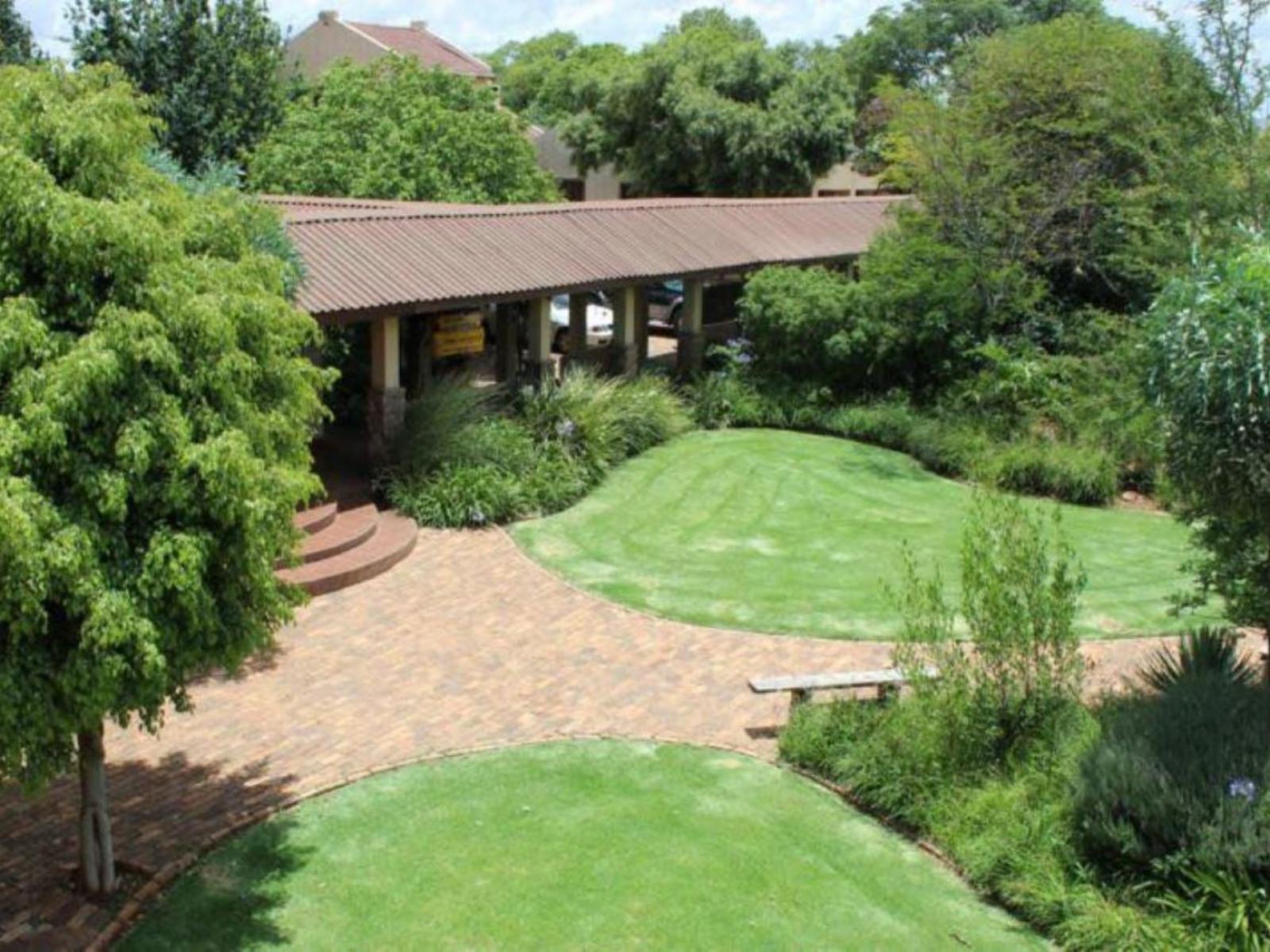
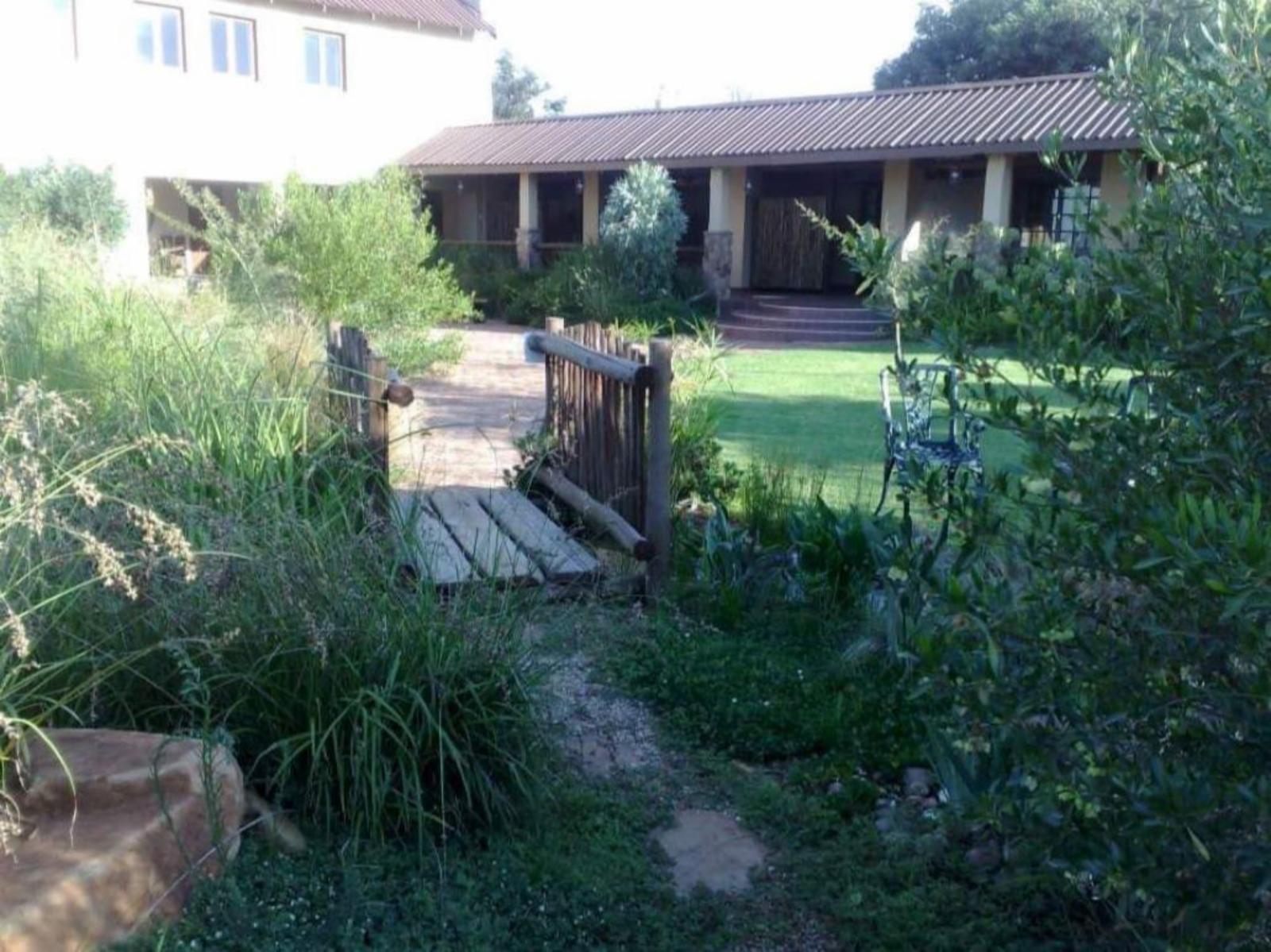
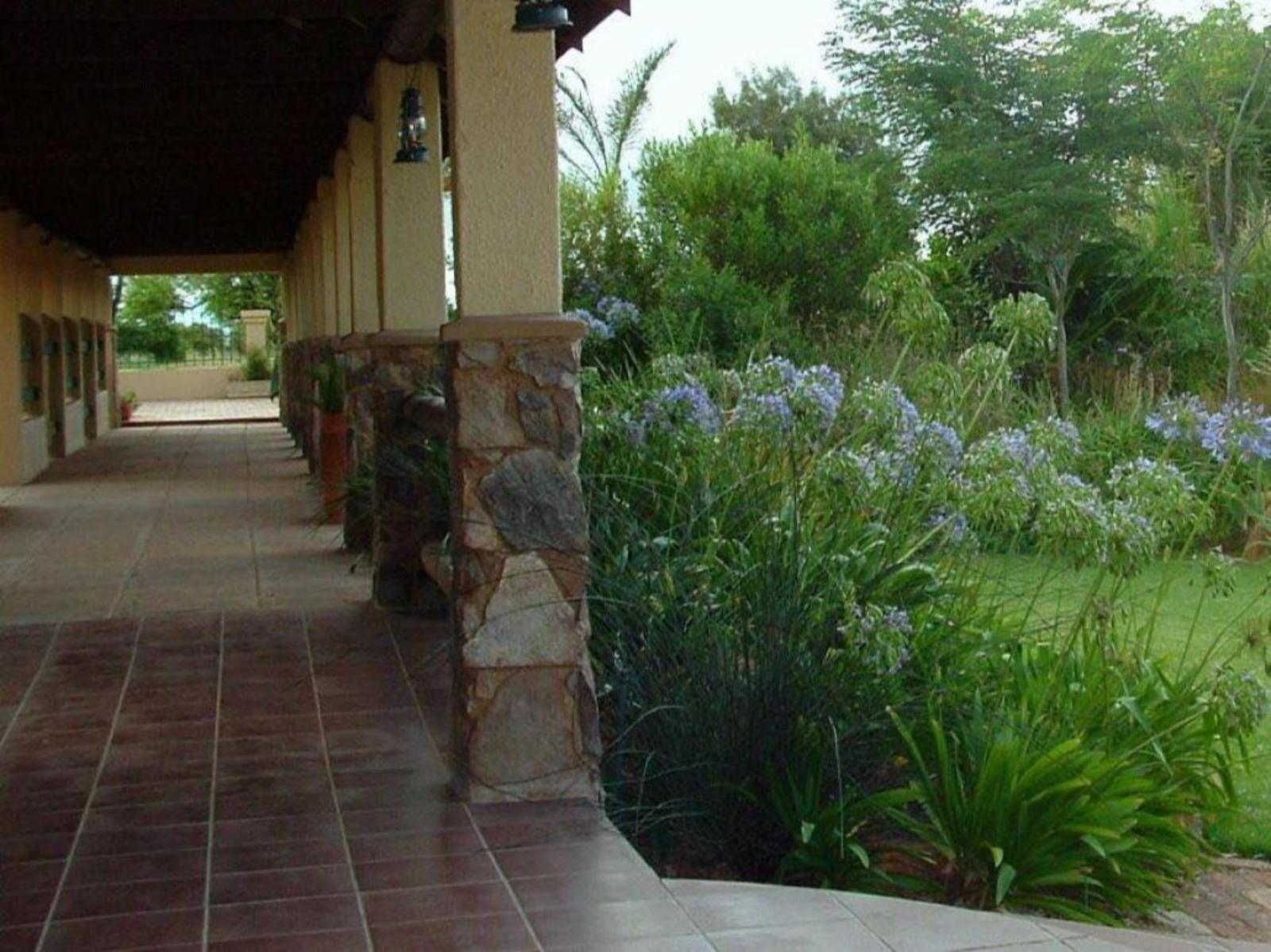
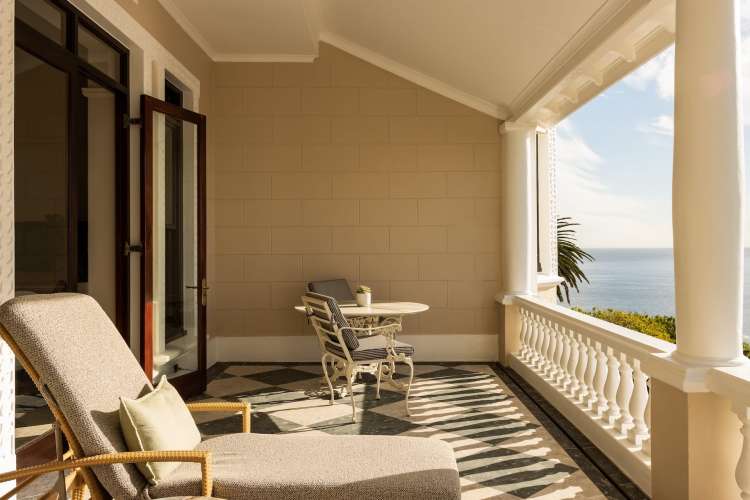
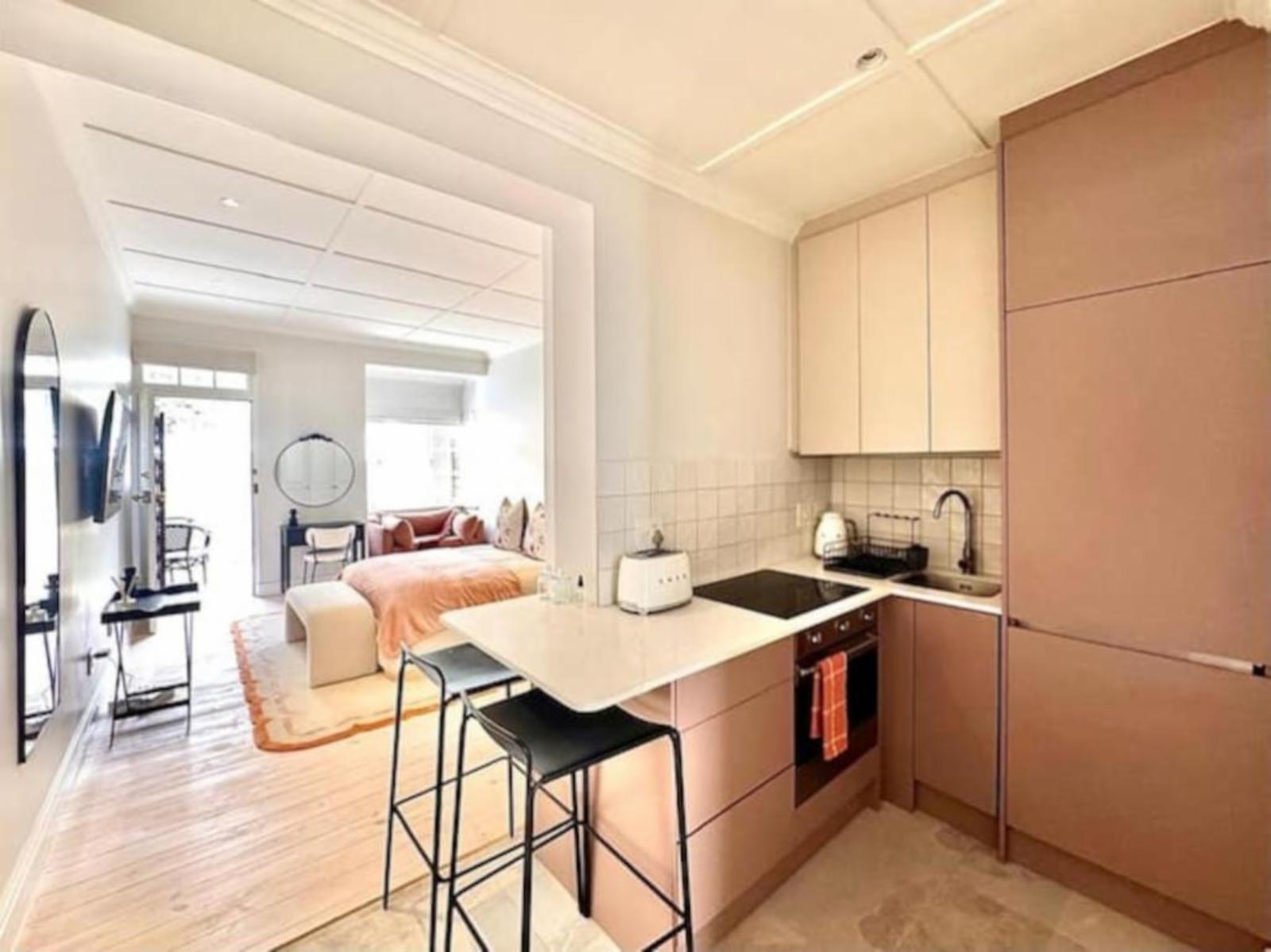
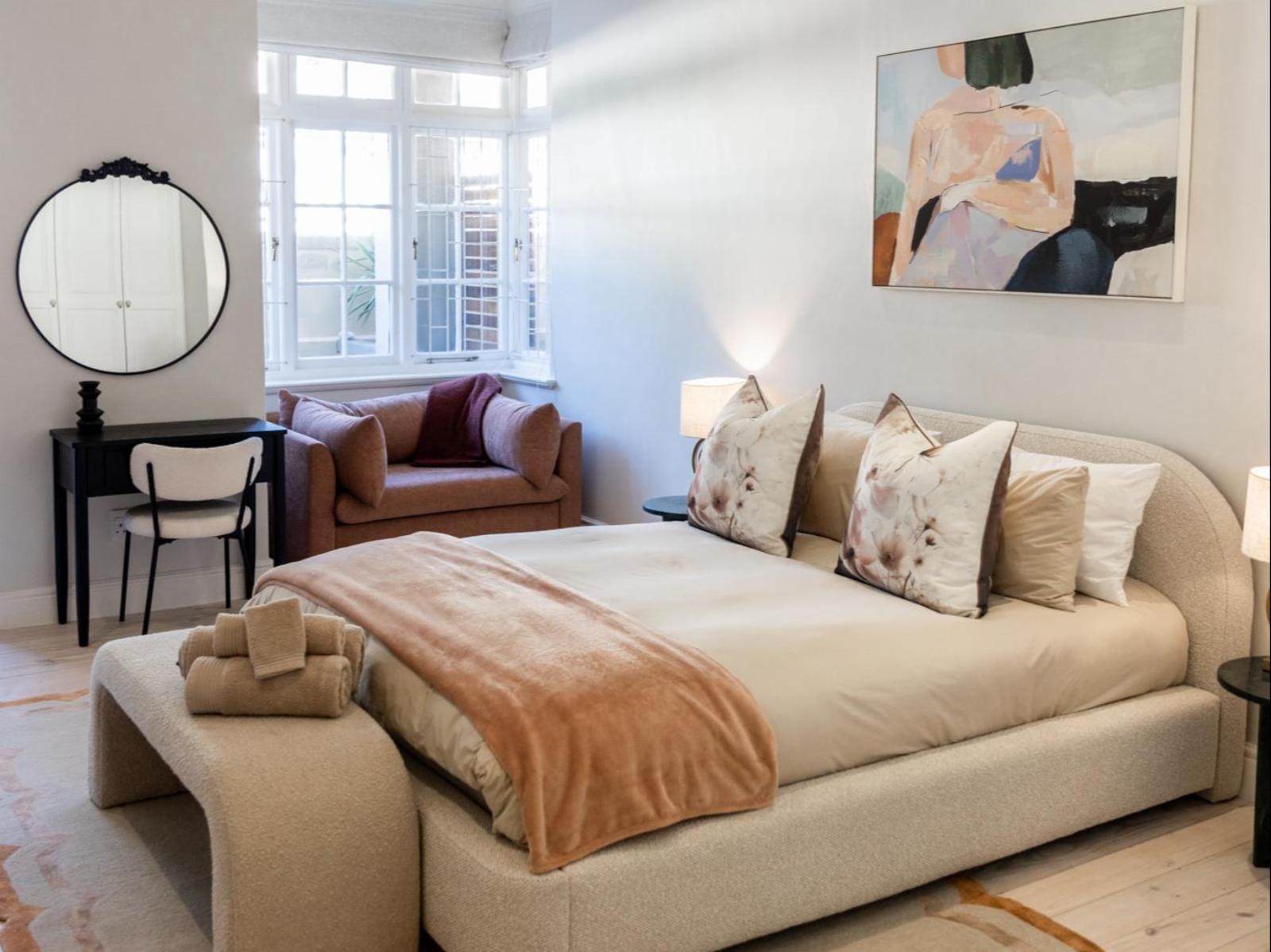
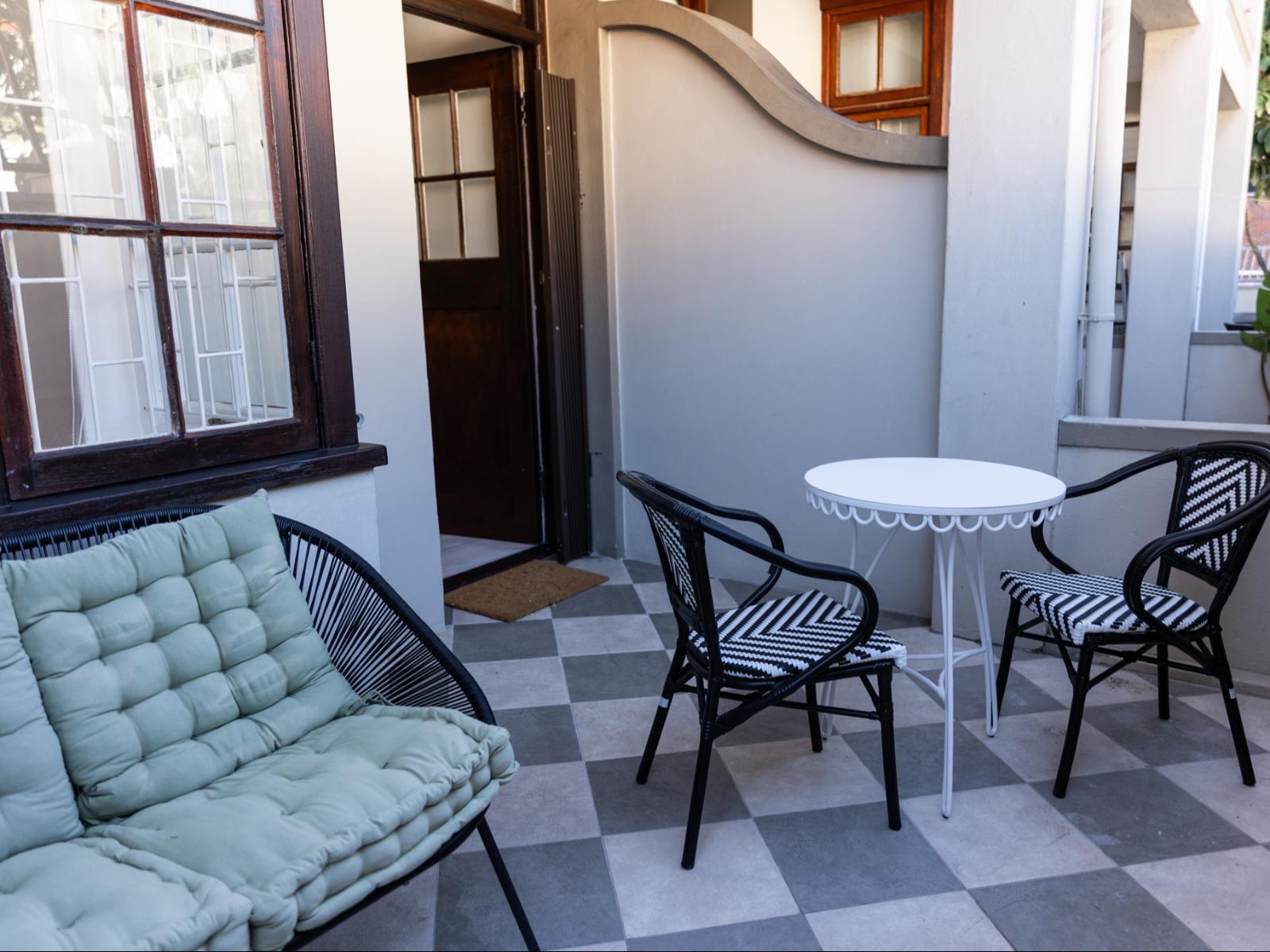
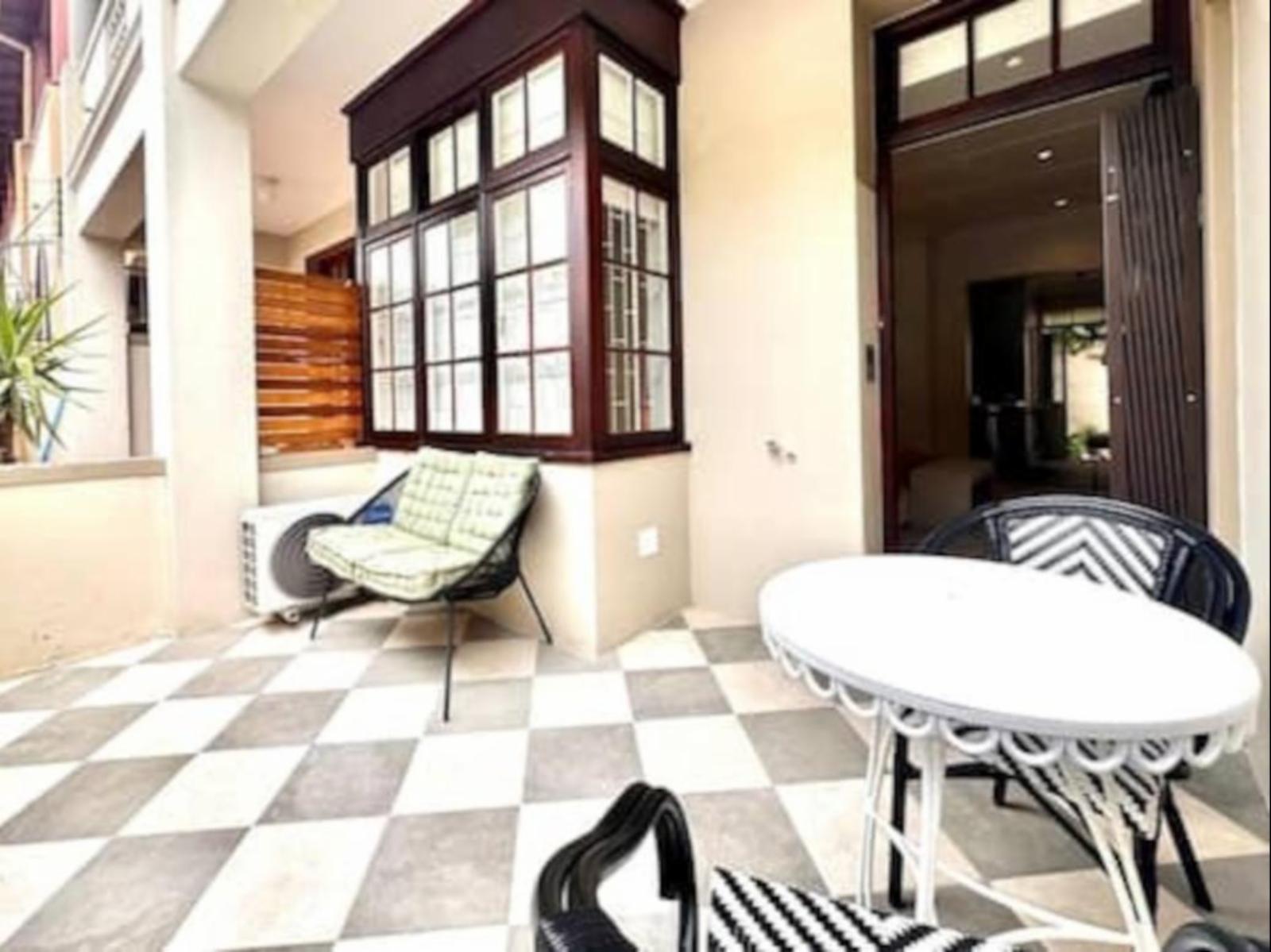
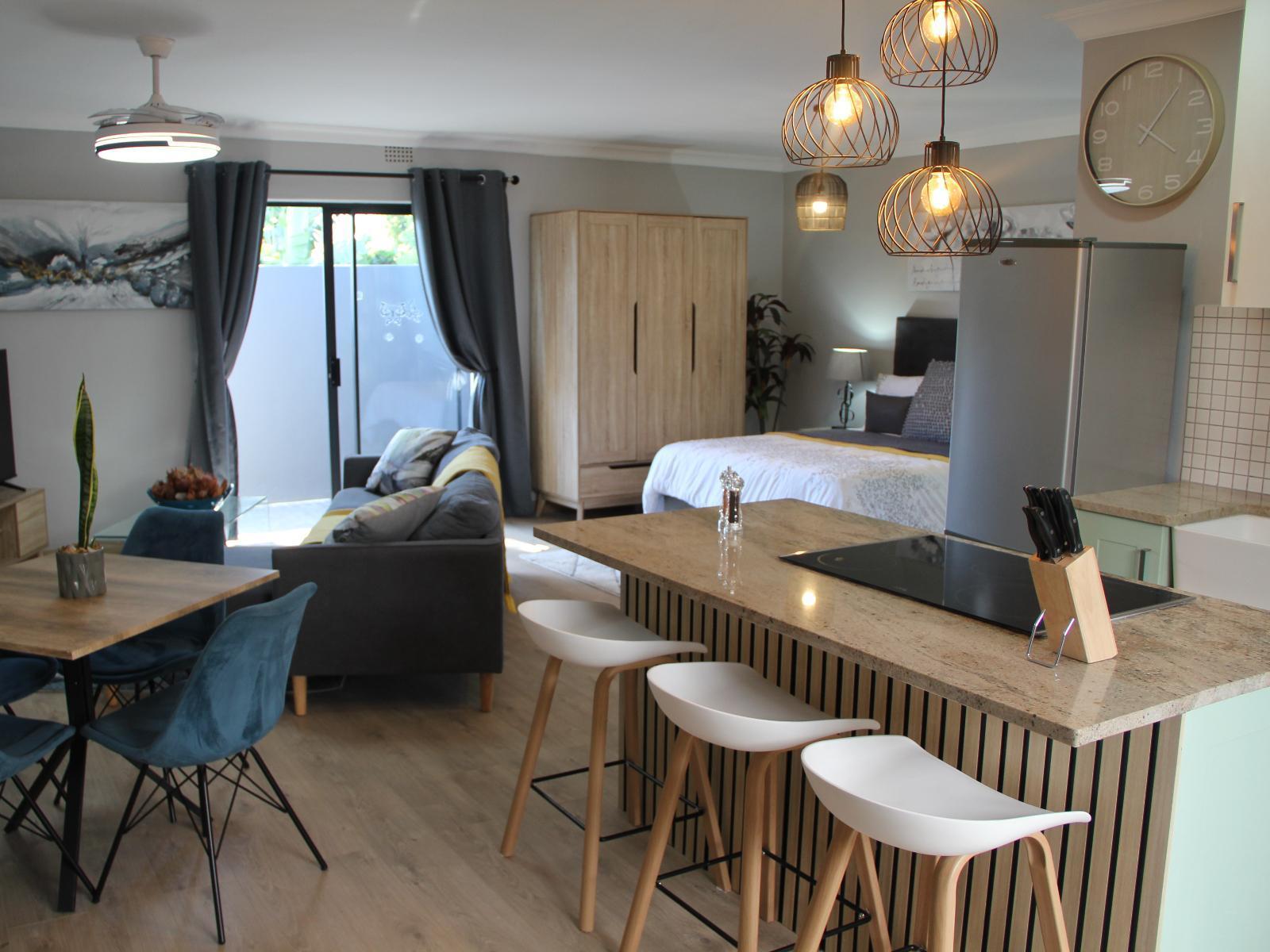
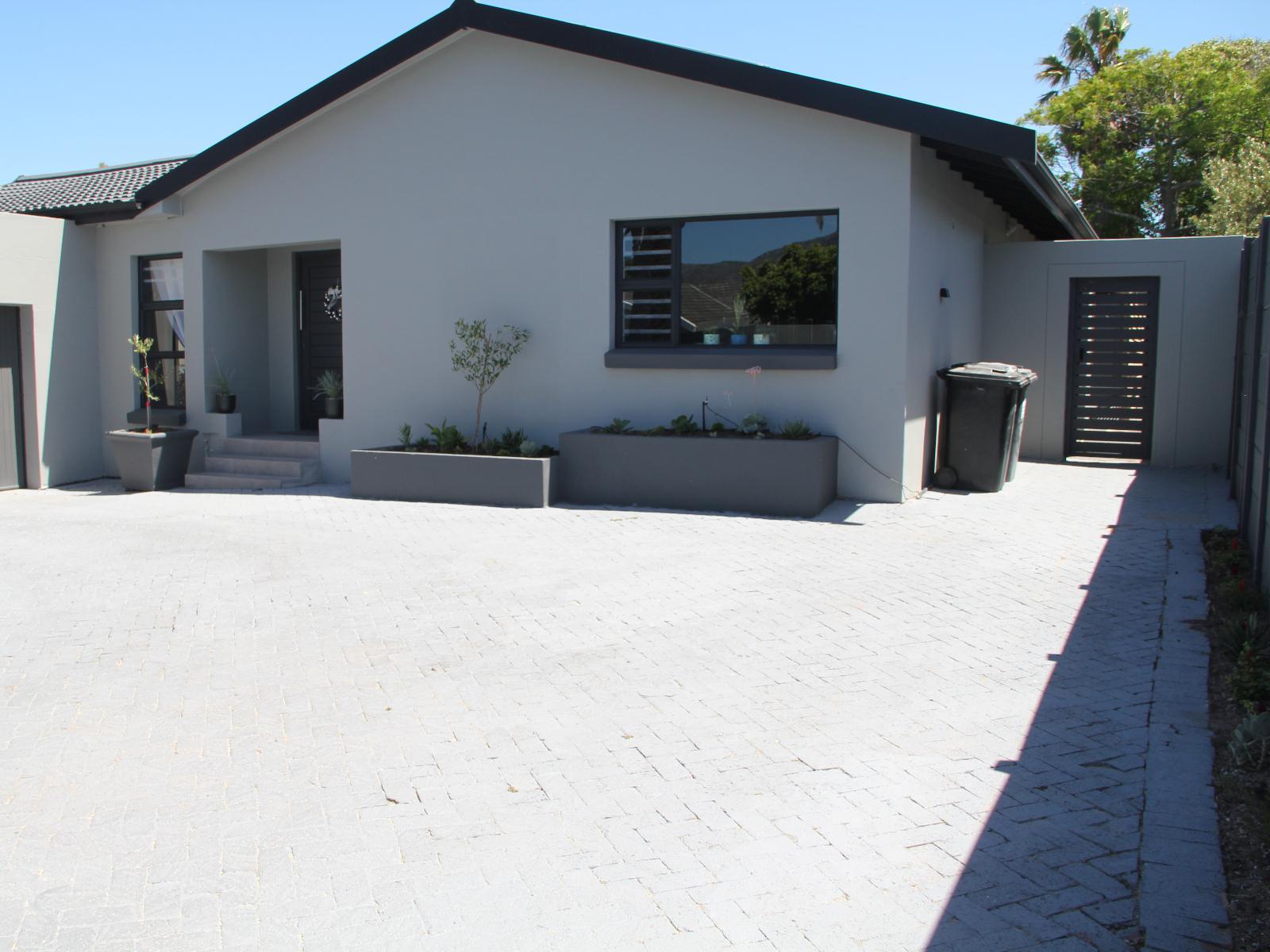
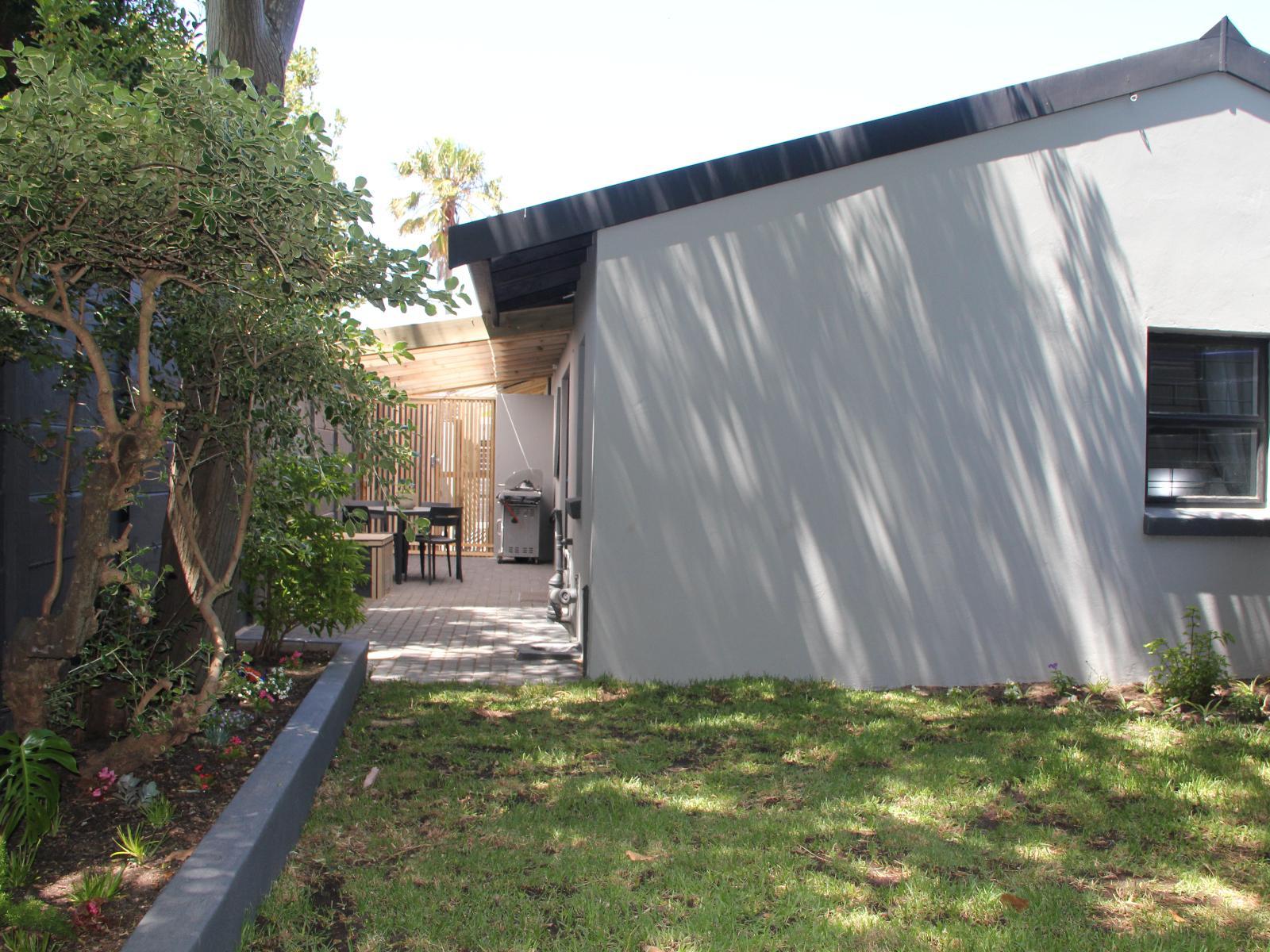
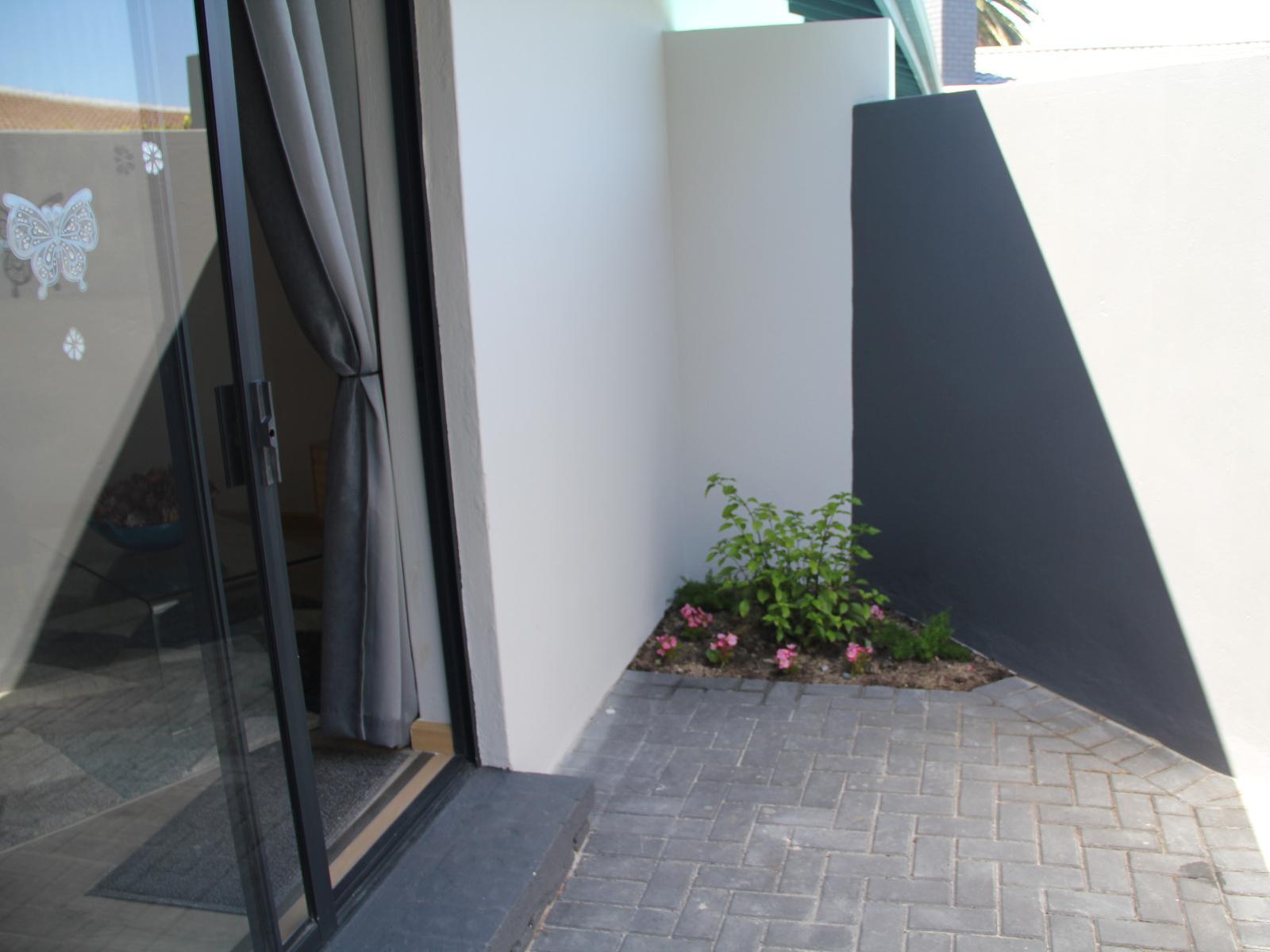
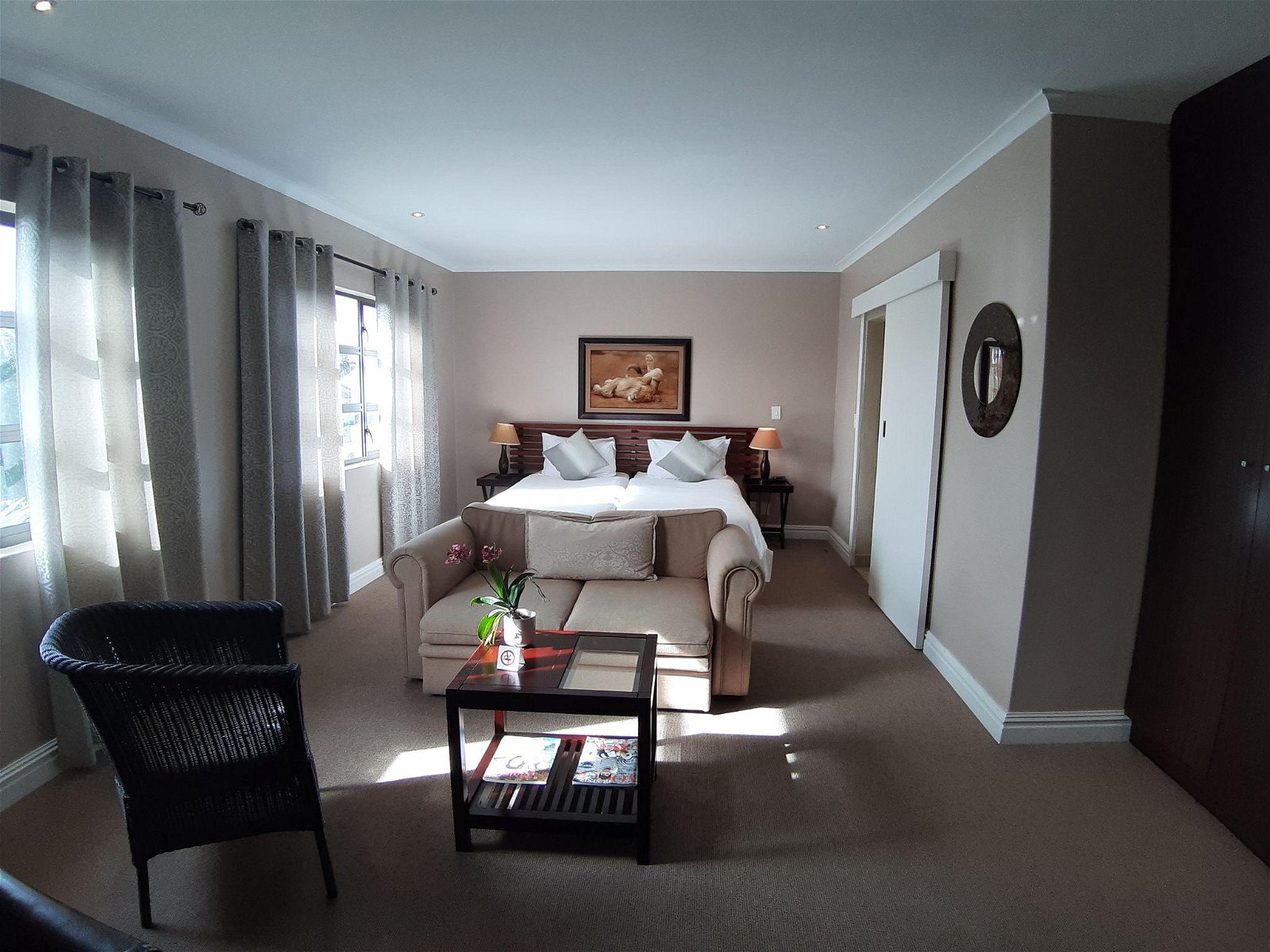
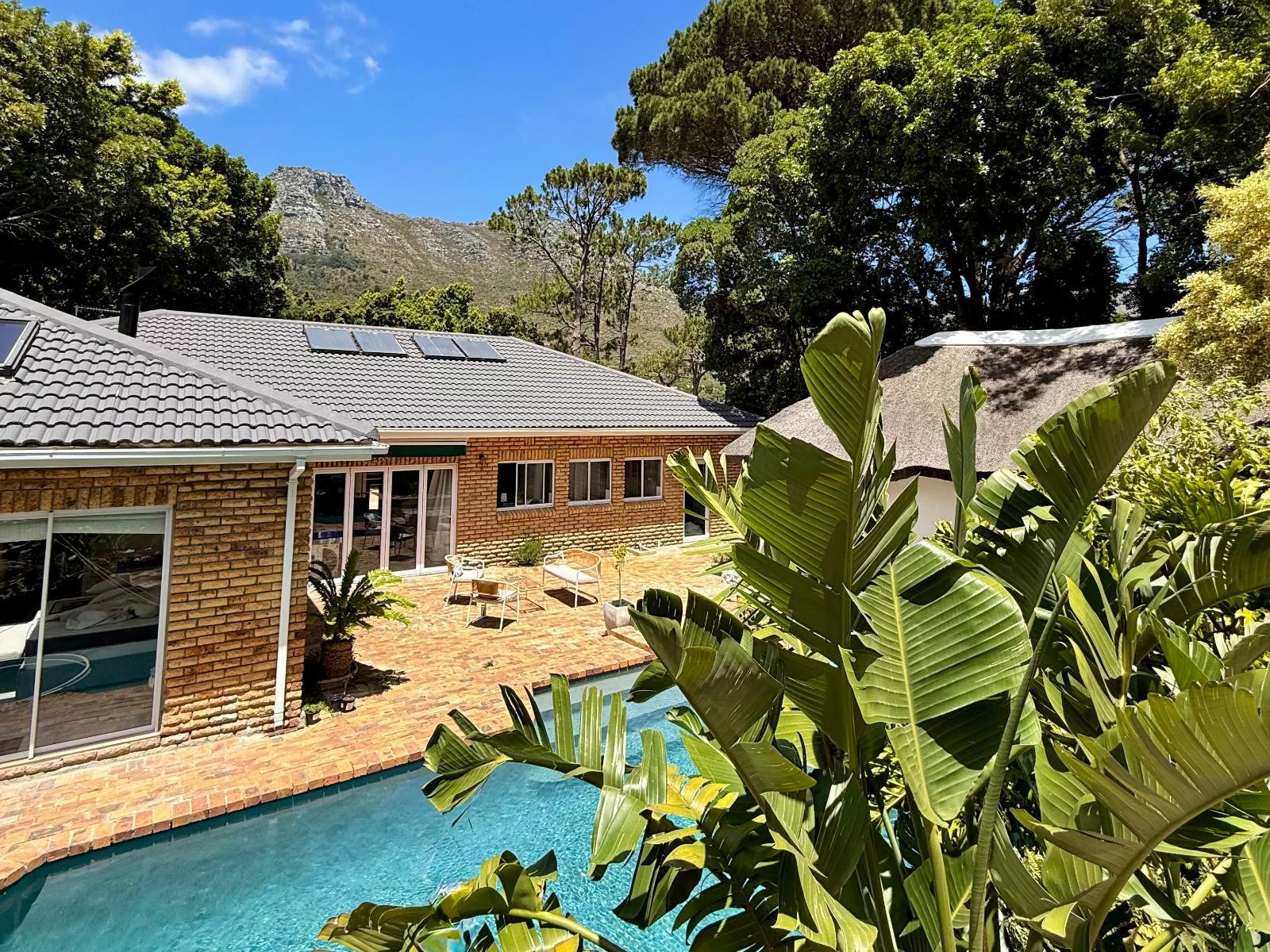
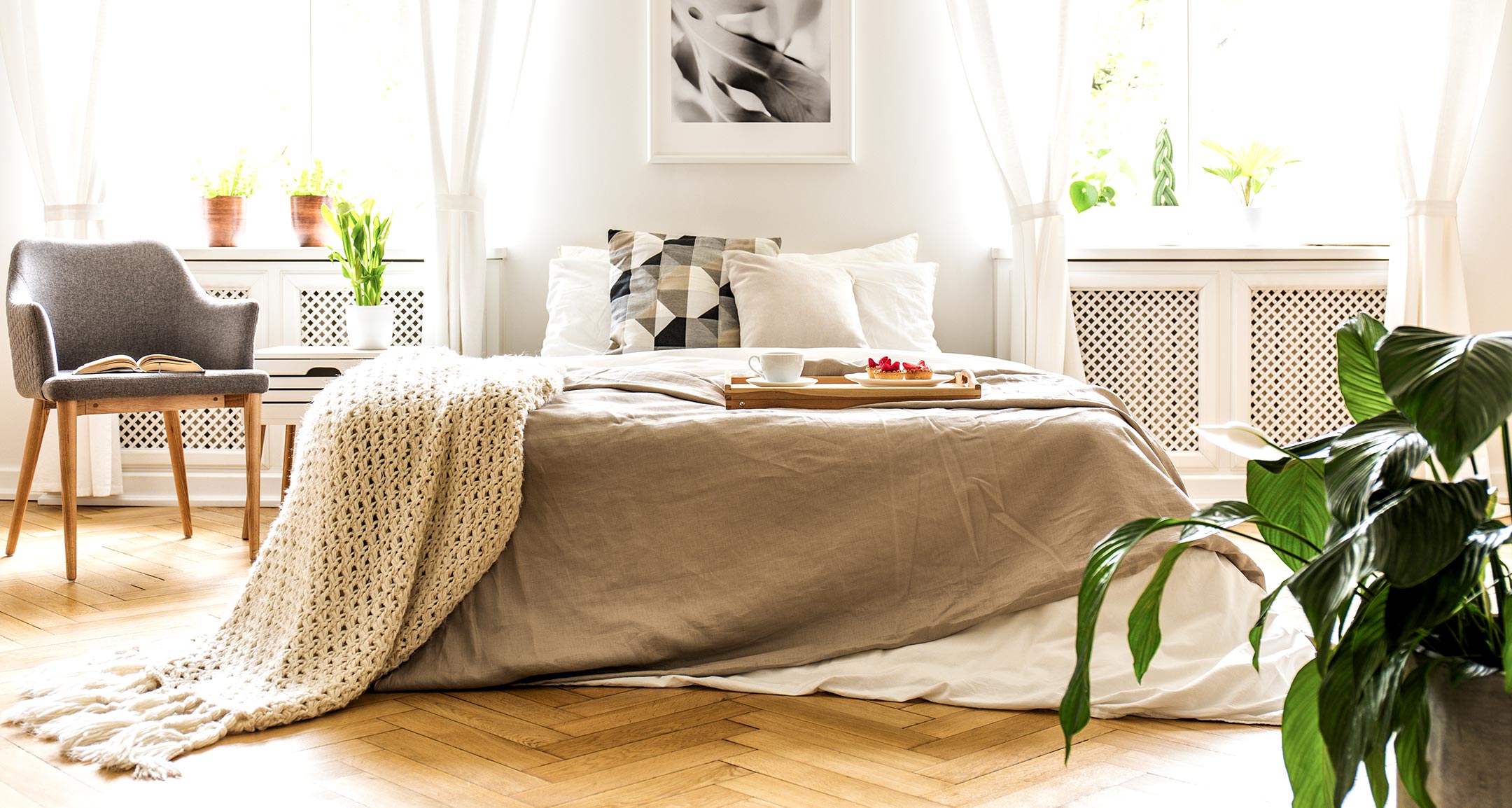
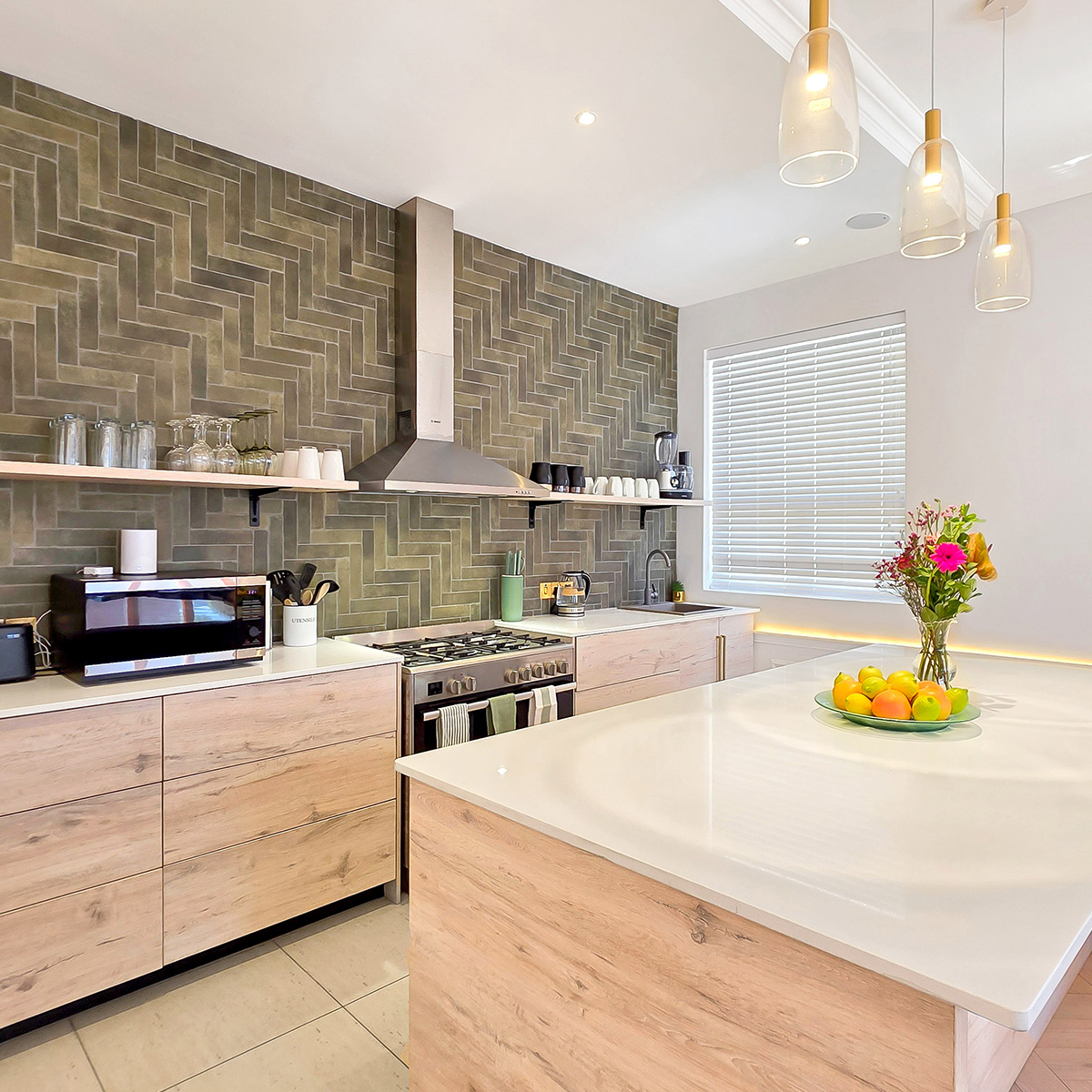
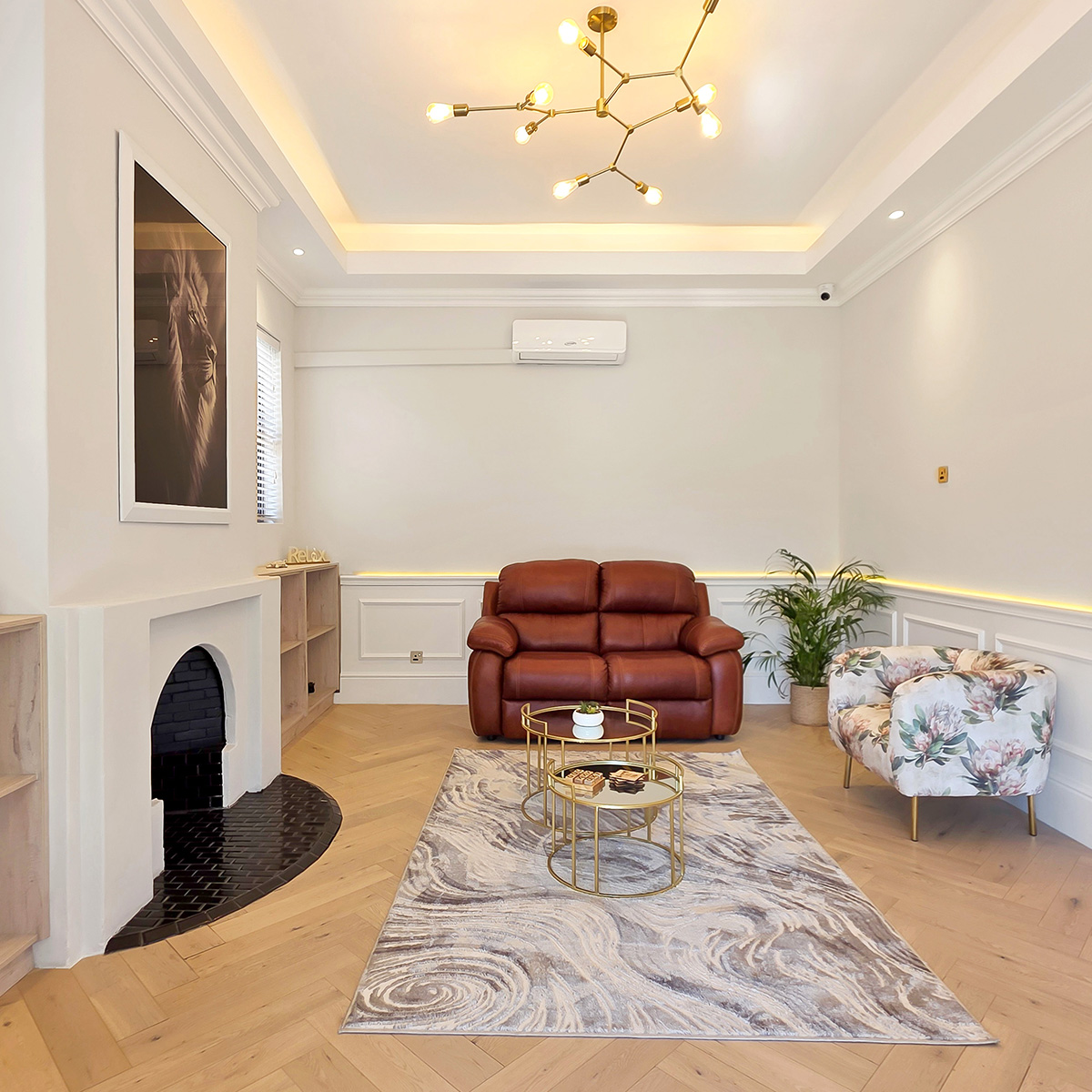
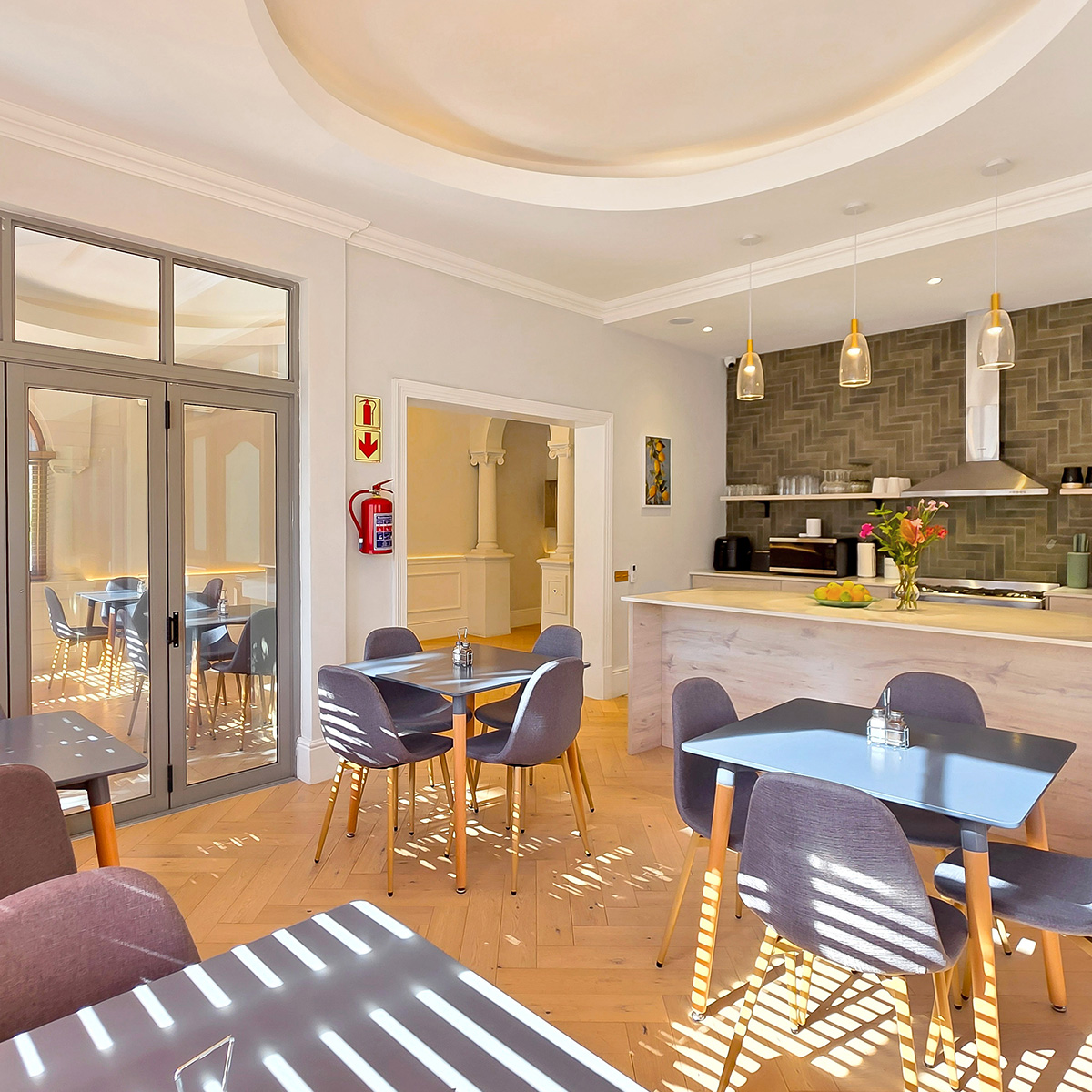
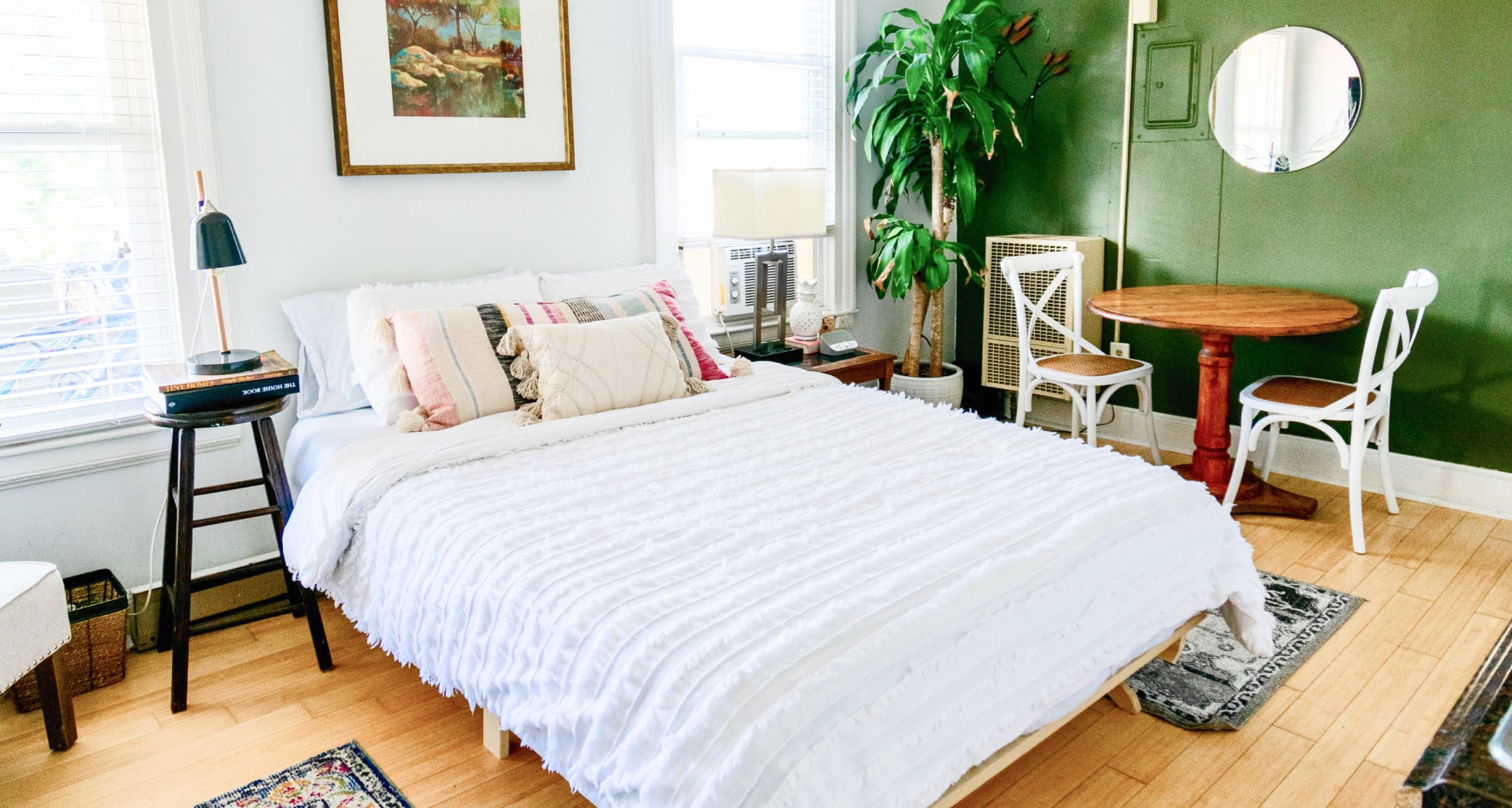
The mid-range tier is where the bulk of supply sits, and guesthouses dominate this segment, with close to 90 properties listed averaging around R3,822. Owner-run and often converted from residential homes, these tend to offer a more personal experience than larger commercial properties. Bed and breakfasts are comparable in price and character. Self-catering units average around R4,206 and suit longer stays where access to a kitchen reduces daily food costs. Apartments work particularly well for visitors on academic placements or extended work trips, sitting somewhat higher in average price but offering the practicality of independent living.
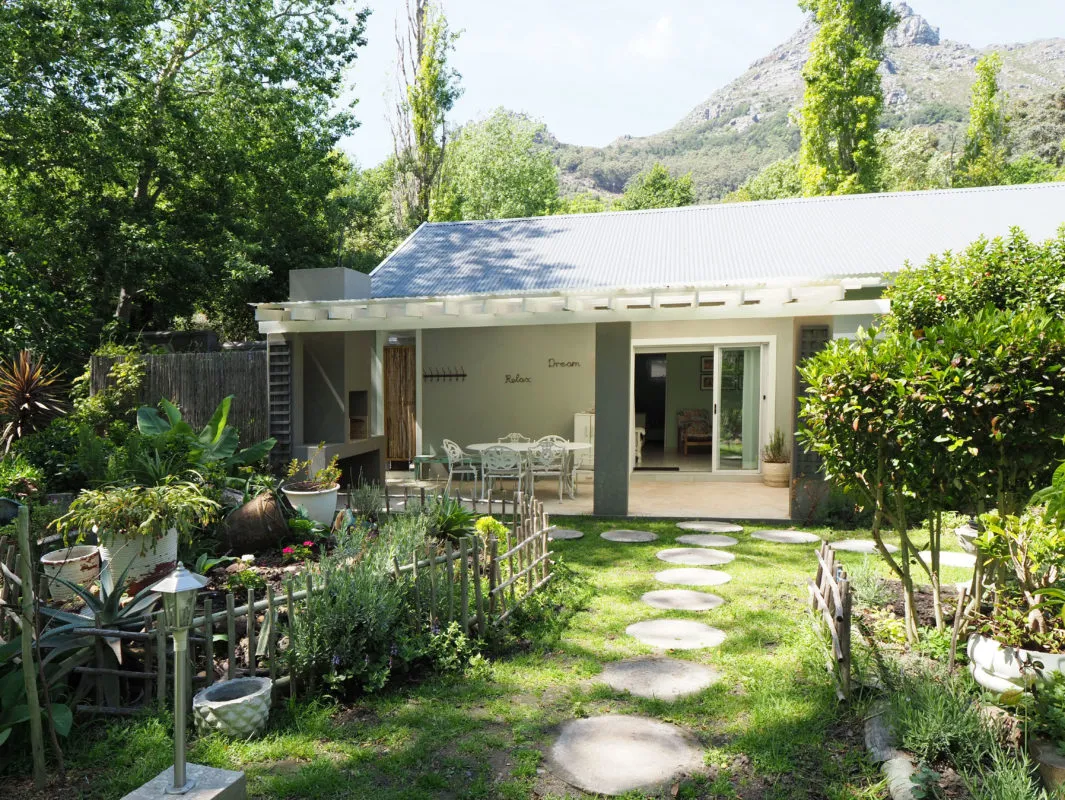
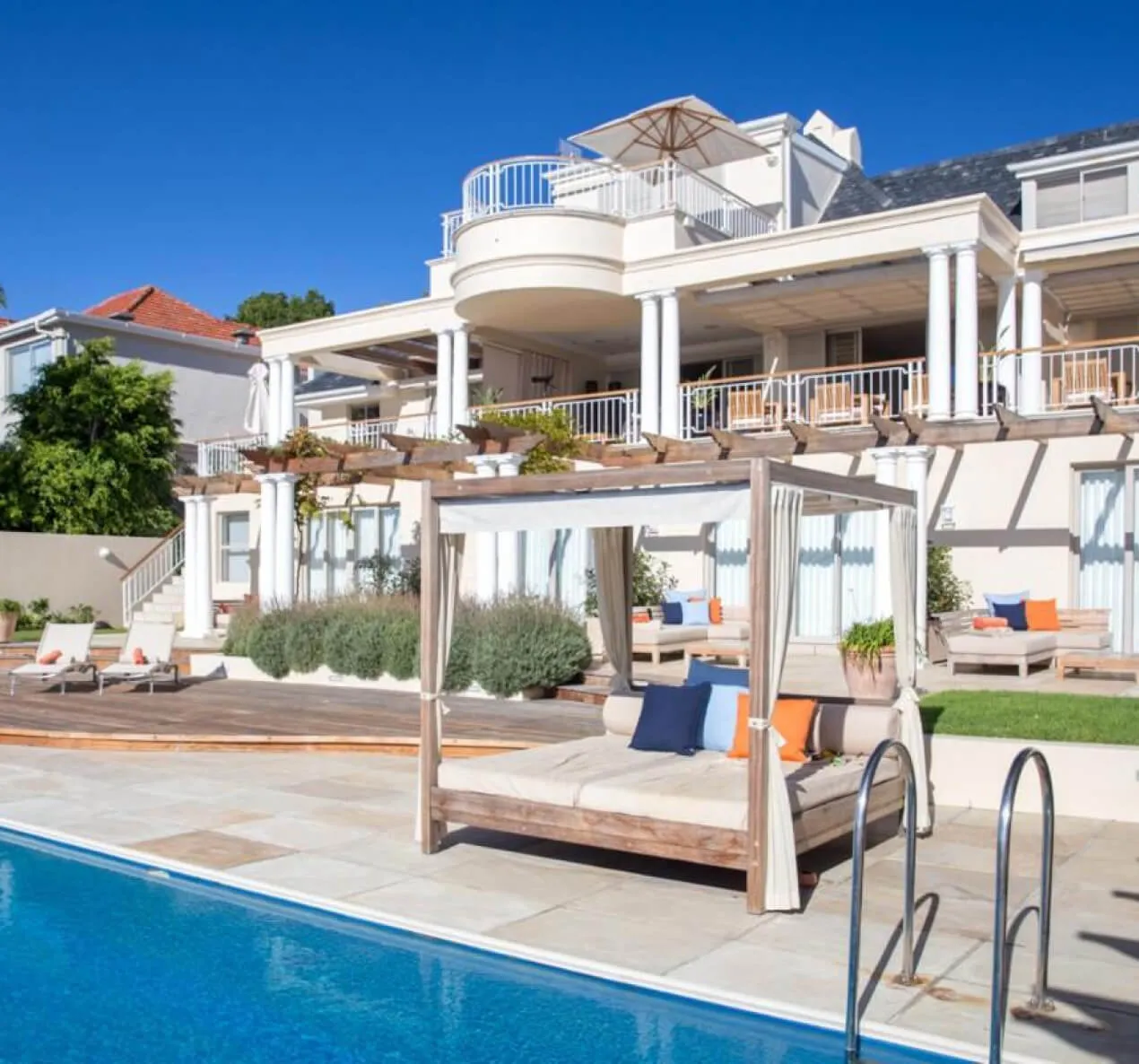
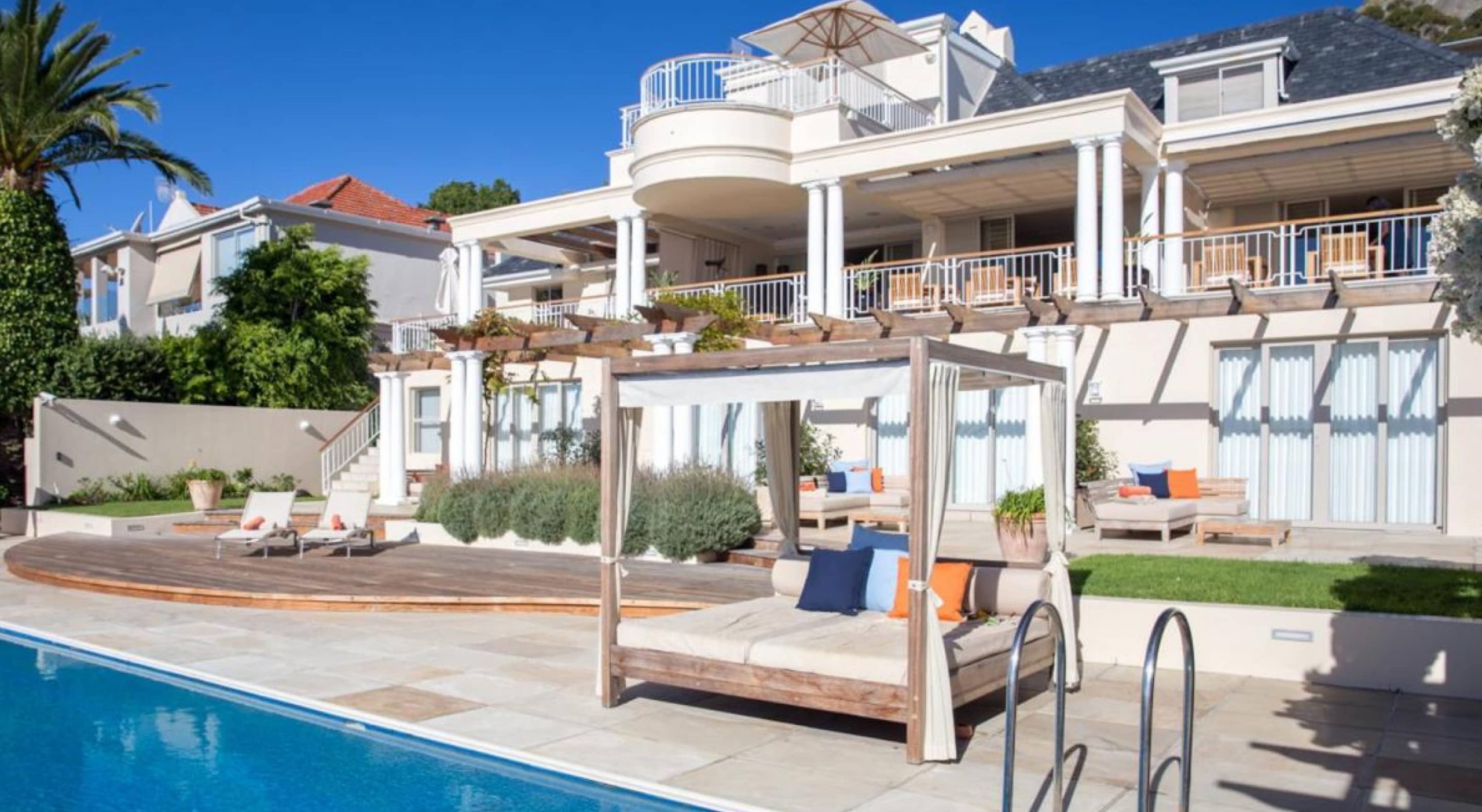
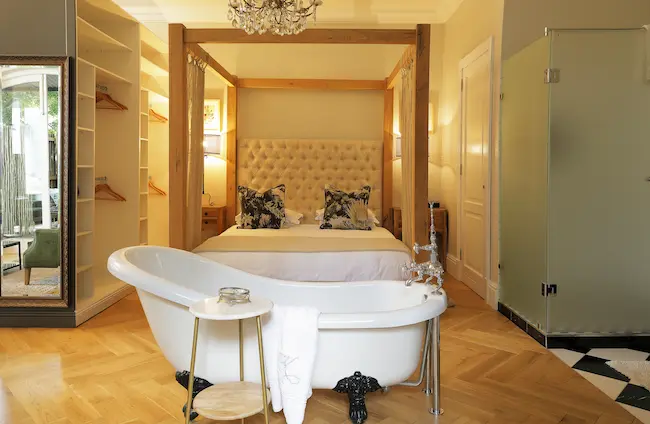
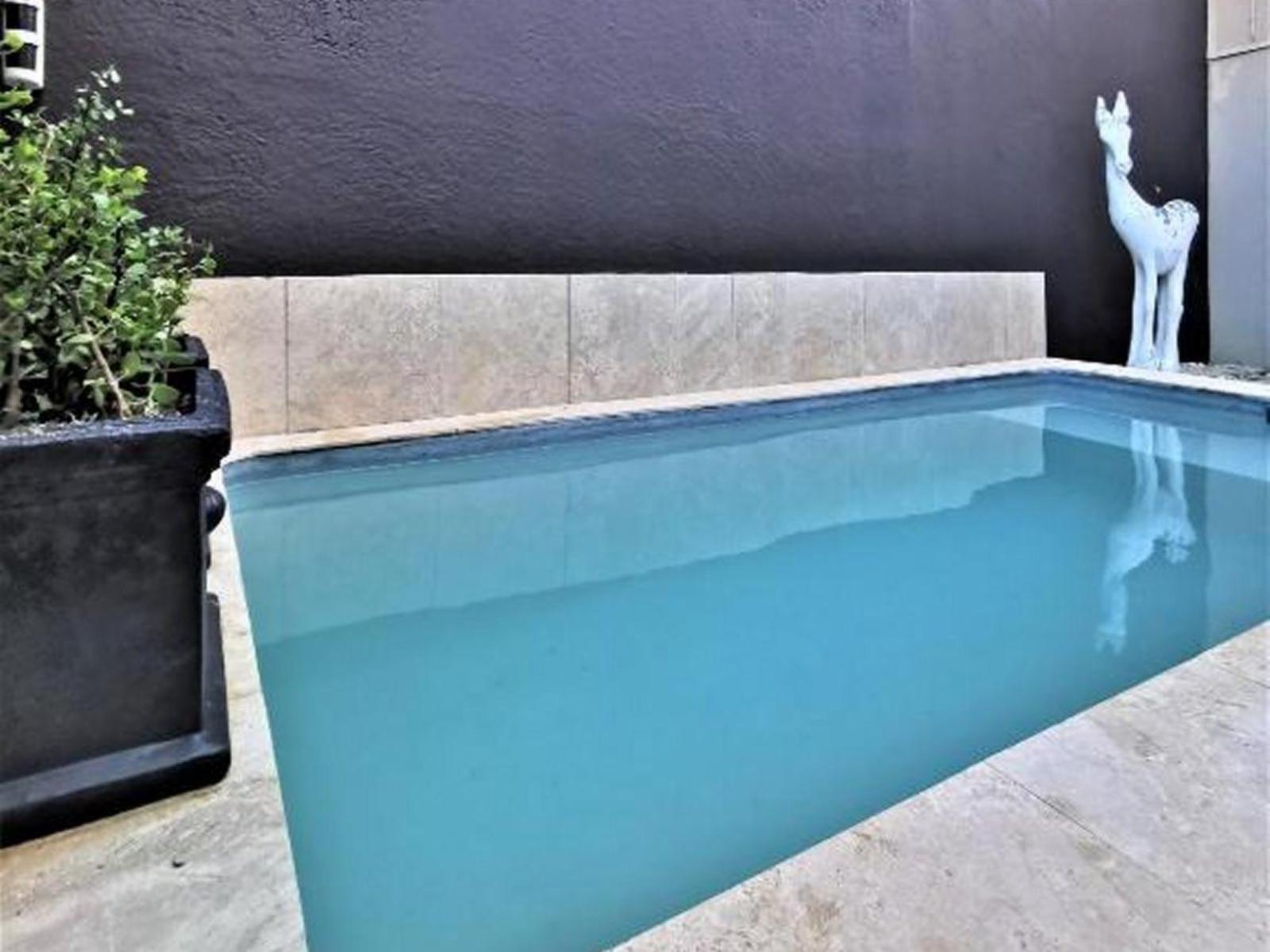
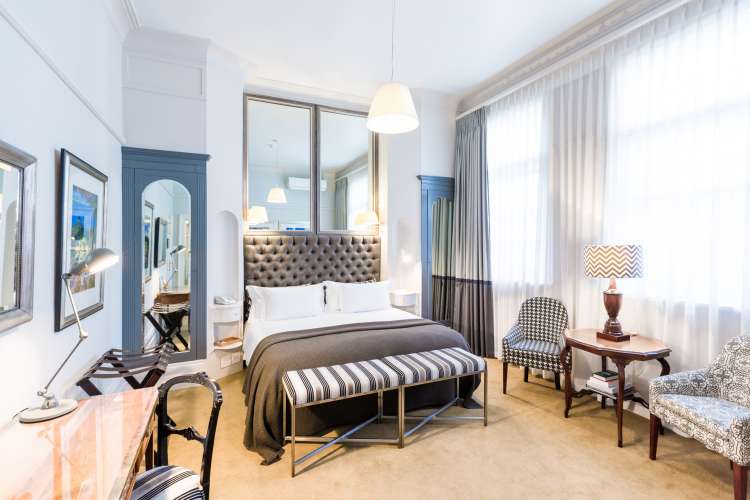
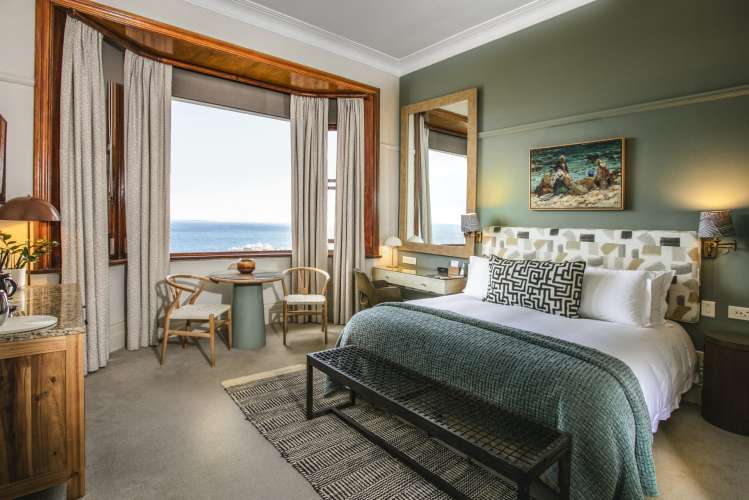
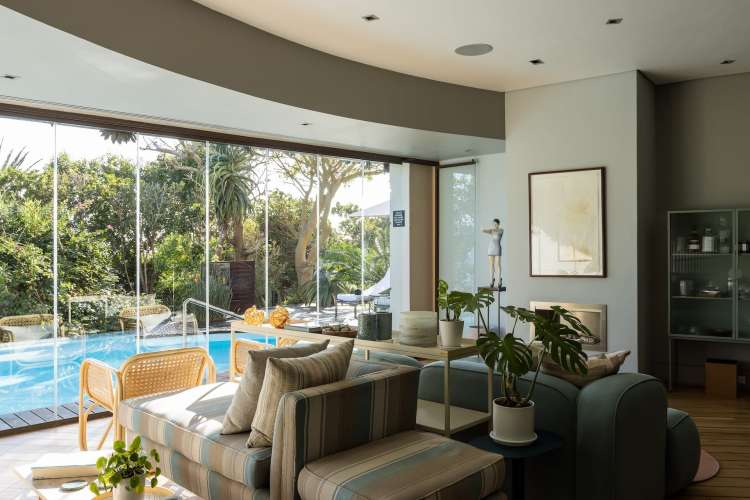
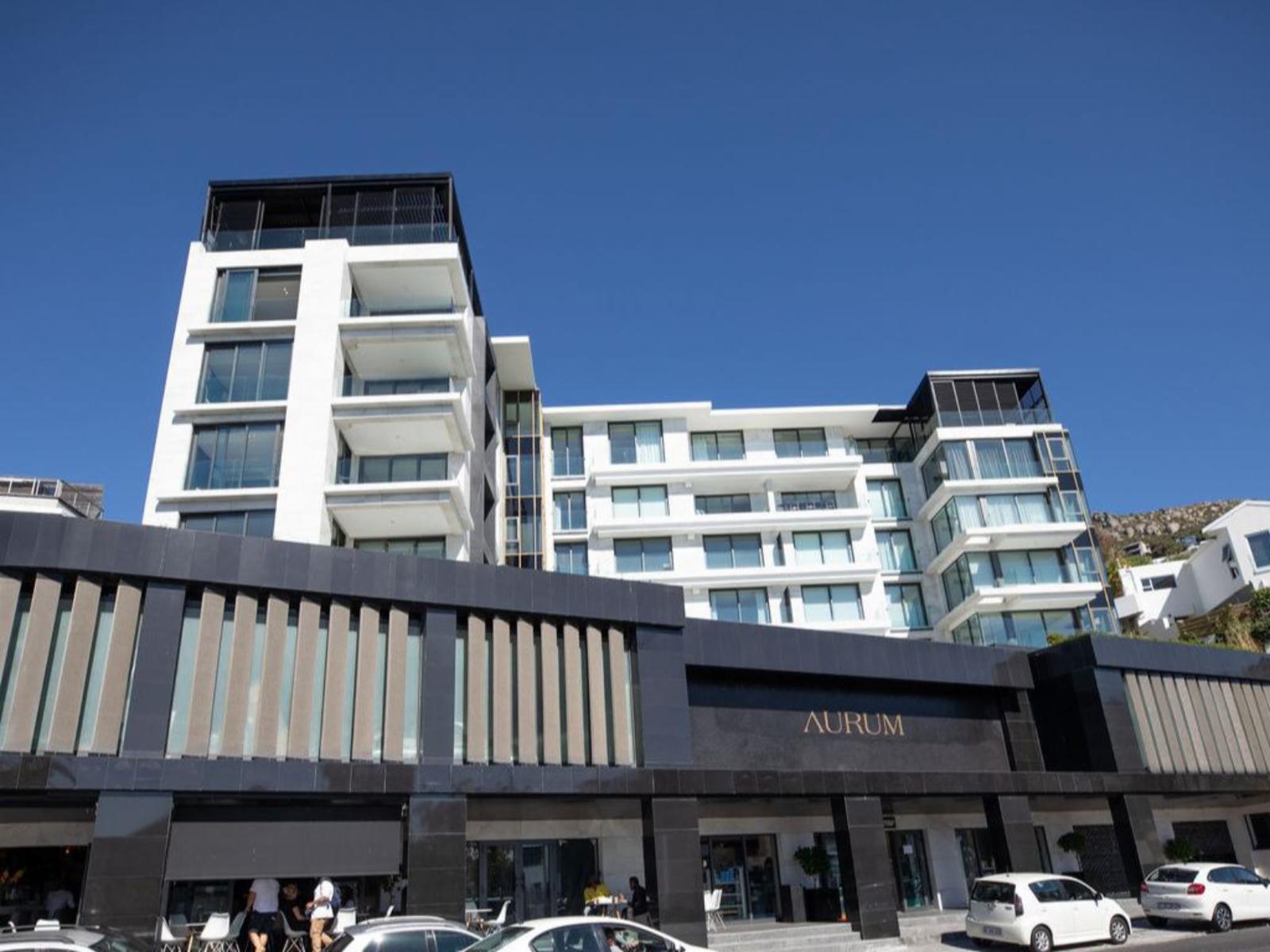
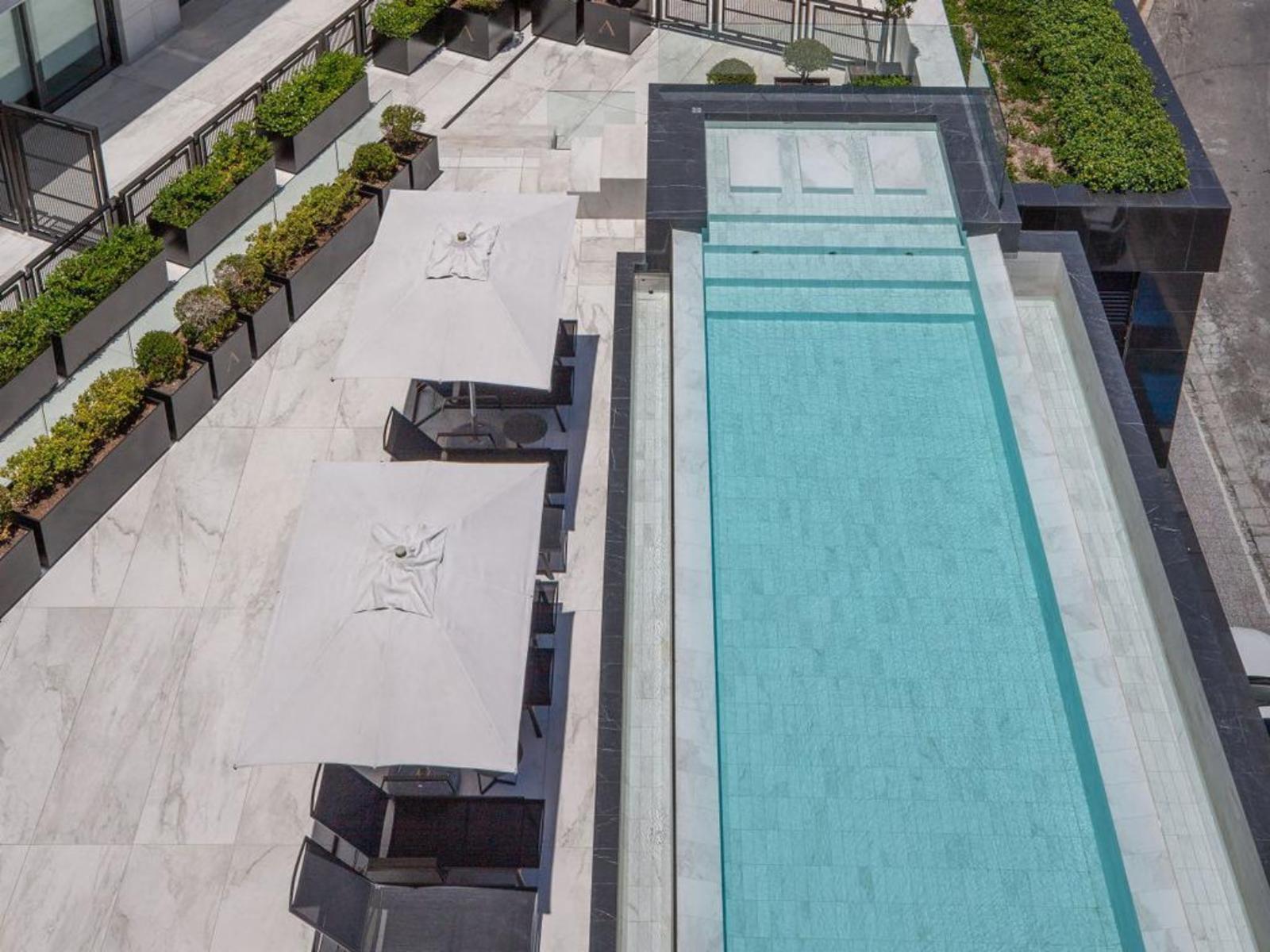
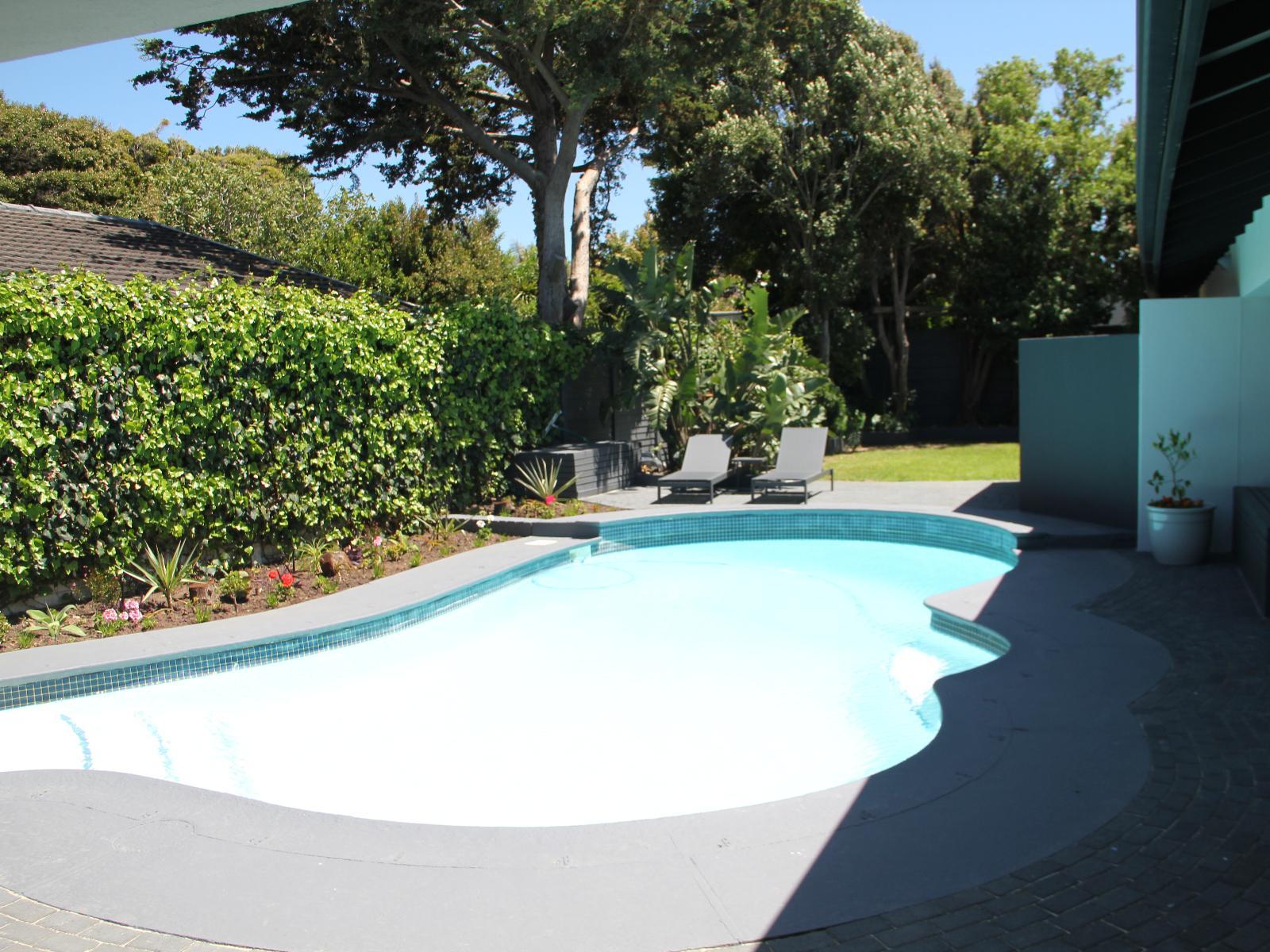
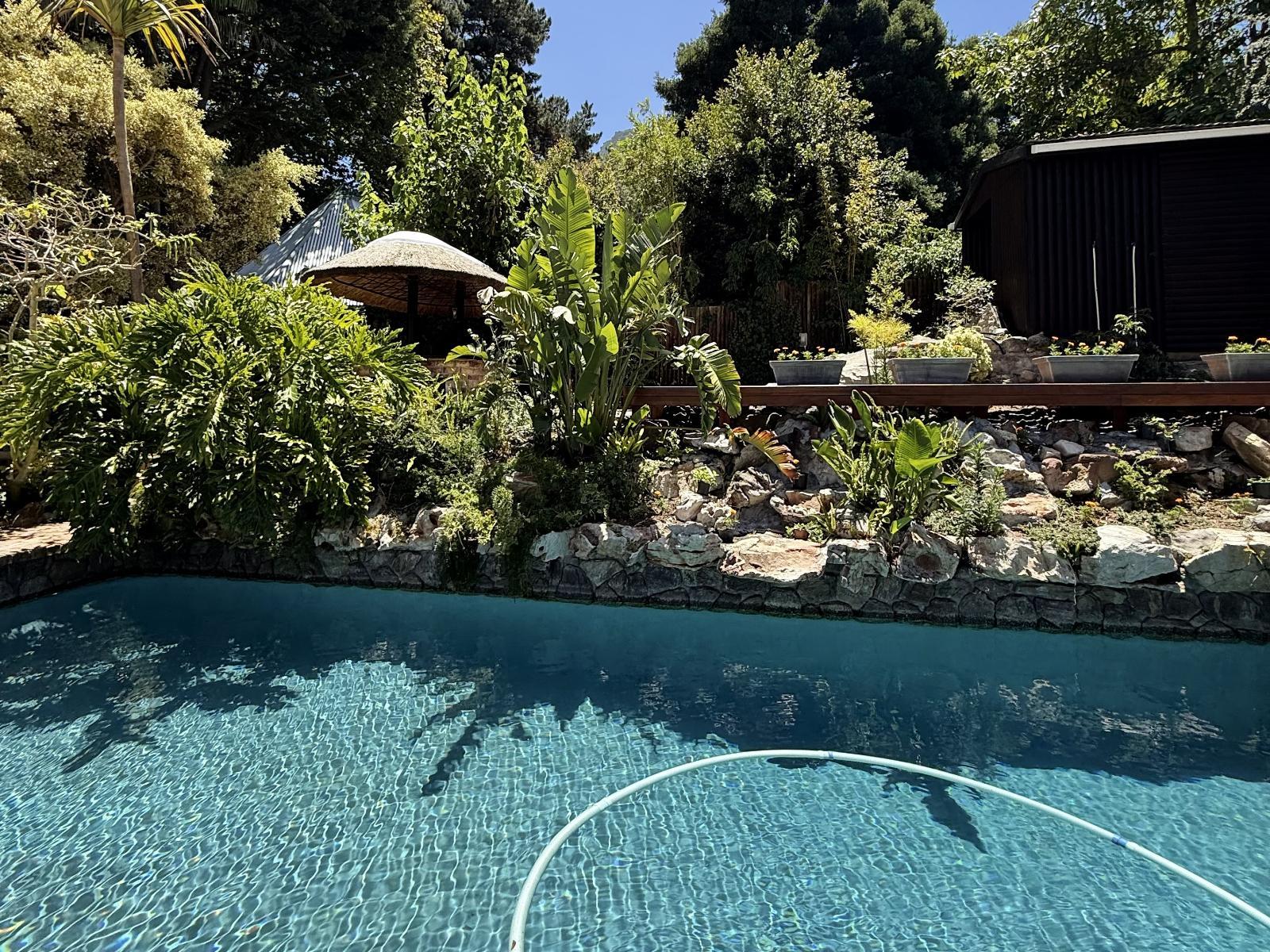
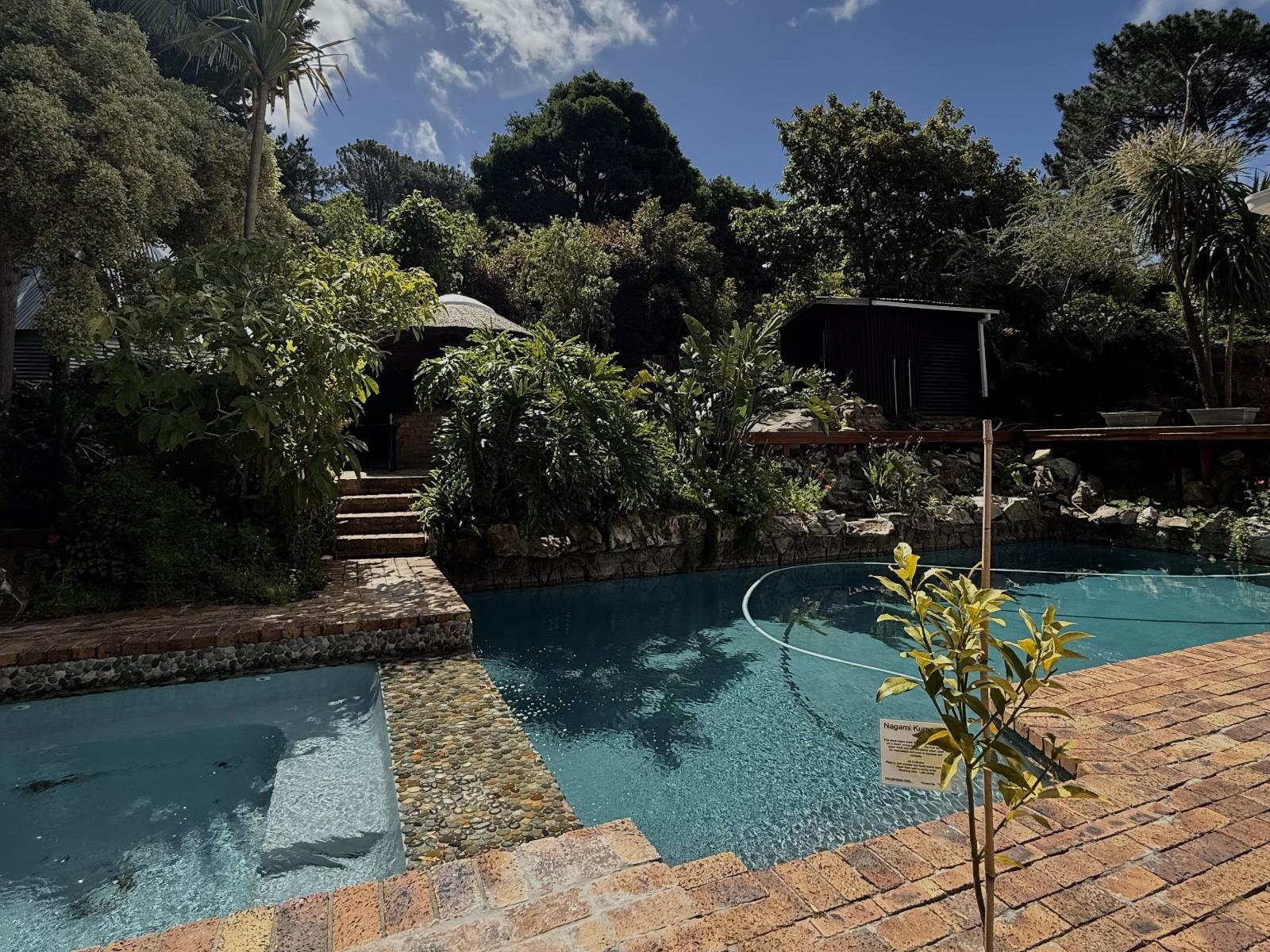
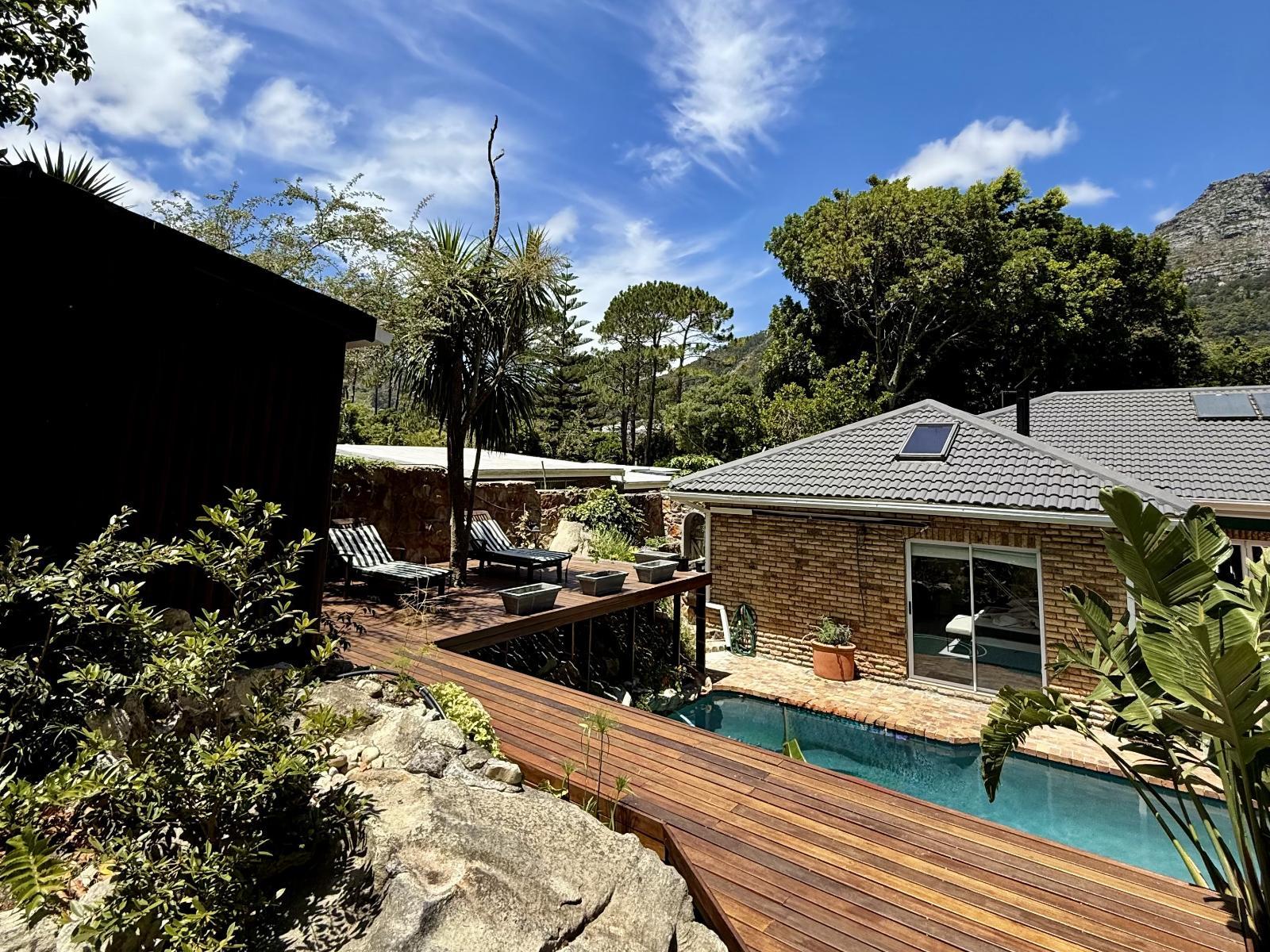
Boutique hotels represent the upper-mid range, with 30 properties offering more considered design and service than a standard guesthouse, averaging around R7,814. For the highest-spend tier, villas account for 16 listings averaging R12,187 per night and typically feature private gardens, pools, and multiple bedrooms suited to group bookings or families.
Demand is relatively consistent year-round given the academic calendar, but it tightens noticeably during the February term start, December graduation, and school holiday windows. The range of options means most budgets are well served, though availability at higher tiers can narrow quickly during peak periods.
Things to Do in Rondebosch
The University of Cape Town campus is the area's most distinctive draw for visitors. The upper campus occupies the slopes below Devil's Peak and includes Jameson Hall, the Jagger Library, and botanical gardens open to the public. Walking the grounds gives a clear sense of both the colonial-era architecture and the mountain backdrop that defines much of the suburb's character.
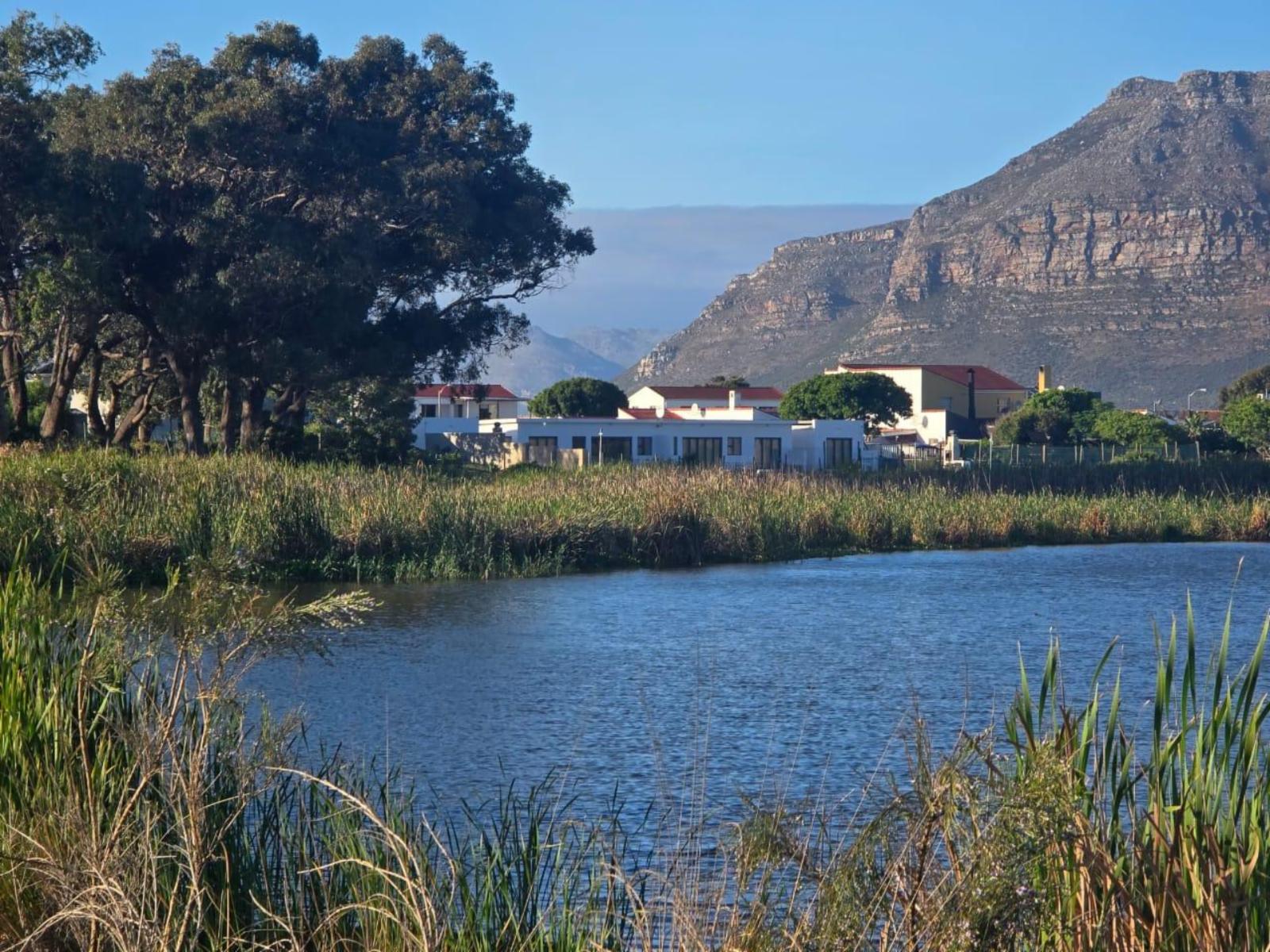
Rondebosch Common, covering approximately 40 hectares of lowland fynbos grassland, sits at the suburb's centre and functions as its primary open space. Footpaths cross the common for walking and cycling, and local markets set up here during spring and summer months.
Groote Schuur Hospital, a short distance north of the suburb, is where Dr Christiaan Barnard performed the world's first human heart transplant in December 1967. The hospital remains an active medical facility, but it is closely associated with that event and attracts visitors with an interest in medical history.
Table Mountain's trail network is accessible within roughly 5 kilometres, with routes ranging from shorter walks on the eastern slopes to full summit climbs. The proximity allows for a morning hike and a return to the suburb by midday, making it a practical option even on a short stay.
Newlands Cricket Ground, adjacent to the suburb, hosts domestic and international fixtures through the summer season. Day-night matches and test match days draw consistent local crowds and are easy to attend without advance logistics.
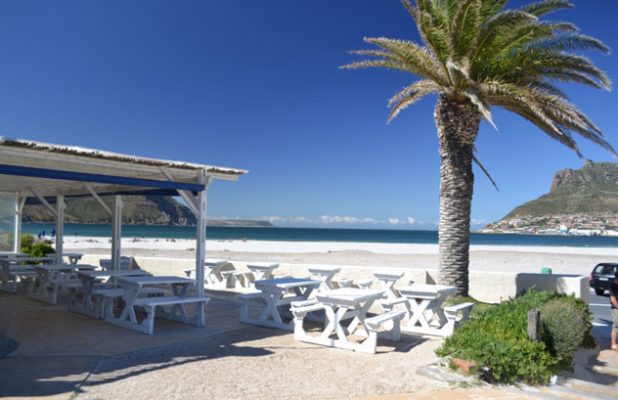
Beaches are within easy reach. The False Bay side, including Muizenberg, offers calmer surf and warmer water than the Atlantic seaboard and is reachable in about 15 minutes by car. Wine tasting is accessible at several estates to the south, a short drive into a valley that holds some of the region's oldest wine-producing land. Golf is available at Mowbray Golf Course, immediately east of the suburb, with an 18-hole layout and moderate green fees.
Best Time to Visit Rondebosch
Rondebosch sits within Cape Town's Mediterranean climate zone, with hot, dry summers from November through February and cool, wet winters from June through August. Summer highs typically range between 20 and 30 degrees Celsius, though heat waves push temperatures higher in January and February on occasion.
The main summer consideration is the South-Easter, a strong wind that picks up reliably in the afternoons from November onward. Known locally as the Cape Doctor, it keeps humidity low and the air clear but can make outdoor plans uncomfortable in the late afternoon. Morning activities, mountain walks, and beach visits tend to work better scheduled earlier in the day.
Winter brings rain concentrated into May through August, with occasional multi-day wet spells that can limit time on the mountain or at outdoor venues. The suburb is noticeably quieter when the university is on the July recess, which reduces foot traffic in cafés and local shops.
The shoulder months, September to October and March to April, offer a practical middle ground: less wind than high summer, drier than mid-winter, and with better accommodation availability than the peak season. September brings the fynbos on the Common into flower, which is a specific draw for visitors interested in the Cape Floral Kingdom.
Getting to Rondebosch
Cape Town International Airport, approximately 20 kilometres away via the N2 highway, is the main arrival point for both international and domestic visitors. The drive to Rondebosch takes between 25 and 45 minutes depending on traffic, with the N2 and the De Waal Drive interchange prone to congestion during morning and late afternoon peaks.
From the airport, metered taxis and ride-hailing services operate reliably. Uber is widely used across Cape Town and offers a direct option without negotiation, which is useful for first-time arrivals.
Rondebosch has its own Metrorail station on the Southern Line, with trains connecting to Cape Town's central station in under 20 minutes during off-peak periods. The same line reaches Claremont, Salt River, and the southern suburbs further down toward Simon's Town. Security on commuter rail is inconsistent and it is worth checking current local advice before travelling with valuables.
By road, the M3 links Rondebosch to the Cape Town CBD in around 10 to 15 minutes outside rush hour. Street parking within the suburb is generally available, though spots near the university fill early during term time. The MyCiTi bus network does not serve Rondebosch directly, but Golden Arrow bus routes connect to the city centre and to nearby commercial nodes.
Rondebosch and Surrounding Areas
Rosebank adjoins Rondebosch to the south-east, about 1 kilometre away, and is primarily residential. It is quieter than Rondebosch with fewer commercial options but offers easy walking access to the university grounds. Visitors staying in Rosebank are effectively within the same amenity catchment as the suburb proper and are likely to notice little practical difference day to day.
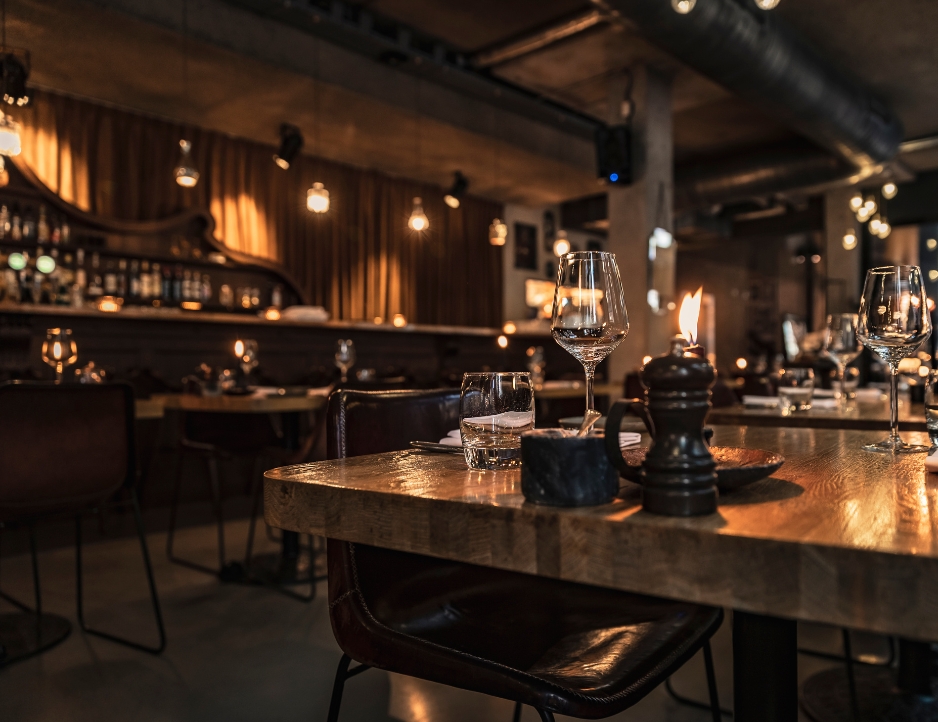
Claremont, 3 kilometres south, is the commercial hub for this stretch of the southern suburbs. Cavendish Square mall anchors a district of retail, dining, and cinema, and the Claremont high street has a stronger restaurant and café concentration than Rondebosch itself. It is a short train stop or drive away and fills in any gaps in local services or evening options.
Pinelands, 5 kilometres north-east, is a planned suburb dating to the 1920s with a garden-city layout that still distinguishes it visually from surrounding areas. It is primarily relevant to those relocating for work or study who want a residential base with solid road access to both the southern suburbs and the N1 toward Stellenbosch and Paarl.
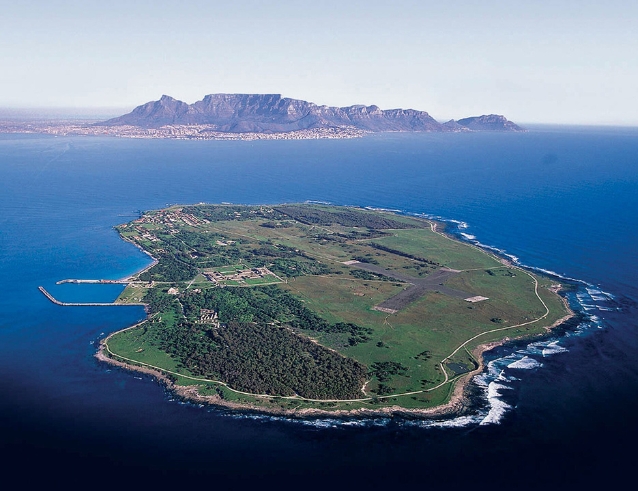
Cape Town's central district, 6 kilometres north, contains the V&A Waterfront, the Company's Garden, Robben Island ferry departures, and the main concentration of museums and galleries. Most visitors using Rondebosch as a base will make at least one full day trip to the city centre.
Constantia, 7 kilometres to the south, is Cape Town's oldest wine-producing area, with estates dating to the late 17th century. Groot Constantia, Klein Constantia, and Buitenverwachting are among the properties offering walk-in tasting rooms and on-site restaurants. The valley holds a weekend farmers' market and tends to buffer the afternoon wind better than the city-facing slopes.
Kaapstad is the Afrikaans name for Cape Town and appears as a separate entry in some accommodation databases and mapping tools at approximately 8 kilometres. It refers to the same city as above, with the minor distance difference reflecting a different reference point within the broader metro. Visitors may encounter the name on bilingual signage or listings without it indicating a distinct destination.
Planning Your Stay
Booking ahead pays off in Rondebosch more than in some Cape Town suburbs. Demand increases during the February university term start, December graduation, and school holiday windows in April, July, and September. For visits during these periods, reserving accommodation six to eight weeks out is a reasonable minimum for mid-range properties, with longer lead times needed for larger or higher-tier options.
Before confirming, check whether utilities, Wi-Fi, and parking are included in the quoted rate. Owner-operated properties vary significantly in how they present these costs, and the difference can affect a week's budget meaningfully. For stays of five nights or longer, contacting the property directly to ask about extended-stay rates is worth the effort, as many smaller operators offer discounts that do not appear on booking platforms.
Location within the suburb matters more than the broad suburb name suggests. Properties near the Main Road and the Metrorail station are convenient for car-free travel but noisier than those in the residential blocks to the south and east. If proximity to quiet matters, note this when enquiring.
Cancellation terms on smaller properties can differ from the platform defaults shown at booking. Travel insurance that covers accommodation changes is a reasonable precaution for bookings made well in advance.
For visitors arriving from overseas, local SIM cards with data plans are available at the airport and at Cavendish Square in Claremont. These reduce costs considerably compared to roaming and are practical for navigation and local food or transport apps throughout a Cape Town stay.