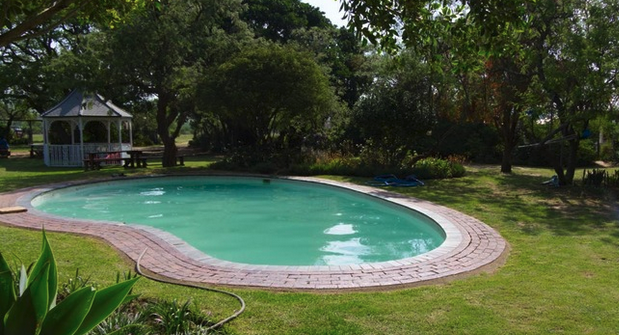
Accommodation in Rorke's Drift
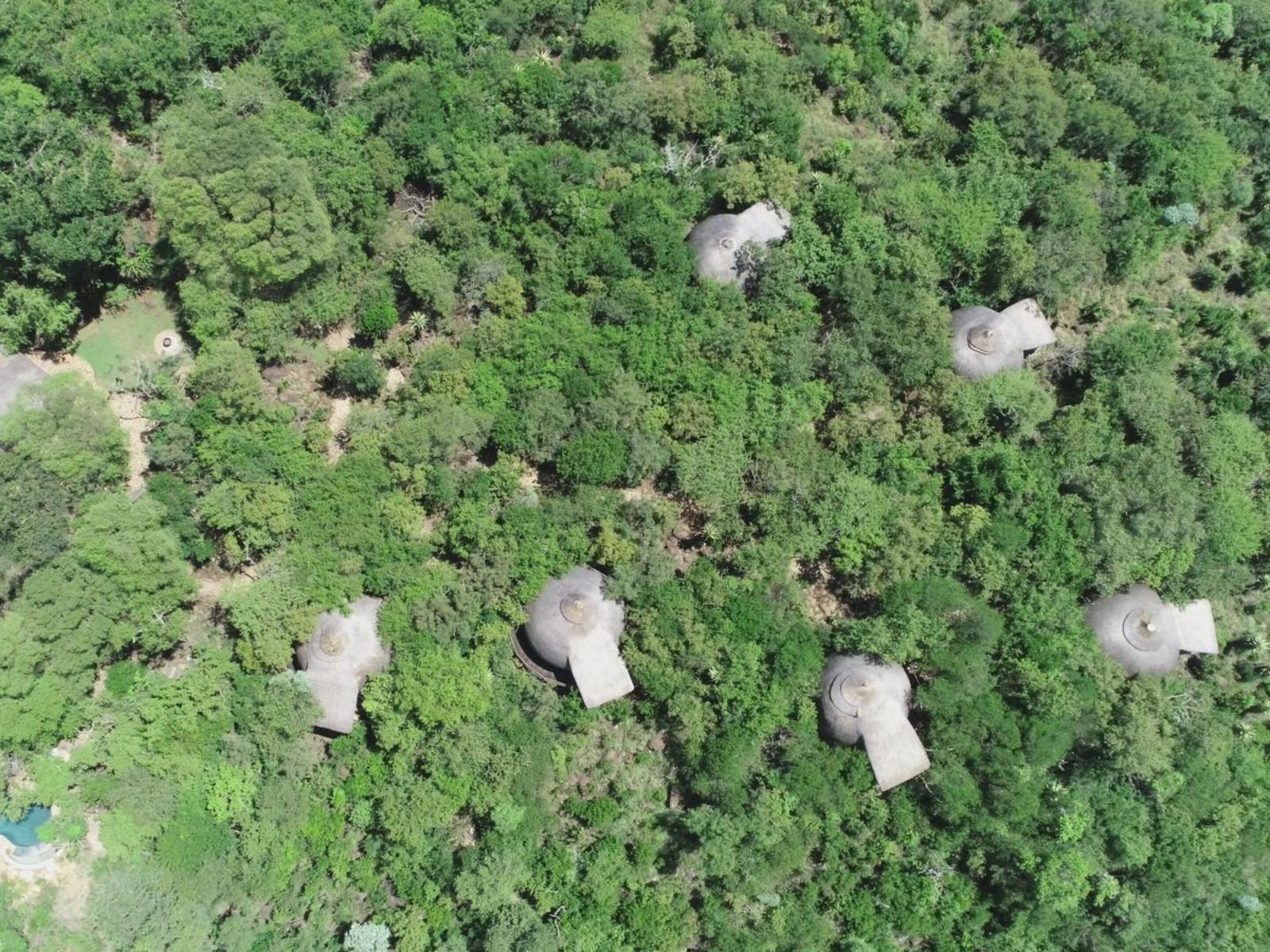
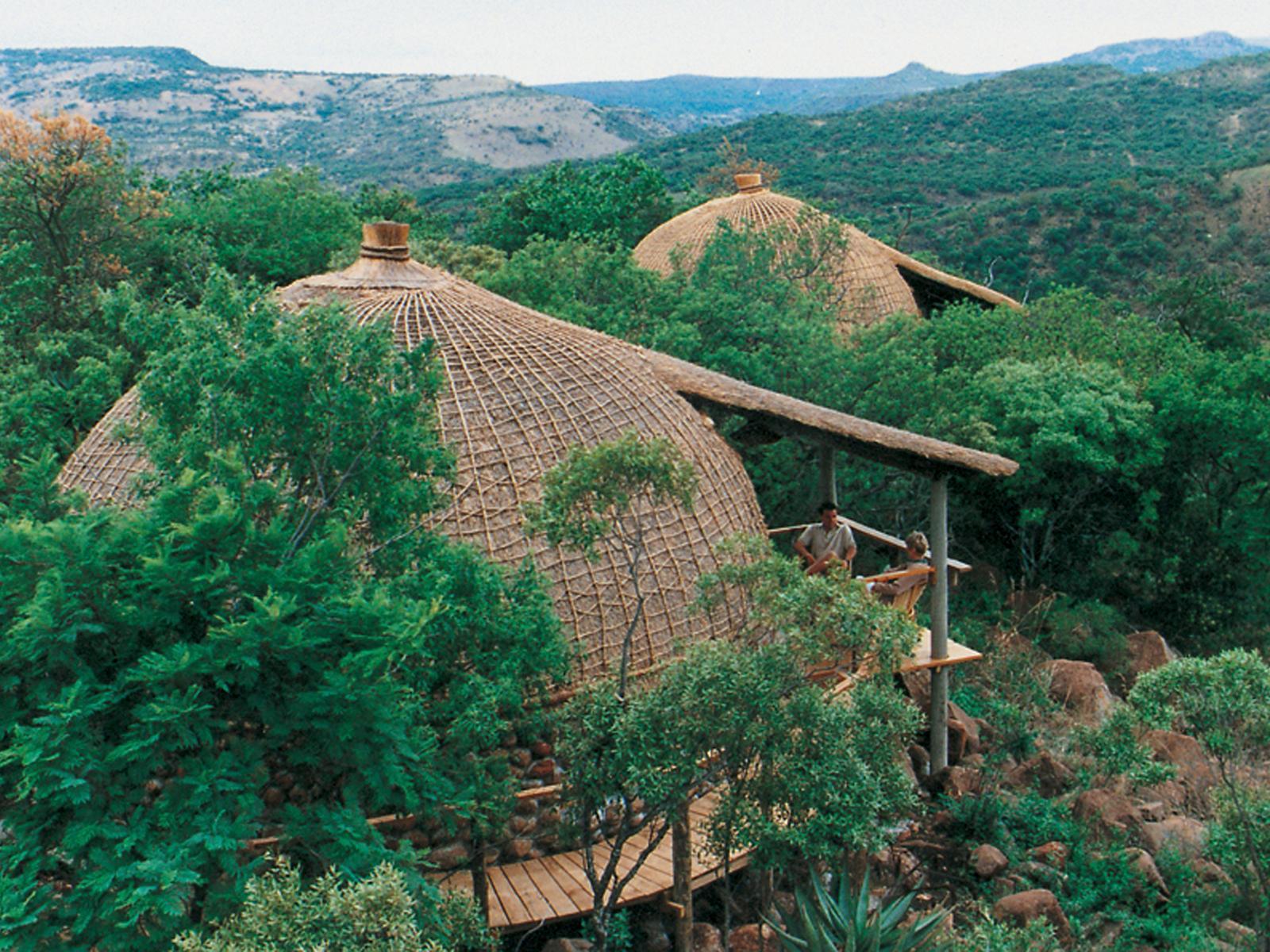
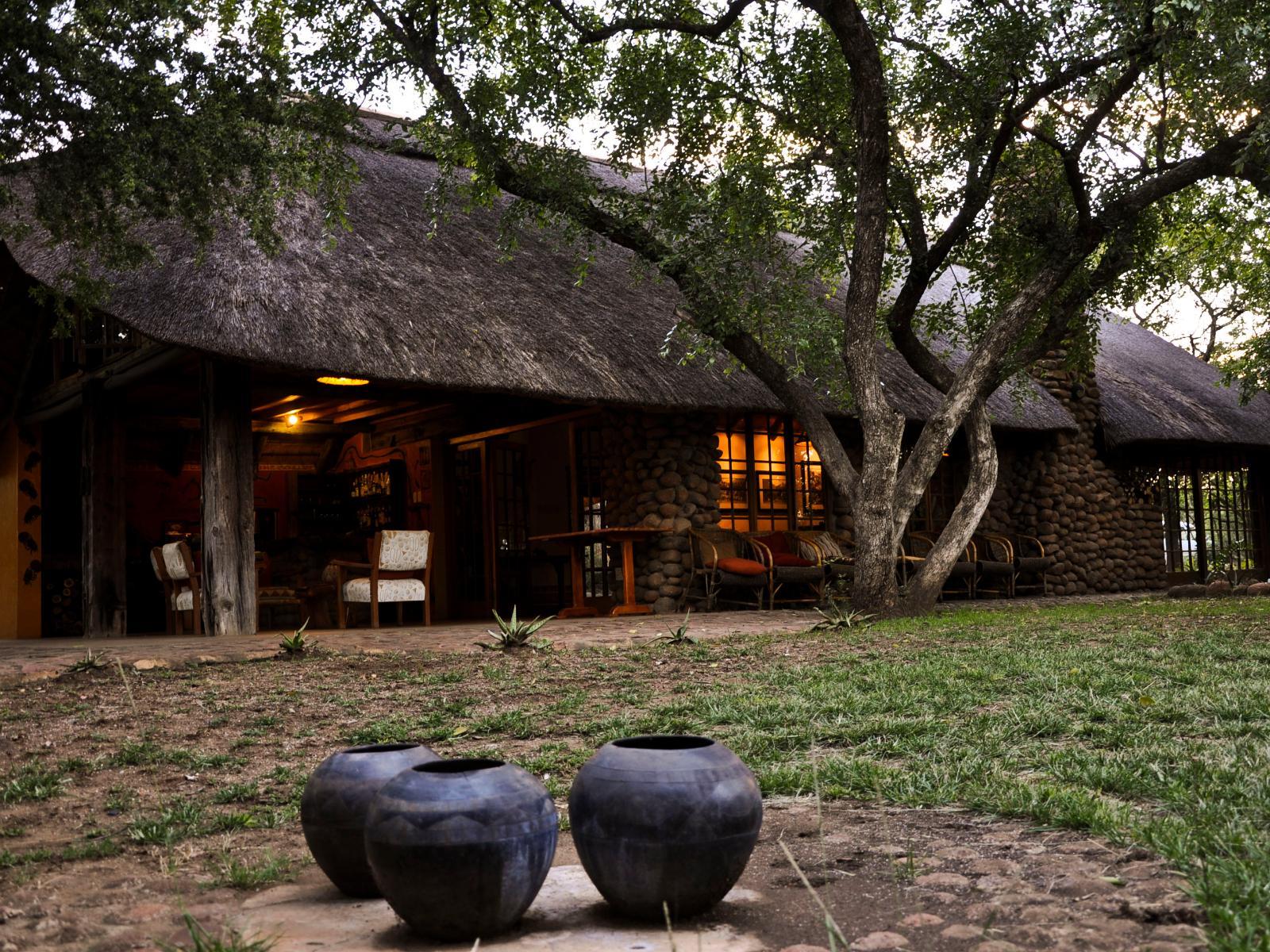
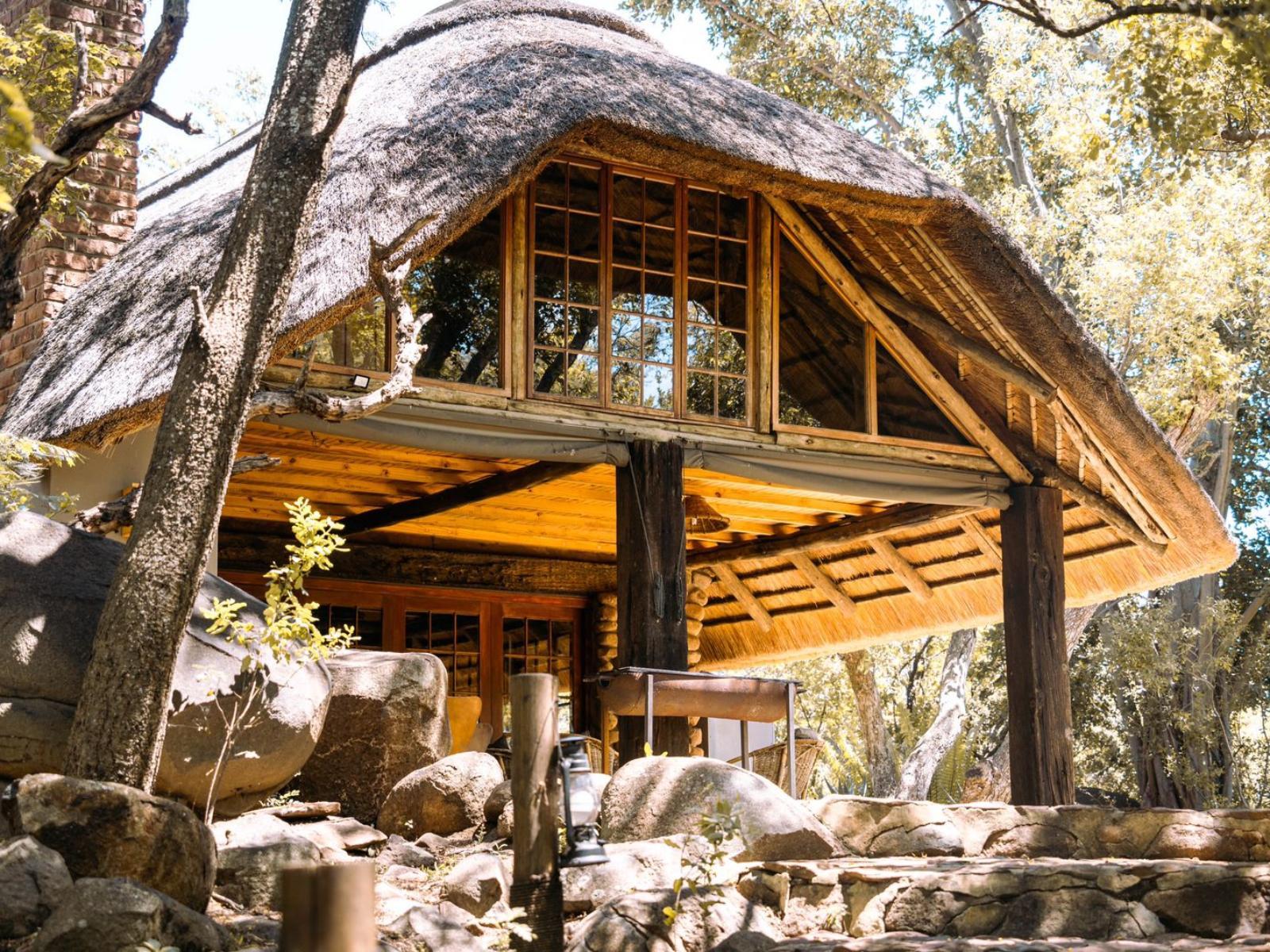
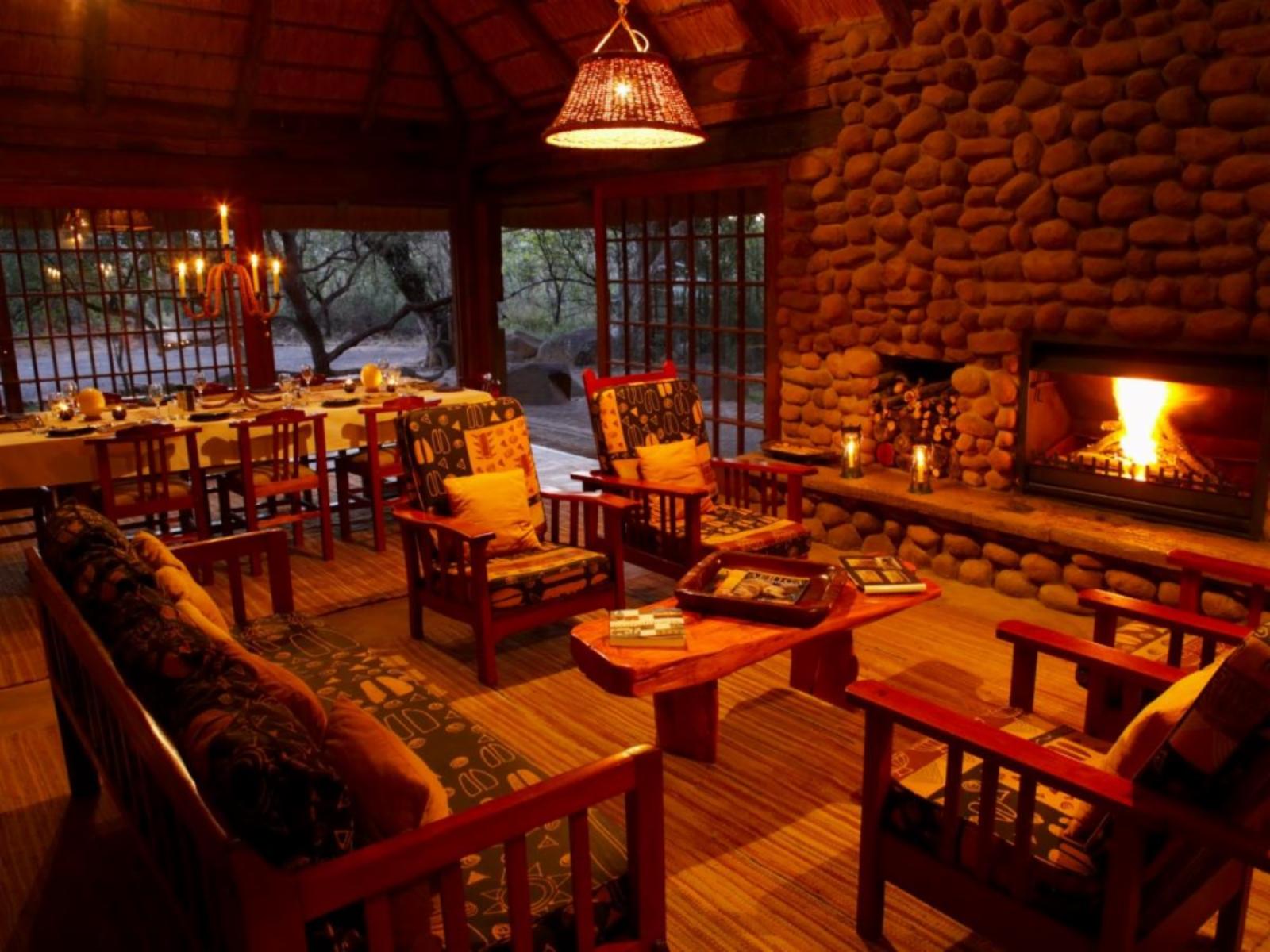
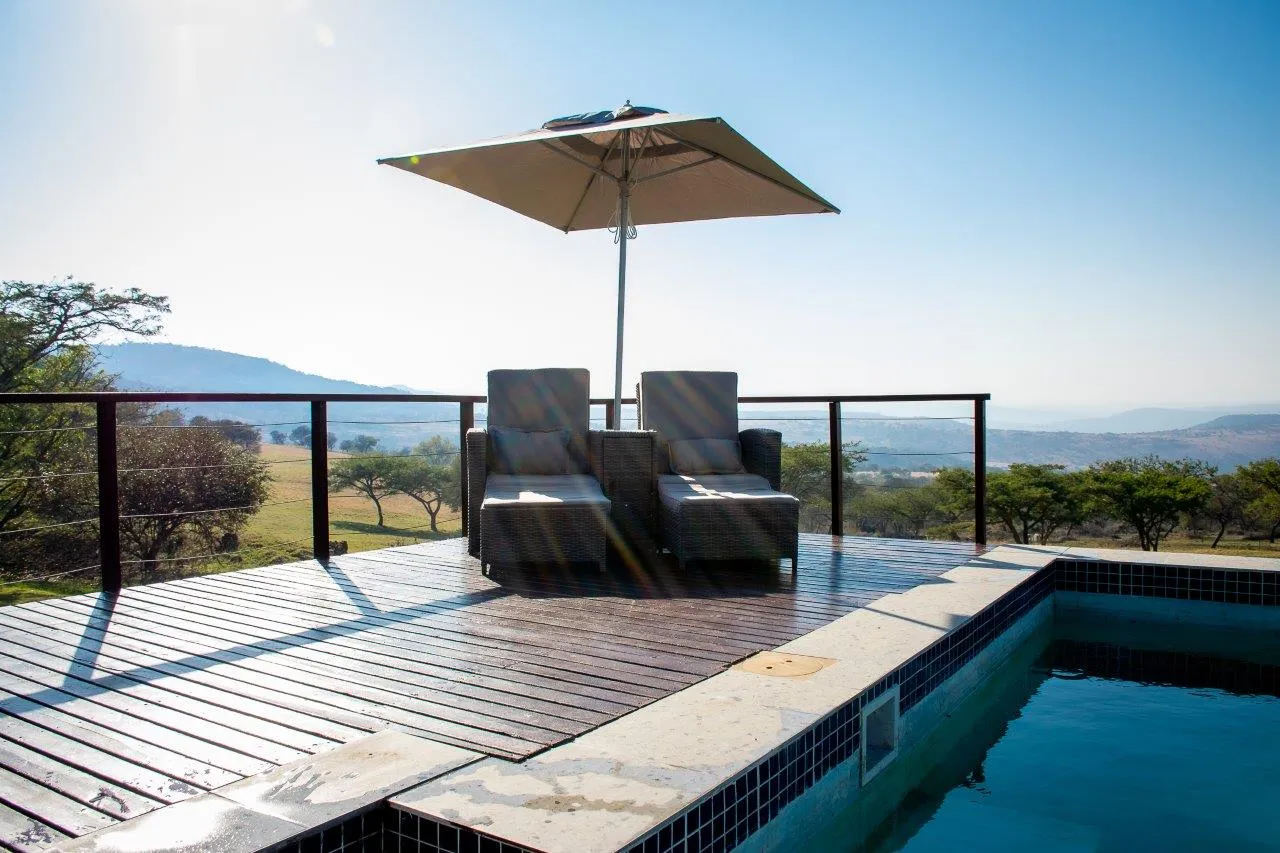
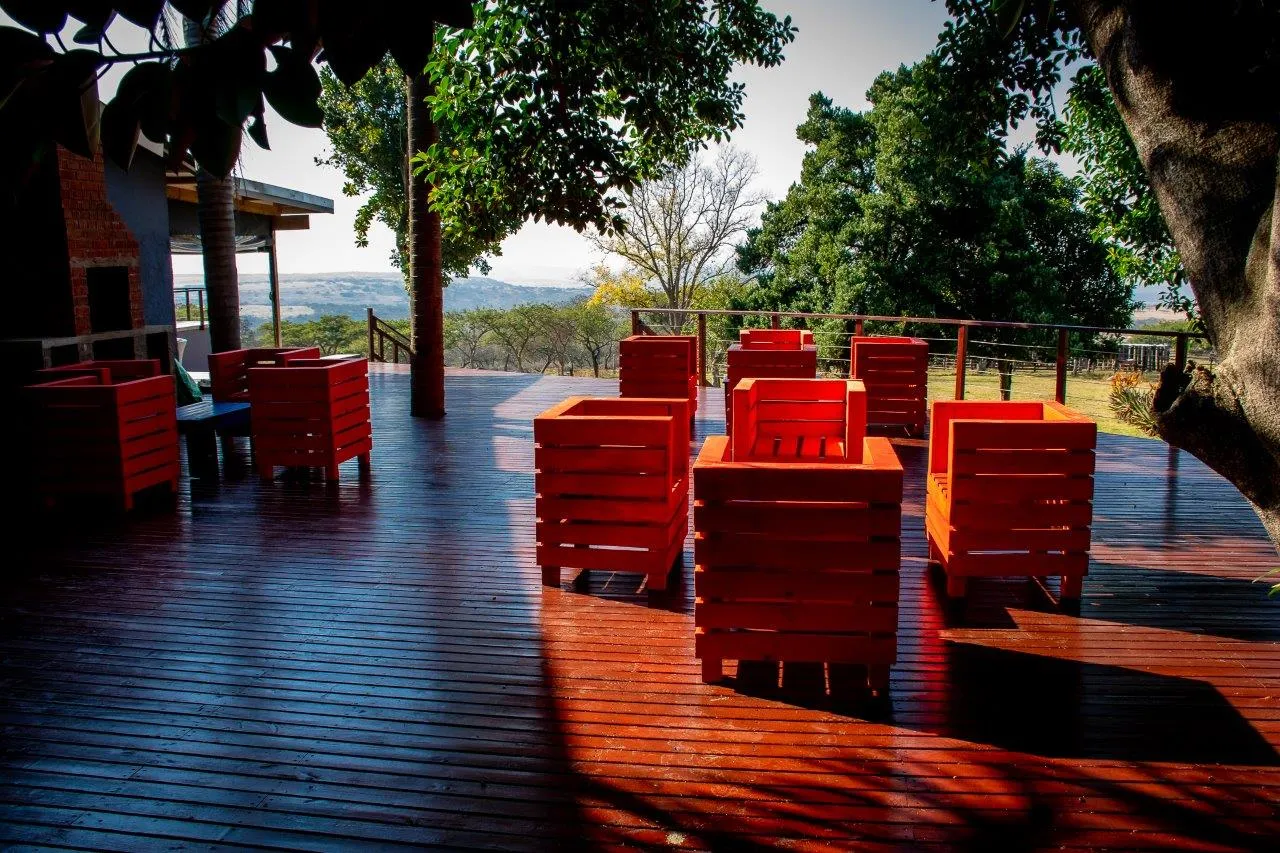
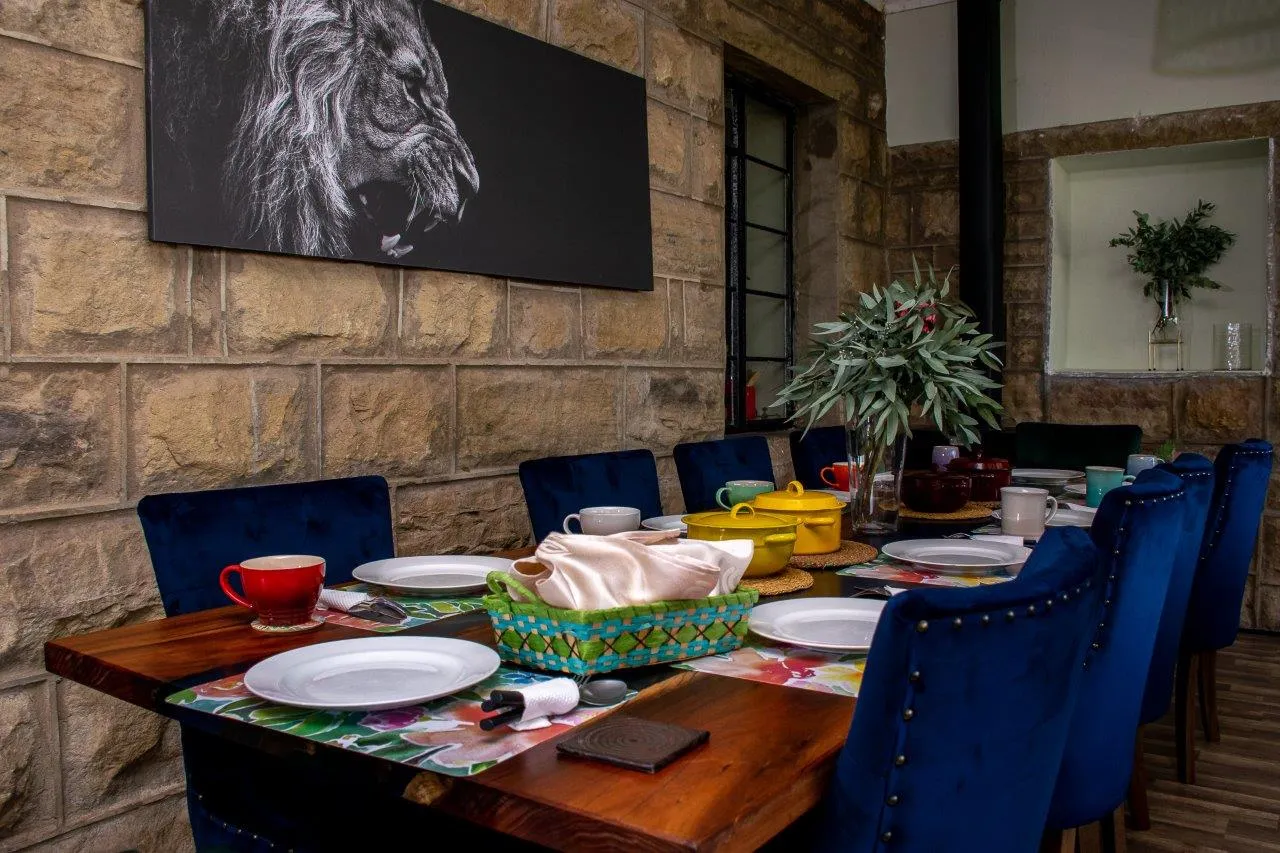
With only two properties listed in the area, the accommodation supply here is genuinely thin. That reflects the site's nature as a heritage stop rather than a developed tourist destination. Both options sit in the lodge category at R3,504 per night, positioned for travellers who want proximity to the battlefield rather than resort facilities or a busy hotel.
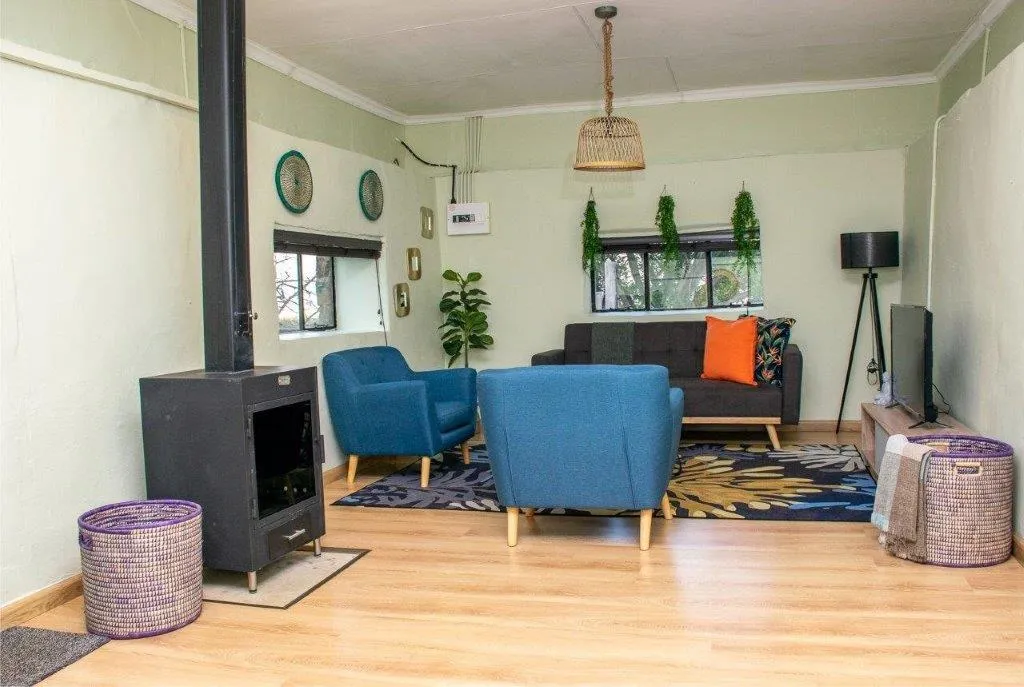
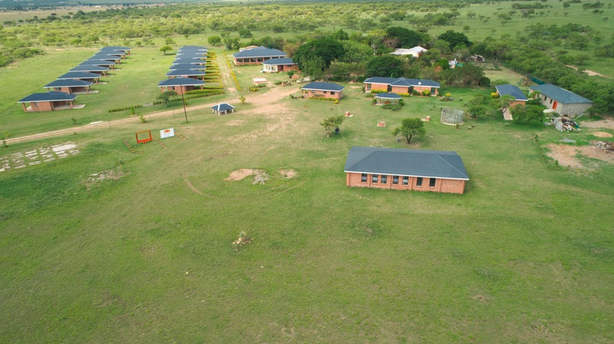
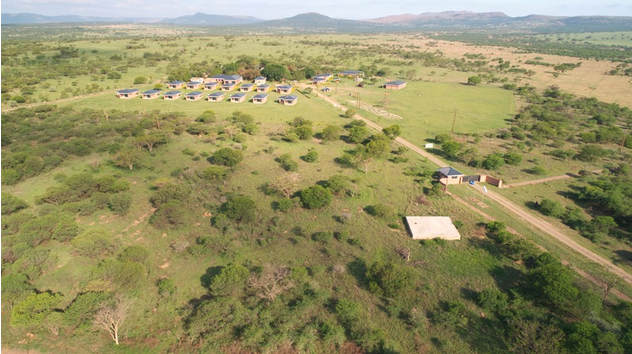
Lodge stays in Rorke's Drift tend to occupy farm-set or heritage-estate buildings with self-catering kitchens, outdoor braai areas, and practical setups suited to multi-day visits. The atmosphere leans quiet and purposeful. Expect ceiling fans rather than air conditioning, views across surrounding farmland and hills, and limited ambient noise. Hot water is typically supplied by a geyser or solar system, which performs reliably in dry conditions. Self-catering equipment at most lodges covers pots, crockery, a stove, and a fridge, sufficient for guests cooking their own meals. A small outdoor seating area is sometimes included, a simple feature that earns its keep after a full day on the site.
There is no supermarket or filling station at the drift. Supplies need to be brought in from the nearest service centre before arriving, ideally purchased the day before departure. A cooler box is practical for stays longer than one night. The lodge format works particularly well for small groups or families, since the self-catering setup eliminates the need to drive out for each meal, an important consideration when the nearest restaurant is a long round trip away.
Availability tightens during key commemorative periods and South African school holidays. Given the two-property supply, leaving bookings to the last minute during these windows carries real risk. The lodges suit a specific type of visitor: a military history enthusiast, a walker, or someone on a deliberate battlefield route through northern KwaZulu-Natal.
Best Time to Visit Rorke's Drift
KwaZulu-Natal's northern midlands experience warm, wet summers and dry, mild winters. From November through March, afternoon thunderstorms are frequent, and unpaved tracks leading to outlying sections of the battlefield can become temporarily impassable after heavy falls. The Buffalo River, which runs through the site's central crossing point, rises substantially during this period and looks nothing like the fordable stream described in historical accounts.
The dry season from May through September is the most practical time to visit. Daytime temperatures sit between roughly 15°C and 25°C, morning frost is possible in July at higher elevations, and the shorter winter grass makes reading the battlefield layout considerably easier. Troop positions and the original mission station perimeter become legible in ways that summer growth obscures. Clear winter mornings offer good light for photography across the surrounding hills.
January 22nd marks the anniversary of the Defence of Rorke's Drift and the Battle of Isandlwana, drawing the year's highest concentration of visitors to the site. For a balance of settled weather and manageable crowds, April through June and August are the most reliable windows. October is transitional: mostly dry and warm, but with an increasing risk of early summer storms by month's end.
Getting to Rorke's Drift
From Durban, follow the N3 north to Pietermaritzburg, pick up the R33 toward Greytown, and continue to the Dundee junction before heading southwest on local roads. The drive covers roughly 330 kilometres and takes around three hours under normal conditions. The R33 is generally well-maintained; the local roads on the final approach vary by season and deserve extra attention after rain.
From Johannesburg, the N3 south to Harrismith and then the R74 toward Bergville and Dundee covers approximately 500 kilometres. Road signage to the battlefield from the Dundee junction is reasonably consistent. From Cape Town, the distance makes flying into Durban and hiring a car the practical choice.
No scheduled public transport serves Rorke's Drift. Hiring a car at King Shaka International Airport in Durban is the most reliable option for visitors arriving by air. Richards Bay Airport offers an alternative with connections from Johannesburg, at roughly two and a half hours from the site by road.
Movement on-site is on foot or by private vehicle. A standard sedan manages the access roads in dry weather; a higher-clearance vehicle is a practical advantage on the rougher stretches after rain.
Rorke's Drift and Surrounding Areas
Dundee, 37 kilometres northeast, houses the Talana Museum, one of the more comprehensive battlefield museums in South Africa. The collection focuses on the Anglo-Boer War engagement at Talana Hill in October 1899 and includes original period structures, artefacts, and an archive that draws researchers from across the country. For anyone tracing the late nineteenth-century conflicts in Natal, it warrants a dedicated day.
Glencoe, a few kilometres further along the same road, grew from coal mining and borders the Talana battlefield site. It functions primarily as a service town, useful for fuel and basic groceries, and is typically combined with a Dundee visit rather than treated as a standalone excursion.
Ladysmith, 77 kilometres to the south, is defined by the Anglo-Boer War siege of 1899 to 1900. The Siege Museum in the town centre documents the 118-day blockade through photographs, personal accounts, and military hardware. Several civic structures from the period survive in the town layout. Combining Ladysmith with Rorke's Drift allows a single loop to cover both major chapters of this region's conflict history without excessive backtracking.
Ulundi, 86 kilometres southeast, marks the site of the July 1879 battle that ended the Anglo-Zulu War. A monument stands on the field, and a small cultural museum in the town covers Zulu history and traditions, providing useful context for understanding the wider 1879 conflict. Ulundi also served as the capital of the KwaZulu homeland until the democratic transition, giving it a dual significance in both military and political terms.
Greytown, 79 kilometres south through the Natal Midlands, is a farming market town with limited heritage attractions for the battlefield traveller, but it is practical for fuel and food on a loop route through the region.
Ramsgate, 73 kilometres south on the Indian Ocean coast, is a beach resort town that offers a clear change of scene from the inland landscape. It suits those who want to end a battlefield trip with a few days by the sea before the drive back to Durban.
Planning Your Stay
With only two properties in the area, confirm availability directly before building your itinerary around Rorke's Drift. Online platforms do not always reflect accurate real-time availability for small rural lodges, and a phone call or email to the property typically gives a cleaner answer.
Before confirming, ask about self-catering specifics: whether linen is included, whether there is reliable hot water, and what the cancellation terms say. Non-refundable deposits are common among rural operators in this region, so reading the fine print before paying matters.
Cell reception at the drift is unreliable on most networks. Download offline maps and any battlefield reference material before leaving the last town with good signal. The site's interpretive panels cover the broad outline, but detailed troop position maps reward study before you arrive.
If your dates fall near the January commemorations or South African school holidays, begin looking at least six weeks in advance. Supply is too limited to treat late availability as a reasonable expectation. If the drift's properties are booked, the nearest town to the north has accommodation with an easy morning drive to the site.
For visitors covering multiple battlefield sites across the region, plotting a driving loop rather than returning to the same base each night reduces unnecessary distance. KZN Tourism publishes a Battlefields Route map worth downloading before departure.