Accommodation in Rustenburg
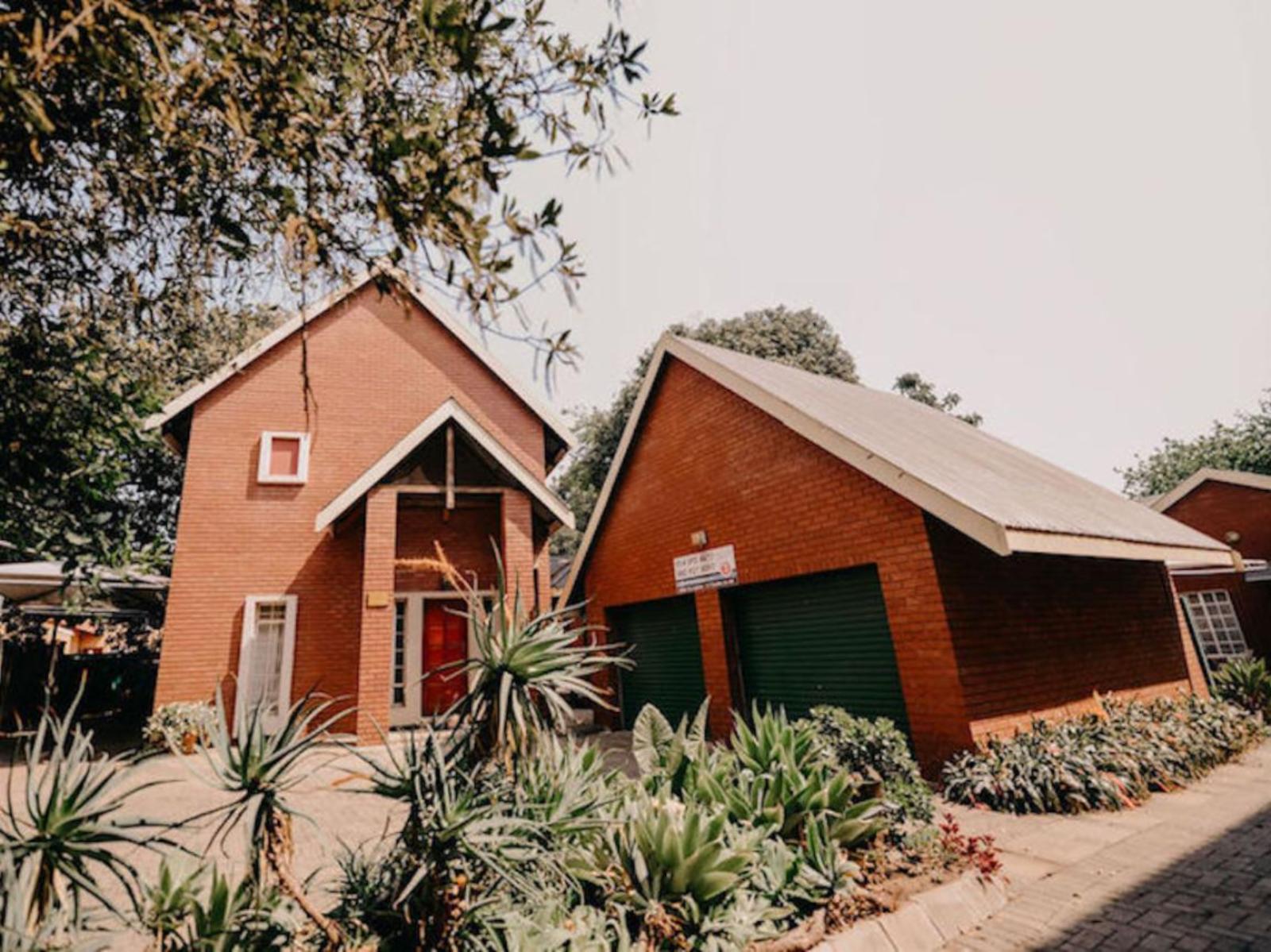
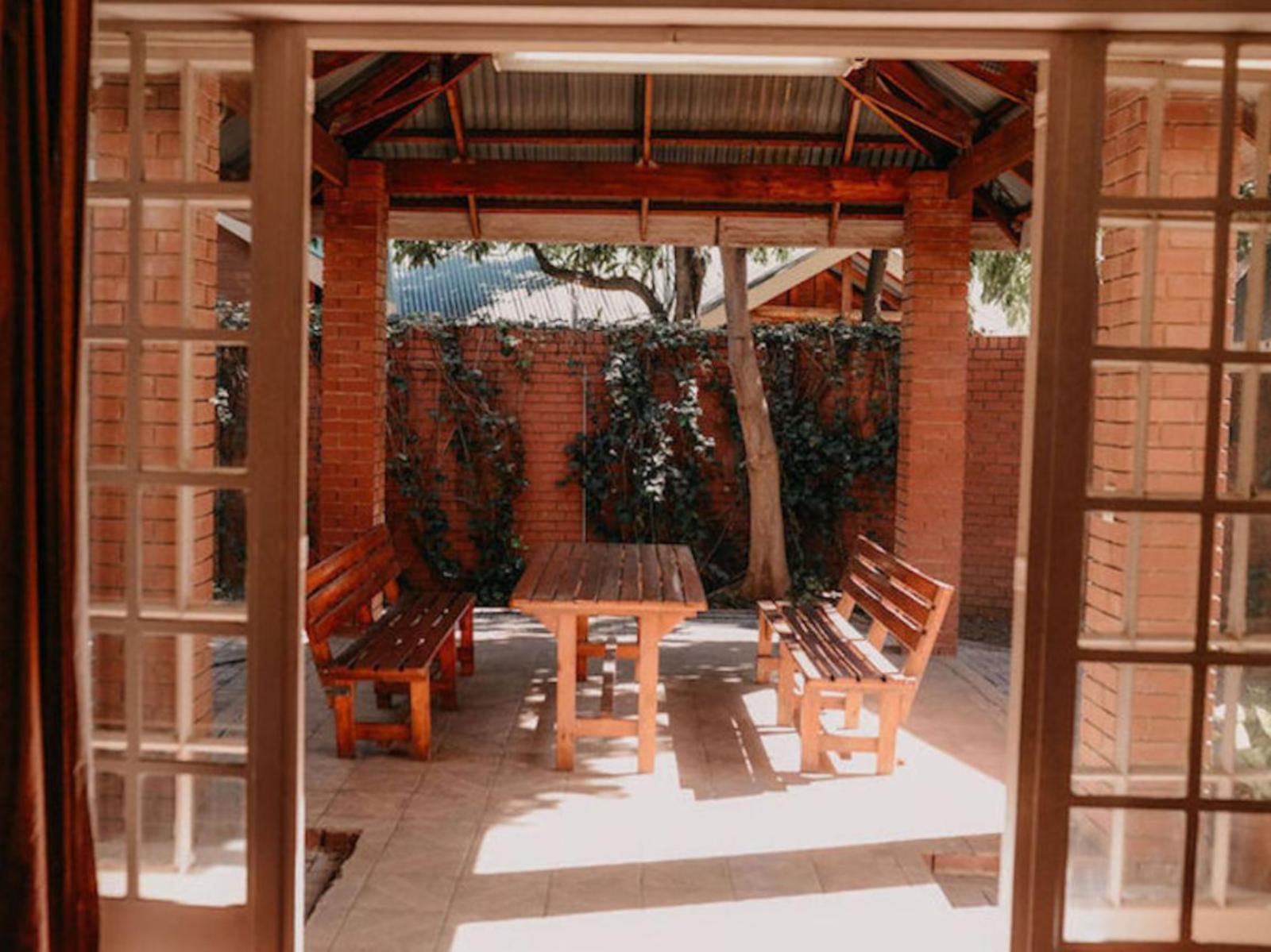
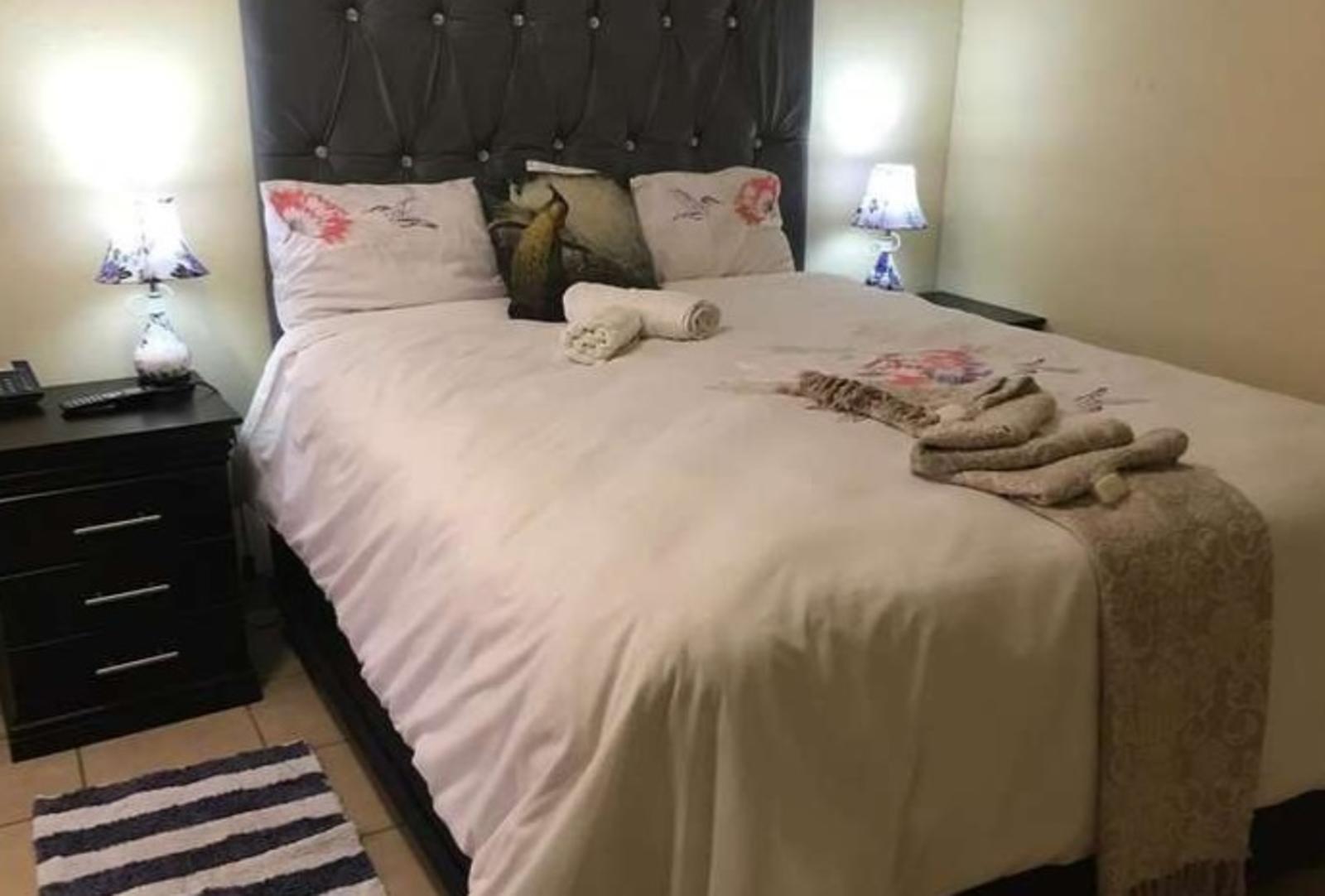
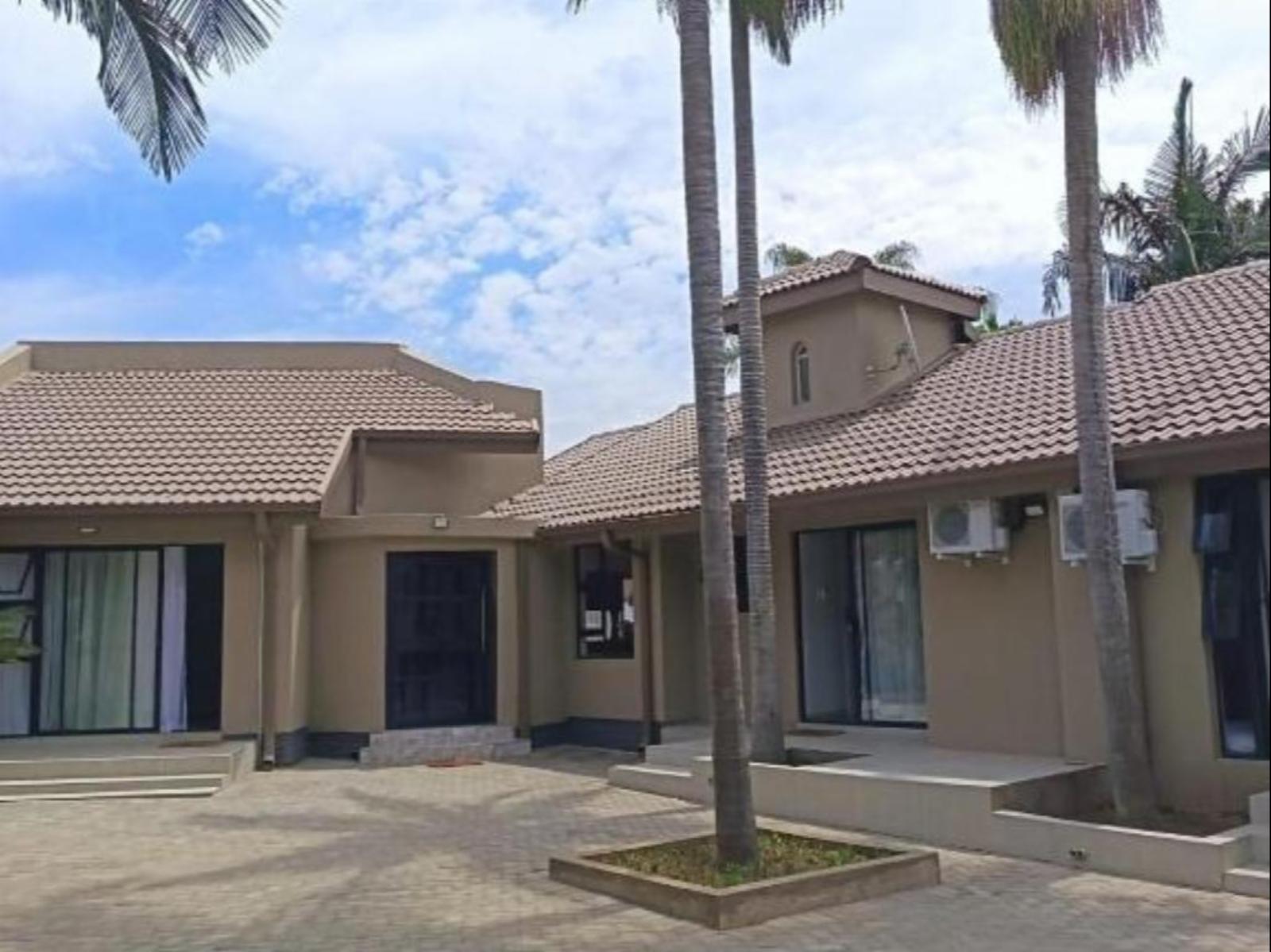
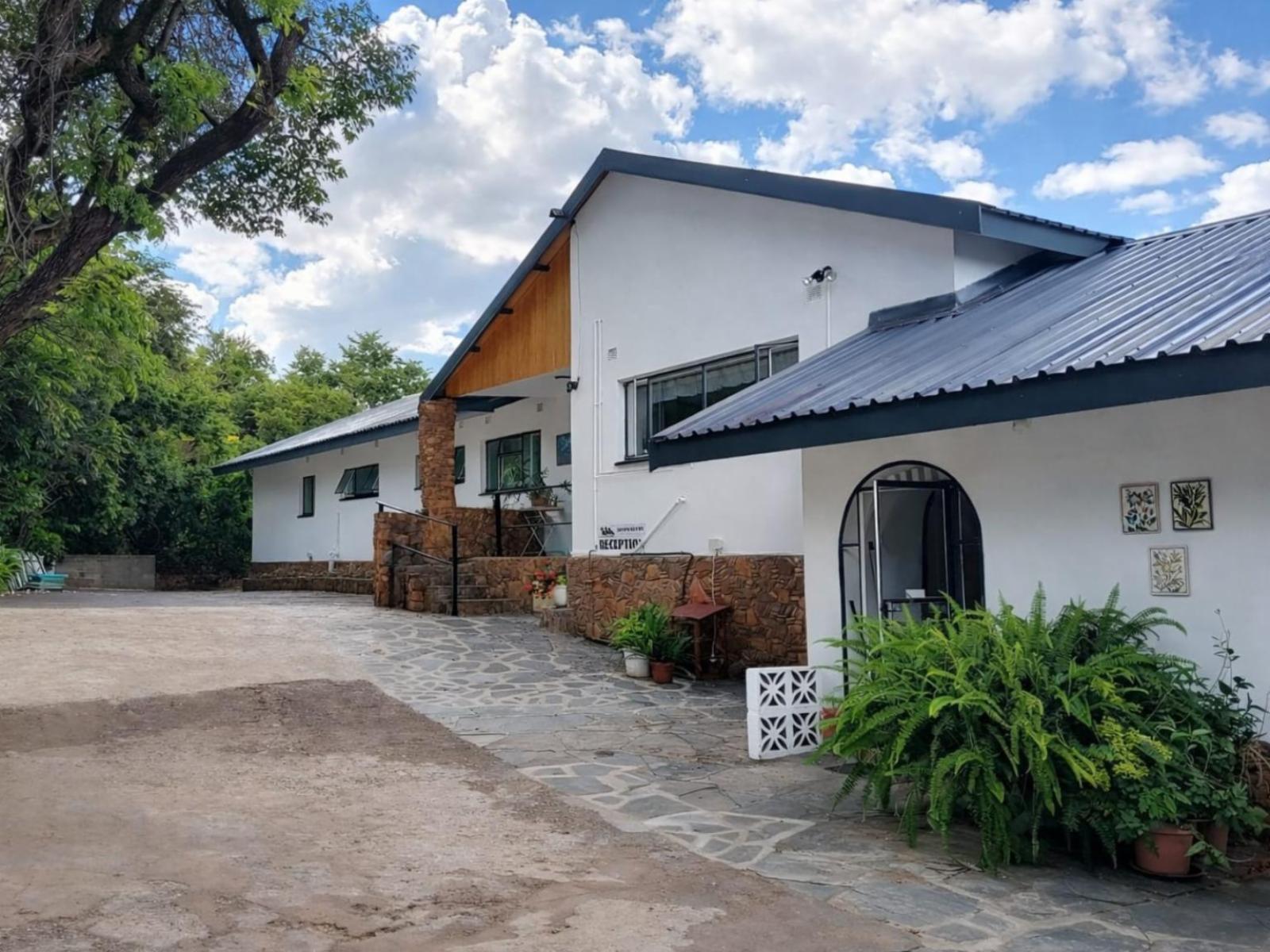
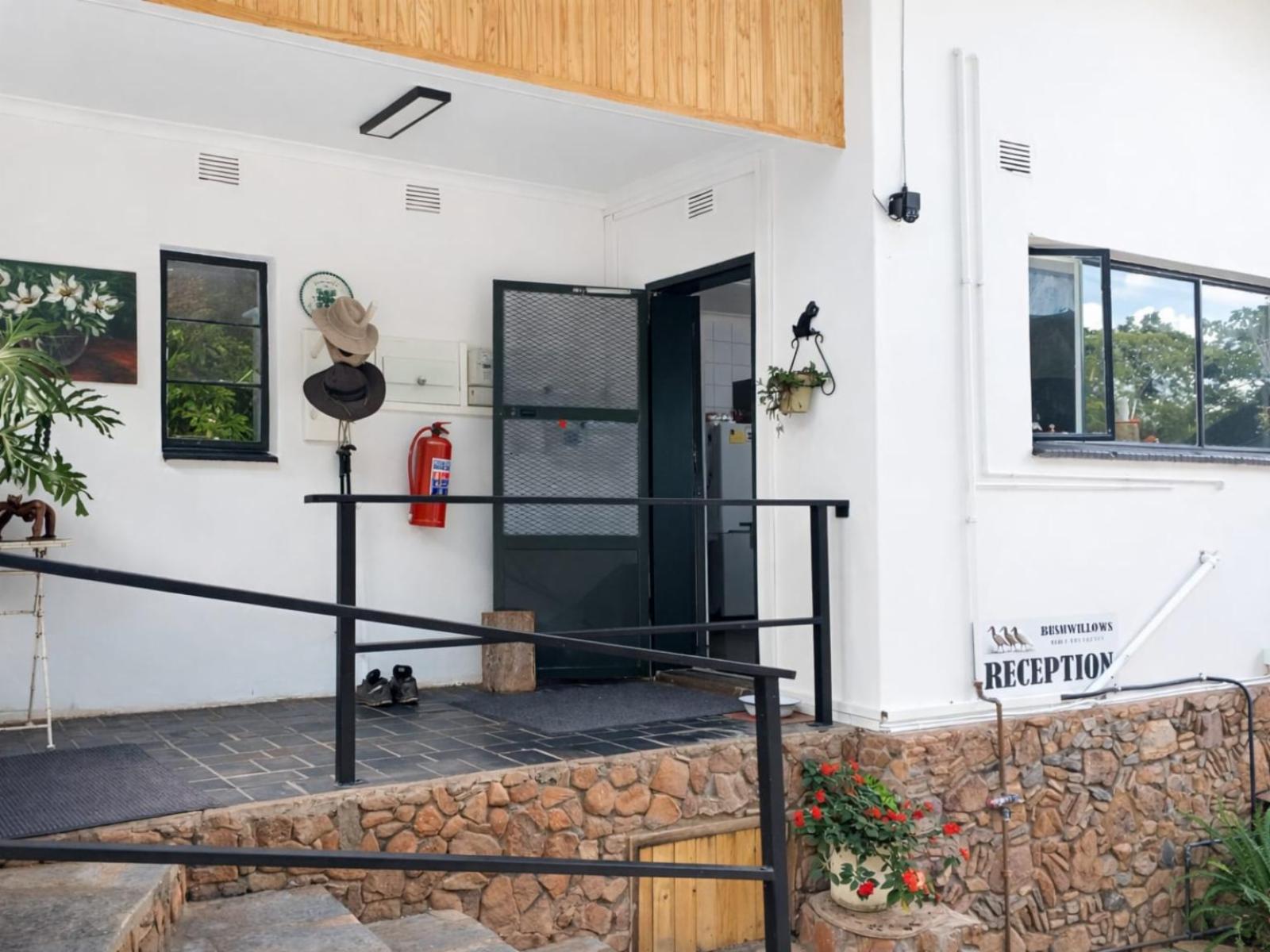
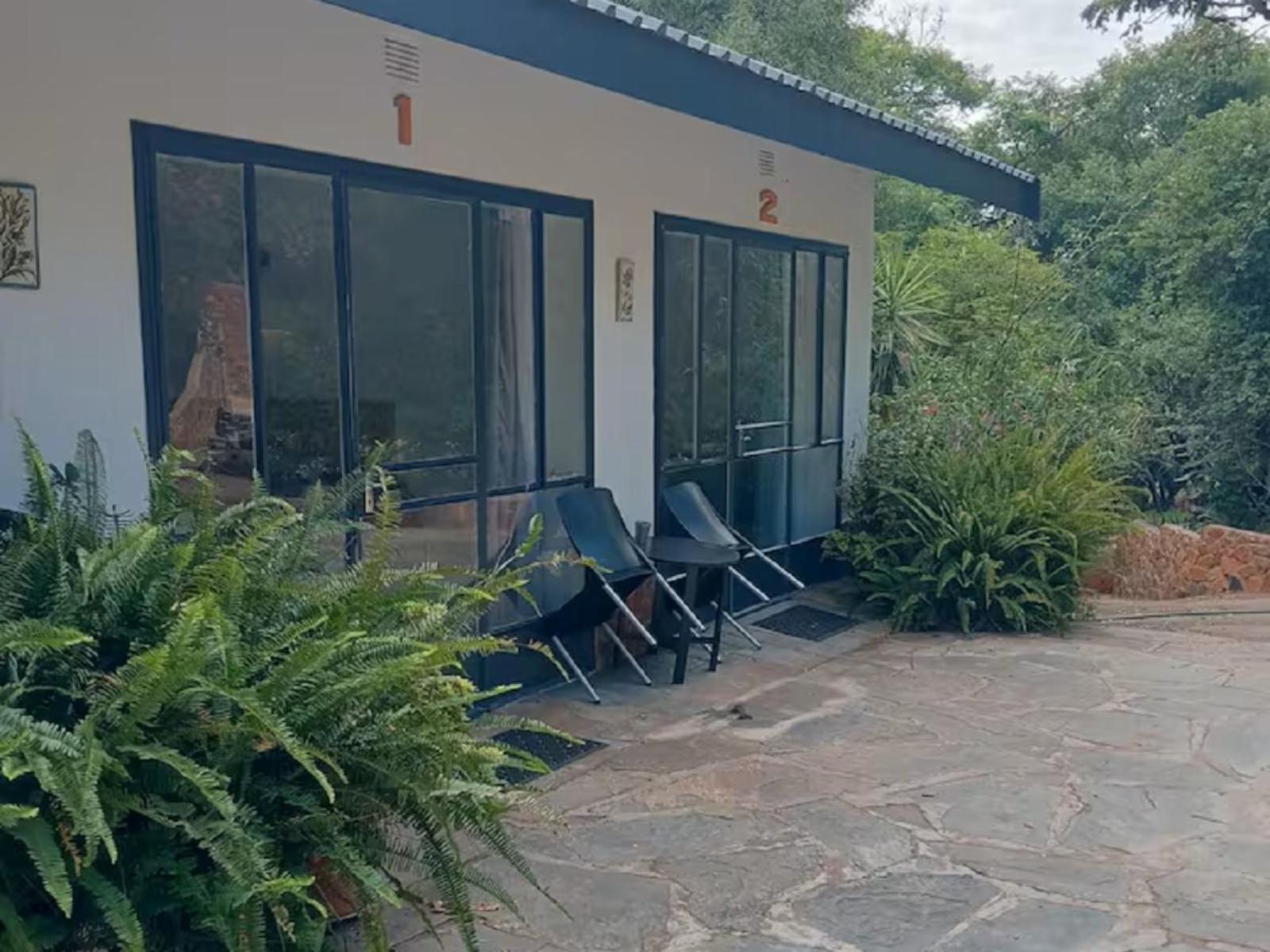
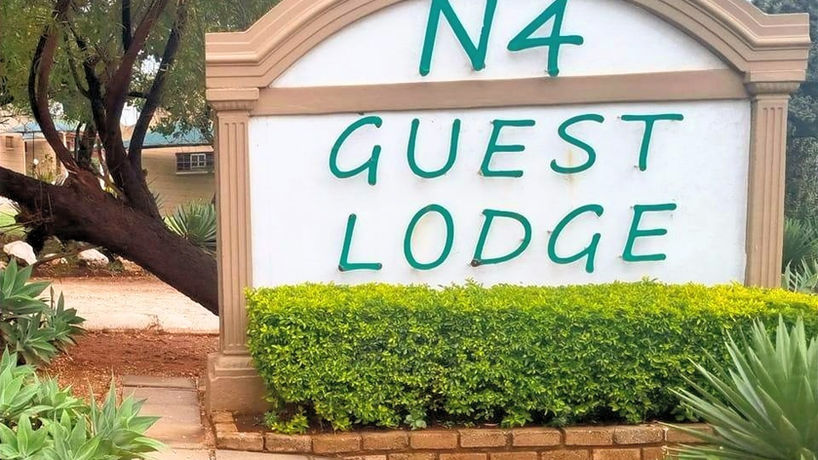
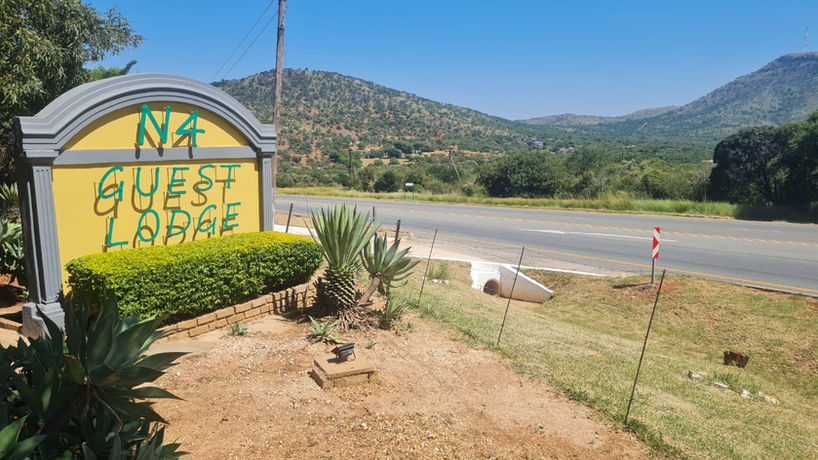
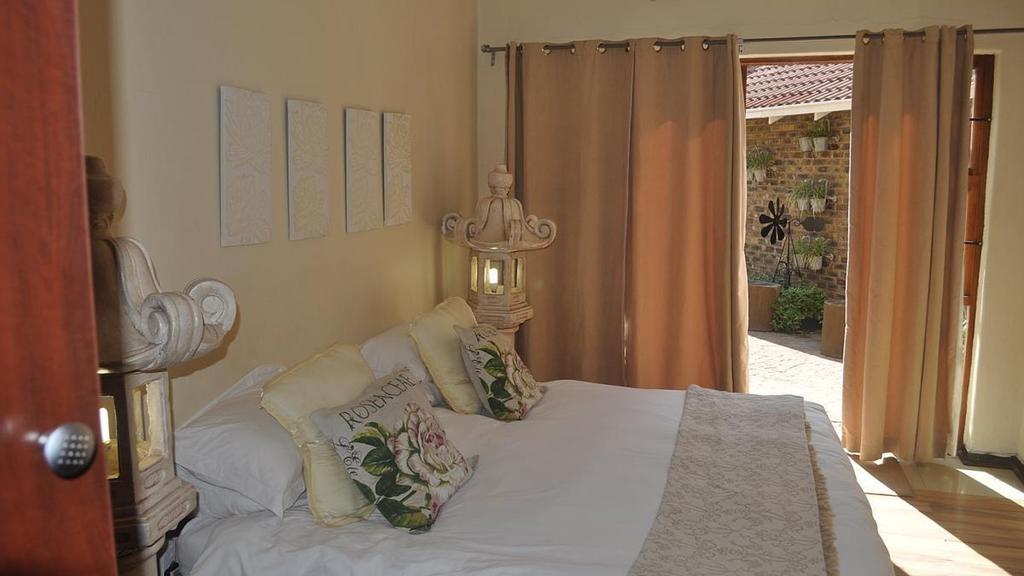
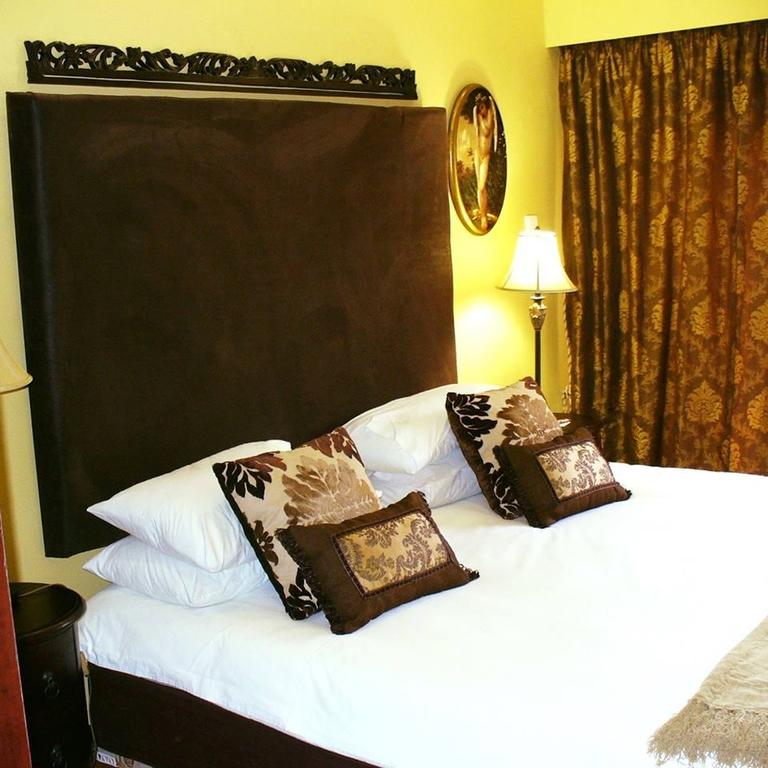
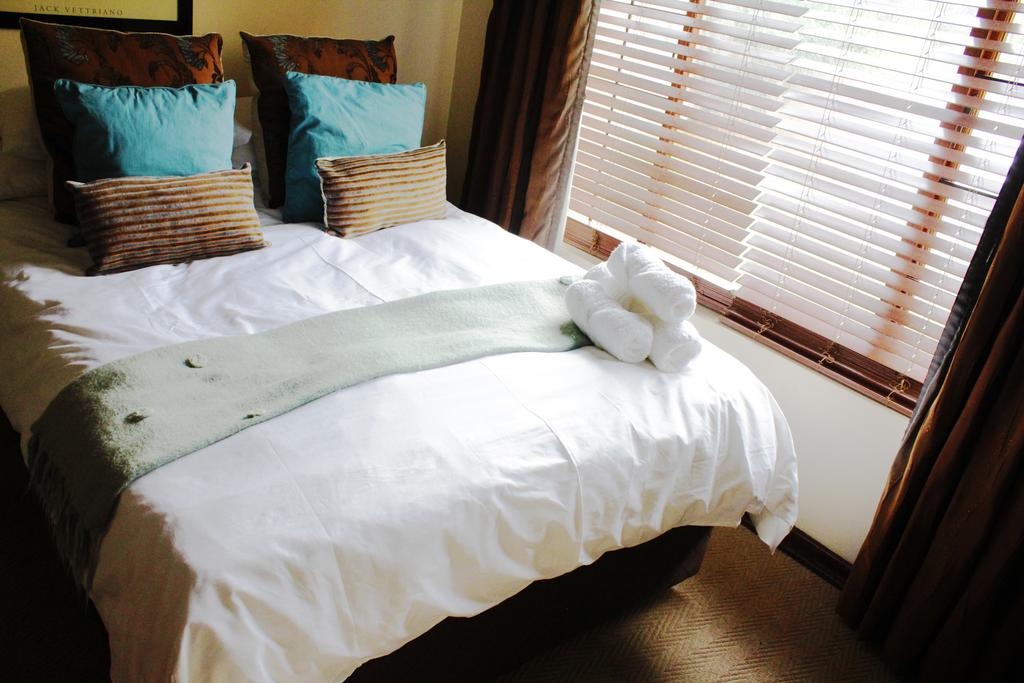
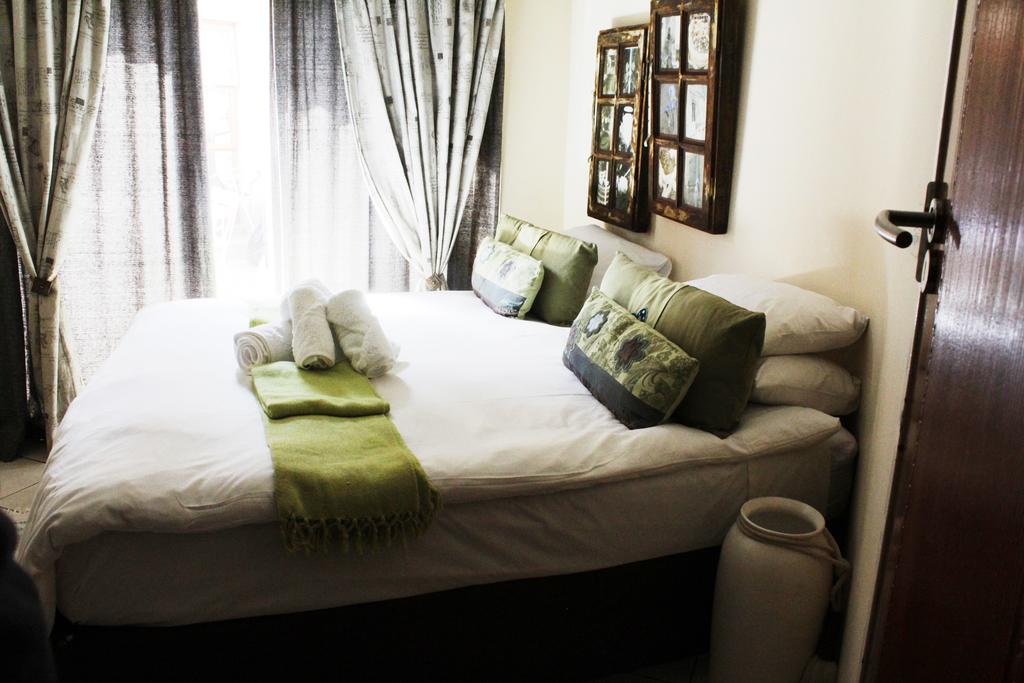
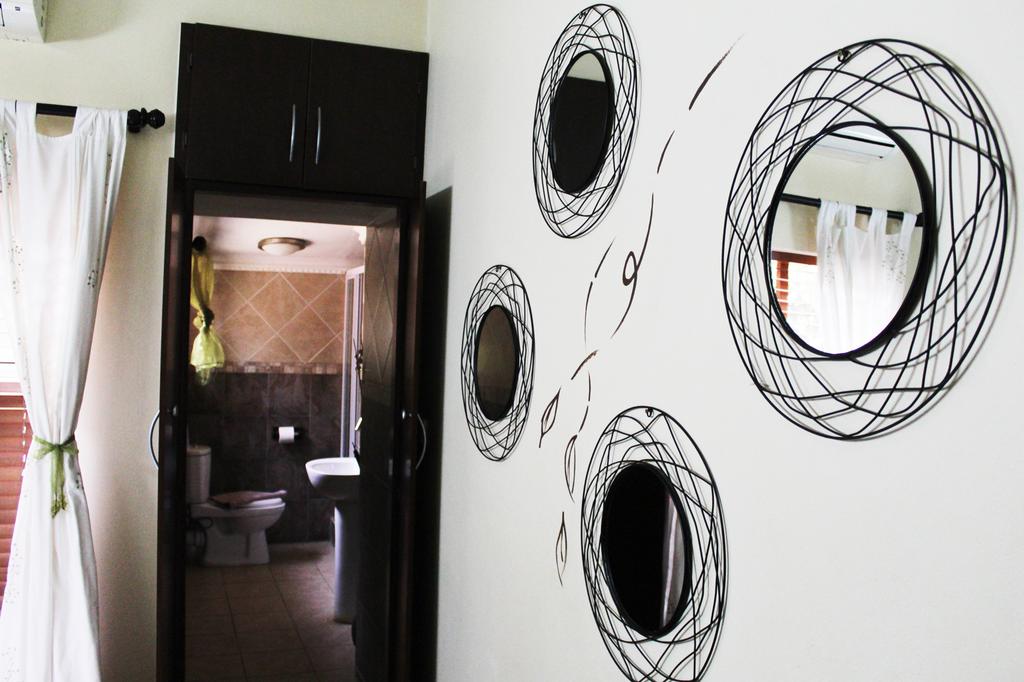
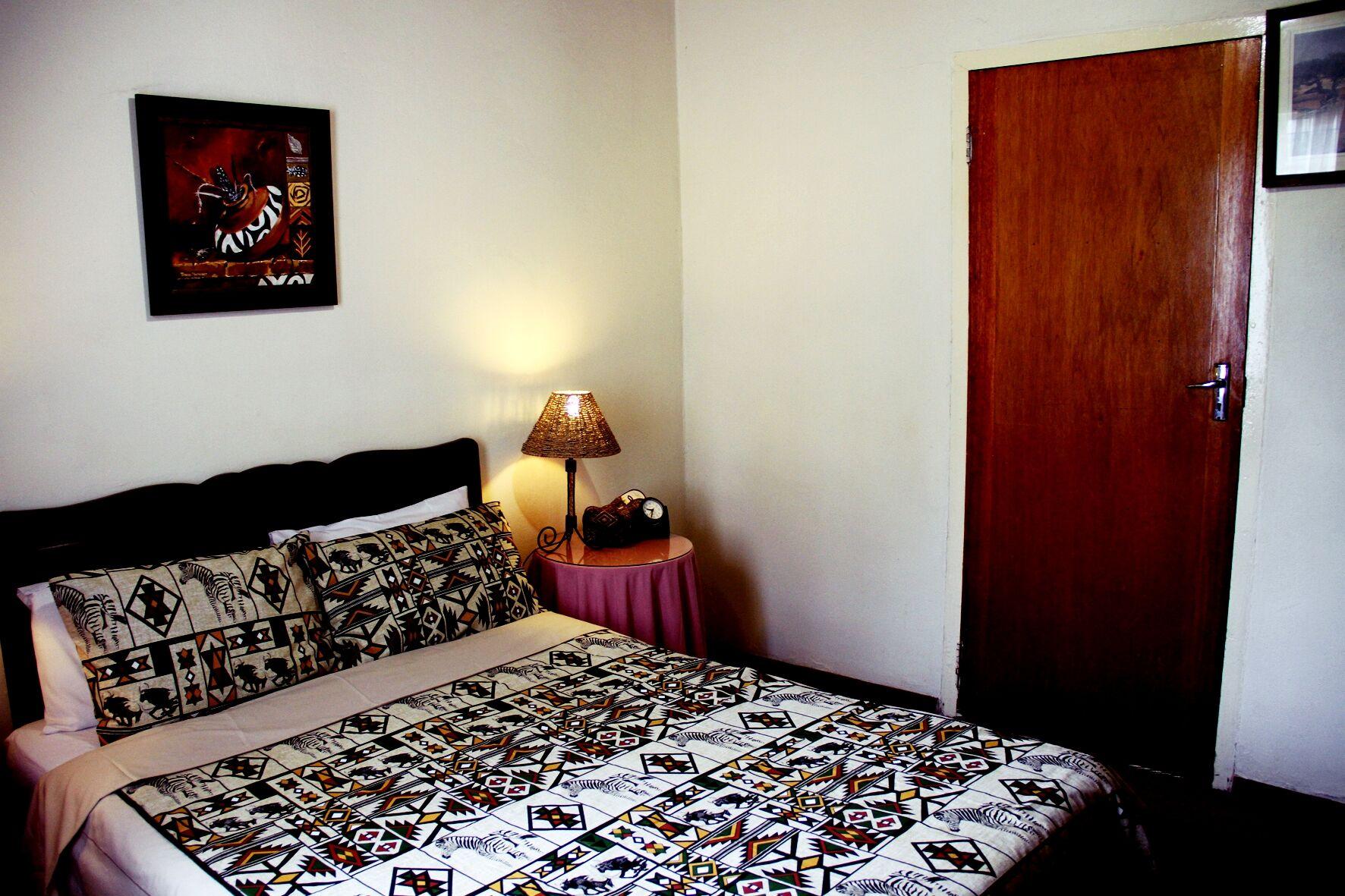
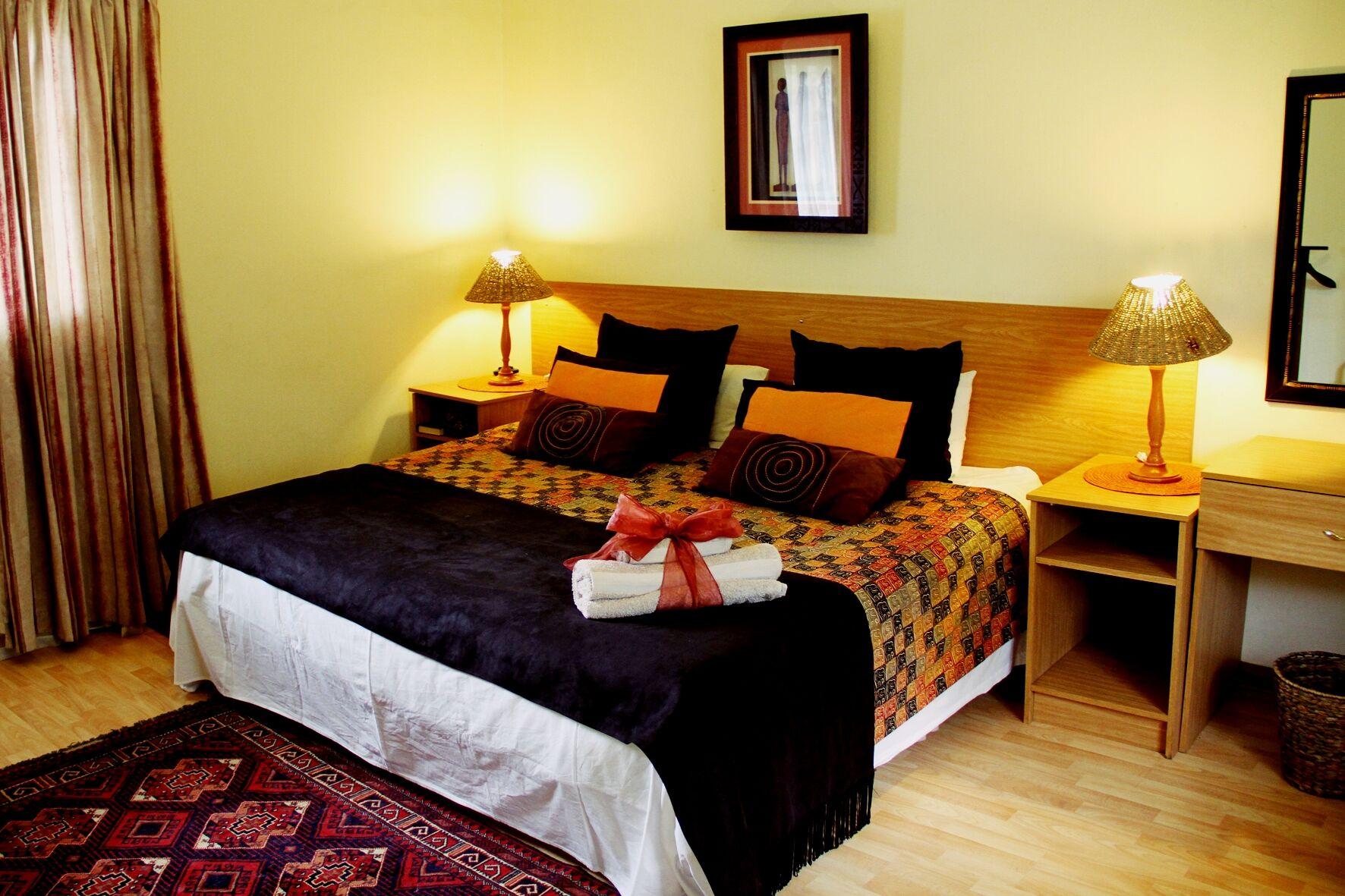
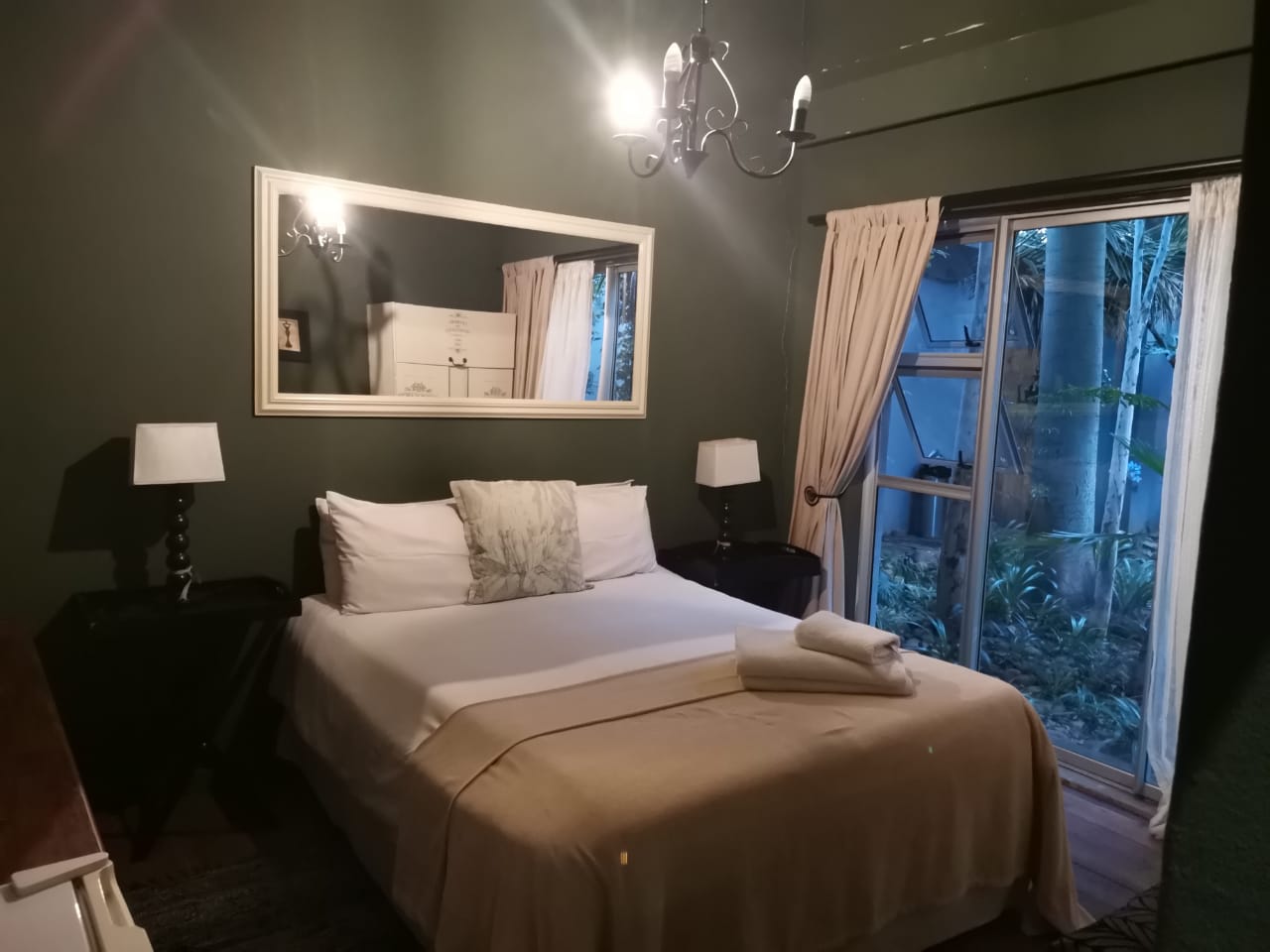
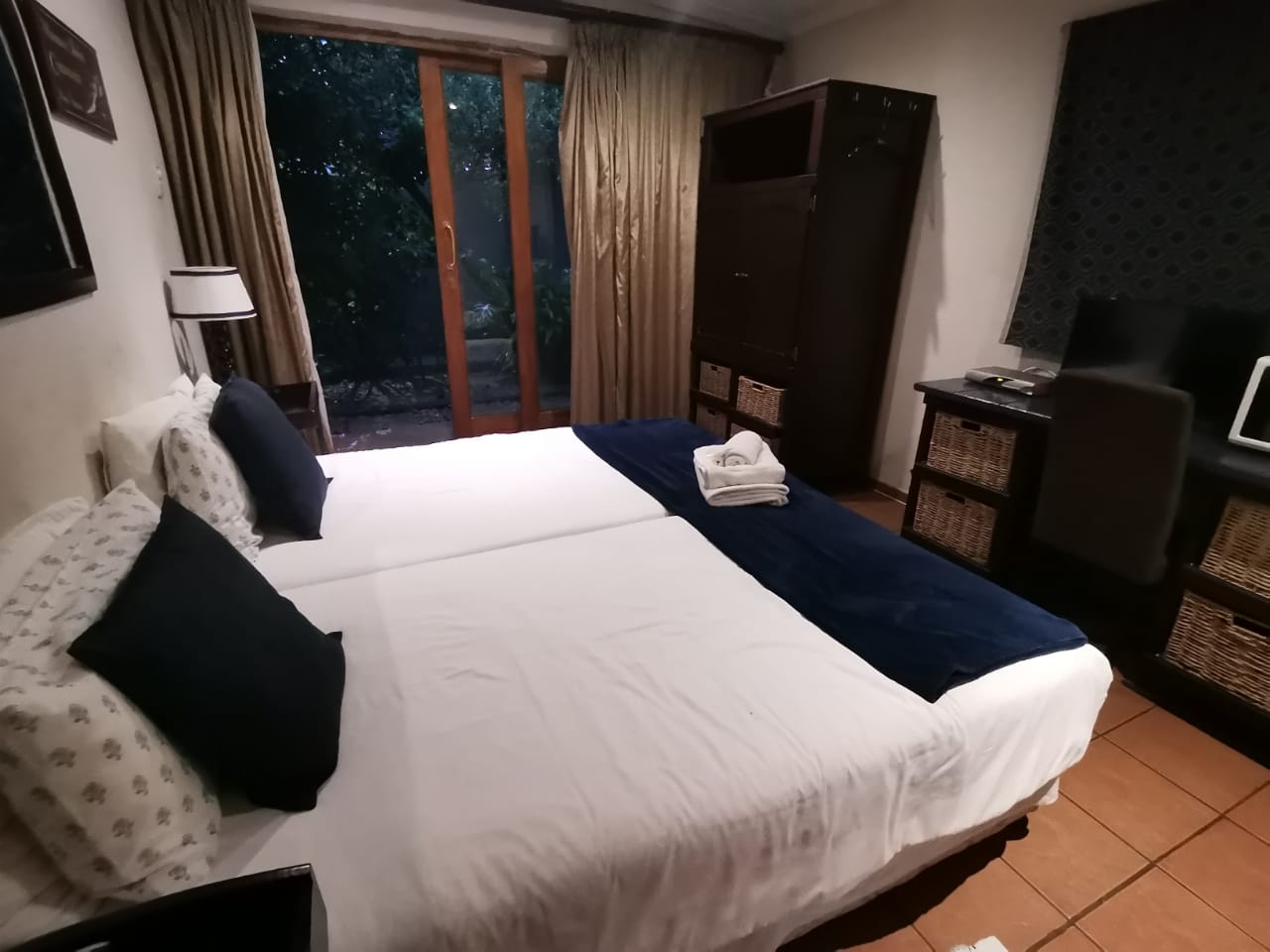
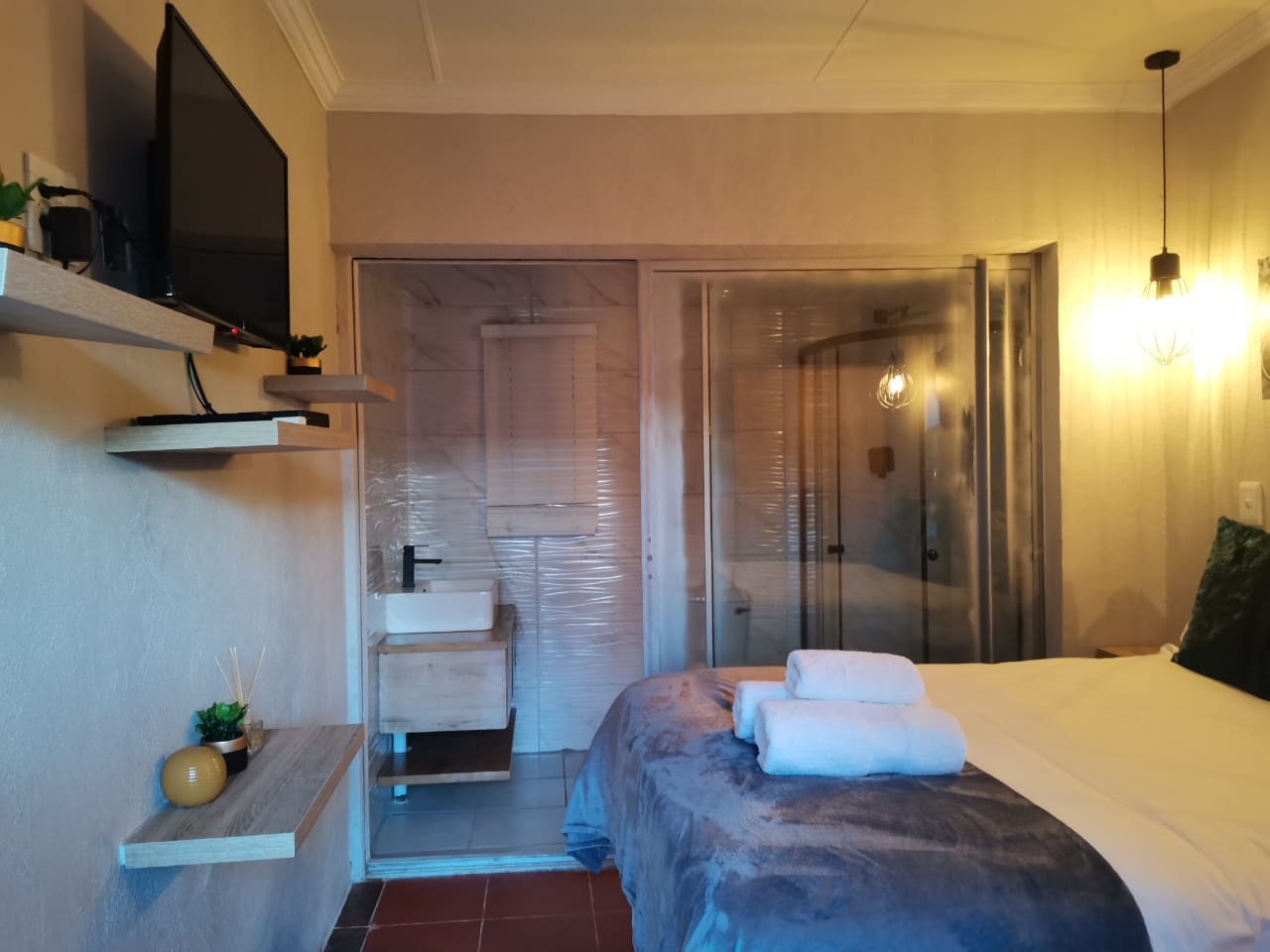
Eight properties are listed in and around Rustenburg, spread across guesthouse, lodge, bed and breakfast, and self-catering categories, giving most visitors a compact but workable set of choices.
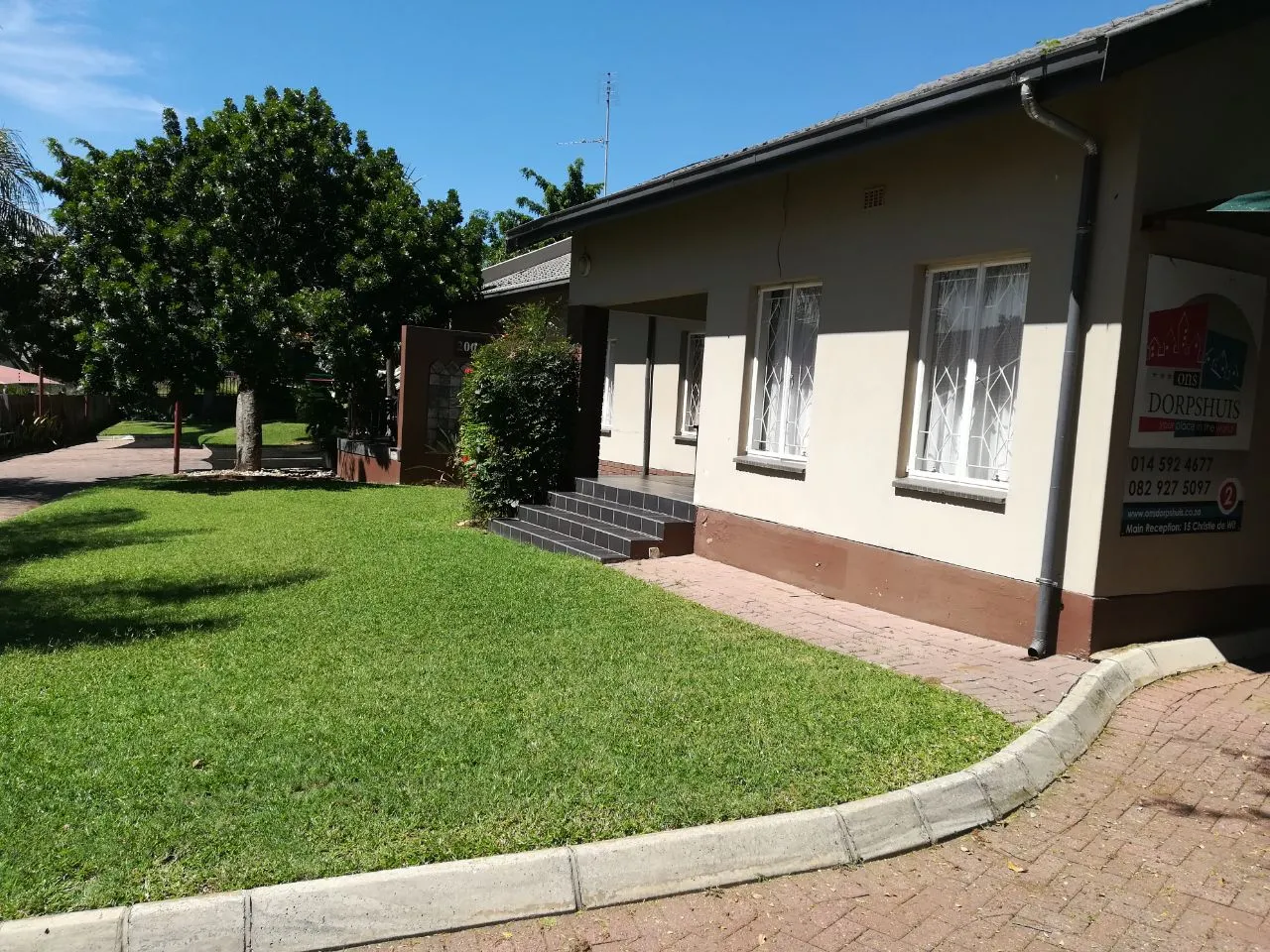
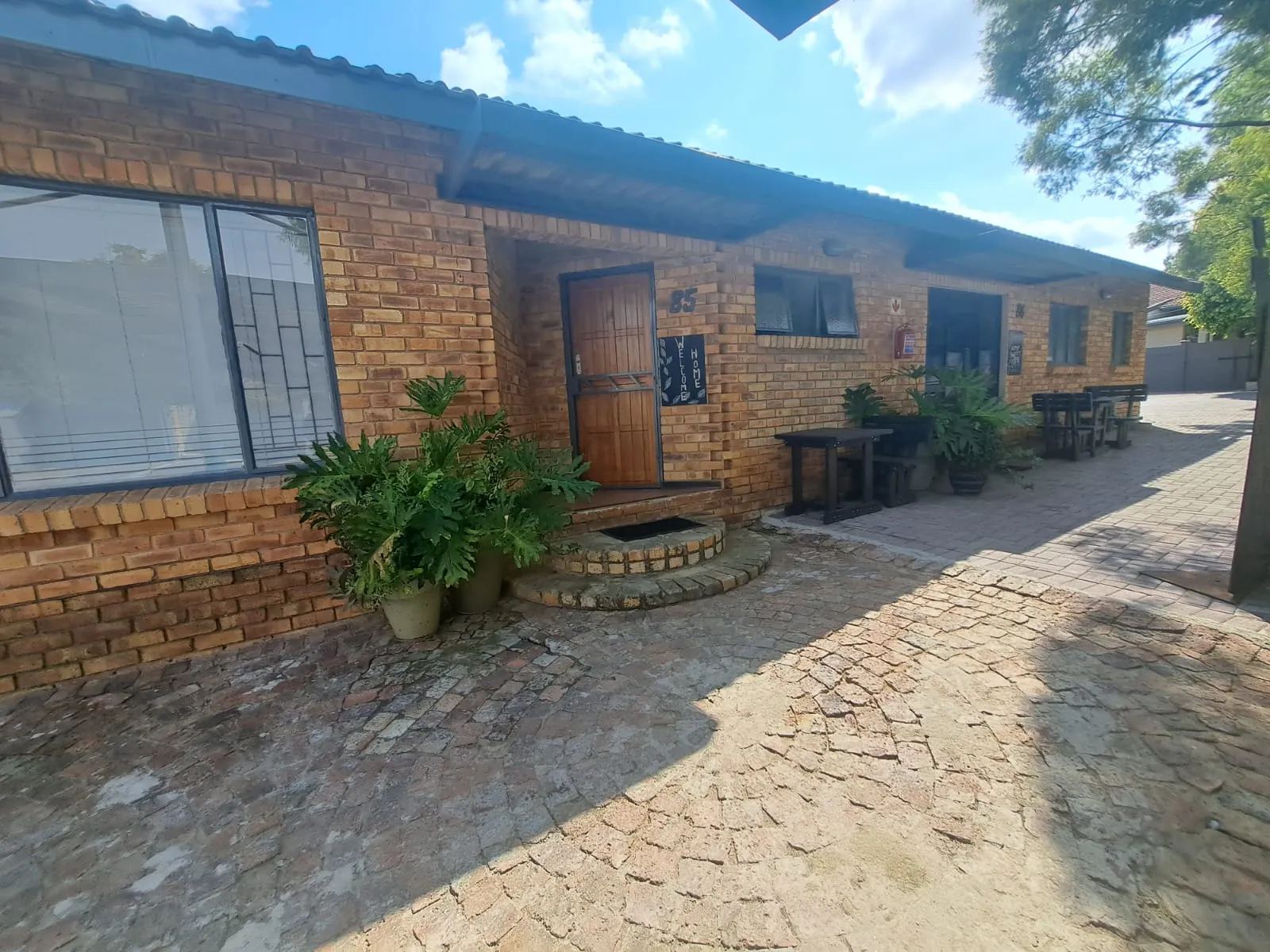
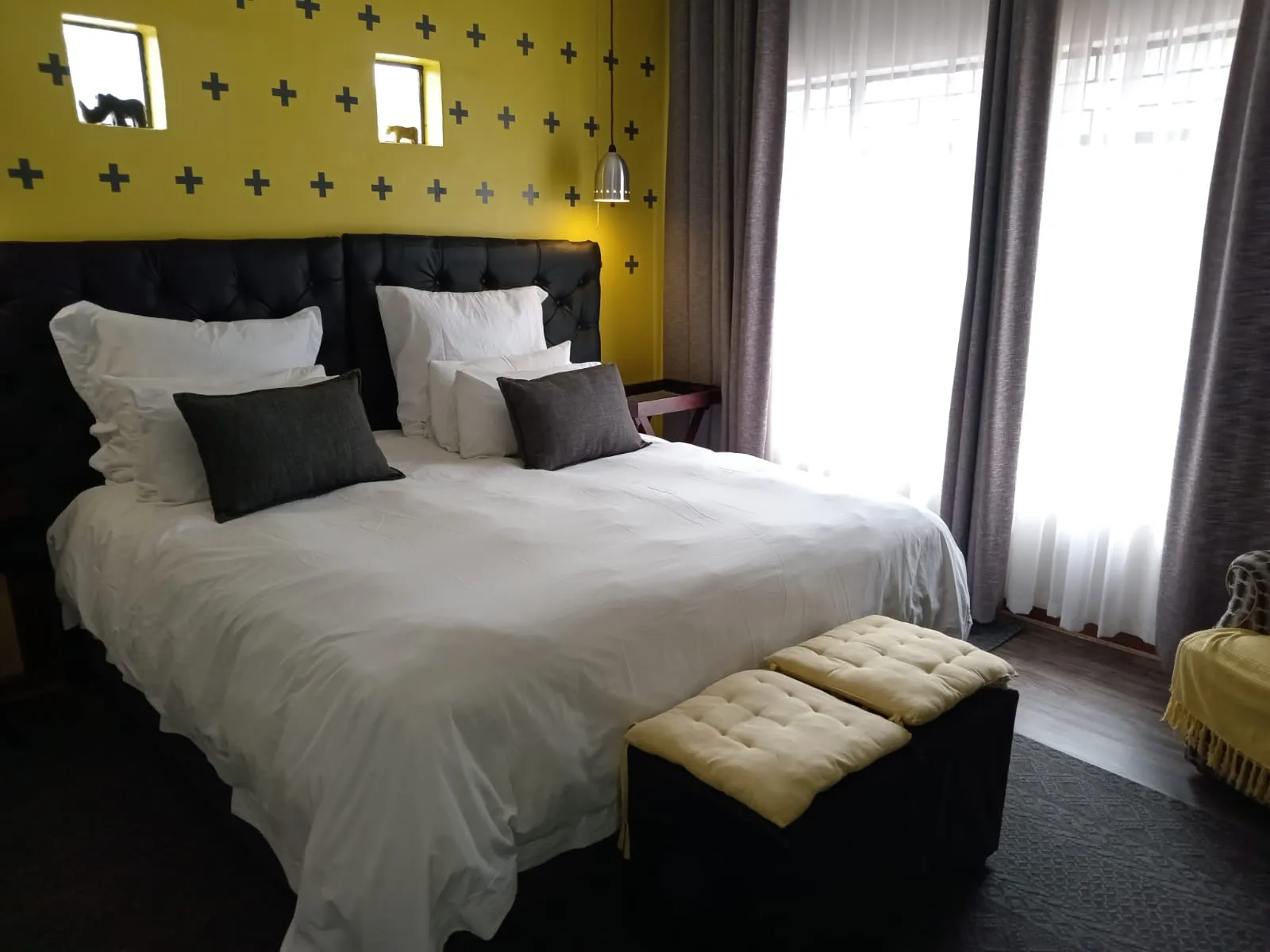
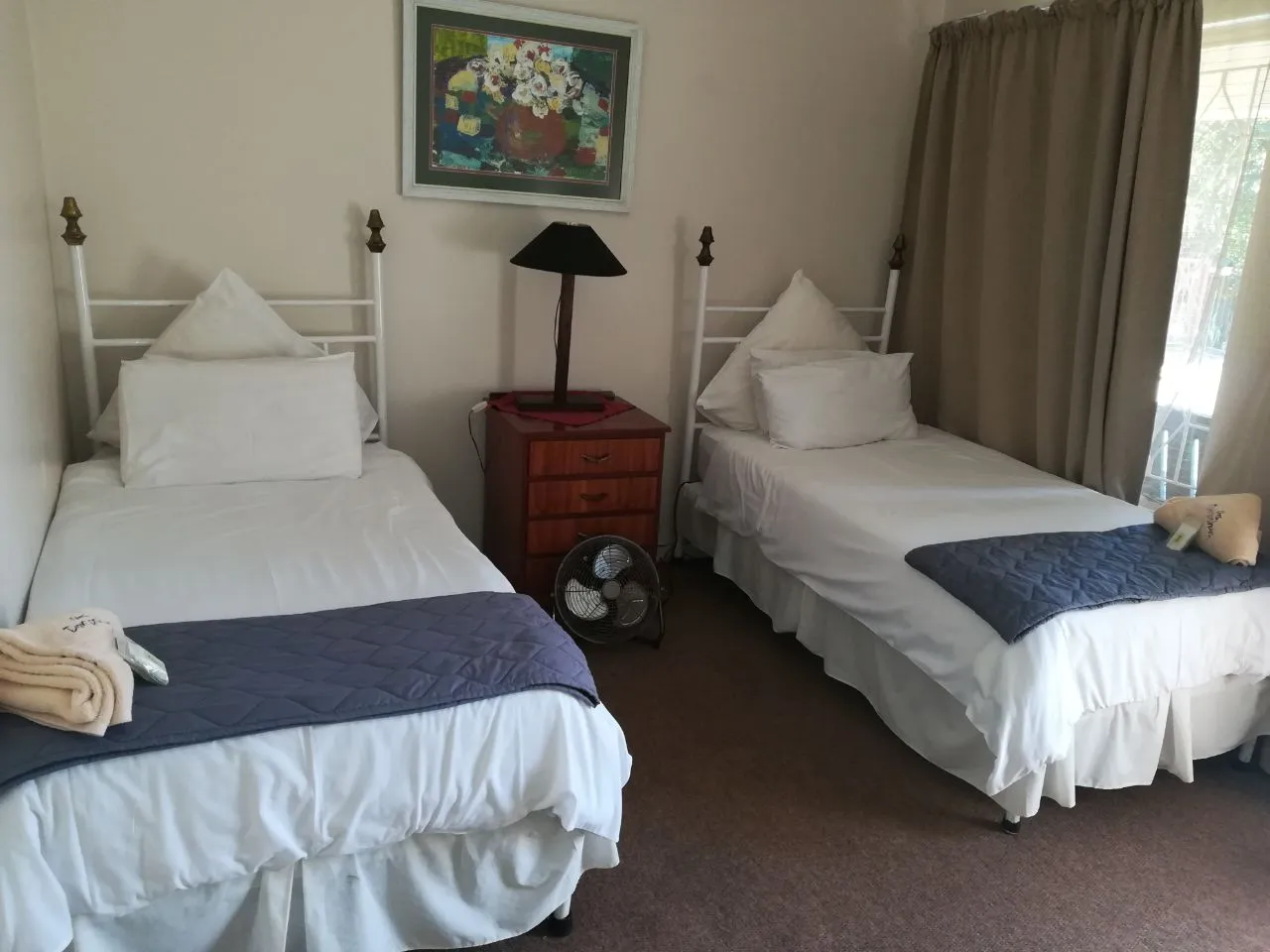
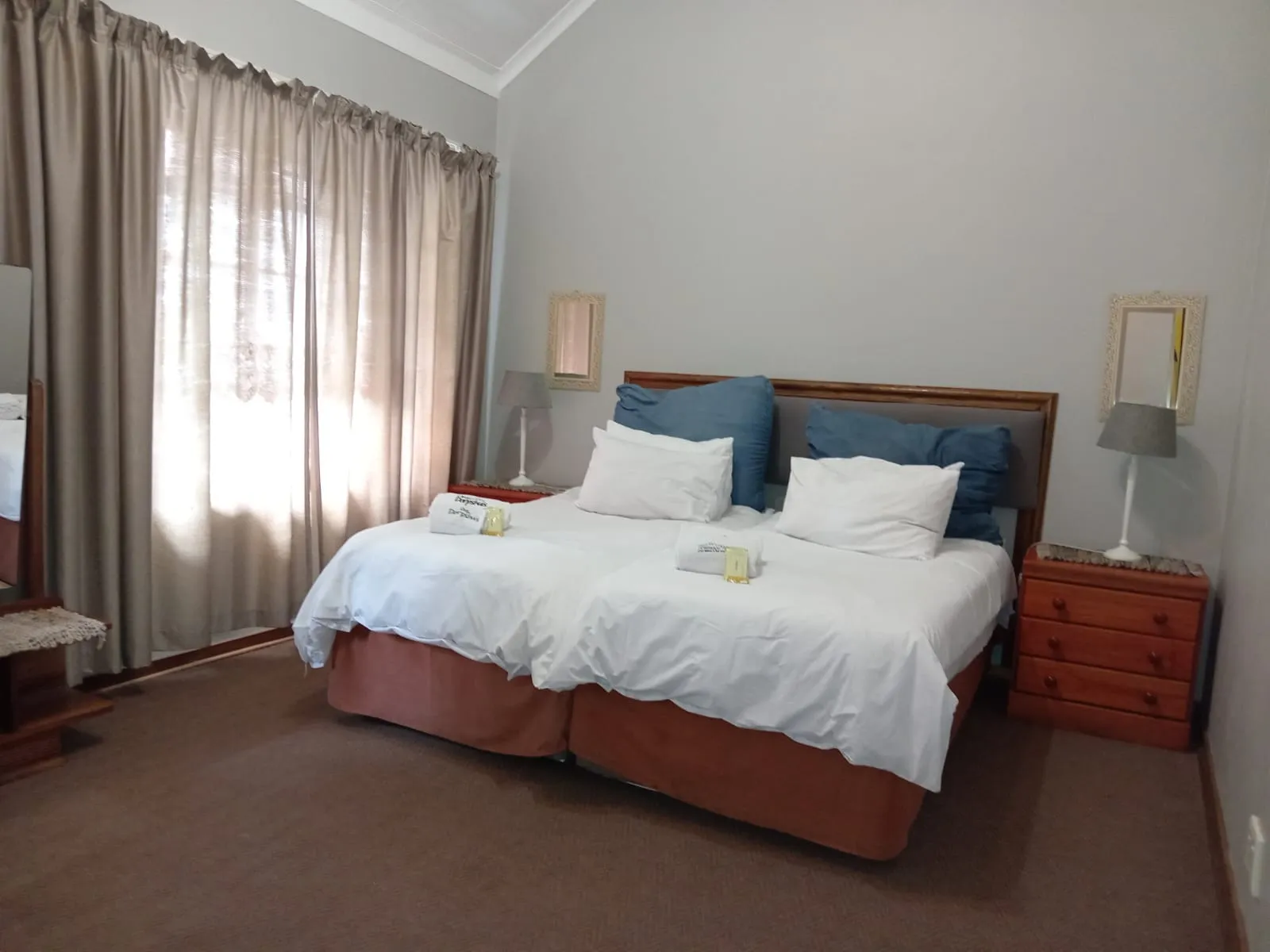
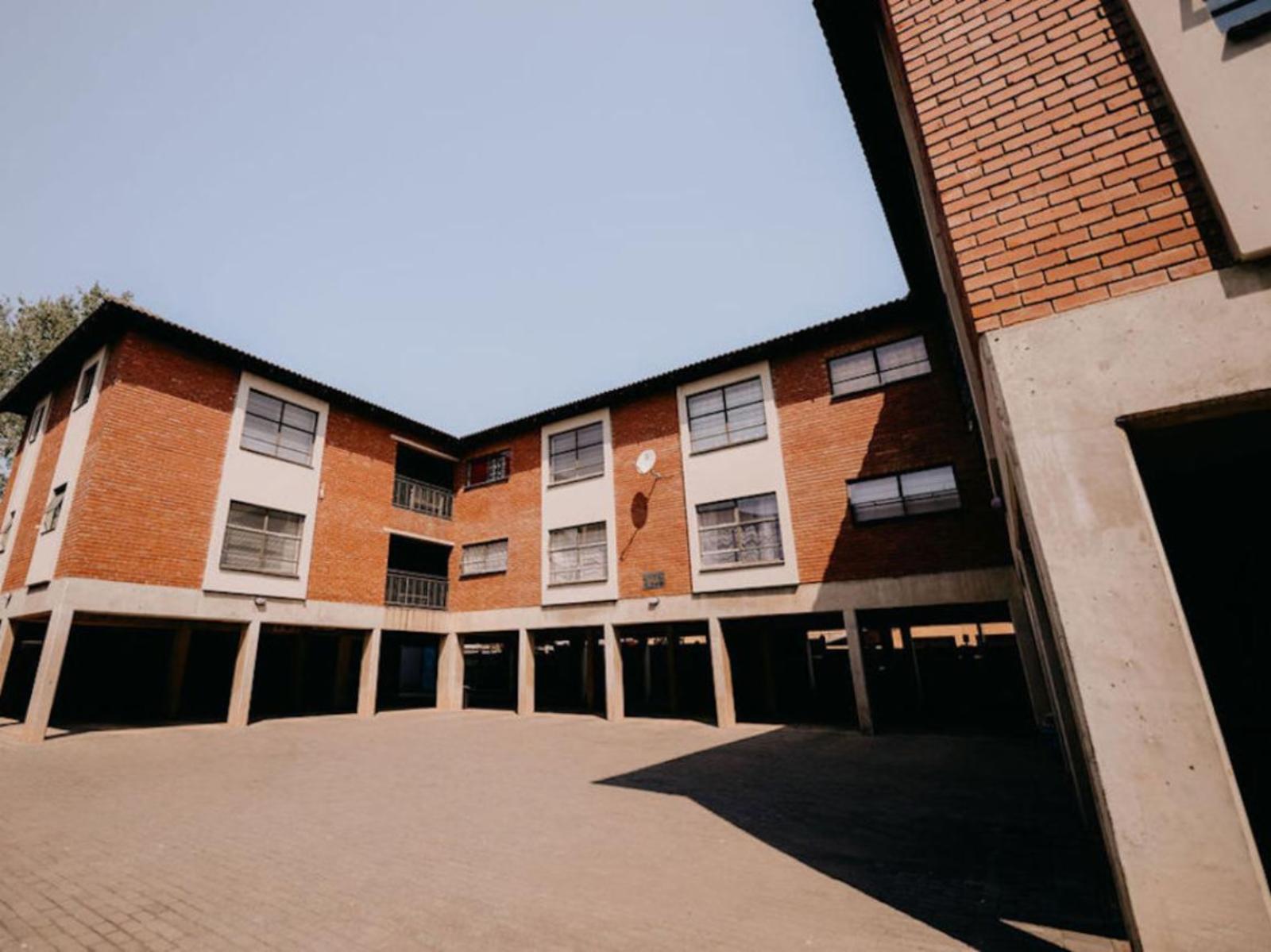
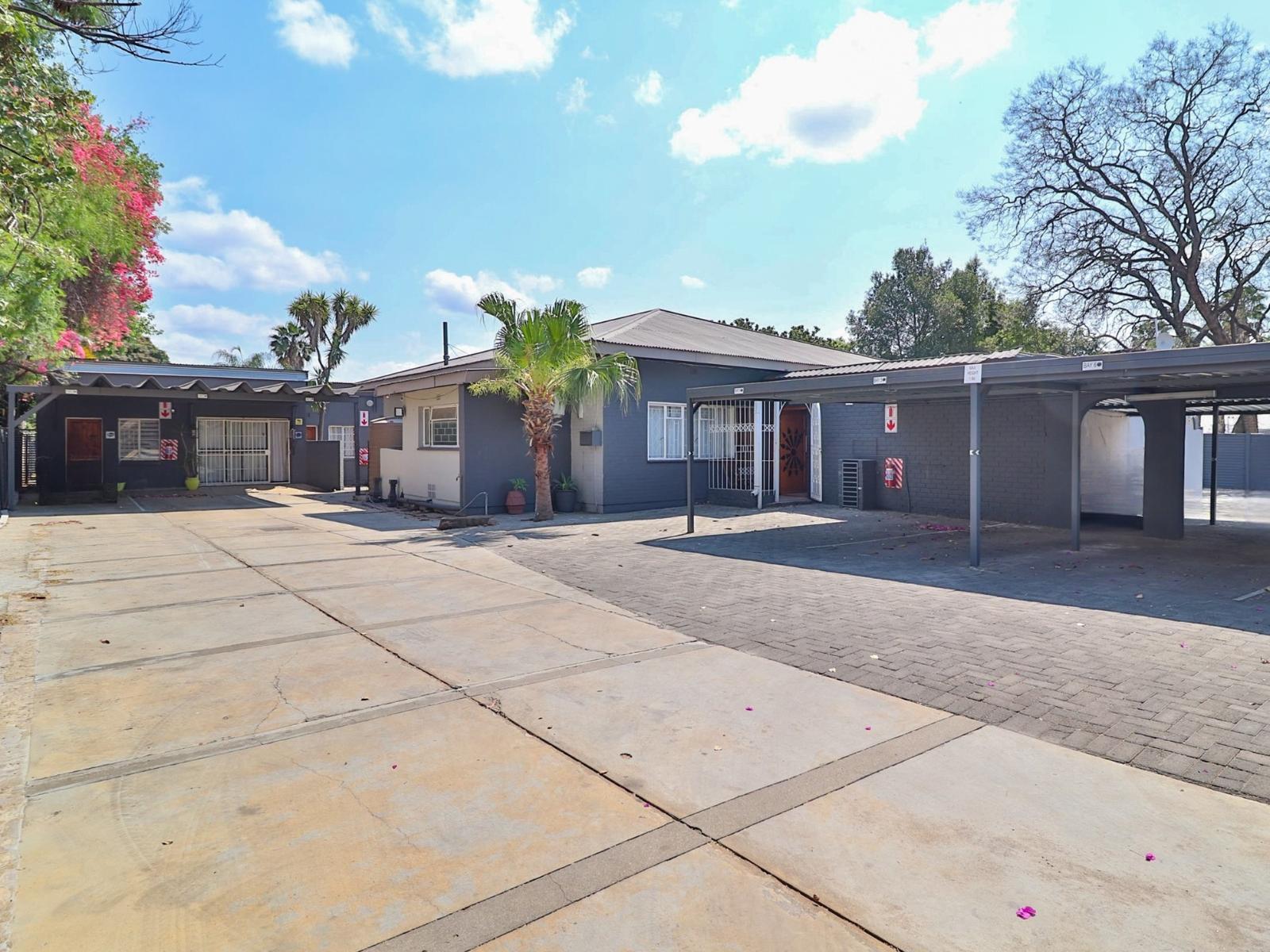
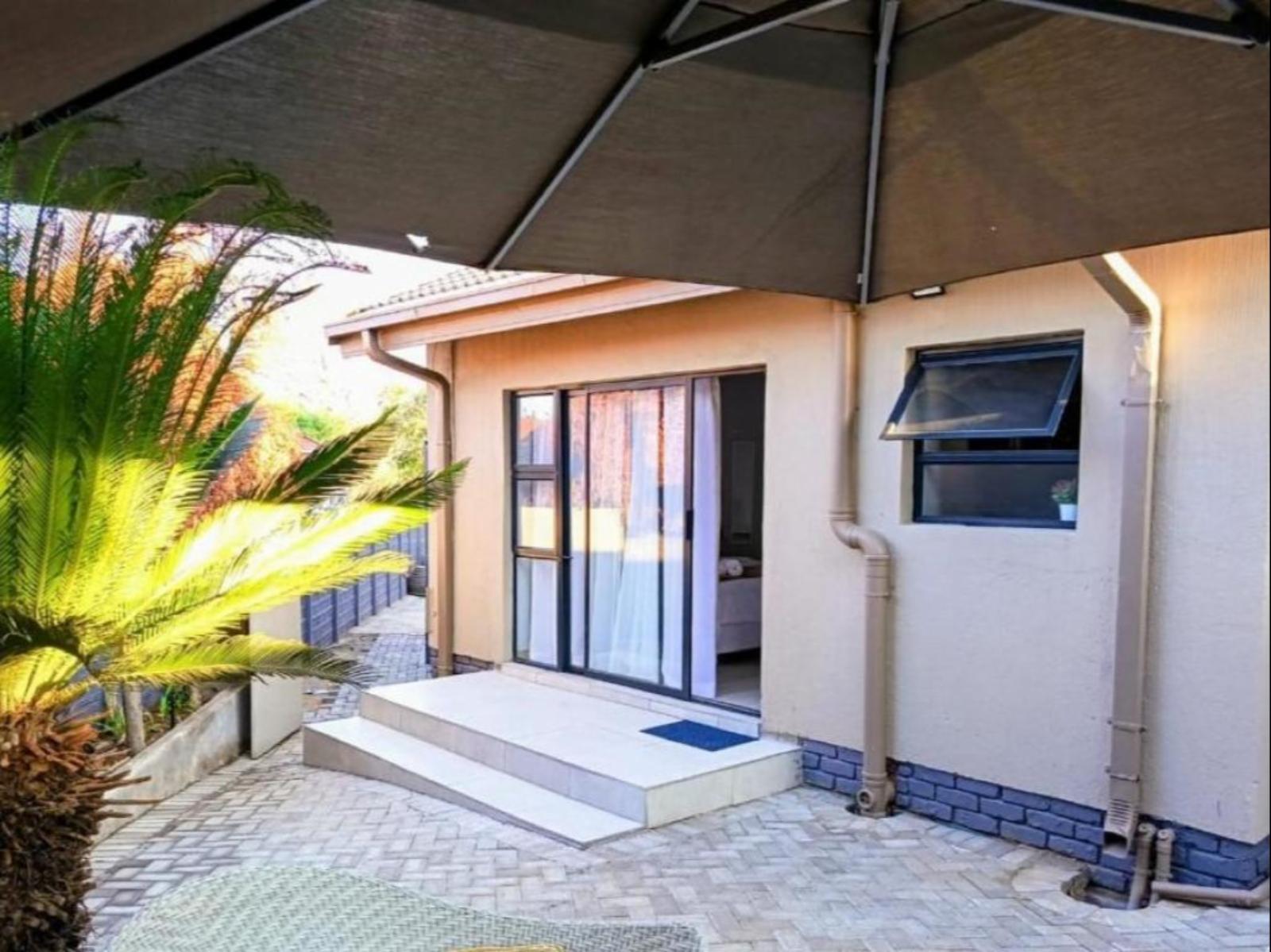
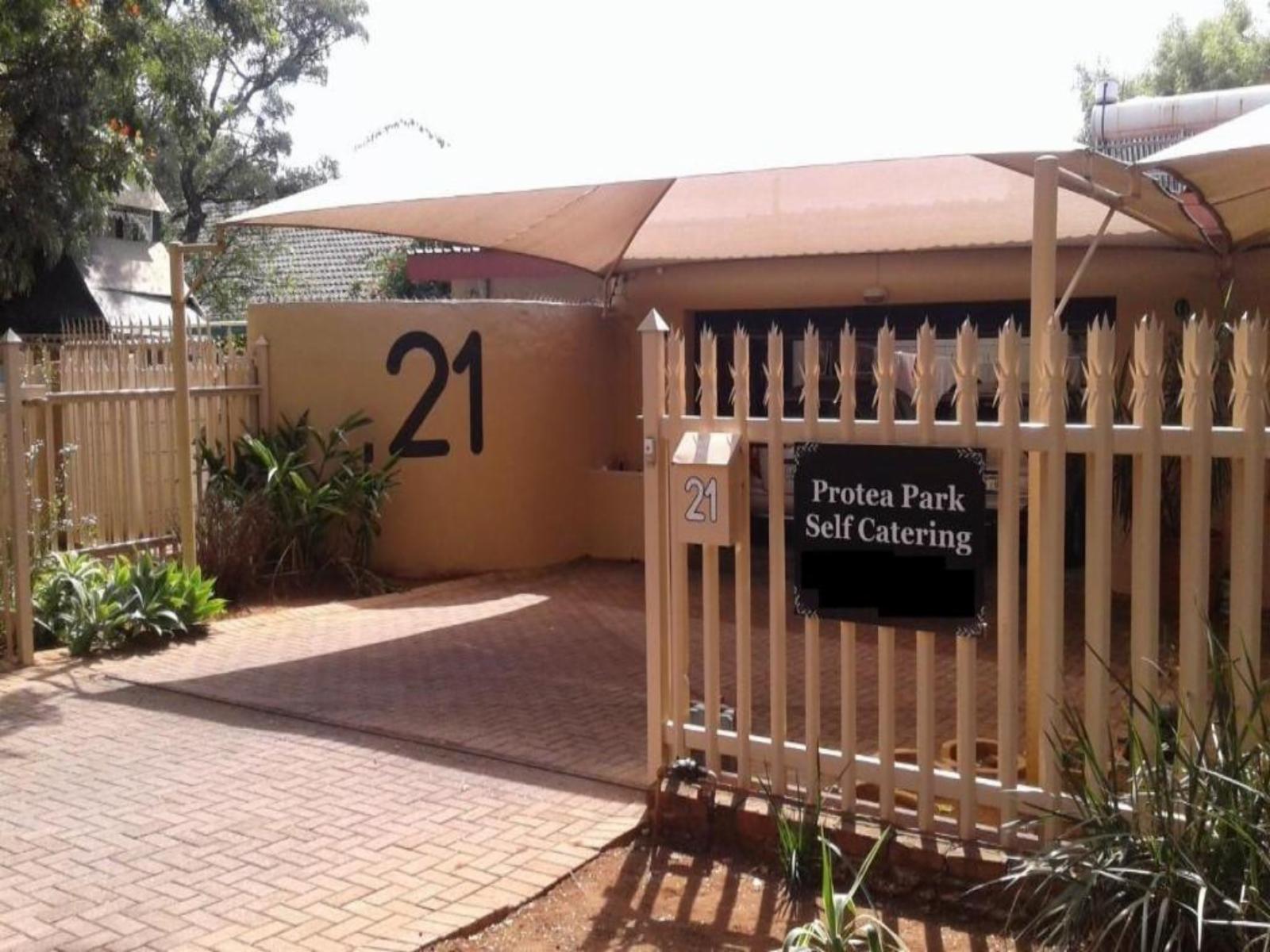
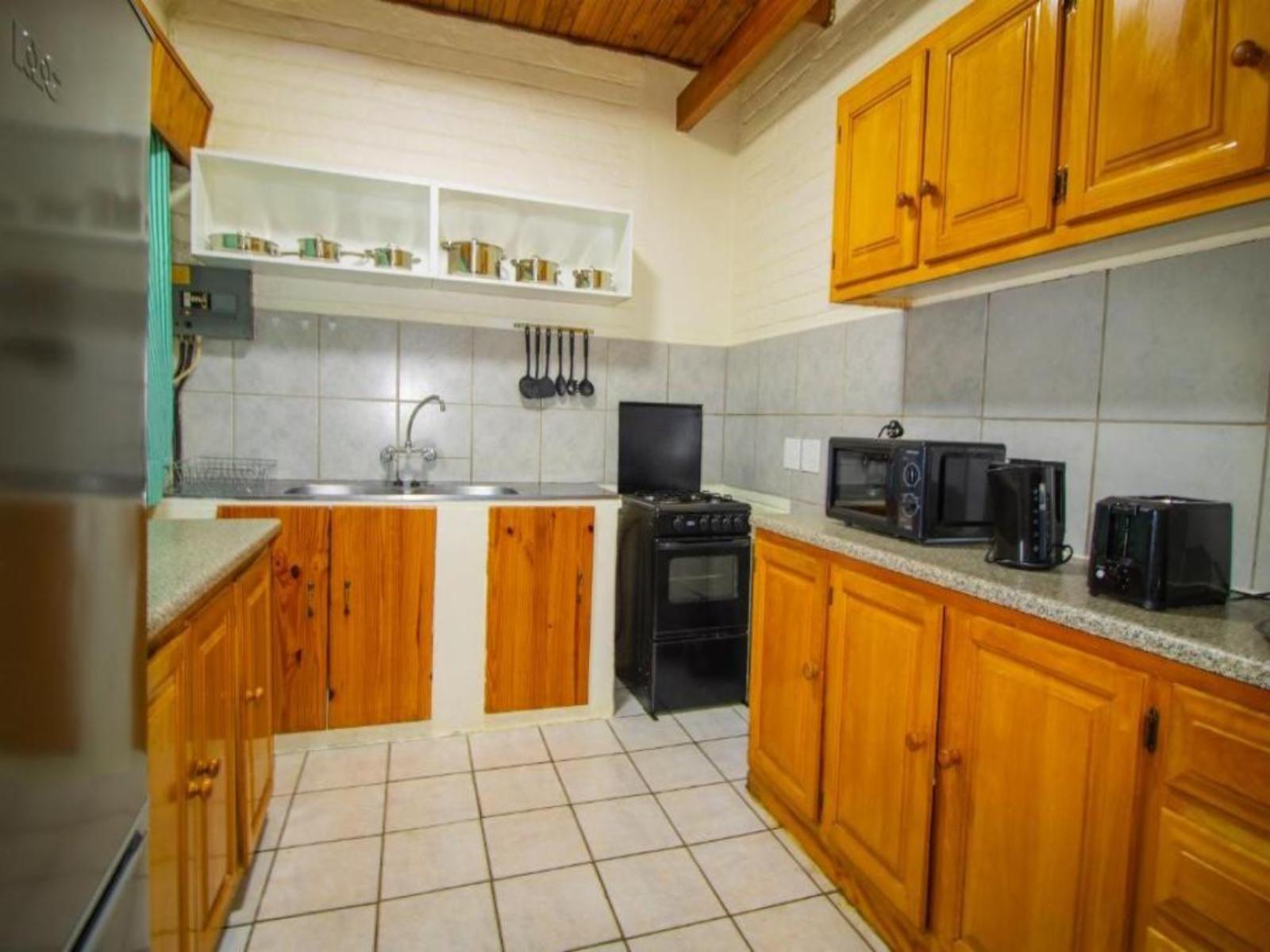
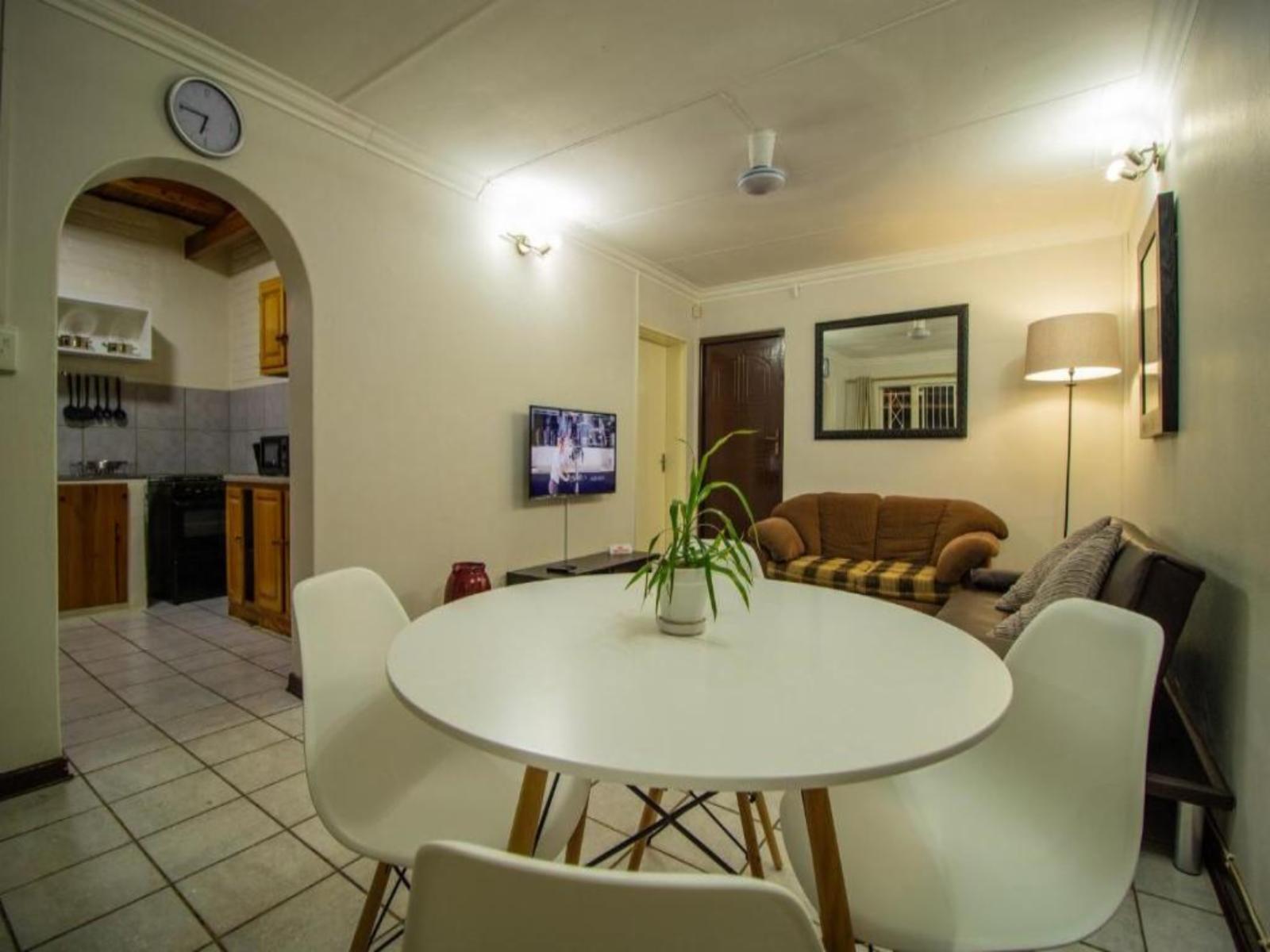
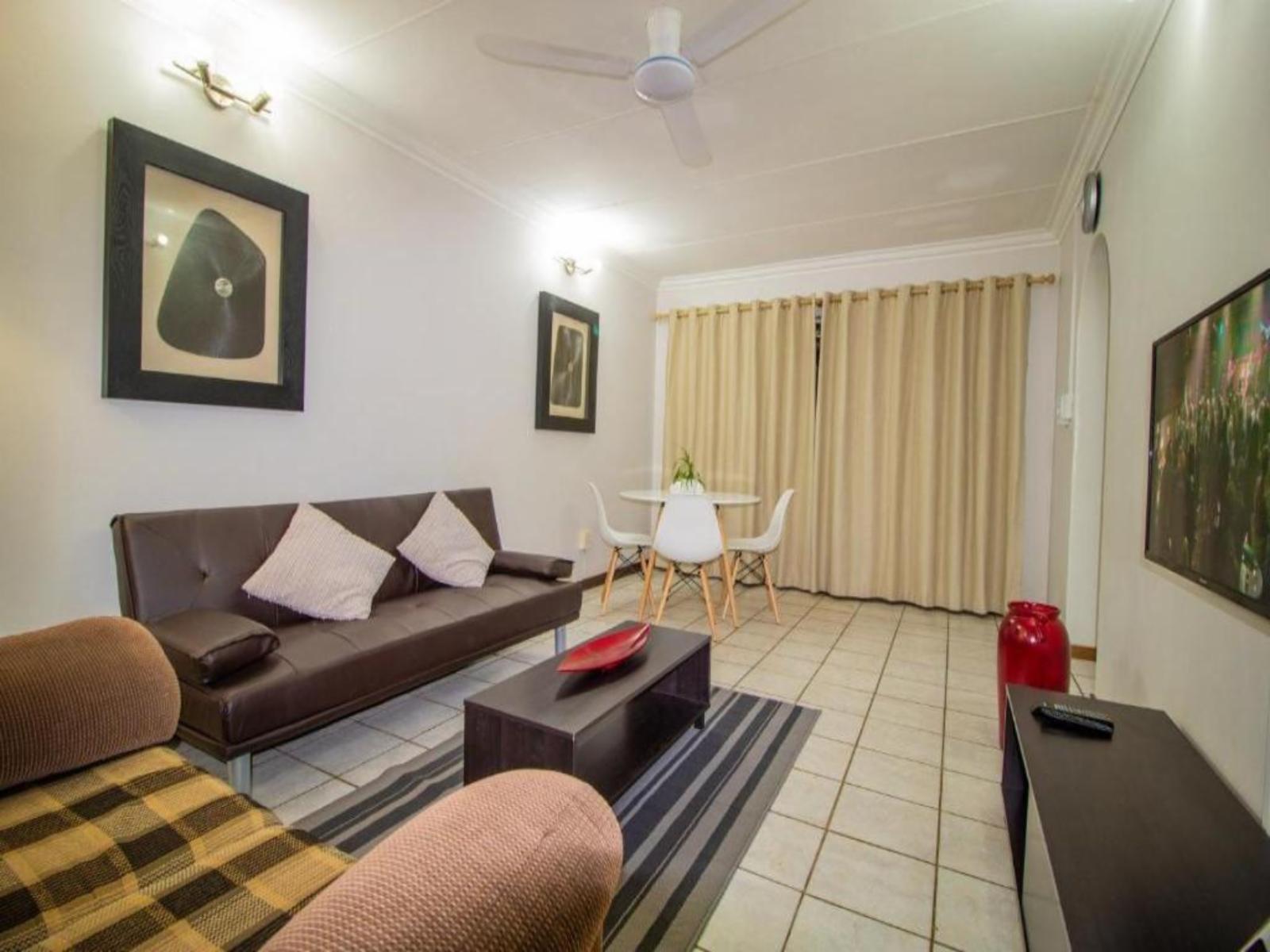
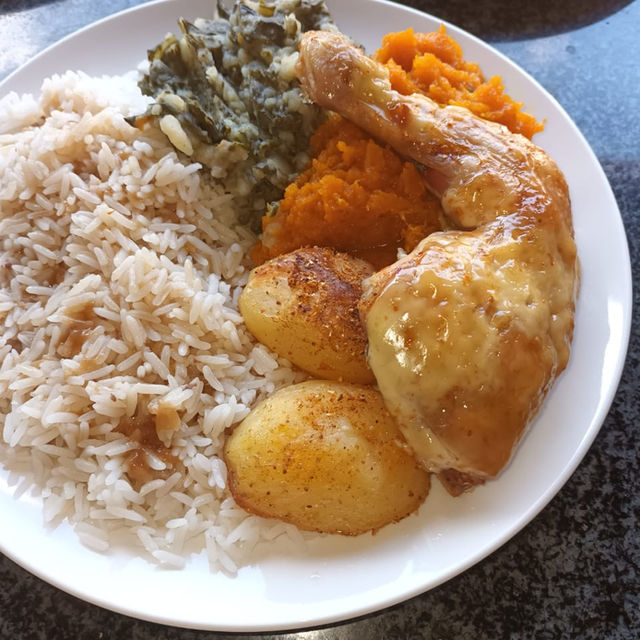
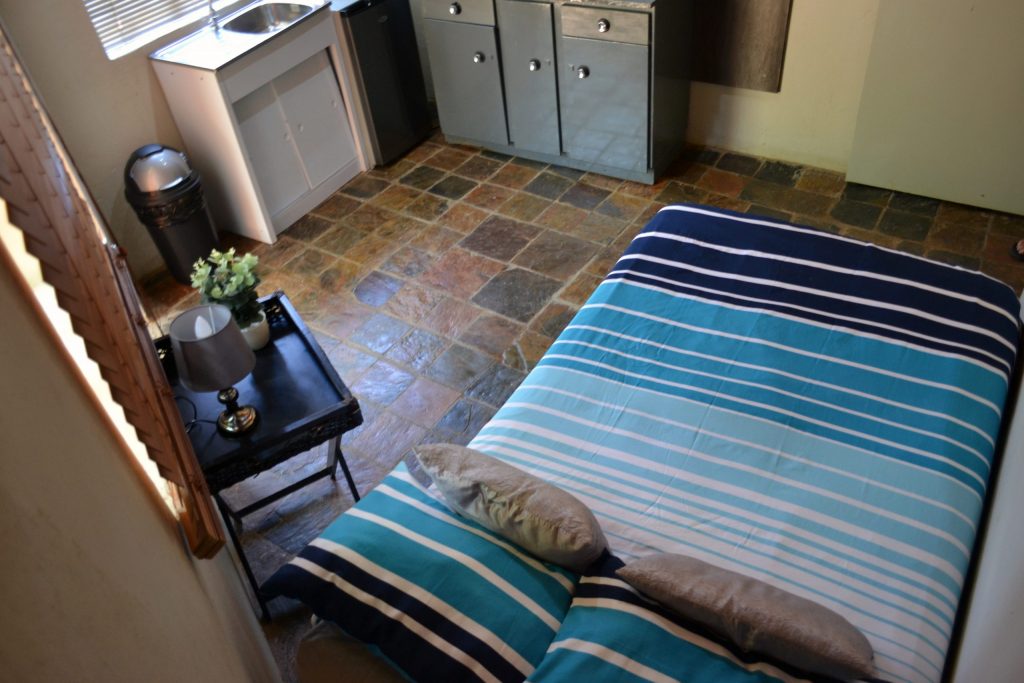
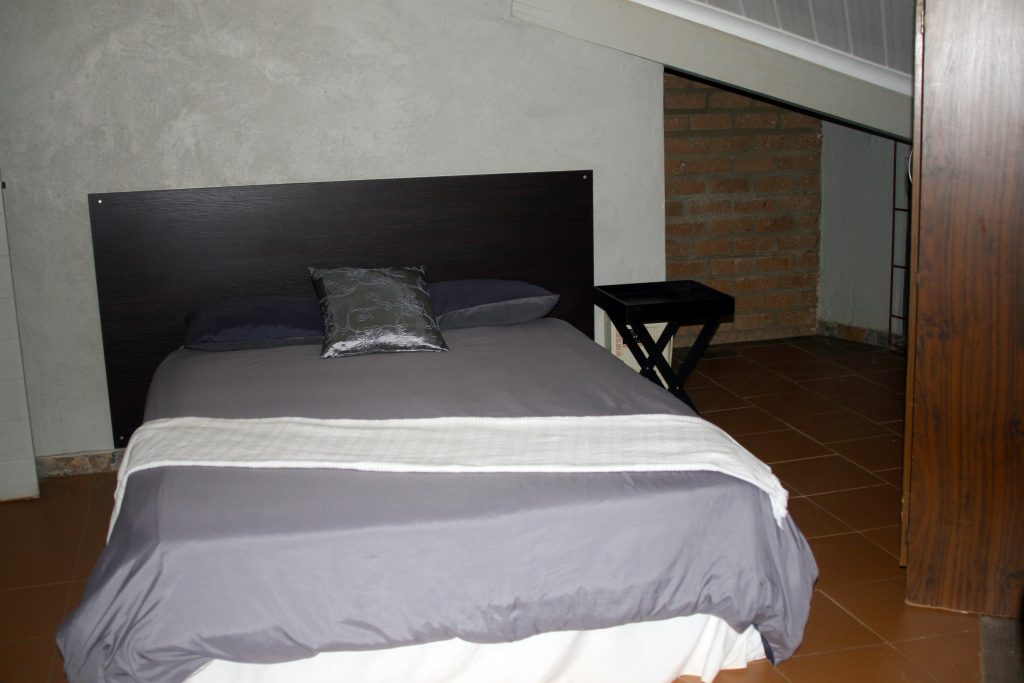
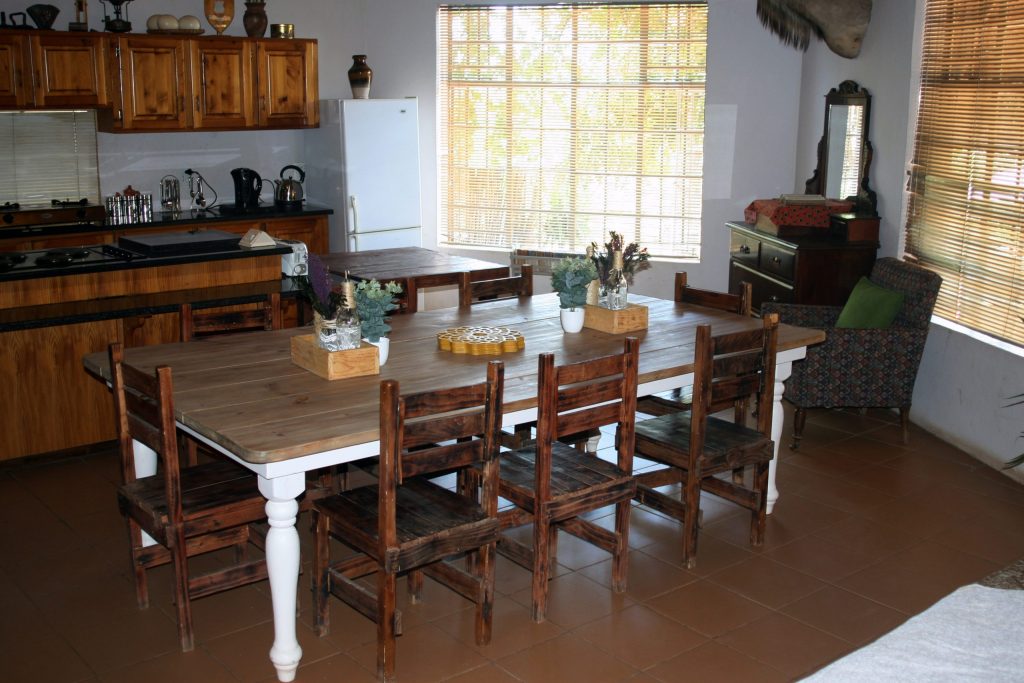
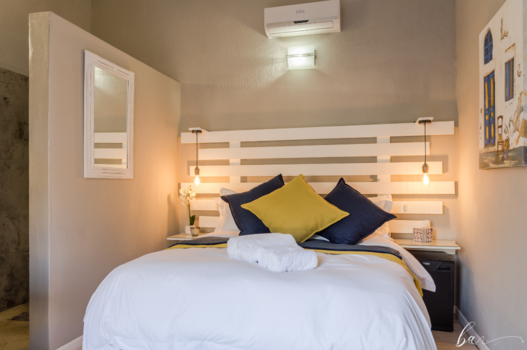
At the accessible end of the market, a self-catering unit and a single bed and breakfast suit independent travelers wanting flexibility. Self-catering works well for those planning a multi-night stay who prefer to manage their own meals and schedule, particularly if they are using Rustenburg as a base for day trips into the surrounding district. A bed and breakfast adds the practical convenience of breakfast included, typically in a smaller and more personal environment.
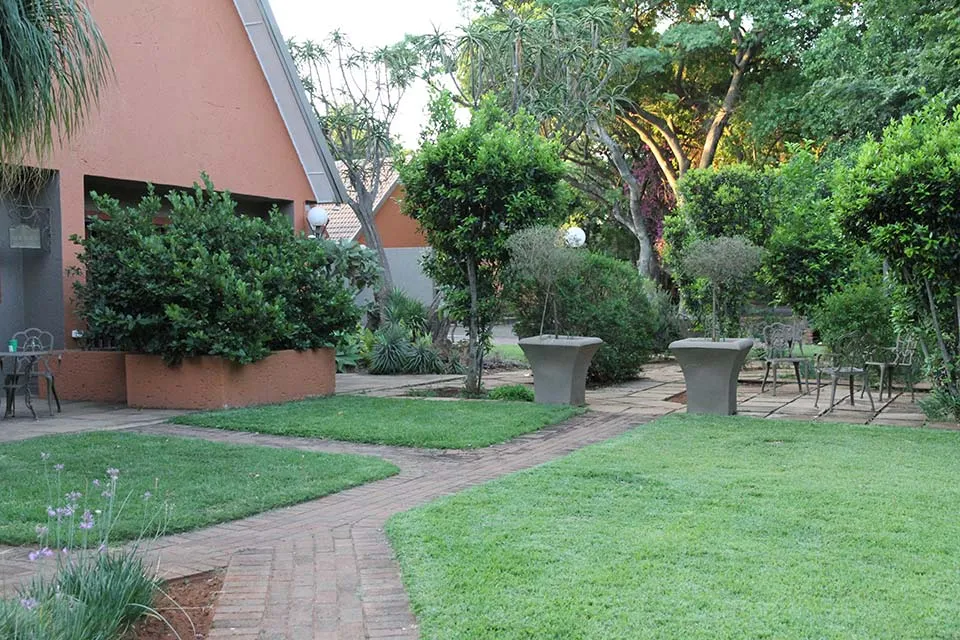
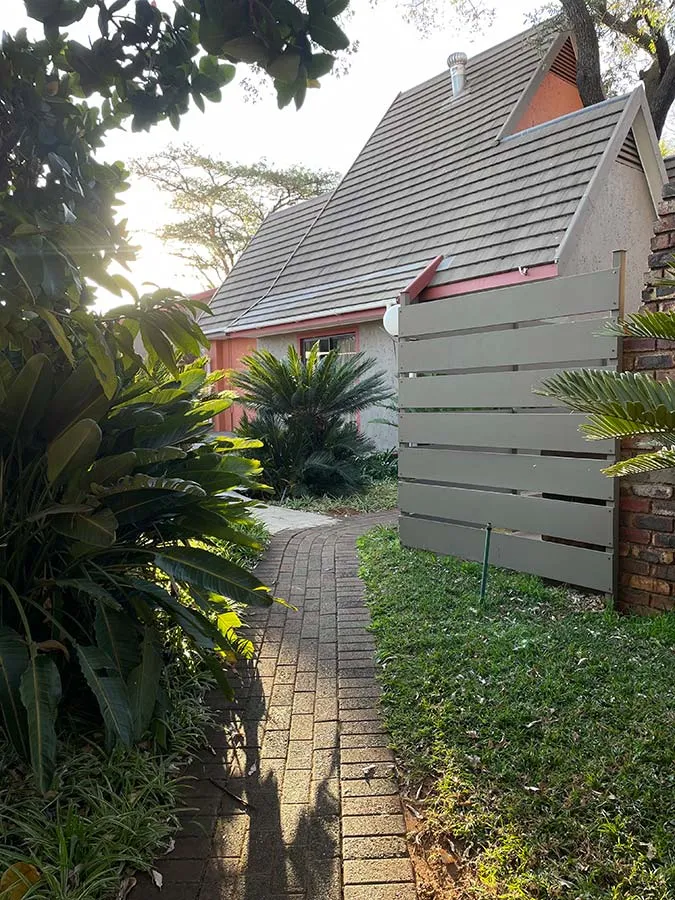
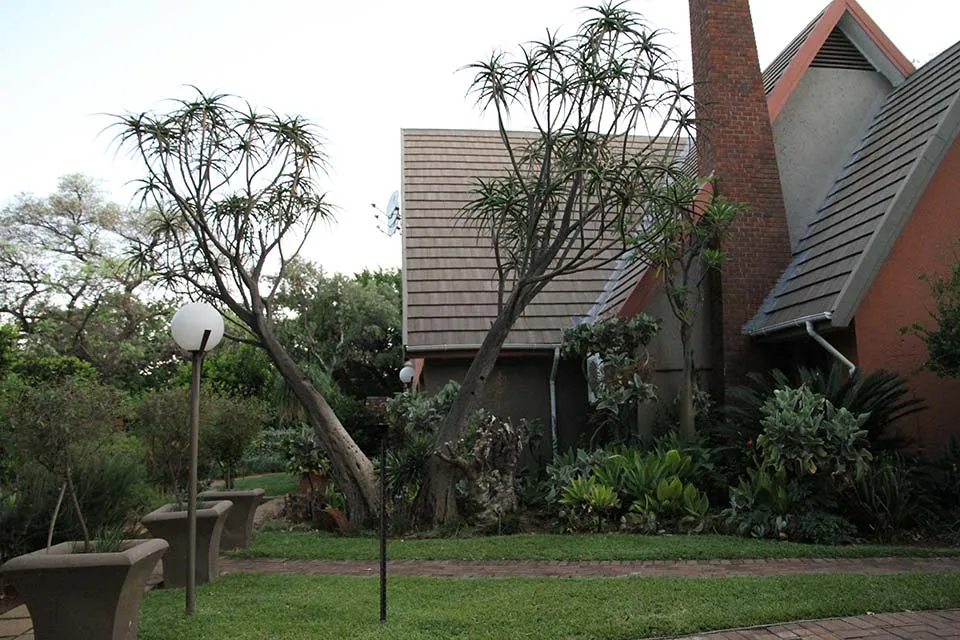
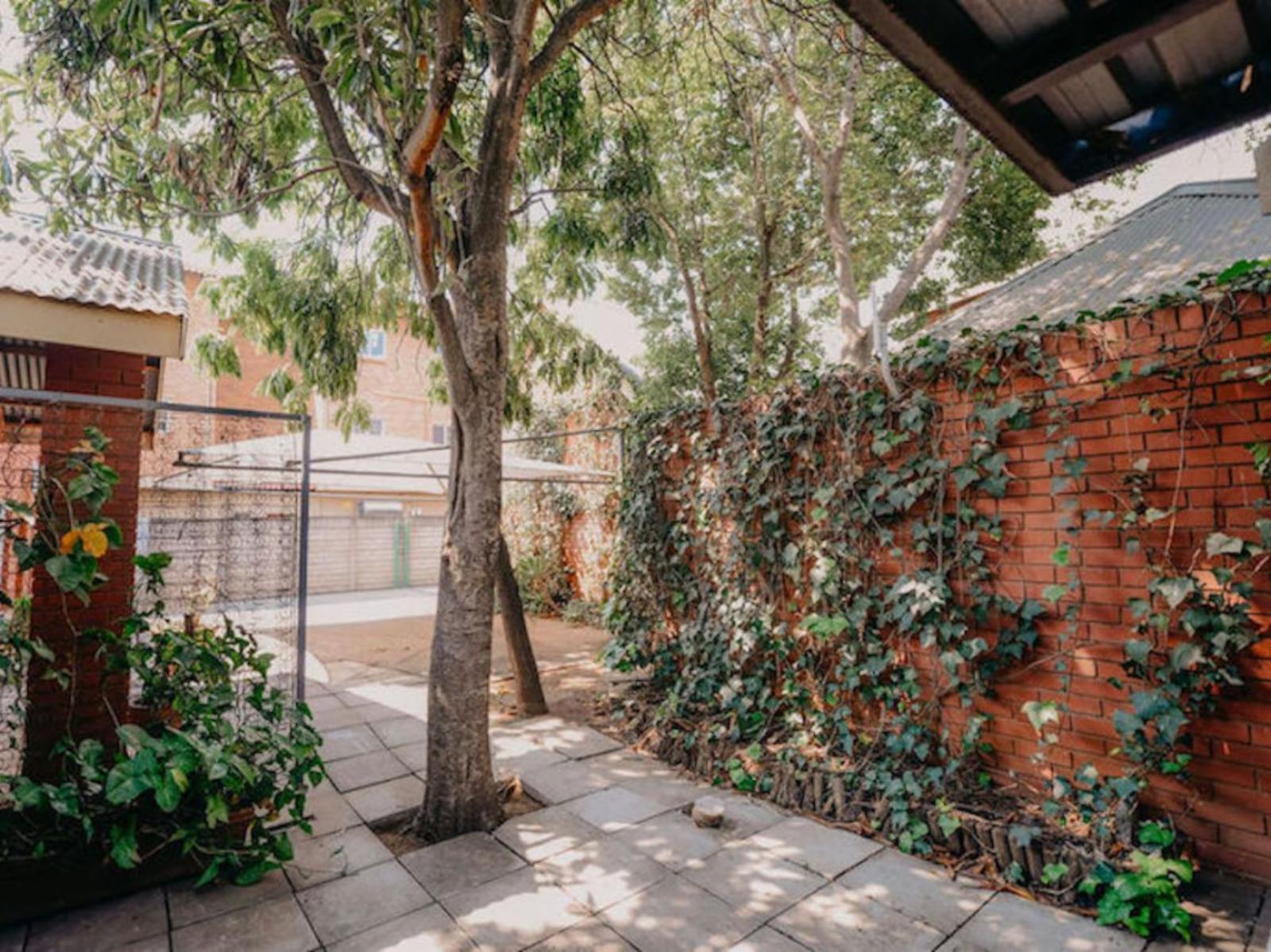
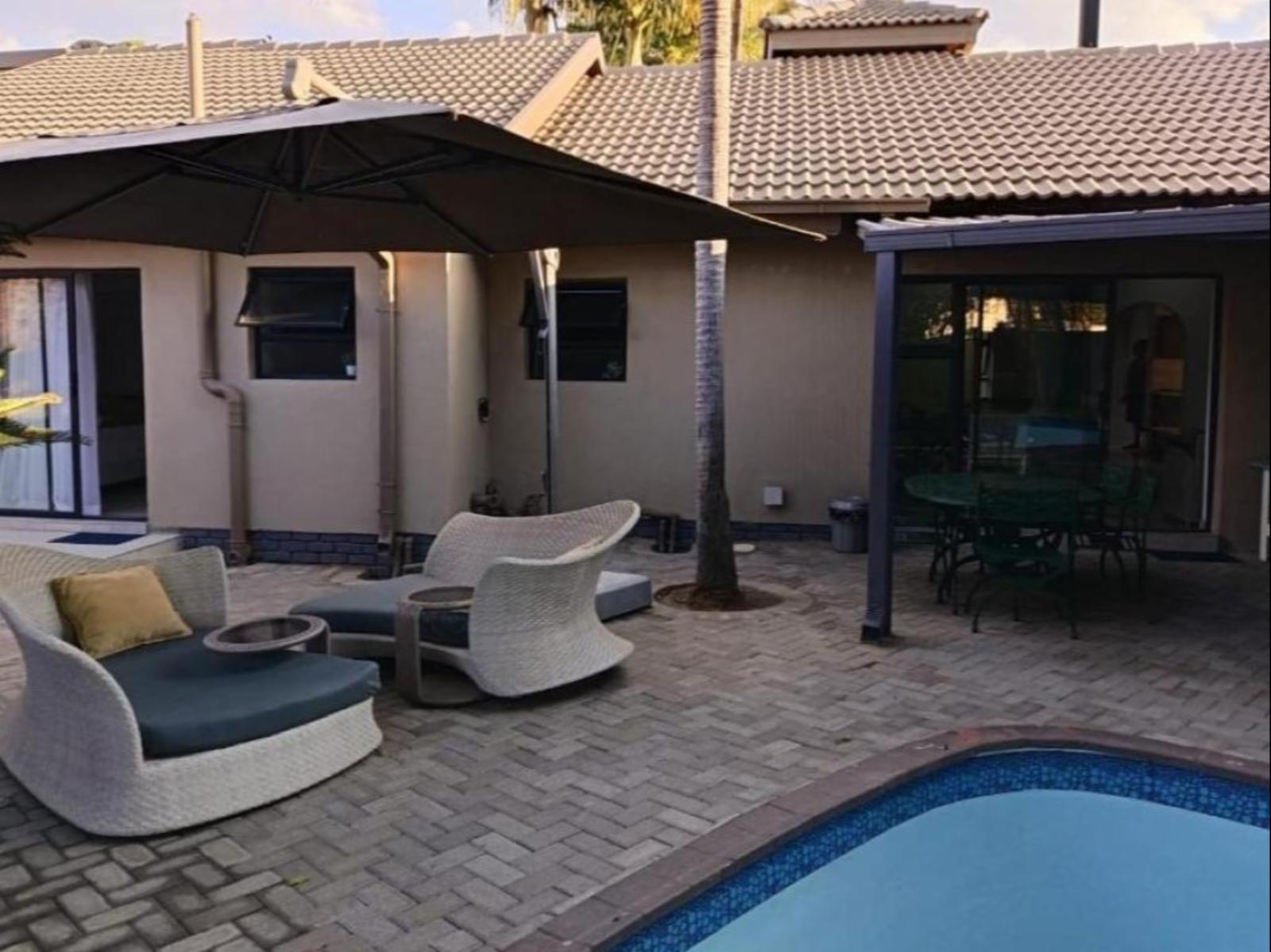
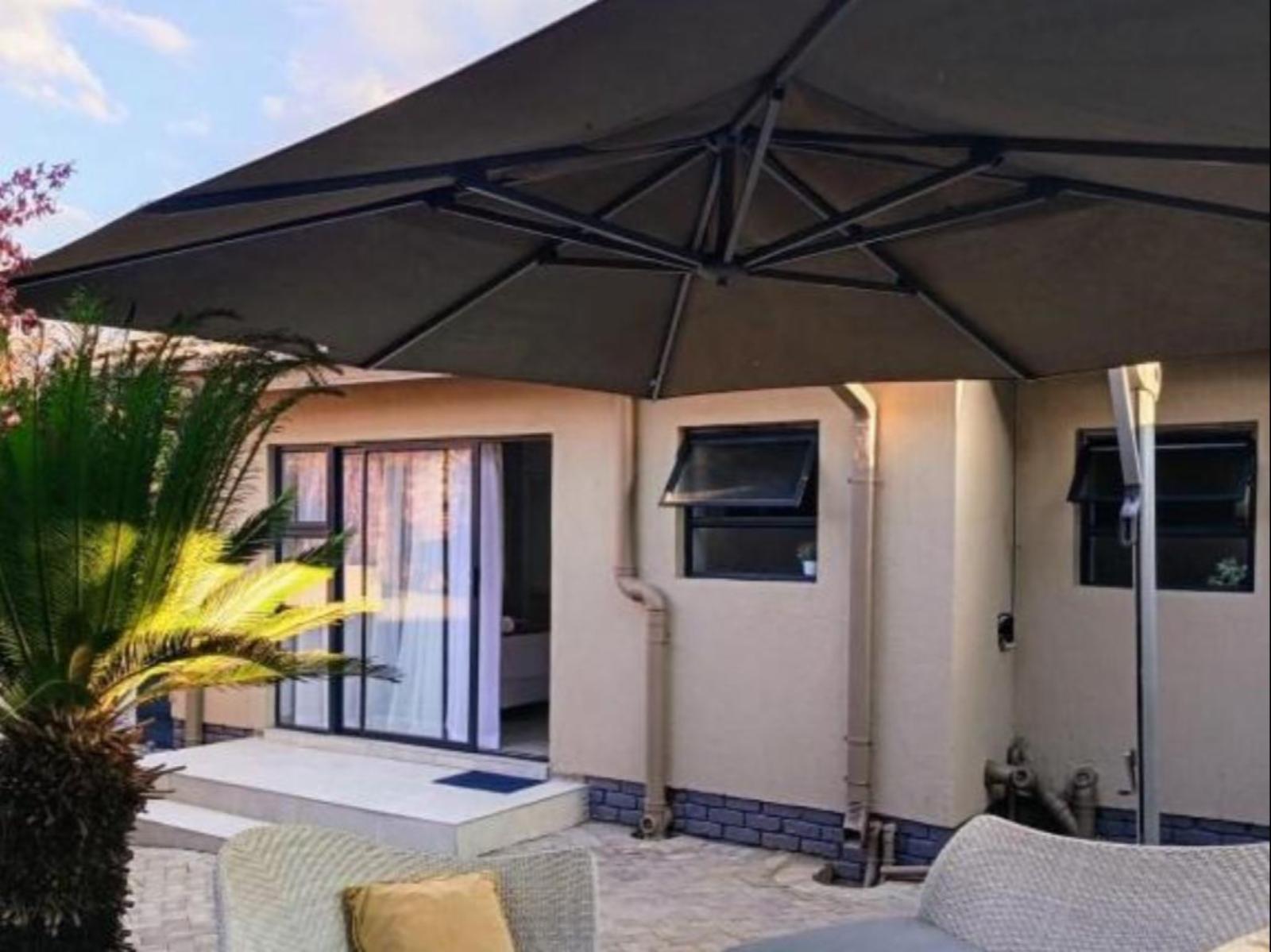
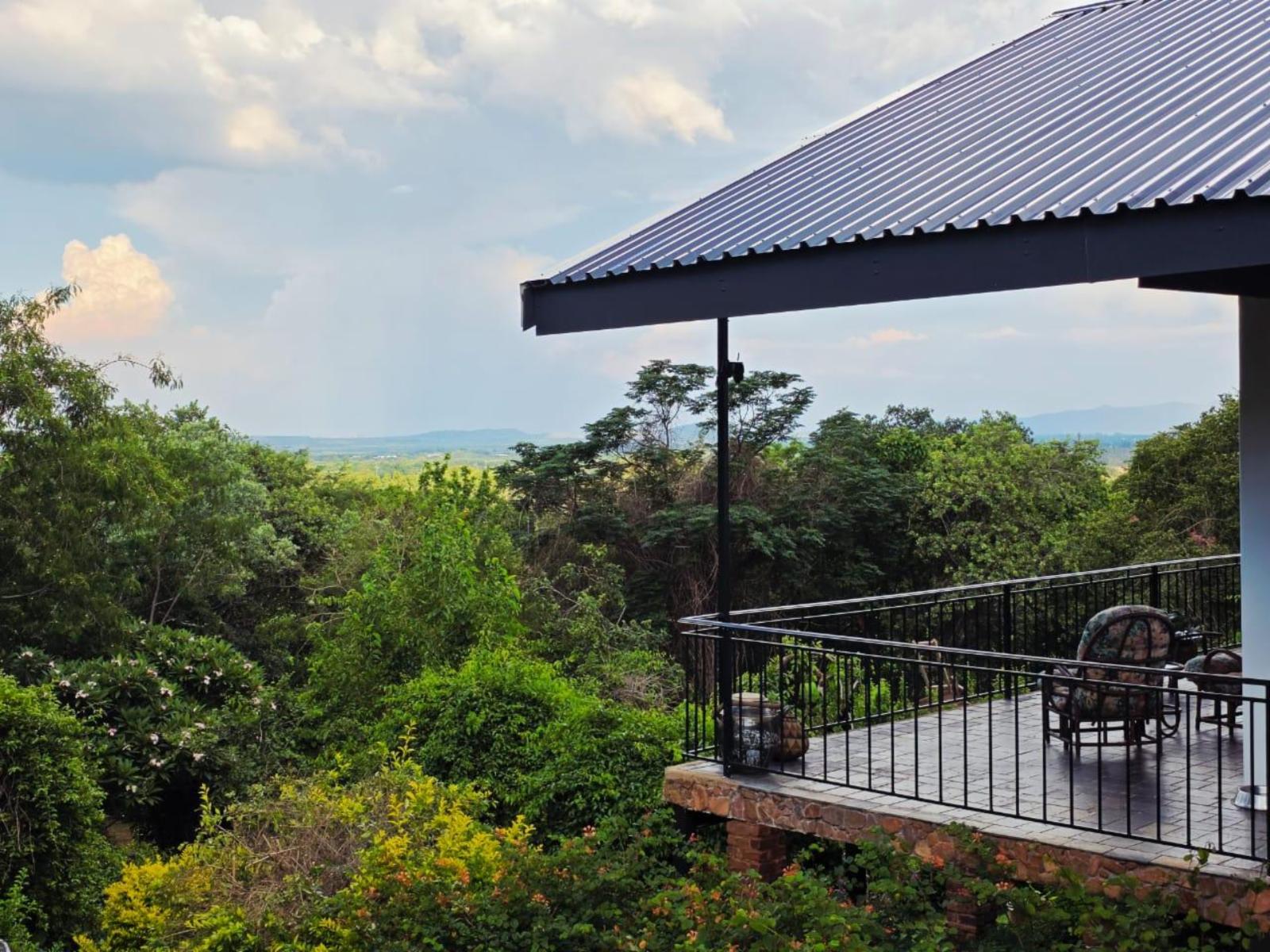
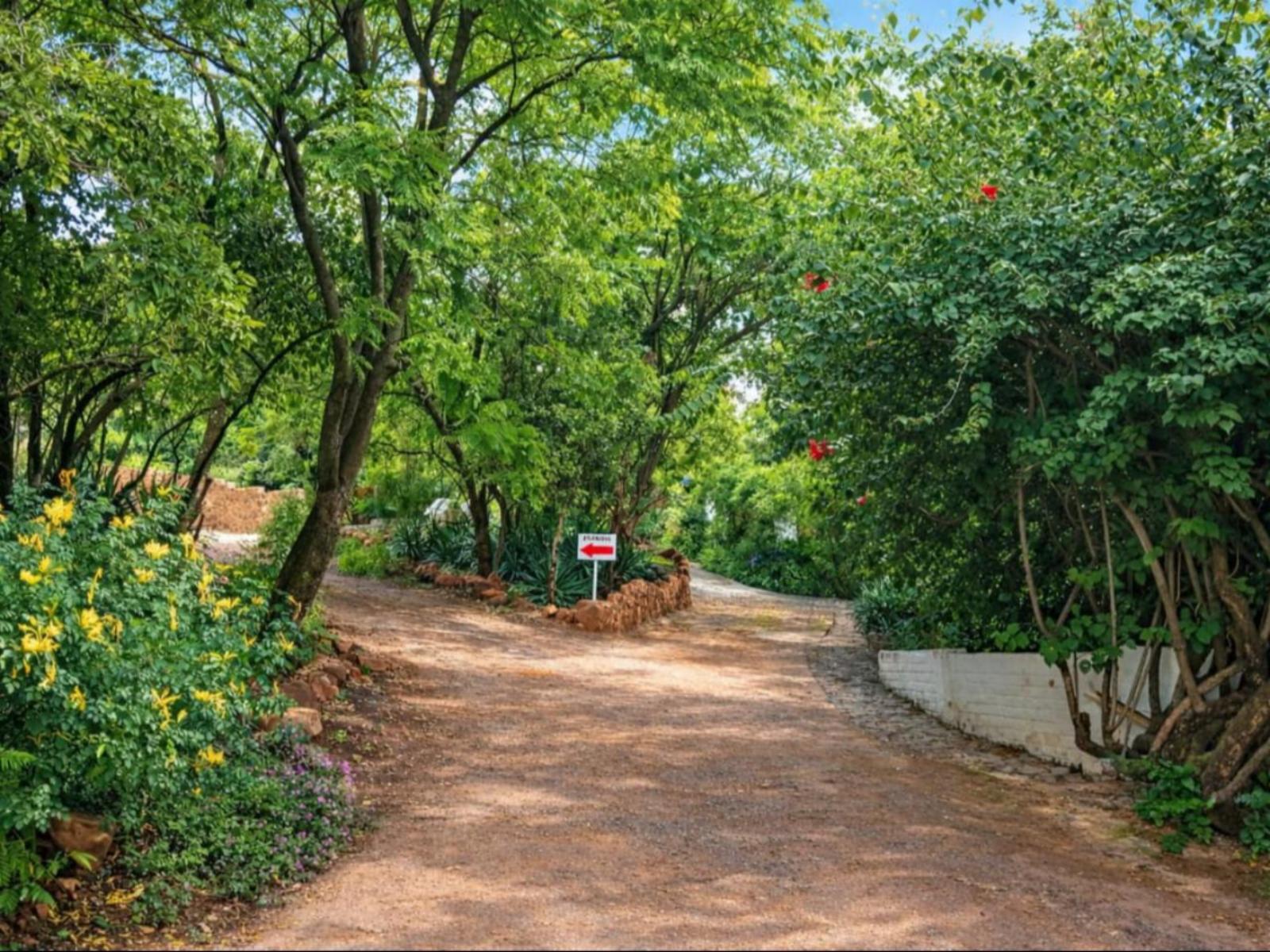
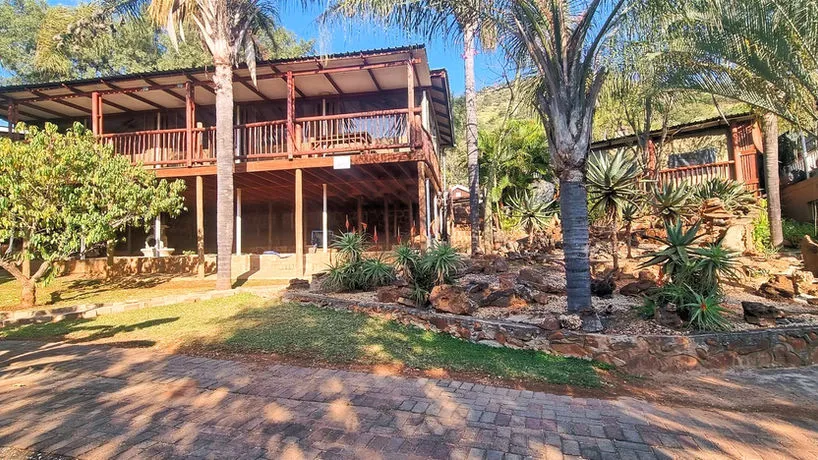
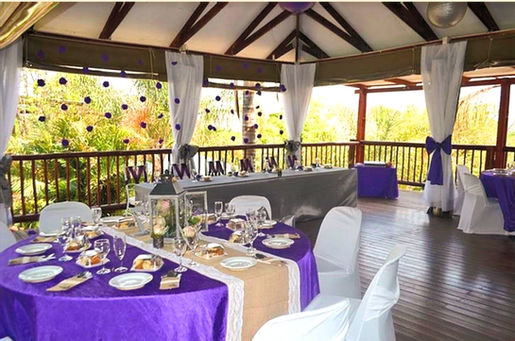
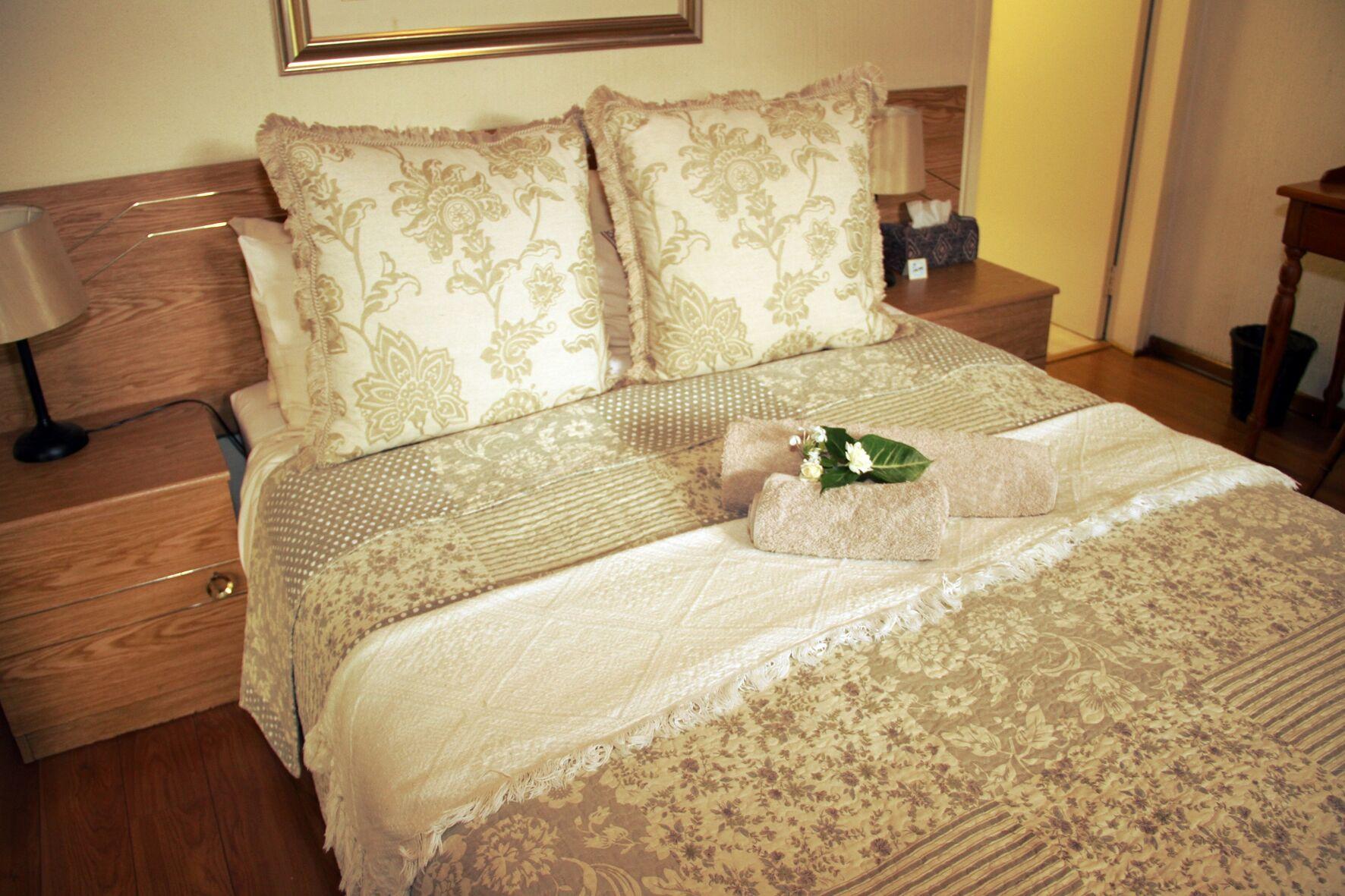
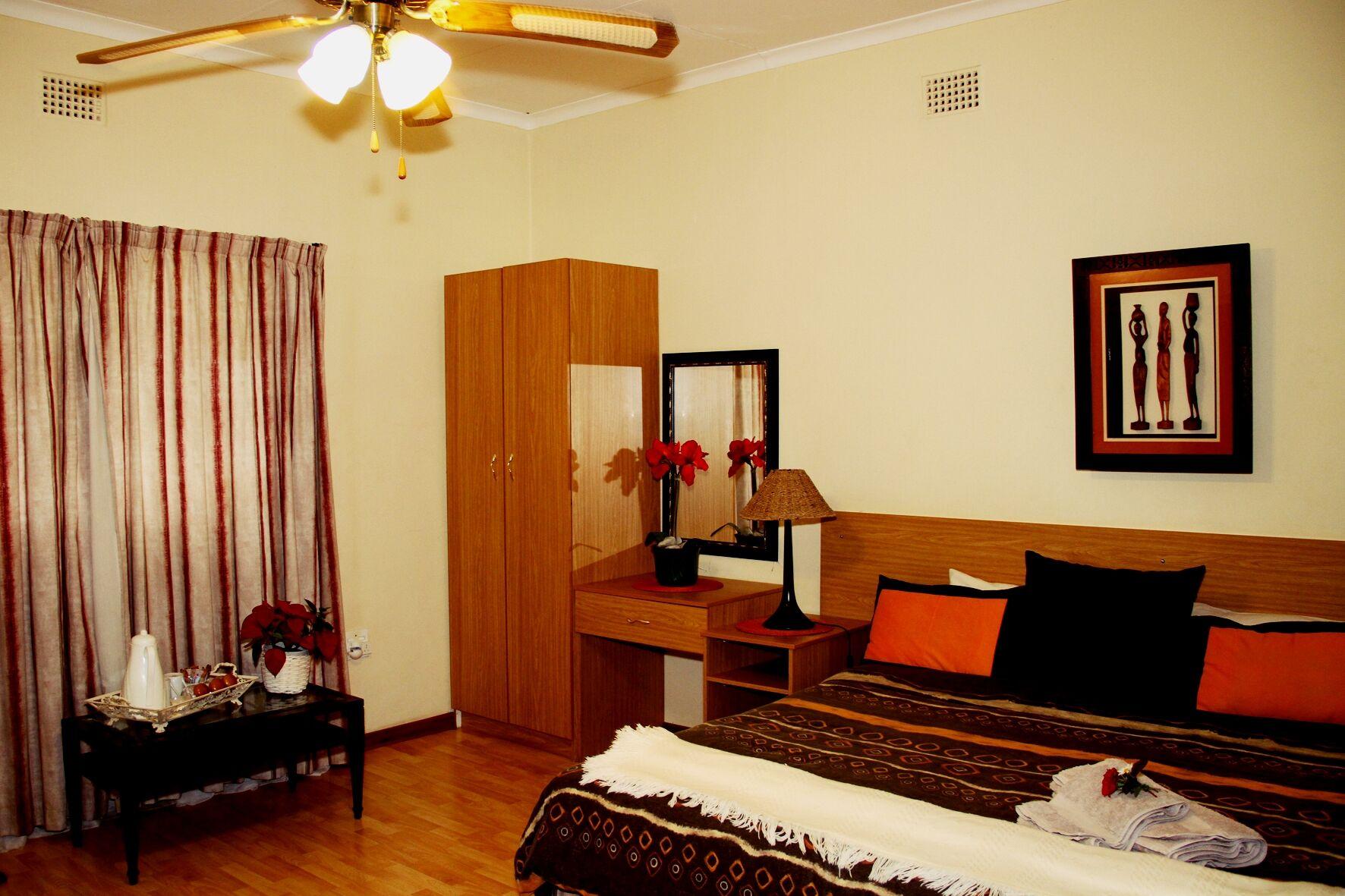
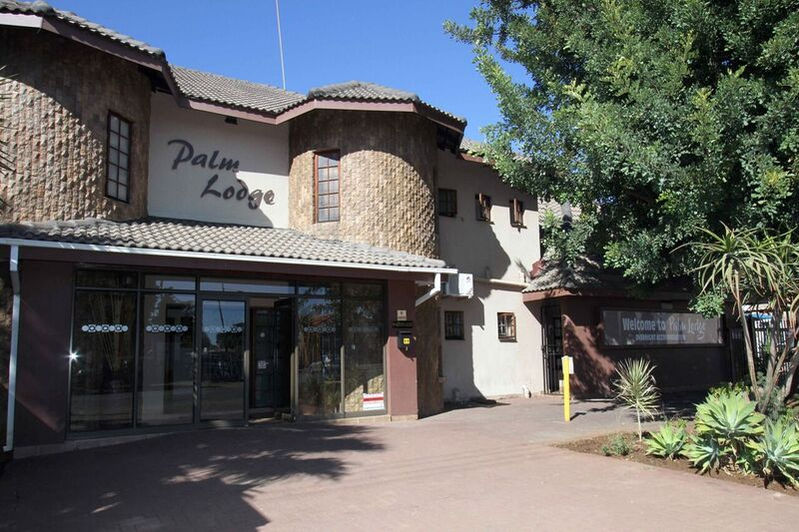
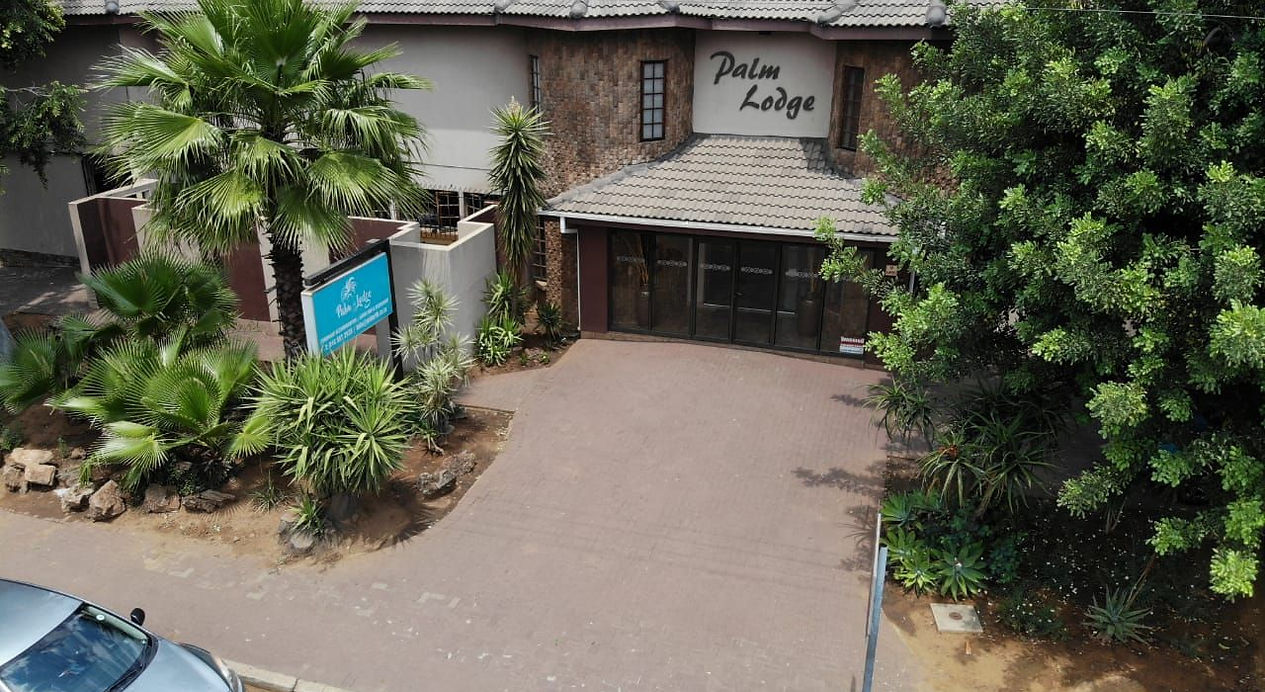
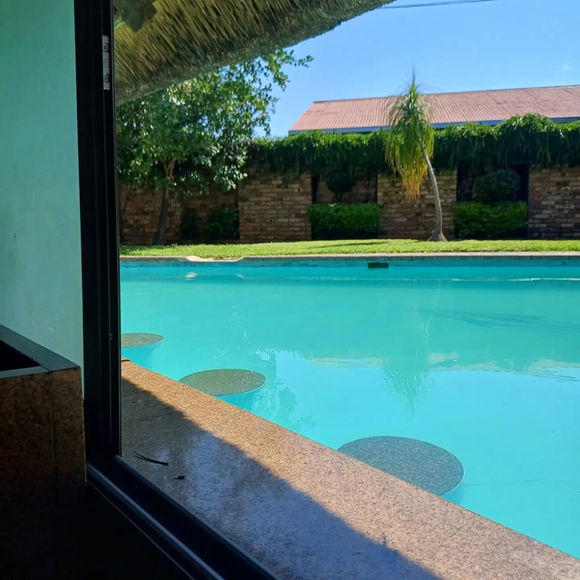
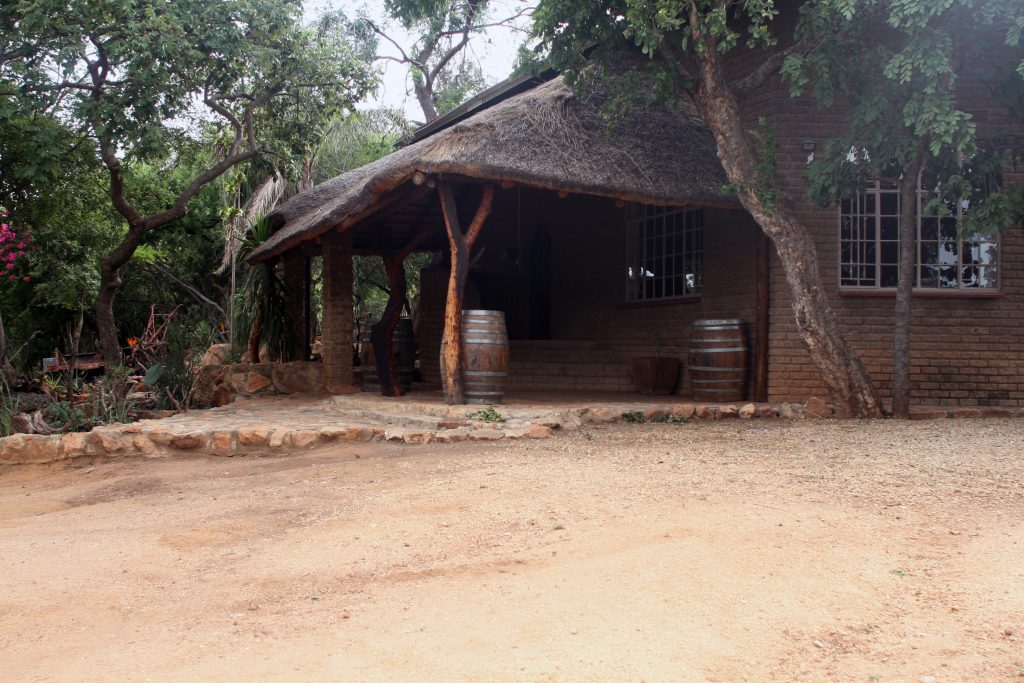
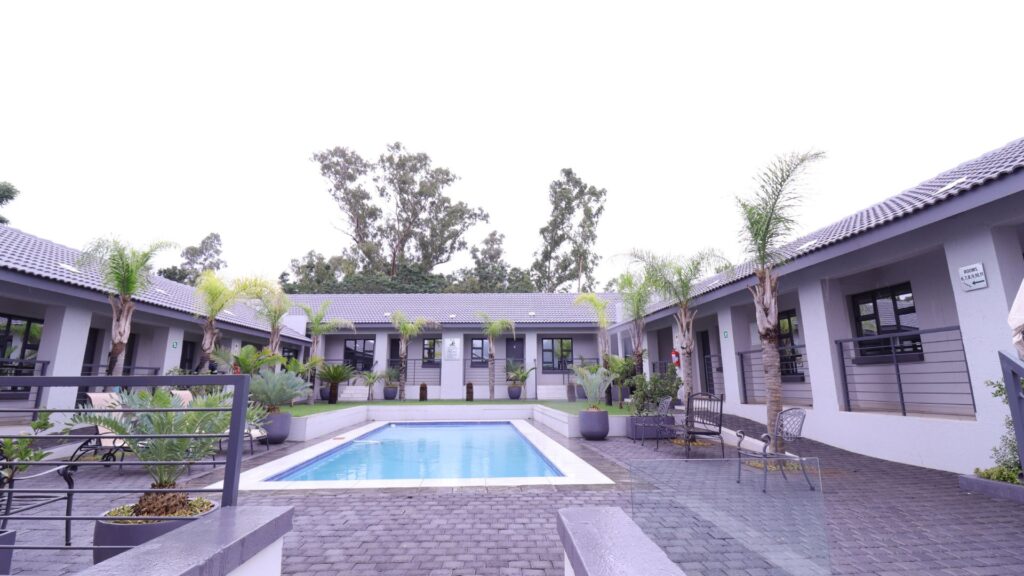
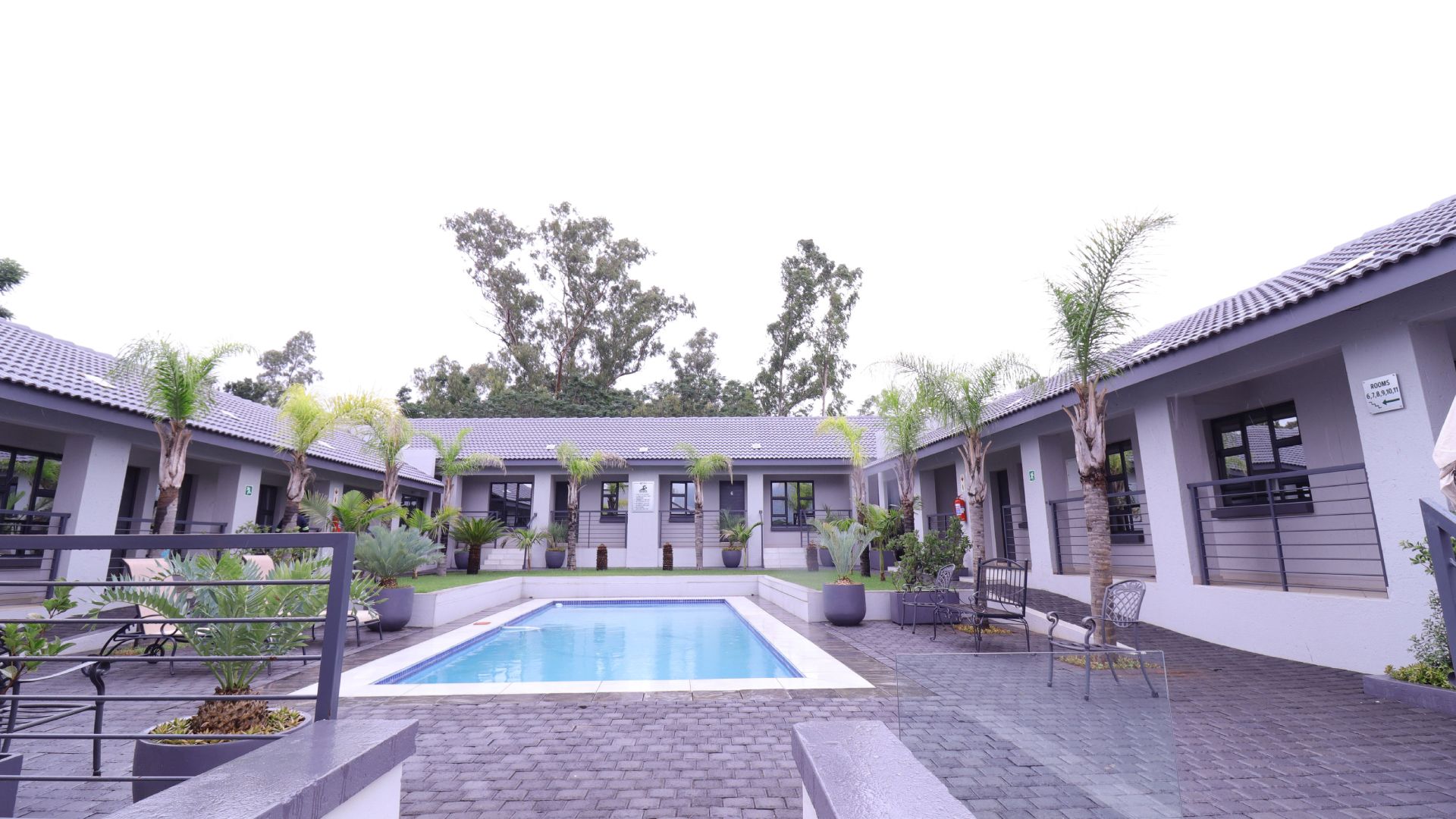
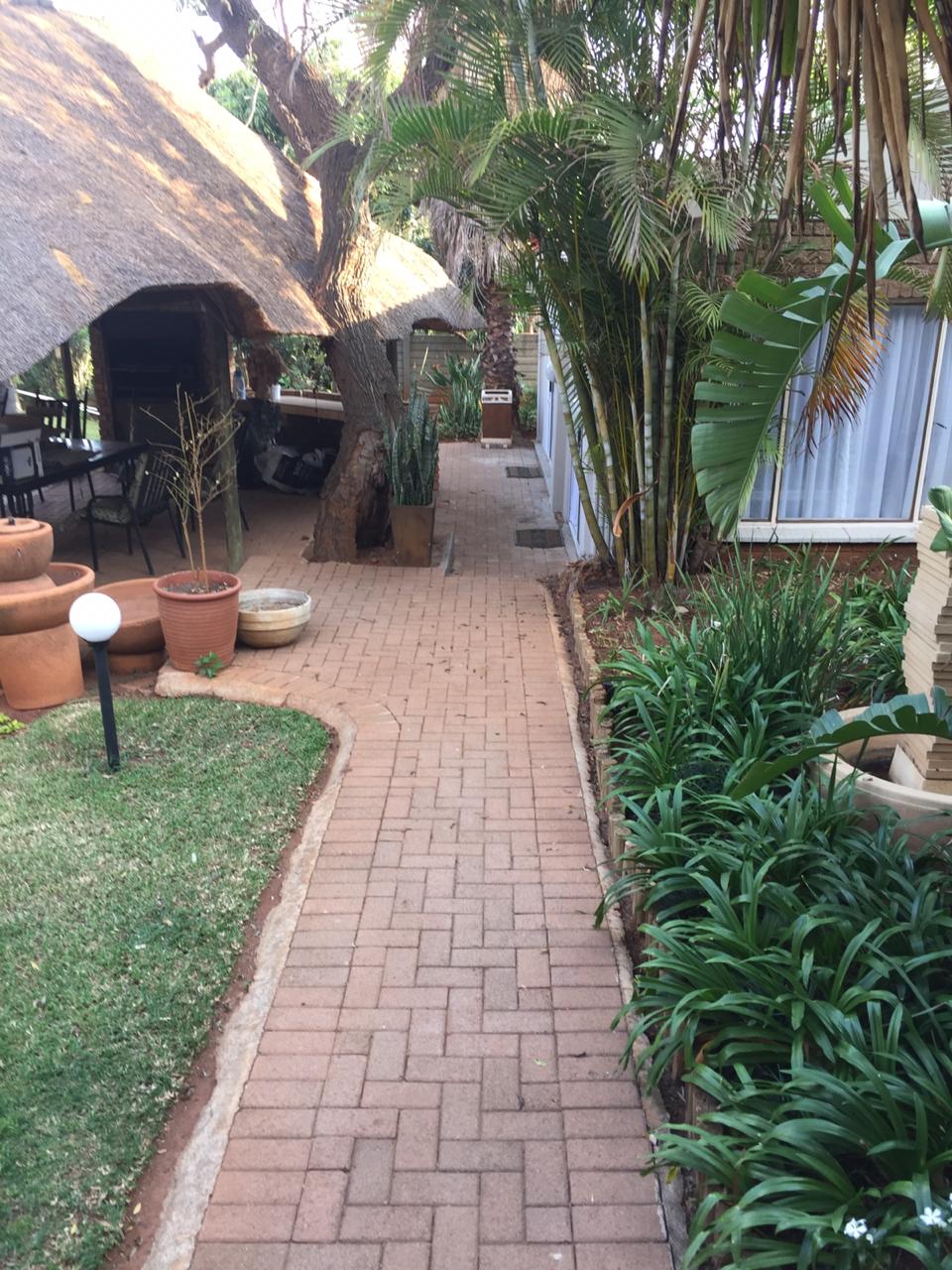
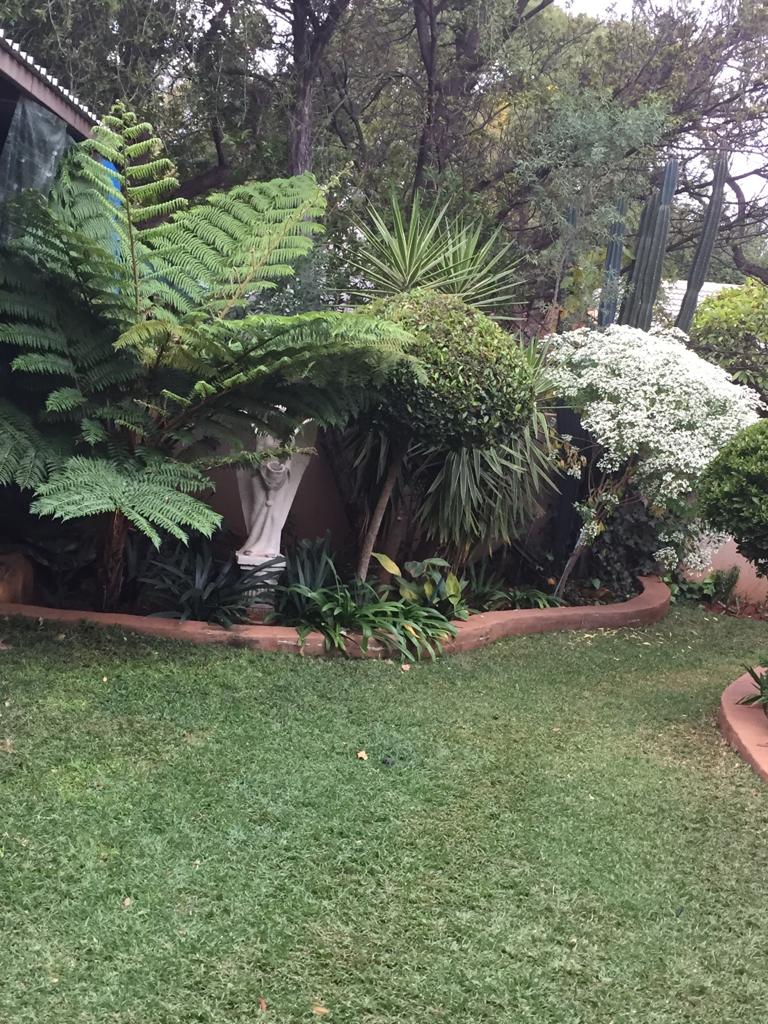
Lodges anchor the mid-range tier. Three lodge-style properties average around R1,285 per night and generally offer more outdoor space than the alternatives, often featuring gardens and a pool. This category suits couples or small groups wanting room to spread out without moving into the upper price bracket. The semi-open character of lodge settings fits reasonably well with the landscape of the surrounding North West Province.
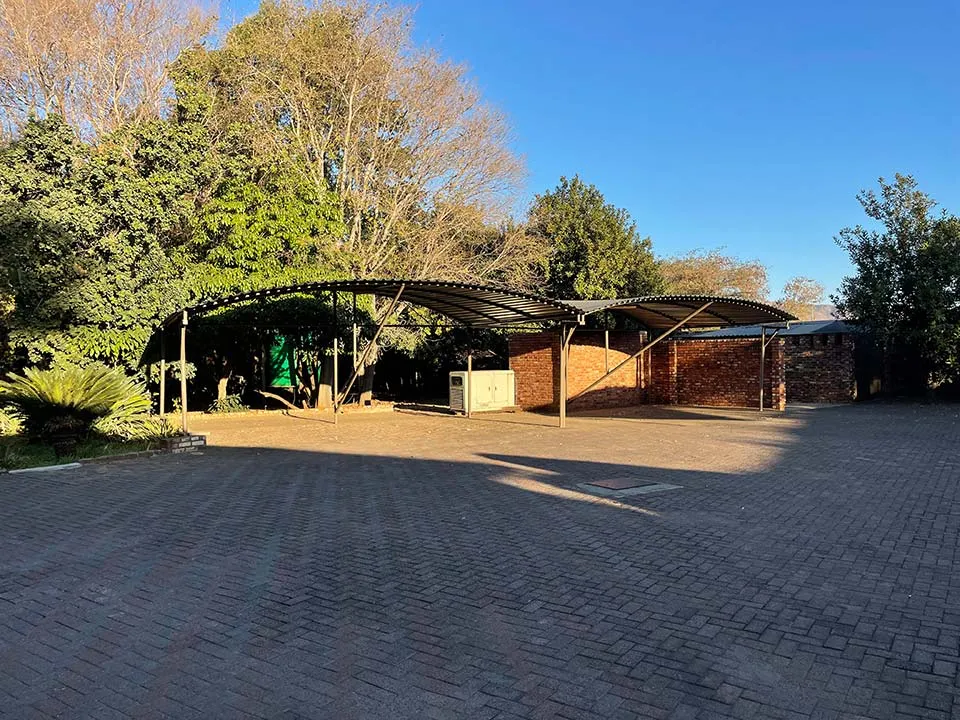
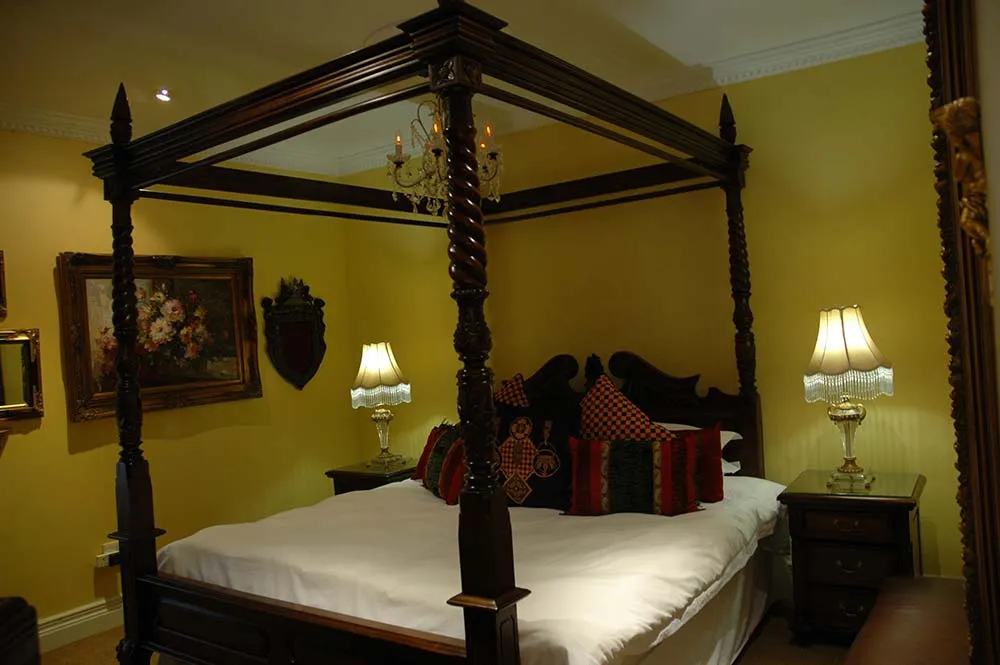
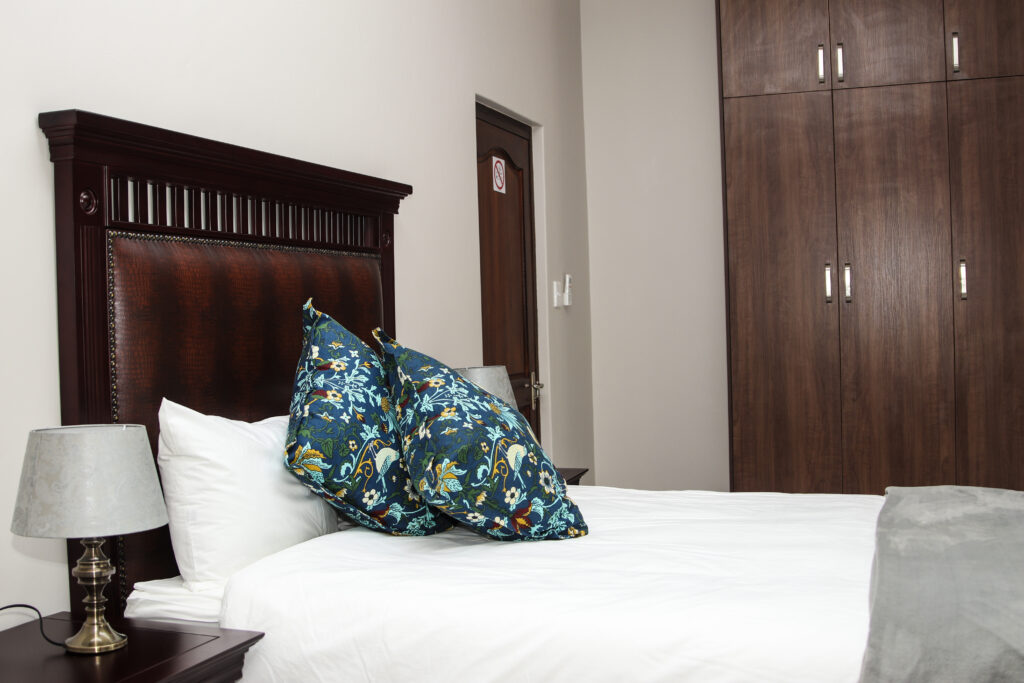
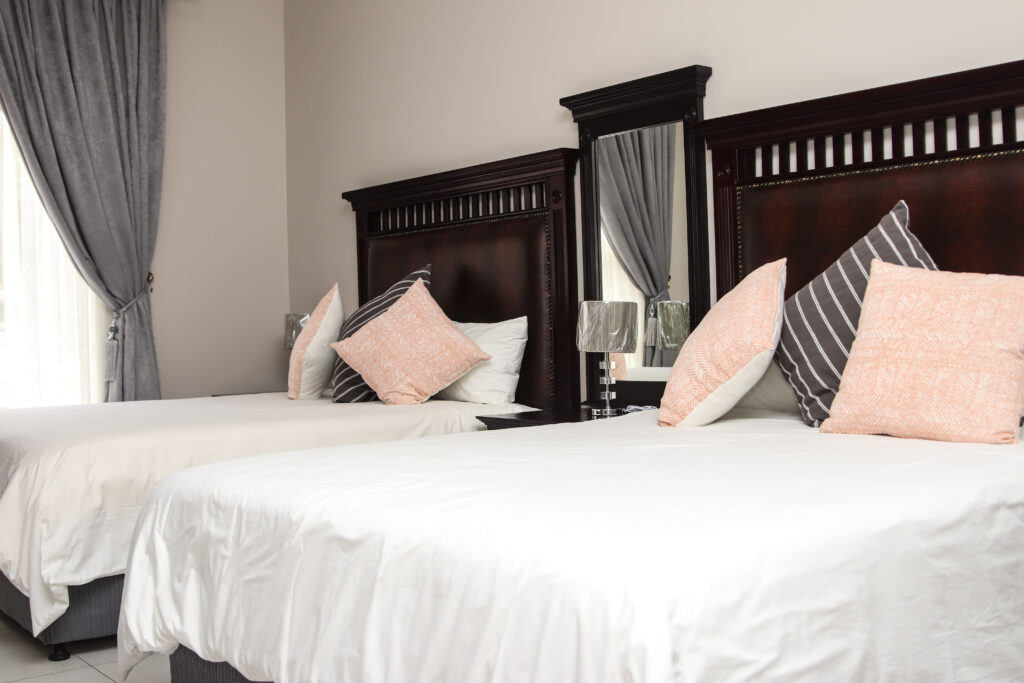
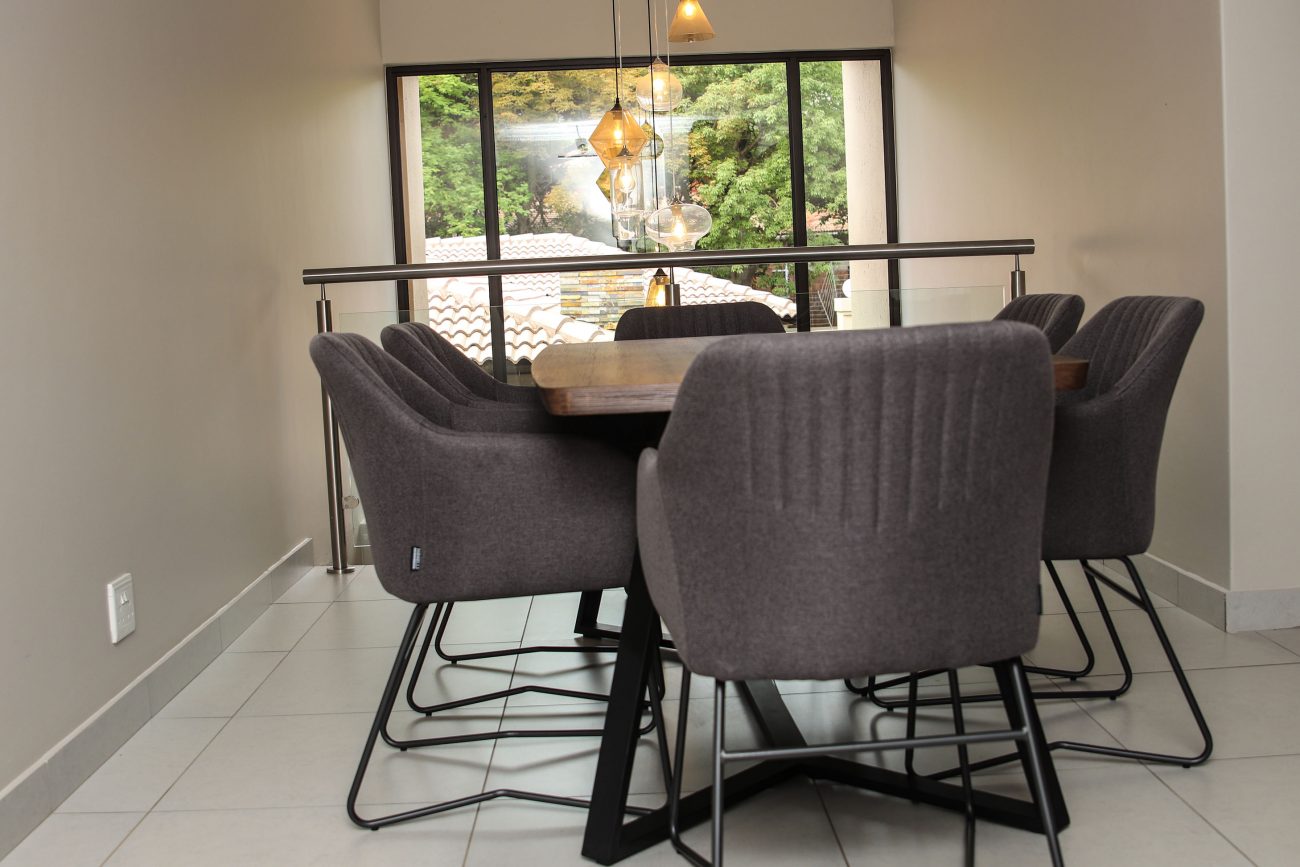
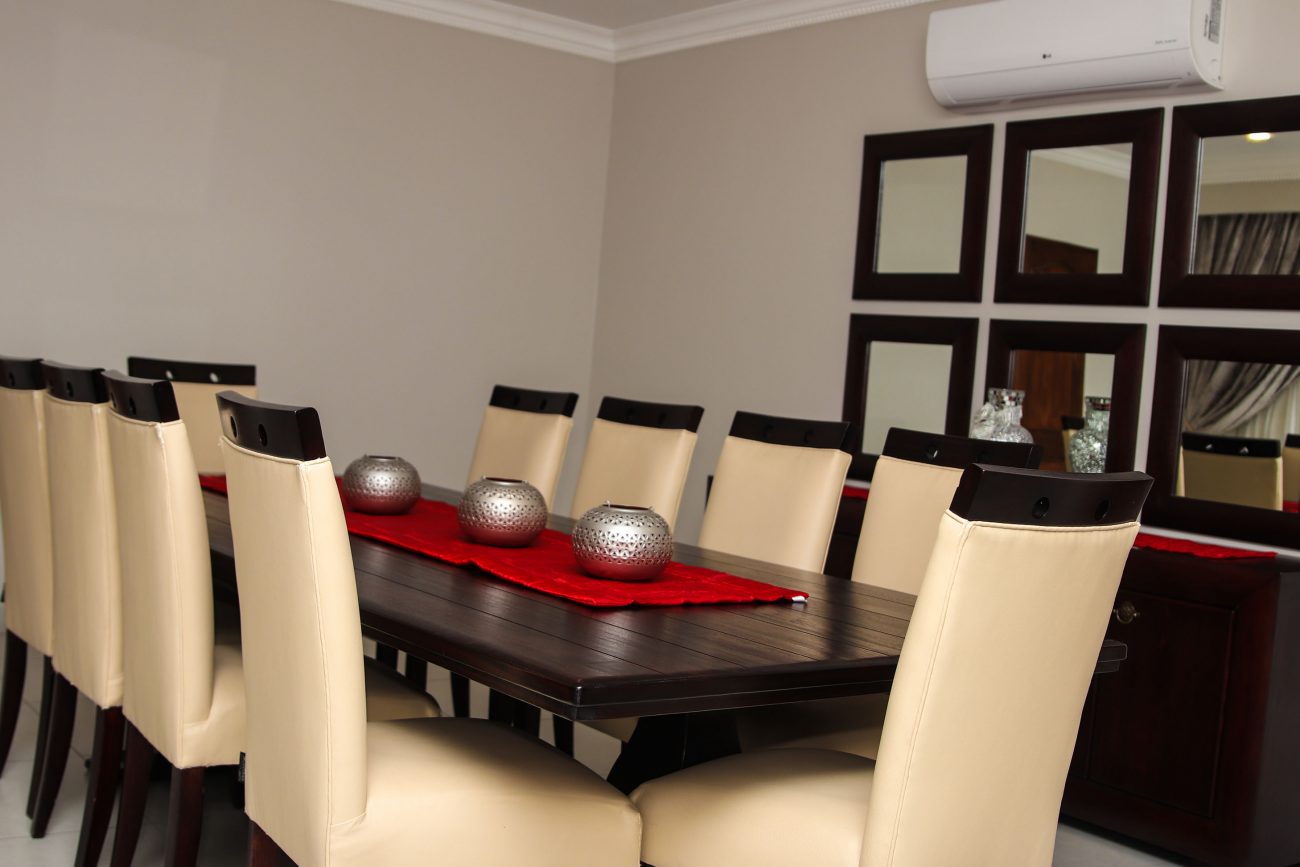
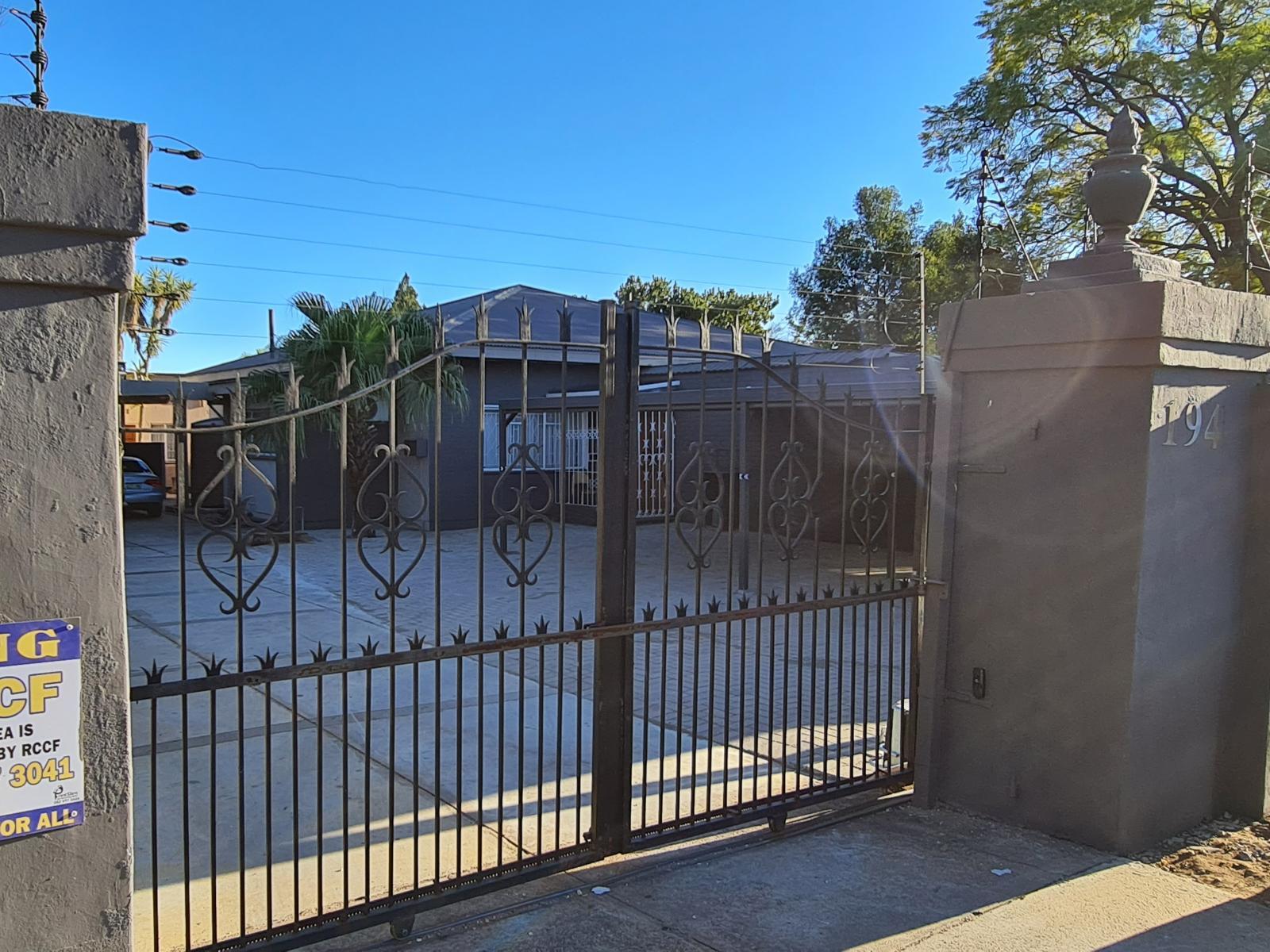
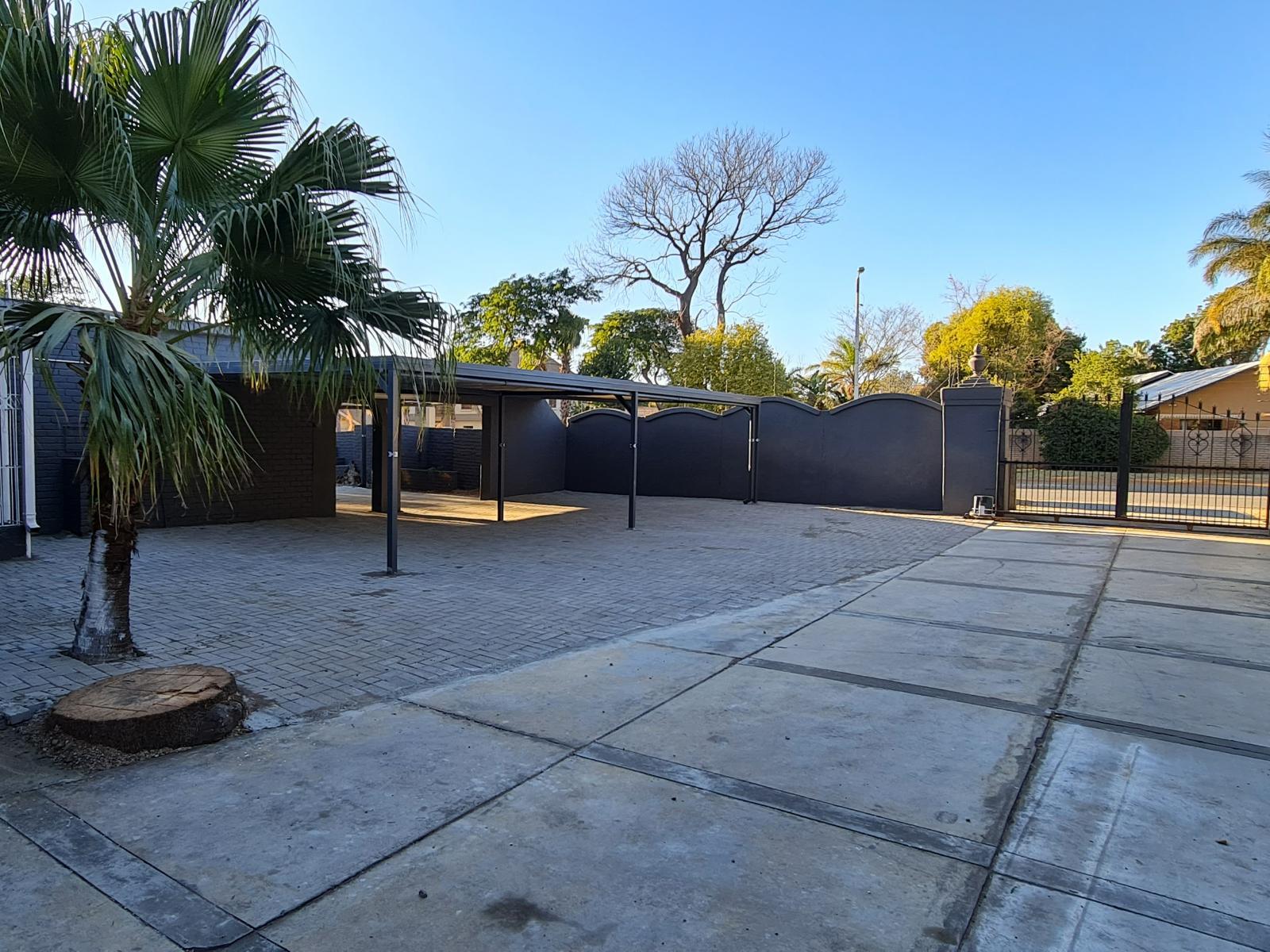
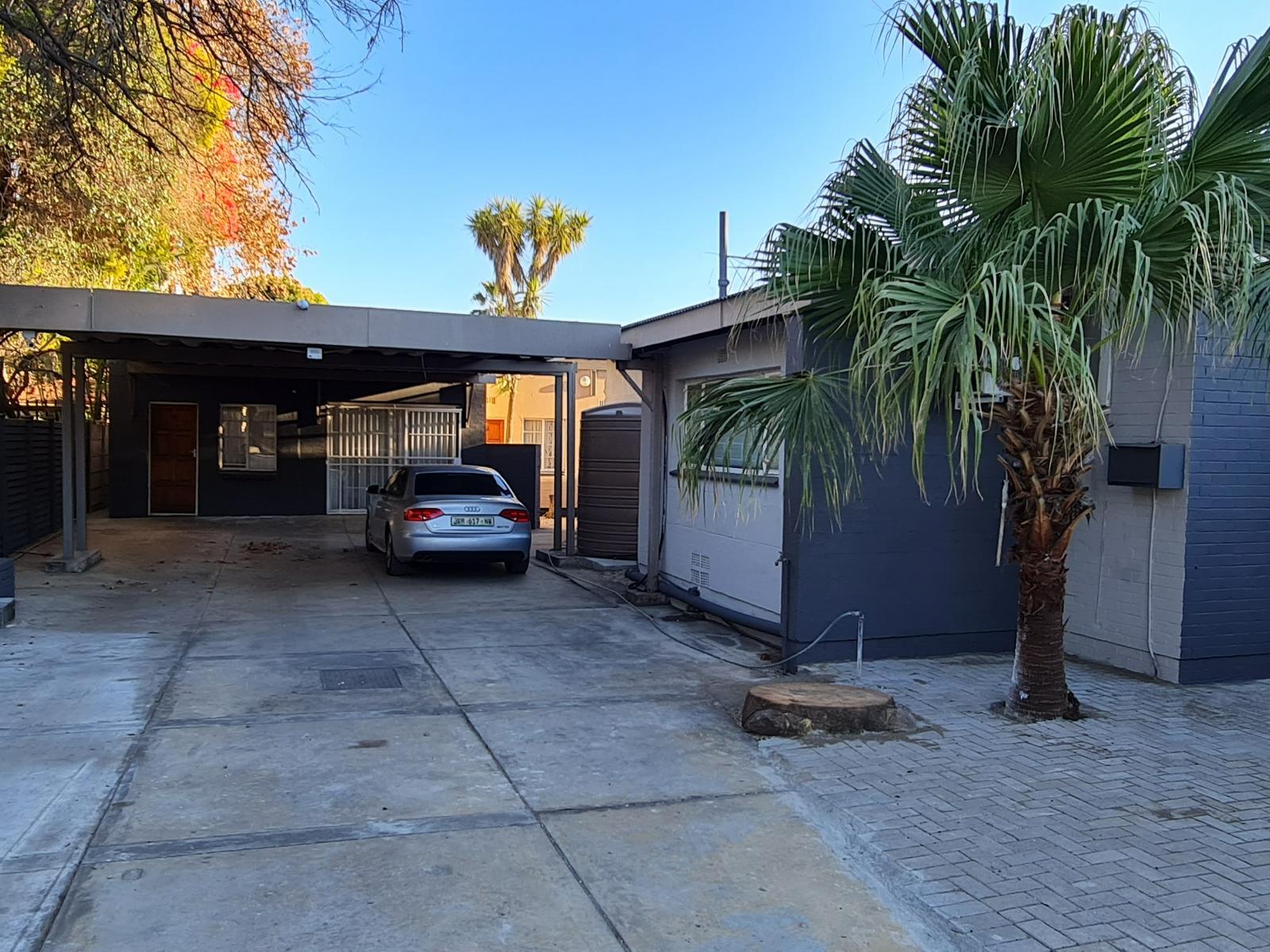
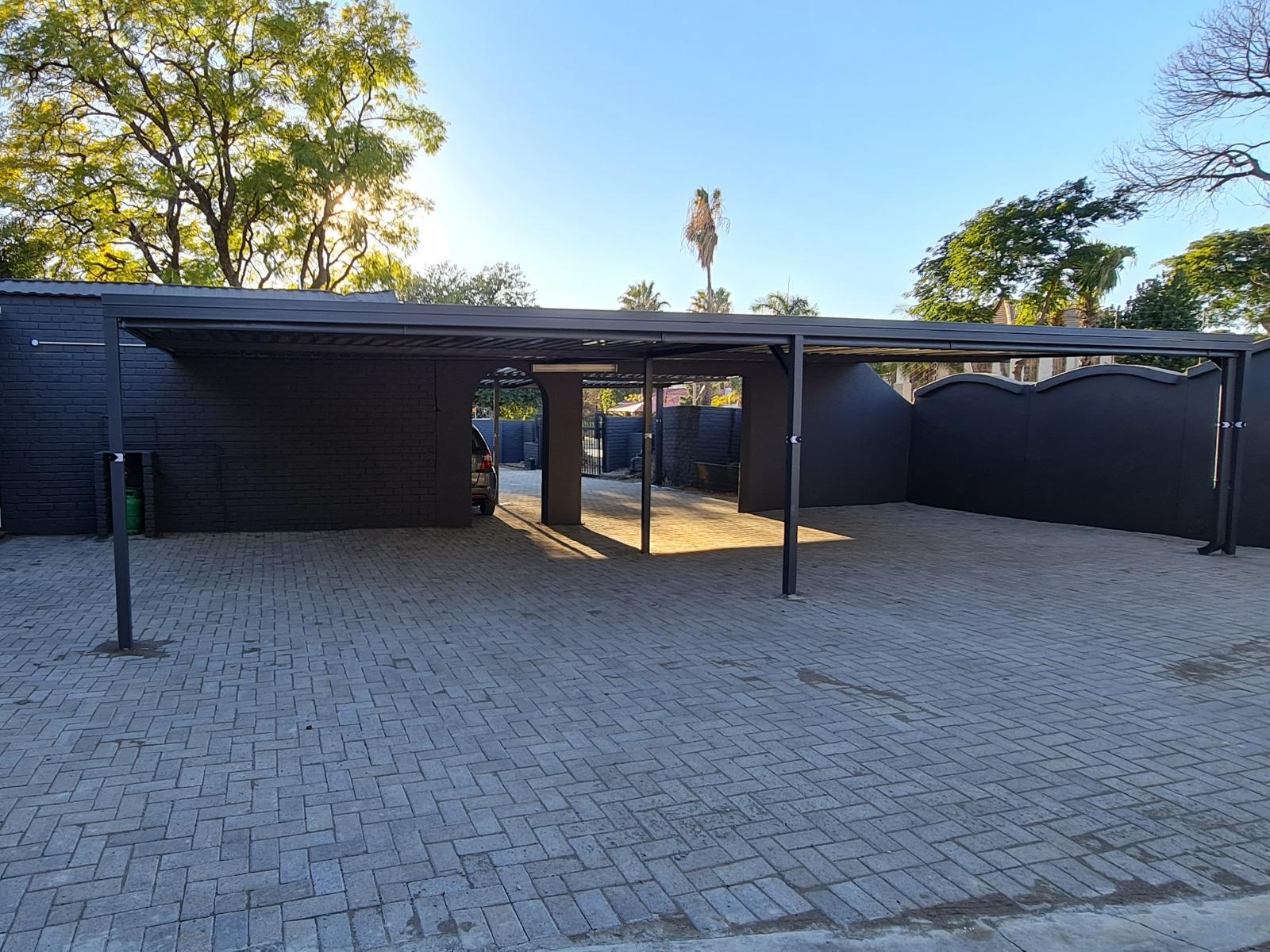
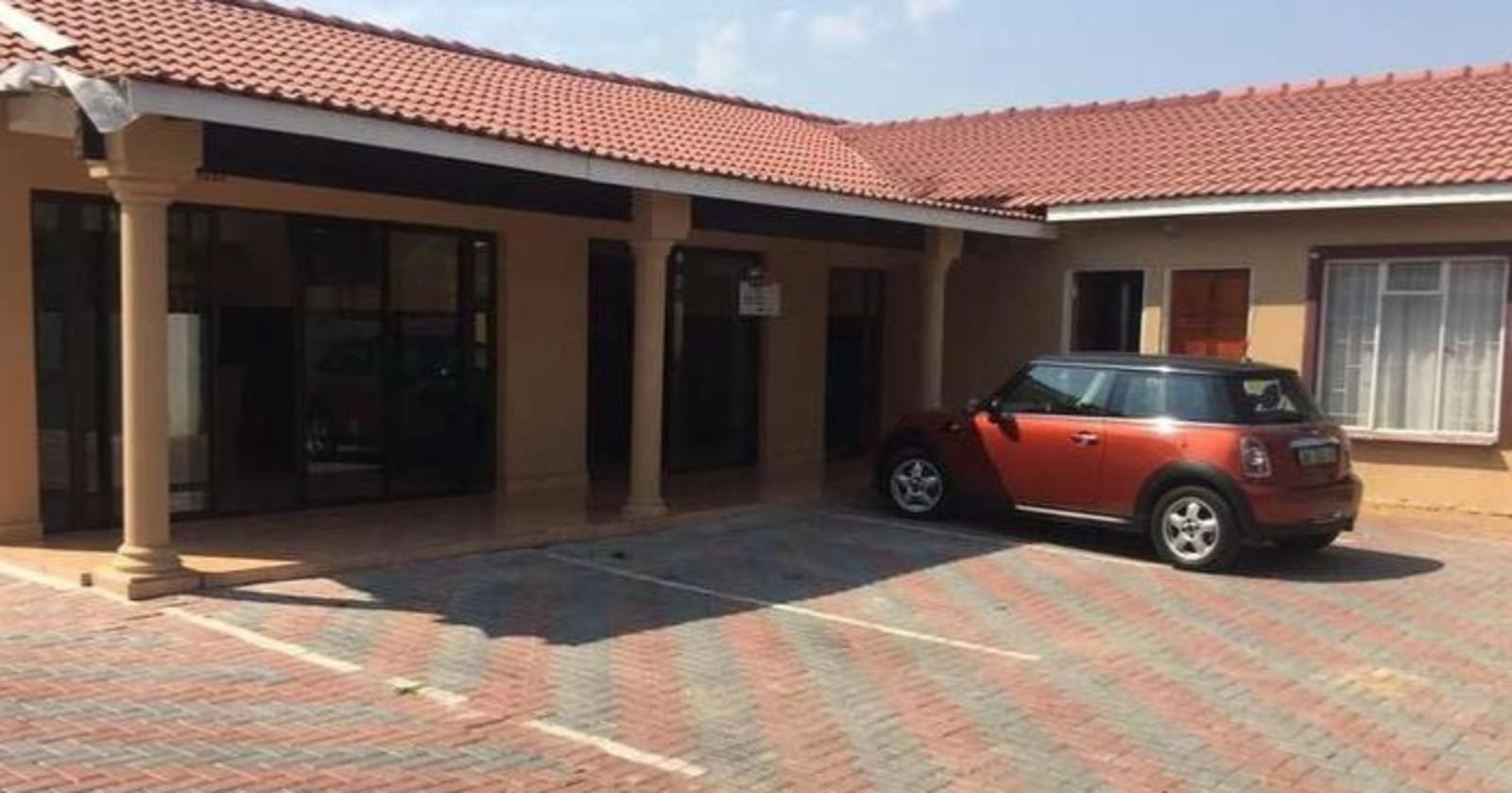
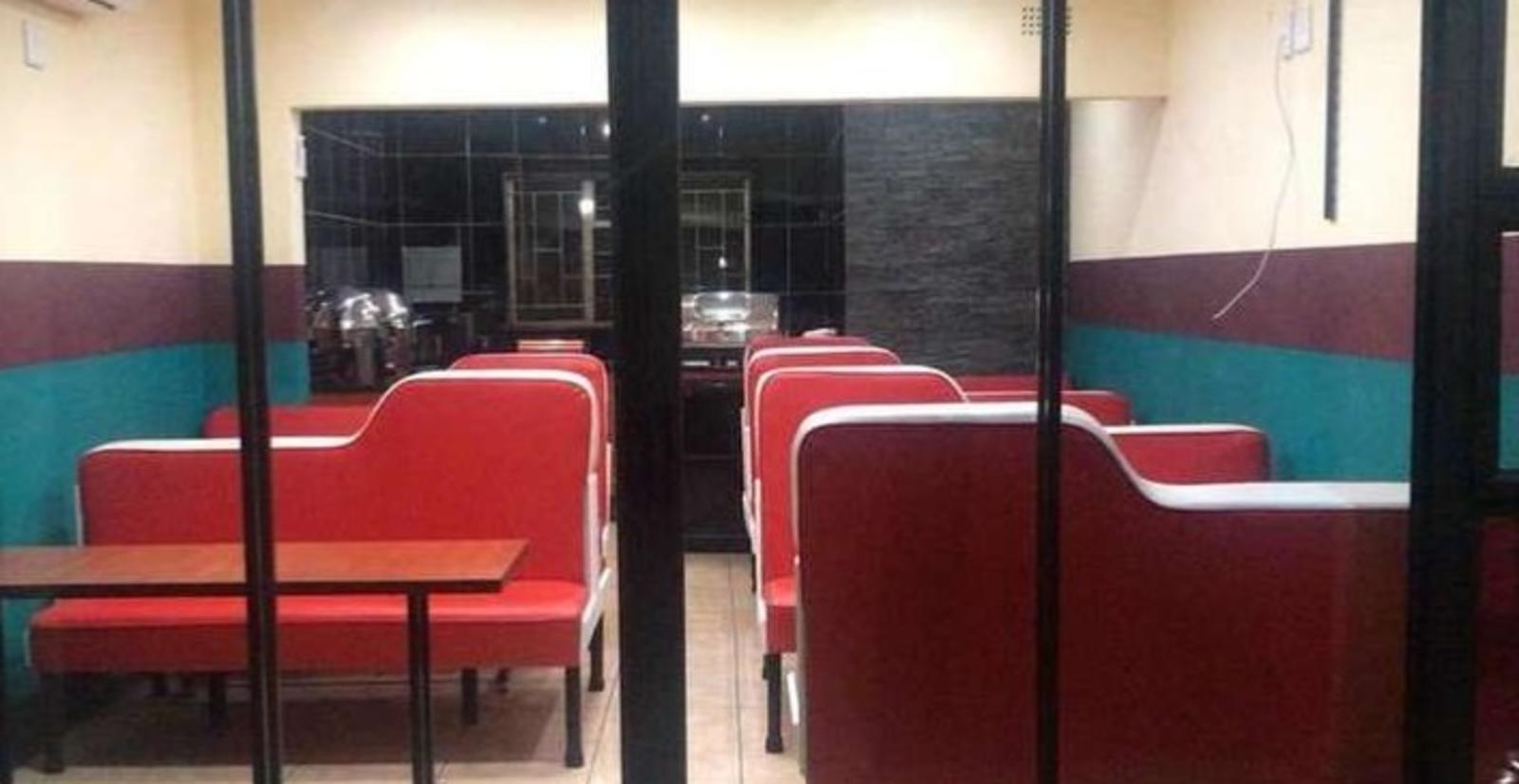
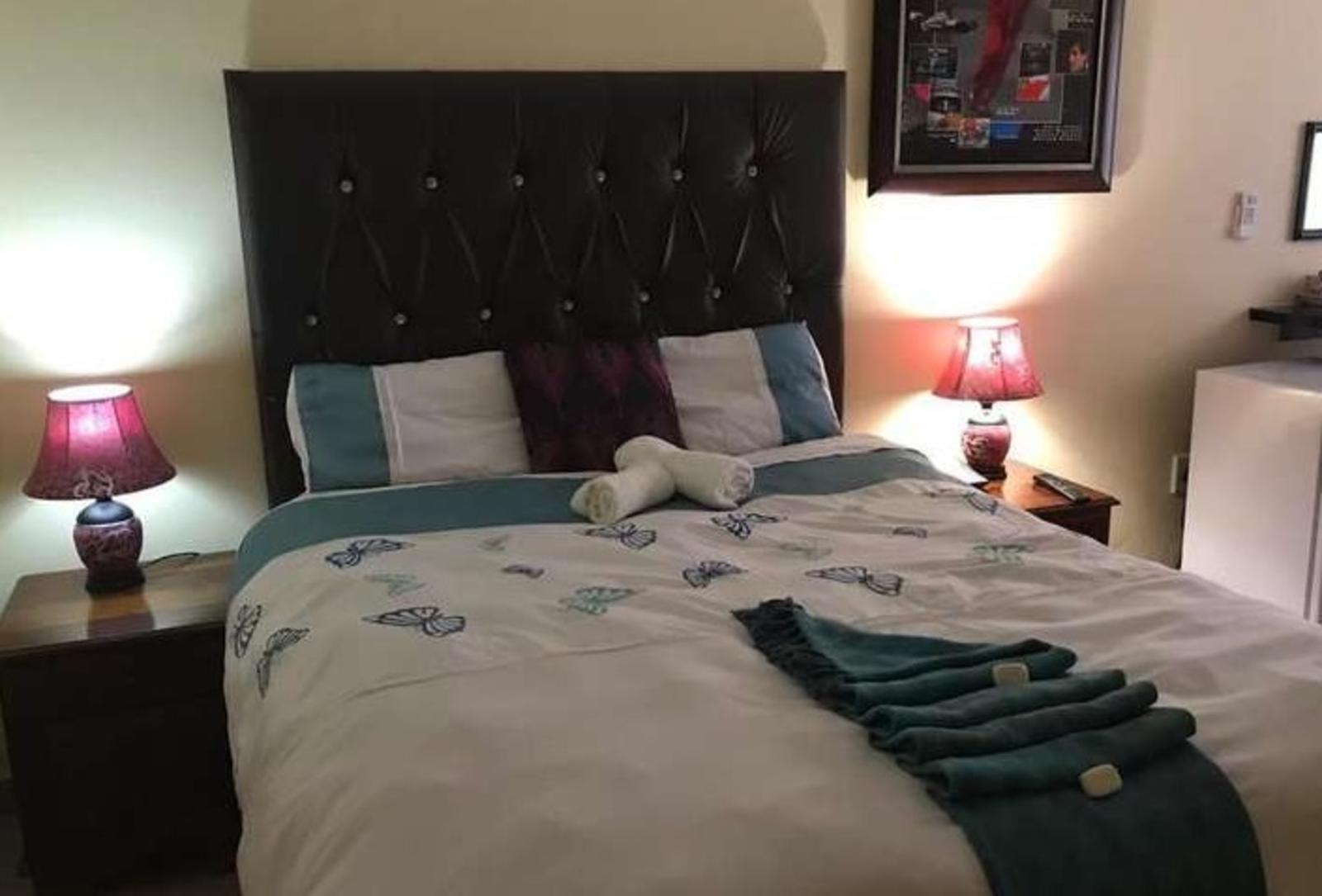
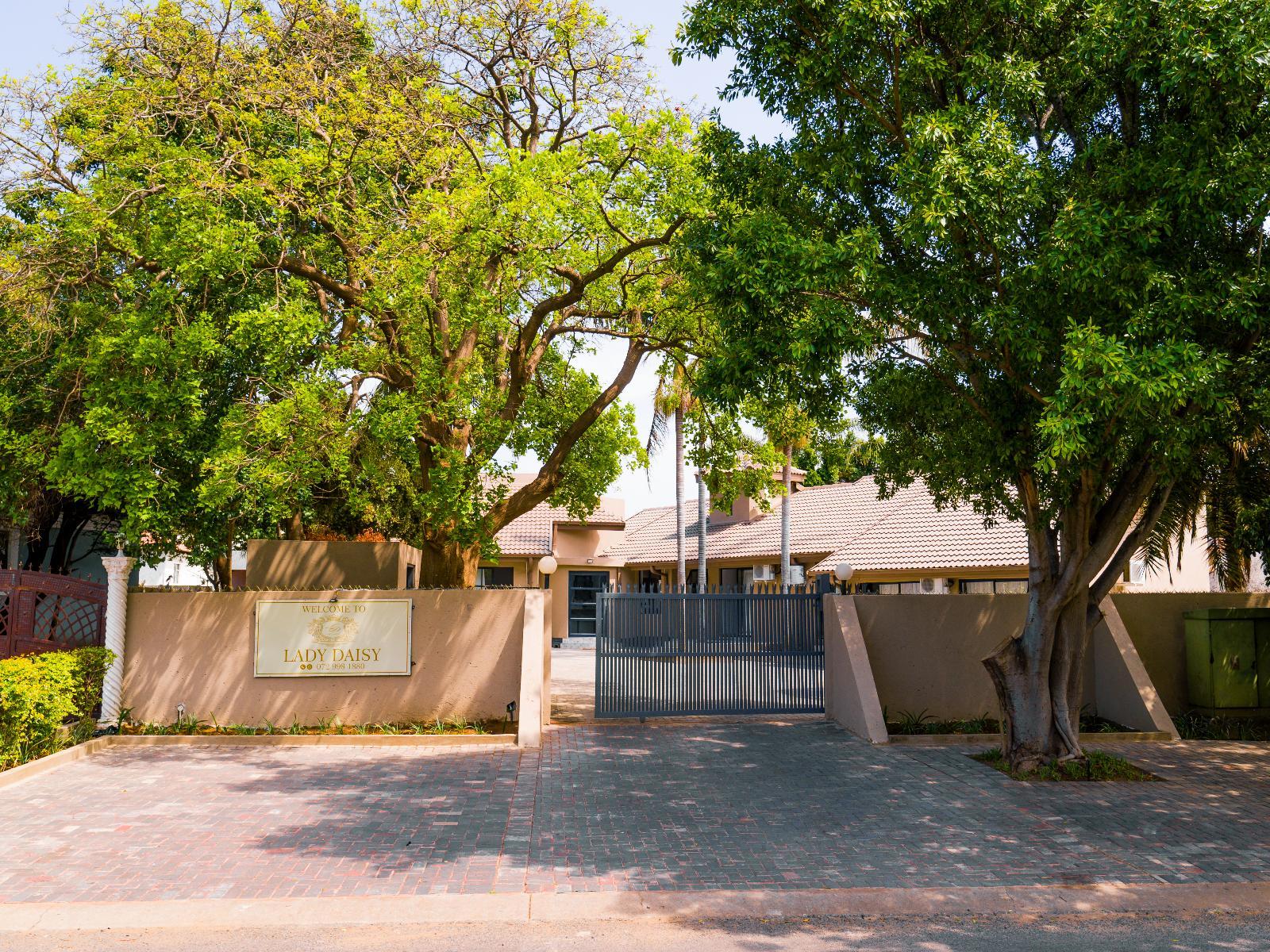
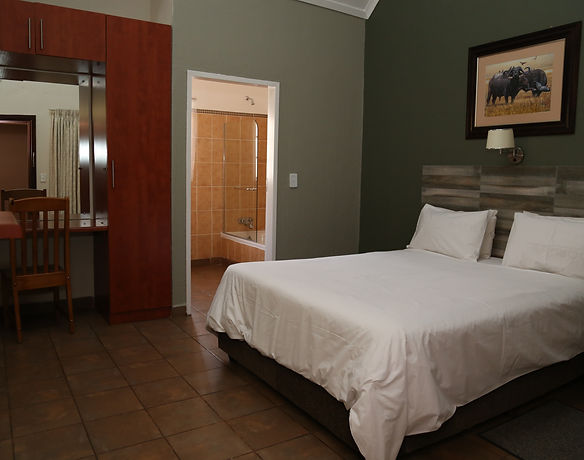
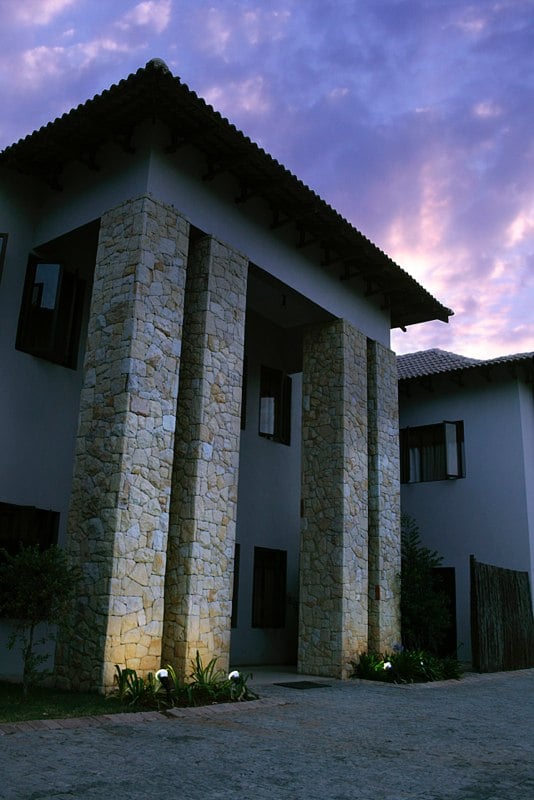
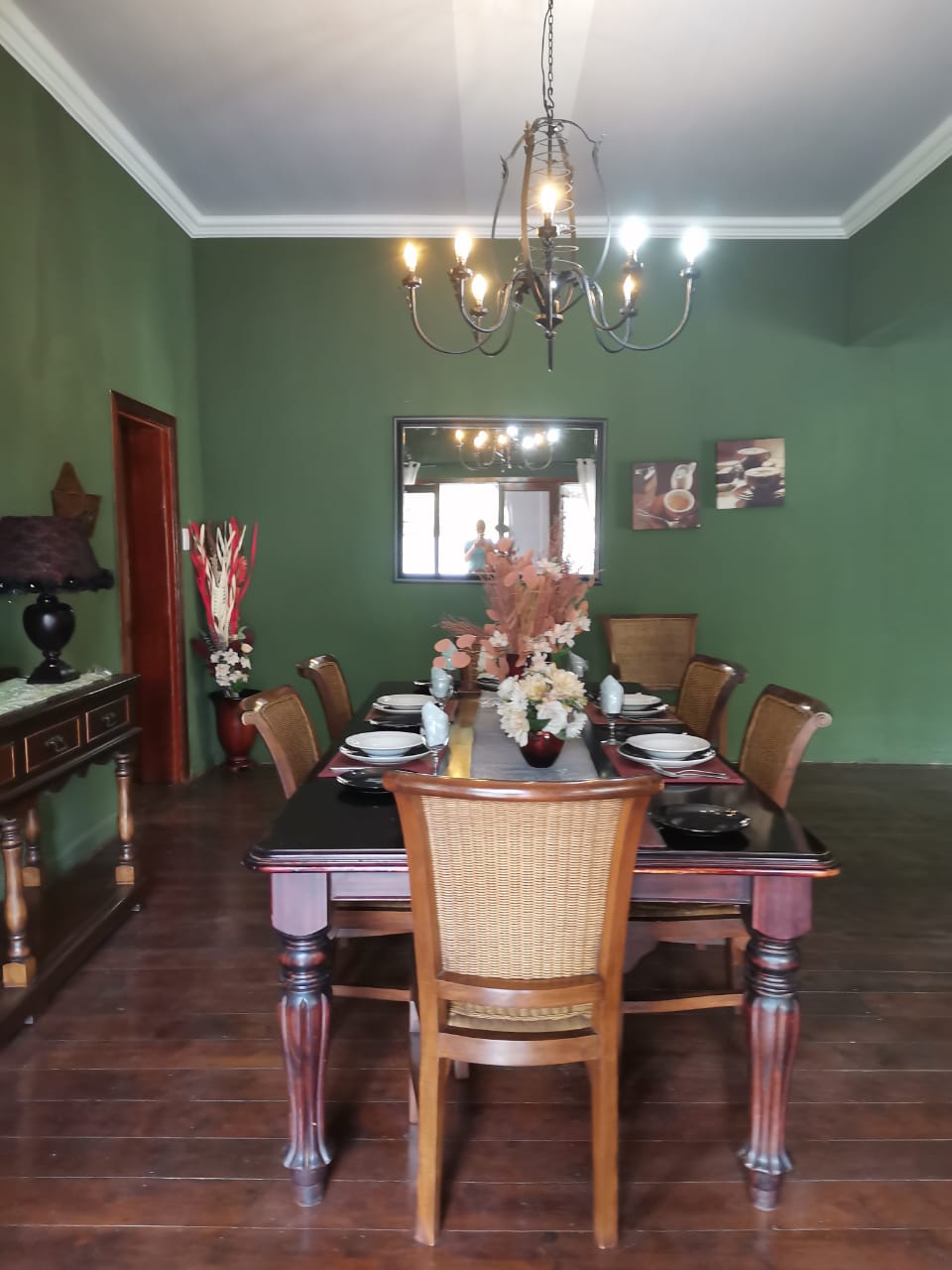
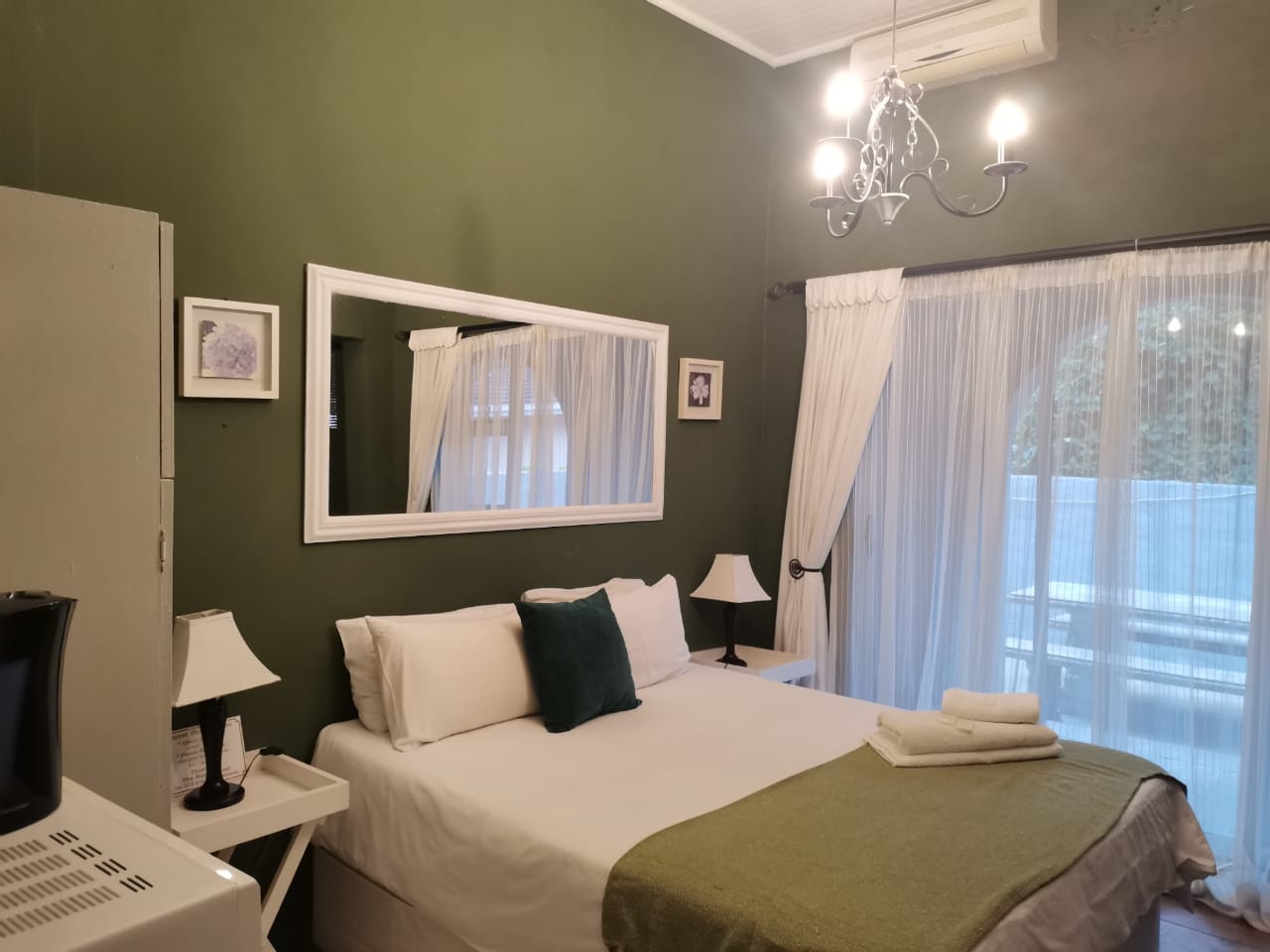
At the top end, three guesthouses average closer to R1,810 per night. These properties tend to offer individually furnished rooms, attentive service, secure parking, and on-site dining, making them the most reliable option for business travelers or those expecting a structured, hotel-adjacent experience. Air conditioning tends to be standard at this level, a meaningful consideration given summer temperatures.
Overall, the accommodation selection skews toward mid-range and upper options. Those looking for budget accommodation will find it limited to two properties. With the overall nightly range running from R990 to R1,200 at the lower end, comparing on specific amenities, such as pool access or breakfast inclusion, will narrow the field more usefully than sorting by price alone.
Best Time to Visit Rustenburg
Rustenburg follows a summer-rainfall climate pattern, with the wet season running from October through April. December and January are the hottest and wettest months, with afternoon thunderstorms arriving regularly and daytime temperatures often exceeding 35°C. Outdoor activity during this period is most comfortable in the early morning or late afternoon, making mid-summer a challenging time for extended time outside.
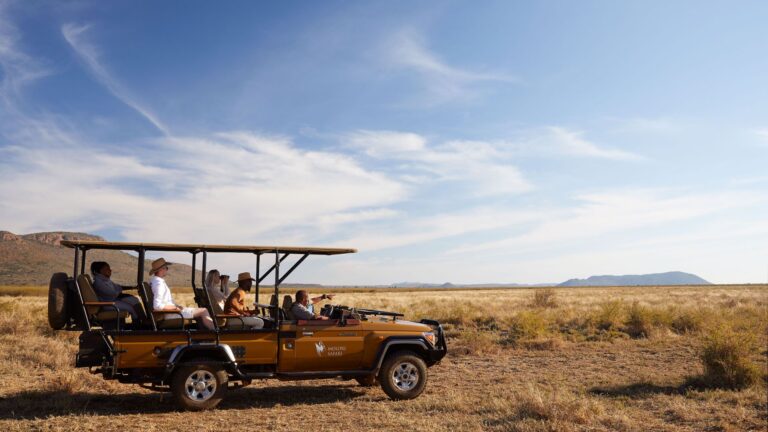
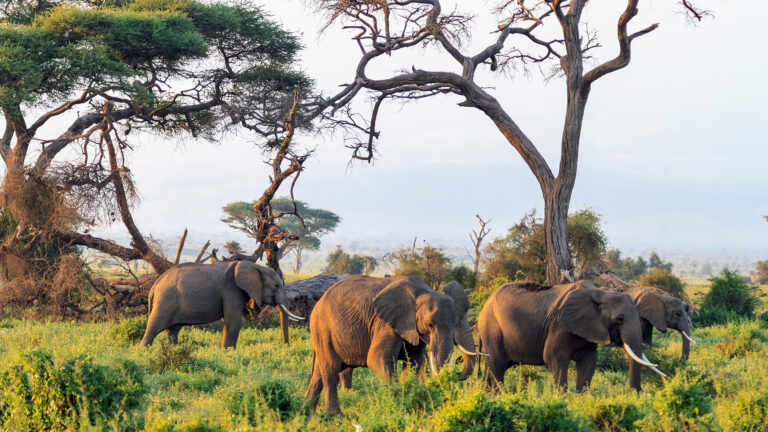
May through August, the dry winter months, offer the most pleasant conditions. Days are clear and temperatures typically sit between 18°C and 25°C, though nights, particularly in June and July, can drop close to freezing. This period coincides with peak game-viewing conditions at Pilanesberg National Park, roughly 50 kilometers from Rustenburg. Sparse dry-season vegetation makes wildlife easier to spot, and animals gather in greater concentrations around permanent water sources.
September and October offer a useful shoulder period. Temperatures are rising but not yet extreme, game-viewing conditions remain reasonable, and visitor numbers sit below the mid-year peak. South African school holidays, particularly the June and July break, push demand across the region significantly higher. Visitors whose dates overlap with those windows should plan and book well in advance.
Getting to Rustenburg
Rustenburg has no commercial airport. OR Tambo International Airport in Johannesburg, approximately 130 kilometers to the southeast, is the most practical entry point for international and domestic arrivals. The drive from OR Tambo takes around two hours via the N4 highway, a toll road that runs through Pretoria before heading west into the North West Province. Lanseria Airport, on Johannesburg's northern edge, is somewhat closer and handles domestic routes worth checking for travelers coming from within South Africa.
By road from central Johannesburg, the distance is approximately 110 kilometers, and from Pretoria around 90 kilometers, both primarily via the N4. The highway is well-maintained and accessible to standard vehicles. Toll plazas operate along the route, and cash or an e-toll account covers payment.
Long-distance coaches connect Rustenburg to both Johannesburg and Pretoria, but services run infrequently and schedules are not well-suited to travelers with fixed itineraries. Most visitors hire a car, which also provides the independence needed for exploring the surrounding area once in town. Within Rustenburg, metered taxis cover the central areas but are not practical for reaching towns or attractions beyond the city boundary.
Rustenburg and Surrounding Areas
Tlhabane lies 4 kilometers from central Rustenburg and is effectively a suburb of the city. It is home to the Royal Bafokeng Stadium, a major venue built by the Bafokeng Nation that hosted matches during the 2010 FIFA World Cup. The Bafokeng are significant landowners in the region and hold major shareholdings in platinum mining operations. For visitors, the stadium is a recognizable landmark, and the area provides useful context for understanding how the Bafokeng Nation has developed civic infrastructure from mineral wealth, making it worth a brief visit for those interested in the political economy of the North West.
Boshoek, 26 kilometers out, sits at the entry zone of a major game reserve and functions primarily as a residential and service area for workers in the tourism and conservation sector. It has no independent visitor offering but is a practical reference point for those approaching the reserve from the Rustenburg direction.
Mooinooi, 33 kilometers away, runs along the Crocodile River and into the Magaliesberg foothills. The Magaliesberg is one of the oldest mountain ranges on earth, and the area supports hiking, mountain biking, and a number of private game farms and nature reserves. Visitors with an interest in smaller-scale outdoor activity will find more here than a single afternoon allows.
Maanhaarrand, 35 kilometers from Rustenburg, is a quiet farming and mining-adjacent settlement with no specific tourist infrastructure. It sits along routes connecting the broader North West interior and functions more as a waypoint than a destination.
Sun City, 39 kilometers from Rustenburg, is the largest commercial leisure destination in the region. The resort includes a casino, waterpark, golf courses, two hotels, and the Lost City precinct. It functions well as a full-day trip for visitors wanting an entertainment-focused break from the surrounding landscape, and the distance makes it easy to do without an overnight stay.
Beestekraal, at 47 kilometers, is a small rural community with no established tourism infrastructure. It marks a waypoint on routes heading further into the North West Province.
Planning Your Stay
Rustenburg accommodation books out quickly during South African school holidays. The mid-year break in June and July and the December summer holiday both push demand significantly higher across the region. If your visit falls within those windows, booking six to eight weeks ahead at minimum will give the best chance of securing a preferred property.
Before confirming a booking, verify whether air conditioning is included. It is not universally provided, and during summer, nights can stay warm enough to disrupt sleep without climate control. If the listing description is ambiguous on this point, contact the property directly rather than assuming.
Check the cancellation policy before paying. Terms at smaller properties sometimes differ from the platform defaults, and non-refundable deposits are not uncommon. Reading the fine print at the time of booking avoids complications if plans change.
On practical logistics, download offline maps for the area before leaving Rustenburg. Mobile data coverage on rural routes surrounding the city can be inconsistent, particularly toward the Magaliesberg. Fuel stations also become less frequent the further you travel from town, so fill the tank before any extended day trip rather than relying on finding a station en route.
Rustenburg has well-stocked supermarkets and pharmacies in its commercial districts, making it straightforward to provision a self-catering stay or stock up before heading out.