Accommodation in Waterval Boven
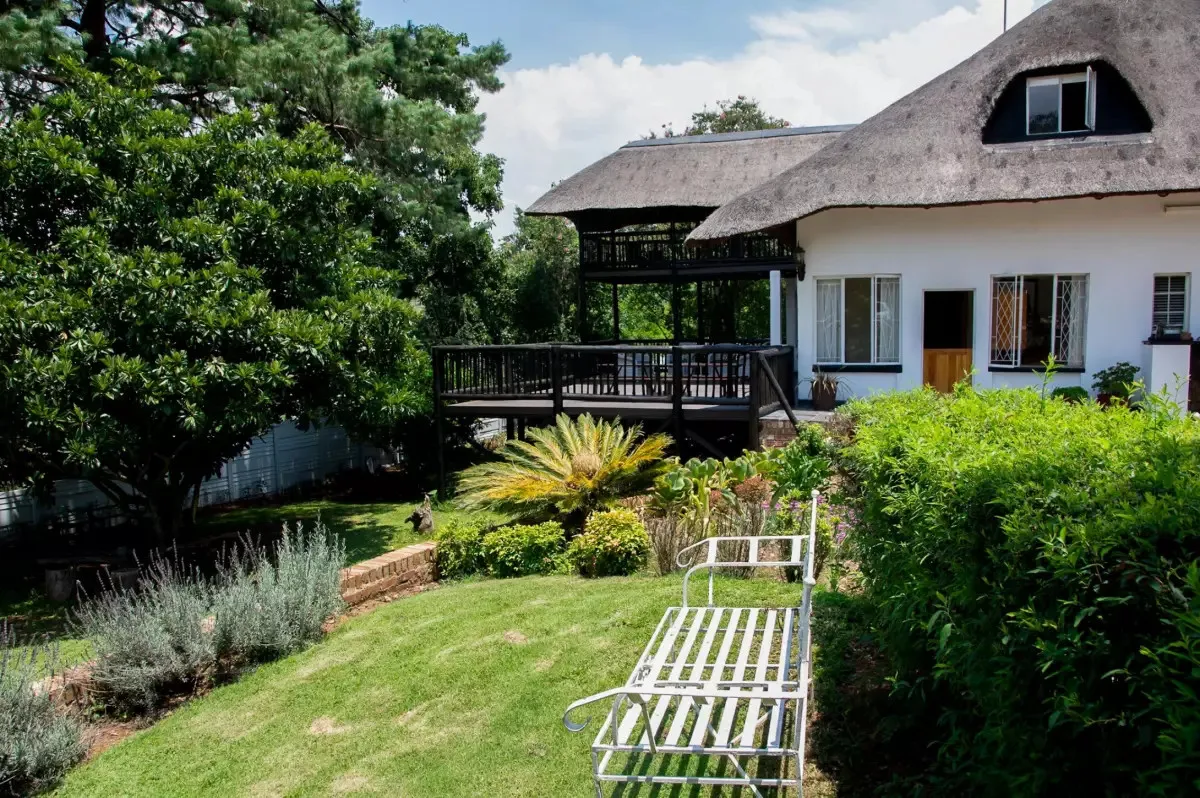
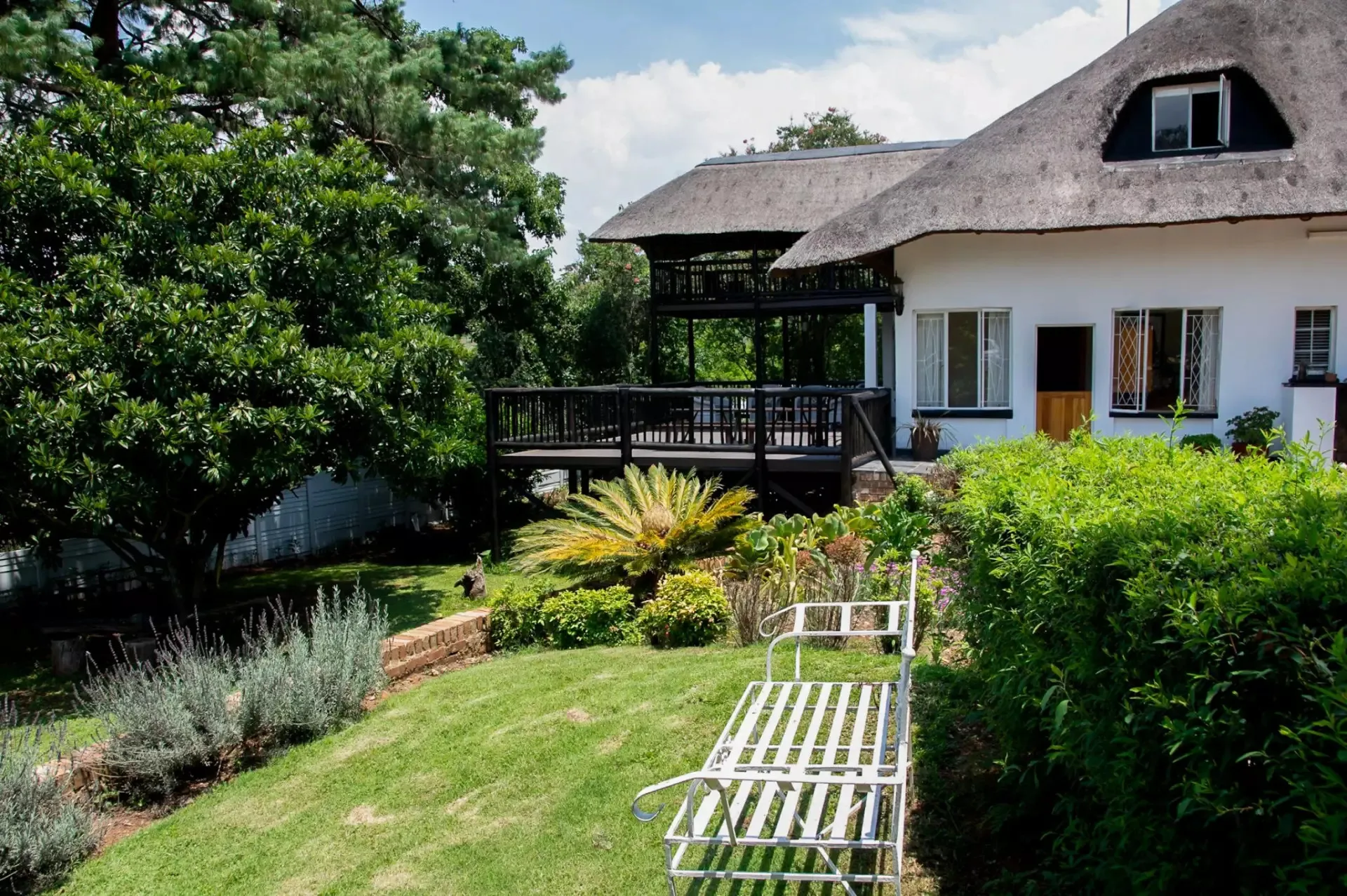
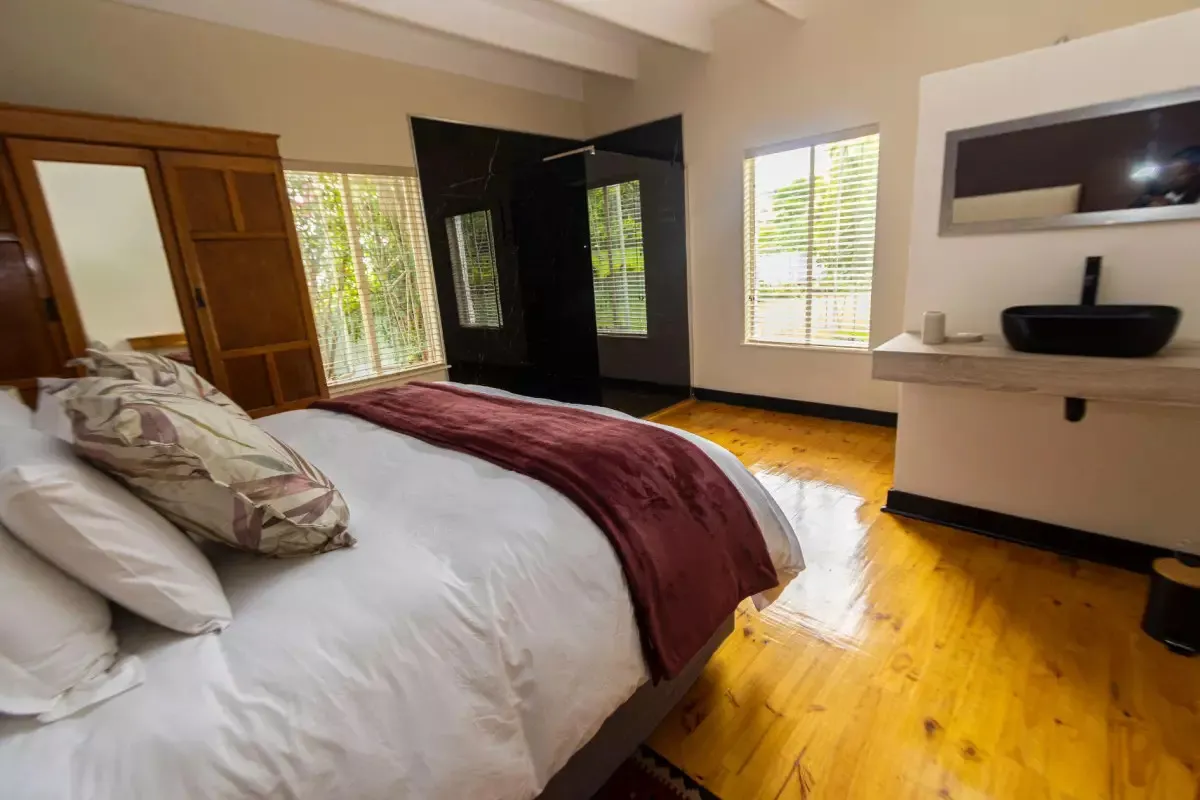
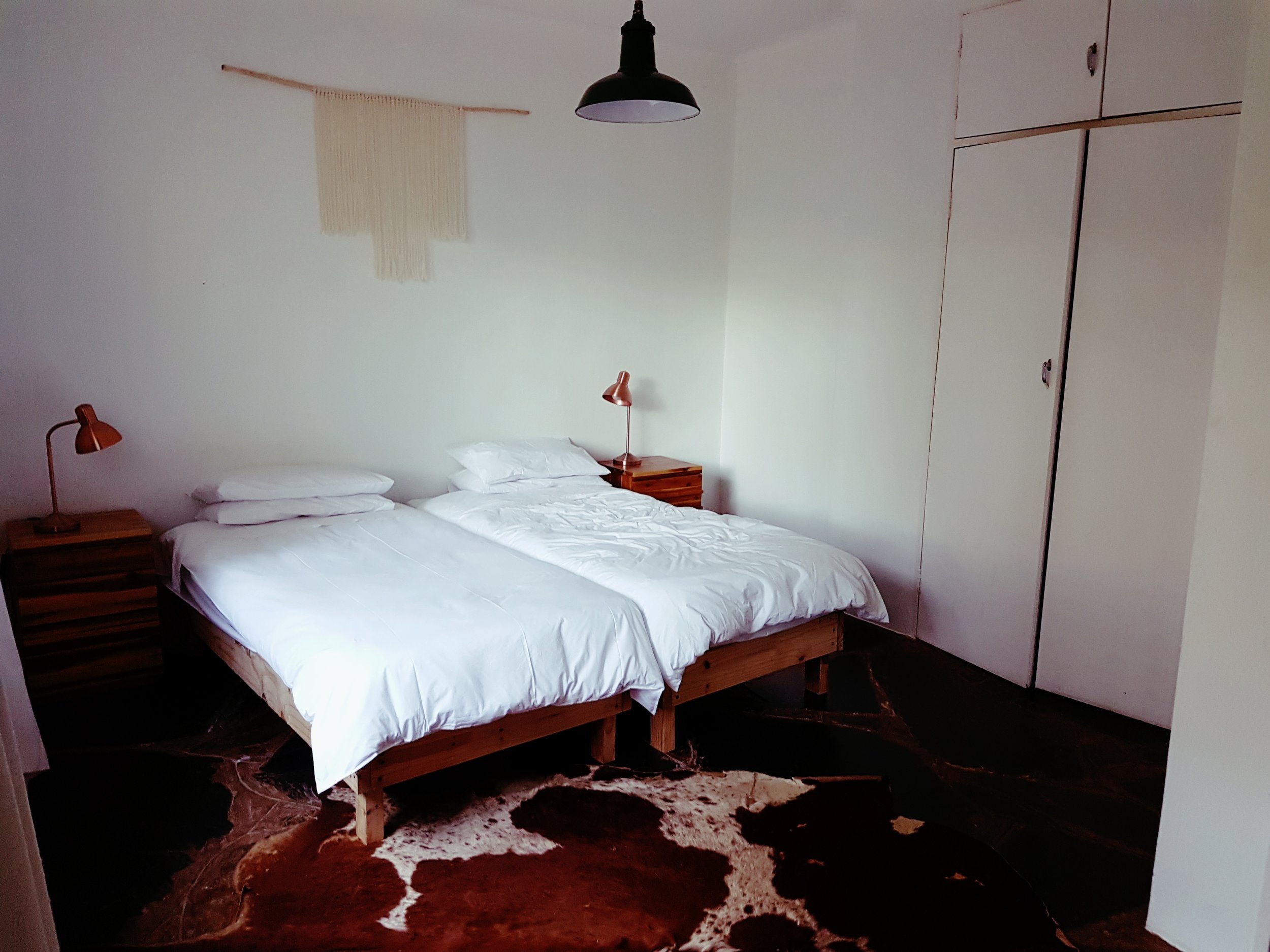
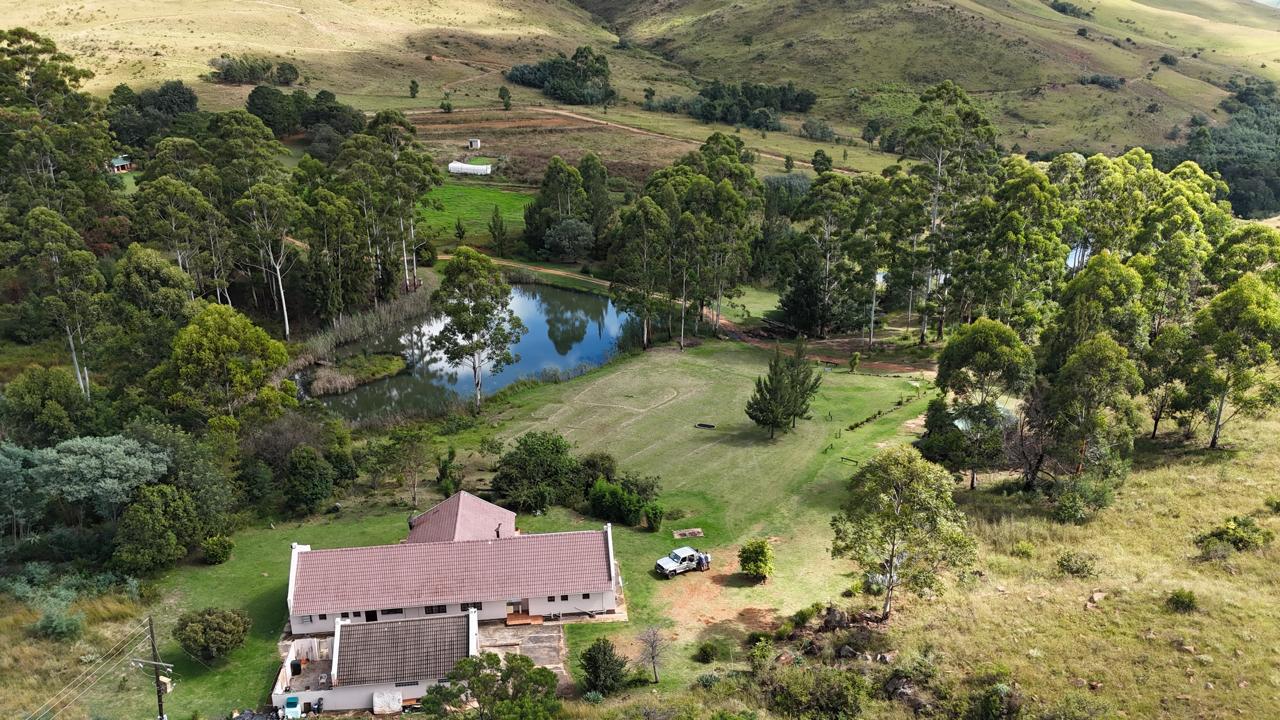
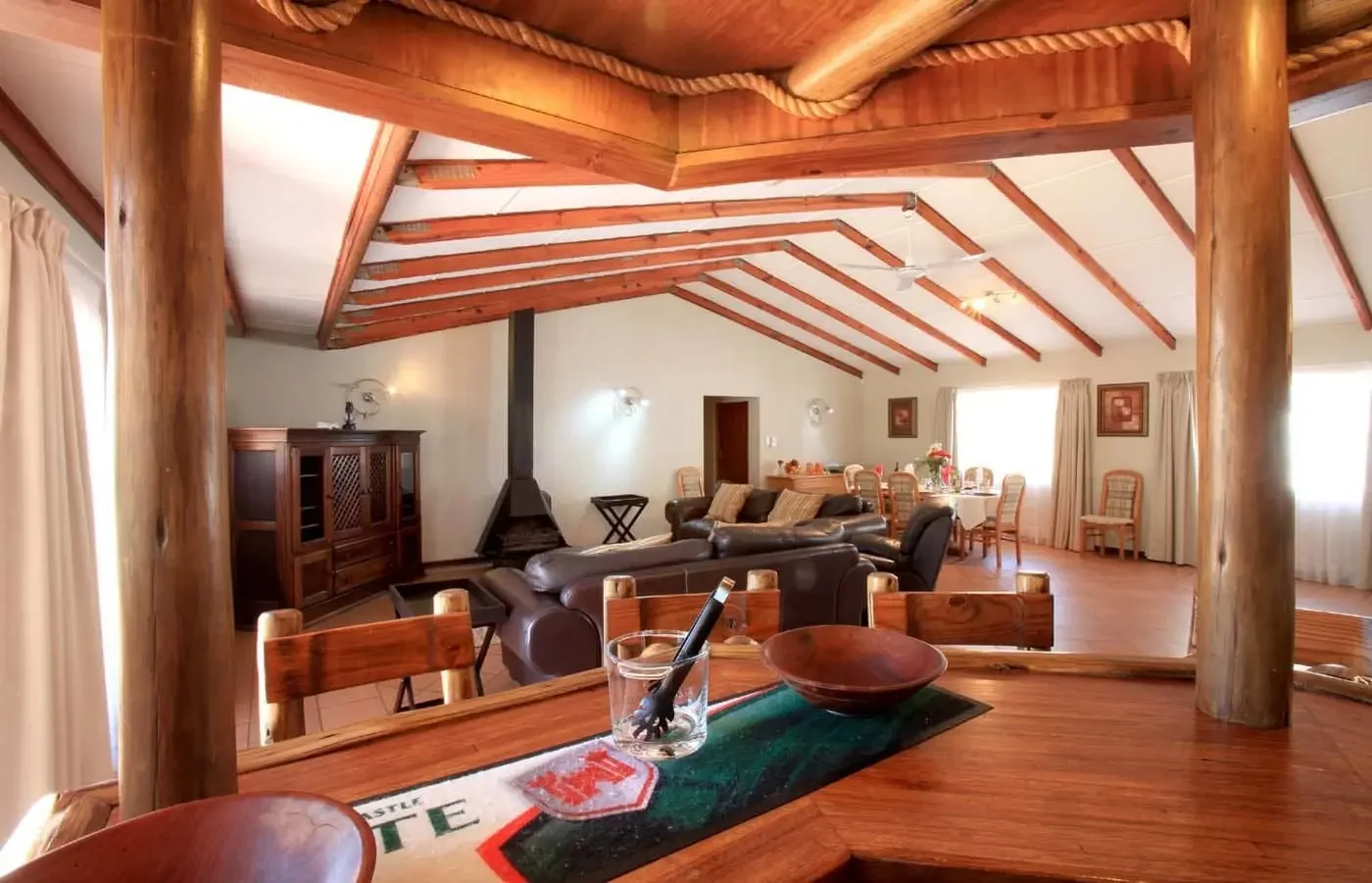
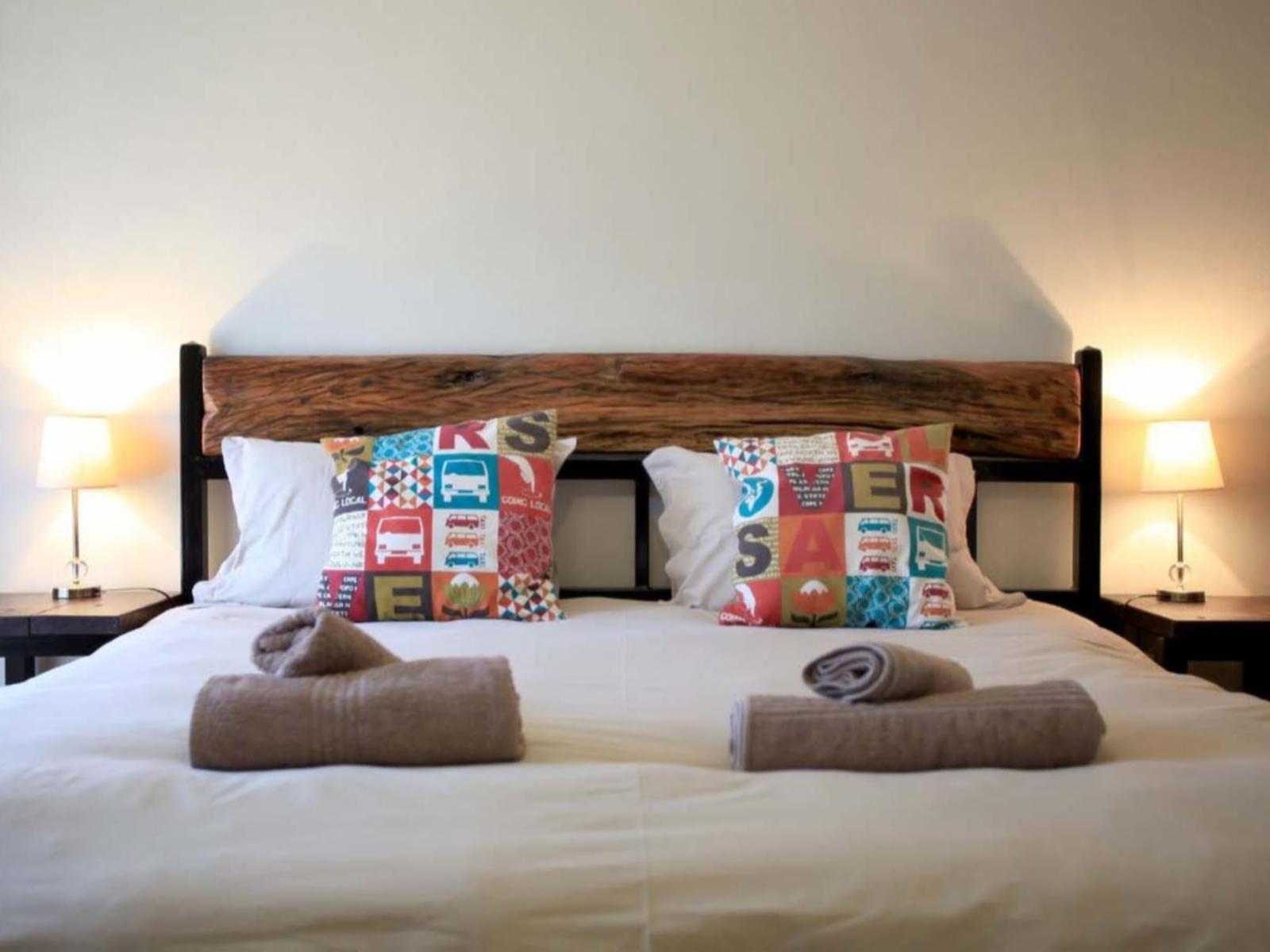
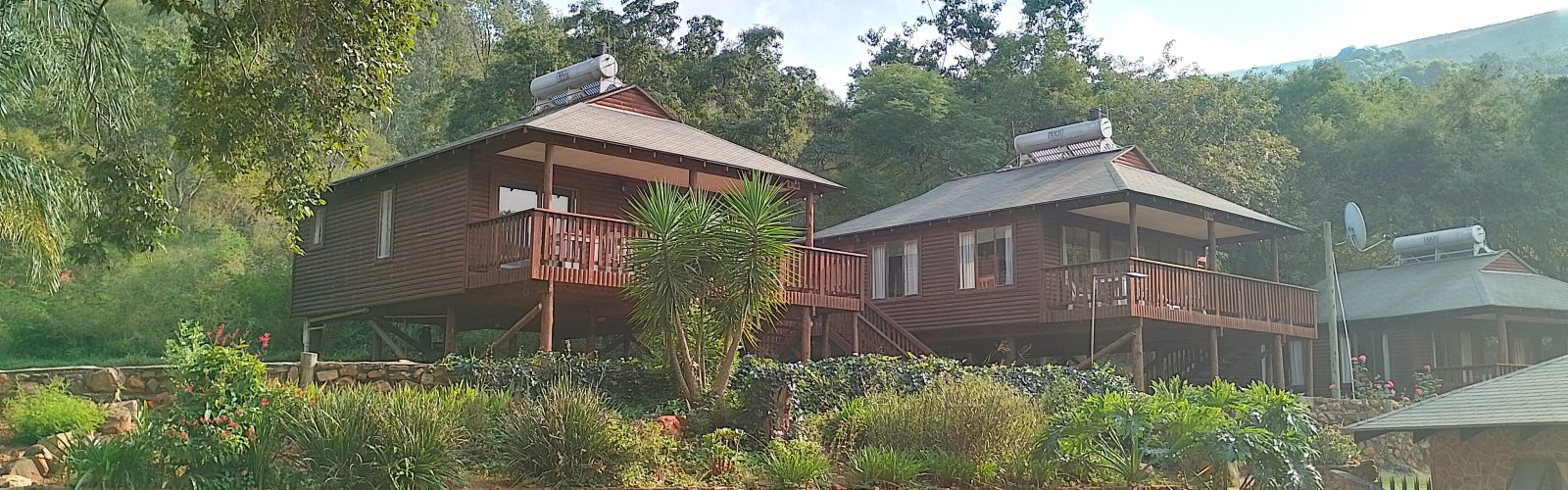
Small towns like Waterval Boven don't carry the volume of accommodation options found in larger Mpumalanga destinations, and that limited supply is part of the appeal. Current listings reflect a single guesthouse available at R2,000 per night, placing it in the mid-range bracket for the escarpment region.
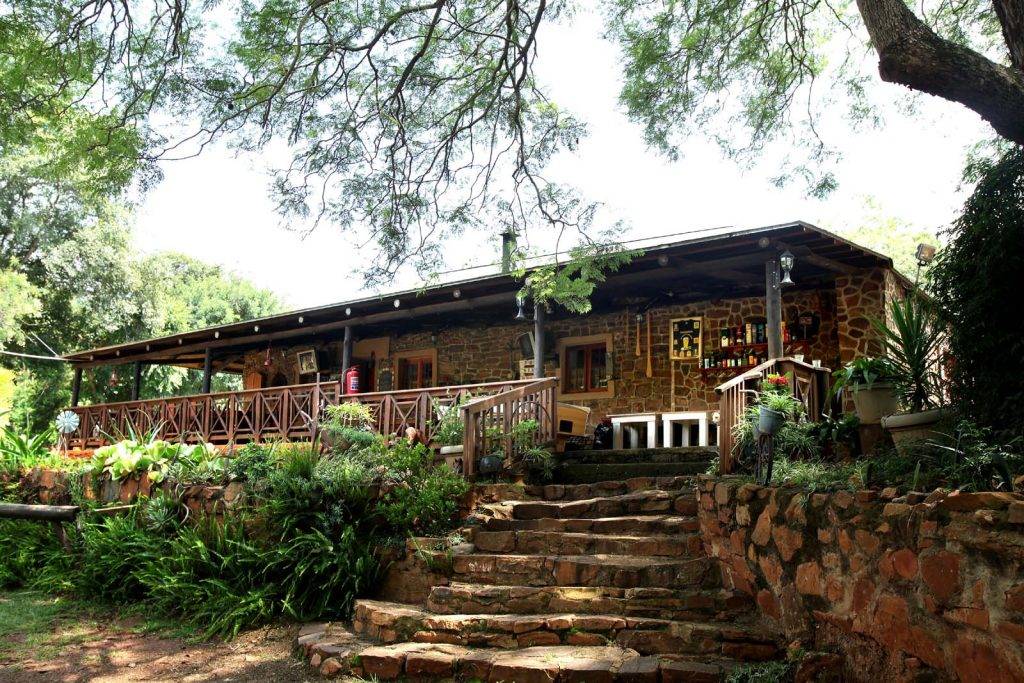
Guesthouses here tend to follow the character of the landscape: unpretentious, practical, and oriented toward guests who have come for the outdoors rather than the amenities. Rooms are typically self-contained or semi-private, with hosts who can advise on local walking routes, river access, and where to find a decent meal. The setting matters more than the thread count.
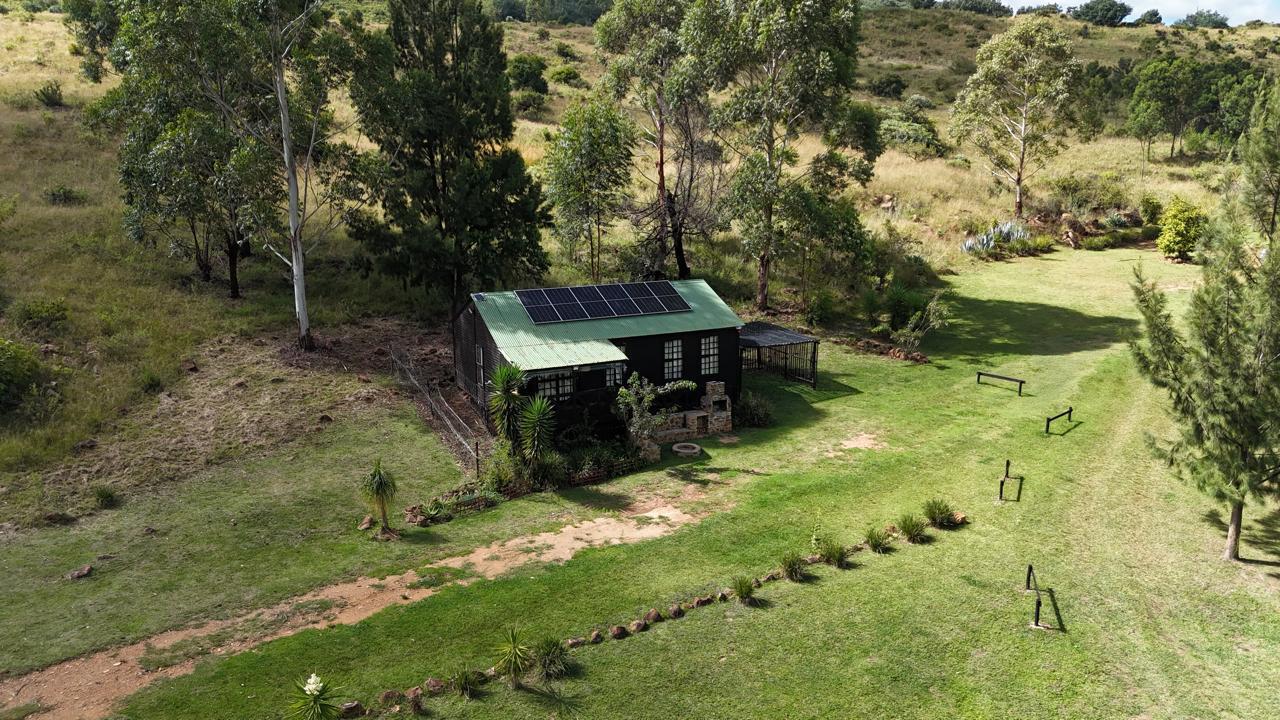
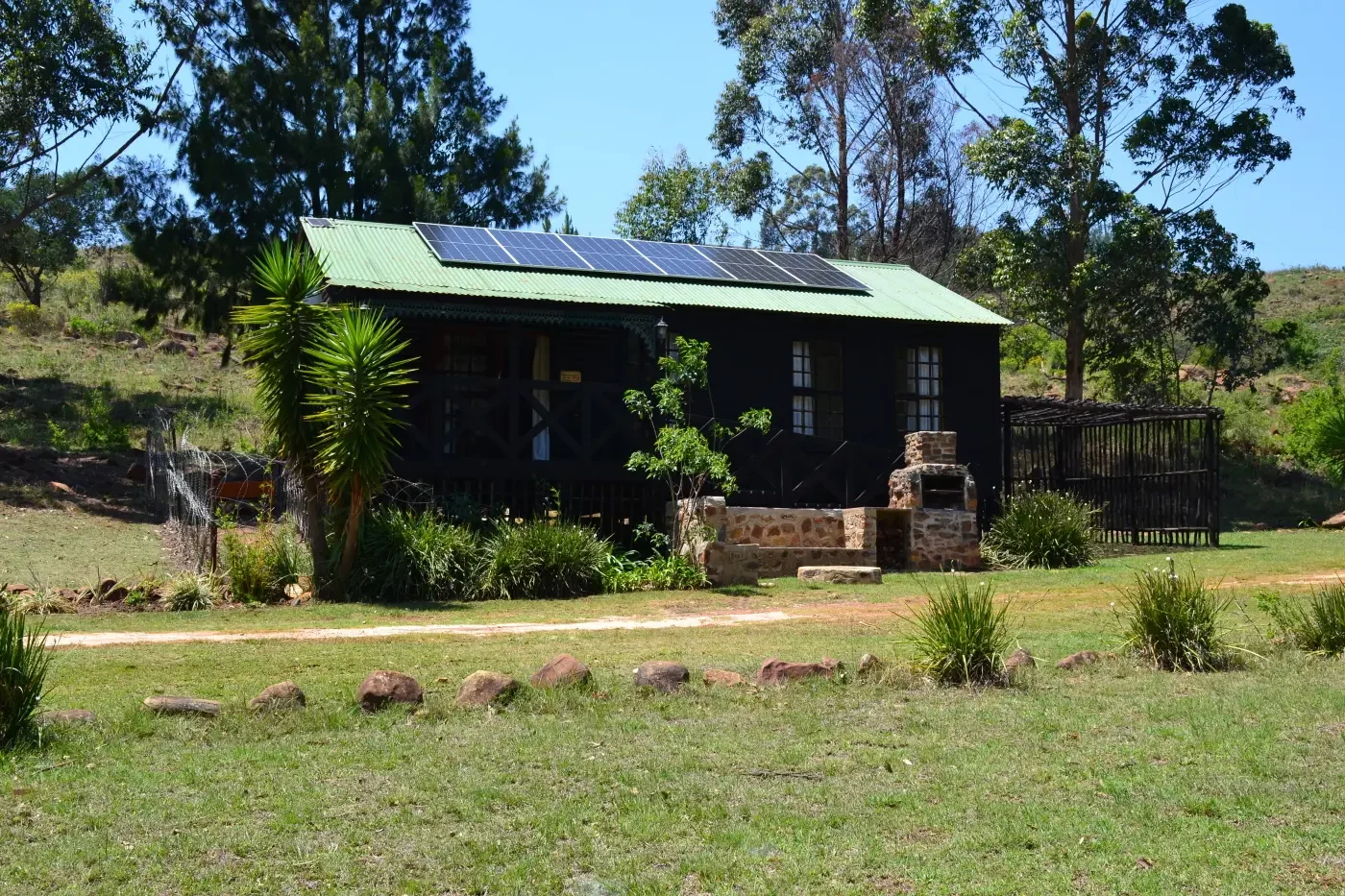
For those wanting more flexibility, the broader valley area around the town offers additional options not always captured on major booking platforms. Self-catering cottages and farm stays, sometimes listed only via local networks or word-of-mouth, can provide more space for families or groups. These properties often sit on working smallholdings where guests share the farm road with cattle and the occasional troop of vervet monkeys.
Budget travelers may find Waterval Boven lean in dedicated backpacker infrastructure. The town's small population and quiet economy has never generated the hostel culture found in bigger Mpumalanga hubs. Some guesthouse operators do accommodate group bookings at adjusted rates when space allows, though it's worth inquiring directly rather than assuming availability.
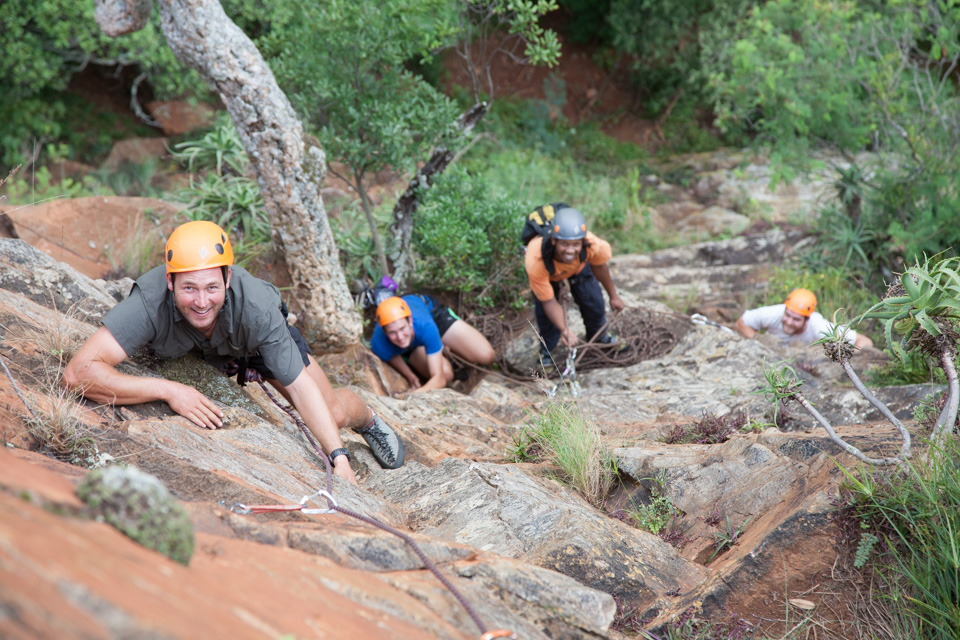
Booking ahead matters here more than it might in a larger town. Weekend climbers and hikers from Gauteng treat Waterval Boven as a reliable long-weekend destination, and the limited room count means availability disappears quickly once demand firms up. The gap between the town's draw and its accommodation depth can catch first-time visitors off-guard.
Best Time to Visit Waterval Boven
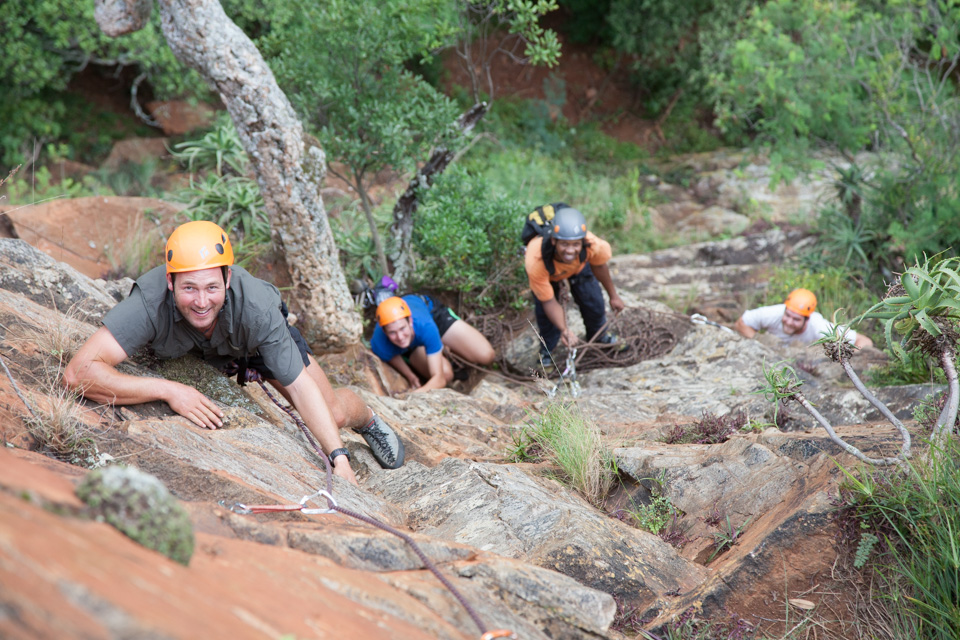
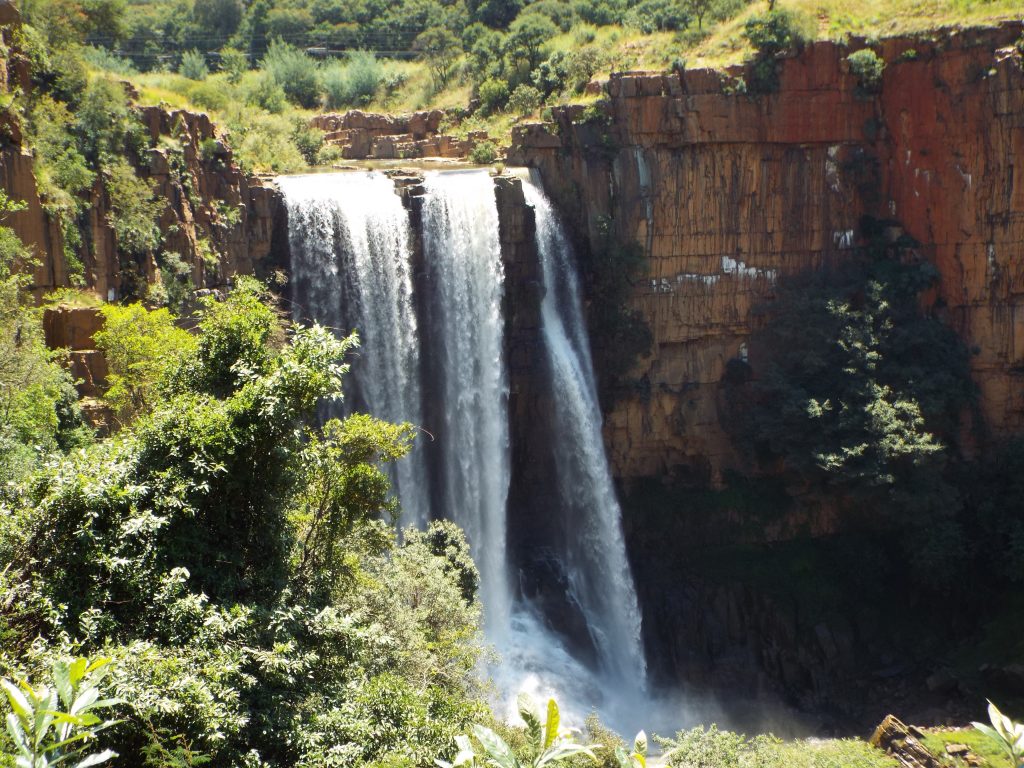
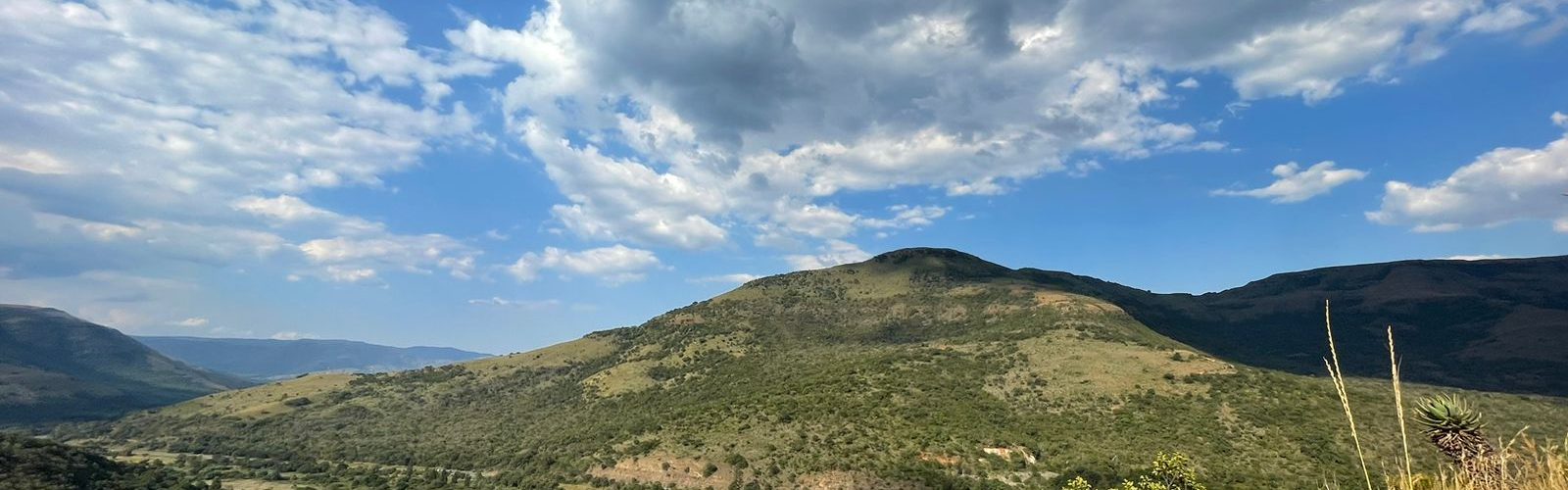
Mpumalanga's summer months, roughly October through March, bring consistent afternoon thunderstorms to the escarpment. The rains keep the vegetation dense and the rivers full, which suits activities like fly fishing and waterfall walks. Trails can turn muddy after heavy downpours, and rock faces take time to dry, which matters for anyone arriving specifically to climb.
April and May offer a more balanced window. Rainfall drops off, temperatures stay mild, and the autumn foliage across the hills draws photographers and painters working with natural light. This period sees fewer visitors than the peak summer school holidays, making accommodation easier to secure and popular spots less crowded.
Winter, from June to August, brings clear skies and cold nights. Temperatures at the escarpment drop sharply after dark, so warm layers are non-negotiable even for short walks. The dry conditions improve visibility across the lowveld and leave trails firm underfoot. Birders often prefer this period because the absence of dense foliage makes species easier to spot along the river corridors.
Spring, from September onward, sees wildflowers reappear and bird activity increase as summer migrants return. Combined with warming temperatures before the rains resume, it represents another reliable window for an outdoor-focused visit.
Getting to Waterval Boven
Waterval Boven sits on the N4 highway, the main corridor linking Pretoria to Mozambique via Nelspruit. From Pretoria, the drive covers approximately 200 kilometers and takes around two to two and a half hours depending on traffic through Middelburg and eMalahleni. From Johannesburg the distance is comparable, making the town accessible as a long weekend destination for most Gauteng travelers.
The N4 through this stretch follows the route of the historic railway line that engineers carved into the escarpment in the late nineteenth century, including tunnels and iron bridges that still carry freight traffic today. The descent from the highveld plateau toward the lowveld is sharp and dramatic, and the railway infrastructure visible from the road gives some context for why the town developed where it did.
No commercial airport serves the immediate area. The closest practical option is Kruger Mpumalanga International Airport near Nelspruit, approximately 100 kilometers to the east. Travelers coming from Cape Town or Durban typically fly into OR Tambo International and drive.
Public transport along the N4 corridor exists in the form of minibus taxis, but schedules are irregular and connections from major hubs require transfers. A private vehicle is the most practical option for anyone planning to explore beyond the town center. Most of the valley roads and farm tracks around Waterval Boven benefit from moderate ground clearance, particularly after summer rain.
Waterval Boven and Surrounding Areas
The nearest town, Machadodorp, lies 9 kilometers west along the N4. Once a significant Anglo-Boer War railway junction, it holds historical weight out of proportion to its current size. A cemetery and several preserved structures document the wartime period, and for visitors with an interest in South African military history, a stop here adds a layer of context to the broader landscape.
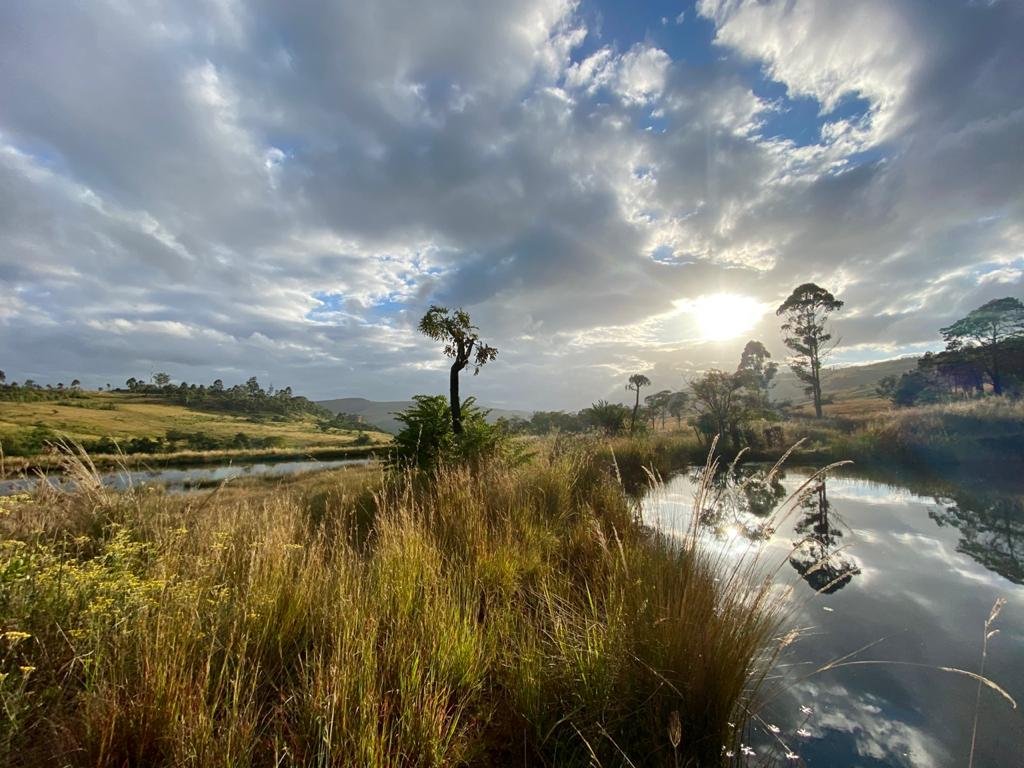
Ten kilometers out, the Elands Rivier Valley traces the river corridor through the escarpment. The valley road offers reliable birding, and the riparian vegetation along the river banks differs noticeably from the drier hillsides above. Some small farm properties line the route, and the river pools attract anglers working for bass.
Schoemanskloof, 23 kilometers from Waterval Boven, is a mountain pass connecting the escarpment to the lowveld. The road passes through indigenous forest pockets and alongside fast-running streams. Even without a specific destination at the end, driving the kloof makes a worthwhile day excursion, particularly in the green months when the canopy closes overhead.
Badfontein, 30 kilometers away, draws a different type of visitor. The terrain here is rougher than the valley roads closer to town, and it attracts 4x4 enthusiasts and mountain bikers looking for more demanding routes than the tar roads between the escarpment towns.
Dullstroom, 34 kilometers to the northwest, has built a distinct identity around trout fishing. The town caters to a more developed tourism market, with sit-down restaurants, craft ales, and fly fishing guides operating on several private dams and river stretches. It functions well as a secondary stop rather than a direct competitor to Waterval Boven's quieter character.
Kaapsehoop, 44 kilometers away, sits on the escarpment edge with a community of free-roaming horses that have become the area's defining image. Forest walks through Kaapsehoop's mist belt reveal yellowwood trees and dense fern undergrowth. The town's origins connect to an 1880s gold rush, and remnants of that period remain visible in the surrounding hills.
Planning Your Stay
With a small number of properties operating in and around Waterval Boven, availability during public holidays and school breaks is a genuine constraint. Booking two to three weeks in advance is a reasonable baseline for most visits. Over Easter or the Gauteng school holidays in June and September, a month ahead is the safer approach.
Before confirming, check whether the property is fully self-catering or includes meals. Restaurant options in town are limited, and driving out for dinner on unfamiliar farm roads after dark is a different experience from browsing a city's dining strip. Properties that include breakfast, or that can arrange packed lunches for a day out, add real practical value.
Connectivity varies more than listings let on. Some properties advertise Wi-Fi but depend on cellular signal boosters, which can be unreliable in the valley. If remote work or reliable streaming matters during the stay, ask the host directly before booking.
Petrol is worth considering before leaving the N4. Stations within the town are limited, and some of the surrounding roads extend further than maps suggest. A full tank removes a logistical problem that catches first-time visitors off-guard more often than it should. Local eateries source produce from nearby farms, and the occasional weekend market in the area offers a reasonable way to pick up fresh supplies without driving far.