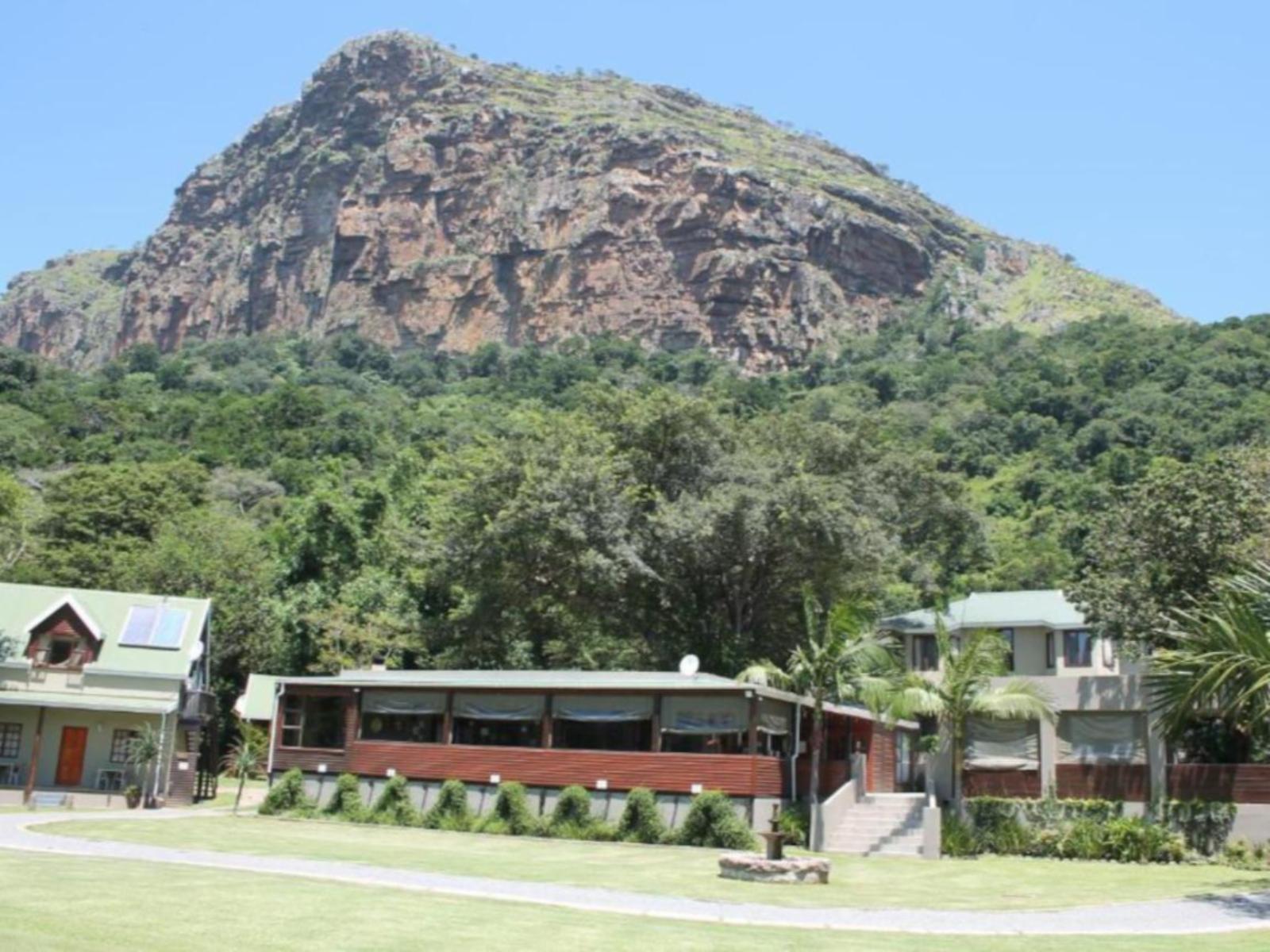
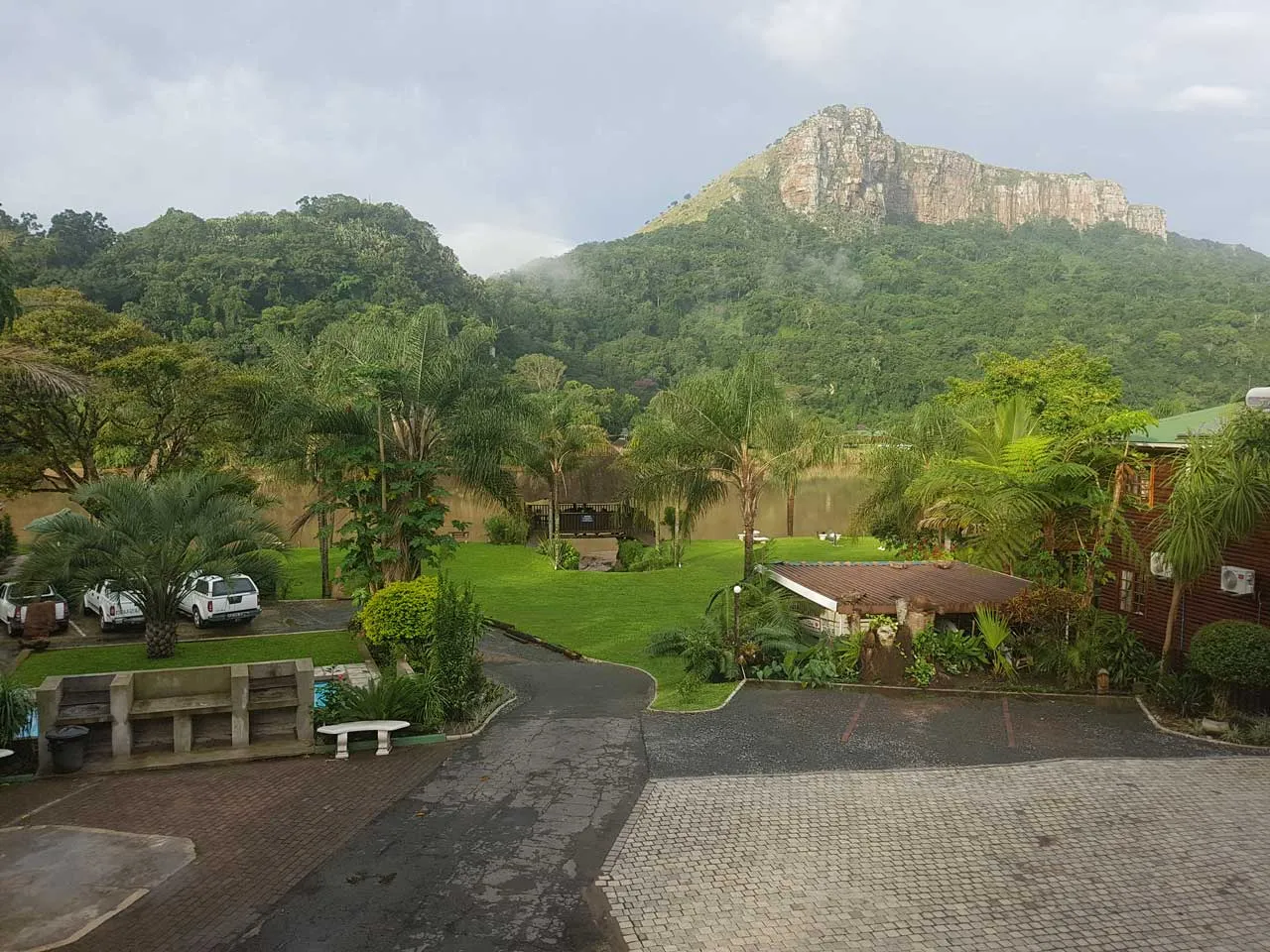
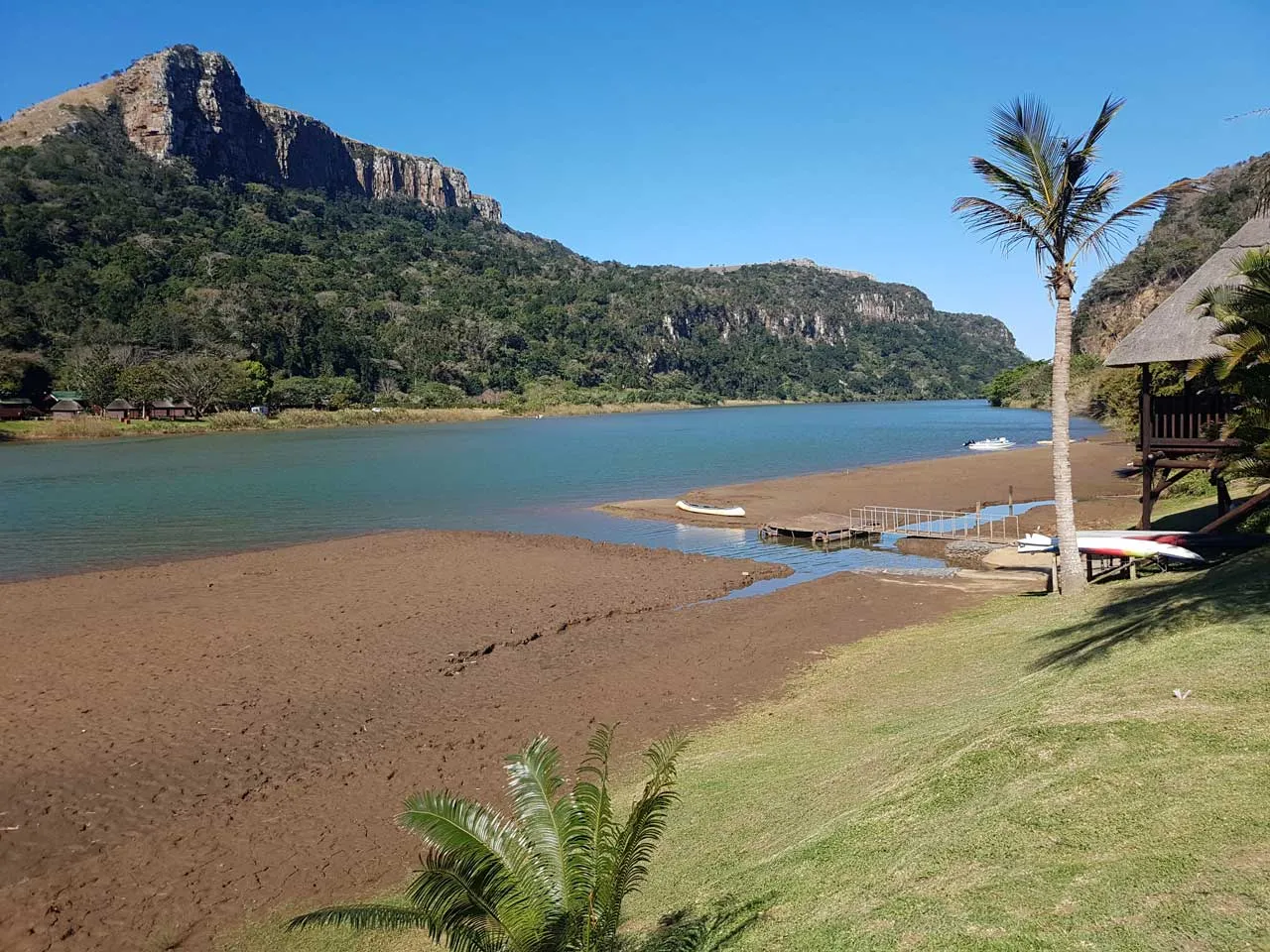
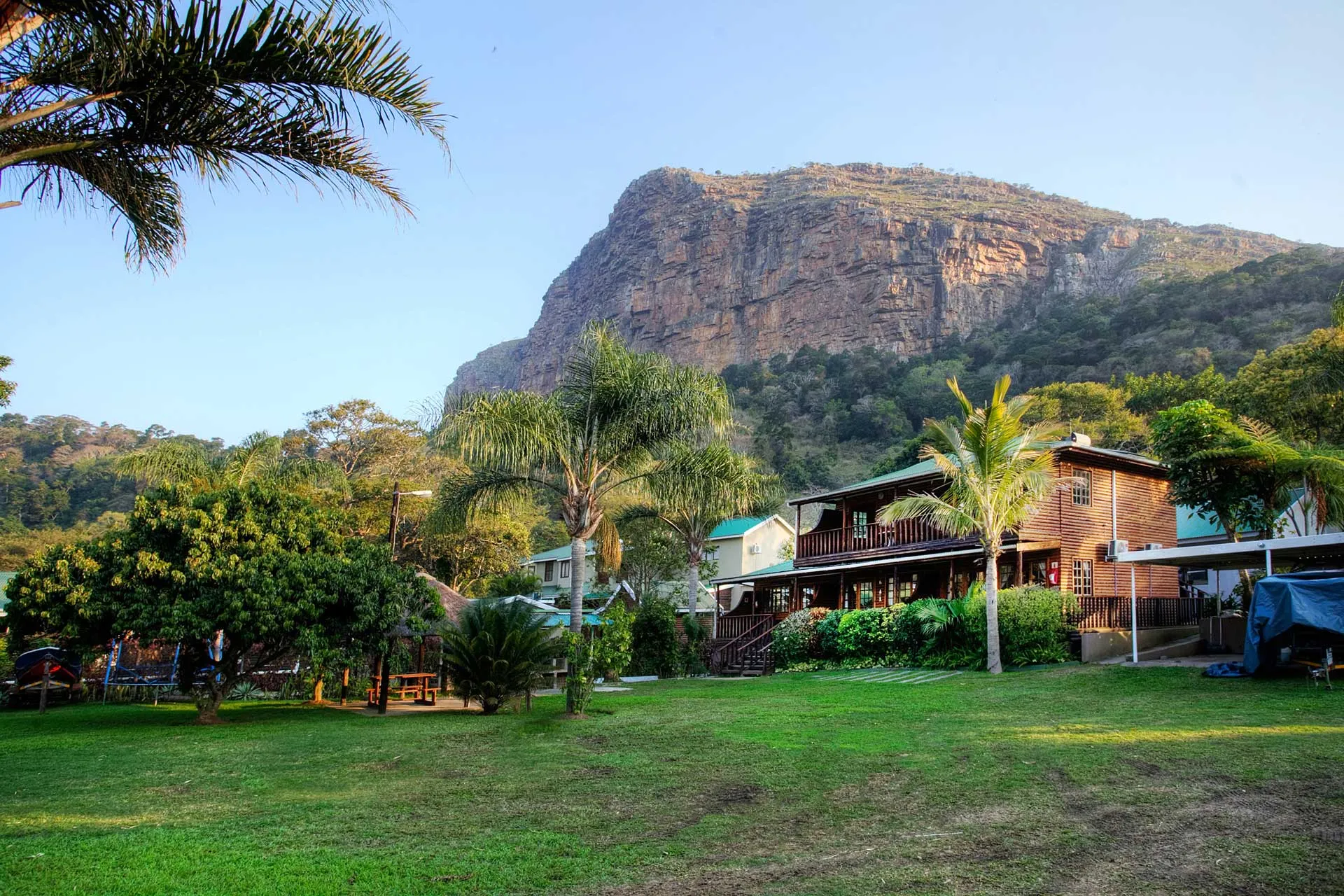
Accommodation in Wild Coast
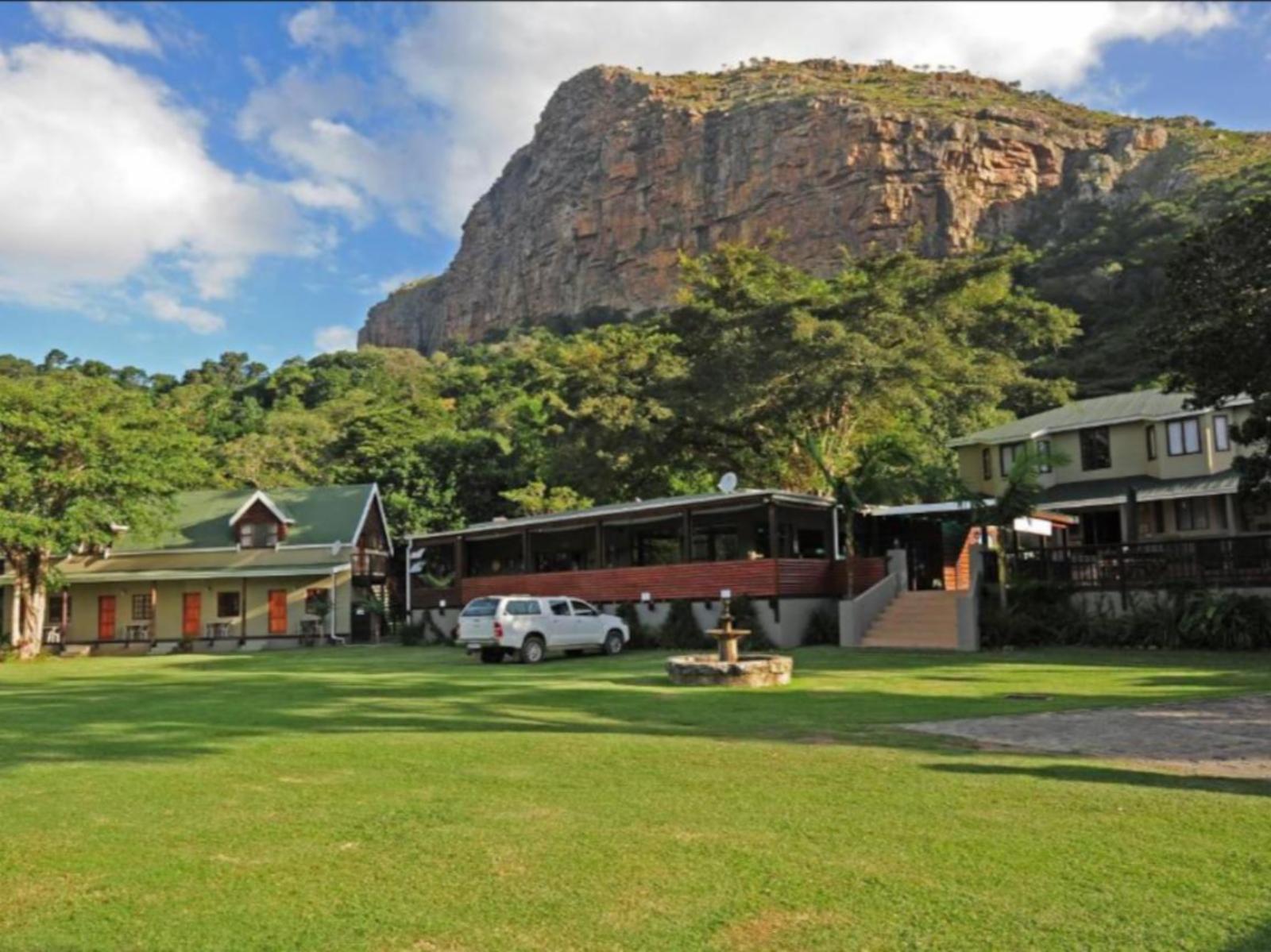
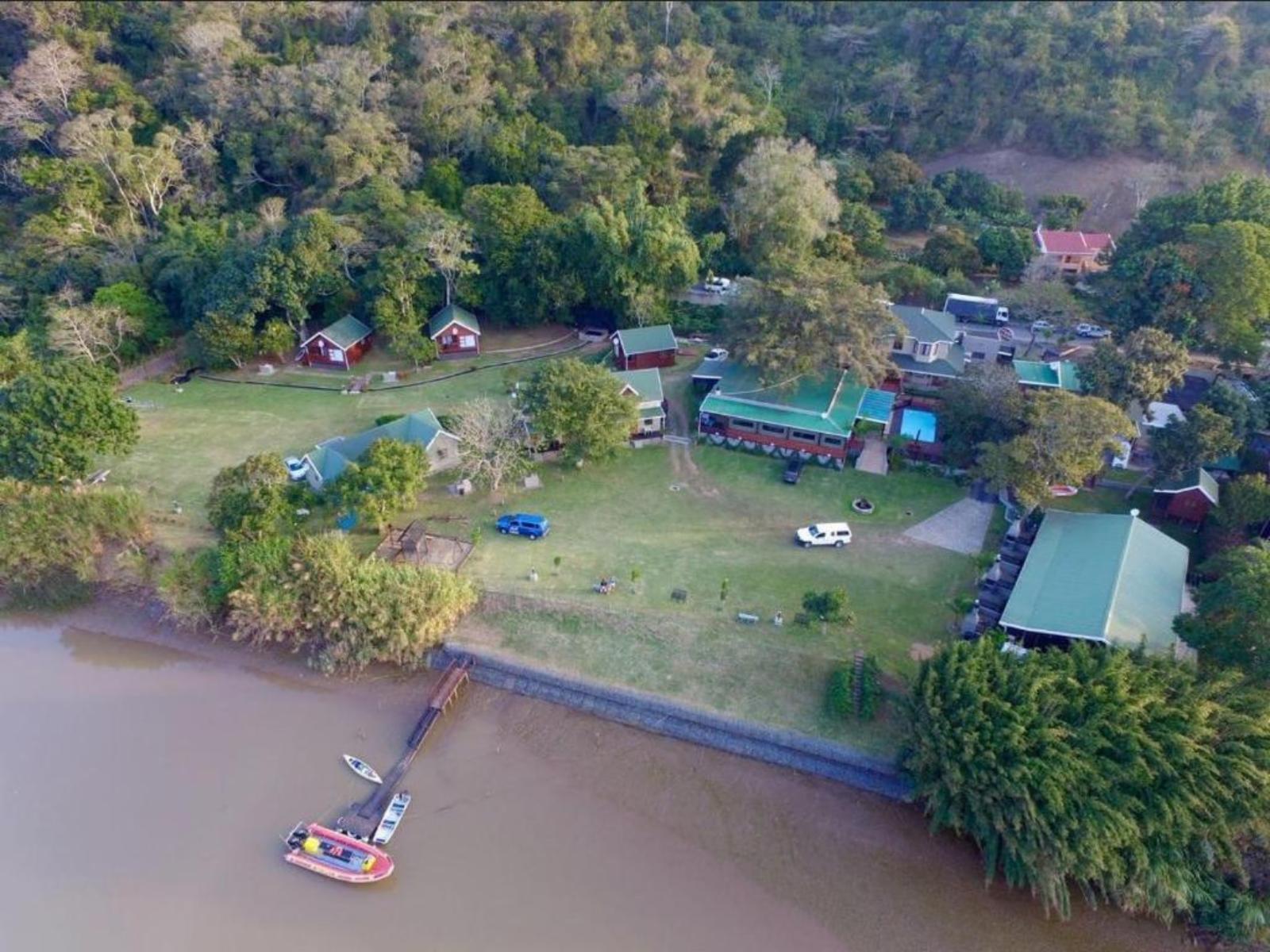
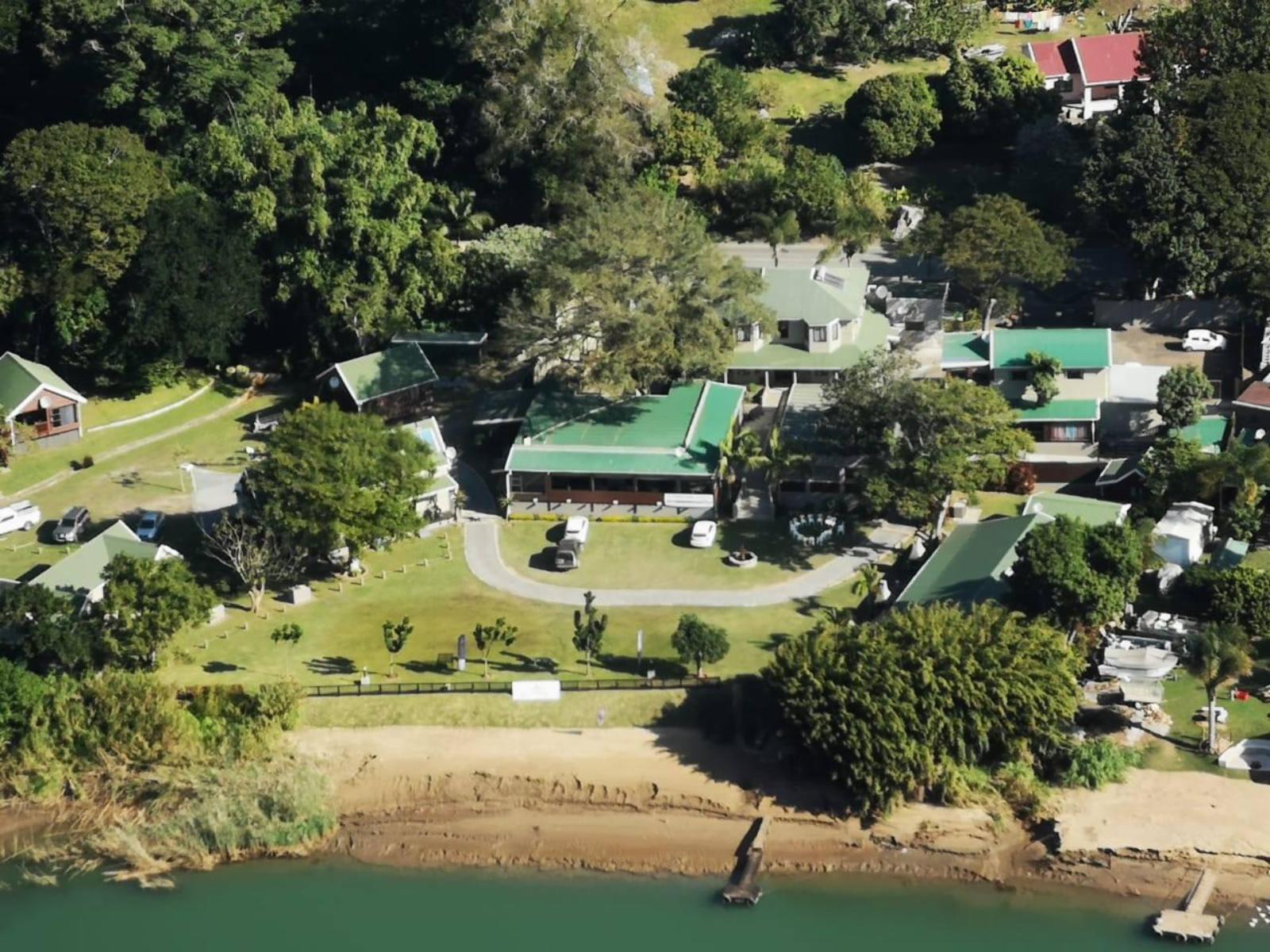
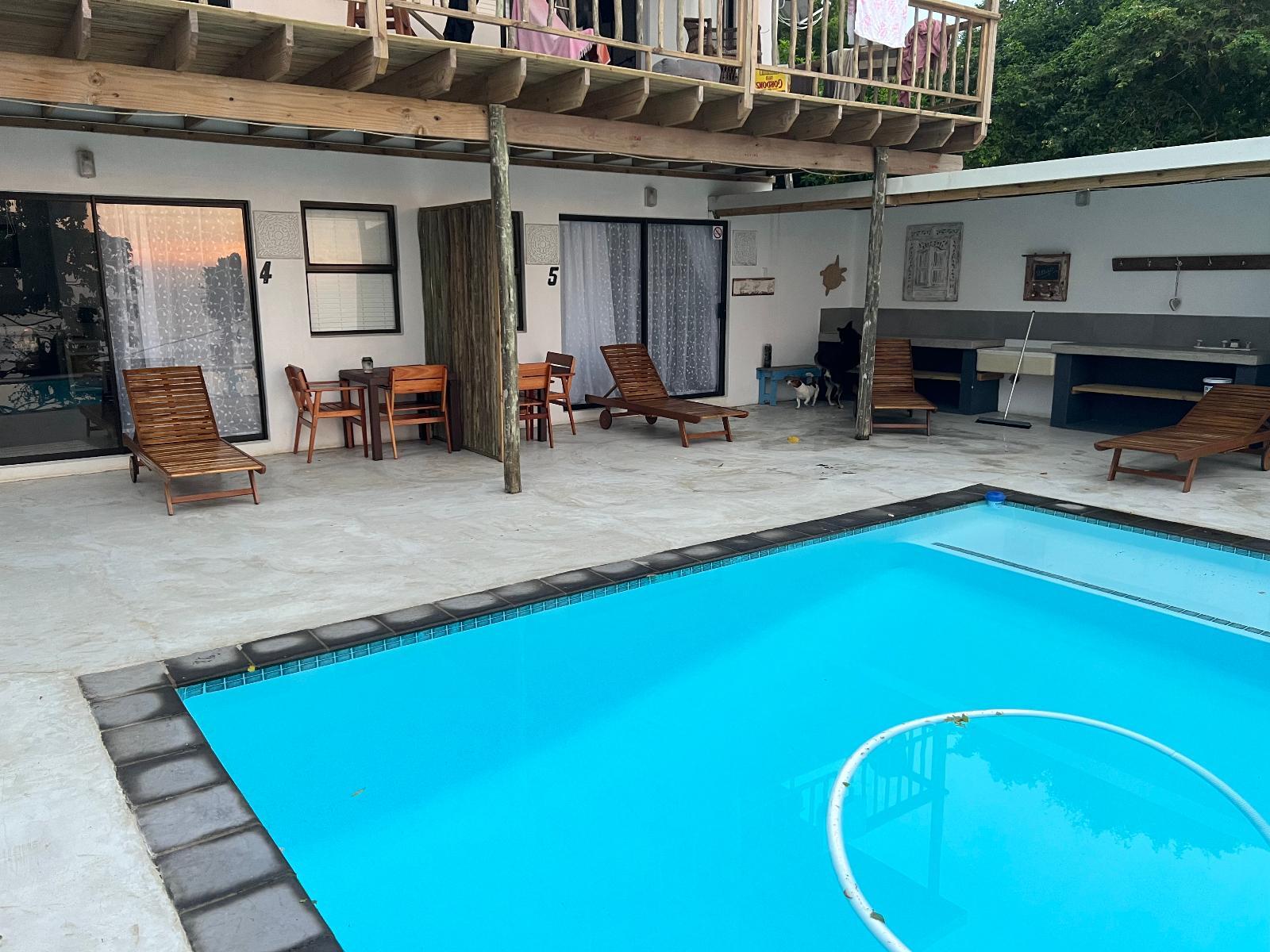
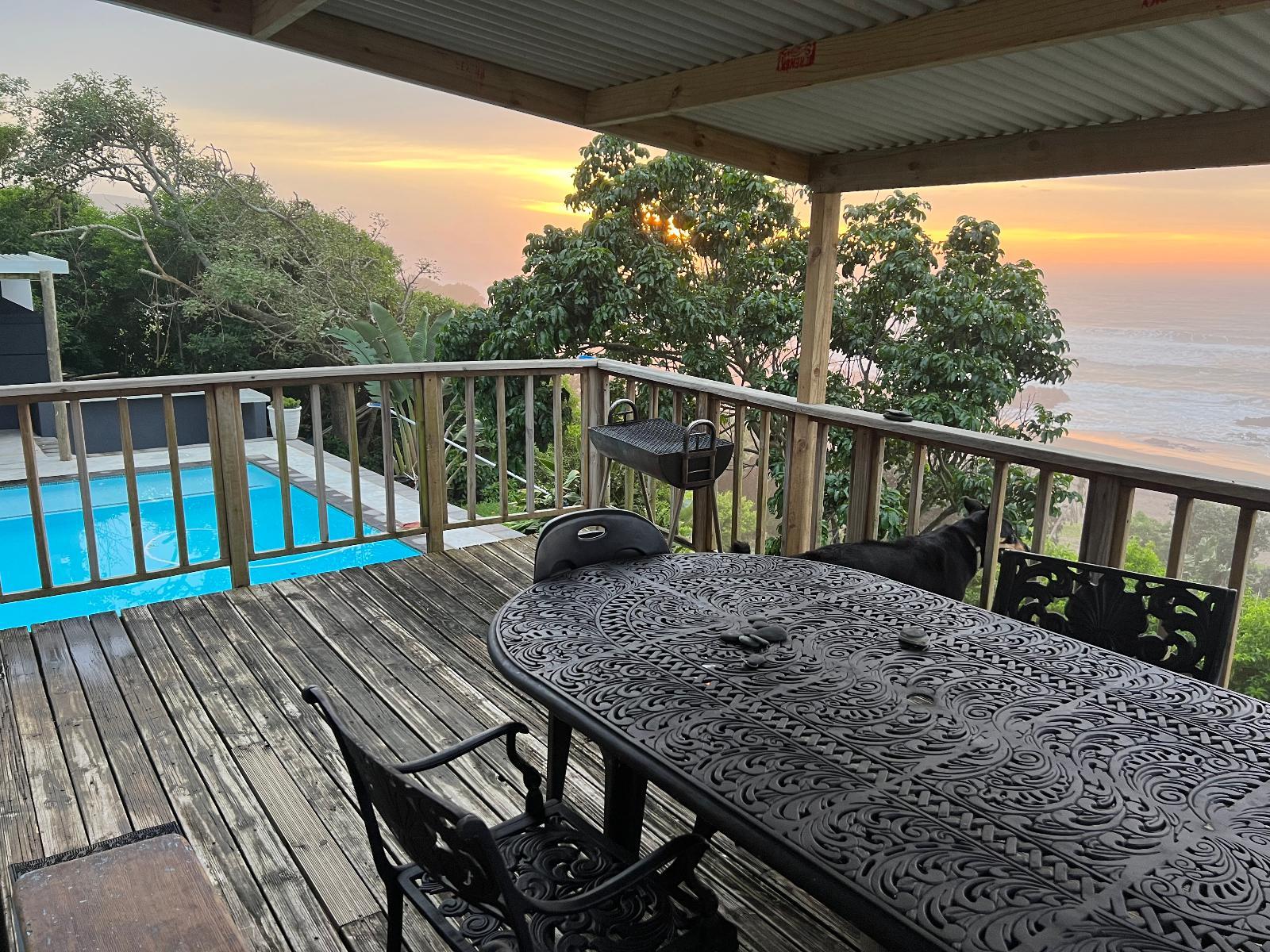
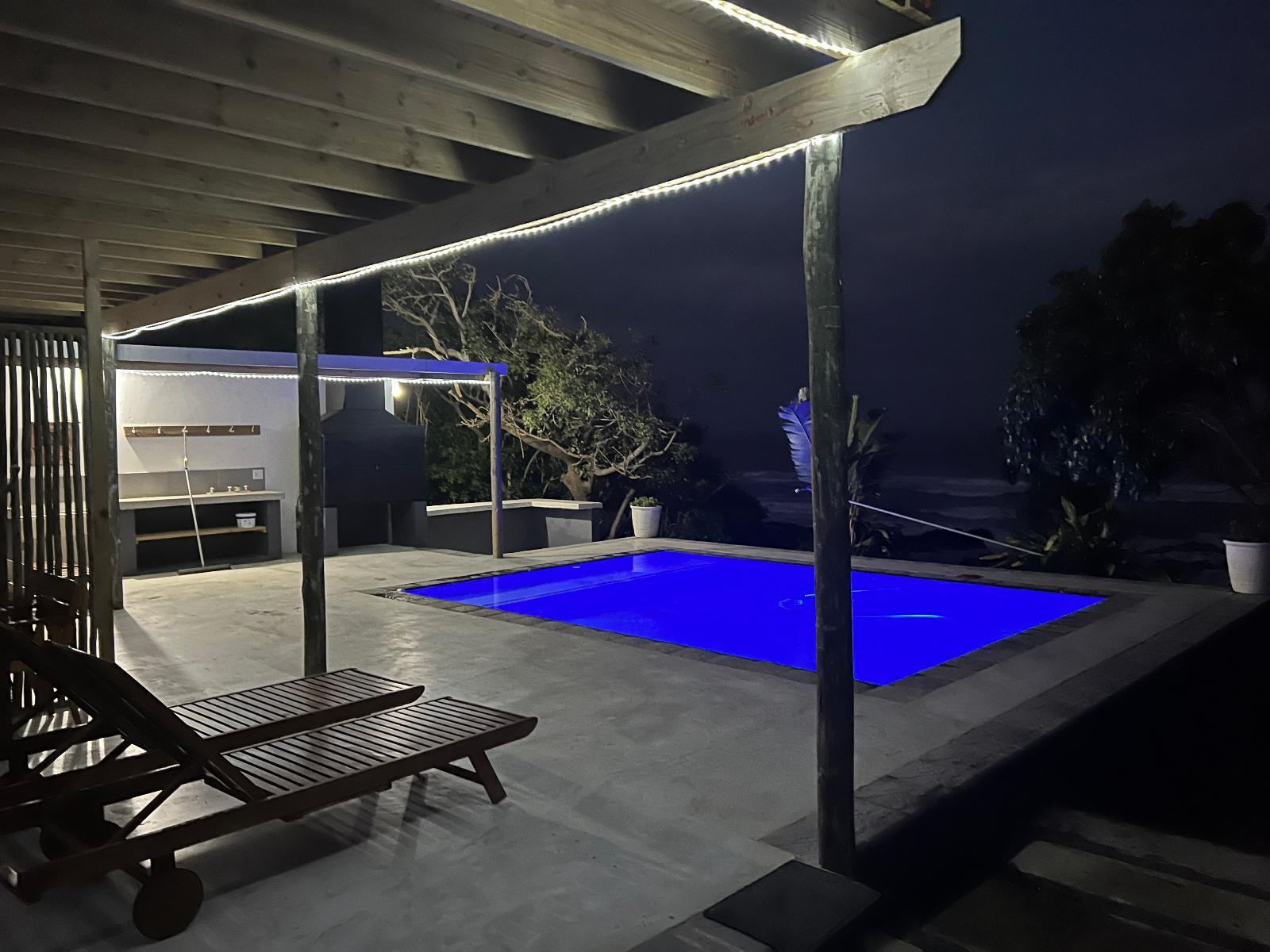
The Wild Coast currently has no properties listed through this platform, so rate comparisons are not available here. Travellers researching the region will need to contact lodges directly or use general booking platforms to get current pricing. The region itself offers a spectrum of accommodation across its remote coastal stretches, generally falling into three tiers that reflect the character of the coast rather than any formal star-rating system.
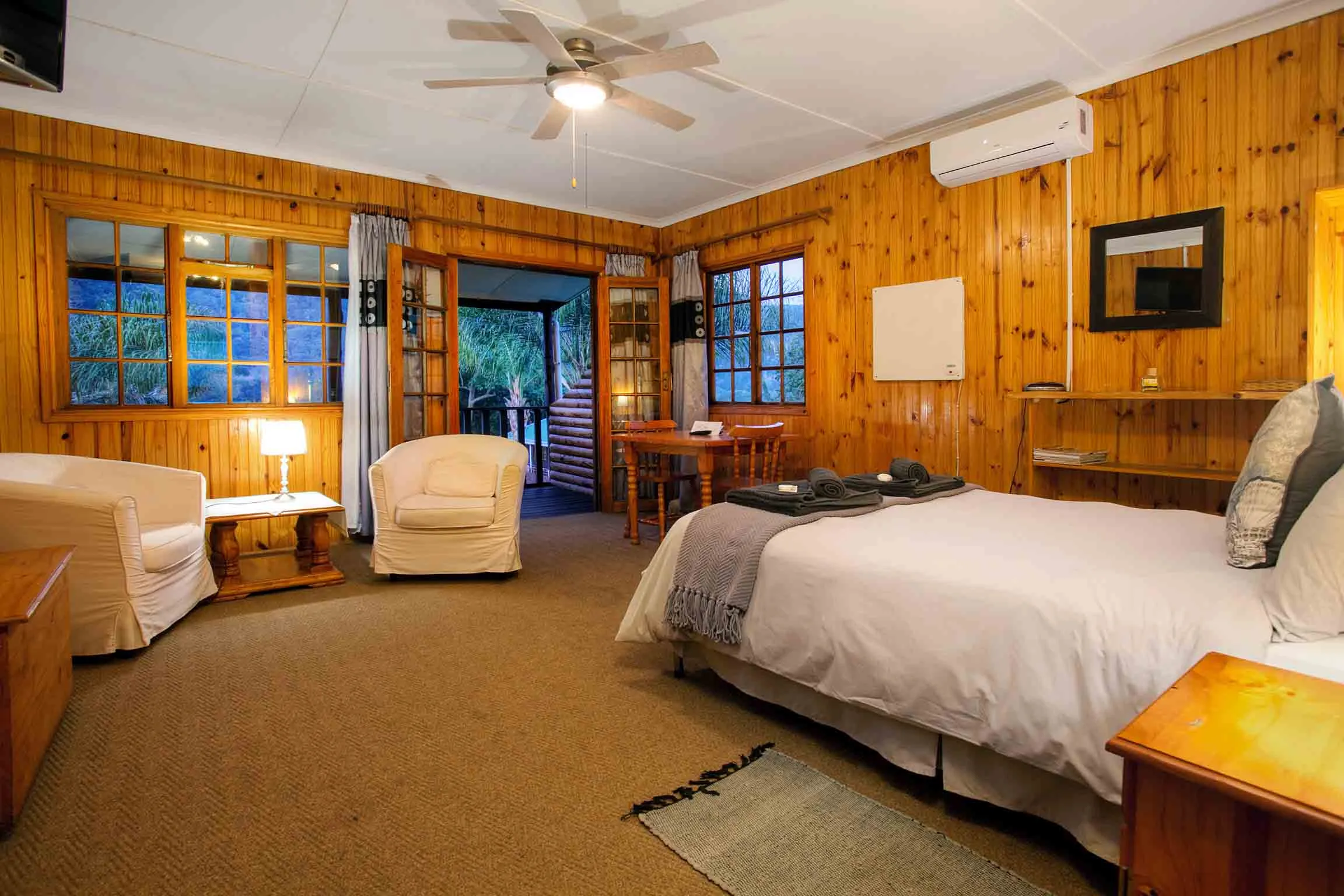
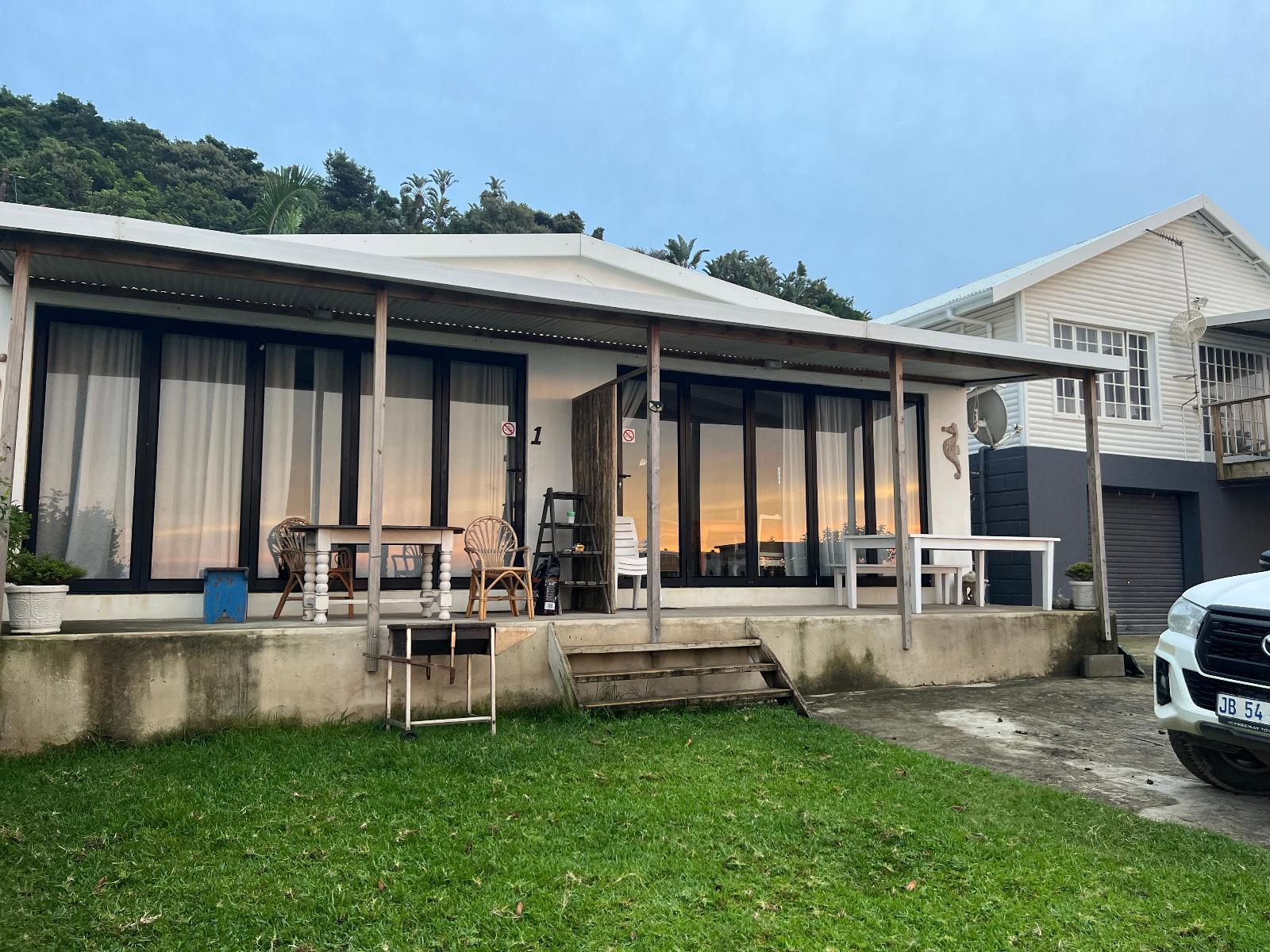
At the budget end, backpacker lodges and camping grounds are the most common options. These typically offer dormitory beds or simple rondavels, the circular thatched-roof huts found across the Eastern Cape. Bathrooms are shared, kitchens communal, and the social atmosphere is often a draw in itself for solo travellers or those walking the coastal trail. Self-catering chalets sit a step above, offering more privacy at a modest cost increase, and suit small groups well. Many budget properties are positioned near trailheads for the Transkei Wild Coast Hiking Trail, a multi-day coastal walking route that passes through dramatic cliff and river scenery.
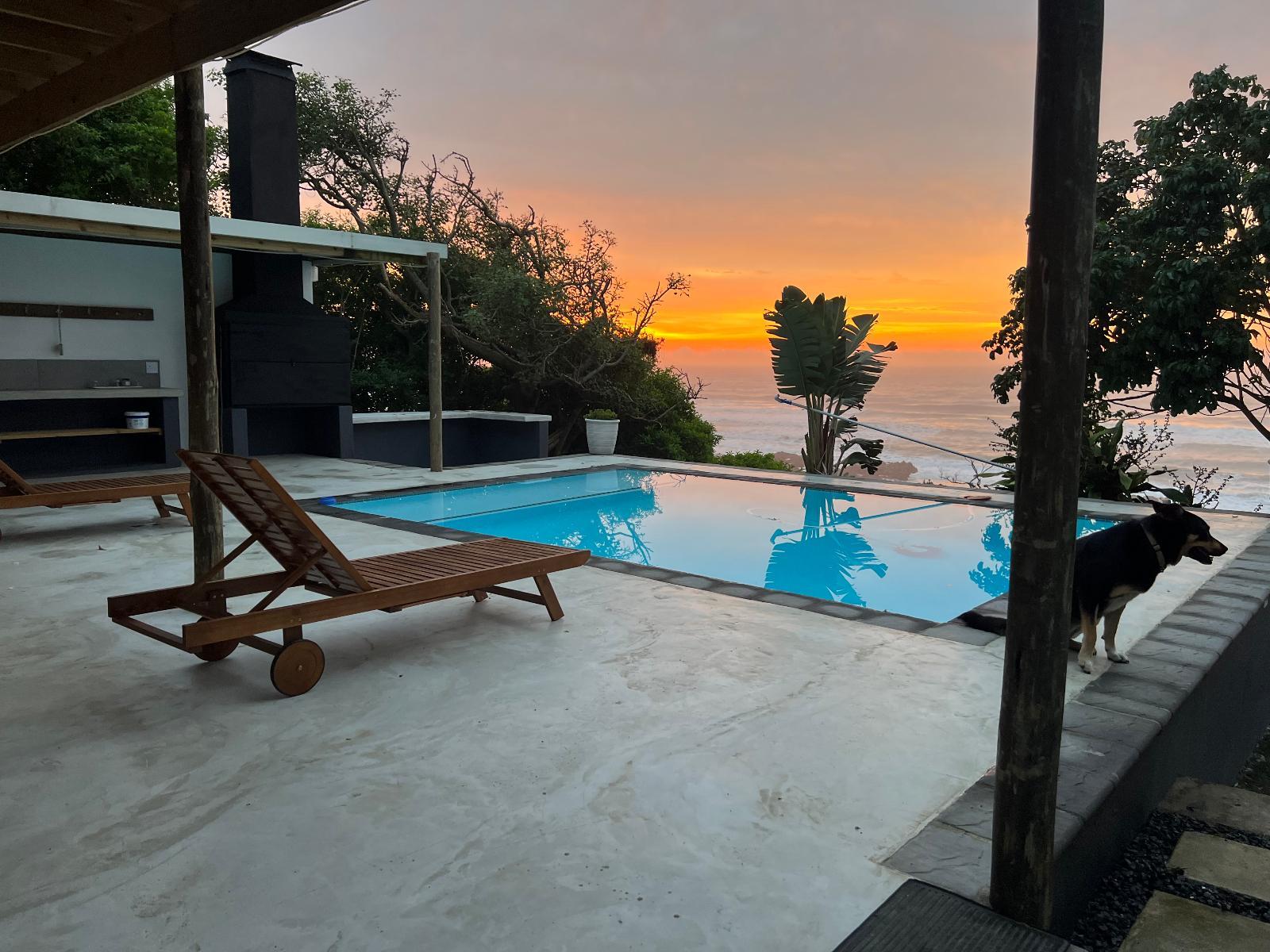
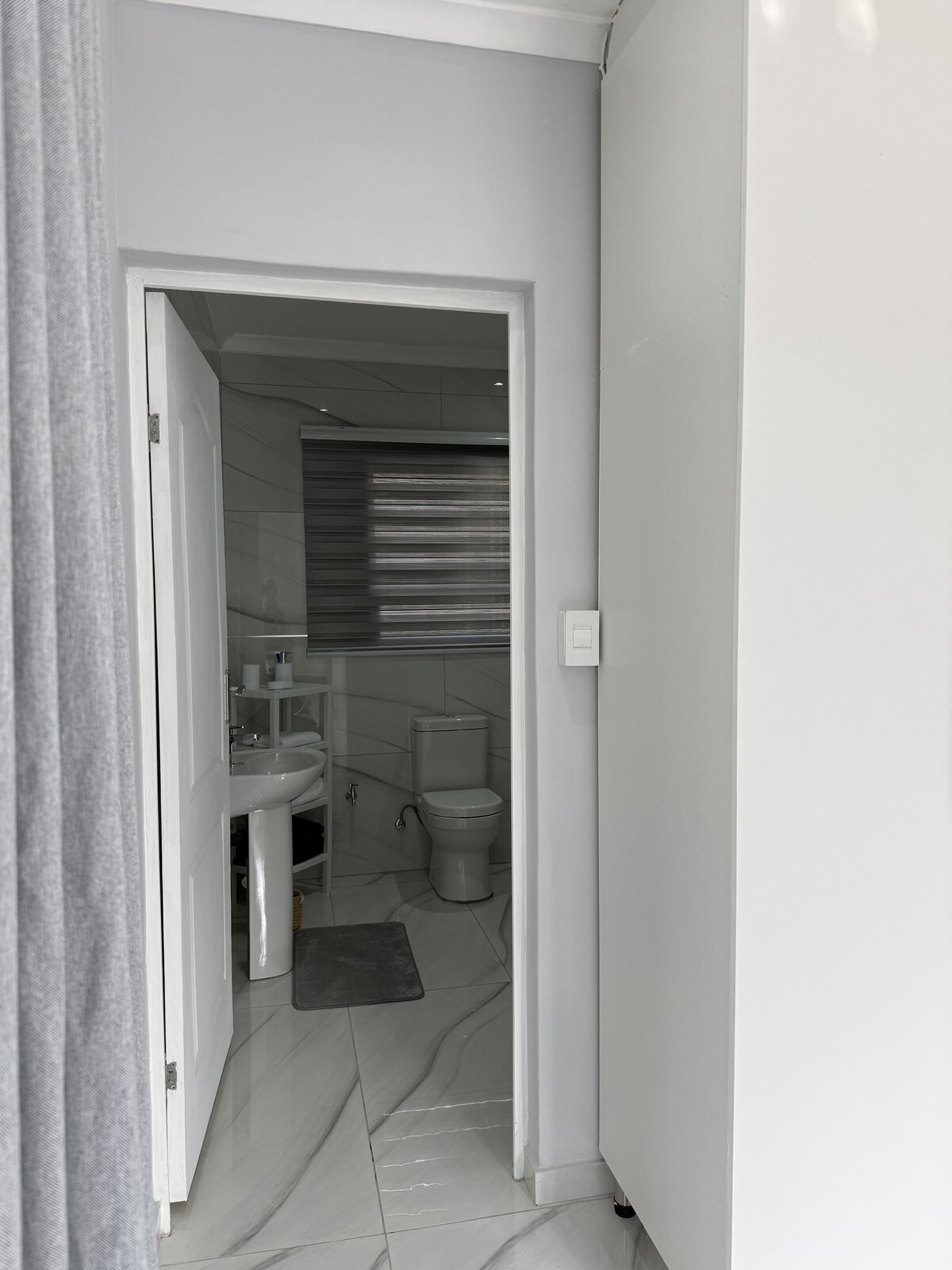
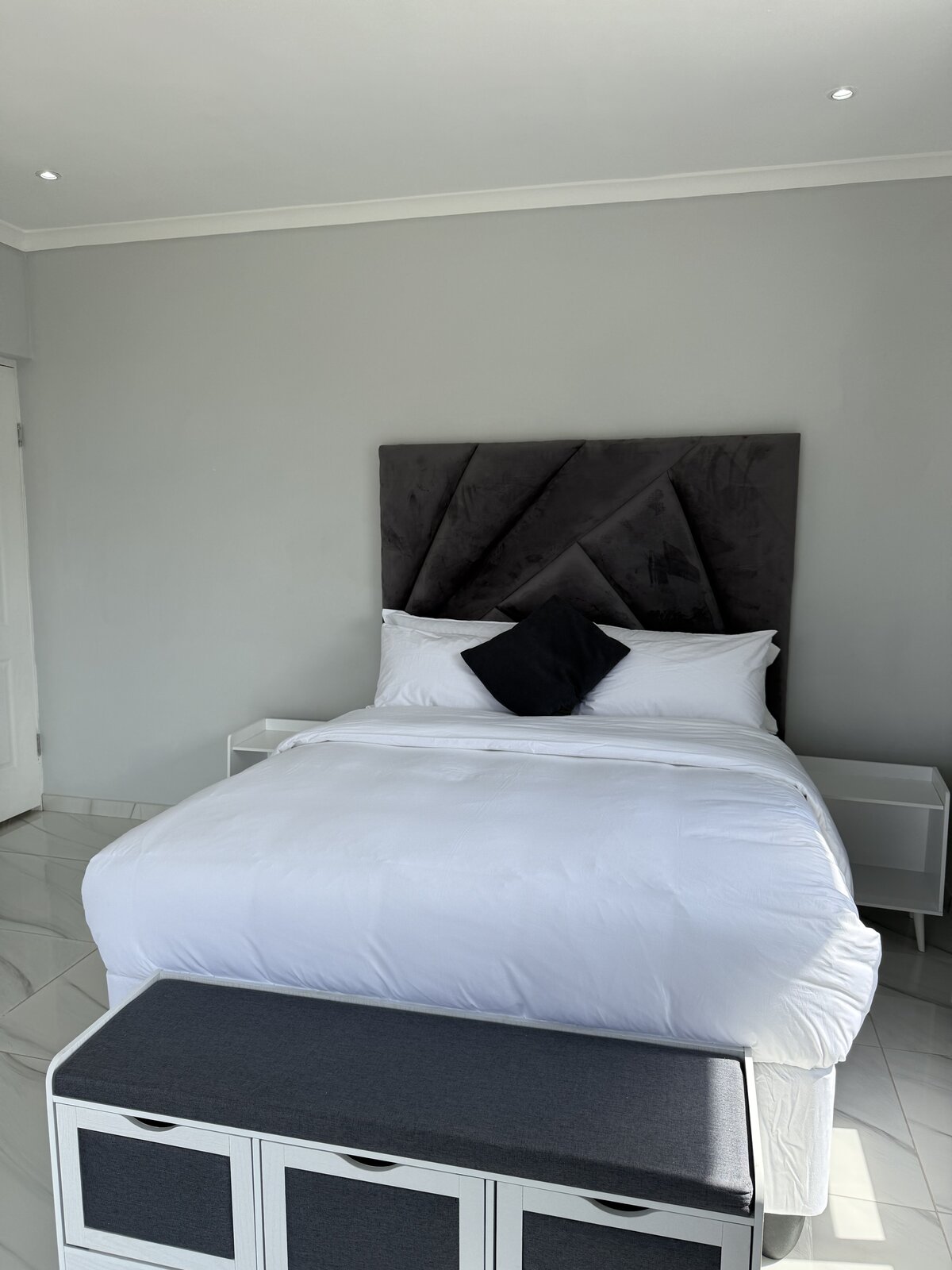
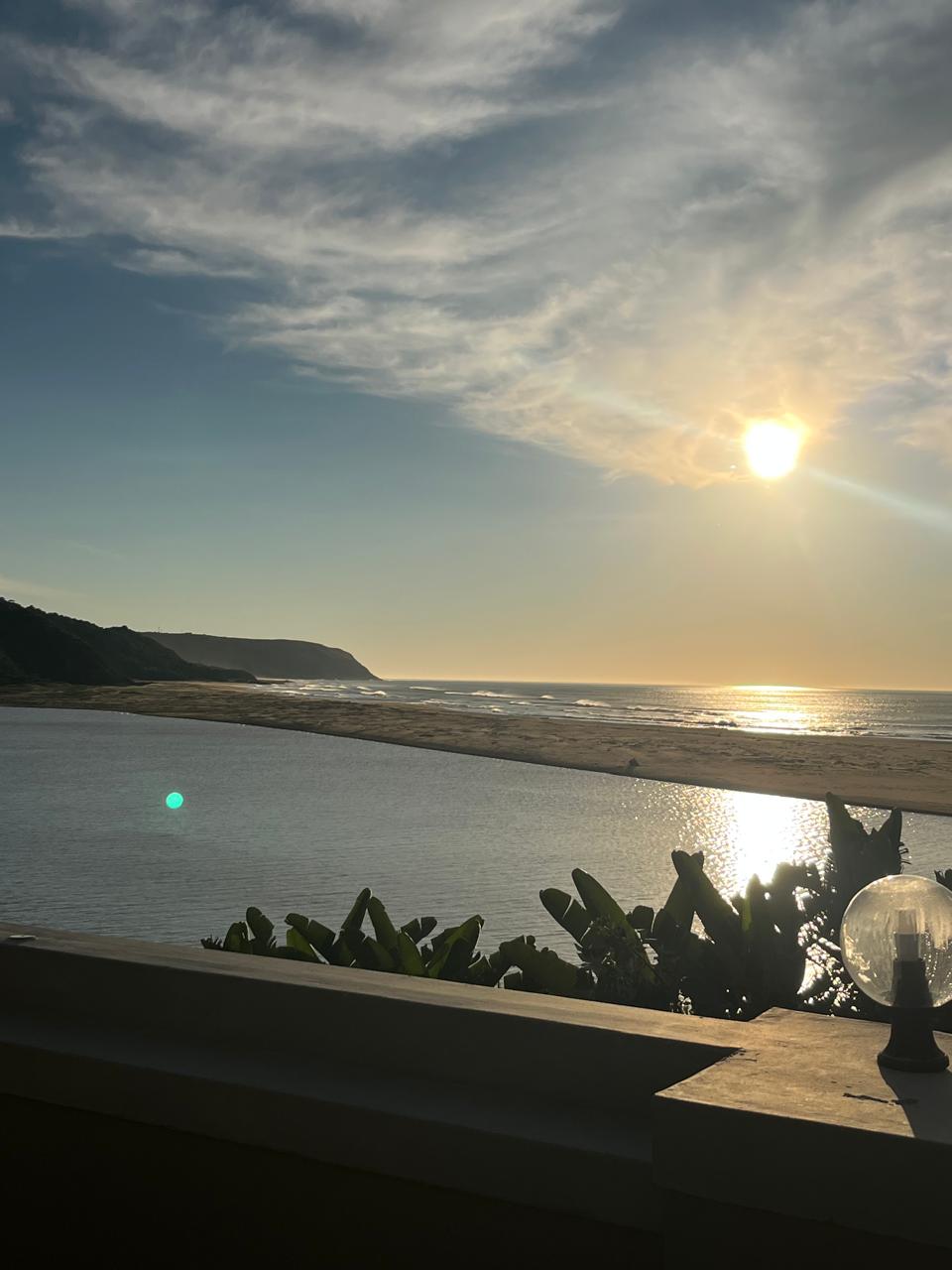
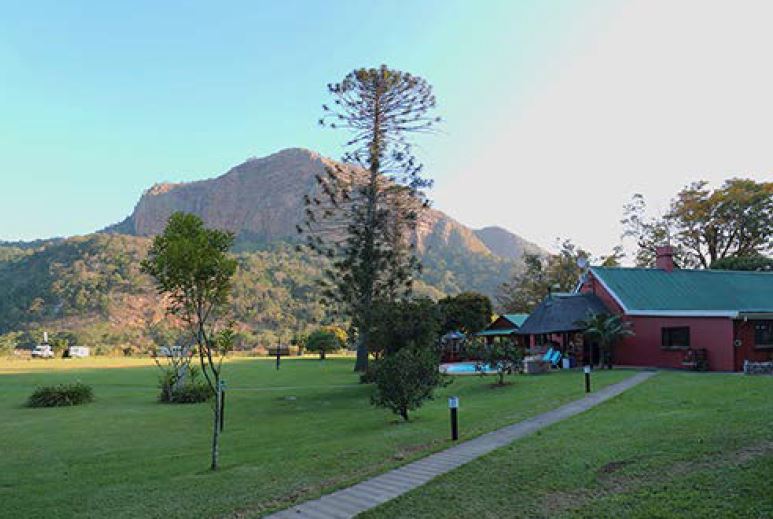
Mid-range options centre on owner-run guesthouses and small beach lodges. Rooms typically include en-suite bathrooms and more reliable power supply, though outages still occur. Half-board or dinner arrangements are common at this tier, which matters given that stand-alone restaurants are scarce outside the larger towns. Hosts at these properties tend to be closely connected to the local environment and are often a better source of practical information, from current trail conditions to good local walks, than any published guide. Confirming whether a beachfront room actually faces the sea is worth doing directly, as descriptions can be generous.
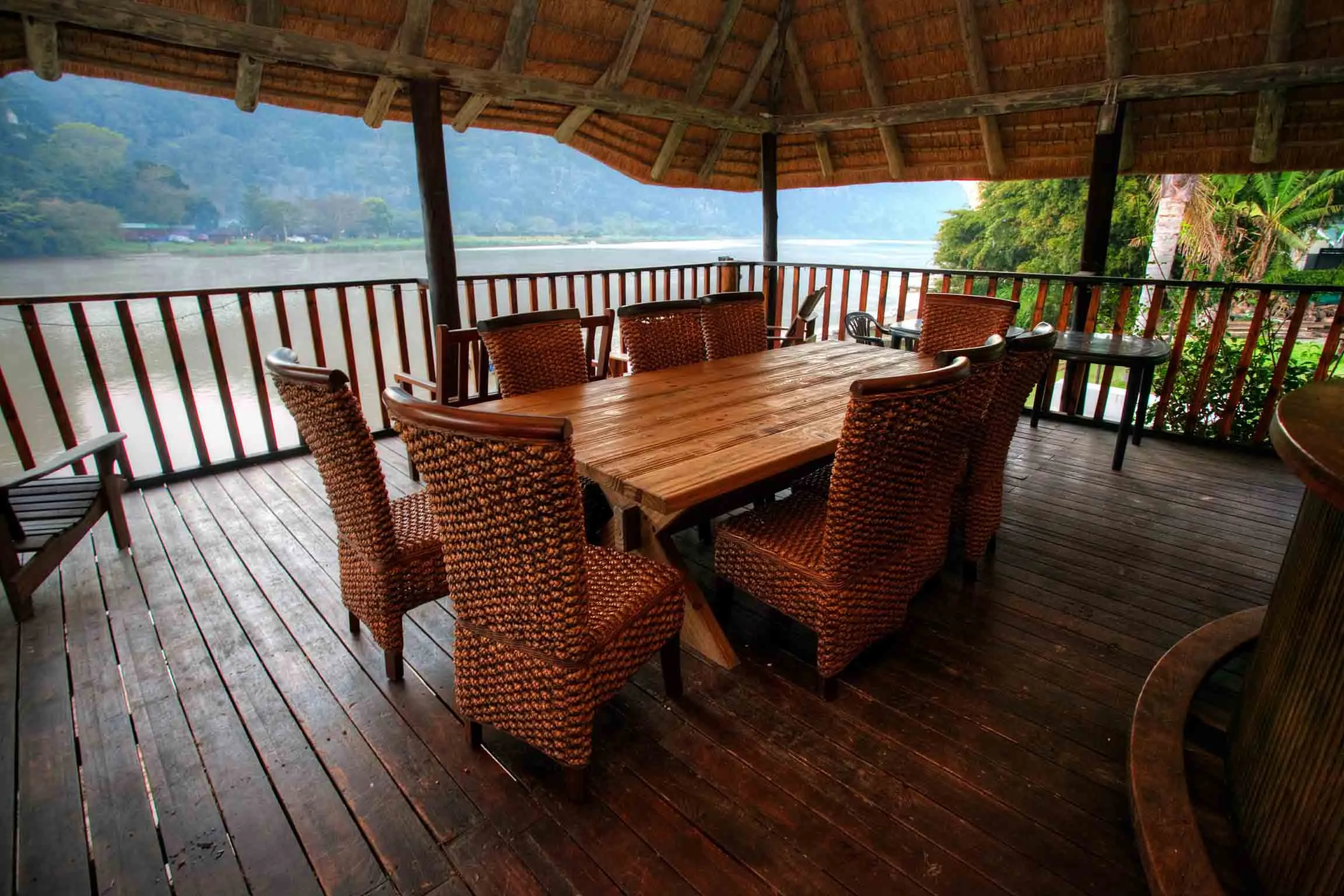
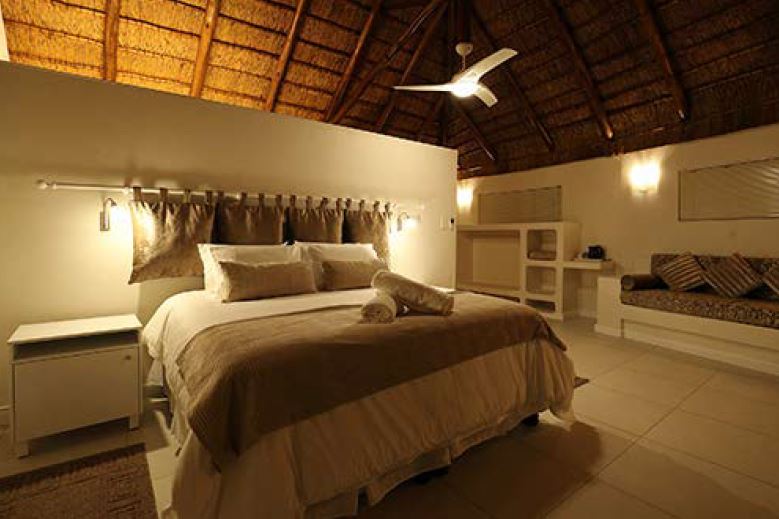
Eco-lodges sit at the upper tier of what the Wild Coast offers. These tend to occupy cliff-top or riverine positions, use local stone and timber in construction, and limit guest numbers deliberately to keep the atmosphere low-key. Solar power and generator backup are standard at this level. Some include guided activities, such as horse trails or visits to Xhosa communities, within a package rate, which suits visitors who prefer an organised itinerary in a region where independent logistics take some effort.
Across all tiers, hot water and stable mobile signal should not be assumed. Some properties are only accessible in dry conditions, which ties accommodation choice directly to the road-access question.
Best Time to Visit Wild Coast
The Eastern Cape coast has a subtropical climate. Summer, from November through February, brings warm sea temperatures and the region's highest rainfall. Afternoon thunderstorms are common inland during this period, and humidity rises noticeably. December and January coincide with South African school holidays and are the busiest months for accommodation, with demand peaking across the accessible coastal nodes.
Winter, May through August, is dry and clear. Daytime temperatures along the coast remain mild, though nights call for warm layers. These months offer the best walking conditions: firm paths, low humidity, and long clear days. Sea temperatures fall enough to deter most swimmers, but fishing and kayaking remain viable. The river estuaries that cut through the Wild Coast are particularly good for birdwatching through winter, when reduced vegetation improves sightlines into reed beds and tidal flats.
September and October represent a quieter shoulder period. Vegetation greens up after the dry winter and visitor numbers are low. Rain picks up again toward October, though rarely at high-summer intensity. Humpback whales pass along this coastline on their northward migration between June and November, with July and August generally offering the most consistent sightings from elevated clifftop positions.
Getting to Wild Coast
King Phalo Airport in East London, approximately 250 kilometres south-west of the central Wild Coast, is the main air gateway. Flights connect East London to Johannesburg and Cape Town regularly. Mthatha Airport, roughly 100 kilometres from the coast, handles limited regional services and is the more convenient option for those arriving from Johannesburg or the interior.
Drivers from Durban, around 500 kilometres to the north along the N2, can approach the Wild Coast from the north-east. From Johannesburg, the most direct route follows the N3 to Durban and then the N2 southward, covering roughly 900 kilometres to Mthatha before branching coastward. From East London, the N2 runs north-east toward Mthatha, where regional roads take over. Access roads to specific coastal destinations are partially gravel and deteriorate noticeably after heavy rain. A vehicle with reasonable ground clearance handles most of the coast; a 4WD opens up more remote sections.
No reliable scheduled public transport serves the Wild Coast's coastal nodes. Minibus taxis link larger towns informally, but their reach into coastal areas is patchy and schedules are irregular. Self-driving remains the practical approach, particularly for visitors planning to cover more than one coastal destination during a single trip.
Wild Coast and Surrounding Areas
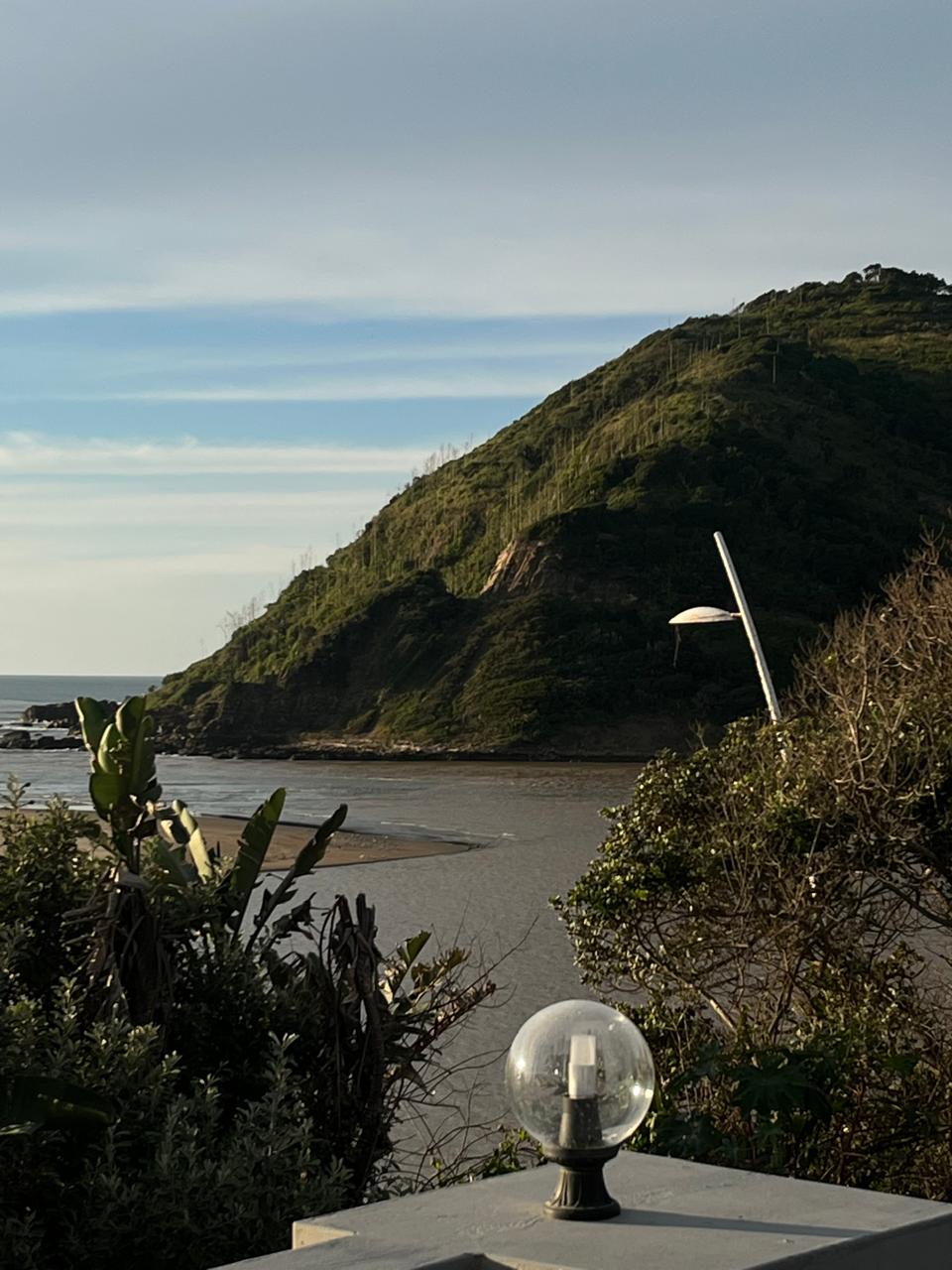
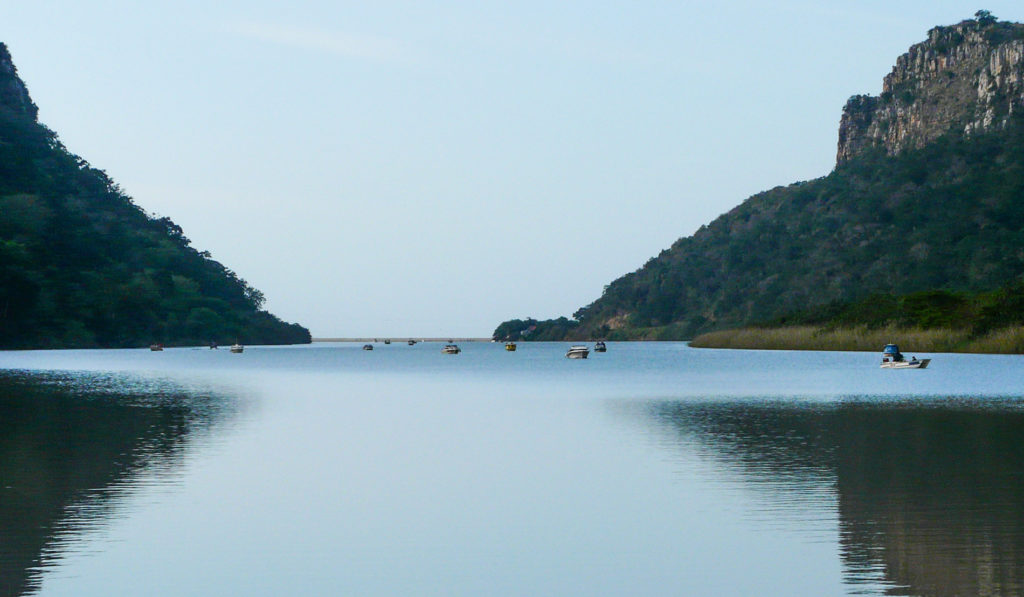
Port St Johns sits one kilometre from the Wild Coast proper, at the mouth of the Mzimvubu River where it meets the Indian Ocean. Two sandstone cliffs frame the river channel and are visible from the town and its beaches. Port St Johns has a long history as a trading post and river port, and more recently as a focal point for travellers moving through the Transkei. It remains the most established service point in the area, with restaurants, a craft market, and a fuel station. Second Beach, sheltered by the river mouth and the surrounding headland, is the main swimming and surfing area. Third Beach, reached on foot or by 4WD track, draws visitors wanting more isolation and space.
Lusikisiki, 29 kilometres inland, is the primary service hub for the southern Wild Coast interior. Supermarkets, banks, a hospital, and multiple filling stations make it the logical stop before heading into more remote coastal areas. Magwa Falls, where the Magwa River drops into a forested gorge, sits near the town on the grounds of a working tea estate and is accessible by vehicle followed by a short walk.
Mngcibe, at roughly 44 kilometres, is a rural community area characterised by subsistence agriculture and open grazing land. Traditional homesteads and terraced hillsides mark the landscape, and the area gives a clear picture of the rural economy that underpins much of this part of the Eastern Cape. There are no visitor facilities.
Lutsheni, 45 kilometres from the coast, sits in the hilly terrain of the former Transkei homelands. The rolling landscape and views across river valleys are the draw for those using interior roads to move between destinations, though no formal tourist infrastructure exists.
Gqubeni, at 54 kilometres, is a residential community in the hill country between the coast and the main transport corridor, functioning as a waypoint on longer inland drives.
Planning Your Stay
Accommodation across the Wild Coast fills quickly during school holiday periods. Booking three to six months ahead is sensible for peak times; outside those windows, two to four weeks usually suffices, and smaller lodges sometimes accept walk-ins during quiet stretches.
Before confirming any property, establish what meals are included. The scarcity of stand-alone restaurants along the coast makes dinner arrangements a meaningful factor in the decision. Check road access directly with the host: ask whether a 4WD is necessary to reach the property and what recent rain means for the approach road. Mobile signal coverage varies significantly by network, and confirming this for your provider before committing to a remote lodge is worthwhile.
Carrying sufficient cash before leaving the last major town en route is essential. Card payments are not accepted at many smaller coastal properties, and ATMs are absent from most coastal nodes. Top up fuel at the same stop, since filling stations become sparse quickly off the main roads. Travel insurance covering medical evacuation is a sensible precaution given the distance from the nearest hospitals.
For visitors staying near or within local communities, following host guidance about etiquette and asking permission before photographing people or homesteads is both respectful and the expected norm.