Accommodation in Wolmaransstad
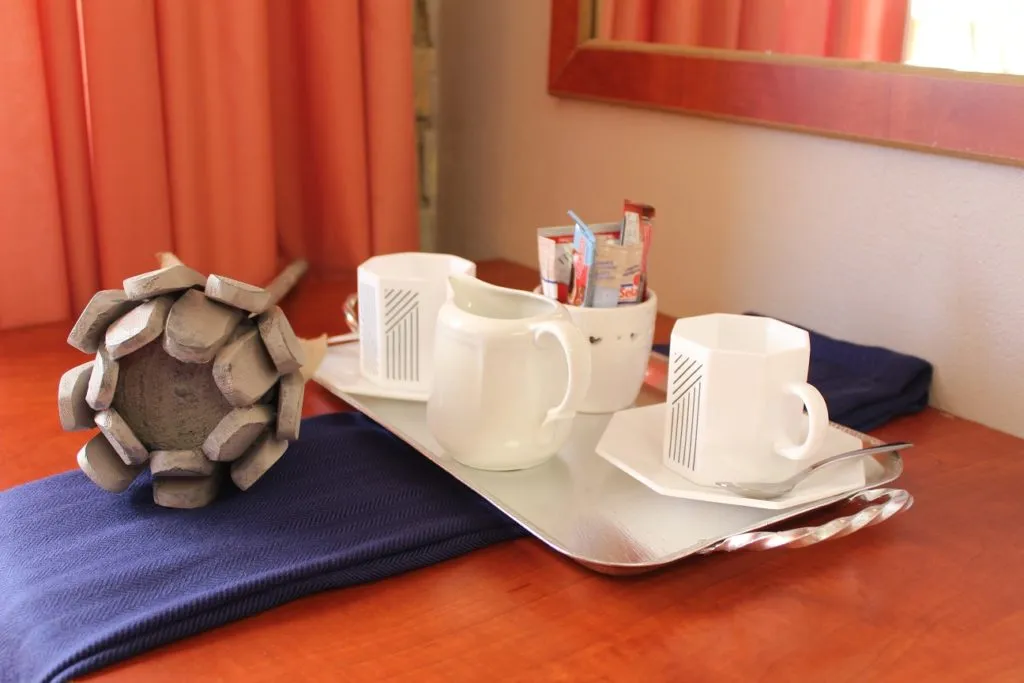
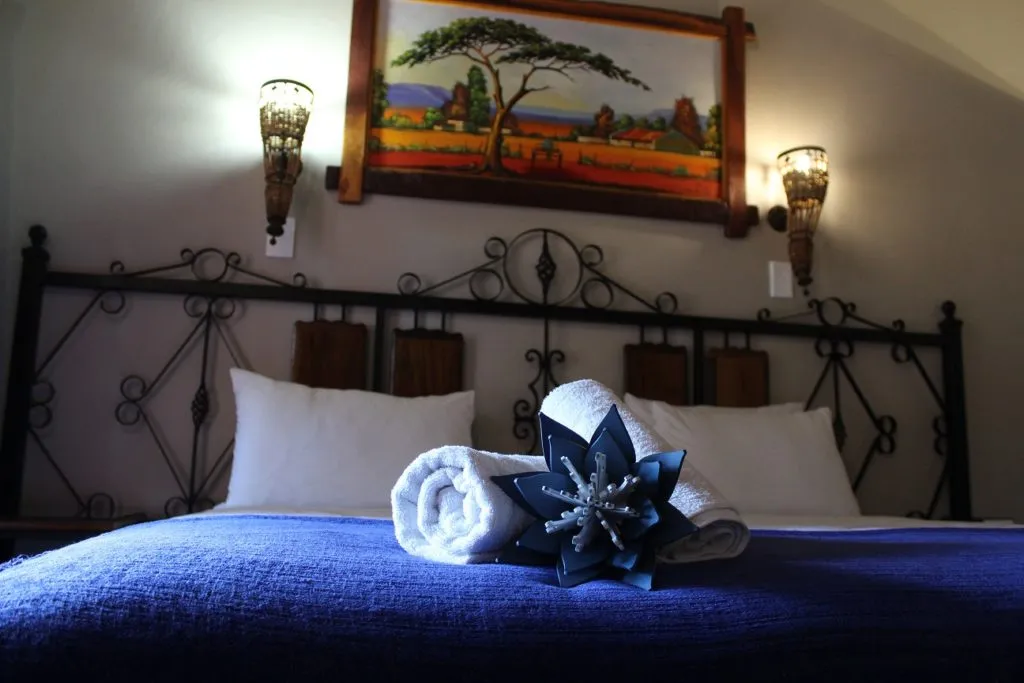
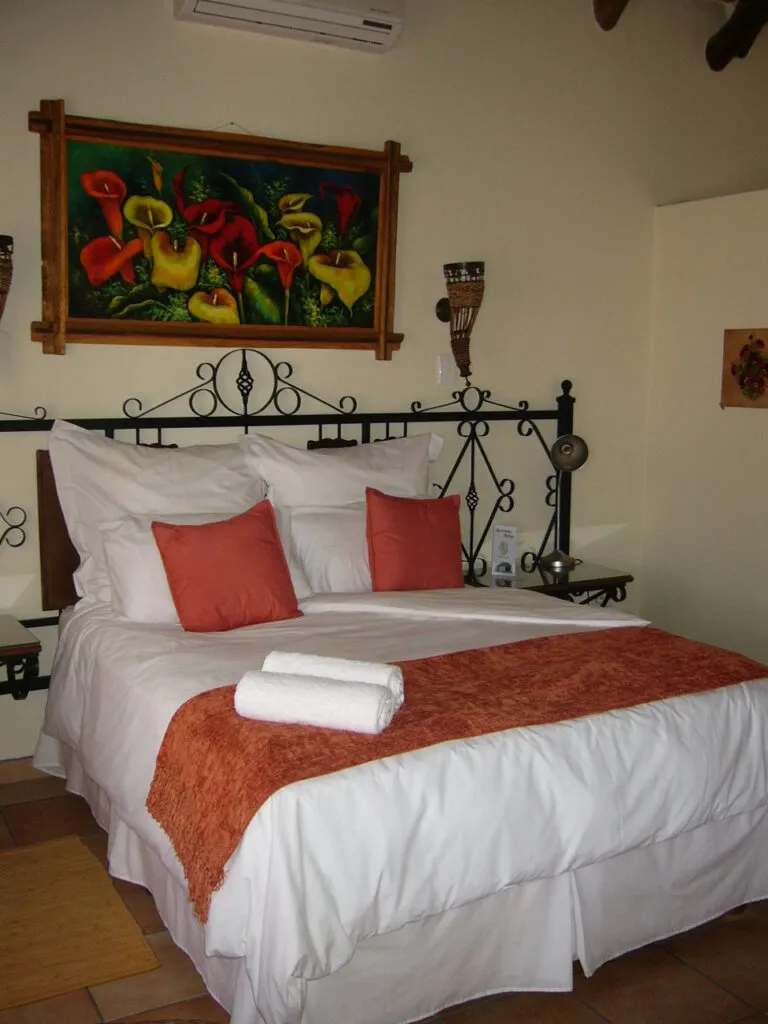
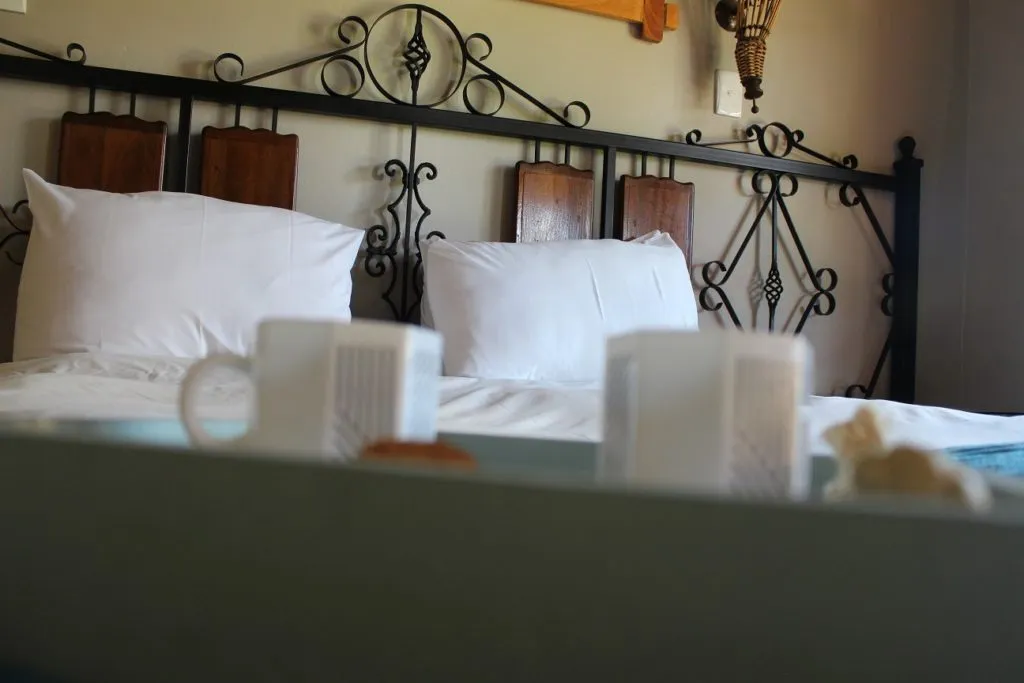
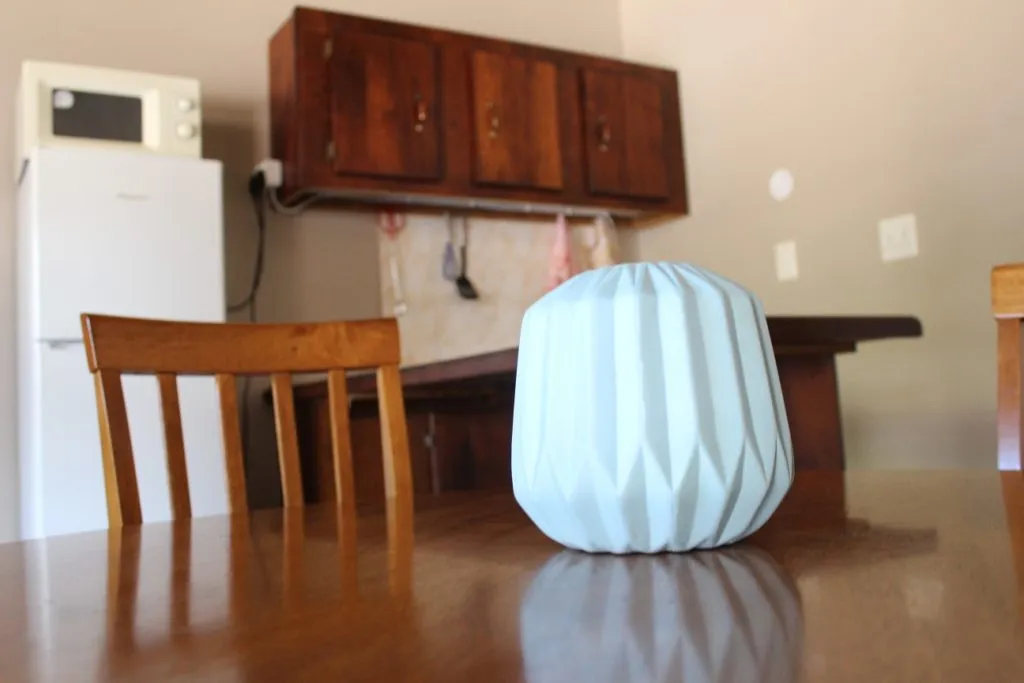
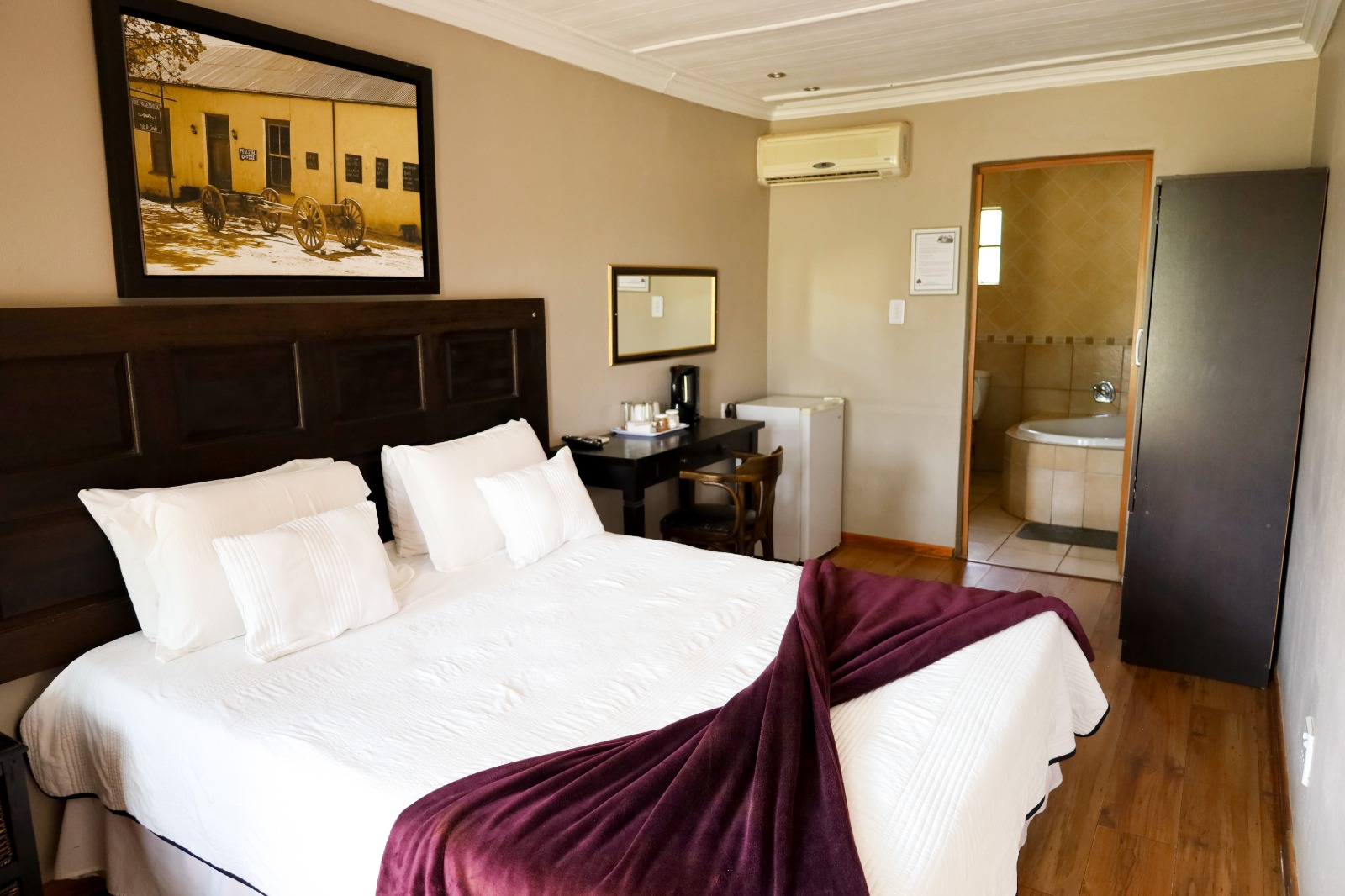
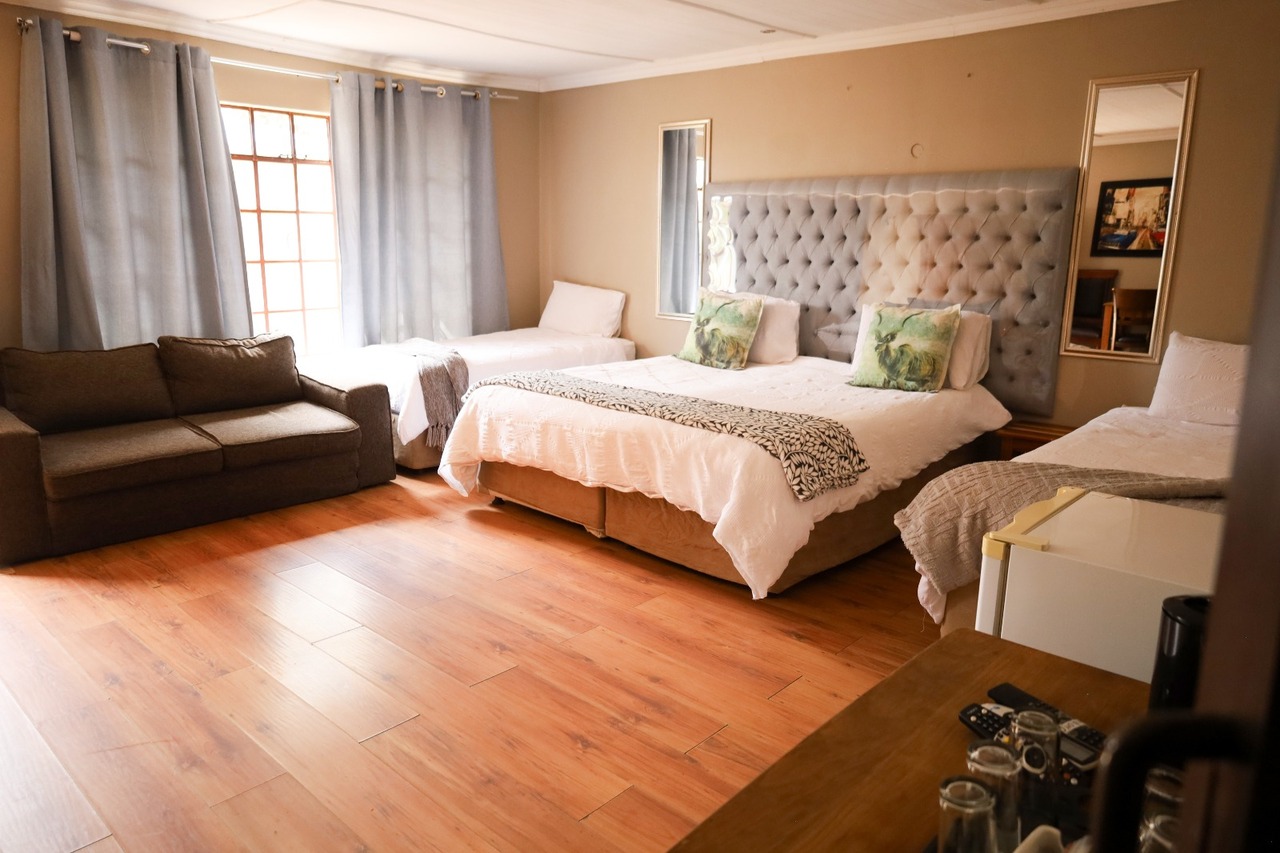
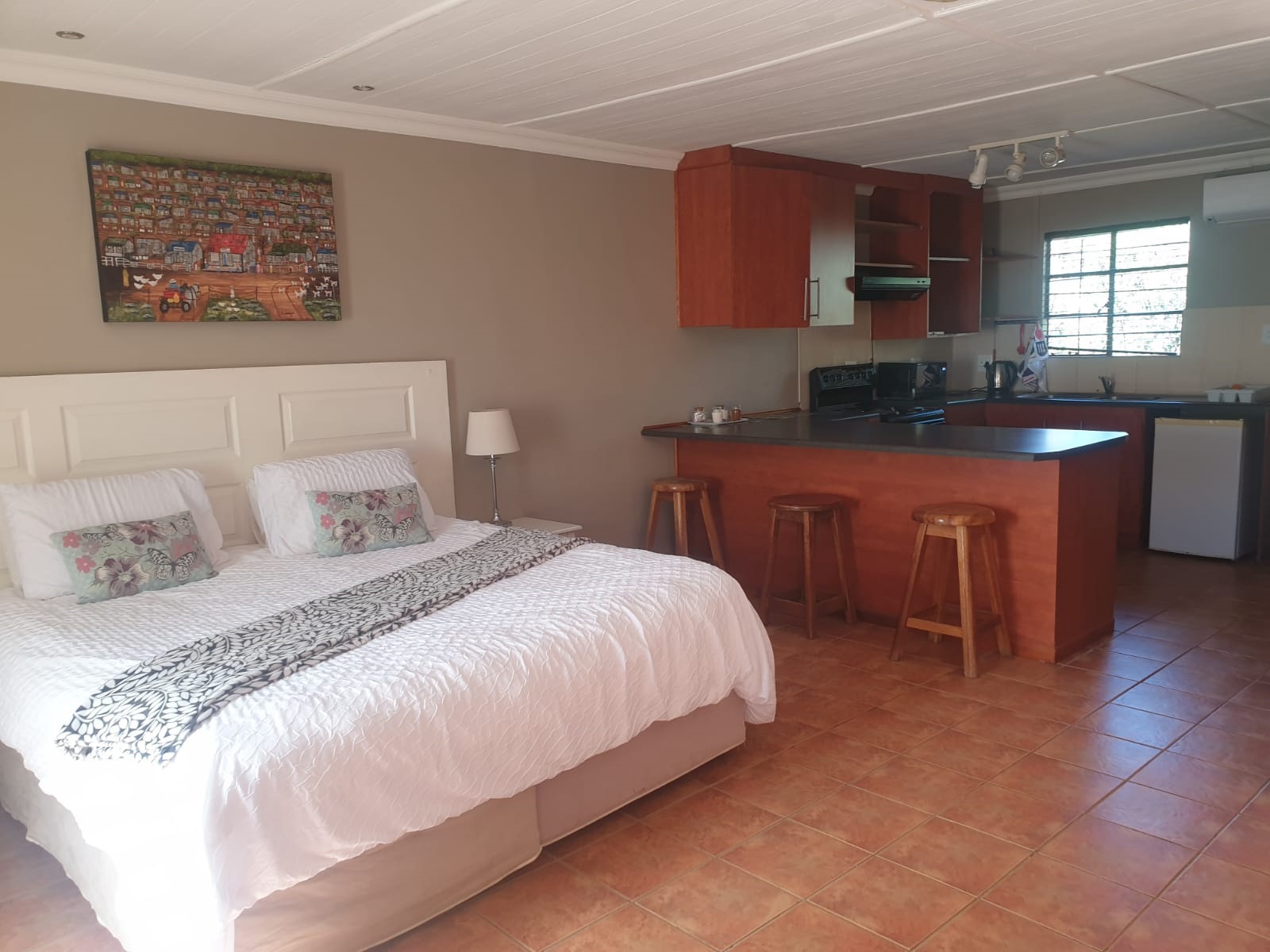
Wolmaransstad currently has one listed property, a guesthouse priced at R1,480 per night, which places it squarely in the mid-range bracket for rural North West accommodation. That figure reflects straightforward country pricing: you get clean, comfortable rooms and personal service that chain hotels rarely deliver, without the overhead of resort facilities or urban premiums.
Guesthouses are the natural accommodation form in a town of this size, and they suit the place well. These are typically family-run operations where the owner knows the local roads, can suggest which surrounding farms are worth visiting, and will put together a packed lunch for a day trip on request. Rooms tend to be generous by South African B&B standards, often opening onto a stoep or garden, and breakfast is usually included in the rate or available for a modest addition.
For visitors accustomed to urban hotels, the experience differs in ways that are easy to underestimate. There are no anonymous corridors, no intercom orders, no check-in desk with a queue. The format offers direct access to the hosts and, through them, a practical familiarity with the area that no concierge in a city hotel could replicate. Evening meals, when offered, are home-cooked, which is either the appeal or a reason to travel with your own food supplies depending on your preference.
The limited supply is worth taking seriously when planning a visit. A single guesthouse means that a full booking on any given night leaves no alternative in town. Travellers using Wolmaransstad as a base between longer legs of a North West road trip, or those attending local events, should confirm their reservation well in advance rather than treating it as a fallback option.
Best Time to Visit Wolmaransstad
Wolmaransstad sits on the North West highveld, where the climate follows a clear seasonal pattern: hot, wet summers from November through February, and dry, cooler winters from May through August. Summer temperatures regularly exceed 35°C, and afternoon thunderstorms arrive reliably from December to February. These storms cool conditions quickly but can leave unpaved farm roads muddy and difficult for standard vehicles.
Winter offers the more comfortable travel conditions. Days are sunny and mild, with temperatures typically in the mid-teens to low twenties Celsius, and the dry air keeps things pleasant for walking and time outdoors. Night temperatures can fall sharply, with frost possible in June and July, so pack layers if you are staying somewhere without heating or spending time outside after dark.
Spring, from September through October, is a useful window. Temperatures are rising, the rains have not yet arrived, days are lengthening, and the grassland starts showing new growth after the dry winter. Roads are generally in better condition than during the wet summer months.
There is no pronounced tourist peak in Wolmaransstad given the town's limited visitor infrastructure. The annual agricultural show, which typically falls in the cooler months, draws visitors from surrounding farming communities and is worth attending if your dates allow. Confirm the exact schedule before booking, as it shifts between years and online information is not always current.
Getting to Wolmaransstad
Wolmaransstad sits on the R503 in North West province, roughly 250 kilometres from Johannesburg. The most direct route heads west on the N12, then turns north-west on regional roads into town, a drive of around two and a half to three hours depending on traffic clearing the Gauteng urban area.
The nearest commercial airport is OR Tambo International in Johannesburg, handling both domestic and international arrivals. No regional airport serves Wolmaransstad directly, and the closest general aviation airfield in the region operates without scheduled commercial services, so flying in means hiring a vehicle at OR Tambo for the remainder of the journey.
Intercity bus routes link Wolmaransstad to Johannesburg and to towns further into the province. The Translux and Intercape networks pass through or close to the town on routes between Gauteng and the Northern Cape. Services are affordable but infrequent, so check published schedules rather than assuming daily departures in both directions.
Within Wolmaransstad there is no formal public transport. A private vehicle is effectively essential for reaching rural guesthouses outside the town centre or making day trips into the surrounding areas. Car hire is not available locally, so arrange this before leaving the city.
Wolmaransstad and Surrounding Areas
Witfontein lies 41 kilometres from Wolmaransstad, a small farming settlement that extends the agricultural landscape of the town into the open plains beyond. The area is used primarily for crop production and cattle, and the drive out passes through highveld countryside that gives a clear sense of the province's rural character away from the main national roads.
Bothaville, 66 kilometres to the south-east and just across the provincial border in the Free State, operates as one of South Africa's significant maize-trading centres. The town has a commercial infrastructure noticeably larger than Wolmaransstad's, with supermarkets, fuel stations, and agricultural suppliers. It is a practical provisioning stop for travellers heading east into the Free State, and the grain silos and co-op yards along the main road reflect immediately what drives the local economy.
Boetrand, at 75 kilometres, is a smaller settlement along the farming corridor heading south-east from Wolmaransstad. Visitor facilities are limited, but the road passes through some of the more open highveld scenery in this part of the province, and for those interested in the rural landscape the drive has its own appeal.
Klerksdorp, 78 kilometres away, is the regional centre and the most useful urban base within day-trip range. The city has shopping centres, medical facilities, banks, and restaurants. Its museum covers the area's gold-mining history and early settler period in reasonable detail, giving historical context to a region that saw significant mining activity in the late nineteenth and early twentieth centuries. For vehicle repairs, extended shopping, or any service unavailable in smaller centres, Klerksdorp is the reliable destination.
Buffelsfontein sits 88 kilometres from Wolmaransstad and is known in the area for game farming. Several private reserves in the vicinity have developed wildlife viewing operations, offering an experience distinct from the purely agricultural character of the immediate surrounds.
Kokomeng, at 104 kilometres, is the most remote of the nearby destinations. The area is sparsely populated, and the drive there passes through countryside that sees very little tourist traffic. For travellers with a genuine interest in the quieter edges of North West, it offers distance from any urban framework, though self-sufficiency is expected.
Planning Your Stay
Because Wolmaransstad has a single listed property at present, advance booking matters more here than in towns with several options. Reserve a few weeks to a month ahead if you are visiting over a public holiday long weekend or around the time of the annual agricultural show, when local demand concentrates into very limited beds.
Before confirming, contact the property directly to check what the rate includes: whether breakfast is part of the deal, whether evening meals are available on request, and whether any dietary requirements can be accommodated. Rural guesthouses in the North West often have flexible arrangements that are not fully captured in online listings.
If you are visiting between November and February, ask specifically about the condition of the access road. Unpaved routes to farm properties can become difficult or impassable after heavy rain, and a standard sedan may struggle on the final stretch from the nearest tarred surface. This is worth confirming the day before you travel, not after you have already set out.
Mobile data coverage in and around Wolmaransstad is available on major networks but can be patchy further into farming areas. Download offline maps before leaving a city. Keep the fuel tank full when setting out on any longer excursion, as petrol stations become scarce quickly once you leave the main roads connecting the larger centres.