Bravo Reis- & Akkommodasiegids
Jou volledige gids om Bravo, Suid-Afrika te besoek.
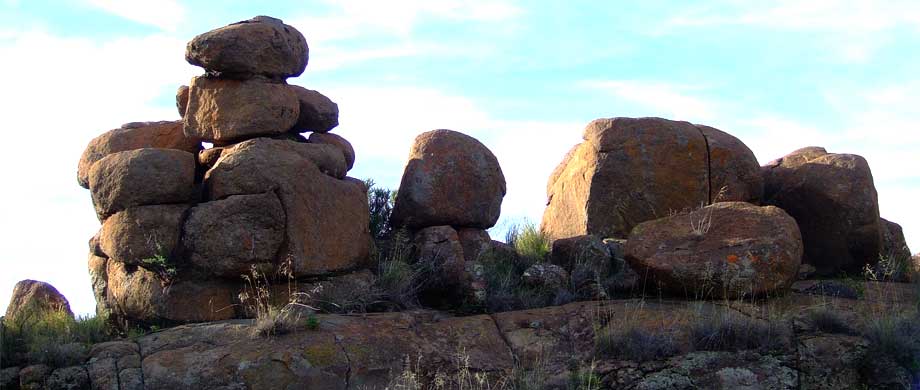
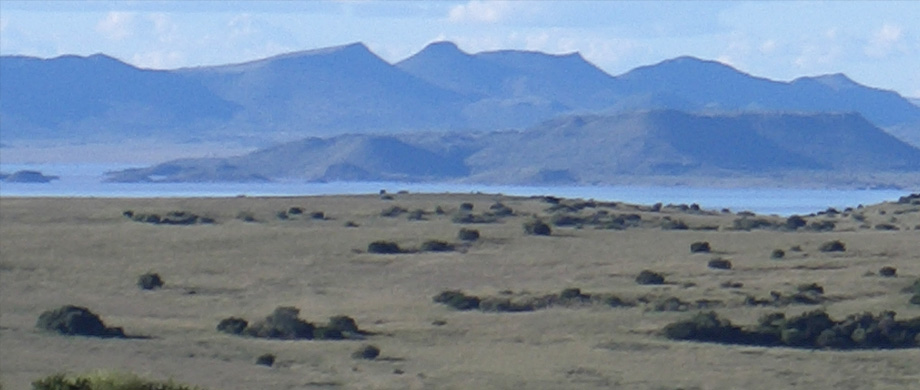
Bravo is a small settlement in the Northern Cape, positioned in the vast semi-arid landscape between Colesberg and Middelburg. The area serves as a gateway to the expansive Karoo, offering visitors a quiet retreat far from urban centres and an opportunity to experience the region's distinctive character.
## Accommodation in Bravo
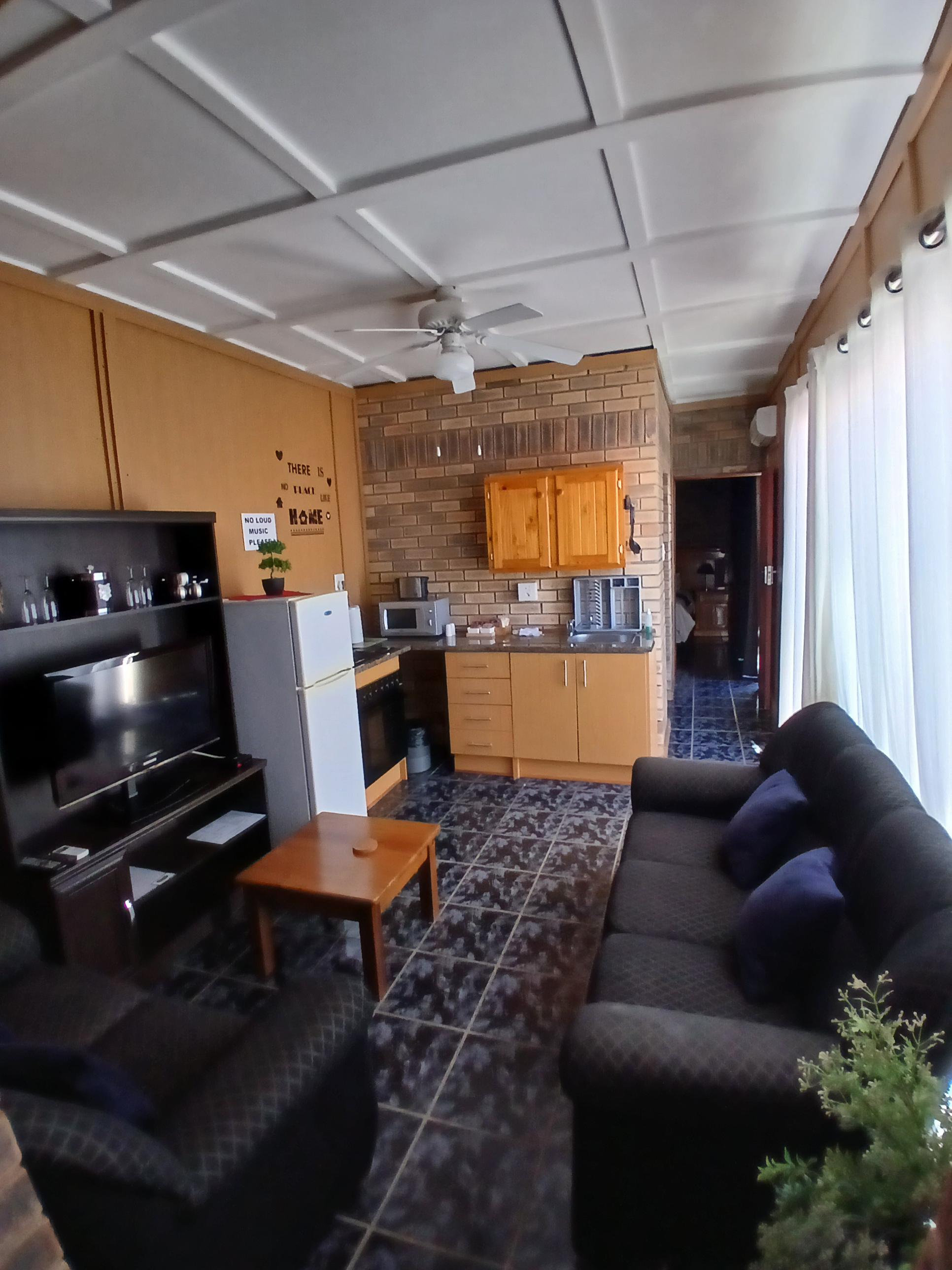
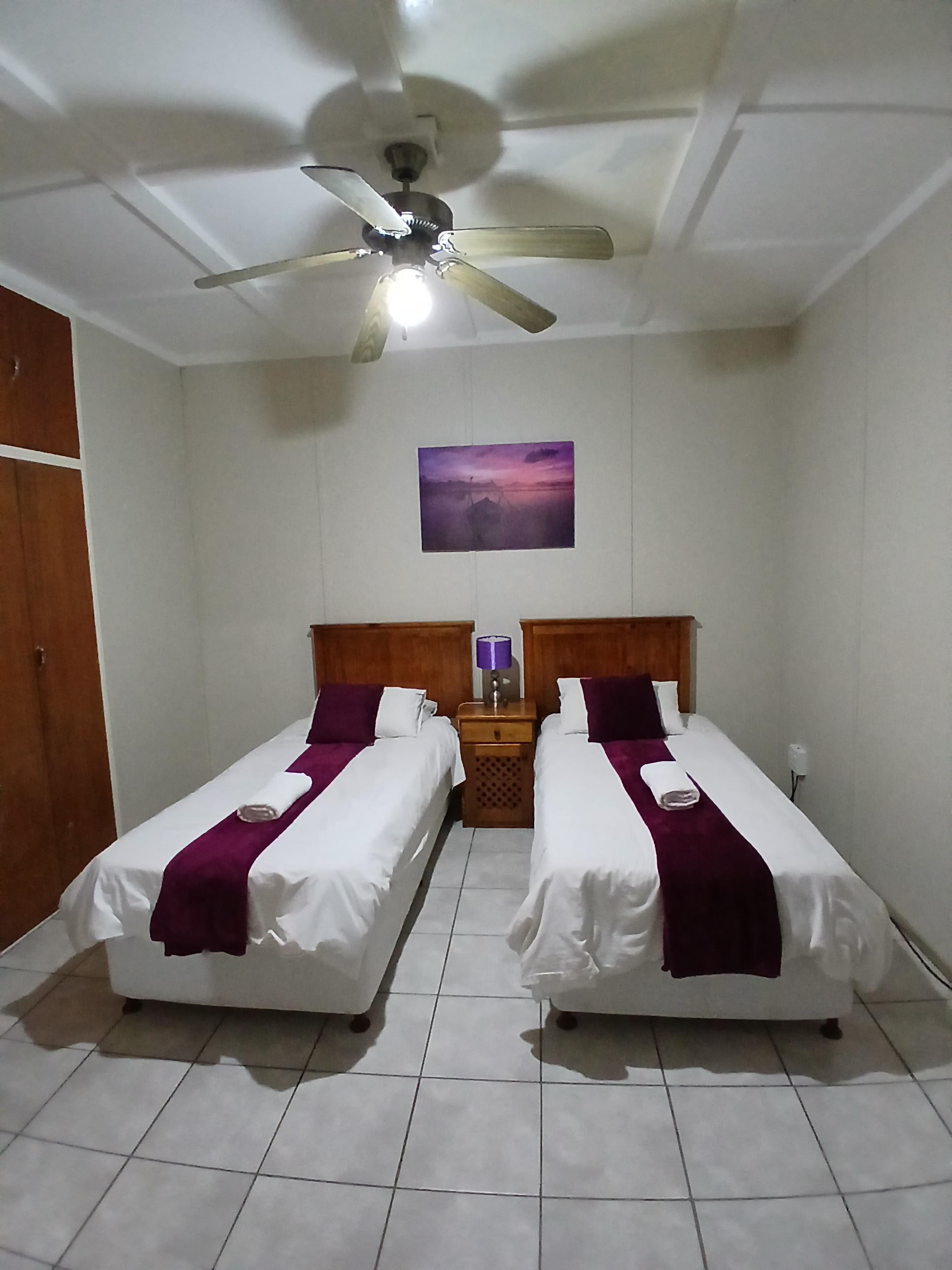
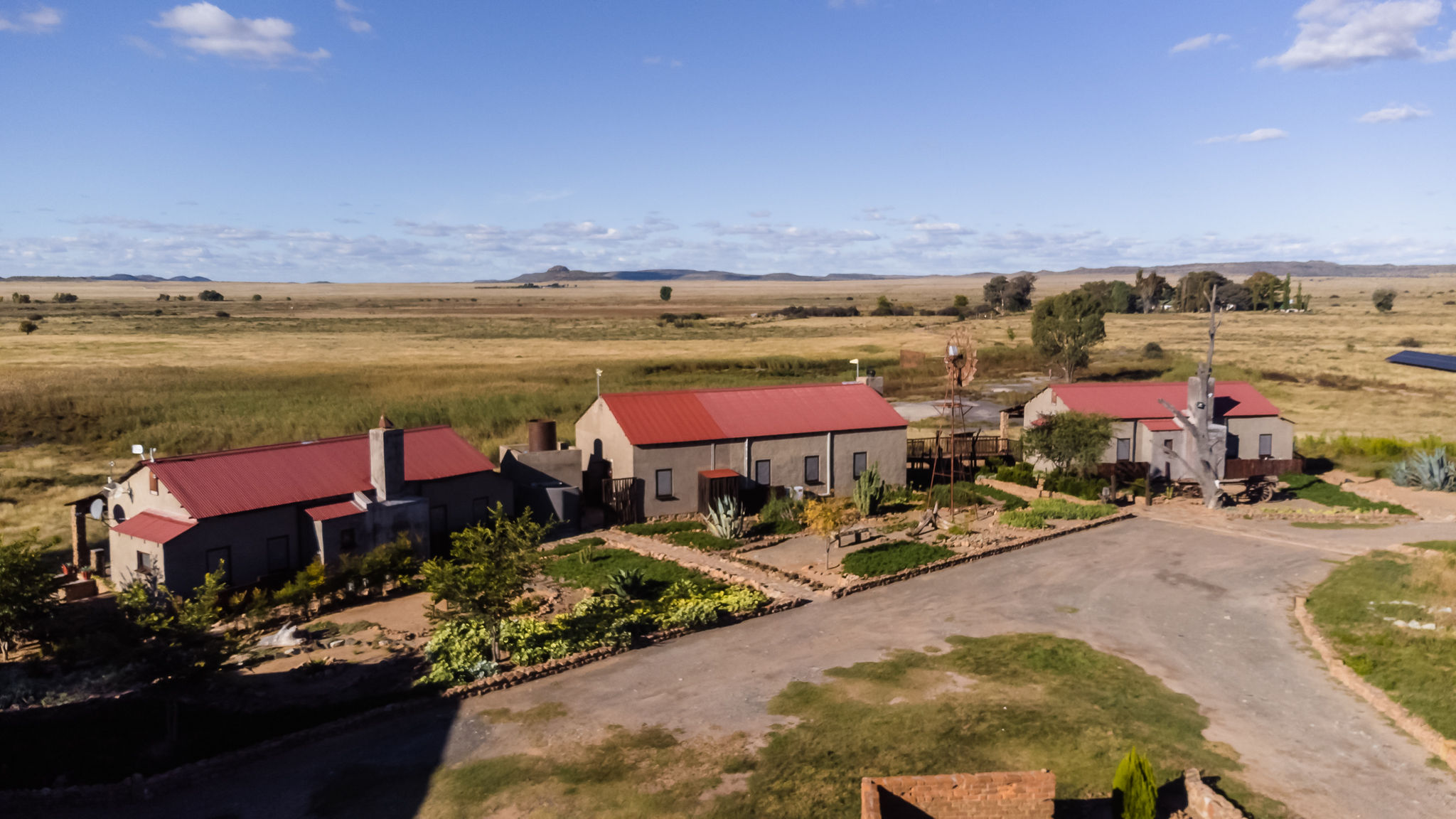
The accommodation scene around Bravo reflects the character of the Karoo interior: practical, rooted in farming culture, and oriented toward travellers who value space and quiet over amenities. With no properties currently listed through mainstream online platforms, options in and immediately around Bravo tend to lack a significant digital footprint, operating through regional contacts, tourism boards, or word of mouth among travellers who have passed through.
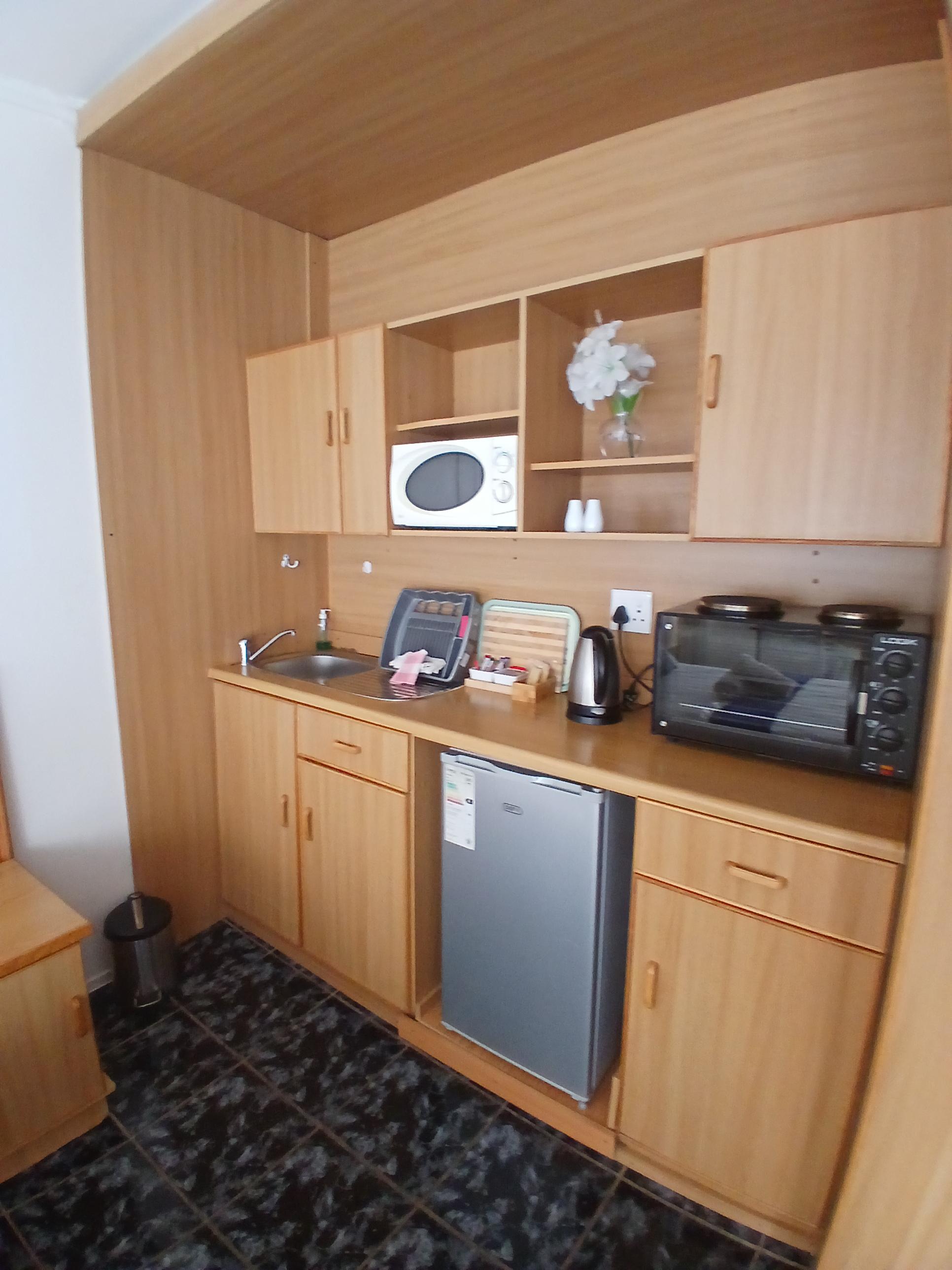
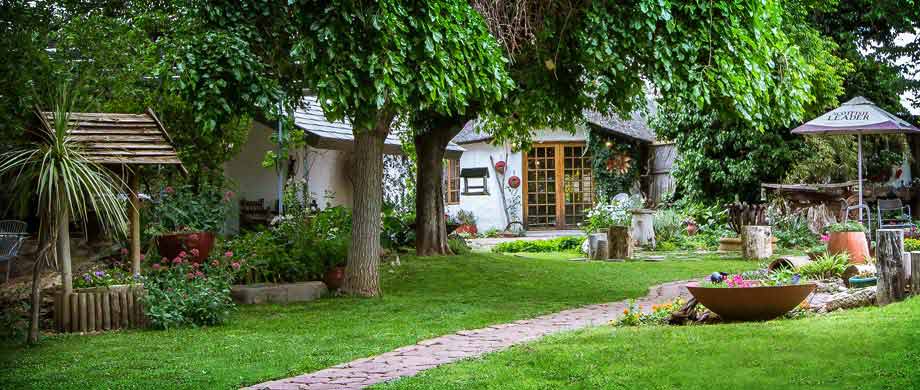
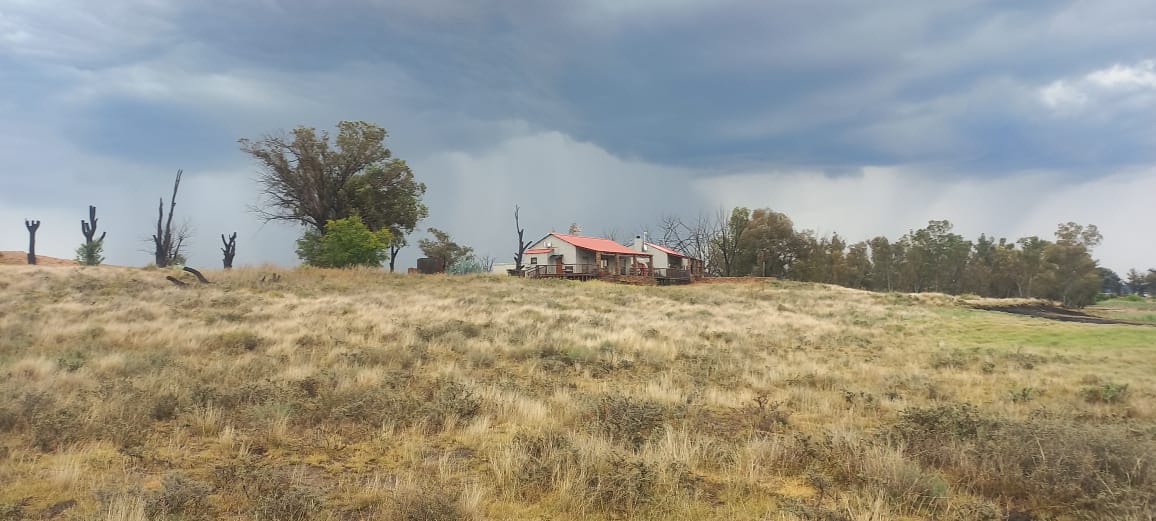
At the budget end, basic self-catering units on sheep and game farms provide a functional base. These are typically converted farm cottages or rondavels with kitchen facilities, suited to people stopping deliberately to experience Karoo farm life rather than seeking comfort. Costs at this tier are generally modest, though confirming current rates directly with owners is necessary given the absence of aggregated pricing data for the area.
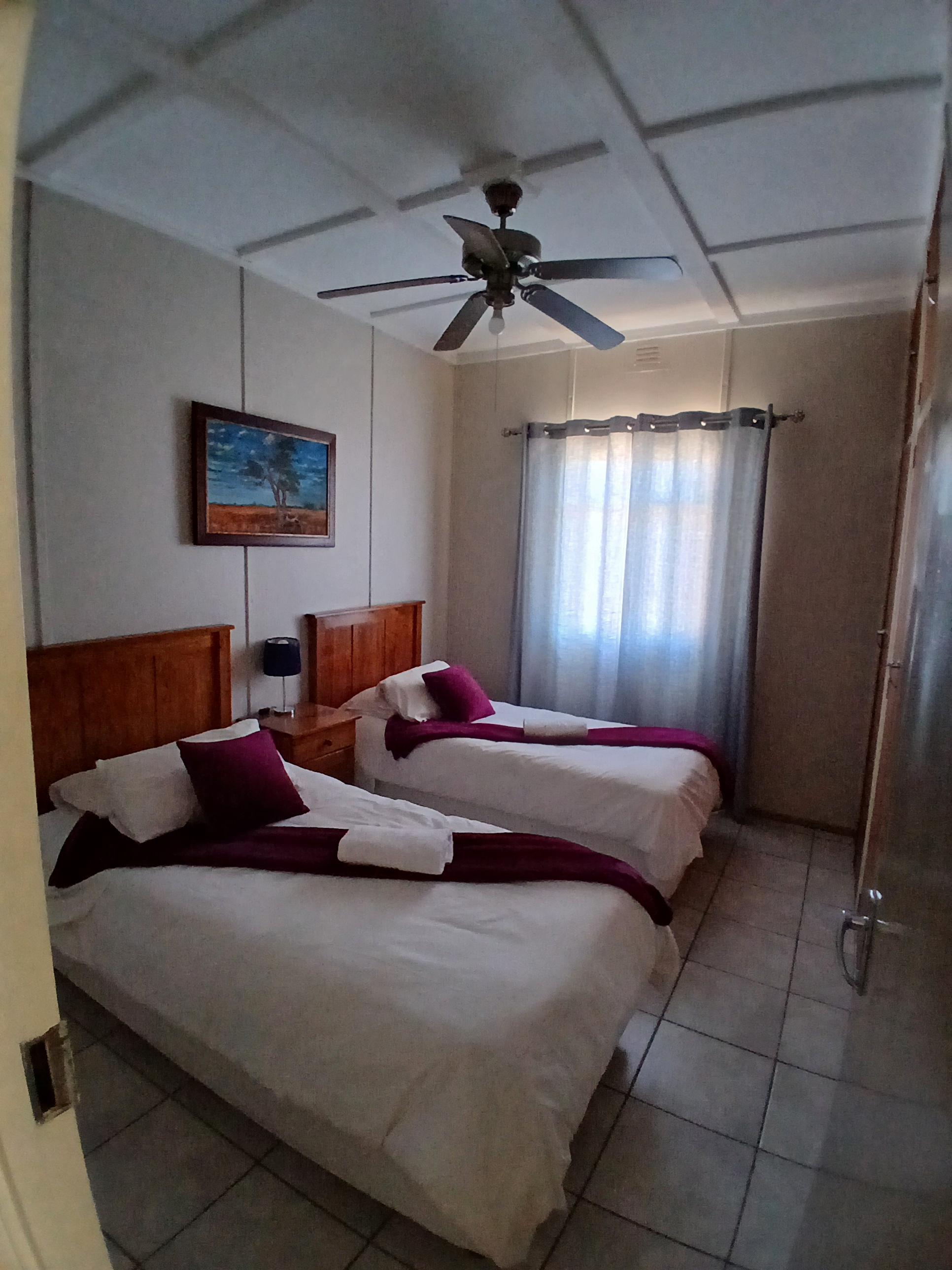
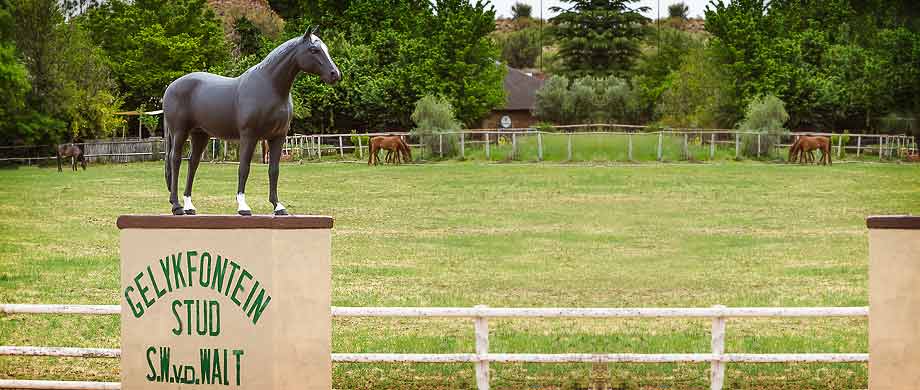
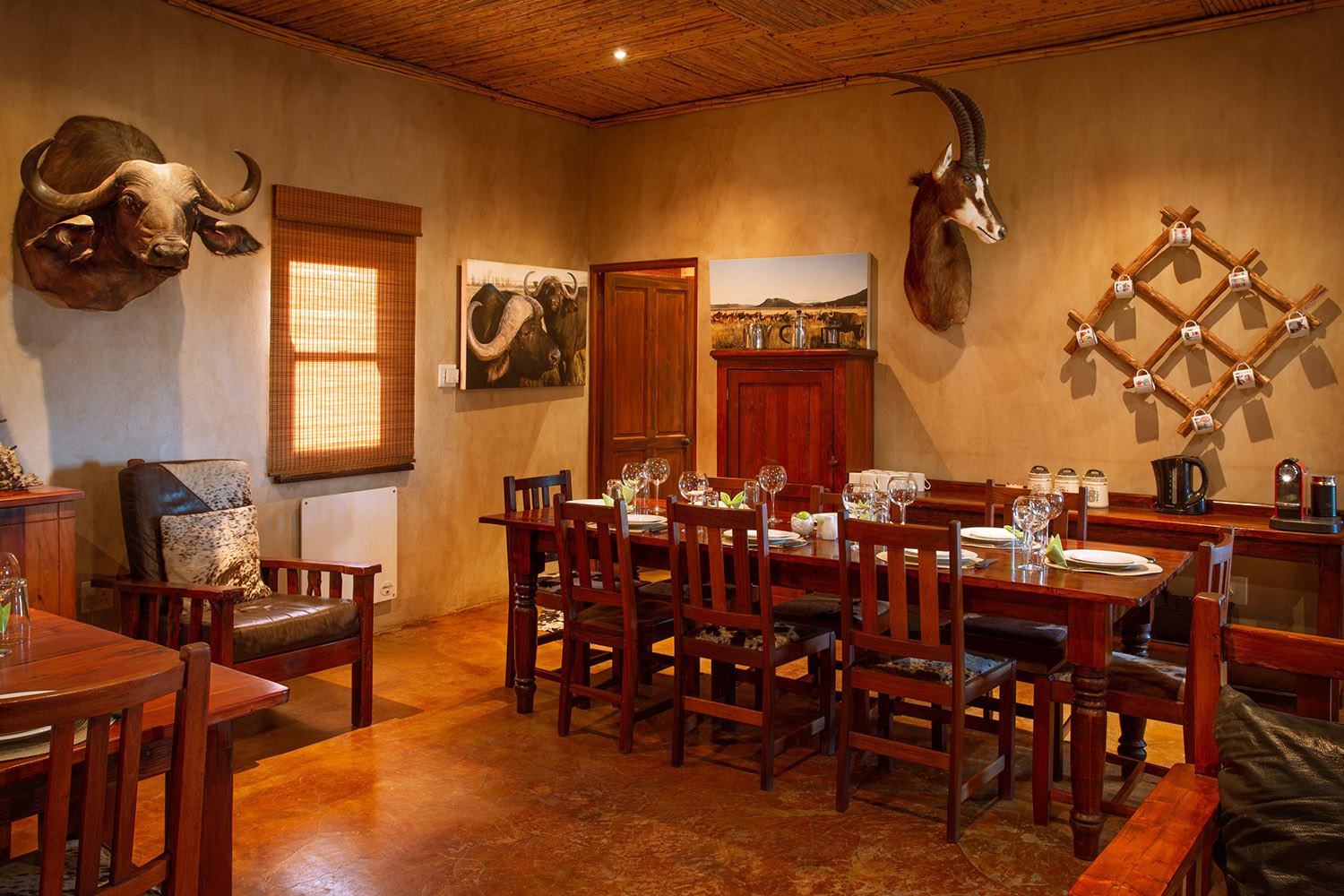
Mid-range options lean toward farm guest houses, where accommodation is more considered and meals may be included or available on request. Guests on these properties often gain access to the farm itself, watching livestock management, joining drives on private game land, or sitting on a stoep watching the plains extend to the horizon. The experience is distinctly agricultural, without the packaging of a formal game lodge. This tier probably represents the most common offering in the broader area, providing a reasonable balance between comfort and authenticity.
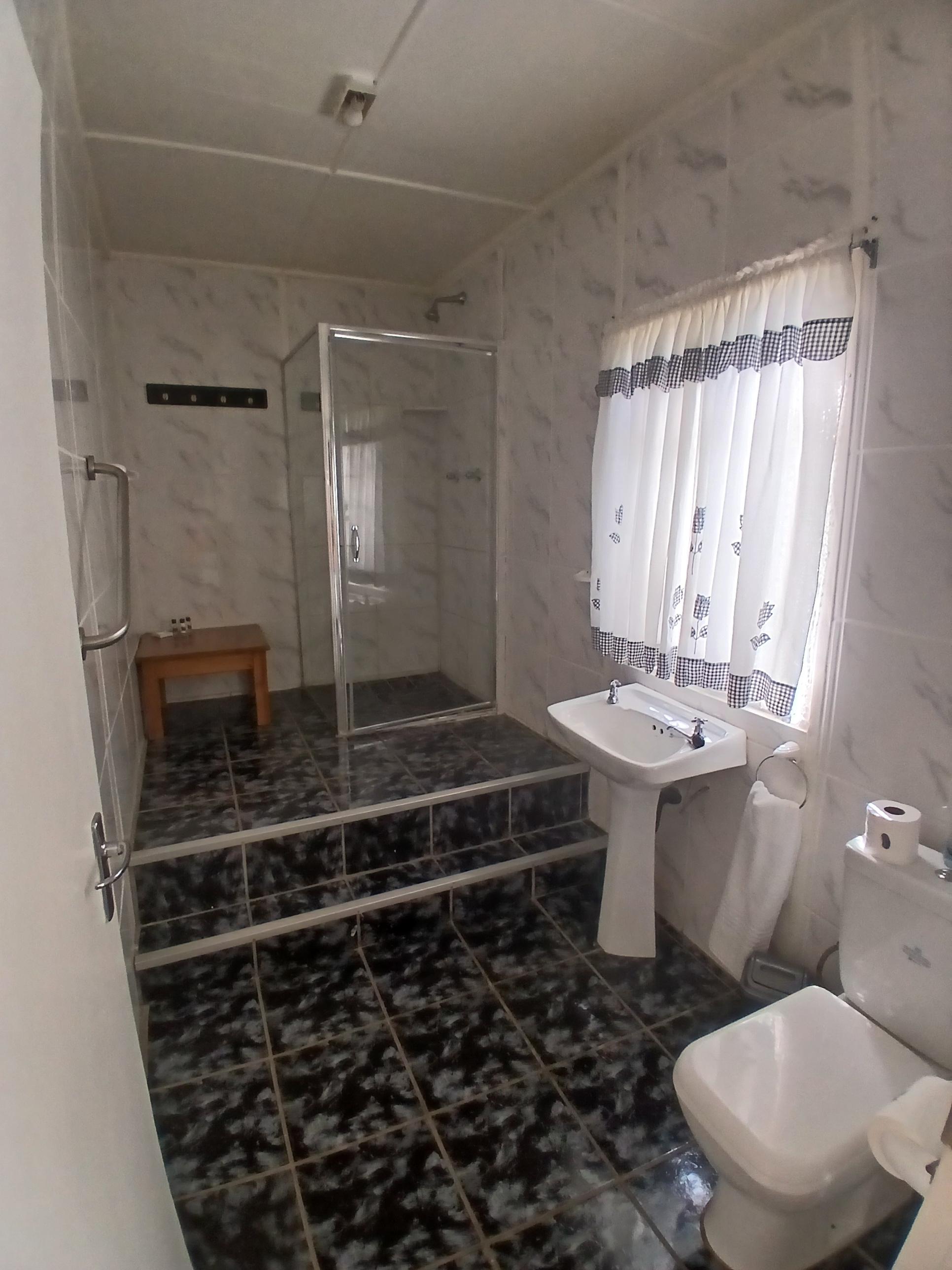
Upper-tier stays step up in finish and facilities, sometimes including private chalets with modern bathrooms and more attentive hosting arrangements. These remain uncommon close to Bravo itself, though a short drive in any direction opens up more developed options. Even at this level, the Karoo atmosphere prevails: properties are spread far apart, the landscape dominates, and the pace is slow by design.
Overall, the Bravo area has no formally listed properties at present, and pricing remains undocumented in standard travel databases. Visiting with flexibility and a willingness to contact operators directly is essential.
---
## Best Time to Visit Bravo
The Karoo climate dictates when a visit to Bravo is most practical. Summers, from November through February, bring intense heat with temperatures frequently exceeding 35 degrees Celsius during the day. The heat is dry, but midday activity outdoors becomes uncomfortable, and shade and water are important considerations for anyone planning to be out in the landscape. Rainfall arrives in brief summer thunderstorms, with the annual average sitting around 300 millimetres.
Autumn and spring, broadly March to May and August to October, offer the most balanced conditions. Temperatures moderate, mornings can be crisp, and the landscape holds colour after any summer rain. These shoulder months suit visitors who want to explore on foot or move through the countryside by vehicle without contending with temperature extremes in either direction.
Winter runs from June to August and brings genuine cold. Frost is common at night, and daytime temperatures can remain low under persistent cloud cover. The cold is real at this altitude, but winter compensates in a specific way: the air is dry and clear, and the night sky becomes extraordinary. Light pollution is almost non-existent in this part of the Northern Cape, and winter nights reveal a depth of stars that is rarely visible near any city. Birdwatching is productive throughout the year, with Karoo korhaan, Ludwig's bustard, and several lark species resident across all seasons.
School holiday periods bring heavier traffic along the highway, which can affect availability at nearby accommodation providers, but Bravo itself stays quiet year-round.
---
## Getting to Bravo
Bravo sits roughly 40 kilometres from Colesberg along the N1, South Africa's primary north-south highway linking Cape Town and Johannesburg. The N1 is a well-maintained national route, and the approach from either direction is straightforward by private vehicle. Colesberg functions as the nearest point of significant infrastructure on the highway and serves as a useful waypoint for fuel, food, and supplies before continuing to Bravo.
The nearest airport with scheduled commercial services is in Bloemfontein, in the Free State. From the major international airports in Cape Town or Johannesburg, a hired car is the most practical way to cover the remaining distance to the area. No public transport serves Bravo directly. Long-distance coaches travel the N1 corridor and stop at Colesberg, but the final stretch to Bravo requires private or pre-arranged transport.
Once in the area, a vehicle is essential for any movement. Gravel roads branch off the highway toward farms and smaller settlements, and surface conditions can deteriorate significantly after heavy rain. Fuel is not reliably available at Bravo itself, so filling up at any service station before leaving a larger town is a straightforward precaution. The main N1 has service stations at regular intervals, so there is no need to arrive with a full emergency reserve, but planning ahead for the last section of the journey is sensible.
---
## Bravo and Surrounding Areas
Venterstad, just 4 kilometres from Bravo, is the closest settlement and the first stop for any immediate needs. The small town sits near the Orange River on the Eastern Cape side of the provincial boundary. The river draws fishing enthusiasts targeting yellowfish, and the broader corridor toward the Gariep Dam, the largest dam in South Africa, is within practical reach. The dam supports boating, camping, and fishing facilities that offer a distinct contrast to the dry Karoo terrain.
Springfontein, 16 kilometres distant, is a Free State agricultural town with roots in the railway era. The town carries documented history from the South African War: a prisoner-of-war camp held Boer combatants and civilians here between 1900 and 1902, and a memorial marks the site for visitors with an interest in this period. Springfontein also has a more developed commercial centre than the immediate Bravo surroundings, making it a practical option for stocking up.
Koppiesfontein, 19 kilometres away, is a farming settlement whose name reflects the characteristic Karoo topography of small flat-topped hills. There is little visitor infrastructure, but the surrounding land offers an unfiltered picture of how wool and mutton production organises daily life across the interior.
Berseba, 28 kilometres from Bravo, is a small agricultural community that functions primarily as a service node for surrounding farms. Like Koppiesfontein, it offers a glimpse of rural Karoo life without any formal tourism framework.
Stoneleigh, at 32 kilometres, and Abelsruhe, at 33 kilometres, sit at the outer edge of easy day range from Bravo. Both are farming settlements rather than towns. Abelsruhe's name reflects the German and Dutch settler heritage that shaped many place names across the Cape's rural interior during the colonial period.
Taken together, these nearby places describe a deeply rural region where dispersed farming communities sustain themselves across large distances. Venterstad is the most practical for immediate needs, while Springfontein offers the most developed services and the most historically documented site within easy reach.
---
## Planning Your Stay
Finding accommodation around Bravo requires more active searching than booking a room in a tourist-oriented town. Standard booking engines are unlikely to show the full picture. Regional tourism boards, farm-stay networks, and the Northern Cape Tourism Authority often maintain their own listings separate from large aggregators, and these are worth consulting before concluding that nothing is available.
Before confirming any booking, ask about electricity supply. Load-shedding affects rural properties as much as urban areas in South Africa, and some farms run on generators or solar systems with limitations on high-draw appliances. Water supply is also worth clarifying, as many properties in this region rely on boreholes or storage tanks rather than municipal connections. Ask whether the access road is tarred or gravel and whether a standard sedan will manage the approach, particularly if your visit coincides with or follows rainy weather.
Mobile data and voice coverage is variable across the Northern Cape interior. Downloading offline maps and any essential information before leaving a larger town saves considerable frustration once you are out of range.
Emergency services and medical facilities are not immediately accessible in this part of the country. Carry more supplies than you expect to need, as distances make any forgotten item a significant errand. A basic first aid kit and sufficient medication for your stay are standard precautions for rural South Africa.
Confirming your booking before making the drive is essential. Few enough properties operate in this area that arriving without a prior arrangement carries real risk.

The accommodation scene around Bravo reflects the character of the Karoo interior: practical, rooted in farming culture, and oriented toward travellers who value space and quiet over amenities. With no properties currently listed through mainstream online platforms, options in and immediately around Bravo tend to lack a significant digital footprint, operating through regional contacts, tourism boards, or word of mouth among travellers who have passed through.
At the budget end, basic self-catering units on sheep and game farms provide a functional base. These are typically converted farm cottages or rondavels with kitchen facilities, suited to people stopping deliberately to experience Karoo farm life rather than seeking comfort. Costs at this tier are generally modest, though confirming current rates directly with owners is necessary given the absence of aggregated pricing data for the area.
Mid-range options lean toward farm guest houses, where accommodation is more considered and meals may be included or available on request. Guests on these properties often gain access to the farm itself, watching livestock management, joining drives on private game land, or sitting on a stoep watching the plains extend to the horizon. The experience is distinctly agricultural, without the packaging of a formal game lodge. This tier probably represents the most common offering in the broader area, providing a reasonable balance between comfort and authenticity.
Upper-tier stays step up in finish and facilities, sometimes including private chalets with modern bathrooms and more attentive hosting arrangements. These remain uncommon close to Bravo itself, though a short drive in any direction opens up more developed options. Even at this level, the Karoo atmosphere prevails: properties are spread far apart, the landscape dominates, and the pace is slow by design.
Overall, the Bravo area has no formally listed properties at present, and pricing remains undocumented in standard travel databases. Visiting with flexibility and a willingness to contact operators directly is essential.
---
## Best Time to Visit Bravo
The Karoo climate dictates when a visit to Bravo is most practical. Summers, from November through February, bring intense heat with temperatures frequently exceeding 35 degrees Celsius during the day. The heat is dry, but midday activity outdoors becomes uncomfortable, and shade and water are important considerations for anyone planning to be out in the landscape. Rainfall arrives in brief summer thunderstorms, with the annual average sitting around 300 millimetres.
Autumn and spring, broadly March to May and August to October, offer the most balanced conditions. Temperatures moderate, mornings can be crisp, and the landscape holds colour after any summer rain. These shoulder months suit visitors who want to explore on foot or move through the countryside by vehicle without contending with temperature extremes in either direction.
Winter runs from June to August and brings genuine cold. Frost is common at night, and daytime temperatures can remain low under persistent cloud cover. The cold is real at this altitude, but winter compensates in a specific way: the air is dry and clear, and the night sky becomes extraordinary. Light pollution is almost non-existent in this part of the Northern Cape, and winter nights reveal a depth of stars that is rarely visible near any city. Birdwatching is productive throughout the year, with Karoo korhaan, Ludwig's bustard, and several lark species resident across all seasons.
School holiday periods bring heavier traffic along the highway, which can affect availability at nearby accommodation providers, but Bravo itself stays quiet year-round.
---
## Getting to Bravo
Bravo sits roughly 40 kilometres from Colesberg along the N1, South Africa's primary north-south highway linking Cape Town and Johannesburg. The N1 is a well-maintained national route, and the approach from either direction is straightforward by private vehicle. Colesberg functions as the nearest point of significant infrastructure on the highway and serves as a useful waypoint for fuel, food, and supplies before continuing to Bravo.
The nearest airport with scheduled commercial services is in Bloemfontein, in the Free State. From the major international airports in Cape Town or Johannesburg, a hired car is the most practical way to cover the remaining distance to the area. No public transport serves Bravo directly. Long-distance coaches travel the N1 corridor and stop at Colesberg, but the final stretch to Bravo requires private or pre-arranged transport.
Once in the area, a vehicle is essential for any movement. Gravel roads branch off the highway toward farms and smaller settlements, and surface conditions can deteriorate significantly after heavy rain. Fuel is not reliably available at Bravo itself, so filling up at any service station before leaving a larger town is a straightforward precaution. The main N1 has service stations at regular intervals, so there is no need to arrive with a full emergency reserve, but planning ahead for the last section of the journey is sensible.
---
## Bravo and Surrounding Areas
Venterstad, just 4 kilometres from Bravo, is the closest settlement and the first stop for any immediate needs. The small town sits near the Orange River on the Eastern Cape side of the provincial boundary. The river draws fishing enthusiasts targeting yellowfish, and the broader corridor toward the Gariep Dam, the largest dam in South Africa, is within practical reach. The dam supports boating, camping, and fishing facilities that offer a distinct contrast to the dry Karoo terrain.
Springfontein, 16 kilometres distant, is a Free State agricultural town with roots in the railway era. The town carries documented history from the South African War: a prisoner-of-war camp held Boer combatants and civilians here between 1900 and 1902, and a memorial marks the site for visitors with an interest in this period. Springfontein also has a more developed commercial centre than the immediate Bravo surroundings, making it a practical option for stocking up.
Koppiesfontein, 19 kilometres away, is a farming settlement whose name reflects the characteristic Karoo topography of small flat-topped hills. There is little visitor infrastructure, but the surrounding land offers an unfiltered picture of how wool and mutton production organises daily life across the interior.
Berseba, 28 kilometres from Bravo, is a small agricultural community that functions primarily as a service node for surrounding farms. Like Koppiesfontein, it offers a glimpse of rural Karoo life without any formal tourism framework.
Stoneleigh, at 32 kilometres, and Abelsruhe, at 33 kilometres, sit at the outer edge of easy day range from Bravo. Both are farming settlements rather than towns. Abelsruhe's name reflects the German and Dutch settler heritage that shaped many place names across the Cape's rural interior during the colonial period.
Taken together, these nearby places describe a deeply rural region where dispersed farming communities sustain themselves across large distances. Venterstad is the most practical for immediate needs, while Springfontein offers the most developed services and the most historically documented site within easy reach.
---
## Planning Your Stay
Finding accommodation around Bravo requires more active searching than booking a room in a tourist-oriented town. Standard booking engines are unlikely to show the full picture. Regional tourism boards, farm-stay networks, and the Northern Cape Tourism Authority often maintain their own listings separate from large aggregators, and these are worth consulting before concluding that nothing is available.
Before confirming any booking, ask about electricity supply. Load-shedding affects rural properties as much as urban areas in South Africa, and some farms run on generators or solar systems with limitations on high-draw appliances. Water supply is also worth clarifying, as many properties in this region rely on boreholes or storage tanks rather than municipal connections. Ask whether the access road is tarred or gravel and whether a standard sedan will manage the approach, particularly if your visit coincides with or follows rainy weather.
Mobile data and voice coverage is variable across the Northern Cape interior. Downloading offline maps and any essential information before leaving a larger town saves considerable frustration once you are out of range.
Emergency services and medical facilities are not immediately accessible in this part of the country. Carry more supplies than you expect to need, as distances make any forgotten item a significant errand. A basic first aid kit and sufficient medication for your stay are standard precautions for rural South Africa.
Confirming your booking before making the drive is essential. Few enough properties operate in this area that arriving without a prior arrangement carries real risk.
Bravo Kaart
Nabygeleë Bestemmings
Blaai Deur Alle Bravo Akkommodasie
Bekyk al 0 akkommodasie-opsies in Bravo met foto's, pryse en beskikbaarheid.
Blaai Deur Alle Akkommodasie