Coffee Bay Reis- & Akkommodasiegids
Jou volledige gids om Coffee Bay, Suid-Afrika te besoek.
1
Eiendom
Gewildste
Hotel
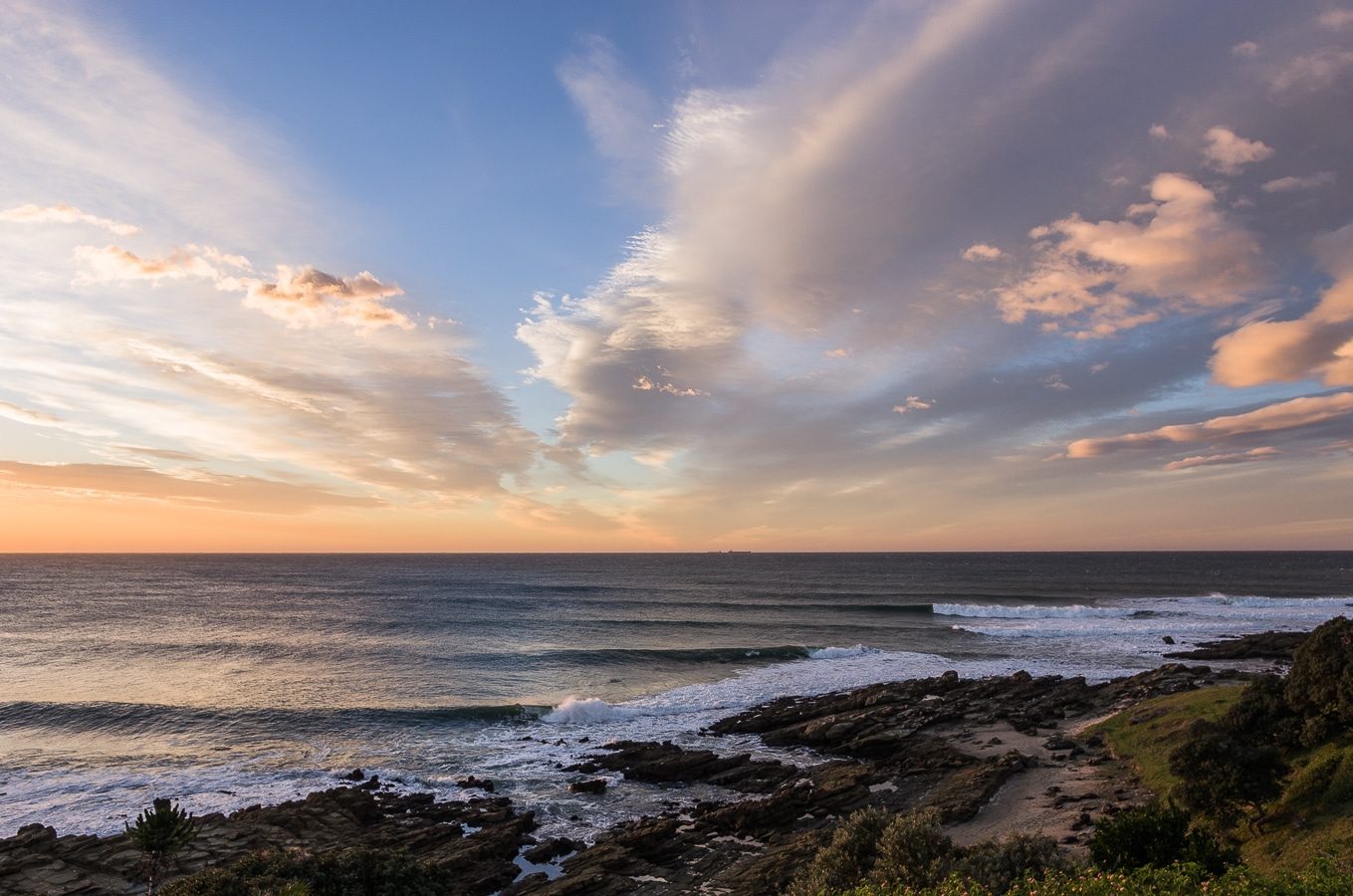
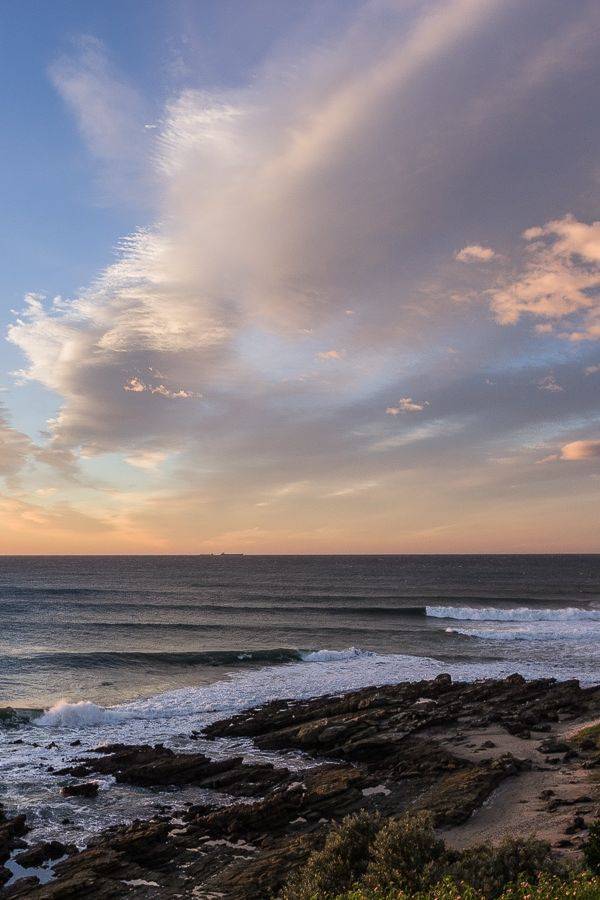
Coffee Bay attracts those seeking coastal adventures with its rugged landscapes and ocean views. The village provides access to walking trails and local culture, making for engaging stays. Visitors can enjoy the area's natural beauty while participating in outdoor activities.
## Accommodation in Coffee Bay
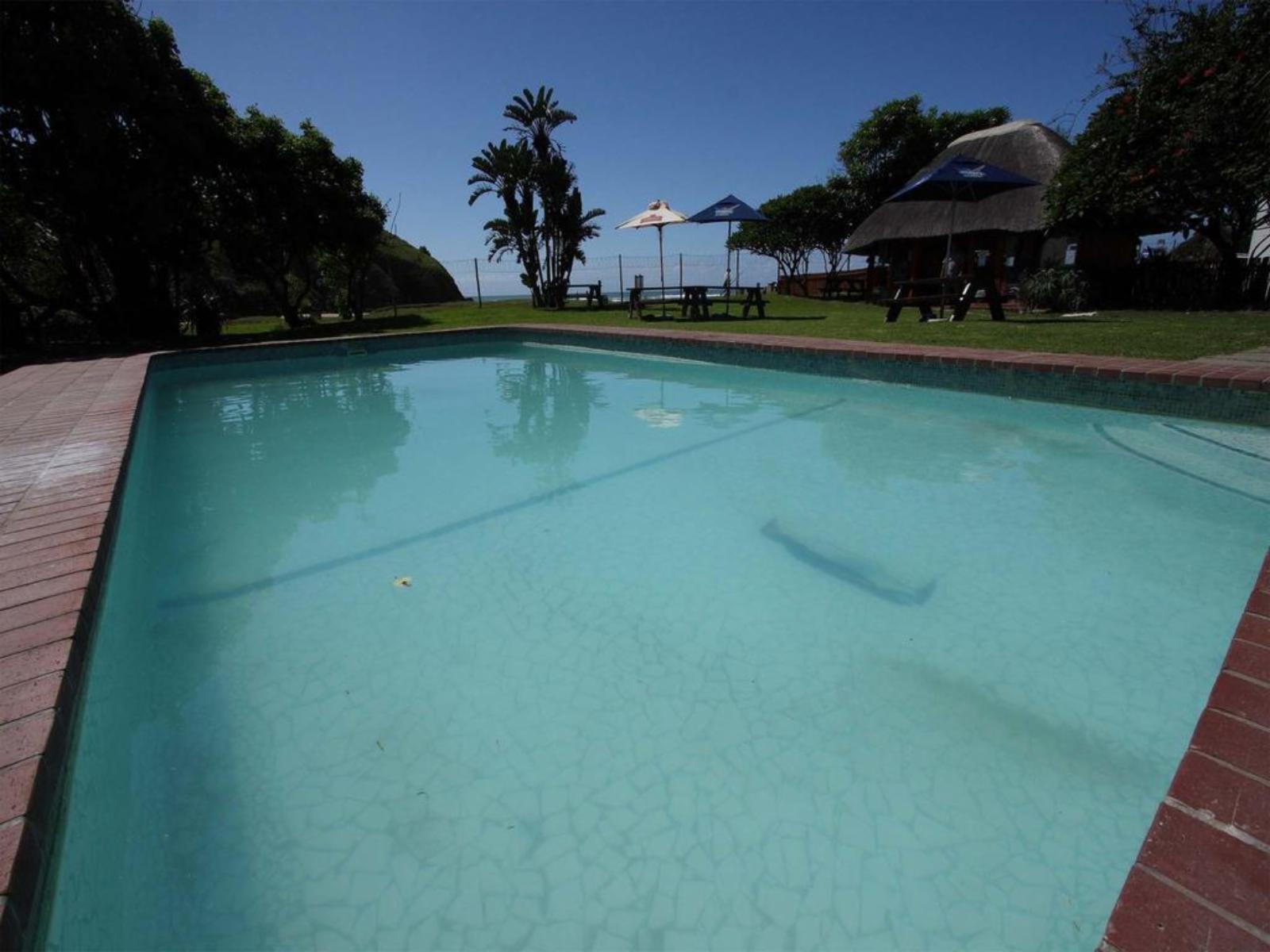
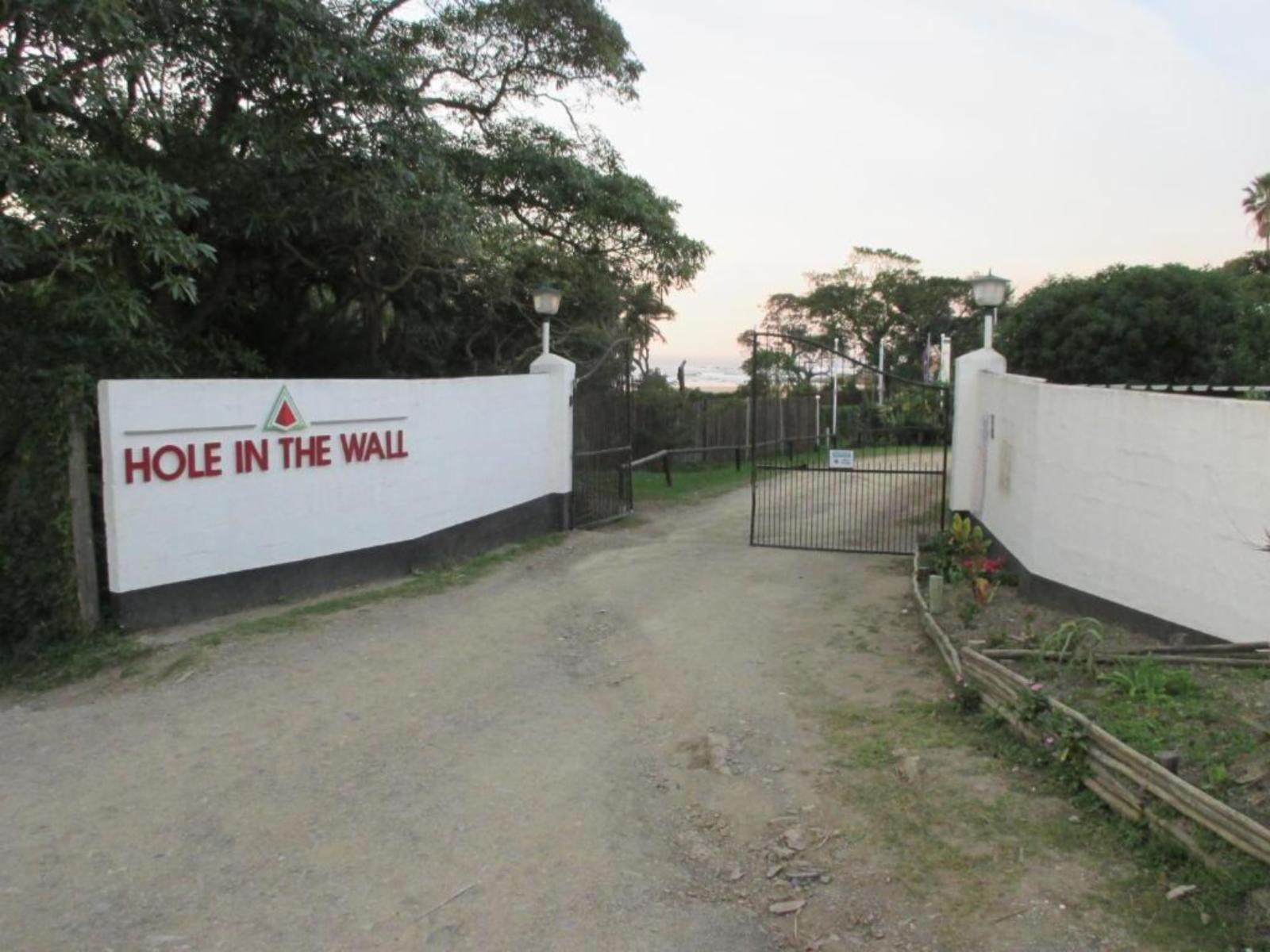
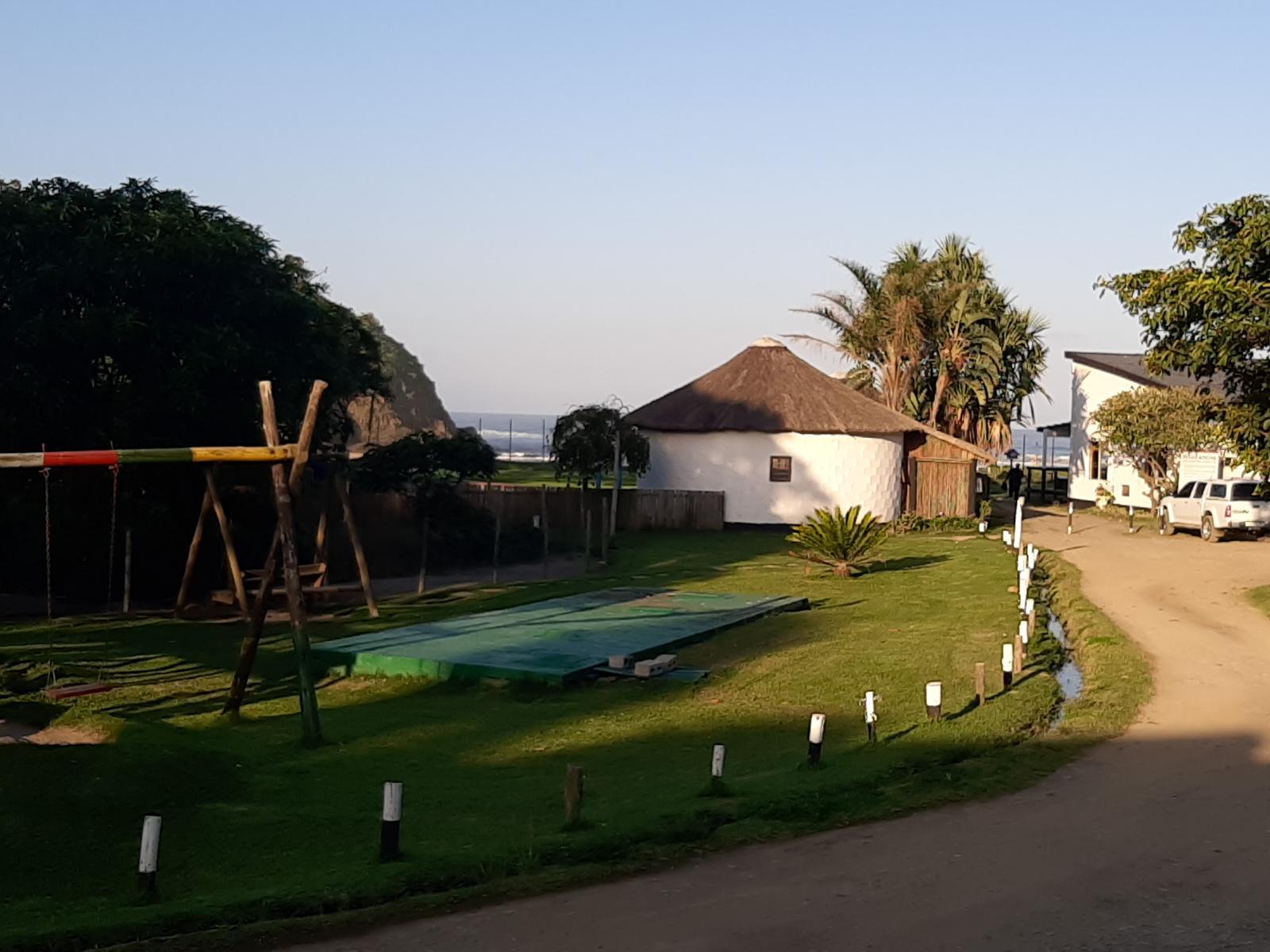
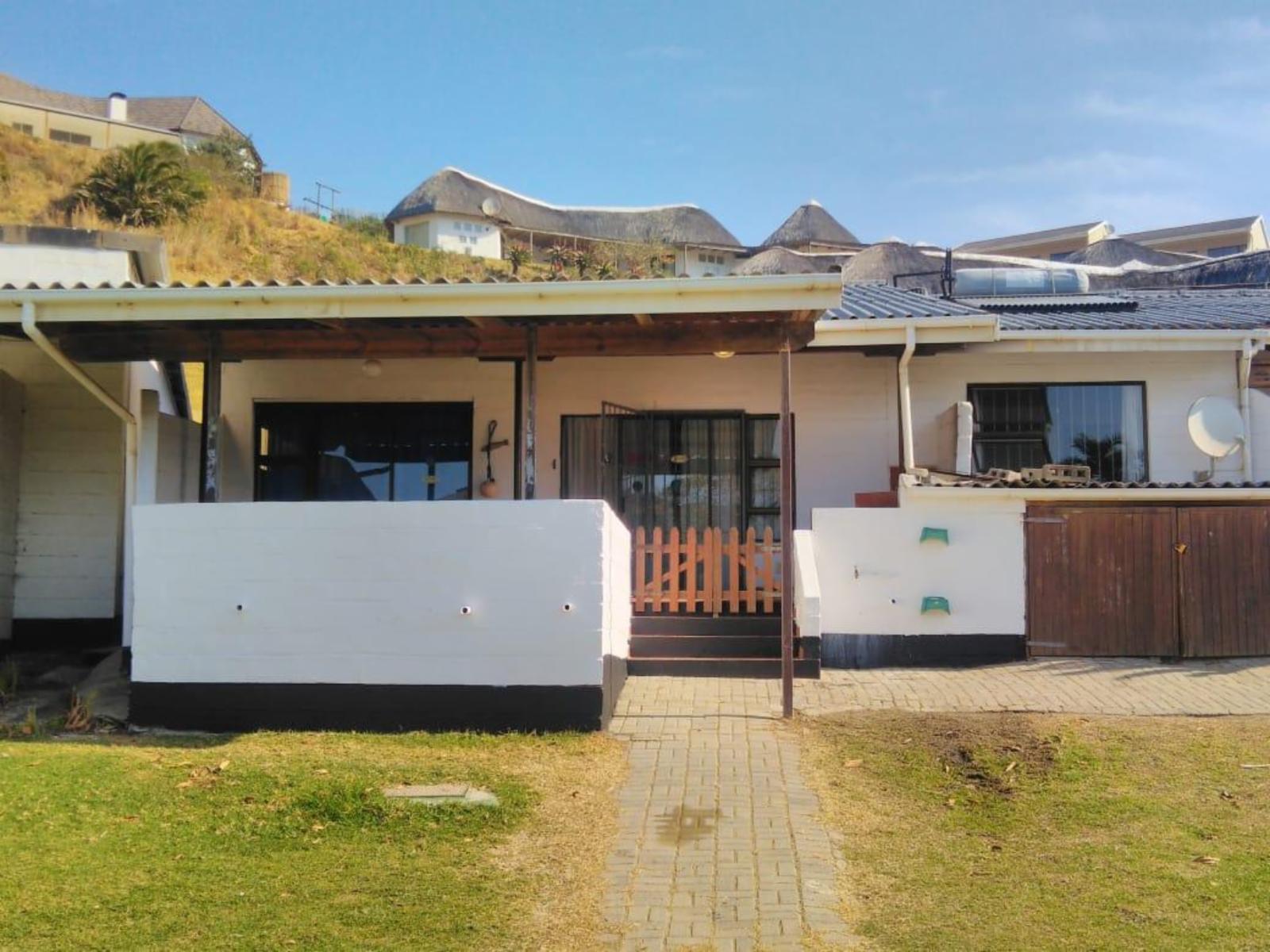
Coffee Bay has a small accommodation footprint, with a single hotel property currently listed in the area. For a village of this scale on the Wild Coast, that reflects both the remoteness of the location and its appeal to travelers who prefer somewhere off the beaten track rather than a resort-heavy destination.
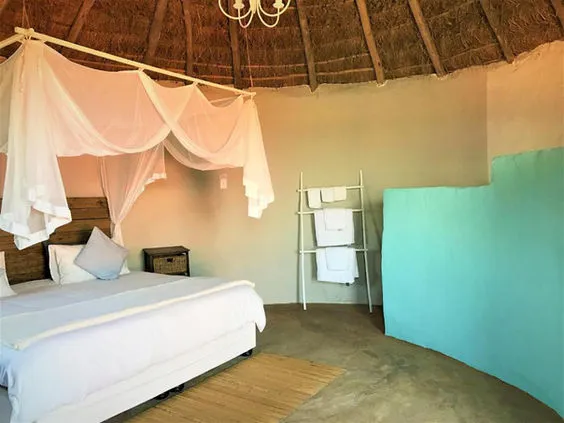
The hotel represents the main formal lodging option, catering to visitors who want reliable amenities without the improvised feel of purely backpacker-style stays. In a destination like Coffee Bay, a hotel of this character typically provides en-suite rooms, meals on-site, and some form of tour coordination for guests seeking guided access to the surrounding coastline and interior. Because pricing information is not currently published for the listed property, contacting them directly to confirm rates before booking is the practical step, as costs can vary significantly by season and occupancy.
For those open to alternatives beyond what is formally listed, the village has historically supported informal guesthouses and self-catering options that locals operate outside mainstream booking platforms. Asking locally or checking community-run listings can surface choices that do not appear in central directories.
Given only one listed property, availability can be tight during school holidays and long weekends when the Wild Coast draws visitors from Johannesburg and Durban. Booking well in advance during these windows is practical rather than optional. The trade-off is that staying in Coffee Bay itself puts you within walking distance of the beach and the village's social hub, which more distant lodging options cannot replicate.
---
## Things to Do in Coffee Bay
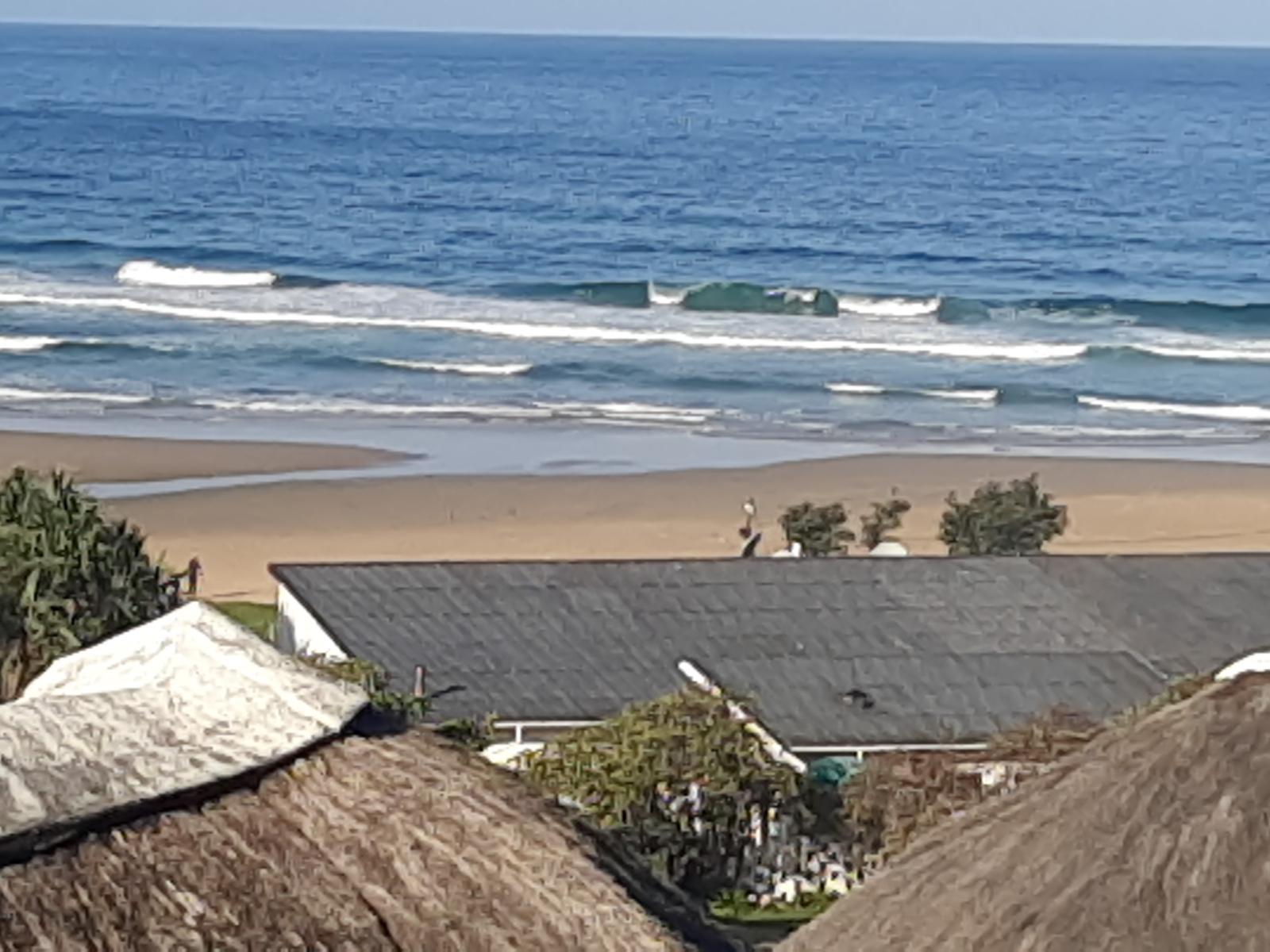
The beach is the central activity. The main stretch suits both swimming and surfing, with Indian Ocean swells that are consistent enough for reliable sessions. Boards can be hired locally, and the conditions work for beginners as much as for more experienced riders.
About 5 kilometres from the village, the Hole in the Wall stands as one of the most recognizable geological features on this stretch of coastline. This large arch in a coastal cliff allows waves to pass through, creating a distinctive sound. The Xhosa name for it, esiKhaleni, translates roughly as "place of sound." The walk from Coffee Bay follows the clifftop for much of the route, passing rock pools and sea-facing bluffs. Allow around two hours each way on foot, though local transport can be arranged for the return leg.
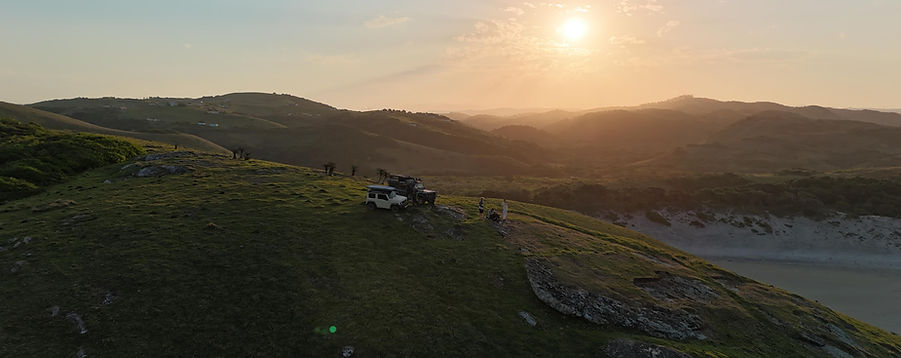
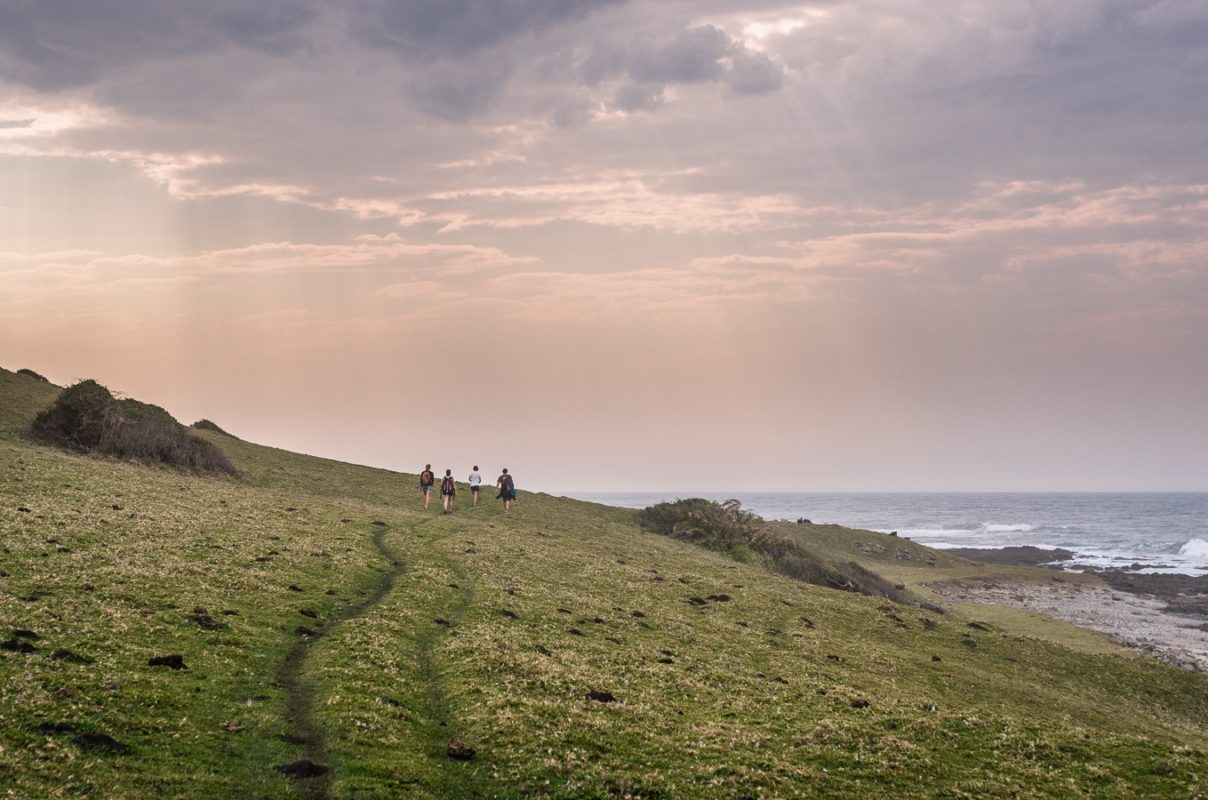
Hiking trails run both along the coast and inland through subtropical forest and grassland. The terrain shifts noticeably within short distances, with cliff paths dropping into river valleys that require crossings. Guided walks are the sensible option for first-time visitors unfamiliar with the route markers, as paths are not always well-signed.
Birdwatching is productive throughout the area. African fish eagles appear near the rivers and estuaries, and the forested sections hold species that reward patient observers. Early mornings are the most active periods.
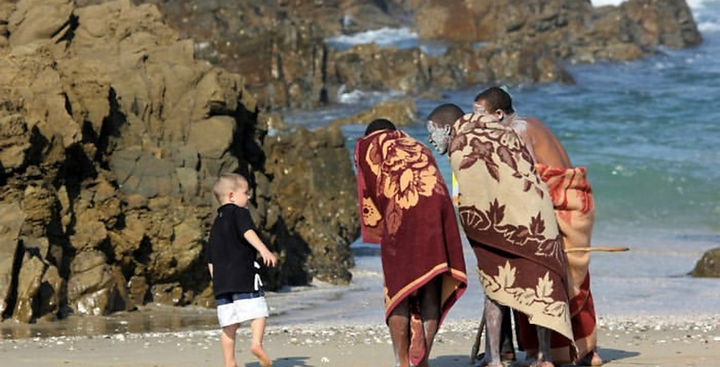
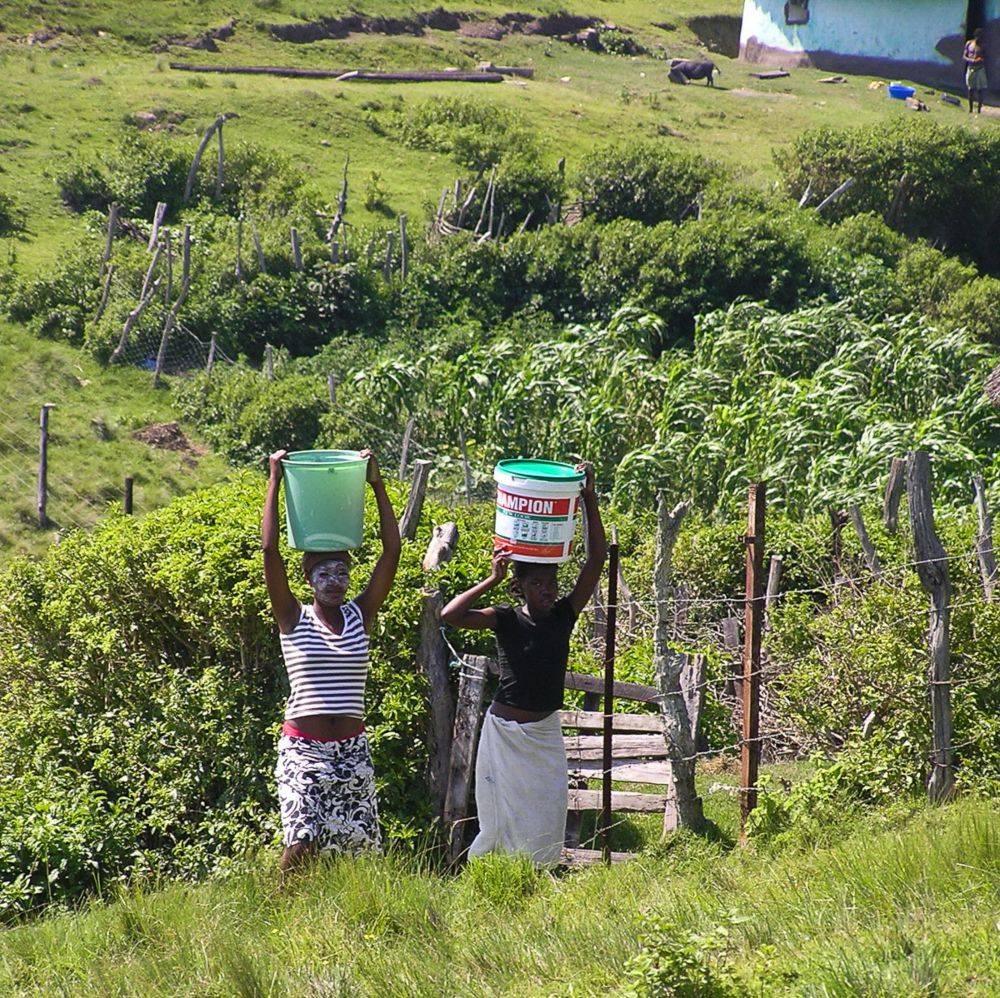
Xhosa communities in and around Coffee Bay maintain practices including beadwork and traditional storytelling. Several local operators offer cultural visits that involve direct engagement with community members rather than staged performances, which gives these interactions more substance for travelers interested in daily life and oral tradition passed through generations.
---
## Best Time to Visit Coffee Bay
Summer, from November through February, brings warm temperatures and the highest rainfall. Days along the coast are humid, which suits swimmers and surfers but makes long inland hikes uncomfortable during midday hours. The sea temperature peaks in this period, generally between 22 and 26 degrees Celsius. School holidays in December and January bring a noticeable increase in visitors from inland provinces.
Autumn and spring, March to May and September to October, offer a workable middle ground. Temperatures remain warm enough for beach use, rainfall is lighter, and the trails are less crowded. These months are widely considered the most comfortable for multi-day walking along the coastline.
Winter, June to August, is drier and cooler, with daytime temperatures dropping to around 16 to 20 degrees Celsius in coastal areas. The lower humidity makes this the most comfortable period for distance hiking. Southern right whales are more frequently sighted along the Wild Coast during the winter migration, which adds an offshore dimension to time spent on the headlands.
---
## Getting to Coffee Bay
The nearest major city is East London, approximately 180 kilometres to the south-west. The route follows the N2 highway before turning onto secondary roads through Mthatha. The drive takes around three to four hours depending on conditions, as the final section from the N2 turnoff involves unpaved or deteriorated stretches that require care, particularly after heavy rain.
East London Airport receives domestic flights from Johannesburg, Cape Town, and Durban, making it the standard arrival point for travelers flying in. From East London, renting a car provides the most flexibility, though the approach to Coffee Bay favors a vehicle with reasonable ground clearance.
Shared minibus taxis operate from Mthatha and connect to surrounding villages, but schedules are irregular and the route involves multiple transfers. Shuttle services run periodically from East London and Mthatha to Coffee Bay, aimed at backpackers and independent travelers. Booking these through your accommodation in advance is more reliable than arranging them on arrival.
Once in the village, most points of interest are reachable on foot. For more distant destinations, local taxis or bakkies operated by village residents provide affordable transport without requiring private hire of a formal vehicle.
---
## Coffee Bay and Surrounding Areas
**Lutsheni**, 10 kilometres from Coffee Bay, is a small Xhosa settlement in the hills above the coast. Visits here connect travelers with rural homestead life away from the more trafficked coastal strip. It works well as a half-day excursion combined with a walk through the adjacent valleys, and the elevated terrain gives different views over the coastal range than the cliff paths offer.
**Mngcibe**, 11 kilometres out, sits in terrain that transitions from coastal grassland to more elevated ground. The walking routes in this area differ in character from those closer to Coffee Bay, making it worth a separate day for hikers who have already covered the main trails.
**Gqubeni**, at 13 kilometres, is a local village that sees relatively few outside visitors. The primary reason to go is to observe the rhythms of a community largely outside the standard tourism circuit. Getting there requires either a walk or local transport, and informal arrangements through your accommodation are typically the easiest route.
**Jalamba**, 39 kilometres away, marks a reasonable distance for a morning drive. It sits in a transitional zone between the coastal belt and the interior, and the landscape along the route holds interest for those traveling overland with time to stop.
**Port St Johns**, 55 kilometres north, is the largest settlement accessible from Coffee Bay and functions as a regional hub. It has additional accommodation, restaurants, banking facilities, and a well-regarded beach at Second Beach. Travelers who want more amenities without leaving the Wild Coast region use Port St Johns as a supplement to a Coffee Bay stay, particularly for resupplying or accessing cash.
**The Wild Coast** extends for roughly 250 kilometres of coastline, with Coffee Bay near its centre. Day trips in either direction along this broader zone reveal river mouths, estuaries, and surf points that do not appear on standard tourist itineraries and reward travelers who have transport and flexibility to stop.
---
## Planning Your Stay
Because Coffee Bay has a limited number of listed properties, timing your booking matters more here than in larger destinations. South African school holiday periods, particularly December, Easter, and the June and September breaks, fill available accommodation quickly. Booking two to three months ahead for these windows is advisable rather than leaving it to the last week.
Before confirming any property, check whether meals are included or available on-site. The village has few independent restaurants, and self-catering guests should confirm access to a kitchen and clarify the nearest food resupply point. In some cases, stocking up requires a drive to Mthatha.
Mobile reception in Coffee Bay can be patchy depending on your network provider. Confirming check-in details and your accommodation's contact method before leaving East London is a practical precaution, as reaching a lodge or guesthouse from the road can prove difficult without a reliable signal.
Road conditions on the final approach to the village deteriorate after significant rainfall. If your visit falls during the summer wet season, allow extra travel time and check local road reports before departing from Mthatha. A vehicle with higher ground clearance reduces the risk of access problems on the unpaved sections.

Coffee Bay has a small accommodation footprint, with a single hotel property currently listed in the area. For a village of this scale on the Wild Coast, that reflects both the remoteness of the location and its appeal to travelers who prefer somewhere off the beaten track rather than a resort-heavy destination.
The hotel represents the main formal lodging option, catering to visitors who want reliable amenities without the improvised feel of purely backpacker-style stays. In a destination like Coffee Bay, a hotel of this character typically provides en-suite rooms, meals on-site, and some form of tour coordination for guests seeking guided access to the surrounding coastline and interior. Because pricing information is not currently published for the listed property, contacting them directly to confirm rates before booking is the practical step, as costs can vary significantly by season and occupancy.
For those open to alternatives beyond what is formally listed, the village has historically supported informal guesthouses and self-catering options that locals operate outside mainstream booking platforms. Asking locally or checking community-run listings can surface choices that do not appear in central directories.
Given only one listed property, availability can be tight during school holidays and long weekends when the Wild Coast draws visitors from Johannesburg and Durban. Booking well in advance during these windows is practical rather than optional. The trade-off is that staying in Coffee Bay itself puts you within walking distance of the beach and the village's social hub, which more distant lodging options cannot replicate.
---
## Things to Do in Coffee Bay
The beach is the central activity. The main stretch suits both swimming and surfing, with Indian Ocean swells that are consistent enough for reliable sessions. Boards can be hired locally, and the conditions work for beginners as much as for more experienced riders.
About 5 kilometres from the village, the Hole in the Wall stands as one of the most recognizable geological features on this stretch of coastline. This large arch in a coastal cliff allows waves to pass through, creating a distinctive sound. The Xhosa name for it, esiKhaleni, translates roughly as "place of sound." The walk from Coffee Bay follows the clifftop for much of the route, passing rock pools and sea-facing bluffs. Allow around two hours each way on foot, though local transport can be arranged for the return leg.
Hiking trails run both along the coast and inland through subtropical forest and grassland. The terrain shifts noticeably within short distances, with cliff paths dropping into river valleys that require crossings. Guided walks are the sensible option for first-time visitors unfamiliar with the route markers, as paths are not always well-signed.
Birdwatching is productive throughout the area. African fish eagles appear near the rivers and estuaries, and the forested sections hold species that reward patient observers. Early mornings are the most active periods.
Xhosa communities in and around Coffee Bay maintain practices including beadwork and traditional storytelling. Several local operators offer cultural visits that involve direct engagement with community members rather than staged performances, which gives these interactions more substance for travelers interested in daily life and oral tradition passed through generations.
---
## Best Time to Visit Coffee Bay
Summer, from November through February, brings warm temperatures and the highest rainfall. Days along the coast are humid, which suits swimmers and surfers but makes long inland hikes uncomfortable during midday hours. The sea temperature peaks in this period, generally between 22 and 26 degrees Celsius. School holidays in December and January bring a noticeable increase in visitors from inland provinces.
Autumn and spring, March to May and September to October, offer a workable middle ground. Temperatures remain warm enough for beach use, rainfall is lighter, and the trails are less crowded. These months are widely considered the most comfortable for multi-day walking along the coastline.
Winter, June to August, is drier and cooler, with daytime temperatures dropping to around 16 to 20 degrees Celsius in coastal areas. The lower humidity makes this the most comfortable period for distance hiking. Southern right whales are more frequently sighted along the Wild Coast during the winter migration, which adds an offshore dimension to time spent on the headlands.
---
## Getting to Coffee Bay
The nearest major city is East London, approximately 180 kilometres to the south-west. The route follows the N2 highway before turning onto secondary roads through Mthatha. The drive takes around three to four hours depending on conditions, as the final section from the N2 turnoff involves unpaved or deteriorated stretches that require care, particularly after heavy rain.
East London Airport receives domestic flights from Johannesburg, Cape Town, and Durban, making it the standard arrival point for travelers flying in. From East London, renting a car provides the most flexibility, though the approach to Coffee Bay favors a vehicle with reasonable ground clearance.
Shared minibus taxis operate from Mthatha and connect to surrounding villages, but schedules are irregular and the route involves multiple transfers. Shuttle services run periodically from East London and Mthatha to Coffee Bay, aimed at backpackers and independent travelers. Booking these through your accommodation in advance is more reliable than arranging them on arrival.
Once in the village, most points of interest are reachable on foot. For more distant destinations, local taxis or bakkies operated by village residents provide affordable transport without requiring private hire of a formal vehicle.
---
## Coffee Bay and Surrounding Areas
**Lutsheni**, 10 kilometres from Coffee Bay, is a small Xhosa settlement in the hills above the coast. Visits here connect travelers with rural homestead life away from the more trafficked coastal strip. It works well as a half-day excursion combined with a walk through the adjacent valleys, and the elevated terrain gives different views over the coastal range than the cliff paths offer.
**Mngcibe**, 11 kilometres out, sits in terrain that transitions from coastal grassland to more elevated ground. The walking routes in this area differ in character from those closer to Coffee Bay, making it worth a separate day for hikers who have already covered the main trails.
**Gqubeni**, at 13 kilometres, is a local village that sees relatively few outside visitors. The primary reason to go is to observe the rhythms of a community largely outside the standard tourism circuit. Getting there requires either a walk or local transport, and informal arrangements through your accommodation are typically the easiest route.
**Jalamba**, 39 kilometres away, marks a reasonable distance for a morning drive. It sits in a transitional zone between the coastal belt and the interior, and the landscape along the route holds interest for those traveling overland with time to stop.
**Port St Johns**, 55 kilometres north, is the largest settlement accessible from Coffee Bay and functions as a regional hub. It has additional accommodation, restaurants, banking facilities, and a well-regarded beach at Second Beach. Travelers who want more amenities without leaving the Wild Coast region use Port St Johns as a supplement to a Coffee Bay stay, particularly for resupplying or accessing cash.
**The Wild Coast** extends for roughly 250 kilometres of coastline, with Coffee Bay near its centre. Day trips in either direction along this broader zone reveal river mouths, estuaries, and surf points that do not appear on standard tourist itineraries and reward travelers who have transport and flexibility to stop.
---
## Planning Your Stay
Because Coffee Bay has a limited number of listed properties, timing your booking matters more here than in larger destinations. South African school holiday periods, particularly December, Easter, and the June and September breaks, fill available accommodation quickly. Booking two to three months ahead for these windows is advisable rather than leaving it to the last week.
Before confirming any property, check whether meals are included or available on-site. The village has few independent restaurants, and self-catering guests should confirm access to a kitchen and clarify the nearest food resupply point. In some cases, stocking up requires a drive to Mthatha.
Mobile reception in Coffee Bay can be patchy depending on your network provider. Confirming check-in details and your accommodation's contact method before leaving East London is a practical precaution, as reaching a lodge or guesthouse from the road can prove difficult without a reliable signal.
Road conditions on the final approach to the village deteriorate after significant rainfall. If your visit falls during the summer wet season, allow extra travel time and check local road reports before departing from Mthatha. A vehicle with higher ground clearance reduces the risk of access problems on the unpaved sections.
Tipes Akkommodasie in Coffee Bay
Akkommodasiepryse in Coffee Bay
| Tipe | Inskrywings | Vanaf | Gemiddeld | Tot |
|---|---|---|---|---|
| Hotel | 1 | – | – | – |
Coffee Bay Kaart
Nabygeleë Bestemmings
Blaai Deur Alle Coffee Bay Akkommodasie
Bekyk al 1 akkommodasie-opsies in Coffee Bay met foto's, pryse en beskikbaarheid.
Blaai Deur Alle Akkommodasie