Lutsheni Reis- & Akkommodasiegids
Jou volledige gids om Lutsheni, Suid-Afrika te besoek.
1
Eiendom
Gewildste
Hotel
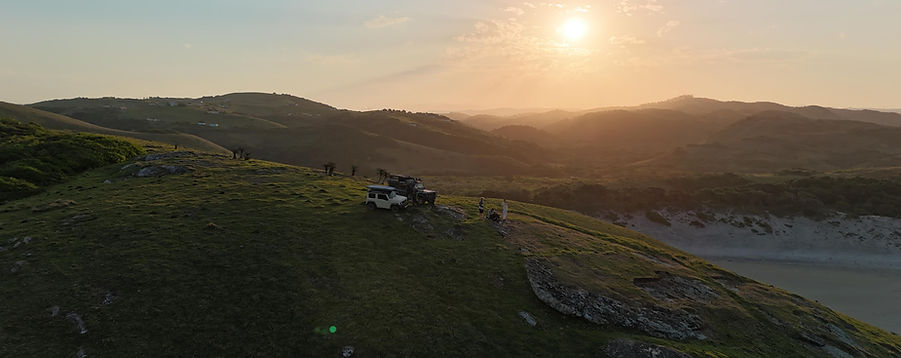
Lutsheni is a small rural settlement in the Eastern Cape, set among the foothills of the southern Drakensberg. The area offers a quiet base for exploring mountain landscapes, traditional Xhosa communities, and the wider Maluti-Drakensberg region that straddles the Eastern Cape and KwaZulu-Natal border.
## Accommodation in Lutsheni
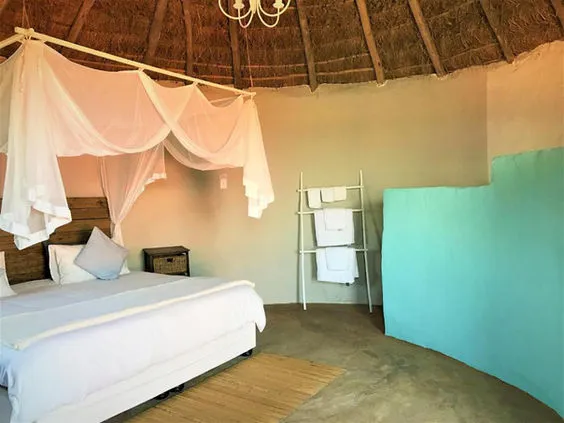
The accommodation scene in Lutsheni is small by design rather than by neglect. With just one listed property in the area, visitors are looking at a single hotel rather than a range of competing options. Pricing has not been formally listed, which in practice means contacting the property directly to confirm current rates before making plans. That one property represents a form of accommodation suited to this stretch of the Wild Coast: functional, close to the natural environment, and oriented toward guests who are here for the coastline and surrounding rural landscape rather than resort-style amenities.
Given the remoteness of the area, even a single hotel presence provides a reliable foothold for travellers. Community-based stays and farm homestays are common on this part of the Wild Coast more broadly, though these tend to operate informally and may not appear on booking platforms. Enquiring locally or through Wild Coast travel networks can sometimes surface options beyond what the listing databases show.
For budget travellers, the general principle holds across the Wild Coast: bring what you need from town and expect basic but clean accommodation. Mid-range travellers will find that the hotel in the area offers a reasonable standard for the price point typical of this region, though the real draw is access to the coastline and landscape rather than in-room facilities. Anyone expecting a higher level of service should look toward Port St Johns, which carries a broader selection of places to stay at varying price points.
Booking ahead is essential regardless of your budget tier. The Wild Coast has finite accommodation at any given coastal node, and over school holidays and long weekends, even small properties fill up quickly. Last-minute arrivals without a confirmed booking take a real risk in an area where there is no fallback option nearby.
## Things to Do in Lutsheni
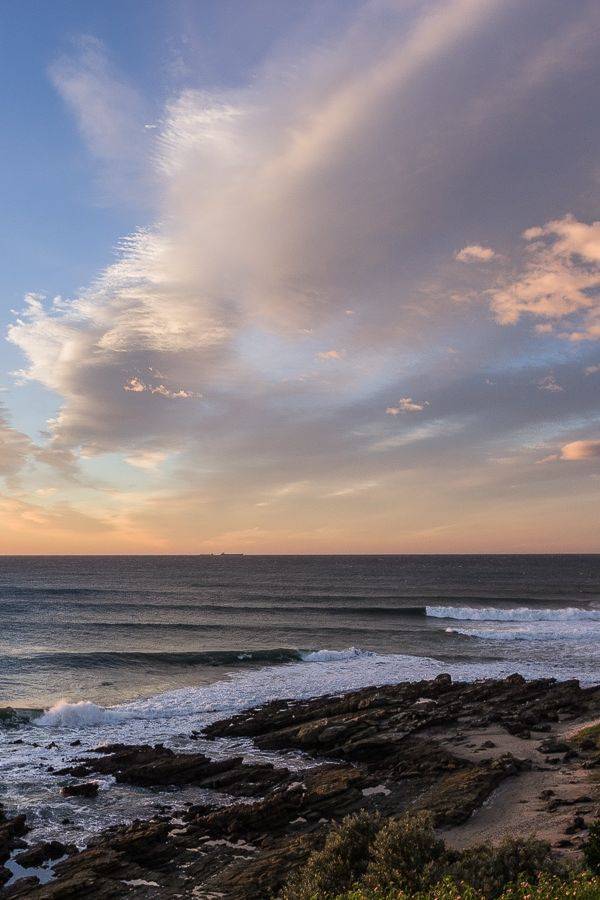
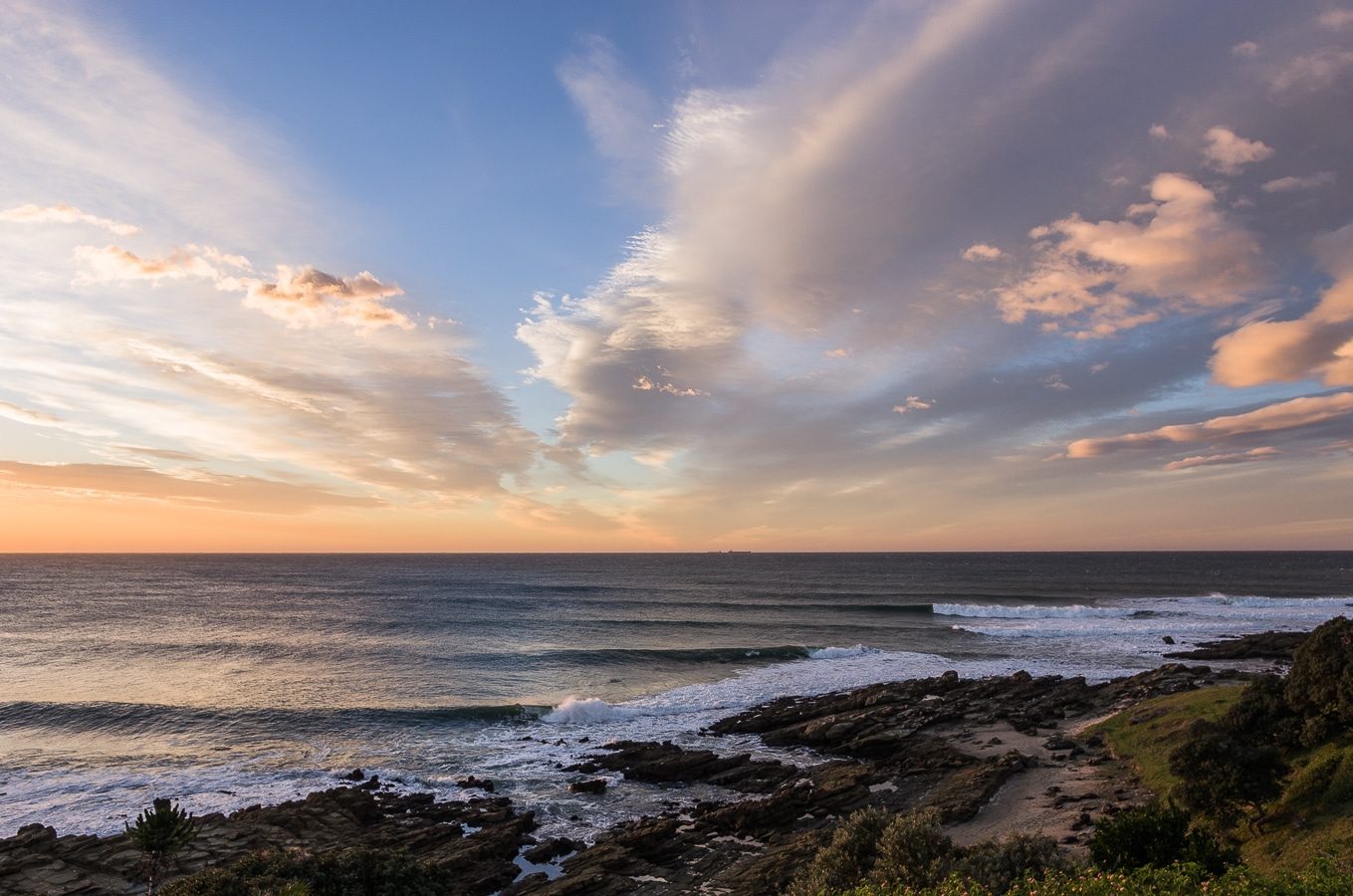
The coast is the primary draw. Lutsheni sits within reach of the Wild Coast shoreline, and the beaches accessible from here are far less developed than those found around Port Elizabeth or East London. This part of the Eastern Cape coastline is characterised by dramatic cliffs, rock pools, river mouths that cut through the sand, and stretches of beach that see very little foot traffic outside of holiday periods.
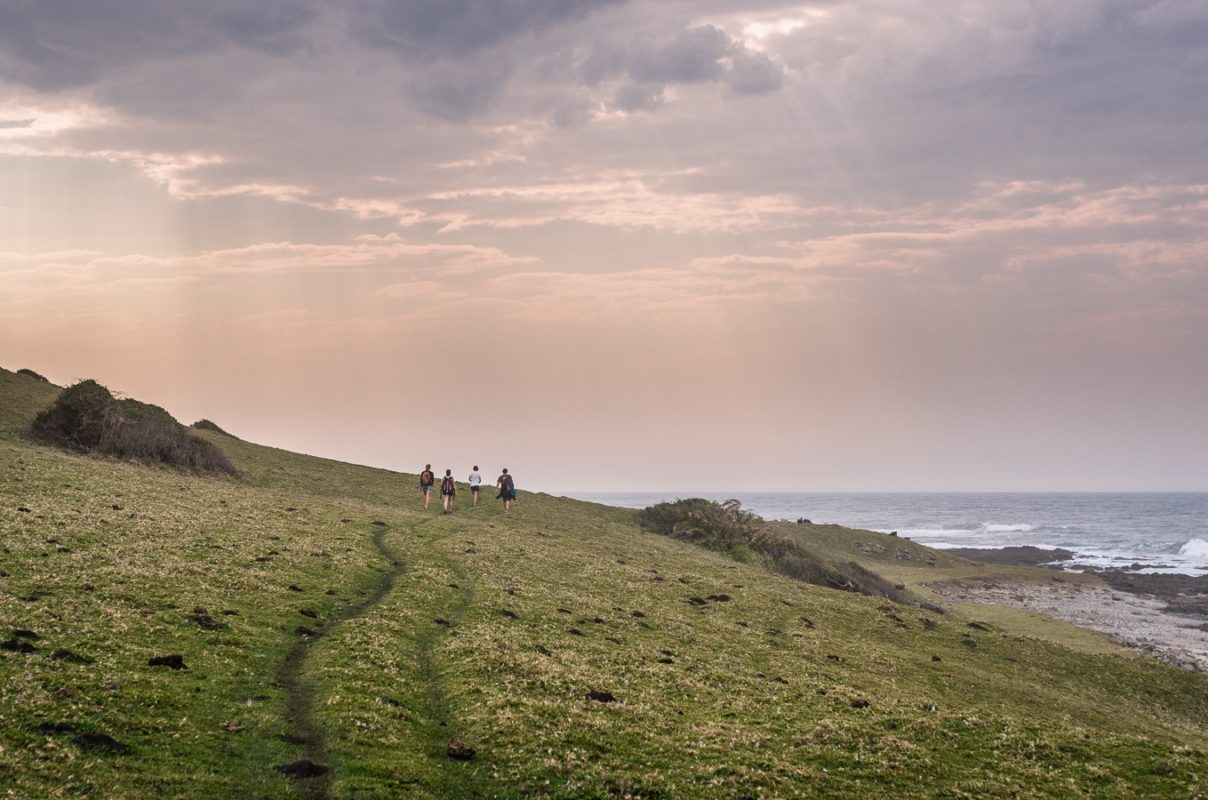
Hiking is the main way to explore the area. The Wild Coast Hiking Trail, one of South Africa's classic multi-day walks, passes through this broader region. Sections of it can be walked independently, and day walks along the cliff tops and between river crossings give a strong sense of the landscape without requiring a full through-hike. Local guides are worth engaging, both for route knowledge and for context on the communities the trail passes through.
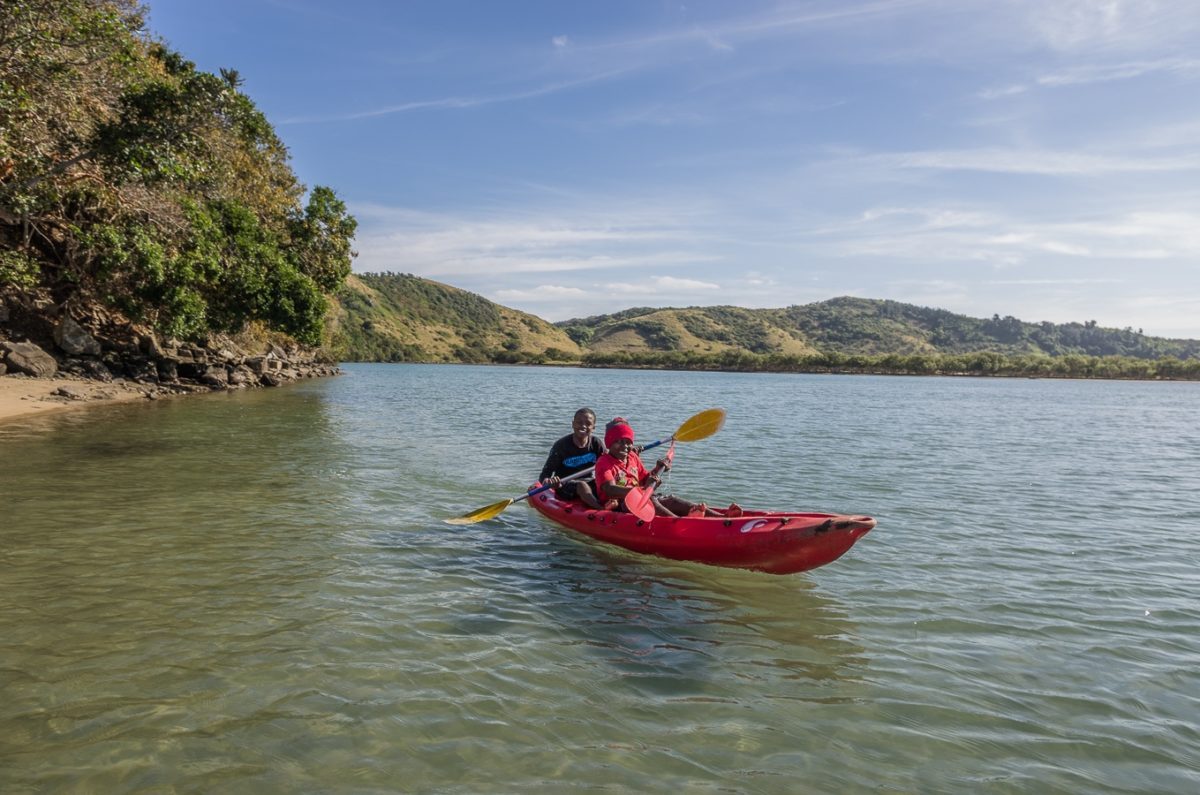
The rivers that flow into the sea along this coast offer swimming, fishing, and in some spots basic kayaking. River mouths are generally calmer than the open surf, making them suitable for children and less confident swimmers. Fishing from rocks and estuaries is a regular activity for visitors and locals alike, with traditional hand-line methods still in common use.
Birdlife along this coastal zone is substantial. The forest patches, grasslands, and coastal scrub attract species that are harder to find elsewhere in the Eastern Cape. A basic field guide and patience at dawn or dusk will reward most visitors.
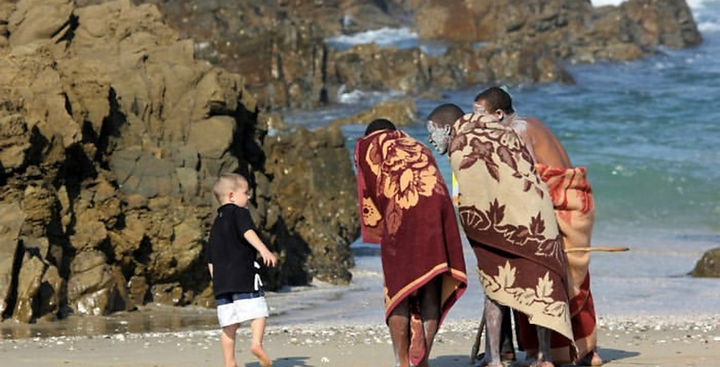
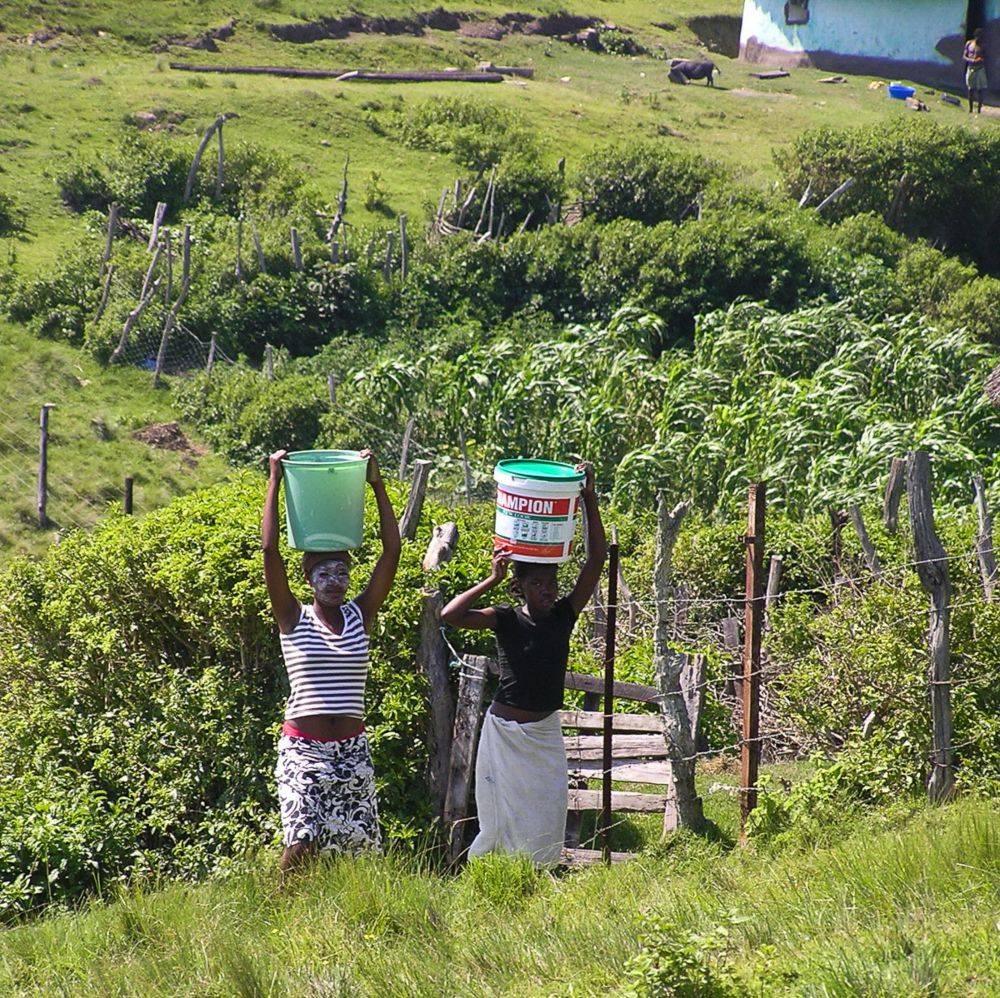
Engaging with Xhosa-speaking communities in the surrounding area adds a layer of context that the landscape alone cannot provide. Cultural visits, though informal, give insight into rural Eastern Cape life, agricultural rhythms, and traditional architecture that differs markedly from what visitors encounter in urban centres.
## Best Time to Visit Lutsheni
The Eastern Cape coast has a reasonably mild climate year-round, but the seasons affect what a visit looks like in practice. Summer, running from November through February, brings warm temperatures and the bulk of rainfall. The vegetation is at its greenest during this period, and rivers are most active. It is also peak domestic holiday season, with South African families taking up most available accommodation over the December and January school holidays.
Autumn, from March to May, is widely considered the most comfortable period on the Wild Coast. Temperatures remain warm, rainfall drops off, and the coastal light is at its best for walking and photography. Crowds thin considerably after the school holidays end in mid-January.
Winter, from June through August, is cooler and drier. The coast rarely becomes uncomfortably cold, though nights can be chilly. Reduced rainfall means river crossings on coastal hikes are easier to manage. Humpback whales are often visible from the cliff tops during their northward migration through these months, which is one of the more reliable wildlife experiences the region offers.
Spring, September to October, brings warming temperatures and wildflowers on the coastal grasslands. It is a quieter time to visit and offers a reasonable balance between the crowds of summer and the cool of winter.
## Getting to Lutsheni
The nearest significant airport is in East London, roughly 200 kilometres to the south-west. From East London, the drive to the Coffee Bay area and onward to Lutsheni takes between three and four hours depending on road conditions and the route taken. King Shaka International Airport in Durban is an alternative for travellers coming from that direction, sitting approximately 350 kilometres to the north.
The R61 forms the main tarred artery through the Eastern Cape interior, with turn-offs toward the coast on gravel roads that vary considerably in condition. The roads accessing Lutsheni and the immediate surrounding area are predominantly gravel. A vehicle with decent ground clearance is a practical necessity rather than a luxury, particularly after rain when surface conditions deteriorate rapidly.
Public transport to this part of the Wild Coast is limited. Minibus taxis connect major towns, but services to smaller coastal nodes are infrequent and often require changes at junctions that are not well-signposted. Self-driving is the most reliable option. Fuel and supplies should be stocked in Mthatha, approximately 90 kilometres inland, before heading to the coast, as filling stations and grocery stores are not available close to Lutsheni.
## Lutsheni and Surrounding Areas
Mngcibe sits just two kilometres from Lutsheni, making it effectively an immediate neighbour. A small rural settlement, it shares the same coastal grassland character and connects Lutsheni to the local community network. Visitors moving between the two on foot get an immediate sense of how closely settled these small nodes are along this part of the coast.
Coffee Bay, ten kilometres away, is the most recognised name on this stretch of the Wild Coast. It has a backpacker culture that has built up over several decades, with surf breaks that attract both beginners and experienced surfers. The Hole in the Wall, a large sea arch cut into a cliff face a few kilometres south of the town, is one of the most photographed landmarks on the Eastern Cape coast and is accessible as a half-day excursion. Coffee Bay also has a slightly more developed set of eateries and small shops than the surrounding area, making it a practical resupply point for visitors based in Lutsheni.
Gqubeni, sixteen kilometres out, is a quieter settlement without Coffee Bay's tourist infrastructure. It lies along a section of coast that receives fewer visitors, making it a useful destination for those wanting to walk between nodes with more solitude.
Port St Johns, around 45 kilometres to the north, is the largest town in the immediate region and carries the most developed facilities on this part of the coast. It sits at the mouth of the Mzimvubu River, one of the largest river systems flowing into the Eastern Cape coastline, and has restaurants, accommodation of various types, and services that smaller nodes simply cannot offer. The town has a well-documented history as a counterculture destination and draws a mix of travellers throughout the year. Day trips or an overnight extension to Port St Johns from a Lutsheni base give access to more facilities without requiring a full relocation.
The Wild Coast protected area provides the larger context for any visit here, stretching across several hundred kilometres of largely undeveloped shoreline. Lutsheni sits as one small node within it, connected by trail and gravel road to this broader coastal corridor.
## Planning Your Stay
With only one listed property in the area, planning flexibility is limited from the outset. Contact the hotel directly rather than relying solely on third-party booking platforms, as availability and current rates for small remote properties are not always accurately reflected online.
Allow yourself at least two to three nights to justify the travel time involved. Arriving for a single night from East London or Durban makes the journey disproportionate to the time spent on the ground.
Check road conditions before setting out, particularly if your travel coincides with the summer rainfall season. Local guesthouses and the Eastern Cape roads department can usually advise on whether specific river crossings or gravel sections are passable.
Pack supplies before leaving the last major town. While Coffee Bay has basic provisions, choice is limited and prices reflect the transport costs involved in getting goods to the coast. Medical facilities are not nearby, so a reasonable first aid kit and any prescription medication should be part of your pre-departure preparation.
Mobile connectivity is patchy along this stretch of coast. Inform someone of your itinerary before heading out, and confirm with your accommodation what communication options are available in case of an emergency.

The accommodation scene in Lutsheni is small by design rather than by neglect. With just one listed property in the area, visitors are looking at a single hotel rather than a range of competing options. Pricing has not been formally listed, which in practice means contacting the property directly to confirm current rates before making plans. That one property represents a form of accommodation suited to this stretch of the Wild Coast: functional, close to the natural environment, and oriented toward guests who are here for the coastline and surrounding rural landscape rather than resort-style amenities.
Given the remoteness of the area, even a single hotel presence provides a reliable foothold for travellers. Community-based stays and farm homestays are common on this part of the Wild Coast more broadly, though these tend to operate informally and may not appear on booking platforms. Enquiring locally or through Wild Coast travel networks can sometimes surface options beyond what the listing databases show.
For budget travellers, the general principle holds across the Wild Coast: bring what you need from town and expect basic but clean accommodation. Mid-range travellers will find that the hotel in the area offers a reasonable standard for the price point typical of this region, though the real draw is access to the coastline and landscape rather than in-room facilities. Anyone expecting a higher level of service should look toward Port St Johns, which carries a broader selection of places to stay at varying price points.
Booking ahead is essential regardless of your budget tier. The Wild Coast has finite accommodation at any given coastal node, and over school holidays and long weekends, even small properties fill up quickly. Last-minute arrivals without a confirmed booking take a real risk in an area where there is no fallback option nearby.
## Things to Do in Lutsheni
The coast is the primary draw. Lutsheni sits within reach of the Wild Coast shoreline, and the beaches accessible from here are far less developed than those found around Port Elizabeth or East London. This part of the Eastern Cape coastline is characterised by dramatic cliffs, rock pools, river mouths that cut through the sand, and stretches of beach that see very little foot traffic outside of holiday periods.
Hiking is the main way to explore the area. The Wild Coast Hiking Trail, one of South Africa's classic multi-day walks, passes through this broader region. Sections of it can be walked independently, and day walks along the cliff tops and between river crossings give a strong sense of the landscape without requiring a full through-hike. Local guides are worth engaging, both for route knowledge and for context on the communities the trail passes through.
The rivers that flow into the sea along this coast offer swimming, fishing, and in some spots basic kayaking. River mouths are generally calmer than the open surf, making them suitable for children and less confident swimmers. Fishing from rocks and estuaries is a regular activity for visitors and locals alike, with traditional hand-line methods still in common use.
Birdlife along this coastal zone is substantial. The forest patches, grasslands, and coastal scrub attract species that are harder to find elsewhere in the Eastern Cape. A basic field guide and patience at dawn or dusk will reward most visitors.
Engaging with Xhosa-speaking communities in the surrounding area adds a layer of context that the landscape alone cannot provide. Cultural visits, though informal, give insight into rural Eastern Cape life, agricultural rhythms, and traditional architecture that differs markedly from what visitors encounter in urban centres.
## Best Time to Visit Lutsheni
The Eastern Cape coast has a reasonably mild climate year-round, but the seasons affect what a visit looks like in practice. Summer, running from November through February, brings warm temperatures and the bulk of rainfall. The vegetation is at its greenest during this period, and rivers are most active. It is also peak domestic holiday season, with South African families taking up most available accommodation over the December and January school holidays.
Autumn, from March to May, is widely considered the most comfortable period on the Wild Coast. Temperatures remain warm, rainfall drops off, and the coastal light is at its best for walking and photography. Crowds thin considerably after the school holidays end in mid-January.
Winter, from June through August, is cooler and drier. The coast rarely becomes uncomfortably cold, though nights can be chilly. Reduced rainfall means river crossings on coastal hikes are easier to manage. Humpback whales are often visible from the cliff tops during their northward migration through these months, which is one of the more reliable wildlife experiences the region offers.
Spring, September to October, brings warming temperatures and wildflowers on the coastal grasslands. It is a quieter time to visit and offers a reasonable balance between the crowds of summer and the cool of winter.
## Getting to Lutsheni
The nearest significant airport is in East London, roughly 200 kilometres to the south-west. From East London, the drive to the Coffee Bay area and onward to Lutsheni takes between three and four hours depending on road conditions and the route taken. King Shaka International Airport in Durban is an alternative for travellers coming from that direction, sitting approximately 350 kilometres to the north.
The R61 forms the main tarred artery through the Eastern Cape interior, with turn-offs toward the coast on gravel roads that vary considerably in condition. The roads accessing Lutsheni and the immediate surrounding area are predominantly gravel. A vehicle with decent ground clearance is a practical necessity rather than a luxury, particularly after rain when surface conditions deteriorate rapidly.
Public transport to this part of the Wild Coast is limited. Minibus taxis connect major towns, but services to smaller coastal nodes are infrequent and often require changes at junctions that are not well-signposted. Self-driving is the most reliable option. Fuel and supplies should be stocked in Mthatha, approximately 90 kilometres inland, before heading to the coast, as filling stations and grocery stores are not available close to Lutsheni.
## Lutsheni and Surrounding Areas
Mngcibe sits just two kilometres from Lutsheni, making it effectively an immediate neighbour. A small rural settlement, it shares the same coastal grassland character and connects Lutsheni to the local community network. Visitors moving between the two on foot get an immediate sense of how closely settled these small nodes are along this part of the coast.
Coffee Bay, ten kilometres away, is the most recognised name on this stretch of the Wild Coast. It has a backpacker culture that has built up over several decades, with surf breaks that attract both beginners and experienced surfers. The Hole in the Wall, a large sea arch cut into a cliff face a few kilometres south of the town, is one of the most photographed landmarks on the Eastern Cape coast and is accessible as a half-day excursion. Coffee Bay also has a slightly more developed set of eateries and small shops than the surrounding area, making it a practical resupply point for visitors based in Lutsheni.
Gqubeni, sixteen kilometres out, is a quieter settlement without Coffee Bay's tourist infrastructure. It lies along a section of coast that receives fewer visitors, making it a useful destination for those wanting to walk between nodes with more solitude.
Port St Johns, around 45 kilometres to the north, is the largest town in the immediate region and carries the most developed facilities on this part of the coast. It sits at the mouth of the Mzimvubu River, one of the largest river systems flowing into the Eastern Cape coastline, and has restaurants, accommodation of various types, and services that smaller nodes simply cannot offer. The town has a well-documented history as a counterculture destination and draws a mix of travellers throughout the year. Day trips or an overnight extension to Port St Johns from a Lutsheni base give access to more facilities without requiring a full relocation.
The Wild Coast protected area provides the larger context for any visit here, stretching across several hundred kilometres of largely undeveloped shoreline. Lutsheni sits as one small node within it, connected by trail and gravel road to this broader coastal corridor.
## Planning Your Stay
With only one listed property in the area, planning flexibility is limited from the outset. Contact the hotel directly rather than relying solely on third-party booking platforms, as availability and current rates for small remote properties are not always accurately reflected online.
Allow yourself at least two to three nights to justify the travel time involved. Arriving for a single night from East London or Durban makes the journey disproportionate to the time spent on the ground.
Check road conditions before setting out, particularly if your travel coincides with the summer rainfall season. Local guesthouses and the Eastern Cape roads department can usually advise on whether specific river crossings or gravel sections are passable.
Pack supplies before leaving the last major town. While Coffee Bay has basic provisions, choice is limited and prices reflect the transport costs involved in getting goods to the coast. Medical facilities are not nearby, so a reasonable first aid kit and any prescription medication should be part of your pre-departure preparation.
Mobile connectivity is patchy along this stretch of coast. Inform someone of your itinerary before heading out, and confirm with your accommodation what communication options are available in case of an emergency.
Tipes Akkommodasie in Lutsheni
Akkommodasiepryse in Lutsheni
| Tipe | Inskrywings | Vanaf | Gemiddeld | Tot |
|---|---|---|---|---|
| Hotel | 1 | – | – | – |
Lutsheni Kaart
Nabygeleë Bestemmings
Blaai Deur Alle Lutsheni Akkommodasie
Bekyk al 1 akkommodasie-opsies in Lutsheni met foto's, pryse en beskikbaarheid.
Blaai Deur Alle Akkommodasie