Accommodation in Mngcibe
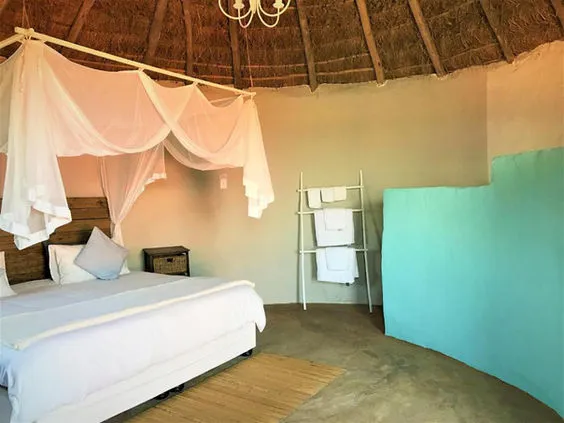
The accommodation options in Mngcibe reflect the village's character as a small, remote settlement on the Eastern Cape coast. With just 1 property currently listed, the decision about where to stay is simplified rather than overwhelming, and the focus shifts toward what the stay offers rather than which option to select. Pricing is not standardised or widely advertised in this area, so contacting the property directly before visiting is the most reliable way to confirm rates and current availability.
The listed property is a hotel, sitting within a mid-range bracket in terms of what it provides, if not always in formal classification. The emphasis is on proximity to the coast rather than interior amenities, and service at this scale tends to be personal. Staff are typically a useful source of local knowledge, from trail conditions and tidal patterns to the best spots for fishing or watching coastal wildlife.
For travellers who find this property booked, or who prefer something more informal, the Mngcibe area has historically offered guesthouse-style accommodation and campsites that operate outside mainstream booking platforms. These tend to be community-run, with modest facilities and a stronger connection to village life. Campsites suit those arriving with gear and prioritising time outdoors over comfort indoors.
Booking ahead is strongly advisable for travel during the summer school holiday season, when demand along the Eastern Cape coast rises sharply and smaller properties fill quickly. Outside this peak period, last-minute arrangements are more feasible, but confirming directly with the host remains the most reliable approach, since online platforms can be slow to reflect real availability for remote, smaller operations.
Things to Do in Mngcibe
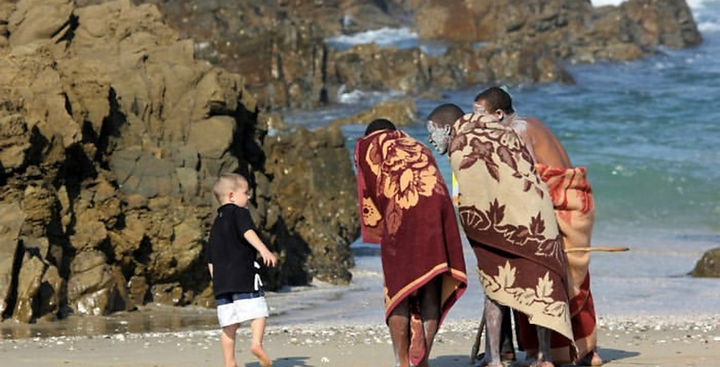
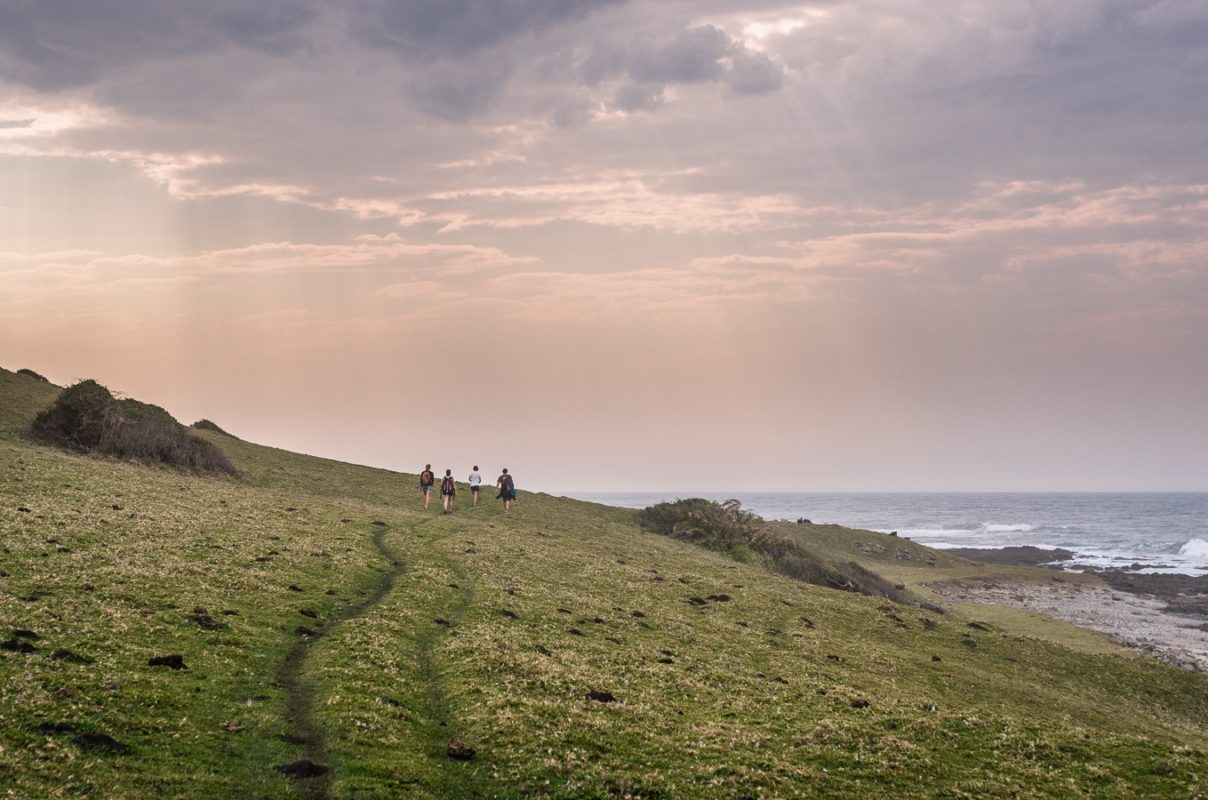
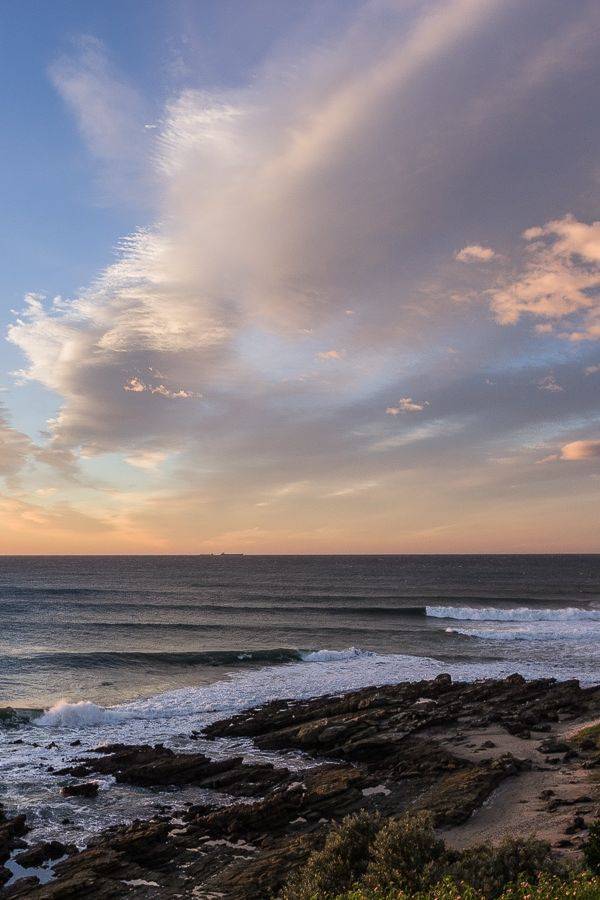
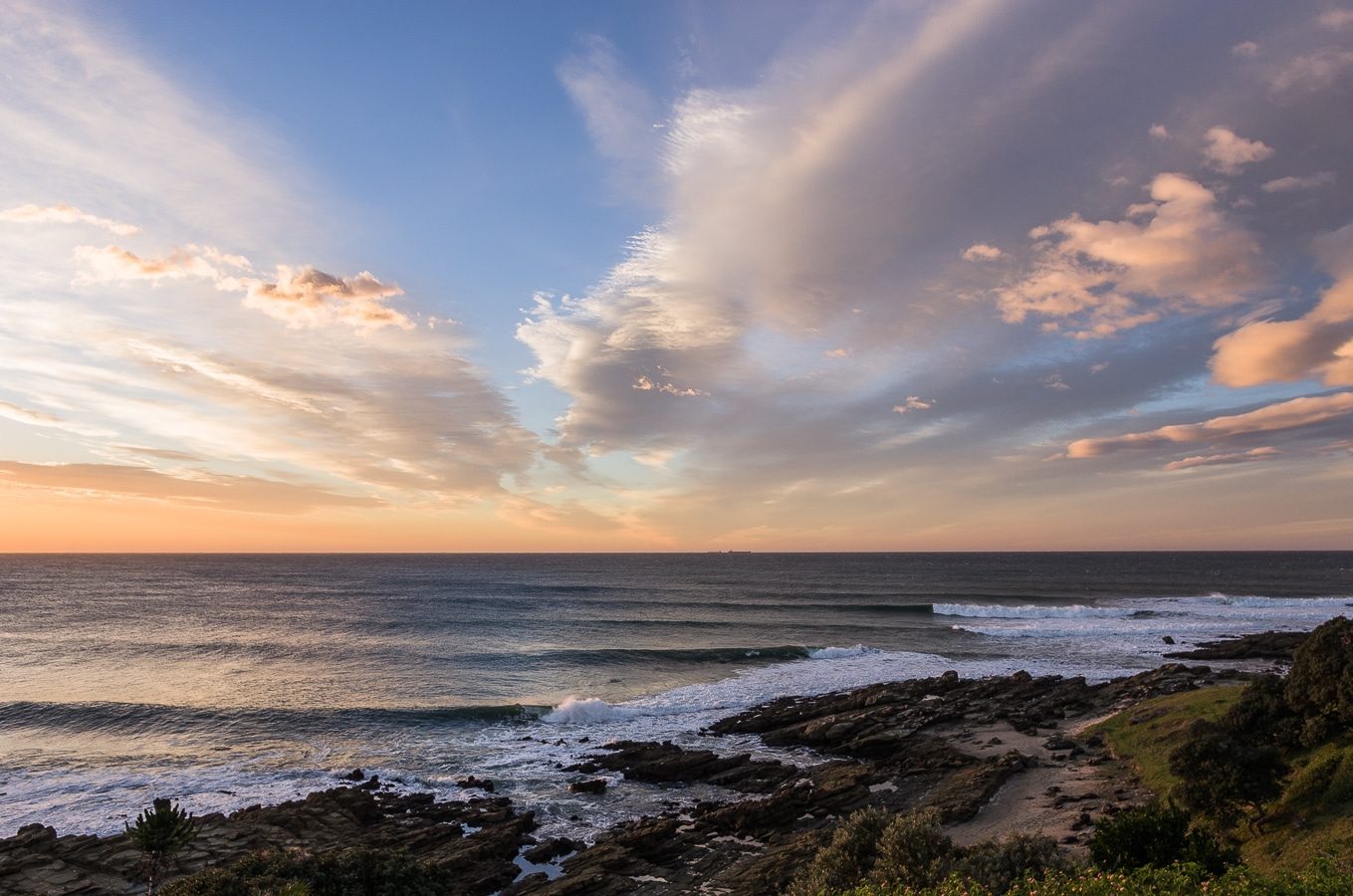
The beach below the village is the most immediate draw, and outside the school holiday period, it sees very little foot traffic. Dolphins are spotted regularly from the higher ground above the water, particularly in the morning, and the informal paths along the cliff edge provide good vantage points. Stretches of sand to the south are accessible on foot and largely deserted.
A short drive north along the coast leads to the Hole in the Wall, a large rock arch eroded through over centuries by the sea. The sound it produces as swells push through the opening is notable, and visiting at low tide allows for a closer look at the rock face and the sheltered cove below. The site draws those with an interest in coastal geology as much as those simply looking for an unusual formation.
Forested patches along stream valleys and hillsides support active birdlife. The Knysna turaco, identifiable by its green plumage and vivid red wing feathers, is among the species found in these areas. Early morning is the best time for sightings, before heat and wind disturb the canopy.
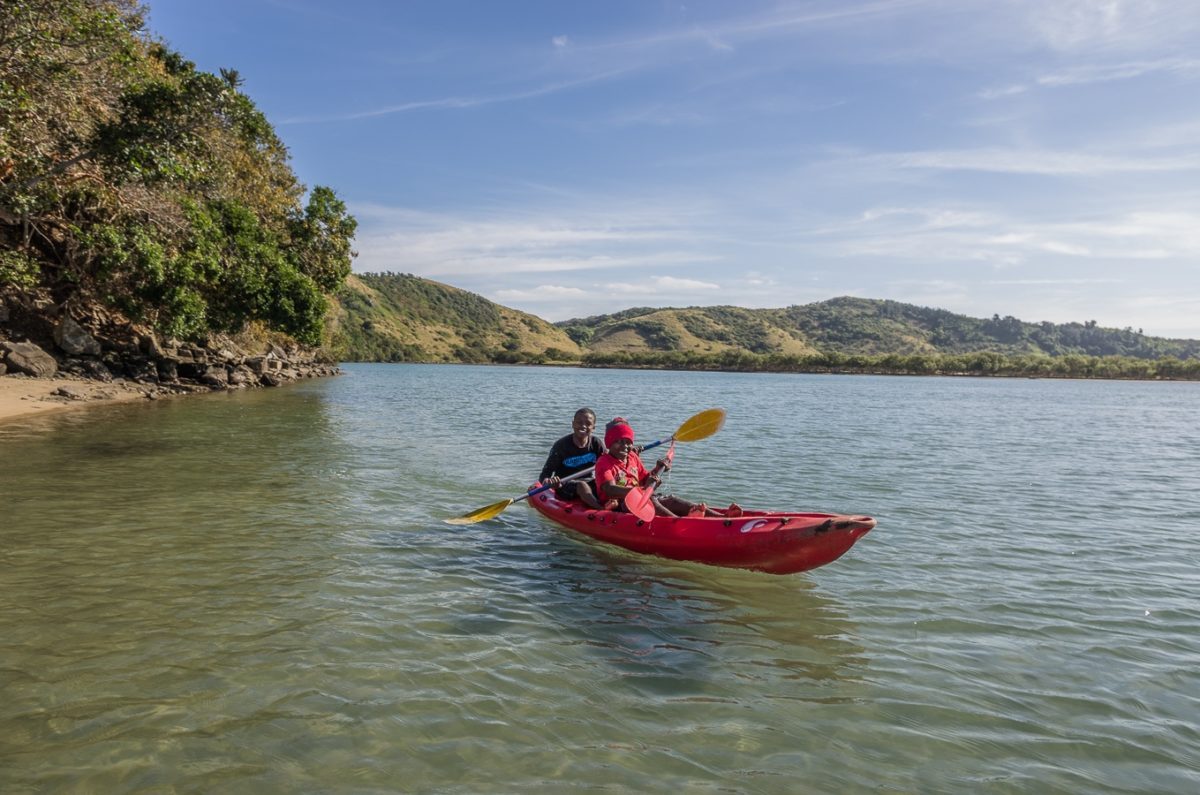
Rivers flowing toward the coast offer informal fishing opportunities that connect visitors with practices long established in this region. These are not commercial operations. They tend to be arranged through local contacts or accommodation staff, and the experience is as much about conversation as it is about catch.
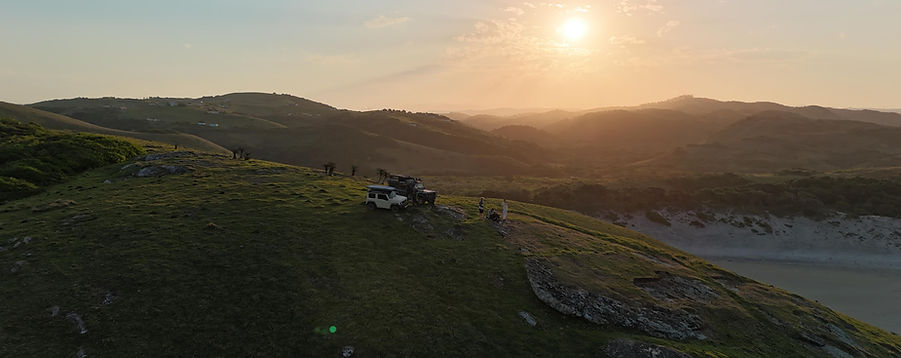
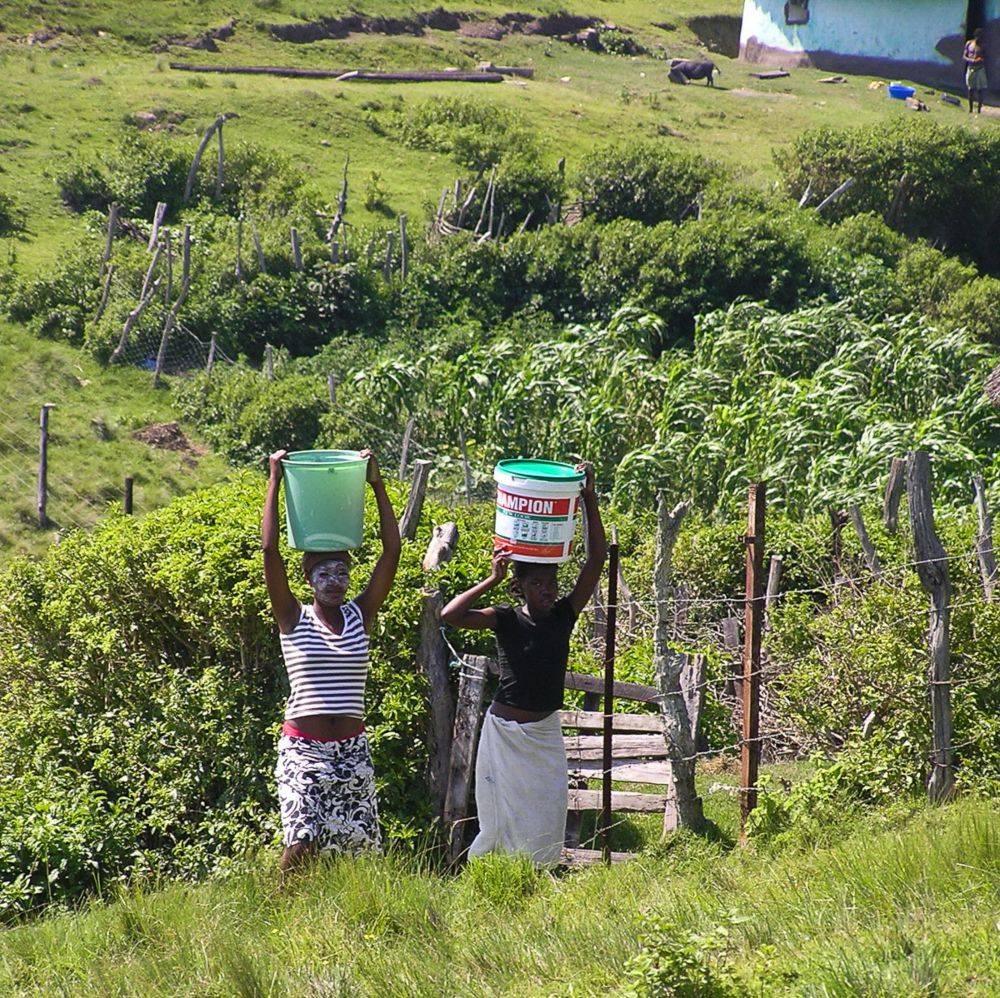
Taken as a whole, the landscape rewards slow travel. Traditional rondavels visible across the surrounding hillsides give context to the region's architectural history, and the coast carries a maritime past that includes the loss of the British vessel Grosvenor in 1782, one of the more significant shipwrecks in southern African history. Traces of that era still attract those drawn to historical investigation along the shore.
Best Time to Visit Mngcibe
The Eastern Cape coast has a subtropical climate with two broadly distinct seasons. Summer, from October through April, brings warm temperatures in the range of 22 to 28 degrees Celsius. Rainfall concentrates between November and March, with afternoon thunderstorms common, though mornings are often clear and suitable for long coastal walks.
Winter runs from May to September and is considerably drier. Temperatures at sea level rarely fall below 10 degrees, and the reduced humidity makes extended outdoor activity more comfortable. Between June and August, humpback whales move north along this section of coastline, and on calm days they are visible from shore.
The peak visitor period corresponds to South African school holidays from mid-December to mid-January. Activity levels across the region increase significantly during this time, and the quieter character that defines Mngcibe for most of the year gives way to a more populated coast. Travellers who prefer fewer people will find October, November, or February a better fit, with reasonable weather and more breathing room.
Autumn swells between March and May are considered the most reliable for surfing along this stretch of coast. Those planning to fish in local rivers should seek advice on current conditions before arriving, as water levels vary substantially with seasonal rainfall.
Getting to Mngcibe
Mthatha, served by domestic flights from Johannesburg and Cape Town, is the most practical point of entry by air. The airport sits approximately 150 kilometres from Mngcibe, and car hire is available on arrival. From Mthatha, the drive follows the N2 south before turning off onto regional roads toward the coast. These roads are tarred in sections but the surface deteriorates as you approach the village. A vehicle with reasonable ground clearance is advisable, and the difference becomes significant after heavy rain.
From Durban, the overland route via the N2 covers approximately 450 kilometres, passing through Port Shepstone and Kokstad before entering the Eastern Cape. The drive takes five to six hours. Travellers from Johannesburg face around 850 kilometres, making an overnight stop along the way a sensible consideration rather than an optional one.
Shared minibus taxis run between Mthatha and coastal communities in the area, but services are infrequent and operate on flexible schedules. Building extra time into any journey that relies on public transport is essential, and confirming routes before departure avoids unnecessary delays. There is no passenger rail access to this part of the coast.
Movement within the village itself is primarily on foot or by private vehicle. Tracks between coastal points and the surrounding hillsides are not always clearly marked, and accommodation staff can often suggest or arrange a local guide for longer walks or cross-country routes.
Mngcibe and Surrounding Areas
Lutsheni, 2 kilometres away, functions more as a neighbouring settlement than a conventional day trip destination. The two villages are connected by a walkable path, and the visit tends to be about informal encounter rather than a specific attraction. Community-supported craft initiatives have developed here, and spending time in Lutsheni offers a close-up view of everyday Xhosa village life that a passing drive could not provide.
Coffee Bay, 11 kilometres from Mngcibe, is the nearest town of any practical size. Well known on the South African backpacker circuit, it has developed a following for its accessible beach breaks and draws a consistent crowd of younger travellers. The cliffs south of the bay are striking, and the paths running above them offer some of the most extensive coastal views in the region. Restaurants, basic shops, and accommodation here extend the options for visitors using Mngcibe as a base and make Coffee Bay a natural stop for supplies.
Gqubeni, at 15 kilometres, sees far less tourist traffic. Its surrounding river valleys and forested slopes support considerable birdlife and give the area a more agricultural feel than the coastal settlements to the west.
The Wild Coast, as a broader geographic zone, stretches for roughly 300 kilometres along the Eastern Cape shore. At 44 kilometres from Mngcibe, the coastline in this direction becomes less accessible, more isolated, and increasingly associated with the Pondoland region, an area of documented biodiversity and ongoing conservation significance.
Port St Johns, approximately 44 to 45 kilometres from Mngcibe, is the largest town in the area. It sits at the mouth of the Umzimvubu River, with two prominent cliff faces framing the approach from the sea. Second Beach is the most-visited stretch of sand, popular with swimmers. Banking services, medical facilities, and a fuller range of shops here make it a practical destination for resupply or for day trips that require services unavailable in Mngcibe.
Planning Your Stay
Mngcibe's remoteness means that preparation matters more than it would in a well-connected destination. Mobile signal is intermittent and electricity supply can be unreliable, so downloading maps and any useful reference material before leaving a larger town is practical rather than precautionary. ATMs are not available in the village, making it essential to arrive with sufficient cash for your entire stay.
For travel during the summer school holiday period, book as far in advance as possible. Many smaller properties in remote areas of the Eastern Cape take reservations by phone or messaging rather than through formal online platforms, and confirming directly with the host is the only reliable route to a secured booking. If using a third-party booking site, verify availability with the property before making any payment.
Before finalising a reservation, ask specifically about road access conditions given your expected travel date, particularly if rain is forecast. Confirm whether meals are included, as independent dining options are very limited in the village. Travellers with particular health considerations should plan accordingly, as the nearest facilities with full medical capacity require a substantial drive, and the terrain makes access unpredictable in poor conditions.
Travel insurance covering medical evacuation is advisable for destinations this far from urban infrastructure. Summer storms during the wet season can affect access roads and should factor into any flexible travel planning.