Gqubeni Reis- & Akkommodasiegids
Jou volledige gids om Gqubeni, Suid-Afrika te besoek.
1
Eiendom
Gewildste
Hotel
Gqubeni offers a peaceful coastal experience with its rugged shoreline and nearby rural landscapes. Visitors can explore local walking trails that lead to scenic viewpoints and interact with the area's traditional communities. The spot provides a straightforward base for those seeking nature-based relaxation during their holidays.
## Accommodation in Gqubeni
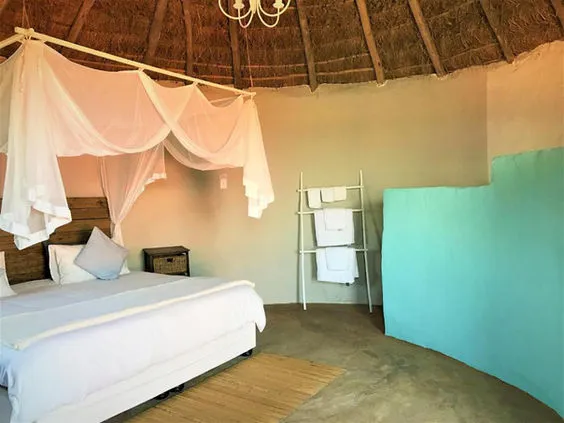
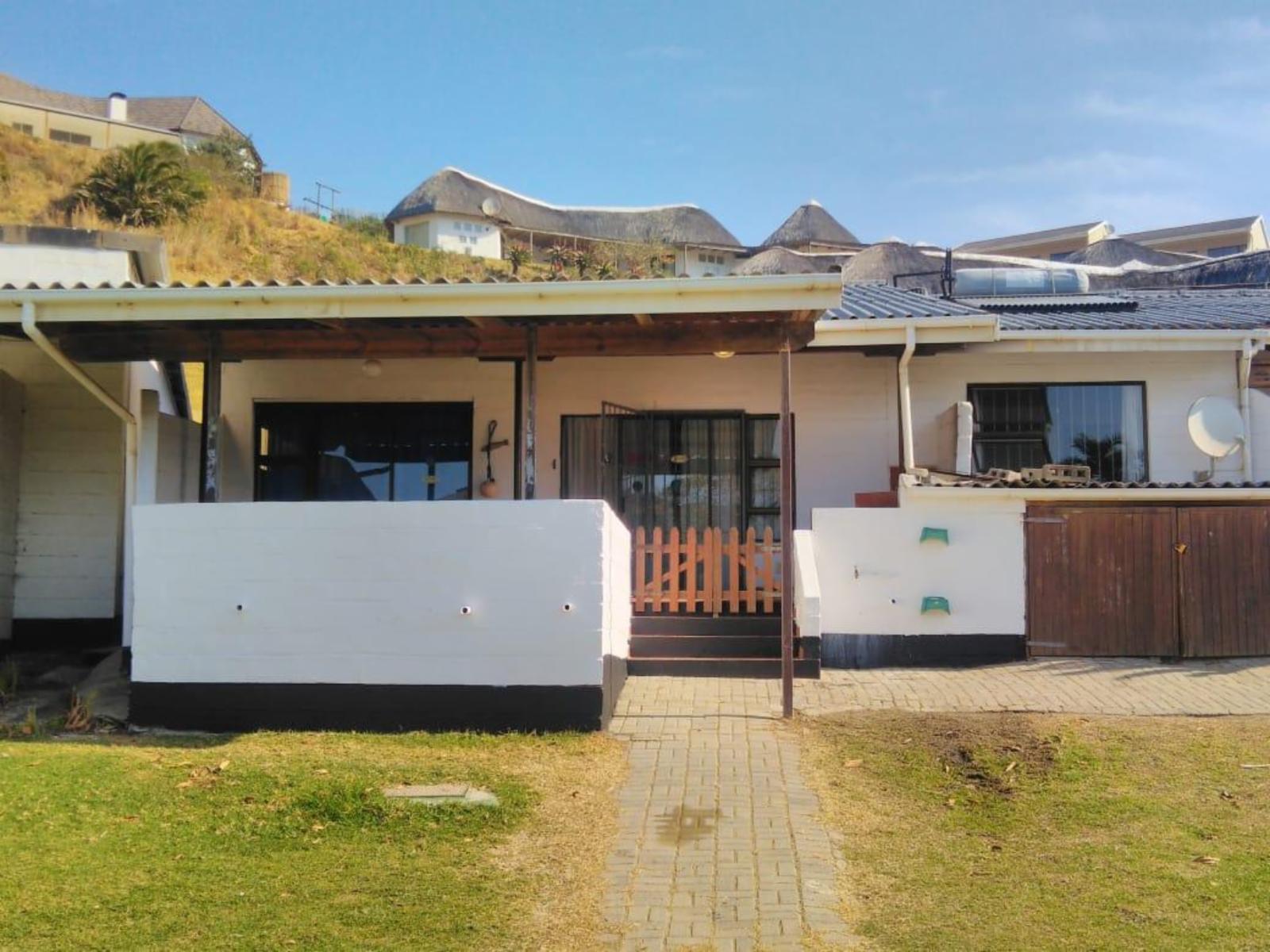
The accommodation offer in Gqubeni is compact, with 1 property currently listed in the area. Pricing information is not readily available, but what exists caters to travelers who prioritize access to the Wild Coast over extensive amenities.
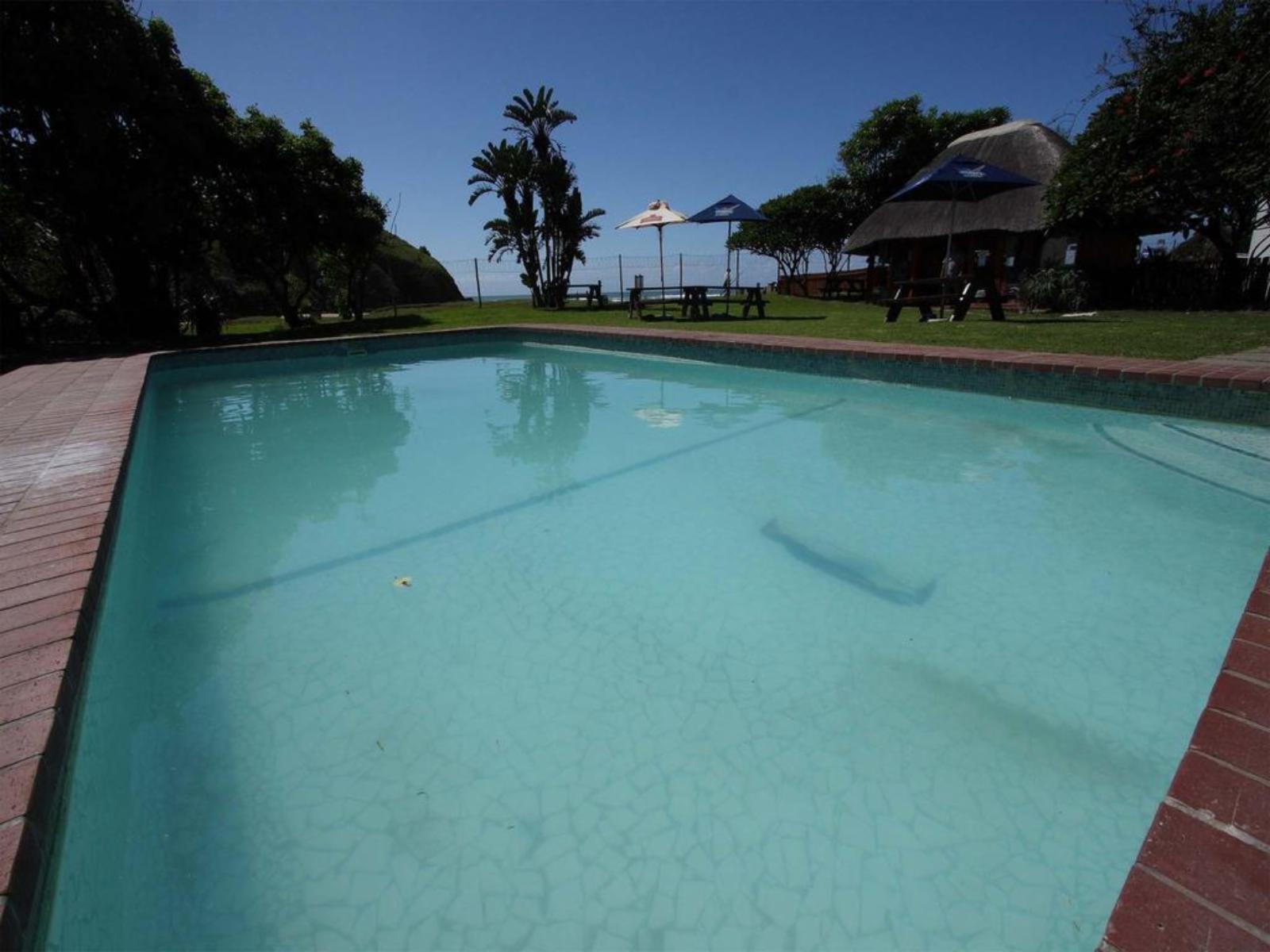
The single hotel option positions Gqubeni as a base for those who want consistent service without the self-catering responsibilities of a cottage. Hotels along this stretch of coast typically provide meals and basic facilities, which matters considerably when you are in a remote area with few shops nearby. For visitors who would rather not manage their own supplies in a location with limited provisions, having meals handled removes that logistical burden.
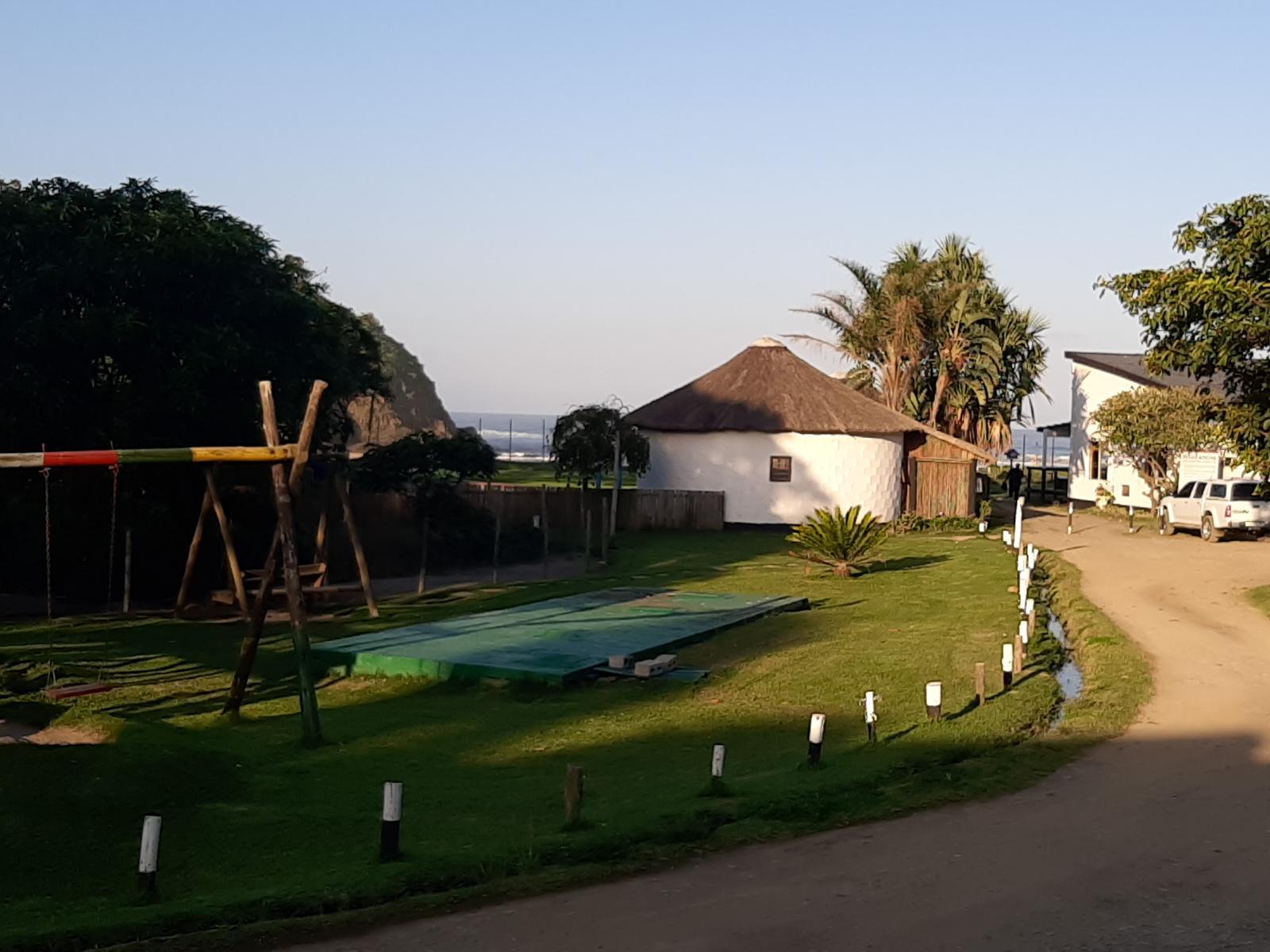
Given the remoteness of the Wild Coast generally, the accommodation in Gqubeni reflects the region's character: functional, close to nature, and oriented toward outdoor visitors rather than those seeking resort-style comforts. The surrounding landscape of grassland, forest patches, and coastal access means that most guests spend little time indoors. Accommodation here serves as a base rather than a destination in itself.
Travelers on tighter itineraries passing through the coast en route to nearby towns may find a single night in Gqubeni fits their pace. Those planning to spend more time exploring the coves and coastline would benefit from booking several nights to take advantage of early morning and late afternoon conditions on the water.
Because the supply of rooms is small, availability can tighten over school holidays and long weekends, even in a location this far off the main tourist trail. Booking ahead is advisable regardless of the time of year.
---
## Things to Do in Gqubeni
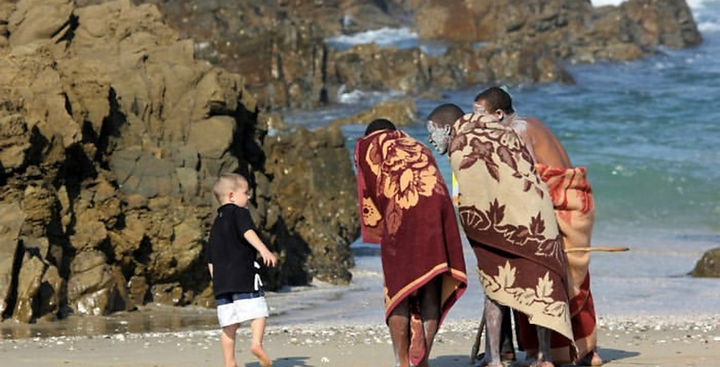
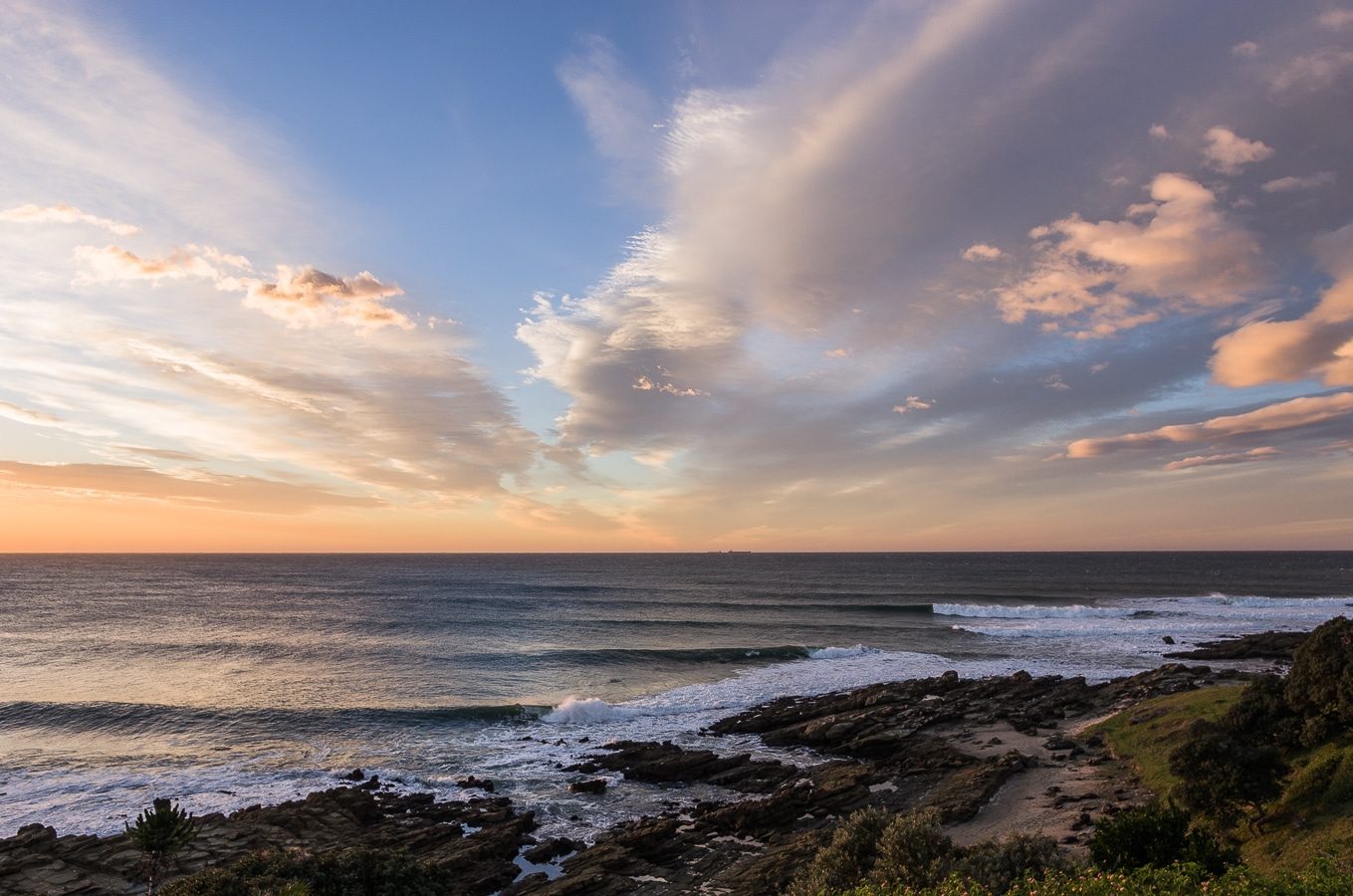
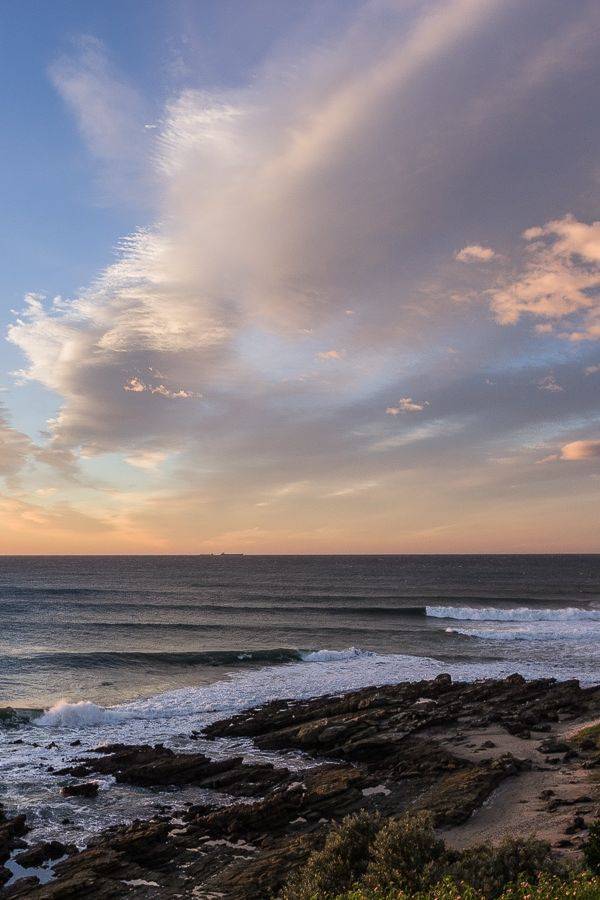
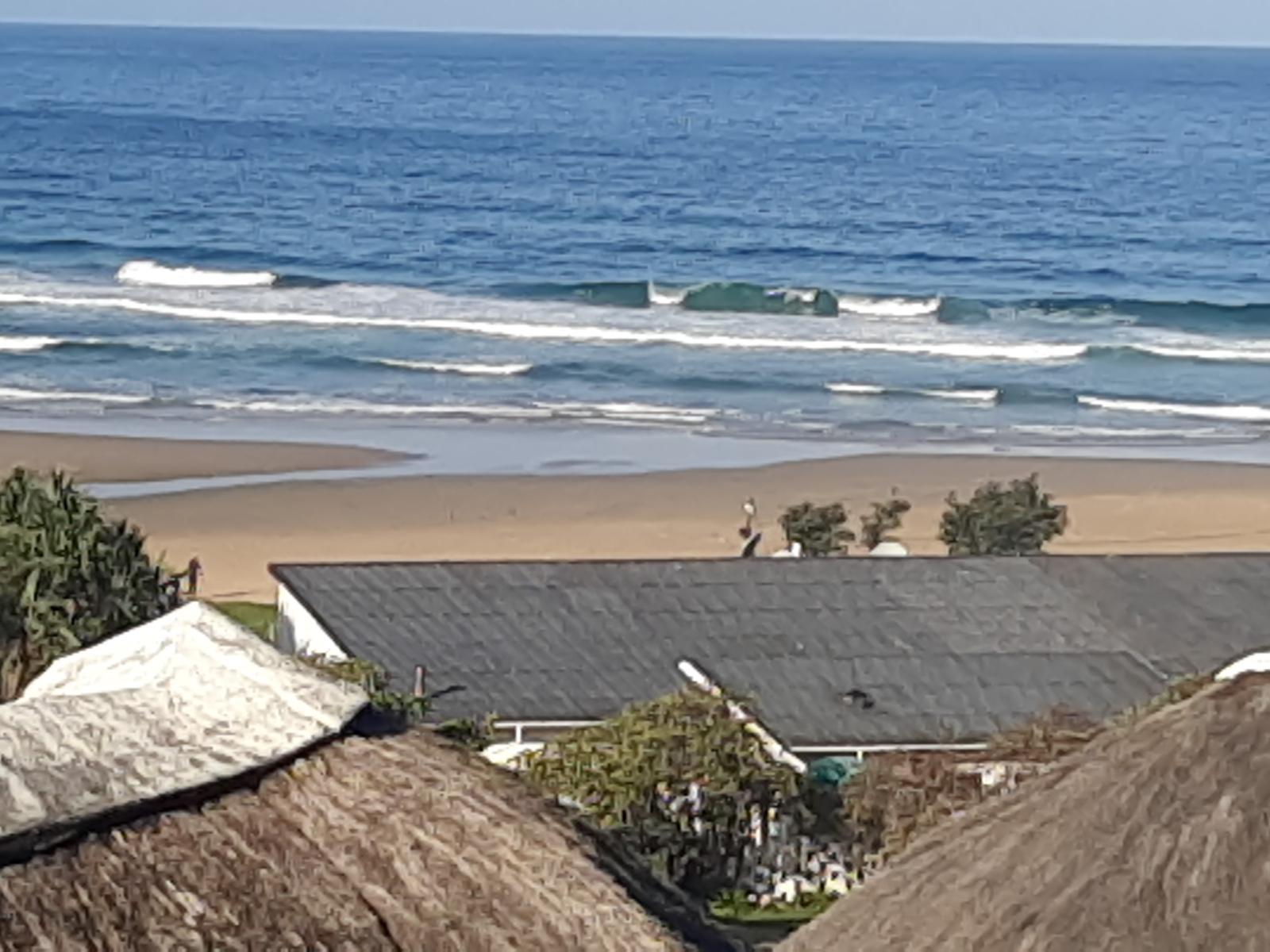
The coastline is the primary draw. The beach near Gqubeni offers a working stretch of shore rather than a groomed resort beach, which suits visitors interested in rock pools, fishing, and walking routes along the headlands. At low tide, the rock formations along this part of the coast expose marine life including starfish, sea urchins, and small reef fish that are visible without any equipment.
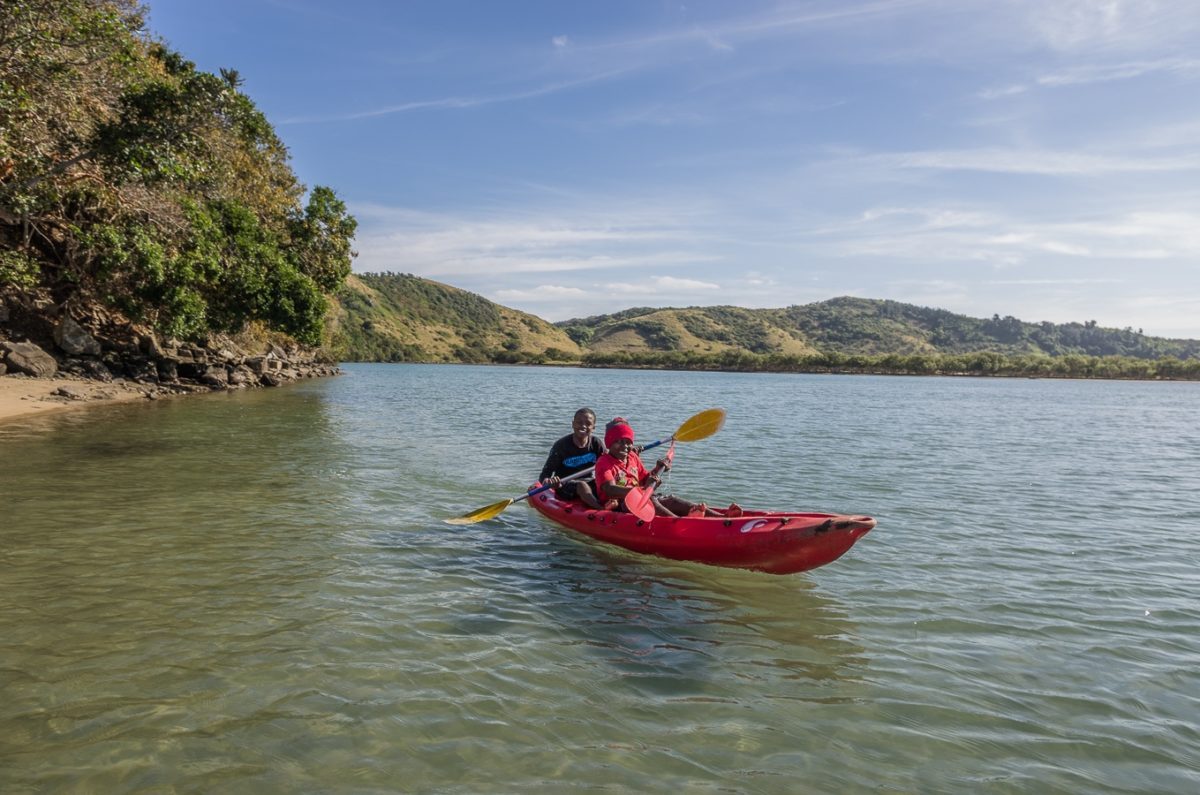
River mouths nearby create productive spots for shore fishing, and local knowledge significantly improves results. The combination of fresh and salt water at these estuaries draws birds throughout the day, making them worthwhile stops for anyone carrying binoculars. Kingfishers, herons, and various waders are common depending on the season, and the birdwatching here requires no specialist preparation beyond patience.
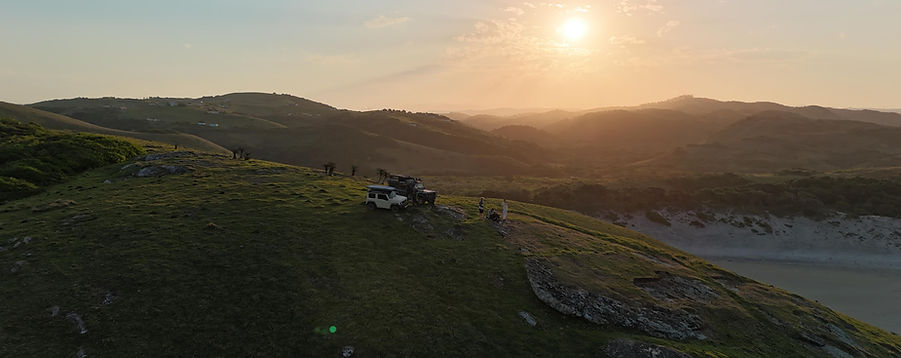
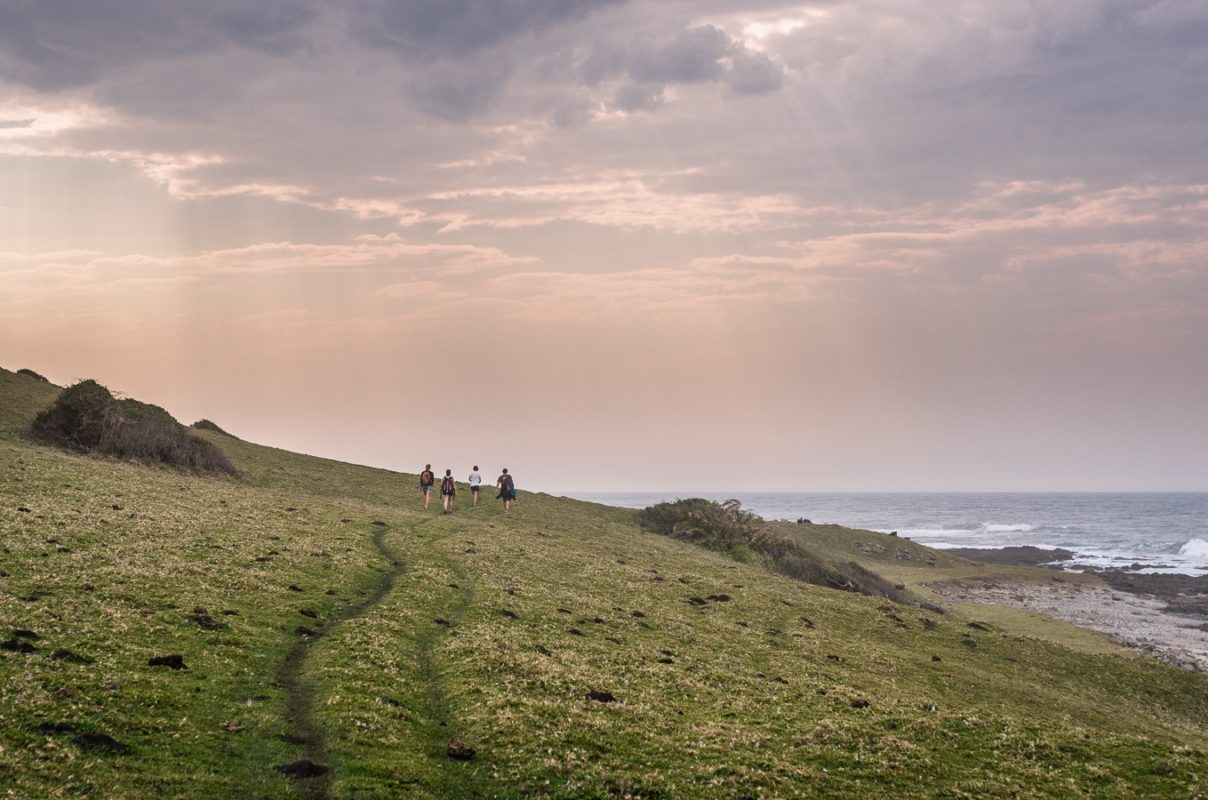
The surrounding hills offer hiking without formal trails in most cases. Walking through the grassland and forest patches that alternate across the landscape requires basic navigation, and conditions underfoot can be muddy after rain. The terrain is not technically demanding, but the absence of marked paths means engaging a local guide is practical for first-time visitors.
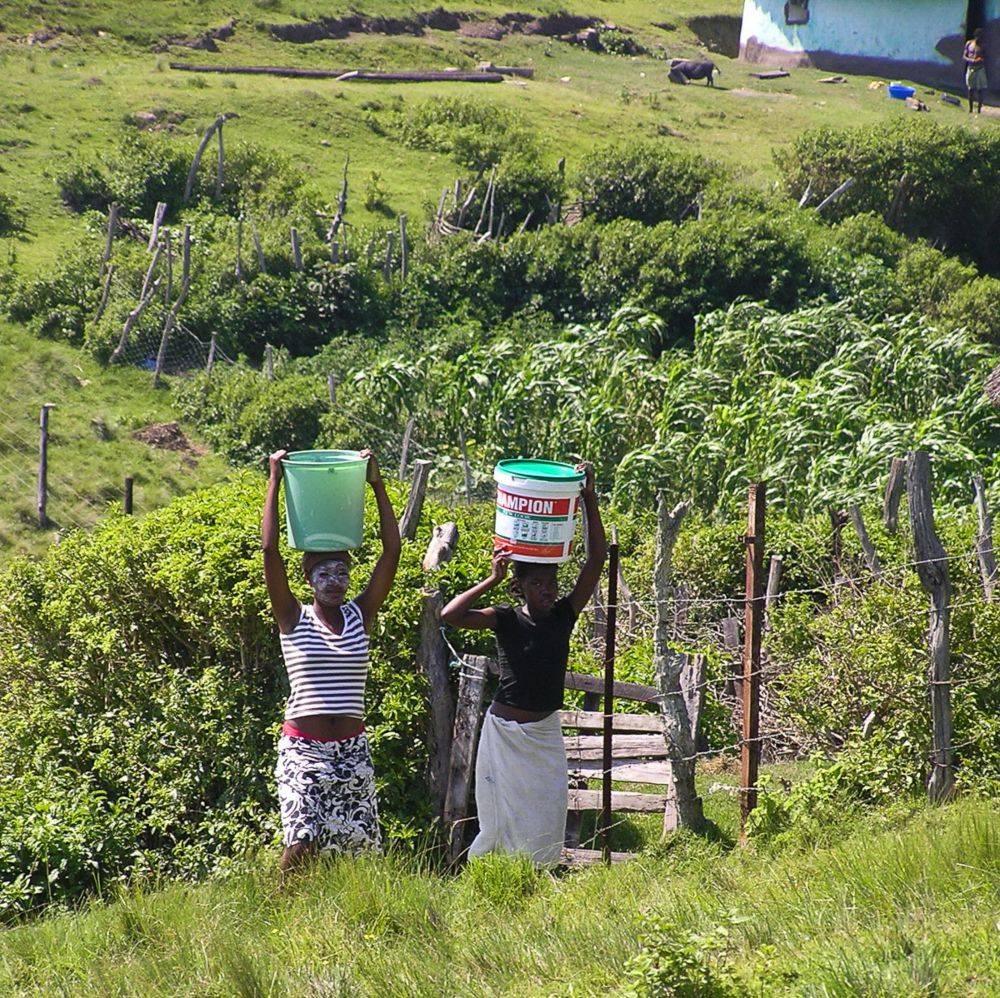
Cultural visits to community sites within the village give context to daily life in this part of the Eastern Cape. These are not formal tourist attractions but opportunities to observe local practices around agriculture and traditional craft. Any visit of this kind works better when arranged through accommodation hosts rather than approached independently.
Seasonal local markets appear periodically and offer produce, crafts, and food from the surrounding area. They are worth attending if your timing aligns, though schedules are rarely fixed far in advance.
---
## Best Time to Visit Gqubeni
The Wild Coast experiences a subtropical climate with summer rainfall. The warmest months run from November through March, when temperatures are comfortable for swimming and outdoor activity but rain is more frequent. Heavy downpours during this period can make dirt roads temporarily impassable and affect visibility on coastal walks.
The winter months, May through August, bring drier and cooler conditions. Coastal winds pick up, which can make beach days chilly by afternoon, but the clear skies and firm ground make winter well-suited for hiking and birdwatching. Sea temperatures along this stretch of the Indian Ocean remain mild enough for swimming through much of the year, particularly compared to the colder Atlantic coast.
Spring, September to October, offers a practical balance: vegetation is green from winter moisture, temperatures are rising, and rainfall has not yet peaked. This window is good for visitors who want fair weather without the school-holiday pressure that builds in December.
Peak visitor demand on the Wild Coast concentrates over December, Easter, and June/July school breaks. For Gqubeni specifically, the impact is modest given its small size, but the single available property fills quickly when it does. Traveling outside those windows gives more flexibility and a quieter experience.
---
## Getting to Gqubeni
Mthatha, approximately 44 kilometers away by road, is the nearest major urban centre. Most visitors fly into Mthatha Airport (Walter Sisulu Airport) and drive from there. The route south toward the coast follows the R61 for part of the journey before branching onto smaller roads, some of which are unpaved. A vehicle with reasonable ground clearance handles these conditions more reliably than a standard sedan, particularly after rain.
East London is an alternative arrival point with a larger airport and more frequent flight connections. The drive from East London takes around three hours depending on the route chosen through the coastal hinterland.
There is no scheduled public transport directly serving Gqubeni. Shared taxis and minibus services operate between Mthatha and nearby towns, and transfers can sometimes be arranged from those points with assistance from accommodation hosts. Driving your own vehicle gives the most practical flexibility for reaching the beach and surrounding terrain at different times of day.
Fuel is available in Mthatha and in Coffee Bay. Filling up before heading out along the coast is a sensible precaution, as there are no guarantees of fuel supply once you leave those centres.
---
## Gqubeni and Surrounding Areas
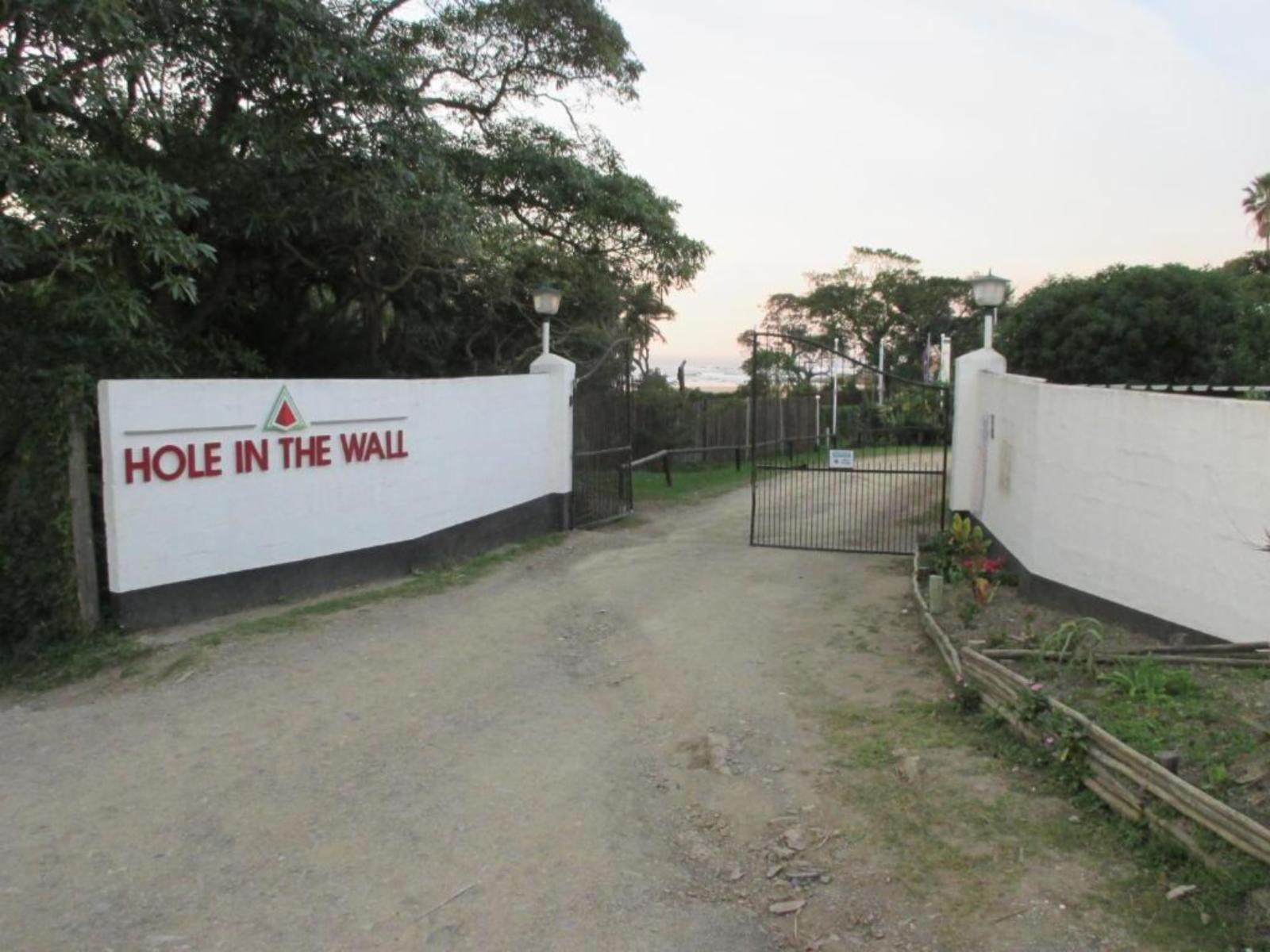
**Coffee Bay** (13 km) is the most established visitor destination in the immediate area. It draws surfers, backpackers, and day visitors to a broad bay with consistent waves. The Hole in the Wall, a sea arch a short distance to the south, is the area's best-known natural feature. Coffee Bay also has a wider range of restaurants and practical services than Gqubeni, making it a useful resupply point for anyone basing themselves at Gqubeni for several days.
**Mngcibe** (15 km) is a smaller community along the coast with a quieter character. It receives fewer visitors than Coffee Bay and appeals to those looking for long, uninterrupted stretches of shoreline without the passing traffic of backpackers or tour groups.
**Lutsheni** (16 km) sits within the rolling terrain inland from the coast. The area reflects the agricultural nature of much of this part of the Eastern Cape, with small-scale farming and open grassland that offers a different perspective from the coastal scenery around Gqubeni.
**Jalamba** (35 km) is further along the coast and less commonly reached from Gqubeni. Road conditions between the two points are not always reliable, and the drive takes noticeably longer than the distance alone suggests.
**Mthatha** (44 km) functions as the regional hub for services. Banking, supermarkets, medical facilities, and fuel are all available there. The Nelson Mandela Museum in Mthatha draws visitors interested in the political and personal history connected to this part of South Africa, and it is a worthwhile stop when passing through.
**Wild Coast** (54 km) as a broader designation covers the full stretch of coastline between the Kei and Umtamvuna rivers. Gqubeni sits within this corridor, and the 54-kilometer reference points to a specific focal area further along. The coastal route as a whole is collectively known for undeveloped beaches, cliff walks, and river crossings that require planning.
---
## Planning Your Stay
Because Gqubeni has one listed property, checking availability early is essential, particularly around school holidays or long weekends. There is no fallback option if that property is fully booked, which means having flexibility in your travel dates significantly improves your chances.
Before confirming a reservation, it is worth establishing what is included: whether meals are provided, whether a transfer from Mthatha can be arranged, and what the access road conditions are likely to be at the time of your visit. Properties along the Wild Coast sometimes have specific terms around wet-season access that are not obvious from a listing page alone.
Bring supplies with you. Shops in Gqubeni are limited, and the nearest place to stock up properly is Mthatha or, to a lesser extent, Coffee Bay. This applies to prescription medication, specific food requirements, and cash, since card payment facilities may not be consistently available at smaller establishments in the area.
Mobile network coverage varies across the Wild Coast, and some sections have unreliable signal. Confirming contact details and backup communication arrangements with your host before leaving Mthatha is a straightforward step that avoids complications on arrival.

The accommodation offer in Gqubeni is compact, with 1 property currently listed in the area. Pricing information is not readily available, but what exists caters to travelers who prioritize access to the Wild Coast over extensive amenities.
The single hotel option positions Gqubeni as a base for those who want consistent service without the self-catering responsibilities of a cottage. Hotels along this stretch of coast typically provide meals and basic facilities, which matters considerably when you are in a remote area with few shops nearby. For visitors who would rather not manage their own supplies in a location with limited provisions, having meals handled removes that logistical burden.
Given the remoteness of the Wild Coast generally, the accommodation in Gqubeni reflects the region's character: functional, close to nature, and oriented toward outdoor visitors rather than those seeking resort-style comforts. The surrounding landscape of grassland, forest patches, and coastal access means that most guests spend little time indoors. Accommodation here serves as a base rather than a destination in itself.
Travelers on tighter itineraries passing through the coast en route to nearby towns may find a single night in Gqubeni fits their pace. Those planning to spend more time exploring the coves and coastline would benefit from booking several nights to take advantage of early morning and late afternoon conditions on the water.
Because the supply of rooms is small, availability can tighten over school holidays and long weekends, even in a location this far off the main tourist trail. Booking ahead is advisable regardless of the time of year.
---
## Things to Do in Gqubeni
The coastline is the primary draw. The beach near Gqubeni offers a working stretch of shore rather than a groomed resort beach, which suits visitors interested in rock pools, fishing, and walking routes along the headlands. At low tide, the rock formations along this part of the coast expose marine life including starfish, sea urchins, and small reef fish that are visible without any equipment.
River mouths nearby create productive spots for shore fishing, and local knowledge significantly improves results. The combination of fresh and salt water at these estuaries draws birds throughout the day, making them worthwhile stops for anyone carrying binoculars. Kingfishers, herons, and various waders are common depending on the season, and the birdwatching here requires no specialist preparation beyond patience.
The surrounding hills offer hiking without formal trails in most cases. Walking through the grassland and forest patches that alternate across the landscape requires basic navigation, and conditions underfoot can be muddy after rain. The terrain is not technically demanding, but the absence of marked paths means engaging a local guide is practical for first-time visitors.
Cultural visits to community sites within the village give context to daily life in this part of the Eastern Cape. These are not formal tourist attractions but opportunities to observe local practices around agriculture and traditional craft. Any visit of this kind works better when arranged through accommodation hosts rather than approached independently.
Seasonal local markets appear periodically and offer produce, crafts, and food from the surrounding area. They are worth attending if your timing aligns, though schedules are rarely fixed far in advance.
---
## Best Time to Visit Gqubeni
The Wild Coast experiences a subtropical climate with summer rainfall. The warmest months run from November through March, when temperatures are comfortable for swimming and outdoor activity but rain is more frequent. Heavy downpours during this period can make dirt roads temporarily impassable and affect visibility on coastal walks.
The winter months, May through August, bring drier and cooler conditions. Coastal winds pick up, which can make beach days chilly by afternoon, but the clear skies and firm ground make winter well-suited for hiking and birdwatching. Sea temperatures along this stretch of the Indian Ocean remain mild enough for swimming through much of the year, particularly compared to the colder Atlantic coast.
Spring, September to October, offers a practical balance: vegetation is green from winter moisture, temperatures are rising, and rainfall has not yet peaked. This window is good for visitors who want fair weather without the school-holiday pressure that builds in December.
Peak visitor demand on the Wild Coast concentrates over December, Easter, and June/July school breaks. For Gqubeni specifically, the impact is modest given its small size, but the single available property fills quickly when it does. Traveling outside those windows gives more flexibility and a quieter experience.
---
## Getting to Gqubeni
Mthatha, approximately 44 kilometers away by road, is the nearest major urban centre. Most visitors fly into Mthatha Airport (Walter Sisulu Airport) and drive from there. The route south toward the coast follows the R61 for part of the journey before branching onto smaller roads, some of which are unpaved. A vehicle with reasonable ground clearance handles these conditions more reliably than a standard sedan, particularly after rain.
East London is an alternative arrival point with a larger airport and more frequent flight connections. The drive from East London takes around three hours depending on the route chosen through the coastal hinterland.
There is no scheduled public transport directly serving Gqubeni. Shared taxis and minibus services operate between Mthatha and nearby towns, and transfers can sometimes be arranged from those points with assistance from accommodation hosts. Driving your own vehicle gives the most practical flexibility for reaching the beach and surrounding terrain at different times of day.
Fuel is available in Mthatha and in Coffee Bay. Filling up before heading out along the coast is a sensible precaution, as there are no guarantees of fuel supply once you leave those centres.
---
## Gqubeni and Surrounding Areas
**Coffee Bay** (13 km) is the most established visitor destination in the immediate area. It draws surfers, backpackers, and day visitors to a broad bay with consistent waves. The Hole in the Wall, a sea arch a short distance to the south, is the area's best-known natural feature. Coffee Bay also has a wider range of restaurants and practical services than Gqubeni, making it a useful resupply point for anyone basing themselves at Gqubeni for several days.
**Mngcibe** (15 km) is a smaller community along the coast with a quieter character. It receives fewer visitors than Coffee Bay and appeals to those looking for long, uninterrupted stretches of shoreline without the passing traffic of backpackers or tour groups.
**Lutsheni** (16 km) sits within the rolling terrain inland from the coast. The area reflects the agricultural nature of much of this part of the Eastern Cape, with small-scale farming and open grassland that offers a different perspective from the coastal scenery around Gqubeni.
**Jalamba** (35 km) is further along the coast and less commonly reached from Gqubeni. Road conditions between the two points are not always reliable, and the drive takes noticeably longer than the distance alone suggests.
**Mthatha** (44 km) functions as the regional hub for services. Banking, supermarkets, medical facilities, and fuel are all available there. The Nelson Mandela Museum in Mthatha draws visitors interested in the political and personal history connected to this part of South Africa, and it is a worthwhile stop when passing through.
**Wild Coast** (54 km) as a broader designation covers the full stretch of coastline between the Kei and Umtamvuna rivers. Gqubeni sits within this corridor, and the 54-kilometer reference points to a specific focal area further along. The coastal route as a whole is collectively known for undeveloped beaches, cliff walks, and river crossings that require planning.
---
## Planning Your Stay
Because Gqubeni has one listed property, checking availability early is essential, particularly around school holidays or long weekends. There is no fallback option if that property is fully booked, which means having flexibility in your travel dates significantly improves your chances.
Before confirming a reservation, it is worth establishing what is included: whether meals are provided, whether a transfer from Mthatha can be arranged, and what the access road conditions are likely to be at the time of your visit. Properties along the Wild Coast sometimes have specific terms around wet-season access that are not obvious from a listing page alone.
Bring supplies with you. Shops in Gqubeni are limited, and the nearest place to stock up properly is Mthatha or, to a lesser extent, Coffee Bay. This applies to prescription medication, specific food requirements, and cash, since card payment facilities may not be consistently available at smaller establishments in the area.
Mobile network coverage varies across the Wild Coast, and some sections have unreliable signal. Confirming contact details and backup communication arrangements with your host before leaving Mthatha is a straightforward step that avoids complications on arrival.
Tipes Akkommodasie in Gqubeni
Akkommodasiepryse in Gqubeni
| Tipe | Inskrywings | Vanaf | Gemiddeld | Tot |
|---|---|---|---|---|
| Hotel | 1 | – | – | – |
Gqubeni Kaart
Nabygeleë Bestemmings
Blaai Deur Alle Gqubeni Akkommodasie
Bekyk al 1 akkommodasie-opsies in Gqubeni met foto's, pryse en beskikbaarheid.
Blaai Deur Alle Akkommodasie