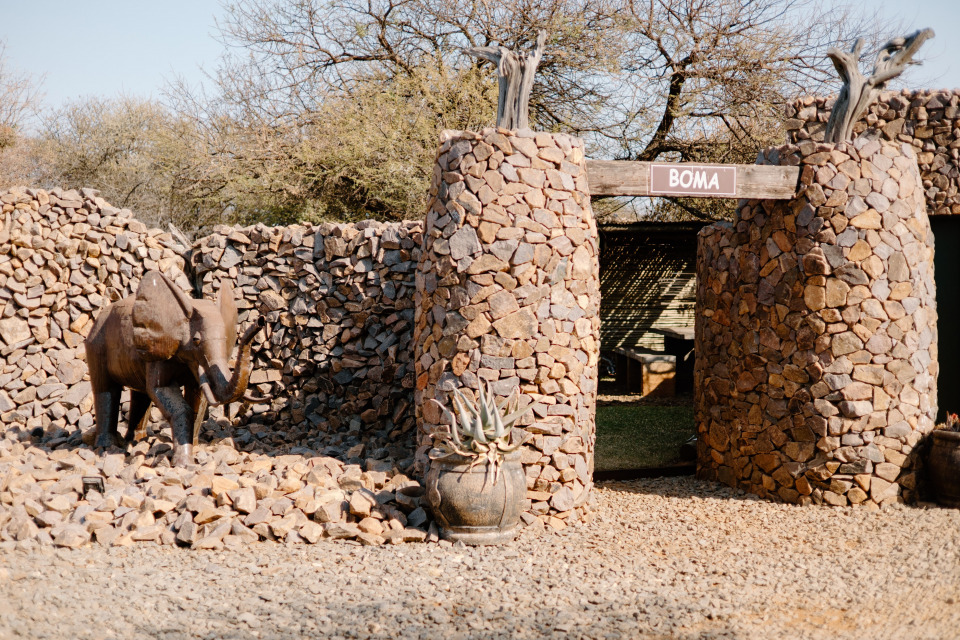
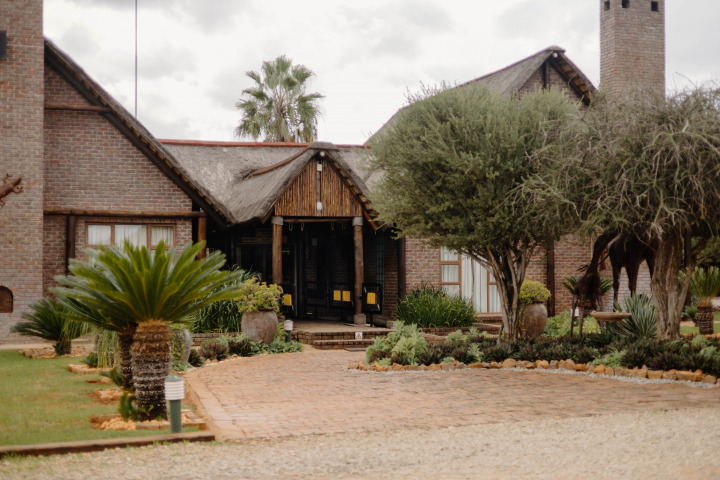
Dikgalaopeng Reis- & Akkommodasiegids
Jou volledige gids om Dikgalaopeng, Suid-Afrika te besoek.
1
Eiendom
Gewildste
Guesthouse
Dikgalaopeng is a small village in the Capricorn District of Limpopo, positioned in the rural heartland between Polokwane and the Botswana border. The area offers visitors access to authentic local culture and serves as a base for exploring the wider region's wildlife reserves and traditional communities.
## Accommodation in Dikgalaopeng
One property is currently listed in Dikgalaopeng, a guesthouse that serves the practical needs of travelers passing through or using the area as a base. Rates are not published for this listing, so direct enquiry is advisable before making any plans. Rural Limpopo guesthouses of this type typically sit at the budget to lower mid-range tier, offering functional accommodation where meals are sometimes available on request rather than as a guaranteed service.
The single listing reflects Dikgalaopeng's position as a working rural village rather than a tourism-oriented settlement. Self-catering arrangements, where offered, suit travelers who prefer flexibility, while those wanting home-cooked meals in a family atmosphere will find that small properties of this kind often deliver exactly that. Standards vary between individual operators, and photographs or reviews on booking platforms are worth checking before confirming a reservation.
Limited supply means availability is rarely a concern outside public holidays and school breaks, but it also means there are few fallback options if your first choice is unavailable or closes unexpectedly. Travelers with specific requirements around accessibility or dietary needs should communicate these well in advance, as smaller operators have limited ability to accommodate last-minute requests. Some rural guesthouses scale back or close during the quieter winter months, so confirming opening dates matters if traveling between June and August.
For travelers who find the single listing does not suit their needs, the broader district offers game lodges, self-catering chalets, and business hotels at various price points within an hour's drive along the main road corridors.
## Best Time to Visit Dikgalaopeng
The dry winter months, roughly May through August, offer the most comfortable conditions for visiting this part of Limpopo. Temperatures are mild during the day, typically between 18 and 25 degrees Celsius, but nights can drop to single figures, so warm clothing is necessary if staying somewhere without central heating.
Summer runs from November through March and brings intense heat, with afternoon temperatures frequently exceeding 35 degrees Celsius. The season also delivers the bulk of annual rainfall through afternoon thunderstorms, which can make unpaved roads difficult or temporarily inaccessible. On the other side of that equation, the landscape turns green and seasonal watercourses fill, making the countryside more dramatic. Birdwatching is particularly rewarding in summer, as migratory species join resident birds across the bushveld and grassland habitats.
April, September, and October represent shoulder periods where temperatures moderate and rain becomes less frequent. These months offer comfortable conditions with fewer visitors than the main holiday seasons, while still providing good light and manageable heat for exploring the area on foot or by vehicle. Wildlife viewing on the game farms surrounding the district improves in the dry months, as animals concentrate around water sources, and walking routes to the Makgabeng Plateau's rock art sites are easier to navigate when vegetation is lower.
## Getting to Dikgalaopeng
The most practical entry point for visitors arriving by air is Polokwane International Airport, which receives scheduled domestic flights from Johannesburg O.R. Tambo. From Polokwane, the drive to Dikgalaopeng covers roughly 80 kilometers and takes around an hour depending on your route through the district.
Travelers arriving from Johannesburg by road typically follow the N1 north through Bela-Bela and Mokopane before turning toward the Capricorn District interior. The total journey from Johannesburg is approximately 350 to 400 kilometers, taking around four hours under normal traffic conditions. From Pretoria the route is similar but shorter by about 60 kilometers.
The roads connecting Dikgalaopeng to main routes are generally accessible by standard sedan vehicles. A higher-clearance vehicle becomes an advantage between November and March, when dirt tracks can become soft or rutted after prolonged storms. There is no scheduled public transport serving the village directly. Shared taxis operate between larger settlements in the district and can be found at ranks in surrounding towns, but routes and departure times are not fixed in any published schedule.
For getting around once in the area, a private vehicle is effectively essential. The distances between settlements and the absence of formal transport connections mean self-drive is the only reliable option for exploring the surrounding area at your own pace. Fill up at fuel stops on main roads before heading into more rural territory, as stations become scarce on smaller district roads.
## Dikgalaopeng and Surrounding Areas
The villages and towns within a short drive of Dikgalaopeng give a sense of the district's range, from small farming communities to a regional center with meaningful commercial infrastructure.
**Paardensoek**, 5 kilometers away, is the closest settlement, a small farming community whose Afrikaans-derived name reflects the mixed linguistic history of the region. The surrounding land supports cattle and dryland crop farming. Its proximity makes it a natural first stop for understanding the agricultural patterns that characterize this corridor.
**Nemba**, at 12 kilometers, is a village typical of the Northern Sotho heartland, where community life centers on extended family homesteads and a mix of subsistence and small-scale commercial farming. Travelers with an interest in rural settlement patterns or vernacular architecture will find Nemba representative of how villages across this part of the province are organized.
**Ga-makharankana**, 13 kilometers out, carries the naming prefix common across this region, indicating a settlement under a specific chieftaincy. These communities retain traditional governance structures alongside formal municipal administration, and the interaction between the two shapes daily life in ways that are not immediately visible to passing visitors.
**Bakoni**, 14 kilometers from Dikgalaopeng, is associated with one of the Northern Sotho clans of Limpopo, and the settlement fits into a broader landscape of clan-linked villages across the district. The terrain combines farmland with patches of natural bush, and the drive through gives a reasonable cross-section of the local environment.
**Sterkfontein**, at 16 kilometers, sits in the transition zone between lower bushveld and higher grassland. The name, of Afrikaans origin referencing a strong water source, points to why the area was historically settled, water reliability still being relevant in a region where livestock farming depends on consistent access.
**Marble Hall**, 17 kilometers away, is the most developed nearby destination and functions as a regional hub. The town has fuel stations, supermarkets, banks, and the commercial infrastructure that travelers staying in rural Dikgalaopeng will likely need at some point. Citrus farming defines the agricultural economy of the surrounding district, and the N11 corridor through Marble Hall connects northward into the Sekhukhune region, making it a practical waypoint for those moving between the Highveld and the northern Lowveld.
## Planning Your Stay
Booking early is more important in Dikgalaopeng than in destinations with multiple competing options. Even a small travel party can fill the available accommodation, and there is no nearby overflow if the property is full or temporarily closed. Contacting the property directly before booking through a third-party platform is advisable, since listing information online does not always reflect current availability, facilities, or meal arrangements.
Before confirming, ask whether the property has generator or solar backup for electricity, as load-shedding affects rural Limpopo as it does the rest of South Africa. Water reliability is also worth checking, since smaller rural properties sometimes rely on borehole water or solar-heated systems that can be inconsistent during extended dry spells or periods of high demand.
Carry sufficient cash before arriving, as card payment facilities are not guaranteed, and accessing an ATM will require a trip to a larger town. Pack any specialized food, medication, or personal supplies before entering the area, since local shops cover basics but not much beyond standard household goods.
For those building a broader Limpopo itinerary around Dikgalaopeng, mapping fuel stops, ATM locations, and stretches of unpaved road in advance makes for a smoother trip. The general rule across rural South Africa applies here: arrive prepared, communicate needs clearly with your host in advance, and plan for services to be further away than you might expect.

One property is currently listed in Dikgalaopeng, a guesthouse that serves the practical needs of travelers passing through or using the area as a base. Rates are not published for this listing, so direct enquiry is advisable before making any plans. Rural Limpopo guesthouses of this type typically sit at the budget to lower mid-range tier, offering functional accommodation where meals are sometimes available on request rather than as a guaranteed service.
The single listing reflects Dikgalaopeng's position as a working rural village rather than a tourism-oriented settlement. Self-catering arrangements, where offered, suit travelers who prefer flexibility, while those wanting home-cooked meals in a family atmosphere will find that small properties of this kind often deliver exactly that. Standards vary between individual operators, and photographs or reviews on booking platforms are worth checking before confirming a reservation.
Limited supply means availability is rarely a concern outside public holidays and school breaks, but it also means there are few fallback options if your first choice is unavailable or closes unexpectedly. Travelers with specific requirements around accessibility or dietary needs should communicate these well in advance, as smaller operators have limited ability to accommodate last-minute requests. Some rural guesthouses scale back or close during the quieter winter months, so confirming opening dates matters if traveling between June and August.
For travelers who find the single listing does not suit their needs, the broader district offers game lodges, self-catering chalets, and business hotels at various price points within an hour's drive along the main road corridors.
## Best Time to Visit Dikgalaopeng
The dry winter months, roughly May through August, offer the most comfortable conditions for visiting this part of Limpopo. Temperatures are mild during the day, typically between 18 and 25 degrees Celsius, but nights can drop to single figures, so warm clothing is necessary if staying somewhere without central heating.
Summer runs from November through March and brings intense heat, with afternoon temperatures frequently exceeding 35 degrees Celsius. The season also delivers the bulk of annual rainfall through afternoon thunderstorms, which can make unpaved roads difficult or temporarily inaccessible. On the other side of that equation, the landscape turns green and seasonal watercourses fill, making the countryside more dramatic. Birdwatching is particularly rewarding in summer, as migratory species join resident birds across the bushveld and grassland habitats.
April, September, and October represent shoulder periods where temperatures moderate and rain becomes less frequent. These months offer comfortable conditions with fewer visitors than the main holiday seasons, while still providing good light and manageable heat for exploring the area on foot or by vehicle. Wildlife viewing on the game farms surrounding the district improves in the dry months, as animals concentrate around water sources, and walking routes to the Makgabeng Plateau's rock art sites are easier to navigate when vegetation is lower.
## Getting to Dikgalaopeng
The most practical entry point for visitors arriving by air is Polokwane International Airport, which receives scheduled domestic flights from Johannesburg O.R. Tambo. From Polokwane, the drive to Dikgalaopeng covers roughly 80 kilometers and takes around an hour depending on your route through the district.
Travelers arriving from Johannesburg by road typically follow the N1 north through Bela-Bela and Mokopane before turning toward the Capricorn District interior. The total journey from Johannesburg is approximately 350 to 400 kilometers, taking around four hours under normal traffic conditions. From Pretoria the route is similar but shorter by about 60 kilometers.
The roads connecting Dikgalaopeng to main routes are generally accessible by standard sedan vehicles. A higher-clearance vehicle becomes an advantage between November and March, when dirt tracks can become soft or rutted after prolonged storms. There is no scheduled public transport serving the village directly. Shared taxis operate between larger settlements in the district and can be found at ranks in surrounding towns, but routes and departure times are not fixed in any published schedule.
For getting around once in the area, a private vehicle is effectively essential. The distances between settlements and the absence of formal transport connections mean self-drive is the only reliable option for exploring the surrounding area at your own pace. Fill up at fuel stops on main roads before heading into more rural territory, as stations become scarce on smaller district roads.
## Dikgalaopeng and Surrounding Areas
The villages and towns within a short drive of Dikgalaopeng give a sense of the district's range, from small farming communities to a regional center with meaningful commercial infrastructure.
**Paardensoek**, 5 kilometers away, is the closest settlement, a small farming community whose Afrikaans-derived name reflects the mixed linguistic history of the region. The surrounding land supports cattle and dryland crop farming. Its proximity makes it a natural first stop for understanding the agricultural patterns that characterize this corridor.
**Nemba**, at 12 kilometers, is a village typical of the Northern Sotho heartland, where community life centers on extended family homesteads and a mix of subsistence and small-scale commercial farming. Travelers with an interest in rural settlement patterns or vernacular architecture will find Nemba representative of how villages across this part of the province are organized.
**Ga-makharankana**, 13 kilometers out, carries the naming prefix common across this region, indicating a settlement under a specific chieftaincy. These communities retain traditional governance structures alongside formal municipal administration, and the interaction between the two shapes daily life in ways that are not immediately visible to passing visitors.
**Bakoni**, 14 kilometers from Dikgalaopeng, is associated with one of the Northern Sotho clans of Limpopo, and the settlement fits into a broader landscape of clan-linked villages across the district. The terrain combines farmland with patches of natural bush, and the drive through gives a reasonable cross-section of the local environment.
**Sterkfontein**, at 16 kilometers, sits in the transition zone between lower bushveld and higher grassland. The name, of Afrikaans origin referencing a strong water source, points to why the area was historically settled, water reliability still being relevant in a region where livestock farming depends on consistent access.
**Marble Hall**, 17 kilometers away, is the most developed nearby destination and functions as a regional hub. The town has fuel stations, supermarkets, banks, and the commercial infrastructure that travelers staying in rural Dikgalaopeng will likely need at some point. Citrus farming defines the agricultural economy of the surrounding district, and the N11 corridor through Marble Hall connects northward into the Sekhukhune region, making it a practical waypoint for those moving between the Highveld and the northern Lowveld.
## Planning Your Stay
Booking early is more important in Dikgalaopeng than in destinations with multiple competing options. Even a small travel party can fill the available accommodation, and there is no nearby overflow if the property is full or temporarily closed. Contacting the property directly before booking through a third-party platform is advisable, since listing information online does not always reflect current availability, facilities, or meal arrangements.
Before confirming, ask whether the property has generator or solar backup for electricity, as load-shedding affects rural Limpopo as it does the rest of South Africa. Water reliability is also worth checking, since smaller rural properties sometimes rely on borehole water or solar-heated systems that can be inconsistent during extended dry spells or periods of high demand.
Carry sufficient cash before arriving, as card payment facilities are not guaranteed, and accessing an ATM will require a trip to a larger town. Pack any specialized food, medication, or personal supplies before entering the area, since local shops cover basics but not much beyond standard household goods.
For those building a broader Limpopo itinerary around Dikgalaopeng, mapping fuel stops, ATM locations, and stretches of unpaved road in advance makes for a smoother trip. The general rule across rural South Africa applies here: arrive prepared, communicate needs clearly with your host in advance, and plan for services to be further away than you might expect.
Tipes Akkommodasie in Dikgalaopeng
Akkommodasiepryse in Dikgalaopeng
| Tipe | Inskrywings | Vanaf | Gemiddeld | Tot |
|---|---|---|---|---|
| Guesthouse | 1 | – | – | – |
Dikgalaopeng Kaart
Nabygeleë Bestemmings
Blaai Deur Alle Dikgalaopeng Akkommodasie
Bekyk al 1 akkommodasie-opsies in Dikgalaopeng met foto's, pryse en beskikbaarheid.
Blaai Deur Alle Akkommodasie