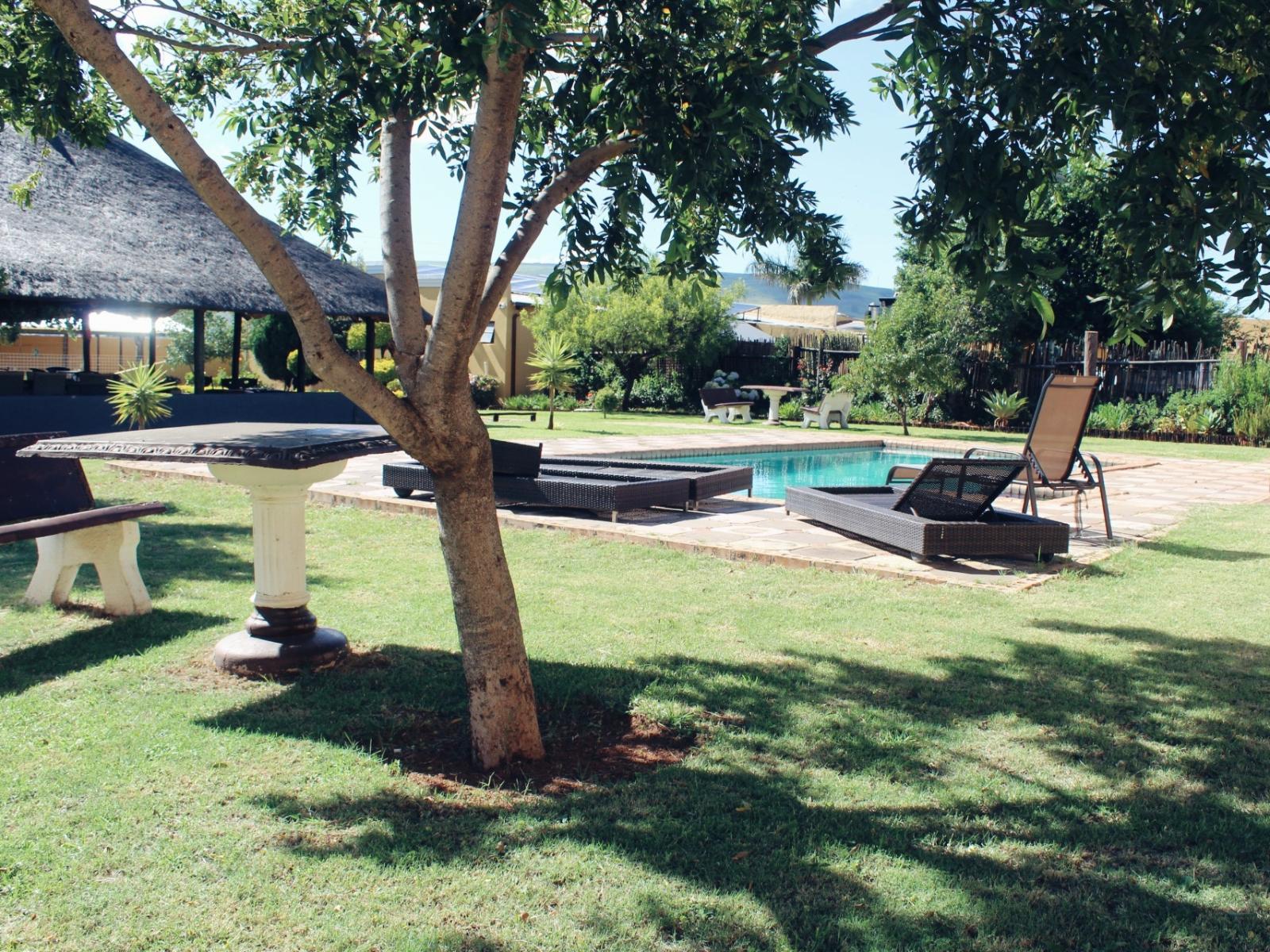
Accommodation in Bakoni
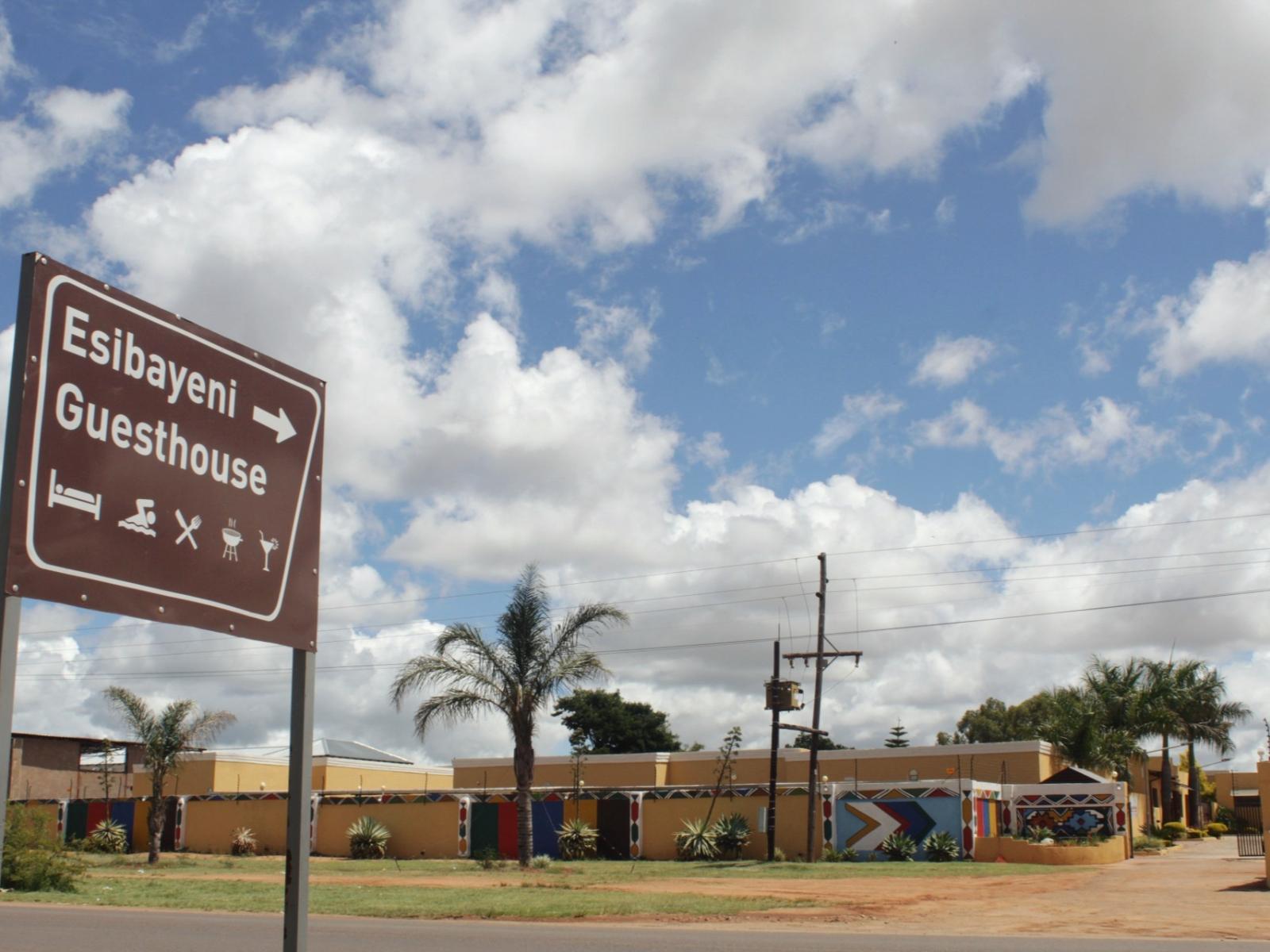
The accommodation landscape here reflects the area's identity as a specialist cultural destination rather than a mainstream tourism circuit. No properties are currently listed in Bakoni on major booking platforms, which means the practical approach for most visitors is to base themselves in Polokwane and travel out to the museum and surrounding communities as day trips. With no price data available for the immediate area, visitors are working from what Polokwane's broader guesthouse market offers, making it worth comparing several options before confirming a booking.
For travellers willing to seek out options in the rural zone, budget accommodation does exist in the farming settlements and small communities close to the Bakone Malapa site. Self-catering units and basic guesthouses at this level offer functional rooms with modest facilities. Small family-run properties have a personal atmosphere that city hotels rarely match, and rates in this tier are low compared to what you would find elsewhere in the province.
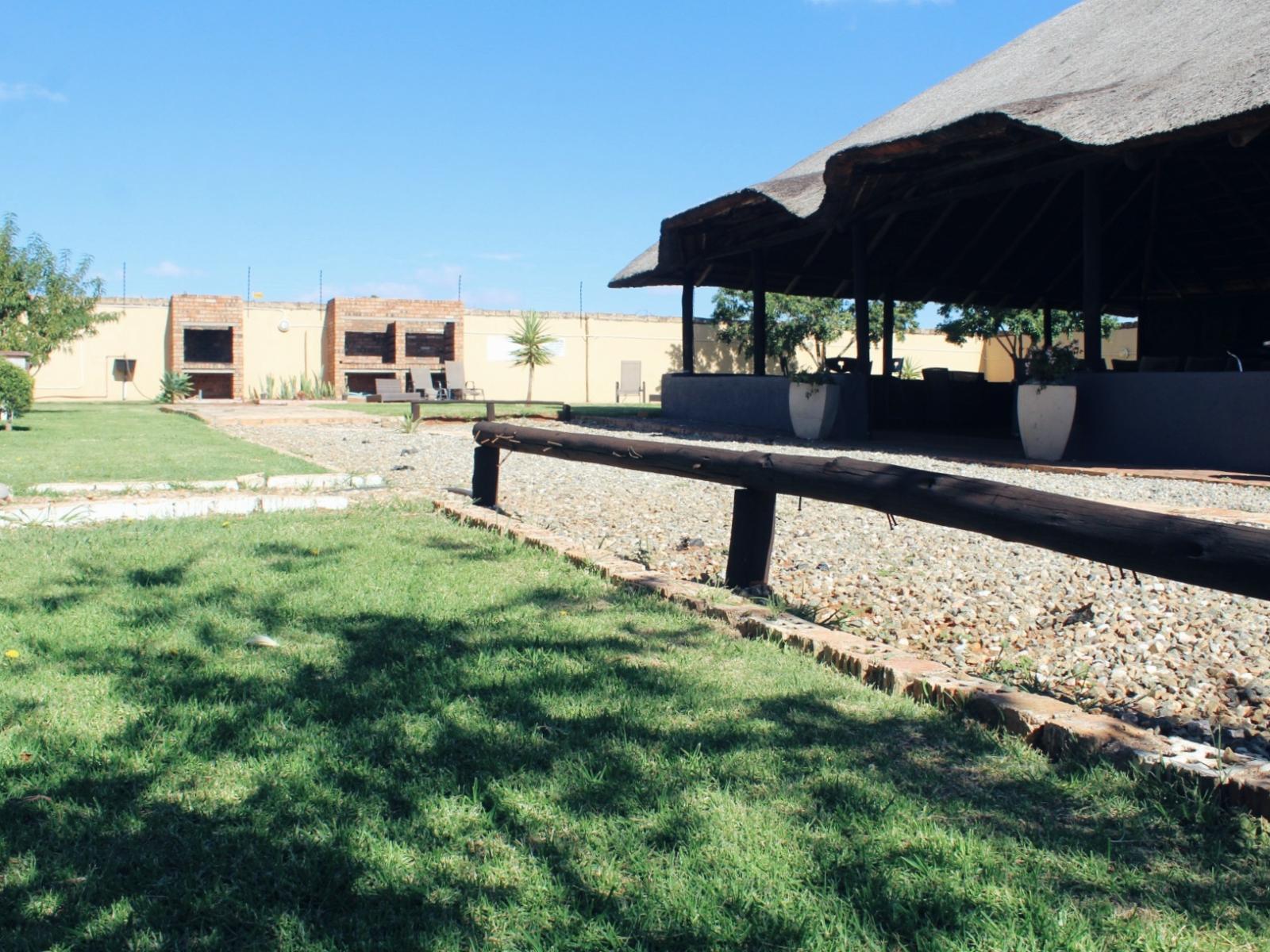
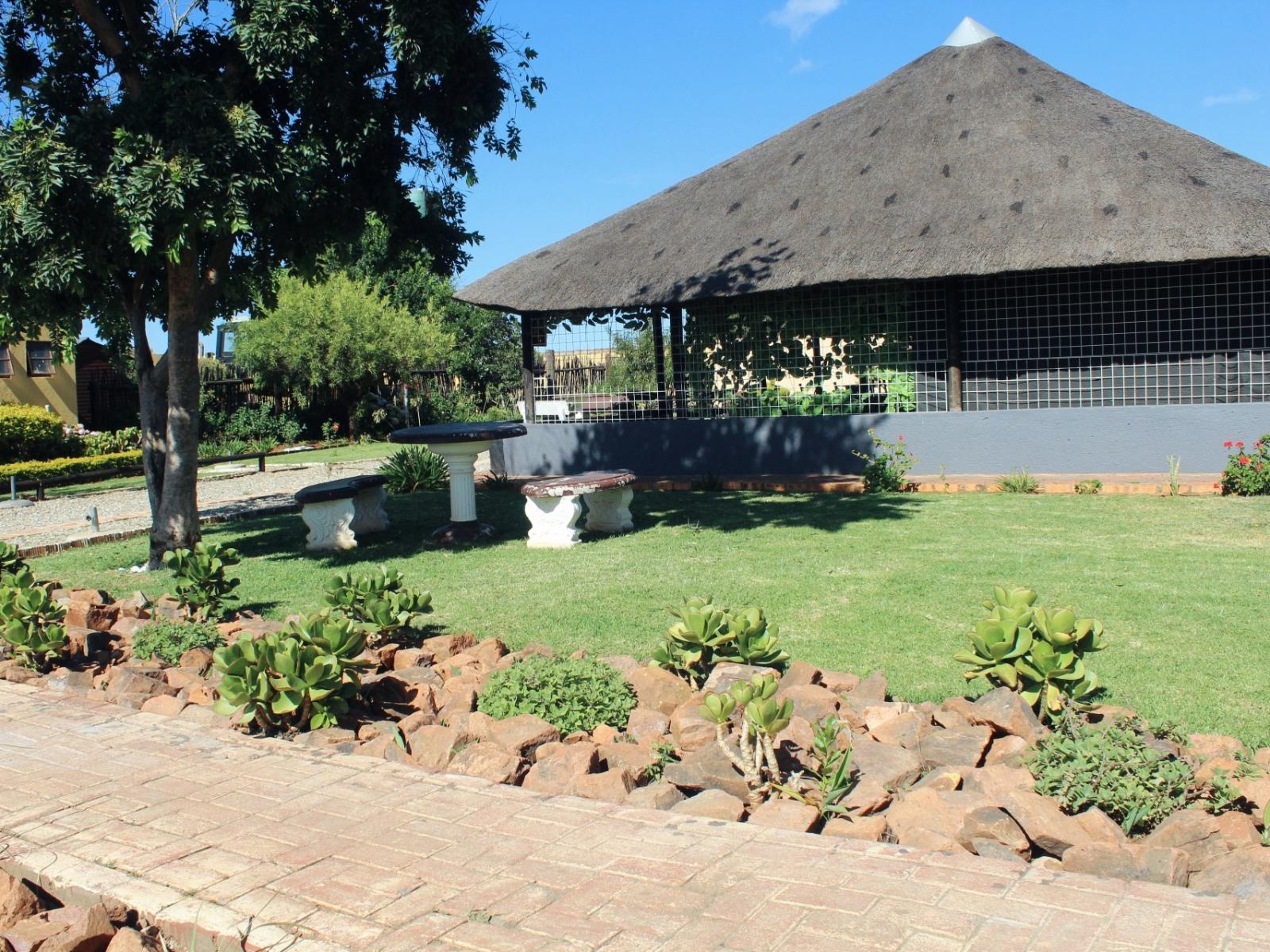
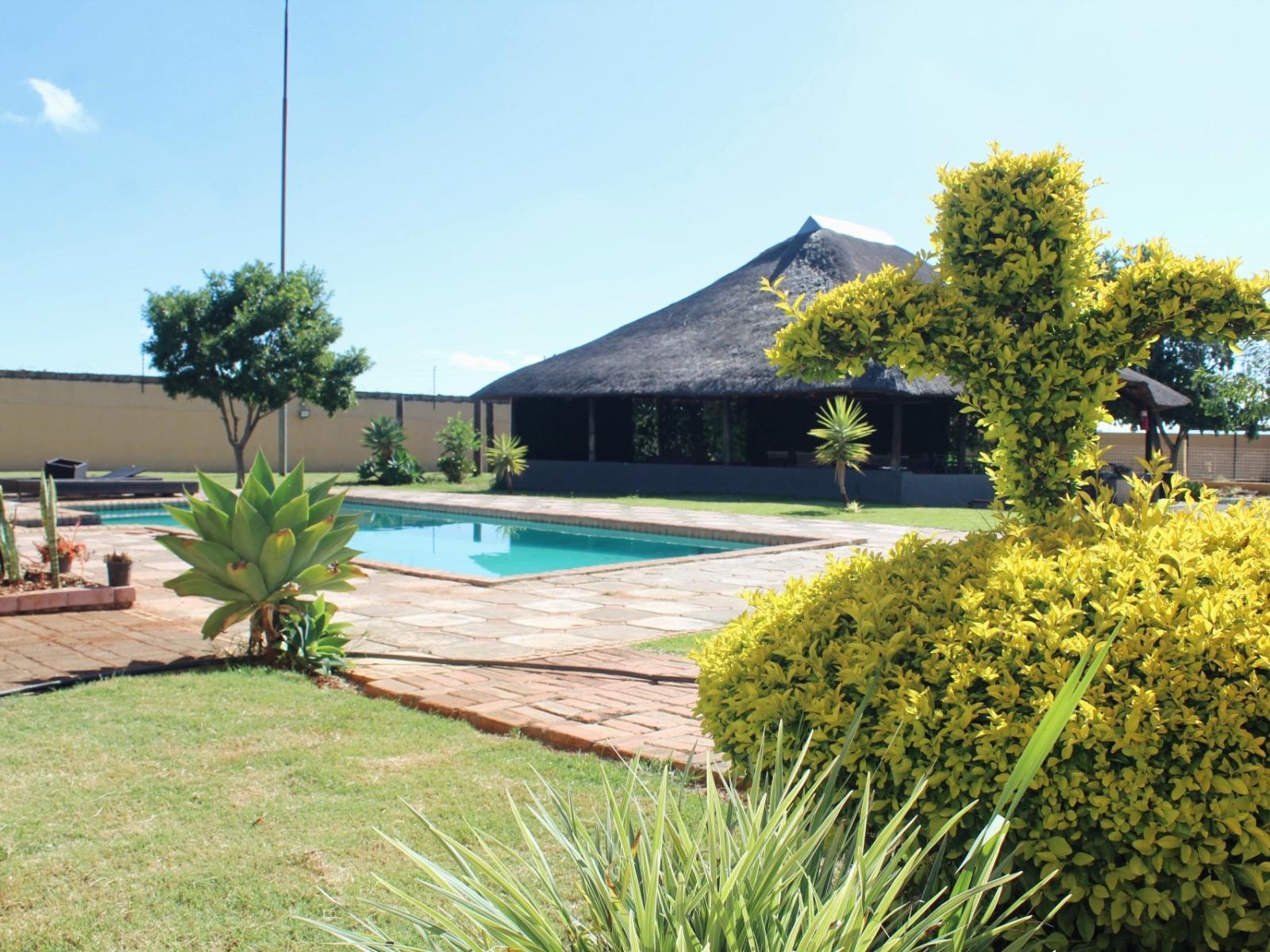
Mid-range options in the broader area take the form of farm stays and small bushveld lodges offering en-suite rooms, braai facilities, and communal outdoor areas. Some of these properties have established relationships with the open-air museum, so staff are often well-informed about local heritage and can help plan day routes or suggest additional contacts. The trade-off is that group bookings can claim rooms for stretches of days at a time, leaving independent travellers without options if they have not planned ahead.
Those wanting more polished facilities will find that Polokwane carries the upper end of the local market. Well-run guesthouses and mid-sized hotels serve business travellers alongside tourists, offering reliable breakfast, secure parking, and easier access to restaurants. The drive from the city to the museum is short enough to make a Polokwane base workable for most itineraries. Visitors spending multiple days in the region and wanting to move away from the city atmosphere should focus their search on properties in the farming belt to the north, even if these require more effort to identify and book.
Best Time to Visit Bakoni
Limpopo divides cleanly into two seasons, and the one you choose will shape the experience considerably. Summer, from October through April, is hot and stormy. Temperatures regularly push above 35 degrees Celsius, and afternoon thunderstorms can disrupt outdoor activity at the open-air museum. The compensating factor is that the bush is at its greenest, water sources are high, and birdlife peaks as migratory species move through the region.
Winter, from May through September, suits most visitors better. Daytime temperatures sit comfortably in the low to mid-20s, evenings cool without becoming cold, and dry air improves visibility across the archaeological landscape. Deciduous trees lose their leaves during this period, making the ancient stone terracing and enclosure walls easier to follow on foot.
The South African school calendar shapes visitor flow at the Bakone Malapa Open-Air Museum. School holidays in June and July, and again in September and October, bring organised groups that can make the site feel noticeably busier. Independent visitors who prefer a quieter experience should aim for May or August, when conditions are at their most comfortable and groups have returned to school.
Getting to Bakoni
Polokwane, the capital of Limpopo province, is the nearest major city and the practical hub for any visit to the Bakoni area. Polokwane International Airport receives domestic flights from Johannesburg and handles vehicle hire at the terminal. Your own transport is effectively essential, as public minibus services do not extend reliably to the museum or to the rural communities surrounding it. Long-distance coaches from Johannesburg serve Polokwane but do not reach the museum area, so hiring a car remains the practical solution for the final leg.
By road from Johannesburg, the N1 highway runs north through Bela-Bela and Mokopane to Polokwane, a distance of approximately 300 kilometres that takes around three hours in good traffic. From Pretoria the journey is roughly 260 kilometres along the same route. The N1 is tolled for most of its length.
The Bakone Malapa Open-Air Museum is approximately 10 kilometres north of Polokwane's city centre, reached along routes signposted from the main roads leaving town. Access roads to the museum are tarred, though connecting tracks to surrounding farms and rural communities are gravel and can become slippery after summer rain.
Travellers coming from Zimbabwe via the Beit Bridge border post face around 550 kilometres southward on the N1 to reach Bakoni. Louis Trichardt, roughly 170 kilometres north of Polokwane, provides a practical fuel and rest stop on this route.
Bakoni and Surrounding Areas
The communities within 15 kilometres of Bakoni extend any visit beyond the museum and offer different angles on the region's geography and layered history. Several can be combined into a single half-day circuit without significantly extending driving distances.
Sterkfontein, just 2 kilometres from the museum, is the nearest of these areas. The Afrikaans name translates roughly as strong spring or strong fountain, pointing to reliable water sources that shaped settlement patterns across this landscape long before the area acquired a colonial name. Its proximity makes it a natural first stop on any loop heading away from the main site.
Nemba, 3 kilometres out, is a small rural community without formal visitor infrastructure. For those trying to understand how contemporary communities inhabit the same landscape the Bakone settlers once worked, Nemba provides a reference point where everyday patterns of farming and daily life continue alongside the visible archaeological record.
Ndambo, at 9 kilometres, sits far enough from the museum to work as a standalone destination. The road between Bakoni and Ndambo passes through open bushveld, and the drive is productive for birders willing to stop at intervals along the way.
Ga-matloponya, 12 kilometres away, is a Sepedi-speaking community whose name reflects the Northern Sotho presence that has defined this part of Limpopo for generations. Visitors interested in living cultural continuity rather than purely archaeological remains will find the surrounding area worth a stop.
Paardensoek, also at 12 kilometres, has an Afrikaans name that speaks to the farming and settler history layered over older Bakone occupation. Its position in the same landscape as the stone terracing systems makes the contrast between historical periods apparent for anyone looking.
Thabaleboto, at 14 kilometres, takes its name from the Sepedi word for hill. Rocky outcrops are common in this direction, and these formations were the source of the building materials used for the enclosures the Bakone communities constructed across the plateau. Seeing that terrain in its natural state adds a practical dimension to what the museum's exhibits describe.
Planning Your Stay
With no direct listings in Bakoni, the first practical step is confirming a Polokwane base and arranging vehicle hire. Once both are in place, the itinerary assembles without significant difficulty.
Book accommodation at least two to three weeks ahead if you are visiting between May and September, when favourable conditions draw more visitors to Limpopo. Smaller lodges and farm stays north of the city can be claimed by group bookings for extended stretches, leaving independent travellers without options if they leave things to the last minute.
Before confirming a booking, check whether breakfast is included or charged separately, whether secure off-street parking is available, and whether the host can suggest a local guide for the museum. On-site guides at Bakone Malapa are knowledgeable, but local guesthouses sometimes have contacts with independent community guides who address aspects of living heritage not covered by the formal tour.
Verify current opening hours and entrance fees directly with the museum before travelling, as information available online can lag behind actual operating conditions. Conservation or maintenance work occasionally closes specific sections of the outdoor site.
Carry cash for transactions in the rural areas around Bakoni, and fill up the vehicle before leaving Polokwane each day rather than depending on finding fuel closer to the site. Mobile signal holds up near the city but weakens in more remote pockets of the region, so download any offline maps before leaving.