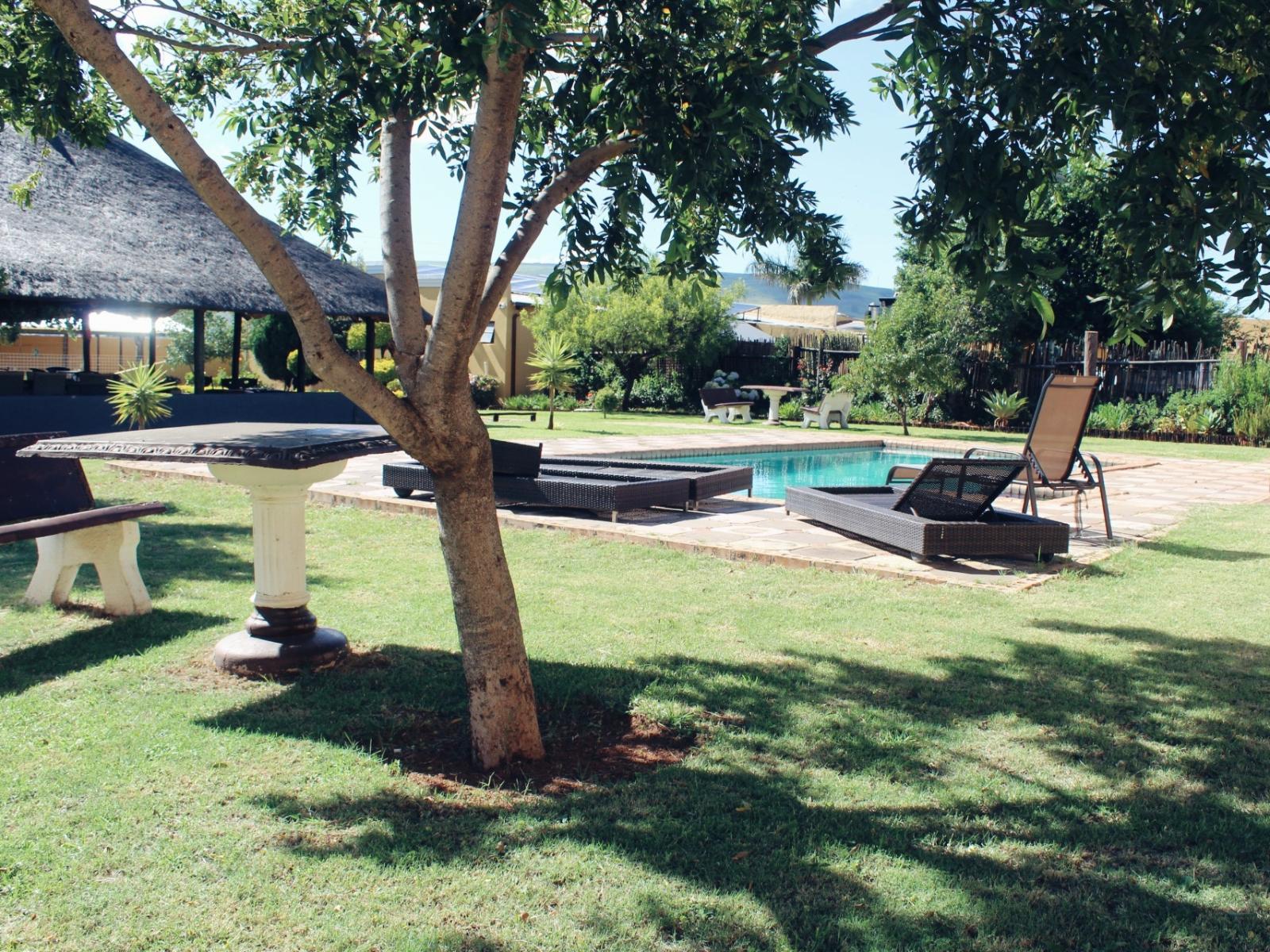
Accommodation in Sterkfontein
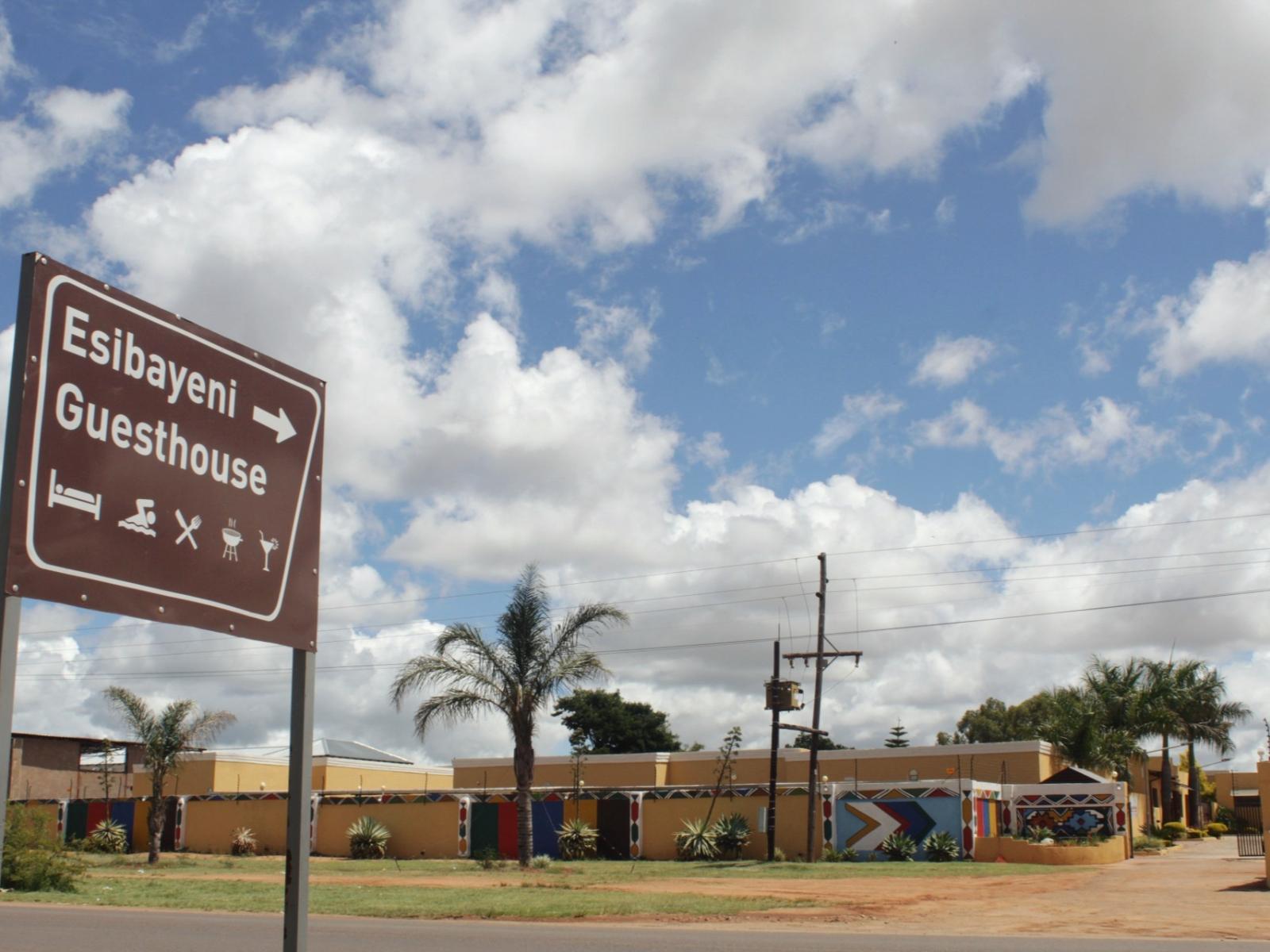
The accommodation offering in Sterkfontein reflects the character of the Sekhukhune District: practical, unpretentious, and oriented toward function rather than leisure. Currently no formal properties appear on major booking platforms, and where accommodation exists it tends to circulate through local networks, word of mouth, or direct contact with farm owners and community guesthouses. Pricing and availability are best confirmed directly with hosts.
At the budget end, travelers can expect basic guesthouses and rooms attached to local homesteads. These are often places where a host will prepare an evening meal on request and where the household routine begins well before sunrise. Facilities are clean but simple: a bed, a bathroom, and little else. For those passing through on business or visiting family in the district, this level of lodging is entirely adequate.
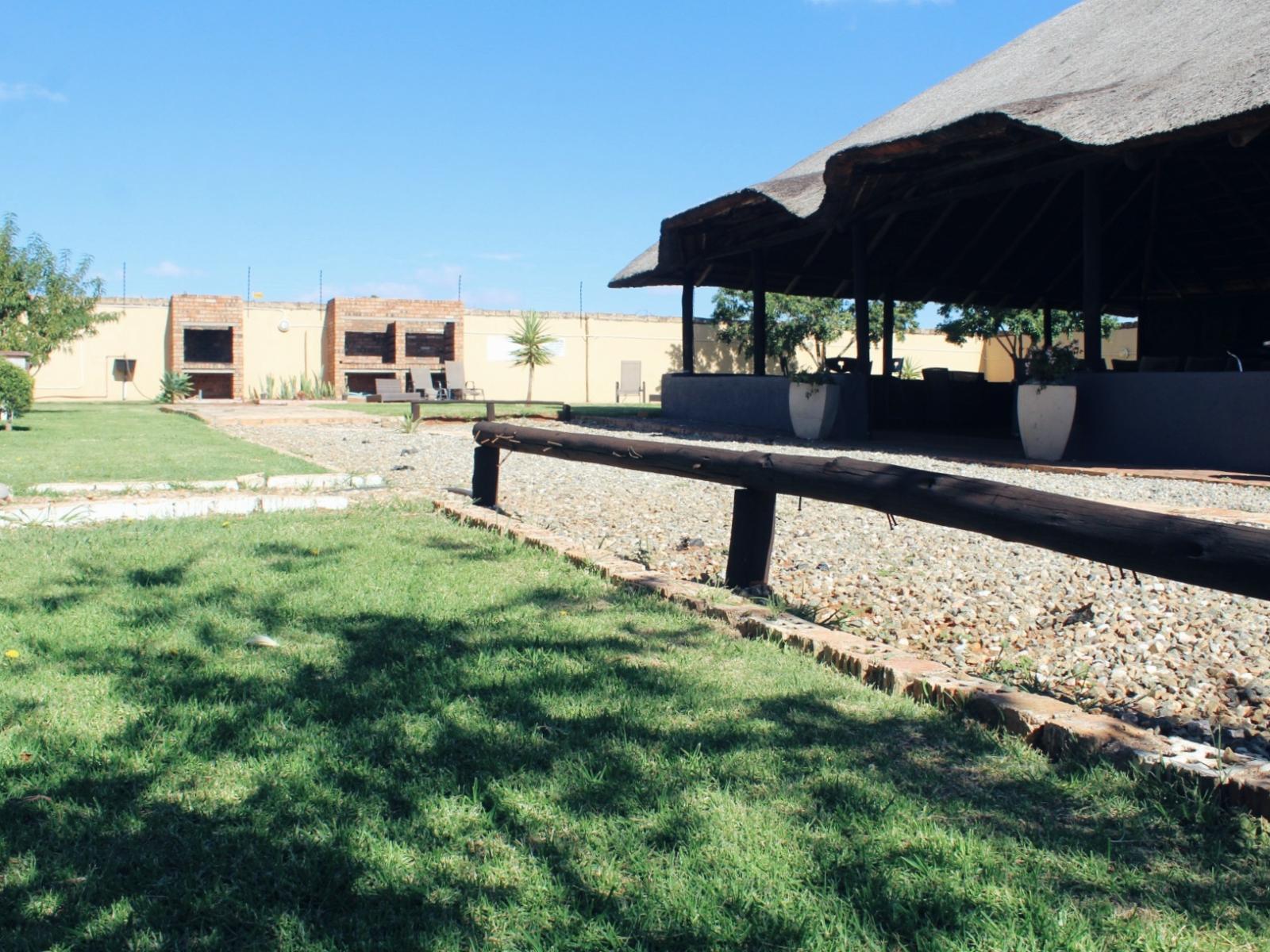
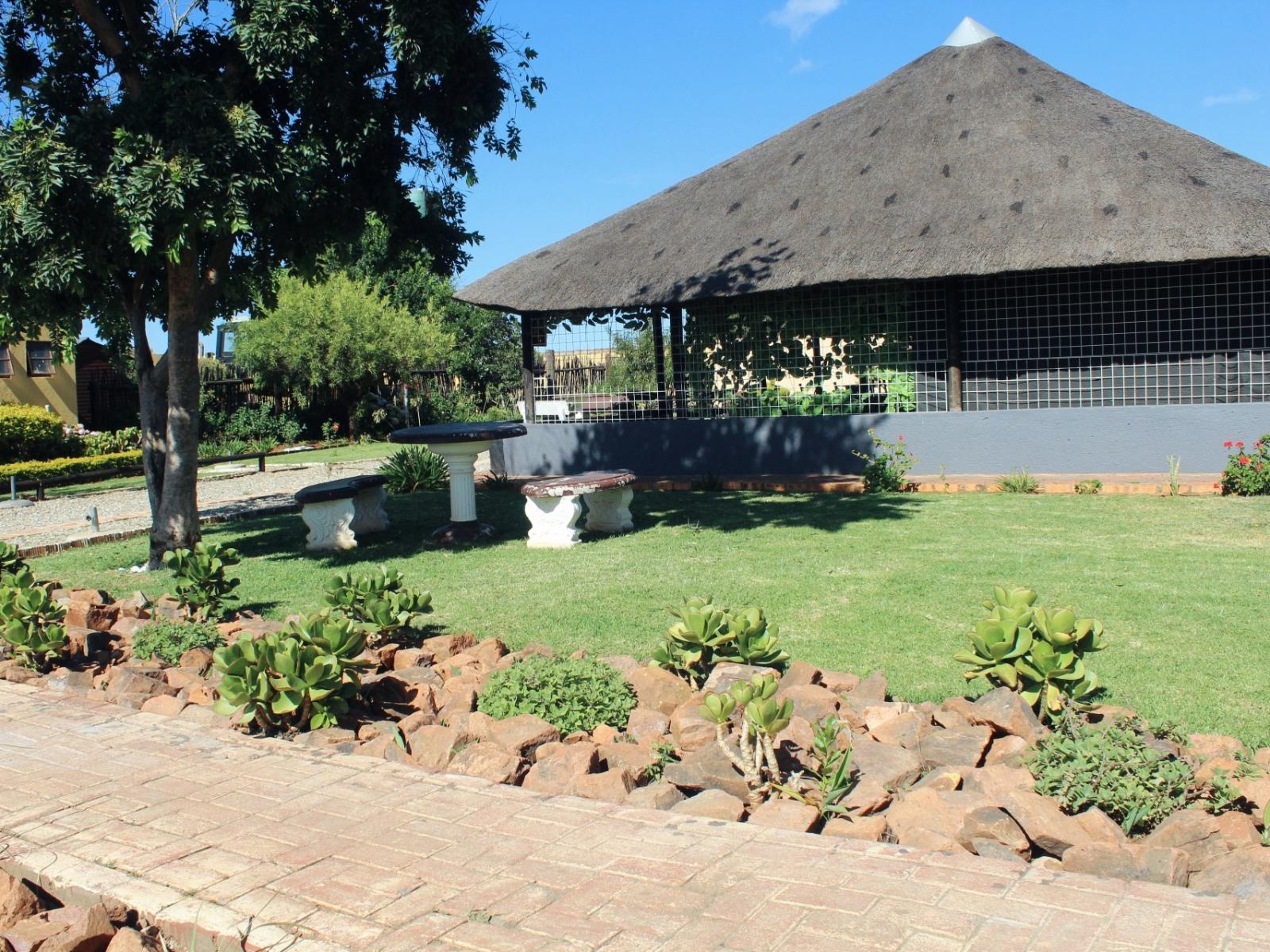
Mid-range options in the broader district lean toward farm stays, where accommodation sits within working agricultural land. Maize and cattle farms occasionally take in guests, particularly during quieter agricultural seasons, and this arrangement offers genuine insight into how the land is worked and managed. Rooms tend to be more spacious than in town, and some farms maintain braai areas or communal outdoor spaces for evenings.
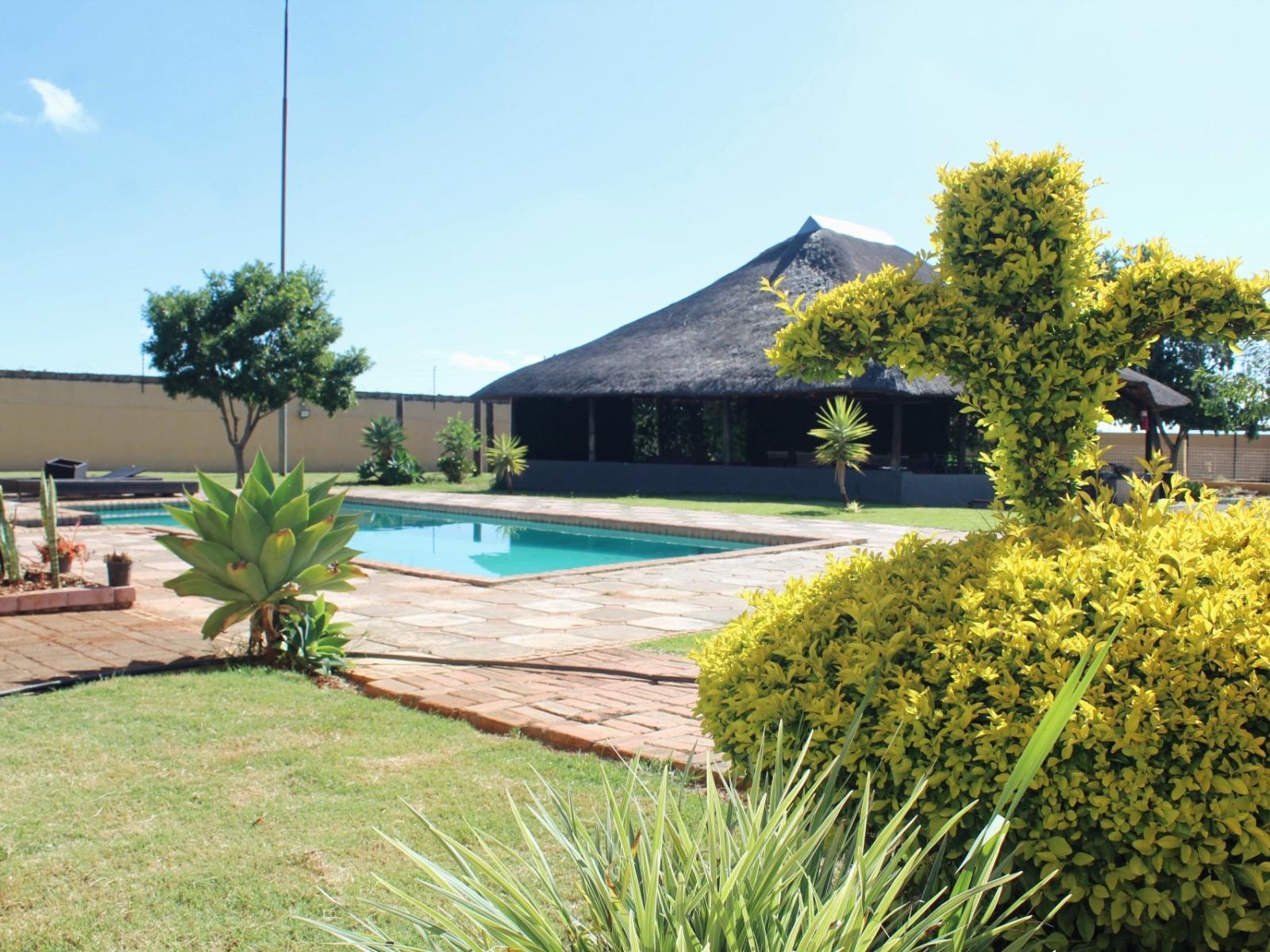
Upper-tier accommodation in this part of Limpopo does not mean resort facilities. It means a guesthouse with reliable hot water, a stable electricity supply, possibly a generator for load-shedding periods, and a host who knows the district's roads and rhythms. Anyone expecting boutique lodging will need to recalibrate expectations before arriving. The appeal here is authenticity rather than comfort, and travelers who understand that trade-off often find the experience more grounding than a standard hotel stay.
Self-catering options are worth seeking if you plan to stay for several days, as they reduce dependence on irregular catering arrangements and give more flexibility around arrival and departure times.
Best Time to Visit Sterkfontein
The climate follows the highveld bushveld pattern typical of this part of Limpopo. Summer runs from October through March and brings hot, humid conditions with afternoon thunderstorms concentrated in January and February. Temperatures regularly exceed 35°C during peak summer months, and the rainfall, while welcome for farming communities, can make gravel approach roads difficult to navigate and prone to washouts.
Winter, from May to August, is dry and considerably cooler. Days remain clear and often warm, reaching 20°C or above, while nights can drop sharply toward freezing in June and July. This is the more comfortable season for road travel and for moving around the district on foot. Vegetation thins significantly during the dry months, which makes it easier to read the landscape and spot cattle and wildlife near water sources.
Spring, from September through October, brings the first rains after the long dry winter and sees the bush green up quickly. Temperatures are pleasant and the countryside refreshes before the full summer heat takes hold.
There is no defined tourist high season in Sterkfontein. The area sees steady, low-volume traffic from business visitors and people making family visits throughout the year. South African school holidays, falling in December and April, may put modest pressure on any available accommodation.
Getting to Sterkfontein
The nearest commercial airport is Polokwane International, which handles domestic routes from Johannesburg and Cape Town. From Polokwane, the drive south into the Sekhukhune District takes approximately two hours via the R37 and connecting rural roads. Conditions vary and the final approach to Sterkfontein may include unsealed sections depending on the specific route taken.
From Johannesburg, the distance is roughly 250 to 300 kilometers, typically following the N1 north through Pretoria before turning east into Limpopo toward the Sekhukhune District. Allow between three and four hours and factor in additional time if you are unfamiliar with the route or traveling during the wet season when road surfaces deteriorate. Marble Hall, to the south of the district, and Groblersdal, further west, serve as useful waypoints and are the nearest towns offering fuel stations and basic services.
There is no regular public transport to Sterkfontein. Minibus taxis connect some of the larger district towns but do not serve smaller settlements reliably and operate on informal schedules. Hiring a vehicle at Johannesburg, Lanseria, or Polokwane airport is the most practical arrangement. A standard sedan manages the main routes, though a vehicle with higher ground clearance is useful for accessing farms and rural tracks.
Sterkfontein and Surrounding Areas
The communities surrounding Sterkfontein are predominantly small rural settlements shaped by the Pedi cultural geography of the Sekhukhune District. None currently have developed tourist infrastructure, but each offers context for understanding the district and makes for worthwhile short excursions from Sterkfontein as a base.
Bakoni, 2 kilometers away, is among the closest neighboring communities. The Bakoni are among the oldest established groups in this region, historically connected to the broader Northern Sotho communities of Limpopo and long part of the social fabric of the Sekhukhune highlands. A short drive here gives perspective on the community networks that define daily life in the area.
Nemba, 4 kilometers out, sits within the same agricultural corridor as Sterkfontein. The village represents the communal land arrangements and subsistence-oriented farming patterns common across this part of the district, and is worth a visit for anyone seeking to understand how households and land are organized at the local level.
Ndambo, at 7 kilometers, lies further into the bushveld terrain. The settlement is small and largely self-contained, with scattered homesteads and cattle posts typical of the Sekhukhune landscape. The road out provides a clear view of the transitional zone between higher grasslands and lower bushveld.
Ga-matloponya, 10 kilometers from Sterkfontein, follows the "Ga-" naming convention of Pedi communities, indicating a place historically associated with a particular family group or lineage. Villages of this type reflect a political and social structure in which traditional authority remains influential alongside formal municipal governance, a dynamic that shapes how communities relate to outsiders and to land.
Thabaleboto, 12 kilometers distant, takes its name from the Pedi and Sesotho word "thaba," meaning mountain. The name suggests elevated terrain or a prominent rocky outcrop in the vicinity. The surrounding landscape in this direction tends toward the boulder-strewn slopes characteristic of the Sekhukhune foothills, and the drive there gives a sense of the region's more dramatic topography.
Paardensoek, 14 kilometers out, carries an Afrikaans name, from "paard" (horse) and "soek" (search or seek). The name points to the region's history of Afrikaner farm settlement, which coexisted alongside and at times violently conflicted with the Pedi communities that had long occupied the same territory. The juxtaposition of these names across the six nearby settlements traces the district's layered past more plainly than any formal monument could.
Planning Your Stay
Because formal listings in Sterkfontein are sparse, planning a trip here requires more direct communication than a standard booking platform allows. Contact accommodation providers well in advance, as capacity is genuinely limited and hosts may not monitor email or online channels consistently. Arriving without a confirmed booking is a real risk in this part of the district.
Before finalizing any arrangement, ask specifically about electricity reliability and whether a generator is available, as load-shedding schedules affect rural areas as much as cities. Confirm what is included in the rate and whether services such as collection from a nearby town or packed meals require separate arrangement.
Mobile phone signal is inconsistent between settlements. Download offline maps before leaving any major urban center, covering both the main road approaches and any secondary routes to specific farms or guesthouses you plan to visit.
Travel insurance that covers medical evacuation is advisable. The district presents no unusual safety concerns, but medical facilities are a significant distance away and response times in emergencies reflect that reality.
If your visit coincides with a local community gathering or agricultural event in the district, confirm dates independently before booking. Such events are rarely listed on official tourism channels and dates can shift without notice. A host with established local connections will generally be the most reliable source of this kind of information.