Nemba Reis- & Akkommodasiegids
Jou volledige gids om Nemba, Suid-Afrika te besoek.
Nemba is a small rural settlement in Limpopo Province, positioned in the lowveld region east of Tzaneen. The area serves as a gateway to subtropical farmlands and offers visitors a quiet base for exploring the agricultural heartland of South Africa's northeast.
## Accommodation in Nemba
Nemba is primarily a farming settlement rather than an established tourism destination, which means formal accommodation options are limited compared to the nearby town of Tzaneen. No properties are currently listed through major booking platforms, and nightly rates remain unconfirmed across accommodation types. Travellers should expect to make direct enquiries with local farms and guesthouses, or consider using Tzaneen as a base while day-tripping into the surrounding agricultural countryside.
At the budget end, self-catering cottages and basic farm chalets represent the most accessible option for those wanting to stay close to the fruit-growing heartland. These tend to be simple affairs attached to smallholdings, offering essentials without additional facilities. The appeal lies less in the rooms themselves and more in the setting, where mornings bring bird activity across banana and mango plantations.
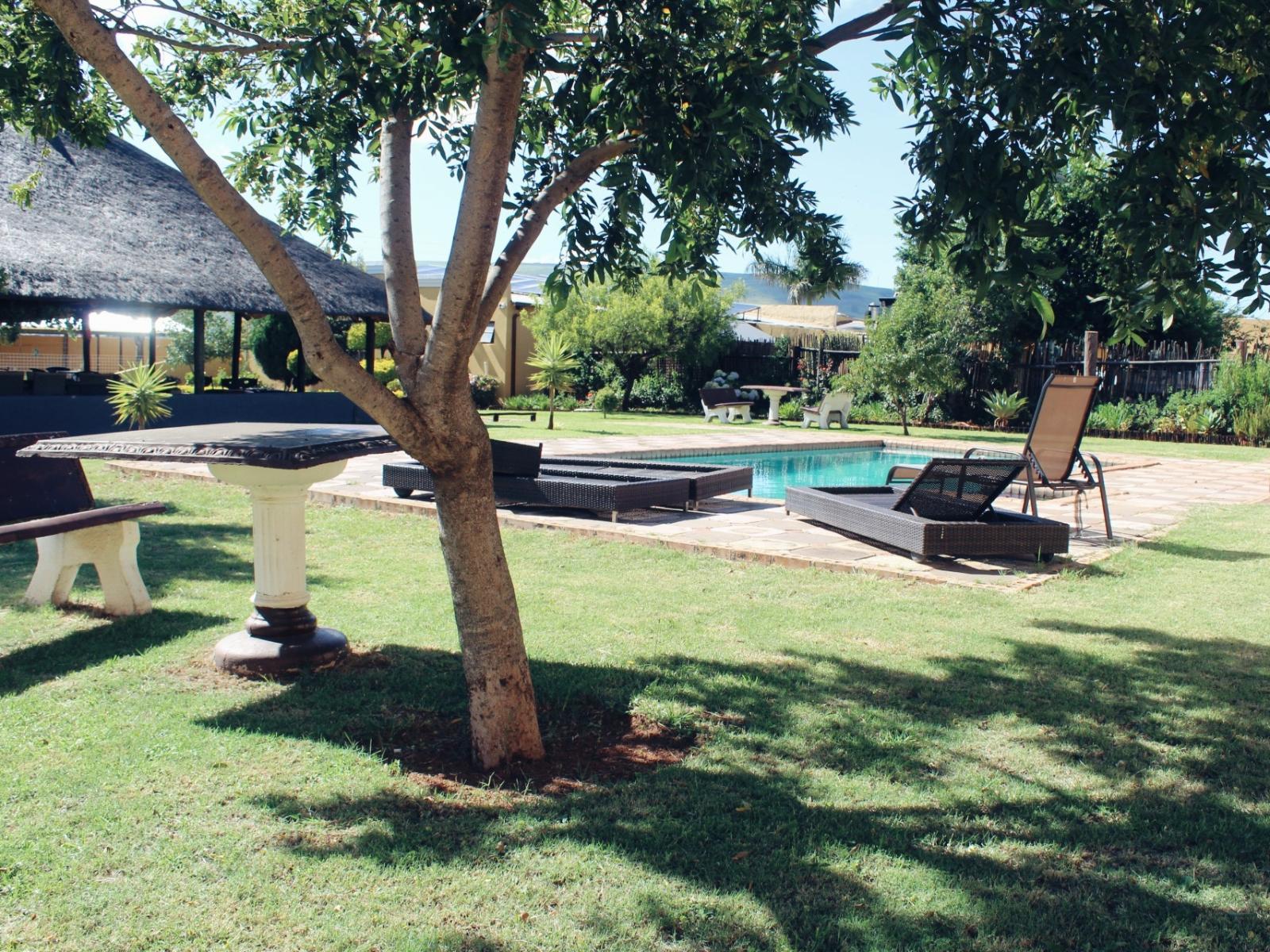
Mid-range options in the broader area lean toward farm stays and guesthouses that include meals and guided farm tours. Several agricultural properties in the Tzaneen district have opened to visitors interested in subtropical fruit cultivation, from avocado orchards to macadamia groves. Accommodation at this tier typically includes access to outdoor areas and sometimes a swimming pool, which becomes a genuine consideration during summer.
Upper-tier options are scarce within Nemba itself. Travellers seeking more comfort without venturing far will find lodges and boutique guesthouses in the Tzaneen and Magoebaskloof corridor. These properties tend to offer river or forest frontage, private chalets with en-suite facilities, and full-board arrangements. Demand from Gauteng travellers during school holidays and long weekends can push availability down quickly, so forward planning matters considerably for this tier.
The absence of current listings reflects Nemba's character as a working rural area rather than a packaged destination. Those willing to search beyond the major booking engines often find locally run accommodation that suits the pace of the place.
---
## Best Time to Visit Nemba
The lowveld around Nemba follows a clear two-season rhythm that shapes what a visit looks and feels like. Summer, from October through March, brings humidity, temperatures frequently above 30 degrees Celsius, and afternoon thunderstorms that clear the air without lasting long. The vegetation is dense and green during these months, and fruit farms are at their most active as mango and avocado harvests get underway. Rain can make some dirt roads temporarily impassable, so checking conditions before exploring any rural tracks is worth doing.
Winter runs from May through August. Days settle into the low to mid-20s Celsius, nights turn cold, and rainfall drops sharply. The landscape opens up as the undergrowth thins, making this the preferred time for game viewing in the wider Limpopo region as wildlife concentrates around permanent water. Insects are far less prevalent, which makes outdoor activity considerably more comfortable.
April and September are shoulder months offering moderate temperatures and lighter tourist pressure. Birding is particularly rewarding from September as migratory species return to the bushveld. Those primarily interested in the agricultural side of the region, including farm tours and fresh produce, will find summer visits more fitting despite the heat.
---
## Getting to Nemba
Nemba sits approximately 30 kilometres east of Tzaneen along the R71, which connects Tzaneen to Phalaborwa. The road is tarred for most of its length, though the final approach to specific properties may involve district roads depending on your destination within the settlement.
From Johannesburg, the most direct route runs north on the N1 to Mokopane, then east on the R37 through Chuniespoort and Letsitele before reaching Tzaneen. Total distance is around 400 kilometres, with a driving time of four to five hours accounting for traffic through Pretoria. Polokwane lies roughly 140 kilometres west of Tzaneen and serves as a practical fuel and rest stop along the way.
The nearest commercial airport is Eastgate Airport in Hoedspruit, approximately 90 kilometres south of Tzaneen via the R527. Polokwane International Airport, around 190 kilometres to the west, serves additional routes from Johannesburg and operates scheduled flights that connect to a hire car network. Renting a vehicle from either airport is strongly advisable as public transport does not extend reliably into rural areas like Nemba.
Local minibus taxis operate between Tzaneen and outlying communities and cover the main roads. These services may not reach individual farm properties, so combining a taxi into the general area with a prearranged pickup from your accommodation is a workable approach for those without a vehicle.
---
## Nemba and Surrounding Areas
The closest community to Nemba is Bakoni, just 3 kilometres away. Bakoni is one of the Northern Sotho-speaking settlements whose roots in the Tzaneen district run deep. For visitors, the community offers a ground-level view of how small-scale subsistence farming and traditional homestead life coexist alongside the commercial fruit operations that dominate the area's economy.
Sterkfontein, 4 kilometres from Nemba, takes its name from the Afrikaans term for a reliable or powerful spring. The name appears on farms across South Africa wherever a notable water source defined the land's value, and in this part of Limpopo the well-watered terrain near Nemba makes such a name entirely fitting. It should not be confused with the famous Sterkfontein archaeological site near Johannesburg, which is an unrelated location.
Paardensoek, 10 kilometres out, carries an Afrikaans name with roots in the colonial farming period. Properties with these names often preserve a record of early settler land use in areas that have since been repurposed for subtropical agriculture.
Ndambo, also 10 kilometres away, is a rural village typical of the Greater Tzaneen municipality's scattered settlement pattern. Communities like Ndambo form part of the economic backbone of the district, with many residents connected to the agricultural sector surrounding Nemba.
Dikgalaopeng and Ga-matloponya, both 12 kilometres from Nemba, carry Sepedi names that reflect the deeper cultural geography of this part of Limpopo. The "Ga-" prefix in Ga-matloponya is a standard marker in Northern Sotho place naming indicating a traditional authority or chief's territory. Together, these surrounding communities show how Nemba sits within a densely settled rural district where Indigenous land use and commercial farming share the same landscape.
---
## Planning Your Stay
Because Nemba has no listings currently available through mainstream booking platforms, planning a visit takes more preparation than a conventional destination. Contacting the Tzaneen Tourism office is a useful first step. They maintain updated information on farm accommodation, guesthouses, and self-catering options that may not appear online, and can advise on seasonal road conditions and any local events affecting availability.
When comparing properties, ask specifically about distance to Tzaneen for groceries and supplies, whether the property draws from borehole or municipal water, and how meals are handled. Many farm accommodations in this district are self-catering, so arriving with supplies is standard practice. Confirm whether air conditioning or ceiling fans are provided before committing, particularly for summer stays.
The December-to-January school holiday period and Easter weekend see increased demand as families from Gauteng move through Limpopo toward game reserves. Booking several weeks in advance during these periods is advisable. Winter travel offers more flexibility given lower demand, but check that your chosen property operates year-round, as some smaller farm stays close during the June-July quiet period. Confirming check-in arrangements and emergency contact numbers before departure is sensible in any rural area where mobile coverage can be intermittent.

Nemba is primarily a farming settlement rather than an established tourism destination, which means formal accommodation options are limited compared to the nearby town of Tzaneen. No properties are currently listed through major booking platforms, and nightly rates remain unconfirmed across accommodation types. Travellers should expect to make direct enquiries with local farms and guesthouses, or consider using Tzaneen as a base while day-tripping into the surrounding agricultural countryside.
At the budget end, self-catering cottages and basic farm chalets represent the most accessible option for those wanting to stay close to the fruit-growing heartland. These tend to be simple affairs attached to smallholdings, offering essentials without additional facilities. The appeal lies less in the rooms themselves and more in the setting, where mornings bring bird activity across banana and mango plantations.
Mid-range options in the broader area lean toward farm stays and guesthouses that include meals and guided farm tours. Several agricultural properties in the Tzaneen district have opened to visitors interested in subtropical fruit cultivation, from avocado orchards to macadamia groves. Accommodation at this tier typically includes access to outdoor areas and sometimes a swimming pool, which becomes a genuine consideration during summer.
Upper-tier options are scarce within Nemba itself. Travellers seeking more comfort without venturing far will find lodges and boutique guesthouses in the Tzaneen and Magoebaskloof corridor. These properties tend to offer river or forest frontage, private chalets with en-suite facilities, and full-board arrangements. Demand from Gauteng travellers during school holidays and long weekends can push availability down quickly, so forward planning matters considerably for this tier.
The absence of current listings reflects Nemba's character as a working rural area rather than a packaged destination. Those willing to search beyond the major booking engines often find locally run accommodation that suits the pace of the place.
---
## Best Time to Visit Nemba
The lowveld around Nemba follows a clear two-season rhythm that shapes what a visit looks and feels like. Summer, from October through March, brings humidity, temperatures frequently above 30 degrees Celsius, and afternoon thunderstorms that clear the air without lasting long. The vegetation is dense and green during these months, and fruit farms are at their most active as mango and avocado harvests get underway. Rain can make some dirt roads temporarily impassable, so checking conditions before exploring any rural tracks is worth doing.
Winter runs from May through August. Days settle into the low to mid-20s Celsius, nights turn cold, and rainfall drops sharply. The landscape opens up as the undergrowth thins, making this the preferred time for game viewing in the wider Limpopo region as wildlife concentrates around permanent water. Insects are far less prevalent, which makes outdoor activity considerably more comfortable.
April and September are shoulder months offering moderate temperatures and lighter tourist pressure. Birding is particularly rewarding from September as migratory species return to the bushveld. Those primarily interested in the agricultural side of the region, including farm tours and fresh produce, will find summer visits more fitting despite the heat.
---
## Getting to Nemba
Nemba sits approximately 30 kilometres east of Tzaneen along the R71, which connects Tzaneen to Phalaborwa. The road is tarred for most of its length, though the final approach to specific properties may involve district roads depending on your destination within the settlement.
From Johannesburg, the most direct route runs north on the N1 to Mokopane, then east on the R37 through Chuniespoort and Letsitele before reaching Tzaneen. Total distance is around 400 kilometres, with a driving time of four to five hours accounting for traffic through Pretoria. Polokwane lies roughly 140 kilometres west of Tzaneen and serves as a practical fuel and rest stop along the way.
The nearest commercial airport is Eastgate Airport in Hoedspruit, approximately 90 kilometres south of Tzaneen via the R527. Polokwane International Airport, around 190 kilometres to the west, serves additional routes from Johannesburg and operates scheduled flights that connect to a hire car network. Renting a vehicle from either airport is strongly advisable as public transport does not extend reliably into rural areas like Nemba.
Local minibus taxis operate between Tzaneen and outlying communities and cover the main roads. These services may not reach individual farm properties, so combining a taxi into the general area with a prearranged pickup from your accommodation is a workable approach for those without a vehicle.
---
## Nemba and Surrounding Areas
The closest community to Nemba is Bakoni, just 3 kilometres away. Bakoni is one of the Northern Sotho-speaking settlements whose roots in the Tzaneen district run deep. For visitors, the community offers a ground-level view of how small-scale subsistence farming and traditional homestead life coexist alongside the commercial fruit operations that dominate the area's economy.
Sterkfontein, 4 kilometres from Nemba, takes its name from the Afrikaans term for a reliable or powerful spring. The name appears on farms across South Africa wherever a notable water source defined the land's value, and in this part of Limpopo the well-watered terrain near Nemba makes such a name entirely fitting. It should not be confused with the famous Sterkfontein archaeological site near Johannesburg, which is an unrelated location.
Paardensoek, 10 kilometres out, carries an Afrikaans name with roots in the colonial farming period. Properties with these names often preserve a record of early settler land use in areas that have since been repurposed for subtropical agriculture.
Ndambo, also 10 kilometres away, is a rural village typical of the Greater Tzaneen municipality's scattered settlement pattern. Communities like Ndambo form part of the economic backbone of the district, with many residents connected to the agricultural sector surrounding Nemba.
Dikgalaopeng and Ga-matloponya, both 12 kilometres from Nemba, carry Sepedi names that reflect the deeper cultural geography of this part of Limpopo. The "Ga-" prefix in Ga-matloponya is a standard marker in Northern Sotho place naming indicating a traditional authority or chief's territory. Together, these surrounding communities show how Nemba sits within a densely settled rural district where Indigenous land use and commercial farming share the same landscape.
---
## Planning Your Stay
Because Nemba has no listings currently available through mainstream booking platforms, planning a visit takes more preparation than a conventional destination. Contacting the Tzaneen Tourism office is a useful first step. They maintain updated information on farm accommodation, guesthouses, and self-catering options that may not appear online, and can advise on seasonal road conditions and any local events affecting availability.
When comparing properties, ask specifically about distance to Tzaneen for groceries and supplies, whether the property draws from borehole or municipal water, and how meals are handled. Many farm accommodations in this district are self-catering, so arriving with supplies is standard practice. Confirm whether air conditioning or ceiling fans are provided before committing, particularly for summer stays.
The December-to-January school holiday period and Easter weekend see increased demand as families from Gauteng move through Limpopo toward game reserves. Booking several weeks in advance during these periods is advisable. Winter travel offers more flexibility given lower demand, but check that your chosen property operates year-round, as some smaller farm stays close during the June-July quiet period. Confirming check-in arrangements and emergency contact numbers before departure is sensible in any rural area where mobile coverage can be intermittent.
Nemba Kaart
Nabygeleë Bestemmings
Blaai Deur Alle Nemba Akkommodasie
Bekyk al 0 akkommodasie-opsies in Nemba met foto's, pryse en beskikbaarheid.
Blaai Deur Alle Akkommodasie