Accommodation in Dingapong
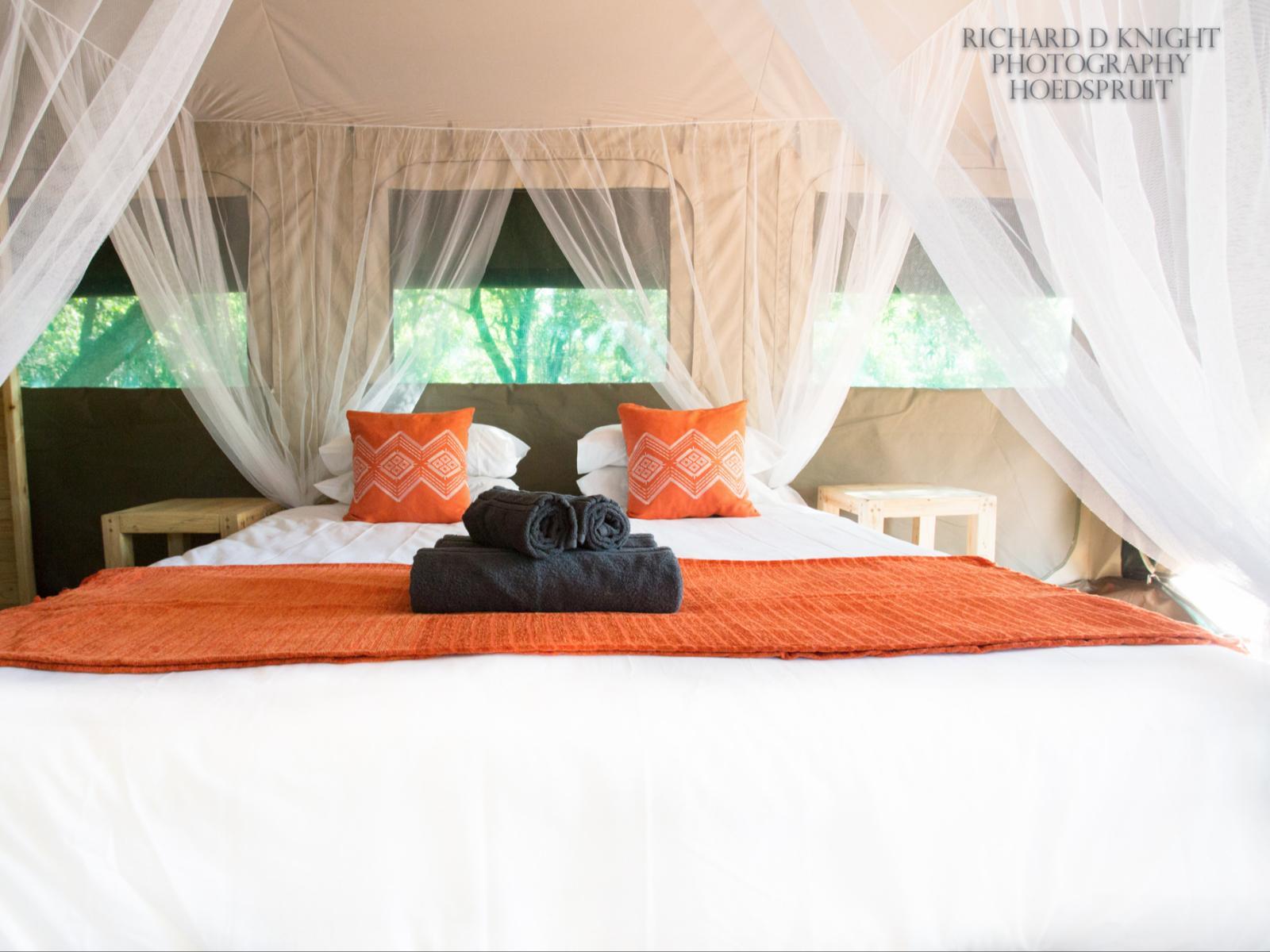
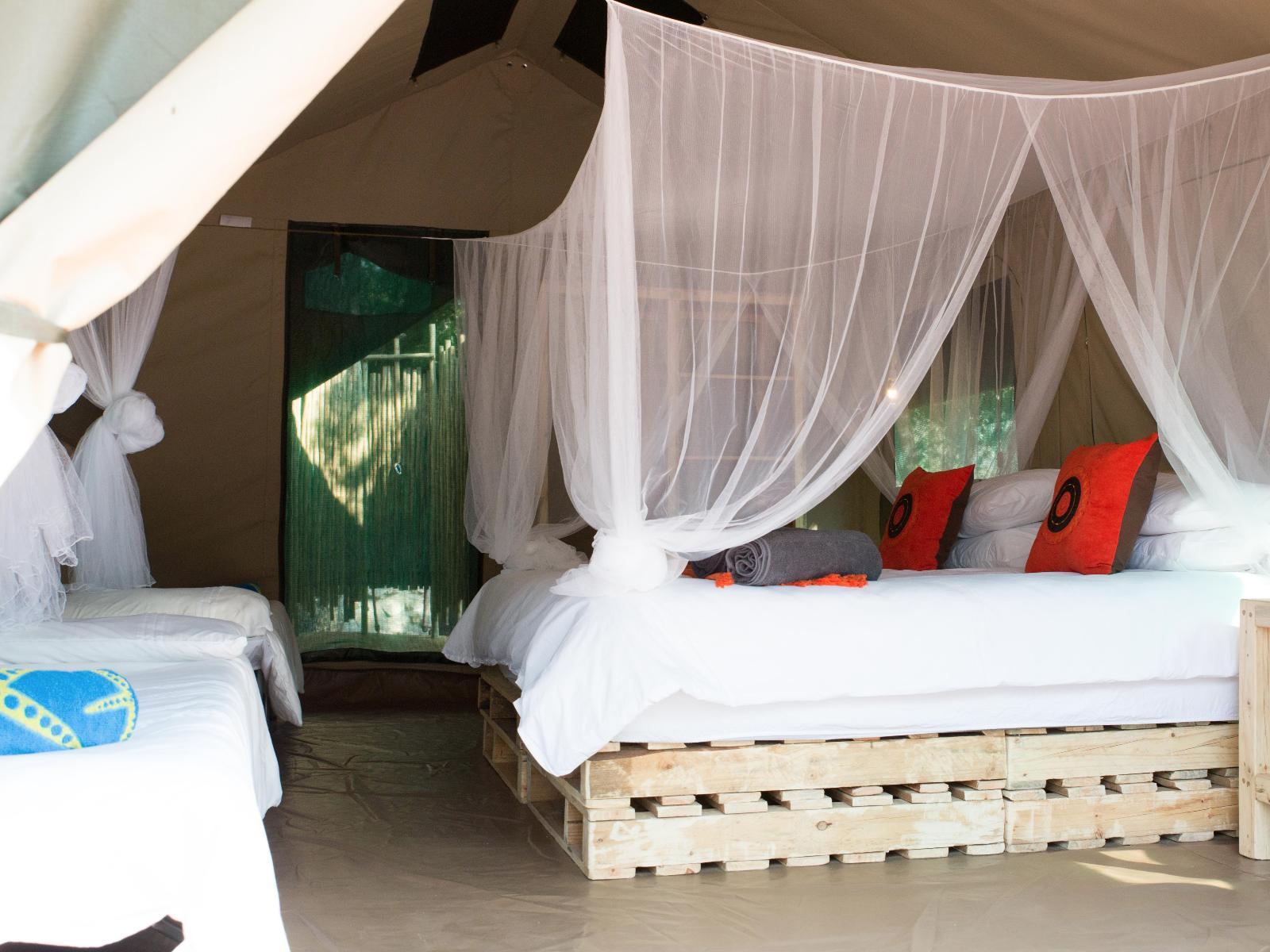
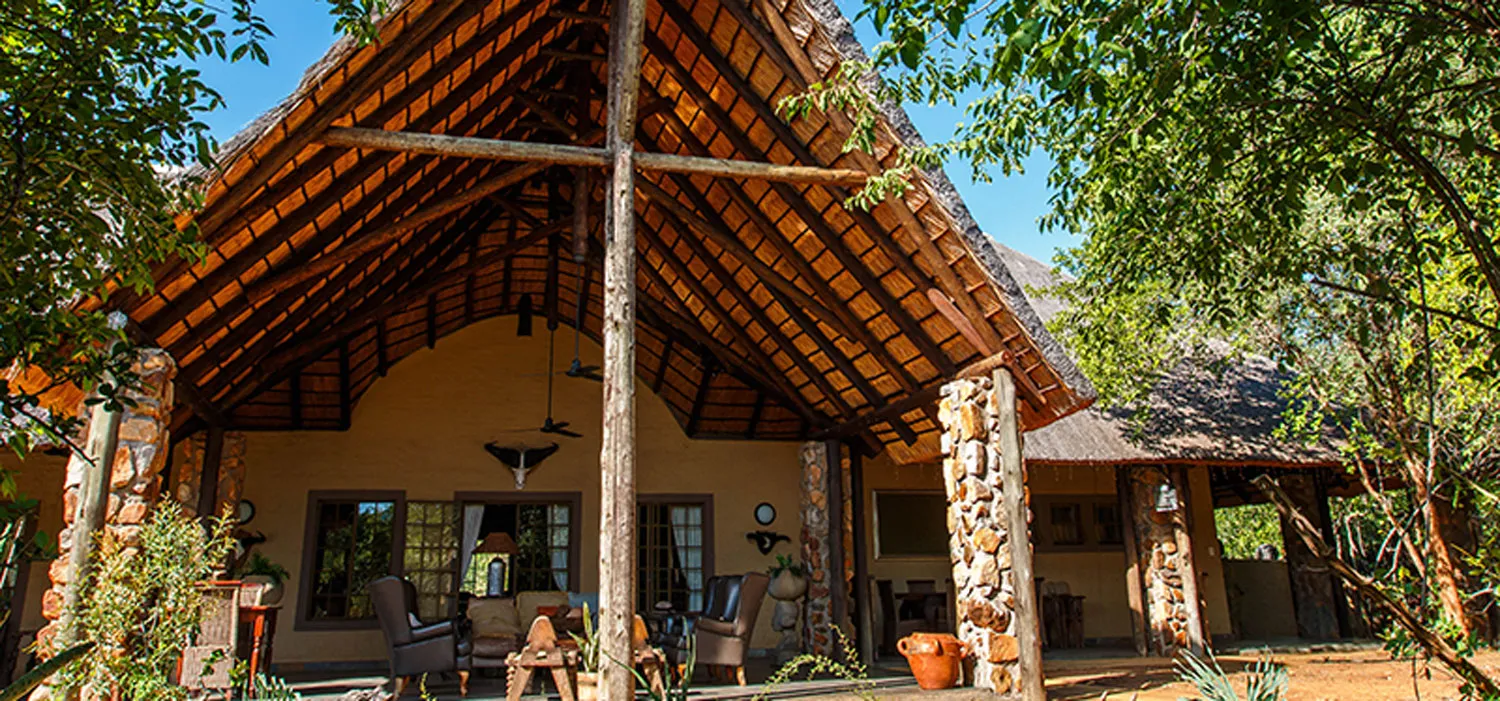
The accommodation market in Dingapong is compact, with a single listed property at R1,822 per night. That rate places the lodge in the mid-range bracket for rural Limpopo, where pricing reflects both limited competition and the operational realities of running a commercial property far from easy supply lines and major infrastructure.
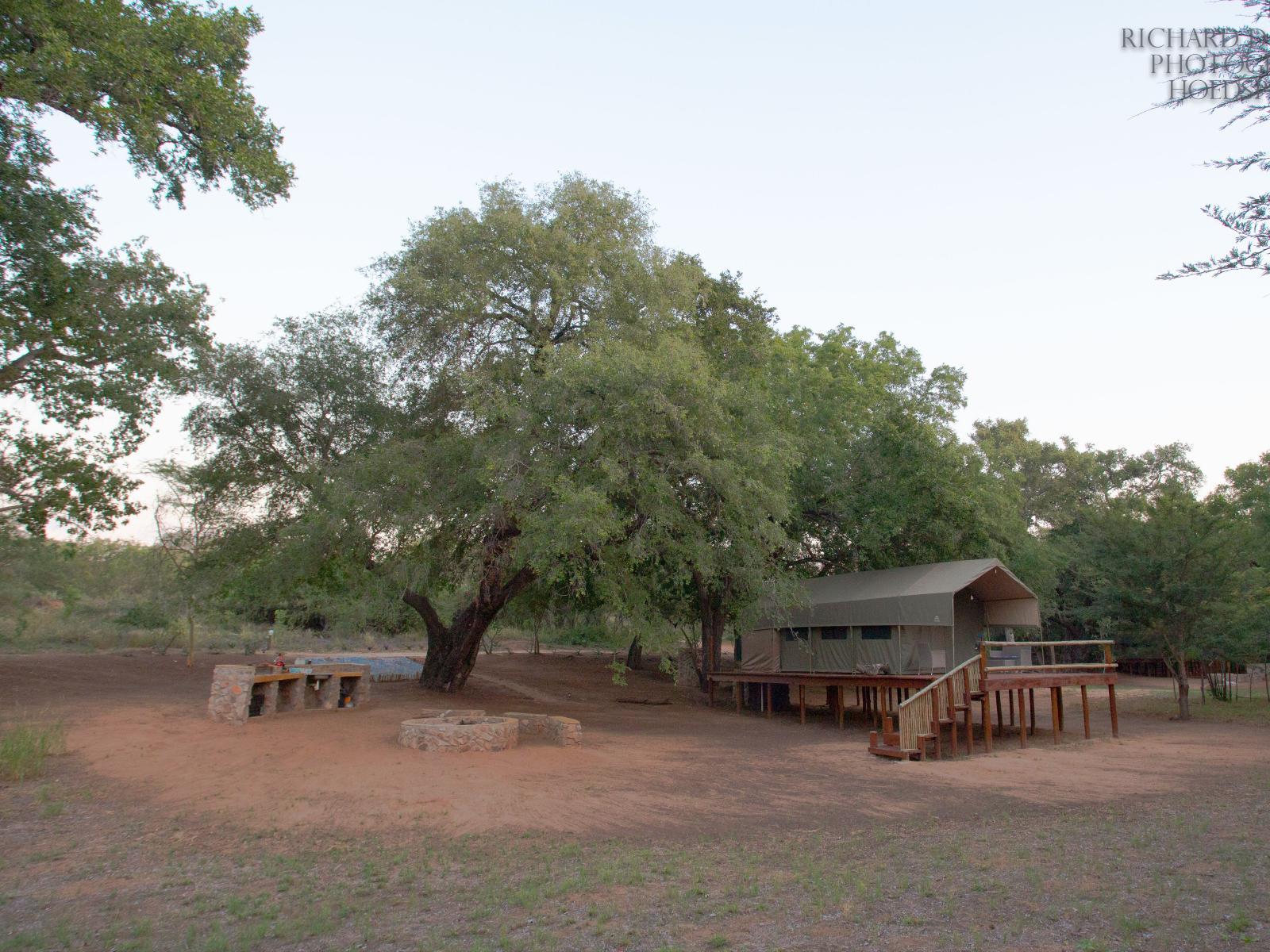
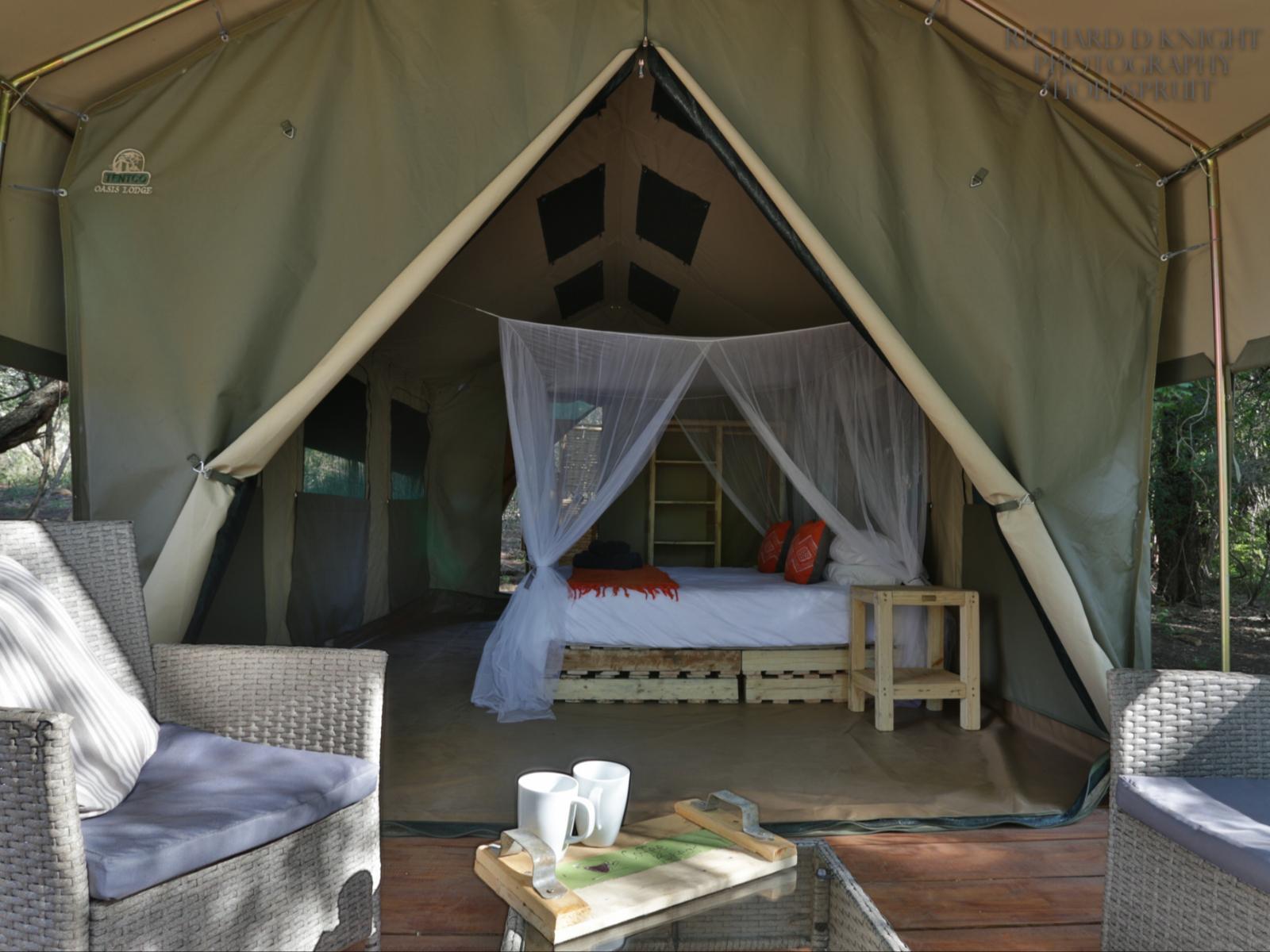
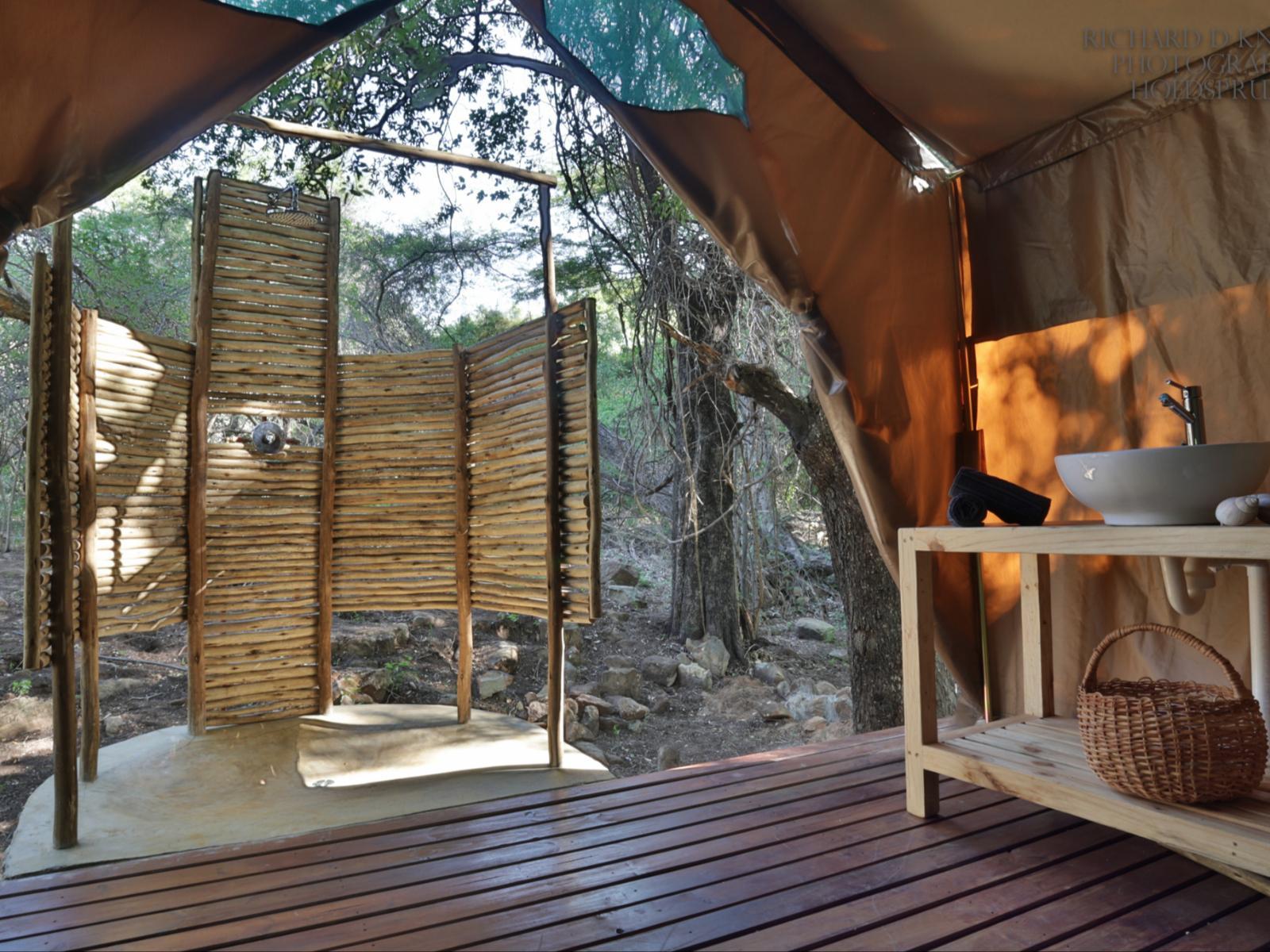
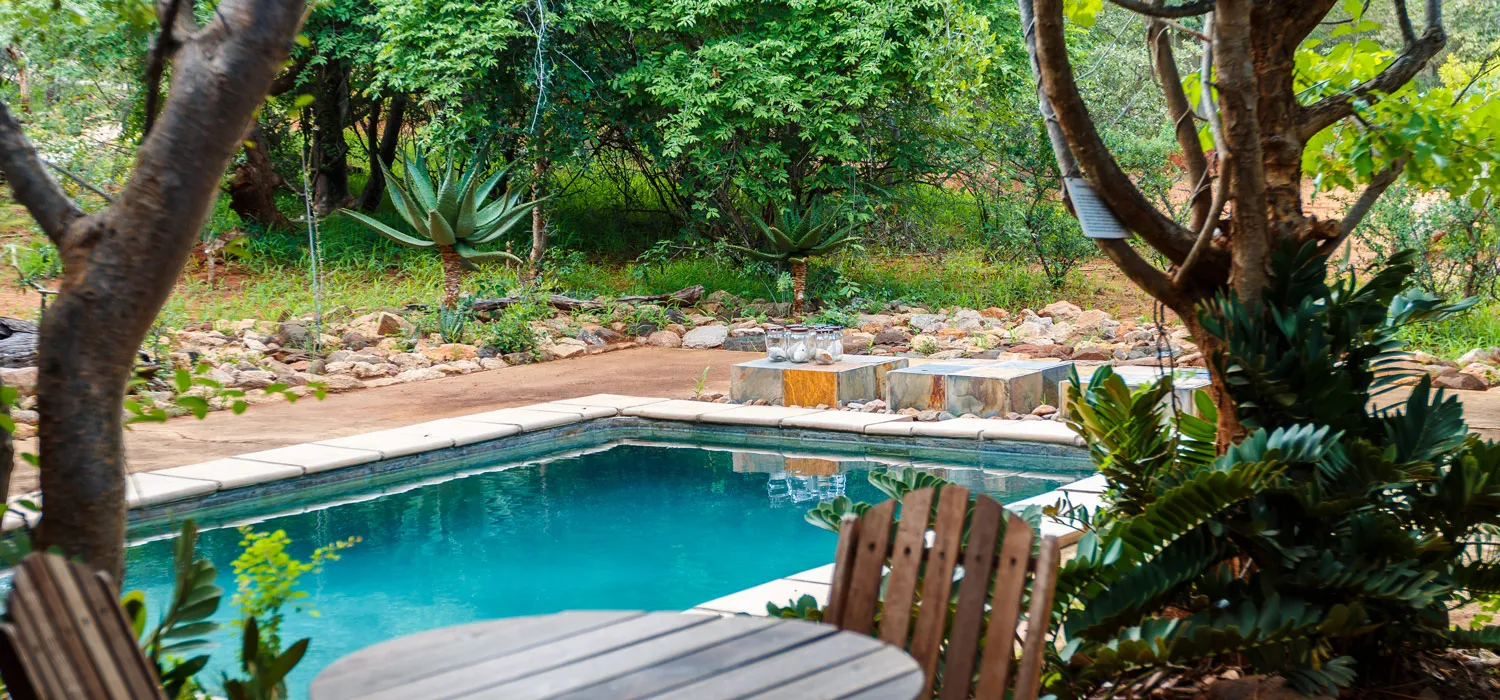
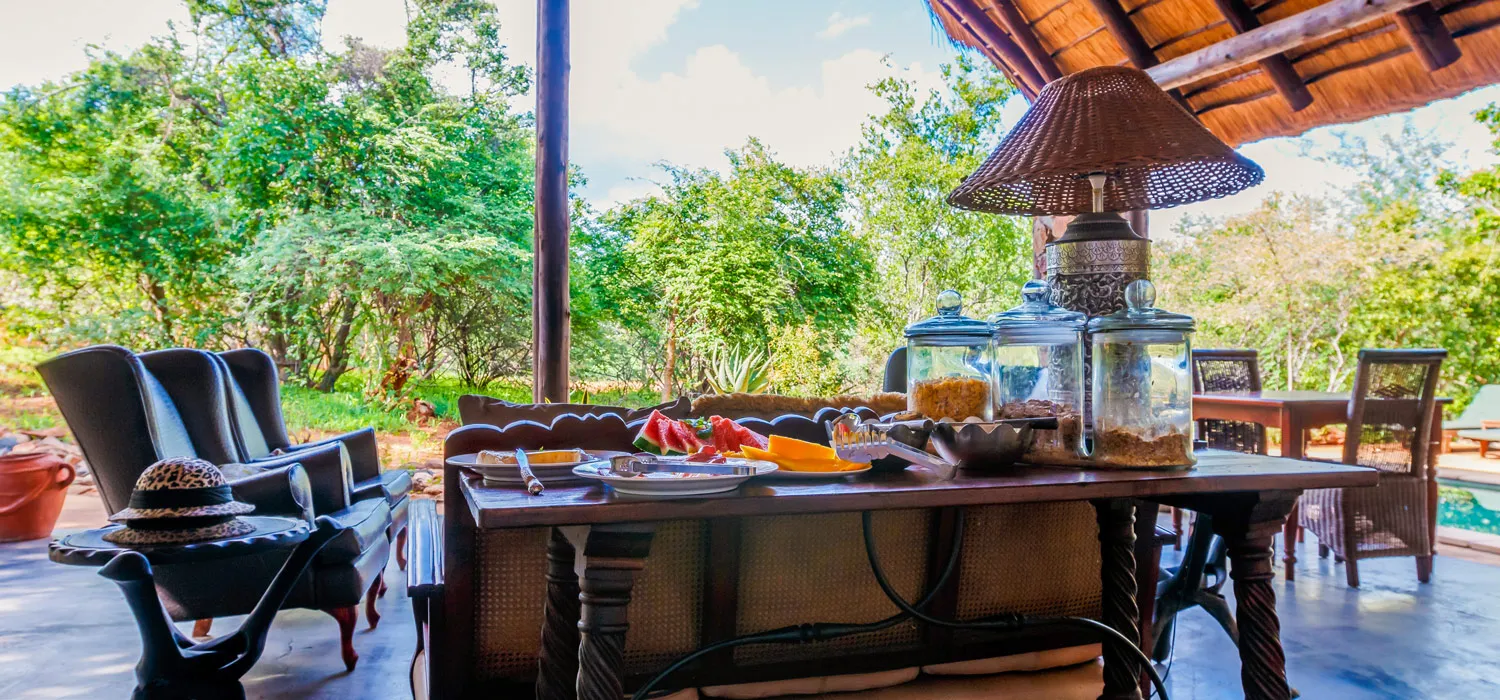
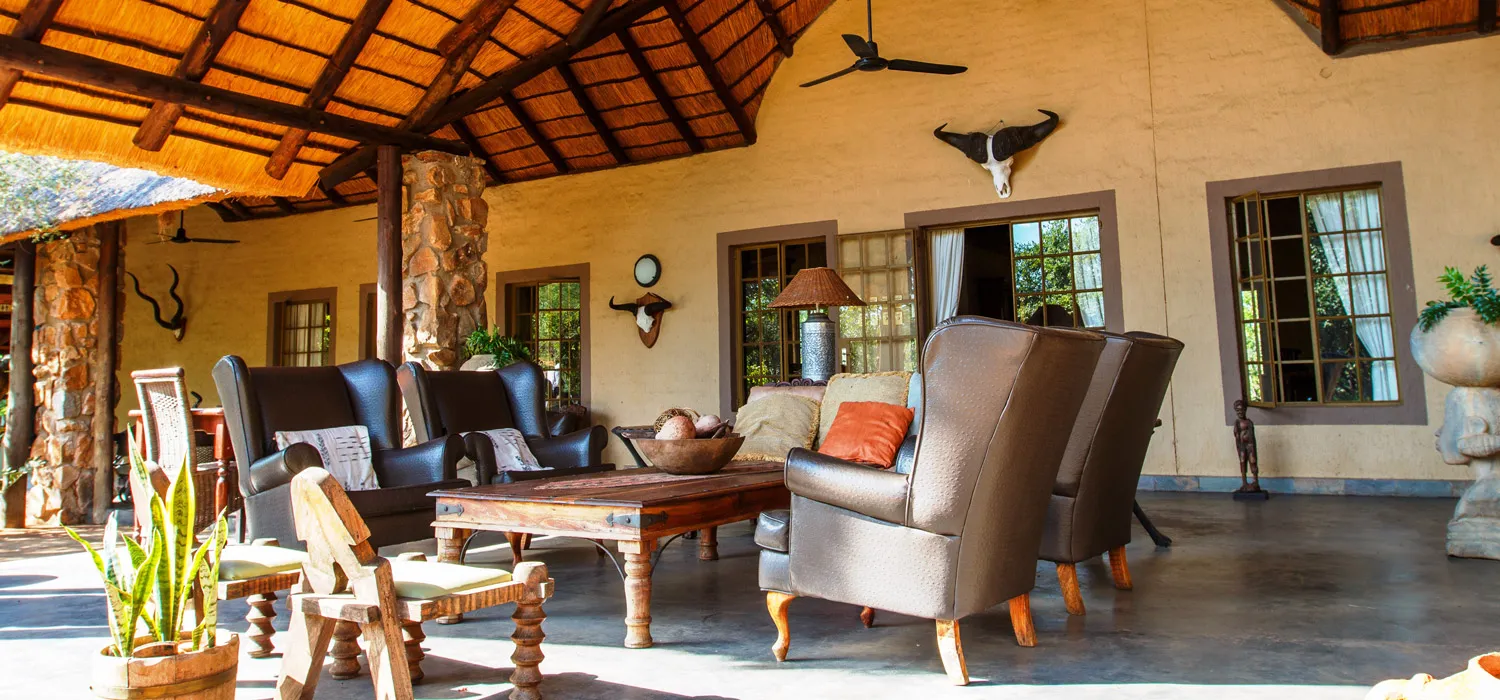
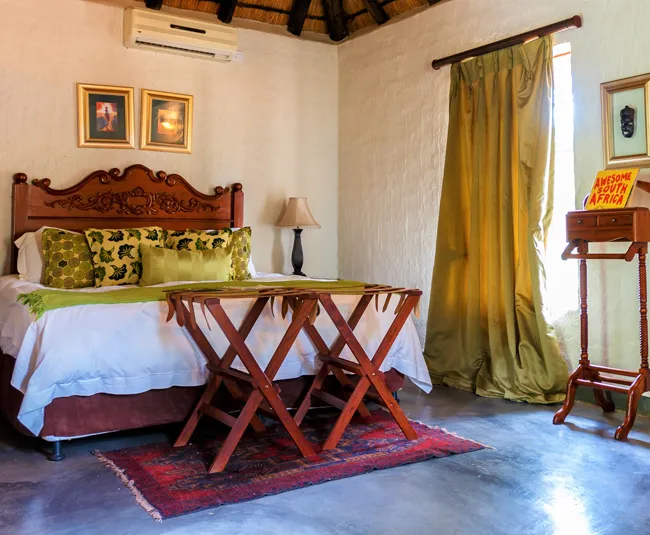
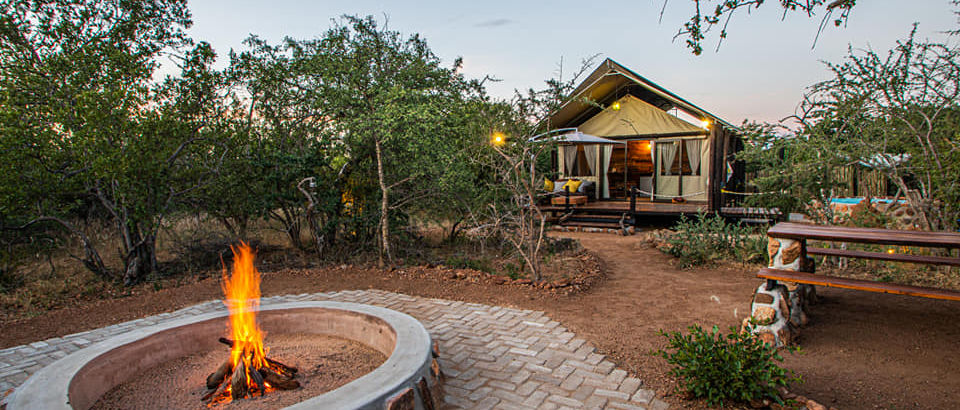
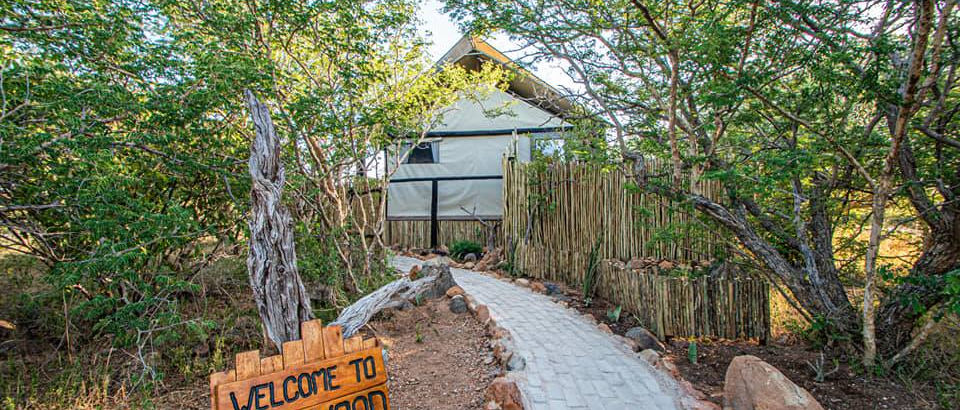
Lodge accommodation suits the character of this part of the province. Rather than a hotel-style setting, guests stay in self-contained or semi-self-contained units with basic kitchen facilities, an outdoor area, and direct access to the surrounding countryside. The arrangement is functional rather than resort-oriented: Dingapong is not a place you arrive at expecting structured activities or on-site dining, but one where the accommodation serves as a base for exploring the broader Mopani District at your own pace.
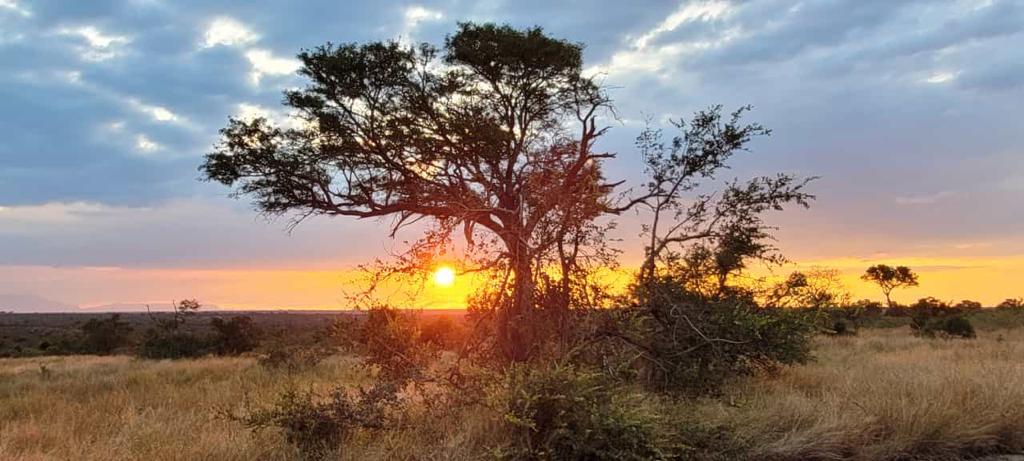
The lodge here operates in a different register from properties near Kruger's main gates or those within the established tourism belt around Tzaneen. The quieter agricultural setting is itself part of what is on offer. Visitors seeking genuine exposure to the lowveld landscape and the rhythms of a community shaped by Tsonga tradition will find this kind of accommodation delivers something that more developed destinations cannot. Travellers who need reliable restaurant access, consistent electricity, or on-site facilities should weigh their expectations carefully before booking.
With only one property listed, availability is a practical constraint rather than a minor consideration. School holiday periods and the dry winter months bring the most pressure on accommodation across Limpopo, and in a settlement where there is no fallback option, leaving bookings until late carries real risk. Reservations should be treated as an early priority, not an afterthought.
Best Time to Visit Dingapong
Dingapong follows the subtropical climate pattern of Limpopo's lowveld zone, with summer rainfall and a dry winter season shaping what the region offers at different times of year.
The wet season runs from October through March. Temperatures regularly exceed 35°C, humidity climbs, and afternoon thunderstorms can be intense. The bush fills out and surrounding farmland turns green, but the heat is demanding and gravel roads in the area can become difficult after heavy rain. Wildlife in the broader Mopani region disperses during this period as water sources are plentiful throughout the bush rather than concentrated at fixed points.
Dry season, from May through August, is when most visitors choose to travel. Daytime temperatures become more manageable, road conditions are at their best, and visibility across the landscape improves as vegetation thins out. Nights can turn surprisingly cold in June and July, so warmer layers are worth packing regardless of how mild the days seem. This period also brings peak demand across Limpopo, which matters when accommodation options are as limited as they are here.
April and September offer a middle ground. April brings cooling temperatures as the rains ease off, while September sees heat building again ahead of the wet season. Visitor numbers are lower in both months, and conditions are generally reasonable for those with flexibility in their travel dates.
Getting to Dingapong
Dingapong lies in the eastern lowveld of Limpopo, approximately 60 kilometres east of Tzaneen and about 80 kilometres from Phalaborwa. From Polokwane, the provincial capital, the most practical route heads east on the R71 through Tzaneen before continuing toward the Greater Giyani area via secondary roads. The total distance from Polokwane runs to roughly 200 kilometres, with a driving time of around two and a half to three hours depending on conditions along the way.
Travellers flying in will find Eastgate Airport at Hoedspruit the most convenient option. It handles domestic connections to Johannesburg and serves as the closest commercial airport to this part of Limpopo. From Hoedspruit, the drive north via Phalaborwa covers approximately 100 kilometres. Polokwane International Airport is larger and better connected nationally, but the onward road distance is considerably greater.
No scheduled public transport serves Dingapong directly. Minibus taxis link Giyani with surrounding communities on informal routes, but these are not structured around visitor needs or fixed timetables. A private vehicle is essential for anyone travelling to the area. Roads transition from tarred main routes to gravel tracks as you move off the primary network, and a vehicle with reasonable ground clearance handles local conditions more comfortably. Fuel is not available in Dingapong itself, so fill up before leaving the last major town.
Dingapong and Surrounding Areas
The settlements within reach of Dingapong form a network of communities spread across the lowveld landscape of the Greater Giyani municipality. These are not tourist destinations in a conventional sense, but the roads between them pass through agricultural terrain that gives a clear picture of how this part of Limpopo looks and functions outside the main tourist corridors.
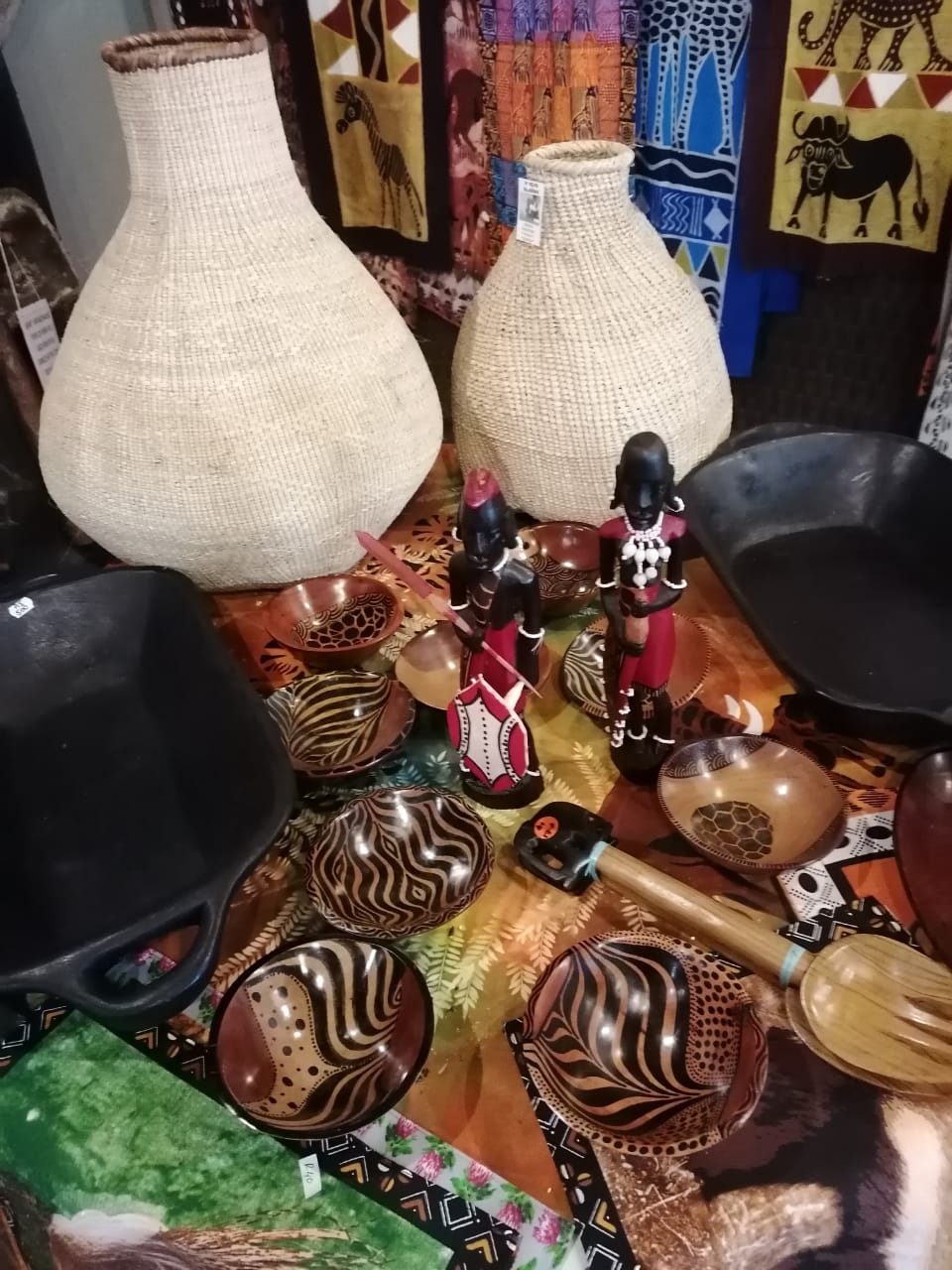
Ga-mametsa, 7 kilometres away, is the nearest neighbouring community and a natural first outing from Dingapong. The settlement sits within the same agricultural zone, and a short drive there gives a sense of the immediate surroundings. Local markets in communities like this occasionally carry handcrafted goods and fresh produce, and the short distance makes it easy to combine with a morning or afternoon excursion.
Kubjaname at 11 kilometres and Tswenyane at 12 kilometres lie in different directions and can reasonably be combined into a single loop drive. The landscape along both routes passes through farmland characteristic of the wider corridor between Tzaneen and Giyani, with mango orchards and smallholder cultivation common. Neither village offers formal visitor facilities, but the drive through the rural countryside is itself the purpose for most who make the trip.
Further out, Ga-maditsa at 24 kilometres and Ga-mohlabe at 26 kilometres require a half-day commitment. Both sit deep enough into the surrounding countryside that they attract few outside visitors, and road quality on the unpaved tracks connecting them varies considerably after rain. The relative remoteness of both communities makes them better suited to travellers with time and a 4x4 than to those on a tight schedule.
Ga-sekororo, at 27 kilometres, marks the practical outer limit for a day trip from Dingapong. The terrain in this direction takes on a slightly different character as distance from the settlement increases, and the drive provides a broader cross-section of the lowveld environment than the closer communities can offer on their own.
Planning Your Stay
Booking accommodation in Dingapong requires more advance planning than is typical for a rural Limpopo trip. With a single listed property in the area, there is no fallback if you arrive without a confirmed reservation. Securing a booking early matters most during school holiday periods and the dry winter months, when demand across the province rises sharply and even remote settlements can find their limited rooms committed well in advance.
Before confirming, clarify directly with the property whether meals are included or whether the arrangement is fully self-catering. Shopping options in Dingapong are limited to small local stores, so understanding what is provided determines how much you need to bring from elsewhere. It is also worth asking about load-shedding or generator arrangements, as electricity supply in rural areas is less consistent than in larger towns.
Directions should be confirmed with the property rather than relying on GPS alone. Map data for settlements in this part of Limpopo is often incomplete or outdated, and navigating by app can lead you onto incorrect routes. Mobile coverage is inconsistent off the main roads, so downloading offline maps before leaving a larger town is a sensible step.
For any trip into remote parts of the province, carrying more water and food supplies than you expect to need is standard practice. Road conditions can change with the weather, and building some flexibility into your itinerary avoids being committed to a departure time when the roads say otherwise.