Accommodation in Ga-mametsa
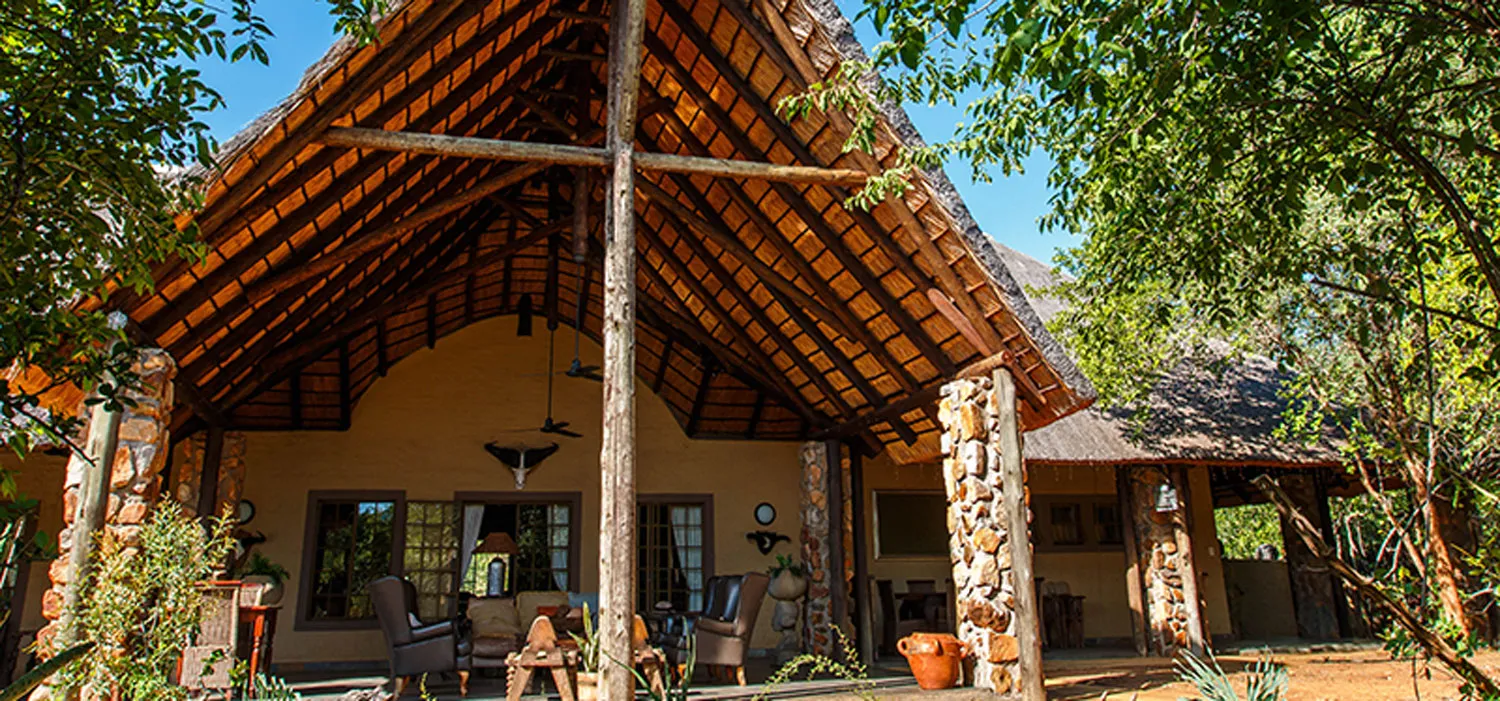
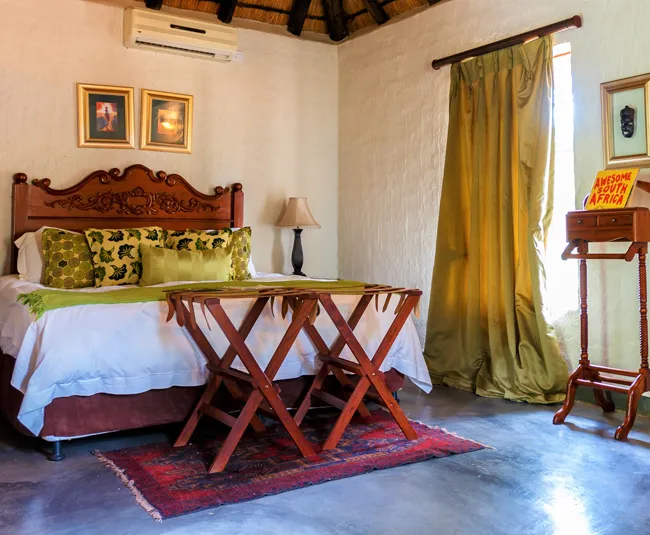
With one listed property in the immediate area, accommodation here is not a matter of choosing between competing options but of deciding whether the single available lodge suits your needs and travel style. At R1,822 per night, it sits at the mid-range level for rural Limpopo, broadly consistent with what self-contained lodge properties across the Mopani District typically charge for comfortable but unfussy stays.
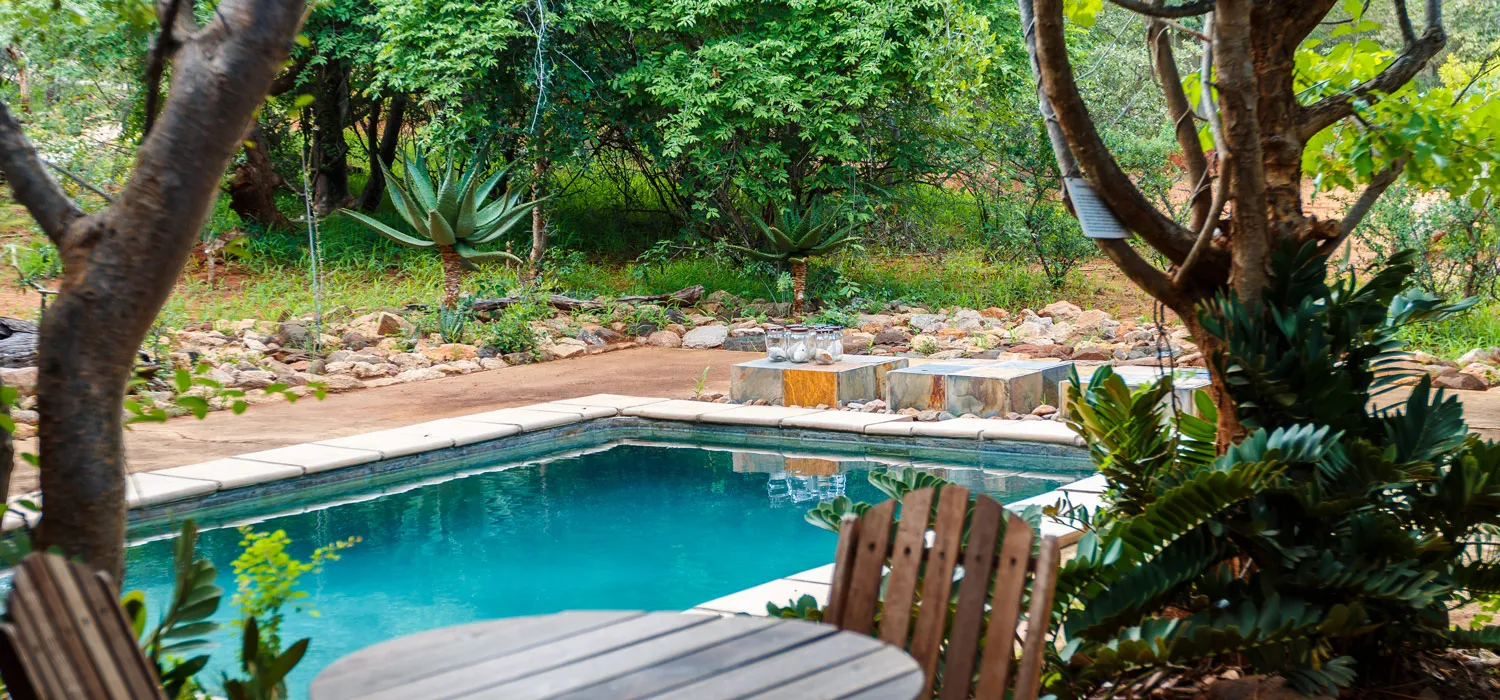
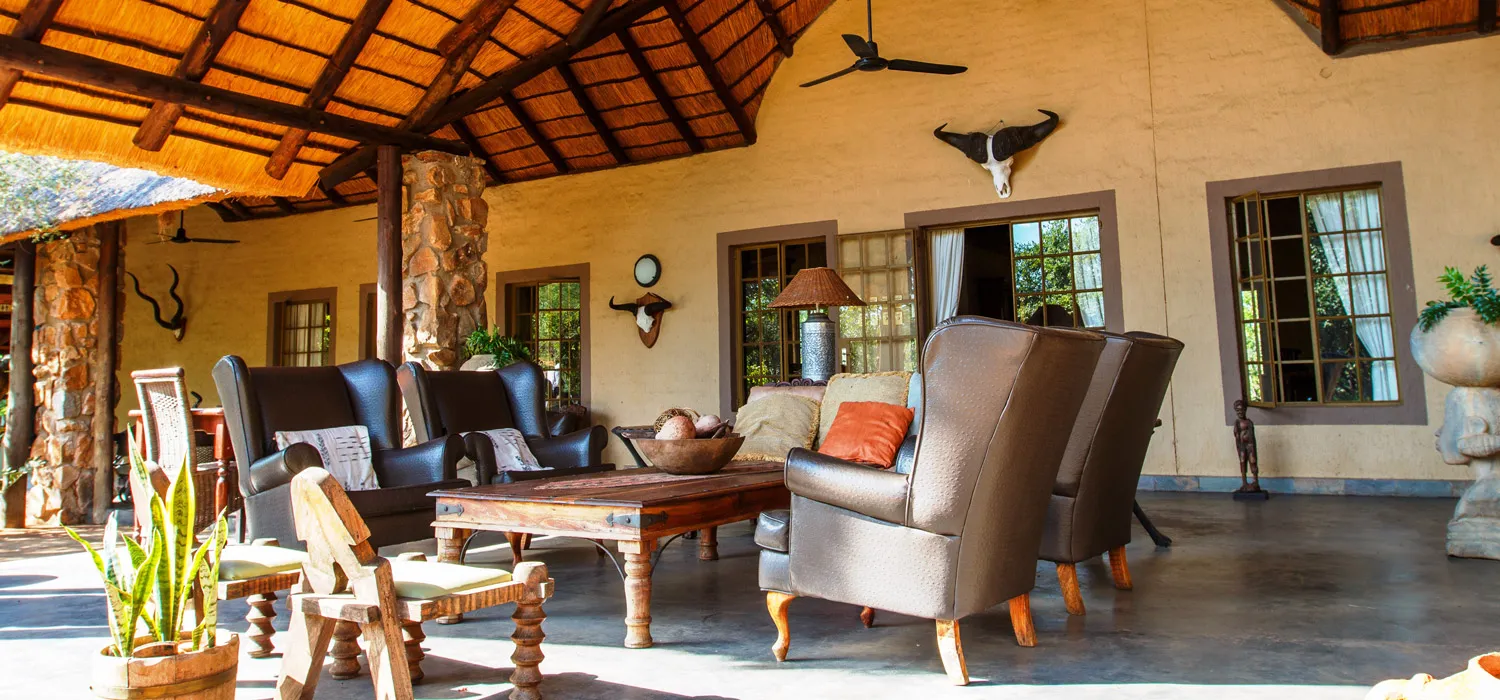
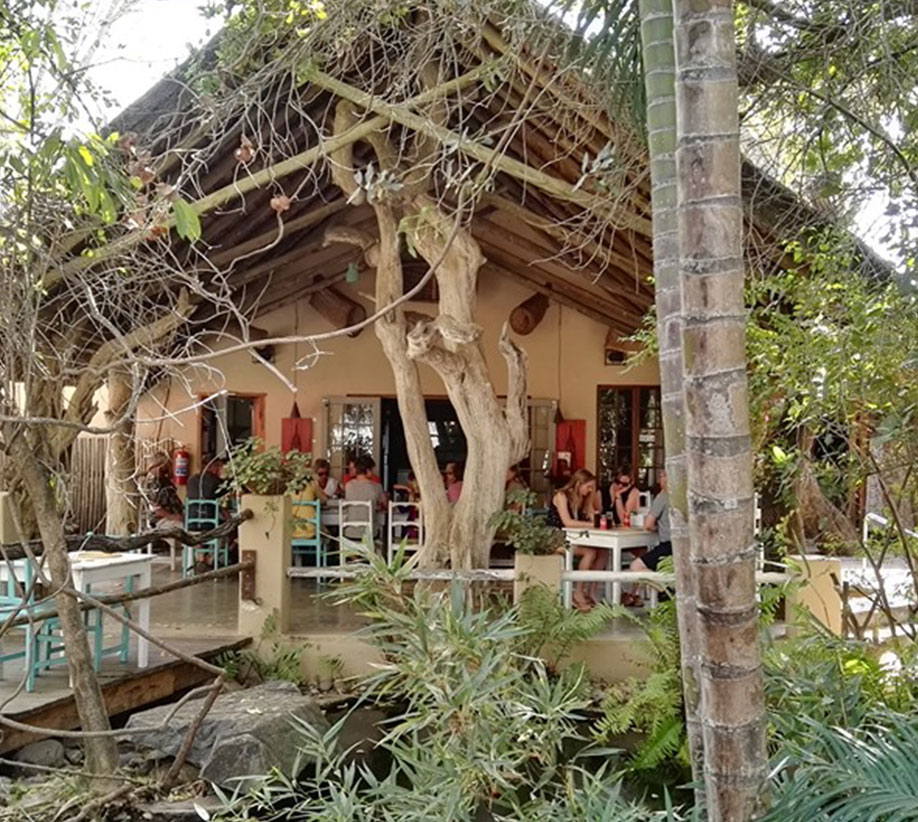
Lodge accommodation in this part of the province generally means a self-contained unit or small property within the agricultural or bush landscape, rather than a purpose-built commercial hotel. Guests should expect private rooms or cottages, basic kitchen facilities where self-catering is available, and outdoor space that forms much of the draw. Services are more limited than in a town setting, but the trade-off is space, quiet, and direct access to the surrounding terrain. The property sits within a subtropical fruit-farming area, which gives it a working rural character distinct from the bush lodges further east toward the lowveld.
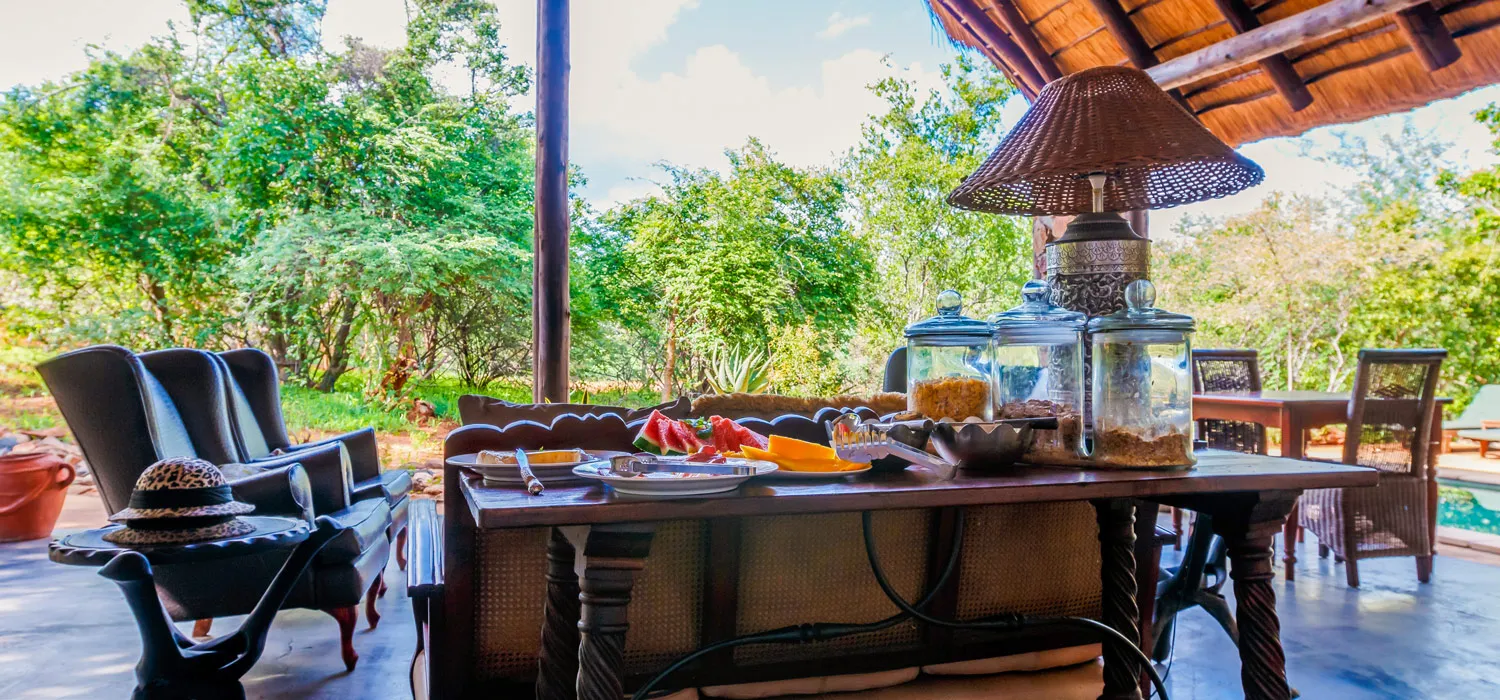
Meals are worth thinking through before arrival. Some rural lodge properties in Limpopo offer bed-and-breakfast arrangements; others operate on a fully self-catering basis. The distinction matters considerably in this location because restaurants and takeaway options are not available within the village. Knowing what food to bring, or to shop for in town before heading out, prevents arriving unprepared after dark in a remote area.
Two practical questions are worth raising with the property before booking. Load-shedding affects power supply across South Africa, and rural Limpopo does not always follow the same schedule as urban centres. Asking whether the property has an inverter, generator, or solar backup is straightforward. Some properties in this district also draw water from boreholes or storage tanks rather than municipal mains, which is worth confirming in advance.
For travellers comfortable with independent rural South African travel, the lodge here provides a practical and affordable base for exploring the surrounding district at your own pace.
Best Time to Visit Ga-mametsa
The district follows a clear subtropical seasonal pattern. Summer, from October through March, delivers the bulk of the year's rainfall alongside high temperatures. Afternoon thunderstorms from November onwards can be heavy and will sometimes affect conditions on unsealed rural roads. Vegetation reaches its fullest during these months, and the orchards in the surrounding farming areas move through their growing and harvest cycles, with avocado and litchi crops coming in through late summer into autumn.
Winter, from May to August, is dry and considerably cooler. Nights drop sharply in temperature, while days remain mild and clear with low humidity. This is the more comfortable season for walking and outdoor activity, and the reduced vegetation cover improves visibility across the landscape. The risk of afternoon storms disrupting travel plans drops to near zero.
April and September offer moderate temperatures, lower rainfall, and generally good road conditions on the rural routes. These months suit visitors who want to avoid both the midsummer heat and the winter cold. The December period tends to see the highest regional travel volumes across Limpopo, which can affect accommodation availability and road traffic on the main routes into the district.
Getting to Ga-mametsa
Ga-mametsa lies approximately 40 kilometres from Tzaneen, the practical hub in this part of Limpopo for fuel, banking, groceries, and dining before heading into the rural areas. Most drivers from Johannesburg travel the N1 north to Polokwane, then turn east on the R71 toward Tzaneen, a journey of around five to six hours.
The nearest airports are at Tzaneen, which handles limited regional services, and Polokwane International, which has more regular connections to Johannesburg and other centres. Most air travellers land in Polokwane and hire a vehicle for the drive east. A private car is effectively essential once you arrive. Minibus taxis serve routes between Tzaneen and surrounding villages but operate without fixed timetables and do not reliably cover the smaller communal settlements.
From Tzaneen, secondary roads lead northeast through the communal farming areas toward the village. These can deteriorate significantly after heavy summer rain, and a vehicle with reasonable ground clearance handles the rougher stretches more comfortably. Top up the fuel tank in Tzaneen before heading out, as no filling stations are available in the surrounding rural districts. For those including the lowveld in their itinerary, the Kruger National Park's central section lies roughly two hours southeast by road.
Ga-mametsa and Surrounding Areas
The settlements immediately surrounding Ga-mametsa are small communal villages sharing the same agricultural and social character as the broader district. Dingapong, seven kilometres away, is the nearest of the group. It sits within the same farming corridor and functions as part of the daily community network rather than as a visitor destination in any conventional sense. Driving through it provides a more grounded picture of how land use and rural life are organised across this part of Mopani than any single stopping point can offer.
Kubjaname at nine kilometres occupies similar terrain, connecting to the area through the same rural road network and passing through smallholder land and traditional homesteads typical of the communal areas in this district.
Tswenyane at 12 kilometres and Ga-maditsa at 16 extend the accessible range further from the village. Ga-maditsa in particular sits in a zone where informal roadside trading and small local markets appear more consistently, reflecting greater connectivity at this distance from the main road network. These are useful places to observe how produce and goods move through the district's informal economy.
Ga-mohlabe at 22 kilometres and Ga-sekororo at 24 mark the outer reach of comfortable day exploration from the village. The terrain around Ga-sekororo begins to shift toward lower-lying ground in the direction of the Letaba River system, which feeds irrigation agriculture across the broader area and supports wildlife movement through the lowveld corridor to the east.
The wider area also includes two well-known natural sites accessible by road to the south. The Woodbush Forest Reserve protects a significant belt of indigenous high-forest on the escarpment, a habitat that contrasts sharply with the surrounding savannah and fruit-farming country. Debengeni Falls drops through a forested gorge and draws day visitors from across the region. Both are signposted from the main roads and suit a half-day excursion from the village.
Planning Your Stay
With one property available in the immediate area, early contact with the host matters more here than at destinations with multiple options. Rural lodge operators in Limpopo regularly fill over school holidays and long weekends, sometimes weeks in advance. Securing a reservation with a deposit as early as possible is standard practice.
When contacting the property, confirm a few specifics before paying. Ask whether meals are included or available on request, what check-in looks like for late arrivals, and whether there is a WhatsApp number, since cell reception in parts of the district can be patchy. Also request directions from the host directly rather than relying on GPS alone. Rural addresses in this region are not always accurately mapped, and a landmark-based description from the host is more reliable for the final kilometres.
Bring sufficient cash. There are no ATMs in the village, and smaller rural properties may not accept card payments reliably. International visitors should arrange currency exchange before leaving a major centre. Those with specific accessibility requirements, or travelling with young children, should raise these with the property before confirming, as rural lodges vary considerably in what their outdoor areas and facilities can accommodate.