Accommodation in Tswenyane
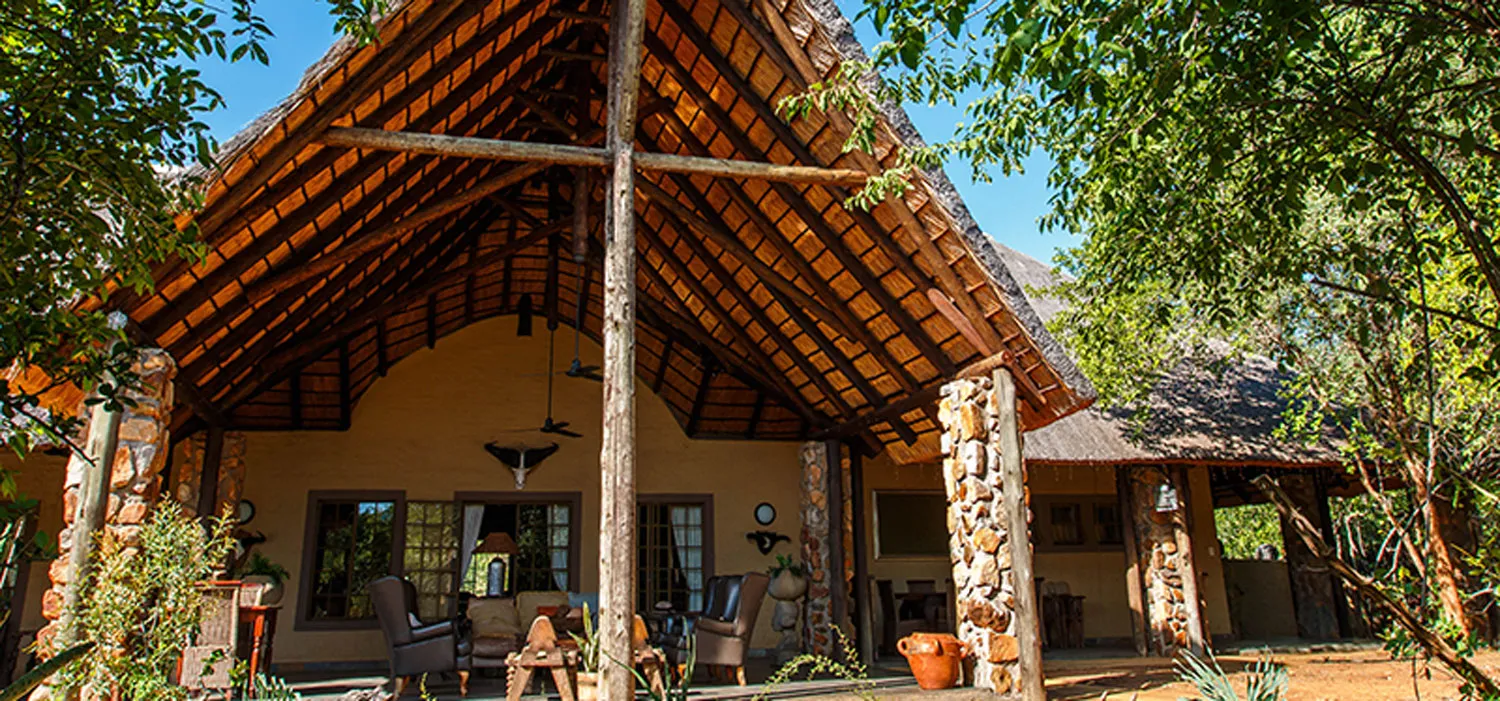
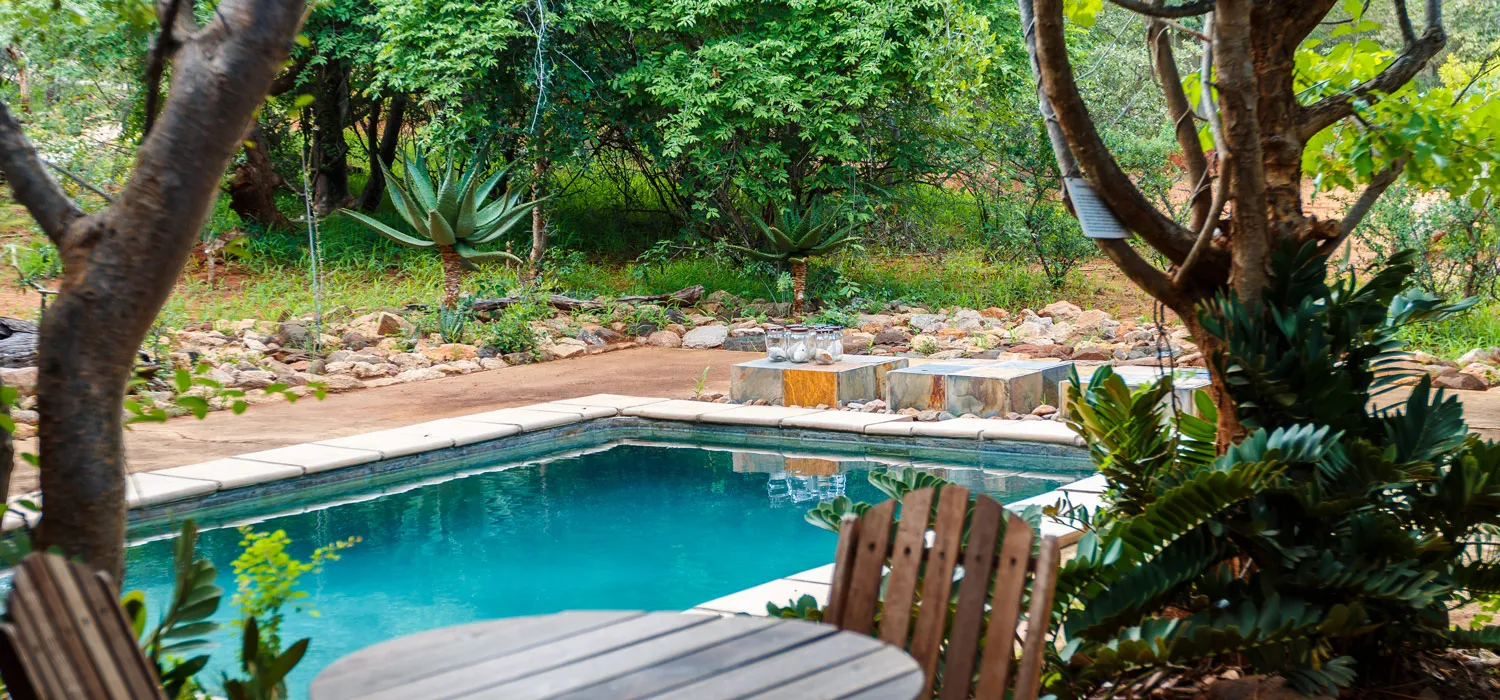
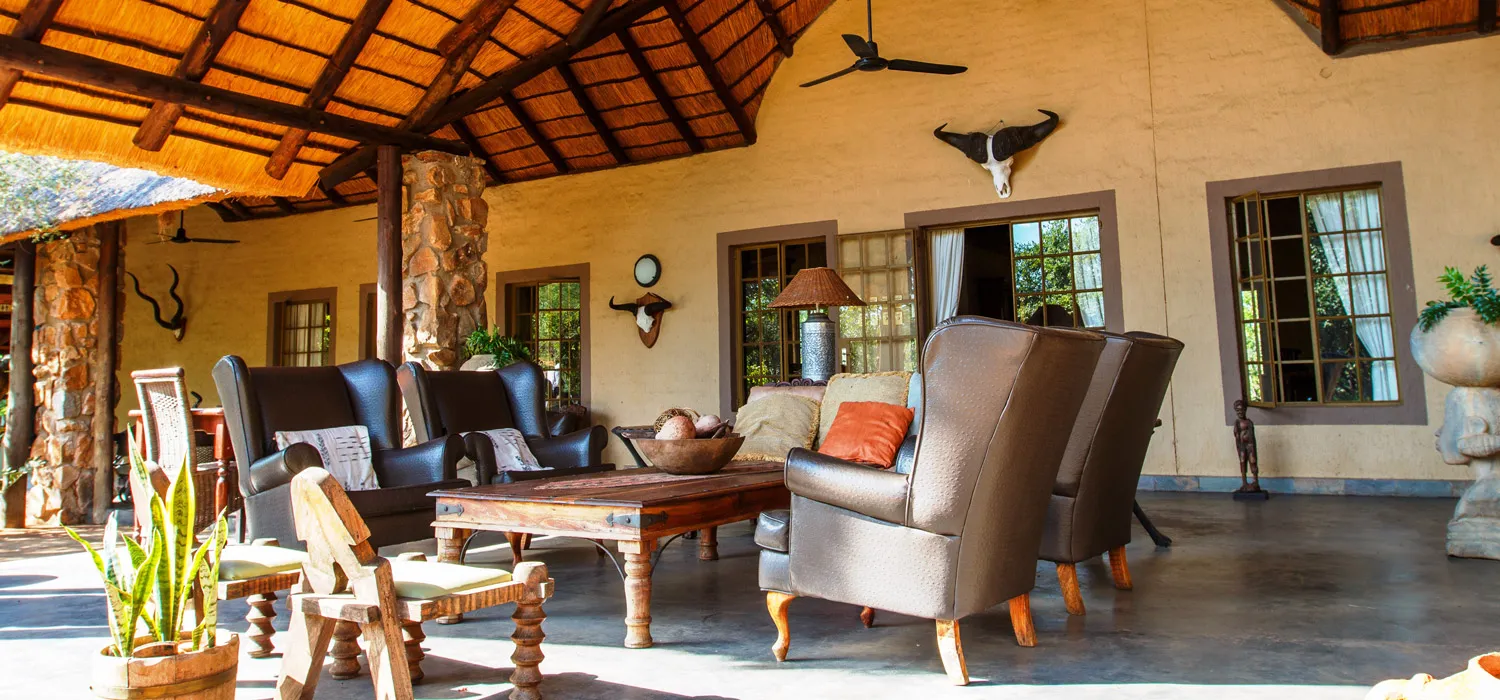
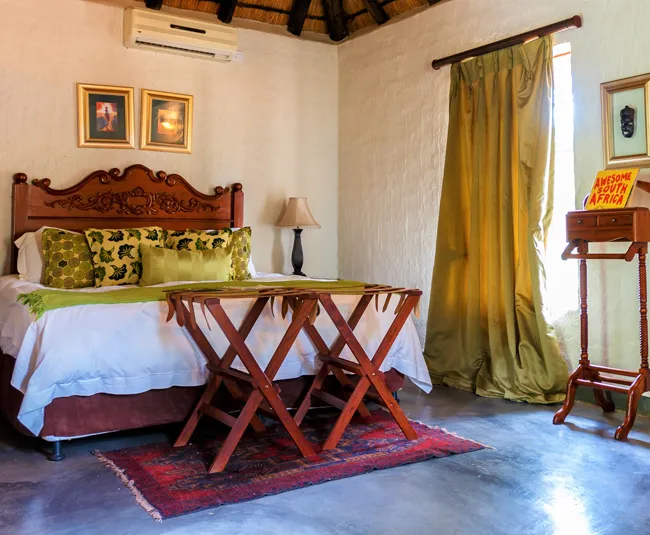
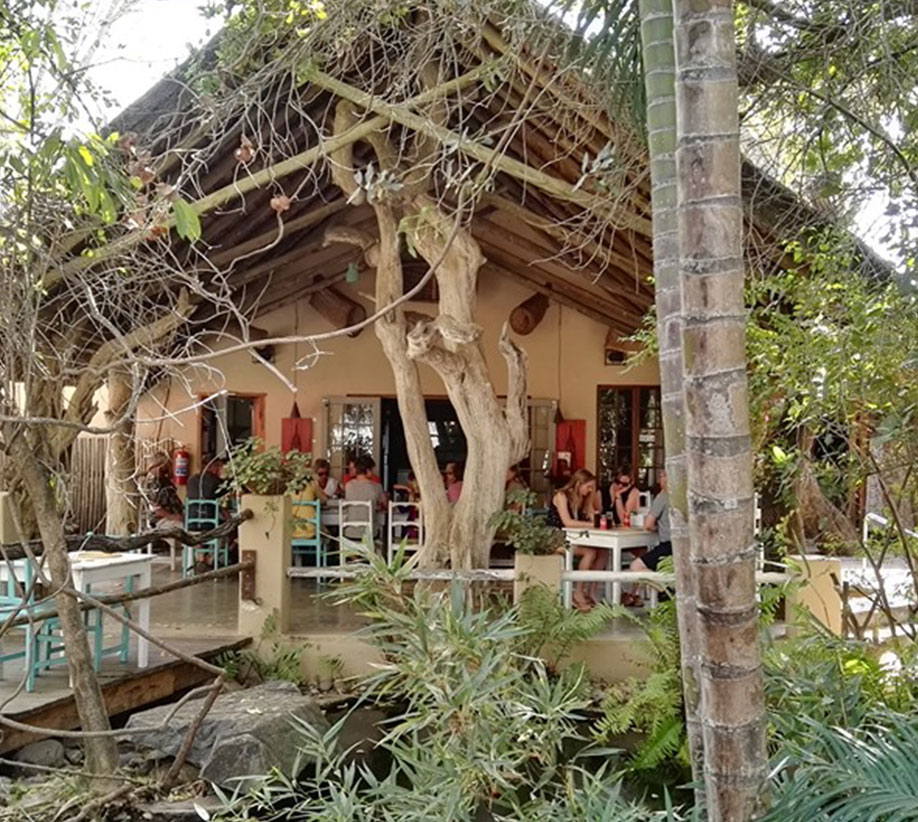
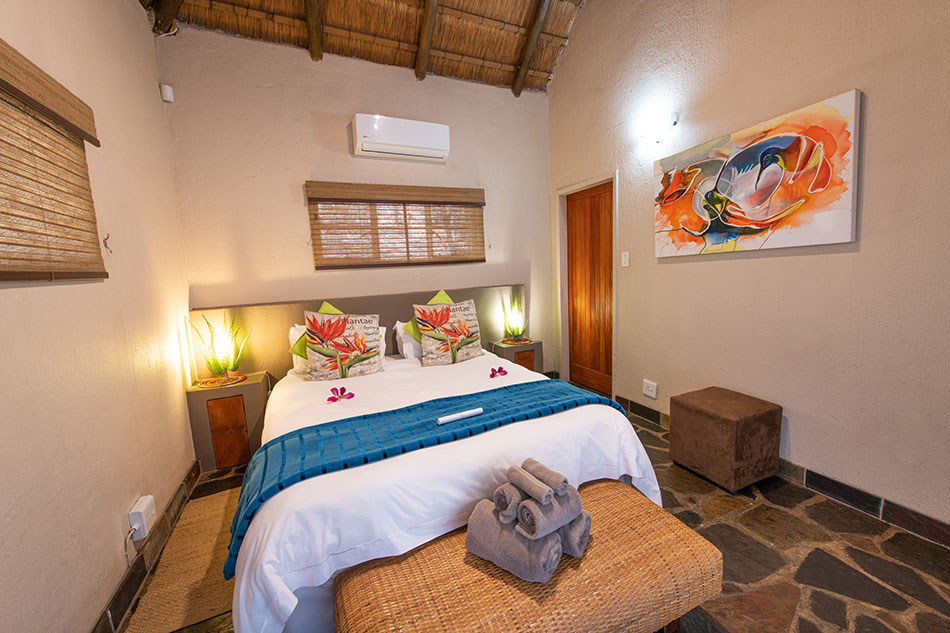
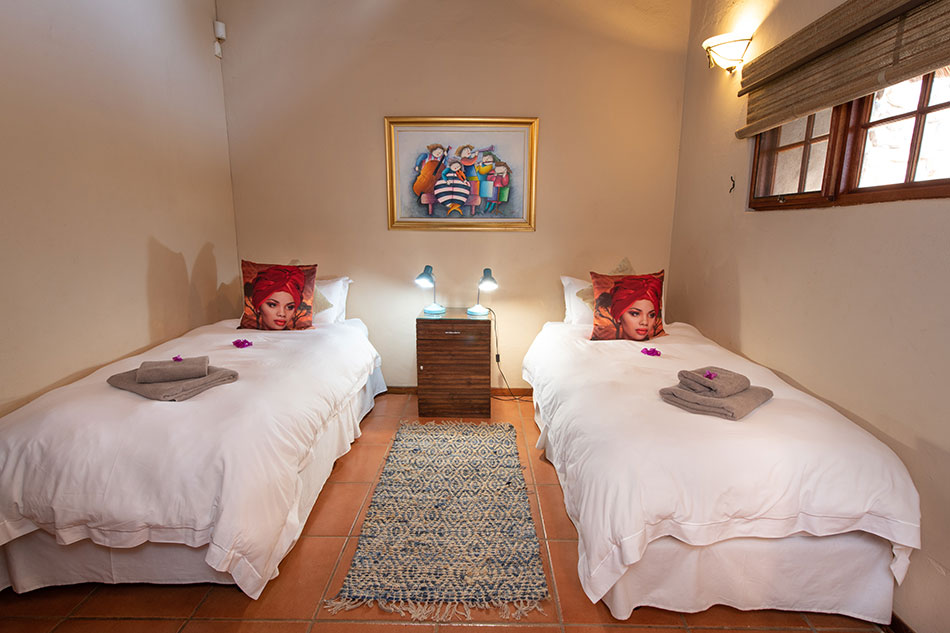
The accommodation stock here is thin but intentional. With one property listed in the area at R1,822 per night, the choice is straightforward rather than overwhelming. The available option is a lodge, which in this part of Limpopo typically means a self-contained property with direct access to surrounding bush rather than the polished resort experience found closer to the main Kruger gates.
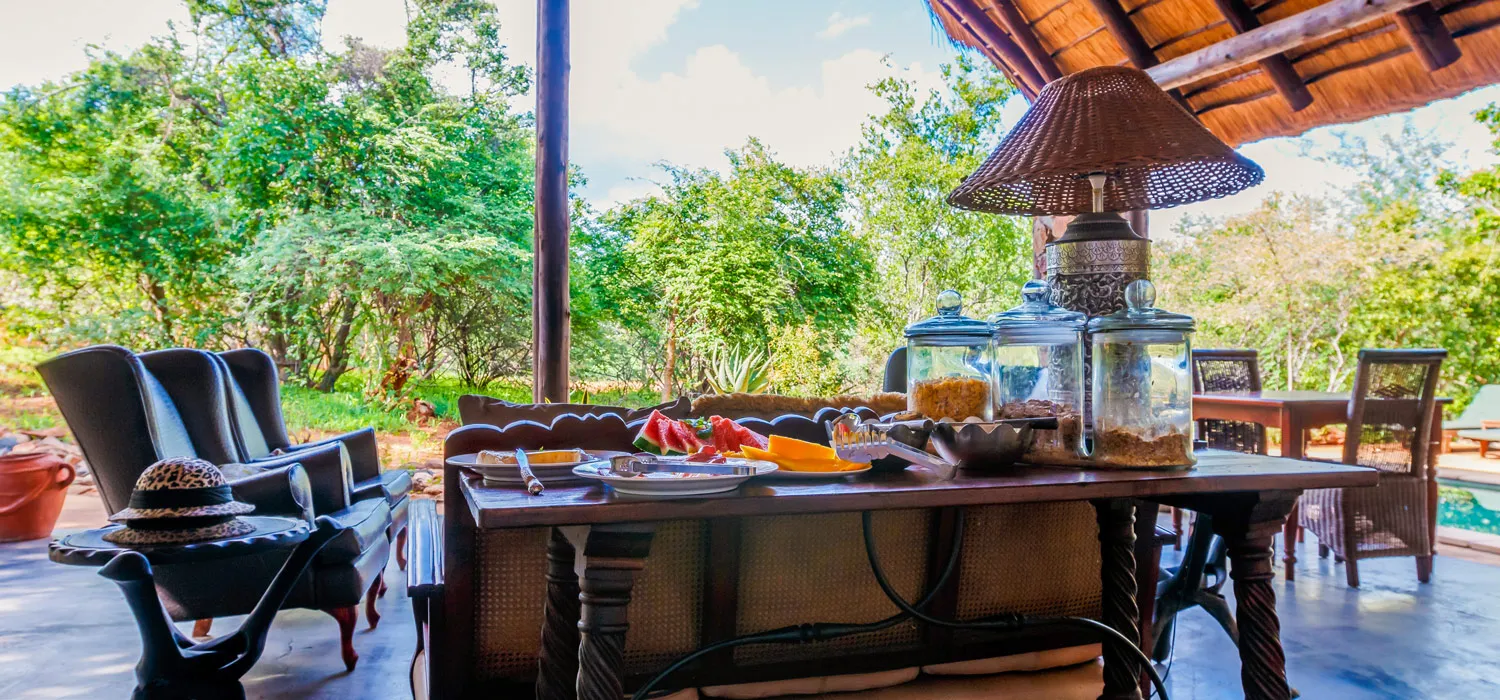
Lodge accommodation on the lowveld fringe around Tswenyane generally caters to travelers who want proximity to wildlife corridors and traditional landscapes without paying the premium rates charged inside the park or at high-end private reserves. Expect functional rooms, outdoor seating areas oriented toward the natural setting, and often braai facilities. The trade-off for lower rates is less intensive game-drive programming, which suits self-drive visitors who prefer to manage their own itinerary.
For those accustomed to more developed tourism infrastructure, the single-property character of Tswenyane requires a different approach to planning. Availability can be limited, and the lodge may operate as part of a community tourism initiative or a small private enterprise with a limited online presence. Reaching out directly to confirm facilities, meal arrangements, and any activity packages is advisable before arrival.
The broader context matters here: this is rural Limpopo, not the Waterberg or the Cape Winelands. Accommodation reflects the area's character, shaped more by subsistence farming communities, mopane woodland, and the rhythms of the lowveld than by significant tourism investment. That authenticity is precisely what draws some travelers to the area.
Best Time to Visit Tswenyane
The dry winter months from May through September offer the most predictable conditions for wildlife viewing and general travel. Rainfall drops off sharply after April, vegetation thins as grasses dry back, and animals concentrate around permanent water sources, making them easier to spot along roads and watercourses. Daytime temperatures remain warm, typically 20 to 28 degrees Celsius, though nights in June and July can fall below 10 degrees, requiring warm layers.
October and November mark the transition into the wet season. Heat builds quickly during this period, with temperatures pushing above 35 degrees before the rains arrive. Late October can be uncomfortably hot but is productive for birdwatching, as migratory species arrive from central Africa.
The summer rainy season from December through March transforms the bush completely. Grasses grow tall and obscure wildlife, but the landscape turns green and dramatic afternoon thunderstorms become a daily feature. This is the low season for most visitors, which means greater accommodation availability and, where prices are negotiable, more flexibility. For those interested in the agricultural and cultural rhythms of the Tsonga communities in the area, the wet season is when the landscape and local activity are most alive.
Getting to Tswenyane
The most practical air access is through Eastgate Airport near Hoedspruit, roughly 80 kilometers to the south, which handles regional flights from Johannesburg. Phalaborwa Airport, a similar distance to the southeast, is the alternative for those with connections through that route. Both airports require onward road travel to reach Tswenyane.
From Johannesburg, the drive takes approximately five to six hours via the N1 north to Polokwane, then east on the R71 toward Tzaneen and Giyani. Tzaneen lies about 90 kilometers to the west and is the last sizable town with reliable fuel, banking, and grocery facilities before the more rural stretches approaching the area. Road quality is generally good on the main routes but can deteriorate on local dirt tracks, particularly after summer rains.
From Tzaneen, the R71 continues east through the tea and banana plantations of the escarpment before dropping into the warmer lowveld. The town of Giyani, approximately 40 kilometers to the northeast, provides the nearest cluster of services. Car hire from either Hoedspruit or Phalaborwa is the most practical arrangement for independent travelers, as public transport in this part of Limpopo is limited to minibus taxis running between towns at irregular intervals and not suited to tourist schedules.
Tswenyane and Surrounding Areas
The communities surrounding Tswenyane are small rural settlements, most within 35 kilometers and reachable on a day's driving.
Ga-mametsa and Dingapong, both roughly 12 kilometers away, represent the closest neighboring villages. Ga-mametsa is associated with traditional Tsonga chieftaincy structures and community governance that remain central to daily life across Greater Giyani. Visiting during a local market day or community event gives an unscripted window into village life that no managed tourism experience replicates. Dingapong sits in a similar landscape and works well as a stop on a loop drive rather than a standalone destination.
Kubjaname, 21 kilometers out, lies further into the mopane lowveld and reflects the agricultural character of this belt of Limpopo, where small-scale farming and cattle grazing define land use. The road between Tswenyane and Kubjaname passes through terrain typical of the area: flat to gently undulating, with dense mopane scrub broken by dry riverbeds that fill only after significant rain.
Ga-maditsa, at 22 kilometers, and Ga-motodi, at 29 kilometers, extend the radius deeper into the communal lands east of Giyani. Ga-motodi sits close enough to the western boundary of Kruger that wildlife movement through the surrounding area is a practical reality, and local residents are accustomed to encounters with larger animals. For travelers using Tswenyane as a base for Kruger day trips, the route through Ga-motodi toward the park is worth factoring into the itinerary.
Ga-malepe, the furthest at 33 kilometers, rounds out the accessible surrounding area. This village shares connections to the broader cultural and governance structures of the Greater Giyani region. Taken together with Giyani town to the north, these settlements give a fuller picture of rural Limpopo life that complements the wildlife focus most visitors bring to the area.
Planning Your Stay
With one accommodation option in the immediate area, forward planning is more critical here than in destinations with multiple properties and flexible availability. Book well in advance if your visit falls between June and August, when demand for lodges near Kruger access points tends to be highest across the broader region.
Before confirming, verify a few specifics directly with the property: whether meals are included or available, what the cancellation policy is, and whether the access road requires a high-clearance vehicle. In rural Limpopo, road conditions after summer rains can affect access materially, so checking current conditions is worth a call if you are arriving between November and April.
Pack for self-sufficiency. Giyani has a reasonable selection of supplies but is not a large town. Bring adequate water, sunscreen, and any prescription medication you need, as well as cash, since card facilities can be unreliable in this part of the province.
Mobile coverage is functional on the main networks across most of the area, though it drops on back roads. Download offline maps before you arrive, particularly if you plan to explore surrounding villages or drive independently to Kruger. Informing your accommodation of your expected arrival time is a basic courtesy that also helps in the event of any access difficulties.