Kubjaname Reis- & Akkommodasiegids
Jou volledige gids om Kubjaname, Suid-Afrika te besoek.
1
Eiendom
Vanaf
R1,822
/ nag
Gemiddeld
R1,822
/ nag
Gewildste
Lodge
Kubjaname is a small village in the Limpopo Province, located in the Greater Giyani Local Municipality. This rural settlement serves as a gateway to the Kruger Lowveld region and offers visitors an authentic experience of traditional Tsonga culture and community life.
## Accommodation in Kubjaname
Kubjaname's accommodation offering is compact, with one property listed at R1,822 per night. For a village of this size in rural Limpopo, that reflects the early stage of formal tourism infrastructure rather than any shortage of local hospitality. Many travellers who pass through arrange stays with local families in informal ways that fall entirely outside booking platforms.
The listed option falls into the lodge category, and in this rural context the term describes something quite different from a game lodge in a private reserve. Think instead of a well-maintained rural property with private or semi-private rooms, access to cooking facilities, and outdoor space suited to the warm climate. Lodge accommodation at this price point in the lowveld typically sits in the mid-range tier: more structured than a homestay but without the full-service model of a resort. Secure parking, braai facilities, and reliable electricity are the practical cornerstones you can reasonably expect, along with the kind of direct interaction with a host that larger establishments rarely offer.
The draw of staying here rather than in a larger nearby service town is the immediate exposure to the rhythms of village life. Early mornings in this part of Limpopo begin with livestock, birdsong, and the particular quality of lowveld light in the cooler months. There are no activity schedules or concierge desks. Traditional homesteads and working farms are within walking distance, and conversations with a local host often open doors to community connections that no search engine will surface.
Rural lodges in this area tend to be owner-operated, which creates a more personal dynamic but also means guests benefit from arriving prepared. Self-catering arrangements are common, and the nearest well-stocked shops require a drive to a larger town.
Travellers who choose Kubjaname as a base are generally those who want to engage with rural Limpopo at close range while having a comfortable, private space to return to at the end of the day. The format suits couples and small groups naturally; larger families should confirm room capacity before booking.
---
## Best Time to Visit Kubjaname
The lowveld climate divides the year into two clear seasons. From November through March, temperatures regularly exceed 35°C and humidity rises with the summer rains. Afternoon thunderstorms are common during this period, and rainfall can be heavy. The landscape transforms with the rains: green vegetation replaces the dry brown of winter, subtropical fruits ripen in household gardens, and birdlife peaks as migratory species arrive from around October onwards.
The dry season from May through August brings cooler, more comfortable daytime temperatures, generally between 20 and 28°C, with cold mornings and evenings that can approach single digits. Vegetation thins, sightlines through the bush open up, and the experience of being outdoors for extended periods becomes more manageable. This is the season most visitors to the lowveld region choose, and demand for accommodation across the area peaks during these months.
The shoulder periods of April and September to October offer a reasonable middle ground for those who want warmth without the full humidity of mid-summer. October in particular brings rising temperatures, the first tentative rains, and a marked increase in bird activity. Summer visitors should pack light clothing and a rain jacket for afternoon downpours. Those coming in winter will find a warm layer essential once the sun drops, as temperatures fall noticeably after sunset even when midday feels mild.
---
## Getting to Kubjaname
The nearest commercial airport with regular domestic connections is Hoedspruit Eastgate Airport, which serves routes from Johannesburg and Cape Town. Flying in reduces overall travel time considerably for those coming from outside Limpopo, though schedules are limited and fares tend to be higher than comparable routes to larger airports. Travellers arriving via O.R. Tambo International in Johannesburg face a drive of roughly five to six hours.
From Johannesburg, the main driving route follows the N1 north before turning east via the R36 through the Strijdom Tunnel and continuing into eastern Limpopo. Road quality is generally good on national and provincial routes, though the final kilometres to rural villages often involve gravel or unpaved sections that require care, particularly after summer rain.
A hire car is effectively essential for getting around. Scheduled public transport does not serve small villages reliably, and while minibus taxis connect larger towns, they operate on informal timetables that are difficult to plan around. Renting at Hoedspruit Airport on arrival is the most convenient option for those flying in. Before entering the rural area, topping up fuel and withdrawing cash at a service town is sensible, as both become scarce between settlements. Downloading offline maps before departure is advisable, since mobile coverage in parts of rural Limpopo is inconsistent. Travellers driving from Cape Town or Durban should plan for a considerably longer journey and factor in an overnight stop en route.
---
## Kubjaname and Surrounding Areas
The villages and towns within a short drive of Kubjaname reflect the predominantly rural character of this part of Limpopo. Most of the immediate surroundings are traditional communities where Northern Sotho languages and customs shape daily life, alongside subsistence agriculture, traditional governance structures, and community-centred events.
Ga-mametsa, nine kilometres away, is a small rural community typical of the area. The land around it supports small-scale cropping and livestock management, and spending time here gives travellers a concrete sense of how households in this part of the province organise themselves across the agricultural calendar. Dingapong, eleven kilometres from Kubjaname, is similarly reachable by local road and rounds out the close cluster of communities immediately surrounding the village.
Ga-mohlabe at fifteen kilometres sits along routes connecting the broader network of villages in the region. Ga-sekororo, sixteen kilometres distant, falls within a part of Limpopo where traditional authority structures remain central to community life. Seasonal ceremonies and gatherings here are rarely advertised commercially, but travellers who spend more than a day or two in the area and talk with local residents will often find their visit overlaps with something worth attending.
Trichardtsdal, twenty kilometres from Kubjaname, is the most developed settlement in the immediate vicinity and functions as the practical service hub for surrounding communities. It has fuel stations, retail shops, and banking facilities that smaller villages do not, making it an essential stop for anyone provisioning before heading further into the rural area.
Tswenyane, at twenty-one kilometres, is a quieter community that completes the ring of settlements accessible from Kubjaname. Together these surrounding villages give the area an interconnected character that suits travellers interested in the social fabric of rural Limpopo as much as in specific sights or activities.
---
## Planning Your Stay
With only one listed property in Kubjaname, early booking matters more than it would in a destination with several options. A fully booked lodge means no alternative within the village, so confirming dates as far ahead as practical is worthwhile. School holiday periods and the winter dry season see elevated demand across the broader Limpopo region, and rural lodges fill up well before the dates themselves.
Before finalising a booking, check several practical details with the host. Ask whether meals are included or whether the property is self-catering, and confirm that bedding and towels are provided, as rural lodges vary on this point. Request a precise GPS location or a clear landmark description, since rural South African addresses can be imprecise and navigation apps do not always reflect actual road conditions for the final kilometres.
Arriving with sufficient cash and a full tank from the nearest service town is sensible preparation. Card facilities at smaller local businesses cannot be assumed. If visiting in summer, factor in that heavy afternoon rain can temporarily make unpaved roads difficult to pass, and plan arrival and departure times accordingly.
Owner-operated rural accommodation runs on different rhythms from commercial hotels, and early check-in or late check-out is rarely possible without prior arrangement. Confirm your expected arrival time with the host before you travel, and communicate by phone or WhatsApp, as this is standard practice in rural South Africa and most hosts will expect it.

Kubjaname's accommodation offering is compact, with one property listed at R1,822 per night. For a village of this size in rural Limpopo, that reflects the early stage of formal tourism infrastructure rather than any shortage of local hospitality. Many travellers who pass through arrange stays with local families in informal ways that fall entirely outside booking platforms.
The listed option falls into the lodge category, and in this rural context the term describes something quite different from a game lodge in a private reserve. Think instead of a well-maintained rural property with private or semi-private rooms, access to cooking facilities, and outdoor space suited to the warm climate. Lodge accommodation at this price point in the lowveld typically sits in the mid-range tier: more structured than a homestay but without the full-service model of a resort. Secure parking, braai facilities, and reliable electricity are the practical cornerstones you can reasonably expect, along with the kind of direct interaction with a host that larger establishments rarely offer.
The draw of staying here rather than in a larger nearby service town is the immediate exposure to the rhythms of village life. Early mornings in this part of Limpopo begin with livestock, birdsong, and the particular quality of lowveld light in the cooler months. There are no activity schedules or concierge desks. Traditional homesteads and working farms are within walking distance, and conversations with a local host often open doors to community connections that no search engine will surface.
Rural lodges in this area tend to be owner-operated, which creates a more personal dynamic but also means guests benefit from arriving prepared. Self-catering arrangements are common, and the nearest well-stocked shops require a drive to a larger town.
Travellers who choose Kubjaname as a base are generally those who want to engage with rural Limpopo at close range while having a comfortable, private space to return to at the end of the day. The format suits couples and small groups naturally; larger families should confirm room capacity before booking.
---
## Best Time to Visit Kubjaname
The lowveld climate divides the year into two clear seasons. From November through March, temperatures regularly exceed 35°C and humidity rises with the summer rains. Afternoon thunderstorms are common during this period, and rainfall can be heavy. The landscape transforms with the rains: green vegetation replaces the dry brown of winter, subtropical fruits ripen in household gardens, and birdlife peaks as migratory species arrive from around October onwards.
The dry season from May through August brings cooler, more comfortable daytime temperatures, generally between 20 and 28°C, with cold mornings and evenings that can approach single digits. Vegetation thins, sightlines through the bush open up, and the experience of being outdoors for extended periods becomes more manageable. This is the season most visitors to the lowveld region choose, and demand for accommodation across the area peaks during these months.
The shoulder periods of April and September to October offer a reasonable middle ground for those who want warmth without the full humidity of mid-summer. October in particular brings rising temperatures, the first tentative rains, and a marked increase in bird activity. Summer visitors should pack light clothing and a rain jacket for afternoon downpours. Those coming in winter will find a warm layer essential once the sun drops, as temperatures fall noticeably after sunset even when midday feels mild.
---
## Getting to Kubjaname
The nearest commercial airport with regular domestic connections is Hoedspruit Eastgate Airport, which serves routes from Johannesburg and Cape Town. Flying in reduces overall travel time considerably for those coming from outside Limpopo, though schedules are limited and fares tend to be higher than comparable routes to larger airports. Travellers arriving via O.R. Tambo International in Johannesburg face a drive of roughly five to six hours.
From Johannesburg, the main driving route follows the N1 north before turning east via the R36 through the Strijdom Tunnel and continuing into eastern Limpopo. Road quality is generally good on national and provincial routes, though the final kilometres to rural villages often involve gravel or unpaved sections that require care, particularly after summer rain.
A hire car is effectively essential for getting around. Scheduled public transport does not serve small villages reliably, and while minibus taxis connect larger towns, they operate on informal timetables that are difficult to plan around. Renting at Hoedspruit Airport on arrival is the most convenient option for those flying in. Before entering the rural area, topping up fuel and withdrawing cash at a service town is sensible, as both become scarce between settlements. Downloading offline maps before departure is advisable, since mobile coverage in parts of rural Limpopo is inconsistent. Travellers driving from Cape Town or Durban should plan for a considerably longer journey and factor in an overnight stop en route.
---
## Kubjaname and Surrounding Areas
The villages and towns within a short drive of Kubjaname reflect the predominantly rural character of this part of Limpopo. Most of the immediate surroundings are traditional communities where Northern Sotho languages and customs shape daily life, alongside subsistence agriculture, traditional governance structures, and community-centred events.
Ga-mametsa, nine kilometres away, is a small rural community typical of the area. The land around it supports small-scale cropping and livestock management, and spending time here gives travellers a concrete sense of how households in this part of the province organise themselves across the agricultural calendar. Dingapong, eleven kilometres from Kubjaname, is similarly reachable by local road and rounds out the close cluster of communities immediately surrounding the village.
Ga-mohlabe at fifteen kilometres sits along routes connecting the broader network of villages in the region. Ga-sekororo, sixteen kilometres distant, falls within a part of Limpopo where traditional authority structures remain central to community life. Seasonal ceremonies and gatherings here are rarely advertised commercially, but travellers who spend more than a day or two in the area and talk with local residents will often find their visit overlaps with something worth attending.
Trichardtsdal, twenty kilometres from Kubjaname, is the most developed settlement in the immediate vicinity and functions as the practical service hub for surrounding communities. It has fuel stations, retail shops, and banking facilities that smaller villages do not, making it an essential stop for anyone provisioning before heading further into the rural area.
Tswenyane, at twenty-one kilometres, is a quieter community that completes the ring of settlements accessible from Kubjaname. Together these surrounding villages give the area an interconnected character that suits travellers interested in the social fabric of rural Limpopo as much as in specific sights or activities.
---
## Planning Your Stay
With only one listed property in Kubjaname, early booking matters more than it would in a destination with several options. A fully booked lodge means no alternative within the village, so confirming dates as far ahead as practical is worthwhile. School holiday periods and the winter dry season see elevated demand across the broader Limpopo region, and rural lodges fill up well before the dates themselves.
Before finalising a booking, check several practical details with the host. Ask whether meals are included or whether the property is self-catering, and confirm that bedding and towels are provided, as rural lodges vary on this point. Request a precise GPS location or a clear landmark description, since rural South African addresses can be imprecise and navigation apps do not always reflect actual road conditions for the final kilometres.
Arriving with sufficient cash and a full tank from the nearest service town is sensible preparation. Card facilities at smaller local businesses cannot be assumed. If visiting in summer, factor in that heavy afternoon rain can temporarily make unpaved roads difficult to pass, and plan arrival and departure times accordingly.
Owner-operated rural accommodation runs on different rhythms from commercial hotels, and early check-in or late check-out is rarely possible without prior arrangement. Confirm your expected arrival time with the host before you travel, and communicate by phone or WhatsApp, as this is standard practice in rural South Africa and most hosts will expect it.
Tipes Akkommodasie in Kubjaname
Uitgesoekte Verblyf in Kubjaname
Shikwari Nature Reserve
Lodge
Hoedspruit
Vanaf R1,822
Shikwari Nature Reserve
Lodge
Hoedspruit
· 16.5km van Kubjaname
Vanaf
R1,822
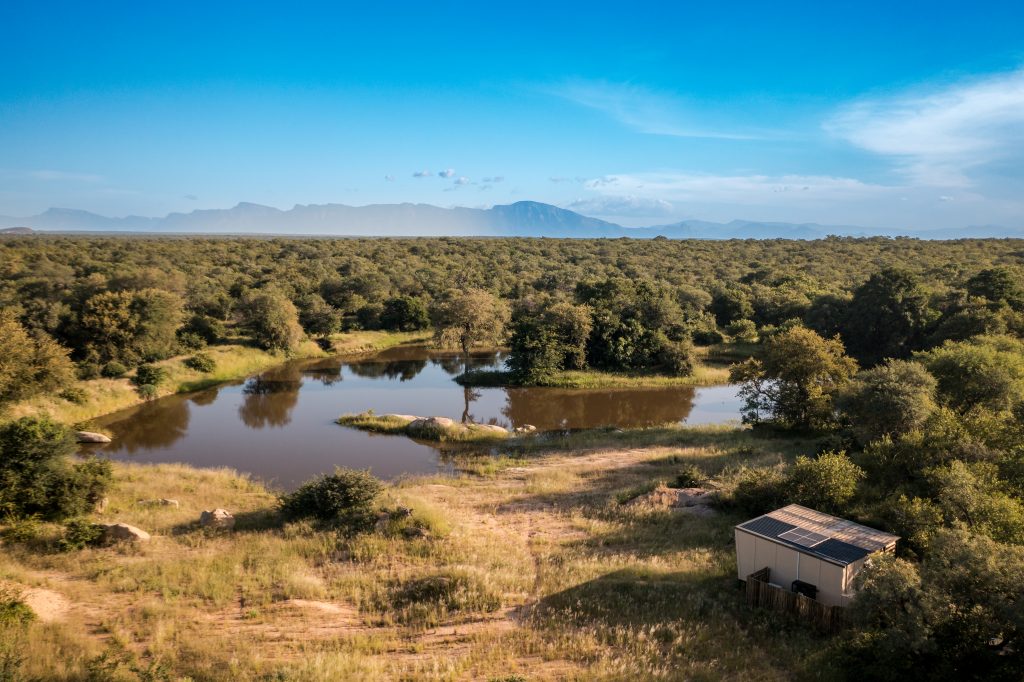
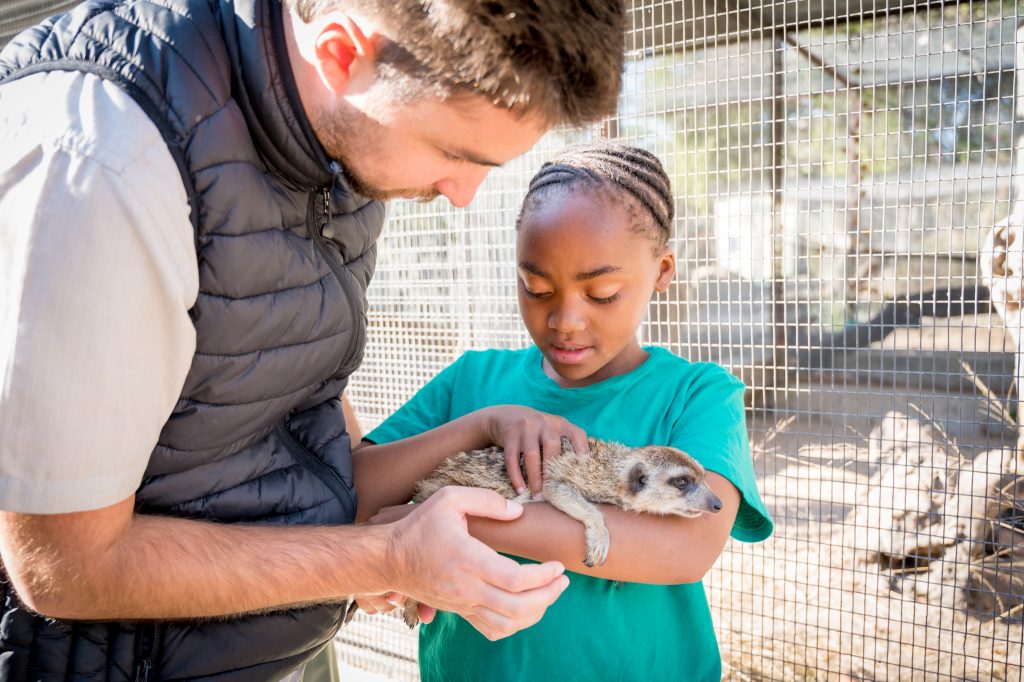
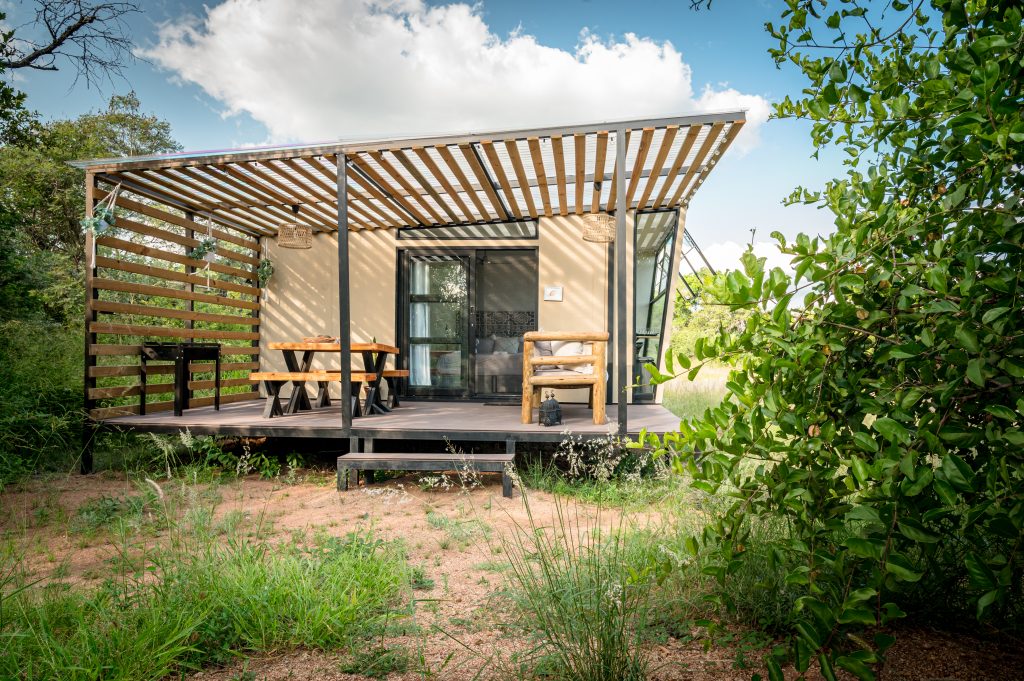
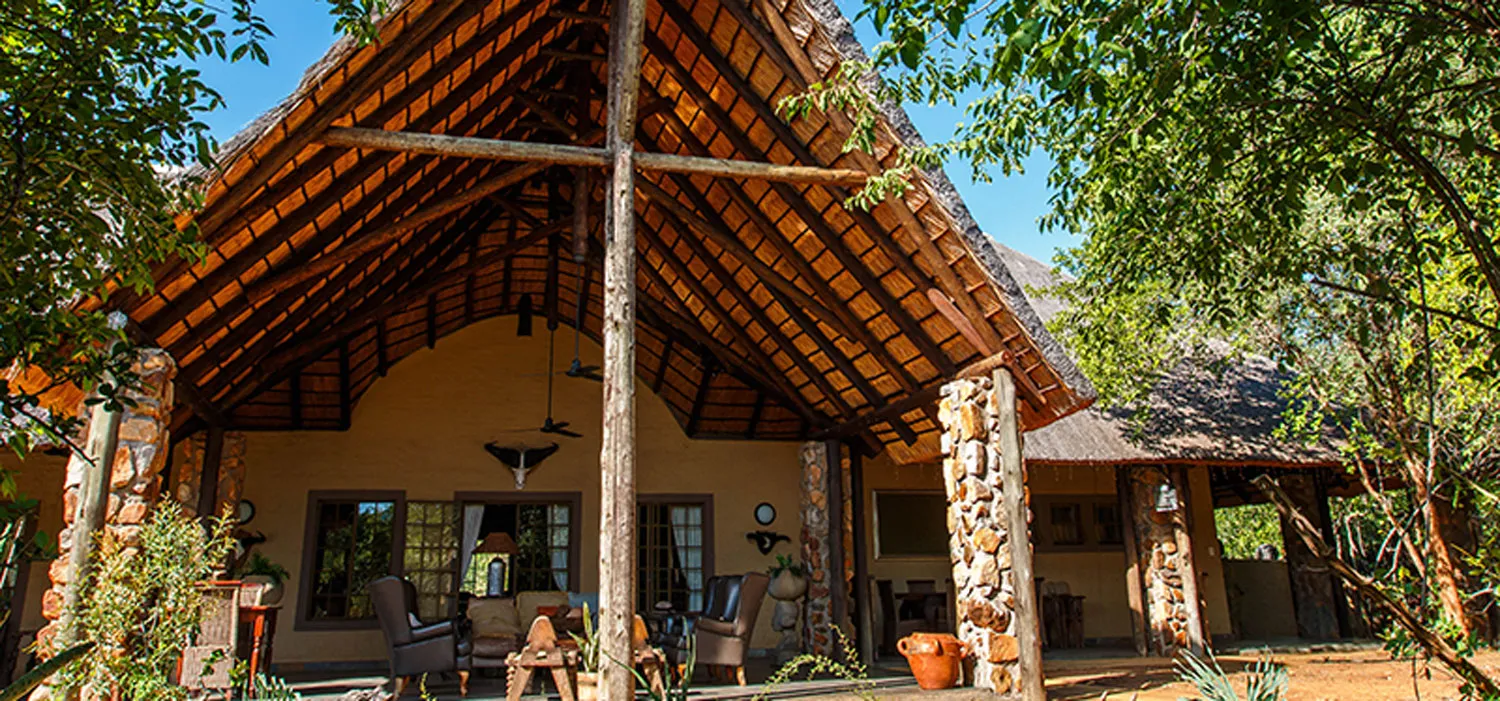
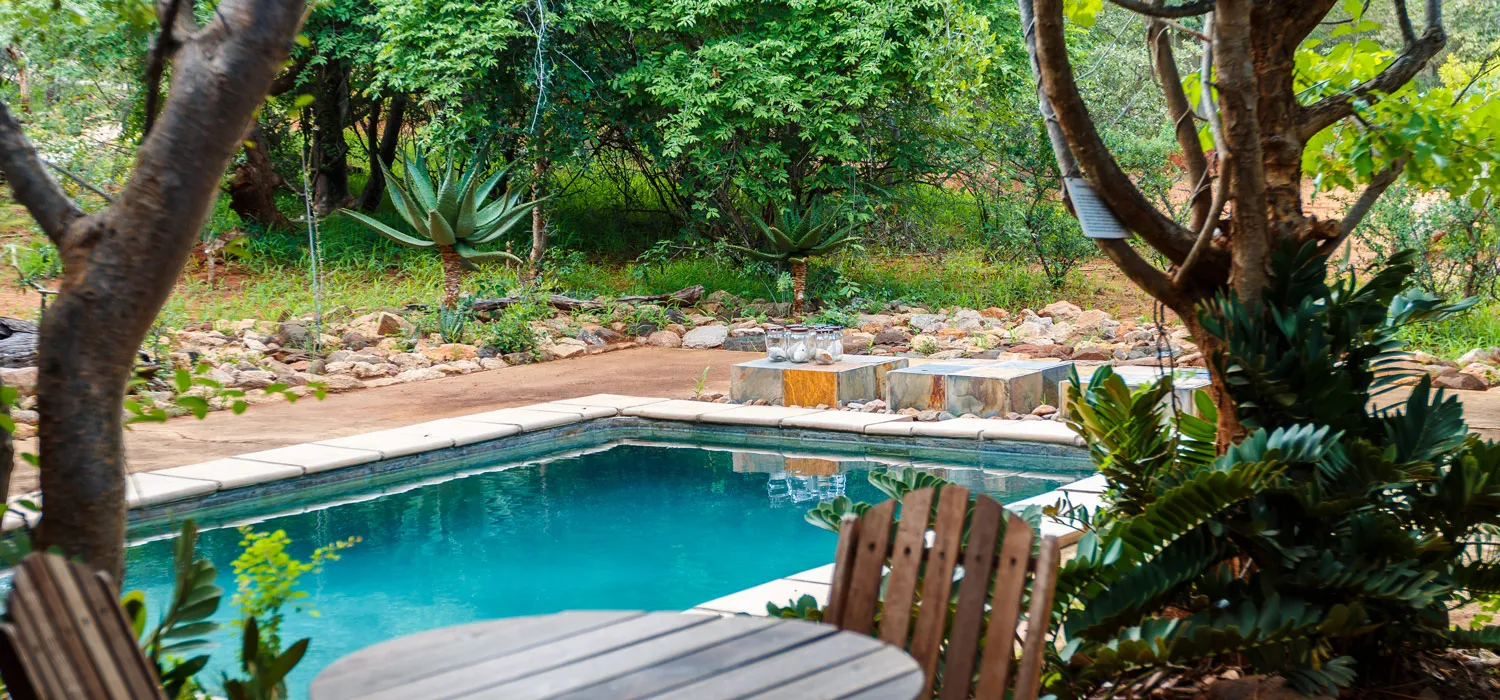
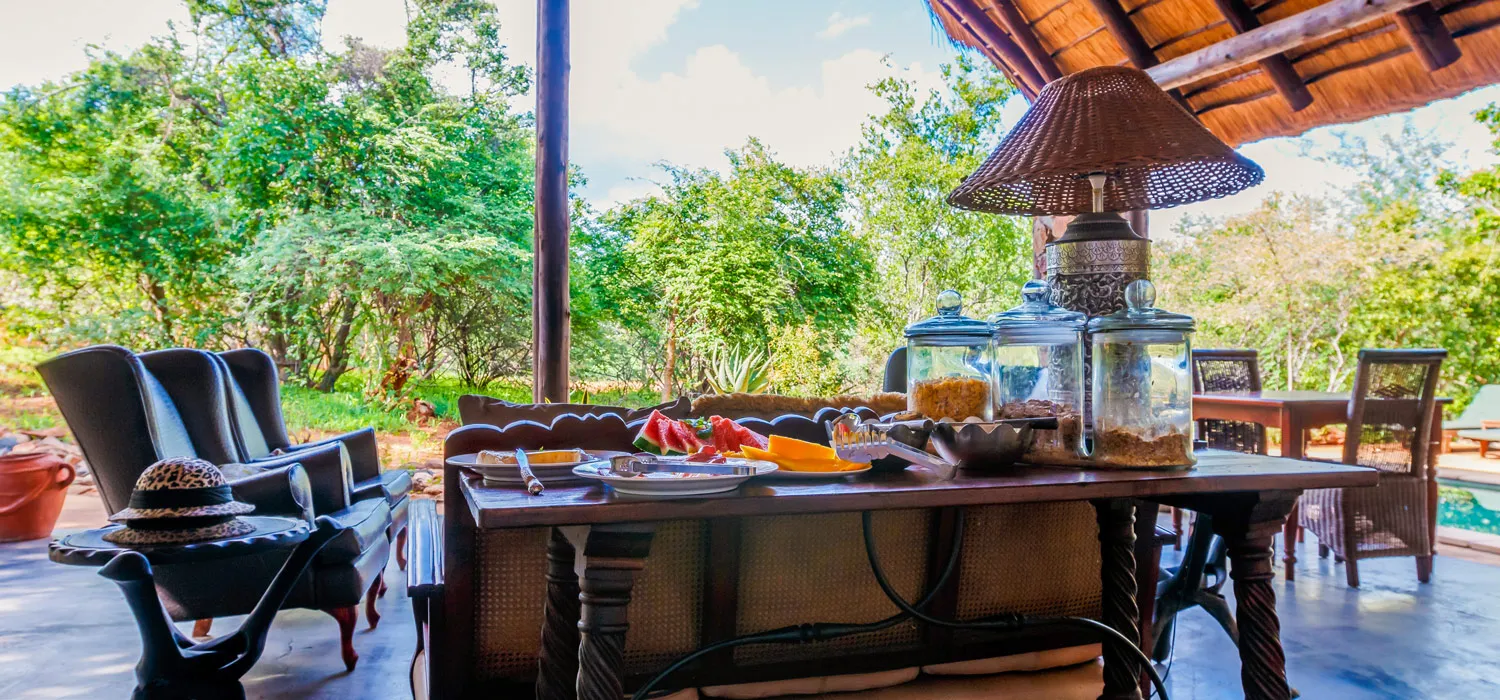
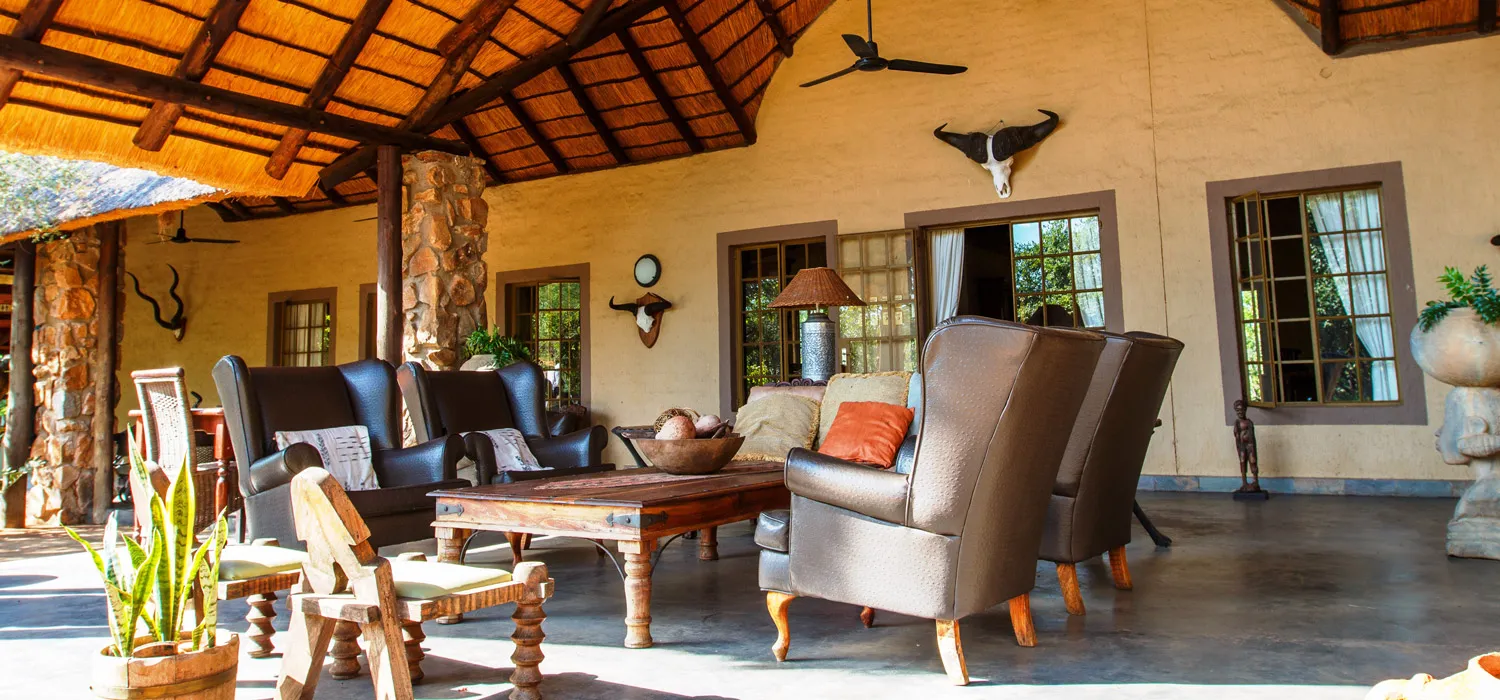
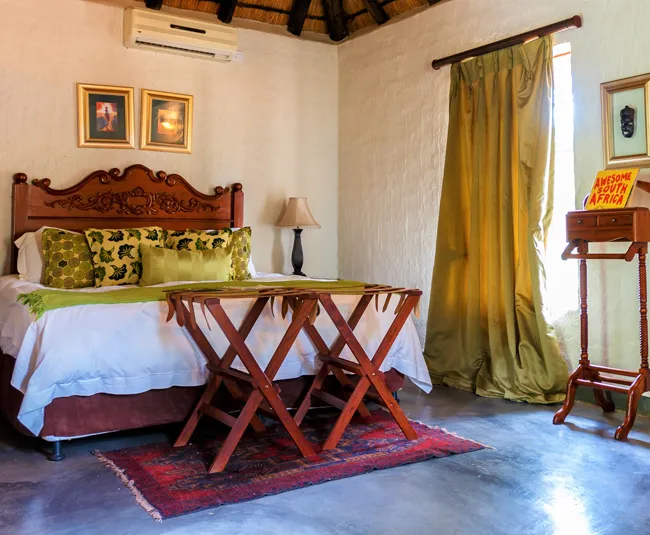
Shikwari Nature Reserve bied twee verblyf-ervaringe: ses private junior-suites met halwe pension en vier tradisionele riete rondavels met volledige ontbijt of halwe pension-keuses. Die natuurreservaat bied toegang tot staprondtes en toere na Kruger Park en Panorama Route.
Slaap 39
Kinders welkom
Akkommodasiepryse in Kubjaname
| Tipe | Inskrywings | Vanaf | Gemiddeld | Tot |
|---|---|---|---|---|
| Lodge | 1 | R1,822 | R3,369 | R4,400 |
Kubjaname Kaart
Nabygeleë Bestemmings
Blaai Deur Alle Kubjaname Akkommodasie
Bekyk al 1 akkommodasie-opsies in Kubjaname met foto's, pryse en beskikbaarheid.
Blaai Deur Alle Akkommodasie