Duiwelskloof Reis- & Akkommodasiegids
Jou volledige gids om Duiwelskloof, Suid-Afrika te besoek.
1
Eiendom
Vanaf
R1,650
/ nag
Gemiddeld
R1,650
/ nag
Gewildste
Guest house
Duiwelskloof, officially known as Modjadjiskloof since 2003, sits in the Limpopo province at the foot of the Drakensberg escarpment. The town serves as a gateway to the Modjadji Cycad Reserve and the Rain Queen's territory, offering visitors access to indigenous forests, tea estates, and mountain scenery.
## Accommodation in Duiwelskloof
The accommodation market here is small, with a single listed property at R1,650 per night. That figure reflects the area's position as a rural mountain destination rather than a resort hub, and the listing falls into the guest house category, which in this region typically means a family-run property with a handful of rooms, home-cooked or self-service breakfast, and a garden that benefits from the area's above-average rainfall.
Guest houses in the Duiwelskloof and Modjadjiskloof area tend to occupy converted farmhouses or purpose-built cottages on larger plots. They offer a quieter alternative to lodge-style accommodation, with hosts who often have direct knowledge of local trails, tea estate tours, and the Modjadji Cycad Reserve. Room quality varies, but properties in this bracket generally include private bathrooms, reliable electricity, and parking. Some include braai facilities, which are worth confirming if you plan to eat outdoors in the evenings.
Beyond the listed guest house, visitors frequently find self-catering cottages on surrounding farms and tea estates that do not always appear on major booking platforms. These suit groups or families who prefer cooking their own meals and staying for more than one or two nights. Rates for these properties can fall below or above the listed benchmark depending on size, location, and season.
The town has no large hotels. Travellers accustomed to chain hotel amenities should calibrate expectations accordingly. What the area offers instead is direct access to mountain landscapes, working farms, and a pace that suits extended stays over quick weekend visits. For those exploring the northern Limpopo highlands, a guest house provides a practical and personal base without unnecessary overhead.
---
## Best Time to Visit Duiwelskloof
Duiwelskloof sits at a higher altitude than much of the surrounding Limpopo bushveld, and the climate reflects this. Summers, from November through February, are warm and wet, with afternoon thunderstorms arriving on most days. The rain keeps the hillsides green and feeds the mountain streams, but trails can become muddy and viewpoints are sometimes obscured by mist. These months are quieter for tourism outside of school holidays, when local families from Polokwane and Johannesburg use the area as a cool-weather retreat.
Winter, from June through August, is dry and clear. Days are mild, temperatures drop sharply at night, and the skies are reliable. This is the best time for hiking, cycad viewing, and tea estate visits, and the light is better for photography. The Wolkberg Wilderness Area is most accessible during these drier months.
Spring, September to October, offers a useful middle ground: drier than summer, warmer at night than winter, and the vegetation remains green from the previous season's rain. Serious birders tend to visit between October and December when migratory species are present. School holiday periods in June/July and December/January bring the highest demand and require earlier booking.
---
## Getting to Duiwelskloof
The nearest major airport is Polokwane International, roughly 90 kilometres to the northwest. From Polokwane, the drive to Duiwelskloof takes around an hour and a half, following the N1 south before turning east. Johannesburg's OR Tambo International is a more practical option for travellers coming from outside South Africa or from Gauteng, with the drive taking approximately four to five hours via the N1 through Mokopane and Polokwane.
By road, the R36 is the primary route through the area, linking the lowveld near Tzaneen to the highveld plateau. The road climbs through mountain passes and is in reasonable condition, though sections require care in wet weather. Most drivers coming from Johannesburg route north on the N1 to Polokwane, then east via the R71 through Haenertsburg before descending into the valley.
There is no scheduled public transport directly to Duiwelskloof. Shared taxis run between the town and nearby centres, but services are irregular and timetables informal. A private vehicle is effectively essential for visiting the surrounding reserves, tea estates, and wilderness areas. Car hire is available at both Polokwane and OR Tambo airports.
---
## Duiwelskloof and Surrounding Areas
The towns and areas within 20 kilometres of Duiwelskloof each have a distinct character worth knowing before planning day trips.
**Quantock**, 6 kilometres out, is a small farming settlement rather than a tourist destination. It sits on agricultural land typical of the mid-altitude slopes and is useful primarily as a reference point when navigating farm accommodation in the immediate area.
**Ga-kgapane**, 10 kilometres from the town centre, is the larger commercial hub for the Balobedu people. It has more retail infrastructure than Duiwelskloof itself, including supermarkets and fuel stations that visitors often use before heading into more rural terrain. The town is also culturally significant as a centre for the Balobedu community, whose traditions are closely tied to the Rain Queen lineage.
**Vaalkrans**, also 10 kilometres away, occupies hilly terrain between the valley floor and the upper slopes. The area is largely agricultural but offers views across the escarpment that reward those willing to take the back roads.
**Tzaneen**, 16 kilometres south, is the regional hub for this part of Limpopo. It has hospitals, major supermarkets, hardware stores, and restaurants that Duiwelskloof cannot match. Many travellers base themselves there for convenience while making day trips north into the mountains. Tzaneen also has its own accommodation sector and sits close to the Agatha Forest, the Hans Merensky Nature Reserve, and several macadamia and banana farms that offer tours.
**Hekpoort**, 19 kilometres away, is a quieter area on the upper slopes with limited development. It draws visitors interested in farm stays and walking rather than organised attractions.
**Magoebaskloof**, 20 kilometres from Duiwelskloof, deserves serious attention as either a day trip or an alternative base. The pass and surrounding plateau contain indigenous forest, the Debegeni Falls, trout dams, and a well-established network of hiking trails. Several well-regarded guesthouses and lodges operate there, and the area is considered one of the most scenically varied parts of Limpopo.
---
## Planning Your Stay
With only a small number of listed properties in the immediate area, accommodation fills quickly during South African school holidays and long weekends. Booking two to three months in advance is advisable for June, July, and December visits. Outside these windows, shorter lead times are generally fine, though confirming directly with the property always makes sense.
Before finalising a reservation, check whether the rate includes breakfast or is room-only. Many smaller guest houses in rural Limpopo operate on different terms depending on the season or group size. Ask about generator or inverter availability: the area is not immune to load shedding, and properties that address this upfront tend to manage the issue more reliably.
If you plan to visit the Modjadji Cycad Reserve or the Wolkberg Wilderness Area, confirm current access conditions before arriving. Entry requirements and trail availability can change due to weather damage or management decisions, and updates are not always reflected on older travel listings. Local hosts are usually the most current source of practical information.
Cellular coverage is generally adequate in the town but drops in the more mountainous terrain. Downloading offline maps before departure is sensible if you intend to explore the back roads between farms and reserves.

The accommodation market here is small, with a single listed property at R1,650 per night. That figure reflects the area's position as a rural mountain destination rather than a resort hub, and the listing falls into the guest house category, which in this region typically means a family-run property with a handful of rooms, home-cooked or self-service breakfast, and a garden that benefits from the area's above-average rainfall.
Guest houses in the Duiwelskloof and Modjadjiskloof area tend to occupy converted farmhouses or purpose-built cottages on larger plots. They offer a quieter alternative to lodge-style accommodation, with hosts who often have direct knowledge of local trails, tea estate tours, and the Modjadji Cycad Reserve. Room quality varies, but properties in this bracket generally include private bathrooms, reliable electricity, and parking. Some include braai facilities, which are worth confirming if you plan to eat outdoors in the evenings.
Beyond the listed guest house, visitors frequently find self-catering cottages on surrounding farms and tea estates that do not always appear on major booking platforms. These suit groups or families who prefer cooking their own meals and staying for more than one or two nights. Rates for these properties can fall below or above the listed benchmark depending on size, location, and season.
The town has no large hotels. Travellers accustomed to chain hotel amenities should calibrate expectations accordingly. What the area offers instead is direct access to mountain landscapes, working farms, and a pace that suits extended stays over quick weekend visits. For those exploring the northern Limpopo highlands, a guest house provides a practical and personal base without unnecessary overhead.
---
## Best Time to Visit Duiwelskloof
Duiwelskloof sits at a higher altitude than much of the surrounding Limpopo bushveld, and the climate reflects this. Summers, from November through February, are warm and wet, with afternoon thunderstorms arriving on most days. The rain keeps the hillsides green and feeds the mountain streams, but trails can become muddy and viewpoints are sometimes obscured by mist. These months are quieter for tourism outside of school holidays, when local families from Polokwane and Johannesburg use the area as a cool-weather retreat.
Winter, from June through August, is dry and clear. Days are mild, temperatures drop sharply at night, and the skies are reliable. This is the best time for hiking, cycad viewing, and tea estate visits, and the light is better for photography. The Wolkberg Wilderness Area is most accessible during these drier months.
Spring, September to October, offers a useful middle ground: drier than summer, warmer at night than winter, and the vegetation remains green from the previous season's rain. Serious birders tend to visit between October and December when migratory species are present. School holiday periods in June/July and December/January bring the highest demand and require earlier booking.
---
## Getting to Duiwelskloof
The nearest major airport is Polokwane International, roughly 90 kilometres to the northwest. From Polokwane, the drive to Duiwelskloof takes around an hour and a half, following the N1 south before turning east. Johannesburg's OR Tambo International is a more practical option for travellers coming from outside South Africa or from Gauteng, with the drive taking approximately four to five hours via the N1 through Mokopane and Polokwane.
By road, the R36 is the primary route through the area, linking the lowveld near Tzaneen to the highveld plateau. The road climbs through mountain passes and is in reasonable condition, though sections require care in wet weather. Most drivers coming from Johannesburg route north on the N1 to Polokwane, then east via the R71 through Haenertsburg before descending into the valley.
There is no scheduled public transport directly to Duiwelskloof. Shared taxis run between the town and nearby centres, but services are irregular and timetables informal. A private vehicle is effectively essential for visiting the surrounding reserves, tea estates, and wilderness areas. Car hire is available at both Polokwane and OR Tambo airports.
---
## Duiwelskloof and Surrounding Areas
The towns and areas within 20 kilometres of Duiwelskloof each have a distinct character worth knowing before planning day trips.
**Quantock**, 6 kilometres out, is a small farming settlement rather than a tourist destination. It sits on agricultural land typical of the mid-altitude slopes and is useful primarily as a reference point when navigating farm accommodation in the immediate area.
**Ga-kgapane**, 10 kilometres from the town centre, is the larger commercial hub for the Balobedu people. It has more retail infrastructure than Duiwelskloof itself, including supermarkets and fuel stations that visitors often use before heading into more rural terrain. The town is also culturally significant as a centre for the Balobedu community, whose traditions are closely tied to the Rain Queen lineage.
**Vaalkrans**, also 10 kilometres away, occupies hilly terrain between the valley floor and the upper slopes. The area is largely agricultural but offers views across the escarpment that reward those willing to take the back roads.
**Tzaneen**, 16 kilometres south, is the regional hub for this part of Limpopo. It has hospitals, major supermarkets, hardware stores, and restaurants that Duiwelskloof cannot match. Many travellers base themselves there for convenience while making day trips north into the mountains. Tzaneen also has its own accommodation sector and sits close to the Agatha Forest, the Hans Merensky Nature Reserve, and several macadamia and banana farms that offer tours.
**Hekpoort**, 19 kilometres away, is a quieter area on the upper slopes with limited development. It draws visitors interested in farm stays and walking rather than organised attractions.
**Magoebaskloof**, 20 kilometres from Duiwelskloof, deserves serious attention as either a day trip or an alternative base. The pass and surrounding plateau contain indigenous forest, the Debegeni Falls, trout dams, and a well-established network of hiking trails. Several well-regarded guesthouses and lodges operate there, and the area is considered one of the most scenically varied parts of Limpopo.
---
## Planning Your Stay
With only a small number of listed properties in the immediate area, accommodation fills quickly during South African school holidays and long weekends. Booking two to three months in advance is advisable for June, July, and December visits. Outside these windows, shorter lead times are generally fine, though confirming directly with the property always makes sense.
Before finalising a reservation, check whether the rate includes breakfast or is room-only. Many smaller guest houses in rural Limpopo operate on different terms depending on the season or group size. Ask about generator or inverter availability: the area is not immune to load shedding, and properties that address this upfront tend to manage the issue more reliably.
If you plan to visit the Modjadji Cycad Reserve or the Wolkberg Wilderness Area, confirm current access conditions before arriving. Entry requirements and trail availability can change due to weather damage or management decisions, and updates are not always reflected on older travel listings. Local hosts are usually the most current source of practical information.
Cellular coverage is generally adequate in the town but drops in the more mountainous terrain. Downloading offline maps before departure is sensible if you intend to explore the back roads between farms and reserves.
Tipes Akkommodasie in Duiwelskloof
Uitgesoekte Verblyf in Duiwelskloof
La Barune Guesthouse
Gastehuis
Tzaneen
Vanaf R1,650
La Barune Guesthouse
Gastehuis
Tzaneen
· 14km van Duiwelskloof
Vanaf
R1,650
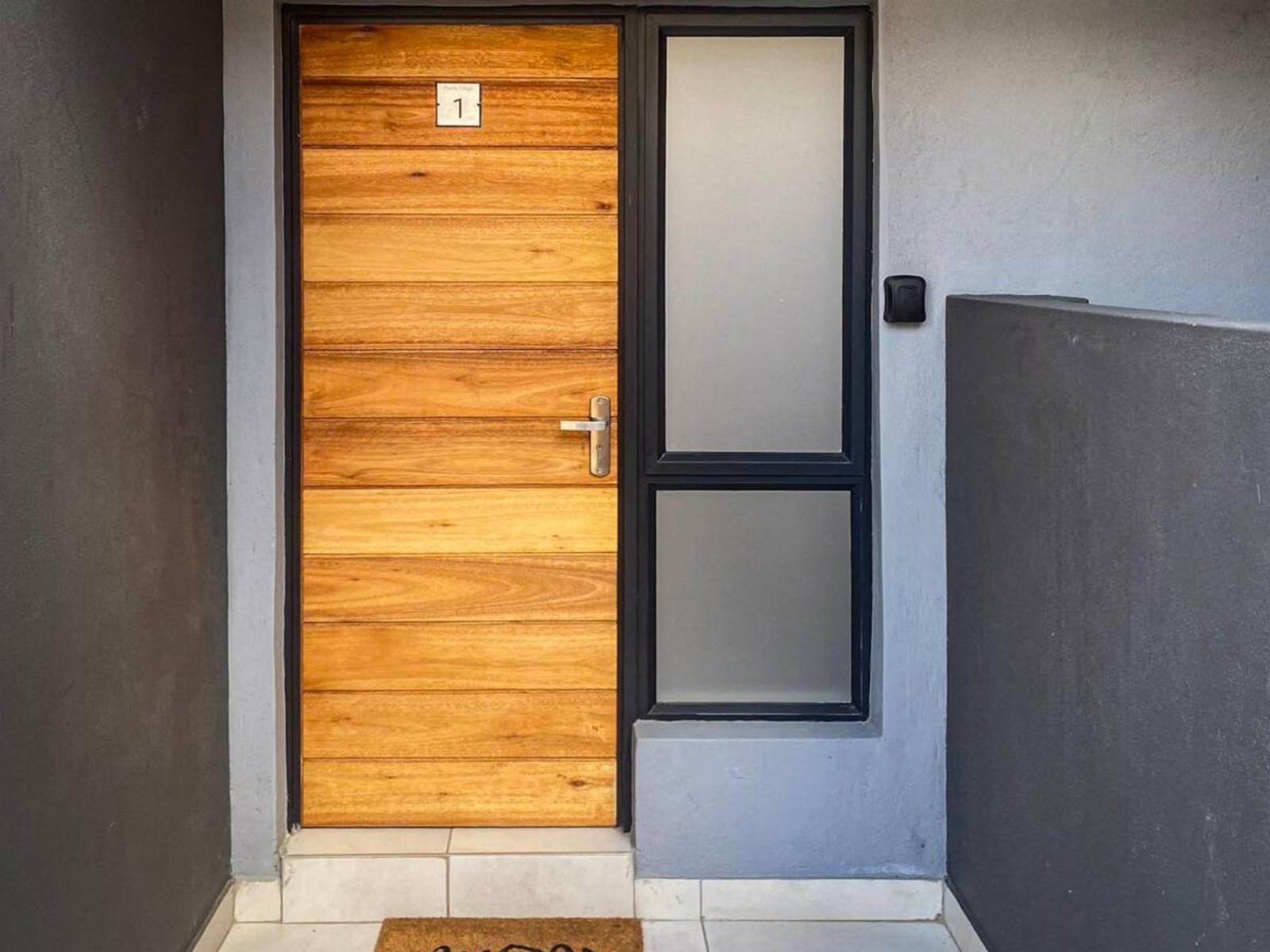
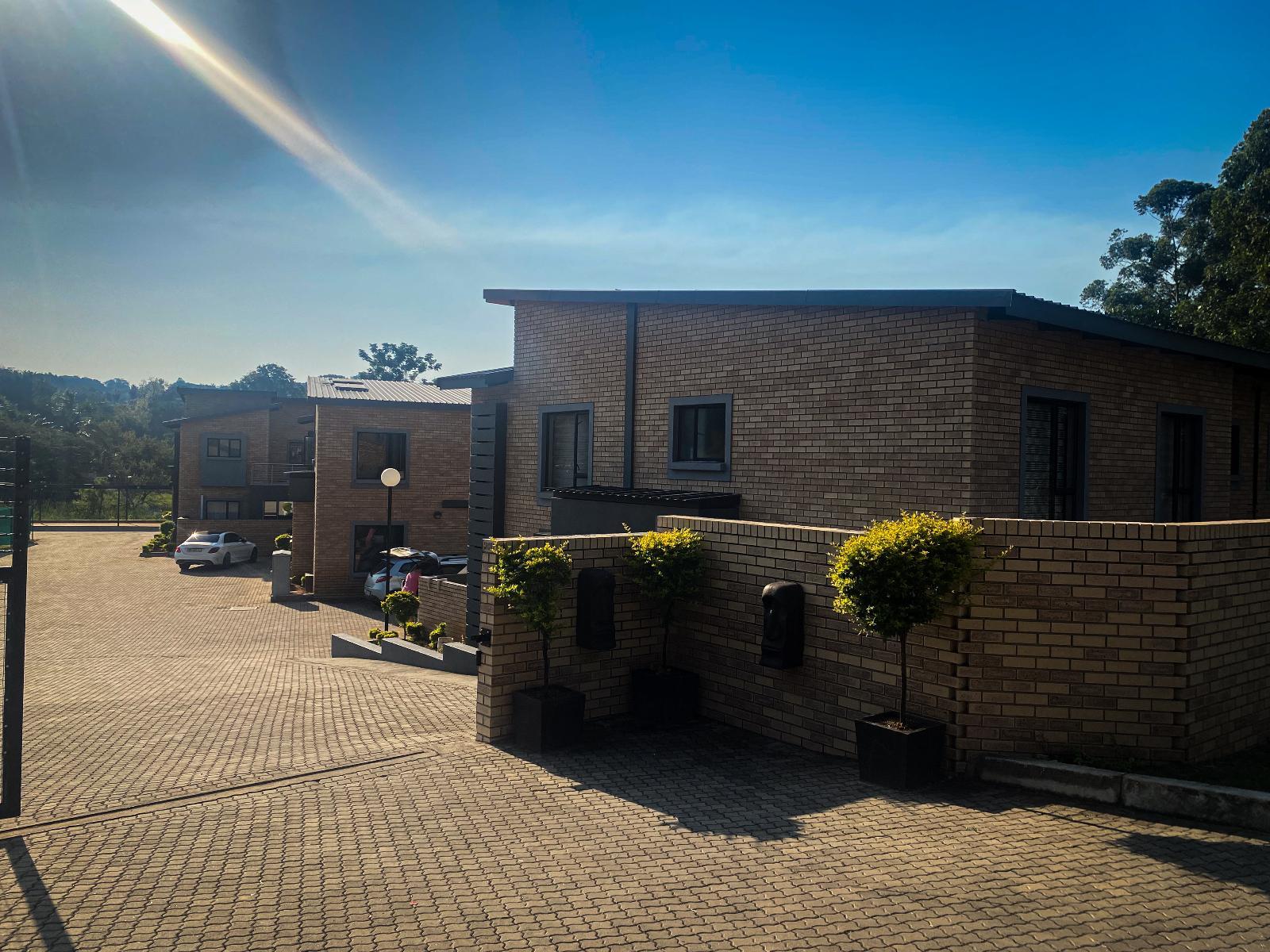
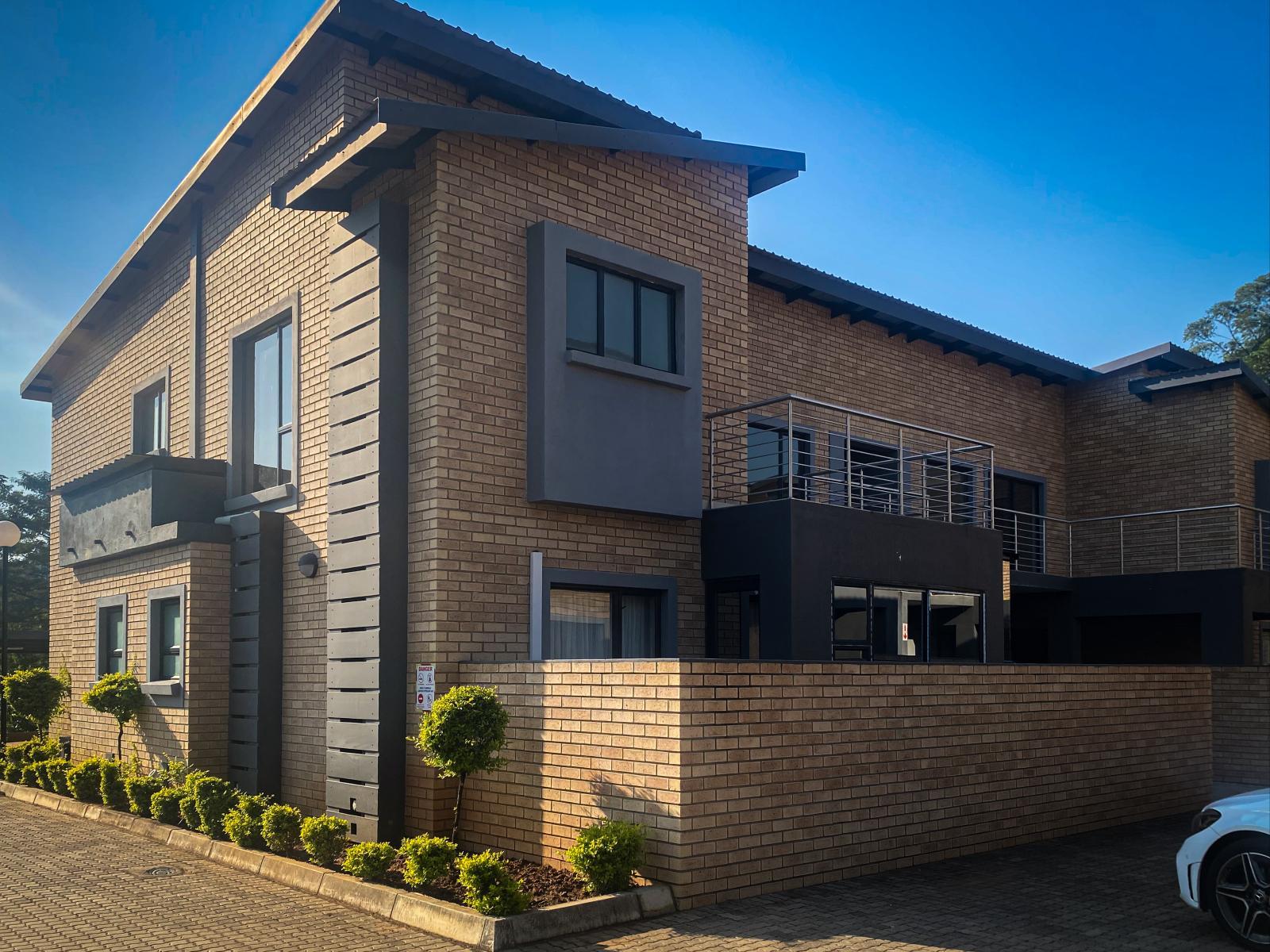
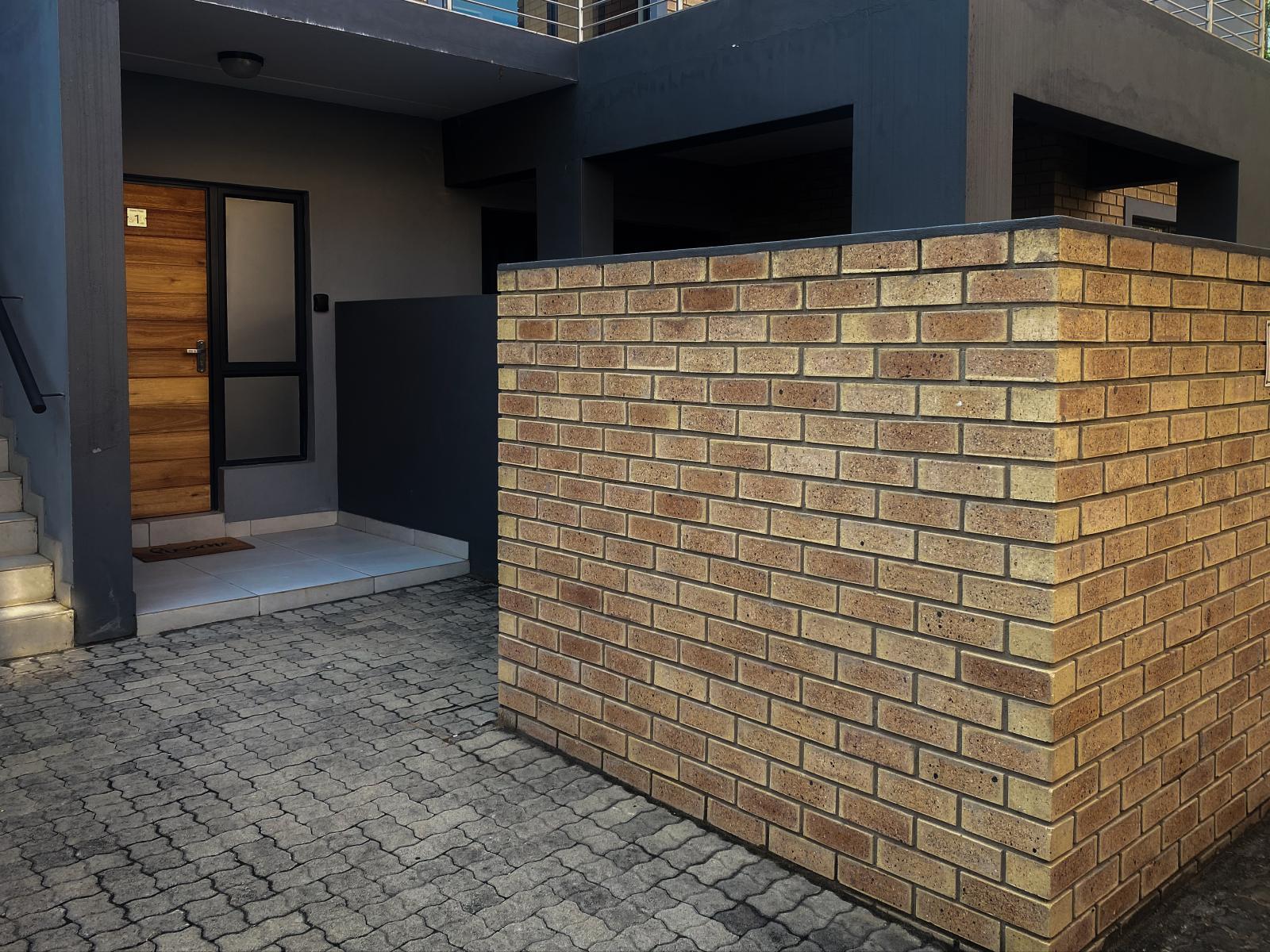
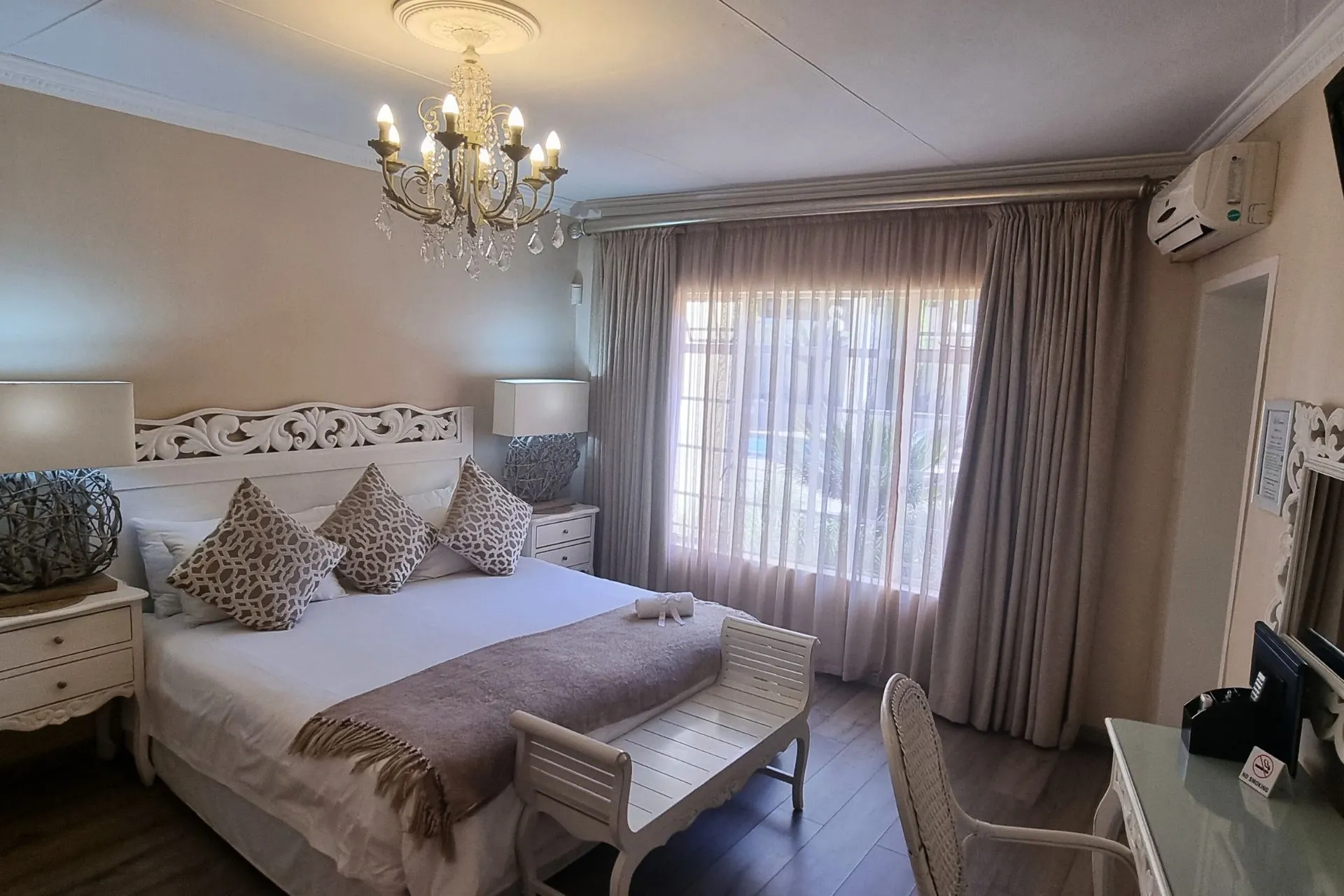
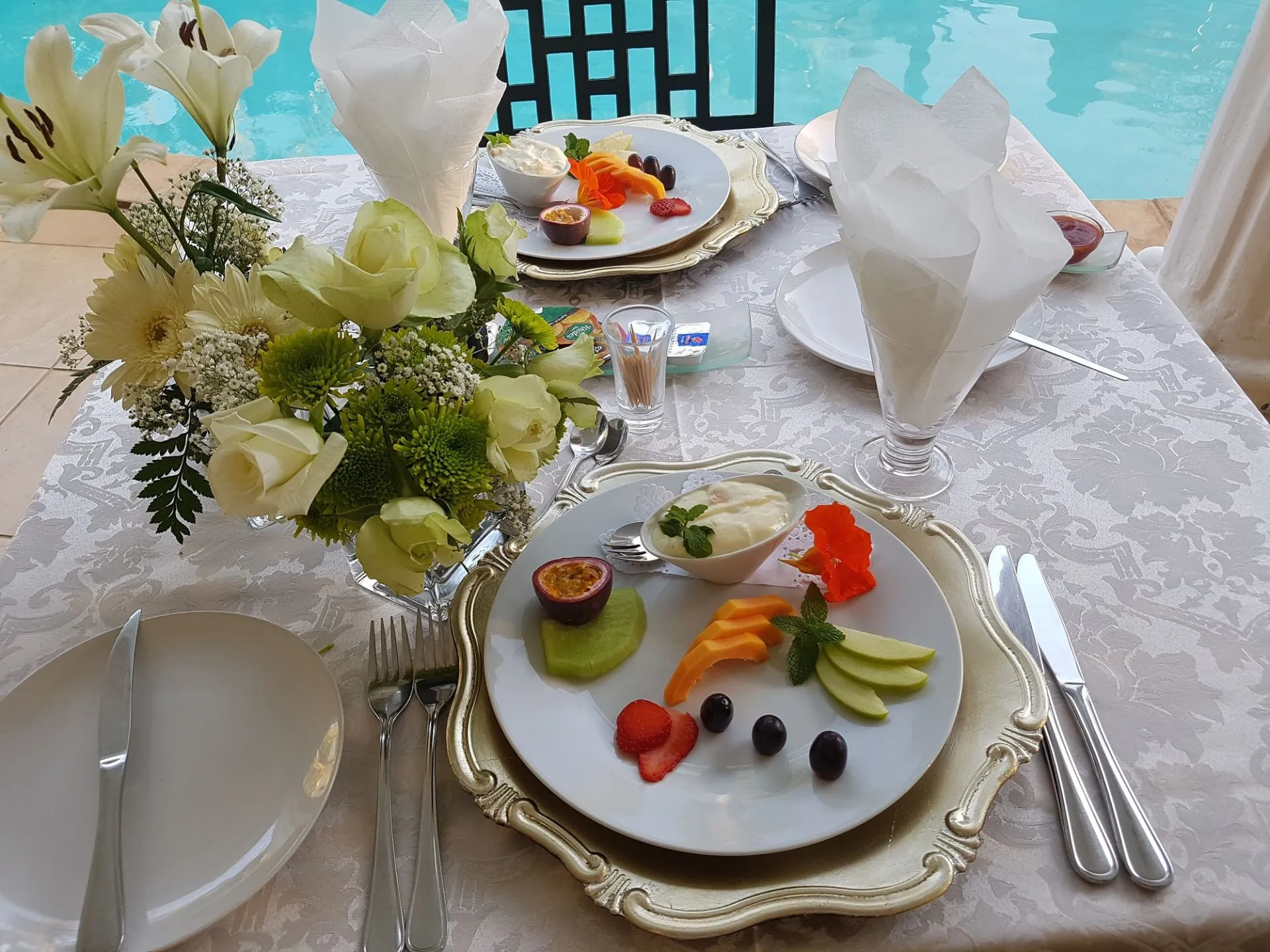
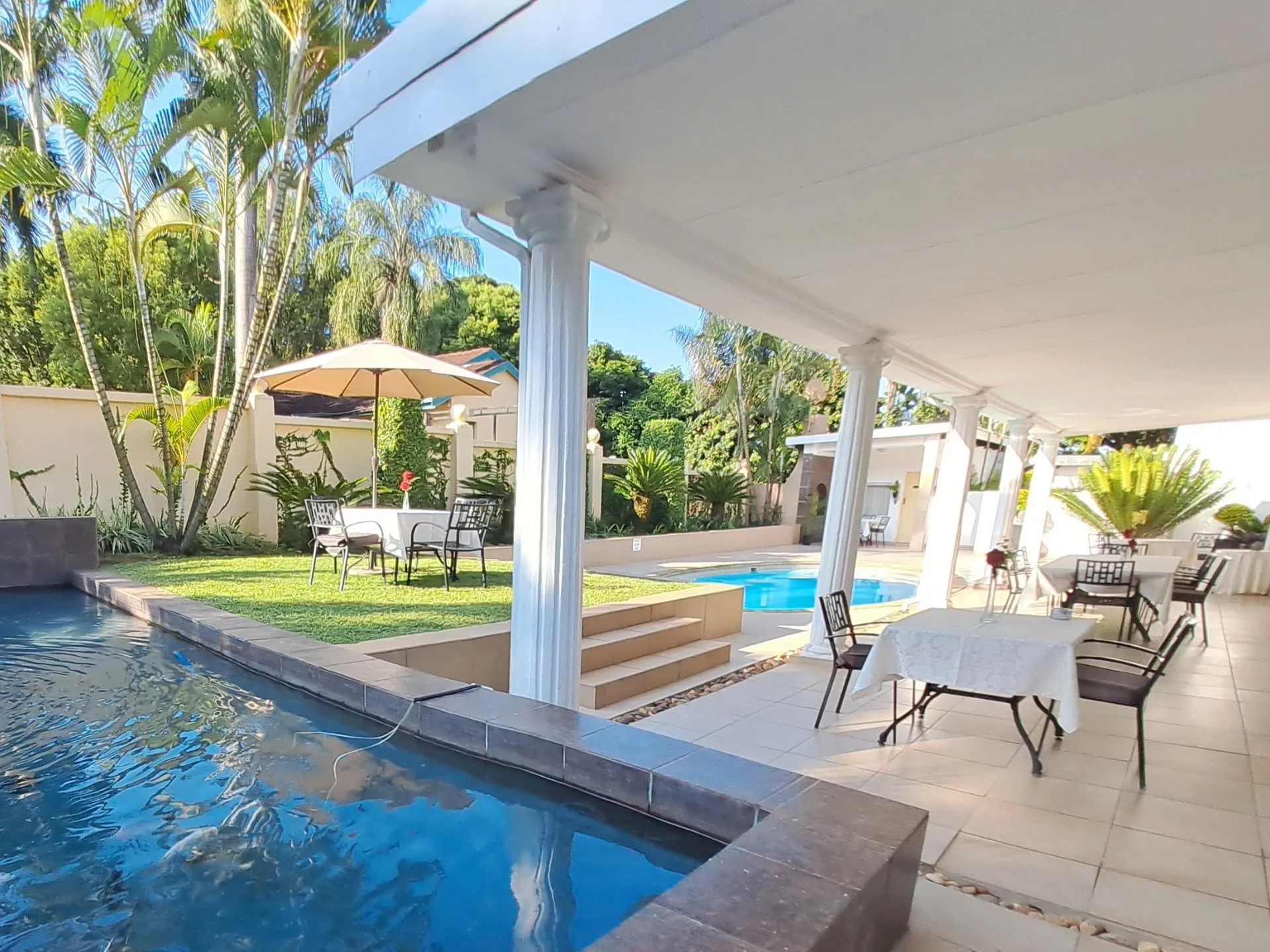
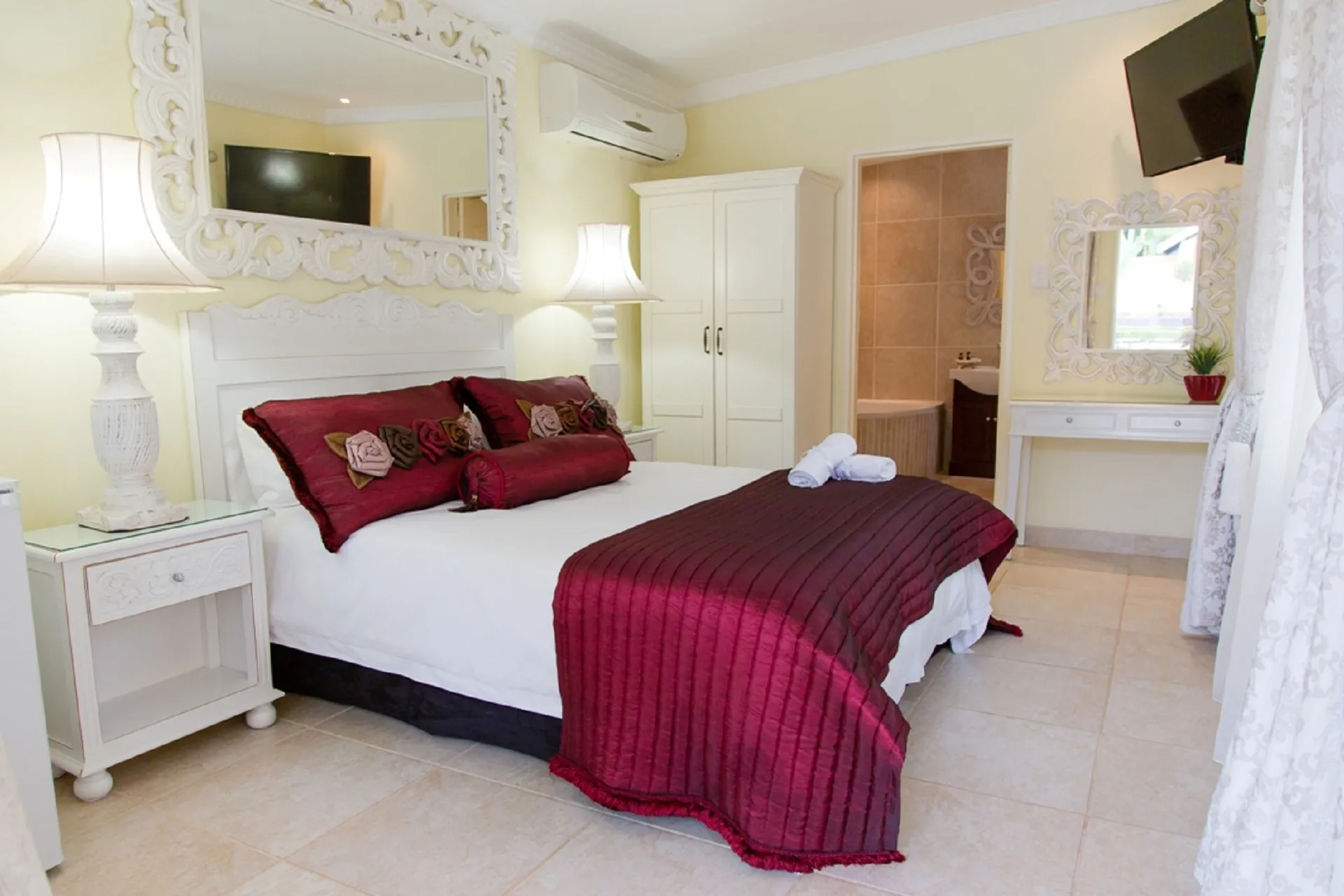
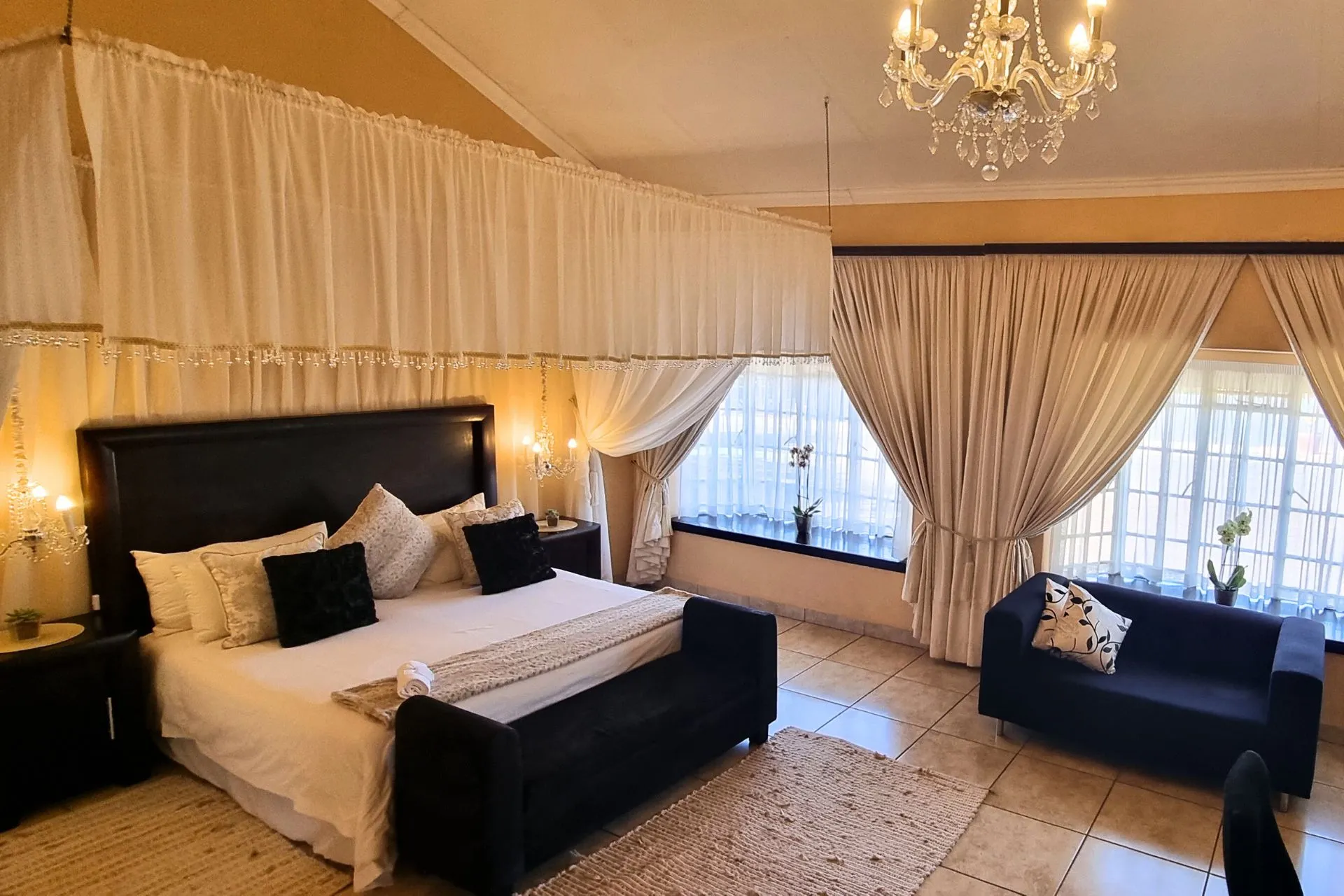
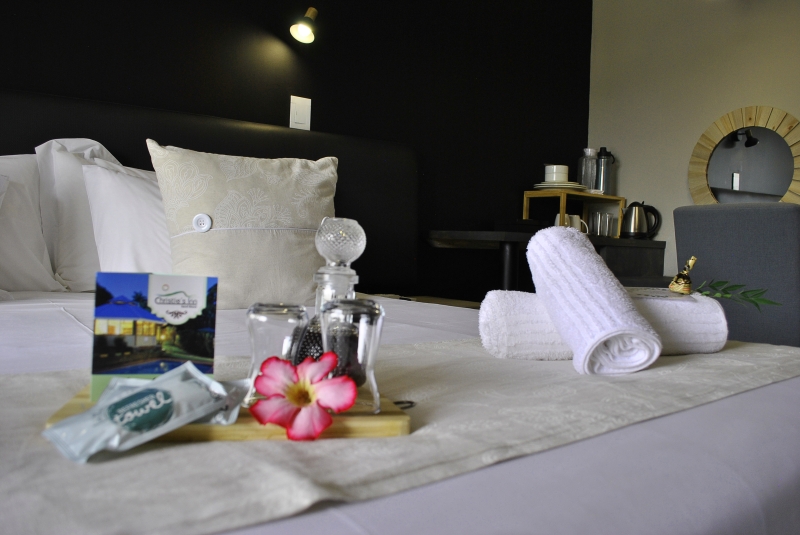
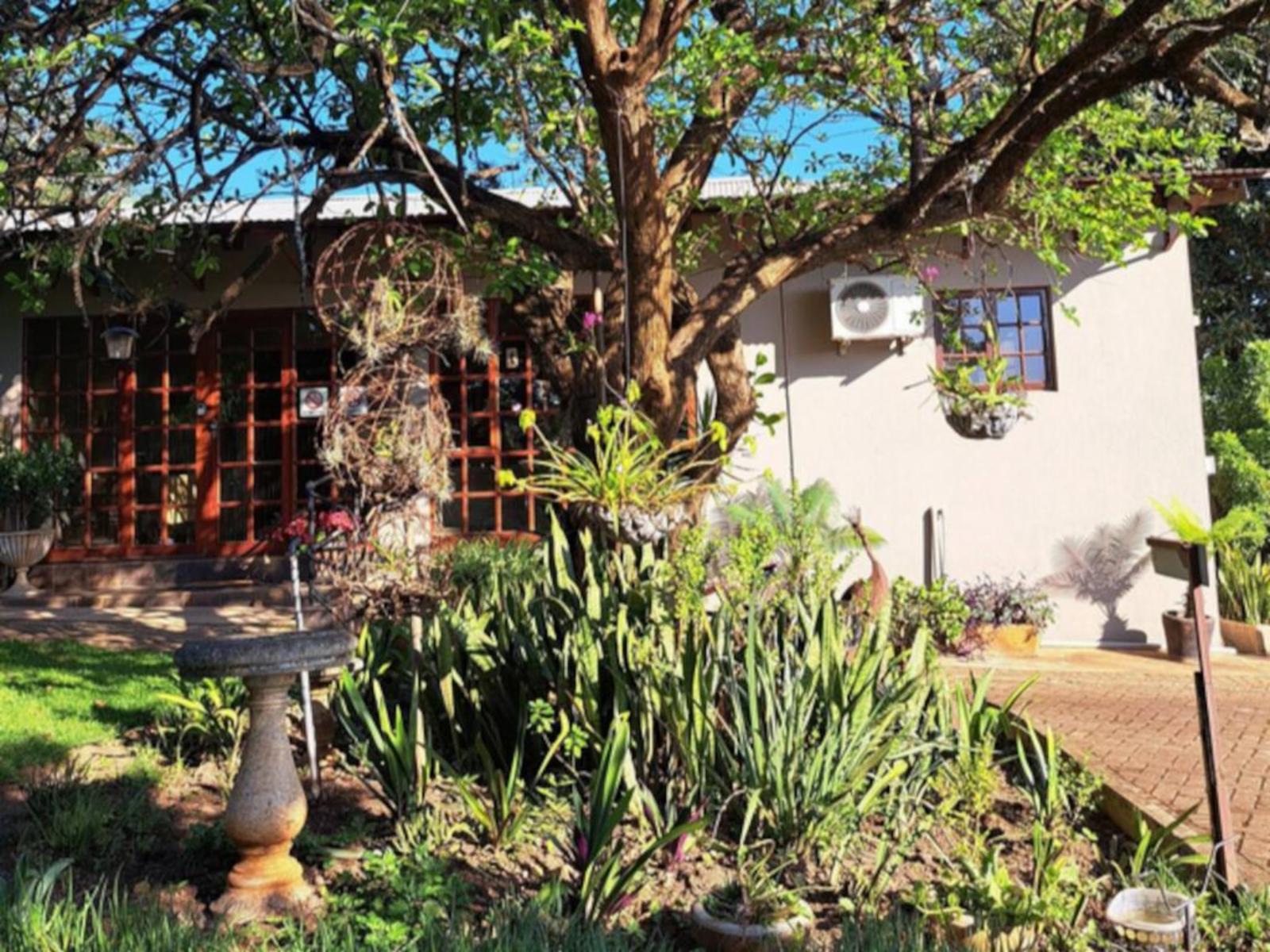
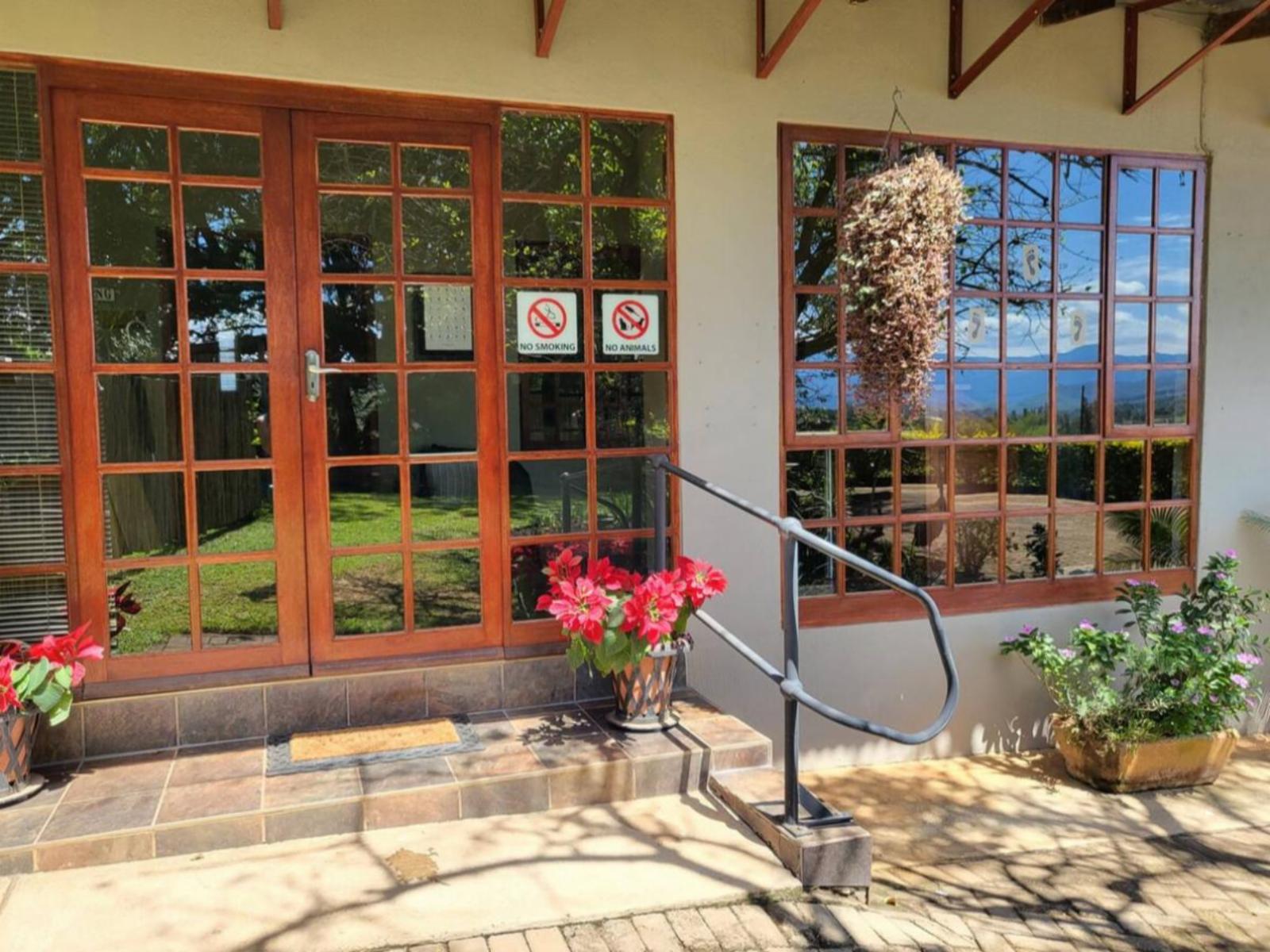
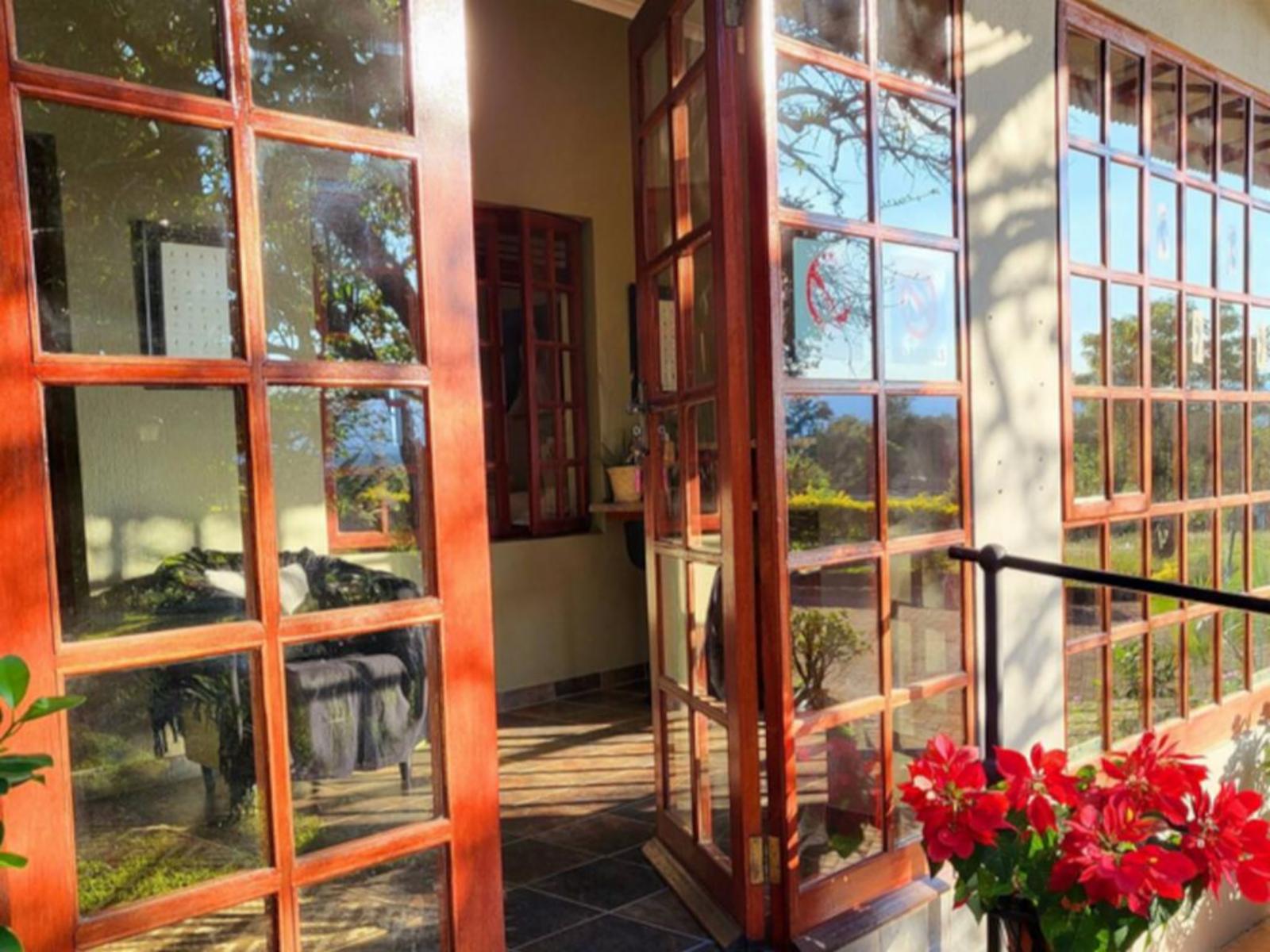
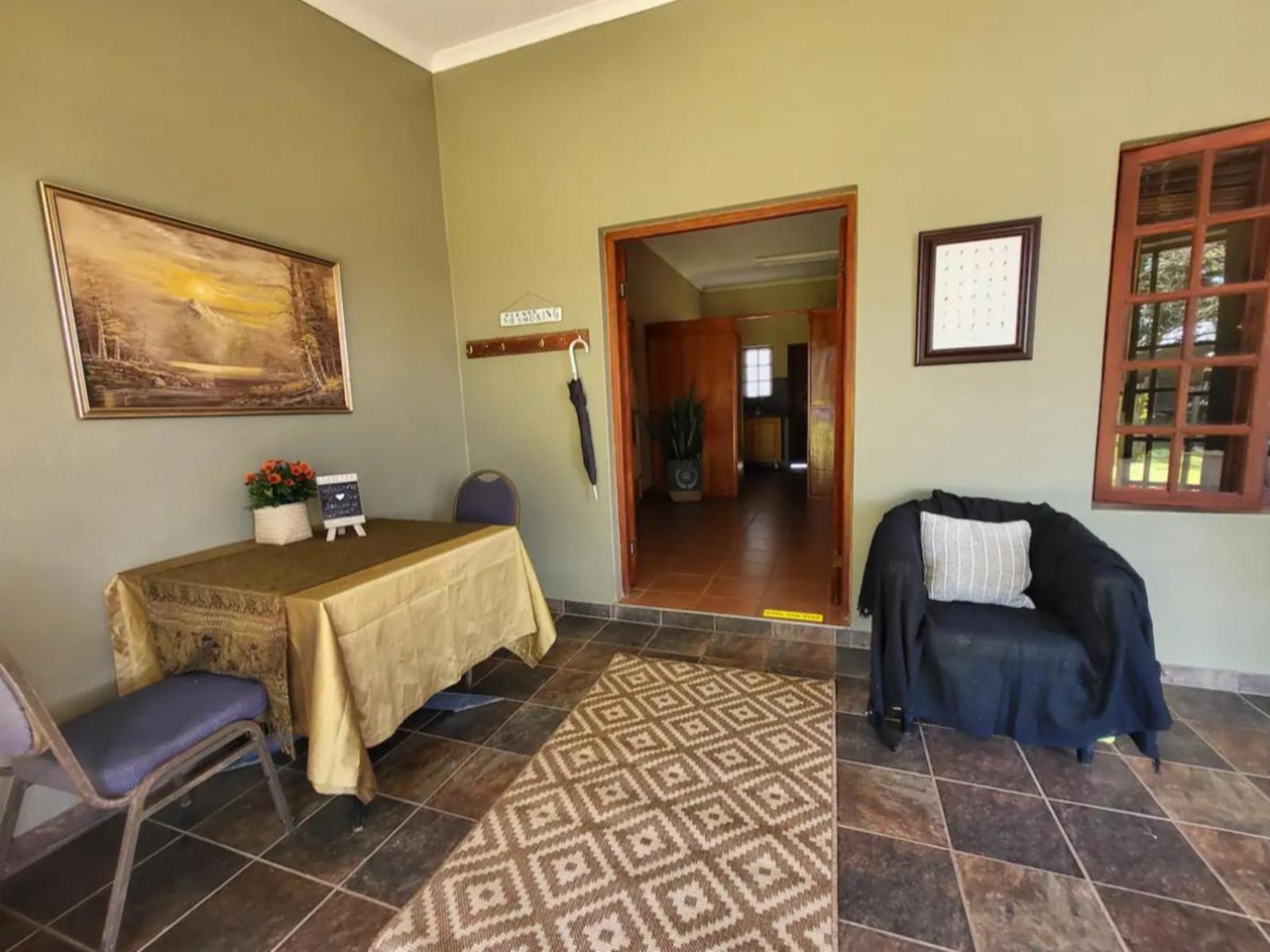
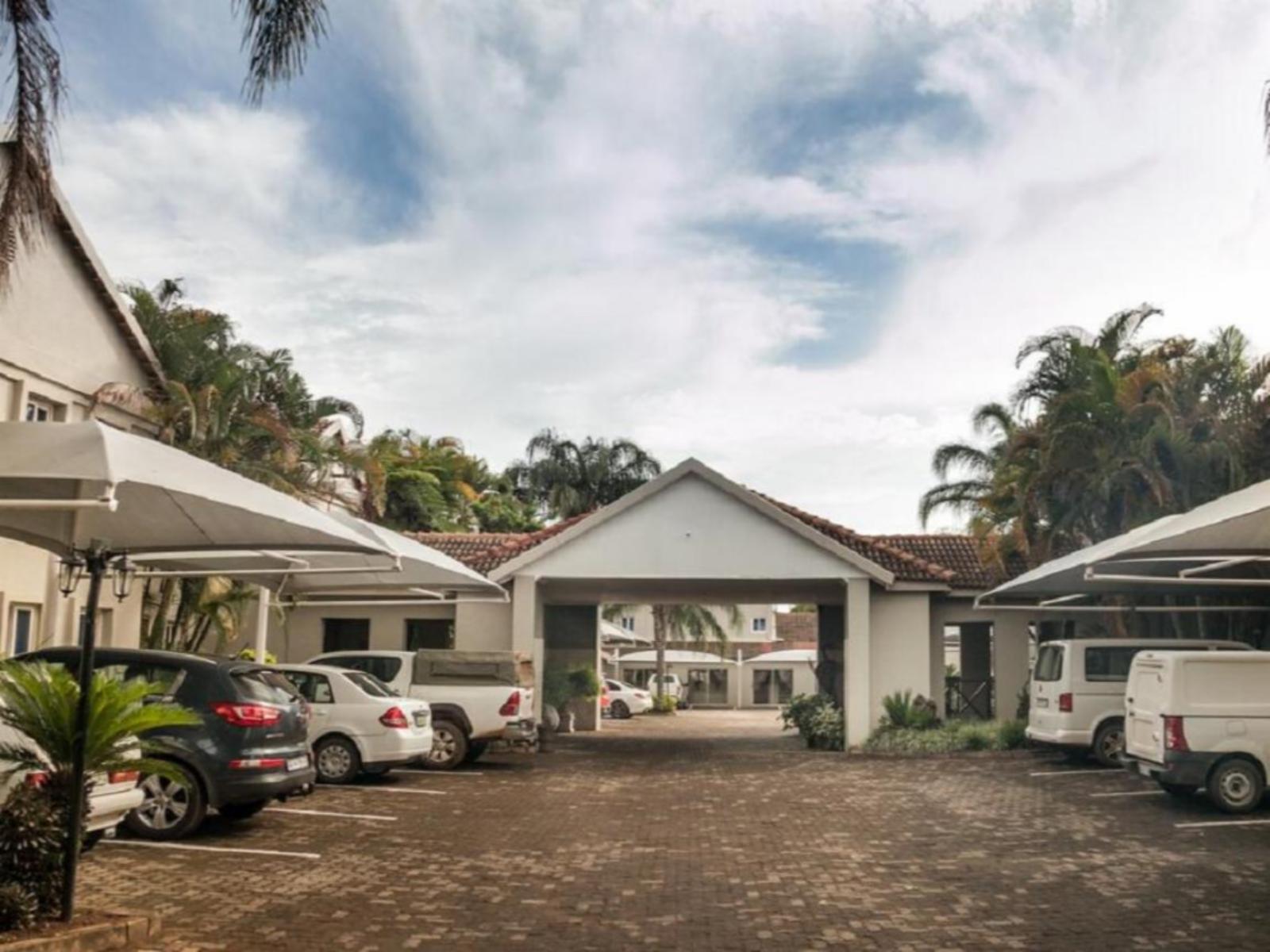
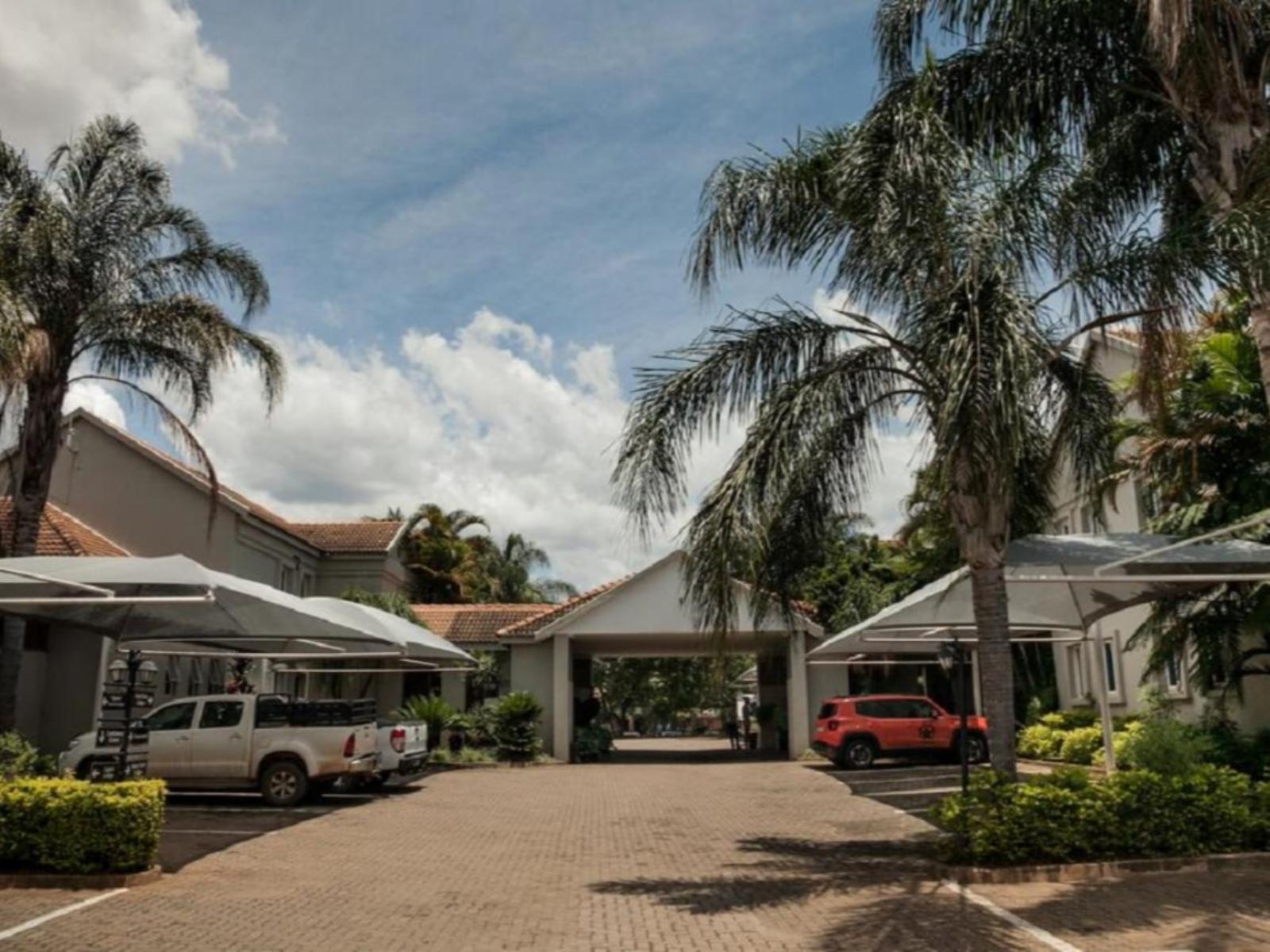
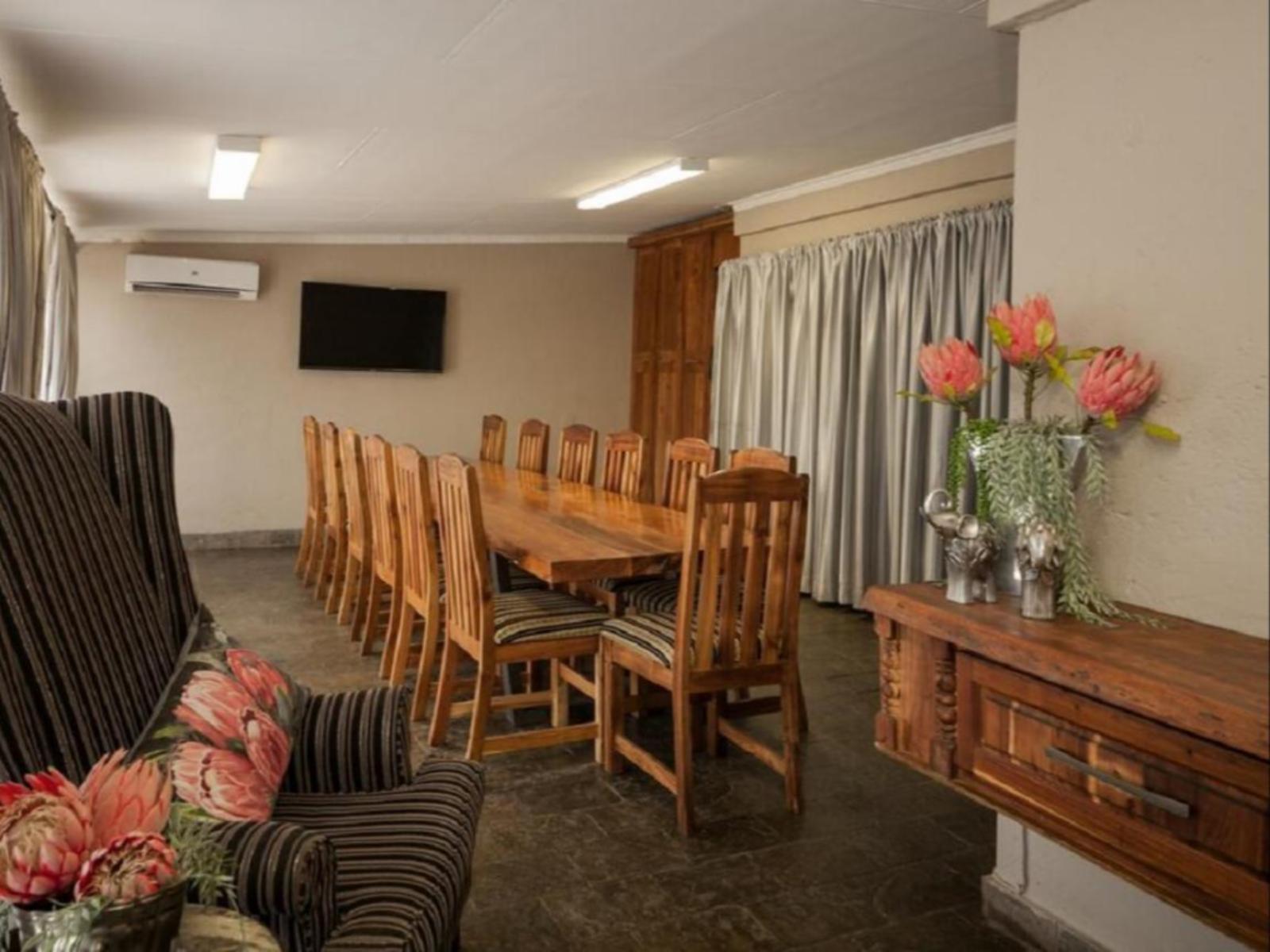
La Baruné is 'n uitsonderlike 4-ster gastehuis met onlangs ontwikkelde akkommodasie. Dit bied uniek verssierde, elegant gestileerde kamers en 'n skitterende swembad. Vars bereide ontbyt word binnenshuis of op die patio met uitsig op die swembad bedien. Die eiendom is 1 km van Tzaneen Lifestyle Mall af.
Slaap 18
Kinders welkom
Akkommodasiepryse in Duiwelskloof
| Tipe | Inskrywings | Vanaf | Gemiddeld | Tot |
|---|---|---|---|---|
| Guest house | 1 | R1,650 | R1,755 | R1,790 |
Duiwelskloof Kaart
Nabygeleë Bestemmings
Blaai Deur Alle Duiwelskloof Akkommodasie
Bekyk al 1 akkommodasie-opsies in Duiwelskloof met foto's, pryse en beskikbaarheid.
Blaai Deur Alle Akkommodasie