Ga-Kgapane Reis- & Akkommodasiegids
Jou volledige gids om Ga-Kgapane, Suid-Afrika te besoek.
Ga-kgapane serves as a commercial and administrative hub in the Greater Letaba Local Municipality of Limpopo Province. This growing town provides access to the surrounding rural communities and agricultural areas while offering a base for exploring the region's natural attractions and cultural sites.
## Accommodation in Ga-kgapane
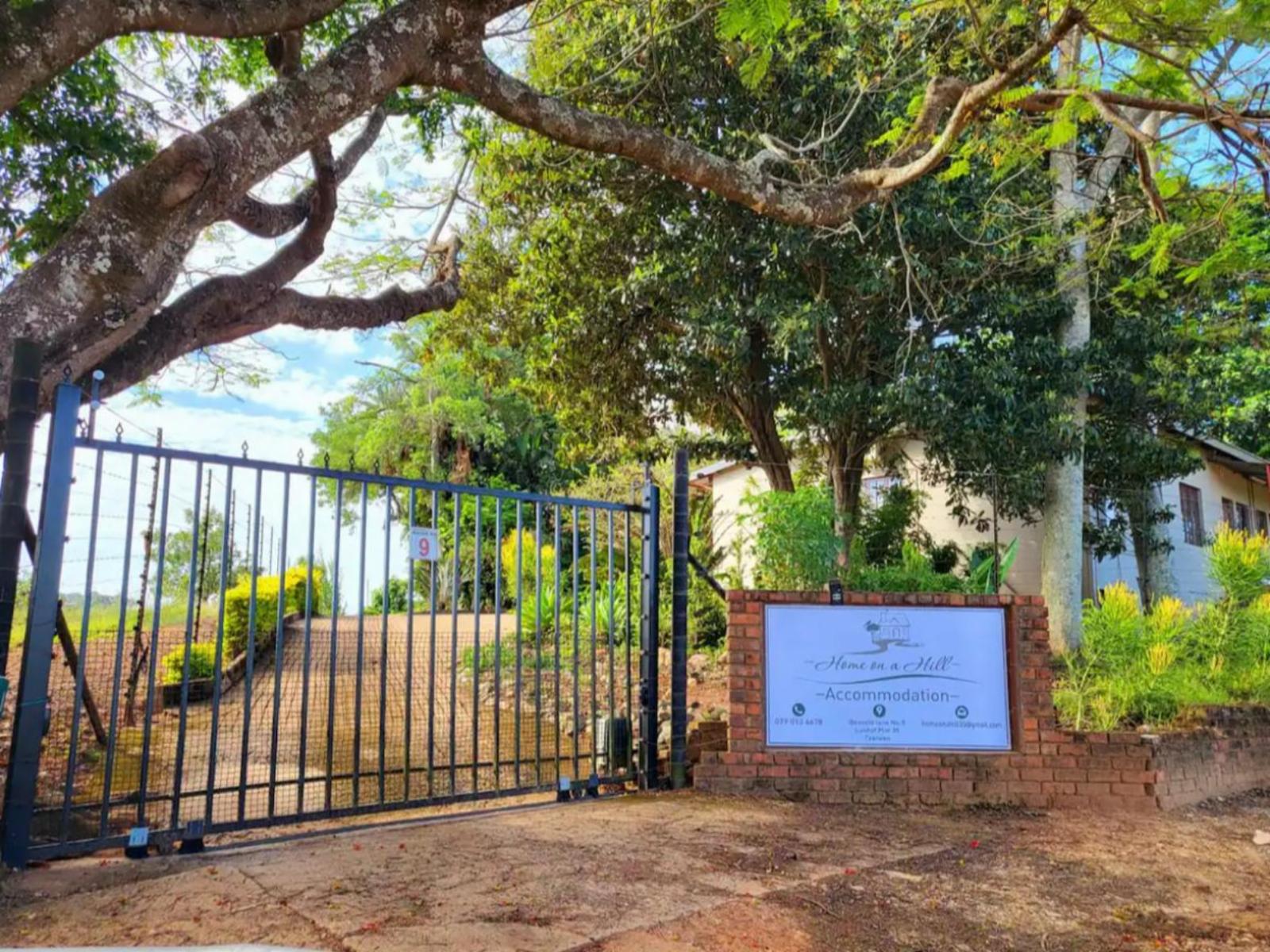
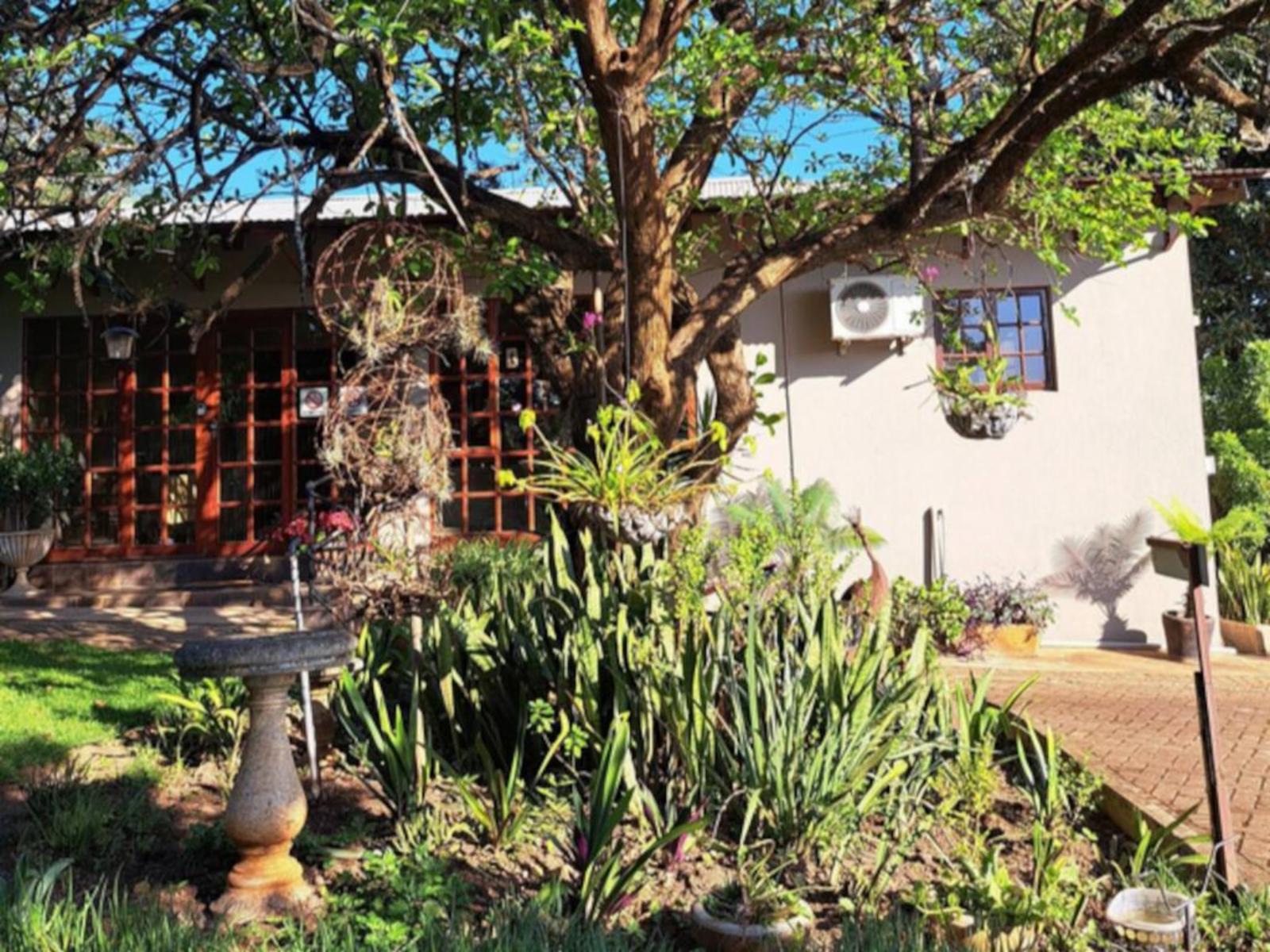
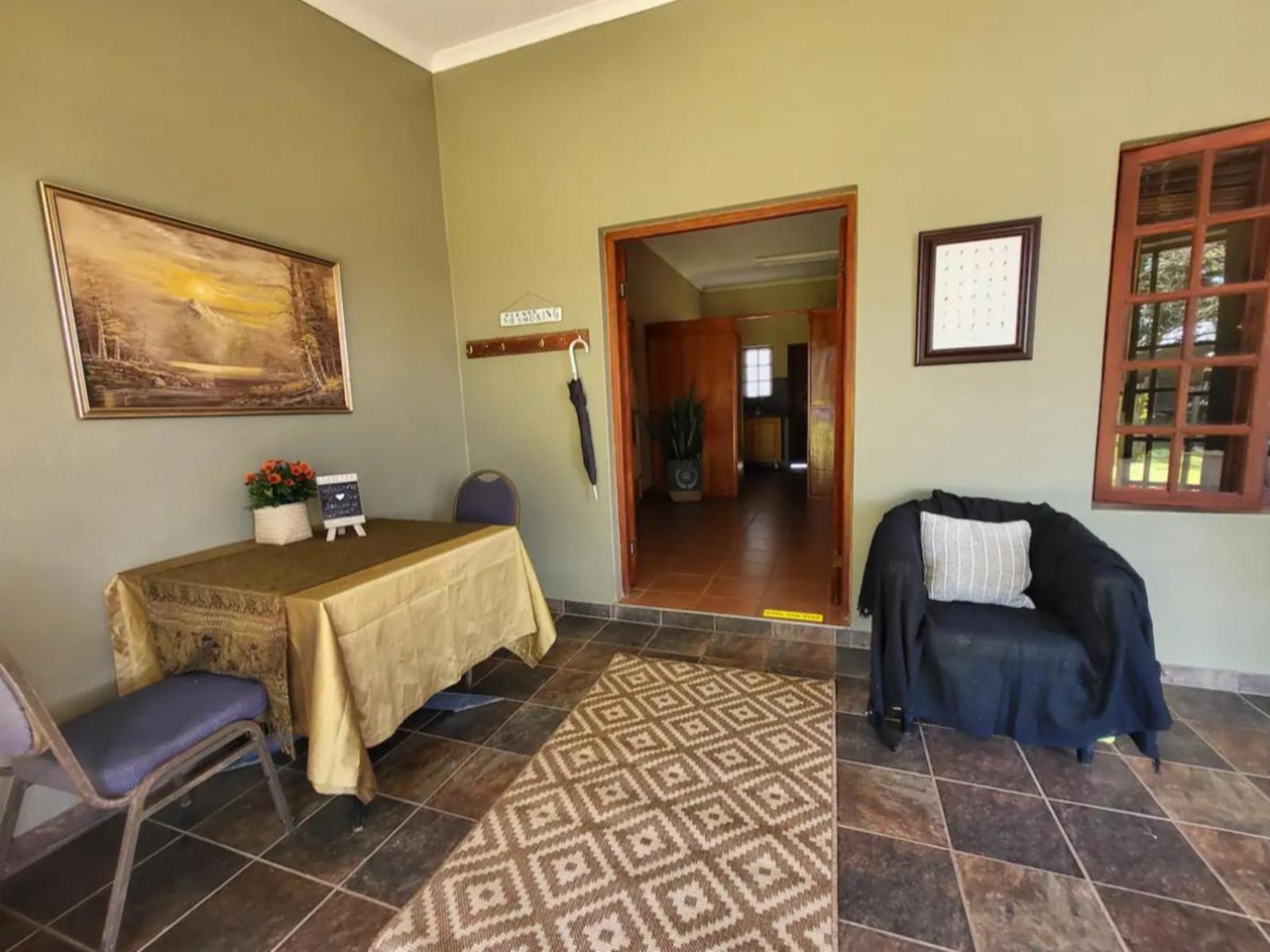
Currently, no properties in Ga-kgapane are formally listed through major booking platforms, which does not mean accommodation is unavailable, but does reflect the town's character as a functional rural service centre rather than an established tourism node. Travellers should approach logistics here with flexibility and a willingness to book directly rather than through conventional online channels.
At the budget end, options tend toward basic guesthouses and informal room-rental arrangements within family homes, the kind of accommodation common across smaller Limpopo towns. These places prioritise practicality: a clean bed, working bathroom facilities, and somewhere to secure a vehicle. Meals are not always provided, and guests often source food from the local shops and take-away outlets along the main road. The town's commercial strip caters primarily to local residents, which means self-reliant travellers will find it more manageable than those accustomed to hotel conveniences.
Mid-range travellers may find the most suitable options on the agricultural land surrounding the town, where farm stays and modest guesthouses occasionally operate. These properties offer a different experience from town-centre lodging: more space, quieter surroundings, and close proximity to the working landscape that defines this part of Limpopo. Breakfast is more commonly included at this tier, and owners tend to have useful local knowledge about road conditions, seasonal activity, and points of interest in the area.
For visitors wanting hotel-standard facilities or self-catering units with amenities such as a swimming pool or a fully equipped kitchen, looking beyond Ga-kgapane itself is more productive. The R71 corridor running east carries a broader selection of properties at the upper tier, suited to travellers who want a comfortable base for day trips without committing to a larger urban centre.
Anyone planning to stay in or immediately around Ga-kgapane should confirm arrangements before travelling. The informal nature of accommodation here means availability is not always visible online, and direct contact by phone remains the most reliable approach. Enquiring at least a week in advance is sensible, particularly during school holiday periods when domestic travel through the region increases.
## Best Time to Visit Ga-kgapane
Ga-kgapane follows the climate pattern typical of Limpopo's middleveld: hot, wet summers from November through March, and dry, mild winters from May to August. The contrast between seasons is significant and shapes the visiting experience considerably.
Summer brings afternoon thunderstorms that can make secondary roads slippery and occasionally impassable. Temperatures regularly exceed 30°C, and humidity rises noticeably from December onward. The agricultural areas surrounding the town are in full activity during these months, and the regional vegetation is at its densest. Travellers interested in Limpopo's subtropical farming landscape will find this season shows the area at its most productive, though the heat and rain require some tolerance.
Winter, from June through August, is generally the preferred time to visit. Days are warm and clear, nights are cool, and rainfall is minimal. Road conditions remain reliable throughout this period, which matters for anyone planning excursions on secondary routes. Wildlife across the broader Limpopo region is also more visible in winter, when vegetation thins and animals concentrate near water sources. The July school holidays bring a noticeable rise in domestic tourism through the north, so accommodation arrangements are best made well in advance if visiting then.
The shoulder months of April and September offer a useful middle ground. April may still carry late-season rains, while September starts to warm ahead of the summer build. Visitor numbers are lower in both months, and travel conditions are generally comfortable.
## Getting to Ga-kgapane
Ga-kgapane sits on the R71, approximately 60 kilometres east of Polokwane, Limpopo's provincial capital and the main regional hub for road and air connections. Polokwane International Airport handles scheduled domestic flights, primarily from Johannesburg, and is the most practical entry point for visitors arriving by air. From the airport, the drive east on the R71 takes roughly an hour under normal conditions.
Travellers coming overland from Johannesburg follow the N1 north to Polokwane, approximately 300 kilometres, then take the R71 east for the remaining 60 kilometres. The full journey covers around 360 kilometres and takes roughly four hours. An alternative approach from the east suits visitors arriving through Mpumalanga or the game reserve areas near the Mozambique border, who can join the R71 from the opposite direction and head west toward Ga-kgapane.
Long-distance coach services between Johannesburg and northern Limpopo typically stop at Polokwane, from where minibus taxis run east along the R71. Ga-kgapane falls along this route. Local taxis connect the town to surrounding villages, though services become less frequent after dark and operate on informal schedules.
Hiring a car is strongly recommended for independent exploration. Most points of interest in the surrounding area lie on secondary roads not reliably covered by public transport.
## Ga-kgapane and Surrounding Areas
The towns and communities closest to Ga-kgapane each offer something distinct, and the R71 corridor makes most of them straightforward to reach.
**Duiwelskloof** (officially Modjadjiskloof), 10 kilometres to the east, is the most rewarding short drive from Ga-kgapane. The town sits in lush subtropical terrain and serves as the access point for the Modjadji Cycad Nature Reserve, where ancient cycads cover a hillside in one of the most distinctive botanical landscapes in southern Africa. Some specimens are estimated to exceed a thousand years in age. The Modjadji Royal Kraal, central to Balobedu cultural identity and associated with the Rain Queen dynasty, is also accessible from this area and draws visitors interested in the history and traditions of one of South Africa's notable matriarchal royal lineages. Duiwelskloof has a stronger selection of shops and services than Ga-kgapane, making it a practical stop for provisions.
**Quantock**, 12 kilometres away, is a farming area rather than an urban settlement. The terrain reflects the commercial agricultural operations that characterise this stretch of the R71, with subtropical fruit and vegetable production visible across the landscape. It is of most interest to travellers curious about the working agricultural economy of the region.
**Vaalkrans** and **Nwamitwalokasie**, both around 19 kilometres away, are rural communities shaped by traditional settlement patterns. These areas give a more direct impression of everyday life in a part of Limpopo where agriculture and community define the local character rather than tourism infrastructure.
**Nwamitwa**, 21 kilometres from Ga-kgapane, lies within the same Balobedu cultural and agricultural belt extending eastward. The community forms part of a continuous band of villages and smallholdings connecting the town's immediate surroundings to the larger commercial centre beyond.
**Tzaneen**, 22 kilometres away and the largest nearby town, functions as the commercial hub for the broader valley. Its economy is built on tea cultivation, timber, and subtropical agriculture. For visitors based in Ga-kgapane, it is the practical destination for banking, medical facilities, supermarkets, and a broader selection of restaurants. The drive on the R71 is direct and takes under half an hour.
## Planning Your Stay
Arranging accommodation in Ga-kgapane requires more active preparation than booking in a larger or better-documented town. Because formal online listings are sparse, confirming availability directly by phone before travelling is more reliable than depending on booking platforms alone. Local tourism offices in Polokwane can sometimes provide contacts for guesthouses and farm stays in the area, and are worth consulting before setting off.
Check access requirements and opening times for any sites on your itinerary before arriving. Information for smaller cultural and natural sites in the region is not always current online, and protocols can change with limited notice.
Secondary road conditions deteriorate after heavy rain. On arrival, ask locally about the state of any routes you plan to use. Most destinations near Ga-kgapane are accessible in a standard vehicle under dry conditions, though a car with reasonable ground clearance is useful on farm roads and less-maintained tracks.
Plan supplies around the facilities available in larger nearby centres rather than assuming everything will be on hand in Ga-kgapane. Fuel is available in town, but grocery shopping and banking are more reliably handled elsewhere. Mobile connectivity along the R71 corridor is generally adequate, though signal may be patchy on side roads through agricultural areas. Downloading offline maps before leaving a larger centre is a sensible precaution.

Currently, no properties in Ga-kgapane are formally listed through major booking platforms, which does not mean accommodation is unavailable, but does reflect the town's character as a functional rural service centre rather than an established tourism node. Travellers should approach logistics here with flexibility and a willingness to book directly rather than through conventional online channels.
At the budget end, options tend toward basic guesthouses and informal room-rental arrangements within family homes, the kind of accommodation common across smaller Limpopo towns. These places prioritise practicality: a clean bed, working bathroom facilities, and somewhere to secure a vehicle. Meals are not always provided, and guests often source food from the local shops and take-away outlets along the main road. The town's commercial strip caters primarily to local residents, which means self-reliant travellers will find it more manageable than those accustomed to hotel conveniences.
Mid-range travellers may find the most suitable options on the agricultural land surrounding the town, where farm stays and modest guesthouses occasionally operate. These properties offer a different experience from town-centre lodging: more space, quieter surroundings, and close proximity to the working landscape that defines this part of Limpopo. Breakfast is more commonly included at this tier, and owners tend to have useful local knowledge about road conditions, seasonal activity, and points of interest in the area.
For visitors wanting hotel-standard facilities or self-catering units with amenities such as a swimming pool or a fully equipped kitchen, looking beyond Ga-kgapane itself is more productive. The R71 corridor running east carries a broader selection of properties at the upper tier, suited to travellers who want a comfortable base for day trips without committing to a larger urban centre.
Anyone planning to stay in or immediately around Ga-kgapane should confirm arrangements before travelling. The informal nature of accommodation here means availability is not always visible online, and direct contact by phone remains the most reliable approach. Enquiring at least a week in advance is sensible, particularly during school holiday periods when domestic travel through the region increases.
## Best Time to Visit Ga-kgapane
Ga-kgapane follows the climate pattern typical of Limpopo's middleveld: hot, wet summers from November through March, and dry, mild winters from May to August. The contrast between seasons is significant and shapes the visiting experience considerably.
Summer brings afternoon thunderstorms that can make secondary roads slippery and occasionally impassable. Temperatures regularly exceed 30°C, and humidity rises noticeably from December onward. The agricultural areas surrounding the town are in full activity during these months, and the regional vegetation is at its densest. Travellers interested in Limpopo's subtropical farming landscape will find this season shows the area at its most productive, though the heat and rain require some tolerance.
Winter, from June through August, is generally the preferred time to visit. Days are warm and clear, nights are cool, and rainfall is minimal. Road conditions remain reliable throughout this period, which matters for anyone planning excursions on secondary routes. Wildlife across the broader Limpopo region is also more visible in winter, when vegetation thins and animals concentrate near water sources. The July school holidays bring a noticeable rise in domestic tourism through the north, so accommodation arrangements are best made well in advance if visiting then.
The shoulder months of April and September offer a useful middle ground. April may still carry late-season rains, while September starts to warm ahead of the summer build. Visitor numbers are lower in both months, and travel conditions are generally comfortable.
## Getting to Ga-kgapane
Ga-kgapane sits on the R71, approximately 60 kilometres east of Polokwane, Limpopo's provincial capital and the main regional hub for road and air connections. Polokwane International Airport handles scheduled domestic flights, primarily from Johannesburg, and is the most practical entry point for visitors arriving by air. From the airport, the drive east on the R71 takes roughly an hour under normal conditions.
Travellers coming overland from Johannesburg follow the N1 north to Polokwane, approximately 300 kilometres, then take the R71 east for the remaining 60 kilometres. The full journey covers around 360 kilometres and takes roughly four hours. An alternative approach from the east suits visitors arriving through Mpumalanga or the game reserve areas near the Mozambique border, who can join the R71 from the opposite direction and head west toward Ga-kgapane.
Long-distance coach services between Johannesburg and northern Limpopo typically stop at Polokwane, from where minibus taxis run east along the R71. Ga-kgapane falls along this route. Local taxis connect the town to surrounding villages, though services become less frequent after dark and operate on informal schedules.
Hiring a car is strongly recommended for independent exploration. Most points of interest in the surrounding area lie on secondary roads not reliably covered by public transport.
## Ga-kgapane and Surrounding Areas
The towns and communities closest to Ga-kgapane each offer something distinct, and the R71 corridor makes most of them straightforward to reach.
**Duiwelskloof** (officially Modjadjiskloof), 10 kilometres to the east, is the most rewarding short drive from Ga-kgapane. The town sits in lush subtropical terrain and serves as the access point for the Modjadji Cycad Nature Reserve, where ancient cycads cover a hillside in one of the most distinctive botanical landscapes in southern Africa. Some specimens are estimated to exceed a thousand years in age. The Modjadji Royal Kraal, central to Balobedu cultural identity and associated with the Rain Queen dynasty, is also accessible from this area and draws visitors interested in the history and traditions of one of South Africa's notable matriarchal royal lineages. Duiwelskloof has a stronger selection of shops and services than Ga-kgapane, making it a practical stop for provisions.
**Quantock**, 12 kilometres away, is a farming area rather than an urban settlement. The terrain reflects the commercial agricultural operations that characterise this stretch of the R71, with subtropical fruit and vegetable production visible across the landscape. It is of most interest to travellers curious about the working agricultural economy of the region.
**Vaalkrans** and **Nwamitwalokasie**, both around 19 kilometres away, are rural communities shaped by traditional settlement patterns. These areas give a more direct impression of everyday life in a part of Limpopo where agriculture and community define the local character rather than tourism infrastructure.
**Nwamitwa**, 21 kilometres from Ga-kgapane, lies within the same Balobedu cultural and agricultural belt extending eastward. The community forms part of a continuous band of villages and smallholdings connecting the town's immediate surroundings to the larger commercial centre beyond.
**Tzaneen**, 22 kilometres away and the largest nearby town, functions as the commercial hub for the broader valley. Its economy is built on tea cultivation, timber, and subtropical agriculture. For visitors based in Ga-kgapane, it is the practical destination for banking, medical facilities, supermarkets, and a broader selection of restaurants. The drive on the R71 is direct and takes under half an hour.
## Planning Your Stay
Arranging accommodation in Ga-kgapane requires more active preparation than booking in a larger or better-documented town. Because formal online listings are sparse, confirming availability directly by phone before travelling is more reliable than depending on booking platforms alone. Local tourism offices in Polokwane can sometimes provide contacts for guesthouses and farm stays in the area, and are worth consulting before setting off.
Check access requirements and opening times for any sites on your itinerary before arriving. Information for smaller cultural and natural sites in the region is not always current online, and protocols can change with limited notice.
Secondary road conditions deteriorate after heavy rain. On arrival, ask locally about the state of any routes you plan to use. Most destinations near Ga-kgapane are accessible in a standard vehicle under dry conditions, though a car with reasonable ground clearance is useful on farm roads and less-maintained tracks.
Plan supplies around the facilities available in larger nearby centres rather than assuming everything will be on hand in Ga-kgapane. Fuel is available in town, but grocery shopping and banking are more reliably handled elsewhere. Mobile connectivity along the R71 corridor is generally adequate, though signal may be patchy on side roads through agricultural areas. Downloading offline maps before leaving a larger centre is a sensible precaution.
Ga-Kgapane Kaart
Nabygeleë Bestemmings
Blaai Deur Alle Ga-Kgapane Akkommodasie
Bekyk al 0 akkommodasie-opsies in Ga-Kgapane met foto's, pryse en beskikbaarheid.
Blaai Deur Alle Akkommodasie