Elsteg Reis- & Akkommodasiegids
Jou volledige gids om Elsteg, Suid-Afrika te besoek.
2
Eiendomme
Gewildste
Guesthouse
Elsteg is a small rural settlement in the Mopani District of Limpopo, located in the lowveld region east of Tzaneen. The area serves as a gateway to agricultural lands and provides access to the wider Letaba River valley, with its subtropical climate and proximity to several nature reserves.
## Accommodation in Elsteg
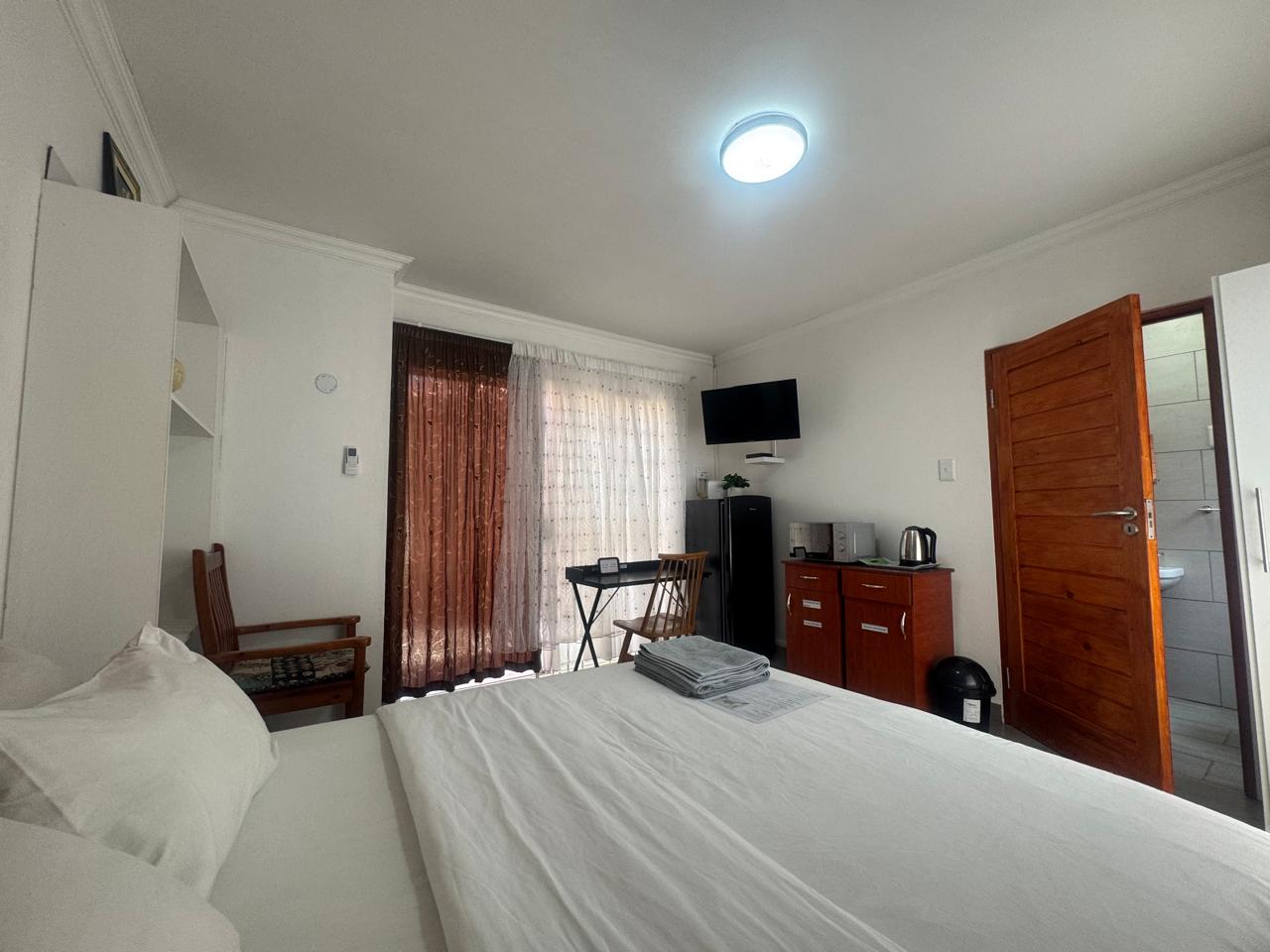
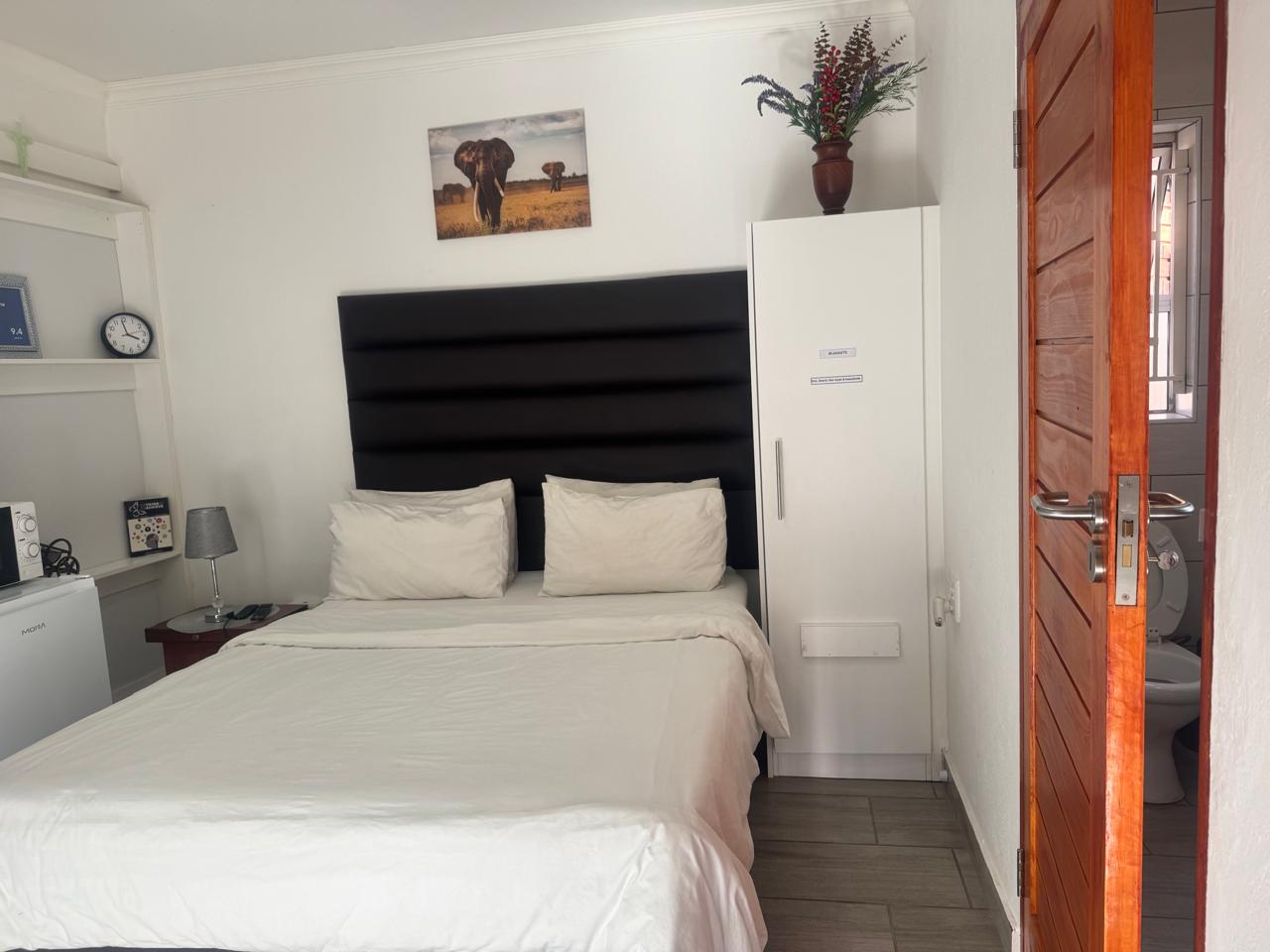
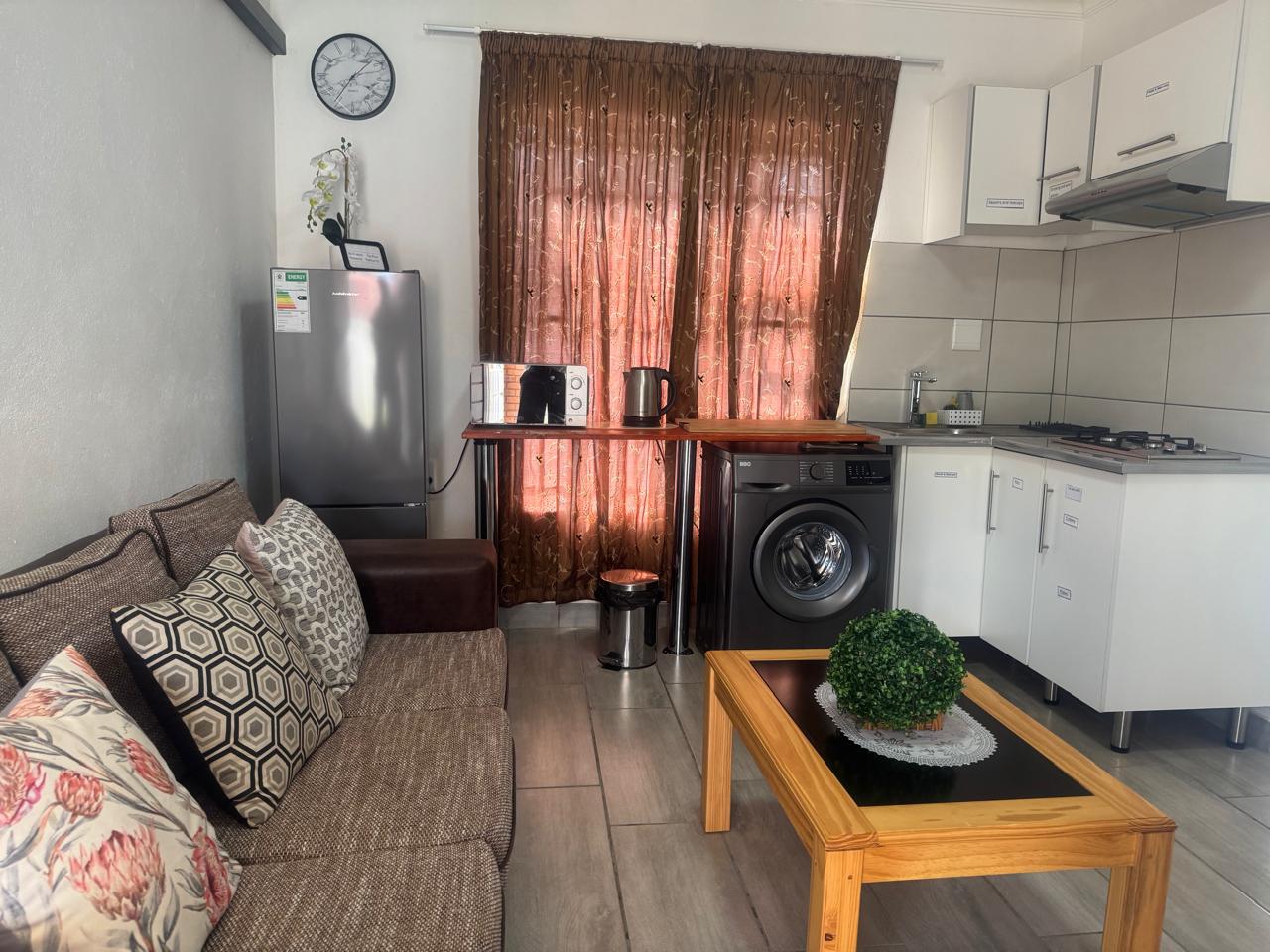
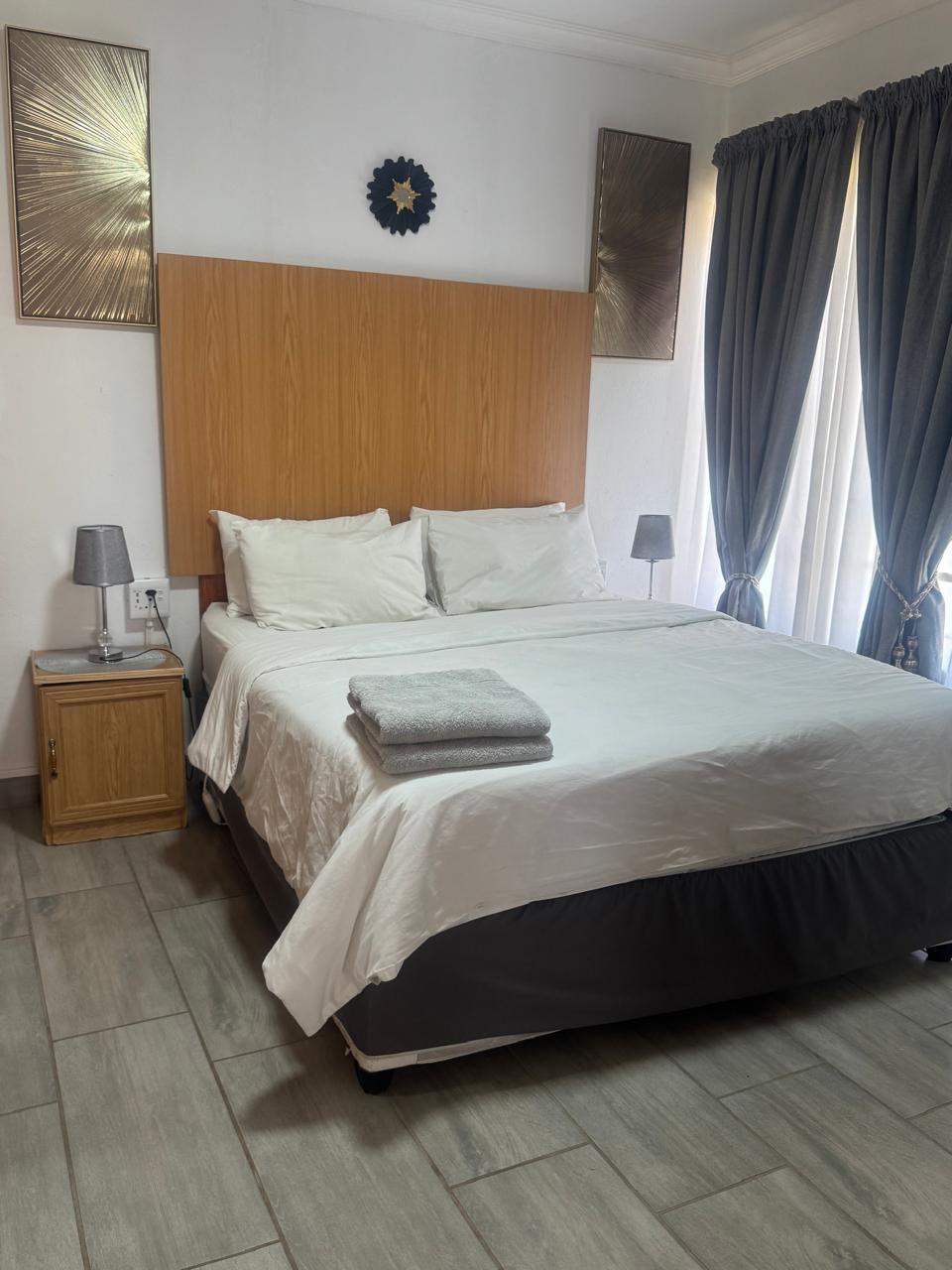
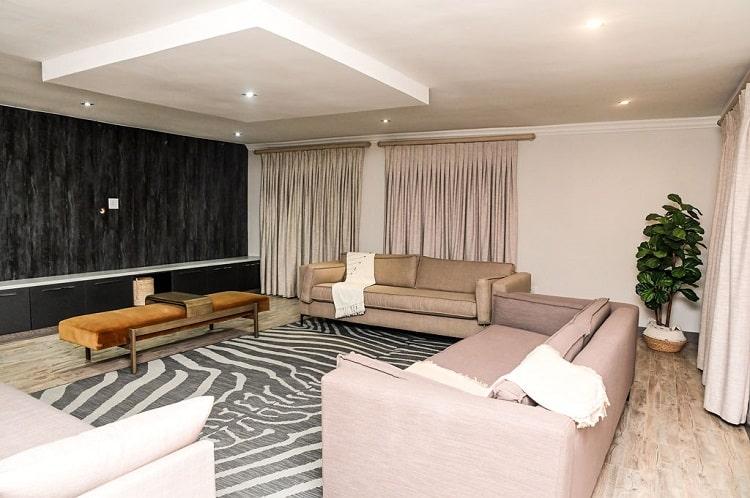
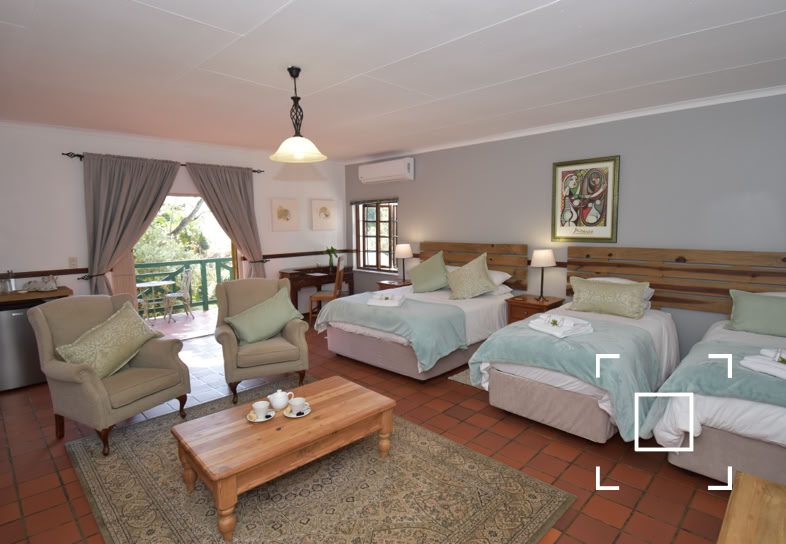
Elsteg's accommodation market is small by design, with 2 listed properties that reflect the village's character as a farming settlement in the Soutpansberg foothills. The choice comes down to two distinct styles: a guesthouse and a farm house, each suited to a different kind of visitor.
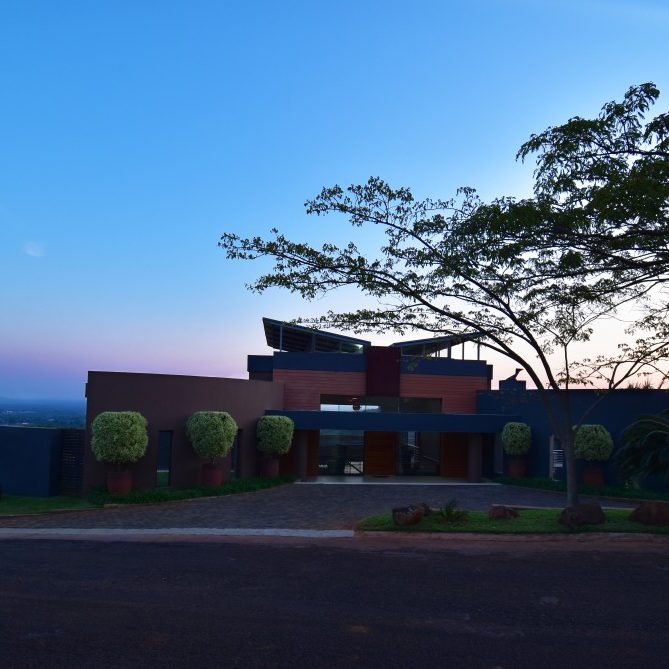
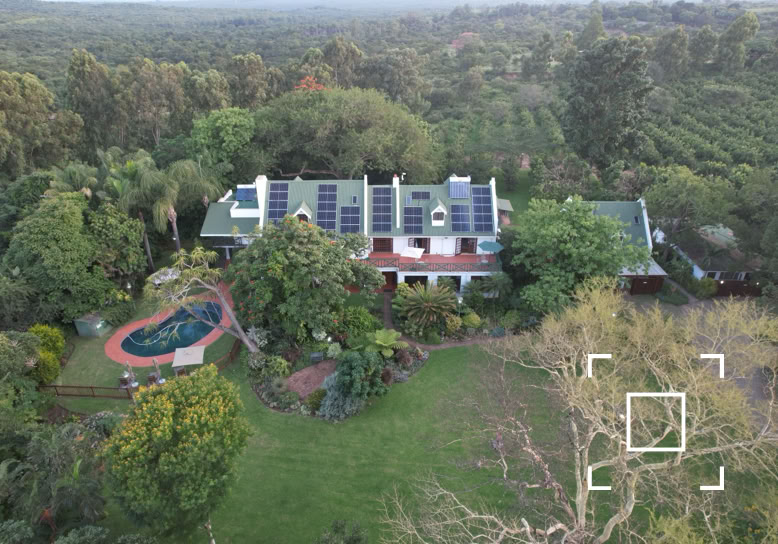
The farm house option appeals to self-catering travellers, families, and groups wanting independence. Staying on a working agricultural property gives access to a setting that town hotels cannot replicate: early mornings on a smallholding, proximity to subtropical orchards, and the freedom to manage your own schedule without reference to meal sittings. Farm accommodation in this part of Limpopo tends to be practical rather than decorative, with outdoor space forming a significant part of the appeal and the surrounding agricultural landscape adding a sense of place specific to this corner of the Soutpansberg region.
The guesthouse suits travellers who prefer a more supported stay, particularly those arriving after long drives from Johannesburg or Polokwane. With a host available and meals typically included, a guesthouse removes the logistical work from the evenings. Rural guesthouses in this area tend to be personal and informal rather than corporate, with owners who often have practical knowledge of local roads, seasonal conditions, and attractions that don't appear on standard tourist maps.
Neither property type positions itself at the premium end of the market. This is working agricultural country, and the accommodation reflects that honestly. Visitors who arrive expecting resort amenities or on-site entertainment will find neither, but those looking for a functional base in a quiet rural setting with good access to a range of day trips will find both properties adequate for that purpose. Given the limited supply, booking ahead is strongly recommended, especially during South African school holidays and long weekends when demand for rural escapes in Limpopo rises noticeably.
---
## Best Time to Visit Elsteg
The Soutpansberg area follows a subtropical pattern with a wet summer and a dry winter. The choice of when to visit depends on what activities you're planning and how much heat you can manage.
Summer, from November through March, brings high temperatures, afternoon thunderstorms, and lush green conditions. Daytime heat regularly exceeds 33 degrees Celsius in the foothills, and malaria risk increases across parts of Limpopo during this period. Outdoor activities are best tackled in the early morning before the heat builds, and gravel roads become unpredictable after heavy downpours.
Winter, from May through August, is the more comfortable season for most visitors. Days are warm and clear, typically between 18 and 24 degrees Celsius, while nights can drop sharply, particularly at higher elevations in the mountains. This is also the busiest period for regional tourism, with South African school holidays in June and July driving demand across Limpopo's rural accommodation.
The shoulder months of September and October sit between the two extremes: temperatures are rising, landscapes are dry and open, and accommodation is easier to secure than during peak winter. April also offers a brief window of good conditions as summer heat eases and the rains taper off.
---
## Getting to Elsteg
Elsteg sits just off the N1 national highway, the main route connecting Johannesburg to the Zimbabwe border. Road access is straightforward from most directions. From Johannesburg, the drive covers approximately 480 kilometres and takes around five hours under normal conditions. From Polokwane, the provincial capital, the distance is roughly 130 kilometres to the north on the N1, translating to about 90 minutes of driving.
The nearest commercial airport is Polokwane International, served by daily flights from Johannesburg on several South African carriers. From the airport, visitors hire a car for the remaining drive north. There is no practical scheduled public transport connection to Elsteg itself, and a private vehicle is effectively essential for exploring the surrounding area once you arrive.
The N1 is a well-maintained national road and the primary reference point for navigating to and around this part of Limpopo. Local secondary roads in the agricultural belt can deteriorate after heavy summer rain, so visitors arriving between November and March should ask their accommodation host about current road conditions before travelling on gravel routes. A standard passenger vehicle handles most approaches to the village without difficulty.
---
## Elsteg and Surrounding Areas
The villages and towns within 15 kilometres of Elsteg offer a cross-section of the Soutpansberg region's different characters, from commercial centres to traditional communities to working farmland.
**Louis Trichardt**, 6 kilometres away, functions as the main service hub for visitors in this part of Limpopo. The town has supermarkets, fuel stations, hardware stores, and several restaurants, making it the practical base for supplies and logistics. The Soutpansberg mountains rise directly from the town's edge, with hiking trails running through indigenous forest and offering broad views across the lowveld to the south. The Ben Lavin Nature Reserve, situated on the town's perimeter, provides accessible wildlife viewing and birding without requiring a long drive.
**Makhado**, 8 kilometres from Elsteg, serves as the administrative centre of the local municipality. While it shares a name with the broader municipal area, the settlement functions as the primary point for government services and has a distinct character from the commercial core of the historic town to its west.
**Tshiozwi**, 9 kilometres out, is a smaller community settlement with the quieter, residential feel typical of villages in the Soutpansberg foothills. It provides a useful sense of the everyday life of smaller communities in this corridor, away from the main highway traffic.
**Gertrudsburg**, at 12 kilometres, is a farming district associated with the agricultural smallholdings that define much of the land use across this part of the mountains. The area reflects the mixed-farming heritage of the Soutpansberg slopes, where subtropical crops and cattle farming have co-existed for generations.
**Ha-ramahantsha**, 13 kilometres from Elsteg, is a traditional village with the character typical of the Vhavenda and Sepedi communities that have long inhabited the Soutpansberg foothills. A visit here offers a perspective on the region that sits outside both the commercial and agricultural frames.
**Kranskraal**, the furthest at 14 kilometres, takes its name from the rocky terrain that characterises this section of the range. The area is farming land set against the dramatic cliff faces typical of the Soutpansberg, and fits naturally into a driving loop through the wider district.
---
## Planning Your Stay
With only two properties available in the village, accommodation fills quickly during popular travel periods. South African school holidays in December, June through July, and September through early October bring increased demand across Limpopo's rural guesthouses and farm stays. Booking two to four weeks in advance covers those windows comfortably. Outside peak periods, a week's notice is usually sufficient, though it is still worth confirming availability before making travel arrangements.
When comparing the two properties, think carefully about your priorities: self-catering independence versus a hosted experience, privacy, access to outdoor space, and how much you want to drive each day. Confirm what each rate includes before booking, particularly around meals, linen, and any minimum-stay requirements.
Practical checks before arrival are worth doing. Confirm the condition of access roads during summer if you're visiting between November and March. Ask about mobile network coverage if you rely on data for navigation, as agricultural areas away from the highway can have variable signal. Some rural properties in Limpopo use borehole water, which can be inconsistent in dry periods, so it is reasonable to ask about water supply for longer stays. Carrying cash is advisable, as small rural establishments may not process card payments reliably. Plan to refuel and withdraw cash in town before heading out to the village, especially if arriving in the afternoon when smaller services may be closing.

Elsteg's accommodation market is small by design, with 2 listed properties that reflect the village's character as a farming settlement in the Soutpansberg foothills. The choice comes down to two distinct styles: a guesthouse and a farm house, each suited to a different kind of visitor.
The farm house option appeals to self-catering travellers, families, and groups wanting independence. Staying on a working agricultural property gives access to a setting that town hotels cannot replicate: early mornings on a smallholding, proximity to subtropical orchards, and the freedom to manage your own schedule without reference to meal sittings. Farm accommodation in this part of Limpopo tends to be practical rather than decorative, with outdoor space forming a significant part of the appeal and the surrounding agricultural landscape adding a sense of place specific to this corner of the Soutpansberg region.
The guesthouse suits travellers who prefer a more supported stay, particularly those arriving after long drives from Johannesburg or Polokwane. With a host available and meals typically included, a guesthouse removes the logistical work from the evenings. Rural guesthouses in this area tend to be personal and informal rather than corporate, with owners who often have practical knowledge of local roads, seasonal conditions, and attractions that don't appear on standard tourist maps.
Neither property type positions itself at the premium end of the market. This is working agricultural country, and the accommodation reflects that honestly. Visitors who arrive expecting resort amenities or on-site entertainment will find neither, but those looking for a functional base in a quiet rural setting with good access to a range of day trips will find both properties adequate for that purpose. Given the limited supply, booking ahead is strongly recommended, especially during South African school holidays and long weekends when demand for rural escapes in Limpopo rises noticeably.
---
## Best Time to Visit Elsteg
The Soutpansberg area follows a subtropical pattern with a wet summer and a dry winter. The choice of when to visit depends on what activities you're planning and how much heat you can manage.
Summer, from November through March, brings high temperatures, afternoon thunderstorms, and lush green conditions. Daytime heat regularly exceeds 33 degrees Celsius in the foothills, and malaria risk increases across parts of Limpopo during this period. Outdoor activities are best tackled in the early morning before the heat builds, and gravel roads become unpredictable after heavy downpours.
Winter, from May through August, is the more comfortable season for most visitors. Days are warm and clear, typically between 18 and 24 degrees Celsius, while nights can drop sharply, particularly at higher elevations in the mountains. This is also the busiest period for regional tourism, with South African school holidays in June and July driving demand across Limpopo's rural accommodation.
The shoulder months of September and October sit between the two extremes: temperatures are rising, landscapes are dry and open, and accommodation is easier to secure than during peak winter. April also offers a brief window of good conditions as summer heat eases and the rains taper off.
---
## Getting to Elsteg
Elsteg sits just off the N1 national highway, the main route connecting Johannesburg to the Zimbabwe border. Road access is straightforward from most directions. From Johannesburg, the drive covers approximately 480 kilometres and takes around five hours under normal conditions. From Polokwane, the provincial capital, the distance is roughly 130 kilometres to the north on the N1, translating to about 90 minutes of driving.
The nearest commercial airport is Polokwane International, served by daily flights from Johannesburg on several South African carriers. From the airport, visitors hire a car for the remaining drive north. There is no practical scheduled public transport connection to Elsteg itself, and a private vehicle is effectively essential for exploring the surrounding area once you arrive.
The N1 is a well-maintained national road and the primary reference point for navigating to and around this part of Limpopo. Local secondary roads in the agricultural belt can deteriorate after heavy summer rain, so visitors arriving between November and March should ask their accommodation host about current road conditions before travelling on gravel routes. A standard passenger vehicle handles most approaches to the village without difficulty.
---
## Elsteg and Surrounding Areas
The villages and towns within 15 kilometres of Elsteg offer a cross-section of the Soutpansberg region's different characters, from commercial centres to traditional communities to working farmland.
**Louis Trichardt**, 6 kilometres away, functions as the main service hub for visitors in this part of Limpopo. The town has supermarkets, fuel stations, hardware stores, and several restaurants, making it the practical base for supplies and logistics. The Soutpansberg mountains rise directly from the town's edge, with hiking trails running through indigenous forest and offering broad views across the lowveld to the south. The Ben Lavin Nature Reserve, situated on the town's perimeter, provides accessible wildlife viewing and birding without requiring a long drive.
**Makhado**, 8 kilometres from Elsteg, serves as the administrative centre of the local municipality. While it shares a name with the broader municipal area, the settlement functions as the primary point for government services and has a distinct character from the commercial core of the historic town to its west.
**Tshiozwi**, 9 kilometres out, is a smaller community settlement with the quieter, residential feel typical of villages in the Soutpansberg foothills. It provides a useful sense of the everyday life of smaller communities in this corridor, away from the main highway traffic.
**Gertrudsburg**, at 12 kilometres, is a farming district associated with the agricultural smallholdings that define much of the land use across this part of the mountains. The area reflects the mixed-farming heritage of the Soutpansberg slopes, where subtropical crops and cattle farming have co-existed for generations.
**Ha-ramahantsha**, 13 kilometres from Elsteg, is a traditional village with the character typical of the Vhavenda and Sepedi communities that have long inhabited the Soutpansberg foothills. A visit here offers a perspective on the region that sits outside both the commercial and agricultural frames.
**Kranskraal**, the furthest at 14 kilometres, takes its name from the rocky terrain that characterises this section of the range. The area is farming land set against the dramatic cliff faces typical of the Soutpansberg, and fits naturally into a driving loop through the wider district.
---
## Planning Your Stay
With only two properties available in the village, accommodation fills quickly during popular travel periods. South African school holidays in December, June through July, and September through early October bring increased demand across Limpopo's rural guesthouses and farm stays. Booking two to four weeks in advance covers those windows comfortably. Outside peak periods, a week's notice is usually sufficient, though it is still worth confirming availability before making travel arrangements.
When comparing the two properties, think carefully about your priorities: self-catering independence versus a hosted experience, privacy, access to outdoor space, and how much you want to drive each day. Confirm what each rate includes before booking, particularly around meals, linen, and any minimum-stay requirements.
Practical checks before arrival are worth doing. Confirm the condition of access roads during summer if you're visiting between November and March. Ask about mobile network coverage if you rely on data for navigation, as agricultural areas away from the highway can have variable signal. Some rural properties in Limpopo use borehole water, which can be inconsistent in dry periods, so it is reasonable to ask about water supply for longer stays. Carrying cash is advisable, as small rural establishments may not process card payments reliably. Plan to refuel and withdraw cash in town before heading out to the village, especially if arriving in the afternoon when smaller services may be closing.
Tipes Akkommodasie in Elsteg
Akkommodasiepryse in Elsteg
| Tipe | Inskrywings | Vanaf | Gemiddeld | Tot |
|---|---|---|---|---|
| Guesthouse | 1 | – | – | – |
| Farm House | 1 | – | – | – |
Elsteg Kaart
Nabygeleë Bestemmings
Blaai Deur Alle Elsteg Akkommodasie
Bekyk al 2 akkommodasie-opsies in Elsteg met foto's, pryse en beskikbaarheid.
Blaai Deur Alle Akkommodasie