Accommodation in Tshiozwi
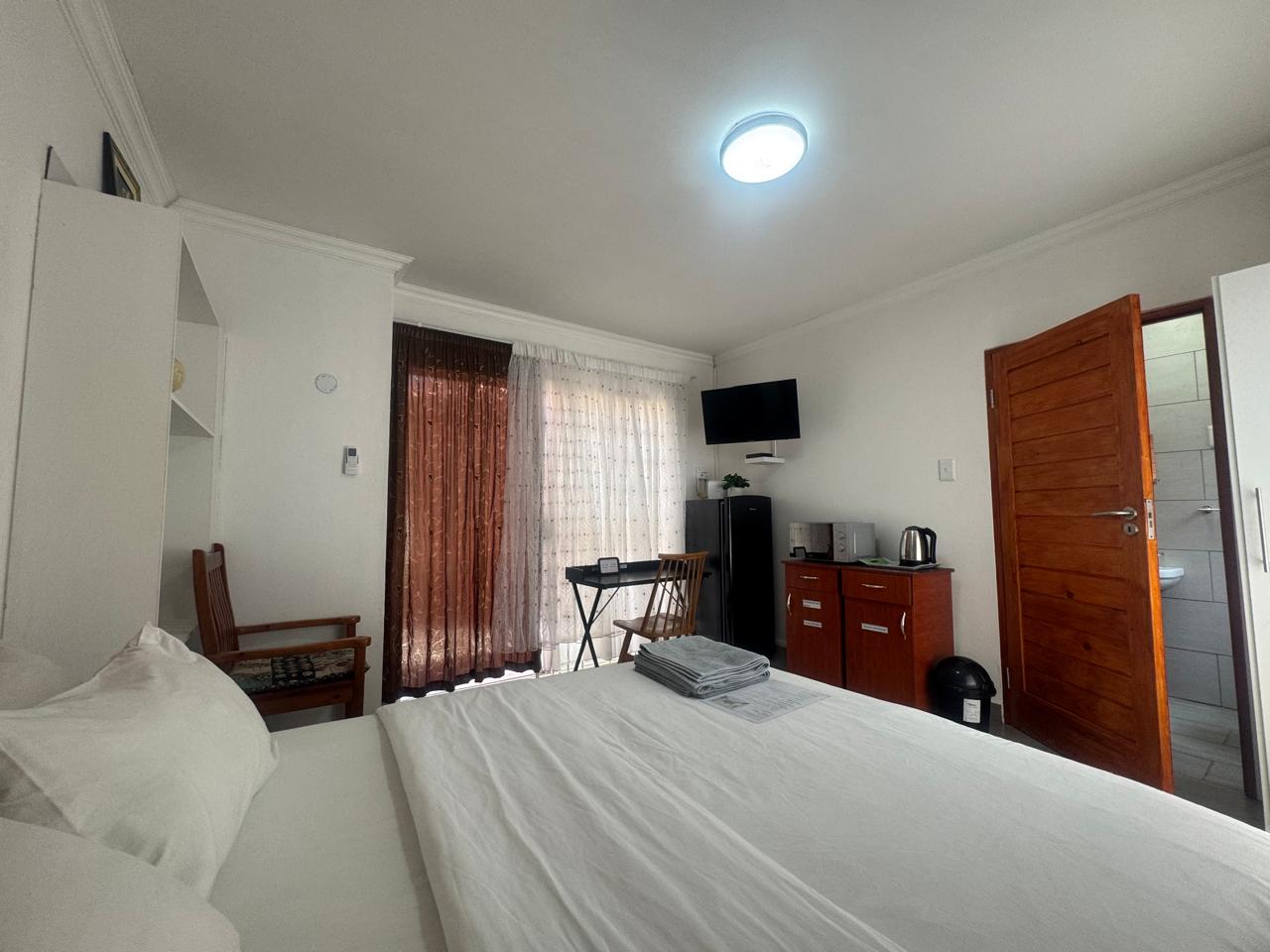
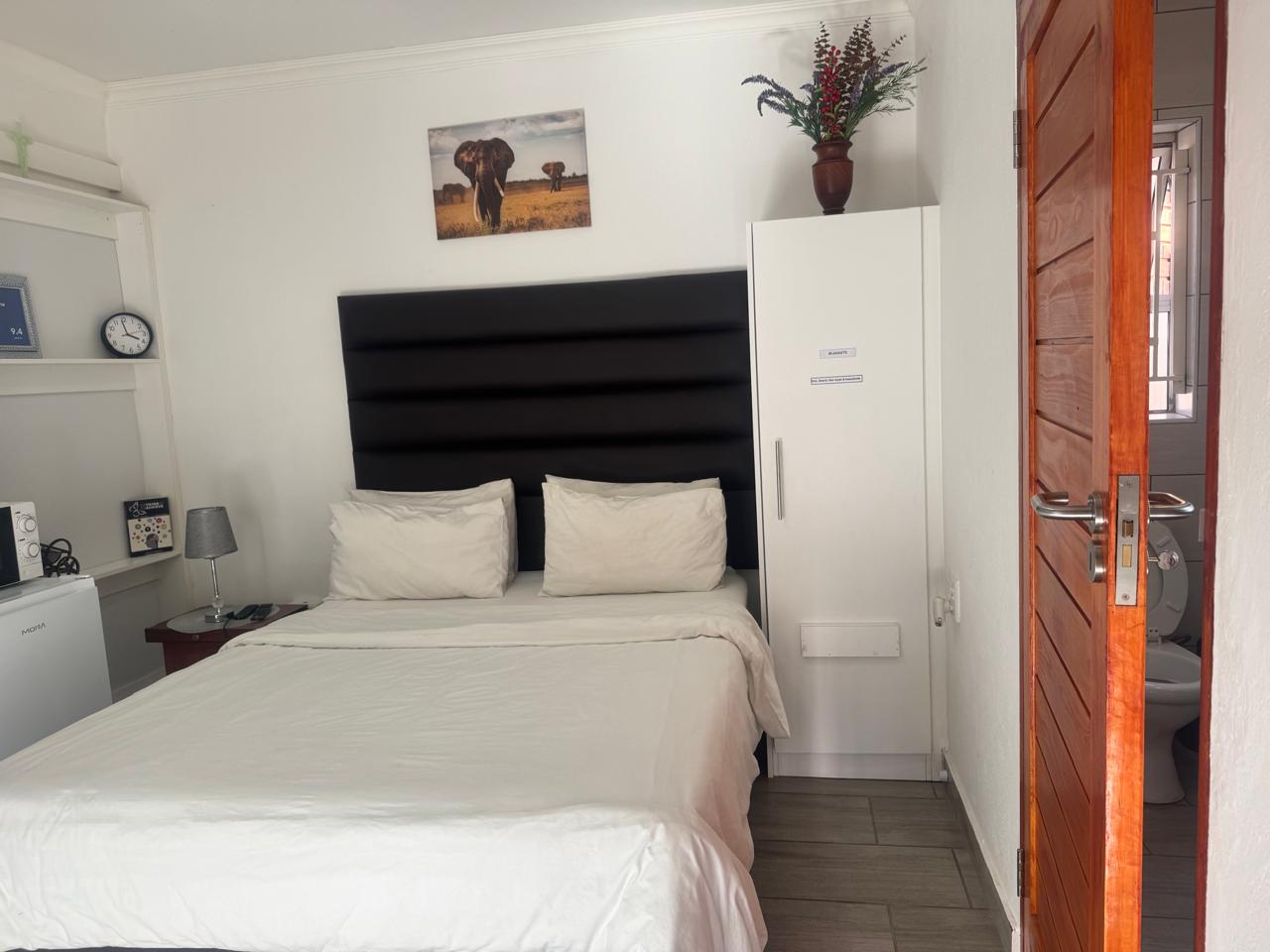
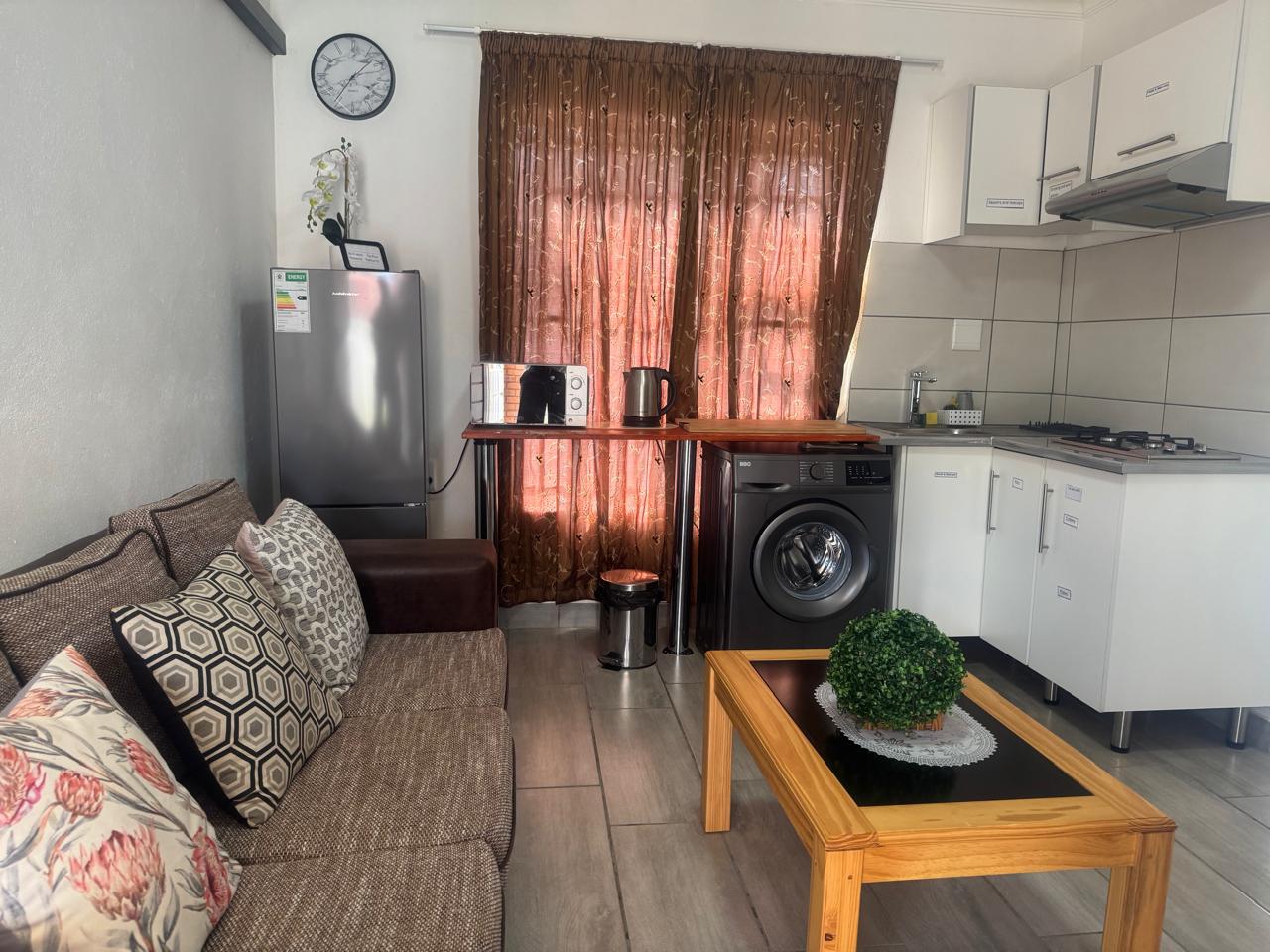
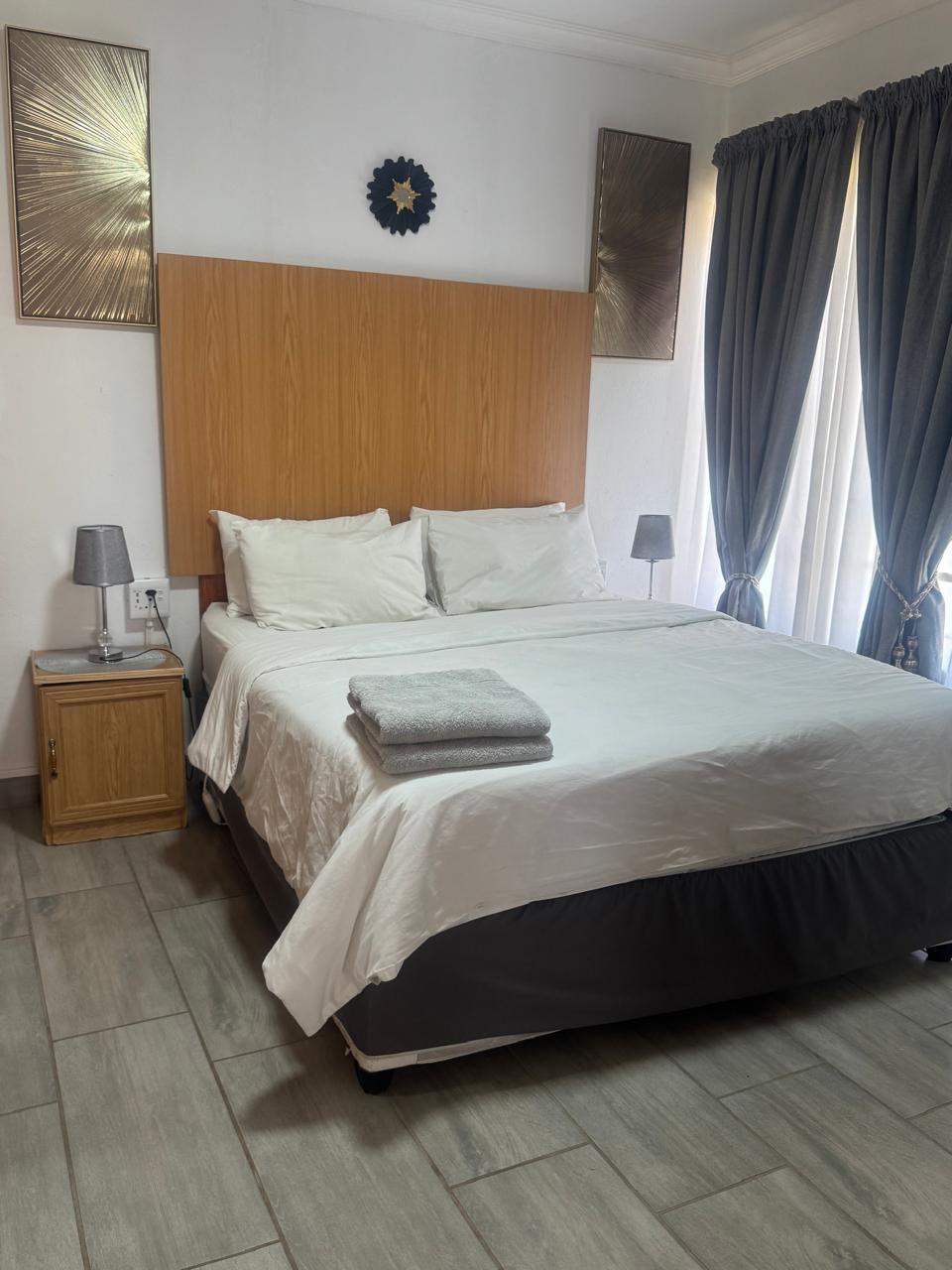
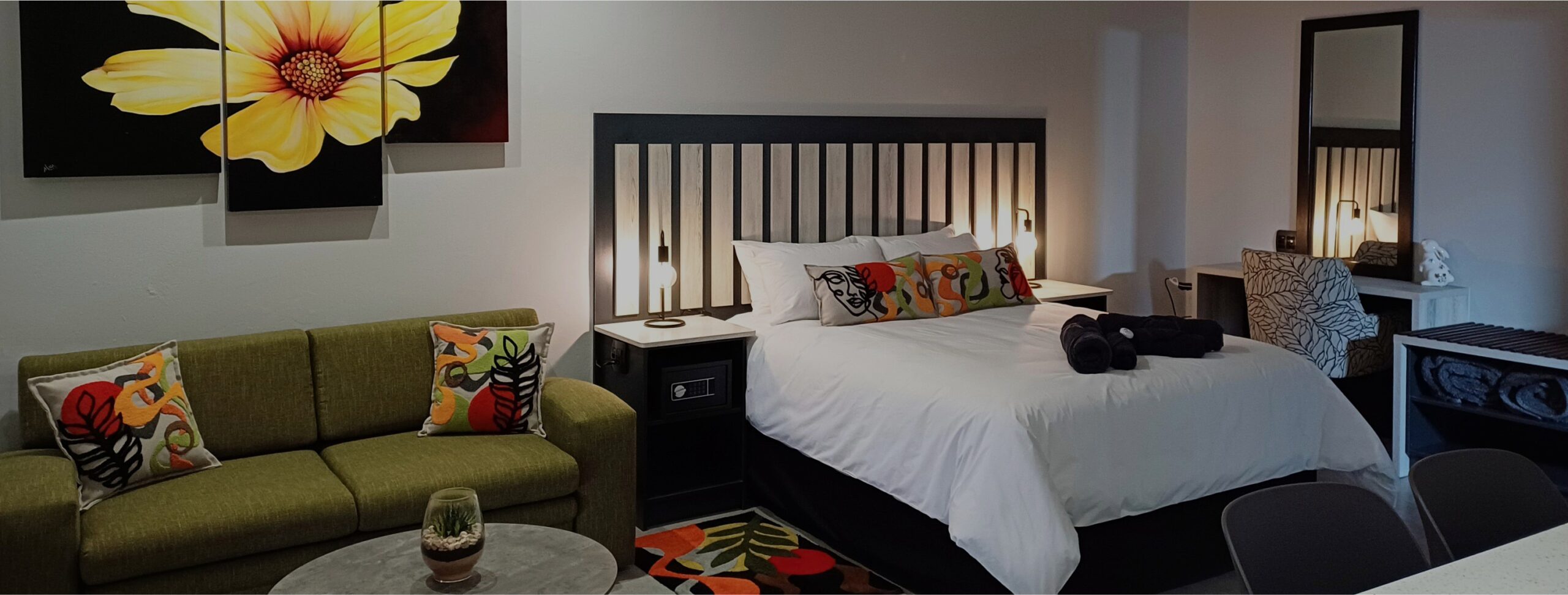
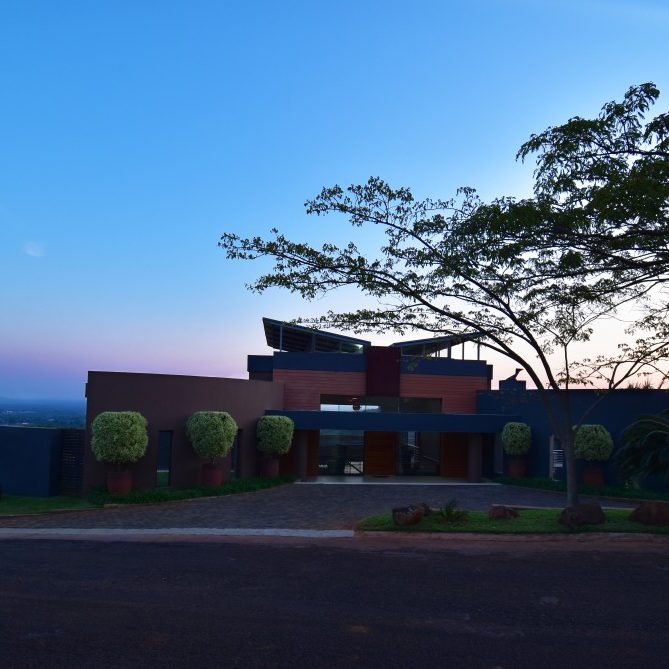
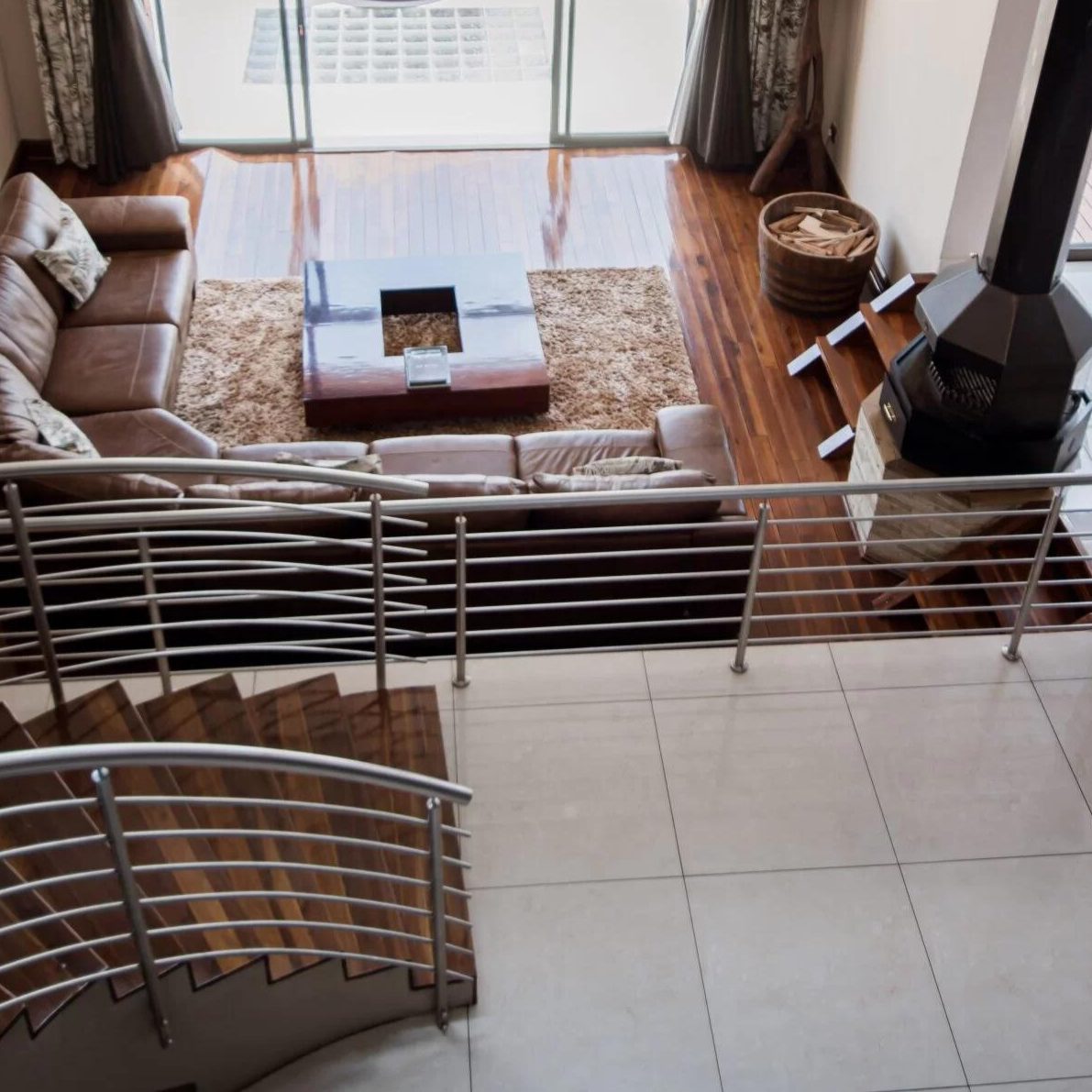
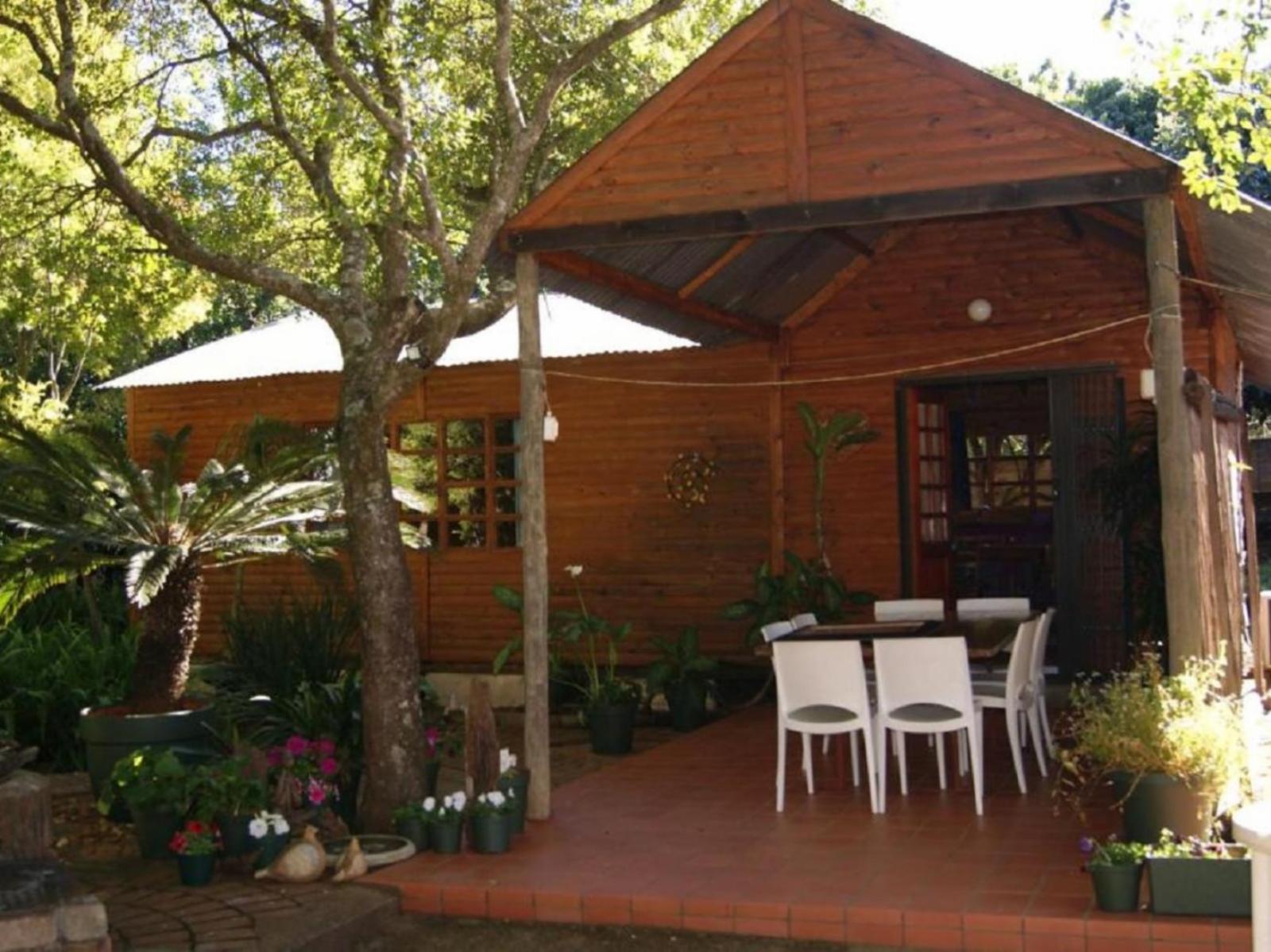
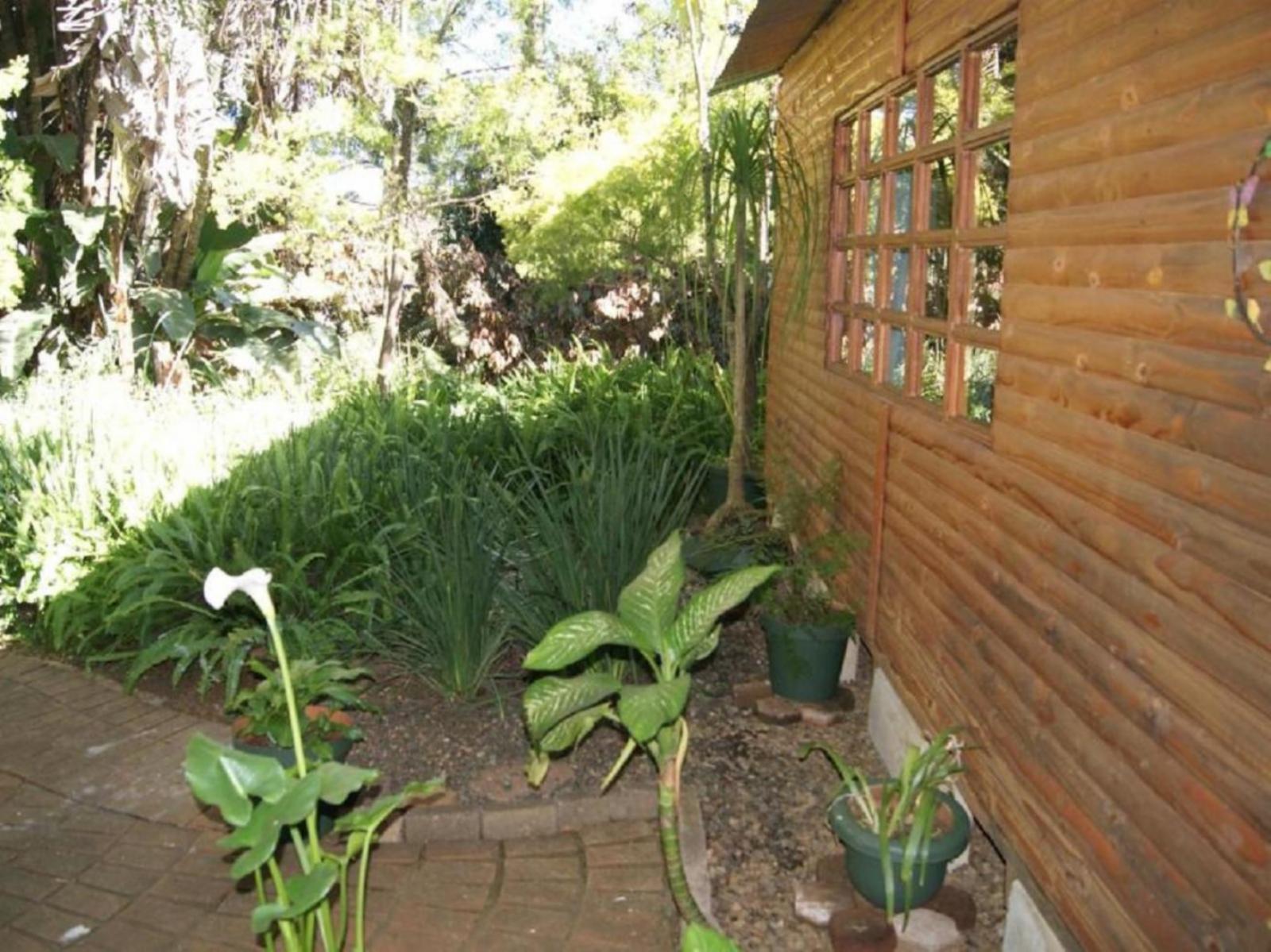
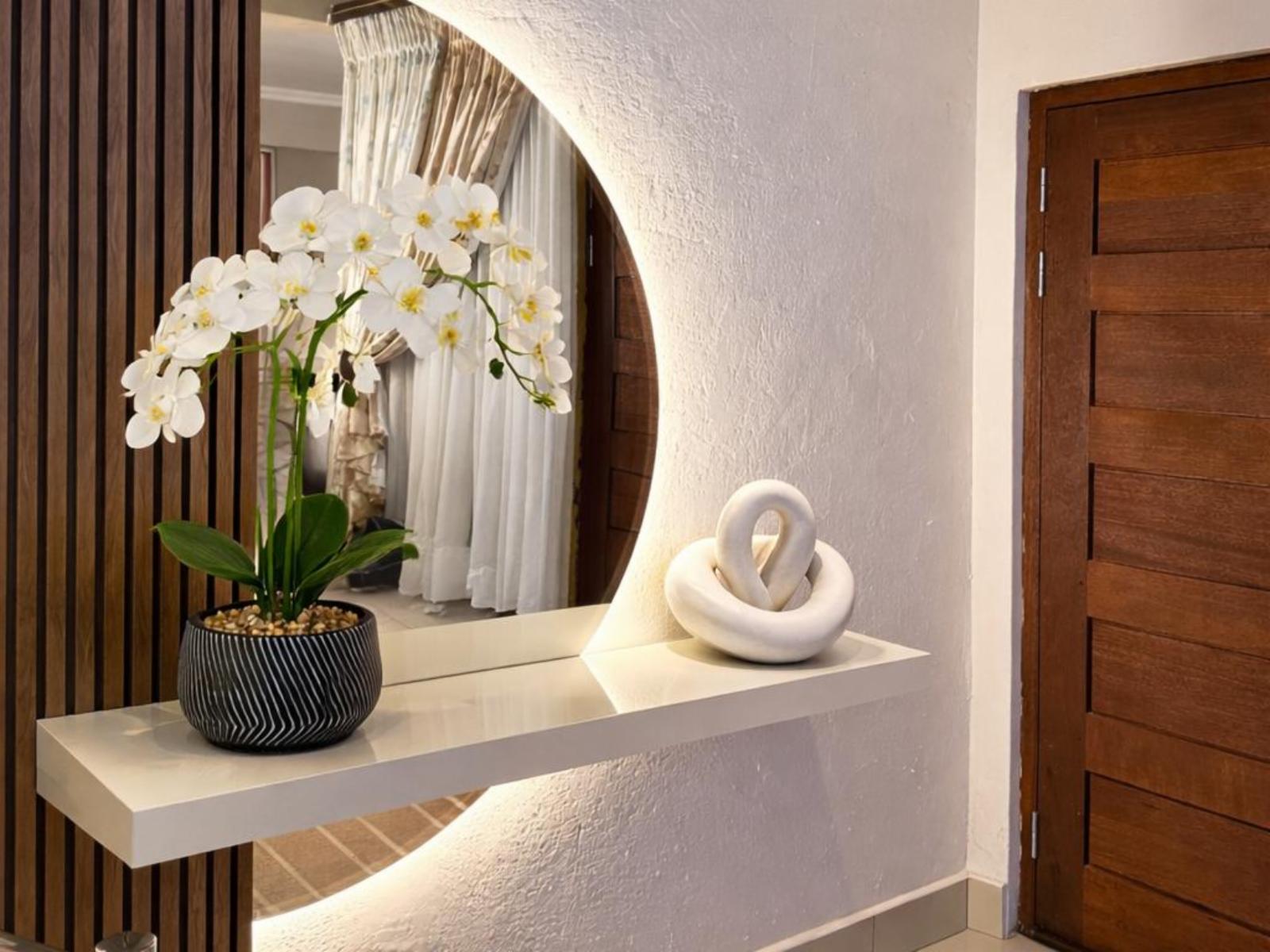
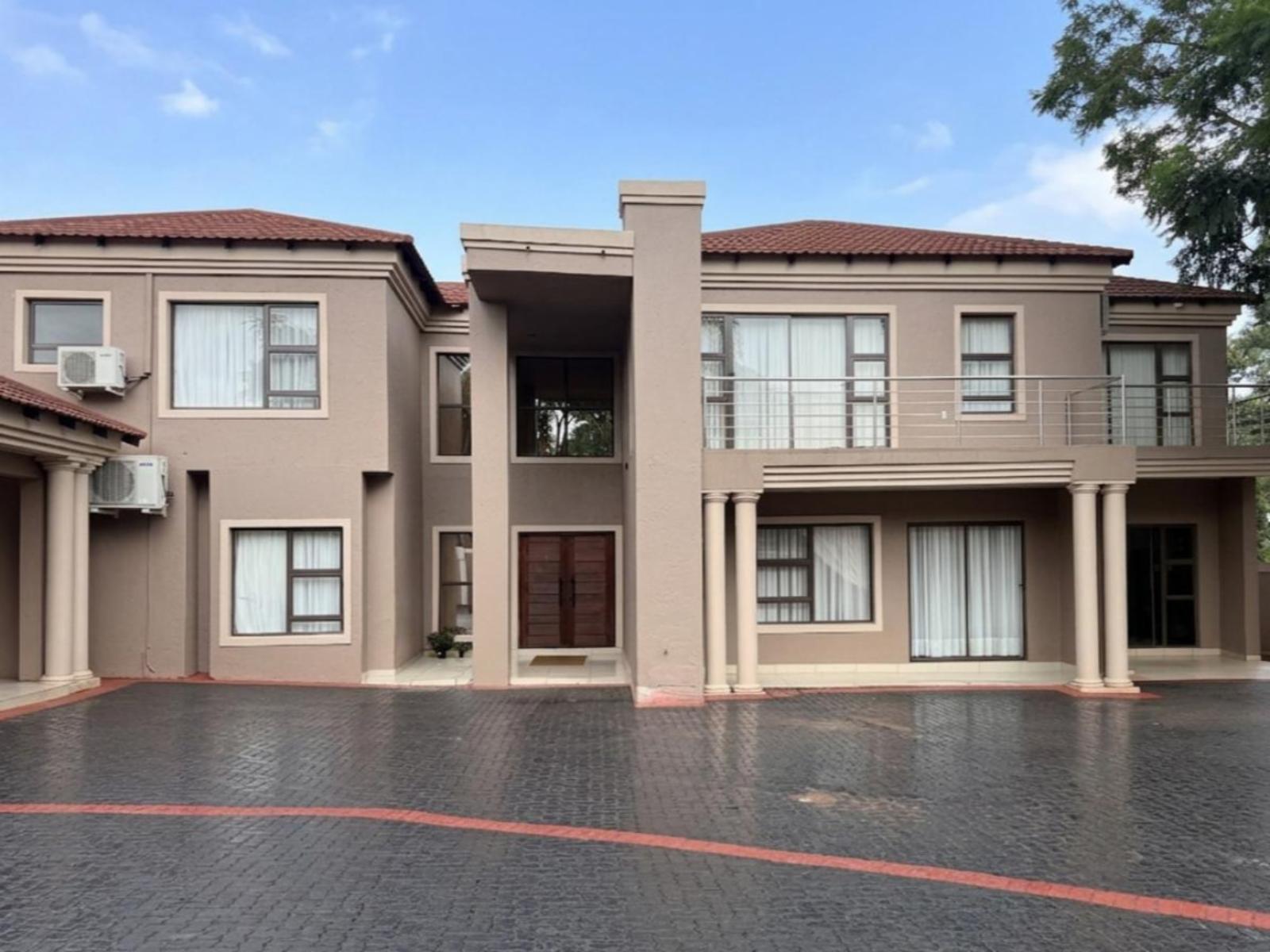
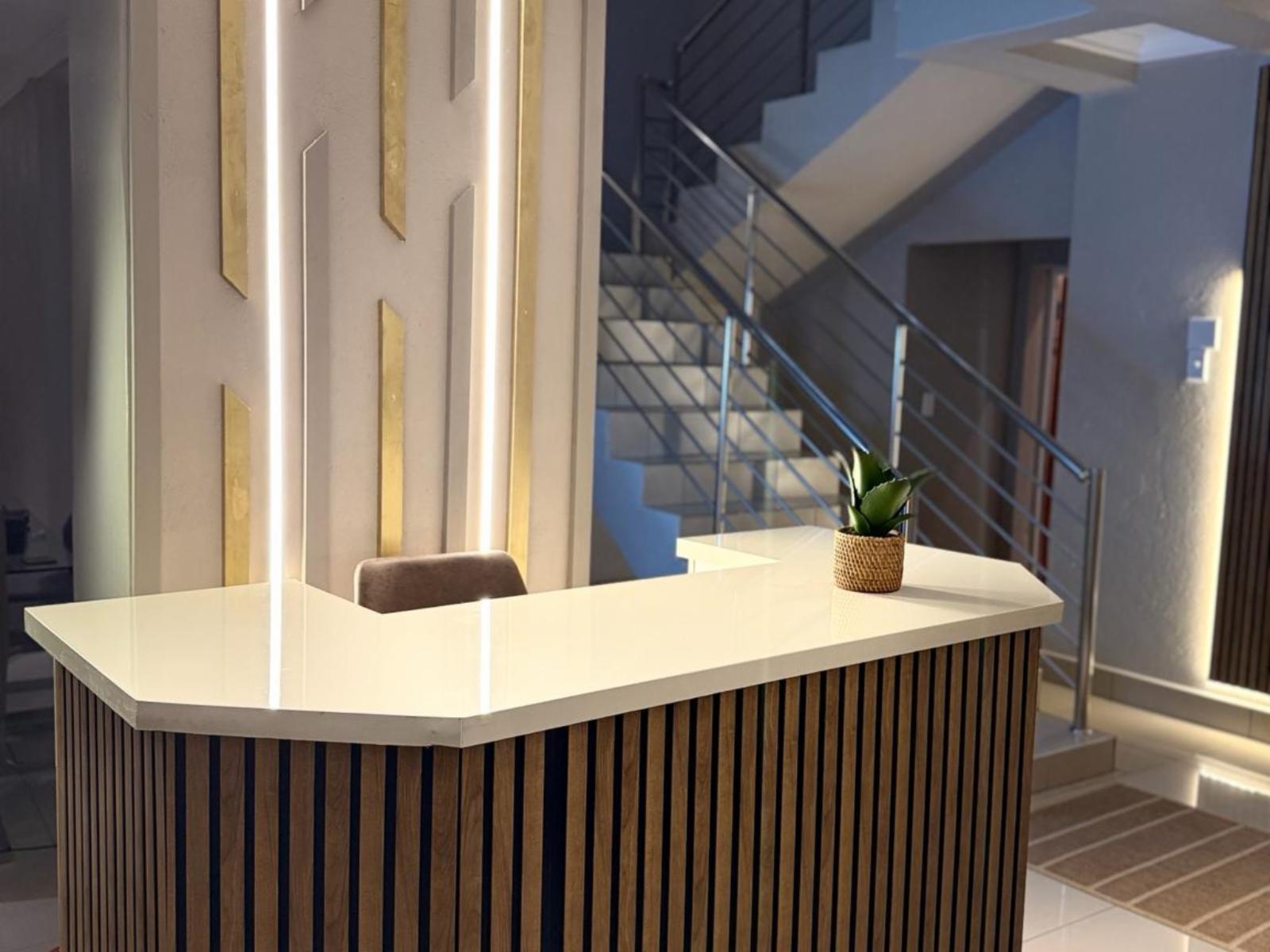
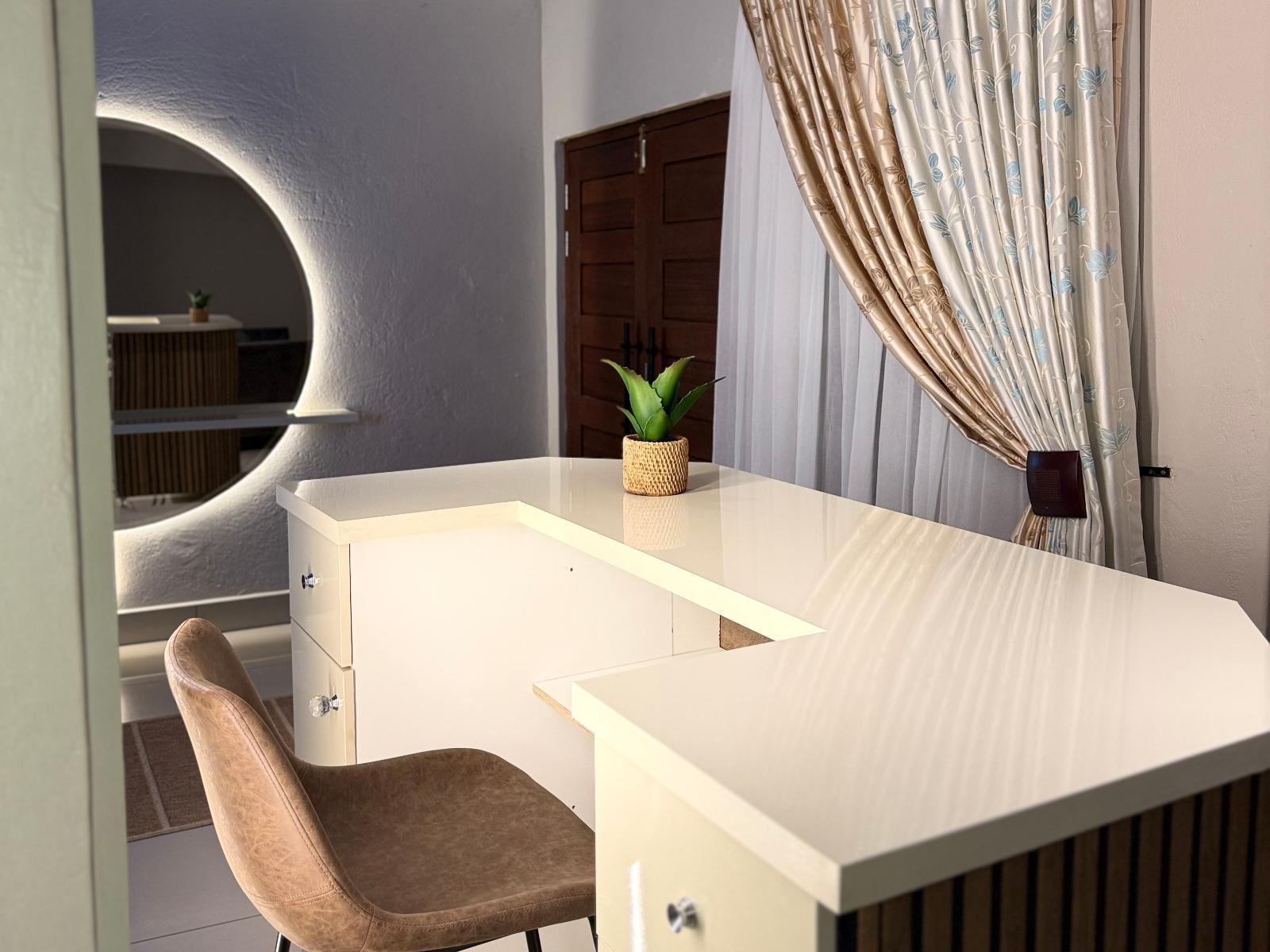
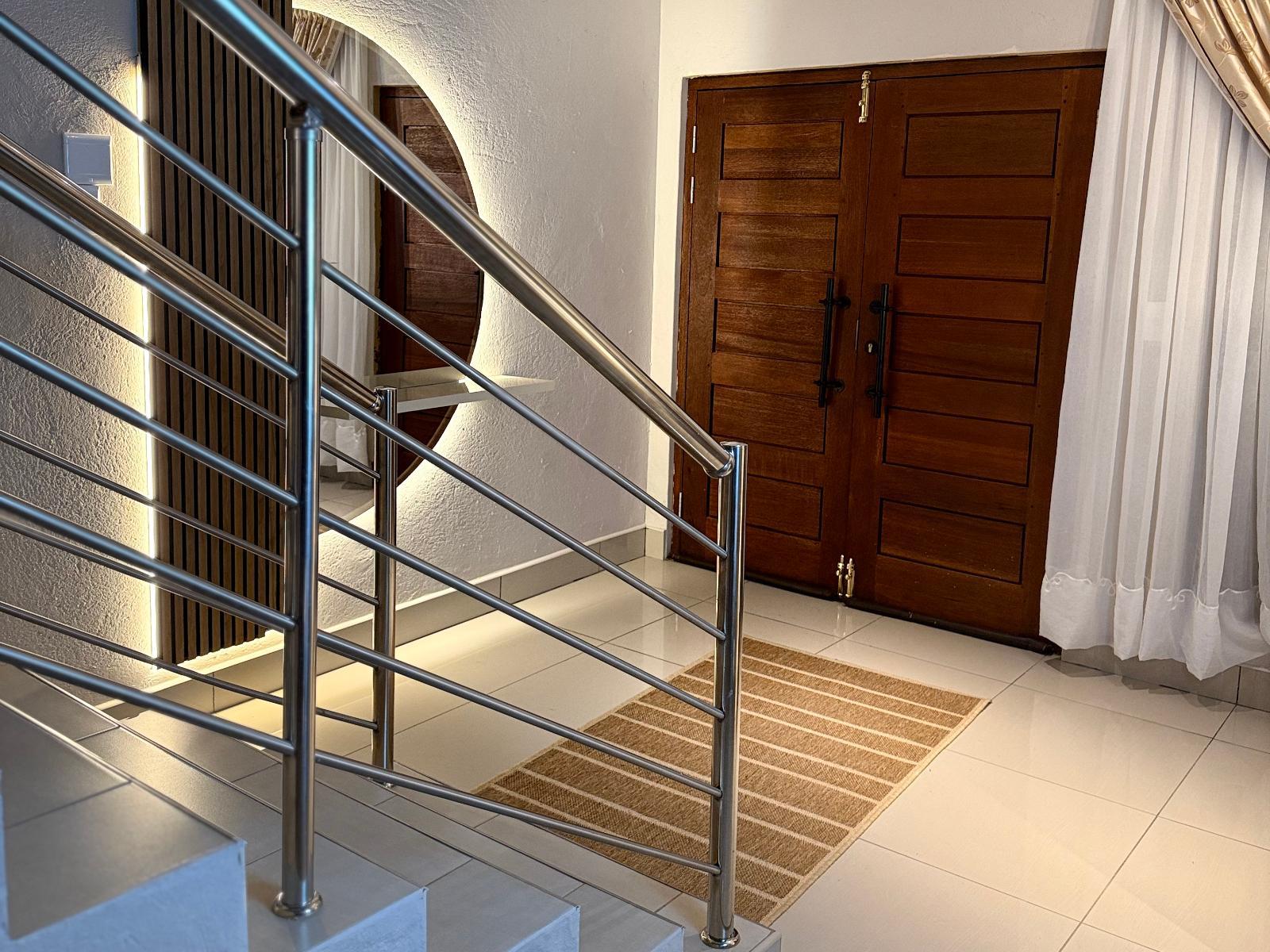
Tshiozwi's accommodation reflects its character as a small traditional village in rural Limpopo. With one listed property, a guesthouse, visitors should plan around a single choice rather than expect to browse between options. That constraint also captures part of the experience: choosing to stay in Tshiozwi is itself a decision to prioritise a particular kind of rural setting over convenience and variety.
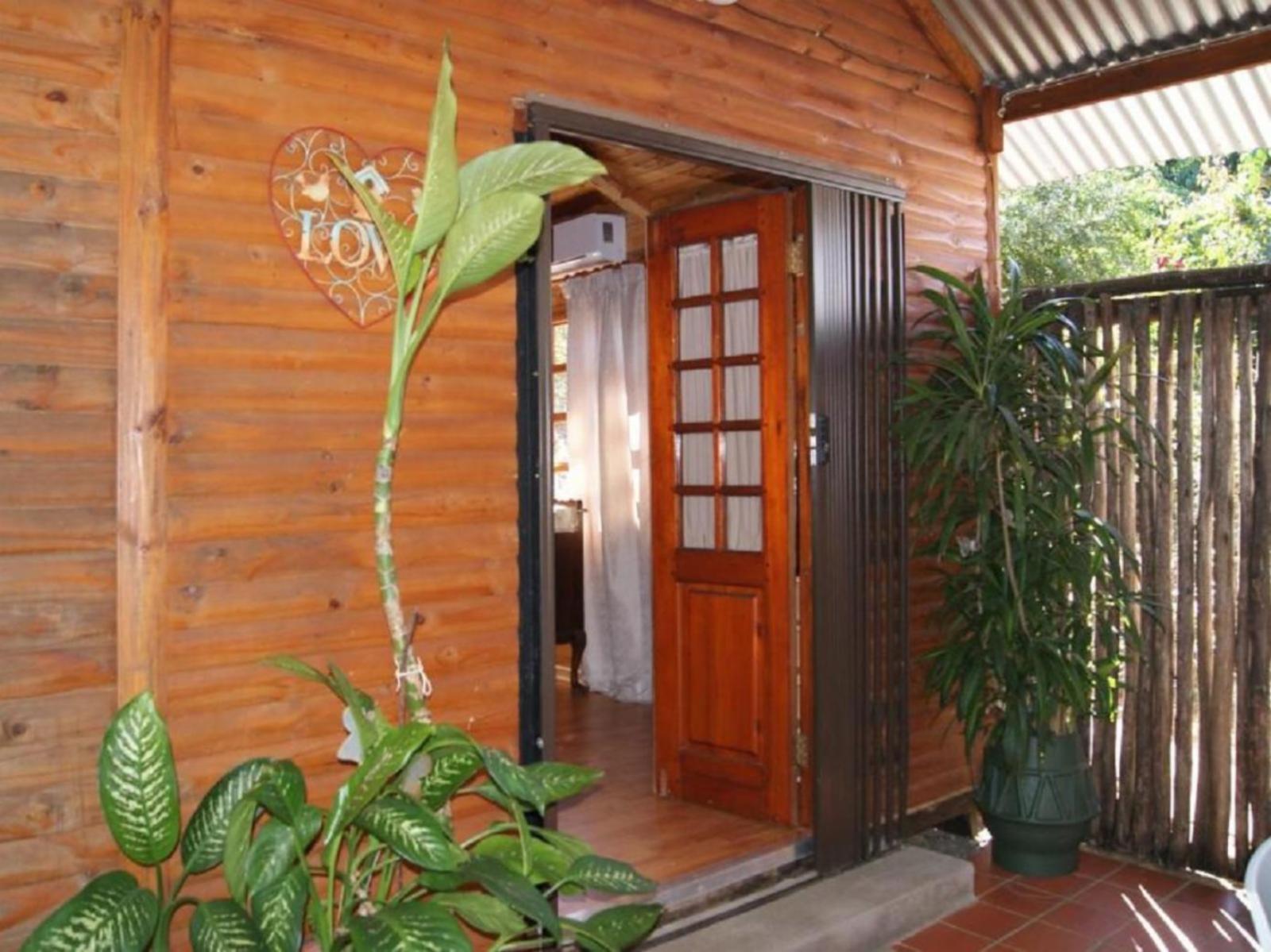
Guesthouses in this part of Limpopo tend to be family-run, set within a residential compound or smallholding, with a handful of rooms offering en-suite or shared facilities rather than standardised hotel amenities. Service is personal, and hosts typically function as a reliable source of local knowledge, from road conditions to contacts in nearby communities. Breakfast is commonly included in the nightly rate, with dinner available by prior arrangement. Pricing for the listed property has not been formally published, so contacting it directly to confirm rates and availability is the necessary first step in any booking.
In terms of budget positioning, the guesthouse sits broadly in the mid-range for rural South Africa. It offers more structure and comfort than a basic backpacker option without the premium associated with private game lodges or high-end safari camps further into the Limpopo bush. For travellers accustomed to urban hotel standards, the experience involves a practical adjustment: fewer on-demand services in exchange for quieter surroundings and a more direct sense of the surrounding community.
Given the village's distance from shops and restaurants, confirming whether meals, drinking water, and basic supplies are available on site is worth doing before arrival. Visitors who need a broader selection of room types, or facilities suited to families and larger groups, will find more choice in the larger towns within driving distance.
Best Time to Visit Tshiozwi
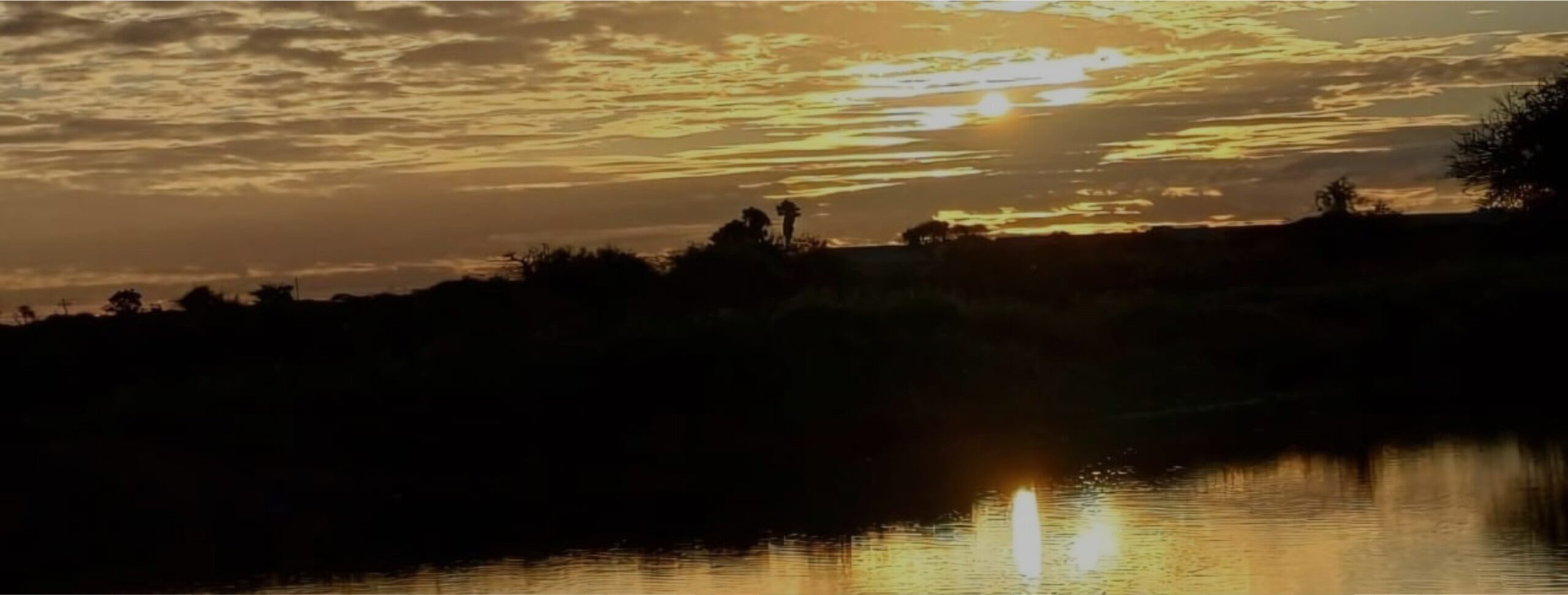
Limpopo divides neatly into two distinct seasons. The summer rainy period runs from November through March, bringing temperatures that regularly exceed 30 degrees Celsius alongside afternoon thunderstorms that arrive quickly and with considerable force. The landscape becomes green and active during these months, with migratory birds present in higher numbers and waterfalls in the surrounding hills flowing strongly. Unpaved tracks can become impassable after sustained rain, however, and the heat and humidity make extended outdoor activity uncomfortable in the middle of the day.
From May through August, conditions are dry, stable, and cooler. Days are well suited to hiking, exploring rural tracks, and spending extended time outdoors without managing rain or extreme temperatures. Nights in June and July can drop sharply, so carrying warm layers is sensible even in a region better known for its summer heat. The July school holidays increase domestic travel across Limpopo, though Tshiozwi itself remains largely off the main tourist circuit regardless of season.
April and September occupy a useful middle ground. Rain has largely eased by April, and September falls before the main summer storms arrive. Both months offer manageable temperatures, more stable road conditions, and greater flexibility in accommodation availability. For a first visit, either shoulder month is generally the most practical choice.
Getting to Tshiozwi
Tshiozwi sits roughly 12 kilometres from Louis Trichardt, a town on the N1 national highway that serves as the main access point for the village. The N1 is the primary north-south arterial road through Limpopo, connecting Polokwane and Johannesburg to the south with Beit Bridge and the Zimbabwean border to the north. Travellers coming from Polokwane cover roughly 200 kilometres on the N1 before turning off toward the village, a journey of approximately two to two and a half hours in normal driving conditions.
Polokwane International Airport is the nearest airport with scheduled commercial flights. A hire car is essential, as no reliable public transport connects directly to Tshiozwi. Shared taxi networks in rural Limpopo run between larger towns rather than into individual small villages, making self-drive the only practical option.
Fill the tank before leaving the main road, as no fuel stations operate in or near the village. A standard sedan handles the approach without difficulty in dry conditions, but parts of the final route may be unpaved. During the summer months, tracks can become muddy after heavy rain, and vehicles with higher ground clearance have an advantage. The accommodation property can advise on current road conditions, which tends to be more reliable than navigation apps in areas where road data is sometimes outdated.
Tshiozwi and Surrounding Areas
The communities immediately surrounding Tshiozwi are small villages and agricultural settlements with little formal tourism infrastructure. Ha-ramahantsha, 4 kilometres away, is a traditional settlement where the everyday rhythms of rural community life are visible in an unmediated way. Visits here are best arranged through your host at the guesthouse or through local contacts, rather than arriving unannounced. The short distance from Tshiozwi makes it easily accessible for a morning or afternoon outing, and it gives a grounded sense of how communities in this part of Limpopo live and organise themselves.
Gertrudsburg, also 4 kilometres out, is an agricultural area of smallholdings and farmland. It is not a standalone destination, but the landscape between Tshiozwi and the N1 has an open, unhurried quality that forms part of the broader appeal for visitors seeking rural travel without manufactured attractions.
Kranskraal and Elsteg, both at 9 kilometres, are small residential settlements in the same rural belt. Neither carries specific tourist draws, but the secondary roads connecting them pass through quiet countryside that rewards slow, informal exploration. Travellers who enjoy driving without a fixed itinerary will find this part of the district has a distinctive character.
Louis Trichardt, 12 kilometres to the south, is the practical hub for anyone staying in Tshiozwi. Supermarkets, restaurants, pharmacies, hardware stores, and banks are all available here, making it the necessary resupply point before or after a village stay. Beyond its function as a service town, Louis Trichardt sits at the entrance to the Soutpansberg mountain range, one of the most biologically diverse highland areas in South Africa. Mountain passes, birding routes, and hiking trails give travellers good reason to spend a half-day or more in the area, and birdwatchers in particular find the Soutpansberg rewarding, with over 300 recorded species.
Kutamaslokasie, 13 kilometres from Tshiozwi and adjoining Louis Trichardt, is a township where informal markets and local trade give the area a different economic texture compared to the quieter villages to the north.
Planning Your Stay
With one property available, Tshiozwi leaves no fallback option if the guesthouse is fully booked. Book directly with the property as far in advance as possible, and be particularly diligent around South African school holidays, long weekends, and December, when domestic travel across Limpopo increases noticeably. Confirm all key details in writing: check-in arrangements, meal provision, and what happens if your arrival is delayed.
Before finalising any booking, ask specifically about electricity supply. Load-shedding affects much of the country, and knowing whether the property has a generator or solar backup makes a real difference to how you plan evenings. Also ask about water supply, since some rural properties draw from boreholes or storage tanks rather than the municipal network.
Carry cash on arrival. The village has no ATMs or card payment infrastructure, so withdraw what you need before leaving the last large town on the route. Bring any specialist provisions, medications, or food items that may not be available locally.
Mobile coverage can be inconsistent across parts of rural Limpopo. Download offline maps, your booking confirmation, and any reference materials before departing the main road. If you plan to explore on foot or by vehicle in areas away from the village, inform someone of your planned route and expected return time. Keeping those steps in mind before departure removes most of the friction that rural travel in this region can involve.