Louis Trichardt Reis- & Akkommodasiegids
Jou volledige gids om Louis Trichardt, Suid-Afrika te besoek.
2
Eiendomme
Gewildste
Guesthouse
Louis Trichardt in Limpopo features diverse landscapes from mountains to plains, making it appealing for nature enthusiasts. The town has a history tied to early settlers, with sites that reflect its development. It serves as a practical stop for travelers exploring northern South Africa, with options for both adventure and rest.
## Accommodation in Louis Trichardt
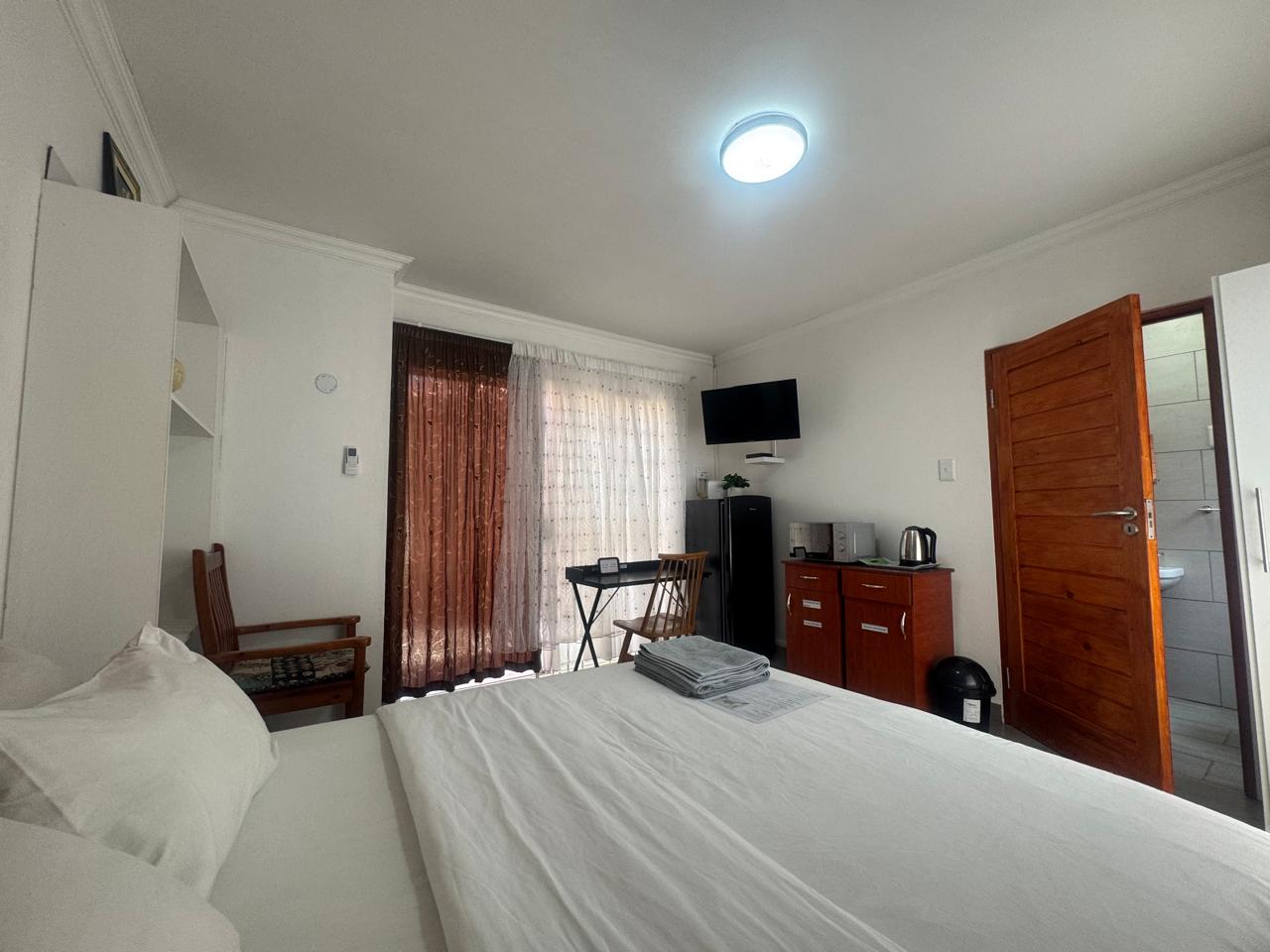
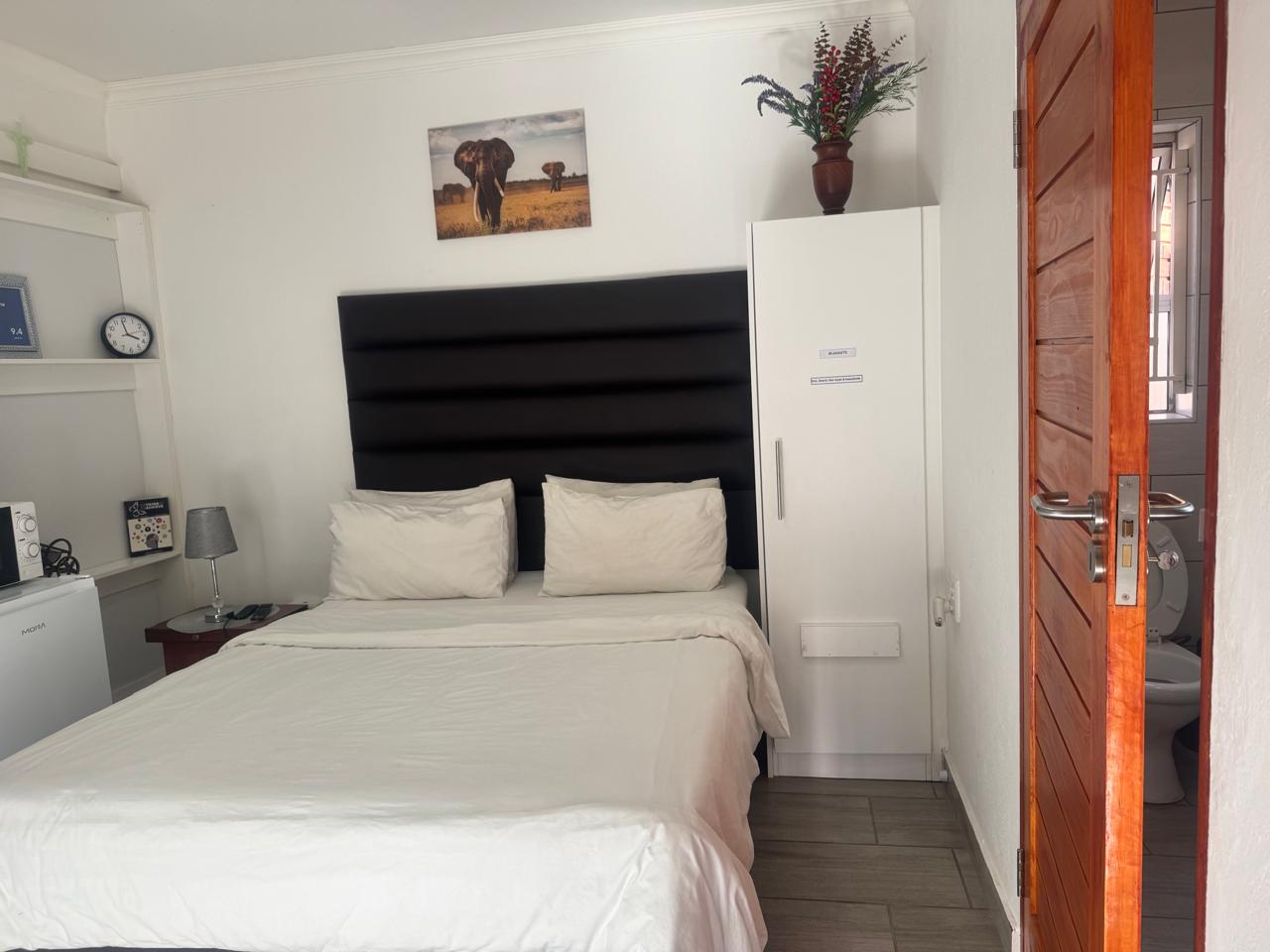
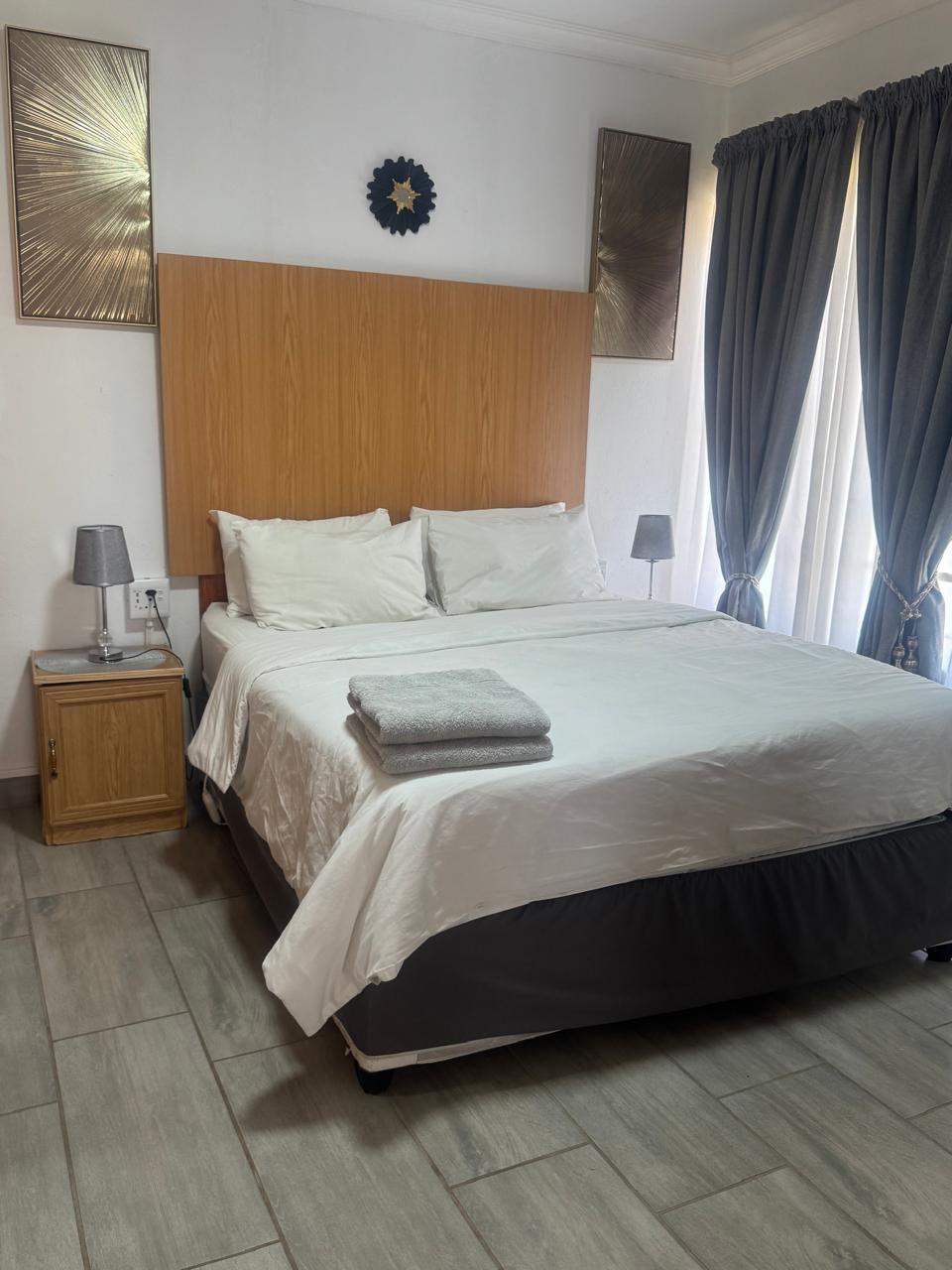
With 2 properties currently listed, the accommodation offer here is compact, reflecting a town that serves primarily as a mountain and farming base rather than a high-volume tourist destination. Pricing is variable and best confirmed directly with each property, as current rates are not published in the listing data.
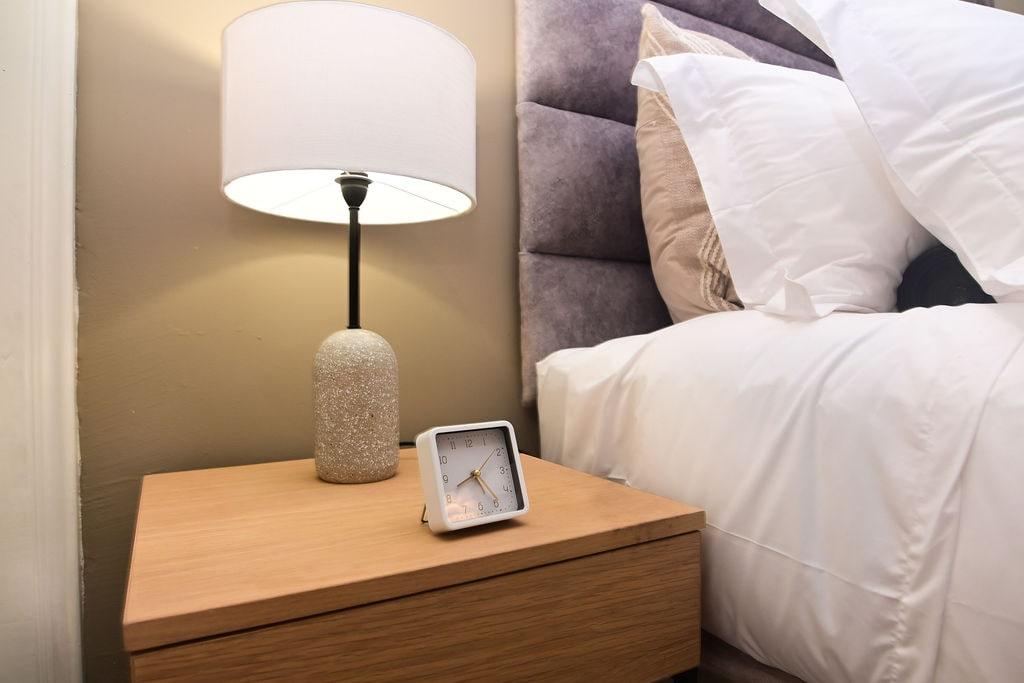
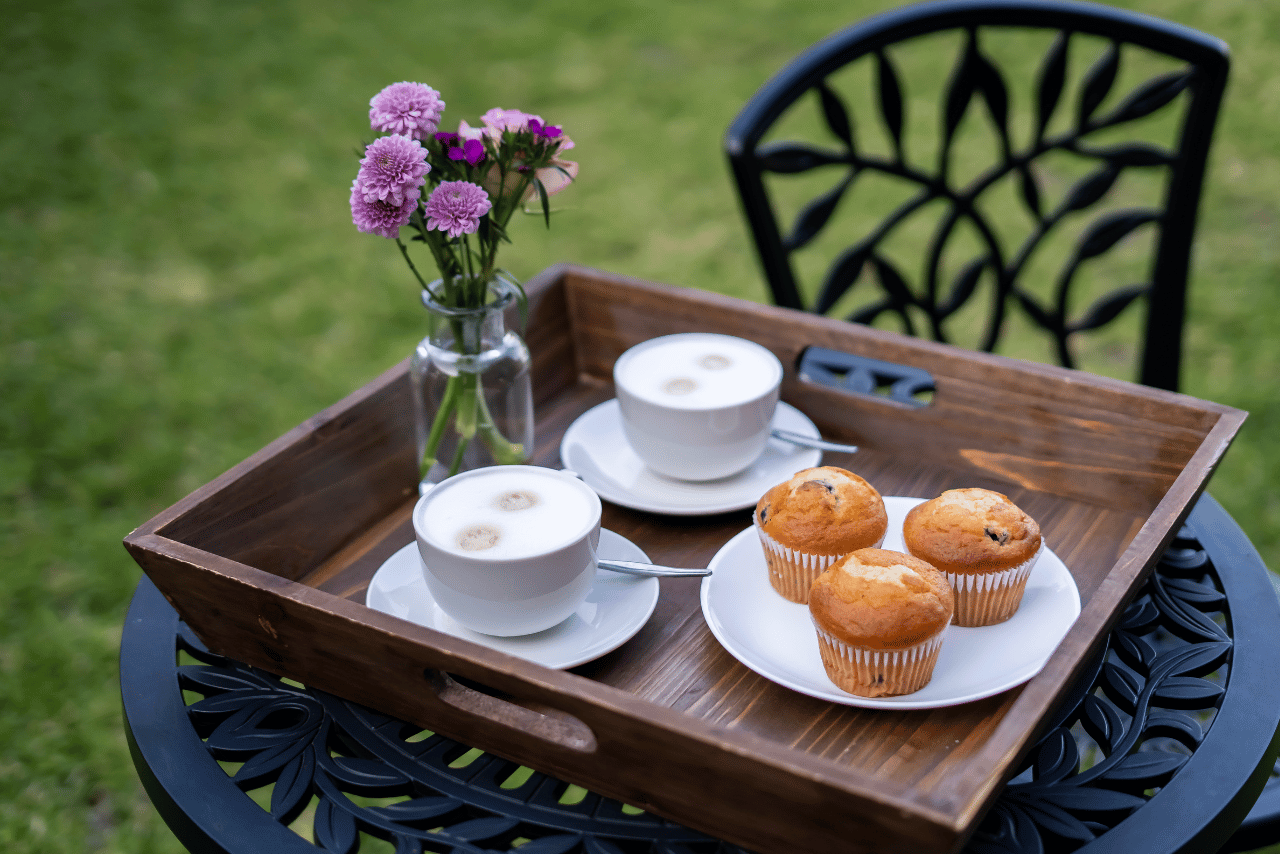
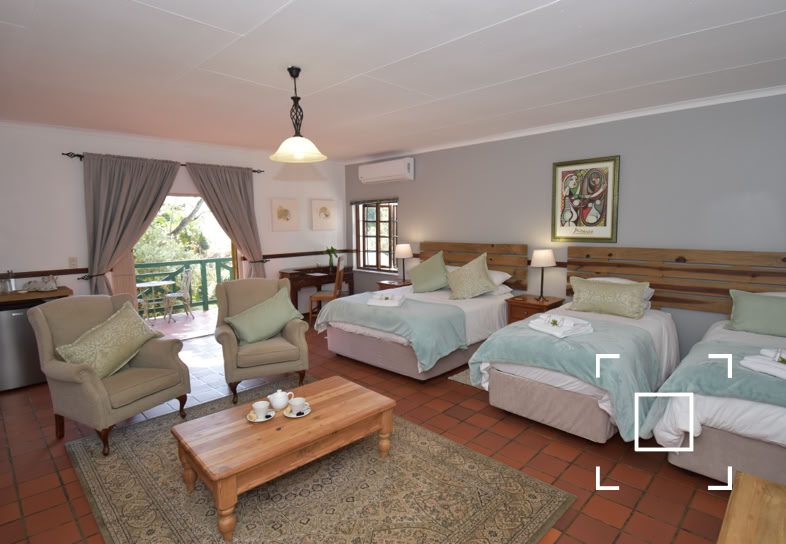
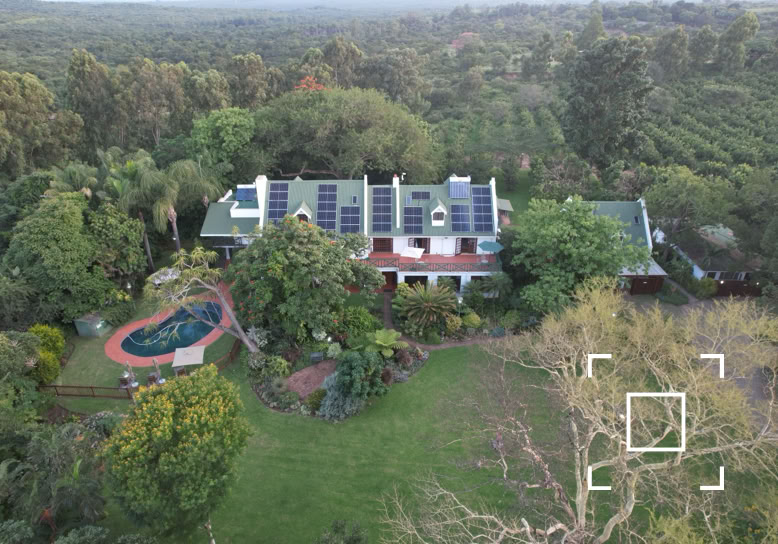
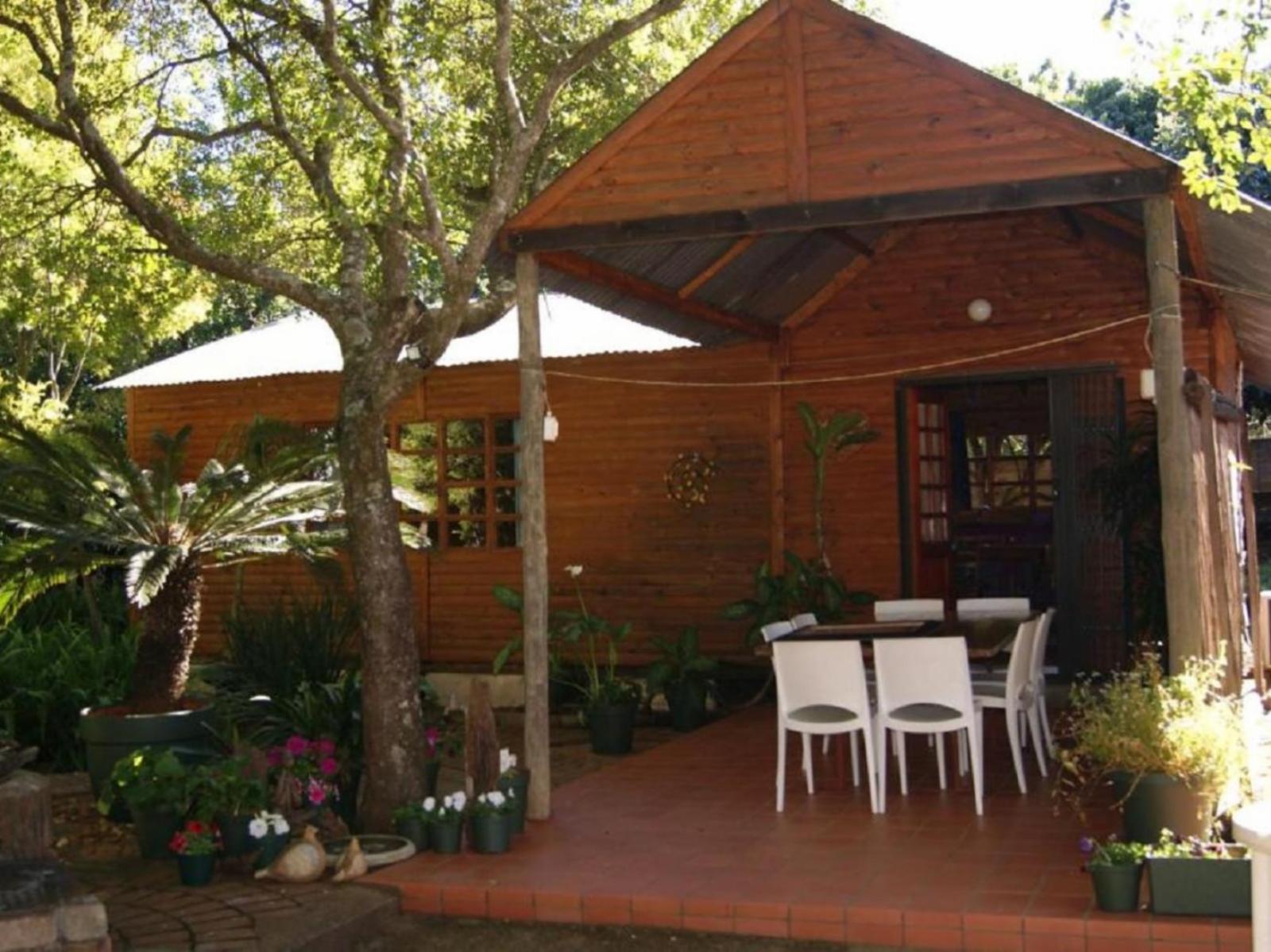
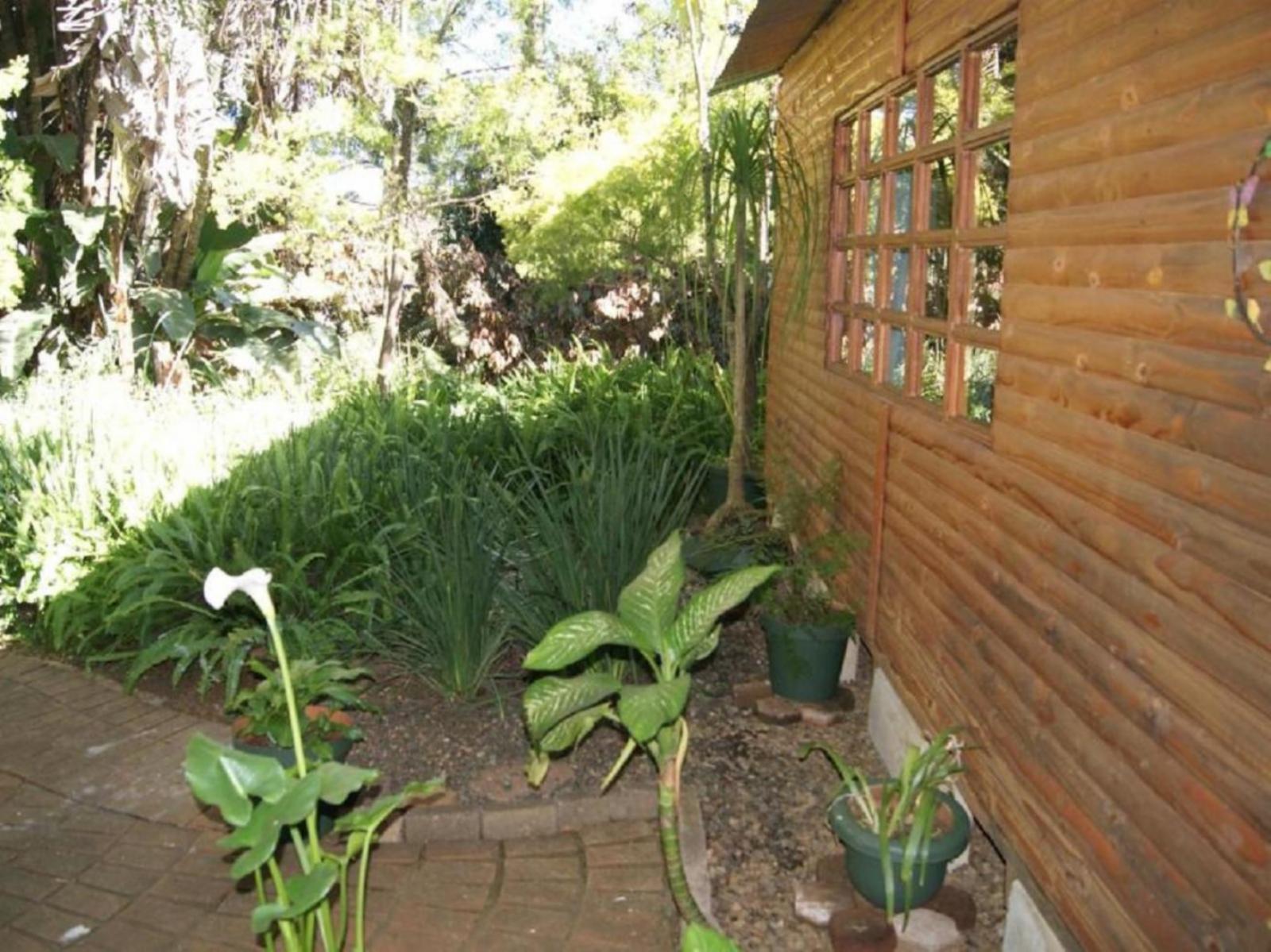
At the more accessible end of the market, the guesthouse option suits travellers wanting personal service and a reliable local contact on arrival. Owner-operated properties of this type in the region typically occupy older homes with established gardens, and a cooked breakfast is often included in the nightly rate. For anyone arriving without detailed local knowledge, having an owner available for trail directions, area advice, and general recommendations makes a genuine practical difference. The atmosphere tends to be domestic rather than corporate.
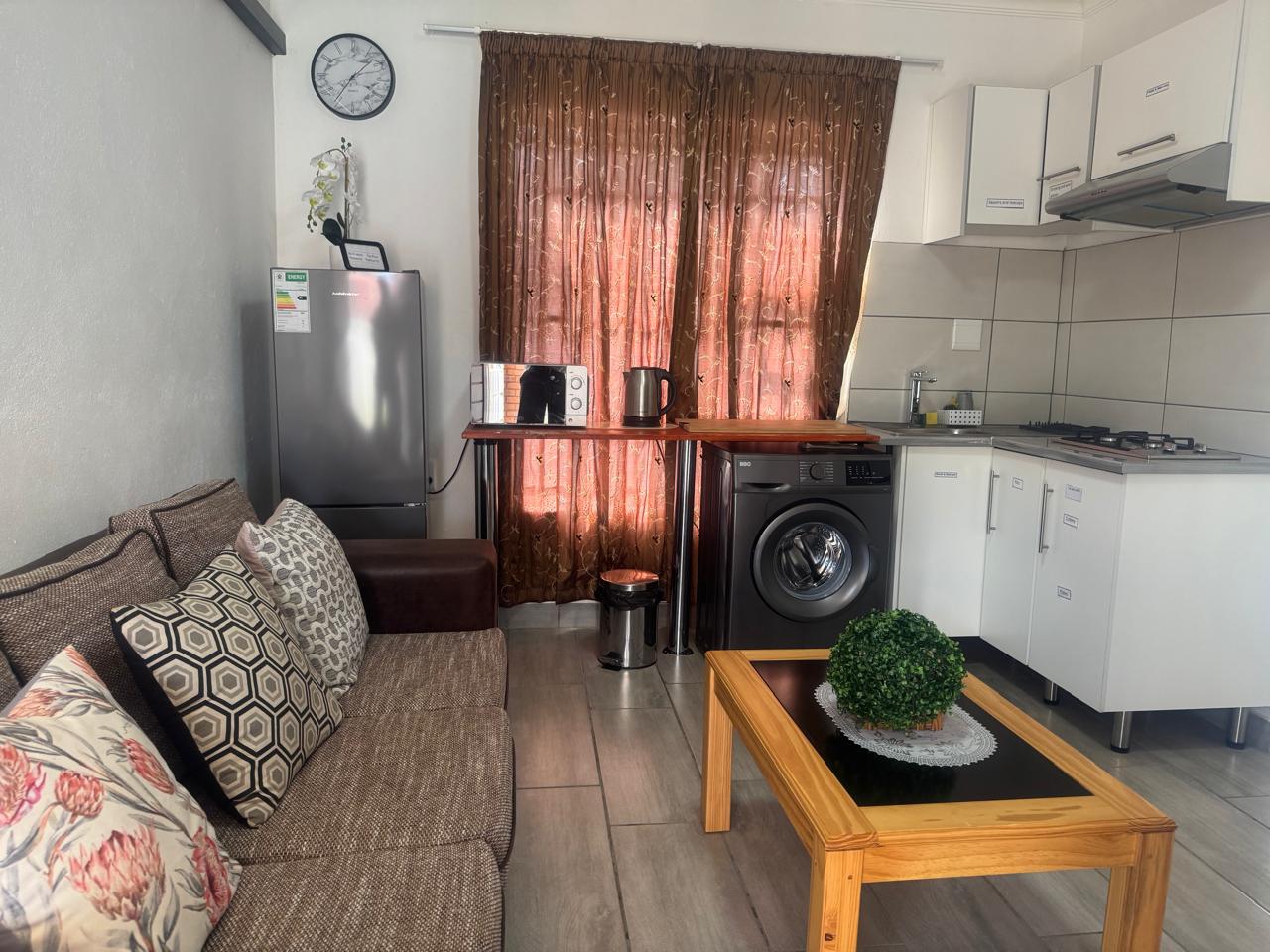
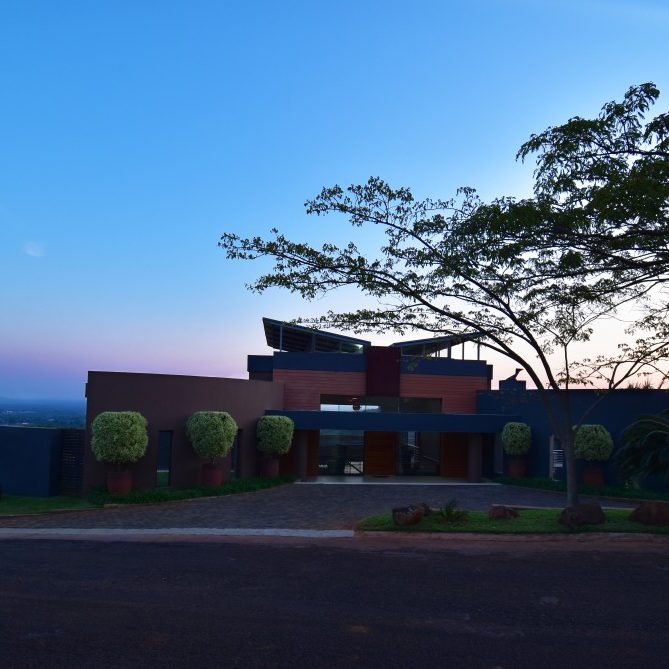
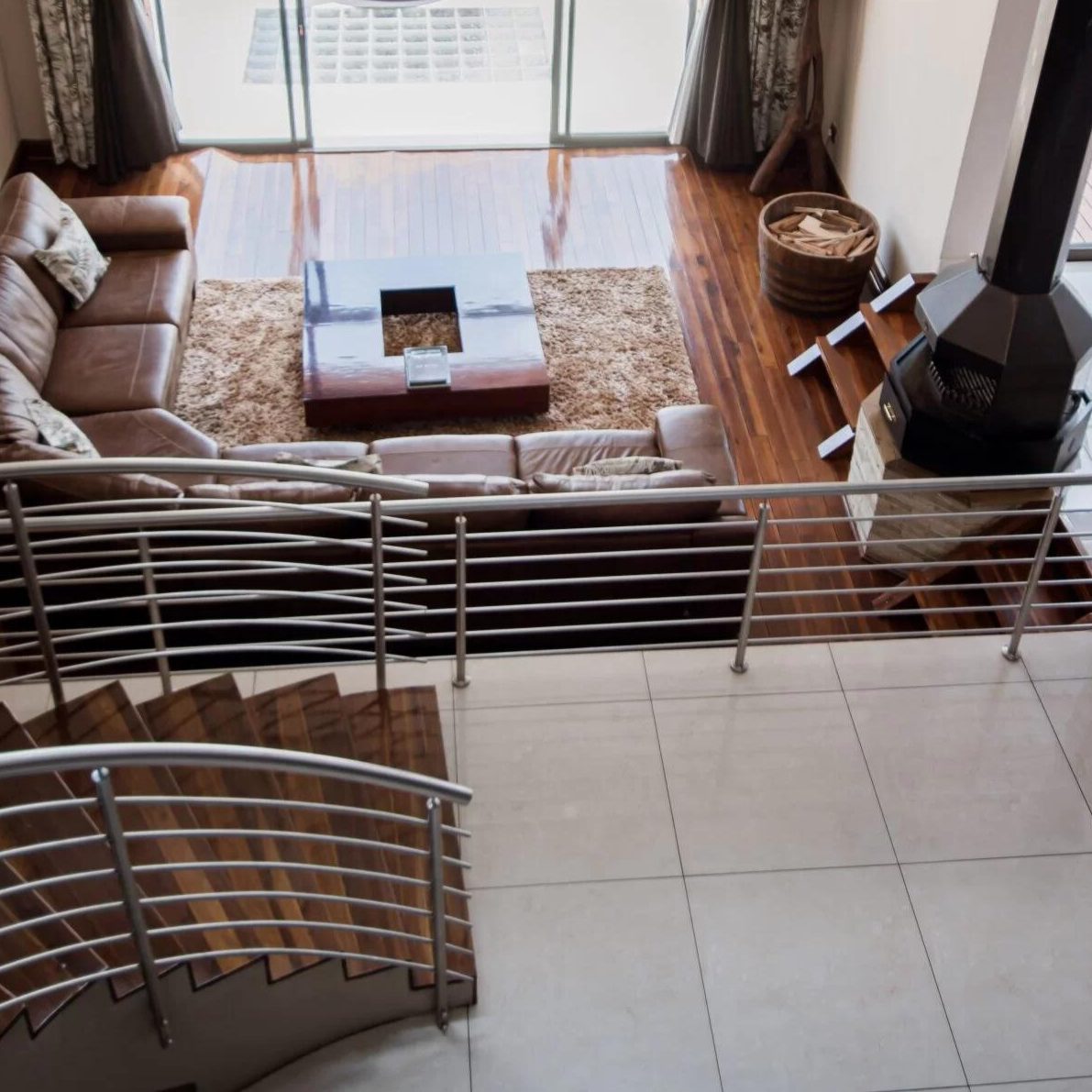
The farm house listing offers a considerably different experience. Staying on working agricultural land in the Soutpansberg foothills means more outdoor space, self-catering facilities, and a degree of quiet not found in the town centre. This suits families, couples wanting privacy, or travellers drawn by the agricultural landscape that has shaped this part of Limpopo since the nineteenth century. Early mornings on a working farm here mean birdlife active well before full daylight, and the surrounding property gives a tangible sense of the region's rural character.
Neither option sits at a particularly elevated price point relative to comparable lodging elsewhere in South Africa, and neither offers urban hotel amenities. For travellers whose main interests are the mountains, forests, and wildlife areas further east, the accommodation available serves that purpose adequately. With only two properties to choose from, availability can tighten during busy periods, and leaving the booking until the last minute risks finding nothing suitable within the immediate area.
## Best Time to Visit Louis Trichardt
The Soutpansberg range rises to over 1,700 metres, which keeps Louis Trichardt noticeably cooler than the hot, flat bushveld spreading south and east. Even so, seasonal variation is pronounced. Summer runs from November through March and brings afternoon thunderstorms, high humidity, and temperatures climbing into the mid-thirties at lower altitudes. Rain turns the mountain slopes green and rewards those interested in indigenous plants and forest birds, and reserves such as Thathe Vondo Forest are at their most lush during this period, though access tracks can become difficult after heavy downpours.
Winter, from May to August, is the most popular time to visit. Daytime temperatures settle in the low twenties, nights are cool without being cold, and clear skies hold for weeks at a time. Vegetation thins, making wildlife more visible around water sources, and hiking is comfortable on dry trails. August brings persistent dry winds from the north that can make exposed ridgelines unpleasant for extended walks.
The shoulder months of September and October see temperatures rise again before the summer rains return. Visitor numbers drop below the winter peak, which suits those who prefer quieter roads and more breathing room at viewpoints and trailheads. School holidays in July and the December-January period generate noticeably heavier domestic travel through Limpopo, and properties tend to fill faster than at other times.
## Getting to Louis Trichardt
Louis Trichardt lies directly on the N1, the main national highway running north from Johannesburg toward Zimbabwe. The drive from Johannesburg covers roughly 400 kilometres, typically taking four to five hours depending on traffic through Pretoria and the towns along the route. Polokwane, the Limpopo provincial capital, is the most practical stop for fuel and supplies before the final stretch north.
The nearest commercial airport is Polokwane Airport, which operates scheduled connections from Johannesburg. Hiring a car there is recommended, as long-distance bus services do run the N1 corridor but are not suited to exploring the mountain roads and farming communities around Louis Trichardt. International arrivals come through OR Tambo International Airport in Johannesburg, from where a connecting domestic flight to Polokwane or the direct road north are both realistic options.
Once in town, a vehicle is necessary for anything beyond the immediate centre. Most shops, petrol stations, and basic services are walkable in Louis Trichardt itself, but mountain reserves and rural trailheads require driving. Local taxis operate for short in-town routes but are not structured for tourist itineraries. The N1 continues north to the Zimbabwe border at Beit Bridge, and an eastward road leads toward the Kruger National Park, approximately 150 kilometres away, for those including safari time in their Limpopo itinerary.
## Louis Trichardt and Surrounding Areas
The settlements within a short drive of Louis Trichardt offer a range of perspectives on the Soutpansberg's landscape and people.
**Makhado**, 2 kilometres away, is the official municipal name for the Louis Trichardt administrative area and holds the town's main commercial activity. The central market stocks fresh local produce and craft goods from surrounding communities. The Louis Trichardt Museum, which documents the Voortrekker era and the agricultural history of the region, is also here and provides useful historical context before heading into the wider landscape. Municipal services and major retail concentrate in Makhado, making it the practical first stop for supplies before heading further afield.
**Elsteg**, 6 kilometres out, is a small rural community in the agricultural belt below the upper mountain slopes. The farming here reflects the subtropical character of this section of Limpopo, with citrus, avocado, and tea estates among the landholdings. There are no formal visitor facilities, but the area gives a clear picture of the working farming economy that underpins much of Louis Trichardt's commercial life.
At 12 kilometres, **Tshiozwi** and **Kranskraal** are short separate drives from town. Tshiozwi falls within the Venda cultural belt running through this part of Limpopo. Village architecture, craft production, and community markets in the area reflect Venda traditions and land-use patterns with roots that predate colonial settlement. Kranskraal occupies rockier terrain nearer the escarpment, where cultivated valley floor transitions to steeper mountain face.
**Gertrudsburg**, 13 kilometres from town, is a farming settlement where the landscape begins to level toward the broader plains to the south. No formal visitor facilities exist here, but the drive through gives a useful sense of how the terrain changes as the mountain backdrop recedes.
**Ha-ramahantsha**, 16 kilometres away, is a Venda village community on the northern slopes. The "Ha-" prefix, common across Venda place names in this region, marks territory associated with a particular community lineage. A visit here offers perspective on the Venda cultural geography of the northern Soutpansberg, distinctly different in character from the Afrikaner farming heritage visible closer to the town centre.
## Planning Your Stay
With only two properties available, advance booking matters more than it would in a larger town. Busier travel periods, including the dry winter months and school holiday breaks, see demand increase considerably across Limpopo, and properties here can fill weeks ahead. Contacting each property directly is worth doing to confirm availability and ask practical questions that online listings sometimes leave unanswered.
When comparing the two options, start with your transport situation. A rural property requires a reliable vehicle and confidence on unpaved roads, while accommodation closer to the town centre suits those who prefer short walking distances for everyday needs. Check recent reviews for practical detail rather than overall ratings: consistent mentions of water supply issues, road access in the rains, or missing self-catering equipment are more useful than a star score.
Before confirming, get the cancellation policy in writing. With only one alternative property in the immediate area, a last-minute change leaves very limited fallback options. If the property involves unpaved access, ask whether your specific vehicle type is suitable, especially for travel between November and March.
Cash is worth carrying for the market and local informal traders, as card facilities are not universal across smaller Limpopo towns. Downloading offline maps before departure is a sensible step if you plan to drive into the mountains or visit communities off the main road.

With 2 properties currently listed, the accommodation offer here is compact, reflecting a town that serves primarily as a mountain and farming base rather than a high-volume tourist destination. Pricing is variable and best confirmed directly with each property, as current rates are not published in the listing data.
At the more accessible end of the market, the guesthouse option suits travellers wanting personal service and a reliable local contact on arrival. Owner-operated properties of this type in the region typically occupy older homes with established gardens, and a cooked breakfast is often included in the nightly rate. For anyone arriving without detailed local knowledge, having an owner available for trail directions, area advice, and general recommendations makes a genuine practical difference. The atmosphere tends to be domestic rather than corporate.
The farm house listing offers a considerably different experience. Staying on working agricultural land in the Soutpansberg foothills means more outdoor space, self-catering facilities, and a degree of quiet not found in the town centre. This suits families, couples wanting privacy, or travellers drawn by the agricultural landscape that has shaped this part of Limpopo since the nineteenth century. Early mornings on a working farm here mean birdlife active well before full daylight, and the surrounding property gives a tangible sense of the region's rural character.
Neither option sits at a particularly elevated price point relative to comparable lodging elsewhere in South Africa, and neither offers urban hotel amenities. For travellers whose main interests are the mountains, forests, and wildlife areas further east, the accommodation available serves that purpose adequately. With only two properties to choose from, availability can tighten during busy periods, and leaving the booking until the last minute risks finding nothing suitable within the immediate area.
## Best Time to Visit Louis Trichardt
The Soutpansberg range rises to over 1,700 metres, which keeps Louis Trichardt noticeably cooler than the hot, flat bushveld spreading south and east. Even so, seasonal variation is pronounced. Summer runs from November through March and brings afternoon thunderstorms, high humidity, and temperatures climbing into the mid-thirties at lower altitudes. Rain turns the mountain slopes green and rewards those interested in indigenous plants and forest birds, and reserves such as Thathe Vondo Forest are at their most lush during this period, though access tracks can become difficult after heavy downpours.
Winter, from May to August, is the most popular time to visit. Daytime temperatures settle in the low twenties, nights are cool without being cold, and clear skies hold for weeks at a time. Vegetation thins, making wildlife more visible around water sources, and hiking is comfortable on dry trails. August brings persistent dry winds from the north that can make exposed ridgelines unpleasant for extended walks.
The shoulder months of September and October see temperatures rise again before the summer rains return. Visitor numbers drop below the winter peak, which suits those who prefer quieter roads and more breathing room at viewpoints and trailheads. School holidays in July and the December-January period generate noticeably heavier domestic travel through Limpopo, and properties tend to fill faster than at other times.
## Getting to Louis Trichardt
Louis Trichardt lies directly on the N1, the main national highway running north from Johannesburg toward Zimbabwe. The drive from Johannesburg covers roughly 400 kilometres, typically taking four to five hours depending on traffic through Pretoria and the towns along the route. Polokwane, the Limpopo provincial capital, is the most practical stop for fuel and supplies before the final stretch north.
The nearest commercial airport is Polokwane Airport, which operates scheduled connections from Johannesburg. Hiring a car there is recommended, as long-distance bus services do run the N1 corridor but are not suited to exploring the mountain roads and farming communities around Louis Trichardt. International arrivals come through OR Tambo International Airport in Johannesburg, from where a connecting domestic flight to Polokwane or the direct road north are both realistic options.
Once in town, a vehicle is necessary for anything beyond the immediate centre. Most shops, petrol stations, and basic services are walkable in Louis Trichardt itself, but mountain reserves and rural trailheads require driving. Local taxis operate for short in-town routes but are not structured for tourist itineraries. The N1 continues north to the Zimbabwe border at Beit Bridge, and an eastward road leads toward the Kruger National Park, approximately 150 kilometres away, for those including safari time in their Limpopo itinerary.
## Louis Trichardt and Surrounding Areas
The settlements within a short drive of Louis Trichardt offer a range of perspectives on the Soutpansberg's landscape and people.
**Makhado**, 2 kilometres away, is the official municipal name for the Louis Trichardt administrative area and holds the town's main commercial activity. The central market stocks fresh local produce and craft goods from surrounding communities. The Louis Trichardt Museum, which documents the Voortrekker era and the agricultural history of the region, is also here and provides useful historical context before heading into the wider landscape. Municipal services and major retail concentrate in Makhado, making it the practical first stop for supplies before heading further afield.
**Elsteg**, 6 kilometres out, is a small rural community in the agricultural belt below the upper mountain slopes. The farming here reflects the subtropical character of this section of Limpopo, with citrus, avocado, and tea estates among the landholdings. There are no formal visitor facilities, but the area gives a clear picture of the working farming economy that underpins much of Louis Trichardt's commercial life.
At 12 kilometres, **Tshiozwi** and **Kranskraal** are short separate drives from town. Tshiozwi falls within the Venda cultural belt running through this part of Limpopo. Village architecture, craft production, and community markets in the area reflect Venda traditions and land-use patterns with roots that predate colonial settlement. Kranskraal occupies rockier terrain nearer the escarpment, where cultivated valley floor transitions to steeper mountain face.
**Gertrudsburg**, 13 kilometres from town, is a farming settlement where the landscape begins to level toward the broader plains to the south. No formal visitor facilities exist here, but the drive through gives a useful sense of how the terrain changes as the mountain backdrop recedes.
**Ha-ramahantsha**, 16 kilometres away, is a Venda village community on the northern slopes. The "Ha-" prefix, common across Venda place names in this region, marks territory associated with a particular community lineage. A visit here offers perspective on the Venda cultural geography of the northern Soutpansberg, distinctly different in character from the Afrikaner farming heritage visible closer to the town centre.
## Planning Your Stay
With only two properties available, advance booking matters more than it would in a larger town. Busier travel periods, including the dry winter months and school holiday breaks, see demand increase considerably across Limpopo, and properties here can fill weeks ahead. Contacting each property directly is worth doing to confirm availability and ask practical questions that online listings sometimes leave unanswered.
When comparing the two options, start with your transport situation. A rural property requires a reliable vehicle and confidence on unpaved roads, while accommodation closer to the town centre suits those who prefer short walking distances for everyday needs. Check recent reviews for practical detail rather than overall ratings: consistent mentions of water supply issues, road access in the rains, or missing self-catering equipment are more useful than a star score.
Before confirming, get the cancellation policy in writing. With only one alternative property in the immediate area, a last-minute change leaves very limited fallback options. If the property involves unpaved access, ask whether your specific vehicle type is suitable, especially for travel between November and March.
Cash is worth carrying for the market and local informal traders, as card facilities are not universal across smaller Limpopo towns. Downloading offline maps before departure is a sensible step if you plan to drive into the mountains or visit communities off the main road.
Tipes Akkommodasie in Louis Trichardt
Akkommodasiepryse in Louis Trichardt
| Tipe | Inskrywings | Vanaf | Gemiddeld | Tot |
|---|---|---|---|---|
| Guesthouse | 1 | – | – | – |
| Farm House | 1 | – | – | – |
Louis Trichardt Kaart
Nabygeleë Bestemmings
Blaai Deur Alle Louis Trichardt Akkommodasie
Bekyk al 2 akkommodasie-opsies in Louis Trichardt met foto's, pryse en beskikbaarheid.
Blaai Deur Alle Akkommodasie