Accommodation in Ha-ramahantsha
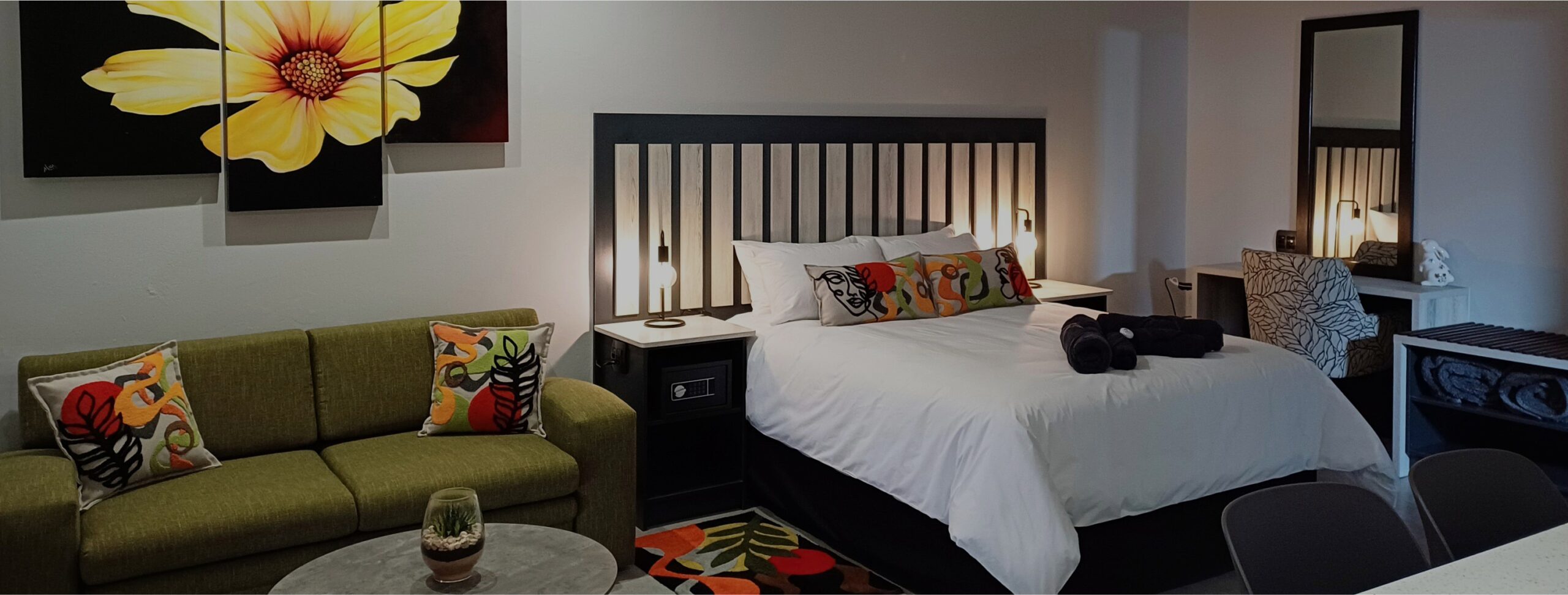
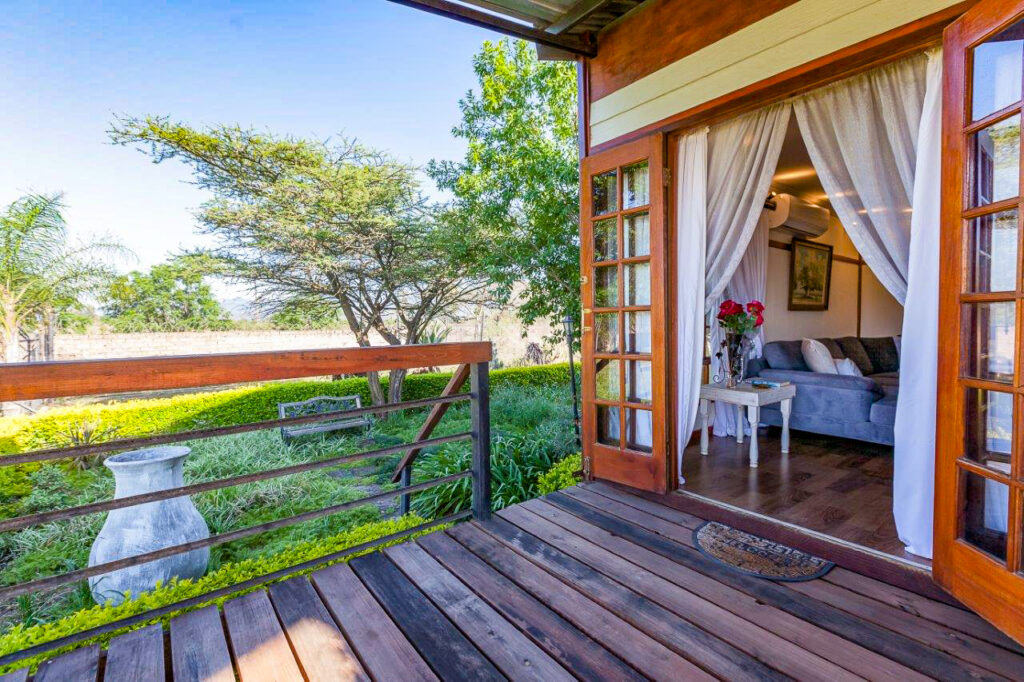
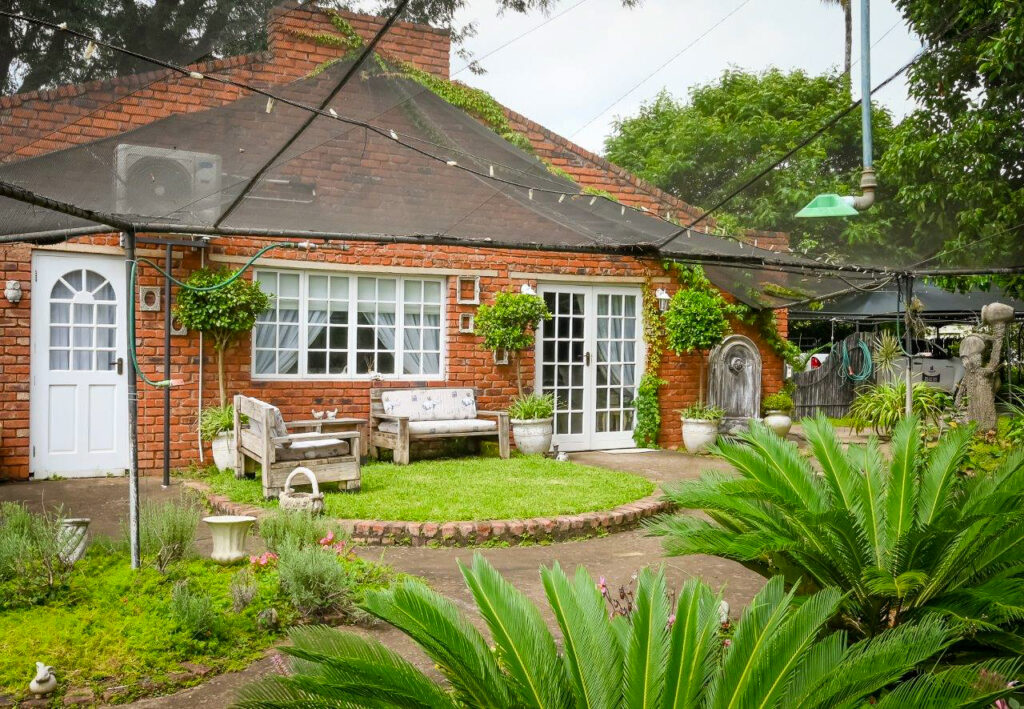
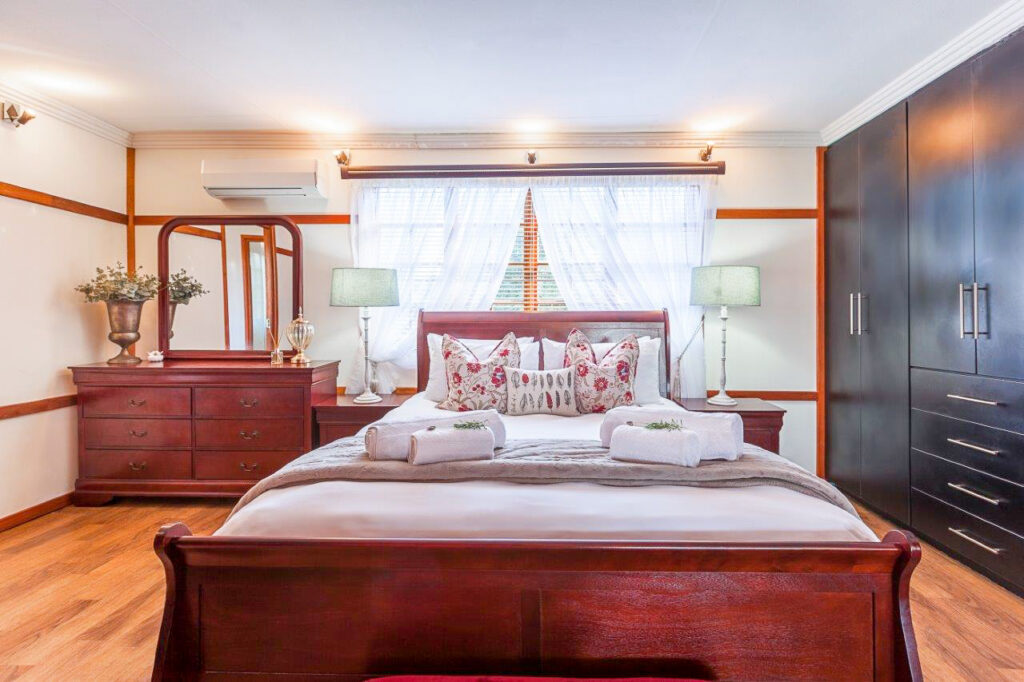
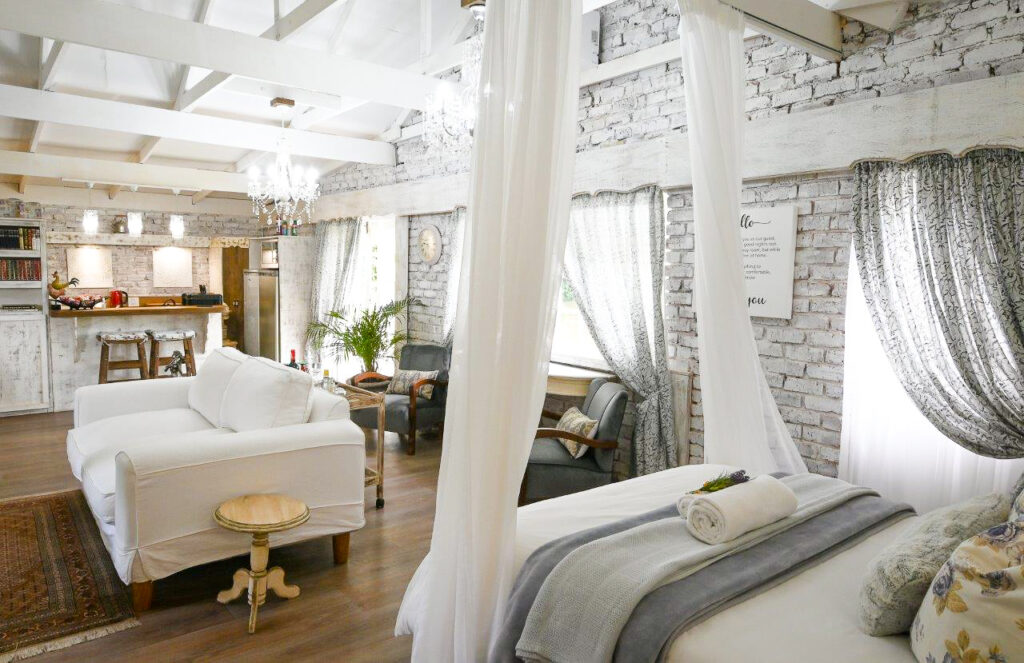
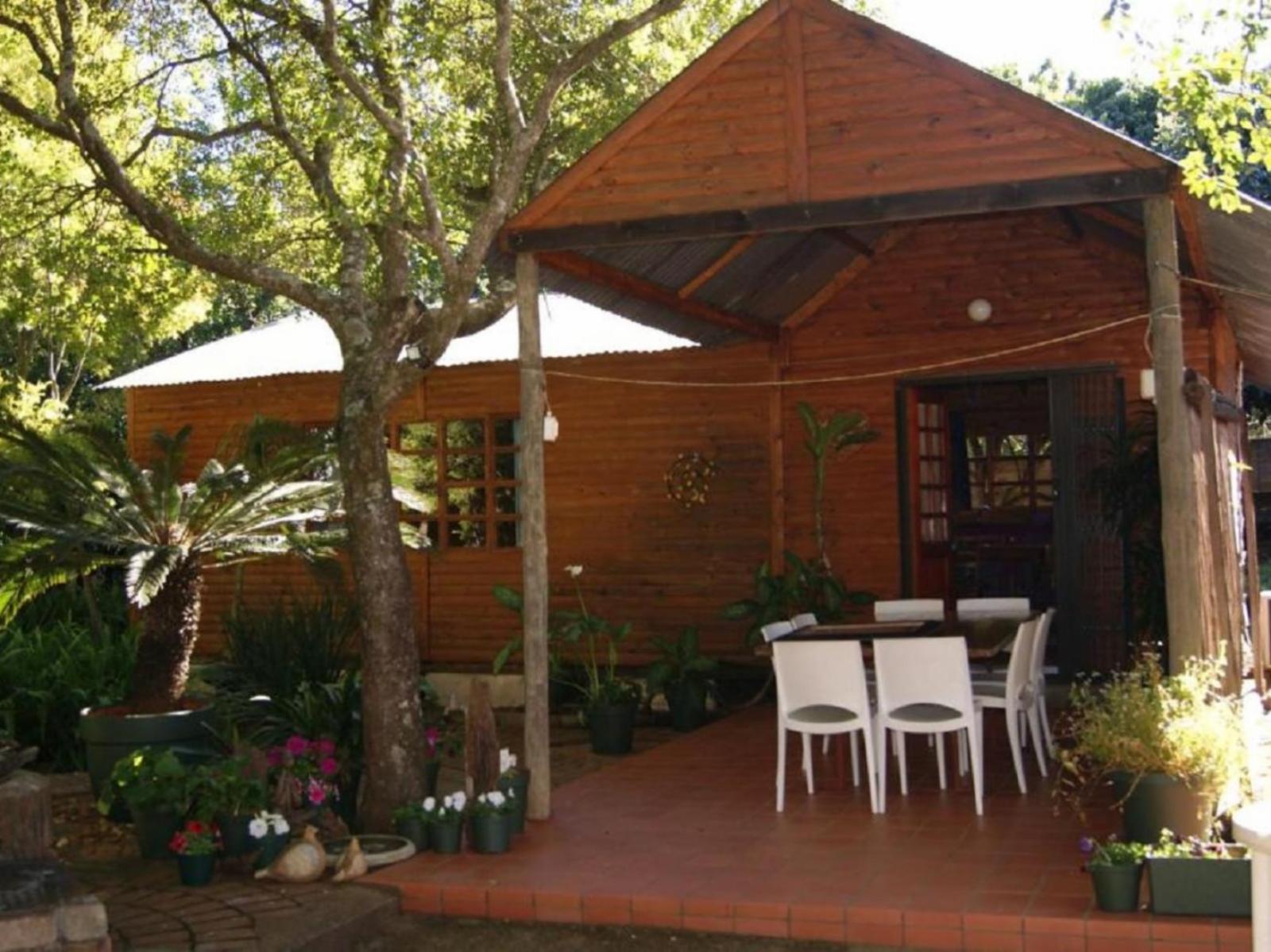
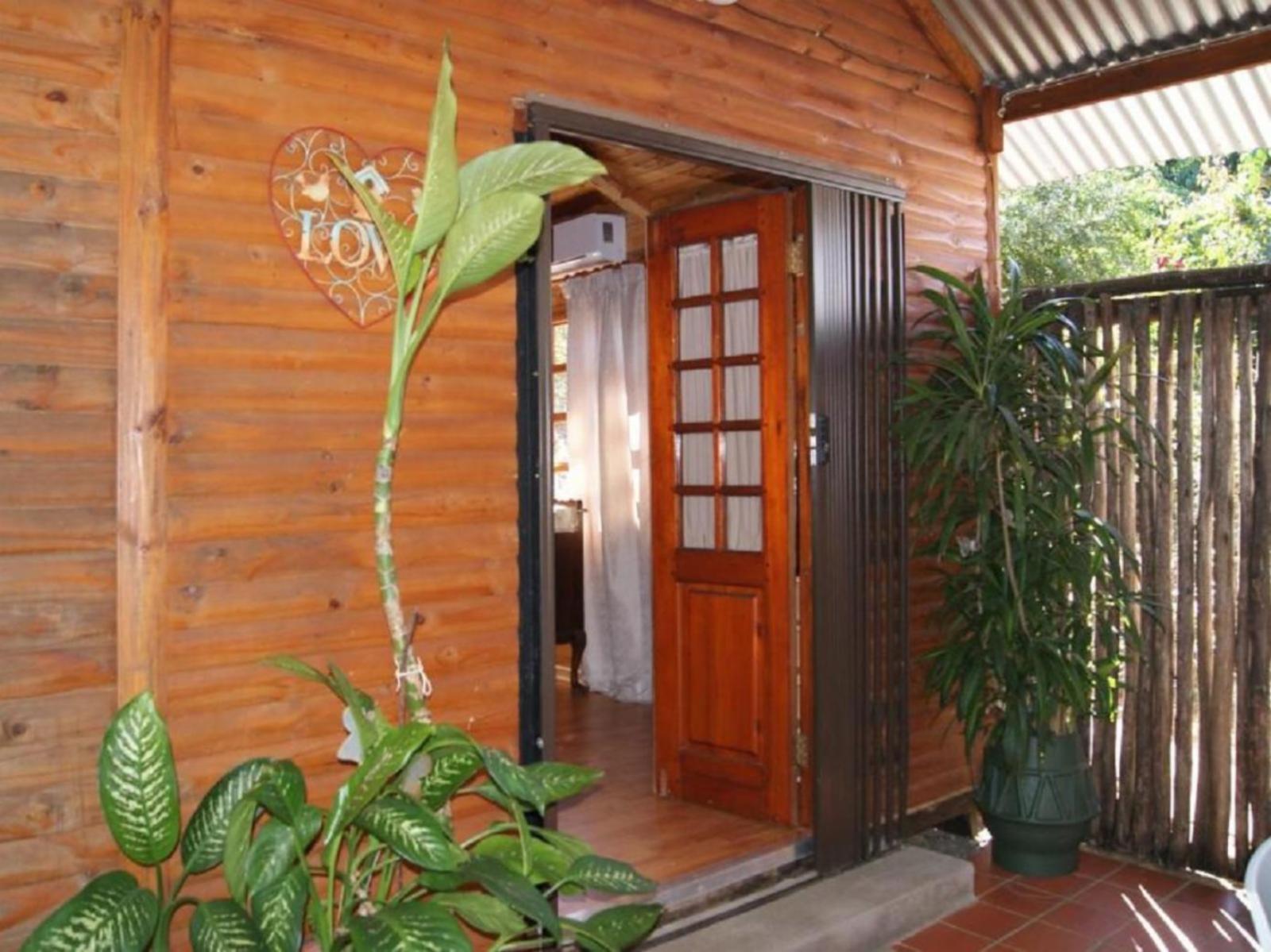
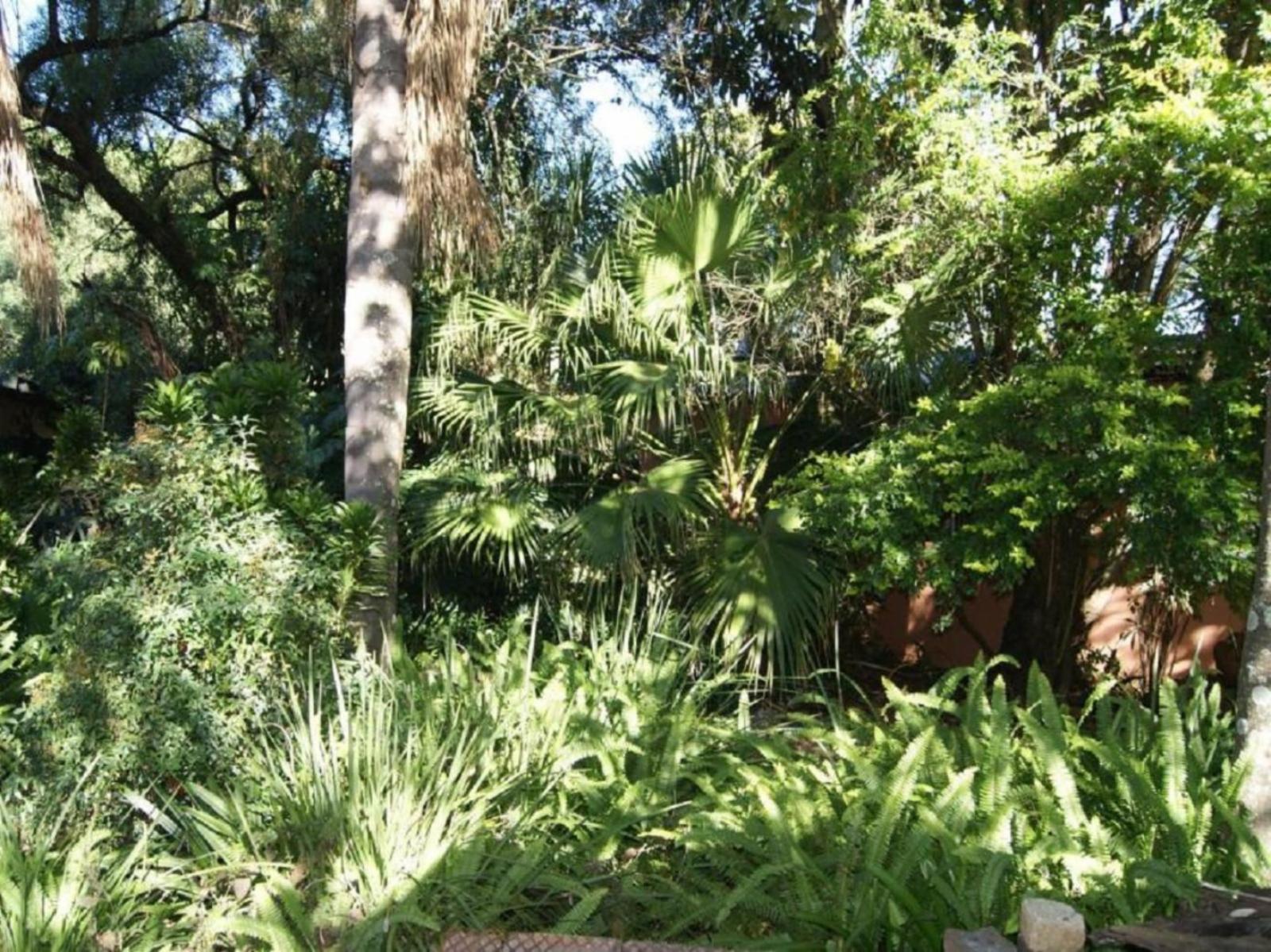
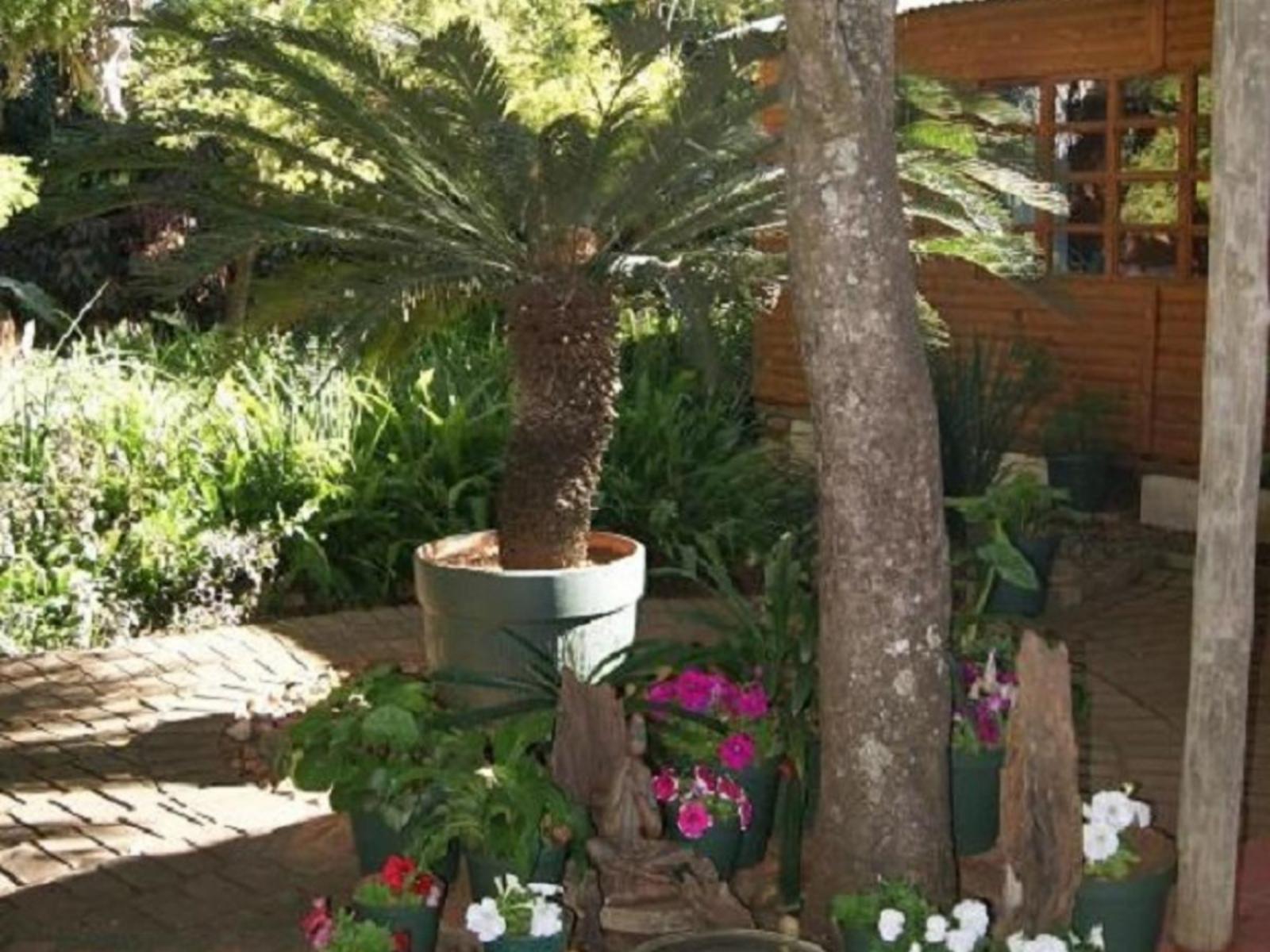
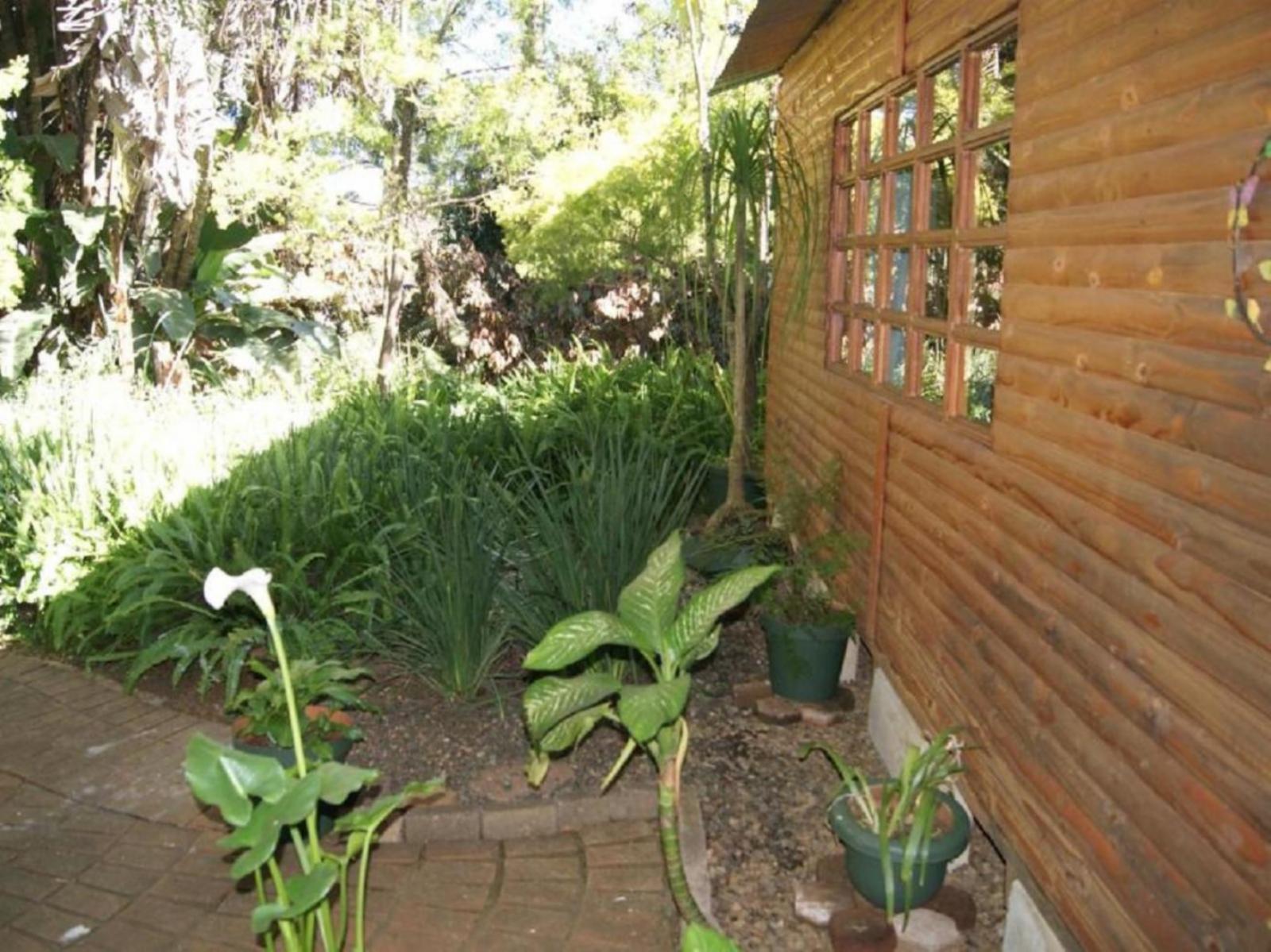
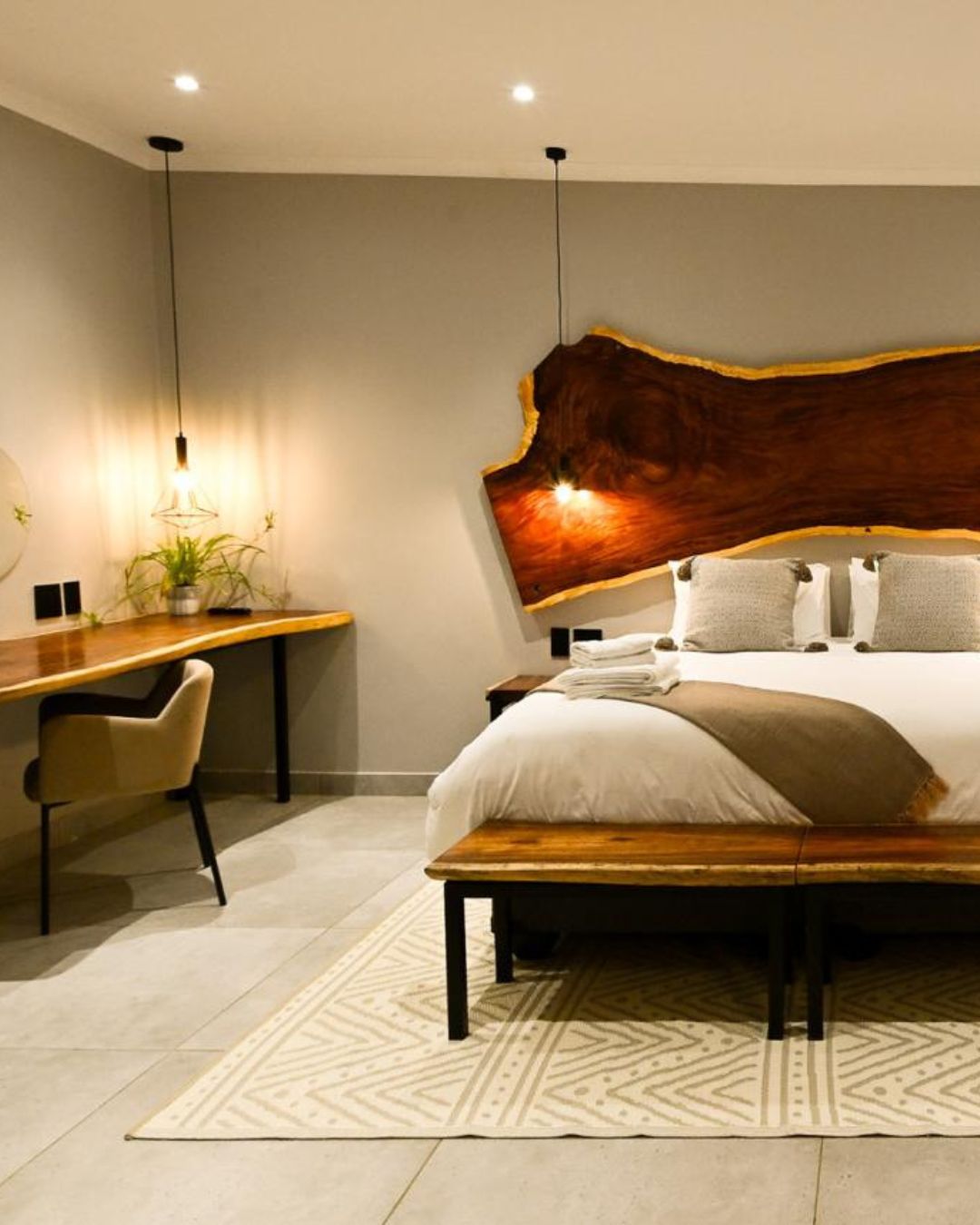
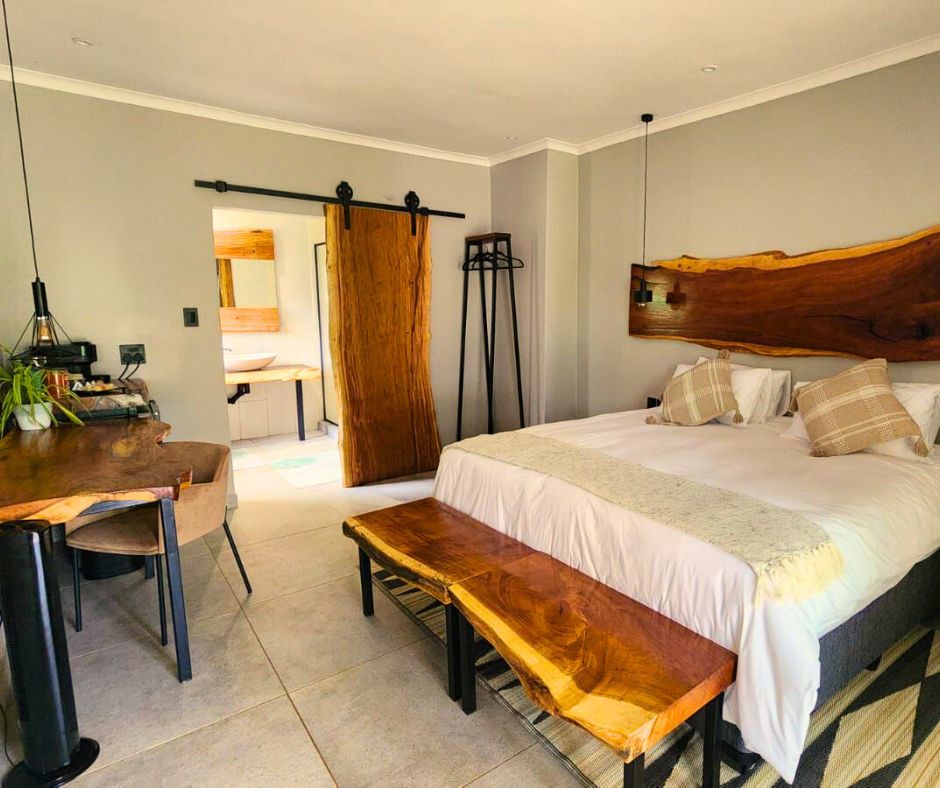
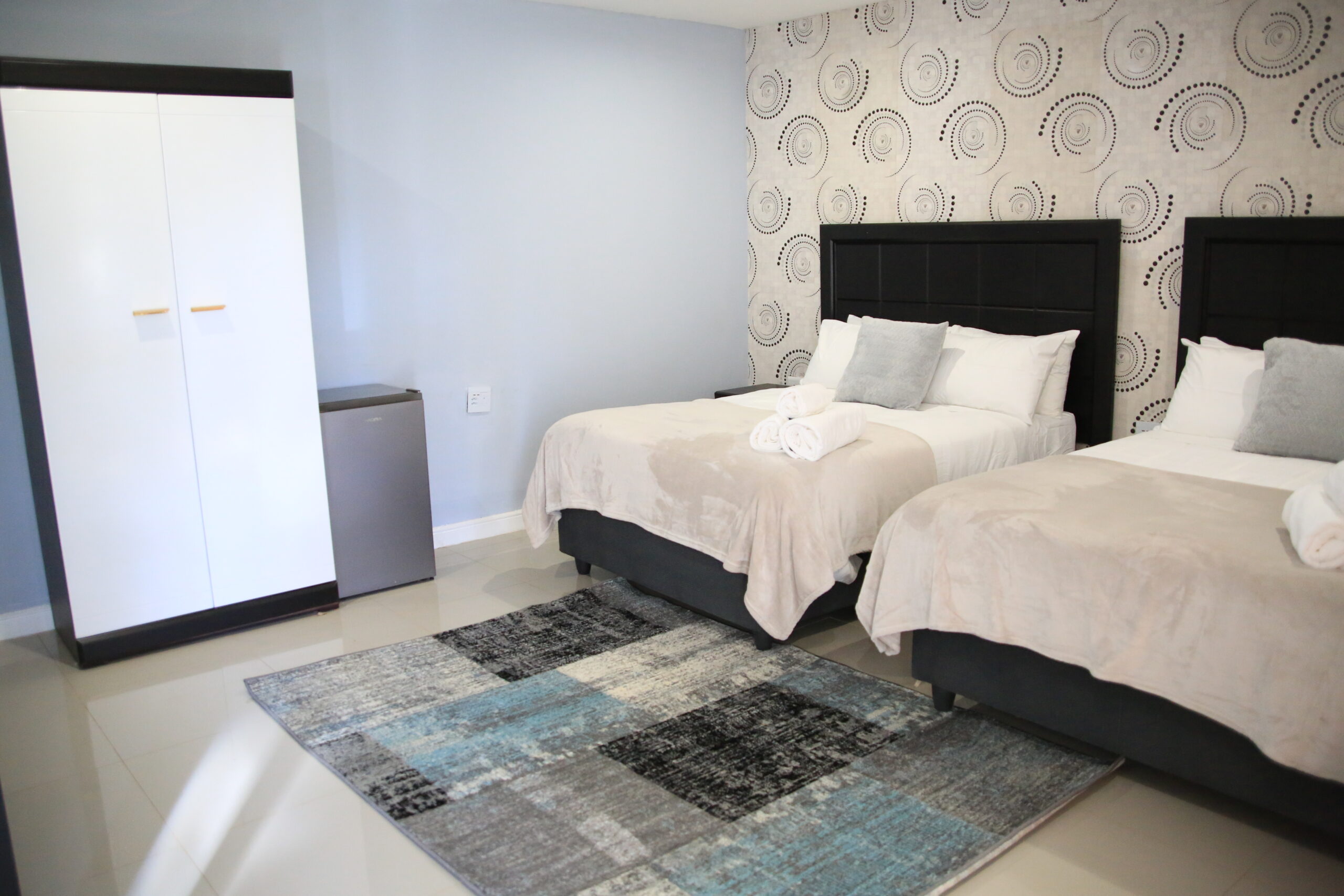
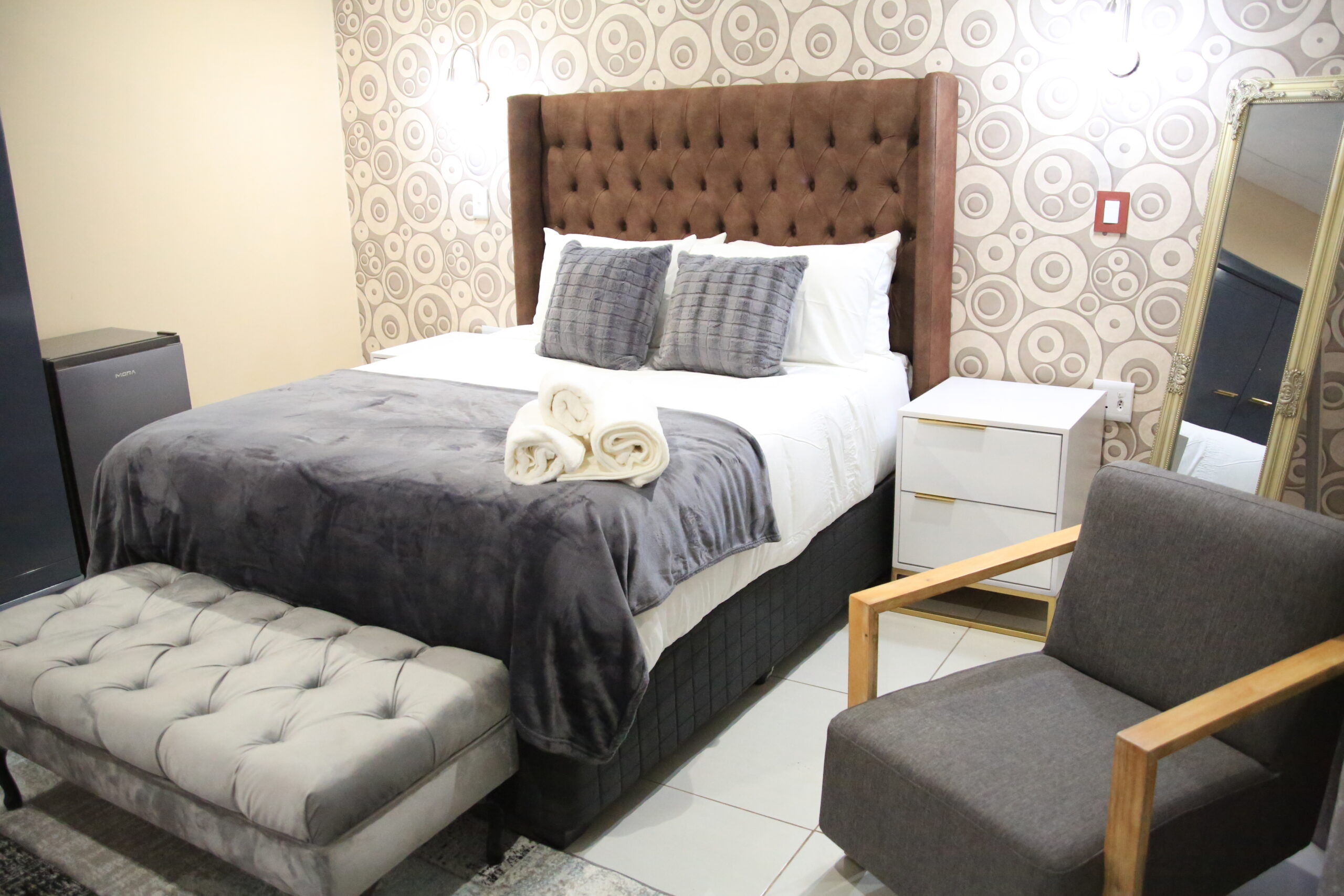
Ha-ramahantsha offers minimal formal accommodation, which reflects its character as a working rural village rather than a destination built around tourism. At present, one property appears in listings for the area, a guesthouse serving visitors who need a base within the village itself.
Guesthouse accommodation in this part of Vhembe typically means modest but comfortable rooms, often family-run, with basic amenities suited to the rural setting. Rates are not publicly listed in any standard booking range, so direct contact with the property is necessary to confirm availability and pricing before making any plans. This also creates room to negotiate, particularly for longer stays or group bookings.
Beyond the single listed option, those spending time in Ha-ramahantsha have traditionally relied on homestay arrangements organised through community contacts or local networks. This informal accommodation route is common across rural Vhembe and can provide a more immediate experience of Vhenda daily life, though it requires advance planning and, ideally, a local introduction. There is no standardised booking mechanism for these arrangements, and what is included varies considerably from one household to another.
Visitors with a preference for more varied amenities, or those travelling in groups requiring multiple rooms, will find it practical to base themselves in the nearest urban centre and make day trips into the village. This trades local immersion for convenience and works well for those with a full regional itinerary rather than a single-village focus.
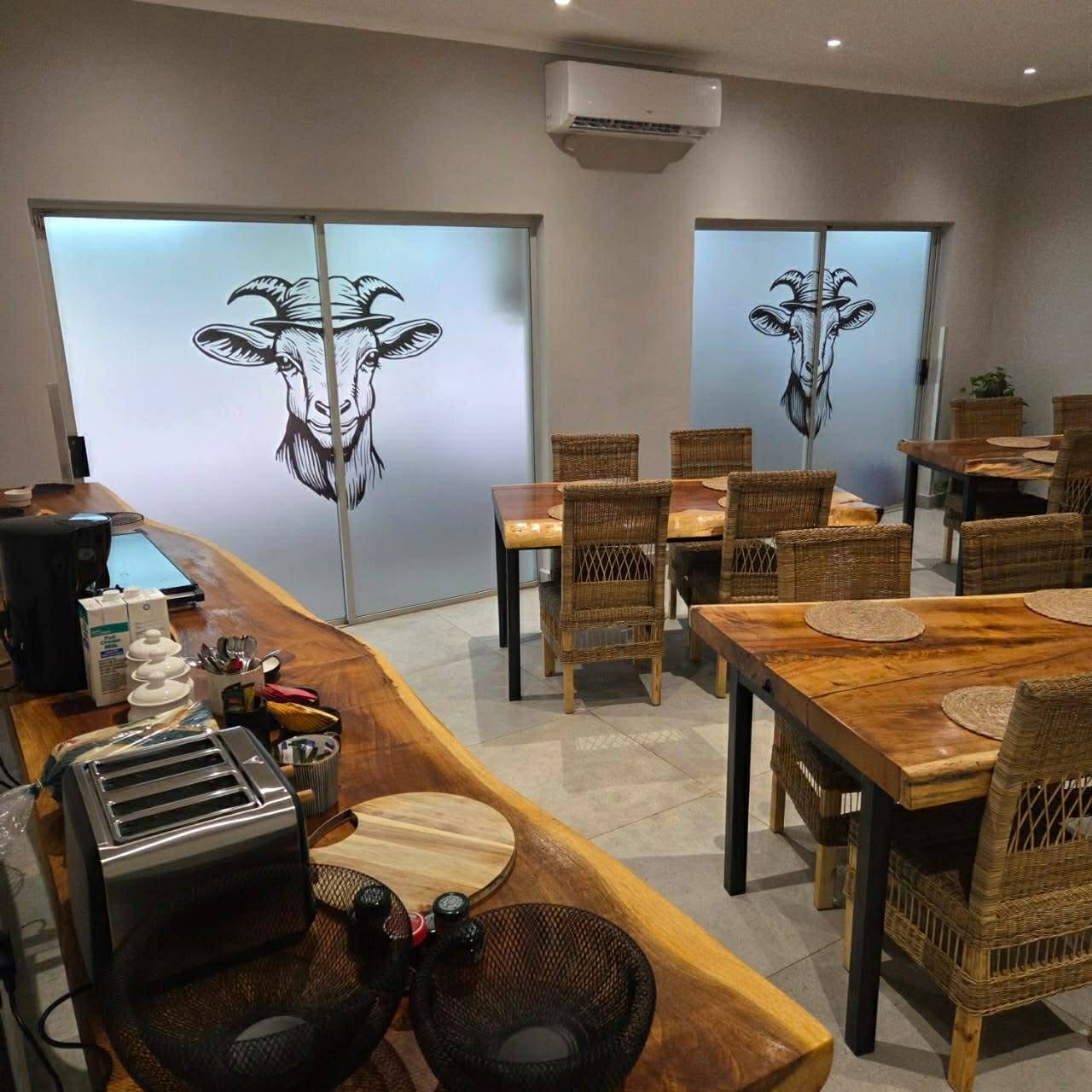
Guests staying at the guesthouse can generally expect a level of engagement with the surrounding community that is not typical in larger tourist areas. Meals, where offered, often draw on local produce and cooking traditions. The overall accommodation picture suits independent travellers comfortable with limited facilities, those conducting research or cultural visits, and anyone with personal or professional connections to the village. Budget-conscious visitors will find the informal homestay route the most affordable path, while the guesthouse offers a more structured option with clearer terms.
Best Time to Visit Ha-ramahantsha
Ha-ramahantsha follows Limpopo's classic subtropical pattern: wet summers from October through March, dry winters from May to August. Summer afternoons bring heavy thunderstorms, and the smaller access roads can become difficult after sustained rainfall. A high-clearance vehicle is advisable if you plan to visit during this period, and checking local road conditions before setting out is a practical step.
Winter is the more comfortable season for travel. Temperatures are mild during the day, though evenings and early mornings turn cold, particularly on higher ground. Road conditions are predictable, skies are clear, and the dry air gives good visibility across the hills. Game and birdwatching in the broader Vhembe region generally improves during the dry months, as wildlife concentrates around remaining water sources.
April and September represent the shoulder period, offering reasonable weather without the holiday traffic common during the July school holidays and the December-January peak. Travel times on regional roads increase noticeably during those periods, which can affect day-trip planning.
Cultural events and ceremonies in Vhenda communities do not follow fixed tourist calendars. If your visit has a cultural focus, confirm timing with local contacts before committing to specific dates, as schedules vary by village and by season.
Getting to Ha-ramahantsha
The nearest commercial airports serving the Vhembe region are Polokwane International Airport, roughly 180 kilometres to the south, and the smaller Thohoyandou Airport serving domestic routes. Most visitors arriving by air connect through Polokwane and then drive north into Vhembe. The drive from Polokwane to Ha-ramahantsha takes approximately two to two and a half hours under normal conditions.
From Thohoyandou, the administrative hub of the former Venda homeland and the main service centre for the district, Ha-ramahantsha lies approximately 20 kilometres away. The R524 forms the main arterial route through the area, with smaller tar and gravel tracks branching off to reach individual villages. These side roads require care, particularly after rain, when surface conditions can change quickly.
Public transport to Ha-ramahantsha is not a practical option for most visitors. Minibus taxis run frequent routes throughout the district, including connections out of Thohoyandou, but service directly to Ha-ramahantsha is irregular and unreliable for time-sensitive travel. A private vehicle remains the only dependable way to reach and move around the village. Car hire is available at Polokwane Airport for those flying in from within South Africa or connecting through OR Tambo in Johannesburg.
Ha-ramahantsha and Surrounding Areas
The villages and towns within 20 kilometres of Ha-ramahantsha form a varied cluster, ranging from small farming settlements to a regional service town with full urban amenities.
Tshiozwi (4km) is the nearest distinct community, a short drive through the Thulamela Local Municipality along rural roads. Like Ha-ramahantsha, daily life here centres on agricultural activity and residential community patterns. Small roadside markets selling seasonal produce appear along the route between the two villages, offering a glimpse of local informal trade.
Gertrudsburg (5km) is a small settlement with a predominantly farming character. The land in this part of Vhembe supports both subsistence and small-scale commercial agriculture. Gertrudsburg is a working rural community rather than a visitor stop, but it adds context to understanding how the area's population is distributed across the landscape.
Kranskraal (10km) occupies terrain in the transitional zone between the lowveld and hillier ground to the south. Travellers passing through find the kind of open, sparsely settled farming country typical of northern Limpopo, with wide views and minimal infrastructure.
Kutamaslokasie (11km) is a township community whose proximity makes it a useful reference point for understanding the social geography of the surrounding area. Community markets and informal trade are characteristic features of township life throughout Vhembe, and a visit here rounds out a picture of how different settlement types coexist in the district.
Elsteg (13km) is a small settlement in the broader district. The collection of villages across this part of Limpopo illustrates how dispersed rural communities have historically organised around road access and local services.
Louis Trichardt (16km), also known as Makhado, is the most significant town in the immediate area and the primary destination for services, shopping, and a wider selection of places to eat and stay. It sits at the northern foot of the Soutpansberg mountains, and the surrounding range offers hiking trails, forest walks, and birdwatching that draw visitors from across the province. The town has fuel stations, supermarkets, medical facilities, and restaurants. A day trip from Ha-ramahantsha to Louis Trichardt takes under 30 minutes along good tar roads.
Planning Your Stay
Accommodation in Ha-ramahantsha requires direct communication rather than relying on major online platforms. The property may not maintain a consistent presence on standard booking sites, so contacting the host directly is the most reliable way to confirm availability and terms. For informal homestay options, coordination happens through community networks and takes longer than standard reservations, so build in extra lead time when planning.
Before confirming any booking, ask specifically about electricity and water supply. Load shedding affects much of rural Limpopo, and water service in smaller villages can be intermittent. Knowing what backup arrangements are in place avoids practical difficulties on arrival.
If you plan to drive a rental vehicle, check the agreement for restrictions on unpaved surfaces. Many standard rental contracts exclude cover for damage on gravel roads, and not all access tracks into Ha-ramahantsha are sealed. A vehicle with reasonable ground clearance is the more reliable choice for the area.
The village has no established visitor services such as tourist information offices or locally based tour operators. Planning your activities before arriving, rather than expecting to arrange them on the ground, makes for a more productive visit. Bringing sufficient cash is also advisable, as ATMs are not available within the village and mobile payment infrastructure in rural Vhembe can be unreliable.