Ga-letwaba Reis- & Akkommodasiegids
Jou volledige gids om Ga-letwaba, Suid-Afrika te besoek.
2
Eiendomme
Gewildste
Lodge
Ga-letwaba is a rural village in Limpopo Province, situated in the Capricorn District Municipality. The area offers visitors an authentic experience of traditional South African village life, surrounded by the characteristic bushveld landscape of the northern regions.
## Accommodation in Ga-letwaba
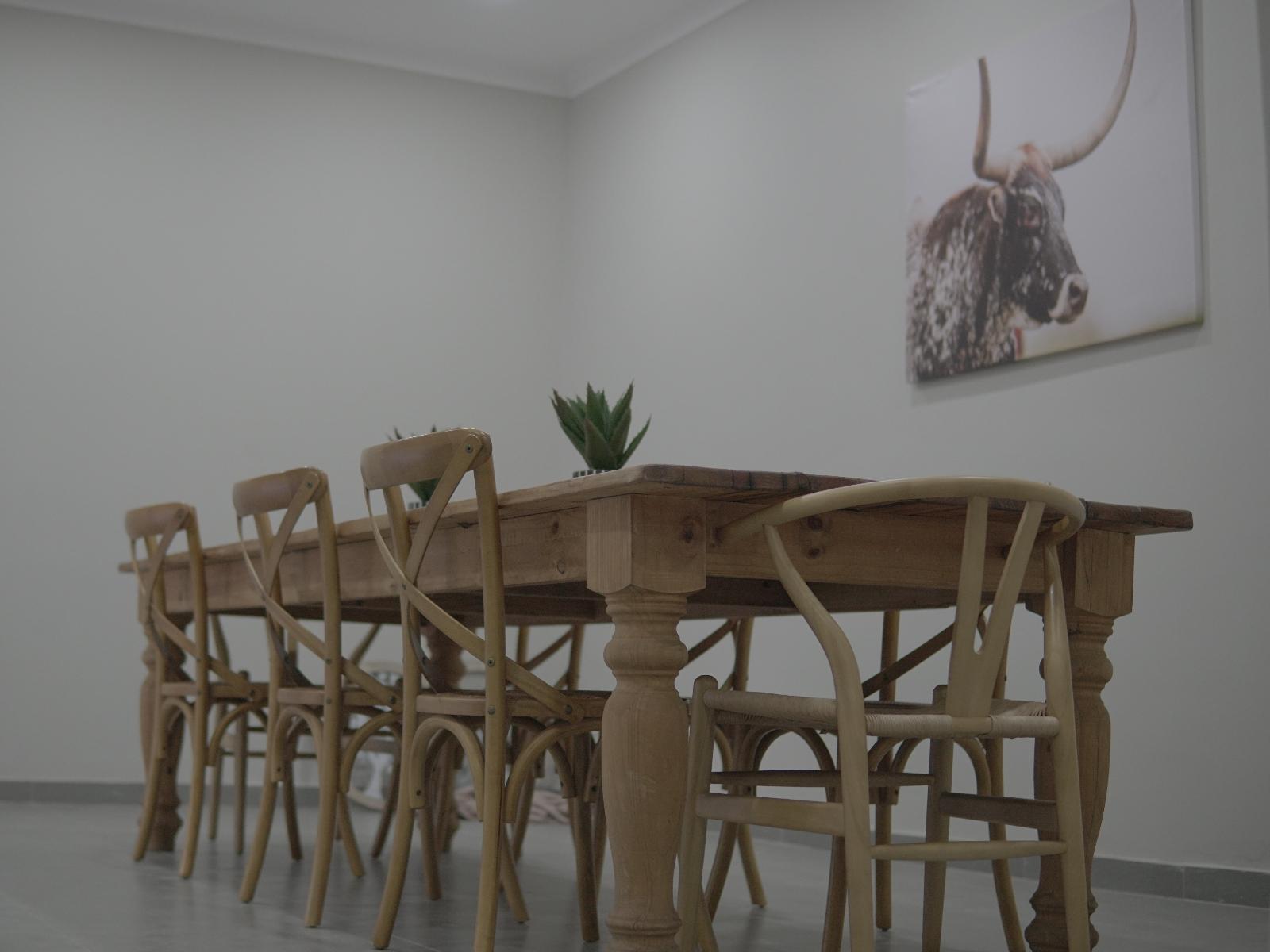
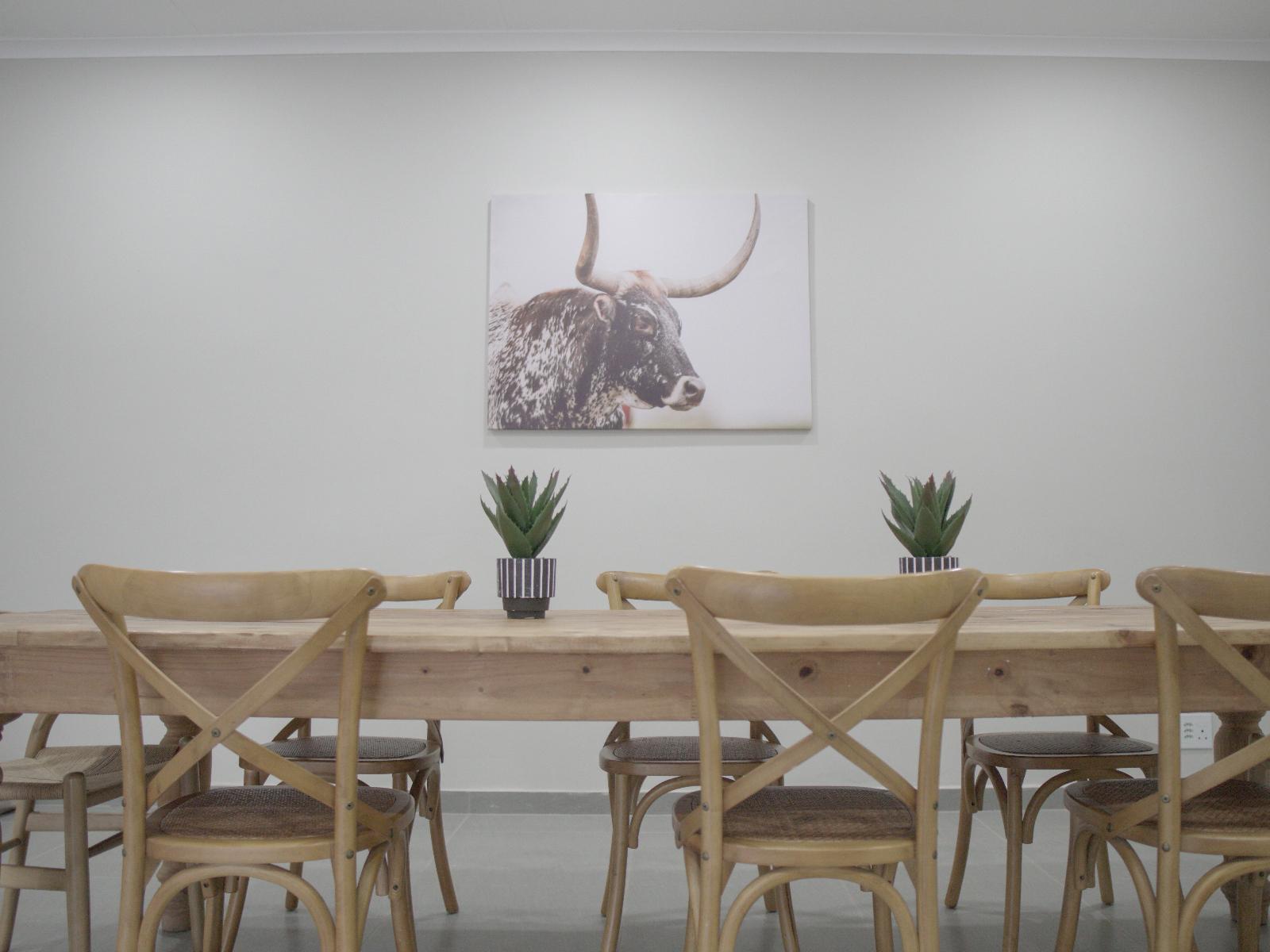
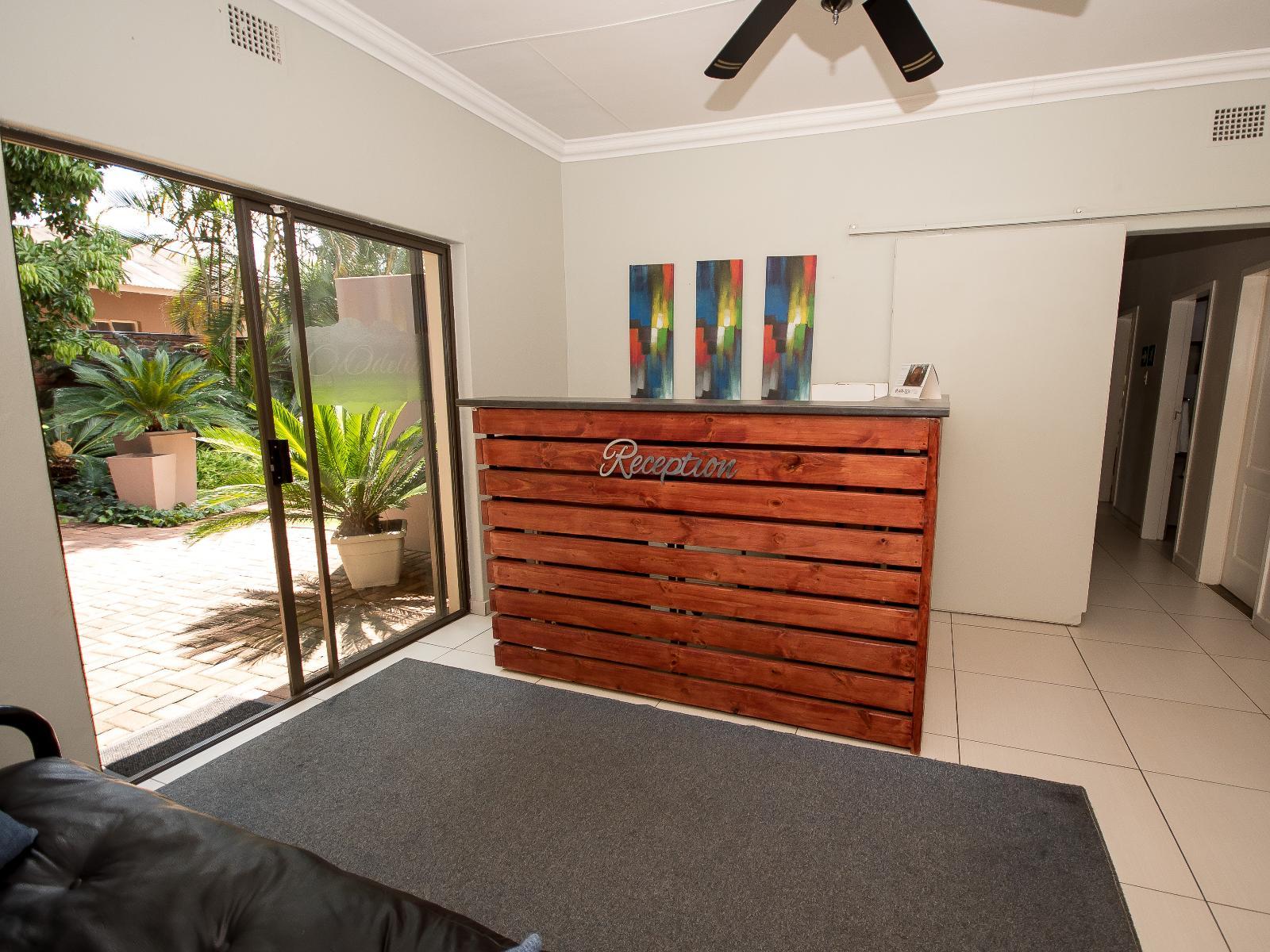
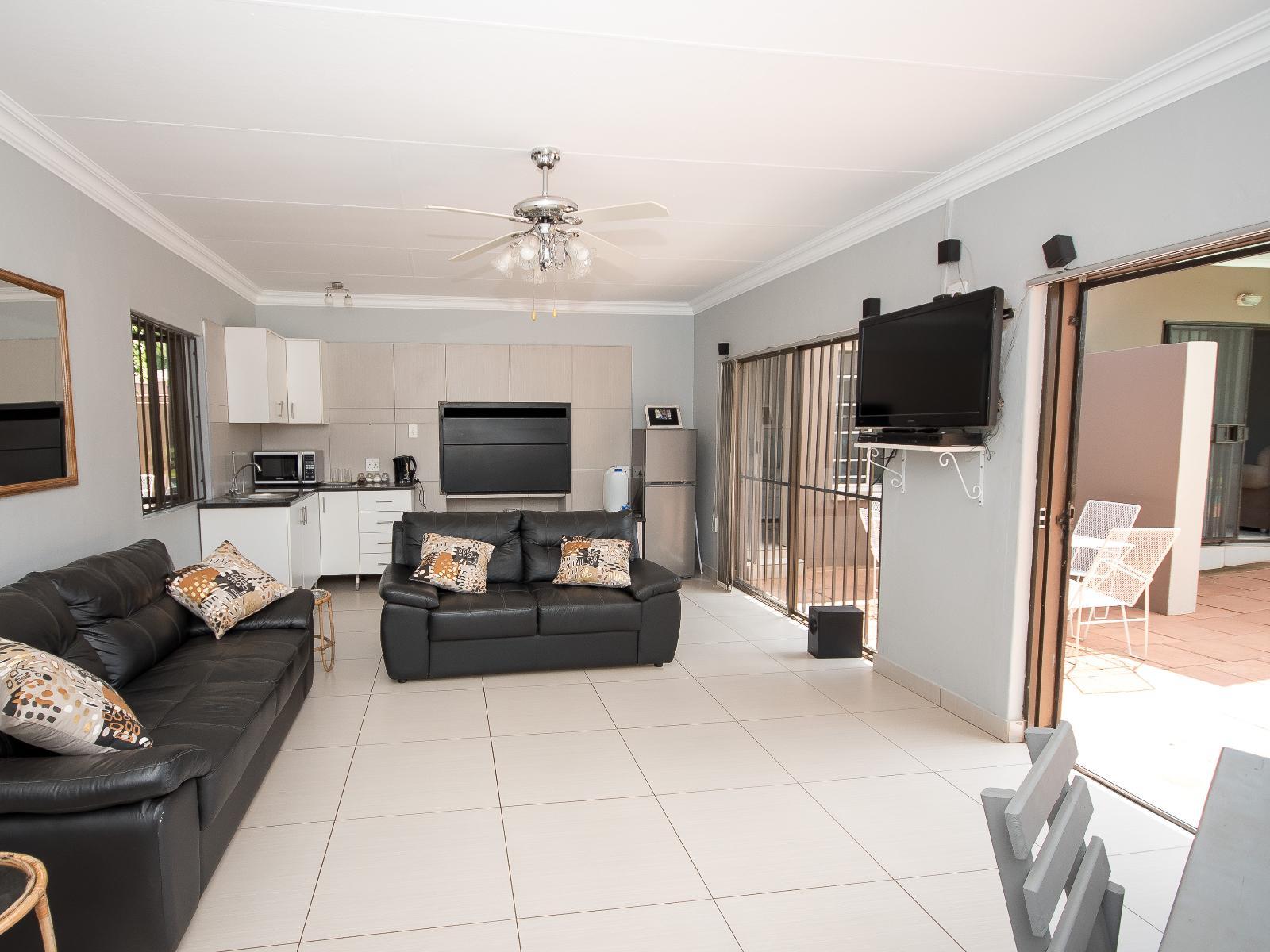
Accommodation options in Ga-letwaba are deliberately limited, reflecting the village's position as a working rural community rather than an established tourist destination. There are 2 properties listed in the area, covering two distinct types of stay that suit different kinds of travellers.
At the budget end, camping is the primary option. The area's campsite puts visitors directly in the surrounding environment, with nights under rural skies that are noticeably darker than anything near a South African city. Campers need to plan carefully. Self-sufficiency is essential, as nearby commercial infrastructure is limited and the distance to larger towns means forgotten supplies require a significant detour to replace. The reward for that preparation is an unmediated experience of the landscape, particularly in the early morning hours when the surrounding terrain is at its quietest and birdlife is most active.
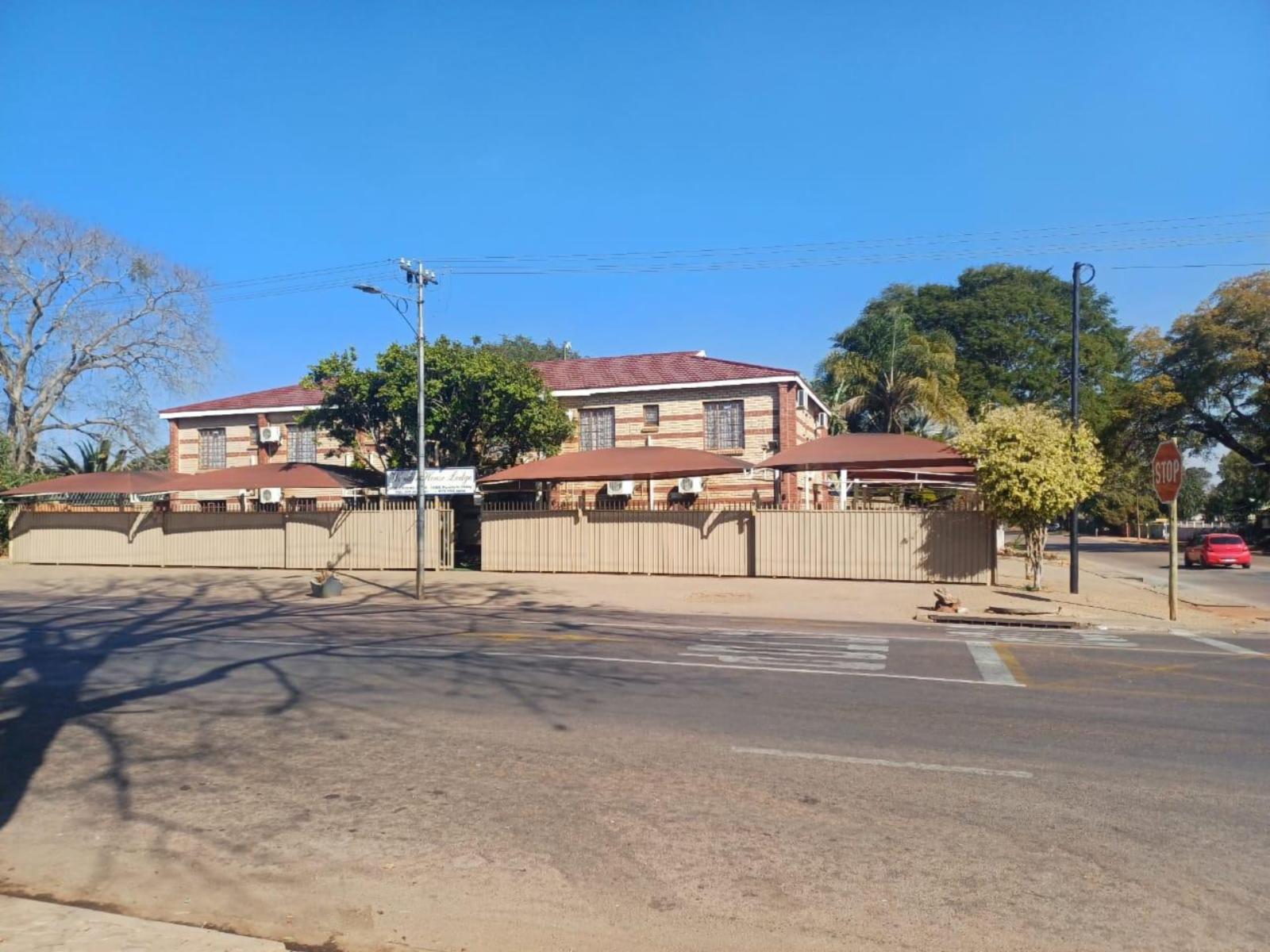
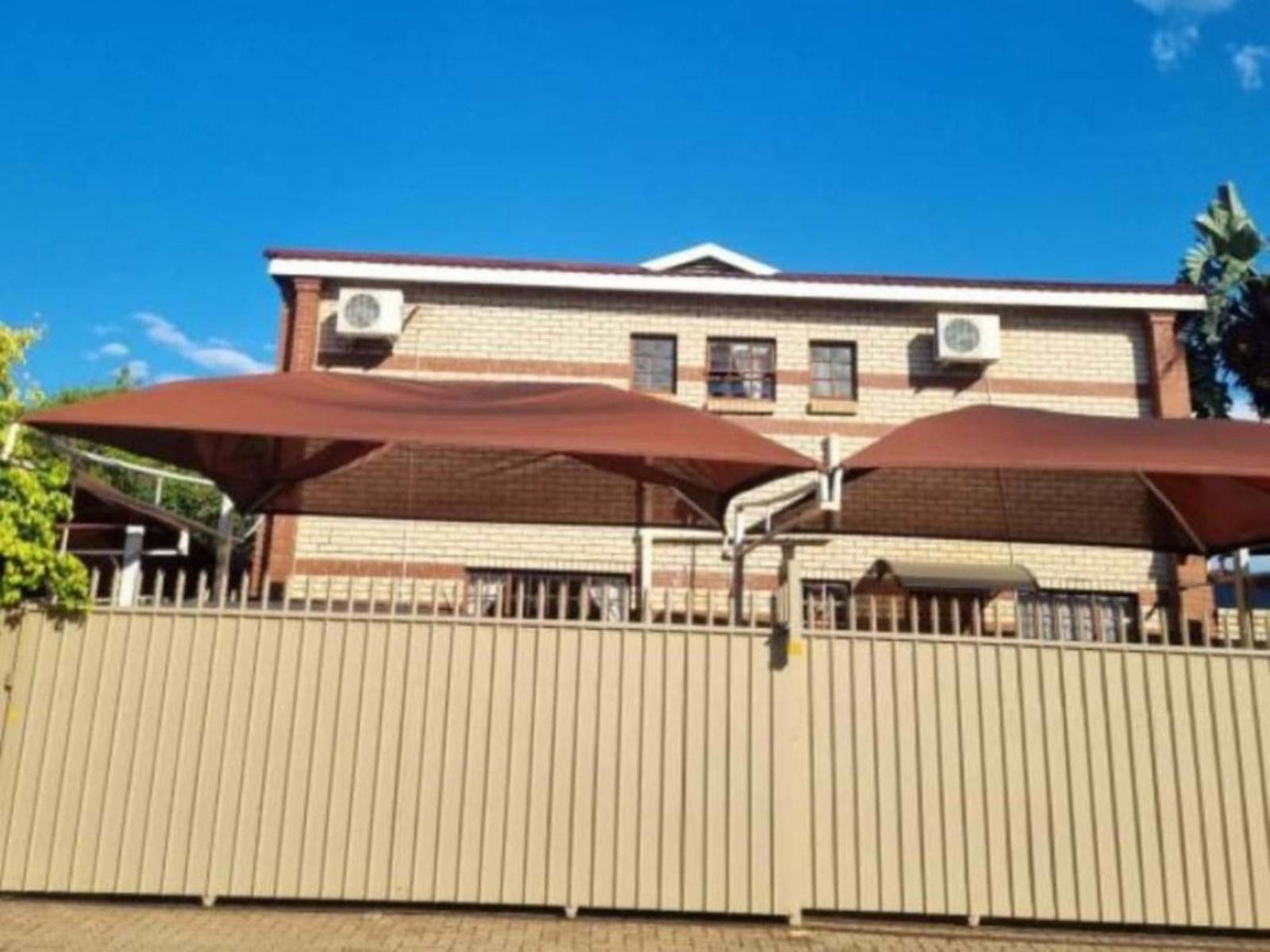
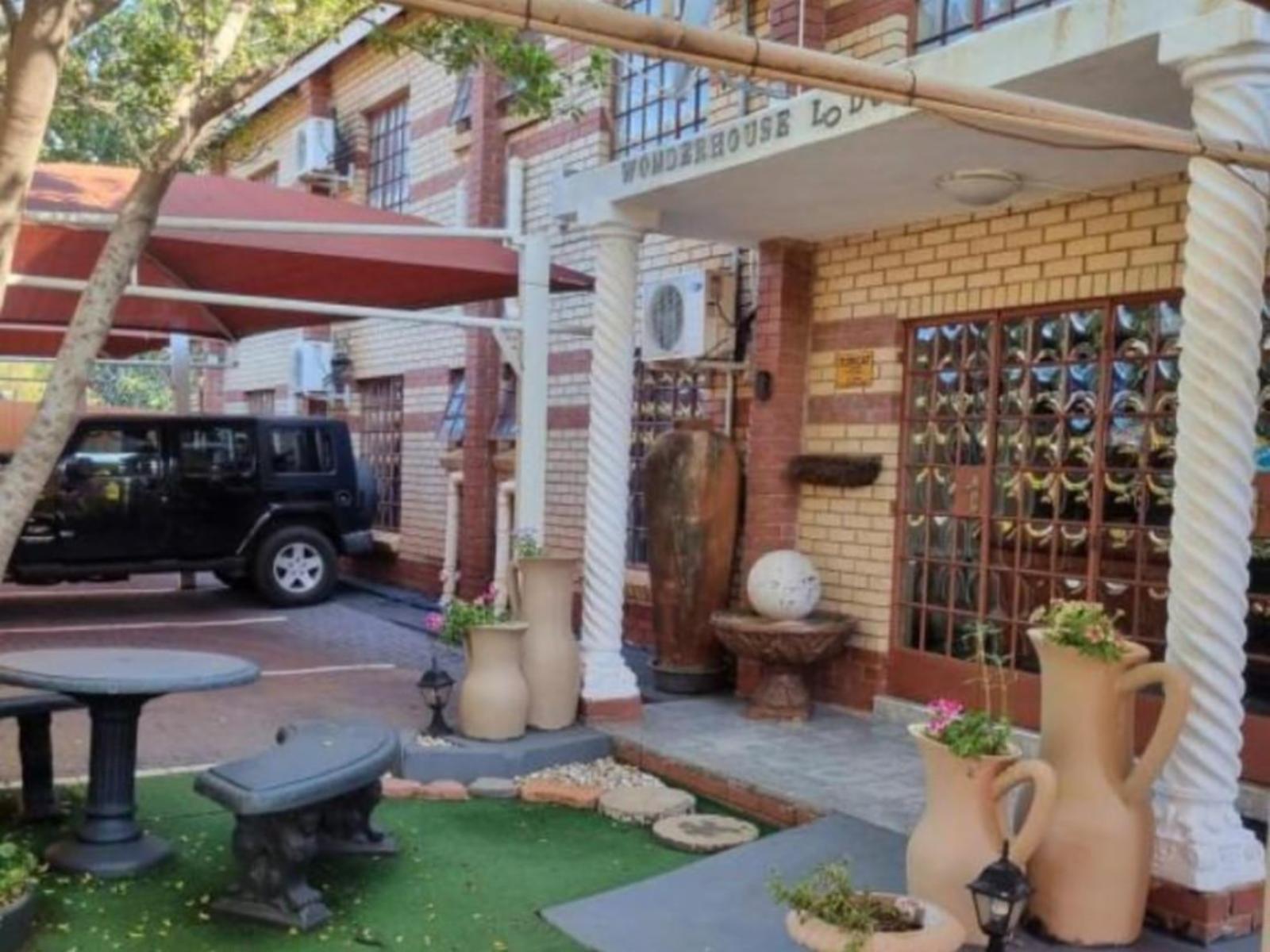
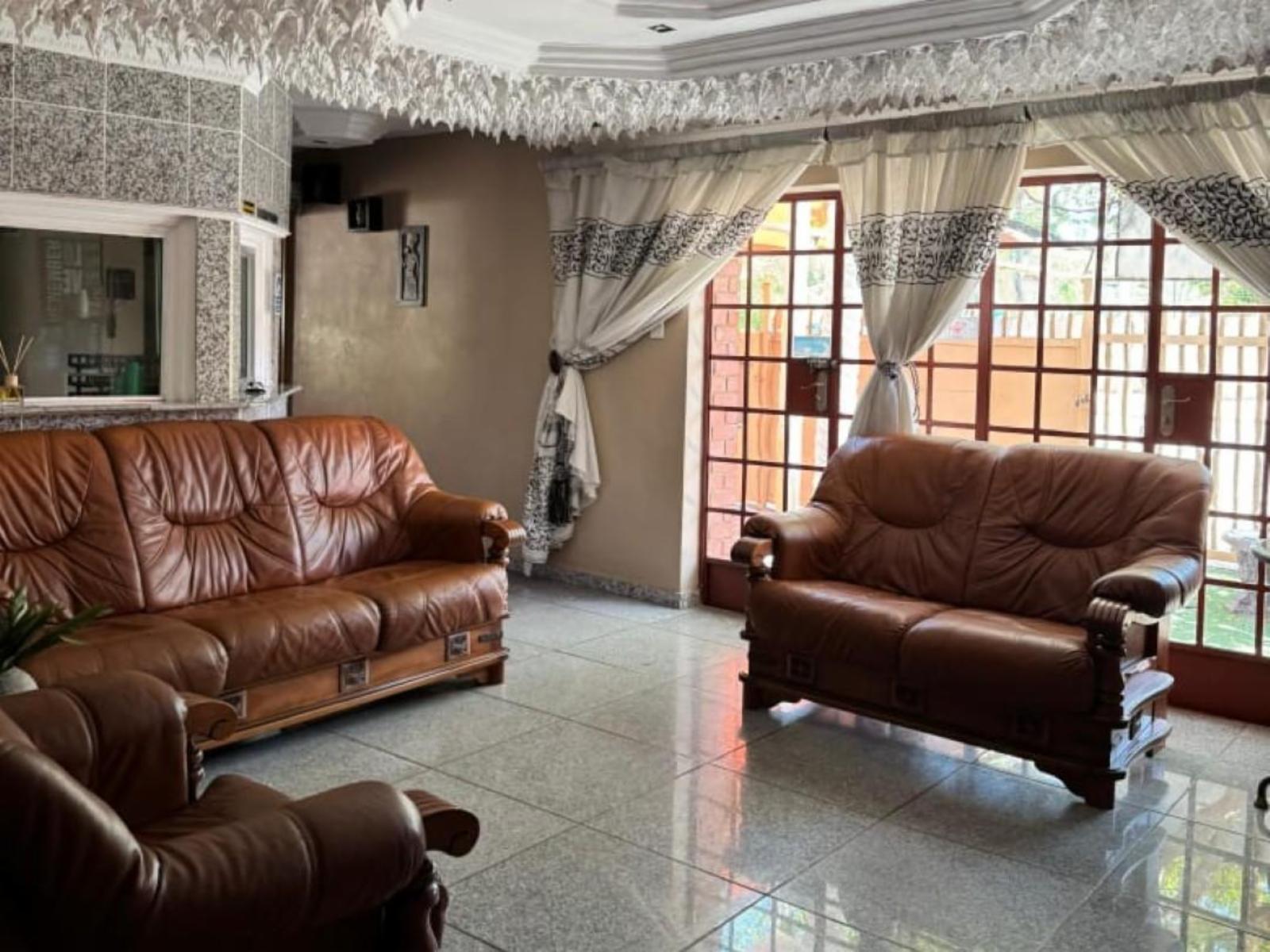
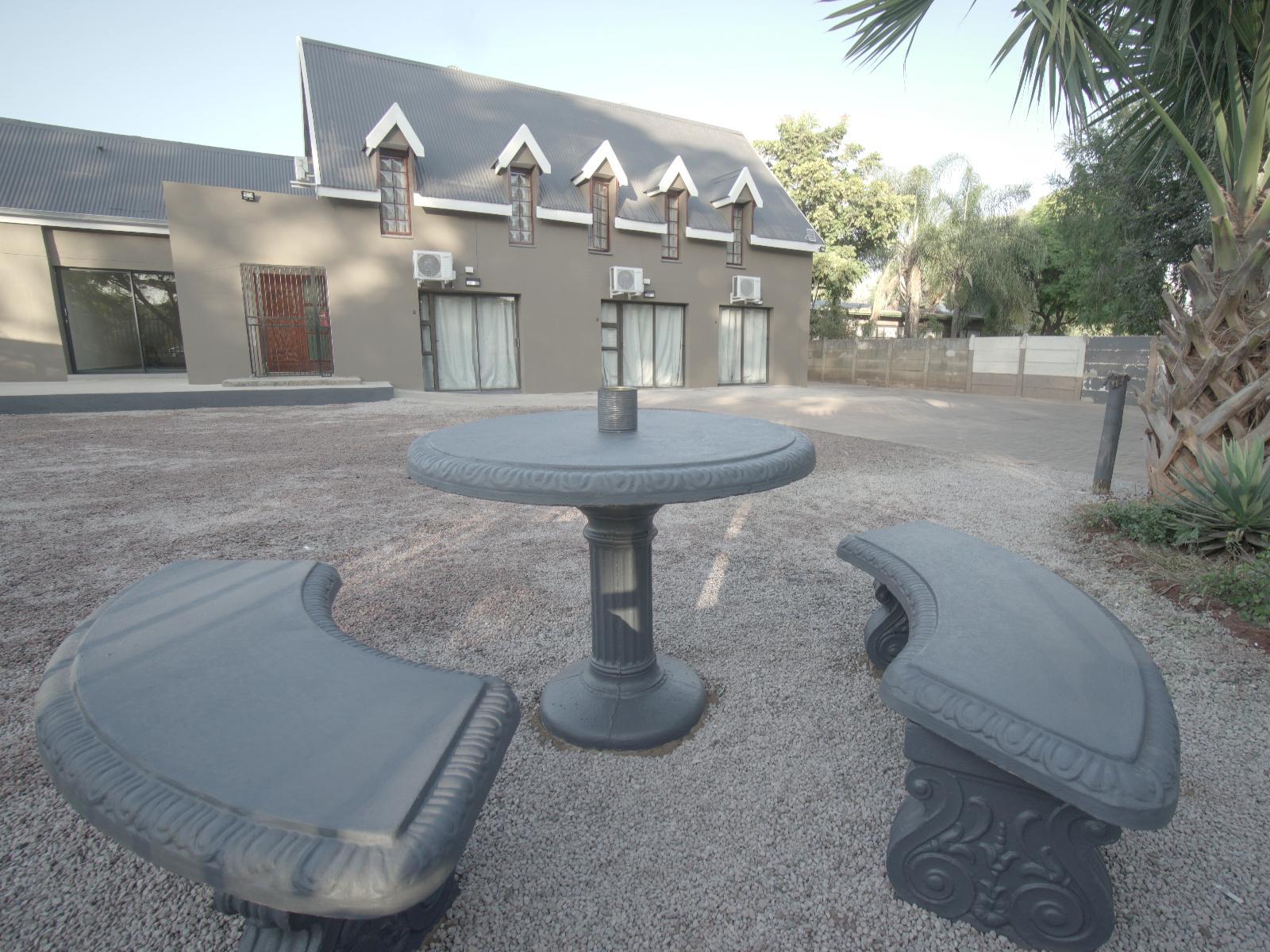
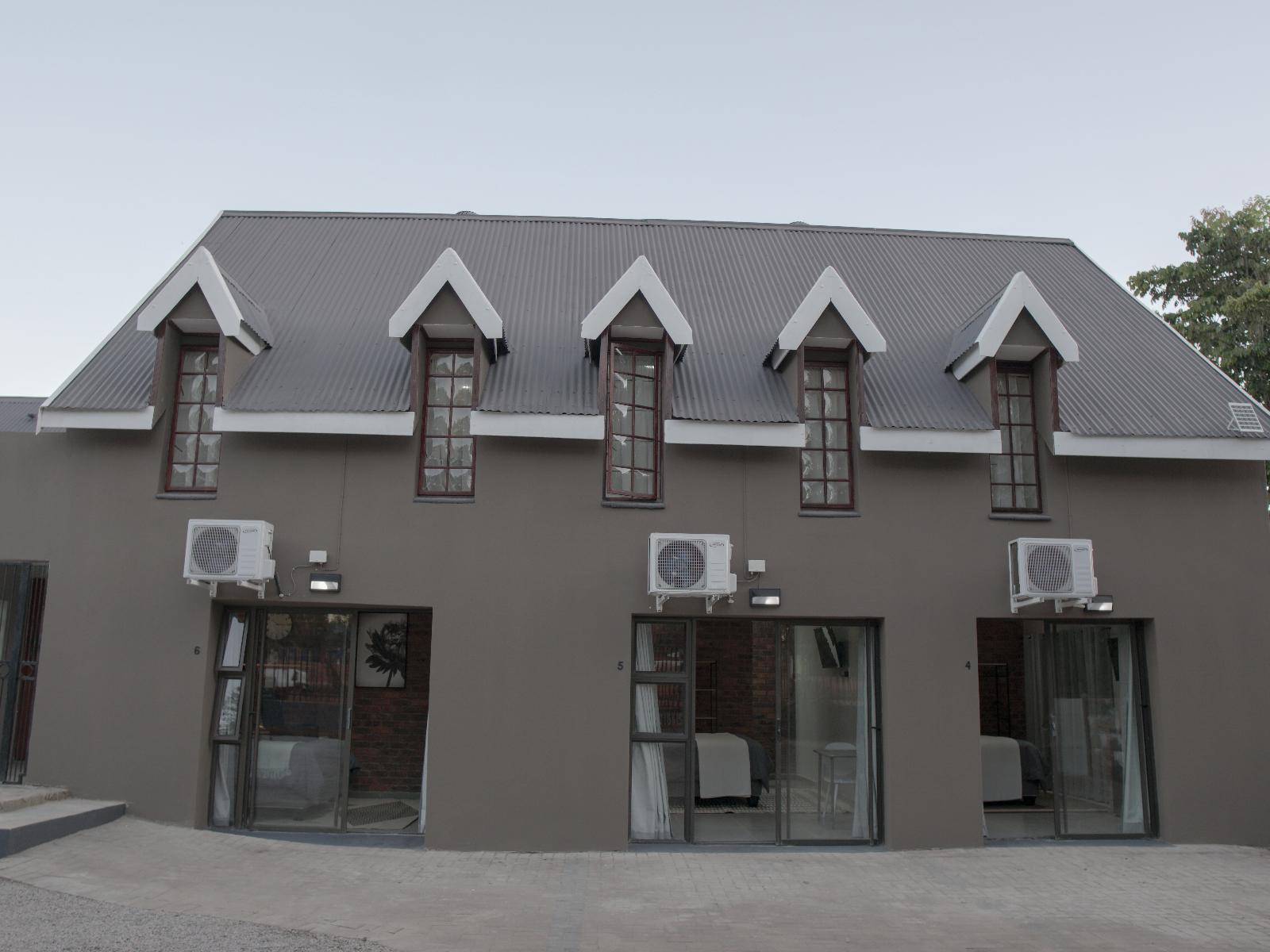
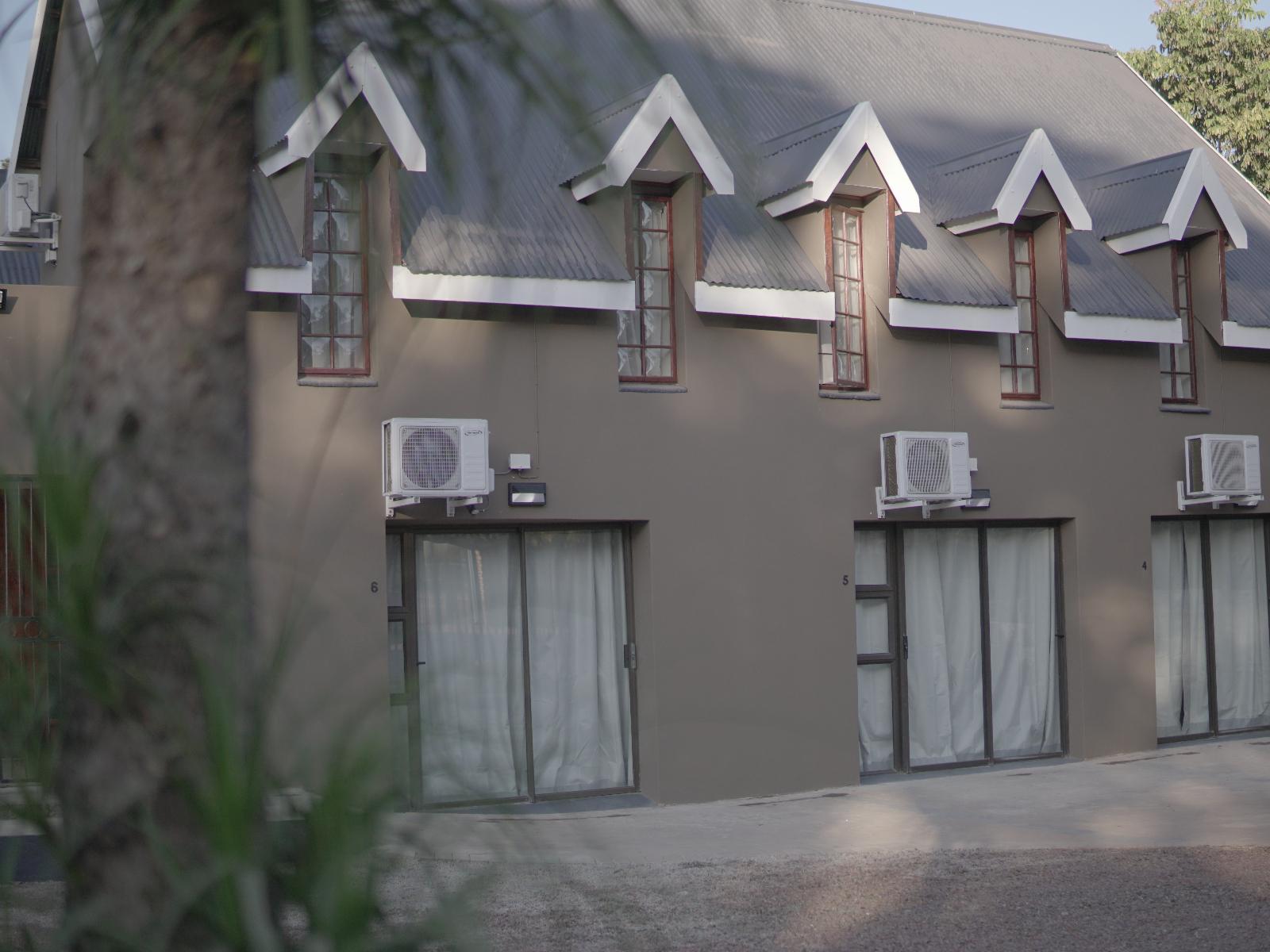
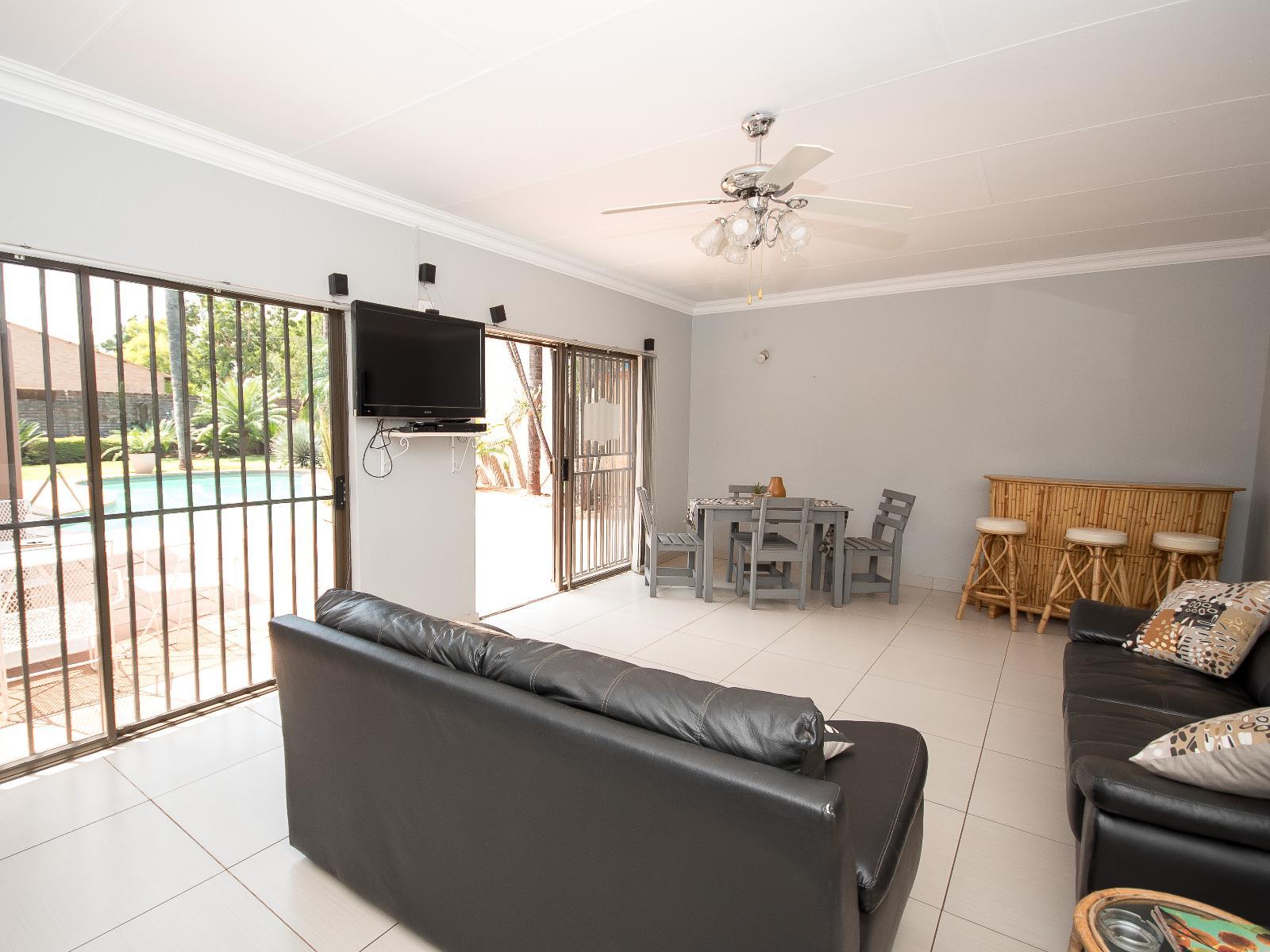
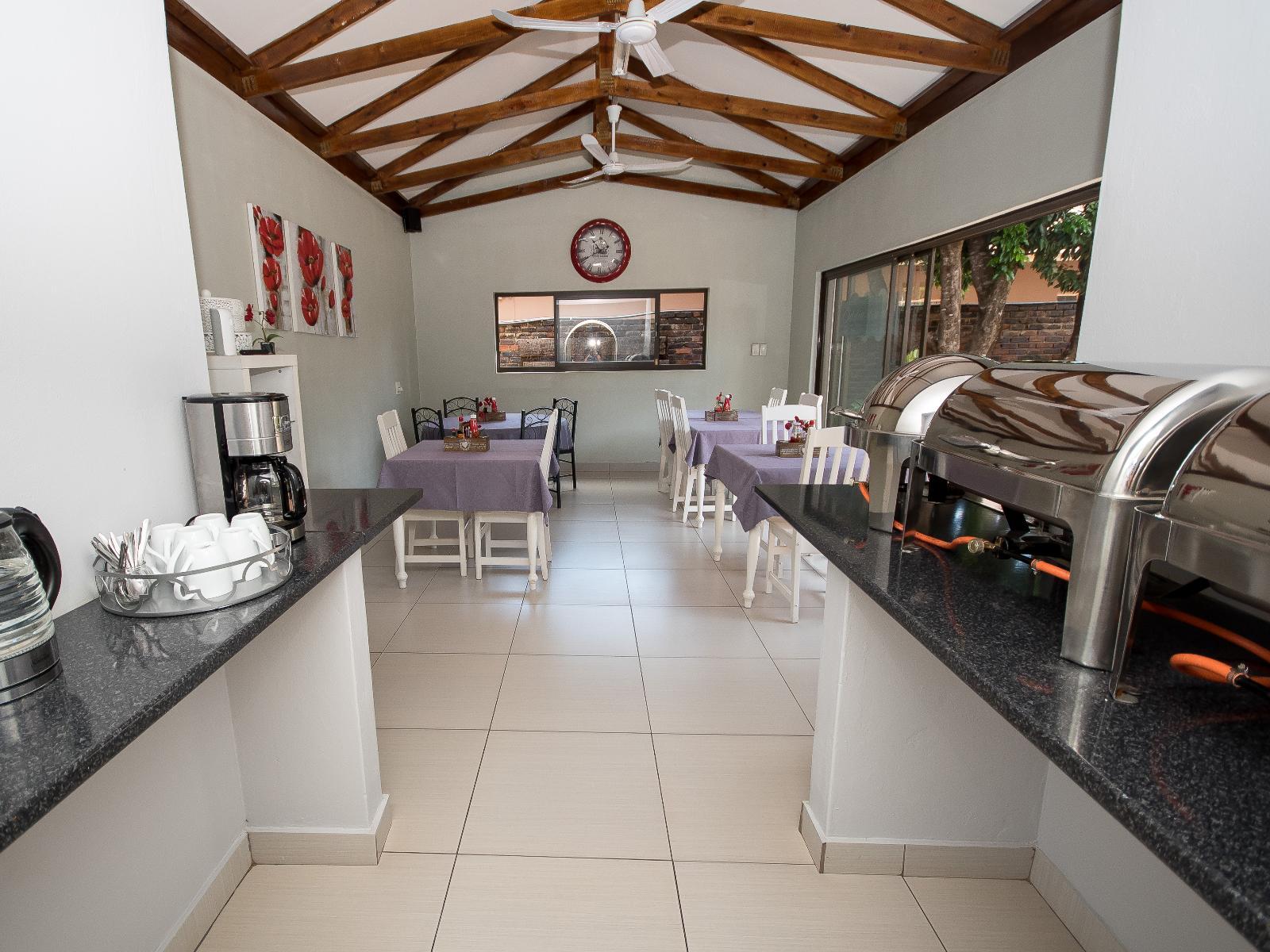
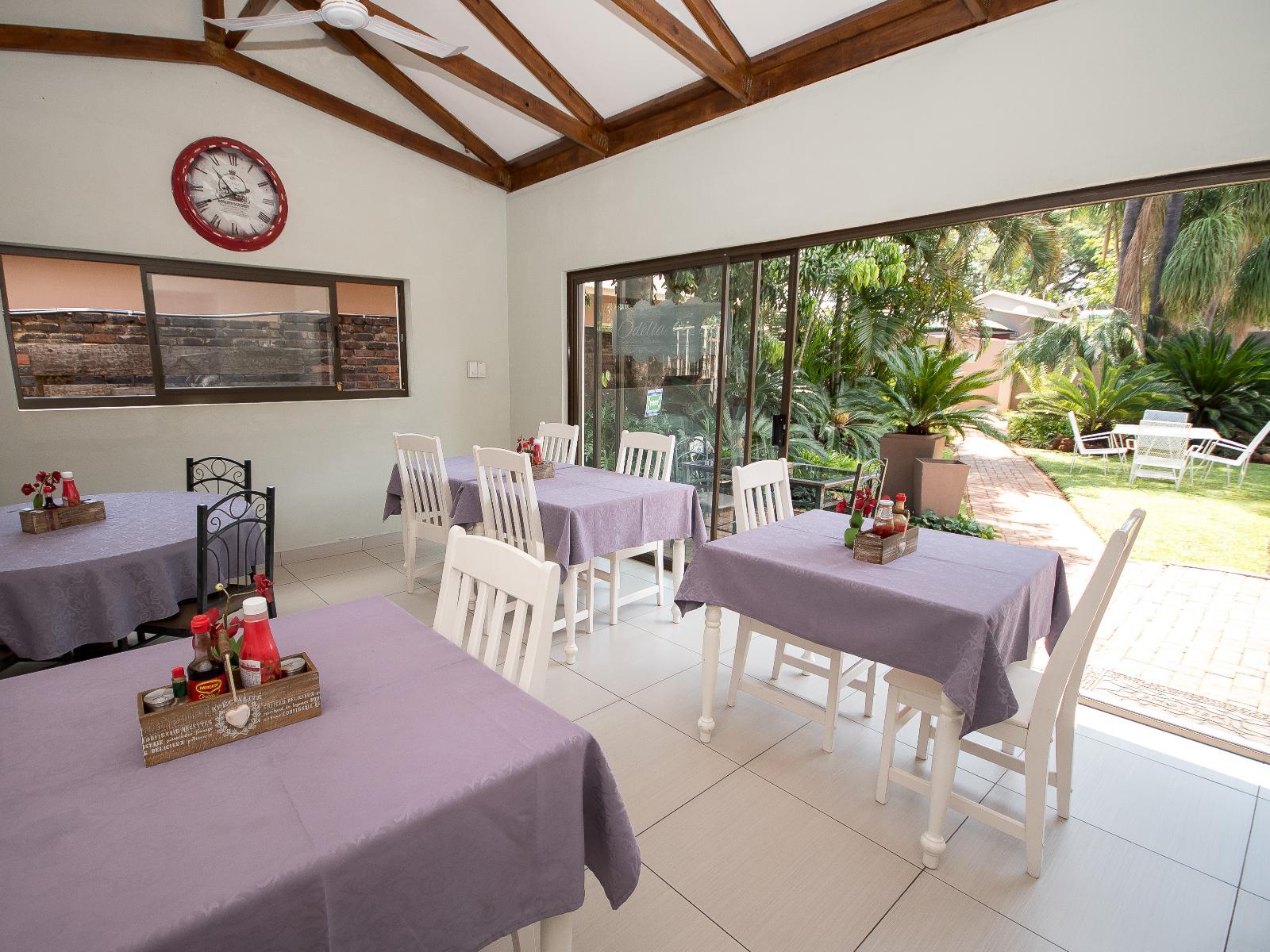
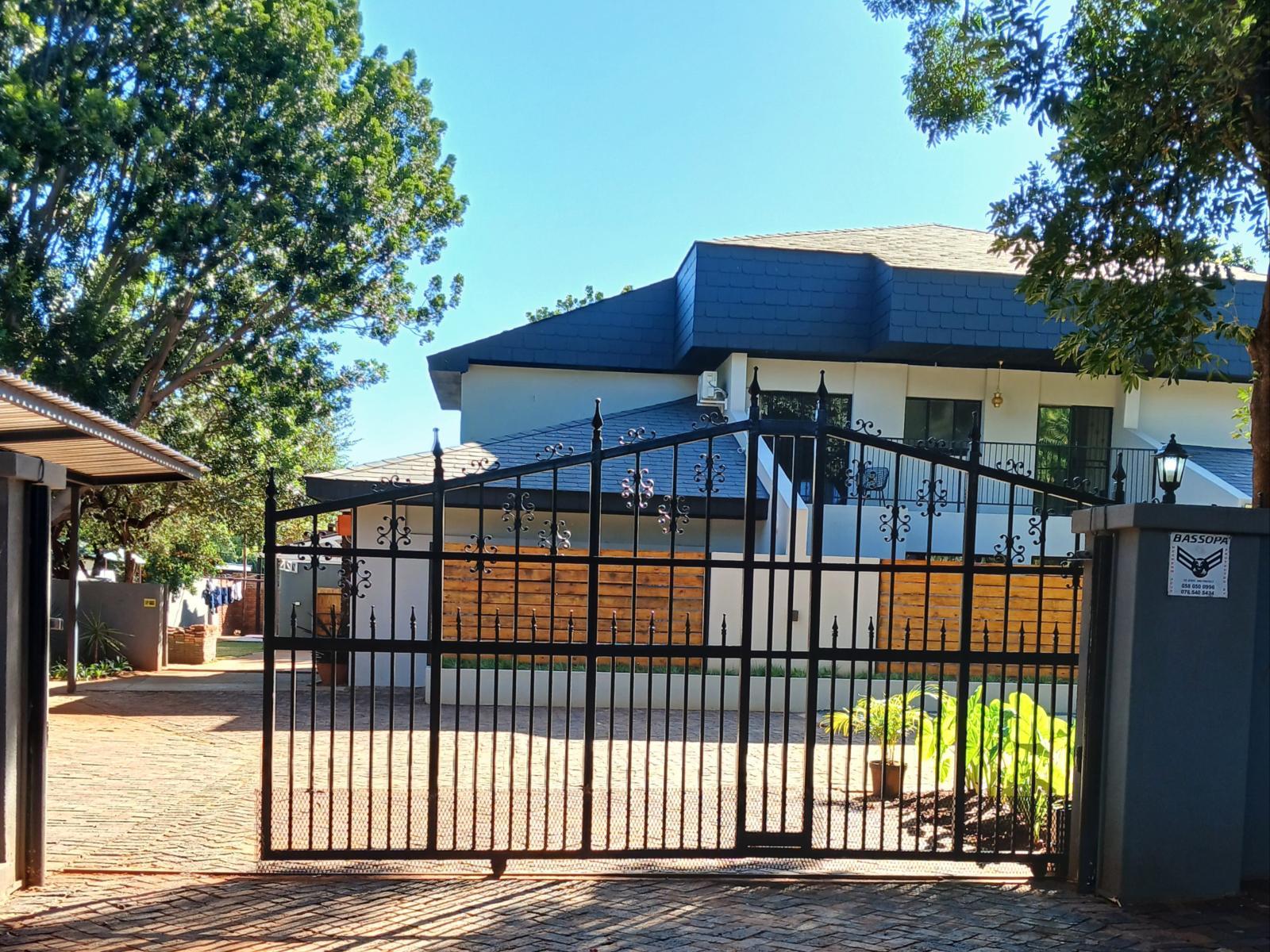
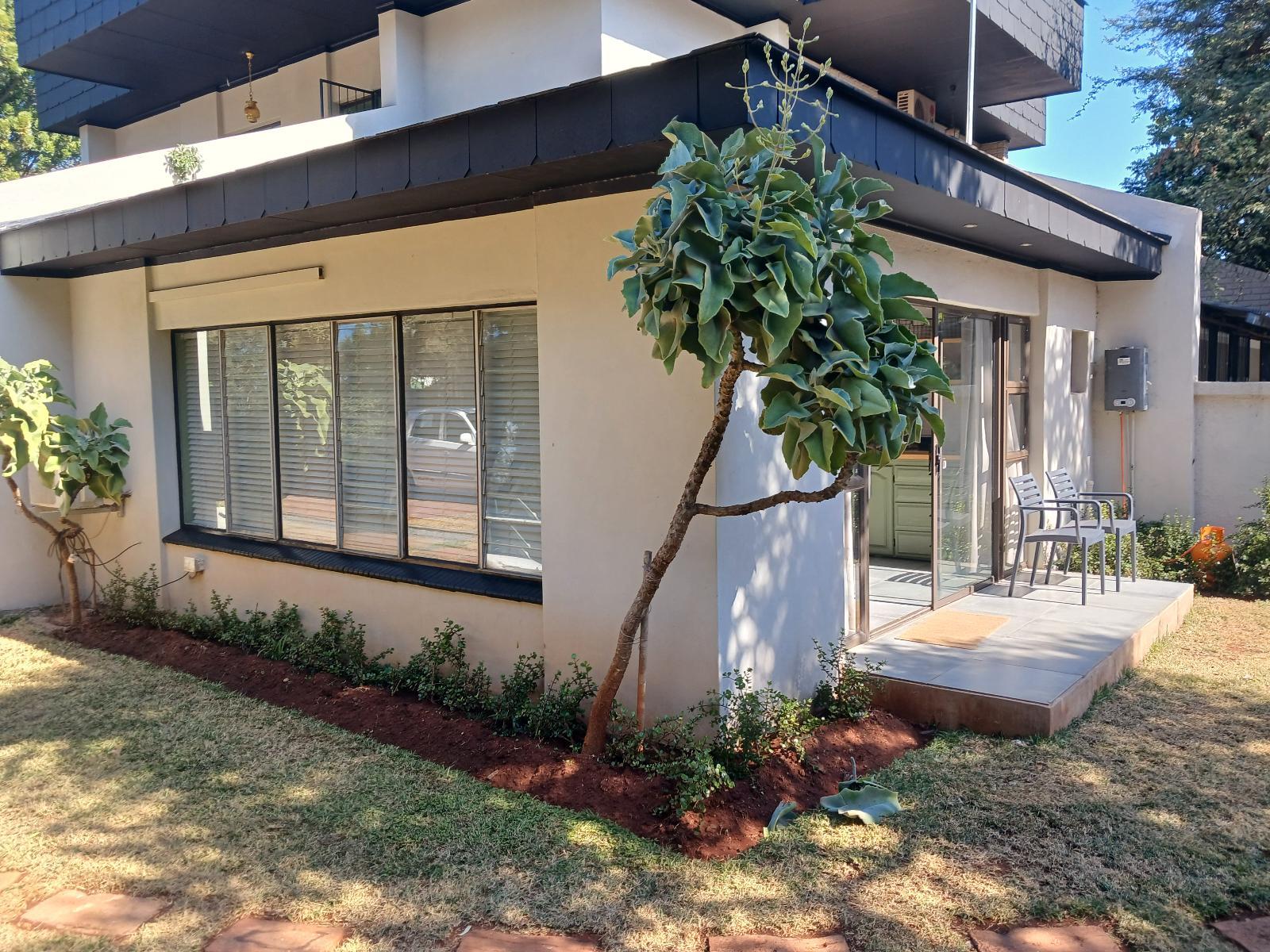
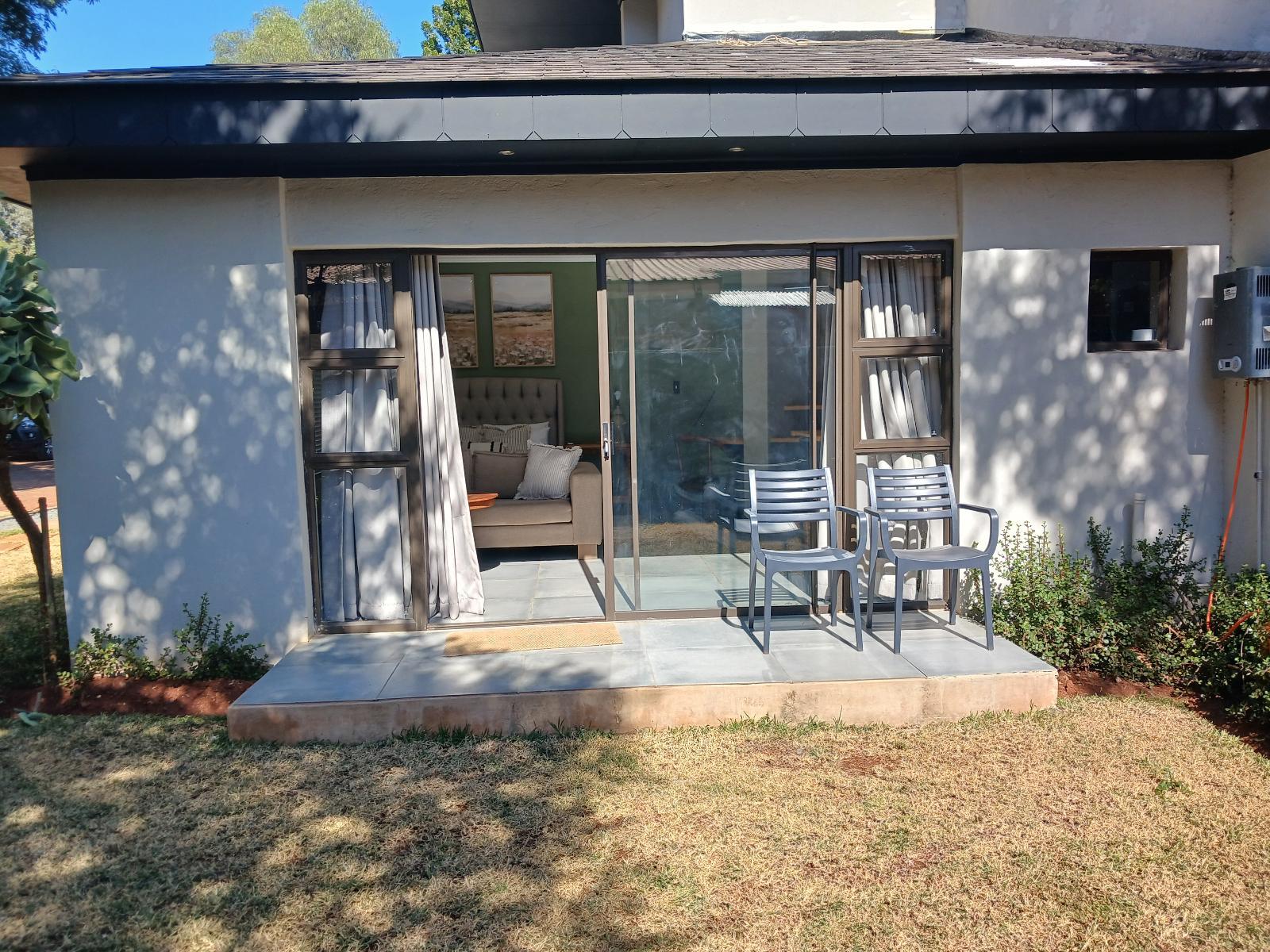
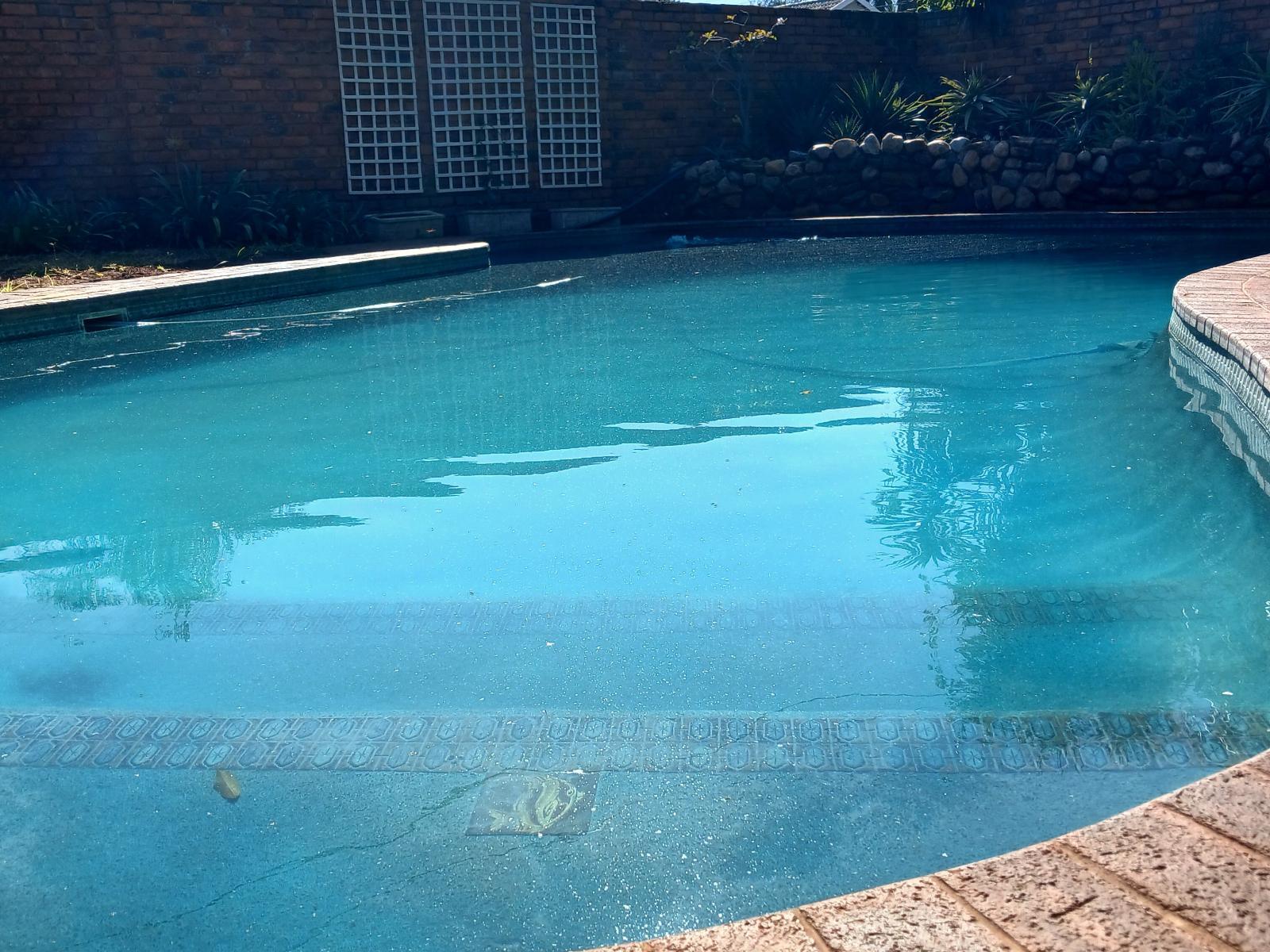
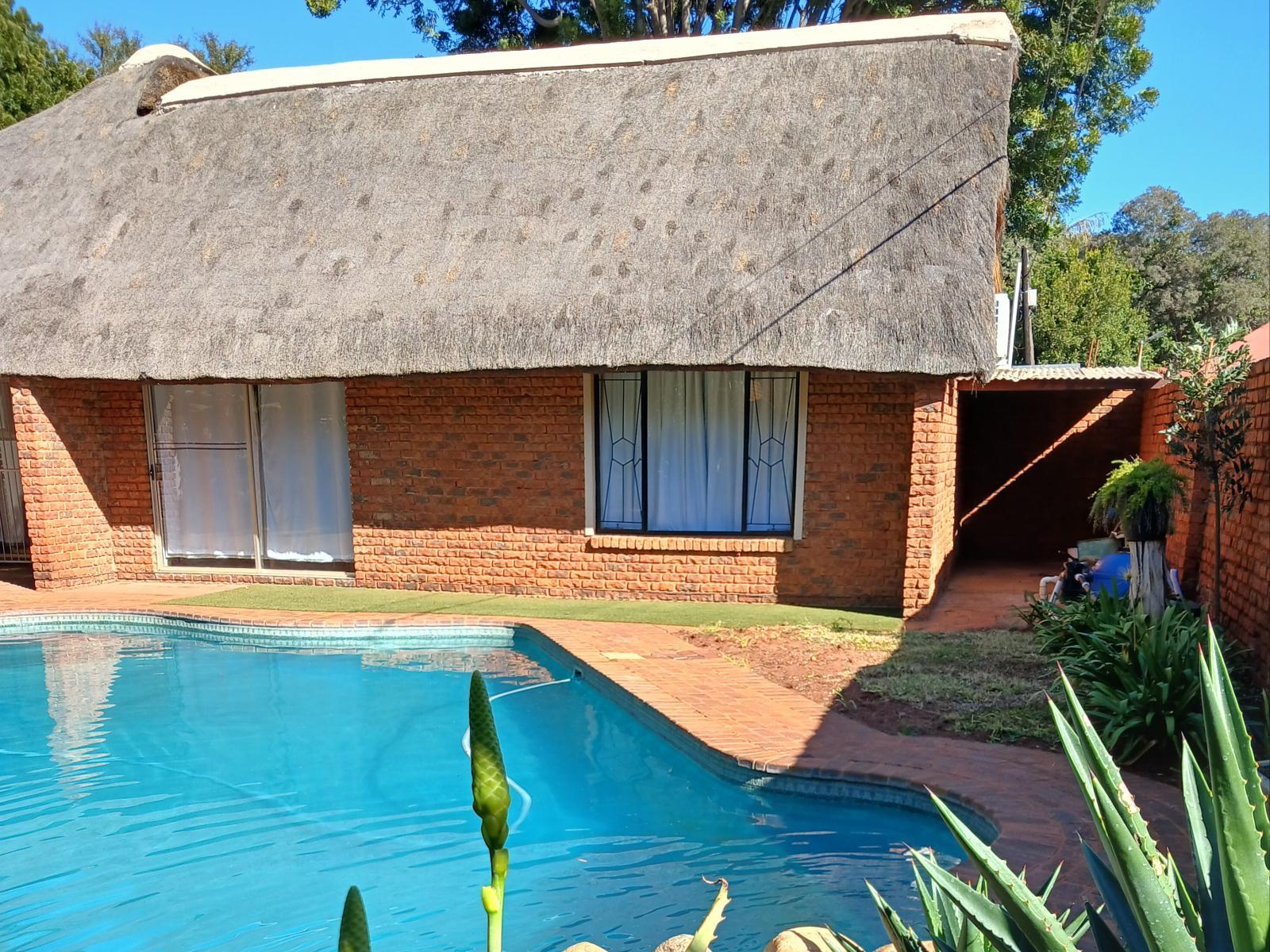
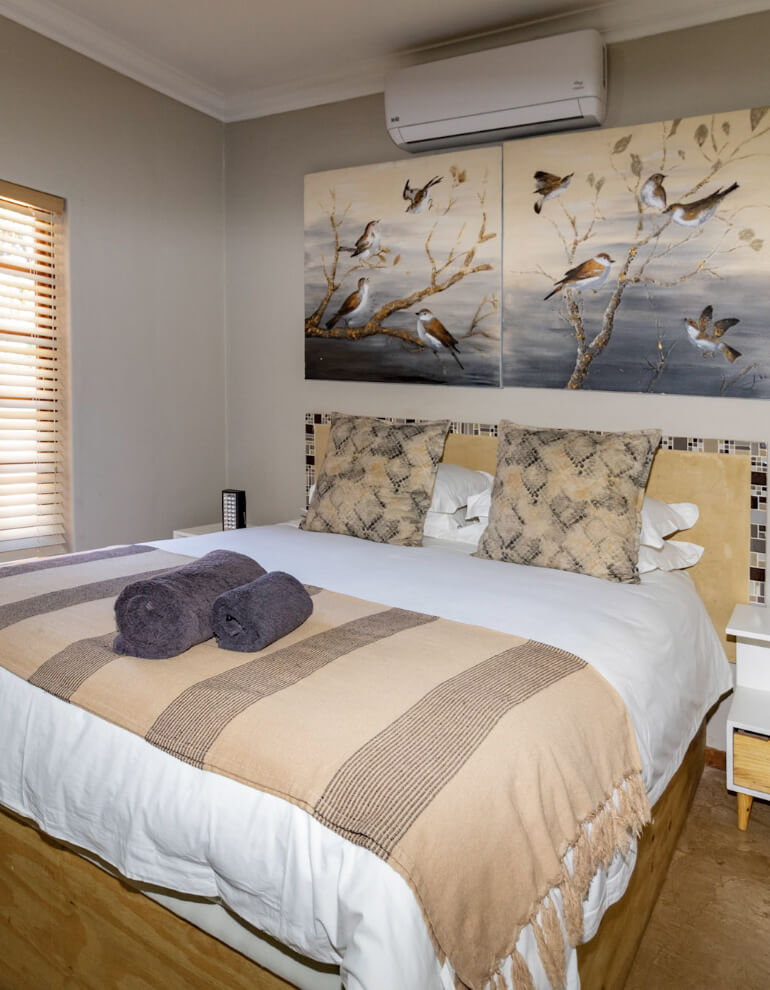
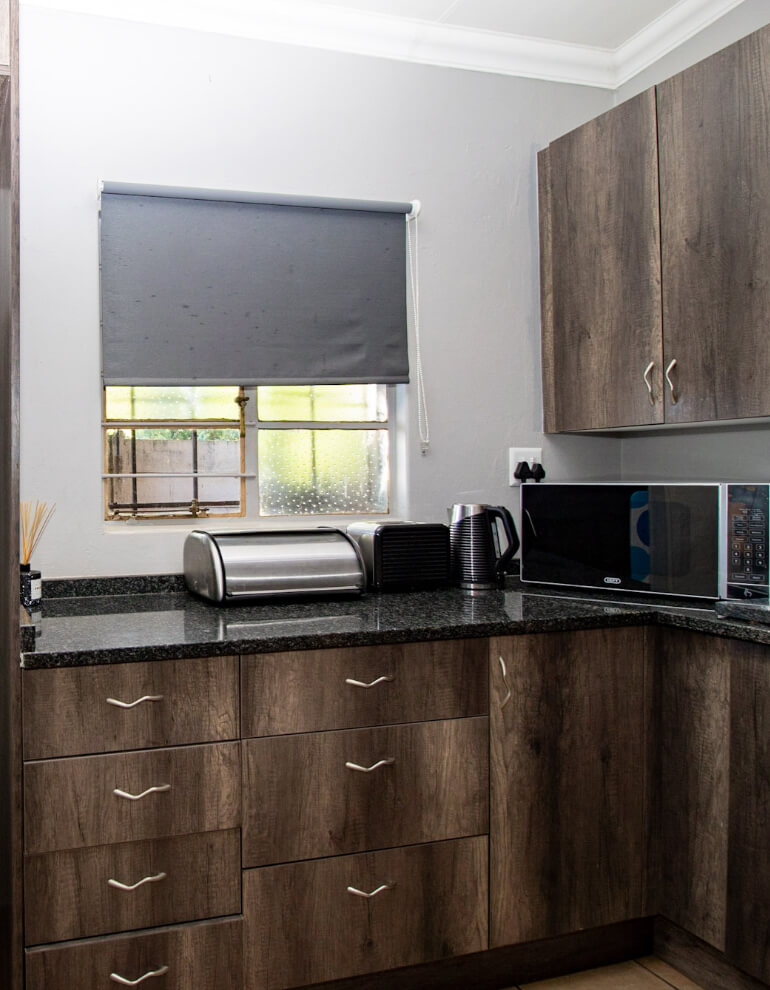
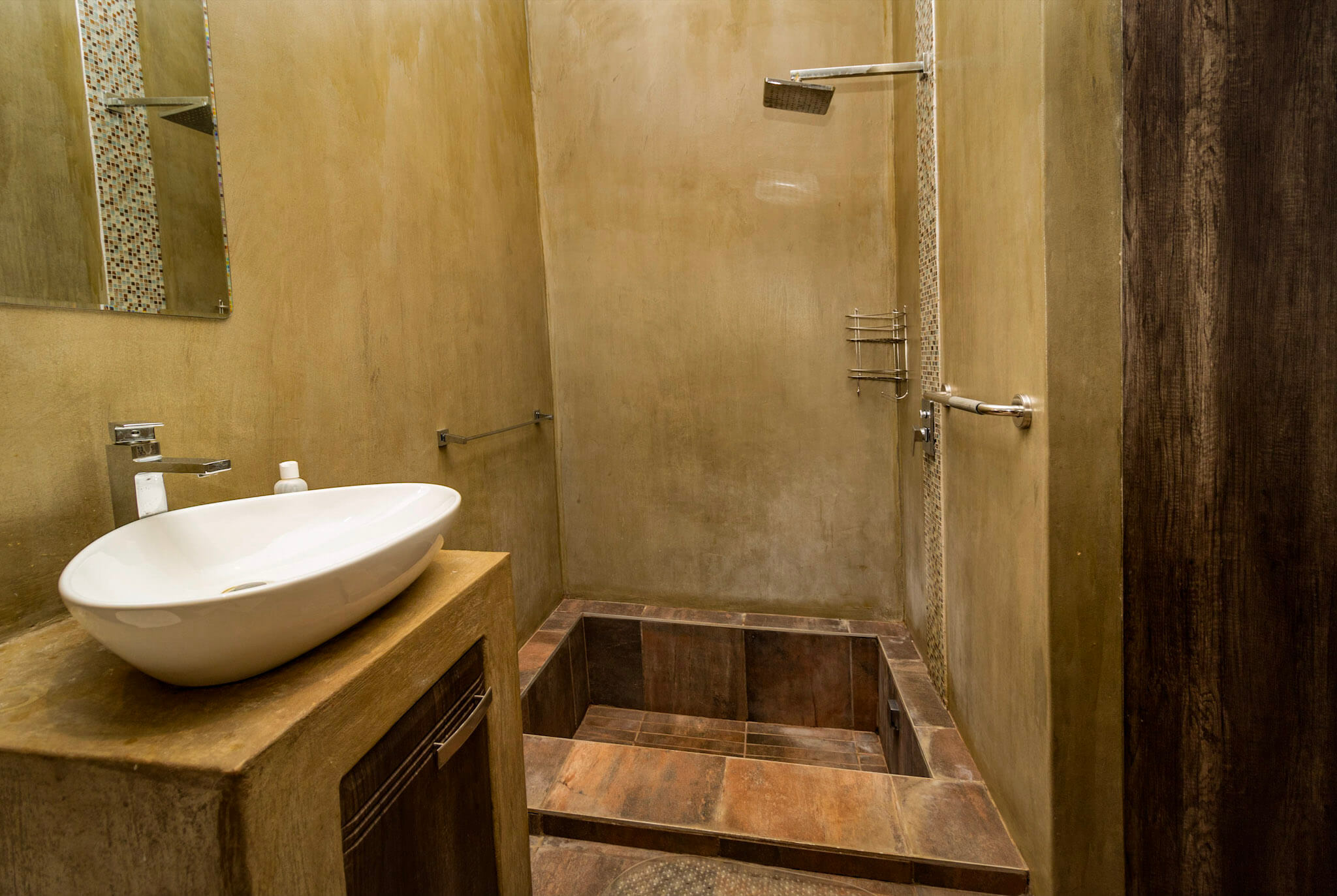
A step up from camping, the lodge in the area offers fixed accommodation and a more predictable level of comfort without reaching into upmarket territory. In a setting like this, a lodge typically means meals or self-catering facilities, reliable shelter, and some support from staff familiar with the local environment. For visitors who want to use Ga-letwaba as a base for day excursions into the broader region without committing entirely to roughing it, the lodge is the more practical choice.
Pricing for both properties is unconfirmed at present, and direct inquiry with each provider is the only reliable way to establish current rates and availability. What both options share is a setting that rewards visitors who engage with the surrounding environment rather than treating the accommodation as the destination in itself. The amenities are basic, the isolation genuine, and the pace slow. That combination is precisely what draws some travellers to this part of Limpopo over more developed alternatives where the infrastructure has overtaken the landscape.
---
## Best Time to Visit Ga-letwaba
The Limpopo climate shapes any visit to Ga-letwaba, and the contrast between summer and winter is substantial enough to make timing a genuine decision rather than a minor detail.
Summer runs from November through March, bringing afternoon storms and temperatures that regularly exceed 30 degrees Celsius. The landscape responds dramatically during this period: grasses reach full height, vegetation that was brown and sparse turns green across the hills, and temporary streams fill gullies that stay dry for the rest of the year. The Leolo Mountains to the south receive meaningful rainfall and the change is visible. Heat can be oppressive in the middle of the day, and rural roads sometimes become impassable after sustained downpours. Insects are more active, and travel in general requires more logistical thought.
Winter, from May through August, is the more comfortable season for outdoor exploration. Days are dry and warm enough for extended walking or driving, while evenings cool quickly, requiring warm layers for anyone camping. Vegetation thins considerably, sightlines through the bush improve, and the physical demands of moving through the landscape ease.
April and September occupy a useful middle ground. September can offer particularly good conditions, with vegetation still relatively sparse from the dry months while temperatures rise without becoming oppressive. April sees rainfall tapering off, making it a reasonable option for those wanting to avoid the wet season without committing to the full winter period.
---
## Getting to Ga-letwaba
Road is the practical means of reaching this part of Limpopo. The nearest airports with regular services are Polokwane International Airport, which handles domestic routes and serves as the provincial capital's main facility, and OR Tambo International Airport in Johannesburg for international arrivals or those flying from elsewhere in South Africa.
From Johannesburg, the drive takes approximately four to five hours, covering around 400 kilometres depending on the route. The R37 passes through Burgersfort, which lies roughly 40 kilometres to the south of the village and serves as a useful stop for fuel and supplies before the final stretch. From Polokwane, the journey runs around two to three hours via roads connecting the capital to this part of Greater Tubatse Local Municipality.
Once in the area, a private vehicle is effectively mandatory. Minibus taxis connect larger centres in the region, but their routes and schedules are not oriented toward visitor convenience, and smaller villages are not reliably served. A standard sedan handles the main access roads adequately in dry conditions, though higher ground clearance becomes more useful during the wet season when some tracks deteriorate significantly after sustained rainfall. Downloading offline maps before leaving the main road network is strongly advisable, as mobile signal in rural Limpopo is variable and unreliable across parts of the route.
---
## Ga-letwaba and Surrounding Areas
The communities within easy reach of Ga-letwaba offer a picture of how rural life and landscape are distributed across this corner of Limpopo.
**Ga-mokaba**, just 4 kilometres away, is the closest neighbouring village and shares the agricultural character of Ga-letwaba itself. The short distance makes it easily accessible as a morning drive or even a walk, and passing through gives a sense of how communities in this area are connected through common land use and shared cultural practice.
**Tshamahansi** and **Pholotsi**, both 6 kilometres out, form part of a cluster of Sepedi-speaking villages across this section of the region. The roads between them pass through thorn tree scrub, rocky outcrops, and the occasional cattle herd. Neither is a visitor attraction in the conventional sense, but travelling through them provides an unfiltered view of how settlement and farming have shaped the landscape here over generations.
**Bultongfontein**, 12 kilometres from Ga-letwaba, carries a farming character that reflects the agricultural history of the broader area. The land around it has been worked across successive periods, and the landscape shows the marks of long-term cultivation sitting alongside undisturbed bush.
**Ga-masenya**, also 12 kilometres out, sits within a network of villages that carries significant historical weight. The Sekhukhune region was central to the Bapedi kingdom's resistance against colonial incursion during the 19th century, and travelling through communities in this area places visitors within that geography, even without formal heritage markers at every point.
**Mokopane**, 14 kilometres from Ga-letwaba, is the most developed centre within easy reach. It has a longer urban history than the surrounding villages, with commercial facilities that make it a practical resupply stop and a useful orientation point for visitors approaching from the north or east.
---
## Planning Your Stay
With just two properties in the area, advance planning matters more than it would in a destination with a broad accommodation market. Contact properties directly rather than relying on third-party platforms, which may carry outdated or incomplete information for rural providers in this part of Limpopo.
Before confirming a booking, ask specifically what is included: whether meals are provided or self-catering facilities are available, whether linen is supplied, and, for campers, whether firewood is on site. Ask about access road conditions for the season you intend to visit, as sustained summer rainfall can affect some rural tracks significantly.
Cash is more reliable than cards in the surrounding area. ATM access is limited outside the larger centres, so arrive with enough for the full stay plus a contingency margin. Fuel should be topped up whenever the opportunity arises, rather than assumed to be available at the next stop.
Peak demand across Limpopo's rural accommodation sector clusters around the South African school holiday periods and the dry winter months from June through August. Booking several weeks in advance during these windows is sensible, particularly given how few options exist. If your travel dates are flexible, the shoulder months offer a practical balance between reasonable conditions and easier availability. Building a buffer day into any longer itinerary also allows for the unexpected delays that rural driving in Limpopo occasionally produces.

Accommodation options in Ga-letwaba are deliberately limited, reflecting the village's position as a working rural community rather than an established tourist destination. There are 2 properties listed in the area, covering two distinct types of stay that suit different kinds of travellers.
At the budget end, camping is the primary option. The area's campsite puts visitors directly in the surrounding environment, with nights under rural skies that are noticeably darker than anything near a South African city. Campers need to plan carefully. Self-sufficiency is essential, as nearby commercial infrastructure is limited and the distance to larger towns means forgotten supplies require a significant detour to replace. The reward for that preparation is an unmediated experience of the landscape, particularly in the early morning hours when the surrounding terrain is at its quietest and birdlife is most active.
A step up from camping, the lodge in the area offers fixed accommodation and a more predictable level of comfort without reaching into upmarket territory. In a setting like this, a lodge typically means meals or self-catering facilities, reliable shelter, and some support from staff familiar with the local environment. For visitors who want to use Ga-letwaba as a base for day excursions into the broader region without committing entirely to roughing it, the lodge is the more practical choice.
Pricing for both properties is unconfirmed at present, and direct inquiry with each provider is the only reliable way to establish current rates and availability. What both options share is a setting that rewards visitors who engage with the surrounding environment rather than treating the accommodation as the destination in itself. The amenities are basic, the isolation genuine, and the pace slow. That combination is precisely what draws some travellers to this part of Limpopo over more developed alternatives where the infrastructure has overtaken the landscape.
---
## Best Time to Visit Ga-letwaba
The Limpopo climate shapes any visit to Ga-letwaba, and the contrast between summer and winter is substantial enough to make timing a genuine decision rather than a minor detail.
Summer runs from November through March, bringing afternoon storms and temperatures that regularly exceed 30 degrees Celsius. The landscape responds dramatically during this period: grasses reach full height, vegetation that was brown and sparse turns green across the hills, and temporary streams fill gullies that stay dry for the rest of the year. The Leolo Mountains to the south receive meaningful rainfall and the change is visible. Heat can be oppressive in the middle of the day, and rural roads sometimes become impassable after sustained downpours. Insects are more active, and travel in general requires more logistical thought.
Winter, from May through August, is the more comfortable season for outdoor exploration. Days are dry and warm enough for extended walking or driving, while evenings cool quickly, requiring warm layers for anyone camping. Vegetation thins considerably, sightlines through the bush improve, and the physical demands of moving through the landscape ease.
April and September occupy a useful middle ground. September can offer particularly good conditions, with vegetation still relatively sparse from the dry months while temperatures rise without becoming oppressive. April sees rainfall tapering off, making it a reasonable option for those wanting to avoid the wet season without committing to the full winter period.
---
## Getting to Ga-letwaba
Road is the practical means of reaching this part of Limpopo. The nearest airports with regular services are Polokwane International Airport, which handles domestic routes and serves as the provincial capital's main facility, and OR Tambo International Airport in Johannesburg for international arrivals or those flying from elsewhere in South Africa.
From Johannesburg, the drive takes approximately four to five hours, covering around 400 kilometres depending on the route. The R37 passes through Burgersfort, which lies roughly 40 kilometres to the south of the village and serves as a useful stop for fuel and supplies before the final stretch. From Polokwane, the journey runs around two to three hours via roads connecting the capital to this part of Greater Tubatse Local Municipality.
Once in the area, a private vehicle is effectively mandatory. Minibus taxis connect larger centres in the region, but their routes and schedules are not oriented toward visitor convenience, and smaller villages are not reliably served. A standard sedan handles the main access roads adequately in dry conditions, though higher ground clearance becomes more useful during the wet season when some tracks deteriorate significantly after sustained rainfall. Downloading offline maps before leaving the main road network is strongly advisable, as mobile signal in rural Limpopo is variable and unreliable across parts of the route.
---
## Ga-letwaba and Surrounding Areas
The communities within easy reach of Ga-letwaba offer a picture of how rural life and landscape are distributed across this corner of Limpopo.
**Ga-mokaba**, just 4 kilometres away, is the closest neighbouring village and shares the agricultural character of Ga-letwaba itself. The short distance makes it easily accessible as a morning drive or even a walk, and passing through gives a sense of how communities in this area are connected through common land use and shared cultural practice.
**Tshamahansi** and **Pholotsi**, both 6 kilometres out, form part of a cluster of Sepedi-speaking villages across this section of the region. The roads between them pass through thorn tree scrub, rocky outcrops, and the occasional cattle herd. Neither is a visitor attraction in the conventional sense, but travelling through them provides an unfiltered view of how settlement and farming have shaped the landscape here over generations.
**Bultongfontein**, 12 kilometres from Ga-letwaba, carries a farming character that reflects the agricultural history of the broader area. The land around it has been worked across successive periods, and the landscape shows the marks of long-term cultivation sitting alongside undisturbed bush.
**Ga-masenya**, also 12 kilometres out, sits within a network of villages that carries significant historical weight. The Sekhukhune region was central to the Bapedi kingdom's resistance against colonial incursion during the 19th century, and travelling through communities in this area places visitors within that geography, even without formal heritage markers at every point.
**Mokopane**, 14 kilometres from Ga-letwaba, is the most developed centre within easy reach. It has a longer urban history than the surrounding villages, with commercial facilities that make it a practical resupply stop and a useful orientation point for visitors approaching from the north or east.
---
## Planning Your Stay
With just two properties in the area, advance planning matters more than it would in a destination with a broad accommodation market. Contact properties directly rather than relying on third-party platforms, which may carry outdated or incomplete information for rural providers in this part of Limpopo.
Before confirming a booking, ask specifically what is included: whether meals are provided or self-catering facilities are available, whether linen is supplied, and, for campers, whether firewood is on site. Ask about access road conditions for the season you intend to visit, as sustained summer rainfall can affect some rural tracks significantly.
Cash is more reliable than cards in the surrounding area. ATM access is limited outside the larger centres, so arrive with enough for the full stay plus a contingency margin. Fuel should be topped up whenever the opportunity arises, rather than assumed to be available at the next stop.
Peak demand across Limpopo's rural accommodation sector clusters around the South African school holiday periods and the dry winter months from June through August. Booking several weeks in advance during these windows is sensible, particularly given how few options exist. If your travel dates are flexible, the shoulder months offer a practical balance between reasonable conditions and easier availability. Building a buffer day into any longer itinerary also allows for the unexpected delays that rural driving in Limpopo occasionally produces.
Tipes Akkommodasie in Ga-letwaba
Akkommodasiepryse in Ga-letwaba
Ga-letwaba Kaart
Nabygeleë Bestemmings
Blaai Deur Alle Ga-letwaba Akkommodasie
Bekyk al 2 akkommodasie-opsies in Ga-letwaba met foto's, pryse en beskikbaarheid.
Blaai Deur Alle Akkommodasie