Accommodation in Pholotsi
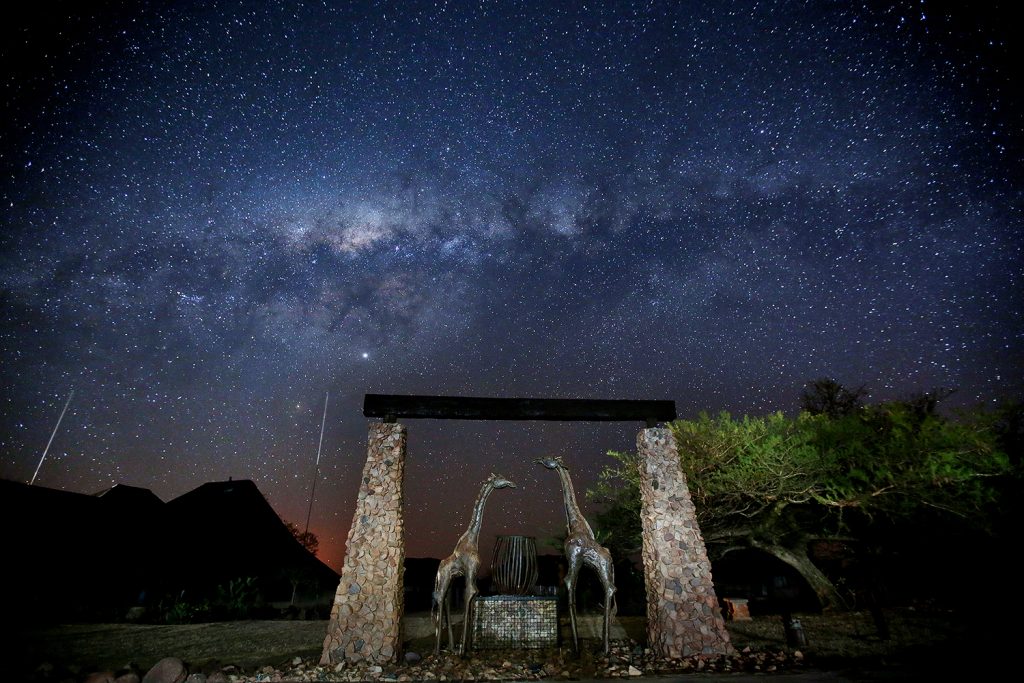
Pholotsi's accommodation market is small, with just 2 properties serving visitors to this part of the Sekhukhune District. Pricing is not currently published for either option, so contacting each property directly before finalising travel plans is the right approach. What the area offers covers the practical range of independent travel, from open-air camping to more structured lodge stays.
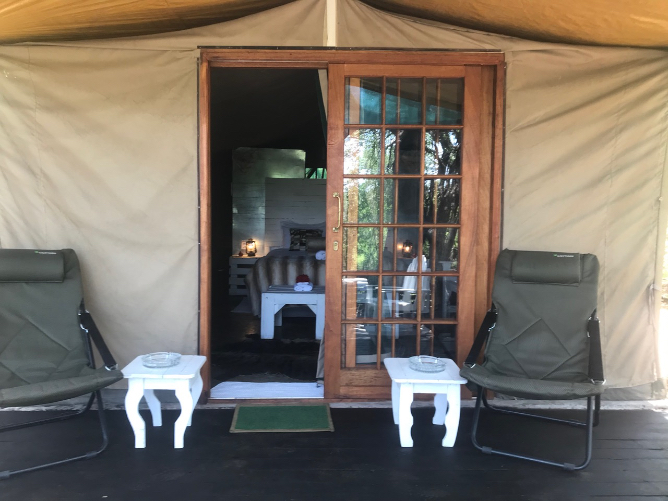
At the budget end, the campsite provides a straightforward option for travellers who are self-sufficient or carry their own gear. Camping in this part of Limpopo puts you close to the sounds and atmosphere of Lowveld bushveld, with little in the way of managed comforts between you and the landscape. Facilities at rural campsites in Greater Tubatse typically include basic ablutions, but visitors should confirm exactly what is provided when booking rather than assuming standard amenities.
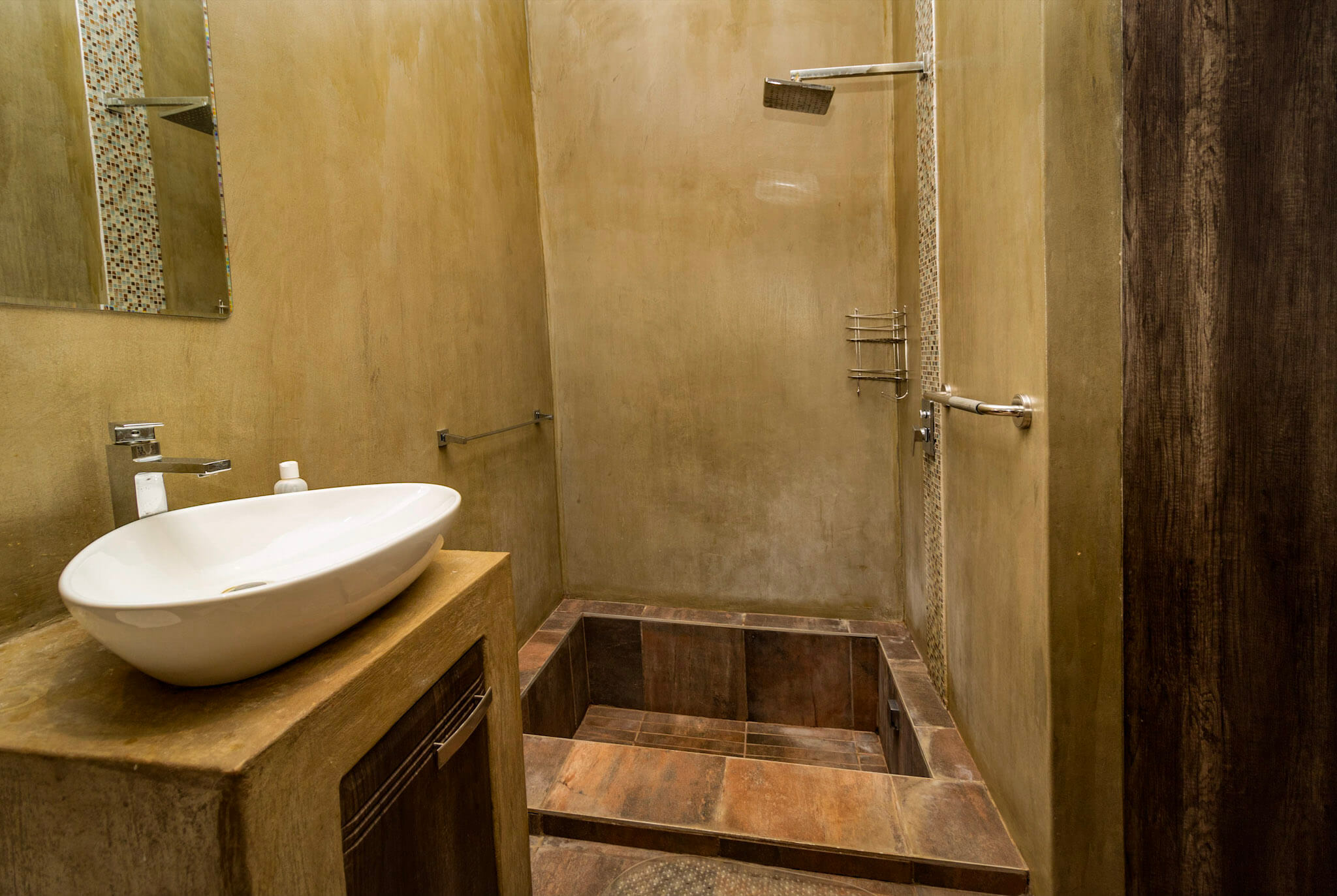
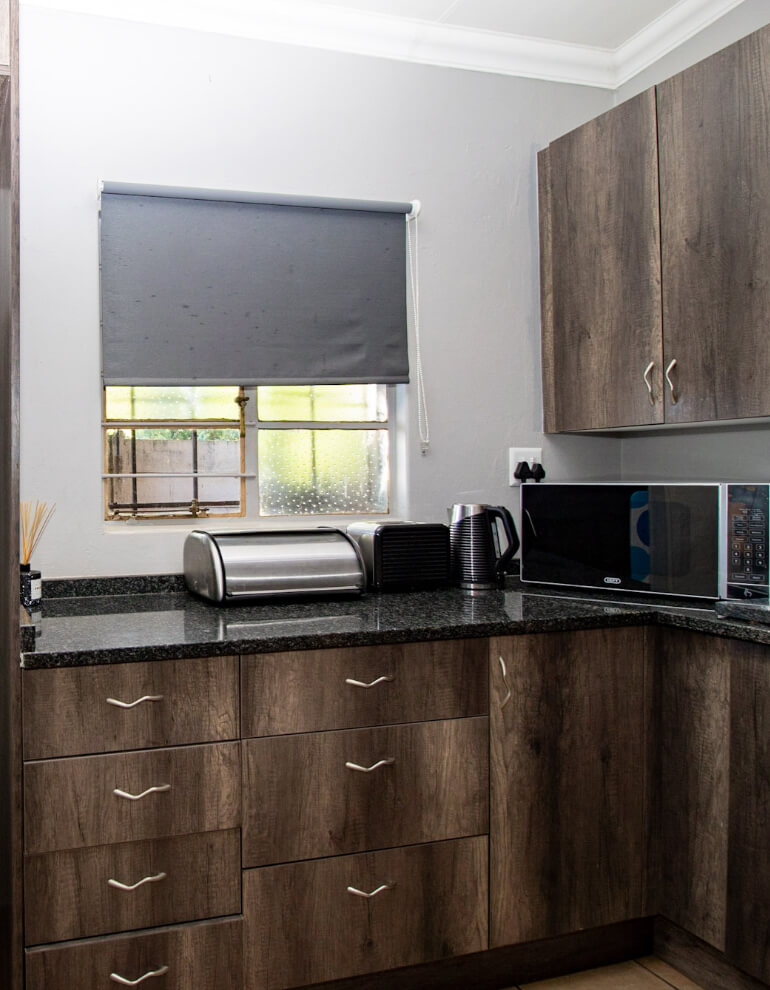
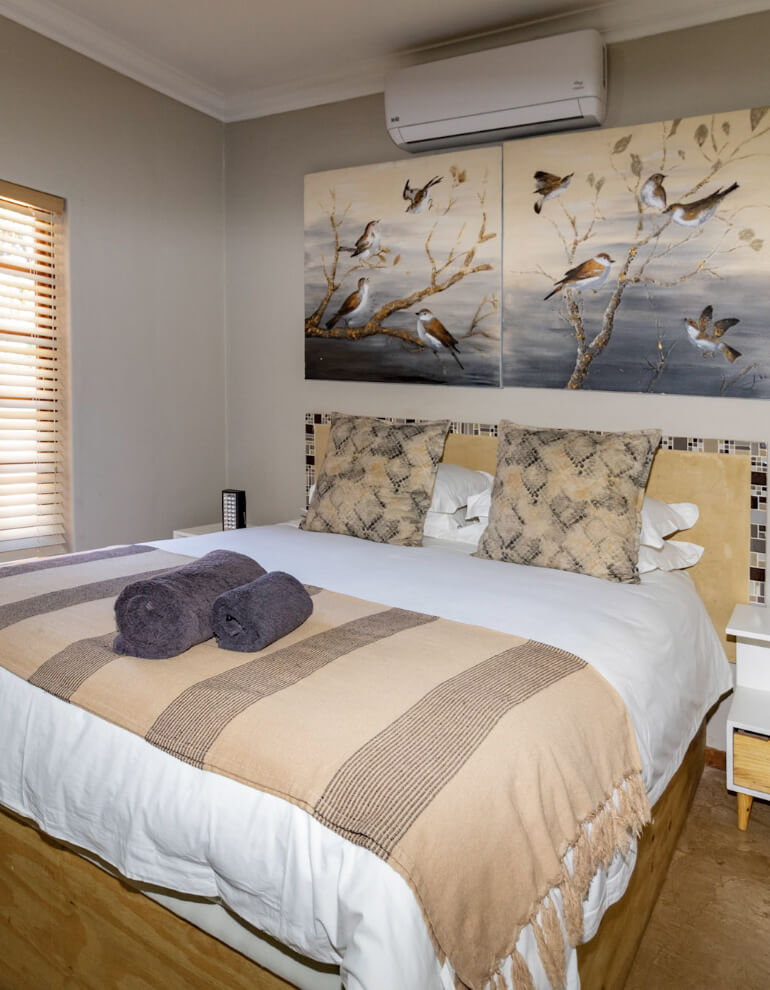
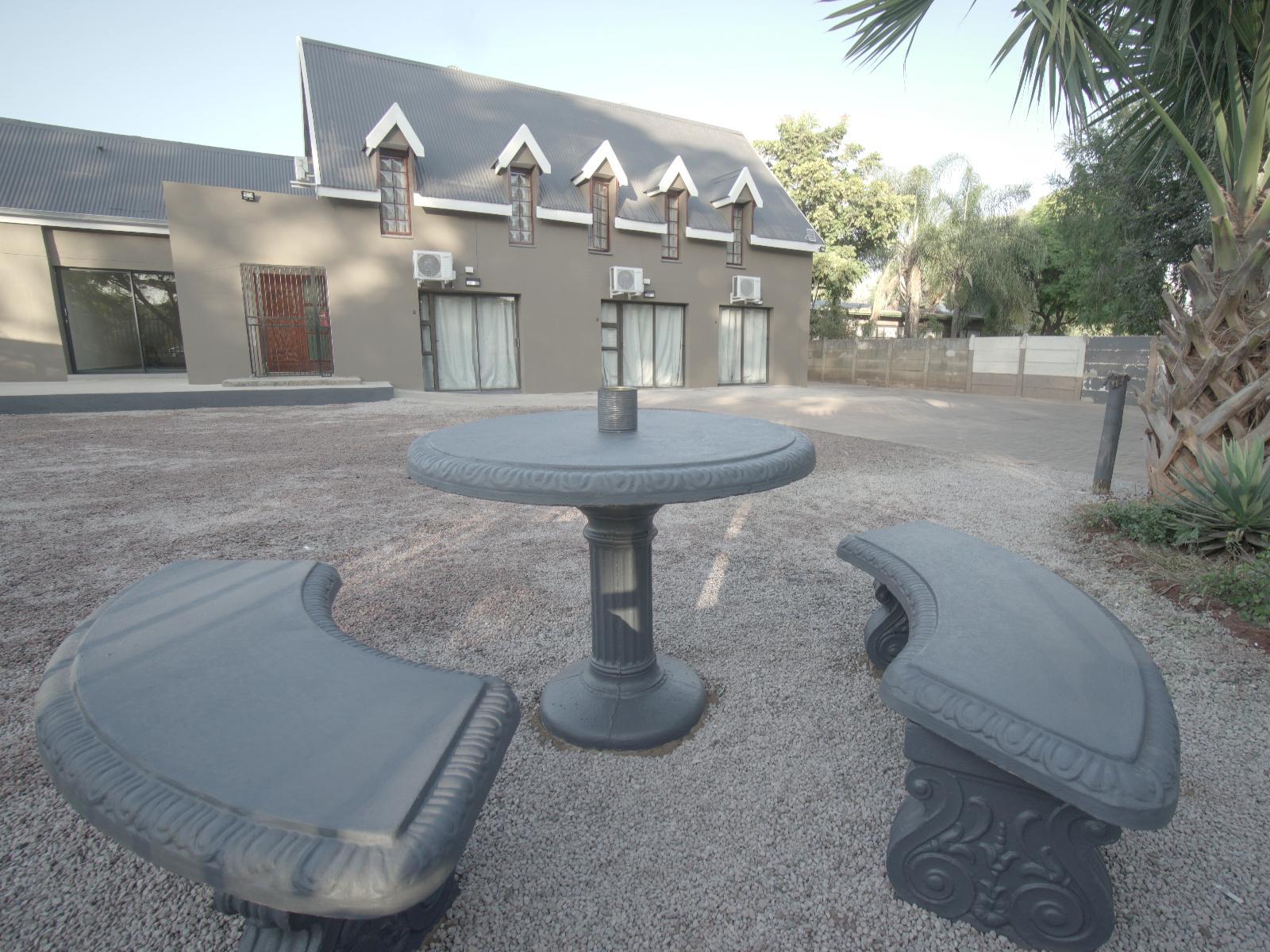
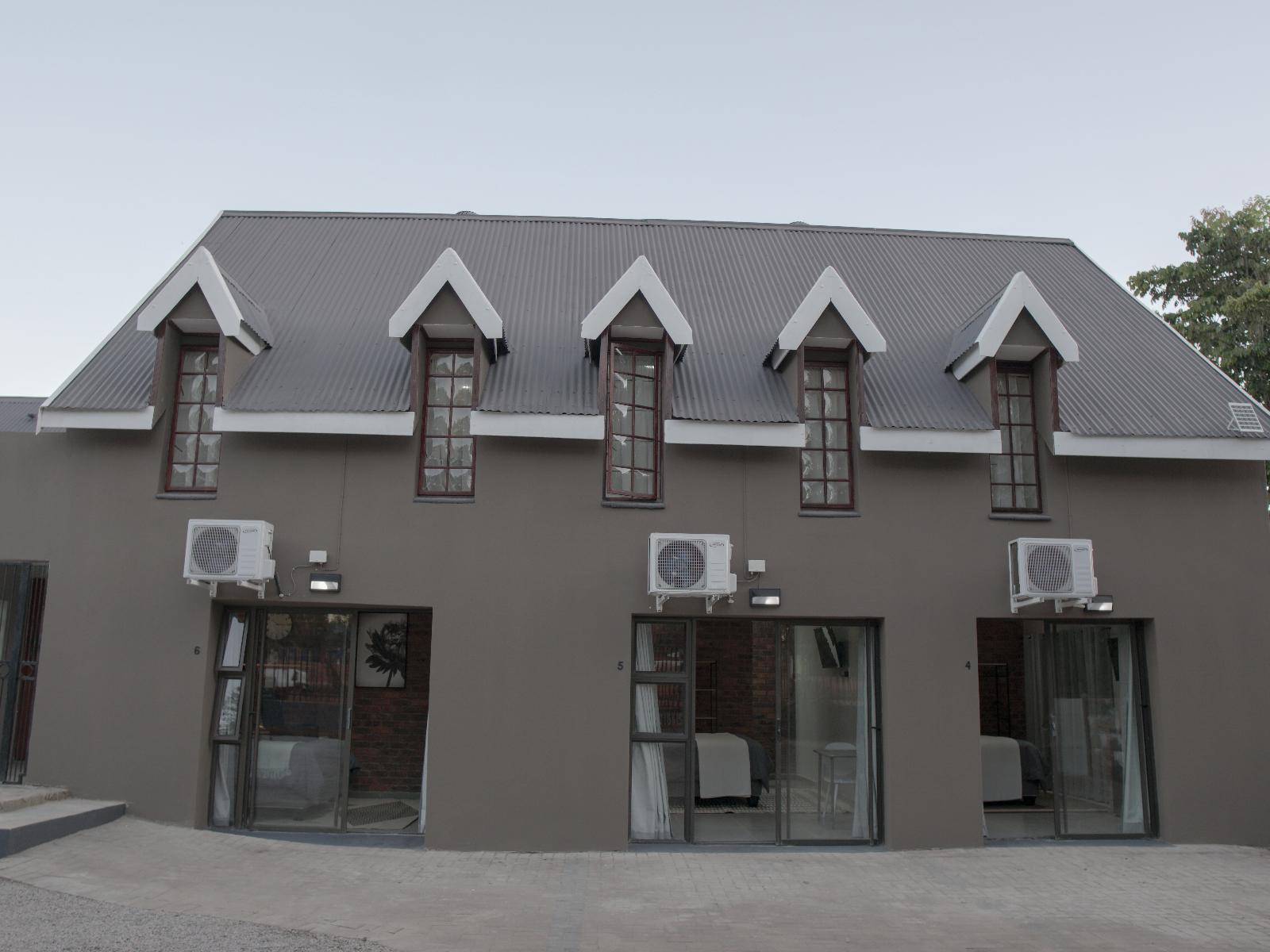
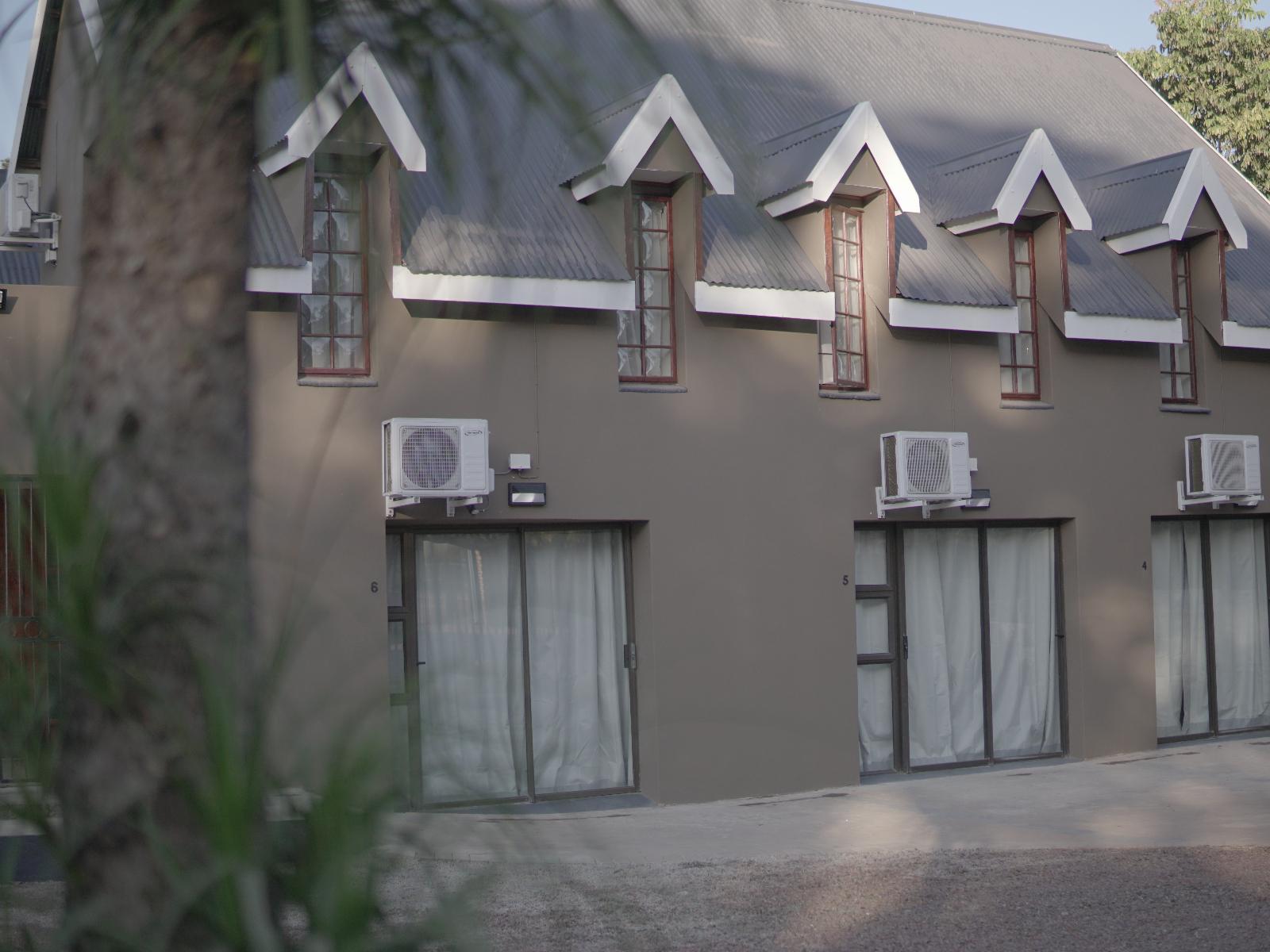
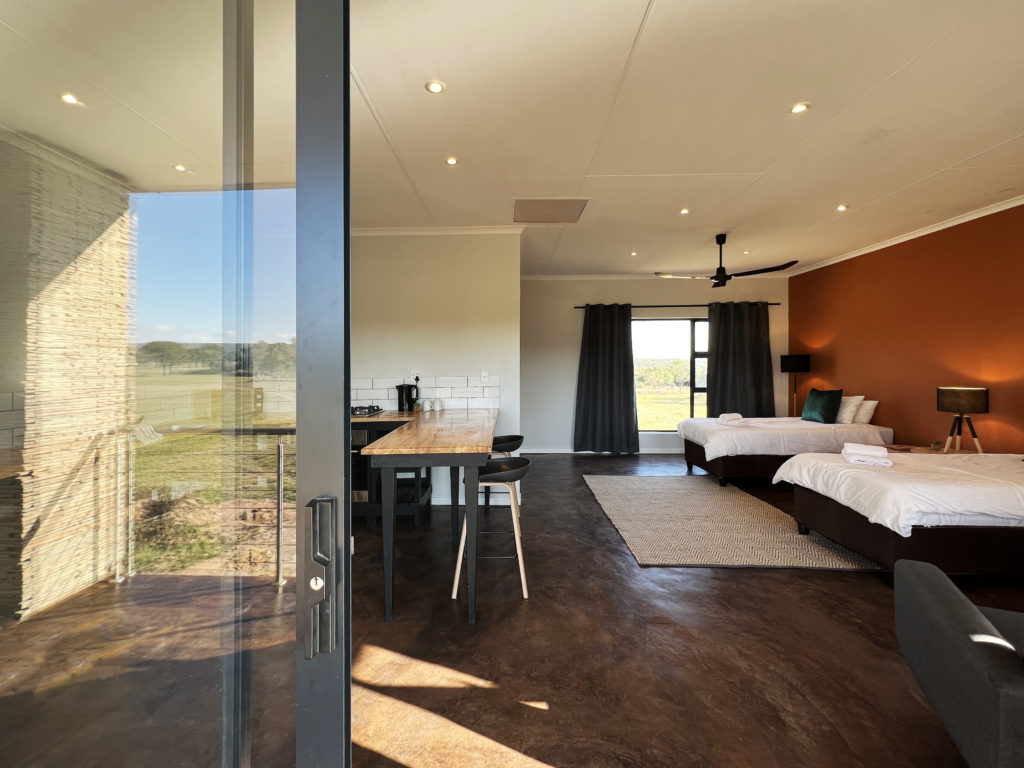
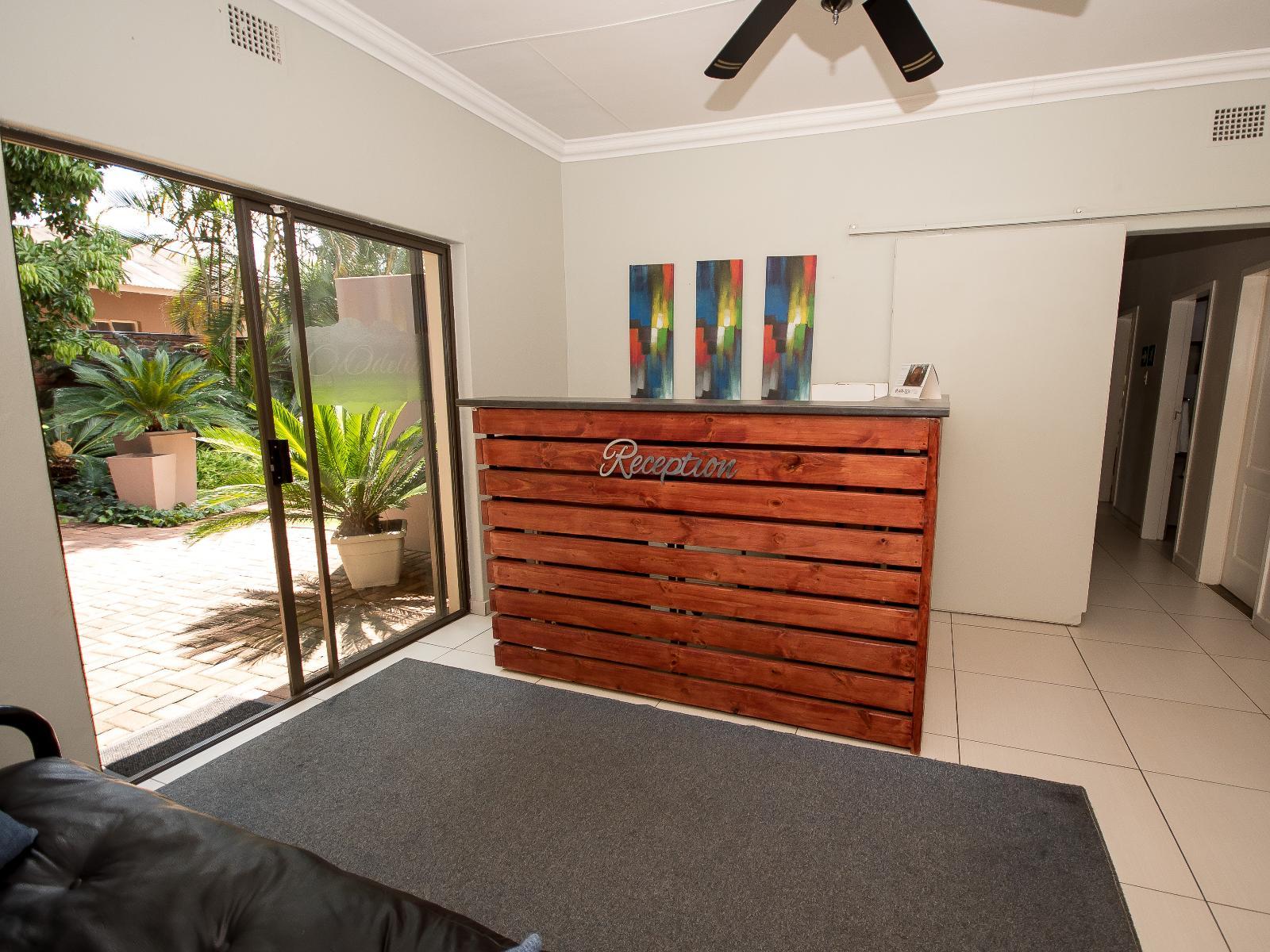
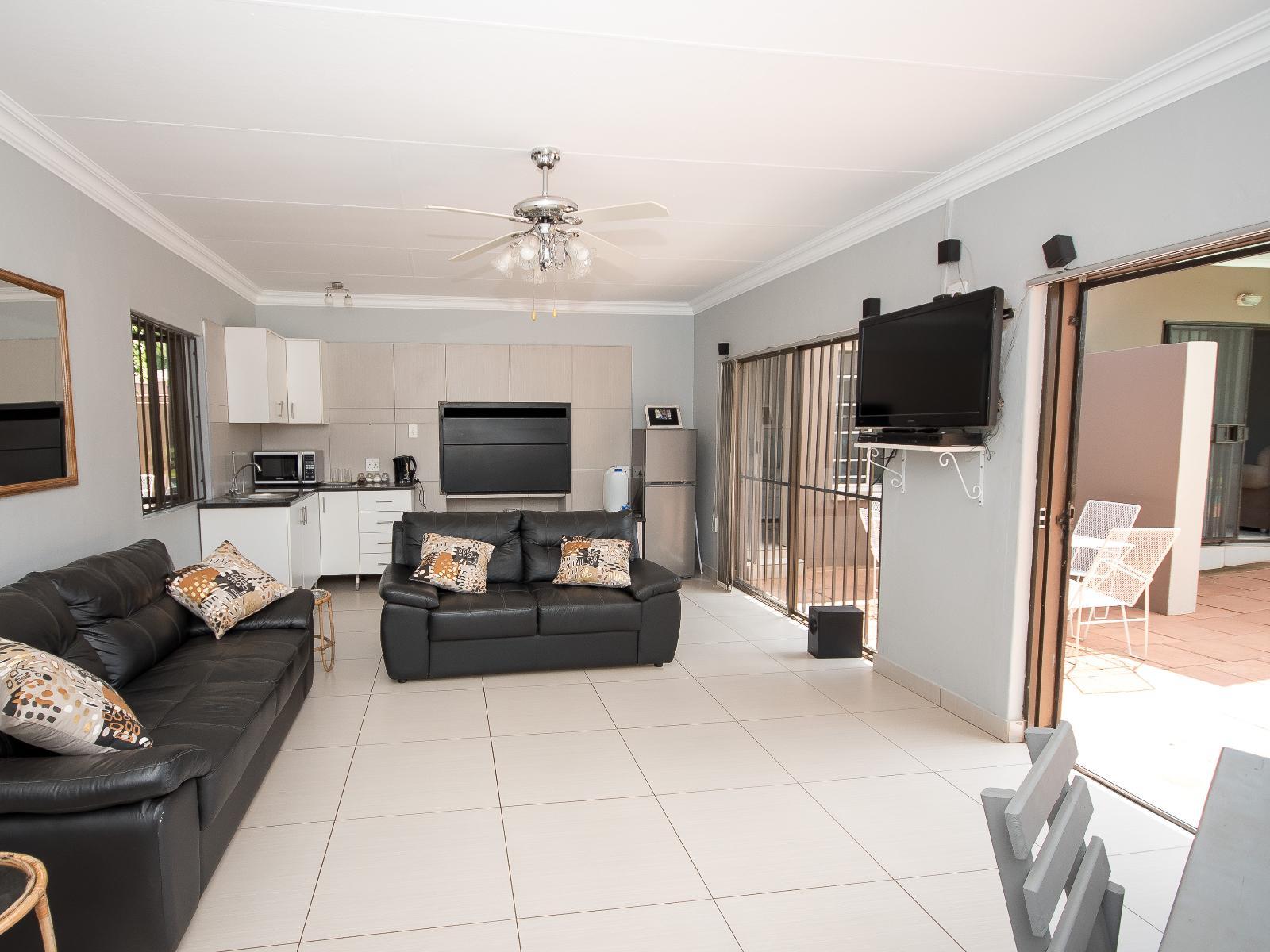
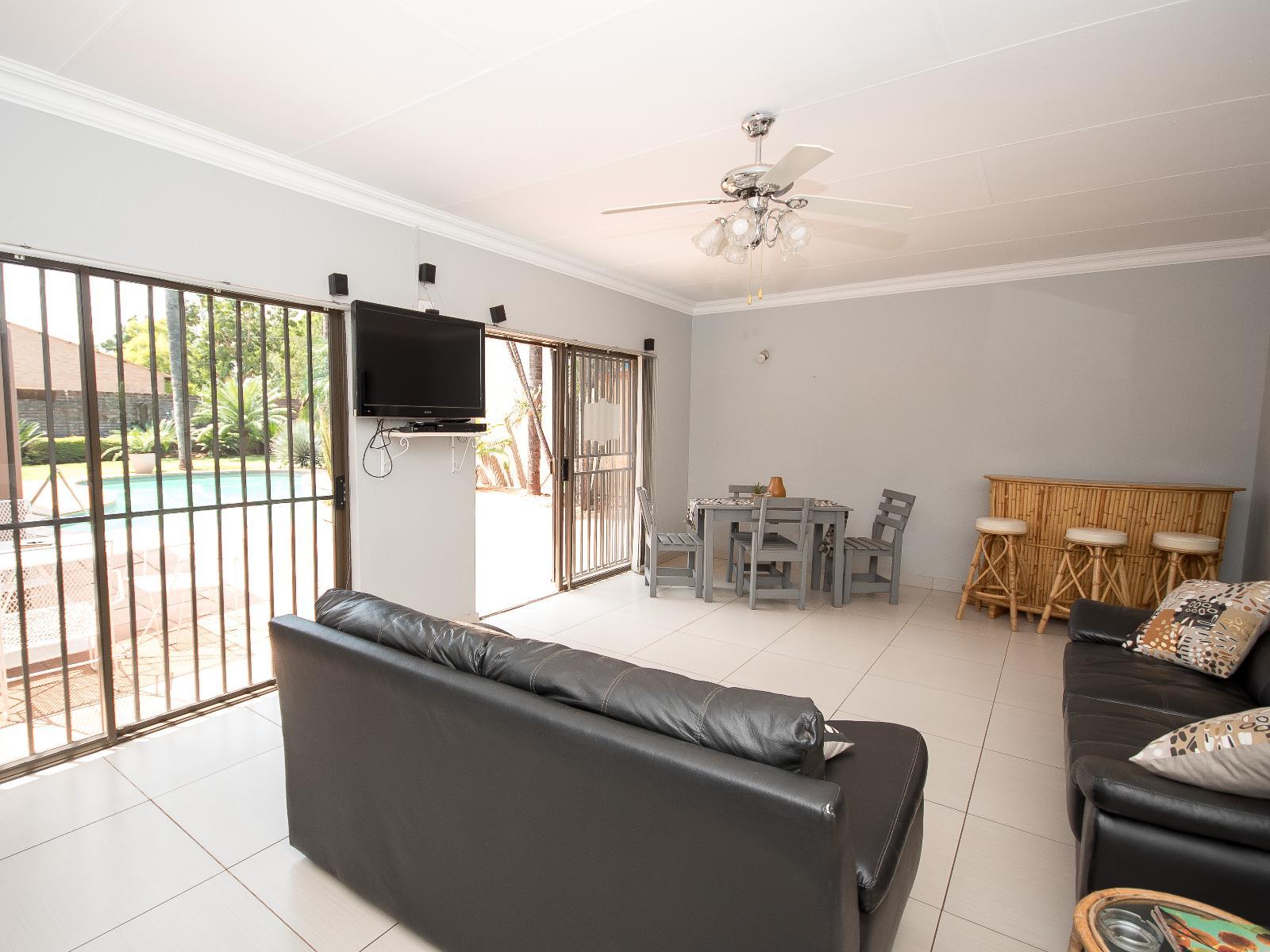
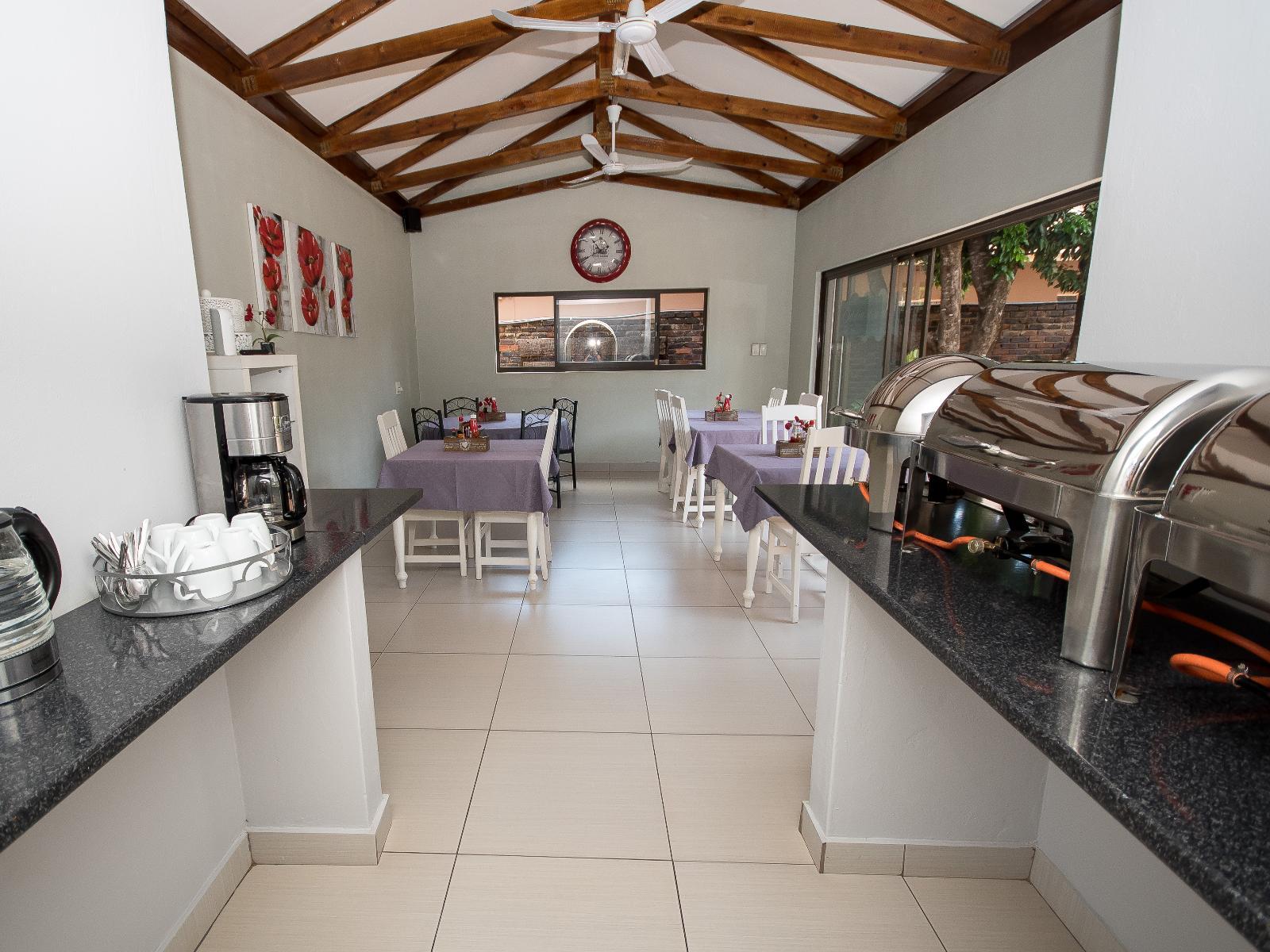
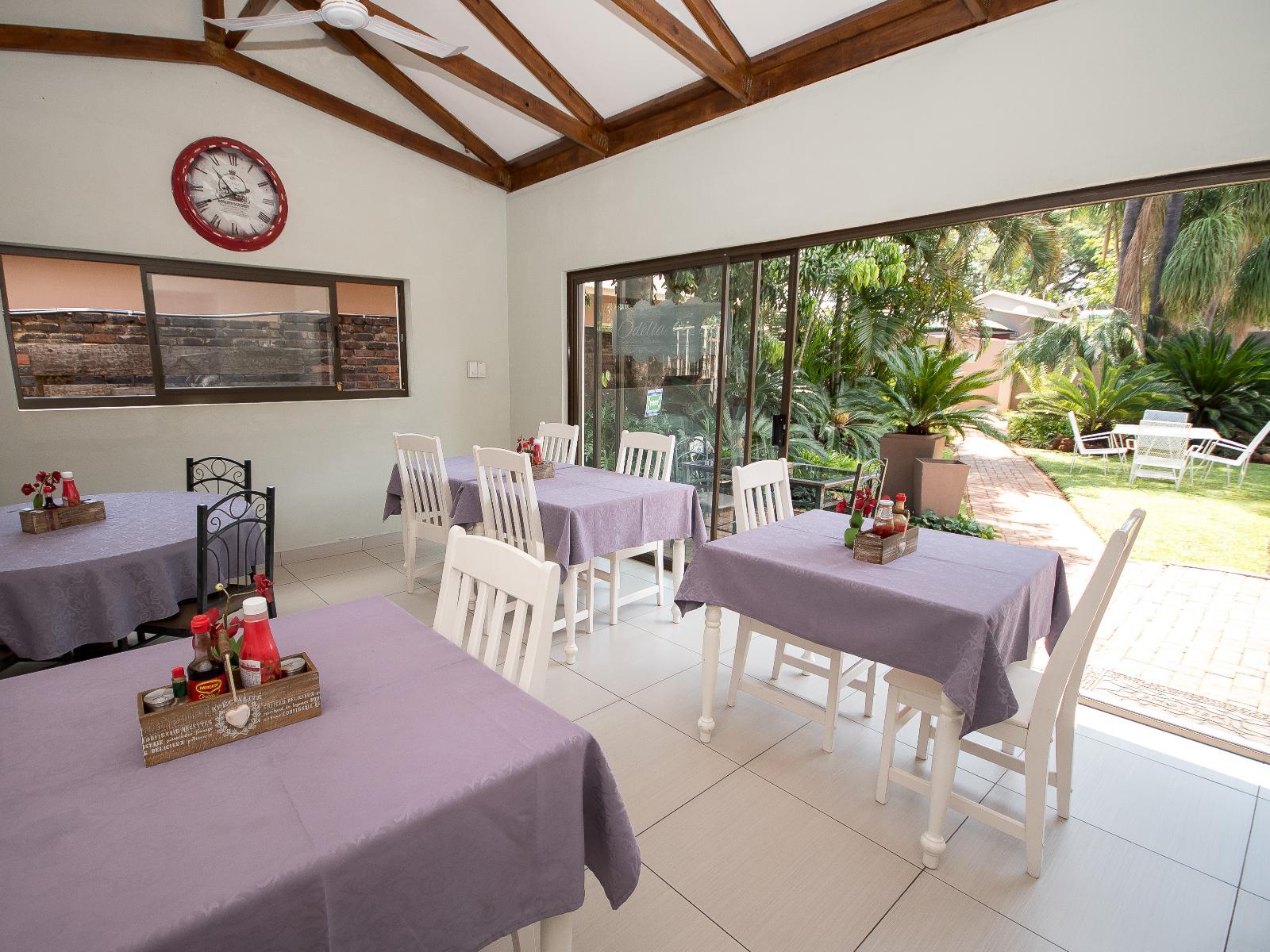
The lodge represents the more developed end of what Pholotsi offers. In this part of Limpopo, a lodge stay generally means en-suite rooms, some form of catering arrangement or a self-catering kitchen, and more predictable amenities than camping allows. It suits travellers who want a reliable base without the effort of full self-sufficiency. Given the area's rural character and proximity to mining communities rather than game reserves, the lodge here is unlikely to resemble the polished game-lodge model common further east. Rooms are more likely to be functional than decorated for atmosphere, and the experience reflects the practical hospitality common to rural Limpopo guesthouses. That is part of the point: accommodation in Pholotsi reflects the genuine character of a working rural community rather than packaging an experience for visitors.
Neither property is suited to large groups expecting resort-style facilities. Hosts in this area typically appreciate guests who communicate clearly about arrival times and requirements. Those who check meal arrangements and local supply options in advance tend to have the smoothest experience.
Best Time to Visit Pholotsi
The Lowveld climate shapes a visit to Pholotsi considerably. Summers, from November through March, bring heat that regularly exceeds 30 degrees Celsius alongside afternoon thunderstorms. The rains green up the bushveld and fill seasonal streams, but unpaved roads can become difficult after heavy downpours, and morning hours are the practical window for outdoor activity before the heat builds.
Winter, from May through August, brings clear skies, dry air, and noticeably cooler nights. Anyone camping should prepare for cold overnight conditions even when afternoons feel mild. Vegetation thins in the dry season, making it easier to spot wildlife and to read the broader landscape, including the escarpment features of the Leolo Mountains to the north.
April and the September to October window are transitional months. April carries the tail of the summer rains at lower temperatures, making it one of the more comfortable periods for those sensitive to extreme heat. October heats up quickly before the first rains arrive.
Pholotsi has no pronounced tourist peak. Regional visitors from Limpopo's urban centres may pass through during school holidays in December and April, but the area is not a high-traffic corridor. June and July offer the most settled road conditions and reliable clear weather, making them practical choices for anyone planning extensive driving on rural tracks.
Getting to Pholotsi
Private vehicle is the only practical way to reach Pholotsi. The village sits roughly 90 kilometres from Polokwane, the provincial capital, and about 40 kilometres from Burgersfort, the nearest town with fuel stations, shops, and other services. From Polokwane, the R37 runs south-east toward Burgersfort, and local roads from there lead into the Sekhukhune District.
From Johannesburg, the drive is approximately 350 kilometres via the N1 north to Polokwane, then east on the R37. Travellers from Nelspruit in Mpumalanga can approach from the east through the Steelpoort corridor. The final stretch into Pholotsi involves rural roads that are generally manageable in dry weather but can deteriorate after summer rain, so checking conditions with the accommodation provider before setting off is worthwhile.
The nearest commercial airports are at Polokwane and Hoedspruit. Polokwane Airport handles domestic flights from Johannesburg and Cape Town, and car hire is available there. Hoedspruit is better positioned for the Kruger region and less practical for Pholotsi. Since no scheduled transport runs directly to the village, a hired or private vehicle is essential. Minibus taxis operate between Burgersfort and surrounding communities but follow informal schedules and are not suited to travellers carrying luggage or camping gear.
Pholotsi and Surrounding Areas
The settlement pattern around Pholotsi is dense with small Pedi communities, most within 10 kilometres and each contributing to the social and agricultural character of the Sekhukhune interior.
Ga-Mokaba, 5 kilometres away, is the closest neighbouring community. It is a traditional homestead settlement where cattle keeping, small-scale crops, and extended family compounds shape daily life. Its position at the edge of Pholotsi's immediate radius makes it the most accessible day stop for visitors based in the village, and a short drive there and back is possible before the morning heat sets in during summer months.
Ga-Letwaba and Ga-Masenya, both roughly 6 kilometres away, sit along routes that thread through the broader network of village tracks crossing the district. Ga-Letwaba lies along a road connecting several communities and serves as a natural waypoint when driving through the area. Ga-Masenya's surroundings are shaped more by agricultural smallholdings, and the farmland around it differs in character from the denser settlement patterns closer to Pholotsi.
At 10 kilometres out, Tshamahansi, Ga-Tshaba, and Bultongfontein extend the day-trip radius into slightly more varied terrain. Tshamahansi and Ga-Tshaba are established community centres where schools, churches, and informal markets form the backbone of village activity. Driving through them offers a clearer picture of how daily life and small-scale commerce function in a part of Limpopo well outside the reach of urban infrastructure. Bultongfontein stands apart in both name and apparent origin. The Afrikaans name points to colonial-era farming history, roughly meaning "hill fountain" or "ridge spring," and the landscape around it sits at the transition between open bushveld and cultivated land, giving it a different character from the Pedi homestead villages nearby.
These destinations can be covered in a half-day circuit by vehicle. The roads vary in condition, and driving them at a deliberate pace, stopping where the landscape or activity draws attention, fits the unhurried character of the region.
Planning Your Stay
Accommodation availability in Pholotsi is limited, so booking ahead is strongly recommended for the December and Easter school holiday periods, as well as long weekends when regional visitors move around Limpopo. Last-minute bookings carry a genuine risk of finding nothing suitable within a reasonable distance.
Before confirming a reservation, establish whether meals are included or the property is self-catering. The answer determines how much food and equipment you need to carry. Top up fuel and buy groceries before turning off the main road, as the village itself does not have shops or service stations. When deciding between properties, the key variable is whether you need indoor sleeping arrangements or are comfortable camping with your own gear.
Mobile coverage in this part of the Sekhukhune District is variable. Download offline maps before leaving main roads, and ask the property for GPS coordinates rather than relying on address-based navigation, which often misplaces rural properties by several kilometres. For anyone planning to drive between surrounding communities, a vehicle with reasonable ground clearance handles the terrain more reliably than a standard sedan. Some access tracks become notably worse after summer rain and may be impassable until they dry out.