Tshamahansi Reis- & Akkommodasiegids
Jou volledige gids om Tshamahansi, Suid-Afrika te besoek.
2
Eiendomme
Gewildste
Lodge
Tshamahansi is a small rural settlement in Limpopo Province, located in the Greater Tzaneen area. The village serves as a gateway to the region's agricultural landscapes and provides access to the broader Tzaneen tourism corridor with its subtropical climate and natural attractions.
## Accommodation in Tshamahansi
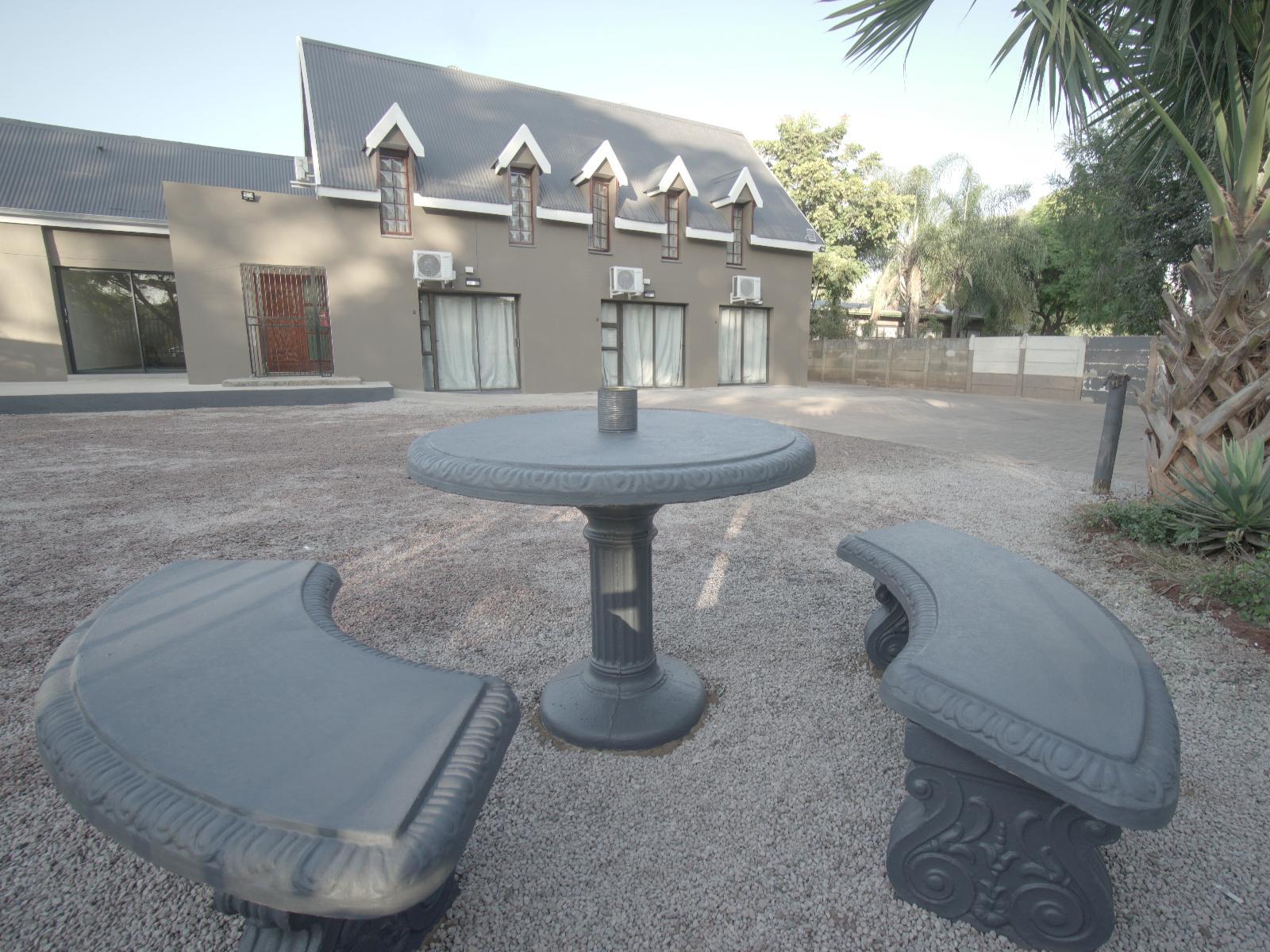
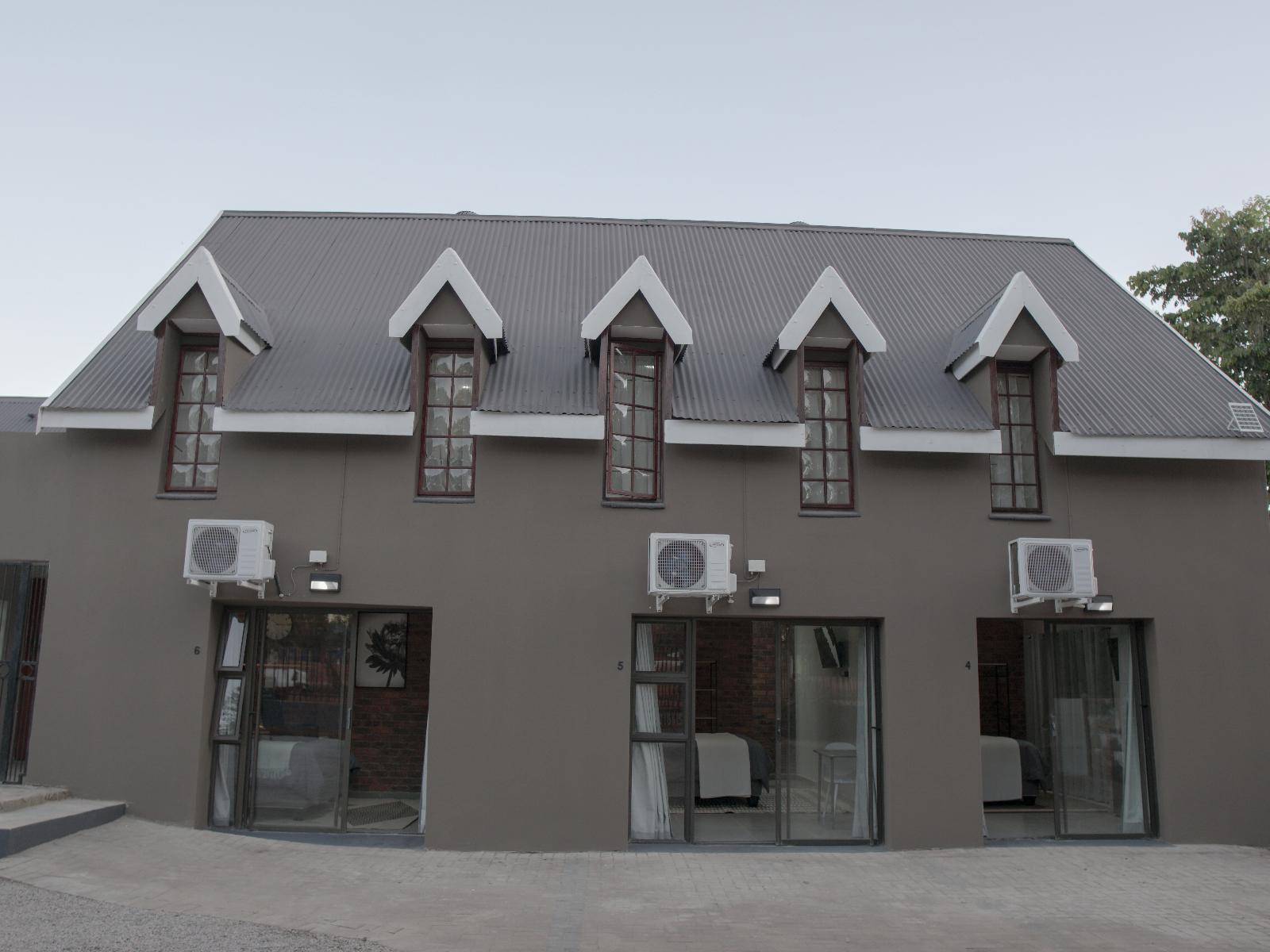
With two properties operating in the area, accommodation in Tshamahansi is small-scale by design. Rates are not publicly listed for either property, which is common in rural Limpopo where many establishments handle bookings by phone or through personal referral rather than online platforms. What both options share is a sense of place that larger commercial properties rarely offer.
At the budget end of the scale, the area's campsite provides the most accessible entry point for cost-conscious travelers. Camping in lowveld Limpopo means open nights under a wide sky with minimal light pollution, and sites in agricultural communities like Tshamahansi typically offer basic braai facilities and ablutions without the infrastructure of a formal camping park. This suits self-sufficient travelers who carry their own gear and want a genuine rural experience rather than a managed one.
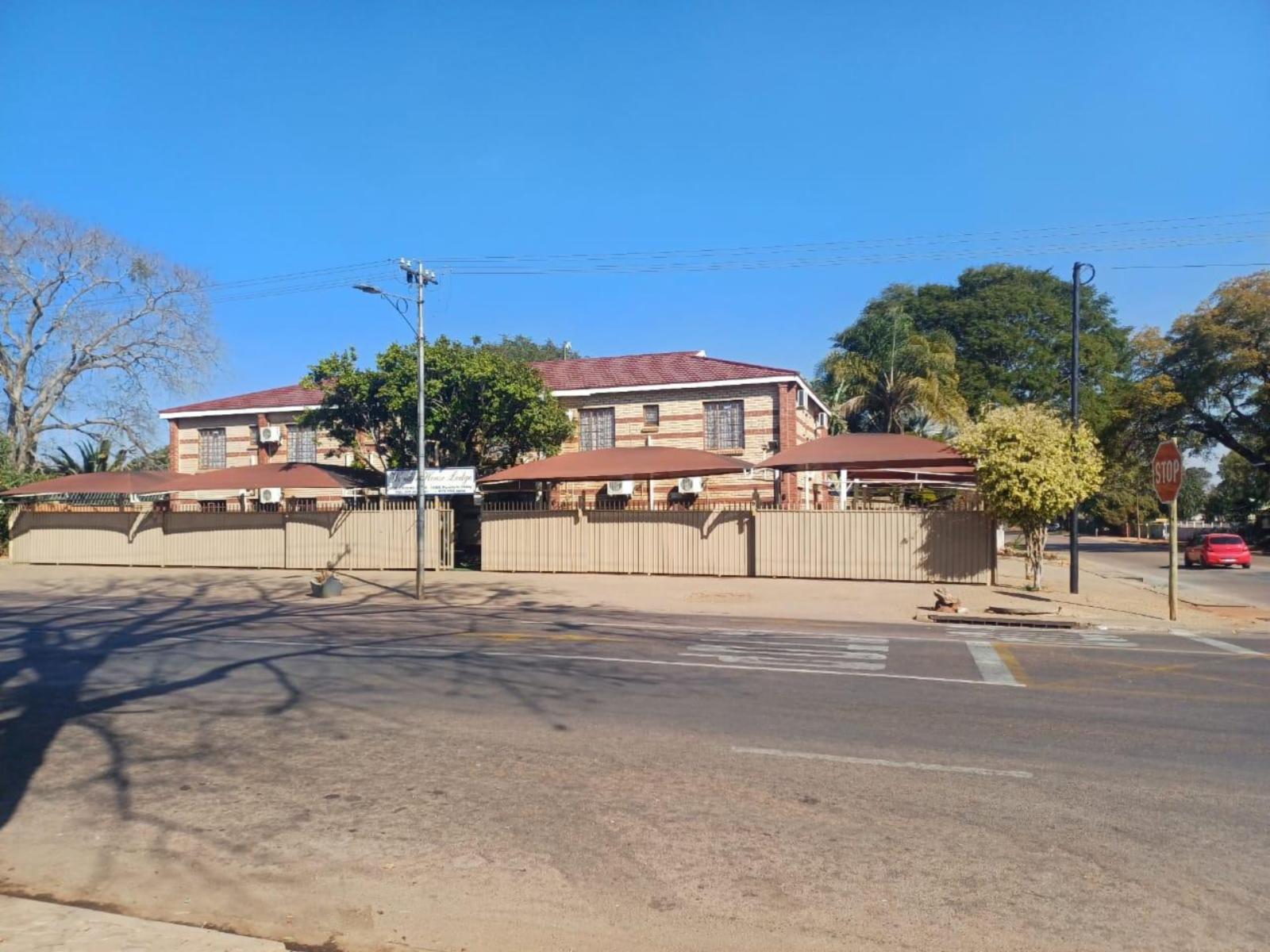
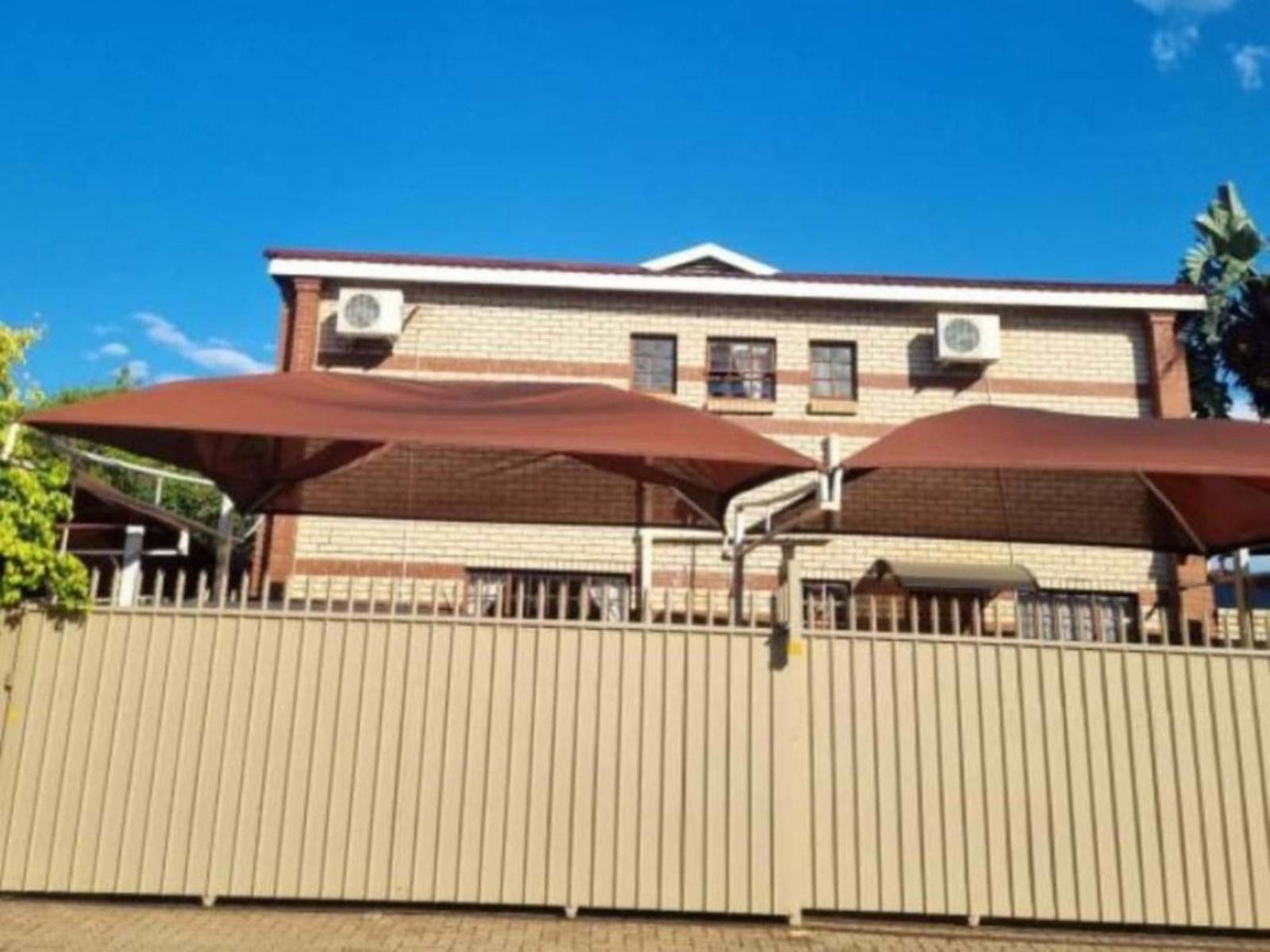
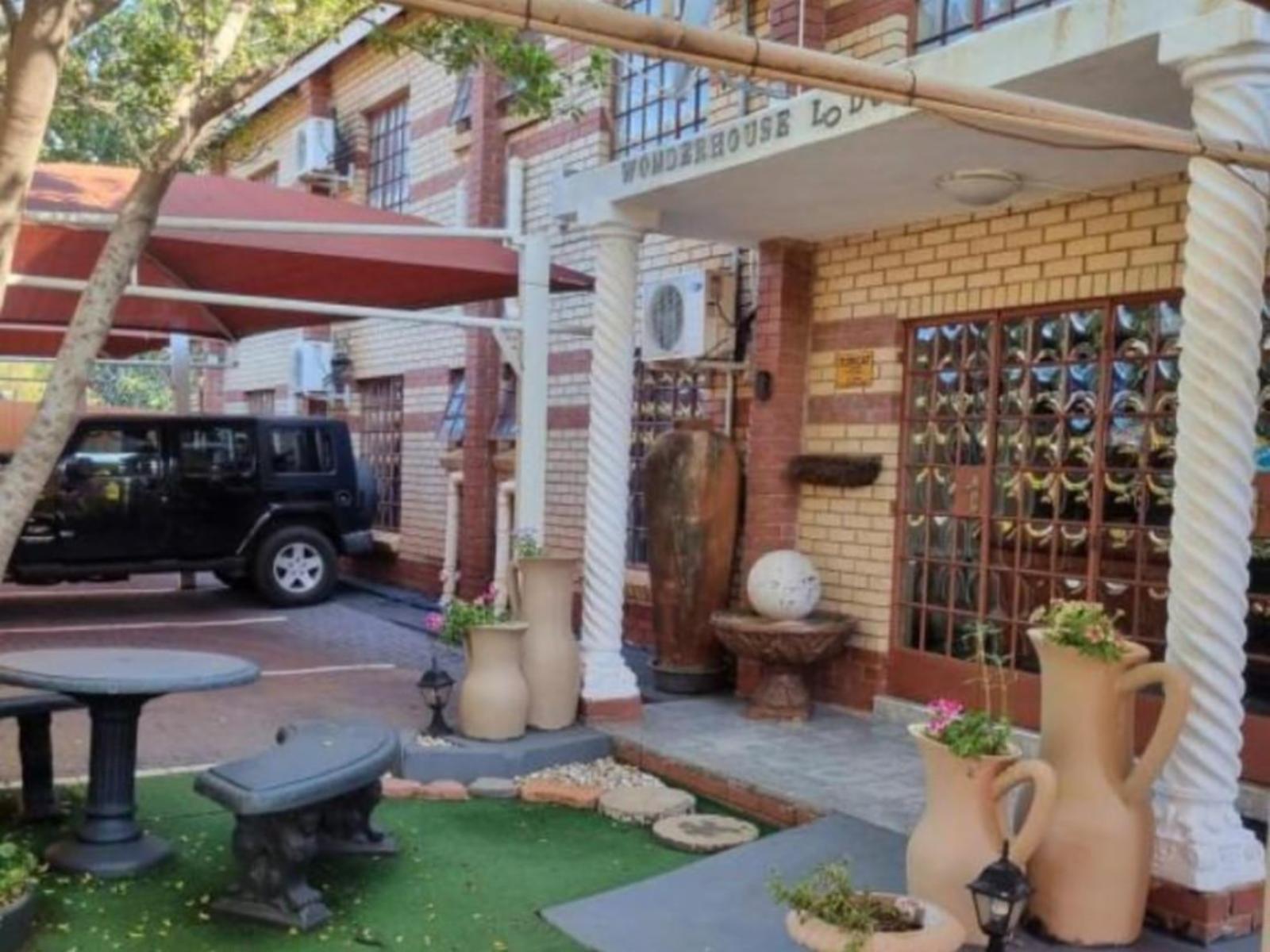
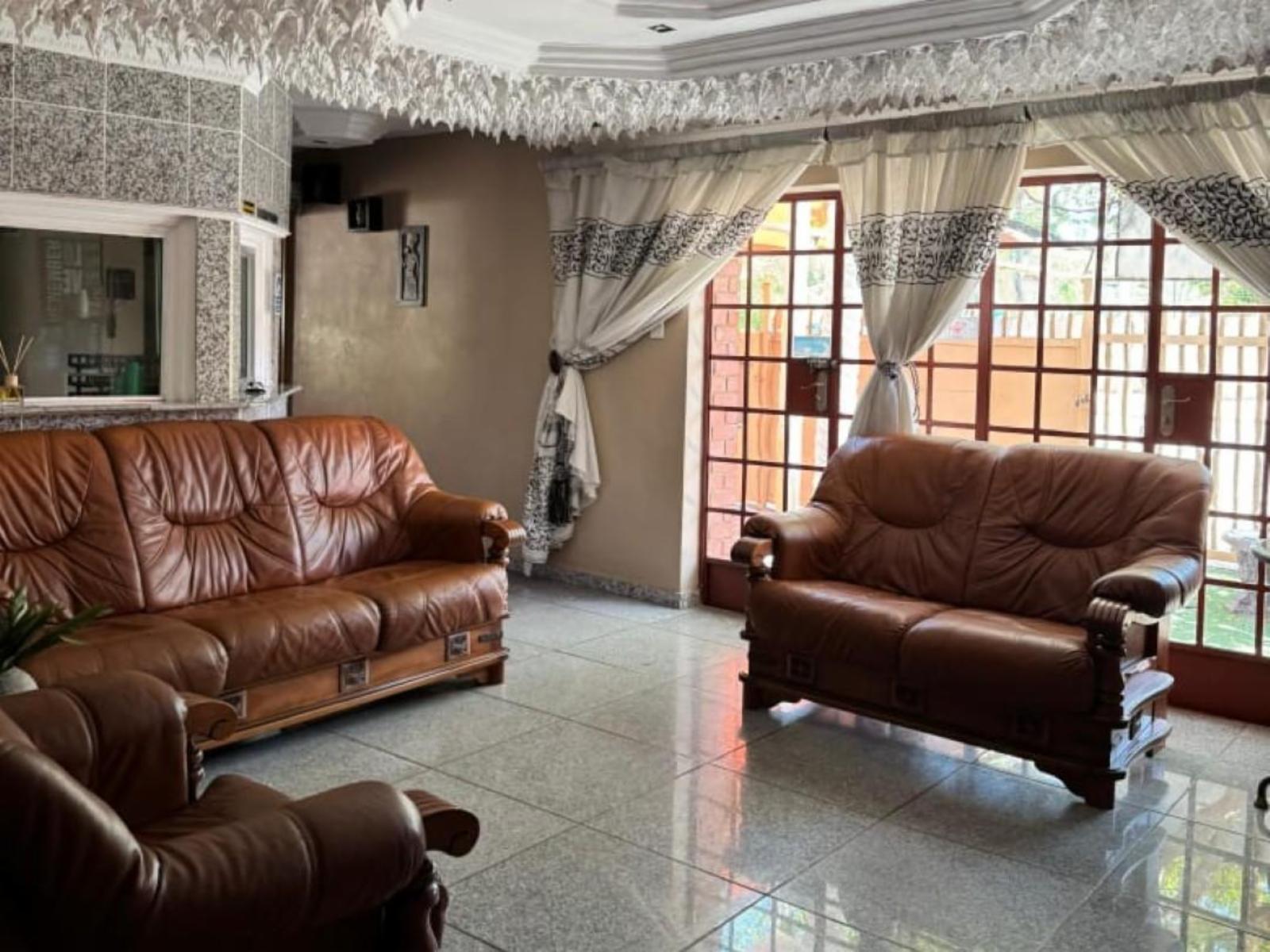
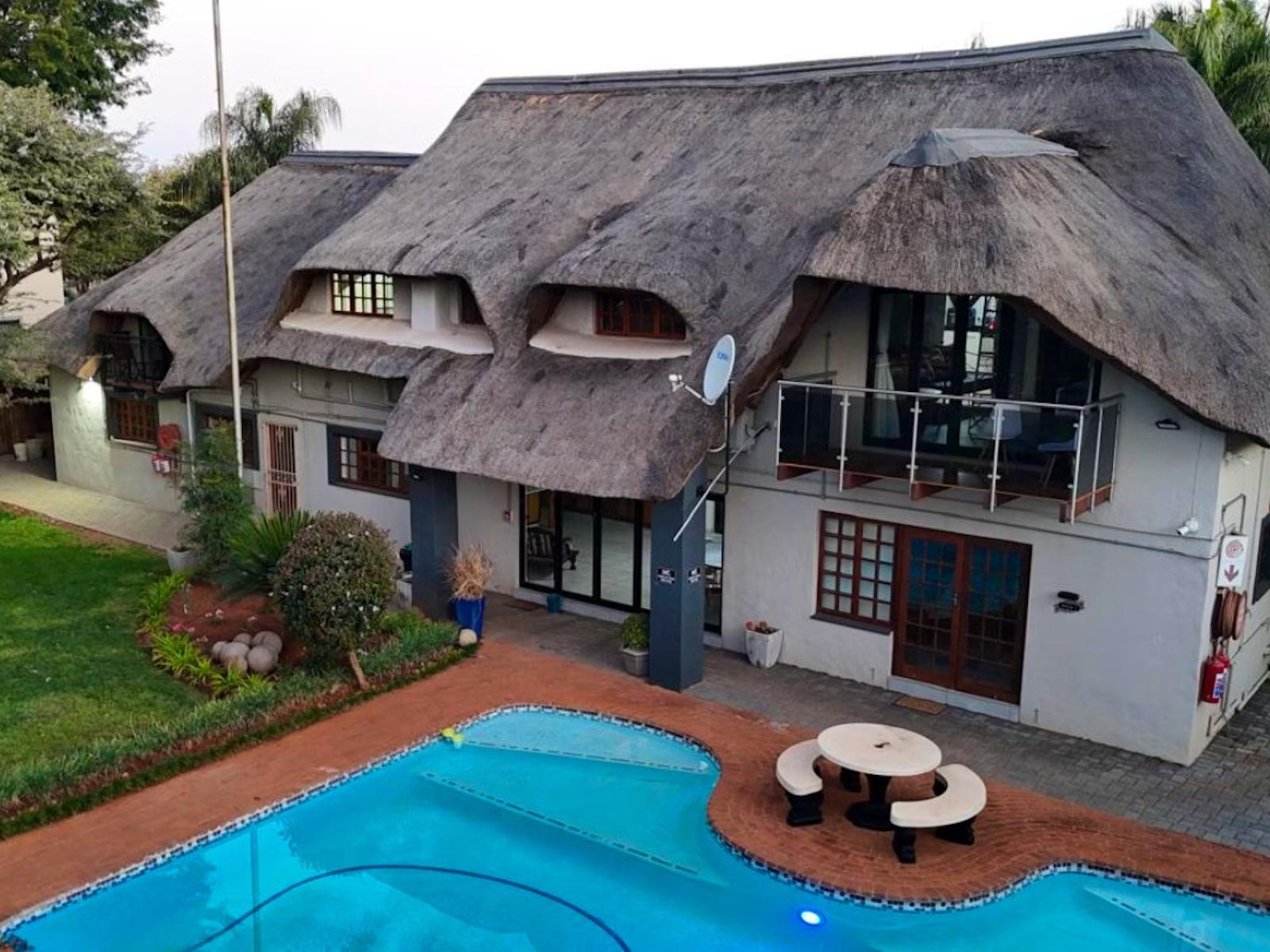
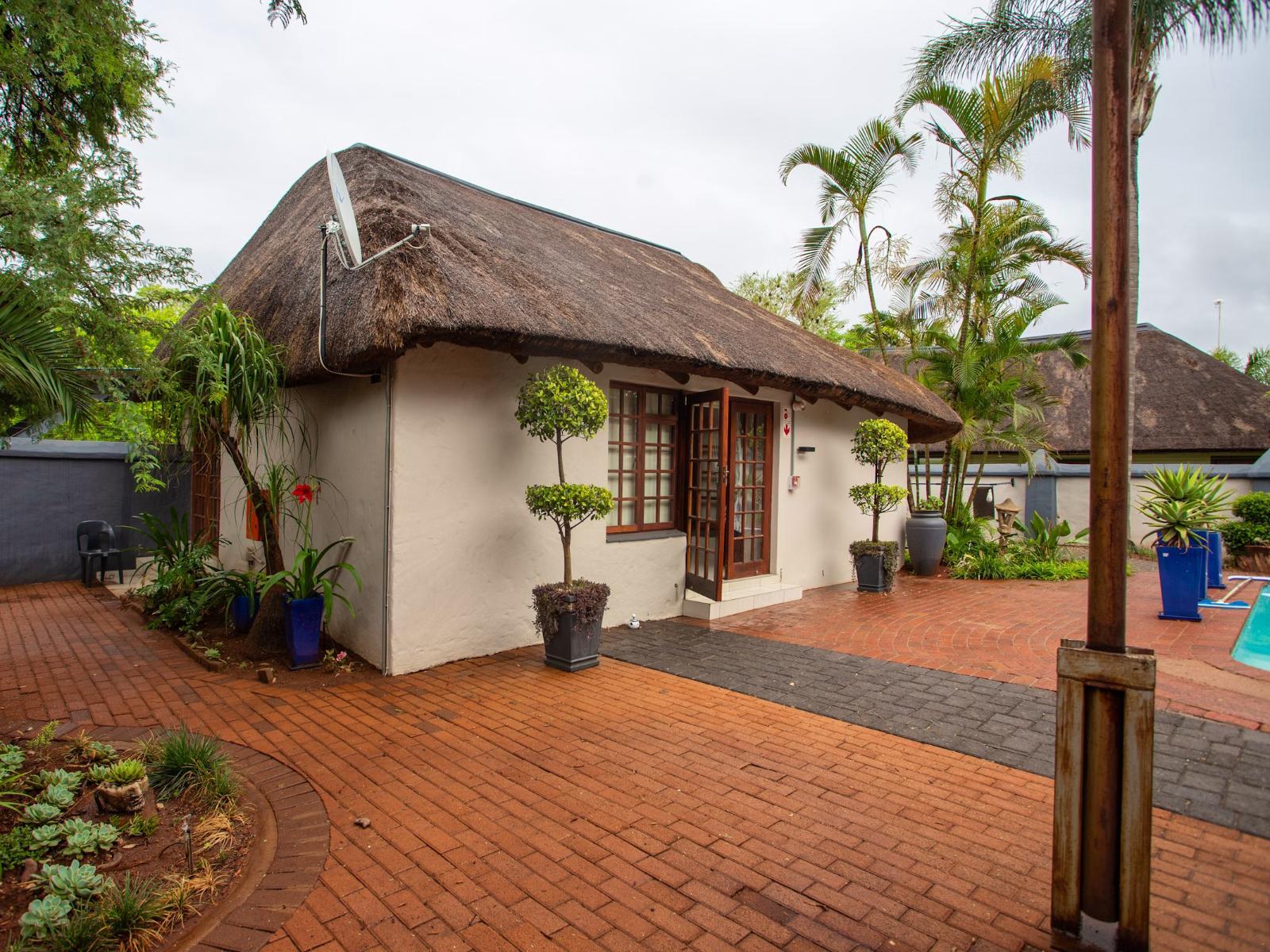
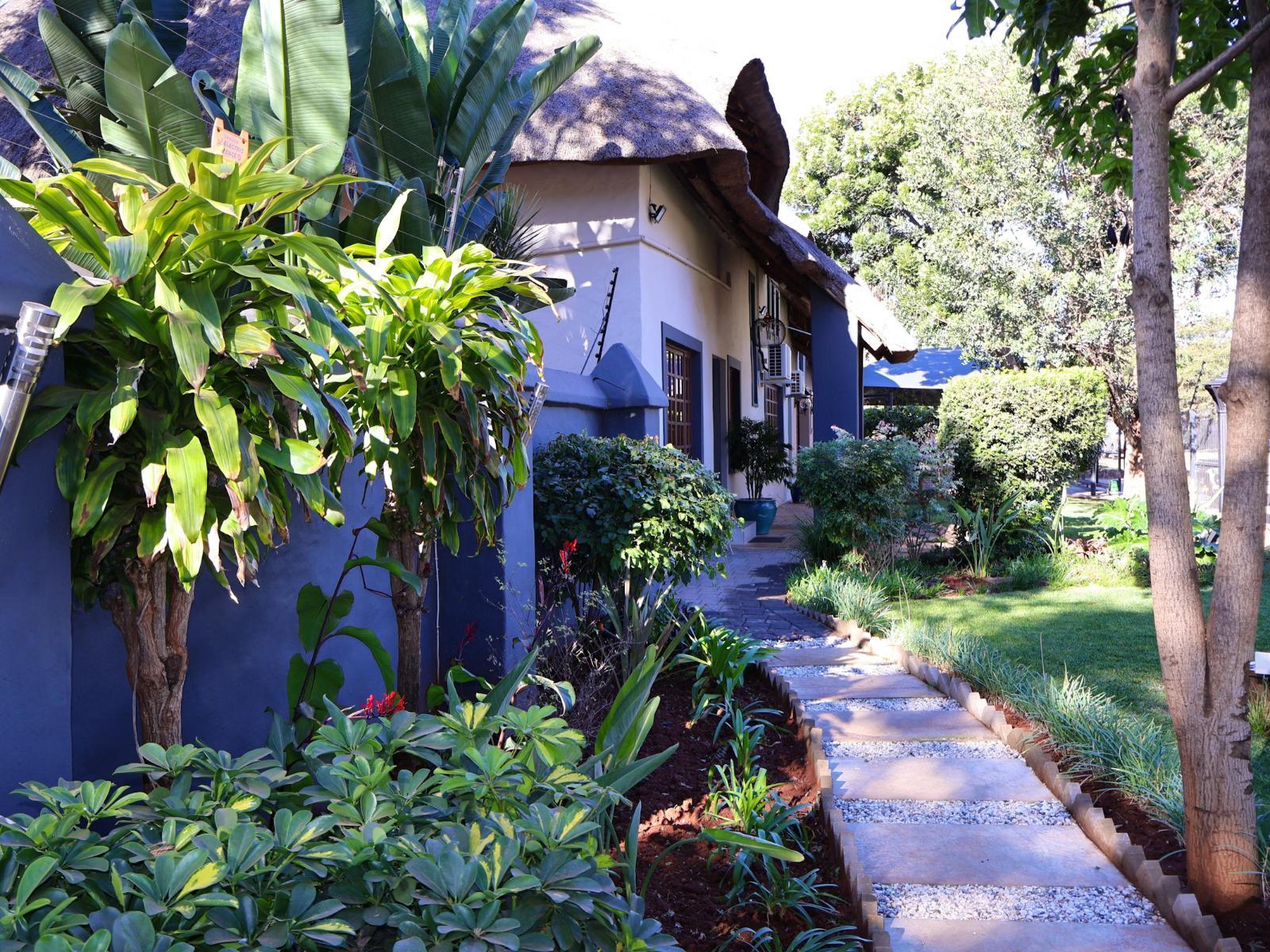
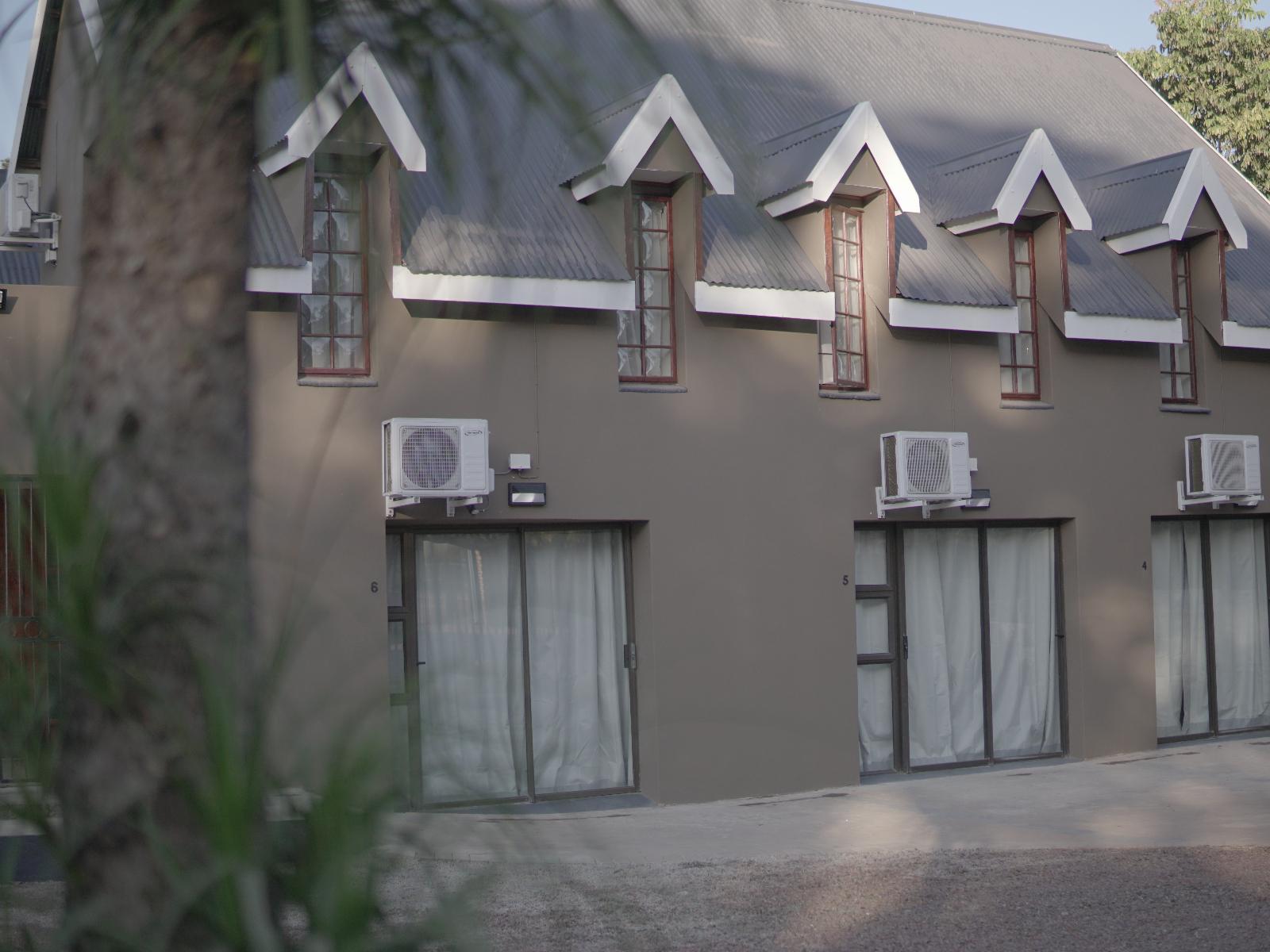
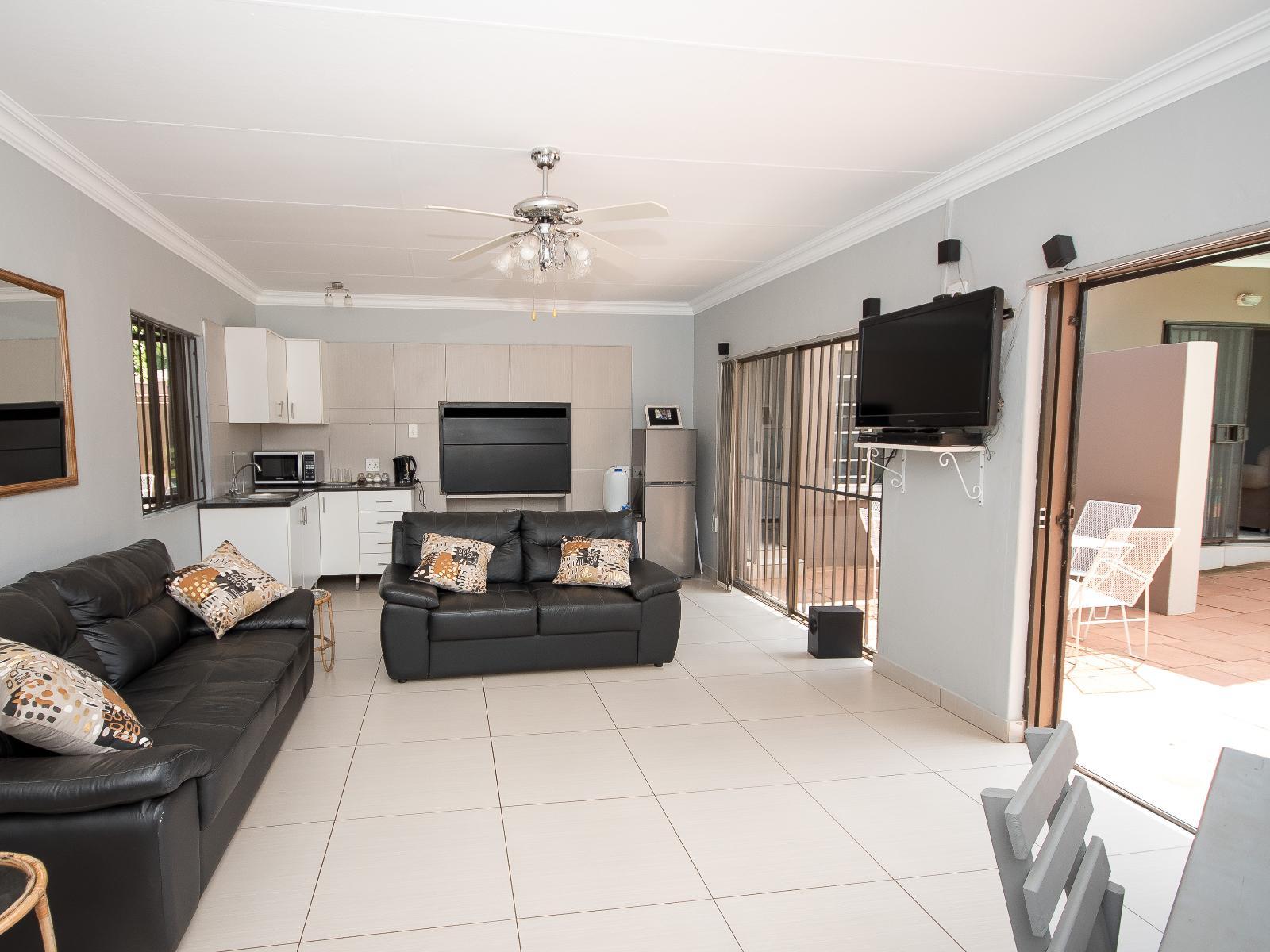
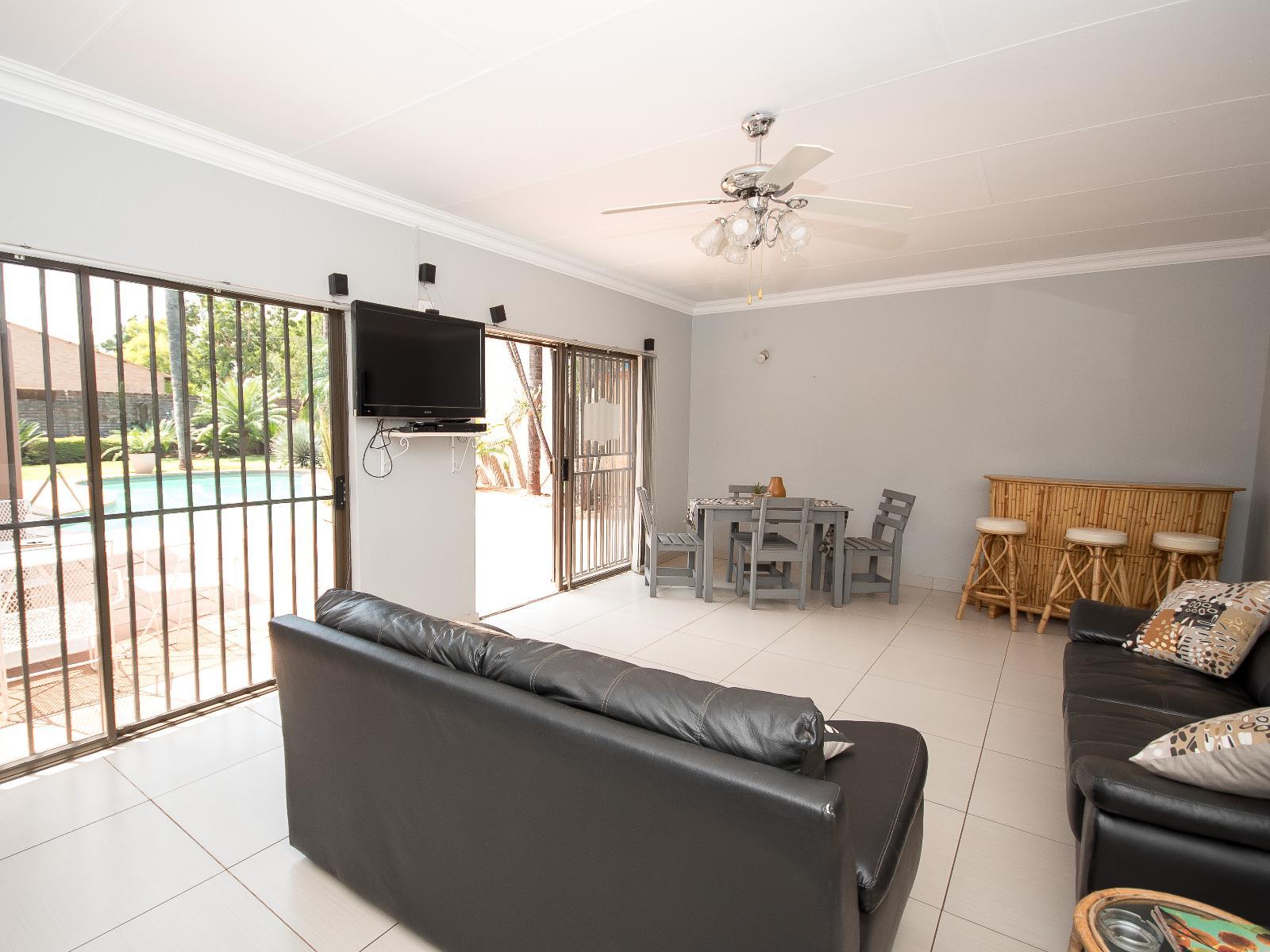
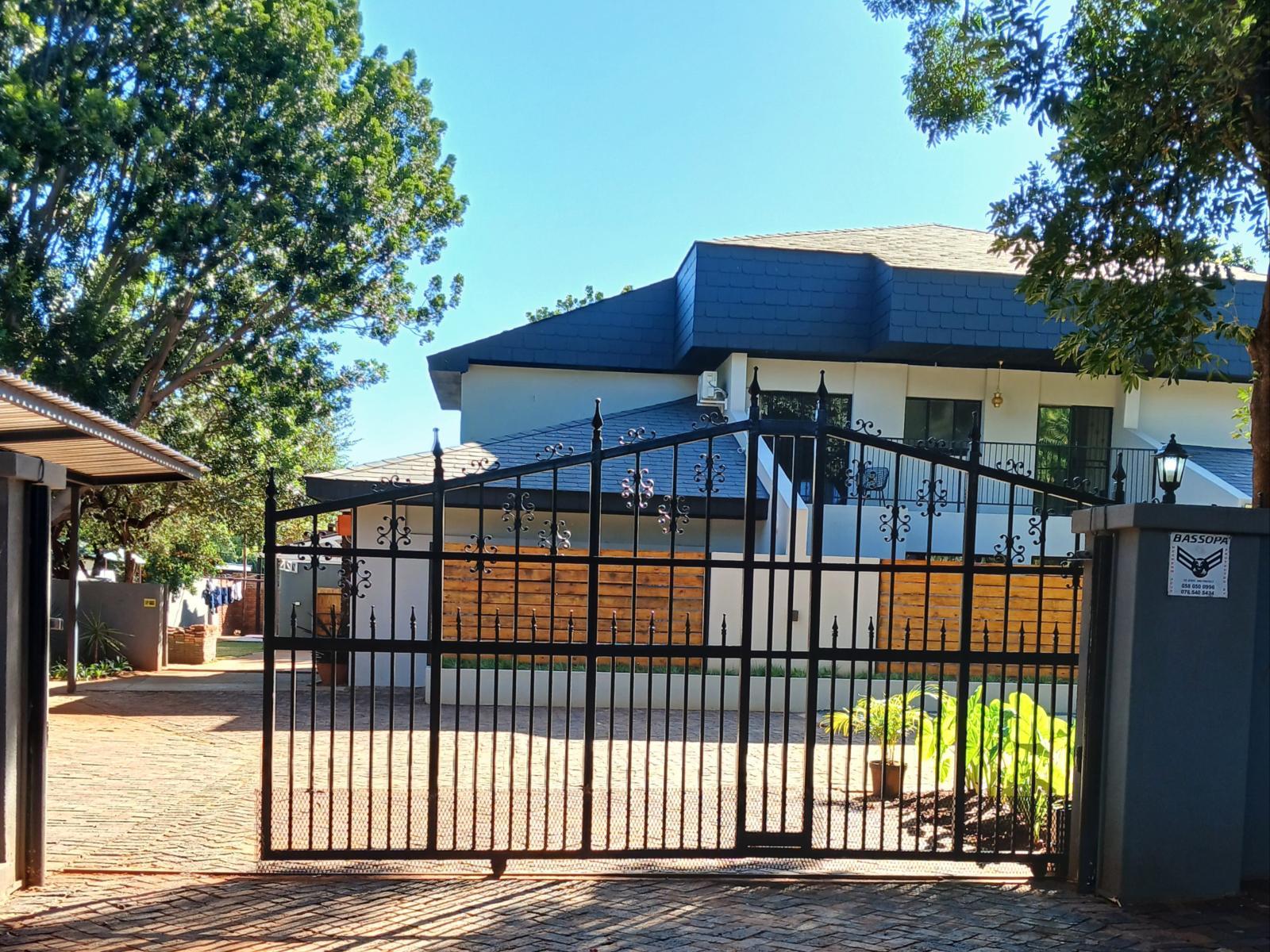
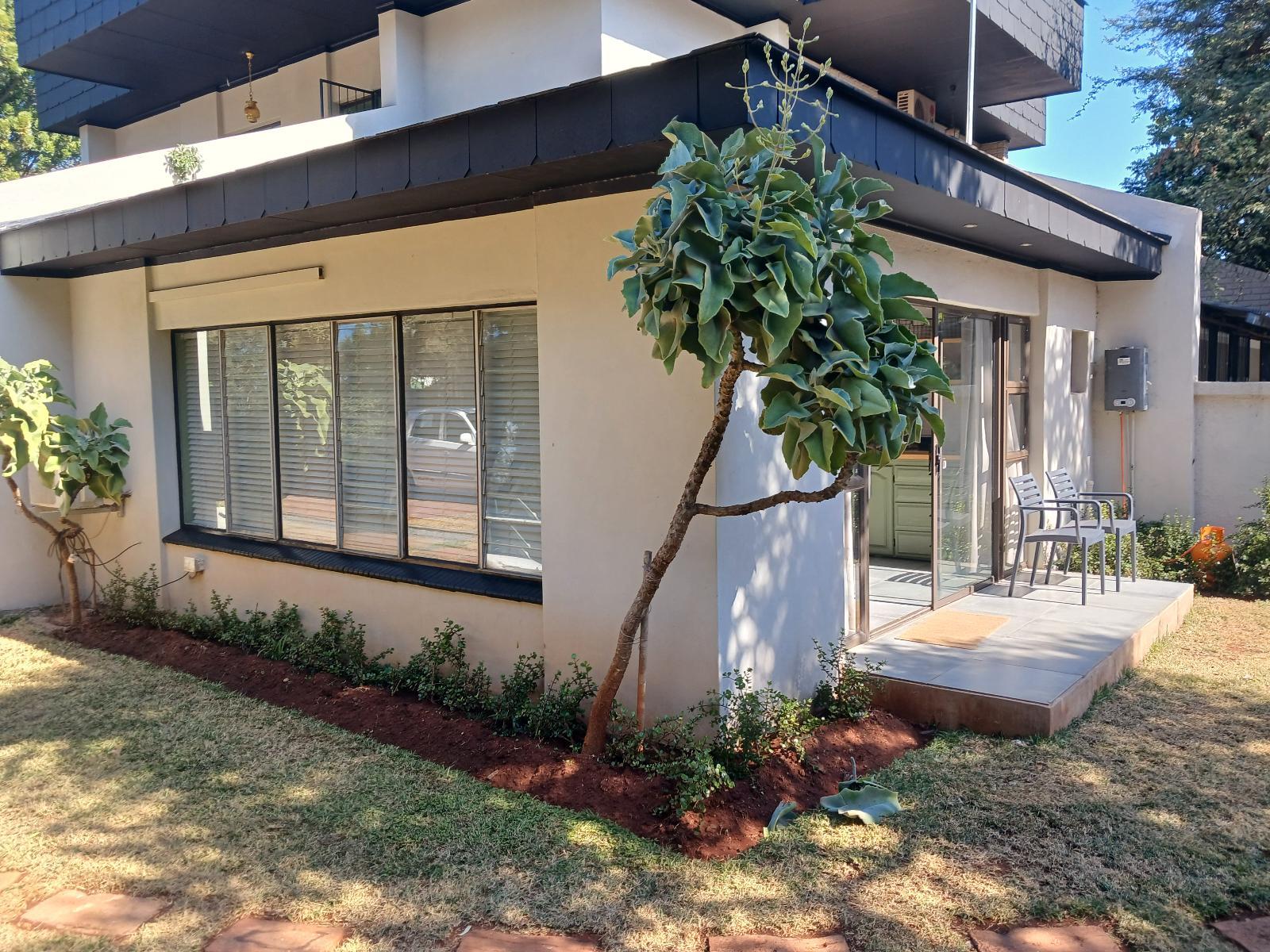
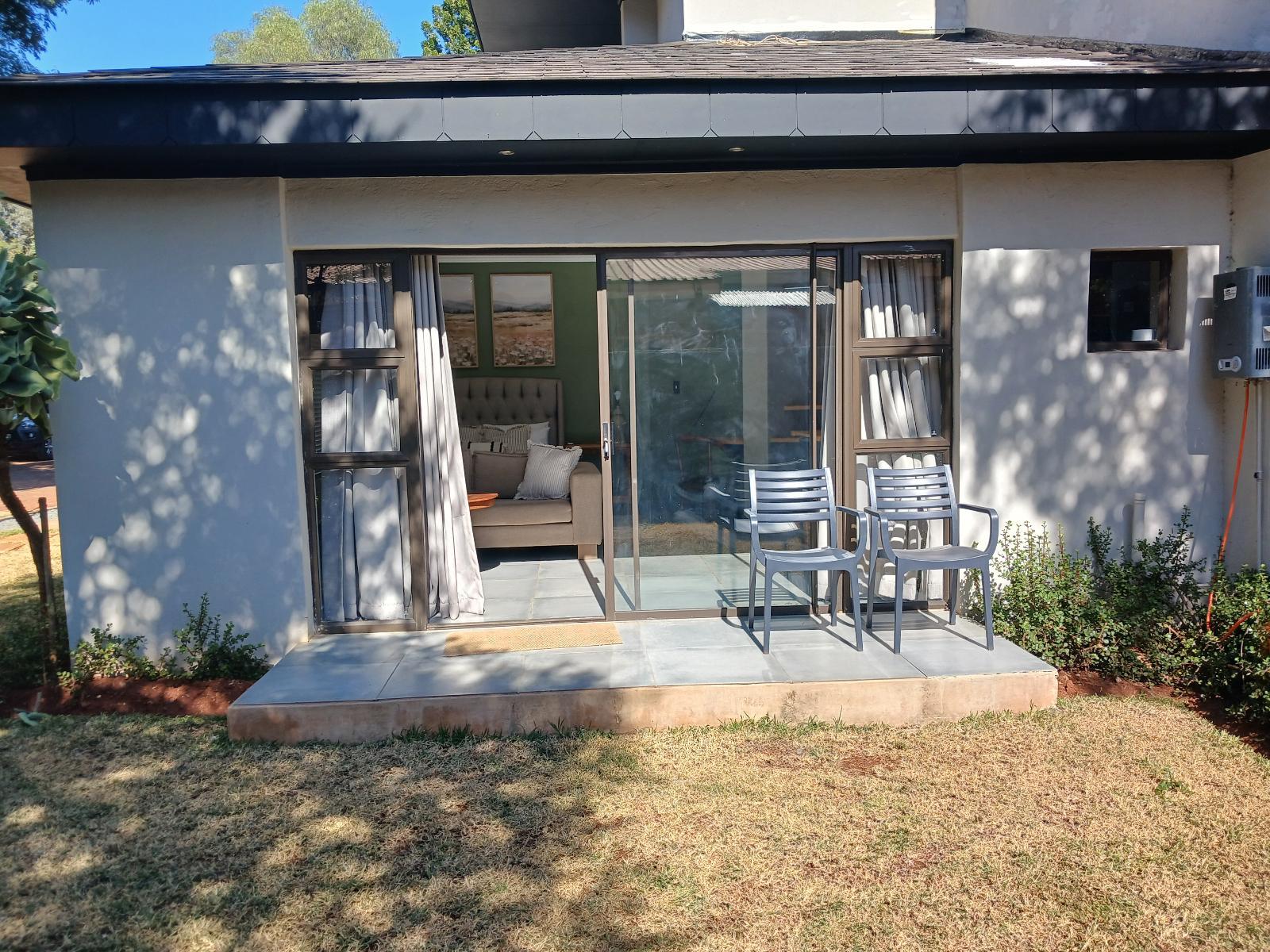
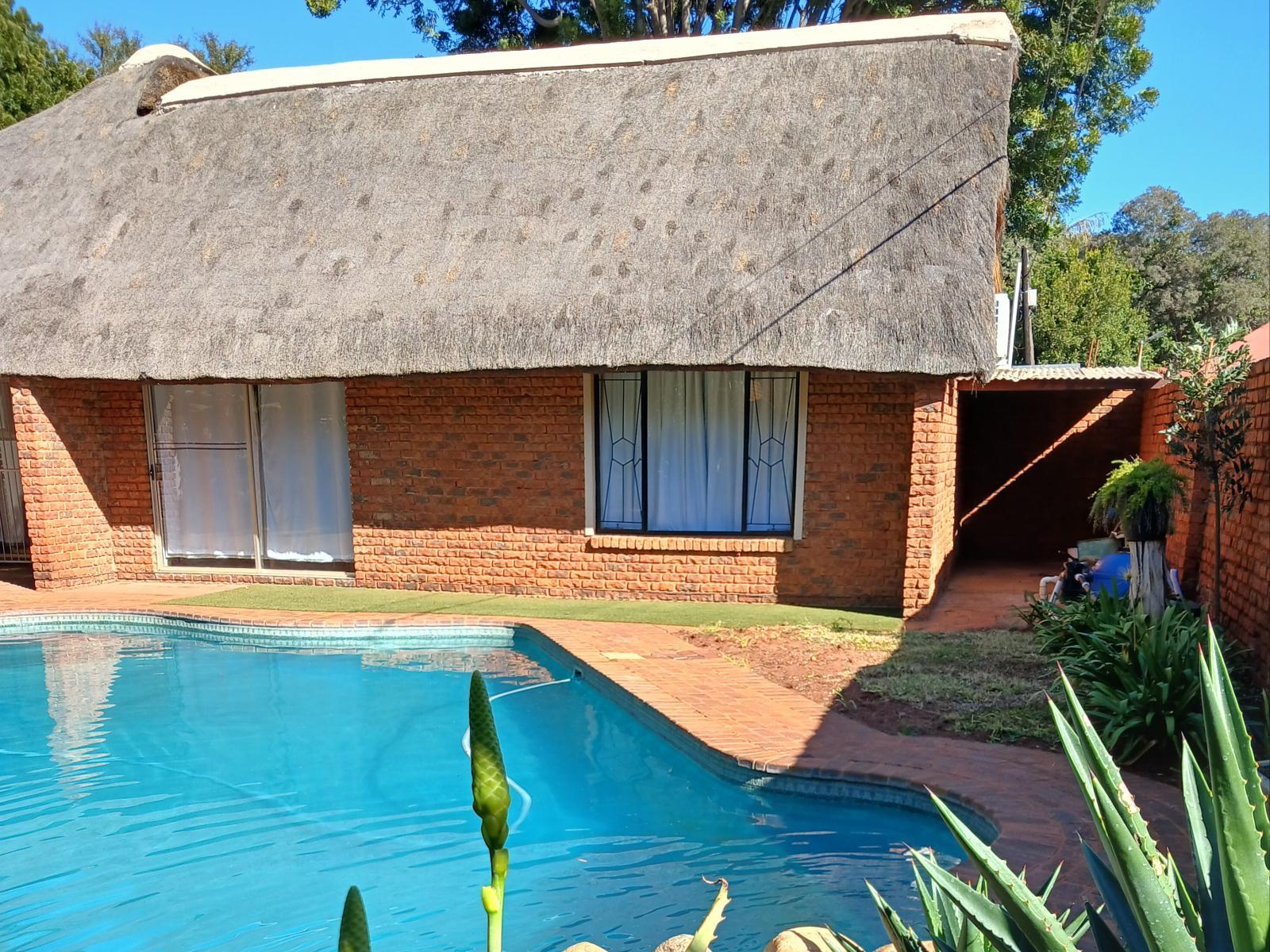
The single lodge in the area represents a step up in comfort, offering enclosed accommodation that is more practical for longer stays or for travelers who prefer not to camp. Limpopo lodges at this community level often operate as self-catering rondavels or chalets, giving guests independence without full hotel service. The communal character of the setting, surrounded by working farmland and away from any commercial strip, is the draw rather than a list of amenities.
Neither property is suited to visitors seeking hotel-grade facilities or entertainment infrastructure. The accommodation here works best as a base for people who want to spend their time outdoors exploring the surrounding countryside. Because the total number of beds available in Tshamahansi is small, the lodge in particular can fill during regional public holidays and the December school break. For visitors with fixed dates, early direct contact with properties is important rather than assuming last-minute availability.
---
## Best Time to Visit Tshamahansi
The calendar divides into two distinct travel windows. The summer wet season runs from November through March, when the Mopani District receives most of its annual rainfall through afternoon and evening thunderstorms. The lowveld landscape responds dramatically: scrub turns green, river systems run full, and the area's waterfalls are at their most active. For visitors interested in watching vegetation and birdlife at their most productive, these months have genuine appeal. The downside is heat and humidity that make outdoor activity uncomfortable during midday hours, and some rural roads become difficult after prolonged downpours.
The dry winter from May to August suits most outdoor activities considerably better. Temperatures are mild during the day and cold at night, the air is clear, and the absence of rain makes hiking in the nearby mountain terrain more predictable and pleasant. This is the season when the forested escarpment west of the Tzaneen corridor is most commonly visited.
April, September, and October offer reasonable middle-ground conditions. October is particularly good for birdwatching as summer migrants return and vegetation begins flowering before the rains establish. School holiday periods in July and December increase visitor numbers across rural Limpopo, so properties that would otherwise have open availability can book out with little warning.
---
## Getting to Tshamahansi
Most visitors arrive by private vehicle, as scheduled public transport does not serve the settlement directly. The R36 connects Tzaneen to communities in this part of the Mopani District, and the final stretch into Tshamahansi includes surfaces that vary from tarred to packed gravel depending on the route taken.
Driving from Polokwane, the provincial capital, takes approximately two hours via the R71 through the escarpment. From Johannesburg, the trip requires four to five hours along the N1 north before turning east toward Tzaneen. For travelers arriving by air, Polokwane International Airport handles regular domestic flights and the drive east to Tshamahansi takes around two hours from there. Tzaneen's own small regional airfield handles limited charter traffic but is not served by scheduled commercial airlines.
Self-drive is the practical choice for getting around once in the area. A standard sedan manages most routes, though a vehicle with decent ground clearance is useful if you plan to explore minor tracks through the surrounding farmland. Car hire should be arranged in advance through Polokwane if you are arriving by air, as no hire facilities operate in the settlement itself.
---
## Tshamahansi and Surrounding Areas
The communities within 15 kilometers of Tshamahansi are rural settlements that share the agricultural and cultural character of this part of the Mopani District. These are not commercial tourist destinations, but they give context to the wider landscape and reward visitors who are willing to explore beyond their accommodation.
**Ga-Mokaba**, 5 kilometers away, is a typical example of villages in this corridor. The "Ga-" prefix in Limpopo place names denotes association with a particular family or chief, and communities like Ga-Mokaba maintain governance structures rooted in traditional authority. Passing through on a driving loop gives a clearer picture of how rural communities in this area are organized and how land is used.
**Ga-Letwaba**, 6 kilometers out, takes its name from the Letwaba River, one of the important water sources in the Tzaneen catchment. The river system supports irrigation for farms throughout the district and has historically defined how communities settled along its banks. A short detour toward the river provides a different perspective on the lowveld environment.
**Bultongfontein**, at 9 kilometers, is an Afrikaans-named settlement suggesting an original water source, "fontein" meaning a spring or fountain. Small settlements with this naming pattern in Limpopo often originated as stopping points on old farm roads, and the place retains something of that crossroads character.
**Pholotsi**, 10 kilometers from Tshamahansi, sits within the same agricultural belt. The smallholder maize plots and subsistence farming visible from the road are representative of how land use functions across this region, and the settlement provides a grounded contrast to the more tourist-oriented areas further west.
**Mokopane** (11km) and **Potgietersrus** (13km) carry considerable historical weight in Limpopo, associating the immediate region with both pre-colonial settlement patterns and the later Voortrekker frontier era. As short day trips from Tshamahansi, they add historical and cultural depth to a stay that might otherwise focus entirely on the natural landscape.
---
## Planning Your Stay
Booking directly with properties is the most reliable approach in Tshamahansi. Rural Limpopo accommodations do not always maintain live availability on third-party platforms, so confirming by phone before committing to travel dates saves potential complications. If your dates fall during a school holiday or long weekend, contact properties three to four weeks in advance rather than leaving it to the last moment.
Before finalizing any booking, ask specifically whether the property is self-catering or whether meals can be arranged, what linen is provided, and whether the site has reliable water and electricity. Solar power and borehole water are common in rural areas and generally work well, but knowing what to expect helps with preparation. Ask also about the current condition of access roads if you are traveling in a low-clearance vehicle.
Mobile data signal drops in pockets of the Mopani District, so downloading offline maps and saving property contact numbers before leaving urban areas is sensible. Withdraw cash and fill your tank before heading out from Tzaneen, as neither ATMs nor petrol stations operate locally. Carrying a small surplus of drinking water, basic food provisions, and a first aid kit is standard preparation for any rural Limpopo trip, particularly if you intend to spend time exploring the surrounding countryside away from the main road.

With two properties operating in the area, accommodation in Tshamahansi is small-scale by design. Rates are not publicly listed for either property, which is common in rural Limpopo where many establishments handle bookings by phone or through personal referral rather than online platforms. What both options share is a sense of place that larger commercial properties rarely offer.
At the budget end of the scale, the area's campsite provides the most accessible entry point for cost-conscious travelers. Camping in lowveld Limpopo means open nights under a wide sky with minimal light pollution, and sites in agricultural communities like Tshamahansi typically offer basic braai facilities and ablutions without the infrastructure of a formal camping park. This suits self-sufficient travelers who carry their own gear and want a genuine rural experience rather than a managed one.
The single lodge in the area represents a step up in comfort, offering enclosed accommodation that is more practical for longer stays or for travelers who prefer not to camp. Limpopo lodges at this community level often operate as self-catering rondavels or chalets, giving guests independence without full hotel service. The communal character of the setting, surrounded by working farmland and away from any commercial strip, is the draw rather than a list of amenities.
Neither property is suited to visitors seeking hotel-grade facilities or entertainment infrastructure. The accommodation here works best as a base for people who want to spend their time outdoors exploring the surrounding countryside. Because the total number of beds available in Tshamahansi is small, the lodge in particular can fill during regional public holidays and the December school break. For visitors with fixed dates, early direct contact with properties is important rather than assuming last-minute availability.
---
## Best Time to Visit Tshamahansi
The calendar divides into two distinct travel windows. The summer wet season runs from November through March, when the Mopani District receives most of its annual rainfall through afternoon and evening thunderstorms. The lowveld landscape responds dramatically: scrub turns green, river systems run full, and the area's waterfalls are at their most active. For visitors interested in watching vegetation and birdlife at their most productive, these months have genuine appeal. The downside is heat and humidity that make outdoor activity uncomfortable during midday hours, and some rural roads become difficult after prolonged downpours.
The dry winter from May to August suits most outdoor activities considerably better. Temperatures are mild during the day and cold at night, the air is clear, and the absence of rain makes hiking in the nearby mountain terrain more predictable and pleasant. This is the season when the forested escarpment west of the Tzaneen corridor is most commonly visited.
April, September, and October offer reasonable middle-ground conditions. October is particularly good for birdwatching as summer migrants return and vegetation begins flowering before the rains establish. School holiday periods in July and December increase visitor numbers across rural Limpopo, so properties that would otherwise have open availability can book out with little warning.
---
## Getting to Tshamahansi
Most visitors arrive by private vehicle, as scheduled public transport does not serve the settlement directly. The R36 connects Tzaneen to communities in this part of the Mopani District, and the final stretch into Tshamahansi includes surfaces that vary from tarred to packed gravel depending on the route taken.
Driving from Polokwane, the provincial capital, takes approximately two hours via the R71 through the escarpment. From Johannesburg, the trip requires four to five hours along the N1 north before turning east toward Tzaneen. For travelers arriving by air, Polokwane International Airport handles regular domestic flights and the drive east to Tshamahansi takes around two hours from there. Tzaneen's own small regional airfield handles limited charter traffic but is not served by scheduled commercial airlines.
Self-drive is the practical choice for getting around once in the area. A standard sedan manages most routes, though a vehicle with decent ground clearance is useful if you plan to explore minor tracks through the surrounding farmland. Car hire should be arranged in advance through Polokwane if you are arriving by air, as no hire facilities operate in the settlement itself.
---
## Tshamahansi and Surrounding Areas
The communities within 15 kilometers of Tshamahansi are rural settlements that share the agricultural and cultural character of this part of the Mopani District. These are not commercial tourist destinations, but they give context to the wider landscape and reward visitors who are willing to explore beyond their accommodation.
**Ga-Mokaba**, 5 kilometers away, is a typical example of villages in this corridor. The "Ga-" prefix in Limpopo place names denotes association with a particular family or chief, and communities like Ga-Mokaba maintain governance structures rooted in traditional authority. Passing through on a driving loop gives a clearer picture of how rural communities in this area are organized and how land is used.
**Ga-Letwaba**, 6 kilometers out, takes its name from the Letwaba River, one of the important water sources in the Tzaneen catchment. The river system supports irrigation for farms throughout the district and has historically defined how communities settled along its banks. A short detour toward the river provides a different perspective on the lowveld environment.
**Bultongfontein**, at 9 kilometers, is an Afrikaans-named settlement suggesting an original water source, "fontein" meaning a spring or fountain. Small settlements with this naming pattern in Limpopo often originated as stopping points on old farm roads, and the place retains something of that crossroads character.
**Pholotsi**, 10 kilometers from Tshamahansi, sits within the same agricultural belt. The smallholder maize plots and subsistence farming visible from the road are representative of how land use functions across this region, and the settlement provides a grounded contrast to the more tourist-oriented areas further west.
**Mokopane** (11km) and **Potgietersrus** (13km) carry considerable historical weight in Limpopo, associating the immediate region with both pre-colonial settlement patterns and the later Voortrekker frontier era. As short day trips from Tshamahansi, they add historical and cultural depth to a stay that might otherwise focus entirely on the natural landscape.
---
## Planning Your Stay
Booking directly with properties is the most reliable approach in Tshamahansi. Rural Limpopo accommodations do not always maintain live availability on third-party platforms, so confirming by phone before committing to travel dates saves potential complications. If your dates fall during a school holiday or long weekend, contact properties three to four weeks in advance rather than leaving it to the last moment.
Before finalizing any booking, ask specifically whether the property is self-catering or whether meals can be arranged, what linen is provided, and whether the site has reliable water and electricity. Solar power and borehole water are common in rural areas and generally work well, but knowing what to expect helps with preparation. Ask also about the current condition of access roads if you are traveling in a low-clearance vehicle.
Mobile data signal drops in pockets of the Mopani District, so downloading offline maps and saving property contact numbers before leaving urban areas is sensible. Withdraw cash and fill your tank before heading out from Tzaneen, as neither ATMs nor petrol stations operate locally. Carrying a small surplus of drinking water, basic food provisions, and a first aid kit is standard preparation for any rural Limpopo trip, particularly if you intend to spend time exploring the surrounding countryside away from the main road.
Tipes Akkommodasie in Tshamahansi
Akkommodasiepryse in Tshamahansi
Tshamahansi Kaart
Nabygeleë Bestemmings
Blaai Deur Alle Tshamahansi Akkommodasie
Bekyk al 2 akkommodasie-opsies in Tshamahansi met foto's, pryse en beskikbaarheid.
Blaai Deur Alle Akkommodasie