Accommodation in Ga-maja
The accommodation market in Ga-maja sits well outside mainstream booking platforms, reflecting the village's position as an agricultural community rather than a destination built for visitors. No verified listings appear in current databases for the area, and pricing is seldom published online. Most properties operate through direct inquiry, by phone or message, which means the booking process itself requires a different approach from what travelers expect elsewhere.
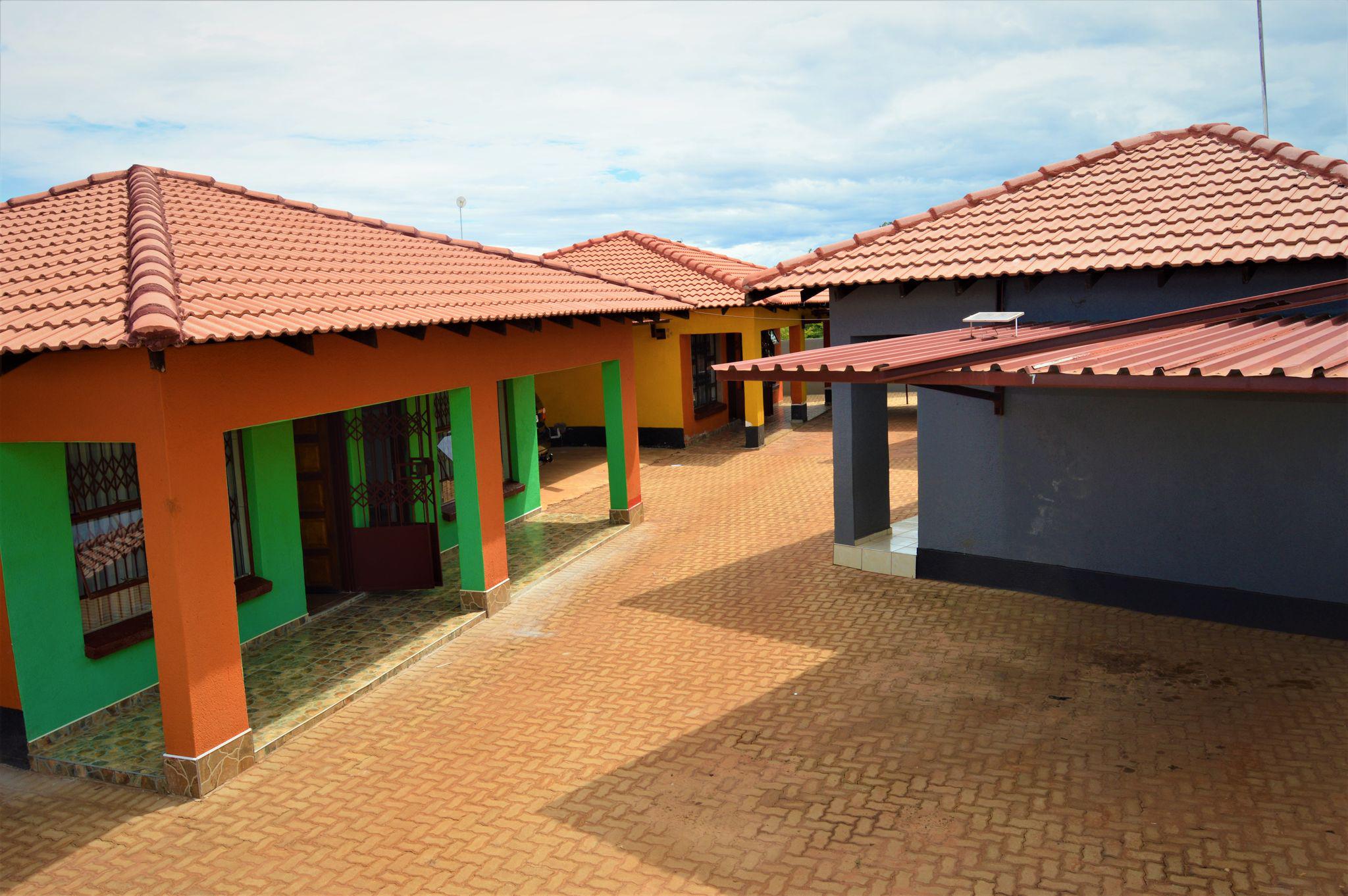
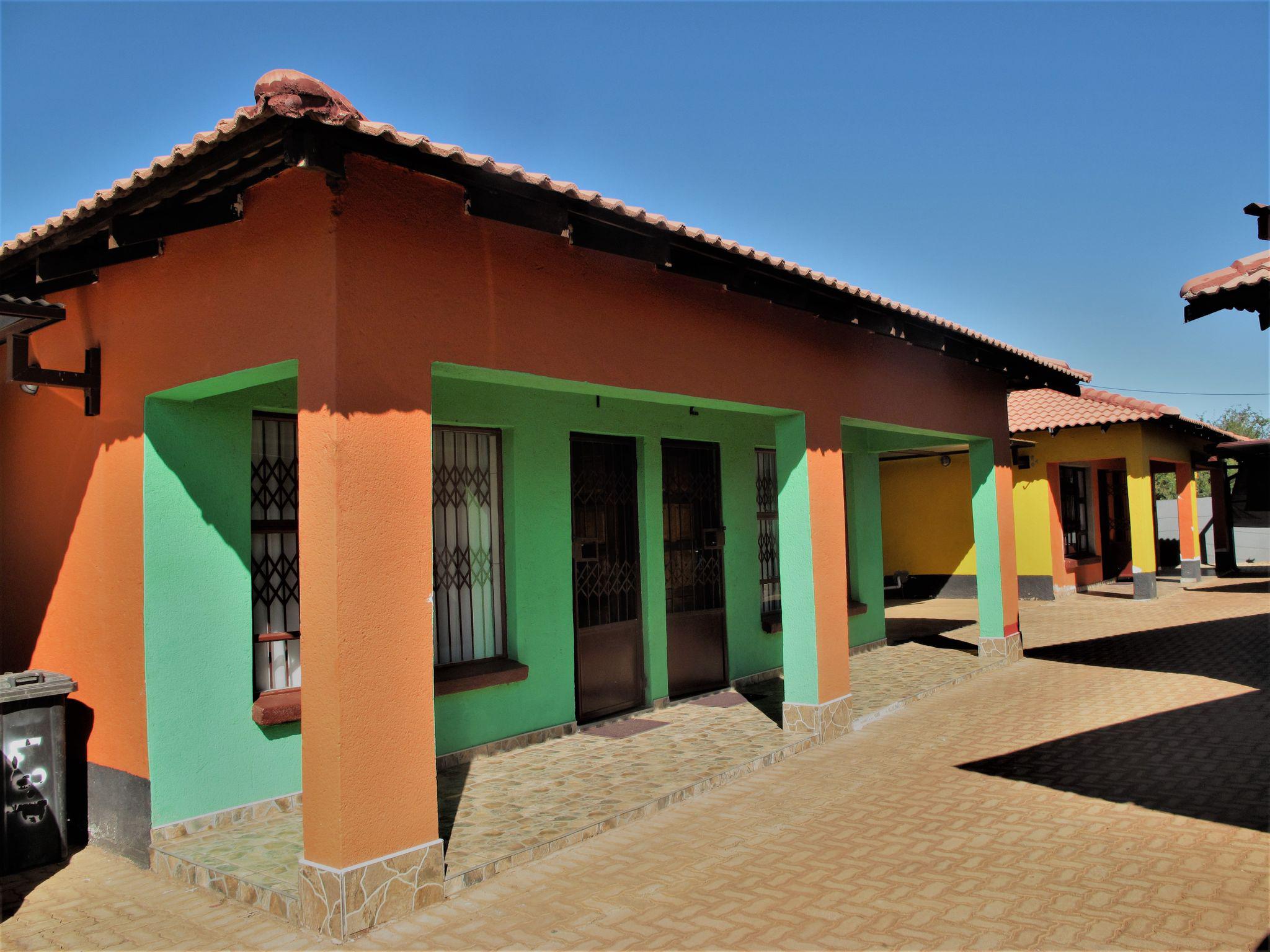
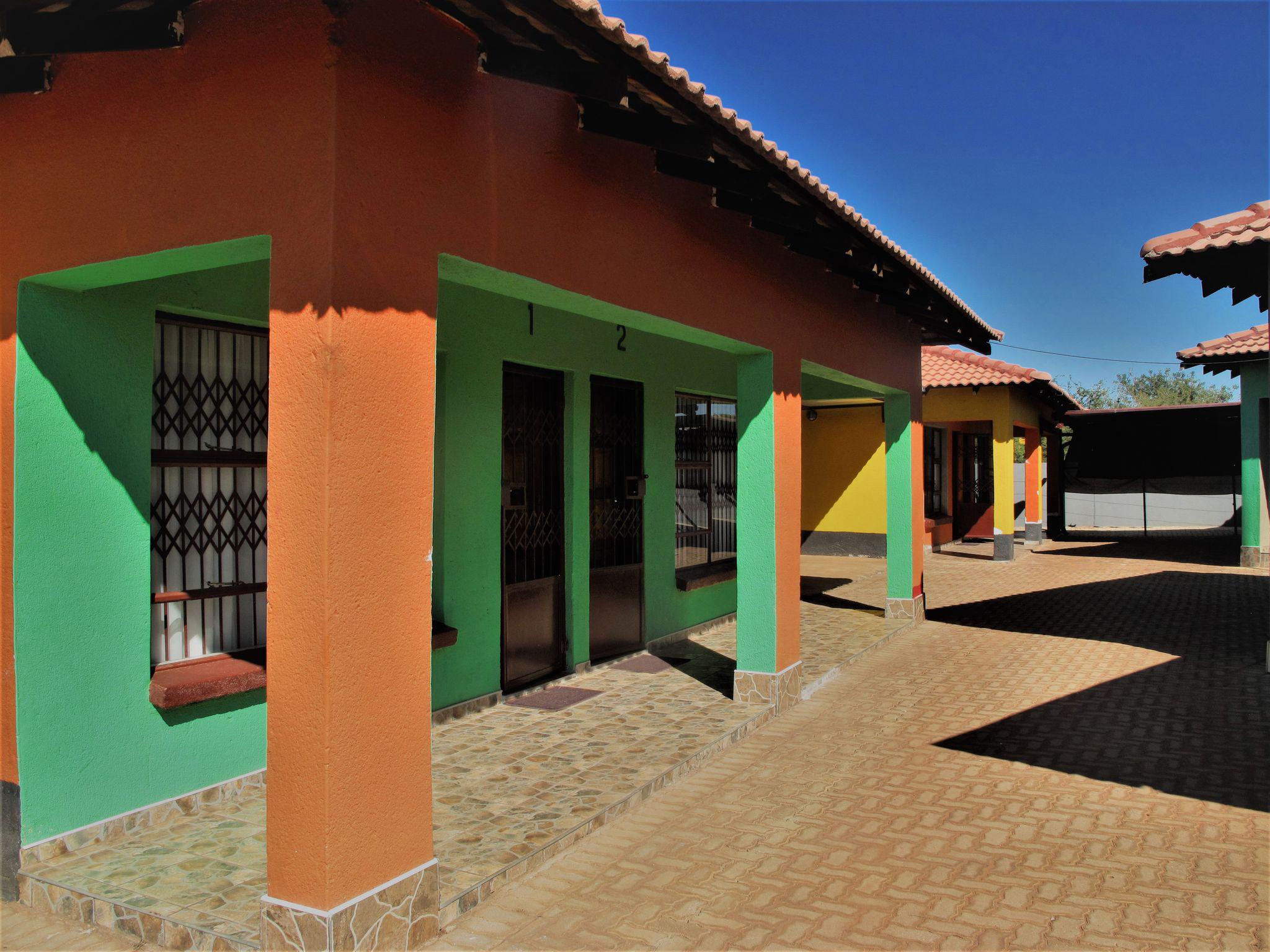
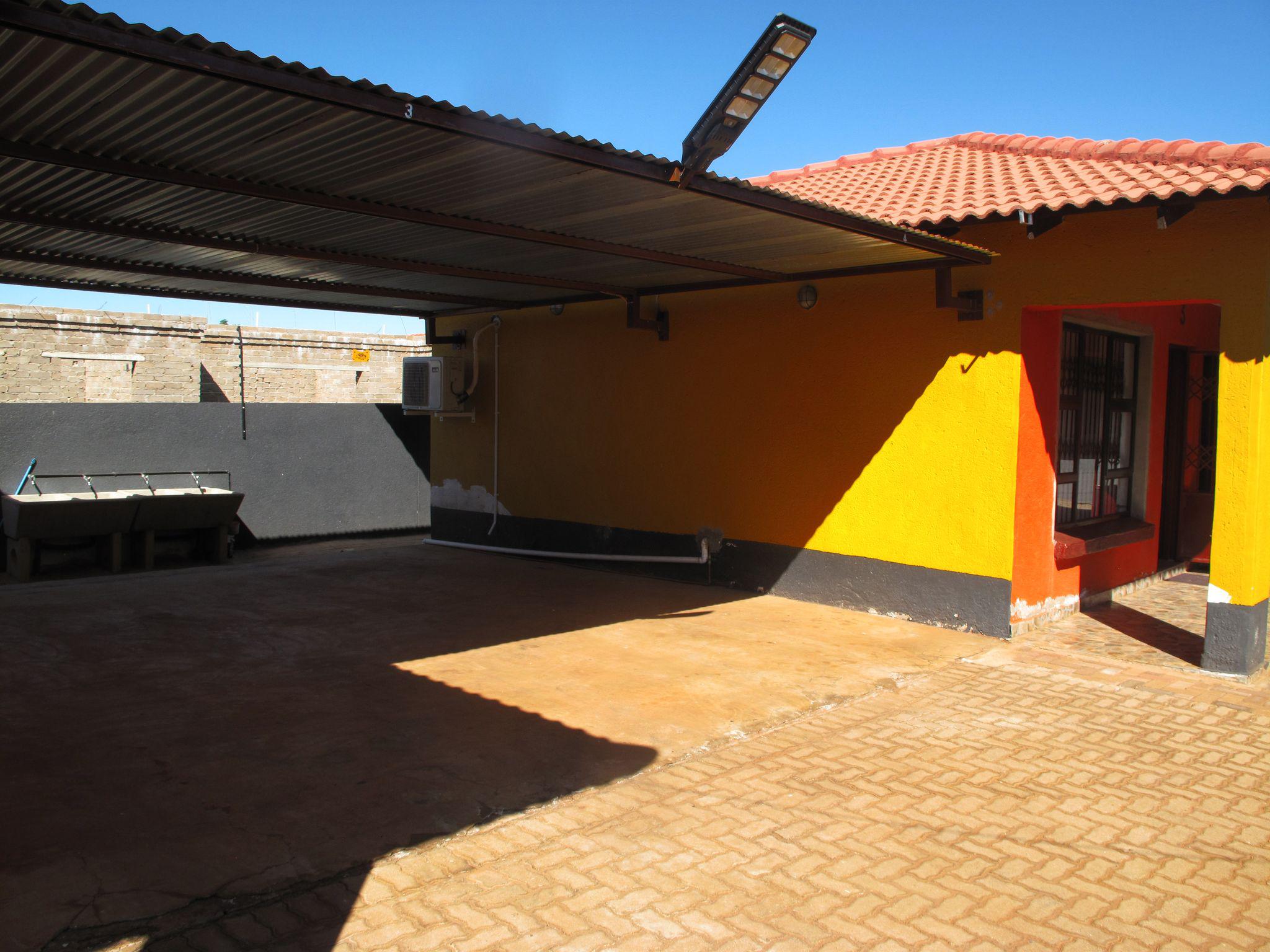
At the entry level, the village and its immediate surroundings have basic guesthouses and self-catering rooms, often run by local families or small independent operators. These suit travelers with practical reasons for being in the area, whether following agricultural business, attending community events, or moving through the lowveld on a longer route. The trade-off for low cost is limited service. Expect clean and functional rather than comfortable in any hotel sense.
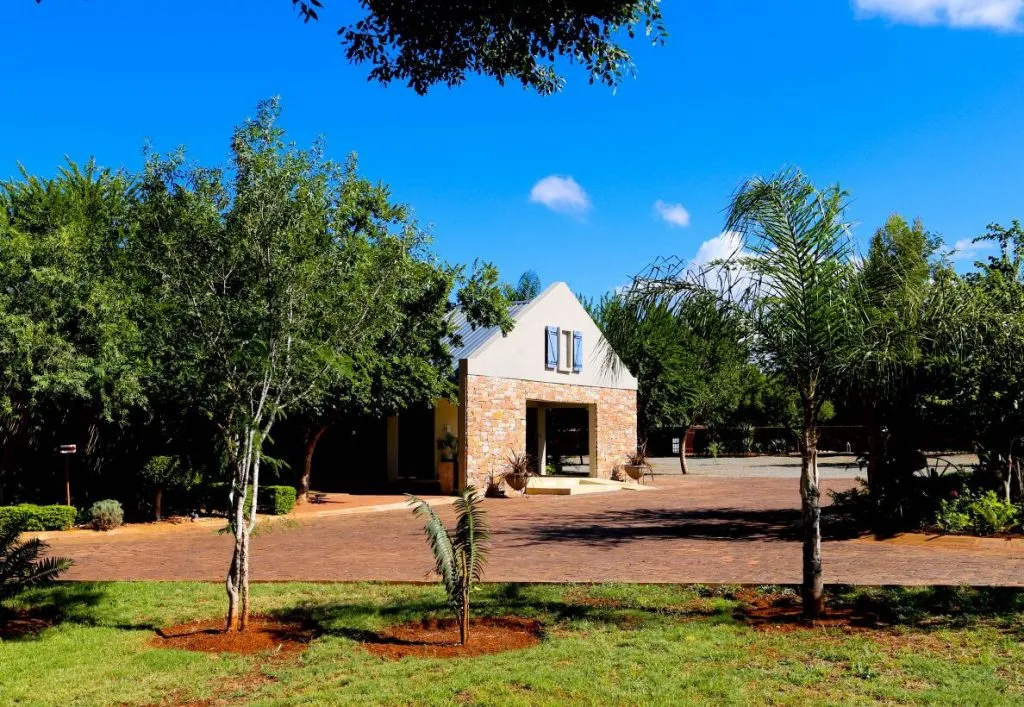
Mid-range options lean toward self-catering farm accommodation on smallholdings a short drive from the village center. These properties typically include independent kitchen facilities and an outdoor braai area, which suits the area well given how few restaurants operate nearby. The agricultural setting gives these stays a genuine character that distinguishes them from equivalent lodging in a larger town, and the pace of life on a working farm or smallholding is part of what makes them worth considering.
For those seeking something more structured, the upper end of the local market tilts toward small lodges with access to game or conservation land. These properties are aimed at guests who want guided activity in the bushveld and are willing to pay for the arrangement. They tend to book out earlier than budget or mid-range options, particularly among visitors planning around specific seasons.
With no published nightly rates available, the best approach is direct comparison by contacting properties individually and asking what is included, what the access road requires, and what the nearest supply point is.
Best Time to Visit Ga-maja
The dry winter months from May through August offer the most consistently practical conditions for visiting. Daytime temperatures settle into the low-to-mid twenties Celsius, and nights cool considerably, sometimes dropping to single digits in June and July. Vegetation thins during this period, improving visibility across the open bushveld and making wildlife activity easier to follow. Migratory bird species are present, and water sources concentrate animal movement in ways that reward patient observation. This is the peak travel window for the broader Limpopo lowveld, and what limited accommodation exists in the area reflects that.
The summer wet season, from November through March, transforms the landscape quickly after the first rains. The surrounding land turns green and agricultural activity intensifies as temperatures climb into the high twenties and thirties. Humidity builds through the warmer months, and heavy afternoon thunderstorms are typical. Reaching more remote properties after sustained rain can be complicated, and travelers planning a summer visit should check access conditions with their accommodation in advance.
April and September are the shoulder months, offering moderate temperatures, minimal rainfall, and fewer visitors than the June and July school holiday peak. These are practical windows for travelers who want reasonable outdoor conditions without competing for the limited accommodation available during the busiest weeks.
Getting to Ga-maja
The closest airport with regular scheduled flights from Johannesburg and Cape Town is Polokwane International Airport, roughly 150 kilometers west of the Tzaneen area. From Polokwane, the R71 heading east crosses the Drakensberg escarpment before descending into the warmer, lower country of the Mopani lowveld. Travelers driving from Johannesburg should allow four to five hours for the approximately 350-kilometer journey, depending on route and traffic through Pretoria.
Tzaneen, around 40 kilometers from Ga-maja, is the last town of any size before heading into the village and should be treated as a staging point. Fuel, groceries, banking, and other supplies are available there and will not be found in the village itself. The roads connecting Tzaneen to Ga-maja are generally passable in a standard passenger vehicle, though unpaved sections require care after wet weather. A vehicle with moderate ground clearance is a practical advantage when navigating secondary tracks in the area.
Public transport does not serve Ga-maja in any reliable form. Informal shared taxis run routes through the broader district but do not connect consistently to smaller rural villages. Independent travelers need their own vehicle. Organized tours or arrangements made through accommodation hosts are the main alternatives for those without one.
Ga-maja and Surrounding Areas
Several communities and geographic points within a 25-kilometer radius make reasonable day trips from Ga-maja, each adding a different dimension to time spent in this part of Limpopo.
Gladdeklipkop (7km) takes its Afrikaans name from the rounded granite and quartzite outcrops characteristic of this region. The rocky terrain here is a feature of the same geological formations that define much of the northern Limpopo interior, and the area is worth a short drive for those interested in the interplay of rock, soil, and vegetation that shapes the lowveld landscape.
Lebowakgomo (7km) functions as an administrative center with government offices, health facilities, and a fuller commercial presence than any of the surrounding rural settlements. For visitors needing urban services, official documents, or simply a busier environment, Lebowakgomo is the nearest option at this distance from Ga-maja.
Ga-tshwene (11km) is a rural community whose settlement layout reflects the longer-established land use patterns of this part of Limpopo. The surrounding plots are a mix of subsistence and smallholder farming that gives the area a working agricultural character distinct from the more formalized game and tourism corridors found elsewhere in the province.
Broadlands (13km) sits within a belt of mixed-use farming land that illustrates the overlap of commercial agriculture and smallholder operations. The name points to the area's earlier colonial history, and the landscape is one of transition between different eras of land management that together define how the lowveld is currently used.
Dithupaneng (18km) extends the rural settlement belt east of Ga-maja. The drive through open bushveld and cultivated land has its own interest for travelers wanting to understand the spatial character of the district, and the community here is representative of the quieter, less-connected villages that make up much of this part of Limpopo.
Bergnek (22km) is the farthest of the nearby points and involves a drive through more varied topography as the terrain moves toward the lower escarpment. The name means mountain neck in Afrikaans, which indicates a geographic pass or saddle feature. Views from this area across the broader lowveld give a sense of the landscape's scale that is difficult to appreciate from within the flat agricultural ground of the village.
Planning Your Stay
Direct contact remains the most reliable booking method for accommodation around Ga-maja. Phone calls or messages to individual properties will often get faster, more accurate responses than trying to book through aggregator platforms that have limited or outdated coverage in smaller villages. In the drier months, when demand is higher, reaching out two to three weeks in advance is sensible given the limited number of options.
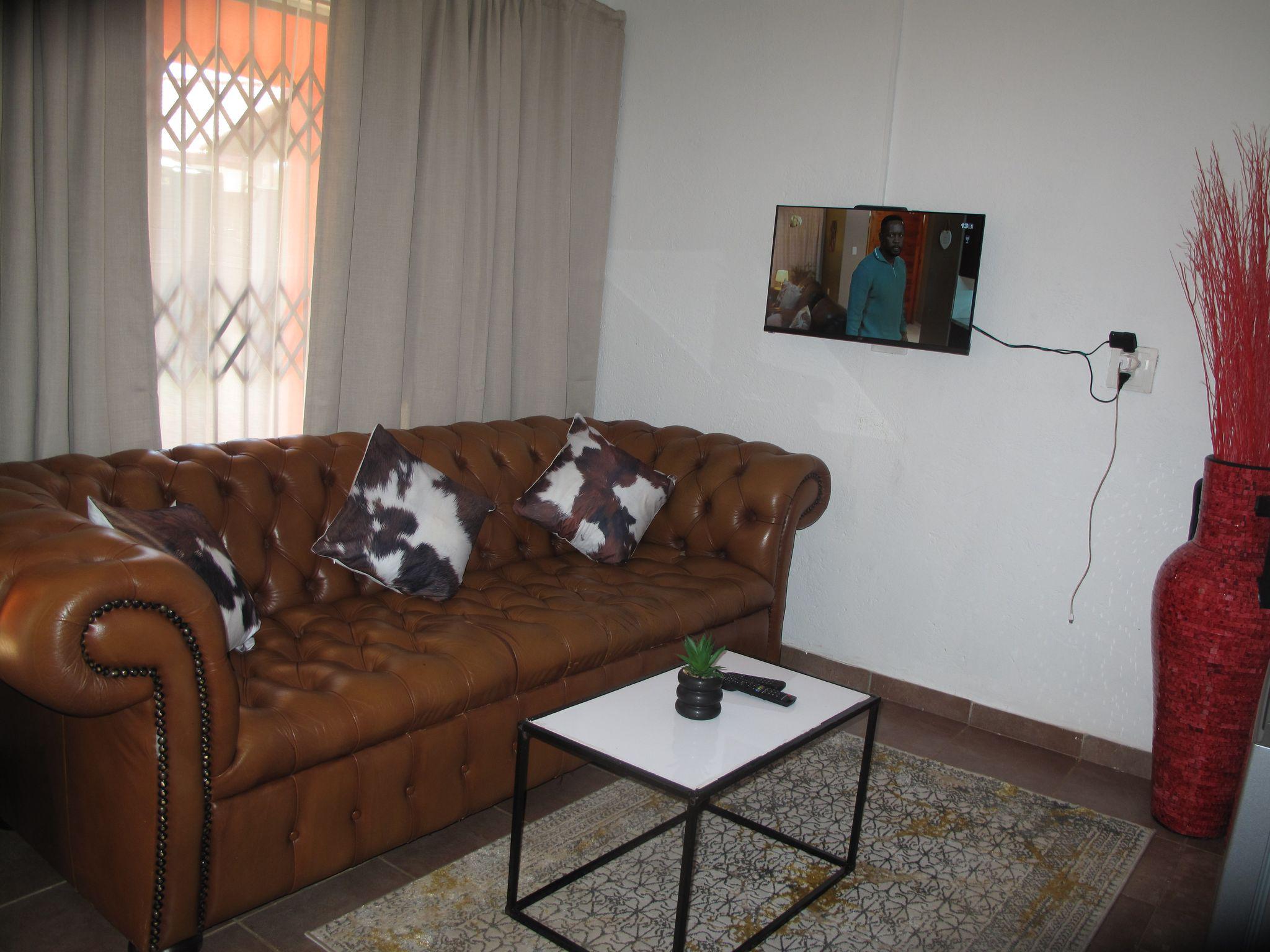
Before confirming, ask specifically about self-catering facilities. Eating out in the area is not a realistic daily option, and knowing exactly what kitchen equipment is provided saves complications on arrival. Checking mobile signal coverage by network provider is also worthwhile if you depend on data for navigation or work. Coverage can drop significantly between Limpopo's main roads and its smaller communities.
GPS navigation in rural Limpopo has a poor record with farm tracks and smaller village roads. Digital maps may show routes that no longer exist or label tracks that are impassable. Getting detailed written directions from whoever is hosting you, ideally with landmark references rather than just coordinates, is a practical step that is easy to overlook until you are already lost in the dark.
Travelers visiting in winter who plan early-morning outdoor time should ask whether their accommodation provides heating. Expectations about African temperatures often do not account for just how cold nights in this part of Limpopo can become between June and July.