Ga-Tshwene Reis- & Akkommodasiegids
Jou volledige gids om Ga-Tshwene, Suid-Afrika te besoek.
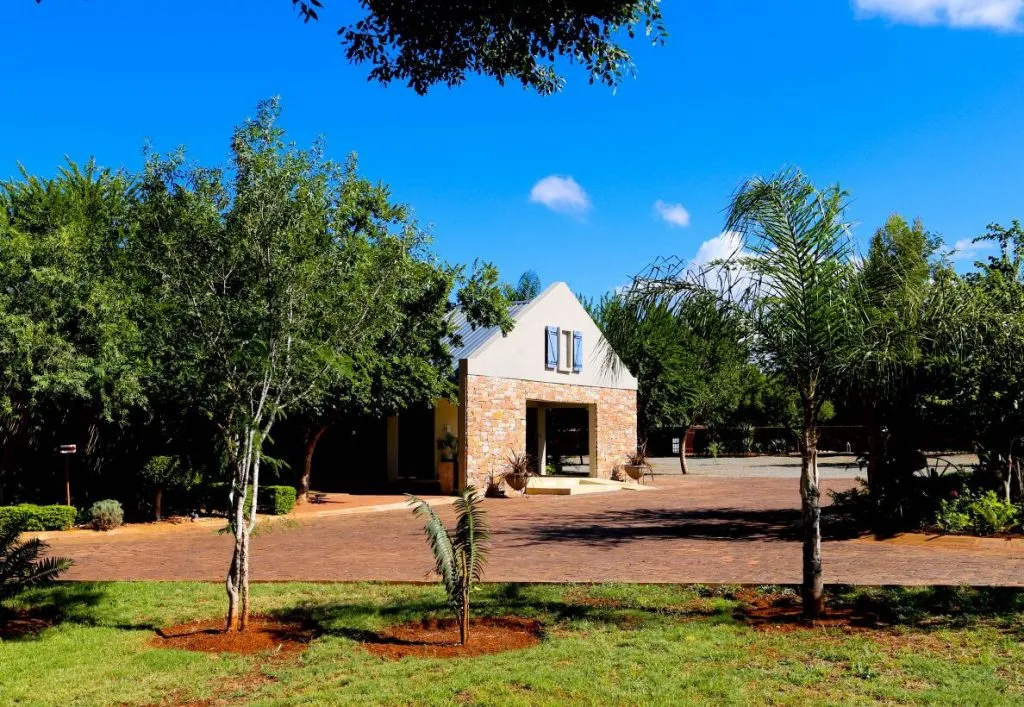
Ga-tshwene is a rural village in Limpopo Province, positioned within the Greater Sekhukhune District. This traditional settlement offers visitors an opportunity to experience authentic South African village life away from urban centers, surrounded by the characteristic bushveld landscape of the region.
## Accommodation in Ga-tshwene
The accommodation inventory in Ga-tshwene currently shows no formally listed properties on major booking platforms, and pricing information for the area remains largely unknown. This reflects the village's position as a small rural settlement in the Sekhukhune District rather than an established tourism destination, and it shapes what a stay here involves in practical terms.
Travelers working with a tight budget will most likely rely on homestay arrangements or community-based guesthouses, where stays are typically negotiated directly with local families or facilitated through community organizations. These informal options put visitors in close contact with daily village life and frequently include home-cooked meals built around staples such as pap, morogo, and sorghum-based dishes. Facilities are basic but functional, and the flexibility of these arrangements is something more formal accommodation cannot offer. For anyone with a genuine interest in understanding rural life in contemporary South Africa, this is the type of stay that delivers on that intention rather than merely providing proximity to a destination.
Those preferring more predictable mid-range accommodation will find better options in surrounding towns than in the village itself. Small hotels and guesthouses in the area cater primarily to government workers and business travelers, offering reliable utilities, en-suite bathrooms, and more consistent connectivity. These properties handle practical needs competently, though without much local character. Before confirming any booking in this category, verifying power supply reliability and the actual driving distance to Ga-tshwene is worthwhile, as what appears close on a map may involve longer travel times on rural roads.
For upper-tier options, including lodge-style properties or hotels with conference facilities and more comprehensive amenities, Polokwane represents the realistic destination. The provincial capital carries a broader selection of this type of accommodation, though the distance involved means it functions less effectively as a base for exploring the immediate Sekhukhune area.
Anyone planning to use Ga-tshwene as a launching point for cultural or rural exploration should allow extra lead time for accommodation arrangements. Local municipality contacts and community tourism organizations can often identify stays that do not appear through conventional booking channels, and making contact well in advance of arrival makes a considerable practical difference.
## Best Time to Visit Ga-tshwene
Ga-tshwene follows a subtropical seasonal pattern with two clearly distinct periods that shape what visiting involves. The summer months, from November through March, bring the majority of annual rainfall. The surrounding Sekhukhune bush turns noticeably greener, seasonal watercourses fill, and the landscape takes on a different character than the dry period. Heavy afternoon thunderstorms are common and can affect road conditions, particularly on gravel approaches to the village. Temperatures regularly exceed 30 degrees Celsius, and humidity is noticeable during peak summer weeks.
The dry winter season, roughly May through August, suits most visitors better. Days are warm and clear, evenings cool considerably, and reduced ground cover makes wildlife observation easier across the broader region. Gravel roads dry out and overland travel is more predictable. Dust is a constant presence on unpaved tracks during this period, but conditions for outdoor activities remain consistent throughout.
April and September represent shoulder months with moderate conditions on both sides of the seasonal divide. For anyone with a specific interest in local agricultural cycles, the harvest period from late April into May is when maize and sorghum cultivation is most visible in and around the village, offering a direct window into the subsistence farming economy that structures daily life here.
## Getting to Ga-tshwene
Polokwane International Airport is the most practical air entry point, with domestic connections from Johannesburg and other major South African cities. From the airport, Ga-tshwene lies approximately 70 kilometers to the southeast, through the Sekhukhune District. The R37 highway is the primary arterial route out of Polokwane in this direction, with secondary and tertiary roads branching toward the village. Main road surfaces on the approach are generally acceptable, though the final stretch may involve gravel sections depending on the specific access route.
The drive from Johannesburg, heading north on the N1 and then east through the Limpopo interior via connecting routes, takes between three and four hours under normal traffic conditions. Groblersdal, to the south, provides an alternative approach for travelers arriving from the Mpumalanga direction.
No scheduled public transport serves Ga-tshwene directly. Shared minibus taxis operate between larger centers such as Polokwane and regional hubs, but onward travel to the village requires a separate local arrangement. Hiring a vehicle from Polokwane or Johannesburg remains the most reliable approach for most visitors. Fuel and basic supplies should be loaded before leaving the nearest major town, as service stations near the village are scarce. A vehicle with moderate ground clearance is a practical advantage during the wet season, though not strictly necessary when roads are dry.
## Ga-tshwene and Surrounding Areas
The settlements within 20 kilometers of Ga-tshwene share the broad character of the Sekhukhune District but each has a distinct profile for visitors extending their time in the area.
**Dithupaneng** (7km) is the closest neighboring community and falls within the same Makhuduthamaga Local Municipality. The two villages are connected by roads that residents use regularly, and community events or informal market days sometimes rotate through the settlements in this cluster. Pairing a visit to Dithupaneng with time in Ga-tshwene deepens the picture of how rural communities are distributed across this part of Limpopo without adding significant travel distance.
**Ga-maja** (11km) sits further into the Sekhukhune hills as part of the broader network of Pedi-speaking communities across the region. The village carries a recognized reputation within the district for traditional healing practice and indigenous knowledge systems. Visitors with a genuine interest in this field would benefit from arranging access through a local guide familiar with community protocols, rather than arriving without an introduction.
**Ga-ramphere** (15km) reflects the agricultural patterns common to the surrounding landscape, with subsistence plots, communal grazing land, and seasonal cultivation defining the terrain. It works naturally as a stop on a wider day loop that also takes in Ga-maja or the rocky terrain near Gladdeklipkop to the northeast.
**Gladdeklipkop** (16km) takes its name from the Afrikaans for "smooth rock hill," a direct description of the area's geological character. Rocky outcrops and exposed granite ridges consistent with the Leolo Mountain formation mark the terrain here. For visitors interested in the physical geography of the Limpopo interior, this landscape offers a tangible sense of the ancient structures running beneath the entire region.
**Broadlands** (18km) is a farming settlement where the boundary between commercial agriculture and communal land use is particularly legible. Formally structured farmland sits alongside communal areas, and the contrast between the two reflects the economic layering of the Sekhukhune transition zone in a way that is visible from the road.
**Lebowakgomo** (18km) serves as the administrative and commercial hub most directly connected to Ga-tshwene. As the seat of the Lepelle-Nkumpi Local Municipality, it has government offices, a district hospital, supermarkets, fuel stations, and general retail infrastructure. It is the natural first stop for stocking supplies before reaching the village. Day visitors will also find the town a useful illustration of how formal township planning and older settlement patterns coexist within the same contemporary Limpopo landscape.
## Planning Your Stay
Arriving in Ga-tshwene without prior arrangements is possible but narrows options considerably. Because accommodation here largely falls outside mainstream booking platforms, reaching out in advance to community organizations or the Makhuduthamaga Local Municipality is the most effective way to establish what is available. The June and July school holiday period brings increased regional travel, making earlier preparation particularly worthwhile around those dates. For anything requiring a local guide, confirming availability before arrival rather than on the day avoids last-minute complications.
Mobile coverage exists across the Sekhukhune District but can drop in valleys and on isolated rural roads. Downloading offline maps before departure, including routes between the village and the nearest commercial center, is a sensible precaution if data access becomes unreliable at a critical moment. Cash is advisable throughout, as card payment infrastructure is limited outside formal commercial zones.
Carry sufficient water, food, and fuel for a day beyond your immediate plans. Those with specific medical requirements should bring adequate supplies. Visitors traveling during the wet summer months should consult a travel health clinic regarding malaria precautions before departure, as Limpopo Province carries risk during parts of the year. Standing water in summer also raises bilharzia risk in rural areas, and awareness of this reduces exposure.
The area operates at a pace shaped by rural subsistence rather than tourism infrastructure. Flexible itineraries generally produce more satisfying visits than tightly scheduled plans.

The accommodation inventory in Ga-tshwene currently shows no formally listed properties on major booking platforms, and pricing information for the area remains largely unknown. This reflects the village's position as a small rural settlement in the Sekhukhune District rather than an established tourism destination, and it shapes what a stay here involves in practical terms.
Travelers working with a tight budget will most likely rely on homestay arrangements or community-based guesthouses, where stays are typically negotiated directly with local families or facilitated through community organizations. These informal options put visitors in close contact with daily village life and frequently include home-cooked meals built around staples such as pap, morogo, and sorghum-based dishes. Facilities are basic but functional, and the flexibility of these arrangements is something more formal accommodation cannot offer. For anyone with a genuine interest in understanding rural life in contemporary South Africa, this is the type of stay that delivers on that intention rather than merely providing proximity to a destination.
Those preferring more predictable mid-range accommodation will find better options in surrounding towns than in the village itself. Small hotels and guesthouses in the area cater primarily to government workers and business travelers, offering reliable utilities, en-suite bathrooms, and more consistent connectivity. These properties handle practical needs competently, though without much local character. Before confirming any booking in this category, verifying power supply reliability and the actual driving distance to Ga-tshwene is worthwhile, as what appears close on a map may involve longer travel times on rural roads.
For upper-tier options, including lodge-style properties or hotels with conference facilities and more comprehensive amenities, Polokwane represents the realistic destination. The provincial capital carries a broader selection of this type of accommodation, though the distance involved means it functions less effectively as a base for exploring the immediate Sekhukhune area.
Anyone planning to use Ga-tshwene as a launching point for cultural or rural exploration should allow extra lead time for accommodation arrangements. Local municipality contacts and community tourism organizations can often identify stays that do not appear through conventional booking channels, and making contact well in advance of arrival makes a considerable practical difference.
## Best Time to Visit Ga-tshwene
Ga-tshwene follows a subtropical seasonal pattern with two clearly distinct periods that shape what visiting involves. The summer months, from November through March, bring the majority of annual rainfall. The surrounding Sekhukhune bush turns noticeably greener, seasonal watercourses fill, and the landscape takes on a different character than the dry period. Heavy afternoon thunderstorms are common and can affect road conditions, particularly on gravel approaches to the village. Temperatures regularly exceed 30 degrees Celsius, and humidity is noticeable during peak summer weeks.
The dry winter season, roughly May through August, suits most visitors better. Days are warm and clear, evenings cool considerably, and reduced ground cover makes wildlife observation easier across the broader region. Gravel roads dry out and overland travel is more predictable. Dust is a constant presence on unpaved tracks during this period, but conditions for outdoor activities remain consistent throughout.
April and September represent shoulder months with moderate conditions on both sides of the seasonal divide. For anyone with a specific interest in local agricultural cycles, the harvest period from late April into May is when maize and sorghum cultivation is most visible in and around the village, offering a direct window into the subsistence farming economy that structures daily life here.
## Getting to Ga-tshwene
Polokwane International Airport is the most practical air entry point, with domestic connections from Johannesburg and other major South African cities. From the airport, Ga-tshwene lies approximately 70 kilometers to the southeast, through the Sekhukhune District. The R37 highway is the primary arterial route out of Polokwane in this direction, with secondary and tertiary roads branching toward the village. Main road surfaces on the approach are generally acceptable, though the final stretch may involve gravel sections depending on the specific access route.
The drive from Johannesburg, heading north on the N1 and then east through the Limpopo interior via connecting routes, takes between three and four hours under normal traffic conditions. Groblersdal, to the south, provides an alternative approach for travelers arriving from the Mpumalanga direction.
No scheduled public transport serves Ga-tshwene directly. Shared minibus taxis operate between larger centers such as Polokwane and regional hubs, but onward travel to the village requires a separate local arrangement. Hiring a vehicle from Polokwane or Johannesburg remains the most reliable approach for most visitors. Fuel and basic supplies should be loaded before leaving the nearest major town, as service stations near the village are scarce. A vehicle with moderate ground clearance is a practical advantage during the wet season, though not strictly necessary when roads are dry.
## Ga-tshwene and Surrounding Areas
The settlements within 20 kilometers of Ga-tshwene share the broad character of the Sekhukhune District but each has a distinct profile for visitors extending their time in the area.
**Dithupaneng** (7km) is the closest neighboring community and falls within the same Makhuduthamaga Local Municipality. The two villages are connected by roads that residents use regularly, and community events or informal market days sometimes rotate through the settlements in this cluster. Pairing a visit to Dithupaneng with time in Ga-tshwene deepens the picture of how rural communities are distributed across this part of Limpopo without adding significant travel distance.
**Ga-maja** (11km) sits further into the Sekhukhune hills as part of the broader network of Pedi-speaking communities across the region. The village carries a recognized reputation within the district for traditional healing practice and indigenous knowledge systems. Visitors with a genuine interest in this field would benefit from arranging access through a local guide familiar with community protocols, rather than arriving without an introduction.
**Ga-ramphere** (15km) reflects the agricultural patterns common to the surrounding landscape, with subsistence plots, communal grazing land, and seasonal cultivation defining the terrain. It works naturally as a stop on a wider day loop that also takes in Ga-maja or the rocky terrain near Gladdeklipkop to the northeast.
**Gladdeklipkop** (16km) takes its name from the Afrikaans for "smooth rock hill," a direct description of the area's geological character. Rocky outcrops and exposed granite ridges consistent with the Leolo Mountain formation mark the terrain here. For visitors interested in the physical geography of the Limpopo interior, this landscape offers a tangible sense of the ancient structures running beneath the entire region.
**Broadlands** (18km) is a farming settlement where the boundary between commercial agriculture and communal land use is particularly legible. Formally structured farmland sits alongside communal areas, and the contrast between the two reflects the economic layering of the Sekhukhune transition zone in a way that is visible from the road.
**Lebowakgomo** (18km) serves as the administrative and commercial hub most directly connected to Ga-tshwene. As the seat of the Lepelle-Nkumpi Local Municipality, it has government offices, a district hospital, supermarkets, fuel stations, and general retail infrastructure. It is the natural first stop for stocking supplies before reaching the village. Day visitors will also find the town a useful illustration of how formal township planning and older settlement patterns coexist within the same contemporary Limpopo landscape.
## Planning Your Stay
Arriving in Ga-tshwene without prior arrangements is possible but narrows options considerably. Because accommodation here largely falls outside mainstream booking platforms, reaching out in advance to community organizations or the Makhuduthamaga Local Municipality is the most effective way to establish what is available. The June and July school holiday period brings increased regional travel, making earlier preparation particularly worthwhile around those dates. For anything requiring a local guide, confirming availability before arrival rather than on the day avoids last-minute complications.
Mobile coverage exists across the Sekhukhune District but can drop in valleys and on isolated rural roads. Downloading offline maps before departure, including routes between the village and the nearest commercial center, is a sensible precaution if data access becomes unreliable at a critical moment. Cash is advisable throughout, as card payment infrastructure is limited outside formal commercial zones.
Carry sufficient water, food, and fuel for a day beyond your immediate plans. Those with specific medical requirements should bring adequate supplies. Visitors traveling during the wet summer months should consult a travel health clinic regarding malaria precautions before departure, as Limpopo Province carries risk during parts of the year. Standing water in summer also raises bilharzia risk in rural areas, and awareness of this reduces exposure.
The area operates at a pace shaped by rural subsistence rather than tourism infrastructure. Flexible itineraries generally produce more satisfying visits than tightly scheduled plans.
Ga-Tshwene Kaart
Nabygeleë Bestemmings
Blaai Deur Alle Ga-Tshwene Akkommodasie
Bekyk al 0 akkommodasie-opsies in Ga-Tshwene met foto's, pryse en beskikbaarheid.
Blaai Deur Alle Akkommodasie