Gladdeklipkop Reis- & Akkommodasiegids
Jou volledige gids om Gladdeklipkop, Suid-Afrika te besoek.
Gladdeklipkop sits in the Limpopo Province, a small settlement in South Africa's northern bushveld region. The area offers access to rural landscapes and traditional village life, away from major tourist routes. Visitors seeking quiet surroundings and an authentic experience of the region will find this remote location appealing.
## Accommodation in Gladdeklipkop
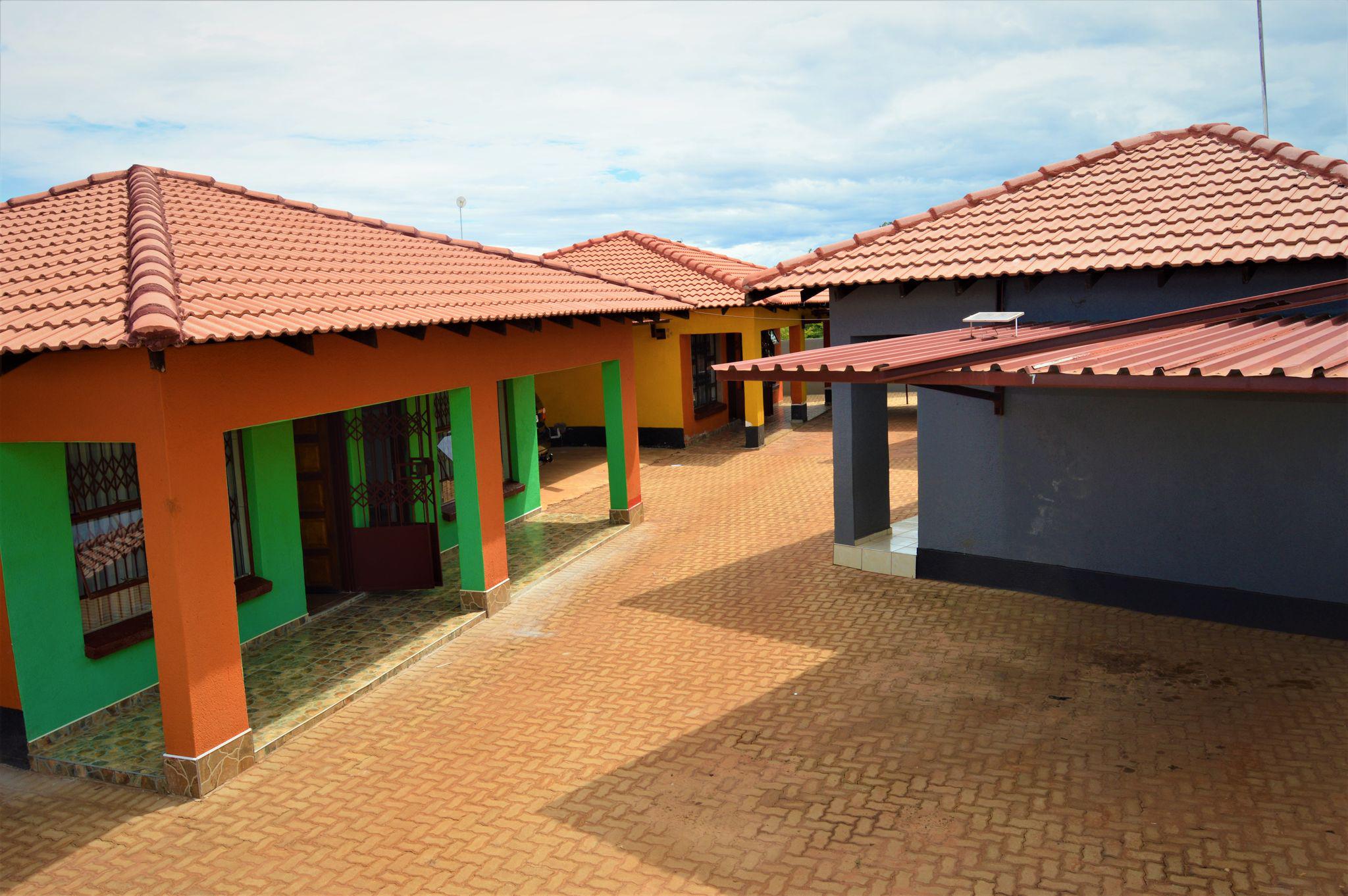
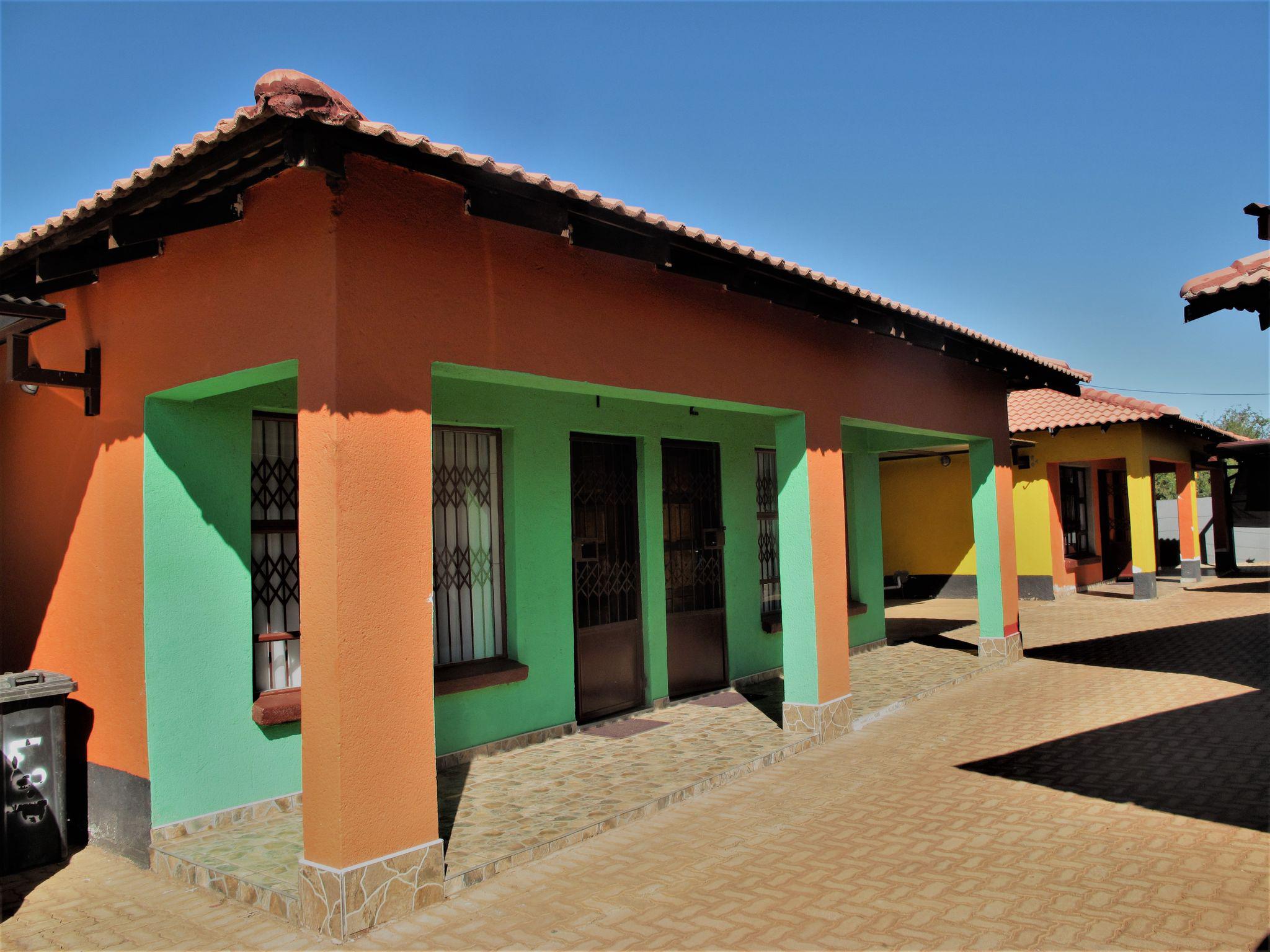
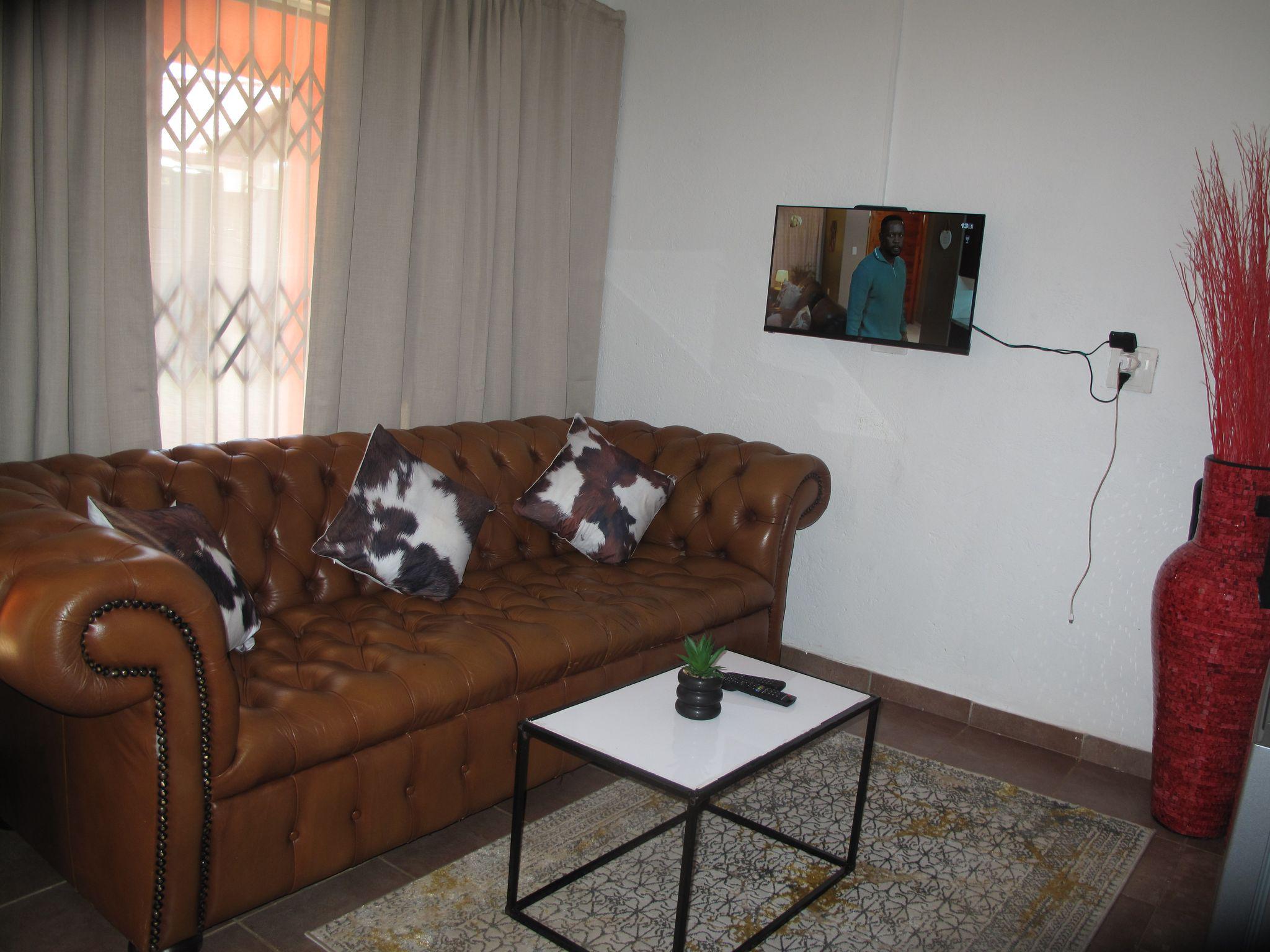
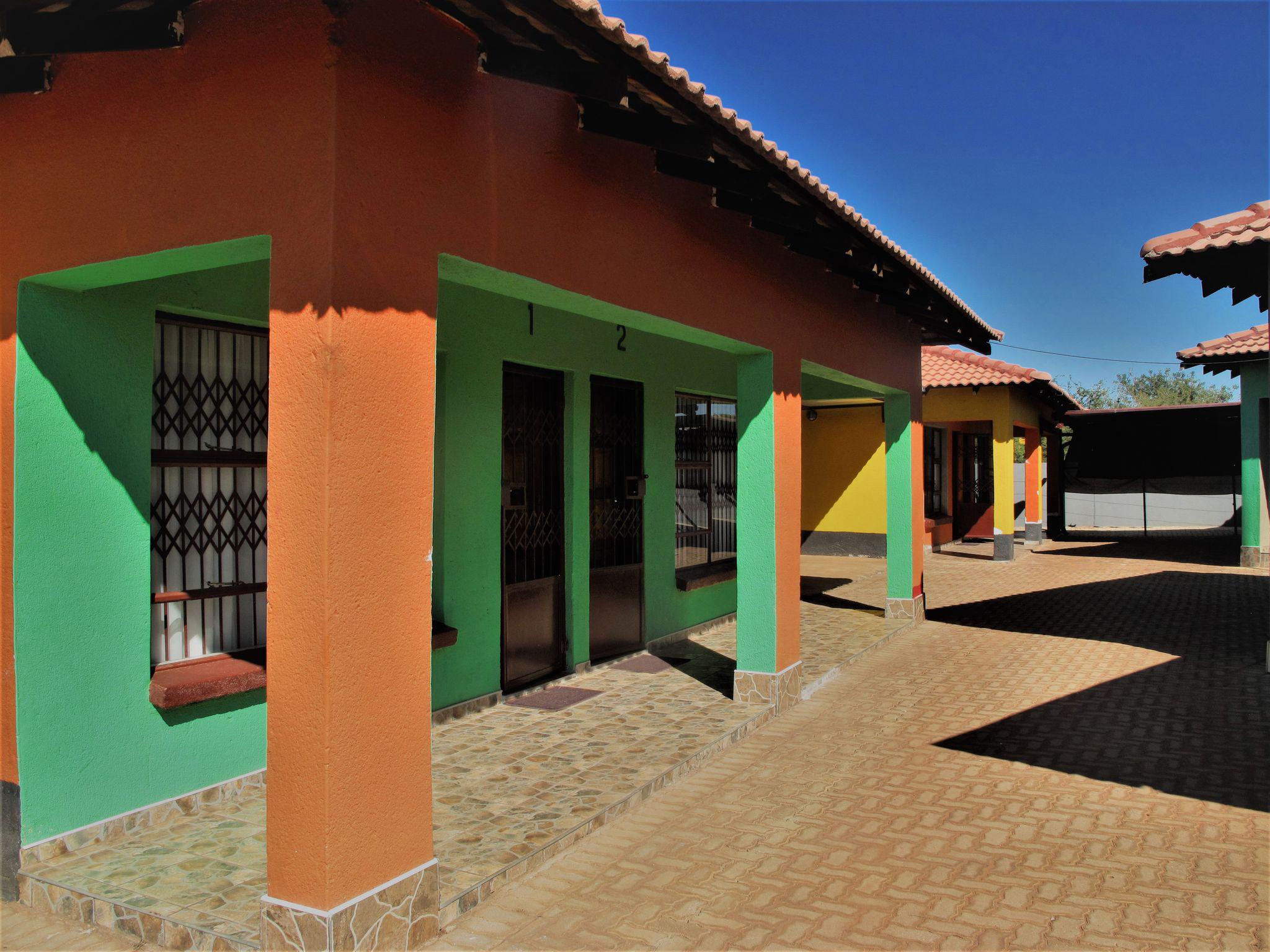
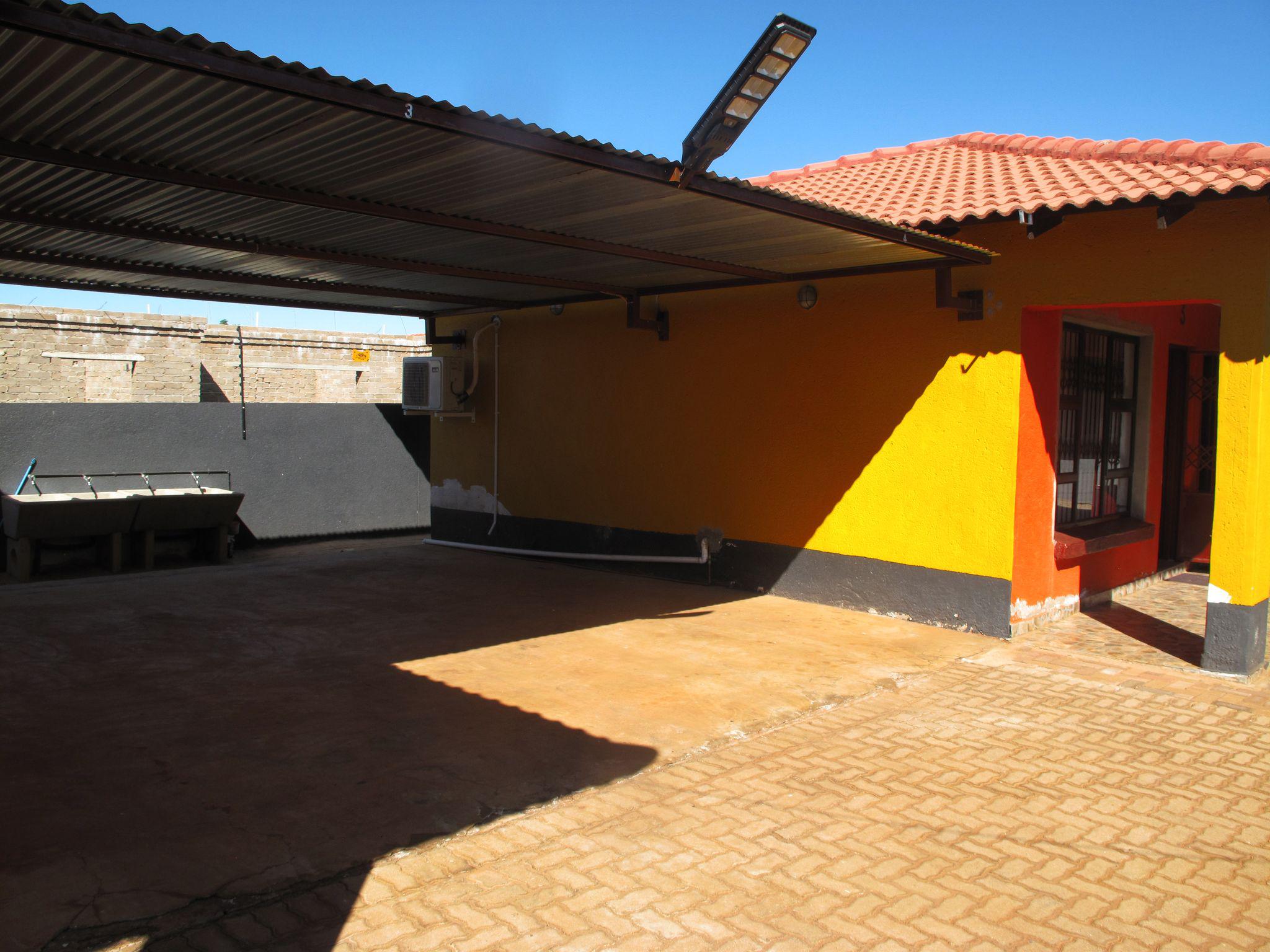
Gladdeklipkop has no formally listed accommodation properties at present, reflecting its character as a rural settlement rather than an established tourism node. Visitors should not expect the commercial guesthouses and lodges found along South Africa's game reserve corridors or coastal towns. What exists tends toward the informal: basic rooms arranged through local contacts, occasional homestays with farming families, and small guesthouses operating without online listings or booking systems.
At the budget end, accommodation typically takes the form of a basic room in a community setting. Facilities are functional rather than comfortable, meals can sometimes be arranged with the host, and pricing is negotiated directly rather than set through any central platform. Travelers comfortable with some uncertainty about what they will find, and who do not require standardized services, will adapt most easily to this kind of stay.
Mid-range options are sparse. Reliable hot water, consistent electricity, and internet connectivity cannot be assumed within the settlement. For visitors who require these, the practical strategy is to use a larger nearby town as a base and drive in for specific activities or meetings. That short commute is a reasonable trade-off for access to more predictable facilities.
At the upper end of the local scale, a private room with an attached bathroom and included meals may occasionally be available, but these arrangements need direct confirmation before arrival. The boutique guesthouses or safari-style lodges found in more developed parts of Limpopo do not exist here.
Self-catering suits this environment well for anyone arriving by vehicle with their own supplies. It reduces dependence on local facilities and adds flexibility to the schedule. Visitors spending multiple nights in the area frequently rely on this approach, supplementing whatever informal hosting a community can provide. Realistic expectations about what you will find on arrival make the largest difference to how a stay here unfolds.
---
## Best Time to Visit Gladdeklipkop
The Limpopo bushveld follows a clear seasonal rhythm. Summer runs from November through March and brings rain, usually arriving as intense afternoon thunderstorms. Temperatures regularly exceed 35°C, and the combination of heat and humidity makes outdoor movement tiring in the middle of the day. Unpaved roads in the area can become slippery or impassable after heavy rain, so summer travel requires flexibility and attention to weather conditions before setting out.
April through September brings drier, cooler conditions. Vegetation thins as the dry season progresses, improving visibility across the landscape. Mornings and evenings become sharp, with June and July nights cold enough for warm layers. Wildlife, where present, concentrates near water sources during this period. For most practical purposes, the dry season offers the most manageable travel conditions in terms of both road access and temperature.
October sits between the seasons: temperatures are already climbing and roads can be dusty and hot, but the rains have not yet arrived. It is generally the least comfortable month for extended outdoor time. Visitors with a specific interest in bird activity or green landscapes will find the early wet season more rewarding despite the heat.
---
## Getting to Gladdeklipkop
The R555 and R37 regional routes provide the main road access toward Gladdeklipkop, with smaller local roads branching off to the settlement itself. Tarred roads connect the larger towns in the area, but the final approach to smaller settlements frequently involves gravel or dirt tracks. A vehicle with reasonable ground clearance handles these conditions better than a standard sedan, particularly during or after the wet season.
Polokwane, the Limpopo provincial capital, is the most practical arrival hub for visitors traveling from outside the province. It has an airport served by scheduled domestic flights from Johannesburg and Cape Town, and the road leading south from Polokwane reaches the broader area directly. For international travelers, OR Tambo International Airport in Johannesburg is the standard entry point, with onward domestic flight or road connections from there.
Scheduled public transport does not serve Gladdeklipkop directly. Minibus taxis operate on routes connecting larger settlements across Limpopo and can get travelers reasonably close, but the last stretch to the settlement requires private transport. Renting a vehicle from Polokwane is the most flexible option for independent visitors.
Fill up on fuel before leaving any major town. Service stations are not guaranteed at rural settlements, and the distances between reliable fill-up points in this part of the province can be significant. Carrying extra drinking water is sensible on longer rural drives.
---
## Gladdeklipkop and Surrounding Areas
The closest practical center for services is Lebowakgomo, 6 kilometers from Gladdeklipkop. Originally developed as the administrative capital of the former Lebowa homeland, it now functions as the seat of the Capricorn District Municipality. Government offices, a district hospital, schools, and a selection of shops and banks make it the default stop for anything requiring town-level infrastructure. Most visitors arriving from the north pass through it on the way in.
Ga-maja lies 7 kilometers out. The "Ga-" prefix in Northern Sotho place names identifies the territory associated with a particular chief or lineage, and Ga-maja is connected to the Maja people, one of the communities with long-established roots in this part of Limpopo. The village illustrates the pattern of rural settlement common across the area, where land use and community organization reflect traditional authority structures that continue operating alongside formal municipal governance. Spending time in Ga-maja gives useful context for understanding the social fabric visible in Gladdeklipkop itself.
Broadlands, 8 kilometers away, sits within the agricultural belt running through the terrain. Smallholder farming and some commercial operations coexist here, and the area gives a grounded picture of how land use has shifted in post-apartheid Limpopo.
Bergnek, 16 kilometers distant, takes its name from the Afrikaans for a neck or pass between hills. The rocky, koppie-dotted landscape around the settlement is characteristic of the region's geology and offers some of the more visually distinct terrain in the area.
Ga-tshwene, also 16 kilometers from Gladdeklipkop, carries a name derived from the Sepedi word for baboon. Rocky hillsides in this kind of bushveld terrain remain baboon habitat, and travelers on rural roads sometimes encounter troops near farmland or granite outcrops.
Eerstegoud, 22 kilometers out, translates from Afrikaans as "first gold," pointing to the long history of mineral activity in this part of Limpopo. Platinum, chrome, and other minerals have driven economic development across the province's interior for decades, and Eerstegoud's name captures an earlier chapter in that broader story.
---
## Planning Your Stay
Gladdeklipkop is not covered by mainstream booking platforms, so arranging a stay requires more direct effort than most South African destinations. Word of mouth is the most reliable method. People who work regularly in the area, whether in government, community development, or related sectors, tend to have useful contacts for informal accommodation. Community organizations and traditional authority offices in the nearest town can also be helpful starting points.
Mobile signal is unreliable across much of rural Limpopo. Download offline maps and any essential navigation information before leaving a larger town. A dedicated GPS unit is more dependable than relying on a smartphone in areas with patchy coverage.
Carry enough cash for the full duration of your stay before heading out. ATMs are available in the nearest town rather than at the settlement itself. Stock up on provisions at the same time, as obtaining specific supplies close to Gladdeklipkop may require more effort than anticipated.
If your visit involves engaging with a local community or household, make contact in advance. Arriving without warning at rural settlements in South Africa is generally unwelcome, and prior communication leads to a more productive visit for both parties.
Confirm any accommodation arrangement again shortly before your departure date. Informal hosting can change without notice, and having a fallback option is practical when formal infrastructure is this limited.

Gladdeklipkop has no formally listed accommodation properties at present, reflecting its character as a rural settlement rather than an established tourism node. Visitors should not expect the commercial guesthouses and lodges found along South Africa's game reserve corridors or coastal towns. What exists tends toward the informal: basic rooms arranged through local contacts, occasional homestays with farming families, and small guesthouses operating without online listings or booking systems.
At the budget end, accommodation typically takes the form of a basic room in a community setting. Facilities are functional rather than comfortable, meals can sometimes be arranged with the host, and pricing is negotiated directly rather than set through any central platform. Travelers comfortable with some uncertainty about what they will find, and who do not require standardized services, will adapt most easily to this kind of stay.
Mid-range options are sparse. Reliable hot water, consistent electricity, and internet connectivity cannot be assumed within the settlement. For visitors who require these, the practical strategy is to use a larger nearby town as a base and drive in for specific activities or meetings. That short commute is a reasonable trade-off for access to more predictable facilities.
At the upper end of the local scale, a private room with an attached bathroom and included meals may occasionally be available, but these arrangements need direct confirmation before arrival. The boutique guesthouses or safari-style lodges found in more developed parts of Limpopo do not exist here.
Self-catering suits this environment well for anyone arriving by vehicle with their own supplies. It reduces dependence on local facilities and adds flexibility to the schedule. Visitors spending multiple nights in the area frequently rely on this approach, supplementing whatever informal hosting a community can provide. Realistic expectations about what you will find on arrival make the largest difference to how a stay here unfolds.
---
## Best Time to Visit Gladdeklipkop
The Limpopo bushveld follows a clear seasonal rhythm. Summer runs from November through March and brings rain, usually arriving as intense afternoon thunderstorms. Temperatures regularly exceed 35°C, and the combination of heat and humidity makes outdoor movement tiring in the middle of the day. Unpaved roads in the area can become slippery or impassable after heavy rain, so summer travel requires flexibility and attention to weather conditions before setting out.
April through September brings drier, cooler conditions. Vegetation thins as the dry season progresses, improving visibility across the landscape. Mornings and evenings become sharp, with June and July nights cold enough for warm layers. Wildlife, where present, concentrates near water sources during this period. For most practical purposes, the dry season offers the most manageable travel conditions in terms of both road access and temperature.
October sits between the seasons: temperatures are already climbing and roads can be dusty and hot, but the rains have not yet arrived. It is generally the least comfortable month for extended outdoor time. Visitors with a specific interest in bird activity or green landscapes will find the early wet season more rewarding despite the heat.
---
## Getting to Gladdeklipkop
The R555 and R37 regional routes provide the main road access toward Gladdeklipkop, with smaller local roads branching off to the settlement itself. Tarred roads connect the larger towns in the area, but the final approach to smaller settlements frequently involves gravel or dirt tracks. A vehicle with reasonable ground clearance handles these conditions better than a standard sedan, particularly during or after the wet season.
Polokwane, the Limpopo provincial capital, is the most practical arrival hub for visitors traveling from outside the province. It has an airport served by scheduled domestic flights from Johannesburg and Cape Town, and the road leading south from Polokwane reaches the broader area directly. For international travelers, OR Tambo International Airport in Johannesburg is the standard entry point, with onward domestic flight or road connections from there.
Scheduled public transport does not serve Gladdeklipkop directly. Minibus taxis operate on routes connecting larger settlements across Limpopo and can get travelers reasonably close, but the last stretch to the settlement requires private transport. Renting a vehicle from Polokwane is the most flexible option for independent visitors.
Fill up on fuel before leaving any major town. Service stations are not guaranteed at rural settlements, and the distances between reliable fill-up points in this part of the province can be significant. Carrying extra drinking water is sensible on longer rural drives.
---
## Gladdeklipkop and Surrounding Areas
The closest practical center for services is Lebowakgomo, 6 kilometers from Gladdeklipkop. Originally developed as the administrative capital of the former Lebowa homeland, it now functions as the seat of the Capricorn District Municipality. Government offices, a district hospital, schools, and a selection of shops and banks make it the default stop for anything requiring town-level infrastructure. Most visitors arriving from the north pass through it on the way in.
Ga-maja lies 7 kilometers out. The "Ga-" prefix in Northern Sotho place names identifies the territory associated with a particular chief or lineage, and Ga-maja is connected to the Maja people, one of the communities with long-established roots in this part of Limpopo. The village illustrates the pattern of rural settlement common across the area, where land use and community organization reflect traditional authority structures that continue operating alongside formal municipal governance. Spending time in Ga-maja gives useful context for understanding the social fabric visible in Gladdeklipkop itself.
Broadlands, 8 kilometers away, sits within the agricultural belt running through the terrain. Smallholder farming and some commercial operations coexist here, and the area gives a grounded picture of how land use has shifted in post-apartheid Limpopo.
Bergnek, 16 kilometers distant, takes its name from the Afrikaans for a neck or pass between hills. The rocky, koppie-dotted landscape around the settlement is characteristic of the region's geology and offers some of the more visually distinct terrain in the area.
Ga-tshwene, also 16 kilometers from Gladdeklipkop, carries a name derived from the Sepedi word for baboon. Rocky hillsides in this kind of bushveld terrain remain baboon habitat, and travelers on rural roads sometimes encounter troops near farmland or granite outcrops.
Eerstegoud, 22 kilometers out, translates from Afrikaans as "first gold," pointing to the long history of mineral activity in this part of Limpopo. Platinum, chrome, and other minerals have driven economic development across the province's interior for decades, and Eerstegoud's name captures an earlier chapter in that broader story.
---
## Planning Your Stay
Gladdeklipkop is not covered by mainstream booking platforms, so arranging a stay requires more direct effort than most South African destinations. Word of mouth is the most reliable method. People who work regularly in the area, whether in government, community development, or related sectors, tend to have useful contacts for informal accommodation. Community organizations and traditional authority offices in the nearest town can also be helpful starting points.
Mobile signal is unreliable across much of rural Limpopo. Download offline maps and any essential navigation information before leaving a larger town. A dedicated GPS unit is more dependable than relying on a smartphone in areas with patchy coverage.
Carry enough cash for the full duration of your stay before heading out. ATMs are available in the nearest town rather than at the settlement itself. Stock up on provisions at the same time, as obtaining specific supplies close to Gladdeklipkop may require more effort than anticipated.
If your visit involves engaging with a local community or household, make contact in advance. Arriving without warning at rural settlements in South Africa is generally unwelcome, and prior communication leads to a more productive visit for both parties.
Confirm any accommodation arrangement again shortly before your departure date. Informal hosting can change without notice, and having a fallback option is practical when formal infrastructure is this limited.
Gladdeklipkop Kaart
Nabygeleë Bestemmings
Blaai Deur Alle Gladdeklipkop Akkommodasie
Bekyk al 0 akkommodasie-opsies in Gladdeklipkop met foto's, pryse en beskikbaarheid.
Blaai Deur Alle Akkommodasie