Accommodation in Gariep Dam
The accommodation options here are limited in number but well matched to the destination's character. Across the listed properties in the area, the nightly rate sits at R1,300, placing Gariep Dam firmly in mid-range territory for rural South Africa. That is not a budget price, but it reflects the self-contained nature of stays where the natural surroundings are a significant part of what you are paying for.
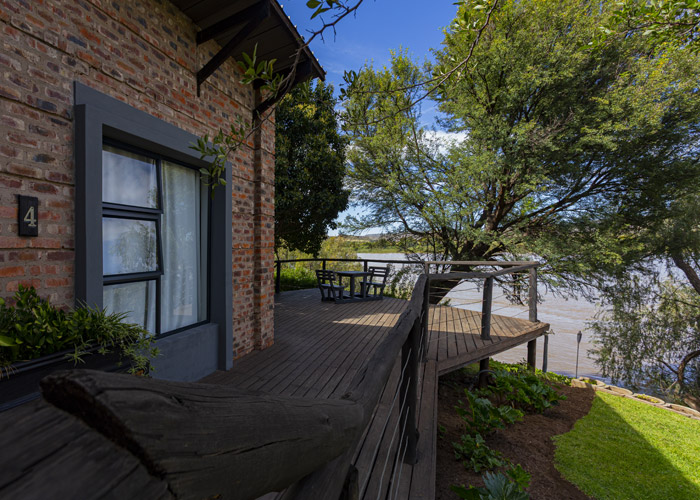
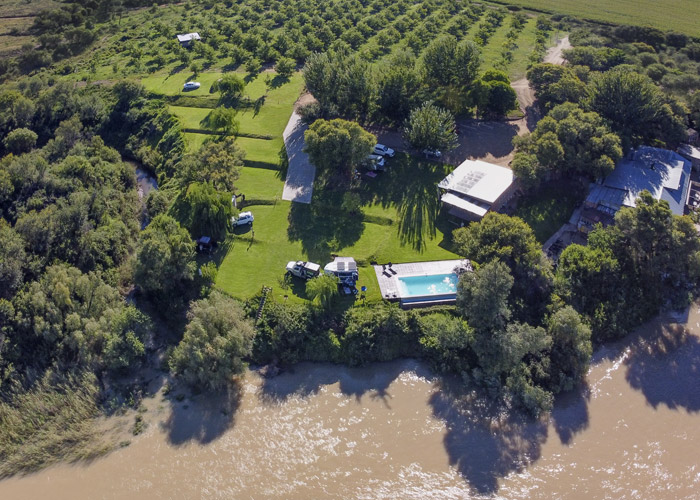
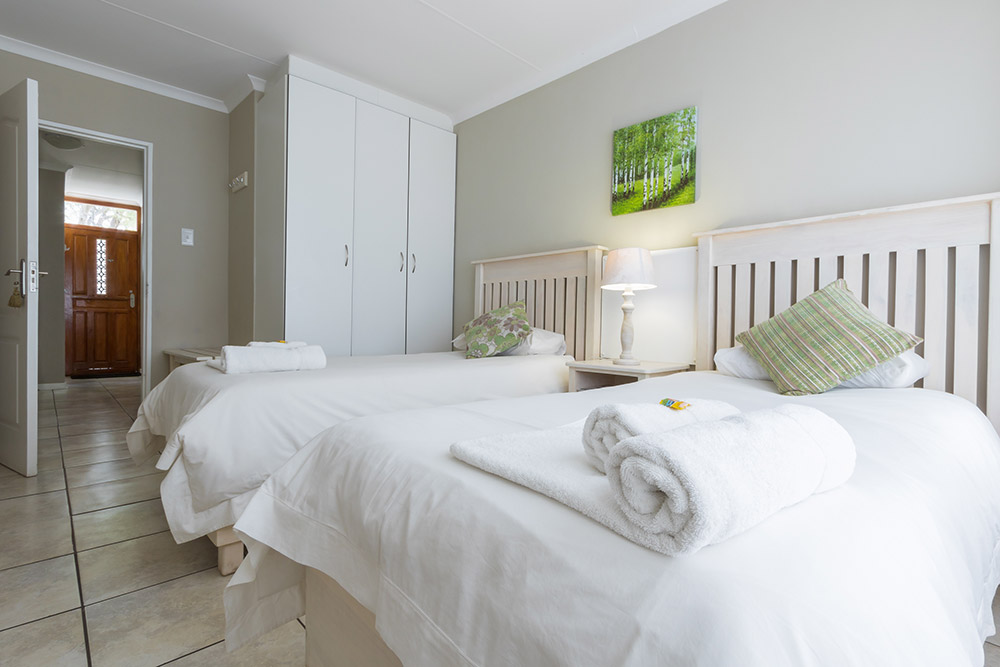
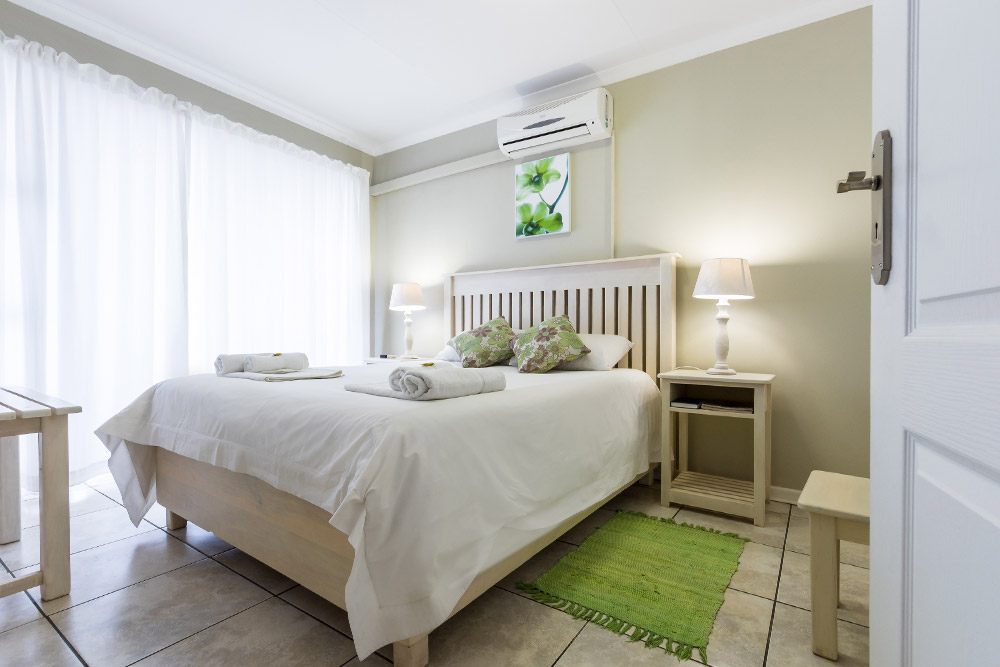
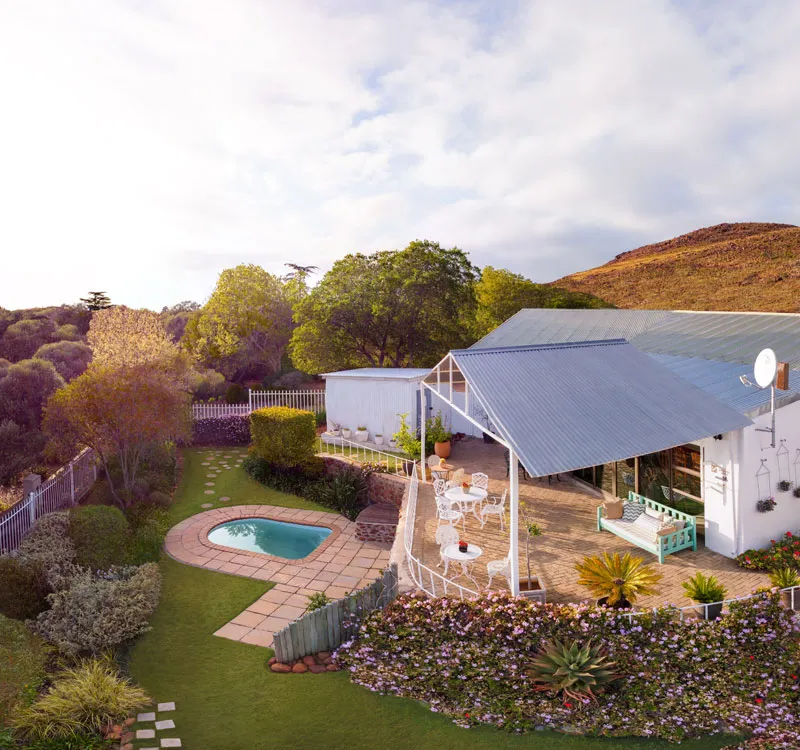
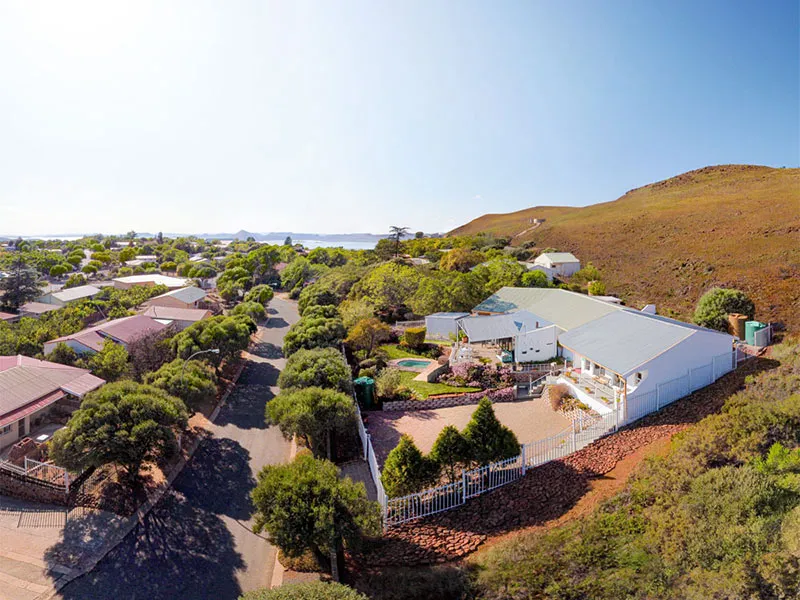
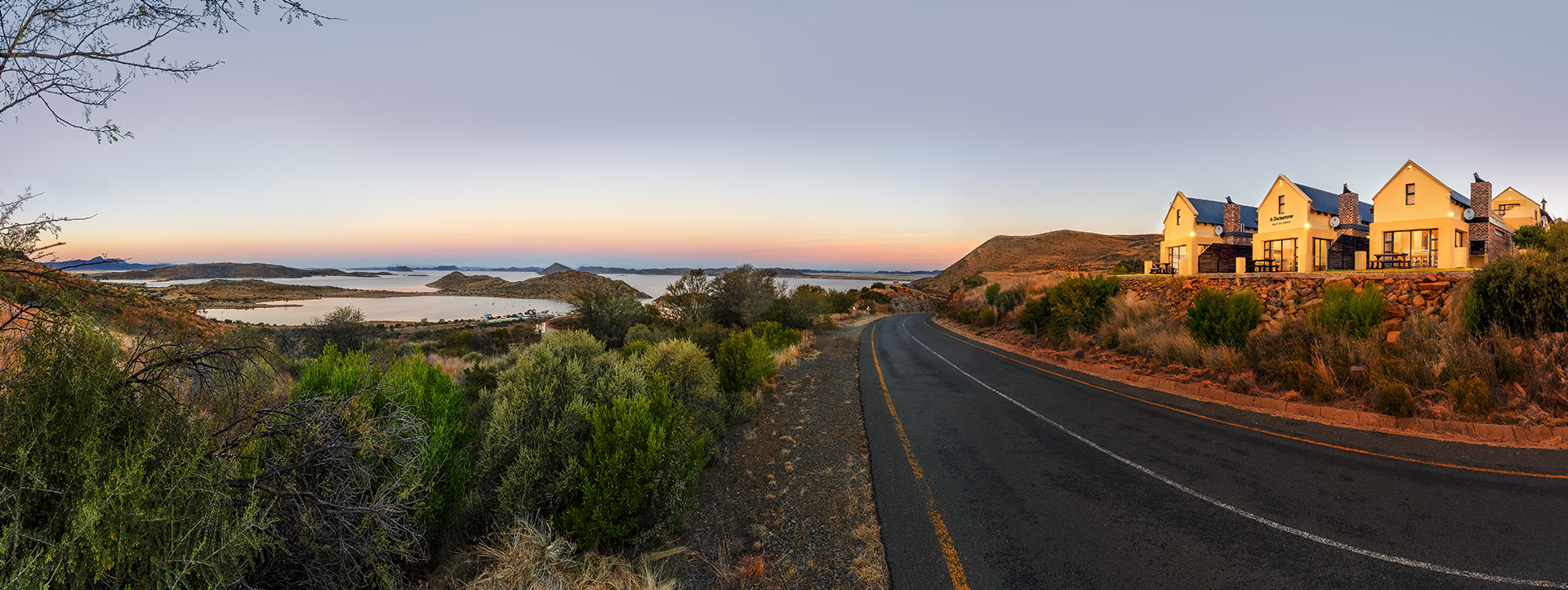
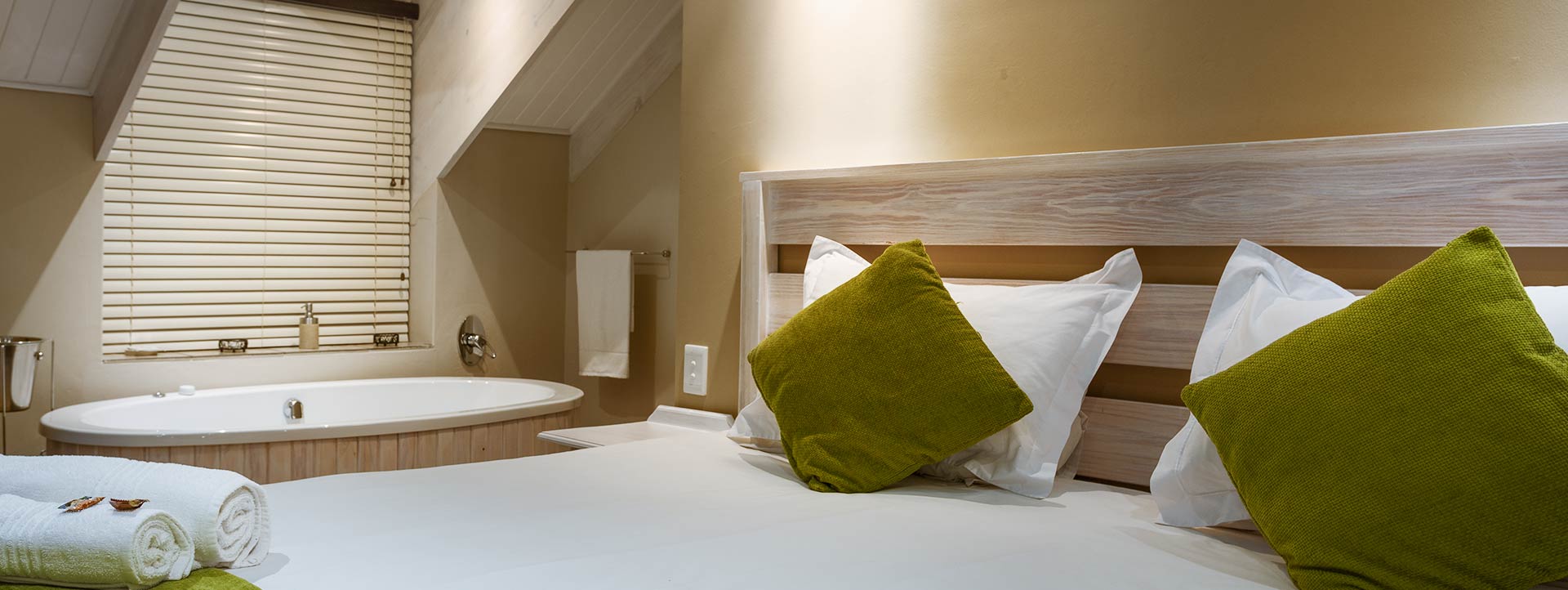
Guest house accommodation is the predominant option in the immediate area. A guest house stay here typically involves rooms within a small, owner-operated property, with communal spaces and a personal quality of service that larger hotels do not offer. Hosts are usually familiar with the dam's conditions and can advise on current fishing prospects, boat hire availability, or which access points to the water are most accessible on a particular day.
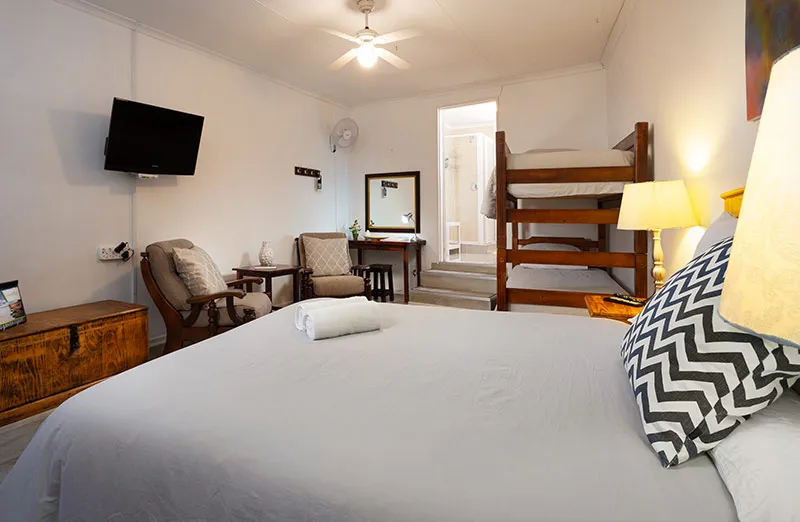
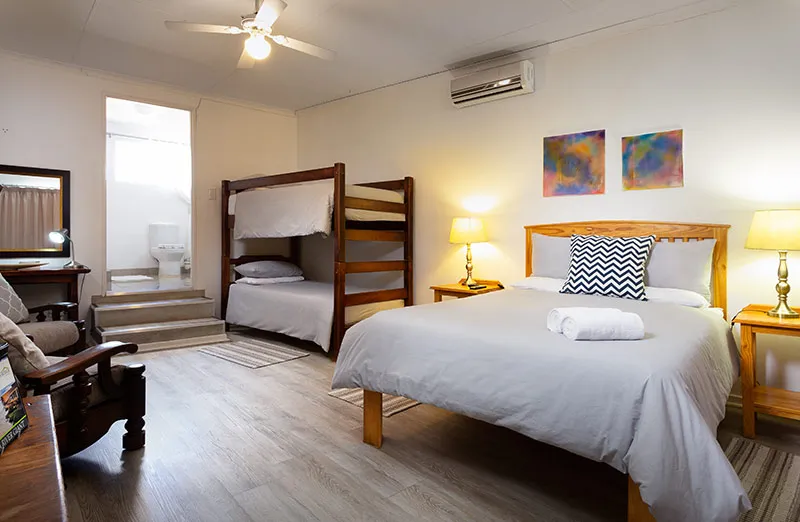
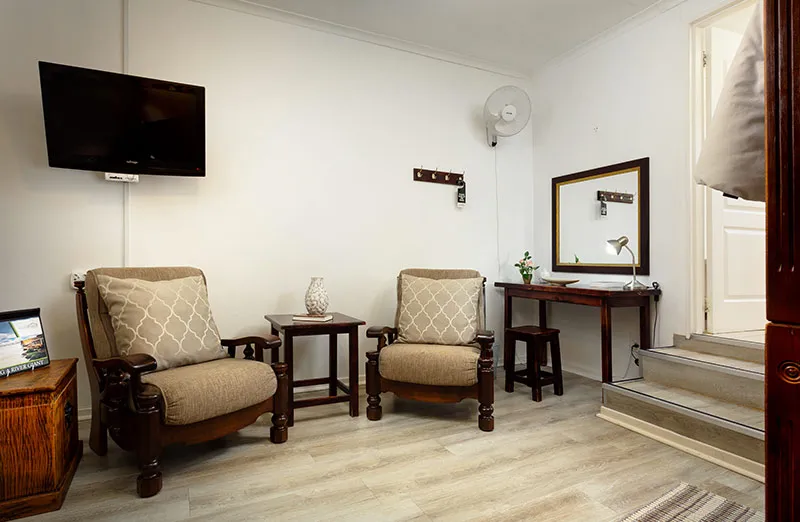
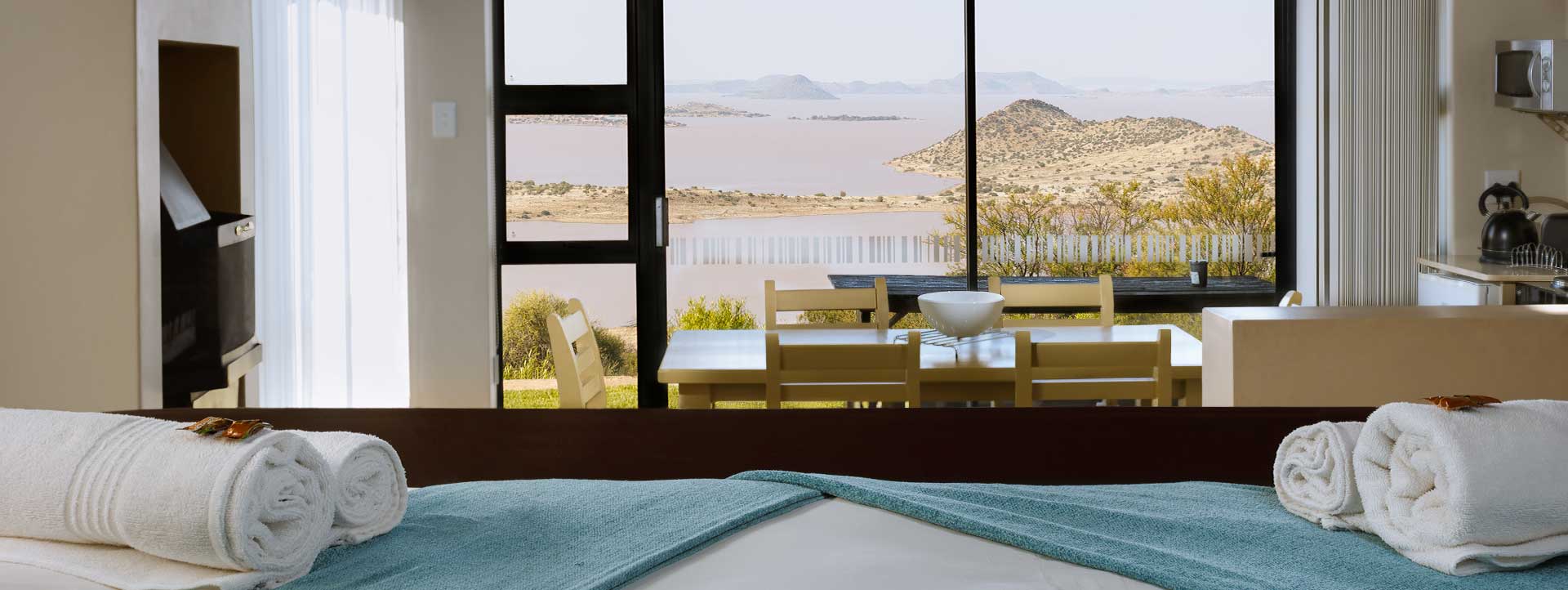
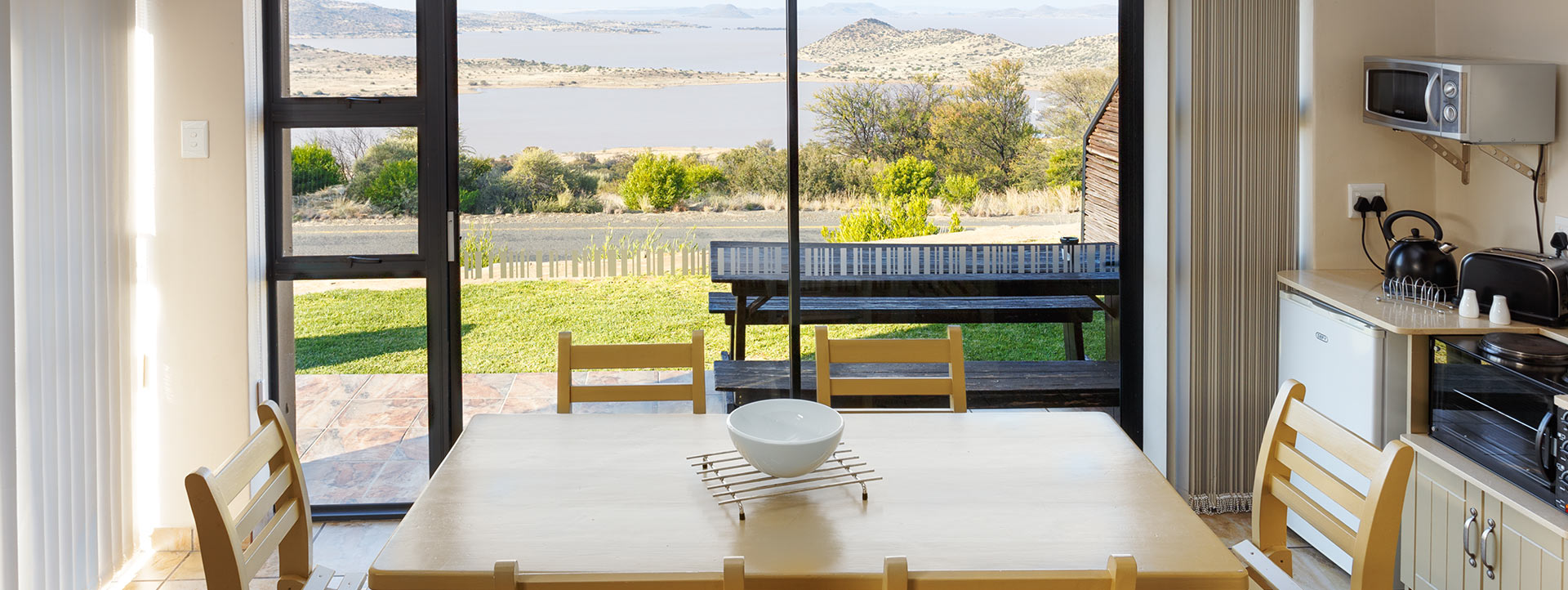
At this price tier, the expectation is clean, comfortable rooms with standard amenities rather than resort facilities. Meals are sometimes available by arrangement, which matters because restaurant options in the area are limited, particularly in the evenings. Self-catering facilities, where offered, allow more flexibility for early morning departures to the water or the reserve.
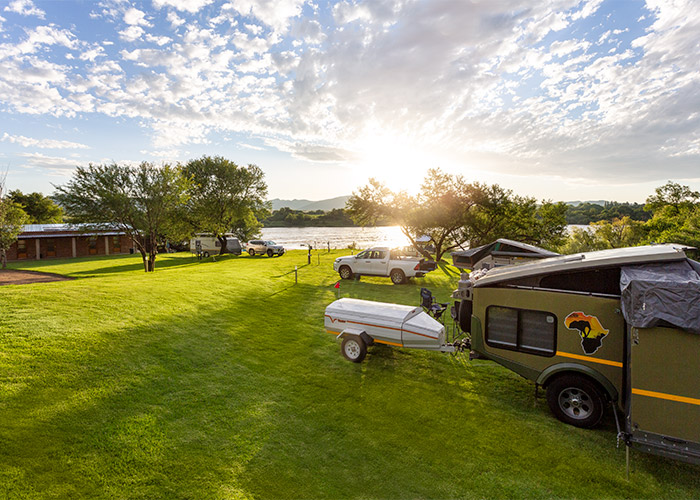
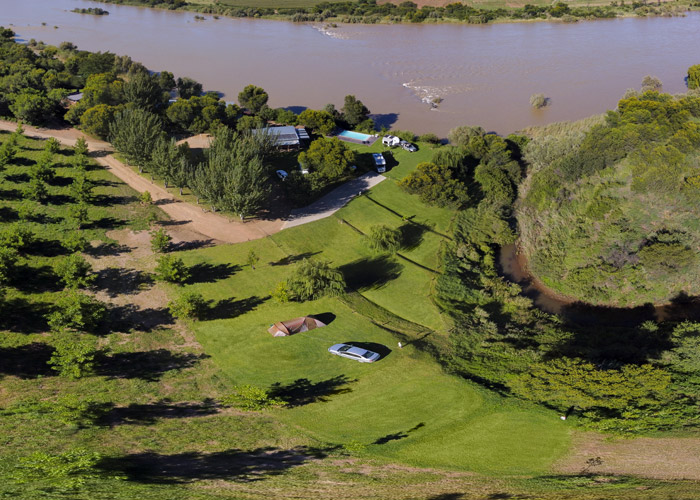
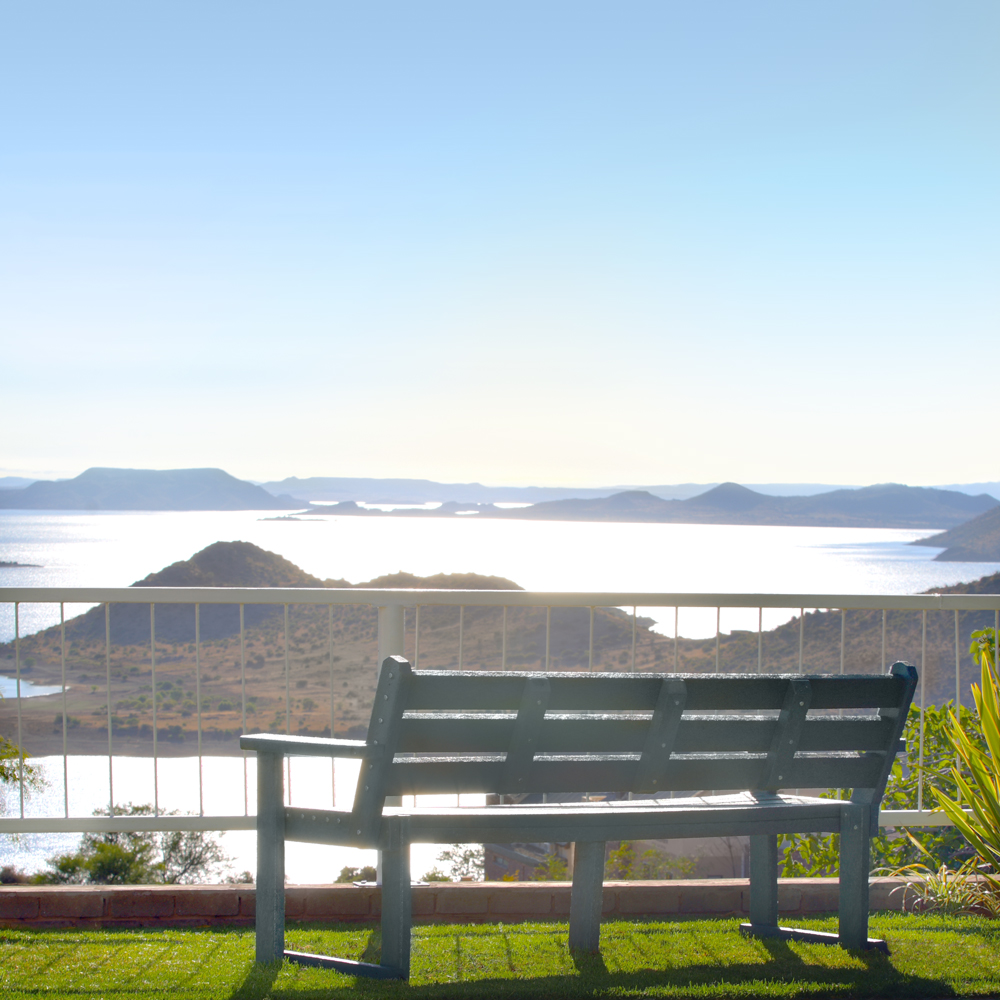
For those who prefer to be as close to the landscape as possible, camping is available in the broader area at a considerably lower cost. Campsites bring you into direct contact with the grasslands and rocky outcrops, and the sounds of the semi-arid interior at night are a very different experience from an enclosed room. The trade-off is fewer amenities and the need to be more self-sufficient with food and equipment.
Demand peaks sharply during South African school holidays and over long weekends, especially when fishing competitions are scheduled on the dam. At those times, availability tightens given the modest total number of properties in the area, and last-minute options tend to be thin.
Best Time to Visit Gariep Dam
The interior location gives Gariep Dam a climate of extremes: hot summers, cold winters, and relatively low annual rainfall concentrated in the summer months. January and February are the hottest months, with daytime temperatures regularly above 35°C in the open plains around the dam. Afternoon thunderstorms are common between November and February, arriving quickly and clearing within an hour or two, but they can interrupt a day on the water.
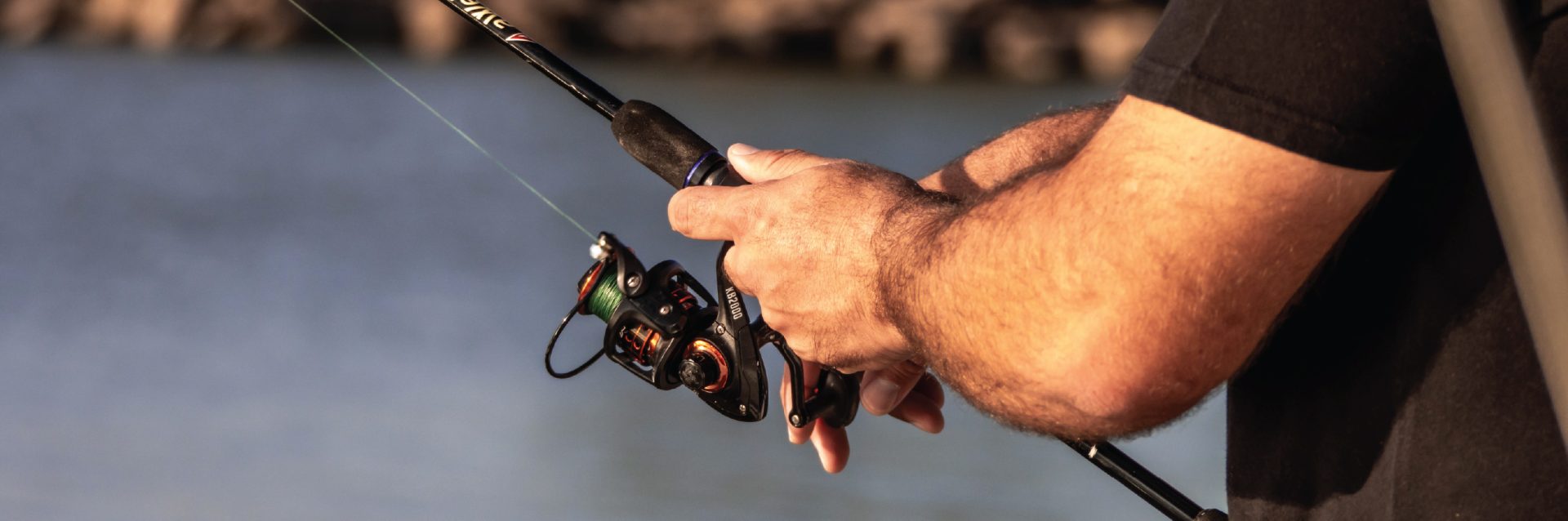
February through April is a practical window for boating and fishing. The rainfall season has mostly passed by then, water levels are typically at or near their seasonal high, and temperatures have dropped from their summer peak to something more comfortable for being outdoors. Bass are active and feeding in warm water, which makes catches more likely than in the cooler months.
Winter (June to August) is cold, particularly at night, when temperatures can fall close to zero. The days, however, are clear and dry, which suits hiking and wildlife observation across the open terrain. The low humidity and absence of haze also improves visibility across the dam.
Birdwatching is productive at any time of year, but spring (September to November) brings migratory species through the region and adds substantially to the resident population. The transition months of March-April and September-October offer the best balance of comfortable weather, fewer crowds, and good conditions for most activities at the dam.
Getting to Gariep Dam
The N1 national road is the primary route to Gariep Dam for most visitors. From Johannesburg, the drive south takes roughly four to four and a half hours under normal conditions, passing through the Free State before reaching the dam area. Bloemfontein, approximately 200 kilometres to the north, is the closest major city, around two hours by road.
Travellers coming from the north-west connect via the N12 from Kimberley, which meets the N1 south of the major junction at Colesberg, roughly 40 kilometres from the dam. The total distance from Kimberley is around 250 kilometres. From Cape Town, the N1 runs north-east for approximately five hours before the turnoff toward the dam.
No scheduled public transport runs directly to Gariep Dam. Intercity bus services on the Johannesburg-Cape Town route stop at Colesberg, but completing the last 40 kilometres from there requires a private vehicle or a transfer arranged in advance. Renting a car in Bloemfontein or Johannesburg before departing is the most reliable option for visitors without their own transport.
The nearest commercial airport is in Bloemfontein, served by domestic flights from Johannesburg, Cape Town, and Durban. A light aircraft airstrip exists near the dam for private aviation, but no commercial services operate from it. Once at the destination, a car is essential. The dam wall, the nature reserve access roads, the town, and the accommodation are spread across enough distance that getting between them on foot is not practical.
Gariep Dam and Surrounding Areas
The town of Gariepdam, just two kilometres from the dam wall, is the immediate hub for visitors. It has fuel, basic shops, and provides the main access points to the dam and the nature reserve surrounding it. Most visitors pass through at least once a day during a stay.
Colesberg, 40 kilometres to the north-west, is the most practically useful town in the wider region. It sits at the intersection of the N1 and N9, making it one of the country's most significant road junctions, where traffic from Johannesburg, Cape Town, Port Elizabeth, and Bloemfontein converges. Colesberg has a full complement of supermarkets, fuel stations, restaurants, and accommodation, and its history as an old frontier settlement is covered in the local museum. Visitors arriving from major cities will almost certainly pass through Colesberg on the way to the dam, making it a logical place to stock up on provisions.
Venterstad, 36 kilometres to the south-east, follows the Orange River valley and has a quieter, more agricultural character than the junction towns to the north-west. Its position on the river gives it a different landscape quality from the dam area itself, and the drive along the river corridor passes through scenery that contrasts with the open plains above.
Springfontein, around 40 kilometres to the north, developed around its position on the railway line and retains that identity. The surrounding farming community relies on it for services, and it offers basic provisions and fuel for travellers.
Bravo, at a similar distance, is a small rural settlement serving the farming districts rather than visitors. It has limited amenities but sits in a part of the interior that reflects the working agricultural character of the region.
Berseba, 43 kilometres from the dam, crosses into the Eastern Cape and sits in drier Karoo-edge conditions. Its character is shaped by that drier climate and by the sparse settlement patterns of the Northern Cape boundary area.
Planning Your Stay
Given the small number of properties in and around Gariep Dam, the booking window matters more here than at destinations with abundant accommodation capacity. During school holidays and any weekends when fishing competitions are scheduled, properties can be fully reserved weeks in advance. For peak periods, booking one to two months ahead is sensible. For quieter shoulder months, two to three weeks is usually sufficient to secure a good option.
Before confirming a reservation, check whether the property is self-catering or offers meals by arrangement. The limited number of restaurants in the area means that dinner options after dark are restricted, and knowing what your accommodation provides will affect how much food you need to bring. If you are towing a boat or trailer, confirm that secure parking is available.
Fishing at the dam requires a permit. Permits are managed by the relevant provincial authority and available from local points of sale. Current regulations around catch limits and permitted species should be checked before arrival, as these rules are updated periodically. If you plan to launch a boat, confirm ramp access and any associated fees directly with the dam authority or your accommodation before the trip.
Cell signal is inconsistent in parts of the area. Downloading offline maps before you leave and noting key phone numbers (accommodation, local emergency services, the nearest fuel station) is worthwhile. Dam water levels can also vary significantly between seasons, so checking current conditions is useful if your plans depend on specific water depths or launch conditions.