Naboomfontein Reis- & Akkommodasiegids
Jou volledige gids om Naboomfontein, Suid-Afrika te besoek.
3
Eiendomme
Gewildste
Self-catering
Naboomfontein is a small rural settlement in the Waterberg District of Limpopo, serving as a gateway to the surrounding bushveld and agricultural lands. The area offers visitors a quiet retreat into authentic South African countryside, far from major tourist routes.
## Accommodation in Naboomfontein
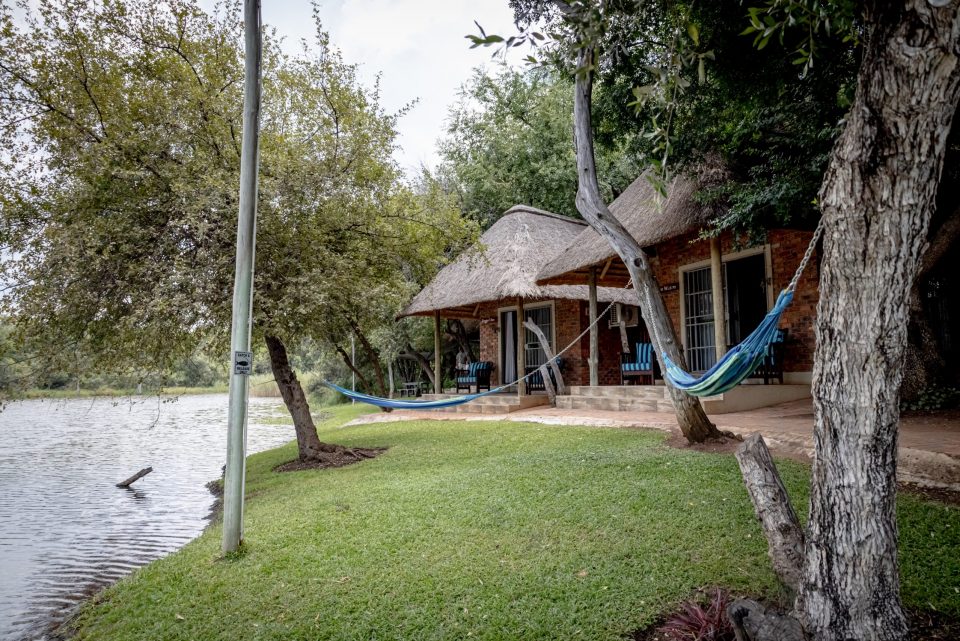
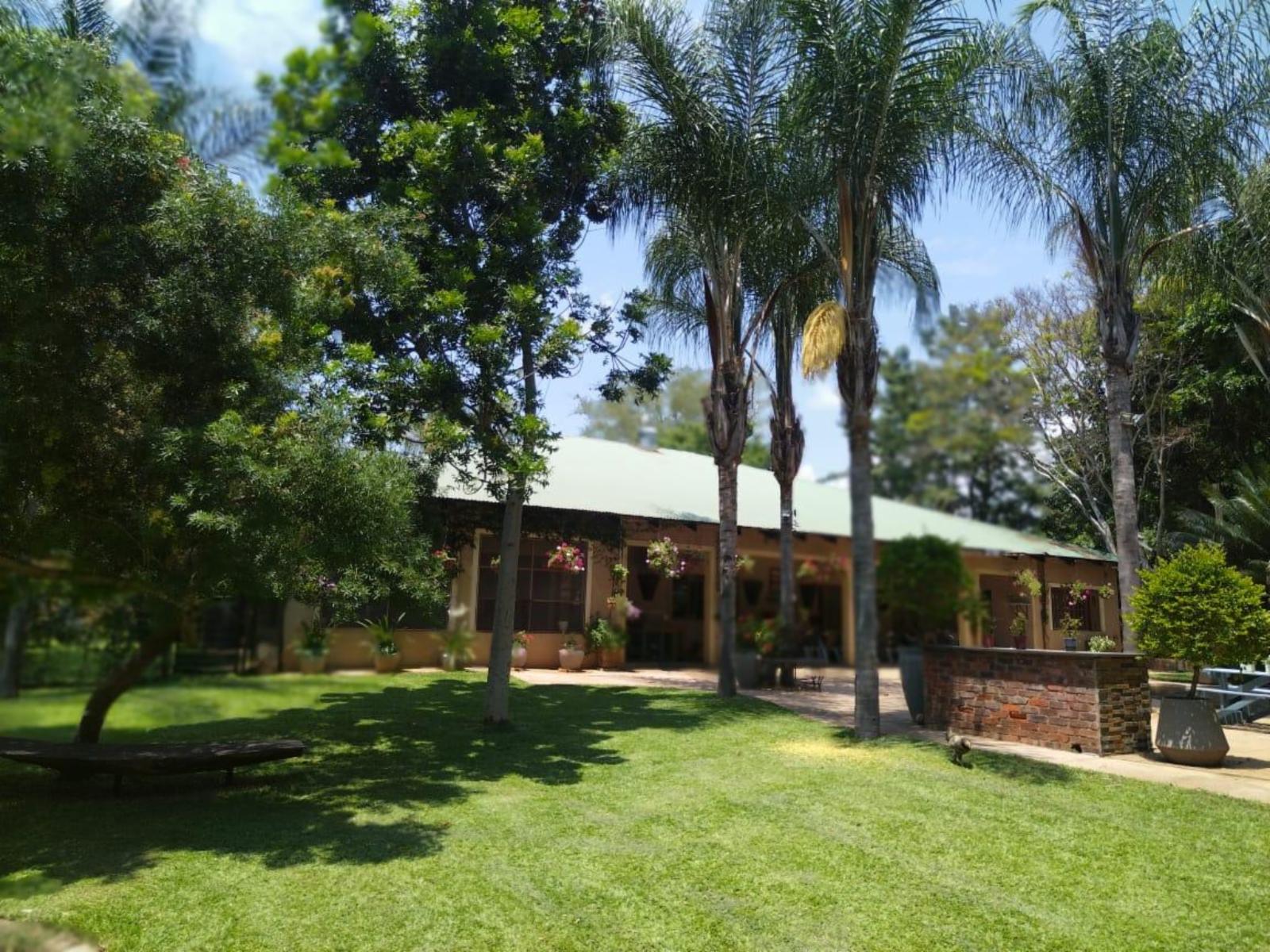
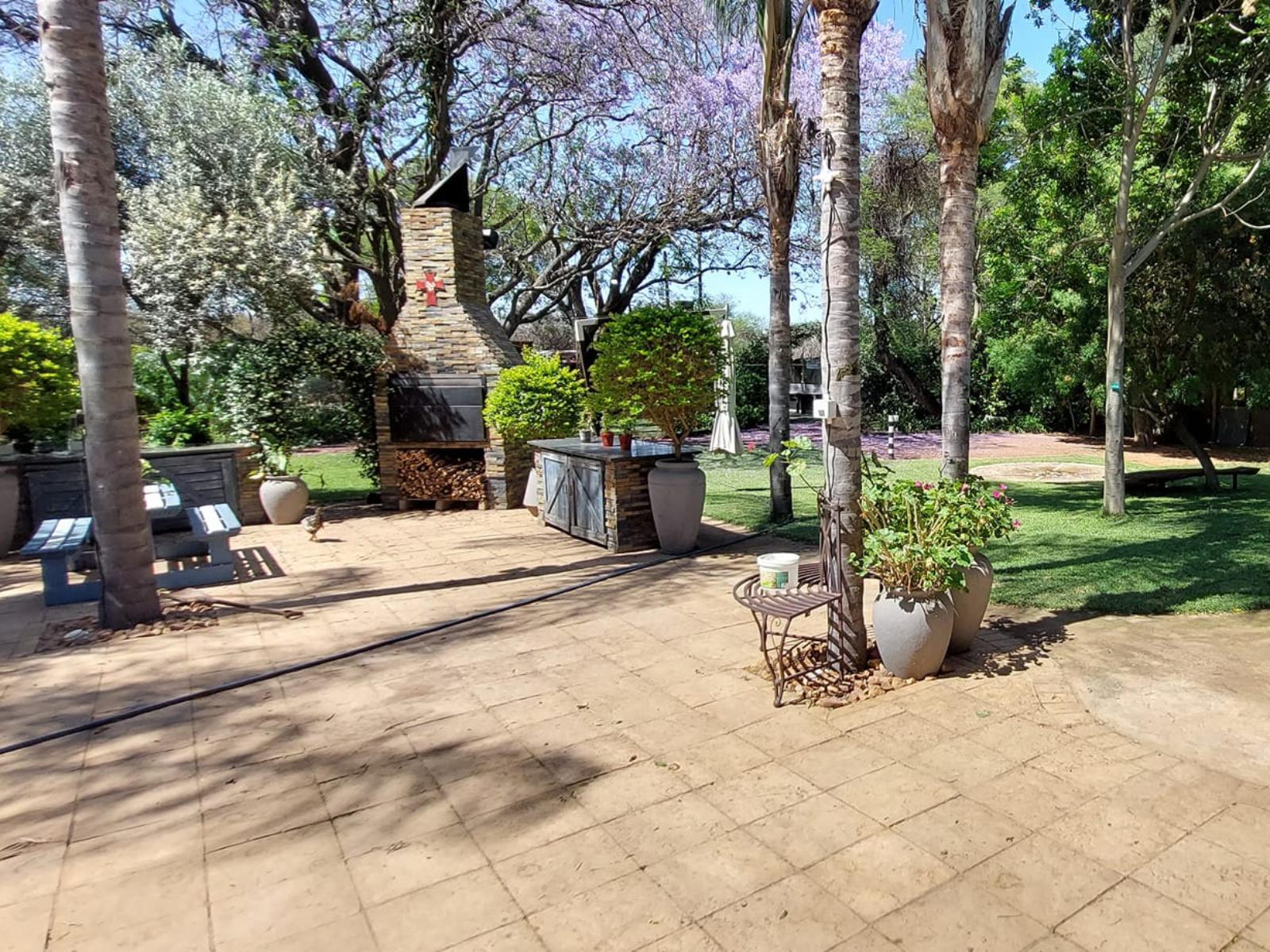
With just three properties to choose from, accommodation in Naboomfontein reflects the character of the surrounding farming community: practical, rural, and genuinely off the beaten track. The options span from a campsite at the budget end through to a self-catering property and a lodge, covering a reasonable spread of travel styles within such a small pool. Pricing was not published at time of writing, so direct enquiry with each property is the right first step before committing to a budget.
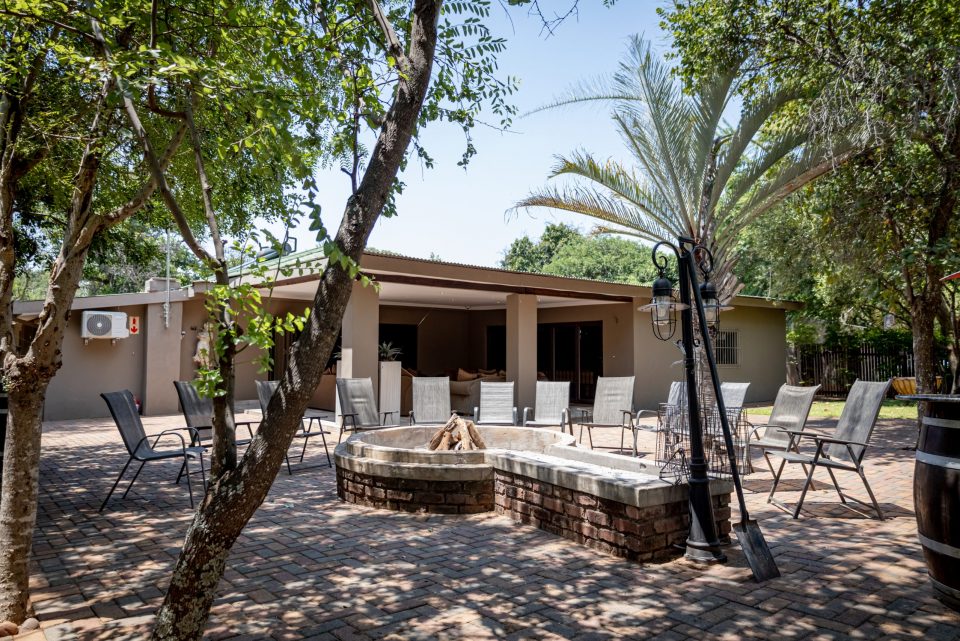
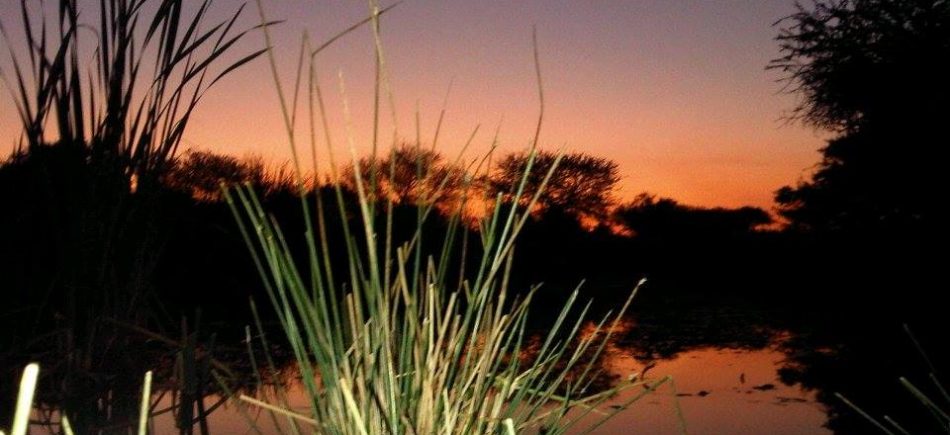
At the accessible end of the spectrum, the campsite suits visitors who carry their own equipment and prefer open-air sleeping to enclosed rooms. Light pollution is minimal this far from any significant town, and the night sky becomes a feature of the experience in its own right. The sounds of the bushveld after dark add to the atmosphere in a way that enclosed accommodation rarely matches. Winter visitors should bring warm sleeping gear for the cold nights, but days are clear and comfortable for outdoor activity.
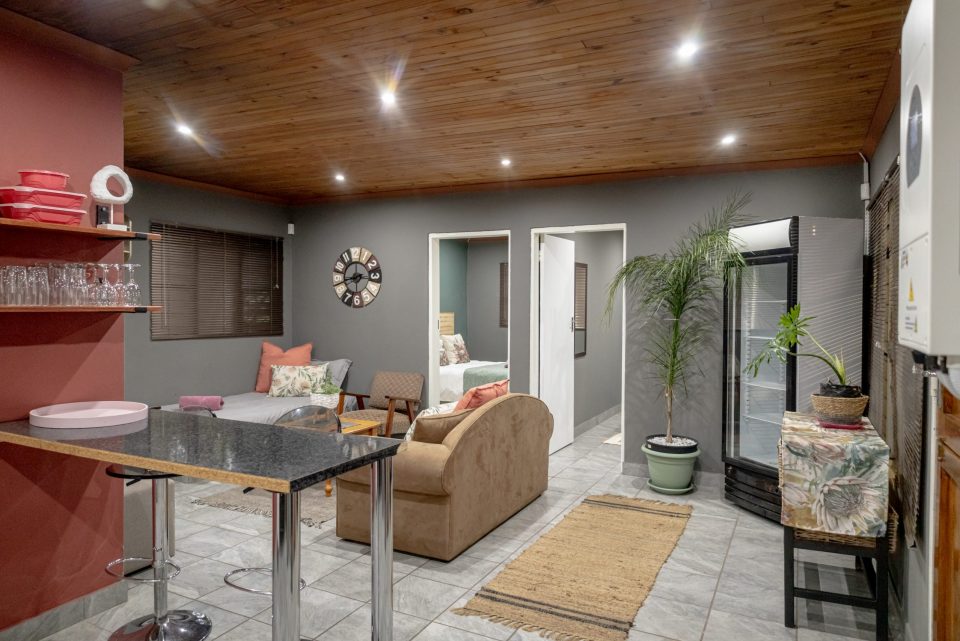
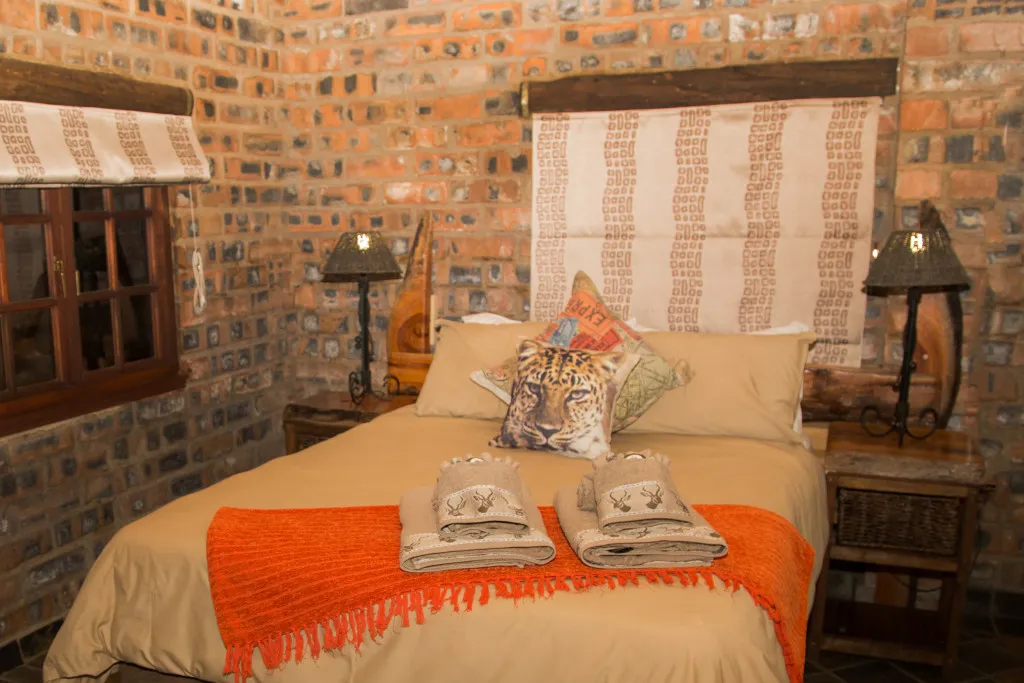
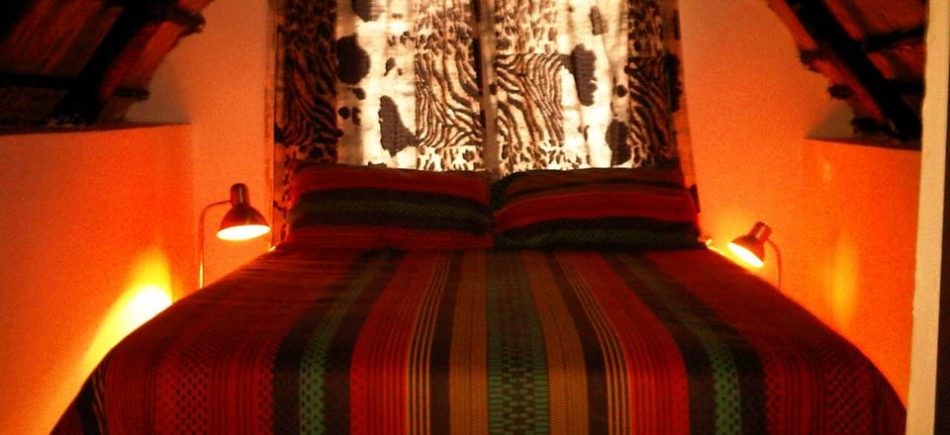
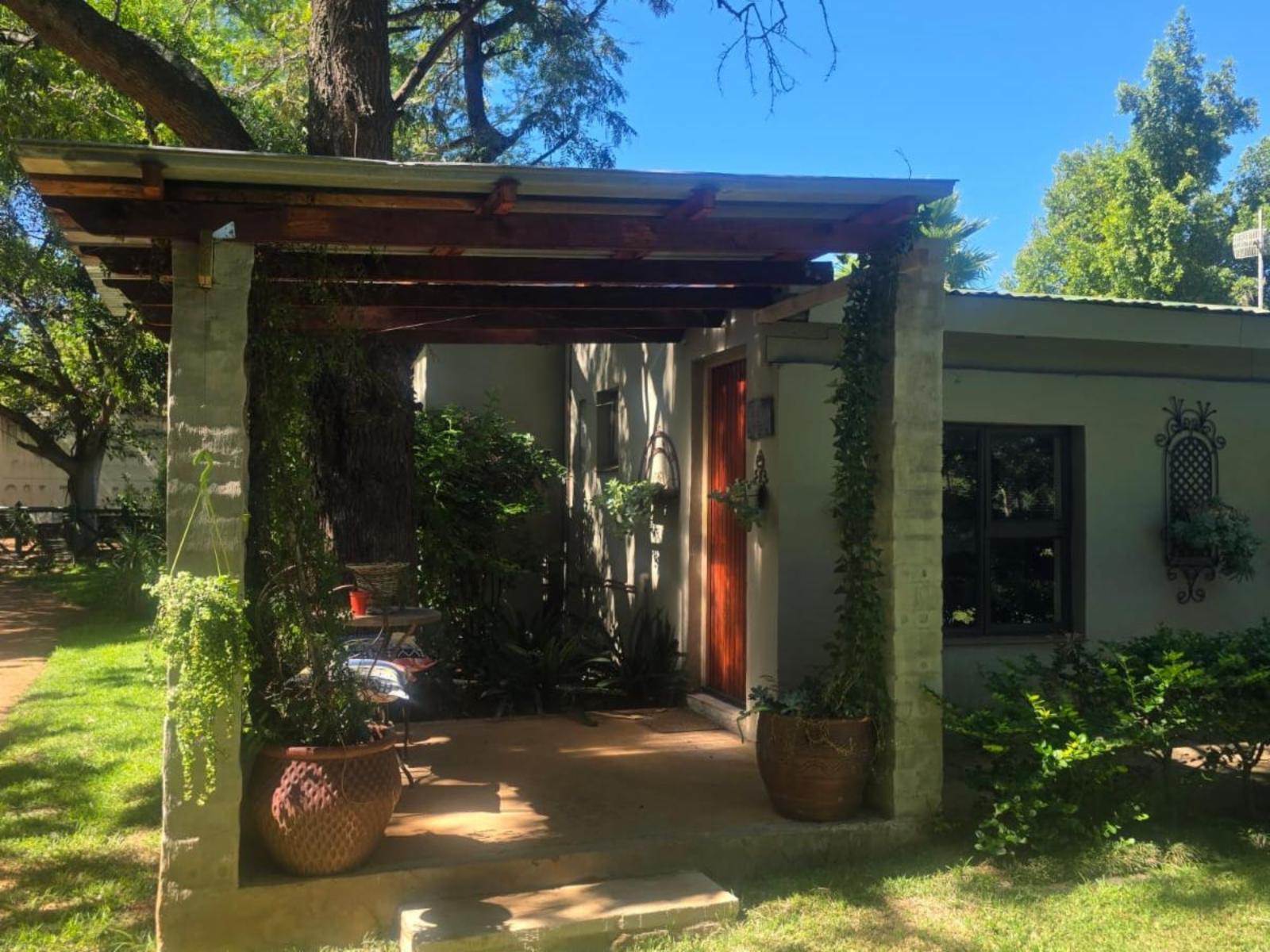
The self-catering property sits in the middle tier, offering a more structured domestic base for visitors who want independence in a rural setting. A fully equipped kitchen and private space make it practical for couples or small groups intending to stay several nights, particularly those who prefer to cook for themselves rather than drive to a restaurant.
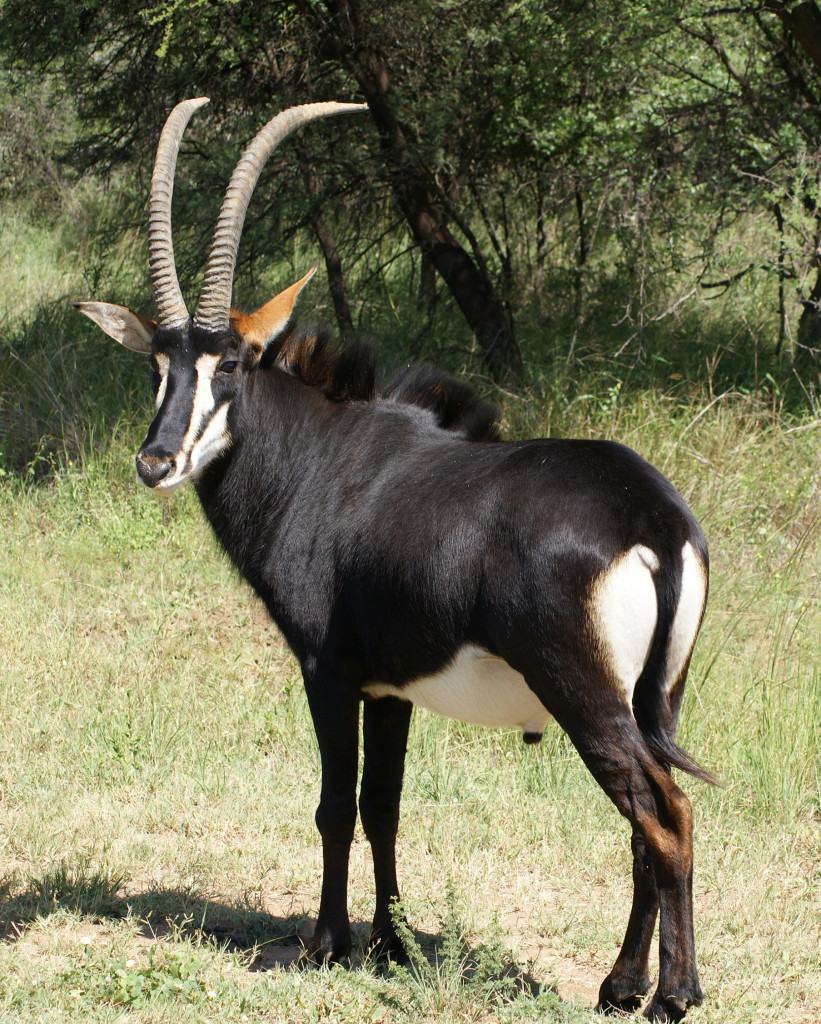
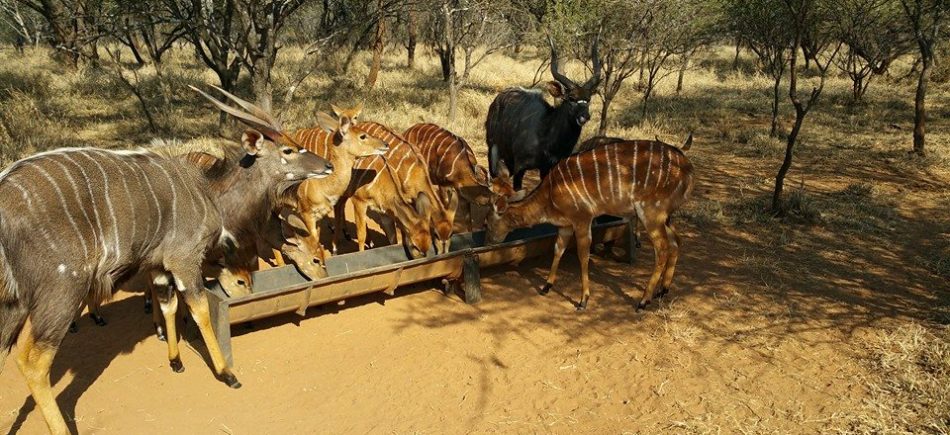
The lodge represents the most comprehensive option. Farm lodges in this region commonly include meals and guided activities, such as game drives or bush walks, as part of the stay. For visitors on a short break from the city, this format minimises the need for preparation and logistics. The guided component also adds useful context for those unfamiliar with the Waterberg biome and its wildlife.
## Best Time to Visit Naboomfontein
The Waterberg follows a summer rainfall pattern, with October through March bringing temperatures in the mid-30s Celsius and frequent afternoon thunderstorms. Vegetation fills out noticeably after the rains, and migratory birds arrive in significant numbers. The thick summer bush makes spotting larger wildlife more difficult, but birdlife activity is at its peak during these months.
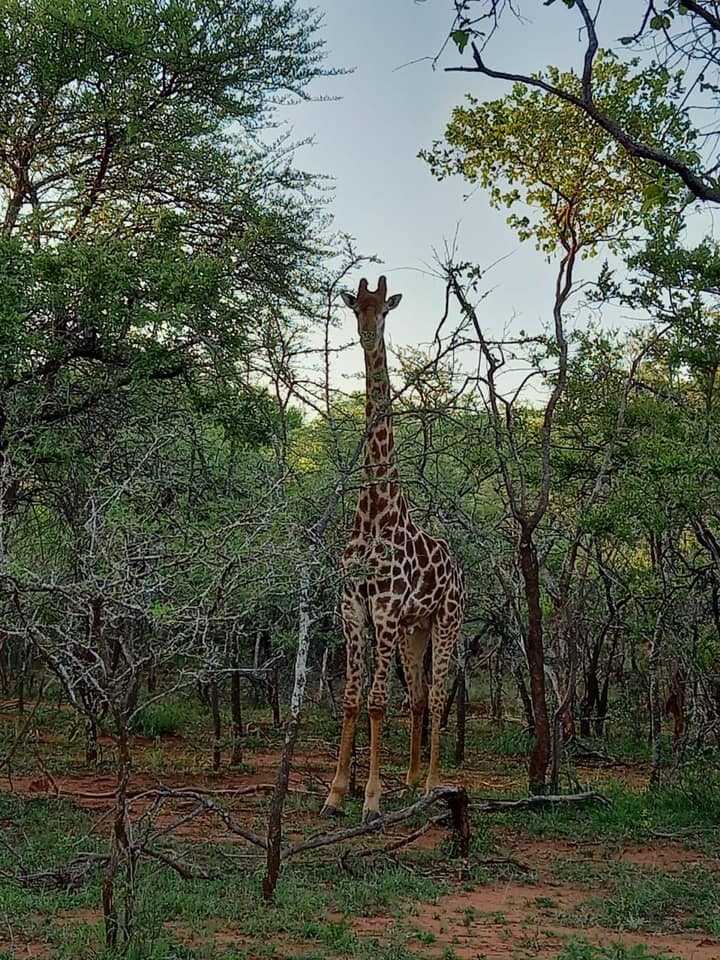
From May to September, conditions shift to cooler and drier. Daytime temperatures in the heart of winter settle between 18 and 24 degrees Celsius, while nights in June and July can approach freezing. Thinner vegetation improves wildlife sightings considerably, and dry soil keeps rural tracks passable in a standard vehicle. This period is generally the most straightforward time to travel in the area.
The South African school winter holidays in July bring a noticeable increase in demand for rural accommodation across the region. Booking several weeks ahead is sensible during this window. The shoulder months of April and September provide a useful middle ground: moderate temperatures, lower visitor numbers, and worthwhile wildlife and bird activity on either side of the peak dry season.
## Getting to Naboomfontein
From Pretoria, Naboomfontein is roughly 200 kilometres to the north, a drive of approximately two hours under normal highway conditions. The most direct route follows the N1 national road past Bela-Bela before branching onto regional roads toward the Waterberg interior. Travellers from Johannesburg should allow an additional 30 to 45 minutes for the city leg. The drive passes through a visible shift in vegetation, from Highveld grasslands near the Gauteng border to the acacia and euphorbia bush of the northern interior.
No scheduled public transport serves Naboomfontein. A private vehicle is the only practical option, both for reaching the settlement and for moving around during your stay. Many of the local roads are unpaved, and some become difficult to navigate in a standard sedan after sustained summer rain. A high-clearance vehicle provides considerably more flexibility between November and March.
OR Tambo International Airport in Johannesburg is the most common point of arrival for those hiring a car and driving north. Polokwane Airport handles a selection of domestic routes and may suit travellers arriving from Cape Town or Durban who want to reduce the final drive. Fuel and supplies should be purchased before leaving the N1 highway, as services become sparse on the rural roads toward the settlement.
## Naboomfontein and Surrounding Areas
The nearest towns and settlements cluster within a 26-kilometre radius, giving visitors a reasonable spread of services and points of interest without requiring long drives.
Mookgophong, 22 kilometres away on the N1 national road, is the most practical everyday stop for groceries and supplies before heading into the rural roads around Naboomfontein. Its highway position means shops here are better stocked than at smaller inland settlements, and a handful of eateries make it useful for a meal on arrival or departure.
Potgietersrus, also 22 kilometres distant, has a longer history in the Limpopo interior and retains some period architecture in its older commercial streets. The agricultural character of the surrounding area is deeply established here, and the town offers a slightly more varied service range than many similarly sized centres in the region.
Naboomspruit, at the same distance, takes its name from the candelabra euphorbia trees that grow along a nearby stream. These tall, branching succulents are characteristic of the broader landscape, appearing in dense stands along watercourses throughout the area. The town serves as a useful supply point for the farming community and adds another practical stop along the regional road network.
Doornfontein and Sterkrivier, both 24 kilometres from Naboomfontein, function as farming nodes rather than commercial centres. The roads connecting them to the settlement pass through open working farmland, and the drive gives a clear picture of the agricultural life that defines this part of Limpopo. For visitors with an interest in South African farming, the routes through these settlements provide a genuine sense of cattle and crop operations at scale.
Mokopane, at 26 kilometres the largest nearby centre, provides supermarkets, banking, medical facilities, and a more complete retail offering than any other town in the immediate vicinity. For restocking before a longer stay or attending to practical needs, it is the most capable option in the region. The area also has archaeological significance: the nearby Makapan's Caves are an important fossil hominid site that has contributed substantially to research on early human origins in southern Africa.
## Planning Your Stay
With a limited supply of accommodation in the area, availability can tighten quickly during South African school holidays and public holiday long weekends. Contact properties directly to confirm bookings rather than relying solely on third-party platforms, as some rural farm operations in the Waterberg do not maintain fully updated online listings.
Before confirming, check road conditions and the recommended vehicle type with your host. Properties accessed via unpaved tracks can present difficulties after summer rain, and establishing this before departure avoids complications on arrival.
Establish clearly what is included in the booking. The distinction between a fully self-sufficient arrangement and one that covers meals, guided activities, or transfers has direct implications for what you need to bring and budget separately.
Mobile signal is inconsistent in rural Limpopo. Download offline maps before leaving the main highway corridor, and carry cash, as card payment infrastructure is not reliable across all areas. If you have specific dietary requirements, raise them with your host well ahead of arrival: resupplying from the nearest stocked town requires a deliberate trip. Travelling in a group reduces per-person fuel costs for day trips to surrounding centres and makes a multi-night rural stay considerably more practical overall.

With just three properties to choose from, accommodation in Naboomfontein reflects the character of the surrounding farming community: practical, rural, and genuinely off the beaten track. The options span from a campsite at the budget end through to a self-catering property and a lodge, covering a reasonable spread of travel styles within such a small pool. Pricing was not published at time of writing, so direct enquiry with each property is the right first step before committing to a budget.
At the accessible end of the spectrum, the campsite suits visitors who carry their own equipment and prefer open-air sleeping to enclosed rooms. Light pollution is minimal this far from any significant town, and the night sky becomes a feature of the experience in its own right. The sounds of the bushveld after dark add to the atmosphere in a way that enclosed accommodation rarely matches. Winter visitors should bring warm sleeping gear for the cold nights, but days are clear and comfortable for outdoor activity.
The self-catering property sits in the middle tier, offering a more structured domestic base for visitors who want independence in a rural setting. A fully equipped kitchen and private space make it practical for couples or small groups intending to stay several nights, particularly those who prefer to cook for themselves rather than drive to a restaurant.
The lodge represents the most comprehensive option. Farm lodges in this region commonly include meals and guided activities, such as game drives or bush walks, as part of the stay. For visitors on a short break from the city, this format minimises the need for preparation and logistics. The guided component also adds useful context for those unfamiliar with the Waterberg biome and its wildlife.
## Best Time to Visit Naboomfontein
The Waterberg follows a summer rainfall pattern, with October through March bringing temperatures in the mid-30s Celsius and frequent afternoon thunderstorms. Vegetation fills out noticeably after the rains, and migratory birds arrive in significant numbers. The thick summer bush makes spotting larger wildlife more difficult, but birdlife activity is at its peak during these months.
From May to September, conditions shift to cooler and drier. Daytime temperatures in the heart of winter settle between 18 and 24 degrees Celsius, while nights in June and July can approach freezing. Thinner vegetation improves wildlife sightings considerably, and dry soil keeps rural tracks passable in a standard vehicle. This period is generally the most straightforward time to travel in the area.
The South African school winter holidays in July bring a noticeable increase in demand for rural accommodation across the region. Booking several weeks ahead is sensible during this window. The shoulder months of April and September provide a useful middle ground: moderate temperatures, lower visitor numbers, and worthwhile wildlife and bird activity on either side of the peak dry season.
## Getting to Naboomfontein
From Pretoria, Naboomfontein is roughly 200 kilometres to the north, a drive of approximately two hours under normal highway conditions. The most direct route follows the N1 national road past Bela-Bela before branching onto regional roads toward the Waterberg interior. Travellers from Johannesburg should allow an additional 30 to 45 minutes for the city leg. The drive passes through a visible shift in vegetation, from Highveld grasslands near the Gauteng border to the acacia and euphorbia bush of the northern interior.
No scheduled public transport serves Naboomfontein. A private vehicle is the only practical option, both for reaching the settlement and for moving around during your stay. Many of the local roads are unpaved, and some become difficult to navigate in a standard sedan after sustained summer rain. A high-clearance vehicle provides considerably more flexibility between November and March.
OR Tambo International Airport in Johannesburg is the most common point of arrival for those hiring a car and driving north. Polokwane Airport handles a selection of domestic routes and may suit travellers arriving from Cape Town or Durban who want to reduce the final drive. Fuel and supplies should be purchased before leaving the N1 highway, as services become sparse on the rural roads toward the settlement.
## Naboomfontein and Surrounding Areas
The nearest towns and settlements cluster within a 26-kilometre radius, giving visitors a reasonable spread of services and points of interest without requiring long drives.
Mookgophong, 22 kilometres away on the N1 national road, is the most practical everyday stop for groceries and supplies before heading into the rural roads around Naboomfontein. Its highway position means shops here are better stocked than at smaller inland settlements, and a handful of eateries make it useful for a meal on arrival or departure.
Potgietersrus, also 22 kilometres distant, has a longer history in the Limpopo interior and retains some period architecture in its older commercial streets. The agricultural character of the surrounding area is deeply established here, and the town offers a slightly more varied service range than many similarly sized centres in the region.
Naboomspruit, at the same distance, takes its name from the candelabra euphorbia trees that grow along a nearby stream. These tall, branching succulents are characteristic of the broader landscape, appearing in dense stands along watercourses throughout the area. The town serves as a useful supply point for the farming community and adds another practical stop along the regional road network.
Doornfontein and Sterkrivier, both 24 kilometres from Naboomfontein, function as farming nodes rather than commercial centres. The roads connecting them to the settlement pass through open working farmland, and the drive gives a clear picture of the agricultural life that defines this part of Limpopo. For visitors with an interest in South African farming, the routes through these settlements provide a genuine sense of cattle and crop operations at scale.
Mokopane, at 26 kilometres the largest nearby centre, provides supermarkets, banking, medical facilities, and a more complete retail offering than any other town in the immediate vicinity. For restocking before a longer stay or attending to practical needs, it is the most capable option in the region. The area also has archaeological significance: the nearby Makapan's Caves are an important fossil hominid site that has contributed substantially to research on early human origins in southern Africa.
## Planning Your Stay
With a limited supply of accommodation in the area, availability can tighten quickly during South African school holidays and public holiday long weekends. Contact properties directly to confirm bookings rather than relying solely on third-party platforms, as some rural farm operations in the Waterberg do not maintain fully updated online listings.
Before confirming, check road conditions and the recommended vehicle type with your host. Properties accessed via unpaved tracks can present difficulties after summer rain, and establishing this before departure avoids complications on arrival.
Establish clearly what is included in the booking. The distinction between a fully self-sufficient arrangement and one that covers meals, guided activities, or transfers has direct implications for what you need to bring and budget separately.
Mobile signal is inconsistent in rural Limpopo. Download offline maps before leaving the main highway corridor, and carry cash, as card payment infrastructure is not reliable across all areas. If you have specific dietary requirements, raise them with your host well ahead of arrival: resupplying from the nearest stocked town requires a deliberate trip. Travelling in a group reduces per-person fuel costs for day trips to surrounding centres and makes a multi-night rural stay considerably more practical overall.
Tipes Akkommodasie in Naboomfontein
Akkommodasiepryse in Naboomfontein
| Tipe | Inskrywings | Vanaf | Gemiddeld | Tot |
|---|---|---|---|---|
| Self-catering | 1 | – | – | – |
| Lodge | 1 | – | – | – |
| Campsite | 1 | – | – | – |
Naboomfontein Kaart
Nabygeleë Bestemmings
Blaai Deur Alle Naboomfontein Akkommodasie
Bekyk al 3 akkommodasie-opsies in Naboomfontein met foto's, pryse en beskikbaarheid.
Blaai Deur Alle Akkommodasie