Gravelotte Reis- & Akkommodasiegids
Jou volledige gids om Gravelotte, Suid-Afrika te besoek.
Gravelotte provides a quiet rural setting in Limpopo for those seeking nature-based holidays. The area includes opportunities for wildlife viewing and outdoor activities. Visitors can enjoy the local environment as a starting point for regional explorations.
## Accommodation in Gravelotte
Gravelotte's accommodation market is small, with no properties currently listed on major booking aggregators, and nightly rates that vary considerably depending on the season, operator, and what is covered. Travelers should contact properties directly or use locally-focused regional platforms to find availability and current pricing.
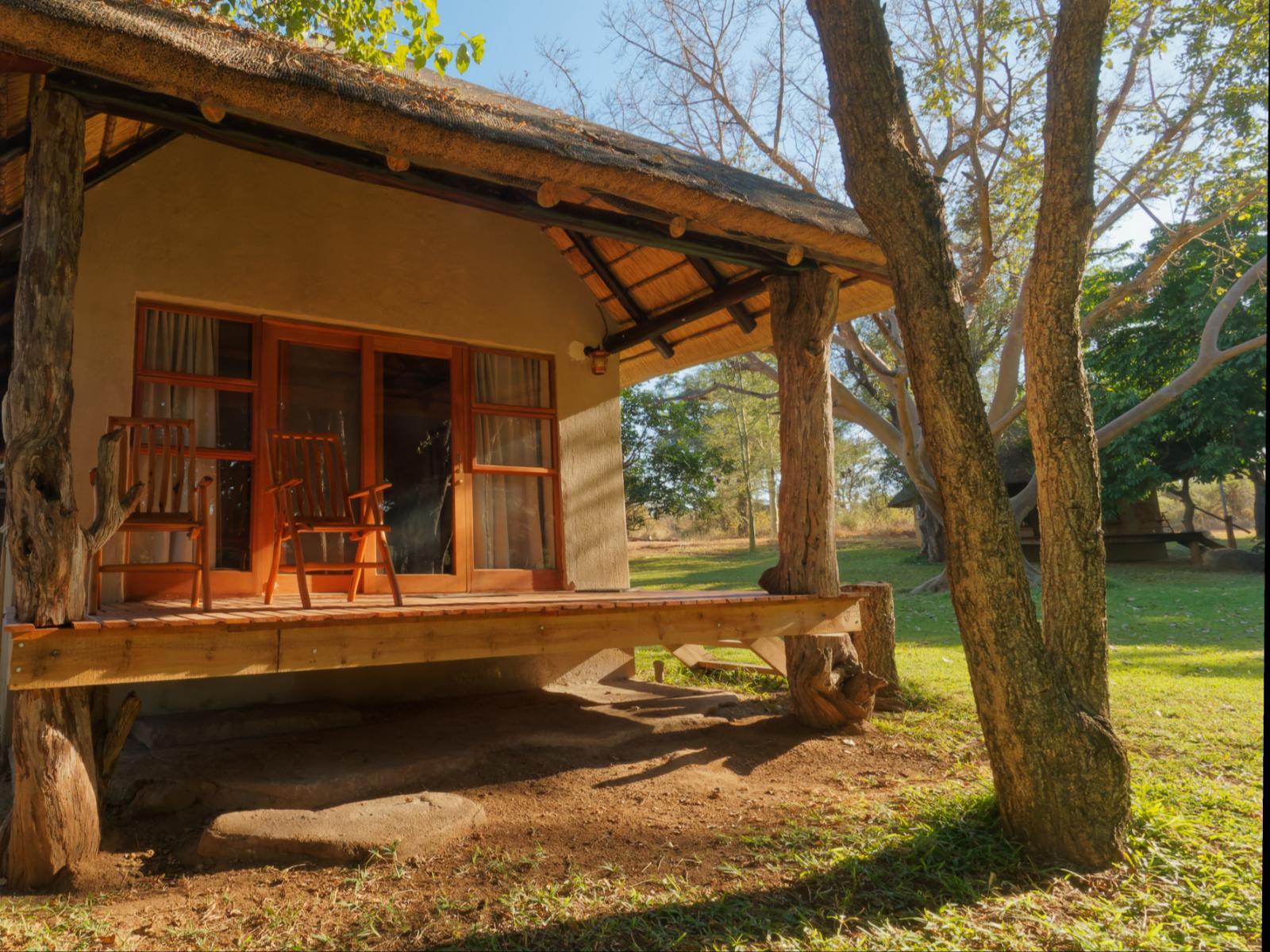
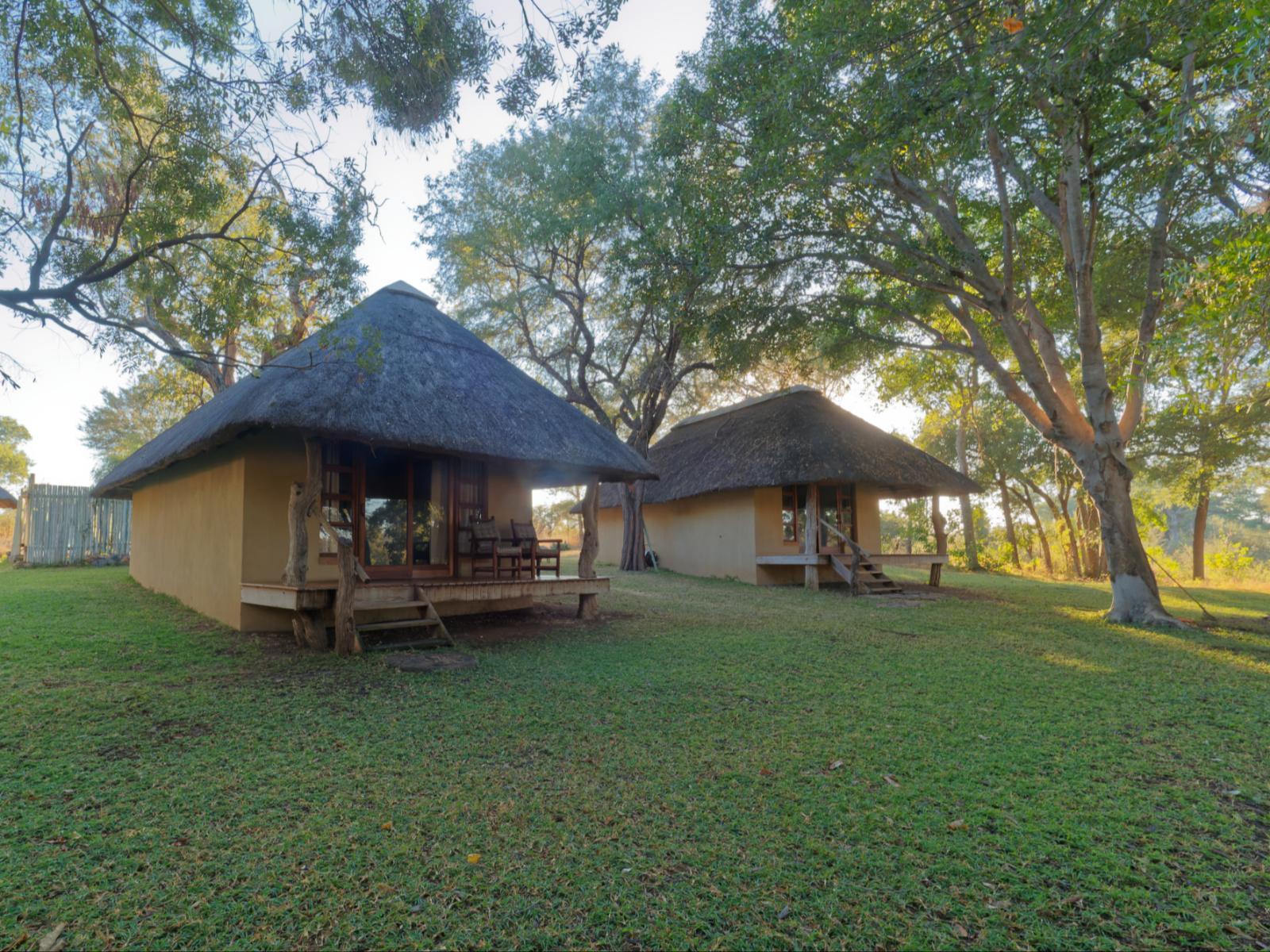
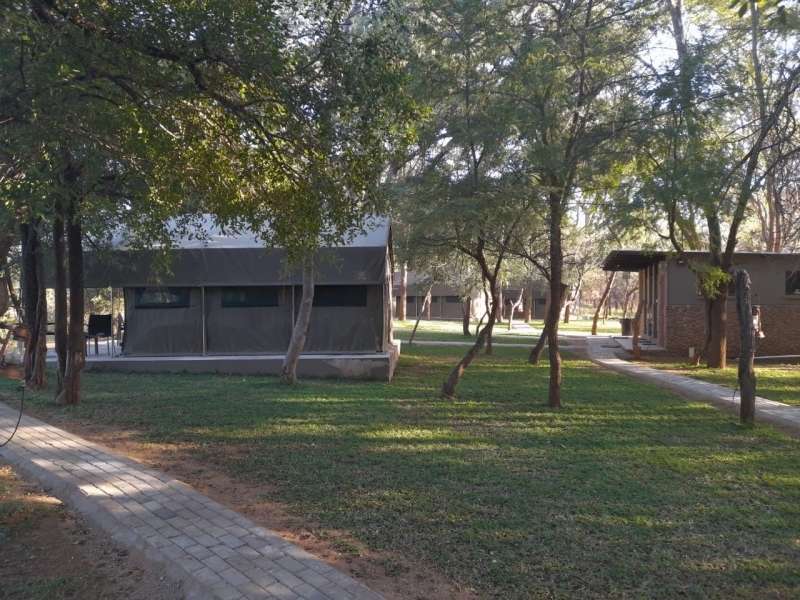
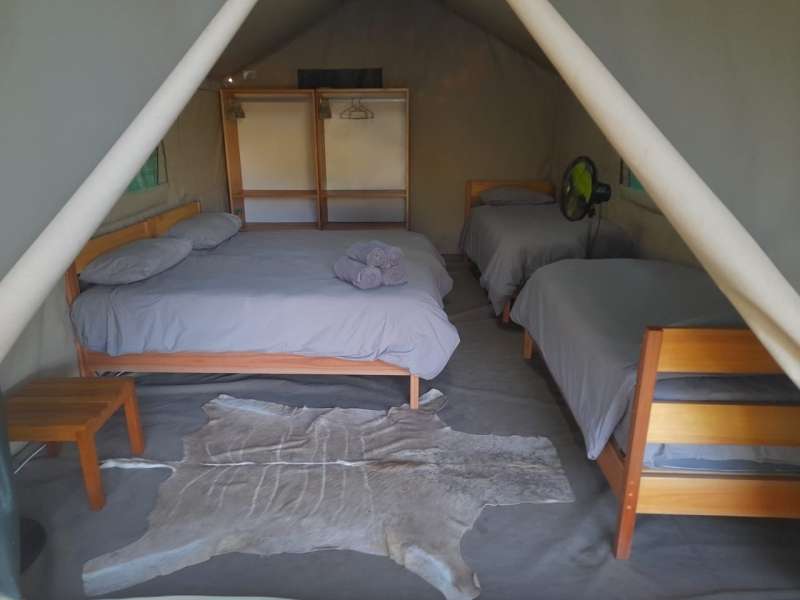
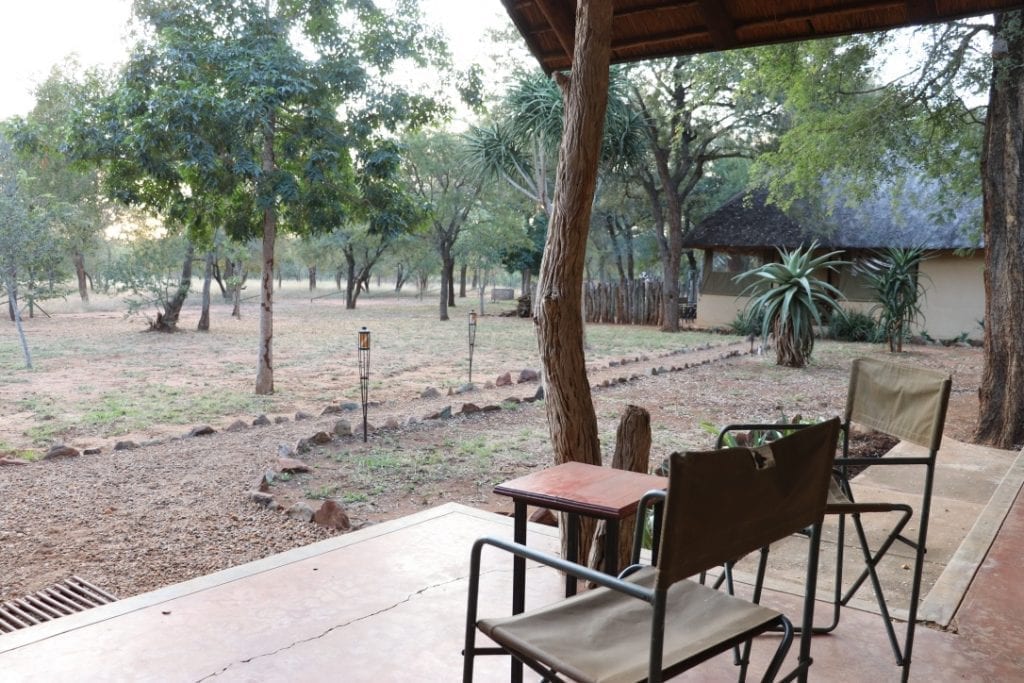
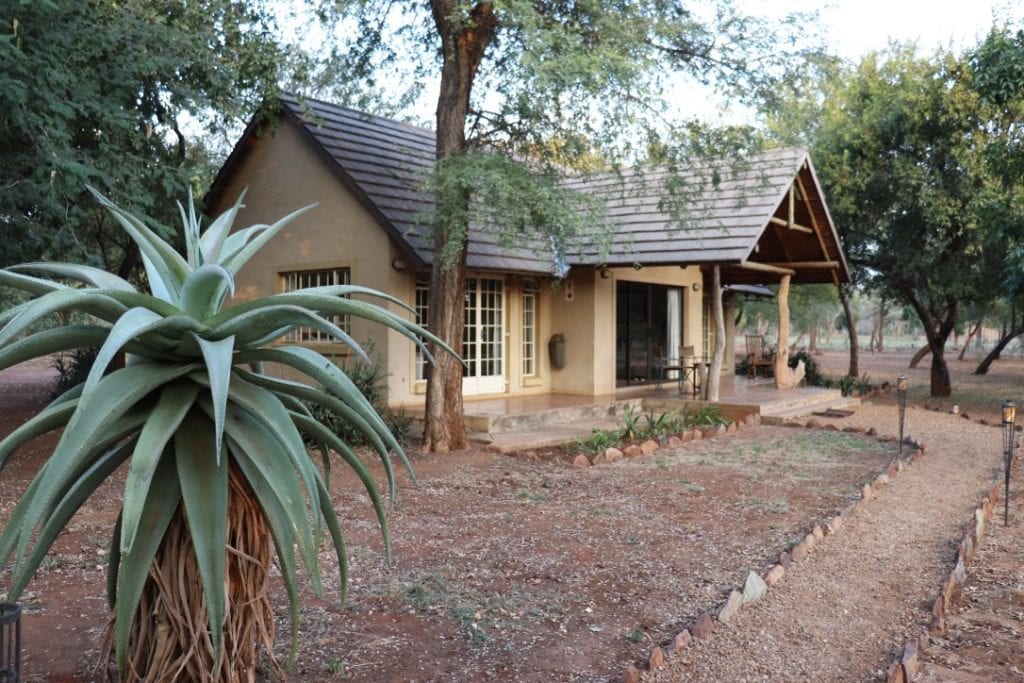
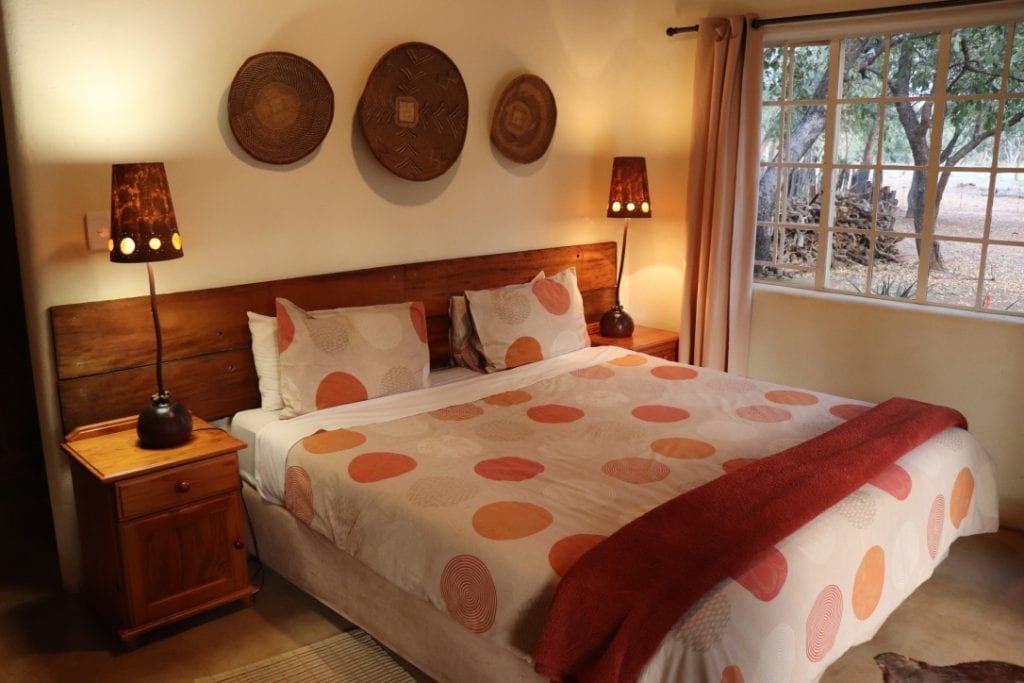
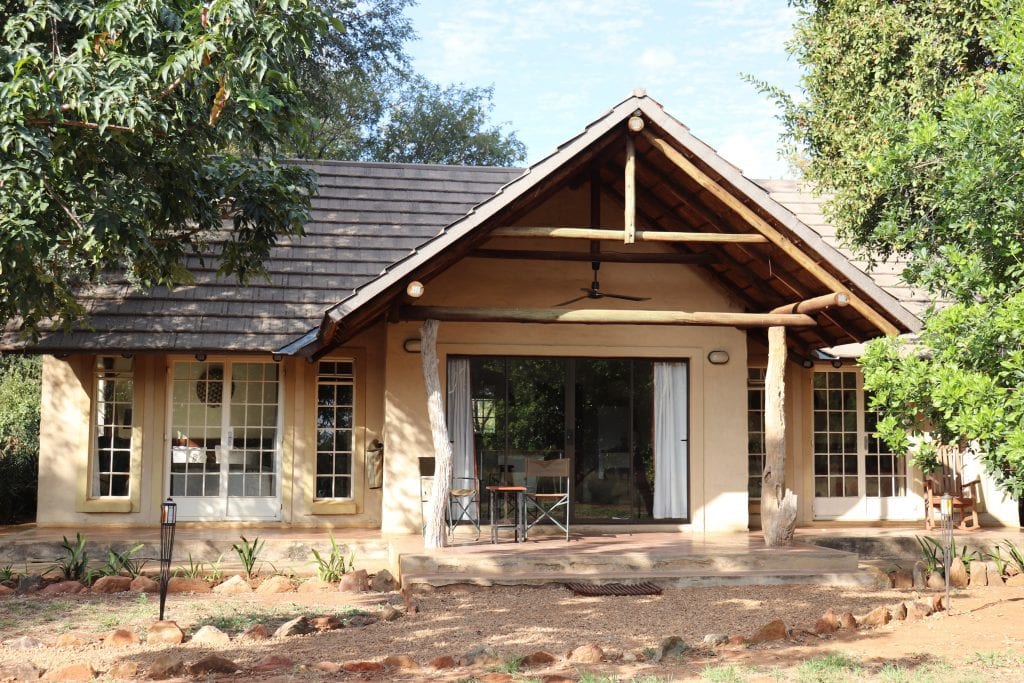
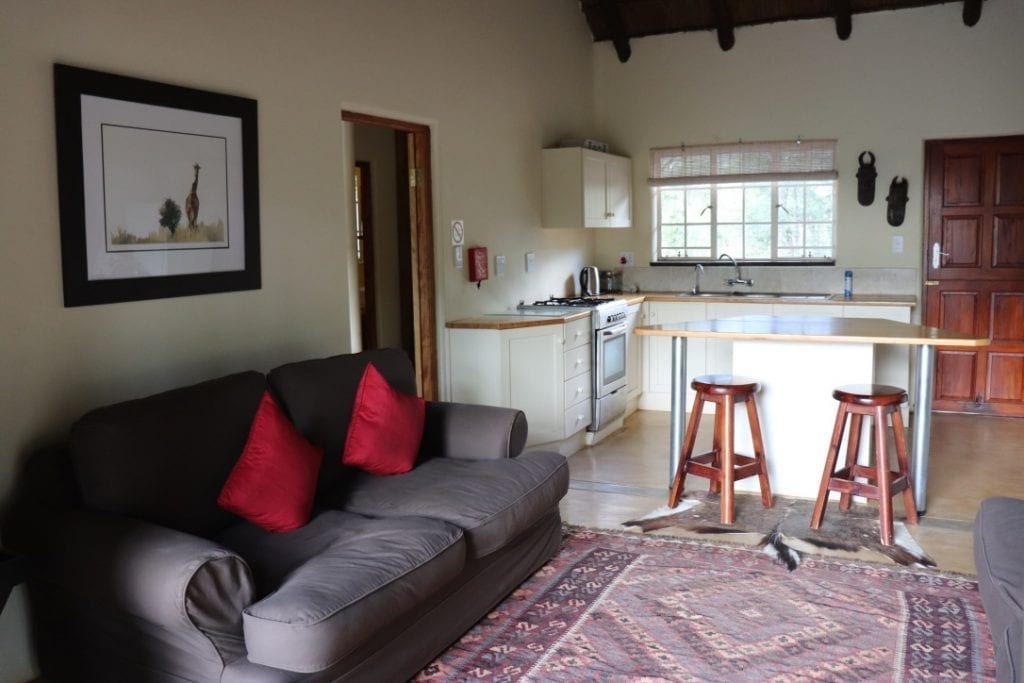
At the budget end, self-catering cottages and basic guesthouses are the most common options in and around the village. These allow visitors to shop for groceries before arriving and prepare their own meals, a practical approach in a community without a broad selection of restaurants. Rooms are functional: a fan, a bed, and a shared or private bathroom. For backpackers or travelers simply passing through on the way east through the Lowveld, these are adequate overnight stops.
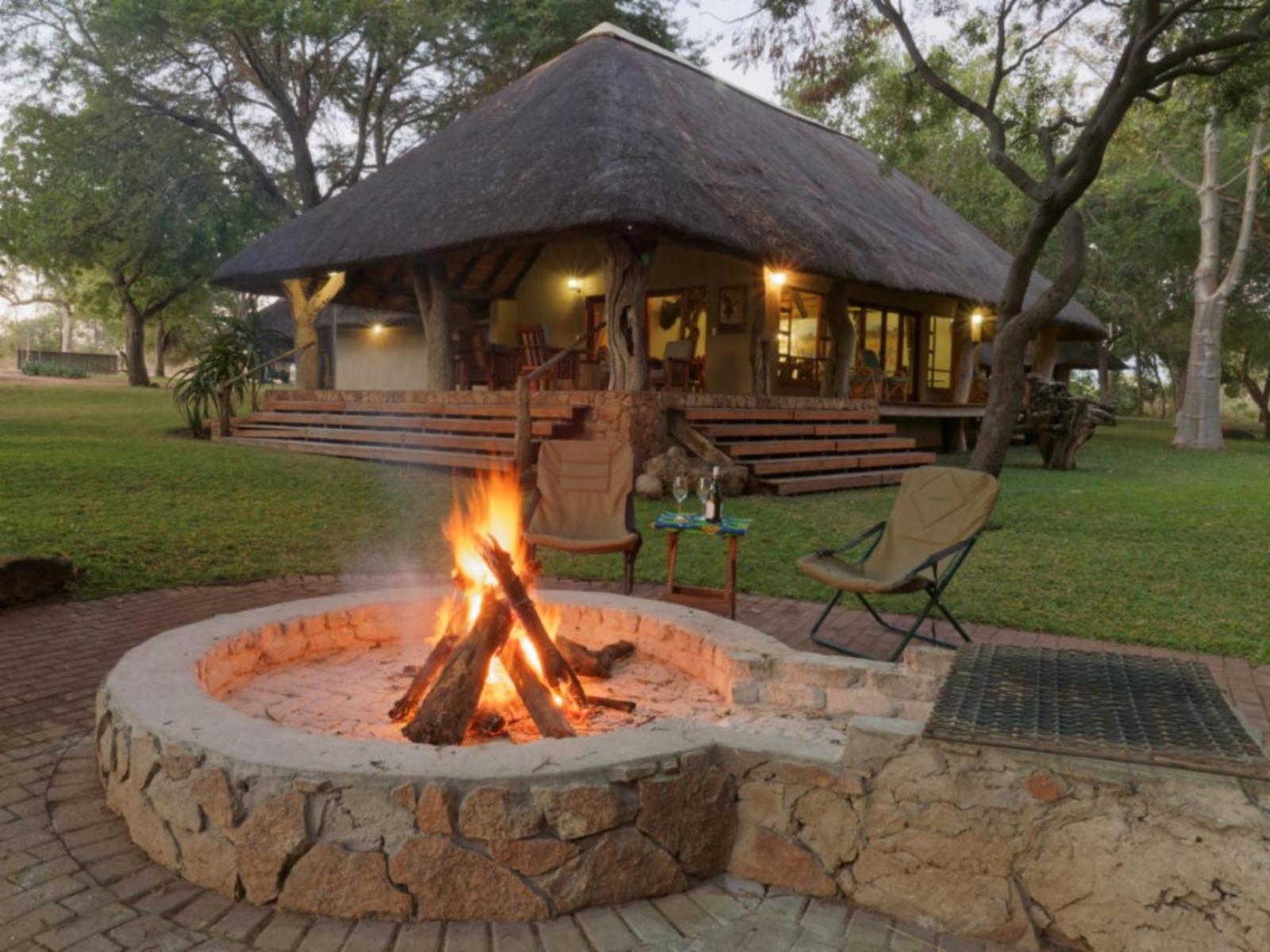
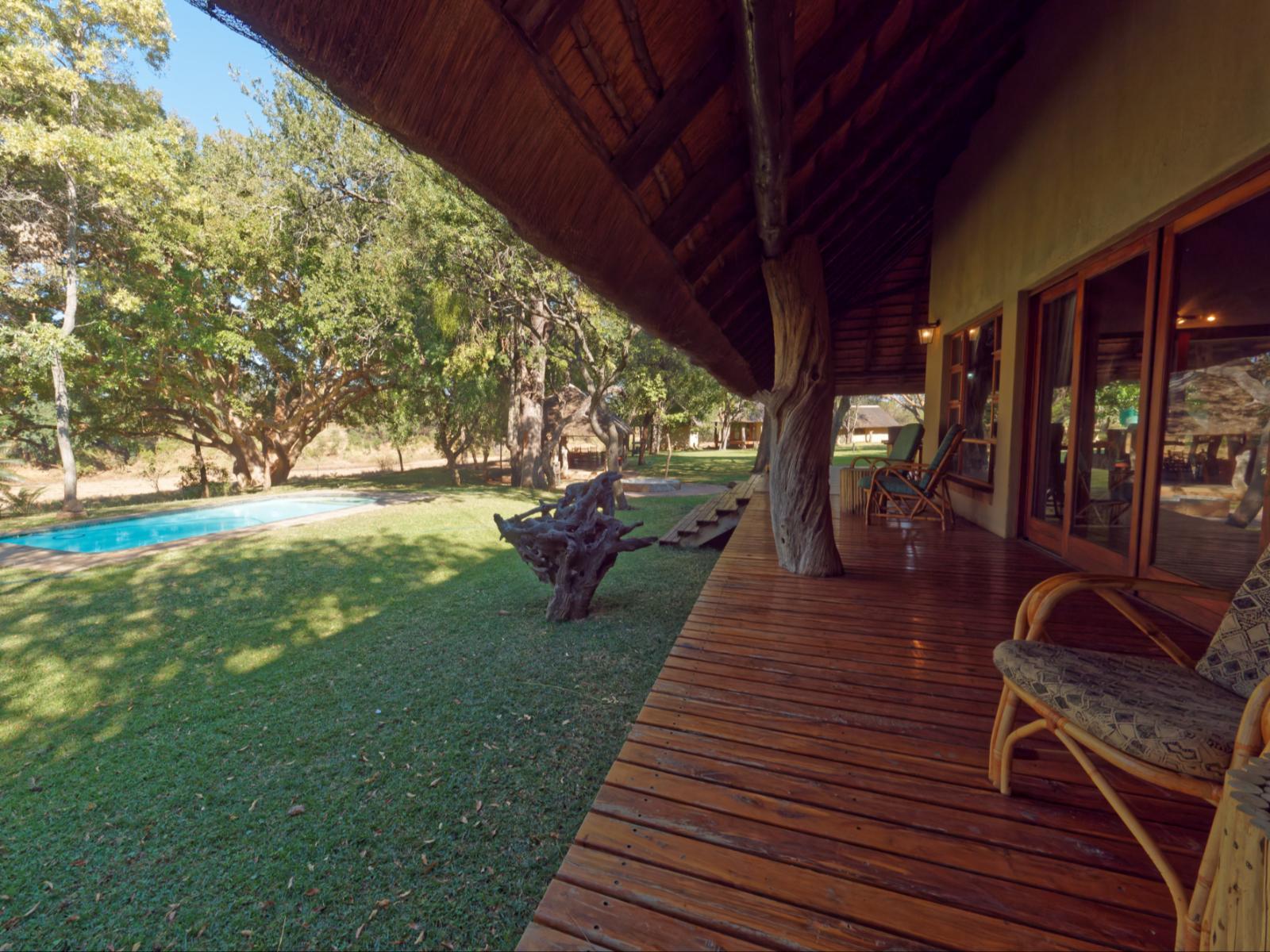
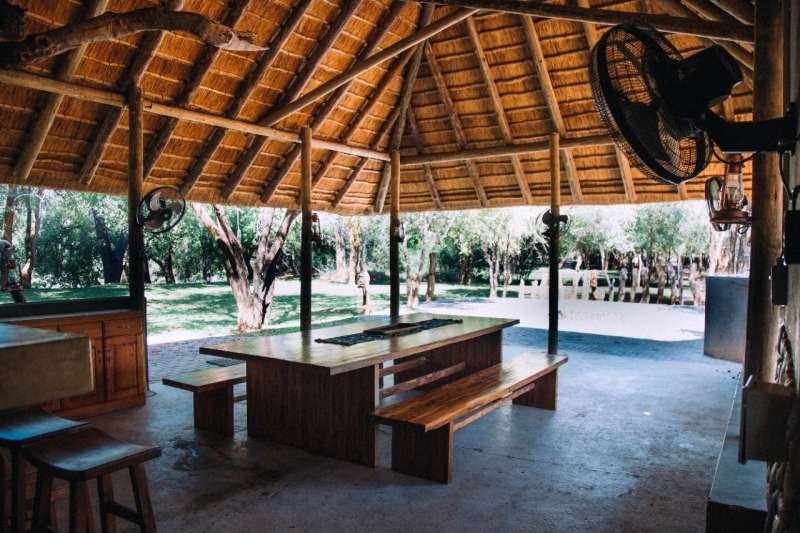
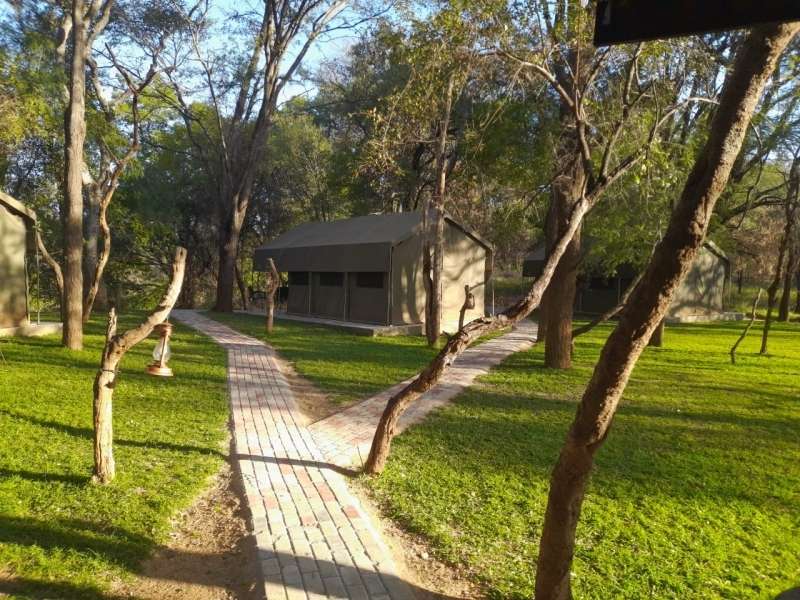
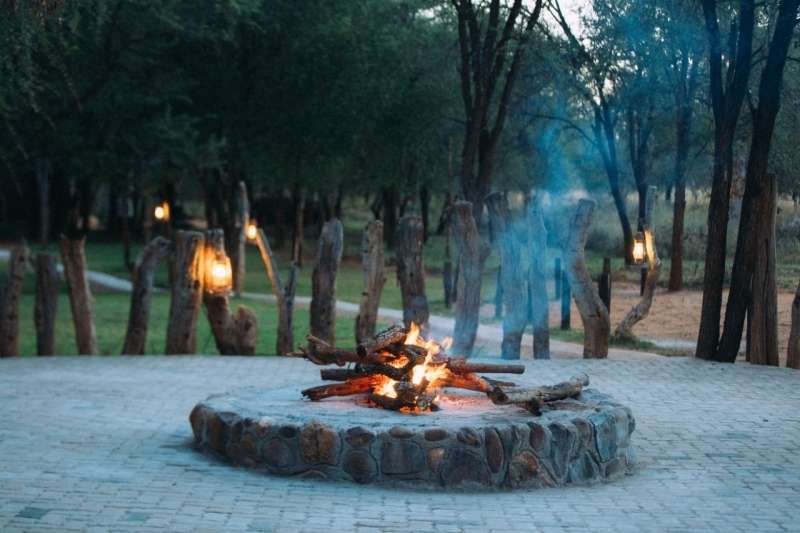
Mid-range lodges and farm stays represent the most interesting tier in the district. Properties at this level often include a main meal, an outdoor braai area, and access to guided bush walks or day activities in the surrounding terrain. For guests staying two or more nights, lodge-based itineraries can typically be arranged without the need for extensive self-driving. This tier suits travelers who want a structured experience in the rural landscape rather than a bare-bones stopover.
The upper end of the market in this part of Limpopo tends to be found beyond Gravelotte itself, on private game farms scattered through the wider district. These typically operate on an all-inclusive model, with accommodation, meals, and guided activities bundled into a single nightly rate. Availability is limited and advance booking is important, particularly during South African school holidays when demand across the Lowveld rises sharply.
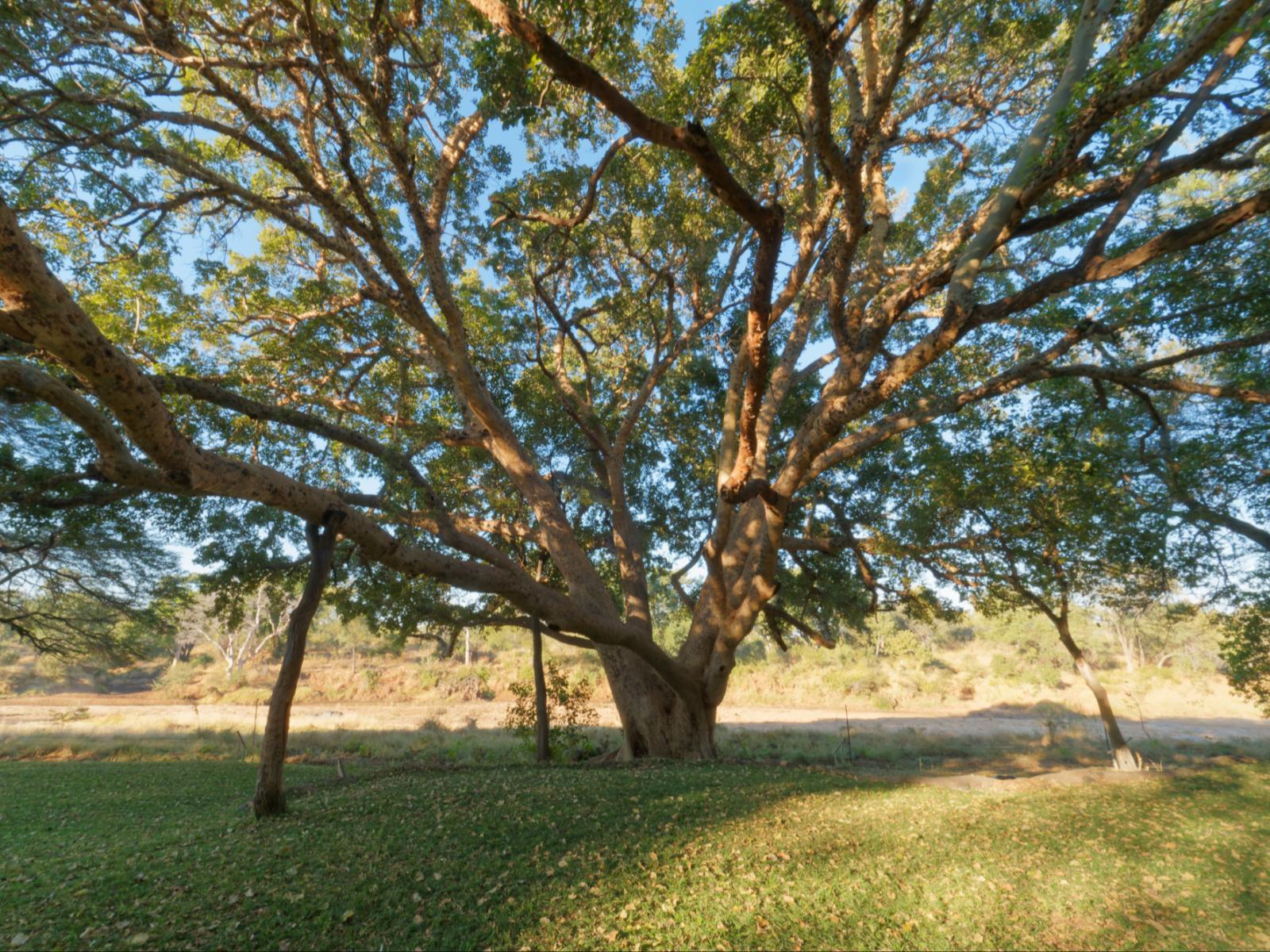
Across all price points, the common thread is the setting: red laterite soils, flat-topped acacias, and the particular quiet of a bush evening that Gravelotte's position in the Limpopo Lowveld reliably delivers.
---
## Best Time to Visit Gravelotte
Gravelotte's subtropical climate allows for travel throughout the year, but each season comes with distinct trade-offs. Summer, from November through February, brings intense heat with temperatures frequently exceeding 35°C, alongside afternoon thunderstorms that sweep in quickly and clear just as fast. The landscape turns green during this period and birding is at its most productive as migratory species arrive from further north. Wildlife viewing is more challenging, as animals disperse across a landscape that suddenly offers water in many places.
The dry winter months from May through August are cooler, with daytime temperatures in the mid-20s Celsius and nights occasionally falling below 10°C in low-lying areas. Vegetation dries back, improving sightlines through the bush, and game concentrates around remaining water sources. This season draws more domestic visitors and reduces flexibility for last-minute bookings across the region.
April and September occupy a useful middle ground, with moderate temperatures, fewer visitors, and a landscape that still holds some green from the wet season without the full intensity of summer heat. For travelers with some flexibility around timing, these shoulder months are often the most practical choice for a first visit to the area.
---
## Getting to Gravelotte
The most practical air entry point is Eastgate Airport in Hoedspruit, approximately 90 kilometres to the south-east, with several daily connections to OR Tambo International Airport in Johannesburg via regional carriers. Gravelotte is roughly five to six hours by road from Johannesburg, making a connecting flight into Hoedspruit the more sensible option for most travelers.
By road, the R71 highway links Tzaneen to the south-west with Phalaborwa to the east, passing through the core of this part of Limpopo. Phalaborwa, along the eastern stretch of the R71, sits near one of the entry gates to Kruger National Park, which lies approximately 60 kilometres from Gravelotte. Tzaneen, approximately 70 kilometres in the other direction, is the last larger service town before the rural stretch and the best place to fill up on fuel, restock groceries, and access banking. From Johannesburg, the most direct driving route runs through Pretoria and Polokwane before joining the R71.
A standard sedan handles all the main tarred roads without difficulty. A 4x4 adds flexibility on farm tracks and in the surrounding hills but is not essential for a typical visit.
There is no scheduled public transport serving Gravelotte directly. Shared taxis connect some district villages but operate informally and are not suited to visitors unfamiliar with local routes. Car hire from Hoedspruit or Johannesburg is the most reliable arrangement.
---
## Gravelotte and Surrounding Areas
Gravelotte sits within a network of rural communities that each reflect a different aspect of the Limpopo Lowveld, making it a workable base for short day trips in several directions.
**Welbeloond**, 27 kilometres away, is a small agricultural settlement oriented around smallholder farming. There is no formal tourism infrastructure, but driving through the surrounding land gives clear context for the seasonal crops and land use patterns that define daily life across the district.
**Nkambako**, at 29 kilometres, falls within the Maruleng Local Municipality. It is primarily a residential and rural service community, and while it holds no conventional visitor attractions, the drive through offers a straightforward view of how smaller villages in this region are organised around farming and local services.
**Mica**, 31 kilometres from Gravelotte, takes its name from the mineral historically extracted from the surrounding geology. The area lies in a mineralogically significant belt, and travelers with an interest in the region's industrial past or its rock formations will find a short detour worthwhile.
**Nwamitwa**, 32 kilometres out, sits within the broader Tzaneen catchment zone. The vegetation shifts noticeably in this direction as elevation and moisture conditions change, offering a contrast to the drier bushveld immediately around Gravelotte. The drive is straightforward and makes for a pleasant half-day excursion.
**Trichardtsdal**, 33 kilometres away, is the most rewarding day destination from Gravelotte. It provides access to the Modjadji Cycad Reserve, which protects one of the largest natural concentrations of cycad trees in the world. These plants are extraordinarily ancient, predating many species we consider old, and the reserve is linked to the Rain Queen tradition of the Balobedu people, a matriarchal institution that has drawn historical and anthropological interest for generations. The reserve is accessible by tarred road from the town.
**Rhulani**, also 33 kilometres out, is a smaller community serving surrounding farmlands. It has no formal visitor facilities, but the road there covers characteristic open bushveld and makes for an easy half-morning out of Gravelotte.
---
## Planning Your Stay
Booking accommodation in Gravelotte requires more lead time than in larger Lowveld towns. Properties are few and not all appear on major platforms, so contacting guesthouses or lodges directly by phone or email is often the most effective approach. When confirming a booking, clarify what is included: whether meals are provided, whether a kitchen is available for self-catering, and whether the property can arrange transfers or day activities.
Medical evacuation insurance is worth securing before any trip to the rural Lowveld. The nearest hospitals with significant facilities are in Phalaborwa and Tzaneen, and emergency response times in remote areas can be longer than travelers from urban centres might expect.
School holiday periods in South Africa, including Easter, the June to July winter break, and late December, push demand for accommodation sharply upward across the region. Booking six to eight weeks ahead during these windows is sensible. Outside of holiday periods, last-minute availability occasionally opens up, but small properties sometimes close at short notice, making a confirmed booking the more cautious choice.
Carry sufficient cash. Banking facilities in Gravelotte are limited and not all properties accept card payments. Mobile coverage can be patchy along sections of the R71, so downloading offline maps before departure is practical. Stocking up on supplies in Phalaborwa or Tzaneen before the final approach removes the need for a time-consuming backtrack once you have settled in.

Gravelotte's accommodation market is small, with no properties currently listed on major booking aggregators, and nightly rates that vary considerably depending on the season, operator, and what is covered. Travelers should contact properties directly or use locally-focused regional platforms to find availability and current pricing.
At the budget end, self-catering cottages and basic guesthouses are the most common options in and around the village. These allow visitors to shop for groceries before arriving and prepare their own meals, a practical approach in a community without a broad selection of restaurants. Rooms are functional: a fan, a bed, and a shared or private bathroom. For backpackers or travelers simply passing through on the way east through the Lowveld, these are adequate overnight stops.
Mid-range lodges and farm stays represent the most interesting tier in the district. Properties at this level often include a main meal, an outdoor braai area, and access to guided bush walks or day activities in the surrounding terrain. For guests staying two or more nights, lodge-based itineraries can typically be arranged without the need for extensive self-driving. This tier suits travelers who want a structured experience in the rural landscape rather than a bare-bones stopover.
The upper end of the market in this part of Limpopo tends to be found beyond Gravelotte itself, on private game farms scattered through the wider district. These typically operate on an all-inclusive model, with accommodation, meals, and guided activities bundled into a single nightly rate. Availability is limited and advance booking is important, particularly during South African school holidays when demand across the Lowveld rises sharply.
Across all price points, the common thread is the setting: red laterite soils, flat-topped acacias, and the particular quiet of a bush evening that Gravelotte's position in the Limpopo Lowveld reliably delivers.
---
## Best Time to Visit Gravelotte
Gravelotte's subtropical climate allows for travel throughout the year, but each season comes with distinct trade-offs. Summer, from November through February, brings intense heat with temperatures frequently exceeding 35°C, alongside afternoon thunderstorms that sweep in quickly and clear just as fast. The landscape turns green during this period and birding is at its most productive as migratory species arrive from further north. Wildlife viewing is more challenging, as animals disperse across a landscape that suddenly offers water in many places.
The dry winter months from May through August are cooler, with daytime temperatures in the mid-20s Celsius and nights occasionally falling below 10°C in low-lying areas. Vegetation dries back, improving sightlines through the bush, and game concentrates around remaining water sources. This season draws more domestic visitors and reduces flexibility for last-minute bookings across the region.
April and September occupy a useful middle ground, with moderate temperatures, fewer visitors, and a landscape that still holds some green from the wet season without the full intensity of summer heat. For travelers with some flexibility around timing, these shoulder months are often the most practical choice for a first visit to the area.
---
## Getting to Gravelotte
The most practical air entry point is Eastgate Airport in Hoedspruit, approximately 90 kilometres to the south-east, with several daily connections to OR Tambo International Airport in Johannesburg via regional carriers. Gravelotte is roughly five to six hours by road from Johannesburg, making a connecting flight into Hoedspruit the more sensible option for most travelers.
By road, the R71 highway links Tzaneen to the south-west with Phalaborwa to the east, passing through the core of this part of Limpopo. Phalaborwa, along the eastern stretch of the R71, sits near one of the entry gates to Kruger National Park, which lies approximately 60 kilometres from Gravelotte. Tzaneen, approximately 70 kilometres in the other direction, is the last larger service town before the rural stretch and the best place to fill up on fuel, restock groceries, and access banking. From Johannesburg, the most direct driving route runs through Pretoria and Polokwane before joining the R71.
A standard sedan handles all the main tarred roads without difficulty. A 4x4 adds flexibility on farm tracks and in the surrounding hills but is not essential for a typical visit.
There is no scheduled public transport serving Gravelotte directly. Shared taxis connect some district villages but operate informally and are not suited to visitors unfamiliar with local routes. Car hire from Hoedspruit or Johannesburg is the most reliable arrangement.
---
## Gravelotte and Surrounding Areas
Gravelotte sits within a network of rural communities that each reflect a different aspect of the Limpopo Lowveld, making it a workable base for short day trips in several directions.
**Welbeloond**, 27 kilometres away, is a small agricultural settlement oriented around smallholder farming. There is no formal tourism infrastructure, but driving through the surrounding land gives clear context for the seasonal crops and land use patterns that define daily life across the district.
**Nkambako**, at 29 kilometres, falls within the Maruleng Local Municipality. It is primarily a residential and rural service community, and while it holds no conventional visitor attractions, the drive through offers a straightforward view of how smaller villages in this region are organised around farming and local services.
**Mica**, 31 kilometres from Gravelotte, takes its name from the mineral historically extracted from the surrounding geology. The area lies in a mineralogically significant belt, and travelers with an interest in the region's industrial past or its rock formations will find a short detour worthwhile.
**Nwamitwa**, 32 kilometres out, sits within the broader Tzaneen catchment zone. The vegetation shifts noticeably in this direction as elevation and moisture conditions change, offering a contrast to the drier bushveld immediately around Gravelotte. The drive is straightforward and makes for a pleasant half-day excursion.
**Trichardtsdal**, 33 kilometres away, is the most rewarding day destination from Gravelotte. It provides access to the Modjadji Cycad Reserve, which protects one of the largest natural concentrations of cycad trees in the world. These plants are extraordinarily ancient, predating many species we consider old, and the reserve is linked to the Rain Queen tradition of the Balobedu people, a matriarchal institution that has drawn historical and anthropological interest for generations. The reserve is accessible by tarred road from the town.
**Rhulani**, also 33 kilometres out, is a smaller community serving surrounding farmlands. It has no formal visitor facilities, but the road there covers characteristic open bushveld and makes for an easy half-morning out of Gravelotte.
---
## Planning Your Stay
Booking accommodation in Gravelotte requires more lead time than in larger Lowveld towns. Properties are few and not all appear on major platforms, so contacting guesthouses or lodges directly by phone or email is often the most effective approach. When confirming a booking, clarify what is included: whether meals are provided, whether a kitchen is available for self-catering, and whether the property can arrange transfers or day activities.
Medical evacuation insurance is worth securing before any trip to the rural Lowveld. The nearest hospitals with significant facilities are in Phalaborwa and Tzaneen, and emergency response times in remote areas can be longer than travelers from urban centres might expect.
School holiday periods in South Africa, including Easter, the June to July winter break, and late December, push demand for accommodation sharply upward across the region. Booking six to eight weeks ahead during these windows is sensible. Outside of holiday periods, last-minute availability occasionally opens up, but small properties sometimes close at short notice, making a confirmed booking the more cautious choice.
Carry sufficient cash. Banking facilities in Gravelotte are limited and not all properties accept card payments. Mobile coverage can be patchy along sections of the R71, so downloading offline maps before departure is practical. Stocking up on supplies in Phalaborwa or Tzaneen before the final approach removes the need for a time-consuming backtrack once you have settled in.
Gravelotte Kaart
Nabygeleë Bestemmings
Blaai Deur Alle Gravelotte Akkommodasie
Bekyk al 0 akkommodasie-opsies in Gravelotte met foto's, pryse en beskikbaarheid.
Blaai Deur Alle Akkommodasie