Accommodation in Mica
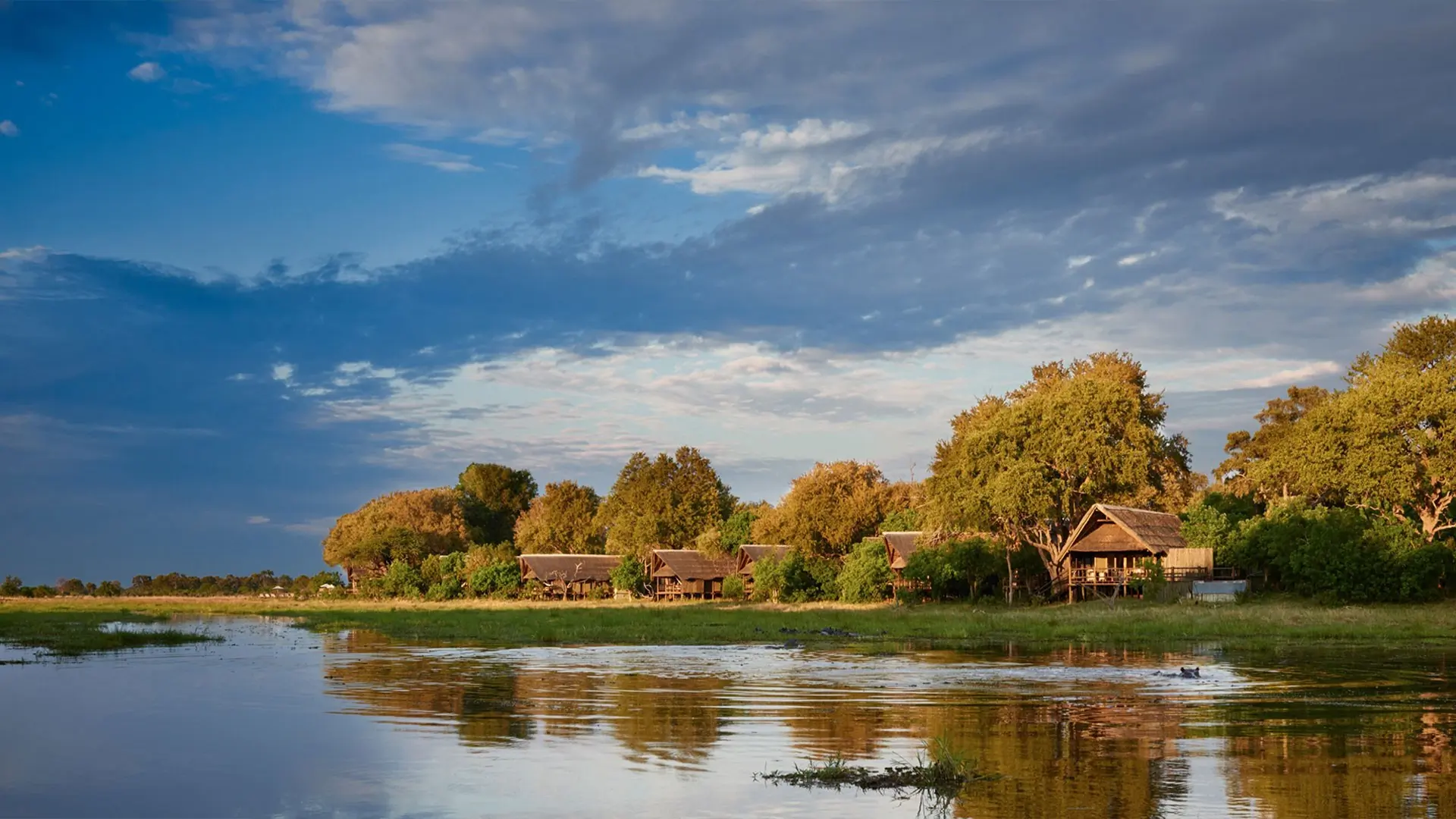
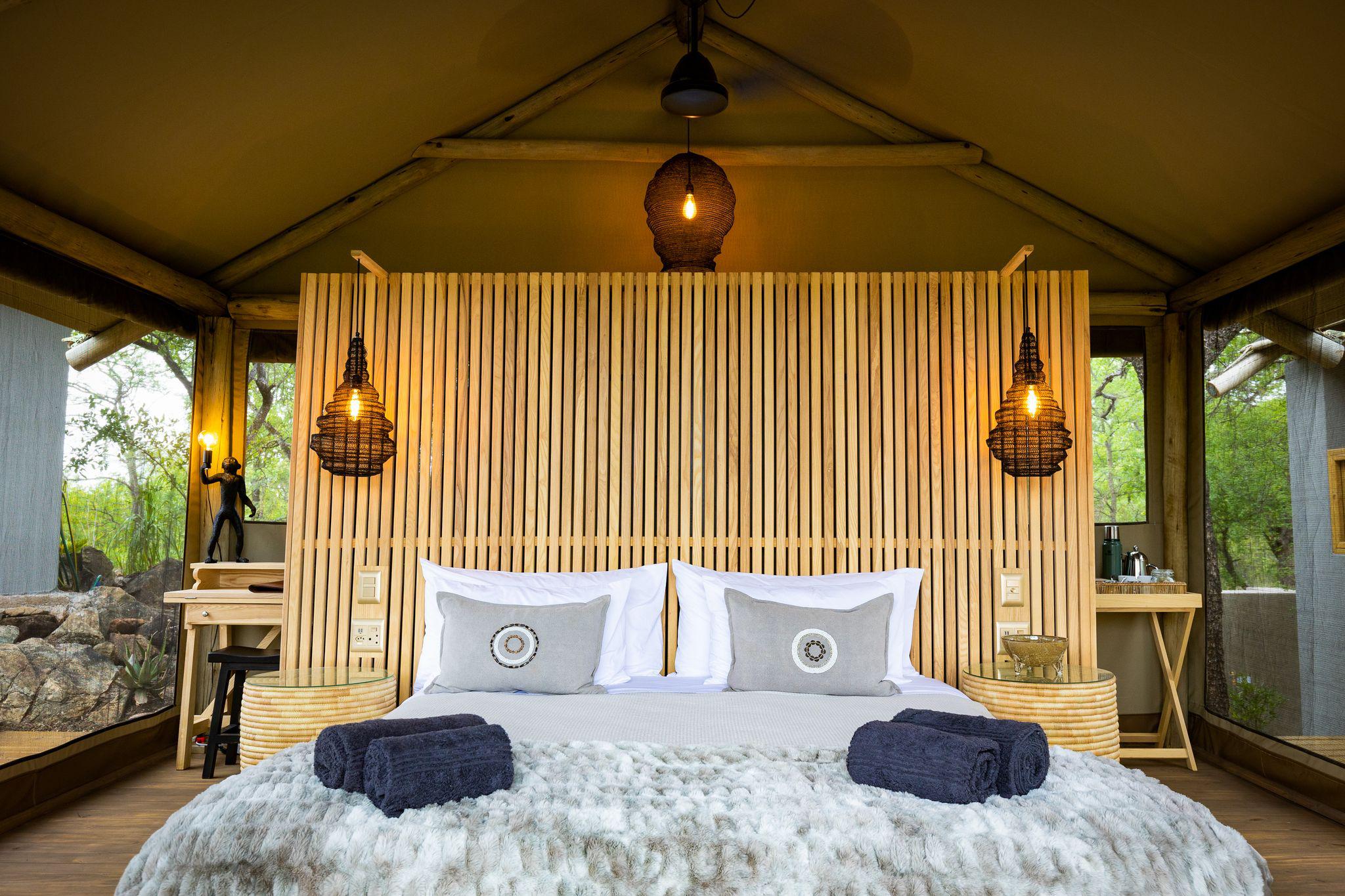
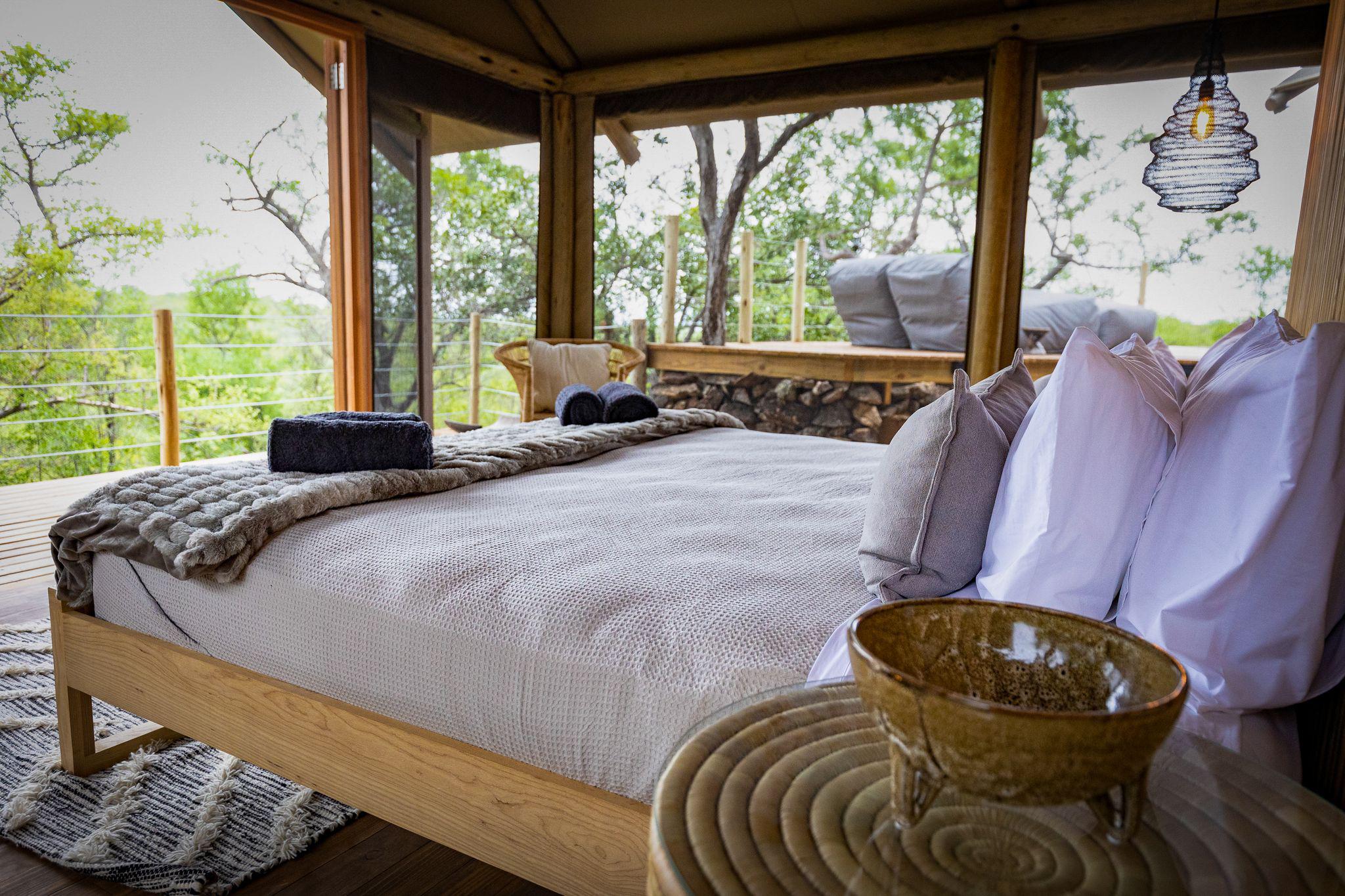
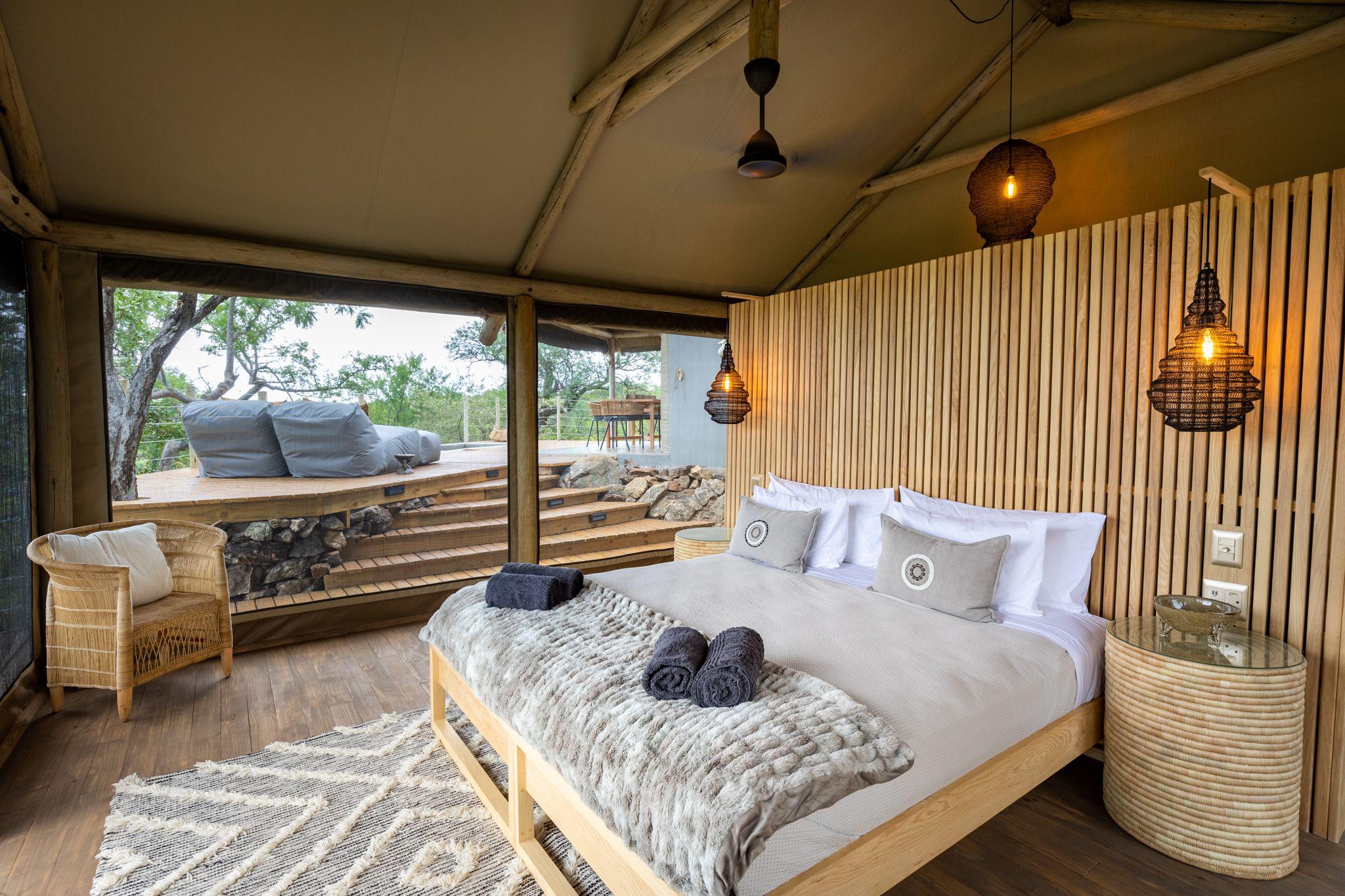
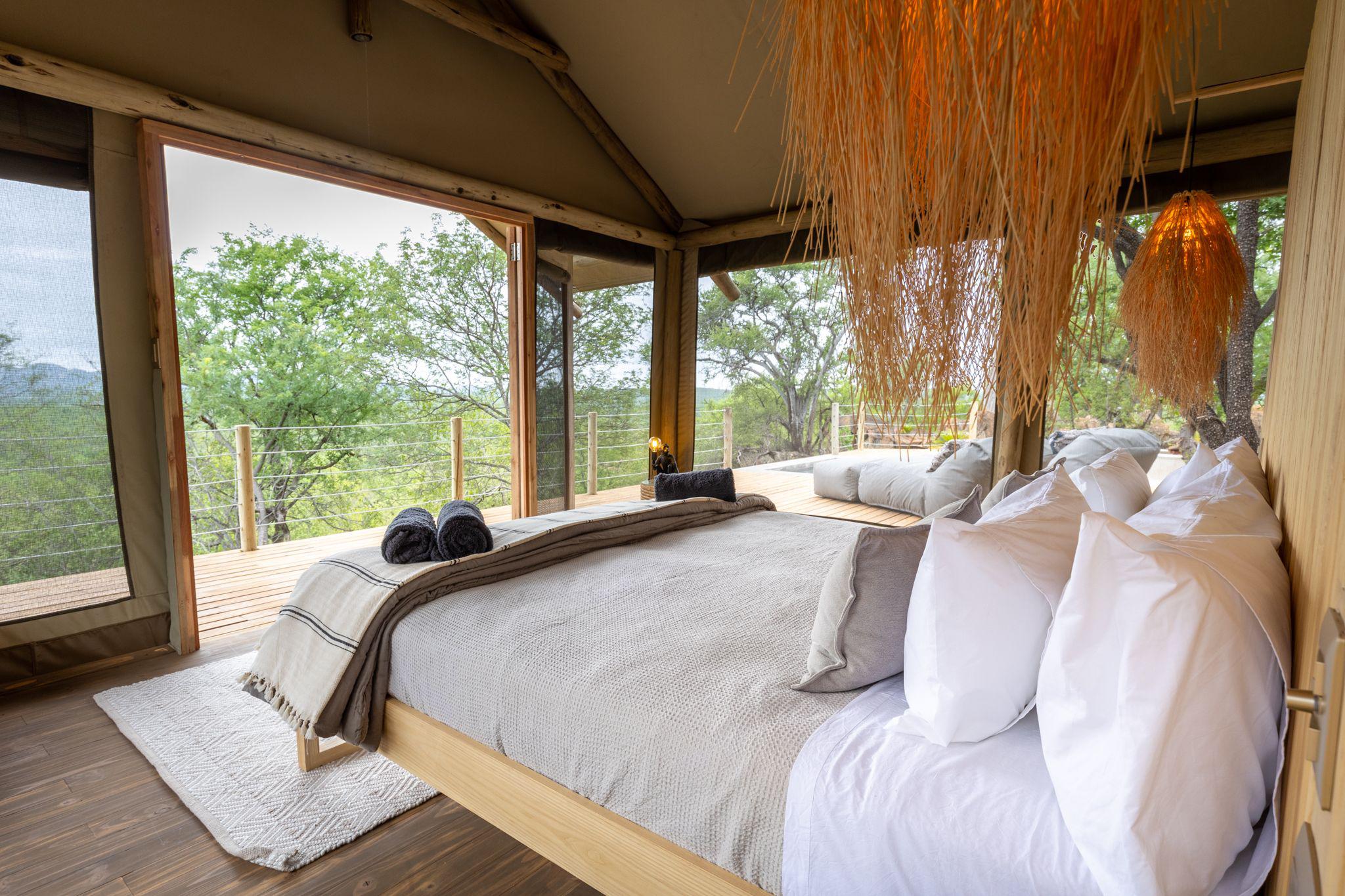
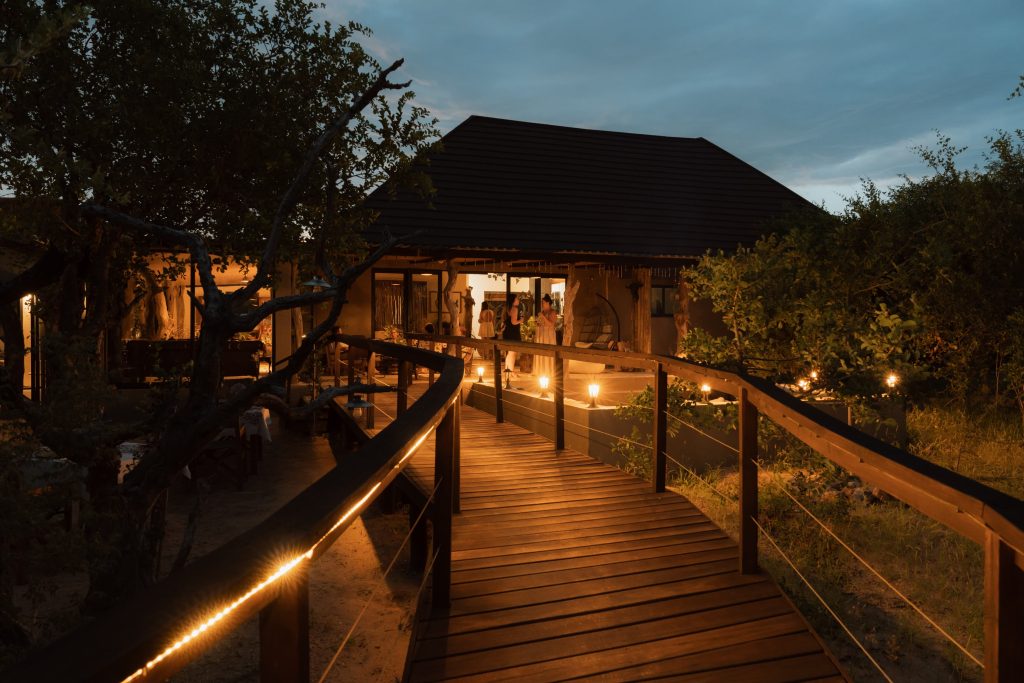
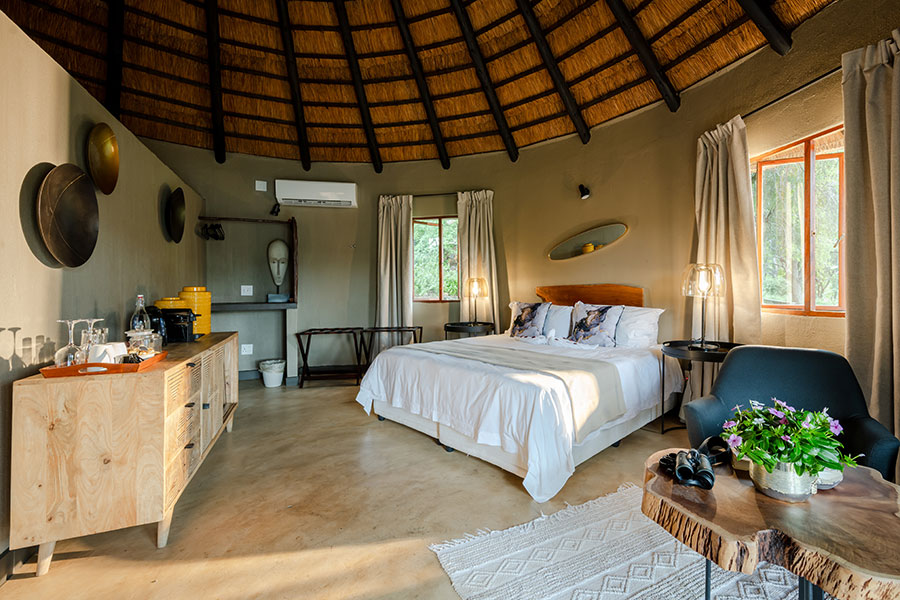
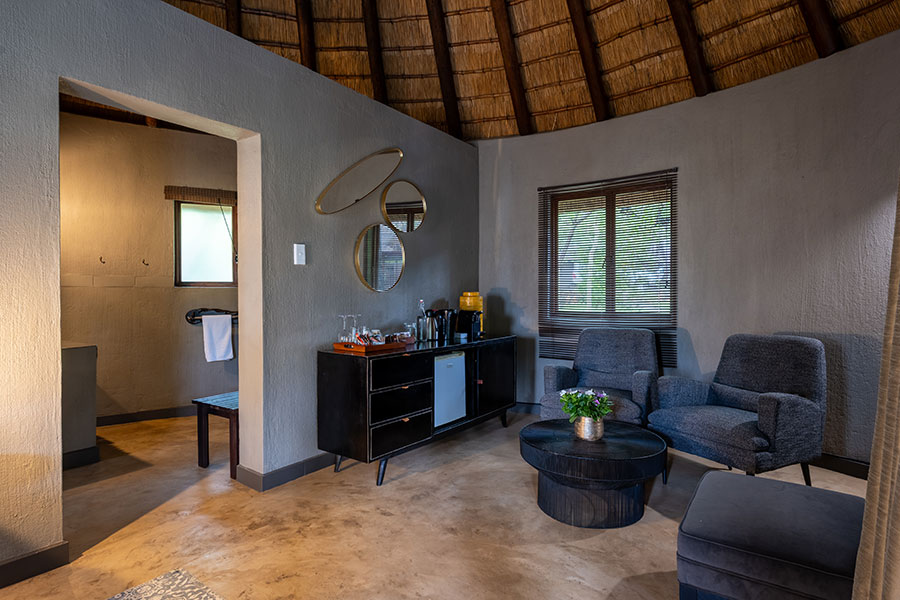
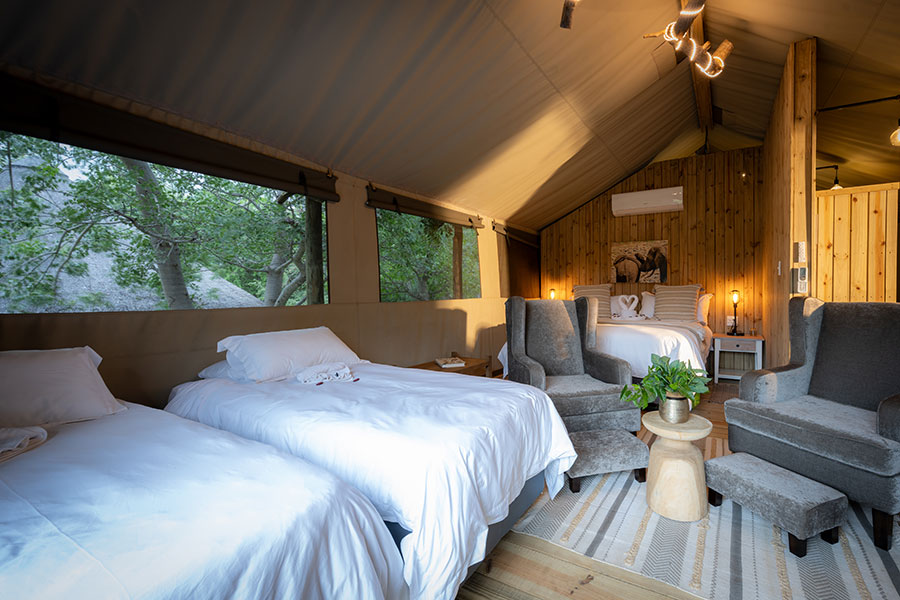
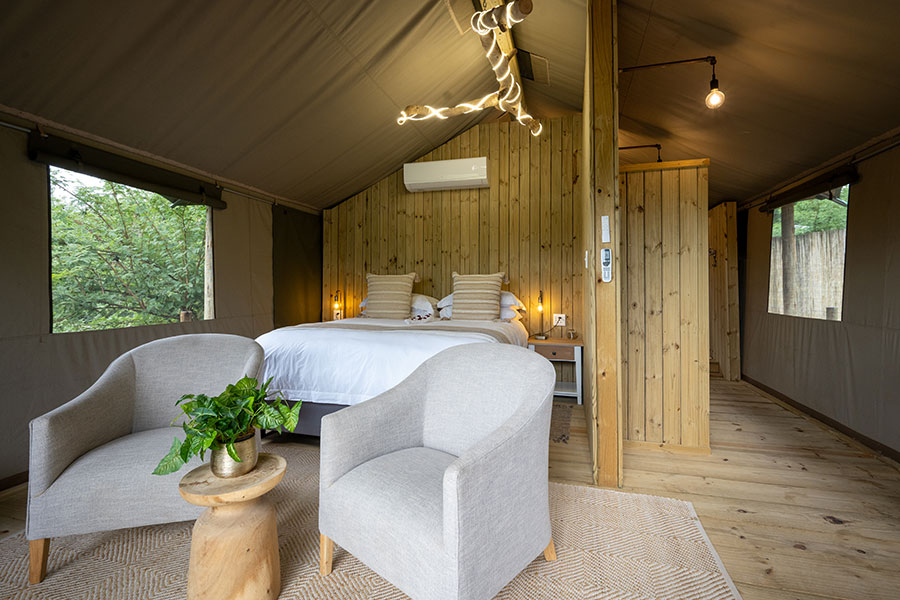
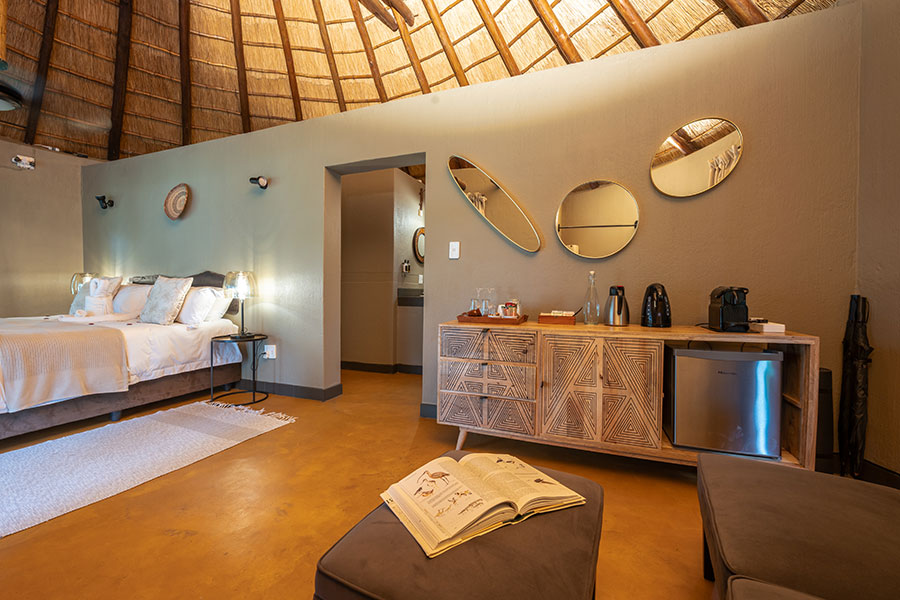
The accommodation market in Mica is small, with just 2 properties currently available, priced at R8,580 per night. That limited inventory is part of what gives the area its character: this is not a resort destination, but a quiet corner of the Lowveld where choice is deliberate and scale is human.
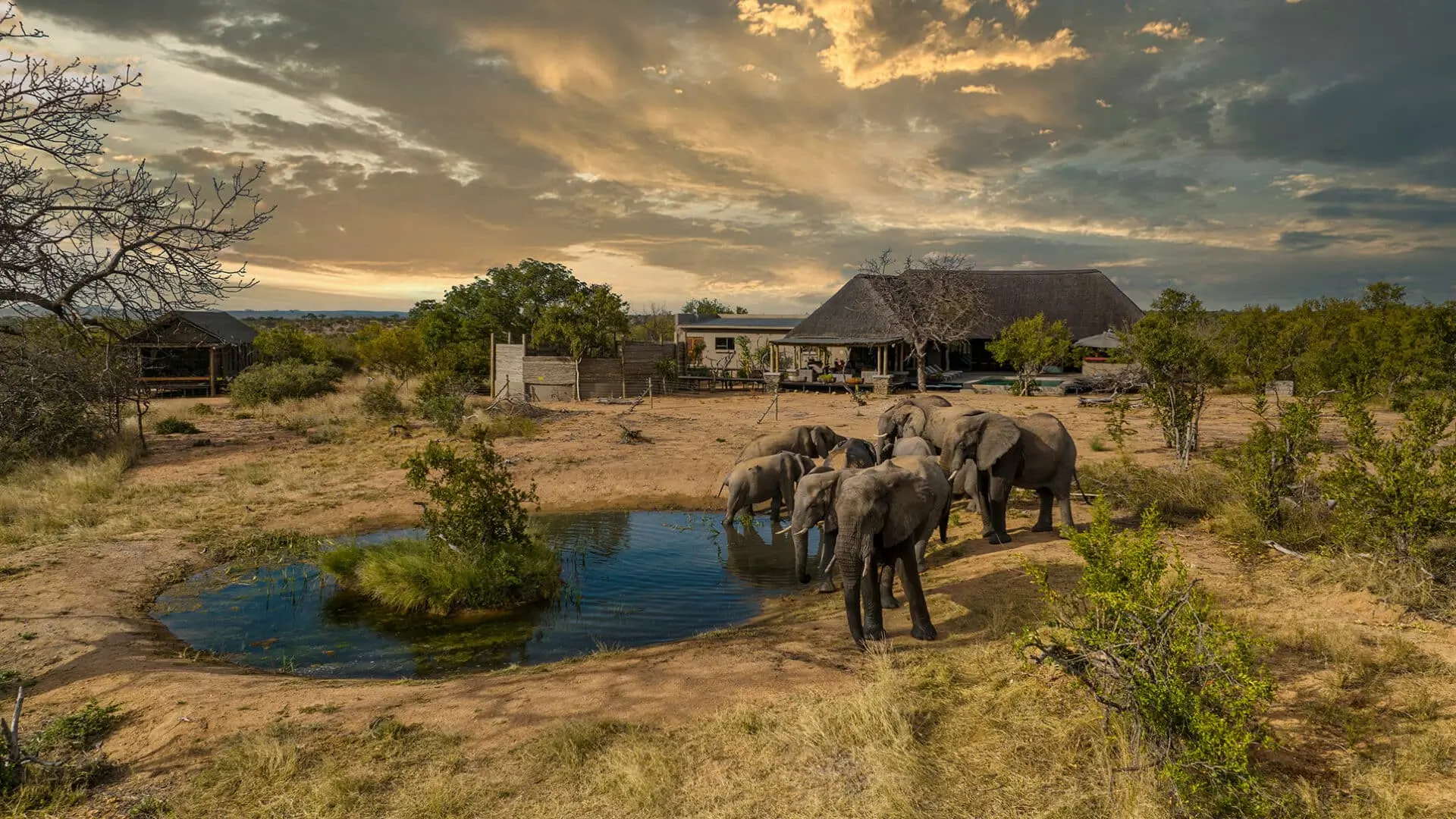
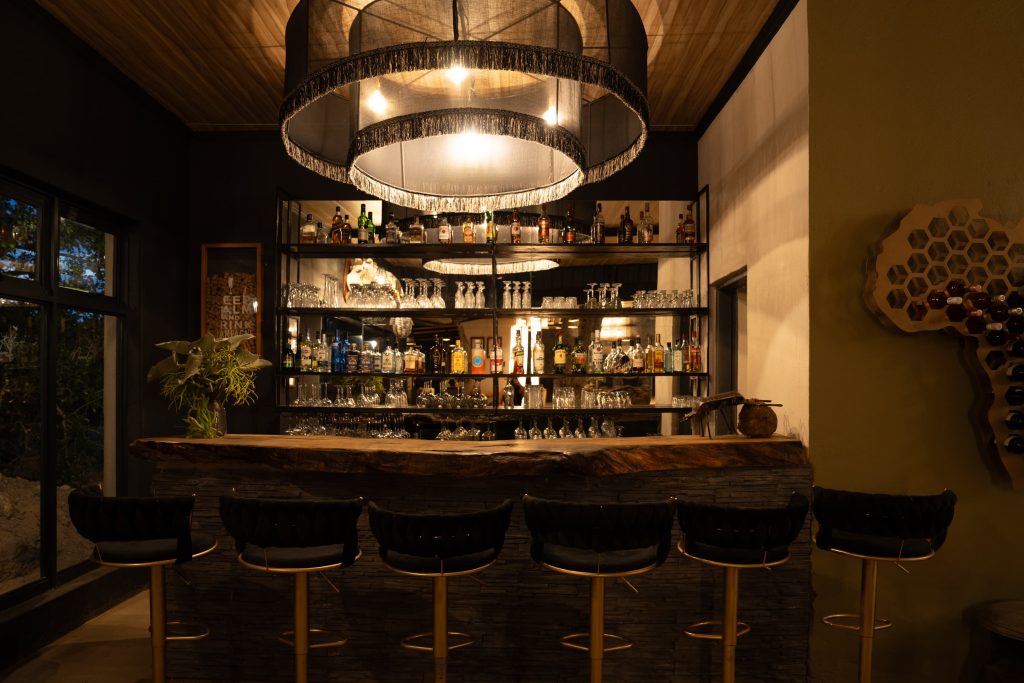
At the upper end, the lodge option provides a more structured stay. Staff on site, prepared meals, and guided game activities form part of what a lodge offers in this part of Limpopo. For visitors who have come specifically for the wildlife and want logistics arranged for them, this works well. Lodges in the region tend to maintain strong connections with neighbouring reserves, which makes accessing guided drives or walks easier than organising them independently.
The self-catering property shifts the experience considerably. You bring your own food, cook on your schedule, and use the property as a base rather than a full-service retreat. Families with children often gravitate toward this kind of arrangement, as do groups where people have different daily rhythms. The flexibility to eat early, head out before dawn for game viewing, and return at your own pace is a practical advantage. Self-catering properties here suit guests who know what they want from the bush and prefer to engage with it on their own terms.
Neither option involves crowds or heavy infrastructure. Mica is not a high-throughput destination, and that is reflected in the properties themselves. The available stock suits travellers looking for an immersive rather than a managed experience, and the small number of properties means each feels intentional rather than incidental.
Things to Do in Mica
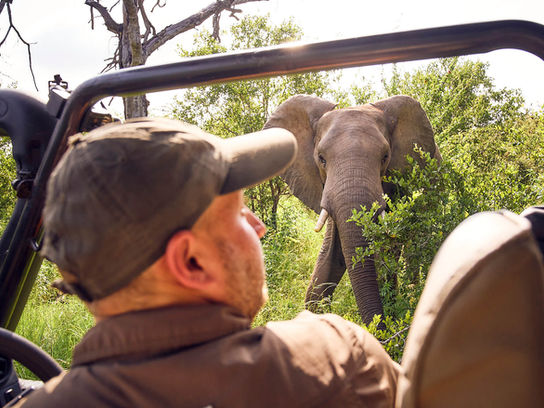
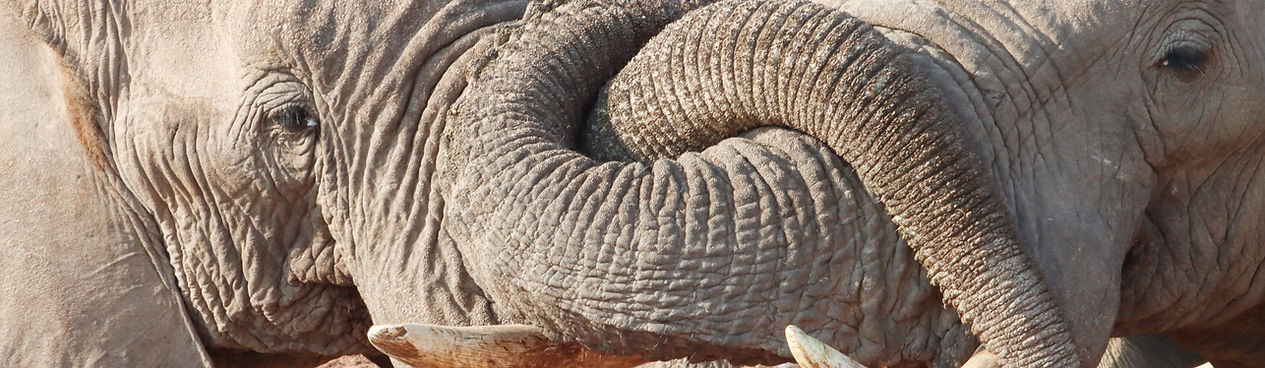
The main draw in and around Mica is safari. The area sits close to the Kruger National Park corridor, and several private reserves operate nearby, offering game drives where elephants, lions, leopards and buffalo are commonly sighted. The proximity to Kruger's wildlife populations means sightings in this part of Limpopo tend to be reliable rather than incidental.
The Blyde River Canyon lies within driving range and rewards a day trip. One of the largest green canyons in the world, it combines dramatic escarpment views with accessible walking trails and waterfalls that run strongly after summer rains. Bourke's Luck Potholes, cylindrical rock formations carved by river erosion, sit within the same reserve and are a short detour from the main viewpoints.
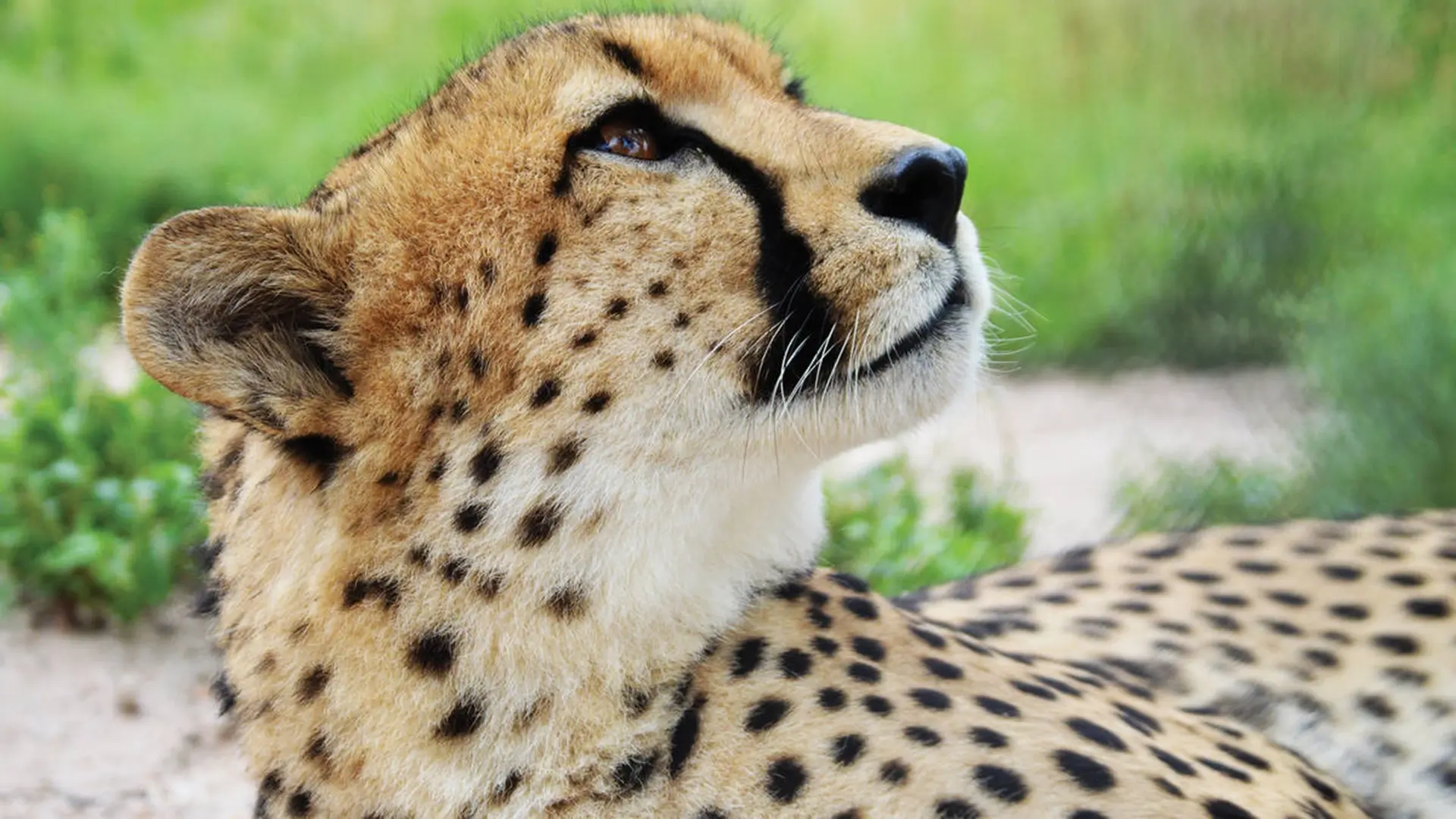
The Hoedspruit Endangered Species Centre, reachable as a day outing from Mica, runs breeding and rehabilitation programmes for cheetah, wild dog, and several other threatened species. Guided visits take roughly two hours and include close observation of cheetah in a conservation context, something that is not widely available elsewhere in the country.
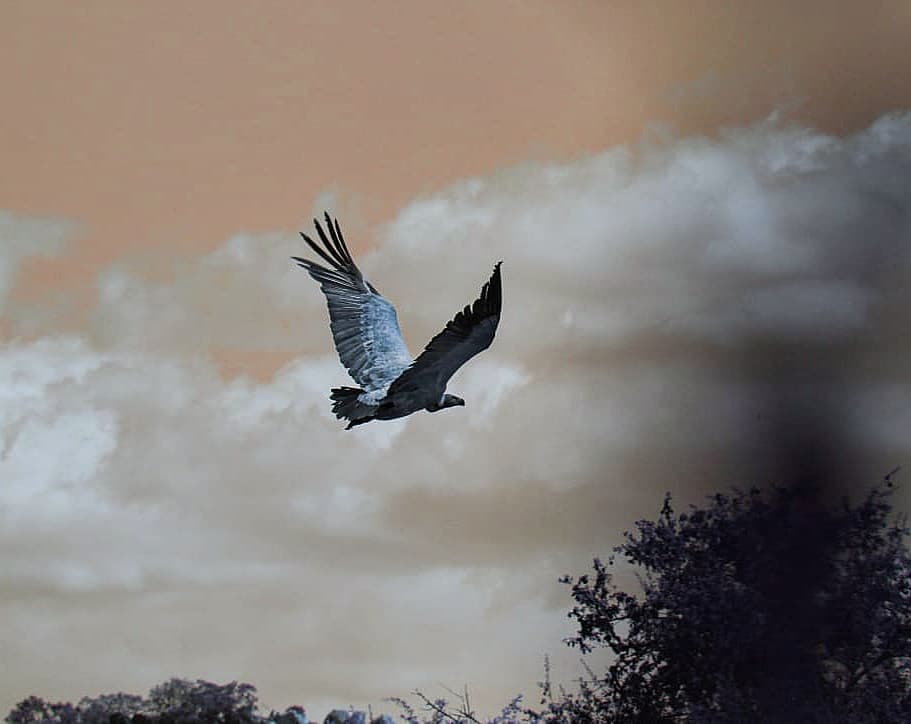
Birdwatching along the local rivers and riverine forest patches produces consistent results. The area records several hundred species, with raptors, hornbills, kingfishers, and various waterfowl among the regular sightings. Numbers peak during the summer months when migrants arrive from the north.
Hiking trails through the bushveld are accessible from most properties, ranging from short morning walks to more demanding half-day routes. Fishing is possible in the local river systems, where tilapia and catfish are common in the slower-moving stretches. Local operators can arrange guided trips for visitors unfamiliar with the waterways.
Best Time to Visit Mica
Limpopo has a subtropical climate with pronounced seasonal differences. The wet season runs from October through April, with the heaviest rain falling in afternoon thunderstorms between November and February. Temperatures during this period regularly exceed 35°C, and humidity rises noticeably across the Lowveld. Heavy rain can make dirt tracks impassable, and some routes require a vehicle with reasonable ground clearance.
The dry season runs from May through September and is generally the better time for wildlife viewing. Animals concentrate around water sources as rivers and pans shrink, and the sparse dry-season vegetation makes sightings easier from a game drive. Winter nights in June and July can drop close to freezing, which surprises many visitors, so warm clothing for evenings is worth packing alongside the summer kit.
Peak visitor pressure falls in July and over the December school holiday period. Visiting in May, June, or September gives similar weather quality with fewer other travellers around. The shoulder months of March and April offer a green, active bush with strong birdlife, though dedicated game viewers will find conditions less predictable than in the dry months.
Getting to Mica
The nearest commercial airport is at Hoedspruit, served by scheduled flights from Johannesburg and Cape Town. The Johannesburg flight takes under an hour. Car hire is available at the terminal, which is the most practical arrangement for reaching Mica and getting around the wider area during a stay.
The drive from Johannesburg takes roughly four to five hours. The standard route follows the N4 east through Nelspruit, then the R40 north through White River, Hazyview, and Acornhoek. An alternative from Pretoria uses the R527 via Tzaneen, approaching from the escarpment side, which adds travel time but varies the scenery considerably.
There is no scheduled public transport to Mica. Shared taxis run between the larger regional towns, but small settlements are not served reliably. A private vehicle is effectively essential for anyone staying here. Local roads are a mix of tarred and gravel surfaces; most are manageable in a standard sedan, though higher clearance helps in the wet season on unpaved tracks.
Fuel up in the main nearby towns before heading into more remote parts of the area, as filling stations are sparse once you leave the commercial centres.
Mica and Surrounding Areas
Hoedspruit, 25 kilometres from Mica, is the main service town for this part of the Lowveld. It has supermarkets, a hospital, ATMs, fuel stations, and a selection of restaurants and coffee shops. Most visitors to Mica use it for provisioning on arrival. It also hosts craft markets selling locally made goods, and several independently run eateries that reflect the character of the regional farming and conservation community.
Gravelotte, 31 kilometres away, is a small settlement with roots in gold mining, more recently associated with malachite extraction in the surrounding hills. It functions as a working community rather than a visitor destination, but the drive through the bushveld is pleasant and roadside wildlife sightings are common along the way.
Dingapong, around 32 kilometres out, is a rural community in the Maruleng Local Municipality. The surrounding landscape sits at the transition between the escarpment and the flat Lowveld, and passing through gives a sense of how the geography shifts across the region.
Kubjaname, at 34 kilometres, is a similarly rural settlement in the same zone. Together with Dingapong and Ga-mametsa, it forms part of the local community geography that sits alongside the reserve and tourism infrastructure of the wider area.
Ga-mametsa, 38 kilometres from Mica, is a village with a distinctly agricultural character, with smallholdings and community farming visible along the roads leading into it.
Phalaborwa, 39 kilometres from Mica, is the largest town in the vicinity and a significant regional centre. An open-cast copper mine has operated here for decades and remains active. The Phalaborwa Gate provides direct entry into the Kruger National Park, making the town a practical stop for visitors planning a day or overnight trip into the park. It has hospitals, shopping centres, and a full range of commercial services.
Planning Your Stay
With only two properties in Mica, availability tightens quickly during peak periods. July and the December school holidays see the sharpest demand; booking six to eight weeks ahead for those windows is advisable. For travel in May, June, or September, a few weeks' notice is usually enough.
When comparing properties, read the inclusions carefully. Some stays bundle meals and guided activities into the nightly rate; others do not. A property that looks affordable at face value may involve significant additional costs once food, supplies, and excursion fees are factored in. Ask directly what is and is not covered before confirming.
Check the cancellation policy before paying a deposit. Properties in remote areas with limited stock often apply strict refund terms. Also confirm whether the property has air conditioning, which becomes relevant from October onwards as temperatures climb. A pool or shaded outdoor space makes a real difference on hot afternoons.
Mobile coverage in the rural Lowveld is inconsistent. Ask the property which network performs best on site and whether Wi-Fi is available. If you rely on data for navigation or booking activities, confirm this before you arrive.
Carry enough cash for community markets, roadside stalls, and smaller local businesses. Larger nearby towns have ATMs and card facilities, but not every vendor accepts electronic payment. A first aid kit, insect repellent, and sunscreen are practical additions for this climate and the outdoor nature of what most visitors are here for.