Nwamitwa Reis- & Akkommodasiegids
Jou volledige gids om Nwamitwa, Suid-Afrika te besoek.
Nwamitwa is a rural village in the Limpopo Province, located in the Vhembe District Municipality. The area serves as a gateway to exploring the traditional Venda culture and lies within reasonable distance of several natural attractions in the northern reaches of South Africa.
## Accommodation in Nwamitwa
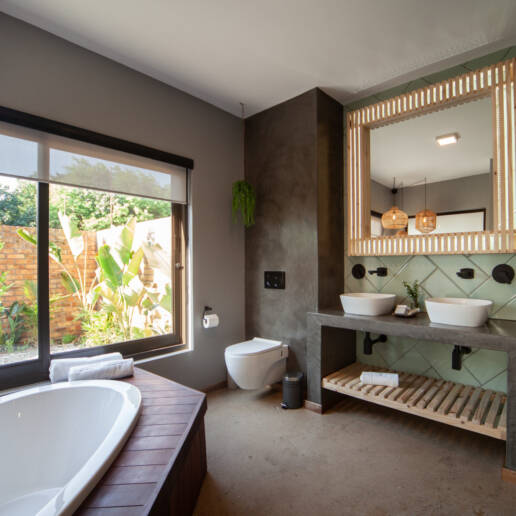
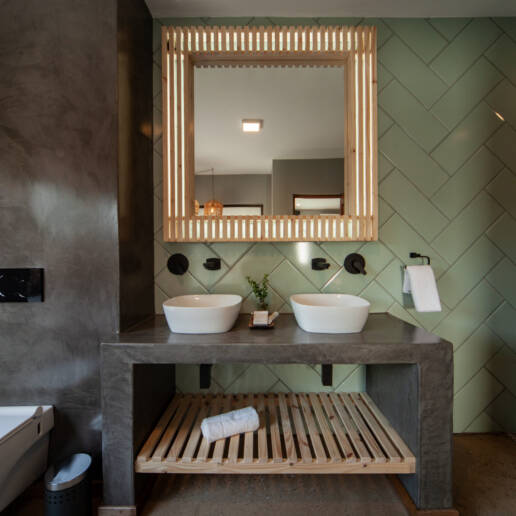
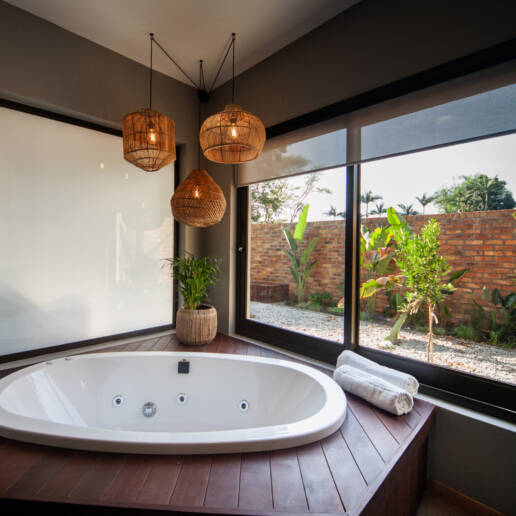
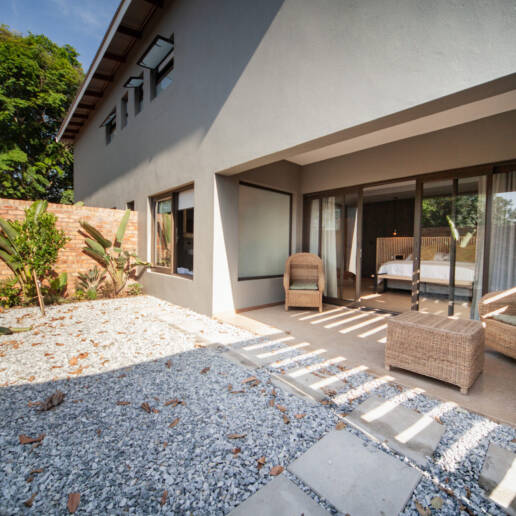
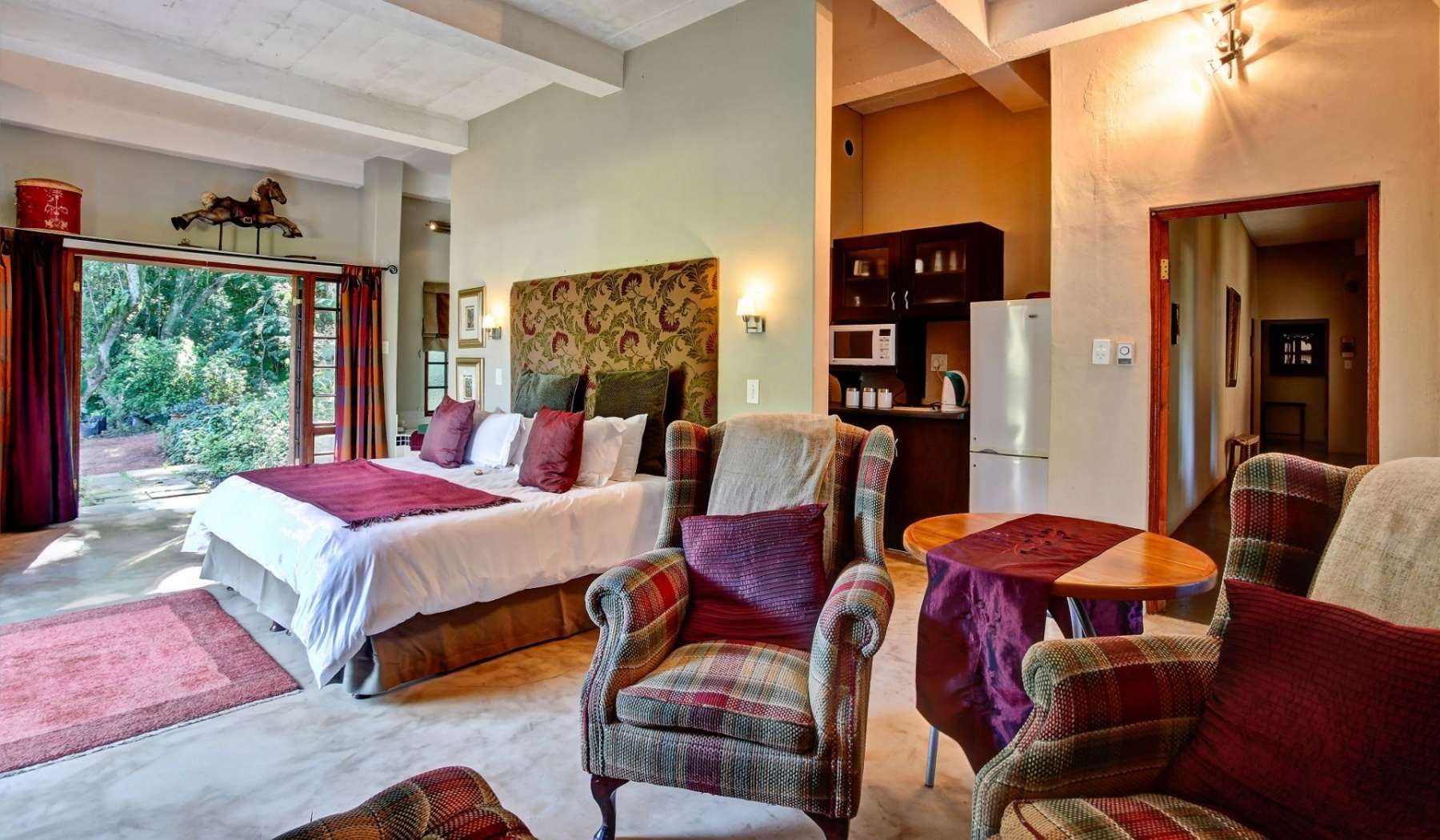
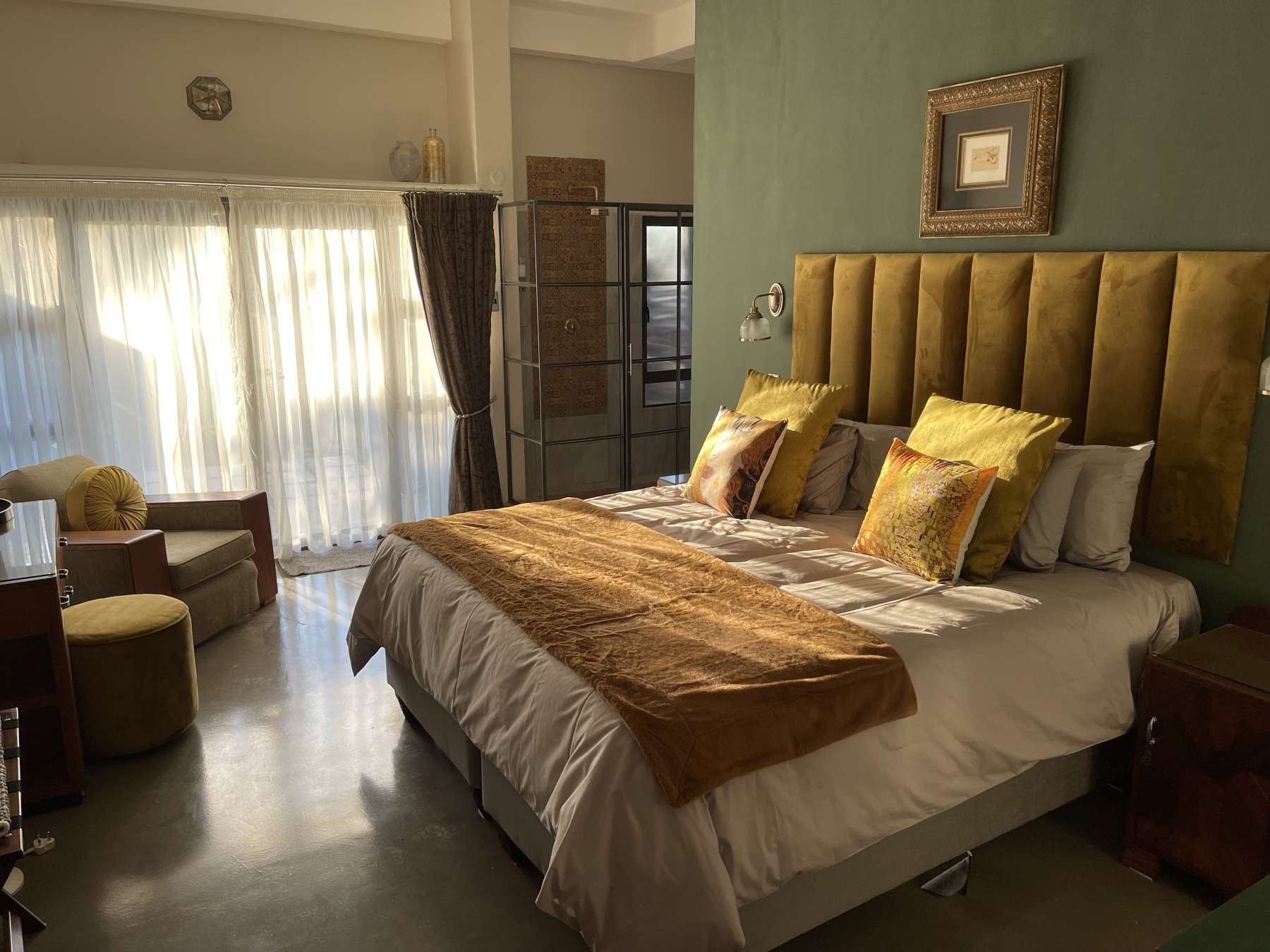
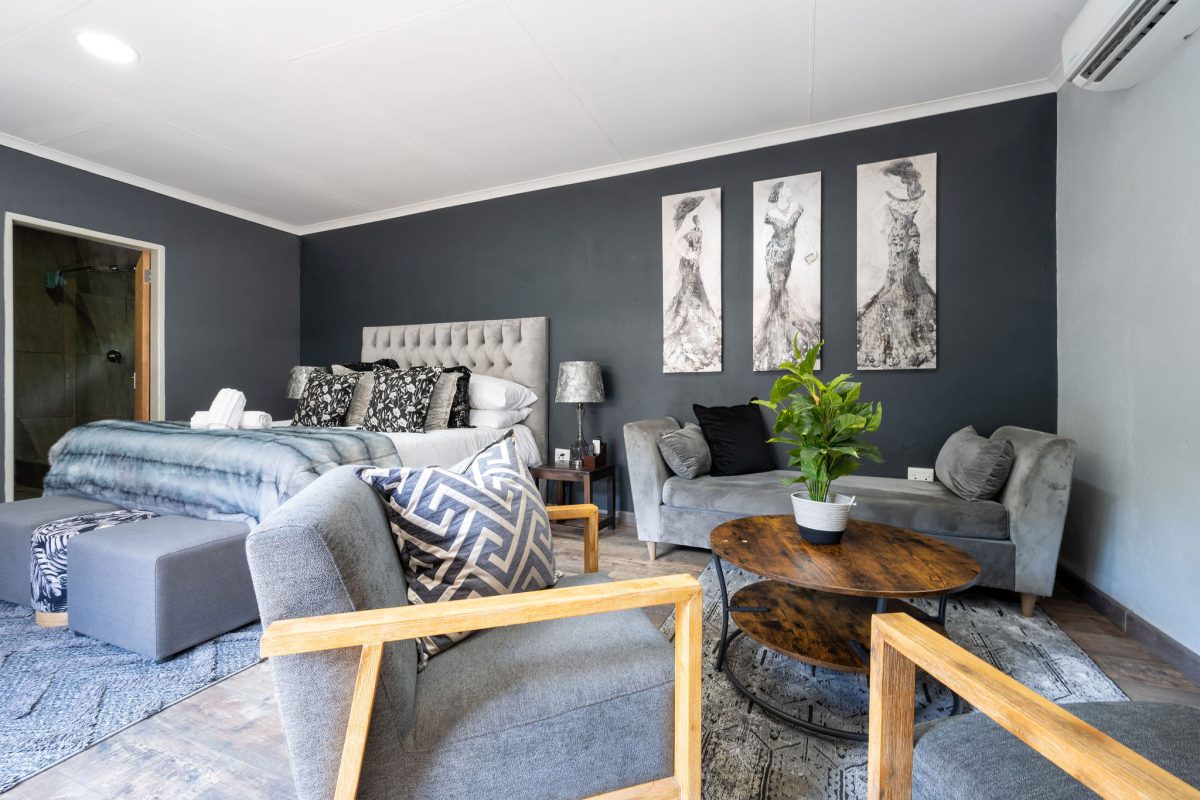
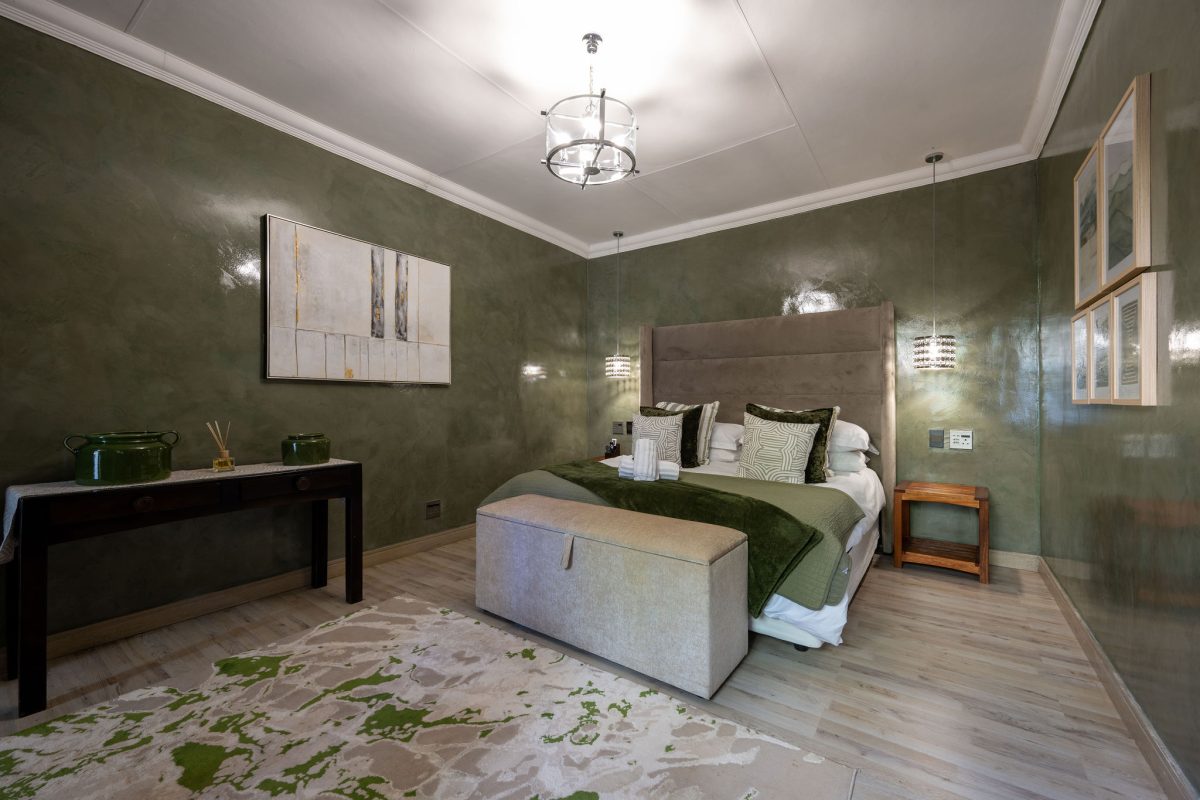
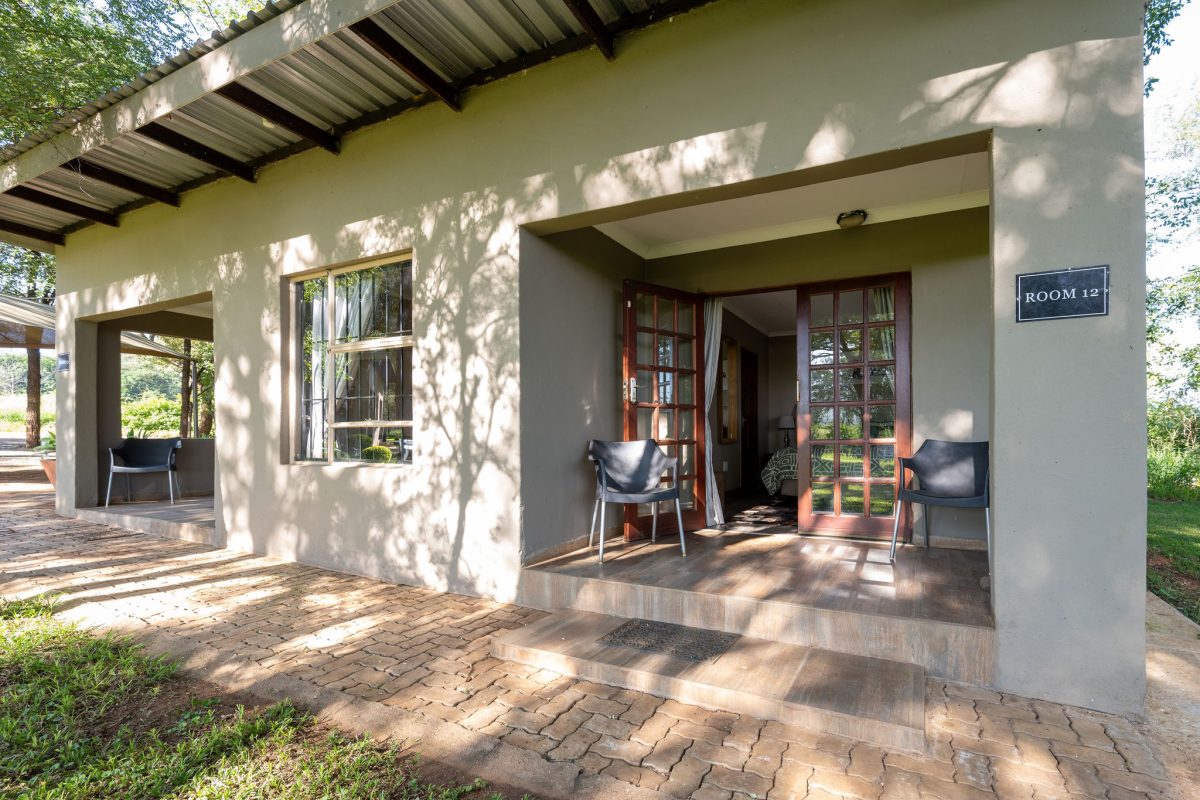
No properties are currently listed through mainstream booking platforms for Nwamitwa, and accommodation in the area operates through direct contact with hosts, community tourism contacts, or local referrals. Pricing is negotiated at the source rather than displayed online, and the range of available types reflects the character of a rural Limpopo village rather than a developed tourism destination.
At the budget end, community guesthouses and homestays run by local families are the most accessible entry point. These typically offer basic rooms with shared bathrooms, and quality varies considerably between individual hosts. Meals are sometimes available by prior arrangement, usually featuring home-grown produce, and hosts frequently provide informal orientation for visitors unfamiliar with the area. The informality is part of the appeal for travellers looking for genuine community contact rather than a transactional stay.
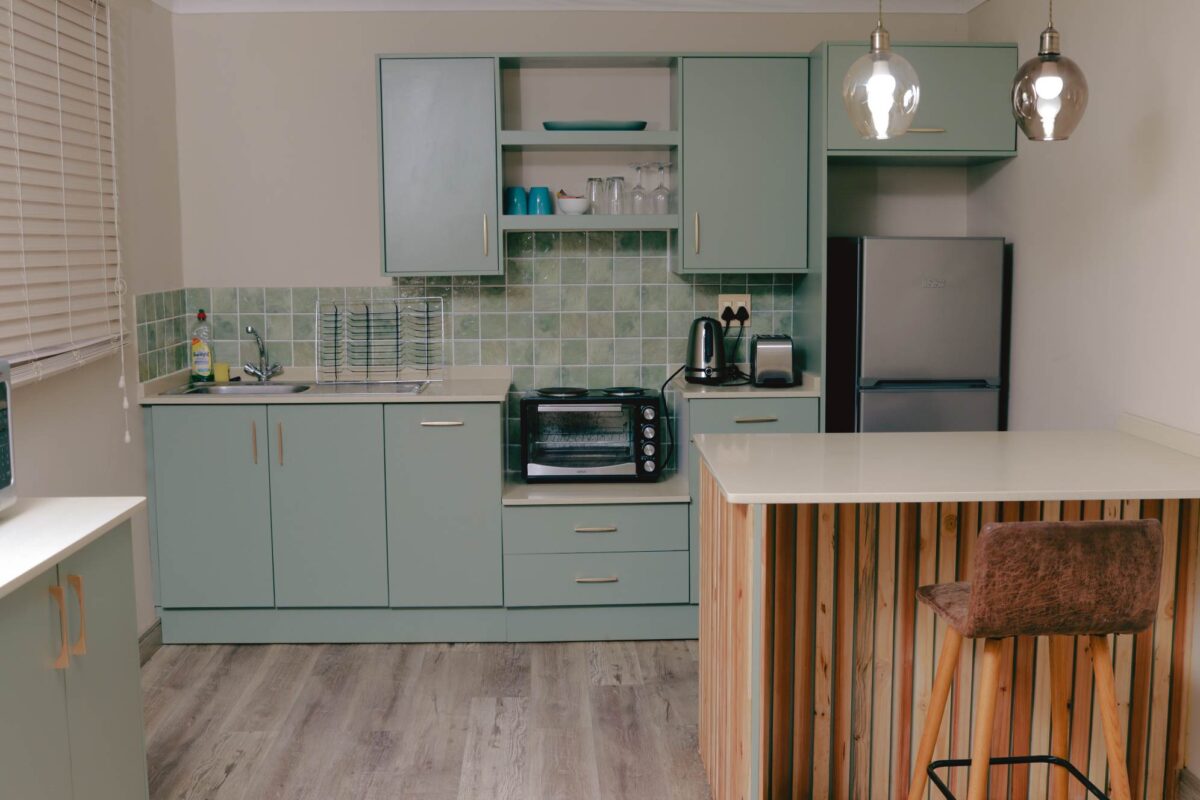
A mid-range option, for those who prefer more independence, comes in the form of self-catering cottages and small lodges scattered across the wider Vhembe district. These provide private bathrooms, basic cooking facilities, and generally more reliable power, though they sit anywhere from 20 to 40 kilometres from the village. The trade-off is comfort at the cost of proximity to Nwamitwa itself. Because dining options within the village are limited, access to a kitchen becomes a practical consideration rather than a preference.
Upper-tier accommodation is absent from Nwamitwa entirely. Travellers wanting a higher standard need to base themselves further out, toward the Soutpansberg mountains or near the Kruger boundary, and factor in the additional driving each day. Neither the infrastructure nor the visitor numbers currently support lodge-style accommodation within the village itself, and that situation is unlikely to change in the short term. Planning around this reality, rather than expecting it to resolve once you arrive, will make for a smoother trip.
## Best Time to Visit Nwamitwa
The dry season, from May through August, offers the most reliable conditions for travel in this part of Limpopo. Temperatures in June and July average between 18 and 25 degrees Celsius during the day, dropping noticeably at night, and the absence of rain keeps gravel roads in better condition. The dry season also brings cleaner air and lower humidity, which improves visibility across the bushveld and makes early morning drives considerably more comfortable. For anyone planning to explore on foot or photograph the landscape, this period delivers better conditions than any other time of year.
Summer months, from November through March, bring high temperatures regularly exceeding 30 degrees Celsius and significant humidity. Heavy downpours during this period can leave unpaved tracks impassable, adding uncertainty to travel. The landscape greens up noticeably, which some visitors prefer, but the heat makes extended outdoor activity less comfortable.
April and September are practical shoulder months. Temperatures moderate, road conditions are generally manageable, and the domestic school holiday crowds that push accommodation demand in June and July have not yet arrived or have already passed. For most visitors, this window balances access with comfort without the drawbacks of either extreme season.
## Getting to Nwamitwa
A private vehicle is the only practical option for reaching Nwamitwa, as no scheduled public transport serves the village. From Johannesburg, the route runs north on the N1 through Polokwane, then northeast toward Tzaneen and into the Vhembe district, covering roughly 450 to 500 kilometres in total. Allow five to six hours depending on stops and road conditions on the final approach.
Polokwane Airport is the nearest facility with regular scheduled flights from Johannesburg, operated by multiple domestic carriers. From Polokwane, the drive to Nwamitwa takes approximately two and a half to three hours. Thohoyandou, about 80 kilometres from the village, serves as the practical last stop for fuel, banking, supermarkets, and medical services before heading into the area. Fill the tank there, as no filling station operates in Nwamitwa itself.
Roads are tarred from the main regional routes but switch to gravel on the final approach to the village. A standard sedan manages these surfaces in dry conditions, though a vehicle with higher ground clearance handles the rainy season more reliably. Mobile coverage is intermittent once you leave the main corridors. Download offline maps and save your accommodation contact details locally before leaving any major town, and confirm the route details directly with your host.
## Nwamitwa and Surrounding Areas
The settlements and towns within 25 kilometres of Nwamitwa collectively cover the practical, agricultural, and cultural dimensions of this corner of Limpopo.
**Nwamitwalokasie**, 2 kilometres away, is the township directly linked to Nwamitwa and effectively forms part of the same extended community. Locals move freely between the two, and the distinction matters mainly when giving or receiving directions. Visitors should familiarise themselves with both names before navigating the area.
**Nkambako**, 7 kilometres out, is primarily an agricultural community where small-scale farming of maize and vegetables defines daily life. Road-side stalls here occasionally sell seasonal produce, and the settlement gives a clear picture of the subsistence economy that characterises the district as a whole.
**Welbeloond**, at 12 kilometres, sits further into the bushveld and functions mainly as a transit point within the district's interior road network. The name reflects the older Afrikaans-influenced naming conventions still common across rural Limpopo, a linguistic layer that sits alongside local language place names throughout the region.
**Ga-kgapane**, 21 kilometres from Nwamitwa, is the most useful stop for visitors during a stay in the area. A small commercial centre there includes shops, a filling station, and basic services that are otherwise absent closer to the village. Confirm ATM availability before relying on card facilities elsewhere, and stock up on supplies before returning to Nwamitwa for the evening.
**Quantock**, 24 kilometres away, sits within a farming district where citrus and subtropical crops are cultivated across larger commercial landholdings. The contrast between this scale of agriculture and the subsistence farming patterns around Nwamitwa itself is marked and reflects the economic diversity of the broader Limpopo agricultural sector.
**Ga-modjadji**, 25 kilometres to the southeast, is associated with the Rain Queen tradition of the Balobedu people, a hereditary female ruler whose cultural significance in this part of Limpopo goes back centuries. The Modjadji Nature Reserve near the town protects one of the world's largest concentrations of Modjadji cycads, an ancient plant species that has remained largely unchanged for millions of years. A half-day excursion from Nwamitwa covers both the cultural history and the reserve without needing to overnight elsewhere.
## Planning Your Stay
Because no properties in Nwamitwa appear on major booking platforms, filtering and comparing options online is not currently possible. Start instead by contacting the Limpopo Tourism office or the Vhembe District Municipality for referrals to community-run accommodation. Guesthouses in the broader district sometimes know of local hosts who do not advertise formally, and word-of-mouth referrals carry more weight here than star ratings on a booking site.
Before confirming any accommodation, check practical specifics directly with the host: whether electricity supply is reliable given load shedding across rural Limpopo, whether water is consistent, and whether the host can assist with arrival directions. Confirm the exact road condition on the final approach, particularly if your visit falls during or just after the rainy season.
South African school holidays, especially the June and July winter break and the December period, bring increased domestic travel through northern Limpopo. Booking several weeks ahead during these windows is sensible. Outside of public holidays, visitor traffic is low and shorter notice is usually sufficient. If you are travelling with a group or have specific cultural interests, contacting community representatives or local guides before arrival can open access to experiences that individual walk-in visitors tend to miss, including visits to local farming operations or introductions to craft makers in the area. Bring enough cash for your entire stay, as card facilities in the village are not guaranteed.

No properties are currently listed through mainstream booking platforms for Nwamitwa, and accommodation in the area operates through direct contact with hosts, community tourism contacts, or local referrals. Pricing is negotiated at the source rather than displayed online, and the range of available types reflects the character of a rural Limpopo village rather than a developed tourism destination.
At the budget end, community guesthouses and homestays run by local families are the most accessible entry point. These typically offer basic rooms with shared bathrooms, and quality varies considerably between individual hosts. Meals are sometimes available by prior arrangement, usually featuring home-grown produce, and hosts frequently provide informal orientation for visitors unfamiliar with the area. The informality is part of the appeal for travellers looking for genuine community contact rather than a transactional stay.
A mid-range option, for those who prefer more independence, comes in the form of self-catering cottages and small lodges scattered across the wider Vhembe district. These provide private bathrooms, basic cooking facilities, and generally more reliable power, though they sit anywhere from 20 to 40 kilometres from the village. The trade-off is comfort at the cost of proximity to Nwamitwa itself. Because dining options within the village are limited, access to a kitchen becomes a practical consideration rather than a preference.
Upper-tier accommodation is absent from Nwamitwa entirely. Travellers wanting a higher standard need to base themselves further out, toward the Soutpansberg mountains or near the Kruger boundary, and factor in the additional driving each day. Neither the infrastructure nor the visitor numbers currently support lodge-style accommodation within the village itself, and that situation is unlikely to change in the short term. Planning around this reality, rather than expecting it to resolve once you arrive, will make for a smoother trip.
## Best Time to Visit Nwamitwa
The dry season, from May through August, offers the most reliable conditions for travel in this part of Limpopo. Temperatures in June and July average between 18 and 25 degrees Celsius during the day, dropping noticeably at night, and the absence of rain keeps gravel roads in better condition. The dry season also brings cleaner air and lower humidity, which improves visibility across the bushveld and makes early morning drives considerably more comfortable. For anyone planning to explore on foot or photograph the landscape, this period delivers better conditions than any other time of year.
Summer months, from November through March, bring high temperatures regularly exceeding 30 degrees Celsius and significant humidity. Heavy downpours during this period can leave unpaved tracks impassable, adding uncertainty to travel. The landscape greens up noticeably, which some visitors prefer, but the heat makes extended outdoor activity less comfortable.
April and September are practical shoulder months. Temperatures moderate, road conditions are generally manageable, and the domestic school holiday crowds that push accommodation demand in June and July have not yet arrived or have already passed. For most visitors, this window balances access with comfort without the drawbacks of either extreme season.
## Getting to Nwamitwa
A private vehicle is the only practical option for reaching Nwamitwa, as no scheduled public transport serves the village. From Johannesburg, the route runs north on the N1 through Polokwane, then northeast toward Tzaneen and into the Vhembe district, covering roughly 450 to 500 kilometres in total. Allow five to six hours depending on stops and road conditions on the final approach.
Polokwane Airport is the nearest facility with regular scheduled flights from Johannesburg, operated by multiple domestic carriers. From Polokwane, the drive to Nwamitwa takes approximately two and a half to three hours. Thohoyandou, about 80 kilometres from the village, serves as the practical last stop for fuel, banking, supermarkets, and medical services before heading into the area. Fill the tank there, as no filling station operates in Nwamitwa itself.
Roads are tarred from the main regional routes but switch to gravel on the final approach to the village. A standard sedan manages these surfaces in dry conditions, though a vehicle with higher ground clearance handles the rainy season more reliably. Mobile coverage is intermittent once you leave the main corridors. Download offline maps and save your accommodation contact details locally before leaving any major town, and confirm the route details directly with your host.
## Nwamitwa and Surrounding Areas
The settlements and towns within 25 kilometres of Nwamitwa collectively cover the practical, agricultural, and cultural dimensions of this corner of Limpopo.
**Nwamitwalokasie**, 2 kilometres away, is the township directly linked to Nwamitwa and effectively forms part of the same extended community. Locals move freely between the two, and the distinction matters mainly when giving or receiving directions. Visitors should familiarise themselves with both names before navigating the area.
**Nkambako**, 7 kilometres out, is primarily an agricultural community where small-scale farming of maize and vegetables defines daily life. Road-side stalls here occasionally sell seasonal produce, and the settlement gives a clear picture of the subsistence economy that characterises the district as a whole.
**Welbeloond**, at 12 kilometres, sits further into the bushveld and functions mainly as a transit point within the district's interior road network. The name reflects the older Afrikaans-influenced naming conventions still common across rural Limpopo, a linguistic layer that sits alongside local language place names throughout the region.
**Ga-kgapane**, 21 kilometres from Nwamitwa, is the most useful stop for visitors during a stay in the area. A small commercial centre there includes shops, a filling station, and basic services that are otherwise absent closer to the village. Confirm ATM availability before relying on card facilities elsewhere, and stock up on supplies before returning to Nwamitwa for the evening.
**Quantock**, 24 kilometres away, sits within a farming district where citrus and subtropical crops are cultivated across larger commercial landholdings. The contrast between this scale of agriculture and the subsistence farming patterns around Nwamitwa itself is marked and reflects the economic diversity of the broader Limpopo agricultural sector.
**Ga-modjadji**, 25 kilometres to the southeast, is associated with the Rain Queen tradition of the Balobedu people, a hereditary female ruler whose cultural significance in this part of Limpopo goes back centuries. The Modjadji Nature Reserve near the town protects one of the world's largest concentrations of Modjadji cycads, an ancient plant species that has remained largely unchanged for millions of years. A half-day excursion from Nwamitwa covers both the cultural history and the reserve without needing to overnight elsewhere.
## Planning Your Stay
Because no properties in Nwamitwa appear on major booking platforms, filtering and comparing options online is not currently possible. Start instead by contacting the Limpopo Tourism office or the Vhembe District Municipality for referrals to community-run accommodation. Guesthouses in the broader district sometimes know of local hosts who do not advertise formally, and word-of-mouth referrals carry more weight here than star ratings on a booking site.
Before confirming any accommodation, check practical specifics directly with the host: whether electricity supply is reliable given load shedding across rural Limpopo, whether water is consistent, and whether the host can assist with arrival directions. Confirm the exact road condition on the final approach, particularly if your visit falls during or just after the rainy season.
South African school holidays, especially the June and July winter break and the December period, bring increased domestic travel through northern Limpopo. Booking several weeks ahead during these windows is sensible. Outside of public holidays, visitor traffic is low and shorter notice is usually sufficient. If you are travelling with a group or have specific cultural interests, contacting community representatives or local guides before arrival can open access to experiences that individual walk-in visitors tend to miss, including visits to local farming operations or introductions to craft makers in the area. Bring enough cash for your entire stay, as card facilities in the village are not guaranteed.
Nwamitwa Kaart
Nabygeleë Bestemmings
Blaai Deur Alle Nwamitwa Akkommodasie
Bekyk al 0 akkommodasie-opsies in Nwamitwa met foto's, pryse en beskikbaarheid.
Blaai Deur Alle Akkommodasie