Accommodation in Nkambako
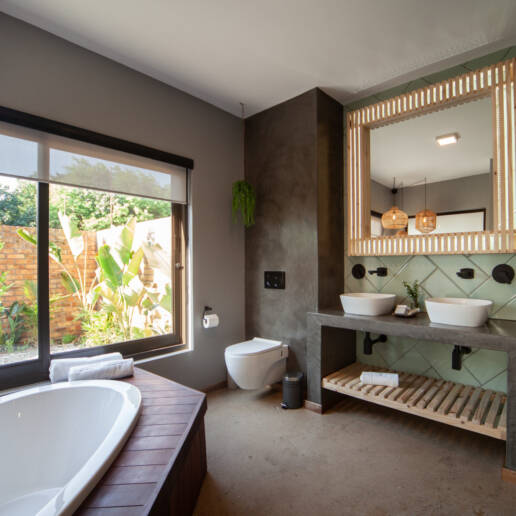
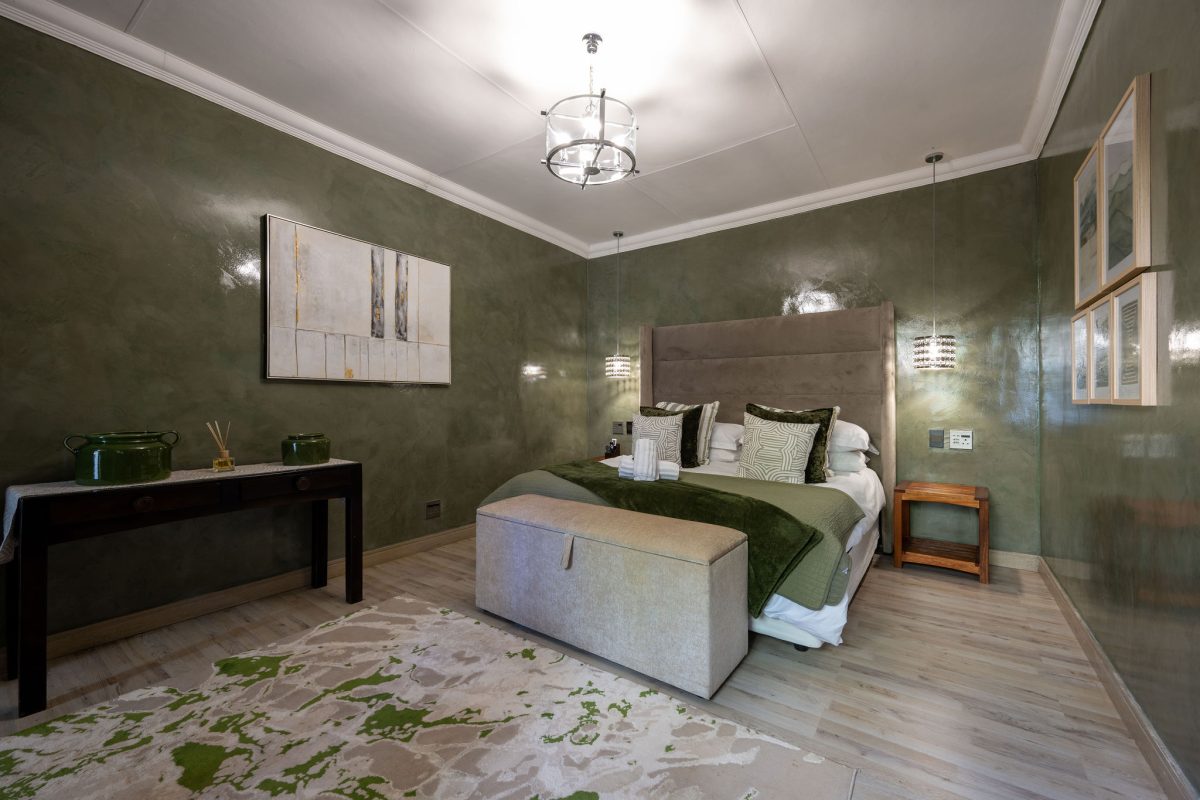
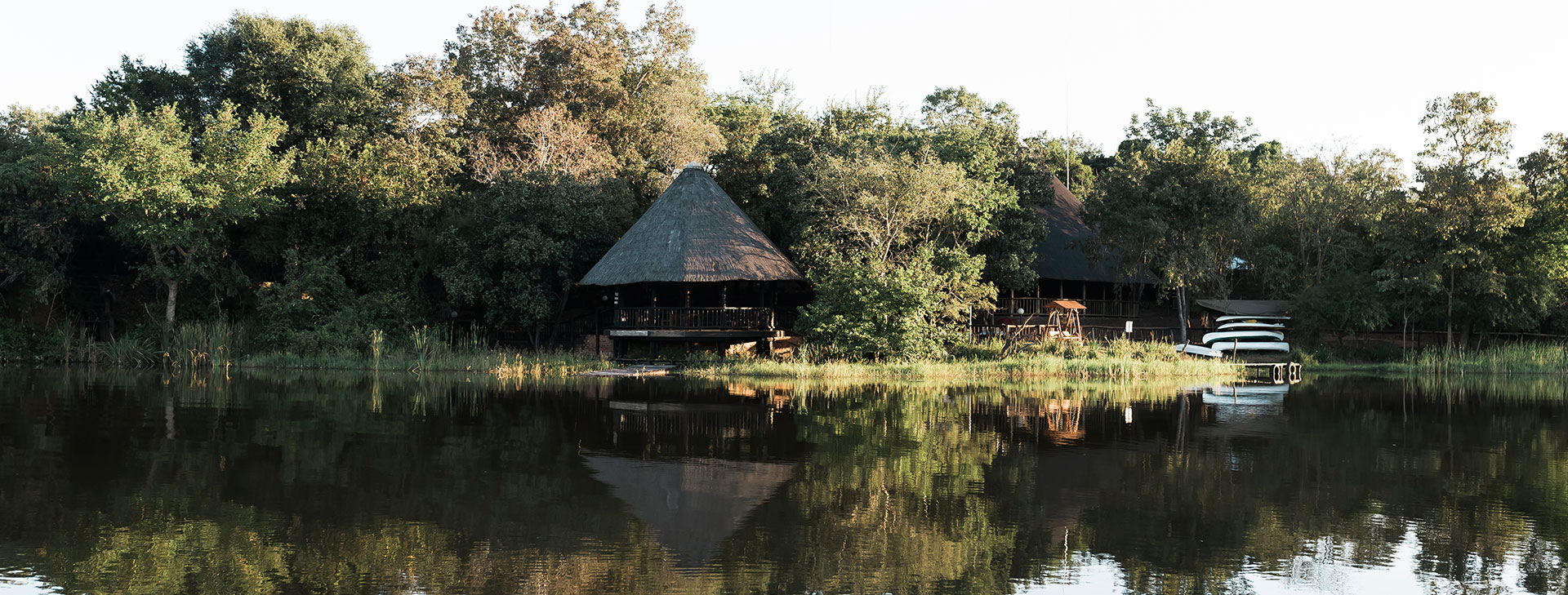
The accommodation landscape in Nkambako is small and largely informal. With zero properties currently indexed on major booking platforms and pricing that varies by establishment rather than following any published rate, prospective visitors should plan to research and contact places directly. This is characteristic of genuinely rural tourism in South Africa's Limpopo lowveld, where much of the accommodation economy operates through word of mouth and community networks rather than centralised booking systems.
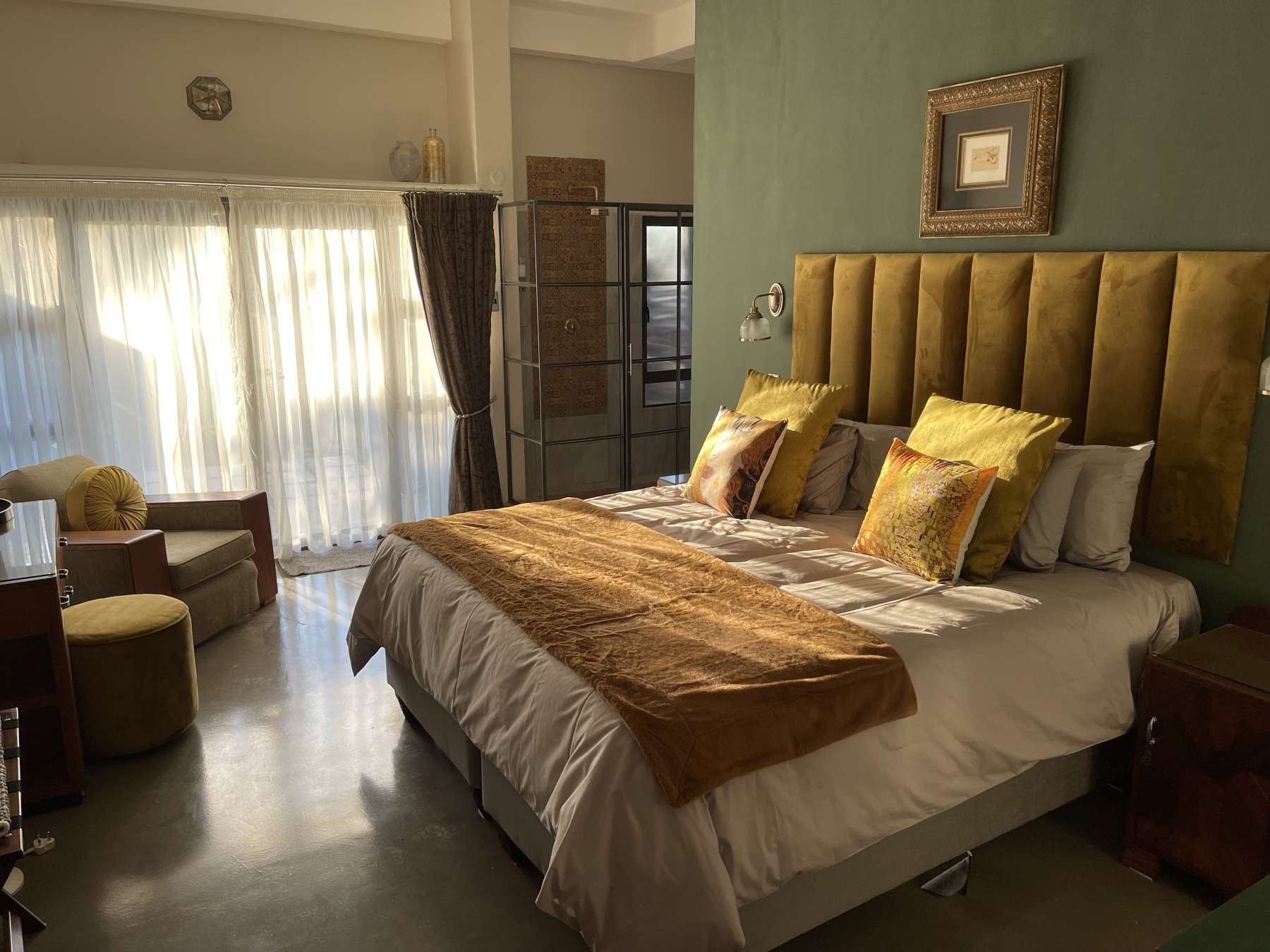
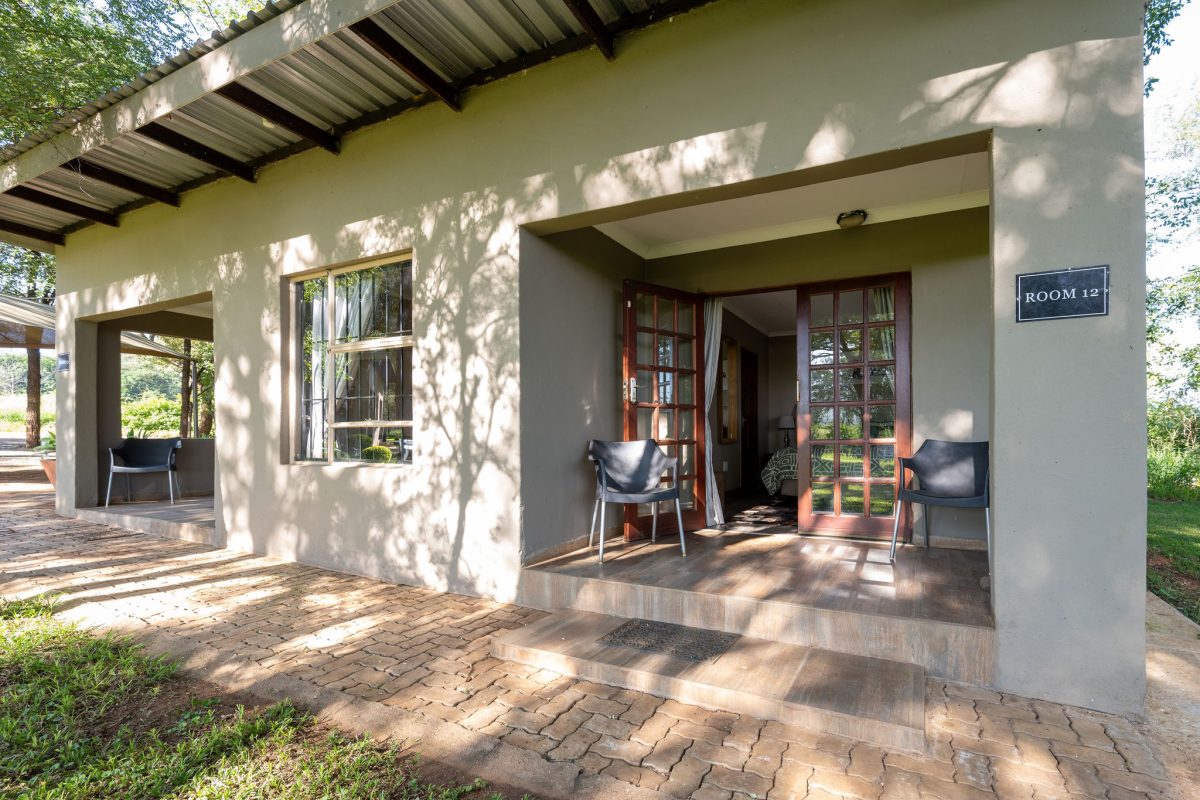
At the budget end, small family-run guesthouses form the most common option. These tend to be rooms within or adjacent to local homesteads, offering basic facilities and home-cooked meals when arranged in advance. The standard is modest, but the hospitality is typically attentive. Travellers with their own vehicles and a tolerance for variable infrastructure will find this end of the market provides the closest contact with how the community actually lives.
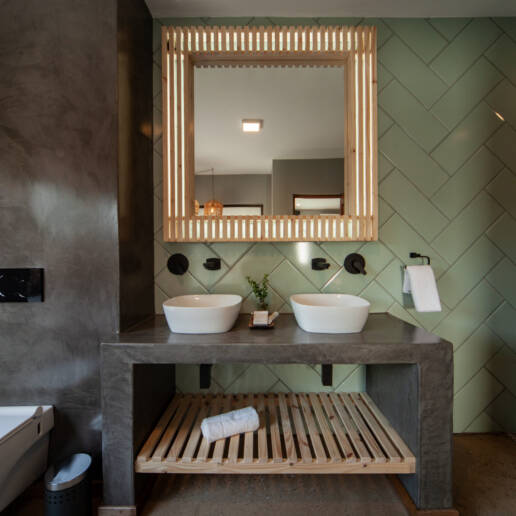
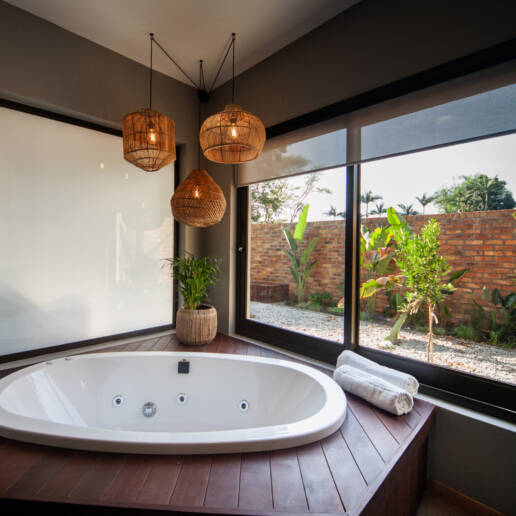
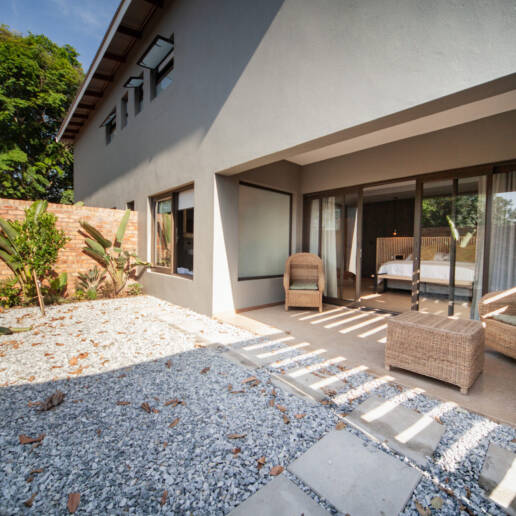
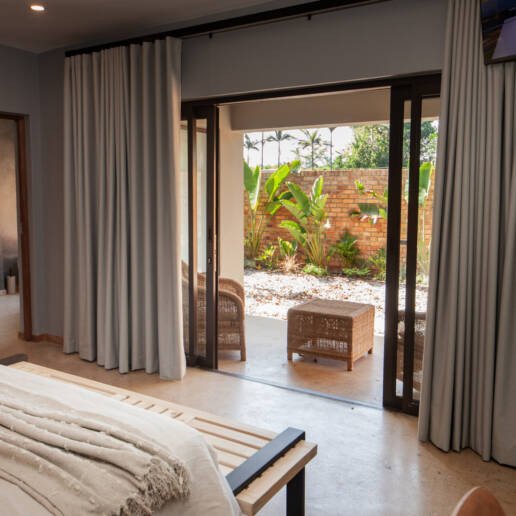
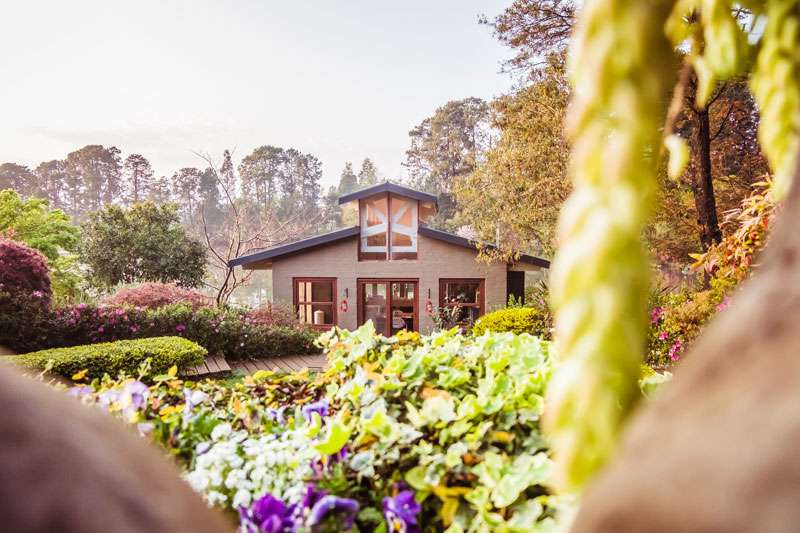
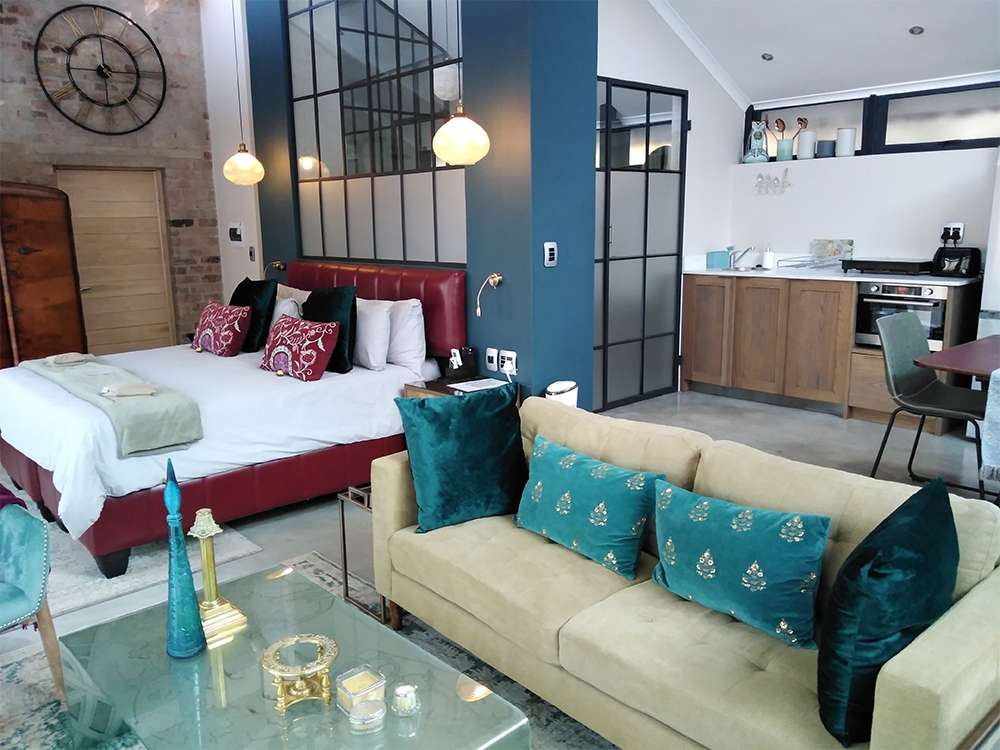
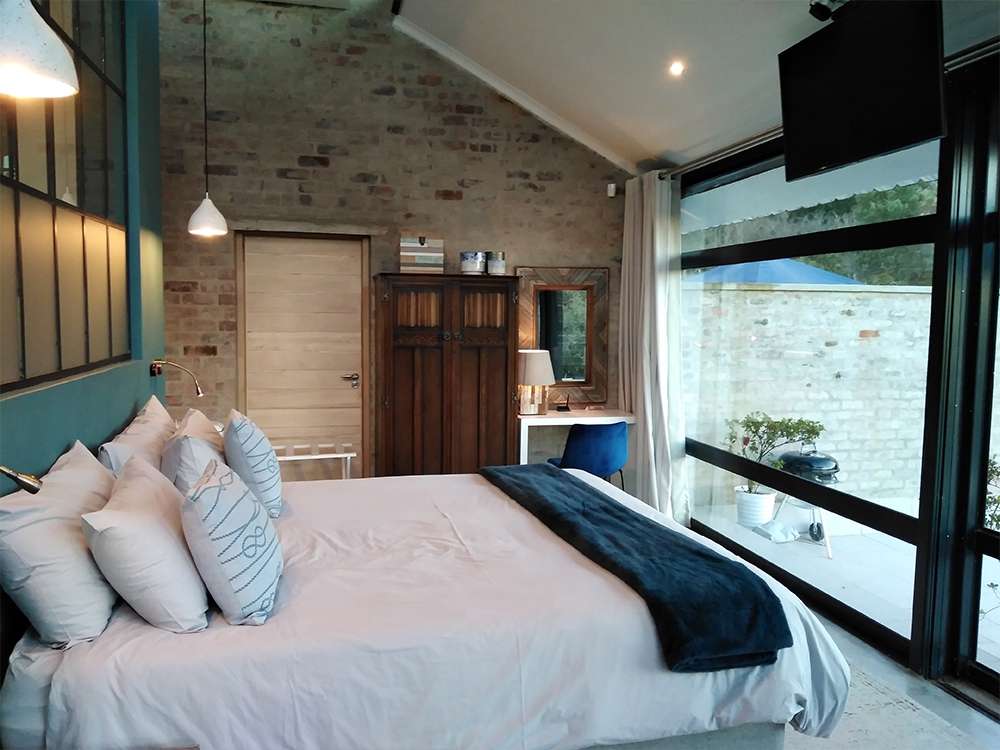
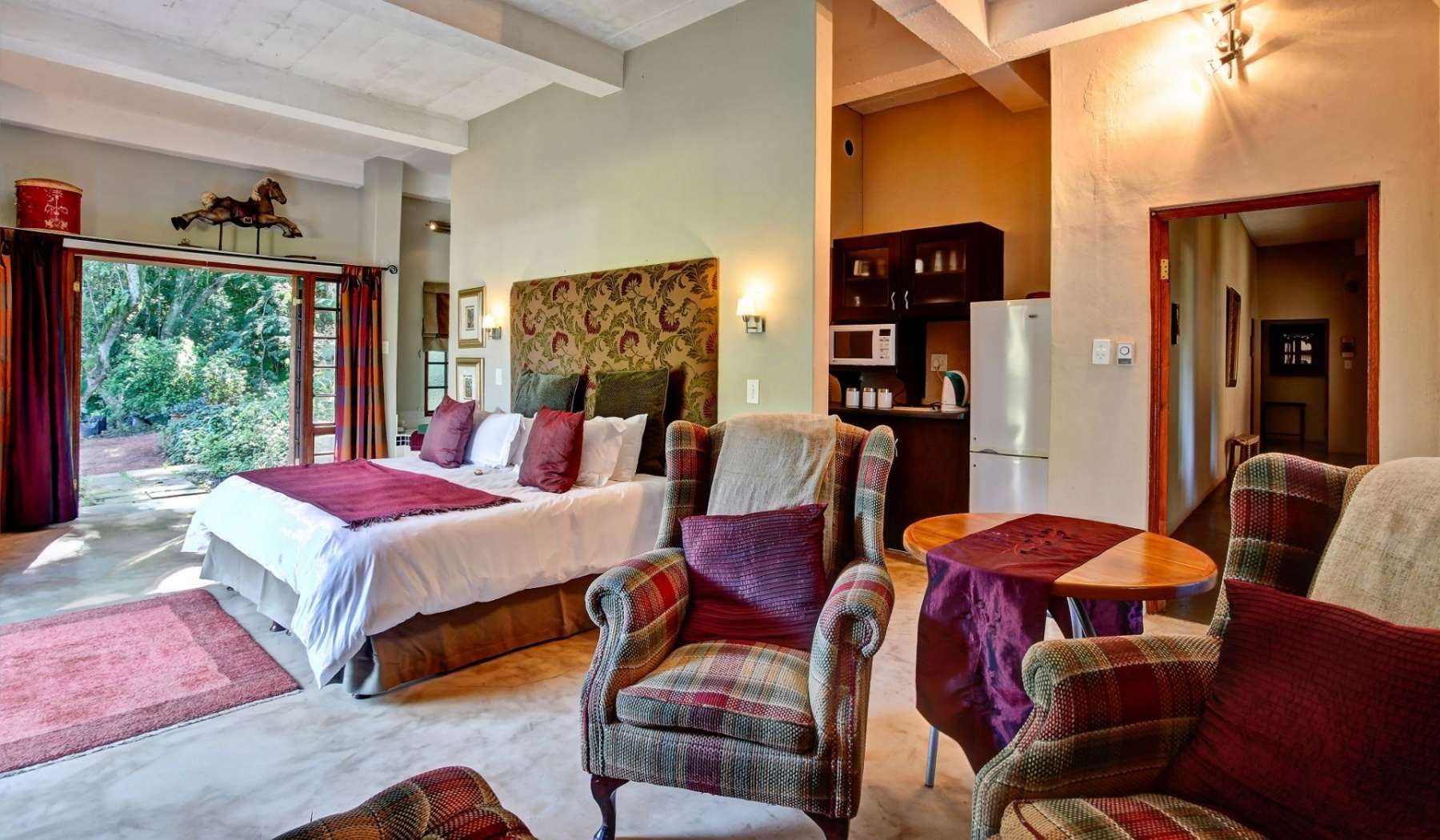
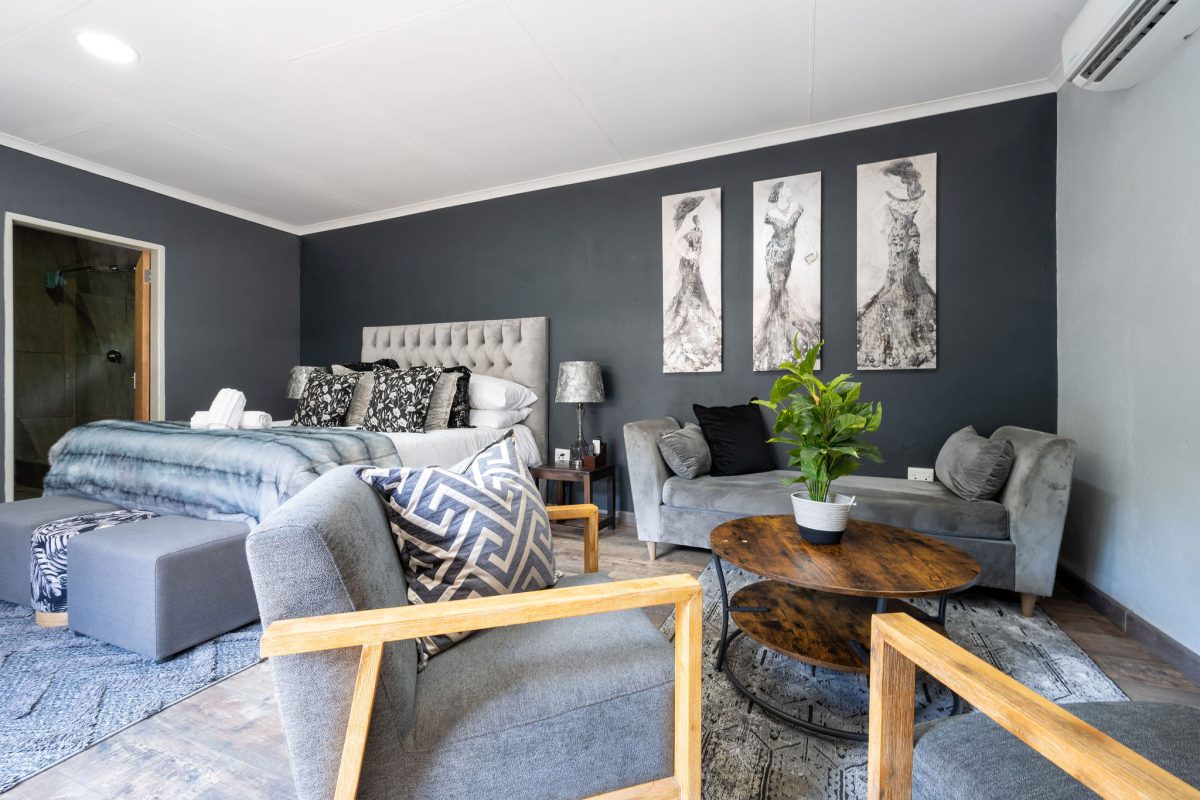
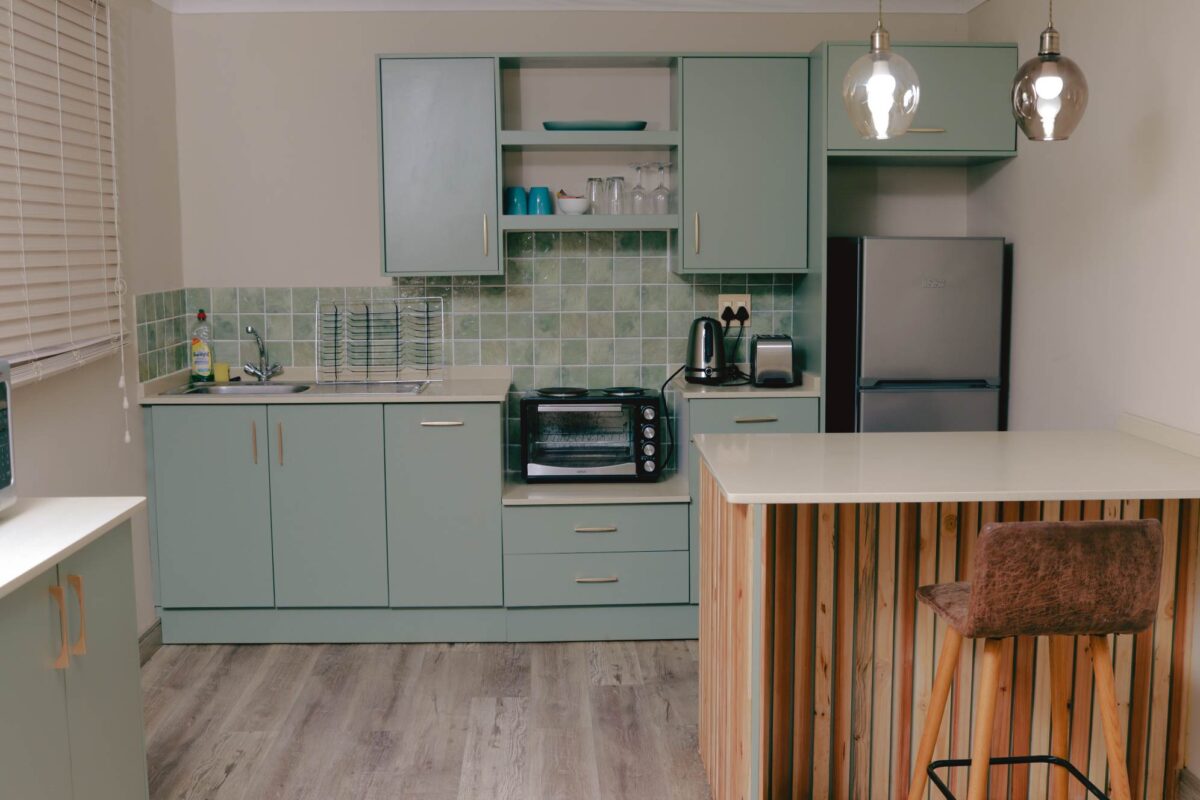
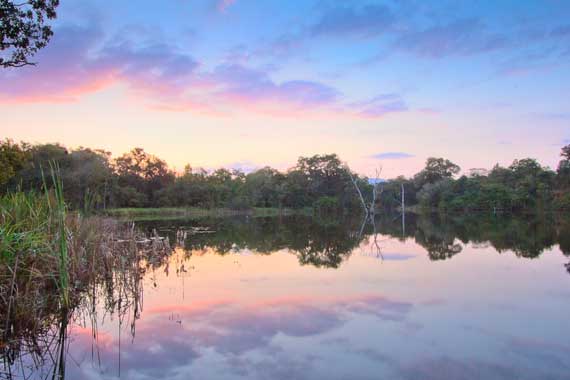
Mid-range stays, where available, come in the form of self-catering cottages or small lodges operated by local families who have invested more deliberately in tourism infrastructure. Private bathrooms, secure parking, and kitchen facilities are the distinguishing features at this tier. The bush setting around Nkambako means that even modestly priced accommodation tends to come with birdlife and the ambient sounds of the lowveld rather than traffic.
Visitors seeking a higher standard of comfort should note that the surrounding region offers more options at that level. Basing yourself in a more developed nearby centre and making day trips into Nkambako is a practical alternative for those who want cultural access without compromising on amenities. That said, staying locally, even simply, provides a different quality of experience. The pace slows, community interactions deepen, and the sense of being genuinely outside conventional tourism infrastructure becomes a defining part of the visit.
Best Time to Visit Nkambako
Nkambako's climate follows the lowveld pattern typical of Limpopo: hot, wet summers from roughly October through March, and dry, cooler winters from May to August. Summer temperatures can push well above 35 degrees Celsius, and the rain arrives in the form of afternoon thunderstorms that can leave dirt roads waterlogged and difficult to navigate. The bush is green and dense during this period, which creates an atmospheric setting but complicates rural travel.
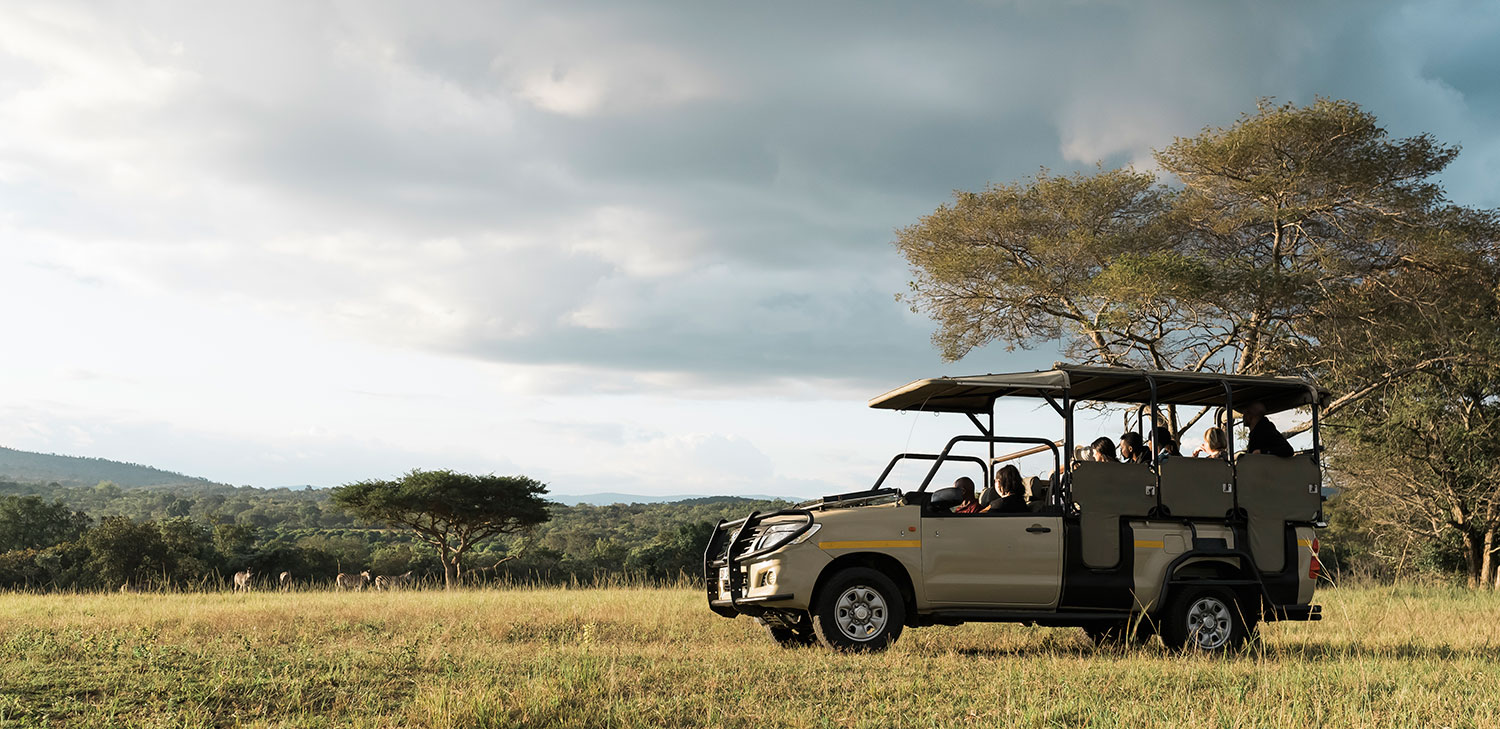
Winter is the more practical season for most visitors. Daytime temperatures typically sit between 15 and 28 degrees Celsius, the sky stays clear, and thinning vegetation makes wildlife easier to spot in the surrounding bush. June to August represents the dry season's core and is the most comfortable window for walking and driving through the area.
The shoulder months of April and September offer reasonable conditions with fewer visitors than the peak winter period. April is generally the better of the two: the rains are winding down, temperatures have moderated from the summer peaks, and the vegetation is still green. September sees the landscape at its driest before the new summer rains, making wildlife visible but the bush looking austere. For birdwatching, the summer months are more rewarding, with migratory species present from November onward and resident birds far more active during the breeding period.
Getting to Nkambako
Nkambako sits in a rural part of Limpopo with no commercial airport nearby. The closest options are at Phalaborwa, roughly 100 kilometres to the southeast, which also serves as a gateway to the Kruger National Park, and at Polokwane, approximately 200 kilometres to the west. Both airports have scheduled services from Johannesburg. Transfers from either require a hired vehicle or prearranged private transport, as public connections to rural settlements involve multiple changes and unpredictable waits.
Driving from Johannesburg, the N1 north to Polokwane and then east is the standard route, covering approximately 500 kilometres and taking five to six hours without significant traffic delays through the urban corridor. From Tzaneen, to the west, the drive covers roughly 80 kilometres on tar roads before transitioning to rural approaches. Giyani, around 40 kilometres away, is the most practical nearby town for fuel and supplies before the final stretch into the settlement.
Within the area, private transport is the only reliable option. Minibus taxis connect larger nearby centres, but their schedules are informal and coverage into smaller rural communities is inconsistent. Visitors without their own vehicle should arrange transport in advance with their accommodation host rather than assuming connections will be available on arrival.
Nkambako and Surrounding Areas
The settlements and towns within a short drive of Nkambako give the area considerably more geographic range than its small footprint suggests.
Nwamitwa (7 kilometres) is the closest sizeable settlement, sharing the same lowveld character. Despite its proximity, the village carries its own distinct community identity and social organisation. For visitors interested in understanding how neighbouring rural communities differ despite geographical closeness, Nwamitwa is a straightforward and worthwhile stop.
Nwamitwalokasie (8 kilometres) is the township associated with Nwamitwa. In the South African context, linked village and township settlements often have different economic profiles, with the township tending toward small traders, informal markets, and local commercial activity. The contrast between the two is itself informative for anyone trying to understand rural settlement patterns in the region.
Welbeloond (15 kilometres) is a farm and rural property area. The Afrikaans-derived name reflects historical land ownership patterns in this part of Limpopo. The surrounding farmland provides context for the agricultural economy that underpins life across the district and illustrates how the landscape has been shaped through cultivation over generations.
Ga-modjadji (24 kilometres) is among the most distinctive destinations within reach of Nkambako. This is the territory of the Modjadji Rain Queen, a hereditary female monarch of the Balobedu people whose rain-making traditions are among the most thoroughly documented in southern Africa. The area is home to the Modjadji Cycad Nature Reserve, which protects one of the world's largest concentrations of the Modjadji cycad. A visit here combines natural history with a living cultural institution that has no real equivalent elsewhere in the country.
Ga-kgapane (27 kilometres) is a large township in the Bolobedu area serving as a commercial hub for the surrounding communities. It offers practical amenities including shops and markets and provides a window into township commercial life in a part of Limpopo that sees relatively few international visitors.
Gravelotte (29 kilometres) has a different character entirely. The town is historically associated with emerald mining, and the surrounding area was once among South Africa's most productive emerald fields. Large-scale commercial operations have largely contracted, but the town retains its connection to that industrial past and sits at a point where the lowveld landscape begins to shift noticeably in character.
Planning Your Stay
Bookings for rural accommodation in the Nkambako area are best made directly rather than through automated platforms, where local listings are limited. Contacting guesthouses by phone or reaching out through regional tourism offices gives a more accurate picture of what is actually available and under what current conditions. Hosts are often the best source of practical information about access roads, power supply, and what to bring along.
Before confirming a booking, check whether the property has reliable electricity or a backup power source. Load-shedding schedules in rural areas can differ from urban patterns, and rural properties are sometimes on separate supply infrastructure entirely. Ask specifically about road conditions for the approach route during the season you plan to visit, as summer rain can make gravel sections impassable without a vehicle with decent clearance.
Carry cash. Card payment infrastructure is limited in rural settlements, and connectivity can be unreliable even where terminals exist. Stock up on fuel and supplies in a larger nearby centre before arriving, as local shops cover basics but not necessarily everything a multi-day stay requires.
For cultural engagement or community visits, working through local contacts rather than arriving unannounced produces substantially better outcomes. An introduction through an accommodation host or community contact opens access that independent approaches rarely achieve.