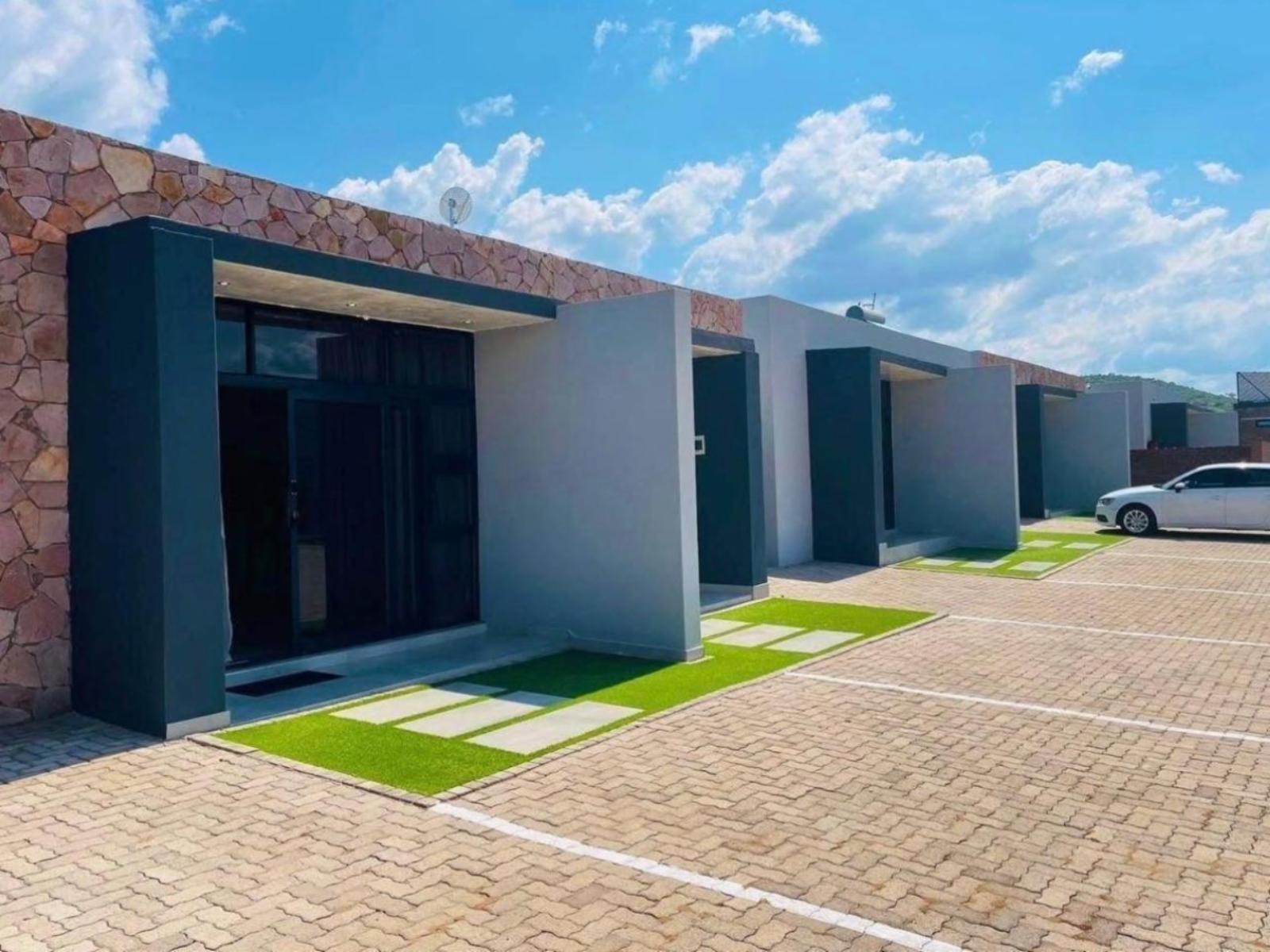
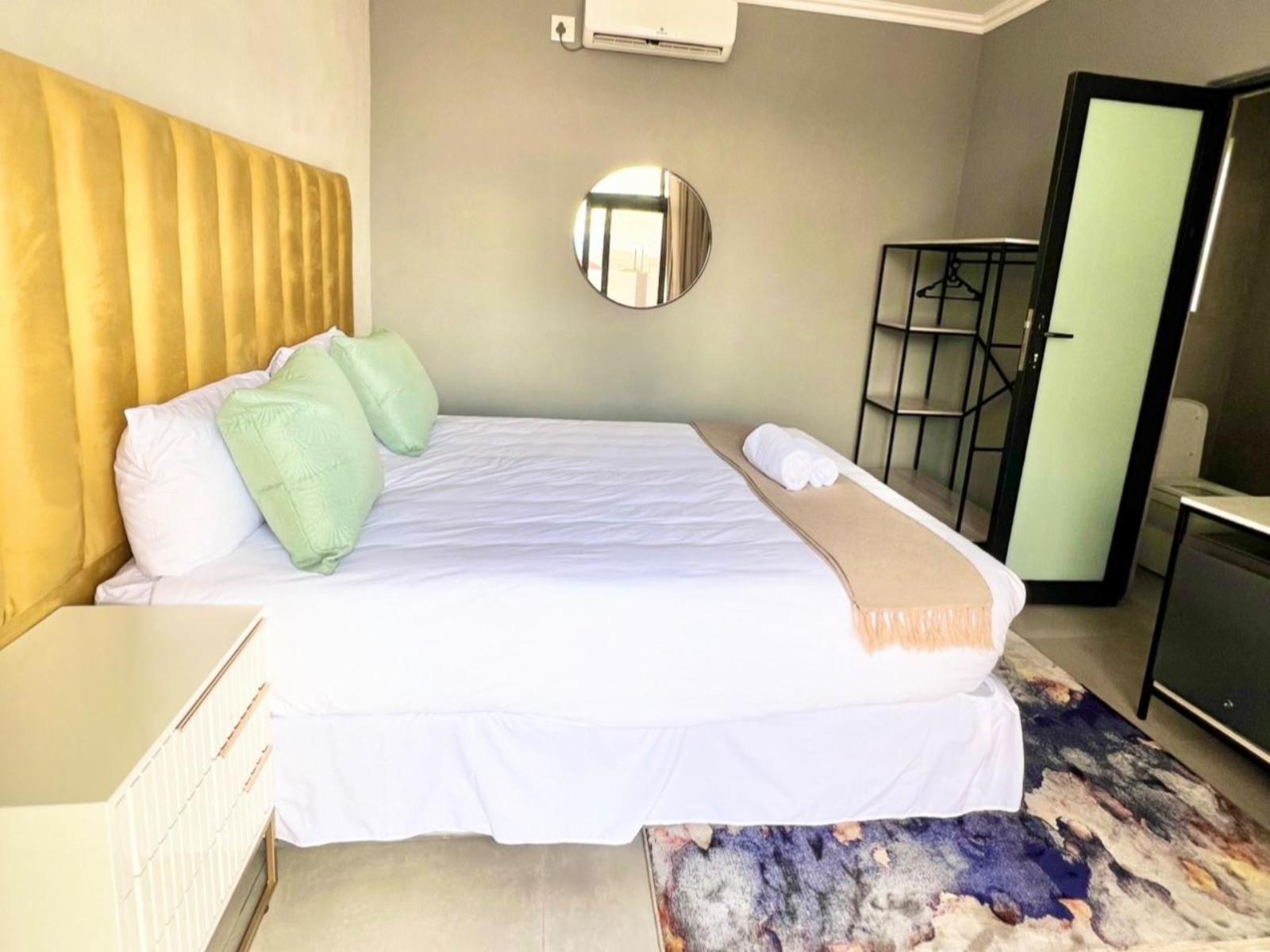
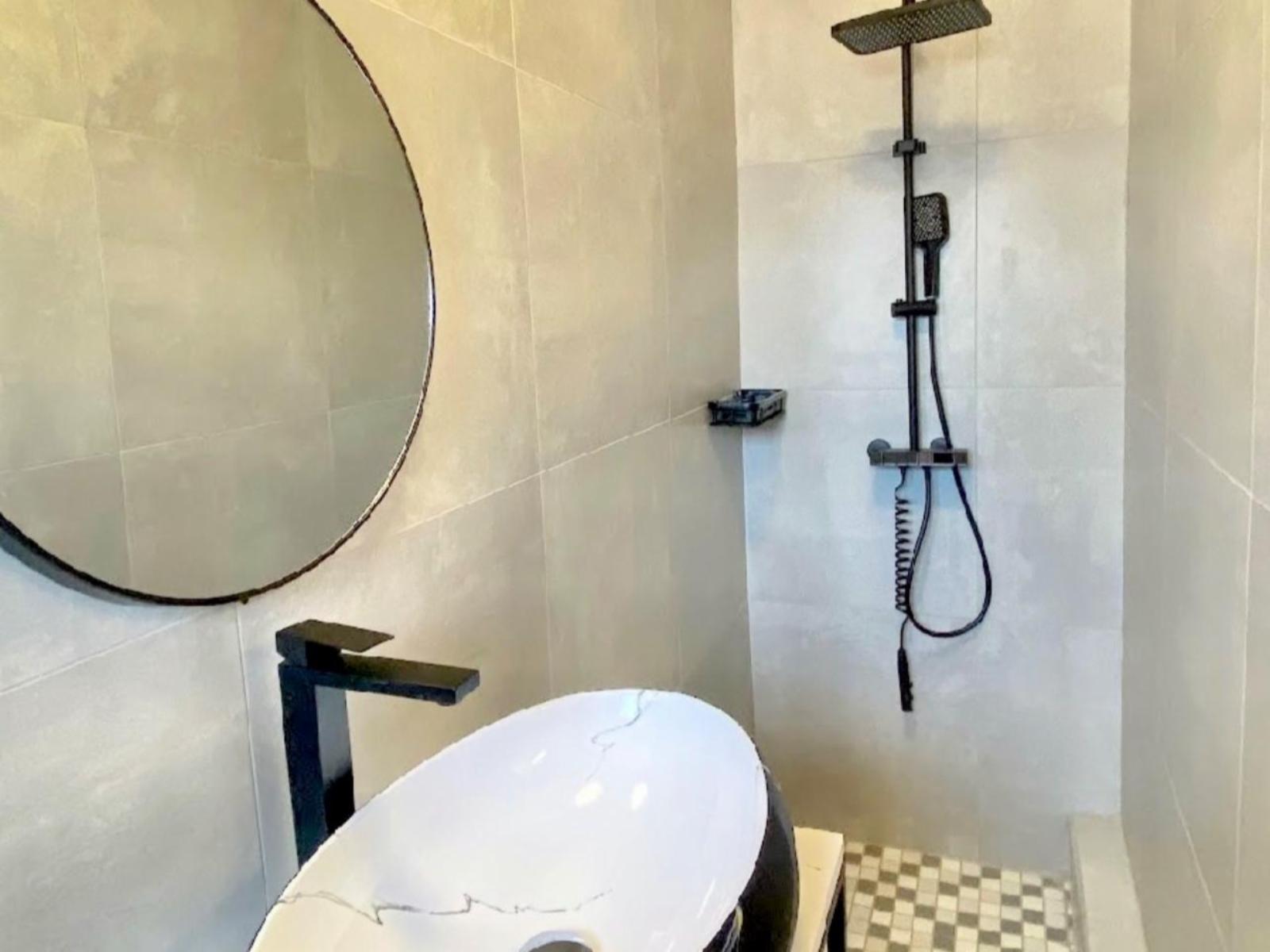
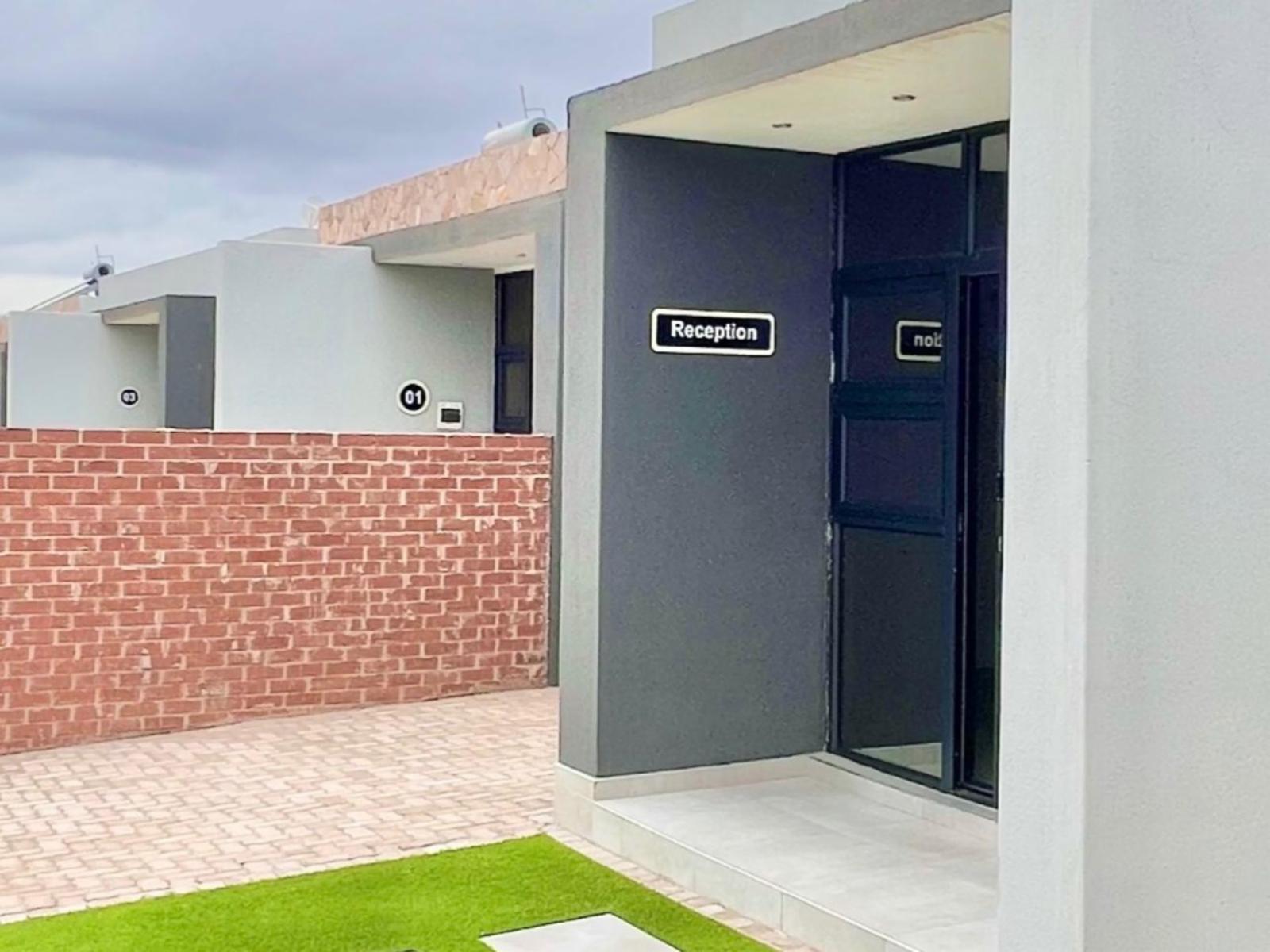
Accommodation in Ha-mamuhoyi
Ha-mamuhoyi currently has no formally listed properties on mainstream booking platforms, a reflection of the village's character as a rural community settlement rather than a developed tourist destination. Visitors who do stay here typically arrange accommodation through local contacts, community-based tourism networks, or directly with families offering informal homestays. Prices in these arrangements are negotiated directly and vary considerably based on what is included, so asking specifically about meals, bedding, and bathroom access before confirming avoids later misunderstandings.
At the most accessible end, homestays place you inside a Venda family home, with shared bathroom facilities and often home-cooked meals. The physical comfort is basic and the infrastructure modest, but this form of accommodation provides genuine proximity to Venda daily life that no conventional hotel can replicate. Venda communities in this part of Limpopo have a tradition of hospitality, and visitors who approach these arrangements with flexibility and patience generally find the experience worthwhile. Identifying a host before arrival takes effort, and showing up without a confirmed arrangement is not an option in a village with no walk-in facilities.
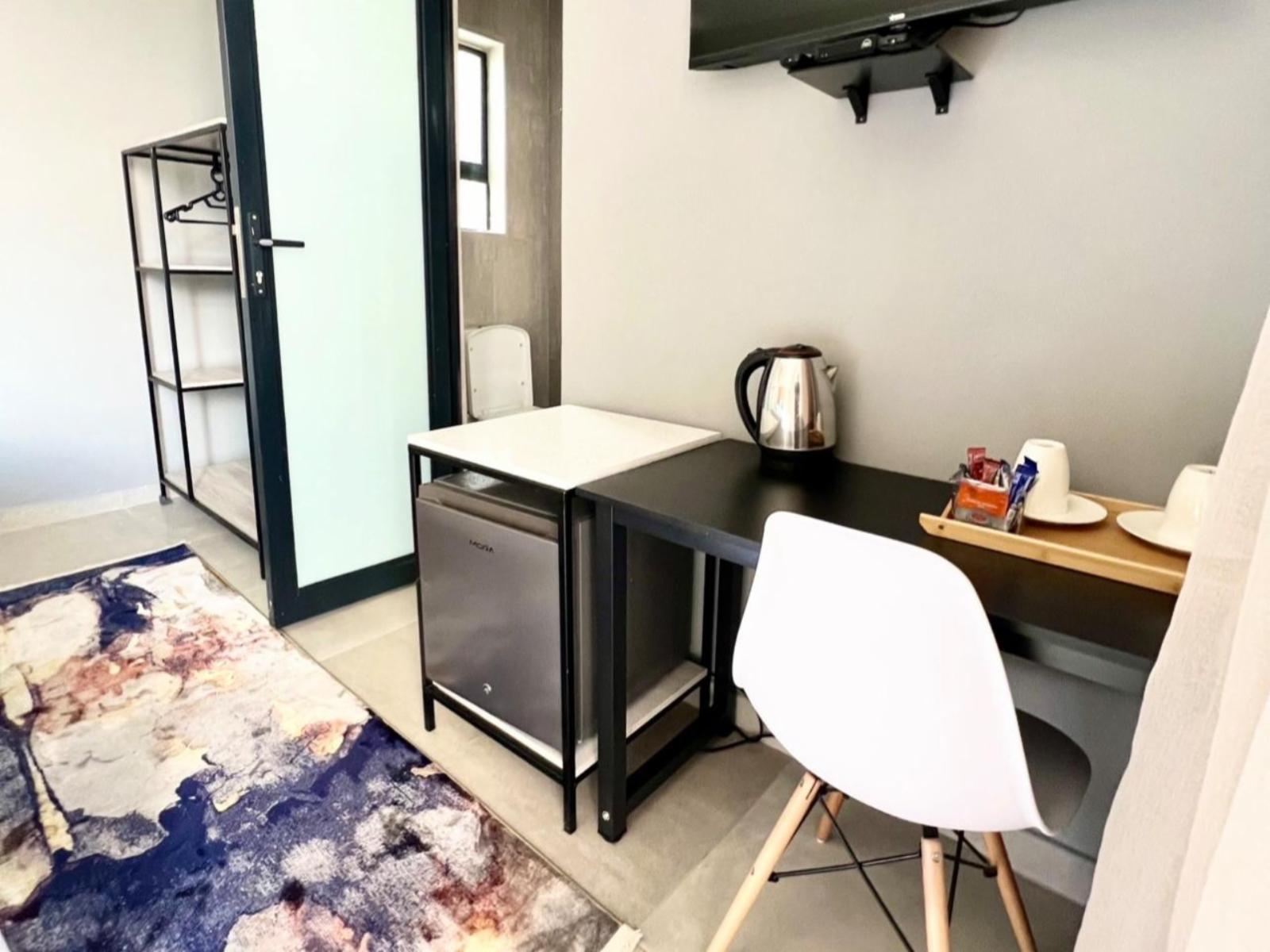
A step up comes through small community guesthouses operating across the broader Vhembe area. These offer private rooms and more reliable utilities, with some separation from the host household. Breakfast may be included, and air conditioning is uncommon, but such properties represent a practical middle ground for travellers who want privacy without expecting hotel-standard services.
For more comfort and predictability, the nearest regional centres carry guesthouses, small hotels, and self-catering apartments across a range of price points. Basing yourself there and making day trips to Ha-mamuhoyi is a sensible approach if infrastructure uncertainty feels like too much of a risk. Local guides can arrange transport into the village and add cultural context for what you see.
Carry enough cash for the full stay. Card payment facilities are absent in rural Ha-mamuhoyi, and planning your finances before leaving the nearest town is one of the most important practical steps.
Best Time to Visit Ha-mamuhoyi
Ha-mamuhoyi's climate divides into two clear seasons shaped by its subtropical position in northern Limpopo. The wet season runs from November through March, bringing most of the annual rainfall alongside temperatures that regularly exceed 30 degrees Celsius. Afternoon thunderstorms are common during these months, arriving quickly and sometimes leaving unpaved roads soft or temporarily impassable. Any outdoor activity in summer is more comfortable with an early start before temperatures climb.
The dry winter months from May to August offer the most comfortable conditions for travel. Daytime temperatures settle in the low to mid-twenties, dropping noticeably in the evenings, which makes a light jacket worth packing. Vegetation thins across the bushveld during winter, improving visibility across open terrain and making time outdoors considerably more pleasant.
April and September are shoulder months with agreeable temperatures and fewer domestic visitors moving through the area. South African school holidays in December and April bring increased traffic through Vhembe and pressure on services in surrounding towns. Travelling outside these windows tends to produce a quieter experience with fewer complications at accommodation and fuel stops.
For walking through communities and visiting cultural sites in the area, the dry season is clearly preferable. High summer heat, particularly between December and February, can be exhausting during midday hours, and afternoon storm activity makes schedules unpredictable.
Getting to Ha-mamuhoyi
Polokwane, Limpopo's provincial capital, has the nearest commercial airport with regular connections to Johannesburg. From Polokwane, the N1 highway heads north before reaching Makhado, covering around 130 kilometres. The total drive from Polokwane to Ha-mamuhoyi takes approximately two hours. Travelling directly from Johannesburg, the route along the N1 covers around 450 kilometres and typically takes four to five hours under normal conditions.
Makhado is the key staging point for the eastward approach. Regional roads from there carry traffic through a series of rural communities toward Ha-mamuhoyi, roughly 29 kilometres away. Tarred sections cover most of the route, but the final stretches into smaller settlements often involve gravel tracks where a vehicle with reasonable ground clearance handles conditions more comfortably. Road signage can be sparse and turnings are not always obvious, so downloading offline maps before leaving is a practical precaution.
Public transport options are limited. Minibus taxis link the larger towns in Vhembe but do not reliably serve small villages on a fixed timetable. Thohoyandou, roughly 80 kilometres west of Ha-mamuhoyi, has more regular connections and could serve as a transfer point for those relying on shared transport. For most visitors, renting a car from Polokwane is the most practical option.
Fill up with fuel before leaving Makhado. Filling stations thin out considerably on the rural roads to the east.
Ha-mamuhoyi and Surrounding Areas
The villages closest to Ha-mamuhoyi share its rural Venda character. Gordon, 12 kilometres away, is a small settlement typical of the Vhembe countryside, where smallholding agriculture and extended family homesteads define the landscape. A short drive there gives a sense of how communities across this corridor relate to one another, with seasonal crop farming setting the rhythm of daily life.
Tshiheni, 15 kilometres out, sits in similarly agricultural terrain. It represents the northern Limpopo village pattern: dispersed homesteads, community land use, and Venda cultural practices that continue to shape daily life across this part of the district.
Tshiavha, at 19 kilometres, is accessible on the regional road network. Like its neighbours, it offers no tourist infrastructure but contributes to the broader cultural landscape of the area. The three settlements together are close enough to visit on a single half-day circuit from Ha-mamuhoyi, and the roads connecting them are manageable for most vehicles.
Makhado, 29 kilometres to the west and historically known as Louis Trichardt, is the regional urban centre. The town carries supermarkets, ATMs, fuel stations, and medical facilities, making it the practical supply hub for anyone based in the surrounding villages. It sits against the Soutpansberg mountain range, which offers hiking trails through vegetation ranging from dry thornveld at lower altitudes to montane yellowwood forest higher up. The Soutpansberg is consistently productive for birding and merits at least a half-day's exploration on its own terms.
Tshipise, 30 kilometres from Ha-mamuhoyi, is best known for its natural hot springs. The resort there has drawn South African families for decades, with thermal pools as the central draw. The surrounding bushveld supports game drives and bush walks, and the drive from Ha-mamuhoyi takes under an hour on mostly tarred roads, making it a natural full-day or half-day excursion from a rural base.
Planning Your Stay
Arranging a visit to Ha-mamuhoyi requires more advance preparation than most South African destinations. No properties appear on standard booking platforms, so identifying accommodation means reaching out to community tourism contacts in the Vhembe District or the Limpopo Tourism Agency, which sometimes maintains relationships with rural homestay operators. Arriving without a confirmed arrangement is not a viable approach.
Lake Fundudzi, a site of deep significance in Venda culture and spiritual tradition, lies within driving distance of the region and is worth including in an extended itinerary. Visiting requires prior permission from the local chief's office, a process that takes time, so build several days of lead time into your plans rather than treating it as a spontaneous stop. The same consideration applies to other culturally significant sites in the area, where community protocols govern access.
Before confirming any rural property, ask about load-shedding frequency and whether backup power is available. Check mobile signal strength if you need data connectivity. Speak to your host about road conditions before heading out on excursions, as gravel tracks can change quickly after rainfall and digital maps often fail to reflect current conditions.
For accommodation in nearby towns during school holidays and long weekends, book well in advance, as demand increases noticeably across Vhembe at those times. Carry enough cash for the rural portion of your trip. A local guide familiar with the villages and cultural protocols is a useful asset; your accommodation host can usually point you toward someone reliable.