Accommodation in Tshiavha
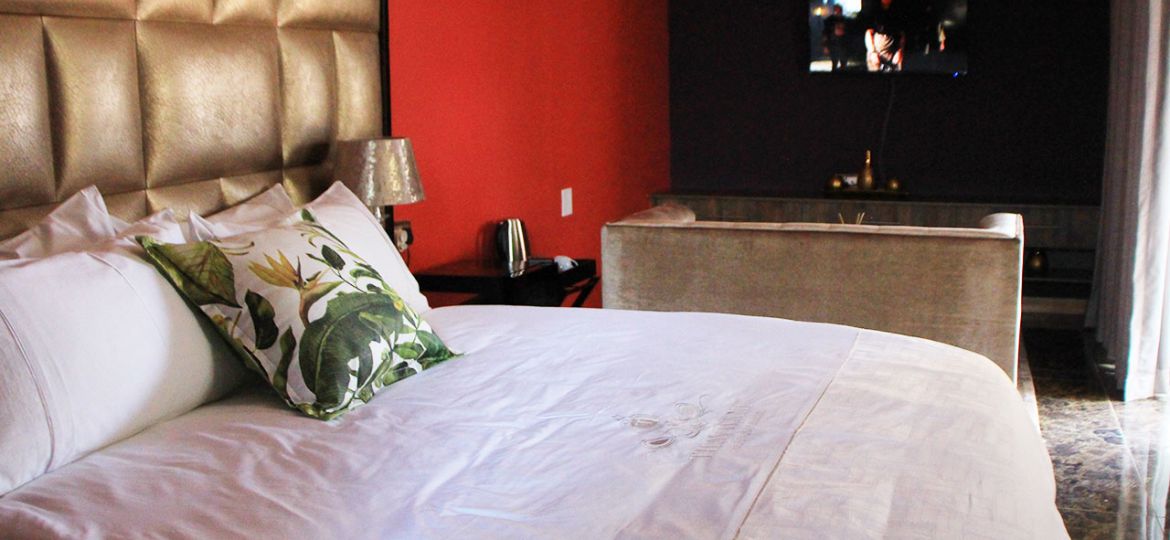
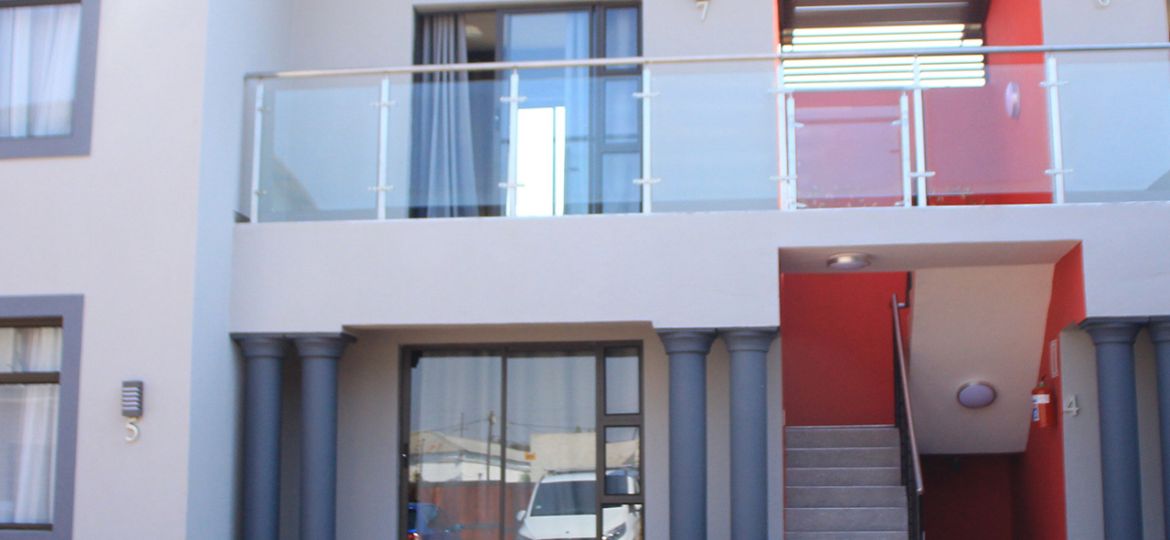
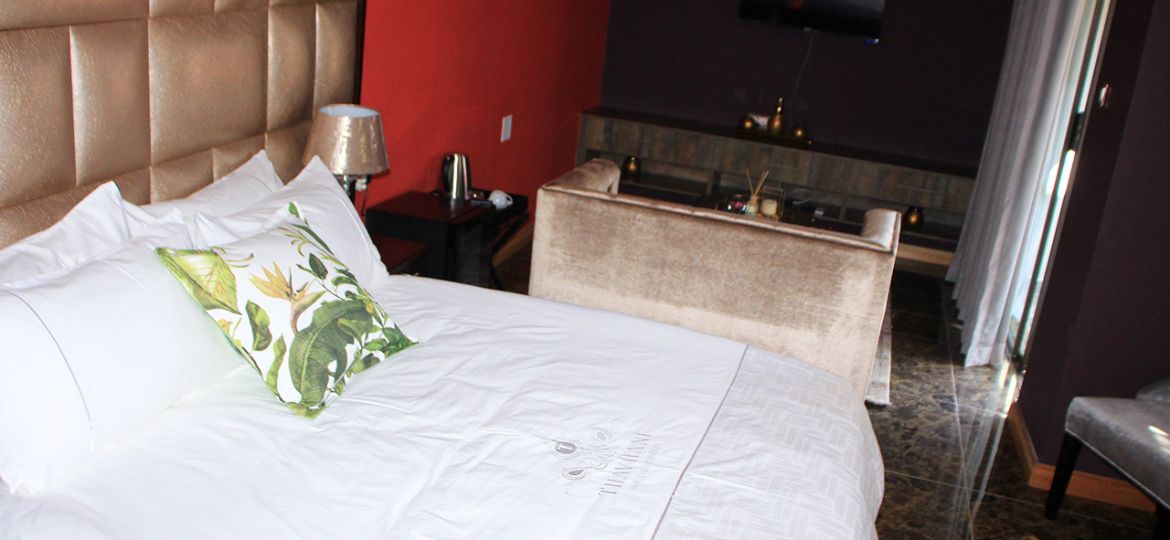
Formal accommodation listings for Tshiavha remain sparse, reflecting the village's position as an emerging cultural destination rather than part of an established tourist circuit. Properties in and around the area tend toward the practical and family-run, spread across a limited budget range. Currently, formal listings are minimal, and pricing is generally arranged through direct contact rather than standard booking platforms.
At the lower end, basic guesthouses and homestay arrangements are the most accessible option. These are typically run by local families, where meals may be prepared on request and the distinction between guest and host is considerably less formal than in larger tourist towns. Rooms are functional, communal areas are shared, and the experience of daily life in a Venda rural household becomes part of the stay. First-language Tshivenda speakers make up most of the local population, and accommodation at this level offers genuine cultural engagement rather than a staged version of it. Guests who engage with the household routines and community rhythms tend to get considerably more out of the visit than those who treat it simply as a place to sleep.
Mid-range options, where they exist, generally take the form of self-catering units attached to a homestead or small guesthouse property. These offer more privacy, usually include a private bathroom, a basic kitchen, and outdoor space, and suit travellers who want a degree of independence while remaining embedded in the surrounding community. This tier is best suited to couples or small groups who can share costs and are comfortable managing their own provisioning.
Upper-tier accommodation in the immediate area is limited. Travellers seeking greater comfort typically base themselves in a nearby town and travel into the Tshiavha area from there, which is a workable approach for day-focused visits. Within Tshiavha itself, the appeal lies in proximity to the community and the surrounding landscape rather than in service-driven comfort.
Best Time to Visit Tshiavha
The Vhembe District has a subtropical climate with two sharply distinct seasons. The wet season runs from November through to March, bringing afternoon thunderstorms and sustained heat. Temperatures during this period frequently exceed 30 degrees Celsius, and the hills around Tshiavha turn a deep, rolling green as vegetation responds to the rainfall. The trade-off is that unpaved roads in rural areas become difficult after heavy downpours, and flooding can temporarily cut access to more remote homesteads and cultural sites.
The dry season, from April through October, is generally the more practical time to travel. Winter months, particularly June and July, bring mild, sunny days with temperatures typically between 15 and 25 degrees Celsius. Nights during this period can be cold, and a warm layer is worth packing. Road conditions are more reliable, and cooler temperatures make travelling between villages on foot or by local transport more manageable.
There is no defined tourist peak for Tshiavha. Cultural visits and craft demonstrations can be arranged throughout the year, but the dry season offers more predictable logistics for outdoor movement. Travelling in April or May, at the tail end of the rains, combines reasonable road access with landscapes that remain greener than mid-winter.
Getting to Tshiavha
The most practical entry point by air is Polokwane International Airport, approximately 230 kilometres to the southwest. Direct flights operate from Johannesburg's OR Tambo International Airport, and the road journey northward from Polokwane takes roughly two to three hours depending on traffic. Travellers driving directly from Johannesburg should allow four to five hours via the N1 north and the R524 through Louis Trichardt into the Vhembe District.
Thohoyandou, the main commercial hub of the Venda region, sits approximately 80 kilometres to the west of Tshiavha and marks the boundary between the main road network and the primarily local roads leading into the village. Fuel, banking facilities, ATMs, and supplies should all be secured here before heading further east, as services become considerably more limited beyond this point.
Public transport into Tshiavha is restricted. Minibus taxis connect Thohoyandou to surrounding villages, but routes to more remote settlements run infrequently and on informal schedules. Renting a vehicle at Polokwane or Thohoyandou remains the most reliable option for anyone wanting flexibility. A standard sedan handles the route in dry conditions, though a vehicle with higher ground clearance offers more assurance on rougher sections, particularly after rain.
Tshiavha and Surrounding Areas
Tshiavha sits at the centre of a network of Venda settlements within a 20-kilometre radius. Each offers a different dimension of rural life in northern Limpopo, and together they make a convincing case for a multi-day stay rather than a single overnight stop.
Tshiheni, 6 kilometres away, is the closest neighbour, connected to Tshiavha through shared farming land. Small-scale maize and vegetable cultivation shapes the landscape here, and the traditional homestead layouts reflect building conventions consistent across the northern Venda region. The short distance makes it an easy first extension from Tshiavha.
Rambuda (10 km) functions as a modest local hub with a small market presence. It sits along one of the more accessible routes out of Tshiavha and is a practical stop for basic supplies before venturing further.
Tshabya (12 km) lies deeper into the hills, with the approach road passing through stretches of indigenous bush. The settlement is representative of quieter, more isolated homestead communities in this part of Limpopo, and the drive itself rewards those interested in the physical landscape.
Tshamulongwe (15 km) is part of a network of communities where oral tradition remains in active practice. With prior arrangement through a local guide, visitors may meet elders with knowledge of traditional plant medicine and Venda oral history that has not been formally documented.
Gordon (17 km) carries a non-Venda name that sets it apart from its neighbours, hinting at a distinct administrative or historical origin. It functions as a transitional node between the rural community network and broader district road routes.
Tshivumbe (19 km) marks the practical outer limit for day trips from Tshiavha. The surrounding area includes stretches of indigenous woodland and quieter walking routes away from main roads, making it a useful endpoint for travellers who want to cover the full arc of the district.
The wider Vhembe region beyond these immediate neighbours includes Lake Fundudzi, a sacred body of water central to Venda spiritual tradition, and the Thathe Vondo Forest, one of the few remaining patches of indigenous cloud forest in southern Africa. Both require a local guide and advance arrangement to visit responsibly.
Planning Your Stay
Booking accommodation in Tshiavha rarely follows a standard online process. Most properties do not list on major platforms, so arranging a stay typically involves direct phone contact or going through a cultural tourism operator active in the Vhembe area. Having a confirmed contact before arriving makes logistics considerably more manageable.
Before confirming any property, ask specifically about electricity supply, water availability, and current road access. Load shedding affects rural Limpopo as it does urban areas, so knowing whether a property runs on solar backup or grid power is relevant for meal planning and keeping devices charged. On-site water storage versus municipal supply is another variable worth clarifying for self-catering stays.
Cash remains the primary currency for local transactions, as card payment facilities are not available in rural village settings. Withdrawals should be made before departing towns with banking infrastructure. Bringing sufficient food supplies for the duration of the stay is advisable, since local shops have limited stock and informal trading hours.
Mobile signal in the area is inconsistent. Downloading offline maps and saving key contact numbers before leaving a larger town is practical rather than optional. MTN and Vodacom provide the strongest coverage across the district, but signal drops are common on rural roads and in lower-lying areas.
Cultural visits, including craft demonstrations and community-managed sites, require advance notice. Arriving without prior arrangement and expecting guided access is unlikely to work. Most experiences of this kind are coordinated through local guides or community representatives, and reaching out a few days before arrival significantly improves the outcome for both visitor and host.