Accommodation in Tshiheni
Tshiheni is a small rural settlement, and the accommodation scene reflects that reality. At time of writing, no formally listed properties appear in major booking databases, which means travellers need to approach the search differently from most South African destinations. Local guesthouses and family-run lodges do operate in and around the area, but they tend to rely on direct bookings, word of mouth, or regional tourism boards rather than online platforms.
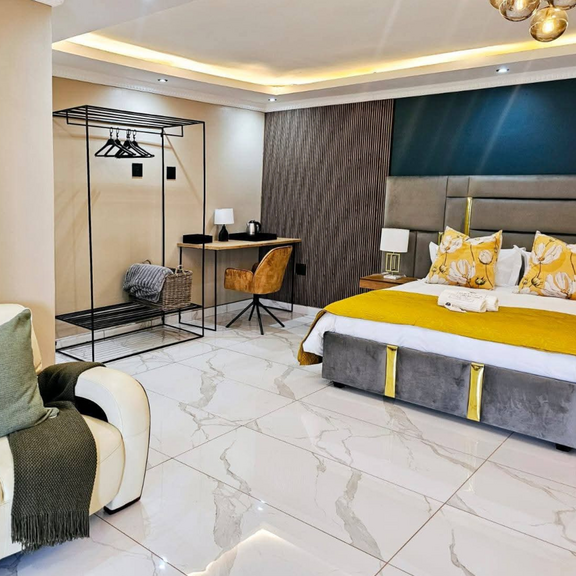
At the budget end, rooms in basic guesthouses typically offer clean, functional accommodation with shared or private bathrooms and home-cooked meals. The family atmosphere that comes with this kind of stay puts you in genuine contact with local life in the Vhembe region in a way more polished establishments rarely match. Mid-range options, where they exist within the broader Thulamela district, generally add amenities such as air conditioning, private en-suite bathrooms, and occasionally a small pool, catering to travellers who want reasonable comfort without requiring resort-style facilities.
Visitors with higher budgets seeking more upscale accommodation will likely need to look further afield, toward Thohoyandou or along the Vhembe tourism corridor. That said, some of the most memorable stays in rural Limpopo come from community tourism initiatives offering self-catering cottages or simple lodges where the experience of the place matters more than the standard of the fittings.
Because formal listings are sparse, contacting the Limpopo Tourism Agency or the Vhembe District Municipality tourism office before your trip is a practical first step. They maintain more current information on available accommodation than any single booking platform is likely to hold. Booking well in advance is strongly advisable, particularly for the dry season months when traveller numbers in the broader region increase.
Best Time to Visit Tshiheni
The dry season, running from May through to October, is generally the most practical time to visit. Days are clear and warm, temperatures sit comfortably in the mid-20s Celsius, and the roads into the area are easier to navigate without heavy summer rain. Wildlife viewing in the broader Vhembe region is also more productive during these months, as vegetation thins and animals concentrate around water sources.
The rainy season from November through March transforms the landscape considerably. Soaking rains bring the hills and fields to life, and the agricultural character of the village becomes most visible as crops grow across cultivated plots. Temperatures regularly exceed 30 degrees Celsius in summer and humidity rises noticeably. Dirt roads can become difficult or impassable after heavy downfalls, so travellers visiting in summer should check conditions before setting out and carry appropriate supplies.
April and October function as shoulder months, offering a reasonable balance between the two extremes. Fewer travellers move through the region at these times, which can make for quieter cultural encounters. The Limpopo wet season also broadly aligns with malaria risk in lower-lying areas, so anyone visiting between October and May should seek current health advice and take appropriate prophylactic precautions before departure.
Getting to Tshiheni
The most practical access point by air is Polokwane International Airport, around 250 kilometres to the southwest. From Polokwane, the N1 north leads toward Makhado (Louis Trichardt), from where regional roads head east into the Vhembe district toward Thohoyandou. Tshiheni sits roughly 80 kilometres east of Makhado, placing it around three to four hours from Polokwane by road depending on road conditions.
From Johannesburg, the drive covers approximately 500 kilometres via the N1 north. Allow five to six hours without stops. Thohoyandou, roughly 50 kilometres west of Tshiheni, is the most practical staging point for provisioning before continuing to the village. It has fuel, banking facilities, and supermarkets, none of which are available in Tshiheni itself.
A reliable, ideally high-clearance vehicle is essential. Some approach roads are gravel, and seasonal rains affect surface quality significantly. Car hire is available at Polokwane airport, but confirm that the rental agreement permits travel on unpaved roads before signing.
Public transport reaches Thohoyandou via long-distance buses and minibus taxis from Polokwane and Johannesburg. Onward transport from Thohoyandou to Tshiheni is limited and unreliable. Most travellers without their own vehicle will need to arrange a local driver in advance.
Tshiheni and Surrounding Areas
Tshiheni works well as a base for exploring the cluster of villages spread across the surrounding 20 kilometres. Each nearby settlement has a distinct character shaped by the VhaVenda communities that have occupied this part of Limpopo for generations.
Tshiavha, 6 kilometres away, is the closest neighbouring settlement and shares the agricultural rhythms and rural pace of Tshiheni. The short drive between the two passes through farmland typical of the Thulamela district, giving a clear sense of how the landscape is divided among homesteads and smallholdings.
Gordon, 11 kilometres out, is a slightly larger node serving several surrounding communities. Its position makes it useful for errands or local enquiries that Tshiheni itself cannot accommodate, and it sits easily within range for a morning run.
Ha-mamuhoyi, at 15 kilometres, falls within a part of the district where traditional Venda cultural practices remain strongly maintained. Visitors interested in the region's sacred geography, which includes spiritually significant forests and water sources woven into Venda cosmology, will find this area worth exploring with an informed local guide who can provide appropriate context.
Rambuda, also 16 kilometres away, is connected to the history of traditional Venda chieftaincy structures. Understanding the local governance and cultural hierarchy here adds depth to any broader engagement with the region, and the settlement itself reflects the layered relationship between modern rural life and older political organisation.
Tshivumbe, 16 kilometres to the south, offers another dimension of rural Venda life. Like many villages in the district, it is linked to the network of communities that make up Thulamela's population and can form part of a slow day of driving through the surrounding area.
Tshabya, the furthest of the nearby settlements at 17 kilometres, rounds out the accessible cluster. Taken together, these destinations reward a day of unhurried travel through the district, building a picture of how rural Vhembe functions as a connected whole.
Planning Your Stay
Because formal online listings for accommodation in Tshiheni are limited, the booking process looks different here than for most South African destinations. Start by contacting the Limpopo Tourism Agency and local municipal offices in Thulamela directly. Community lodges and family guesthouses in this part of Limpopo often appear only on local social media pages or regional directories rather than mainstream booking platforms.
Once you identify a property, confirm a few key things before committing: whether meals are included or available on request, the condition of the access road from your planned route, mobile signal availability at the property, and whether the host can accommodate your planned arrival time. Load-shedding affects rural Limpopo as it does the rest of the country, so ask whether the accommodation has a generator or solar backup, particularly if you are travelling with equipment that requires charging.
Bookings for the June through August period should be made well in advance, as this coincides with South African school holidays when domestic travel across Limpopo increases noticeably. For summer visits, confirm road conditions closer to your departure date, as this can change significantly with rainfall. Carry enough cash to cover your stay comfortably, as card facilities are unlikely to be available in a settlement of this size.