Kwangwanase Reis- & Akkommodasiegids
Jou volledige gids om Kwangwanase, Suid-Afrika te besoek.
3
Eiendomme
Vanaf
R1,100
/ nag
Gemiddeld
R1,100
/ nag
Gewildste
Lodge
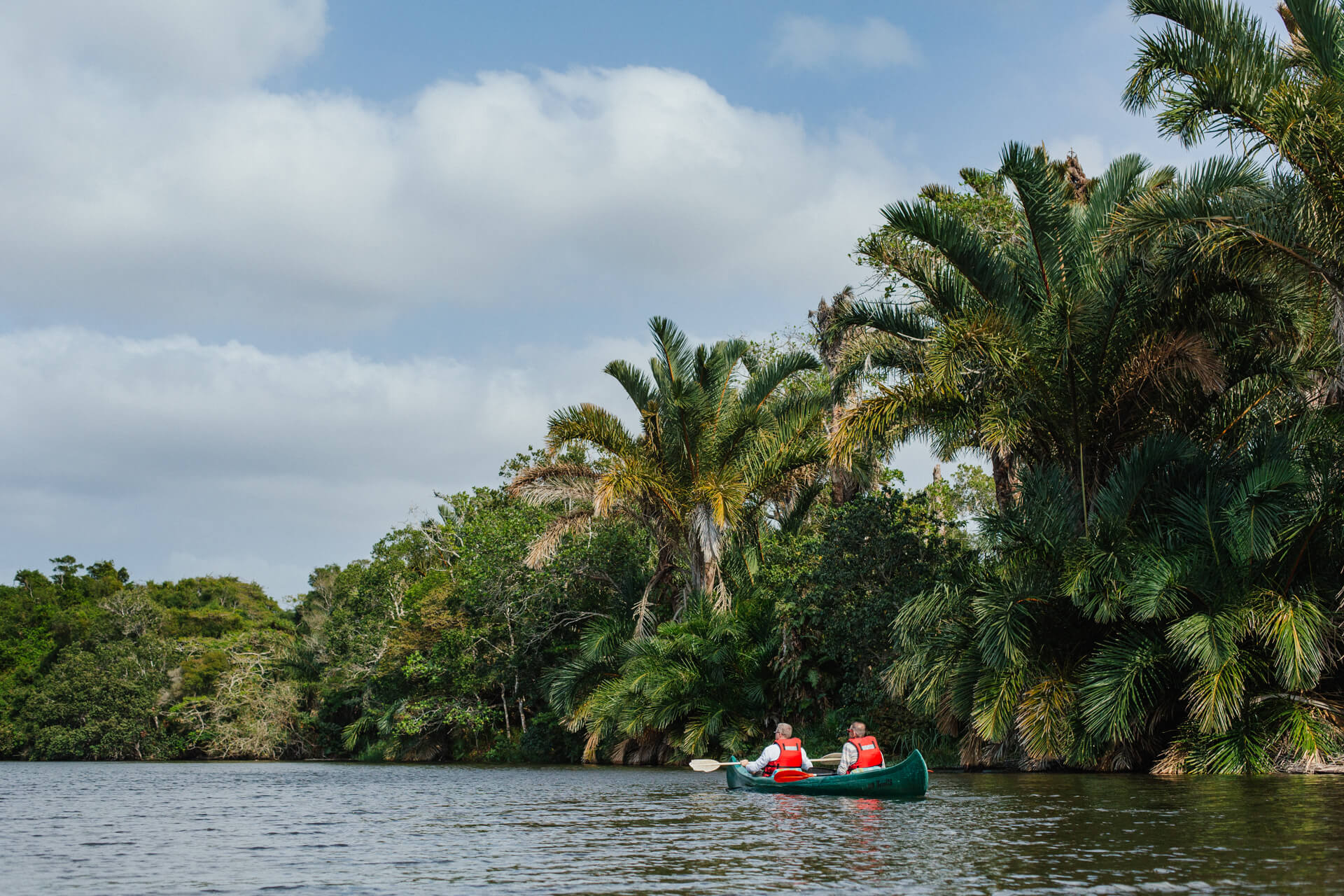
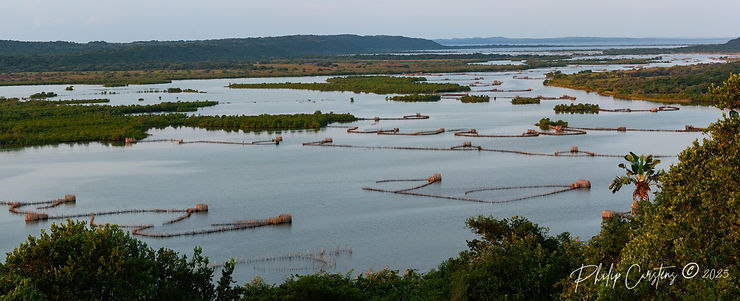
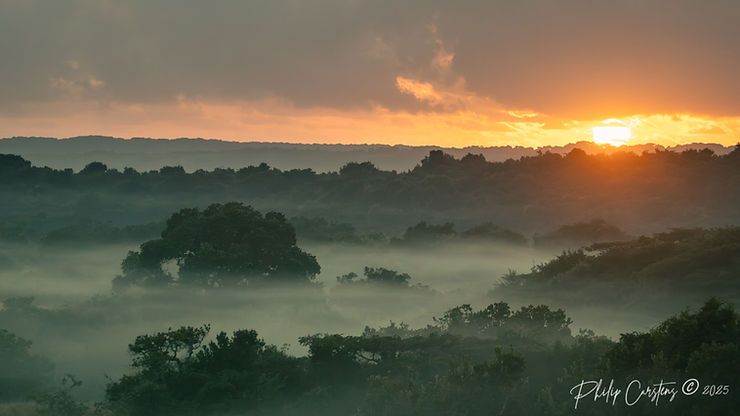
Kwangwanase provides a gateway to South Africa's northern KwaZulu-Natal coast with its mix of natural beauty and cultural experiences. The area features diverse wildlife and coastal landscapes that attract nature enthusiasts. Visitors can enjoy a peaceful stay while exploring nearby parks and beaches.
## Accommodation in Kwangwanase
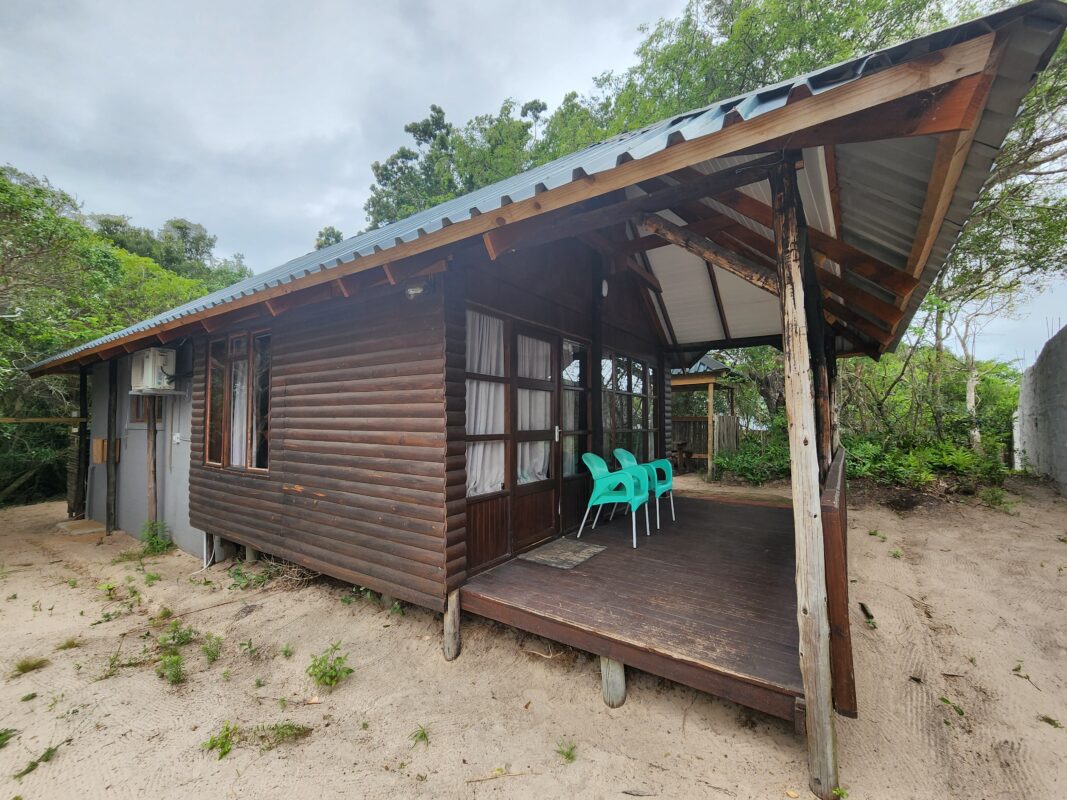
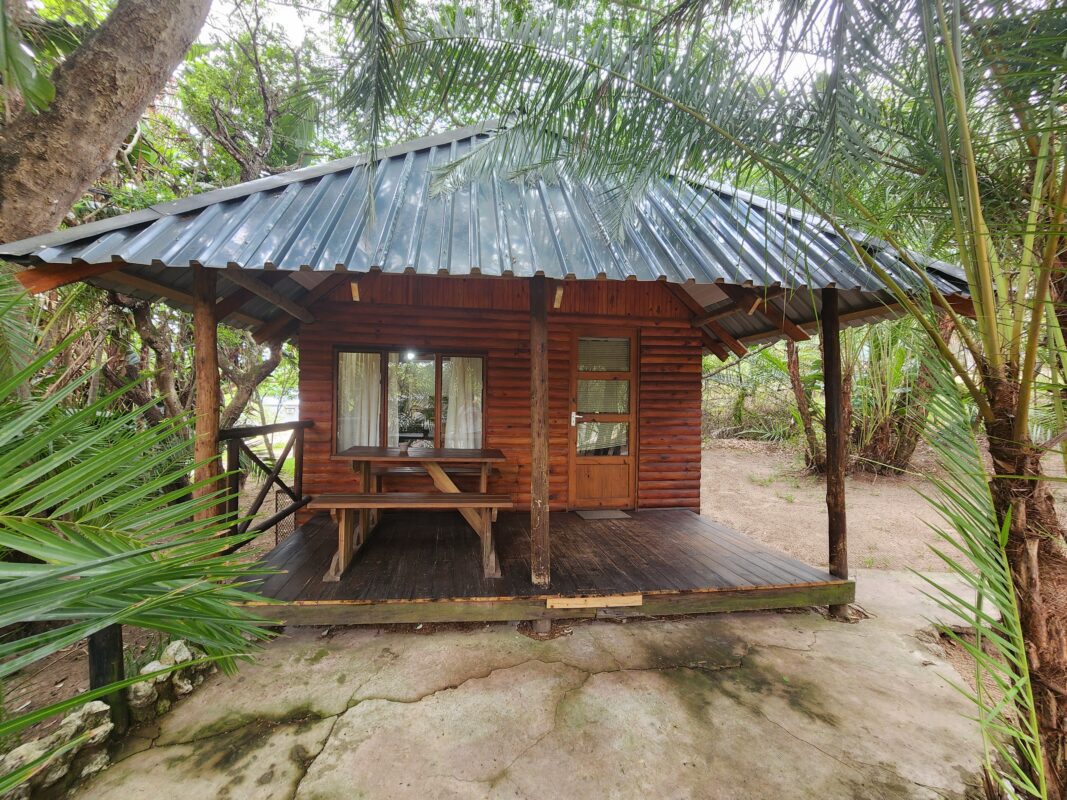
With just 3 properties available, Kwangwanase is not a destination with sprawling hotel infrastructure. Nightly rates sit at R1,100 across all listings, with options divided between two lodges and one self-catering unit. Since pricing is consistent across the board, the choice comes down to travel style rather than budget.
The lodges form the majority of what's on offer, and in this part of the Elephant Coast they typically mean comfortable en-suite rooms with meals included or available on request. A lodge here often operates like a small owner-run guesthouse, with a host who can arrange fishing trips, point you toward local guides, or suggest routes into the surrounding wetlands. That kind of on-the-ground knowledge is useful in an area where the attractions are spread out and poorly signposted. For first-time visitors to this stretch of northern KwaZulu-Natal, having a knowledgeable base matters more than room extras or design features.
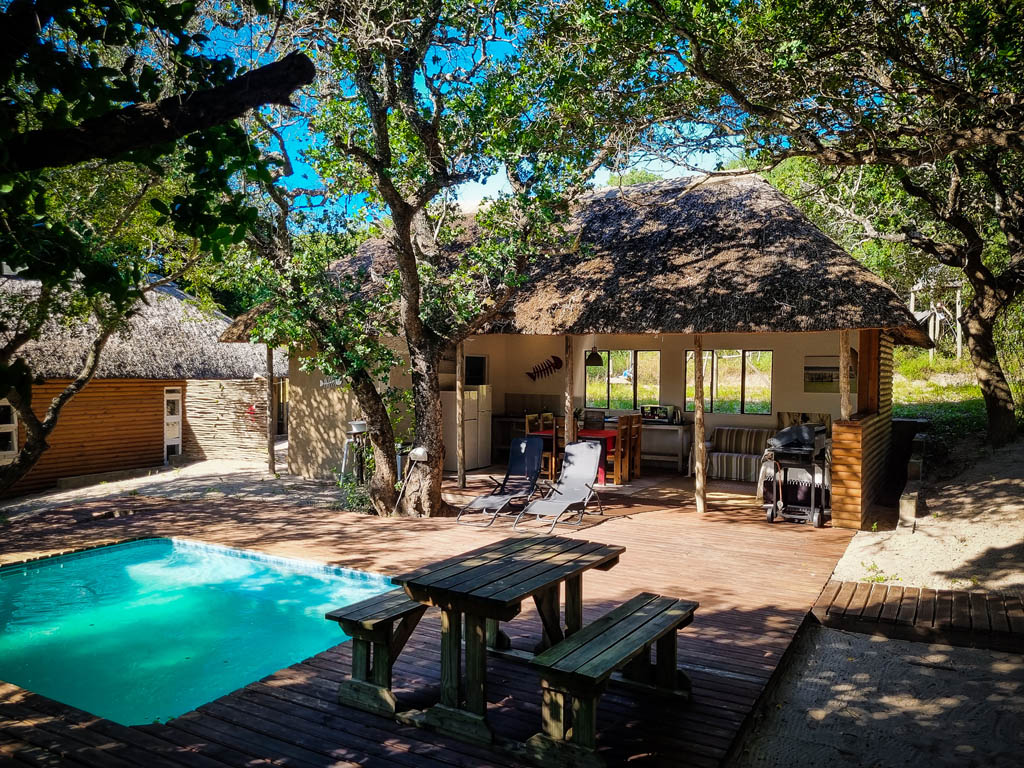
The self-catering unit suits groups or families planning a stay of several nights. Cooking your own meals keeps daily costs manageable, and proximity to a local market means fresh fish and produce are easy to source. Self-catering units in this part of the province typically come with a kitchen, a braai area, and enough outdoor space for a group to decompress after a day outdoors.
At R1,100 per night, the options occupy a practical mid-range position. Budget hostels are not part of what's on offer, and neither are the high-end tented camps found in more developed tourism areas further north. What's available suits travelers who want a functional, comfortable base close to both the coastline and the inland wetlands, without paying the premium attached to larger and better-known tourism nodes along the same coast.
## Best Time to Visit Kwangwanase
Kwangwanase has a subtropical climate, warm and humid in summer and mild and dry in winter. Summer runs from November through February, with temperatures regularly exceeding 30°C and afternoon thunderstorms that can temporarily compromise gravel roads. If you plan to explore the iSimangaliso Wetland Park or access minor routes into wetland areas, check conditions before heading out. Some tracks become impassable after heavy rain, particularly in January and February.
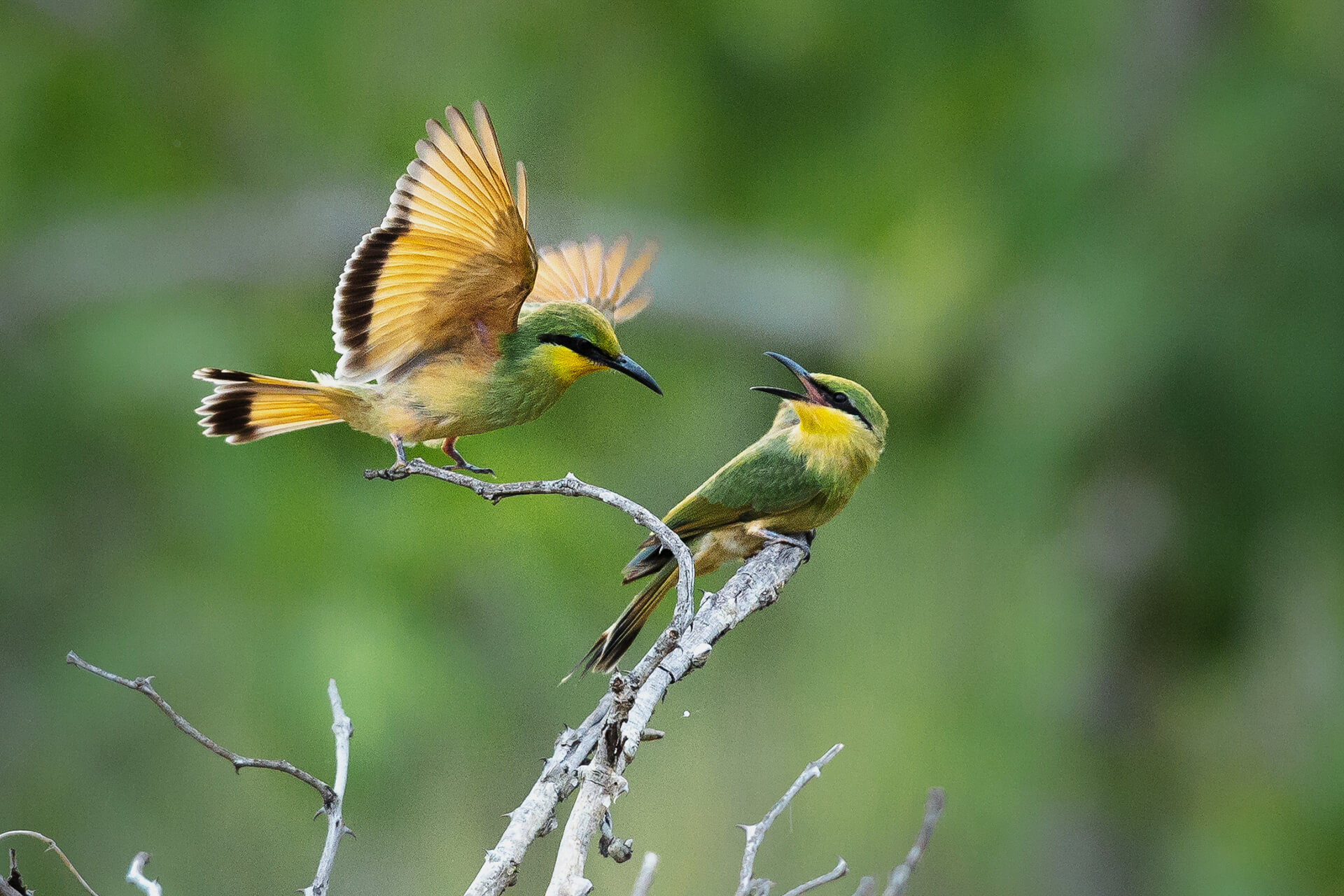
Winter, from June to August, is the most comfortable period for most visitors. Daytime temperatures sit between 18°C and 24°C, skies are generally clear, and wildlife is easier to spot as vegetation thins and animals concentrate near water sources. Bird migration peaks during these cooler months, drawing serious birdwatchers in significant numbers.
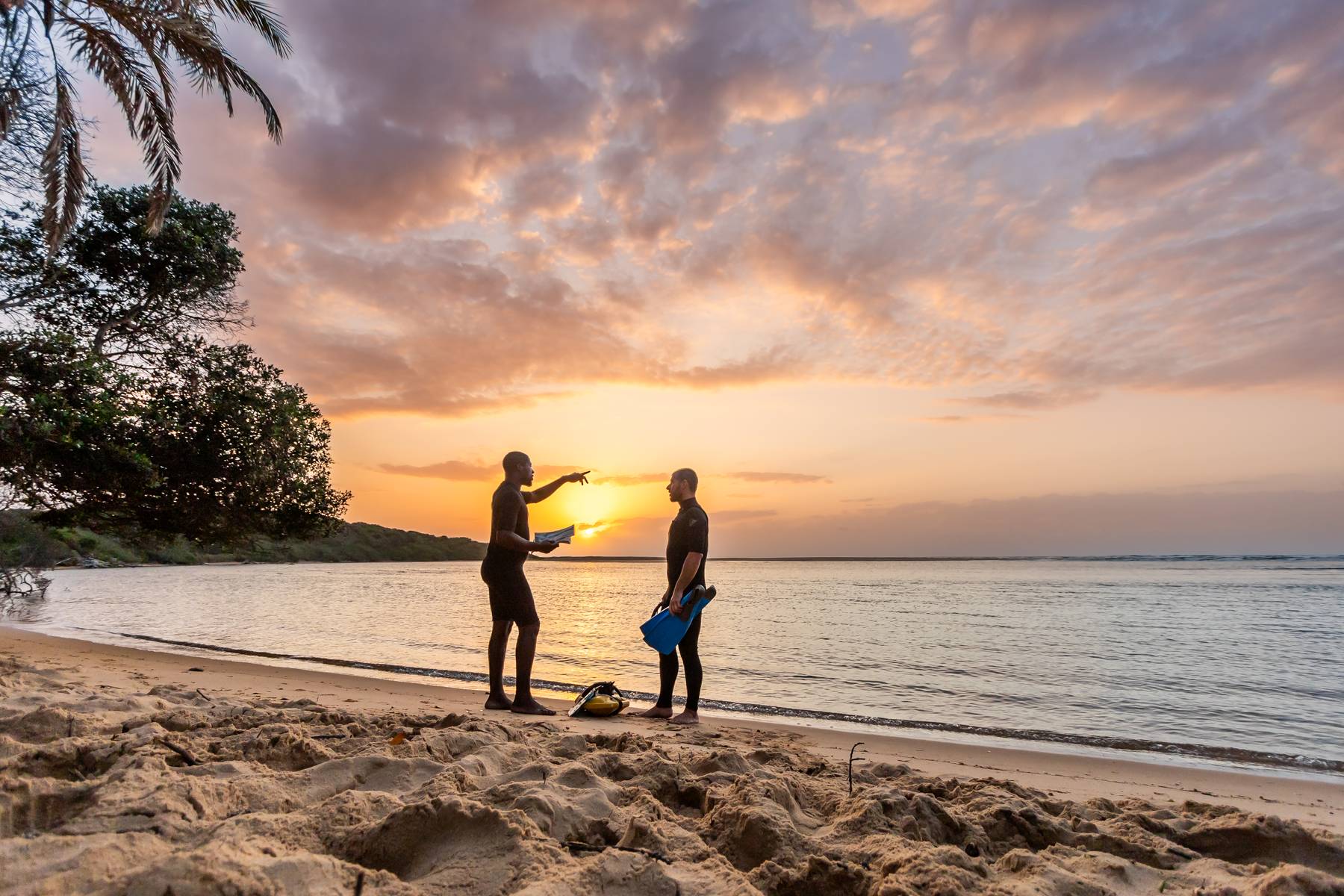
Diving and snorkeling conditions off the nearby coast are best from May to September, with calmer seas and better underwater visibility. Summer brings warmer sea temperatures, which suits casual swimming, though conditions can be rougher and water clarity more variable.
School holidays in July and December push demand at the limited local properties. Traveling in April, May, or September offers a practical middle ground: good weather, reasonable road conditions, and notably fewer visitors. Spring, in September and October, also brings warm days and the beginning of the whale season along the broader KwaZulu-Natal coast, which adds another reason to consider that window.
## Getting to Kwangwanase
Kwangwanase is approximately 300 kilometers north of Durban, near the Mozambique border in northern KwaZulu-Natal. Driving is the only practical option for most visitors. From Durban, take the N2 north through Empangeni and Hluhluwe, then continue north before turning east toward the coast. The journey takes four to five hours depending on road conditions and stops. The N2 corridor passes through game reserve territory and coastal bush, which makes the drive worthwhile rather than purely functional.
The nearest major airport is King Shaka International in Durban, which handles regular domestic flights from Johannesburg, Cape Town, and other centers. A hire car is essential. Richards Bay Airport reduces the total driving distance, though it serves fewer routes and hire car availability is more limited there.
No direct long-distance bus or train service reaches Kwangwanase. Local minibus taxis connect to nearby settlements, but they are not practical for travelers with luggage or outdoor equipment.
Specify a 4x4 or high-clearance SUV when hiring a vehicle. The main roads are sealed, but routes into coastal and wetland areas involve sandy or gravel surfaces that standard saloon cars handle poorly. Petrol stations become sparse once you leave the N2, so fill up before heading east. Download offline maps before departure, as mobile signal is unreliable in parts of this region.
## Kwangwanase and Surrounding Areas
Manguzi sits just 1 kilometer from Kwangwanase and functions as the commercial hub for the immediate area. It has fuel stations, a local market, and basic supplies, making it the logical first stop for stocking up before heading further into remote terrain. Phone signal is also typically more reliable there than in Kwangwanase itself.
Jozini, approximately 83 kilometers to the southwest, is a small inland town that serves as the main point of access to one of the largest dams in KwaZulu-Natal. Boating and watersports on the dam attract visitors throughout the year, and several operators offer guided fishing trips for those without their own equipment. The town has accommodation and restaurants, making it a practical overnight stop for anyone splitting the journey between the coast and the interior.
The main body of Jozini Lake, measured at around 98 kilometers from Kwangwanase, is the Pongolapoort Dam on the Pongola River. The lake is popular with tiger fishing enthusiasts and families with small boats. Its scale and character are quite different from the coastal environment around Kwangwanase, offering a freshwater inland contrast worth the extra drive.
Potgietershoop, at 91 kilometers, is a small settlement in the interior. It marks roughly the midpoint between Kwangwanase and Jozini and can serve as a rest stop on the route between them.
Mkuze, approximately 99 kilometers to the southwest along the N2, sits adjacent to the Mkuze Game Reserve. The reserve is known for its rhino population, including both white and black rhino, and a developed network of hides that makes birdwatching accessible for casual and serious birders alike. The area carries historical significance connected to regional Zulu history and early trading routes that once ran through this part of the province.
Pongola, at 120 kilometers, is primarily an agricultural center near the eSwatini border. Several private game reserves operate in the surrounding district, offering guided drives and bush walks that appeal to visitors seeking wildlife encounters without the longer journey to major national parks.
## Planning Your Stay
Given the small number of listed properties, availability in Kwangwanase tightens quickly during South African school holidays in July, December, and April. Booking six to eight weeks ahead during these periods is sensible. Outside peak times, last-minute availability is more common, but with so few options there may be little choice if you wait.
When comparing properties, confirm whether rates include meals or whether kitchen facilities are adequate for self-catering. In a remote location, relying entirely on local restaurants for every meal is not always practical.
Before confirming a booking, check whether the property has backup power. Load shedding affects most of South Africa, including rural areas, and a generator or solar setup makes a significant difference to comfort. Confirm whether Wi-Fi is available if that matters to you, as mobile data can be patchy in this part of the province.
Ask about cancellation policies before paying any deposit. Smaller guesthouses in remote areas often apply stricter terms than city hotels, and some impose minimum stay requirements over peak periods. If you are combining a stay here with visits to inland destinations, plan driving times realistically. Rural roads in this region are slower than highway travel suggests, and distances that look manageable on a map can take considerably longer than expected.

With just 3 properties available, Kwangwanase is not a destination with sprawling hotel infrastructure. Nightly rates sit at R1,100 across all listings, with options divided between two lodges and one self-catering unit. Since pricing is consistent across the board, the choice comes down to travel style rather than budget.
The lodges form the majority of what's on offer, and in this part of the Elephant Coast they typically mean comfortable en-suite rooms with meals included or available on request. A lodge here often operates like a small owner-run guesthouse, with a host who can arrange fishing trips, point you toward local guides, or suggest routes into the surrounding wetlands. That kind of on-the-ground knowledge is useful in an area where the attractions are spread out and poorly signposted. For first-time visitors to this stretch of northern KwaZulu-Natal, having a knowledgeable base matters more than room extras or design features.
The self-catering unit suits groups or families planning a stay of several nights. Cooking your own meals keeps daily costs manageable, and proximity to a local market means fresh fish and produce are easy to source. Self-catering units in this part of the province typically come with a kitchen, a braai area, and enough outdoor space for a group to decompress after a day outdoors.
At R1,100 per night, the options occupy a practical mid-range position. Budget hostels are not part of what's on offer, and neither are the high-end tented camps found in more developed tourism areas further north. What's available suits travelers who want a functional, comfortable base close to both the coastline and the inland wetlands, without paying the premium attached to larger and better-known tourism nodes along the same coast.
## Best Time to Visit Kwangwanase
Kwangwanase has a subtropical climate, warm and humid in summer and mild and dry in winter. Summer runs from November through February, with temperatures regularly exceeding 30°C and afternoon thunderstorms that can temporarily compromise gravel roads. If you plan to explore the iSimangaliso Wetland Park or access minor routes into wetland areas, check conditions before heading out. Some tracks become impassable after heavy rain, particularly in January and February.
Winter, from June to August, is the most comfortable period for most visitors. Daytime temperatures sit between 18°C and 24°C, skies are generally clear, and wildlife is easier to spot as vegetation thins and animals concentrate near water sources. Bird migration peaks during these cooler months, drawing serious birdwatchers in significant numbers.
Diving and snorkeling conditions off the nearby coast are best from May to September, with calmer seas and better underwater visibility. Summer brings warmer sea temperatures, which suits casual swimming, though conditions can be rougher and water clarity more variable.
School holidays in July and December push demand at the limited local properties. Traveling in April, May, or September offers a practical middle ground: good weather, reasonable road conditions, and notably fewer visitors. Spring, in September and October, also brings warm days and the beginning of the whale season along the broader KwaZulu-Natal coast, which adds another reason to consider that window.
## Getting to Kwangwanase
Kwangwanase is approximately 300 kilometers north of Durban, near the Mozambique border in northern KwaZulu-Natal. Driving is the only practical option for most visitors. From Durban, take the N2 north through Empangeni and Hluhluwe, then continue north before turning east toward the coast. The journey takes four to five hours depending on road conditions and stops. The N2 corridor passes through game reserve territory and coastal bush, which makes the drive worthwhile rather than purely functional.
The nearest major airport is King Shaka International in Durban, which handles regular domestic flights from Johannesburg, Cape Town, and other centers. A hire car is essential. Richards Bay Airport reduces the total driving distance, though it serves fewer routes and hire car availability is more limited there.
No direct long-distance bus or train service reaches Kwangwanase. Local minibus taxis connect to nearby settlements, but they are not practical for travelers with luggage or outdoor equipment.
Specify a 4x4 or high-clearance SUV when hiring a vehicle. The main roads are sealed, but routes into coastal and wetland areas involve sandy or gravel surfaces that standard saloon cars handle poorly. Petrol stations become sparse once you leave the N2, so fill up before heading east. Download offline maps before departure, as mobile signal is unreliable in parts of this region.
## Kwangwanase and Surrounding Areas
Manguzi sits just 1 kilometer from Kwangwanase and functions as the commercial hub for the immediate area. It has fuel stations, a local market, and basic supplies, making it the logical first stop for stocking up before heading further into remote terrain. Phone signal is also typically more reliable there than in Kwangwanase itself.
Jozini, approximately 83 kilometers to the southwest, is a small inland town that serves as the main point of access to one of the largest dams in KwaZulu-Natal. Boating and watersports on the dam attract visitors throughout the year, and several operators offer guided fishing trips for those without their own equipment. The town has accommodation and restaurants, making it a practical overnight stop for anyone splitting the journey between the coast and the interior.
The main body of Jozini Lake, measured at around 98 kilometers from Kwangwanase, is the Pongolapoort Dam on the Pongola River. The lake is popular with tiger fishing enthusiasts and families with small boats. Its scale and character are quite different from the coastal environment around Kwangwanase, offering a freshwater inland contrast worth the extra drive.
Potgietershoop, at 91 kilometers, is a small settlement in the interior. It marks roughly the midpoint between Kwangwanase and Jozini and can serve as a rest stop on the route between them.
Mkuze, approximately 99 kilometers to the southwest along the N2, sits adjacent to the Mkuze Game Reserve. The reserve is known for its rhino population, including both white and black rhino, and a developed network of hides that makes birdwatching accessible for casual and serious birders alike. The area carries historical significance connected to regional Zulu history and early trading routes that once ran through this part of the province.
Pongola, at 120 kilometers, is primarily an agricultural center near the eSwatini border. Several private game reserves operate in the surrounding district, offering guided drives and bush walks that appeal to visitors seeking wildlife encounters without the longer journey to major national parks.
## Planning Your Stay
Given the small number of listed properties, availability in Kwangwanase tightens quickly during South African school holidays in July, December, and April. Booking six to eight weeks ahead during these periods is sensible. Outside peak times, last-minute availability is more common, but with so few options there may be little choice if you wait.
When comparing properties, confirm whether rates include meals or whether kitchen facilities are adequate for self-catering. In a remote location, relying entirely on local restaurants for every meal is not always practical.
Before confirming a booking, check whether the property has backup power. Load shedding affects most of South Africa, including rural areas, and a generator or solar setup makes a significant difference to comfort. Confirm whether Wi-Fi is available if that matters to you, as mobile data can be patchy in this part of the province.
Ask about cancellation policies before paying any deposit. Smaller guesthouses in remote areas often apply stricter terms than city hotels, and some impose minimum stay requirements over peak periods. If you are combining a stay here with visits to inland destinations, plan driving times realistically. Rural roads in this region are slower than highway travel suggests, and distances that look manageable on a map can take considerably longer than expected.
Tipes Akkommodasie in Kwangwanase
Uitgesoekte Verblyf in Kwangwanase
Maputaland Lodge
Lodge
Kwangwanase
Vanaf R1,100
Maputaland Lodge
Lodge
Kwangwanase
· < 1km van Kwangwanase
Vanaf
R1,100
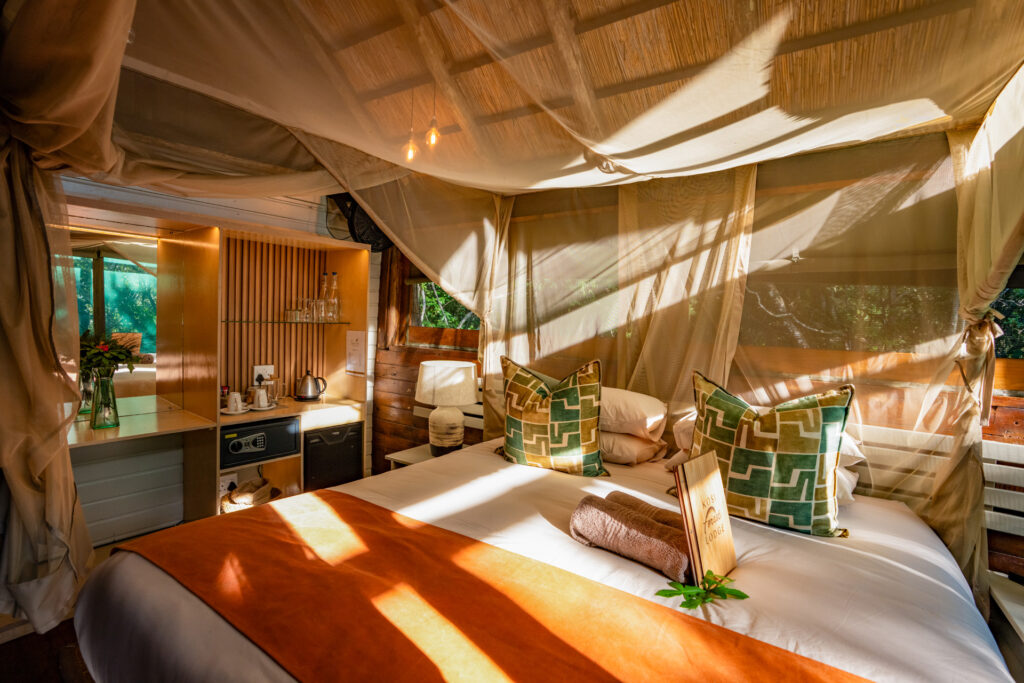
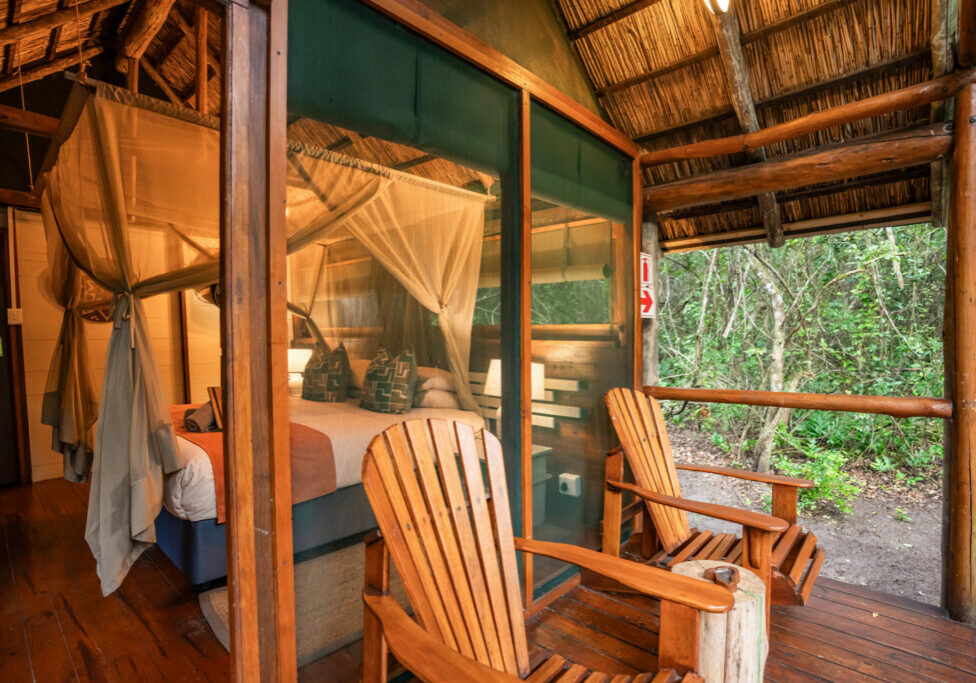
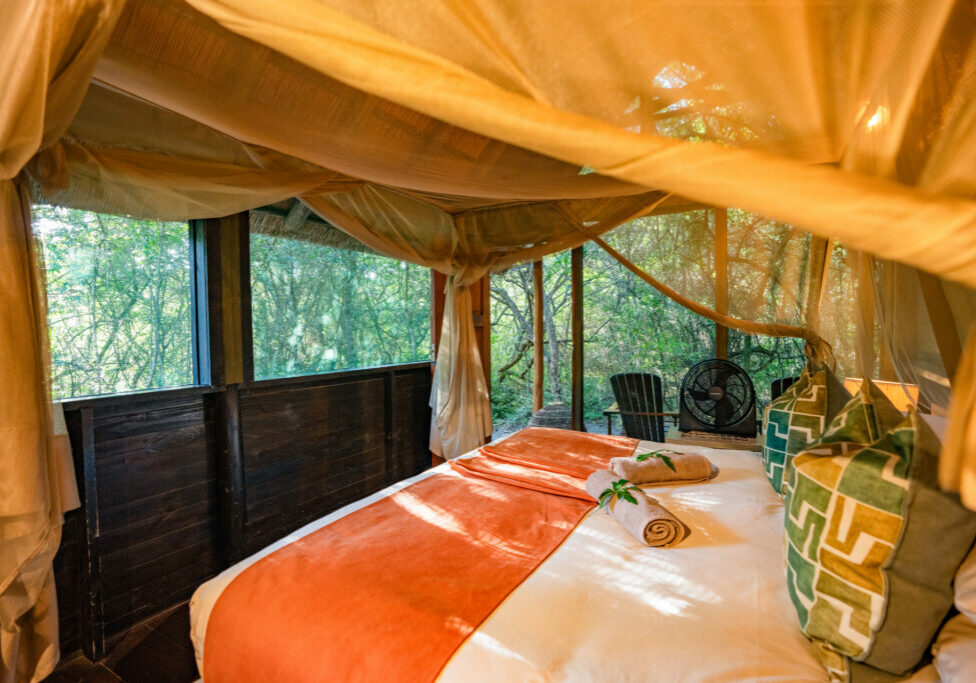
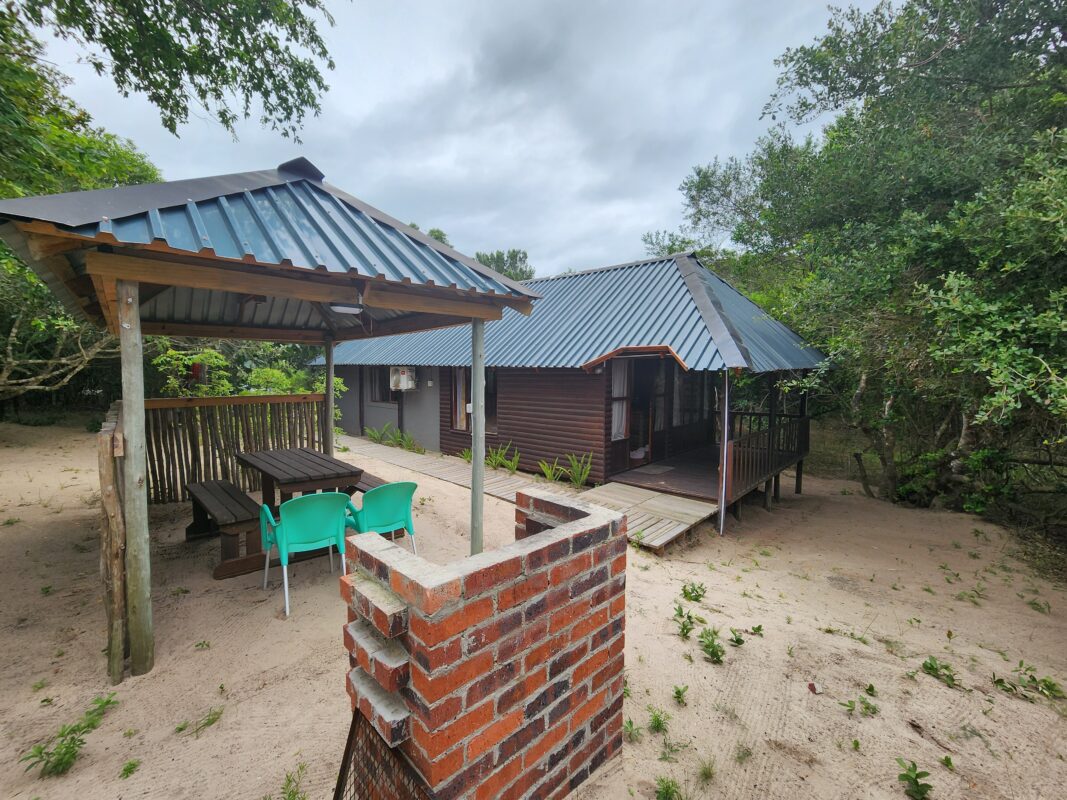
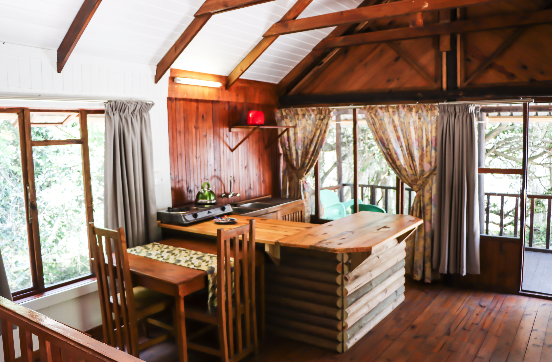
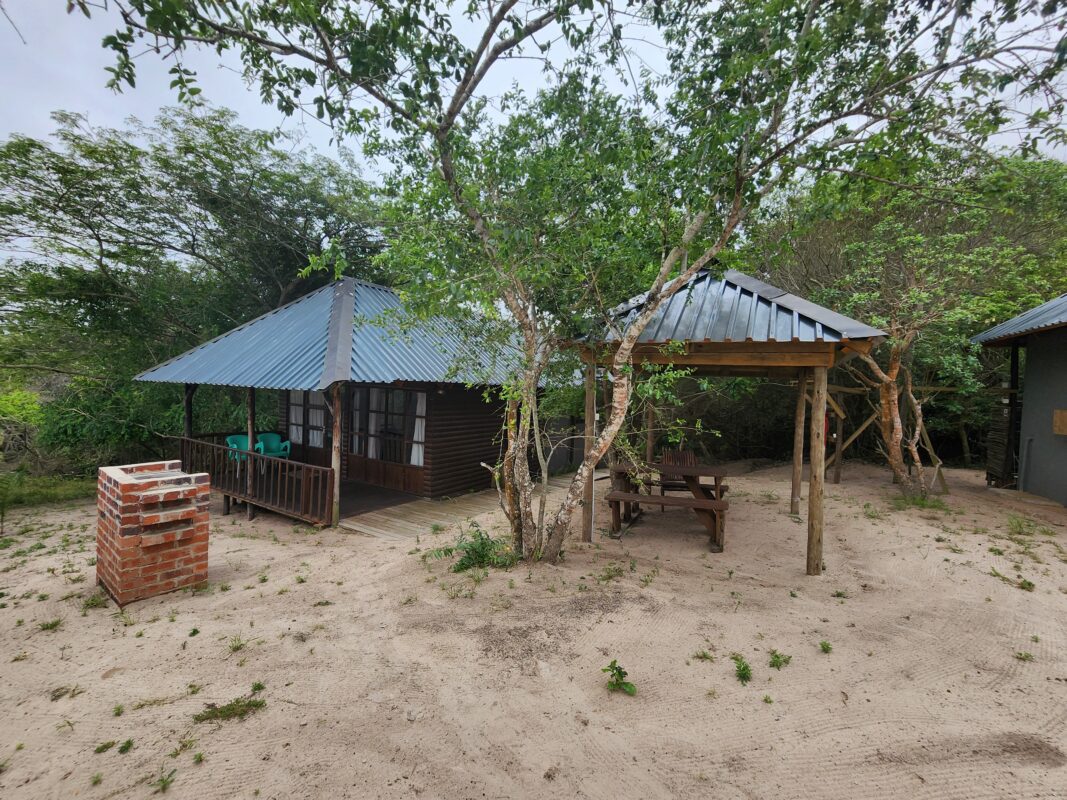
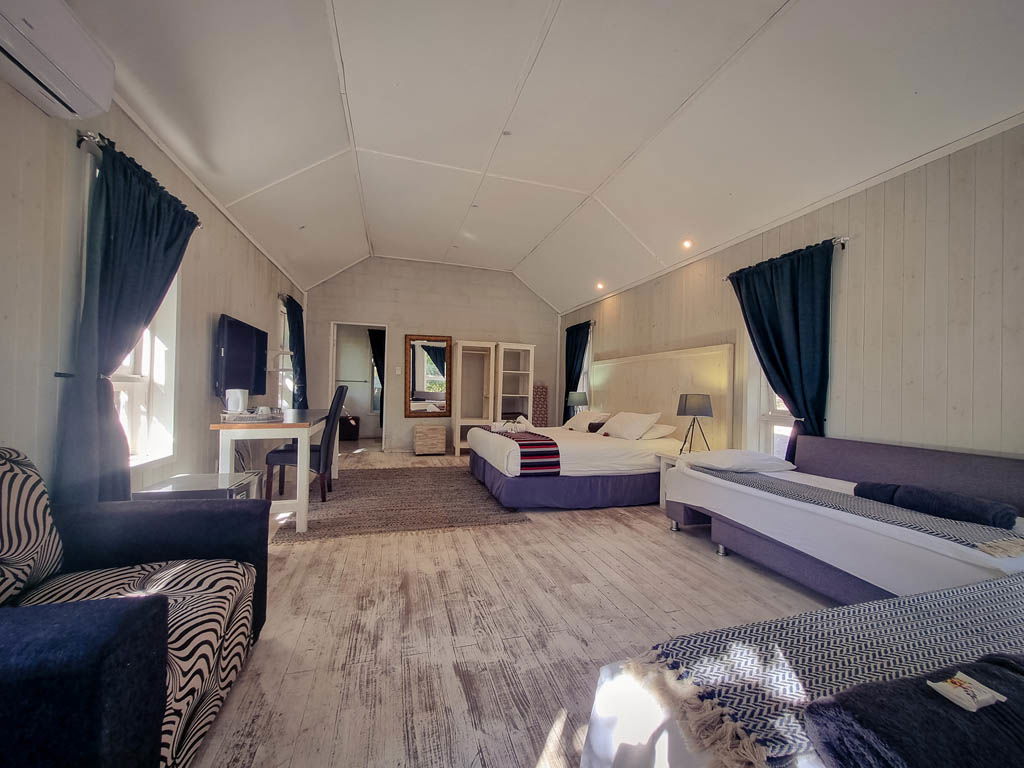
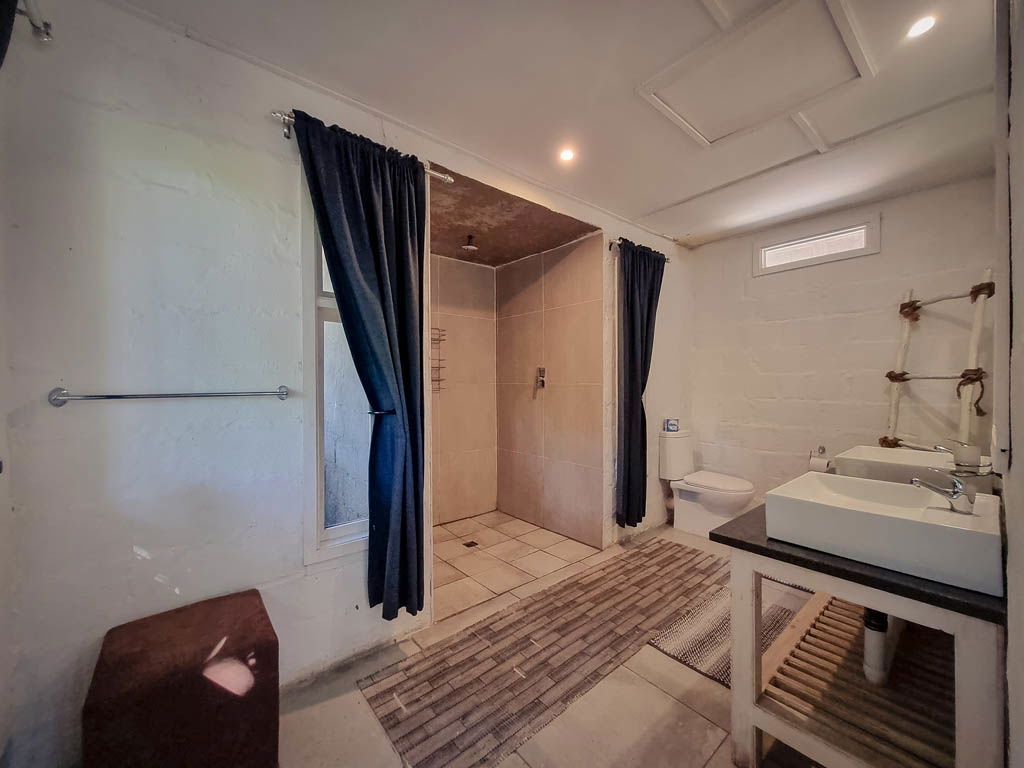
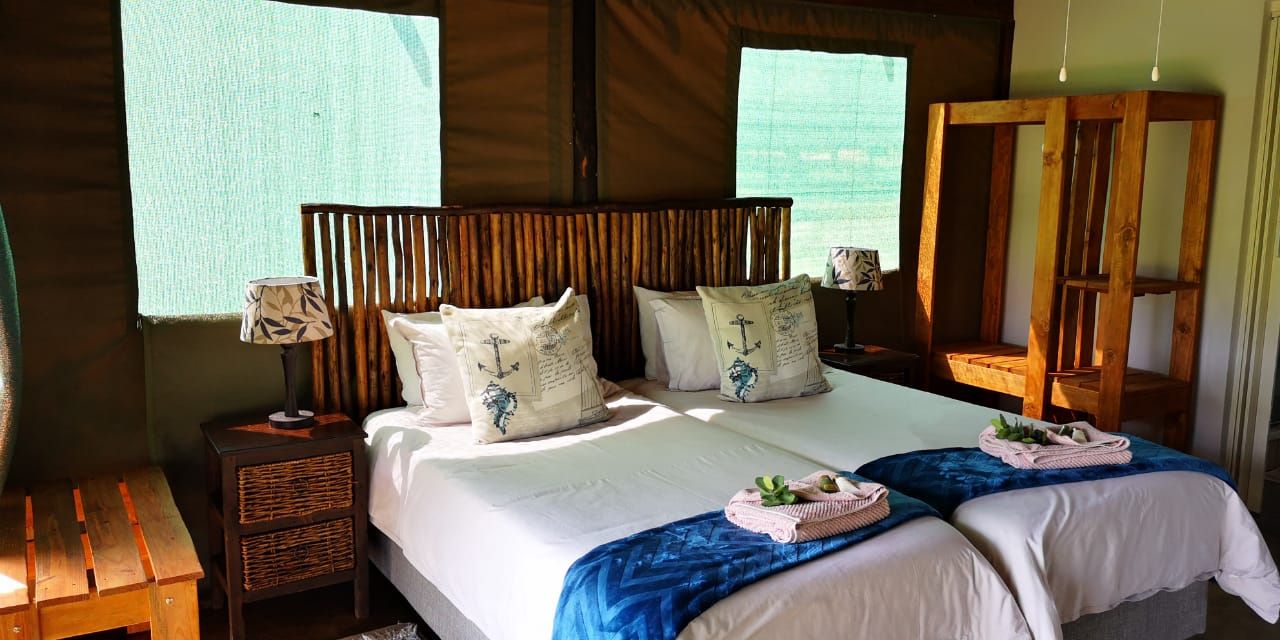
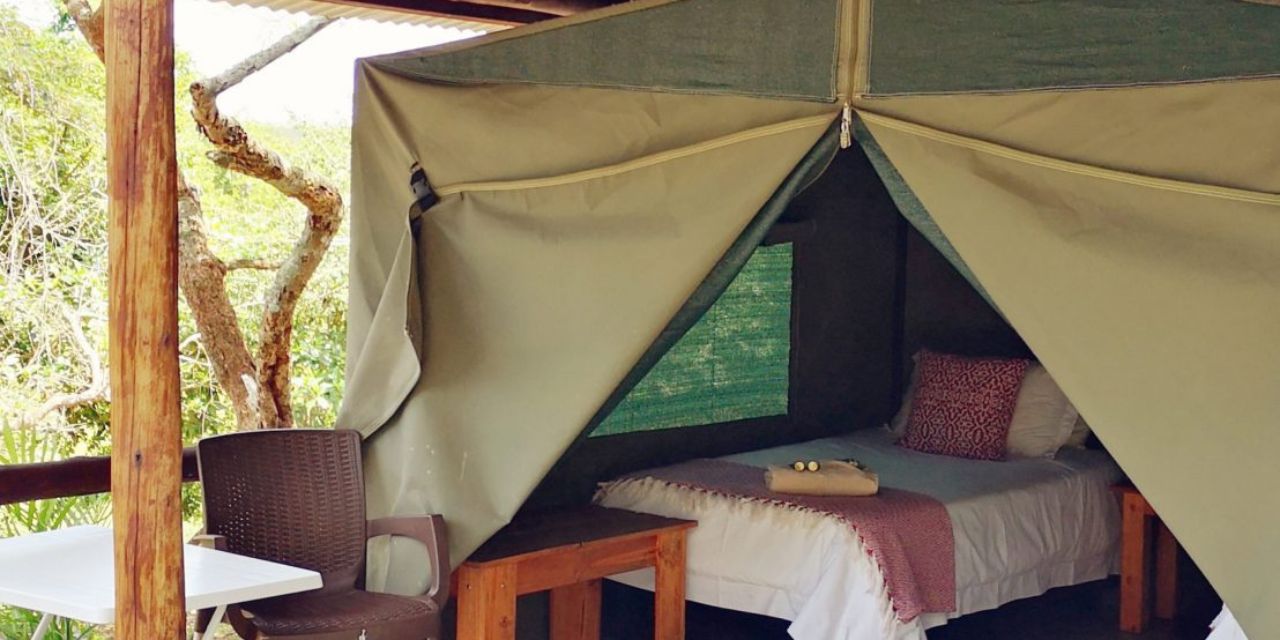
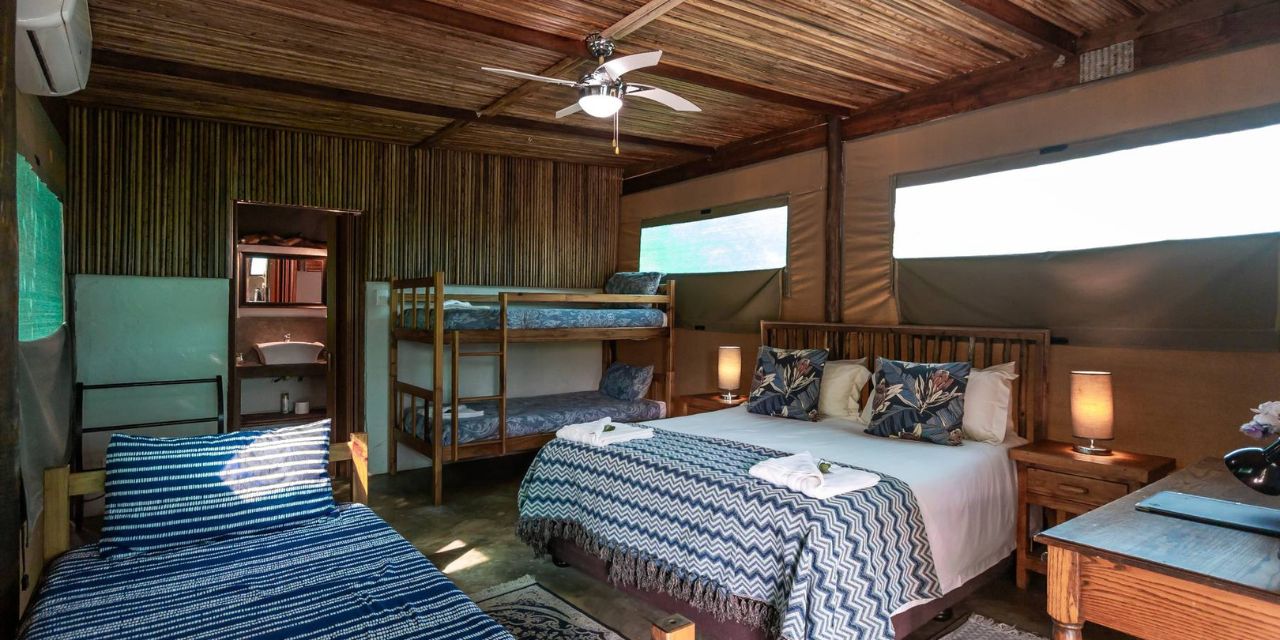
Maputaland Lodge bied selfversorgings en bed and breakfast akkommodasie naby die Kosi Bay meersisteme en die Ponta Do Ora grenspos.
Slaap 4
Kinders welkom
Akkommodasiepryse in Kwangwanase
| Tipe | Inskrywings | Vanaf | Gemiddeld | Tot |
|---|---|---|---|---|
| Lodge | 2 | R1,100 | R1,100 | R1,100 |
| Self-catering | 1 | – | – | – |
Kwangwanase Kaart
Nabygeleë Bestemmings
Blaai Deur Alle Kwangwanase Akkommodasie
Bekyk al 3 akkommodasie-opsies in Kwangwanase met foto's, pryse en beskikbaarheid.
Blaai Deur Alle Akkommodasie