Manguzi Reis- & Akkommodasiegids
Jou volledige gids om Manguzi, Suid-Afrika te besoek.
3
Eiendomme
Vanaf
R1,100
/ nag
Gemiddeld
R1,100
/ nag
Gewildste
Lodge
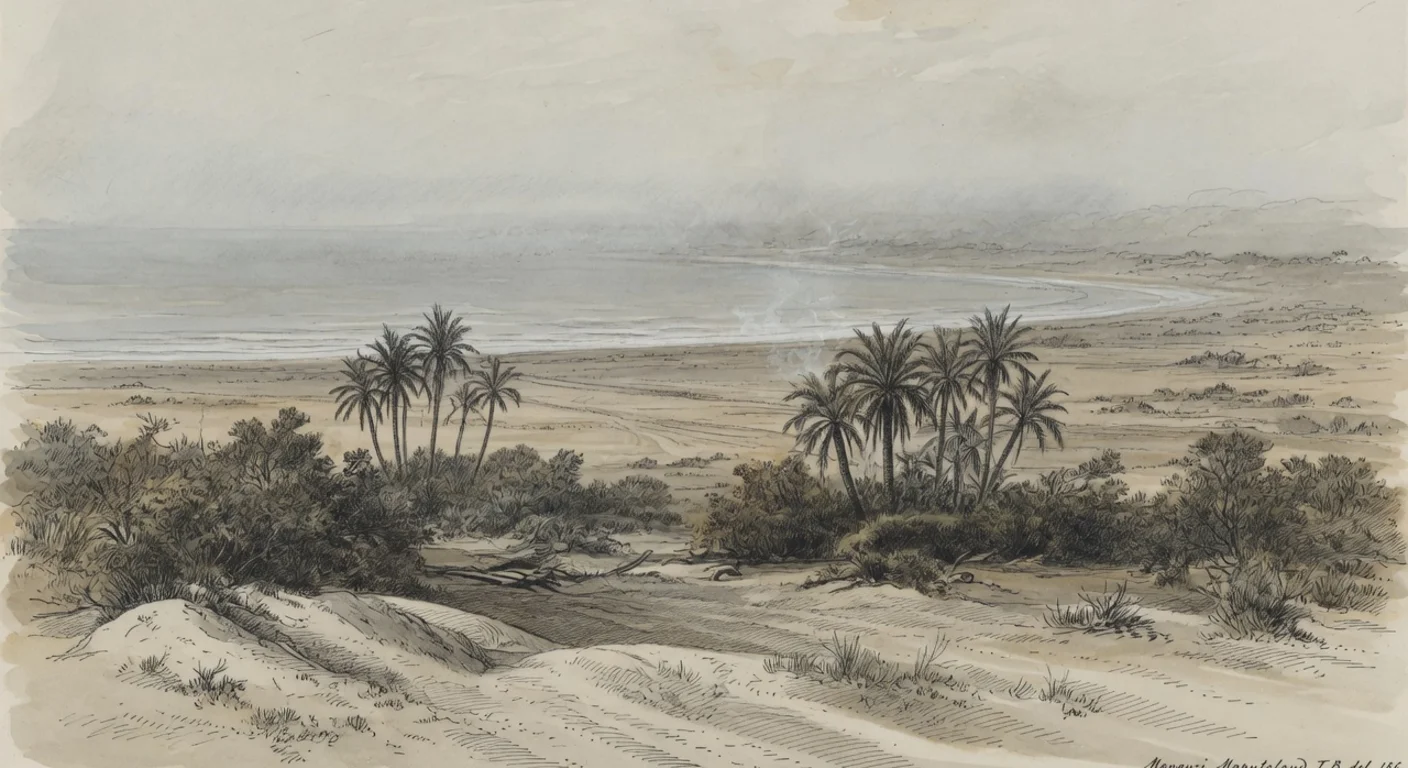
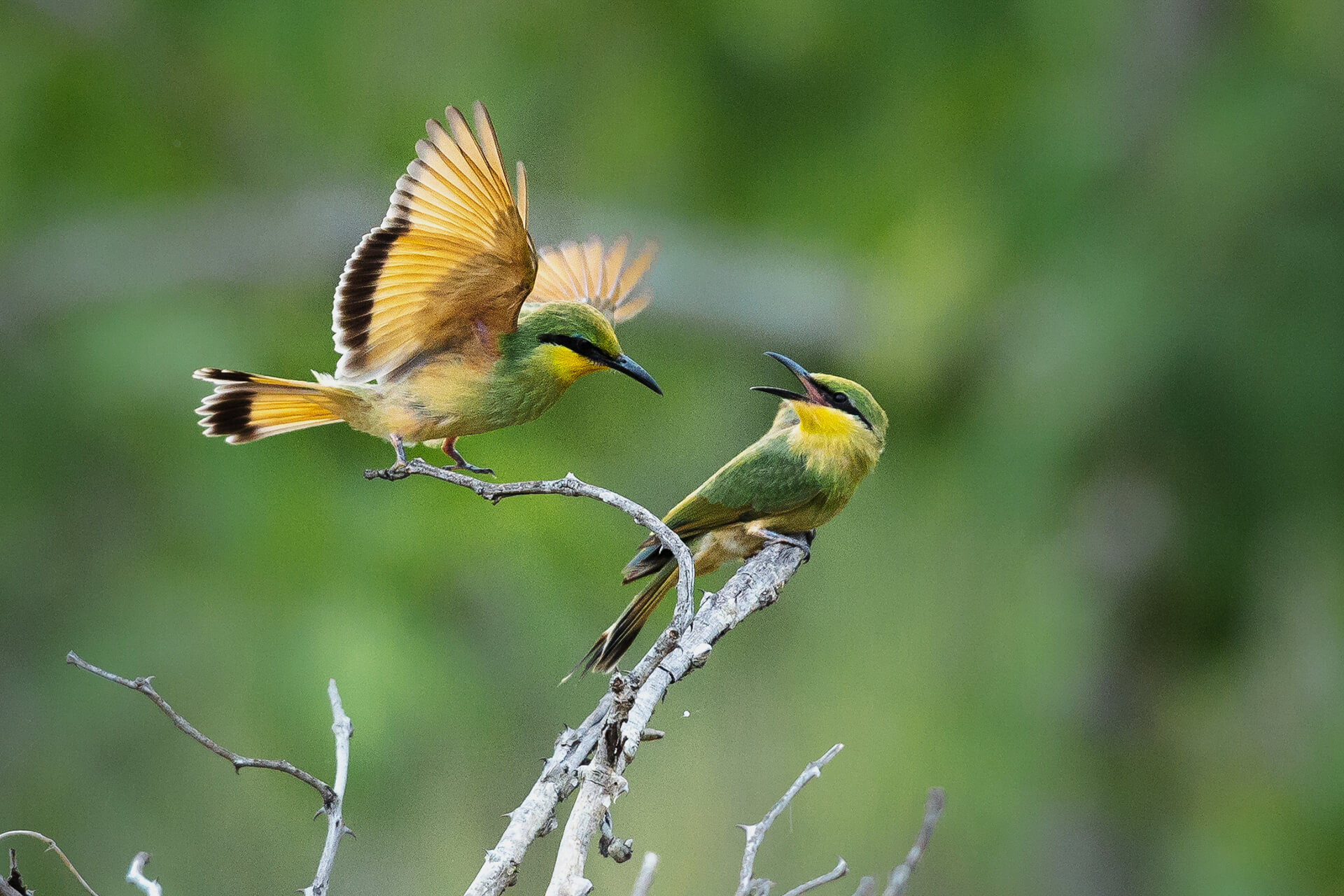
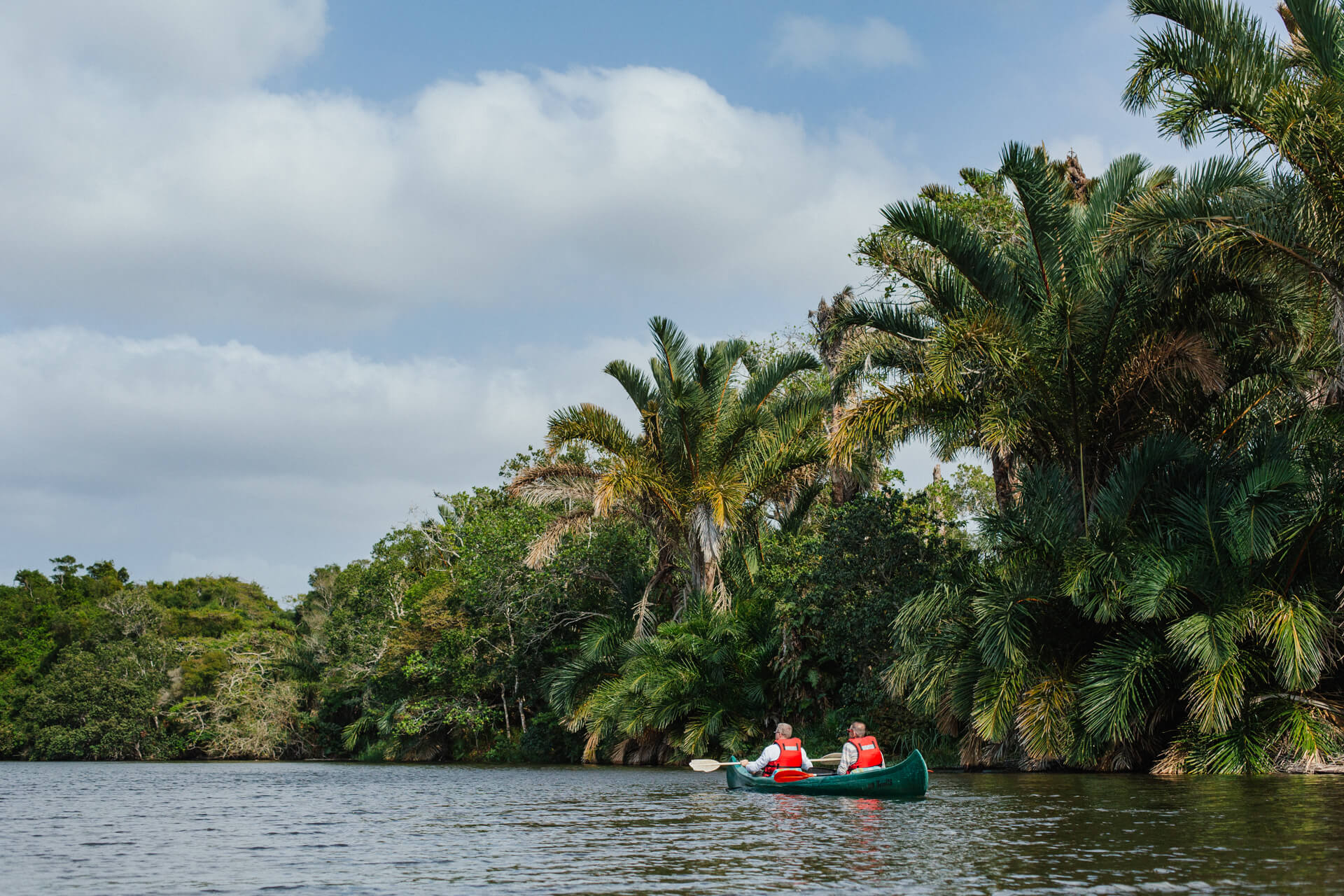
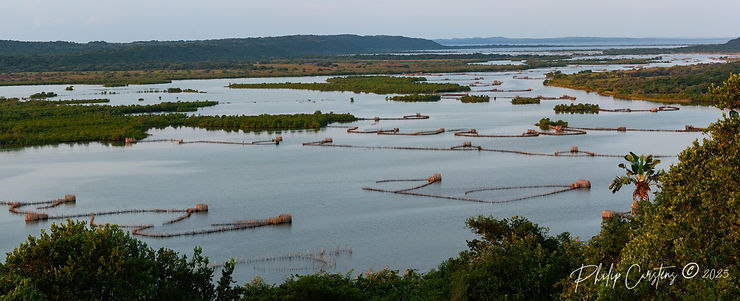
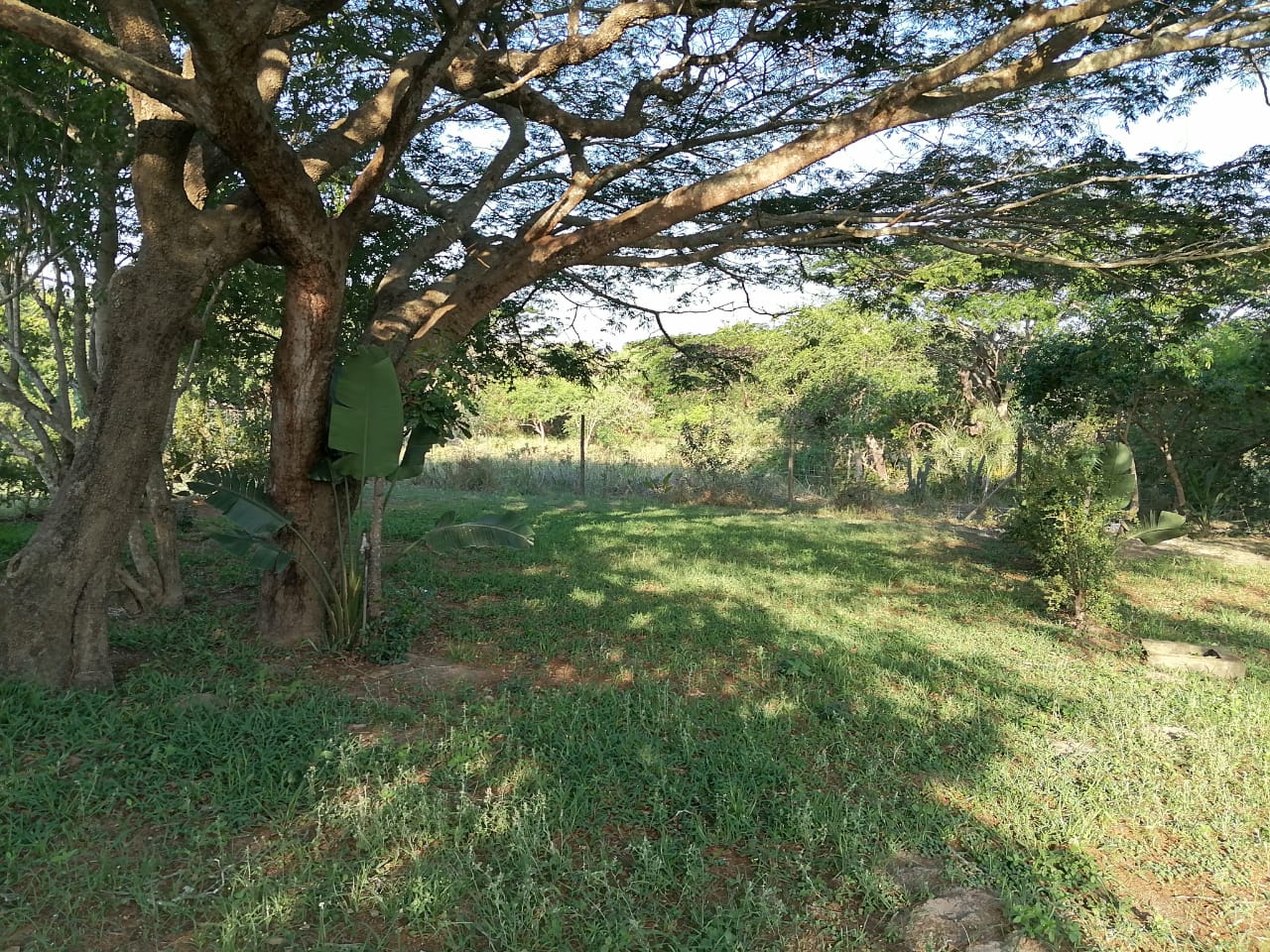
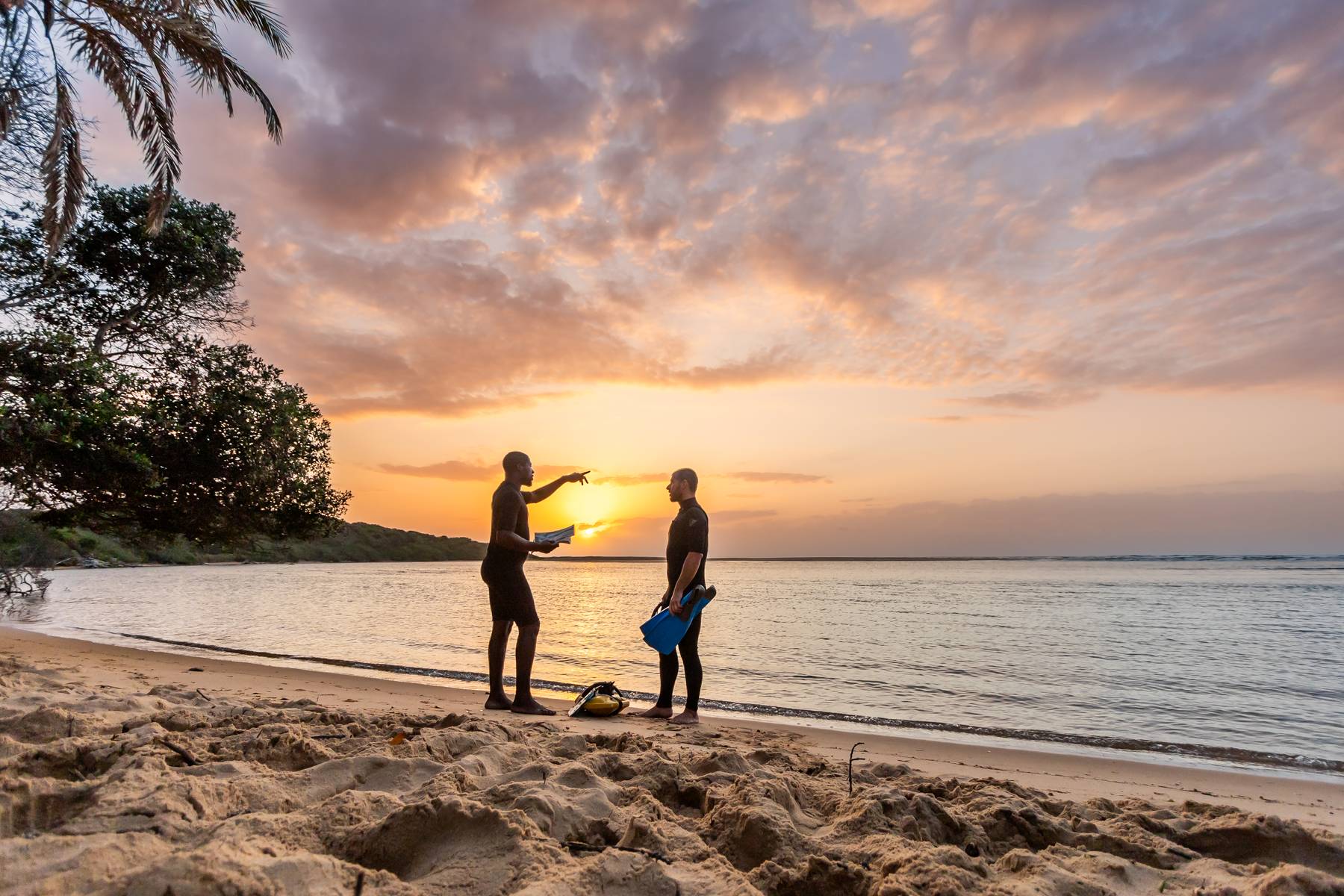
Manguzi features coastal landscapes and proximity to protected wetlands, attracting those interested in nature and outdoor activities. The area includes opportunities for wildlife viewing and beach walks. With its connection to local communities, it provides a base for exploring northern KwaZulu-Natal.
## Accommodation in Manguzi
Manguzi serves as the main service town for the far northern section of KwaZulu-Natal's Elephant Coast, and its accommodation options reflect that function. Three properties operate in the area, all priced at around R1,100 per night, which places the town in a mid-range bracket compared to the more developed resort centres further south.
Two of those properties are lodges. In this region, a lodge stay typically means meals, guiding, and daily services are included in the arrangement. That suits travellers whose primary reason for being here is time in the field, whether at iSimangaliso Wetland Park, on the Sodwana Bay reefs, or in the coastal forests nearby. Coming back to a prepared meal and an evening debrief with local guides is a practical way to structure a short visit. Lodge grounds in rural KwaZulu-Natal tend to be generous in scale, and outdoor seating areas are a standard feature for watching the surrounding bush at dusk.
The third property is self-catering, which trades lodge services for independence. You manage your own meals, keep your own hours, and move around without working within a fixed structure. Manguzi's market sells fresh produce, and the adjacent town of Kwangwanase adds further options for provisioning. For visitors staying a week or more, or for groups with specific dietary requirements, this format is often the more practical choice.
All three properties are currently priced at the same nightly rate, which means the decision between them comes down to experience rather than cost. What a lodge includes beyond the room, whether that is meals, guided outings, or activities, affects your actual daily spend significantly more than the listed rate suggests. Confirm exactly what is covered before paying a deposit, and ask whether the property has any community or conservation links, as some operators on the Elephant Coast work directly with surrounding communities in ways that shape the character of the stay.
---
## Best Time to Visit Manguzi
The far northern reaches of KwaZulu-Natal maintain a subtropical climate throughout the year. Winter months of June and July rarely push temperatures below 15°C, so cold weather is not a meaningful constraint on planning.
Summer, from roughly November through March, delivers the bulk of the annual rainfall. Vegetation thickens considerably, rivers run higher, and birdlife becomes especially active as migratory species move through the region. Sea turtles nest along the shoreline during this period, with guided tracking experiences operating from November to February. Against those draws, heat and humidity peak in January and February, making midday activity uncomfortable, and dense growth makes spotting larger mammals more difficult.
The dry season, April through October, is generally preferred for game viewing. Vegetation thins, wildlife concentrates around water sources, and evenings become noticeably cooler. The July school holidays bring a surge of South African domestic travellers to the Elephant Coast, creating real competition for accommodation at this end of the province.
The shoulder windows of April to May and late August to September tend to offer the most balanced conditions: active wildlife, manageable temperatures, and fewer visitors to compete with for the limited properties available.
---
## Getting to Manguzi
Road is the primary way to reach Manguzi. The town sits roughly 300 kilometres north of Durban, and the most direct route follows the N2 highway through Richards Bay and Empangeni before turning northeast toward the Mozambique border. The drive from Durban takes approximately four to five hours.
King Shaka International Airport, north of Durban, handles regular scheduled services from Johannesburg, Cape Town, and other major centres. Richards Bay Airport, around 200 kilometres south of Manguzi, operates limited scheduled services and may be a more convenient starting point depending on your itinerary. Hiring a car at either airport for the onward leg is standard practice, as no reliable passenger rail connects this part of the province.
Once in the area, a private vehicle is a practical necessity. Minibus taxis serve local commuter routes between villages but do not cover wilderness areas, lodge entrances, or the coastline. A standard sedan handles sealed roads adequately, though higher ground clearance helps on the gravel tracks leading to some properties.
Manguzi town has a fuel station. Stock up before heading into the surrounding rural areas, as the next reliable stop may be an hour's drive in any direction.
---
## Manguzi and Surrounding Areas
Kwangwanase sits one kilometre from Manguzi, making it effectively part of the same settlement. It handles more of the commercial and administrative functions for the surrounding communities, and visitors staying in Manguzi will regularly pass through it for banking, groceries, or reliable mobile signal.
Jozini, 83 kilometres southwest, is the main gateway to the Pongolapoort Dam, one of the larger freshwater reservoirs in KwaZulu-Natal. Anglers come for tigerfish and bass, and boat tours operate on the dam for those less focused on fishing. The terrain around Jozini also shifts from the flat coastal lowlands to more elevated hill country, which makes the drive itself a distinct change of landscape compared to the coast.
The entry for Jozini Lake, listed at 98 kilometres, refers to the dam rather than a separate feature. The distance gap from Jozini town reflects different access roads spread along the reservoir's extensive shoreline.
Potgietershoop at 91 kilometres is a small settlement with no specific visitor infrastructure. It sits along the road network connecting the coast to the interior towns further south and west, functioning as a waypoint rather than a destination.
Mkuze at 99 kilometres sits adjacent to Mkuze Game Reserve, one of the older provincial reserves in KwaZulu-Natal. The reserve is particularly well regarded by birders for its network of hides positioned over permanent water holes, and it also supports white rhino, giraffe, zebra, and a range of antelope. It works as a full-day trip from Manguzi and deserves more than a passing stop.
Pongola, the furthest listed destination at 120 kilometres, is a commercial town with more developed services than anything closer to the coast. Travellers needing a hospital, a larger supermarket, or access to broader banking facilities will find Pongola the most practical option for those needs during an extended stay.
---
## Planning Your Stay
With only three properties in the area, availability tightens quickly during South African school holidays and the summer marine season, when diving and turtle tours draw visitors to the northern coast. Booking two to three months ahead is advisable for July and the December-January window.
Before confirming a reservation, clarify exactly what the nightly rate covers. Small operators in rural KwaZulu-Natal vary considerably in what they include, and the difference between a property that bundles meals and guided outings and one that does not affects your total trip cost significantly. Cancellation policies are equally variable among smaller operators, so read those terms before paying upfront.
Mobile signal deteriorates quickly outside Manguzi town. Download offline maps for the region before leaving a major city, and confirm your accommodation has a working local contact number. Carry South African rand in cash, as market traders, rural fuel stops, and many smaller businesses do not have card payment facilities.
Manguzi has no dedicated tourist information office. Practical guidance on road conditions, permit requirements, and recent wildlife activity comes primarily from your accommodation operator, so building in time for that conversation on arrival is worthwhile. If a specific activity anchors your trip, secure those dates first and arrange accommodation around them, rather than the reverse.

Manguzi serves as the main service town for the far northern section of KwaZulu-Natal's Elephant Coast, and its accommodation options reflect that function. Three properties operate in the area, all priced at around R1,100 per night, which places the town in a mid-range bracket compared to the more developed resort centres further south.
Two of those properties are lodges. In this region, a lodge stay typically means meals, guiding, and daily services are included in the arrangement. That suits travellers whose primary reason for being here is time in the field, whether at iSimangaliso Wetland Park, on the Sodwana Bay reefs, or in the coastal forests nearby. Coming back to a prepared meal and an evening debrief with local guides is a practical way to structure a short visit. Lodge grounds in rural KwaZulu-Natal tend to be generous in scale, and outdoor seating areas are a standard feature for watching the surrounding bush at dusk.
The third property is self-catering, which trades lodge services for independence. You manage your own meals, keep your own hours, and move around without working within a fixed structure. Manguzi's market sells fresh produce, and the adjacent town of Kwangwanase adds further options for provisioning. For visitors staying a week or more, or for groups with specific dietary requirements, this format is often the more practical choice.
All three properties are currently priced at the same nightly rate, which means the decision between them comes down to experience rather than cost. What a lodge includes beyond the room, whether that is meals, guided outings, or activities, affects your actual daily spend significantly more than the listed rate suggests. Confirm exactly what is covered before paying a deposit, and ask whether the property has any community or conservation links, as some operators on the Elephant Coast work directly with surrounding communities in ways that shape the character of the stay.
---
## Best Time to Visit Manguzi
The far northern reaches of KwaZulu-Natal maintain a subtropical climate throughout the year. Winter months of June and July rarely push temperatures below 15°C, so cold weather is not a meaningful constraint on planning.
Summer, from roughly November through March, delivers the bulk of the annual rainfall. Vegetation thickens considerably, rivers run higher, and birdlife becomes especially active as migratory species move through the region. Sea turtles nest along the shoreline during this period, with guided tracking experiences operating from November to February. Against those draws, heat and humidity peak in January and February, making midday activity uncomfortable, and dense growth makes spotting larger mammals more difficult.
The dry season, April through October, is generally preferred for game viewing. Vegetation thins, wildlife concentrates around water sources, and evenings become noticeably cooler. The July school holidays bring a surge of South African domestic travellers to the Elephant Coast, creating real competition for accommodation at this end of the province.
The shoulder windows of April to May and late August to September tend to offer the most balanced conditions: active wildlife, manageable temperatures, and fewer visitors to compete with for the limited properties available.
---
## Getting to Manguzi
Road is the primary way to reach Manguzi. The town sits roughly 300 kilometres north of Durban, and the most direct route follows the N2 highway through Richards Bay and Empangeni before turning northeast toward the Mozambique border. The drive from Durban takes approximately four to five hours.
King Shaka International Airport, north of Durban, handles regular scheduled services from Johannesburg, Cape Town, and other major centres. Richards Bay Airport, around 200 kilometres south of Manguzi, operates limited scheduled services and may be a more convenient starting point depending on your itinerary. Hiring a car at either airport for the onward leg is standard practice, as no reliable passenger rail connects this part of the province.
Once in the area, a private vehicle is a practical necessity. Minibus taxis serve local commuter routes between villages but do not cover wilderness areas, lodge entrances, or the coastline. A standard sedan handles sealed roads adequately, though higher ground clearance helps on the gravel tracks leading to some properties.
Manguzi town has a fuel station. Stock up before heading into the surrounding rural areas, as the next reliable stop may be an hour's drive in any direction.
---
## Manguzi and Surrounding Areas
Kwangwanase sits one kilometre from Manguzi, making it effectively part of the same settlement. It handles more of the commercial and administrative functions for the surrounding communities, and visitors staying in Manguzi will regularly pass through it for banking, groceries, or reliable mobile signal.
Jozini, 83 kilometres southwest, is the main gateway to the Pongolapoort Dam, one of the larger freshwater reservoirs in KwaZulu-Natal. Anglers come for tigerfish and bass, and boat tours operate on the dam for those less focused on fishing. The terrain around Jozini also shifts from the flat coastal lowlands to more elevated hill country, which makes the drive itself a distinct change of landscape compared to the coast.
The entry for Jozini Lake, listed at 98 kilometres, refers to the dam rather than a separate feature. The distance gap from Jozini town reflects different access roads spread along the reservoir's extensive shoreline.
Potgietershoop at 91 kilometres is a small settlement with no specific visitor infrastructure. It sits along the road network connecting the coast to the interior towns further south and west, functioning as a waypoint rather than a destination.
Mkuze at 99 kilometres sits adjacent to Mkuze Game Reserve, one of the older provincial reserves in KwaZulu-Natal. The reserve is particularly well regarded by birders for its network of hides positioned over permanent water holes, and it also supports white rhino, giraffe, zebra, and a range of antelope. It works as a full-day trip from Manguzi and deserves more than a passing stop.
Pongola, the furthest listed destination at 120 kilometres, is a commercial town with more developed services than anything closer to the coast. Travellers needing a hospital, a larger supermarket, or access to broader banking facilities will find Pongola the most practical option for those needs during an extended stay.
---
## Planning Your Stay
With only three properties in the area, availability tightens quickly during South African school holidays and the summer marine season, when diving and turtle tours draw visitors to the northern coast. Booking two to three months ahead is advisable for July and the December-January window.
Before confirming a reservation, clarify exactly what the nightly rate covers. Small operators in rural KwaZulu-Natal vary considerably in what they include, and the difference between a property that bundles meals and guided outings and one that does not affects your total trip cost significantly. Cancellation policies are equally variable among smaller operators, so read those terms before paying upfront.
Mobile signal deteriorates quickly outside Manguzi town. Download offline maps for the region before leaving a major city, and confirm your accommodation has a working local contact number. Carry South African rand in cash, as market traders, rural fuel stops, and many smaller businesses do not have card payment facilities.
Manguzi has no dedicated tourist information office. Practical guidance on road conditions, permit requirements, and recent wildlife activity comes primarily from your accommodation operator, so building in time for that conversation on arrival is worthwhile. If a specific activity anchors your trip, secure those dates first and arrange accommodation around them, rather than the reverse.
Tipes Akkommodasie in Manguzi
Uitgesoekte Verblyf in Manguzi
Maputaland Lodge
Lodge
Kwangwanase
Vanaf R1,100
Maputaland Lodge
Lodge
Kwangwanase
· < 1km van Manguzi
Vanaf
R1,100
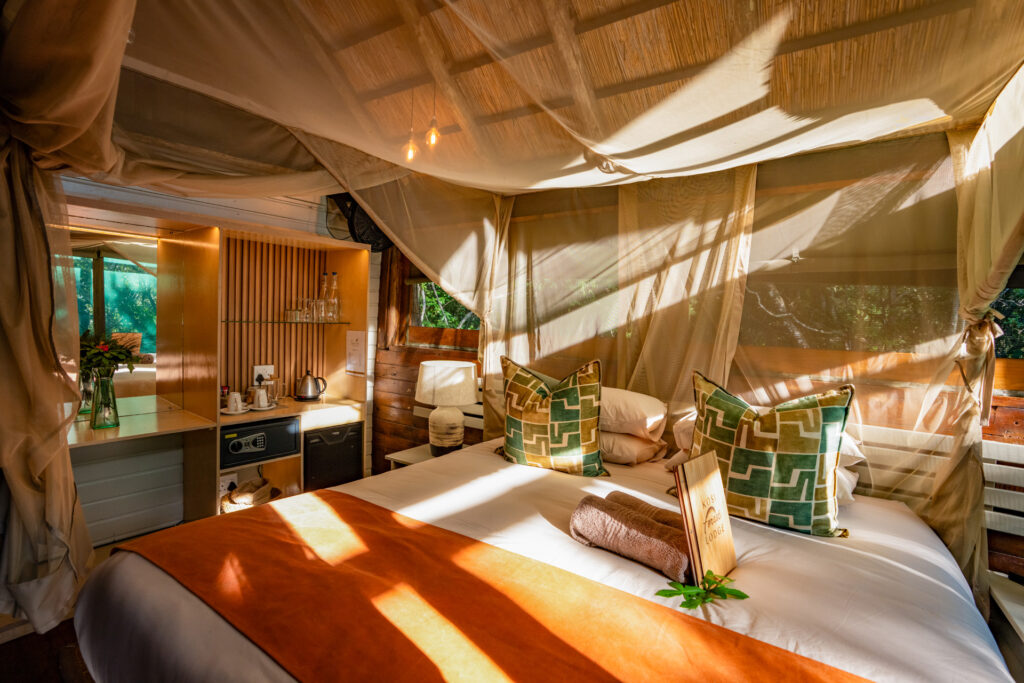
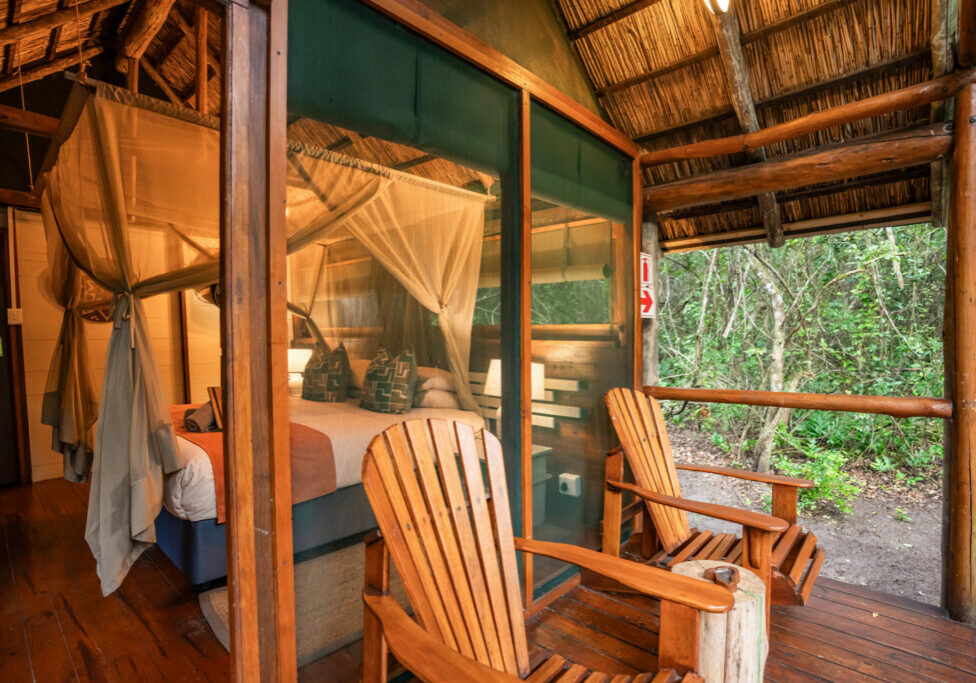
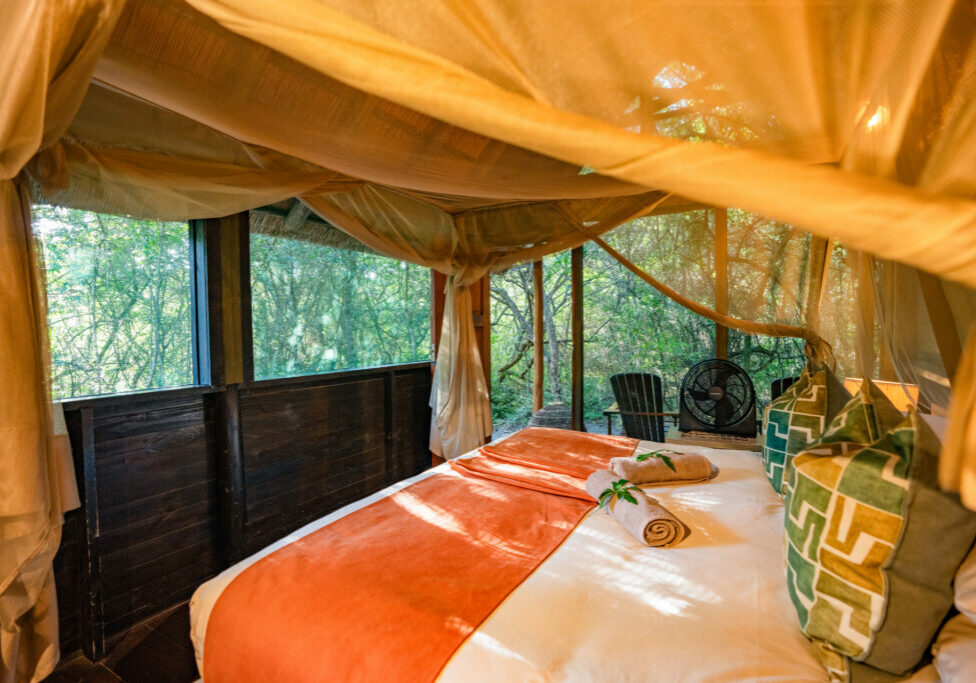
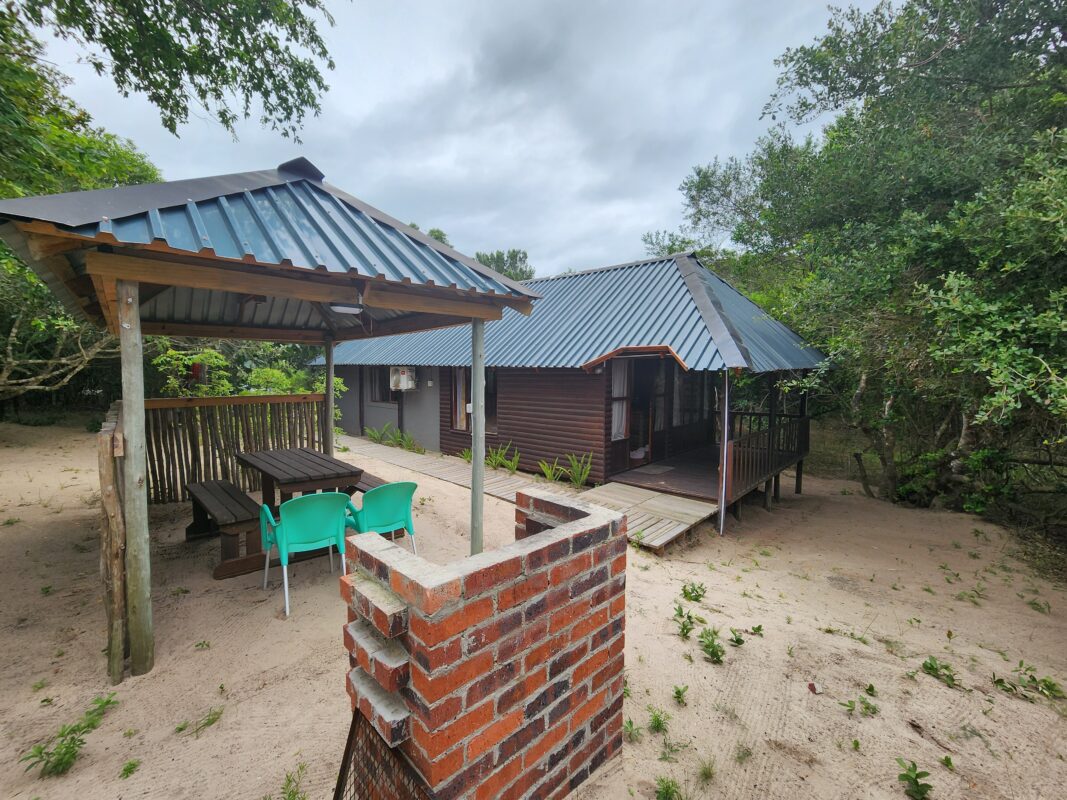
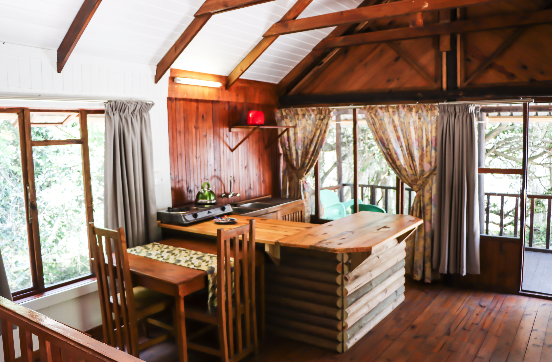
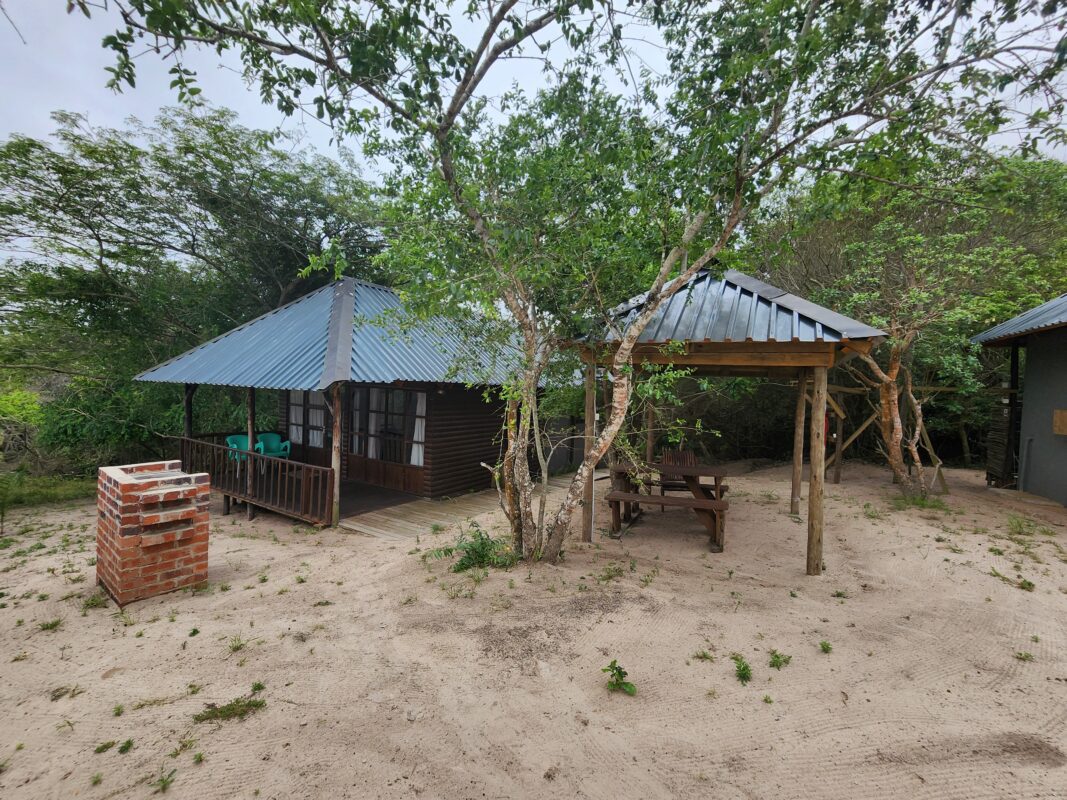
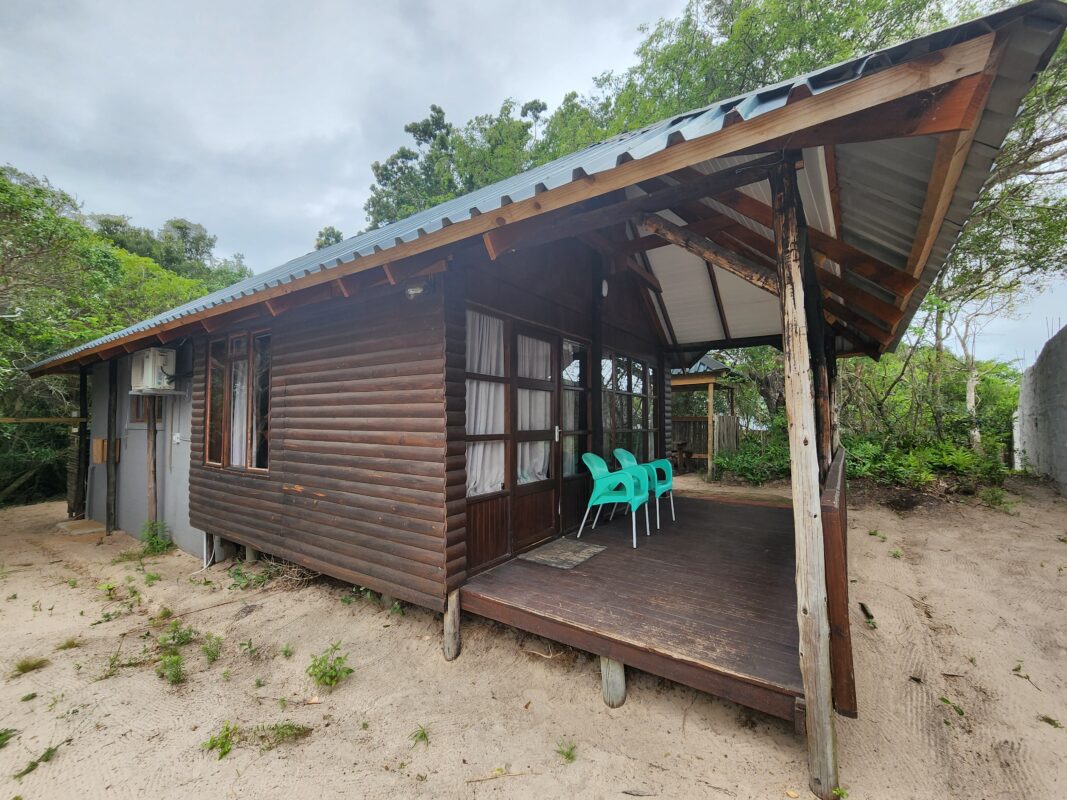
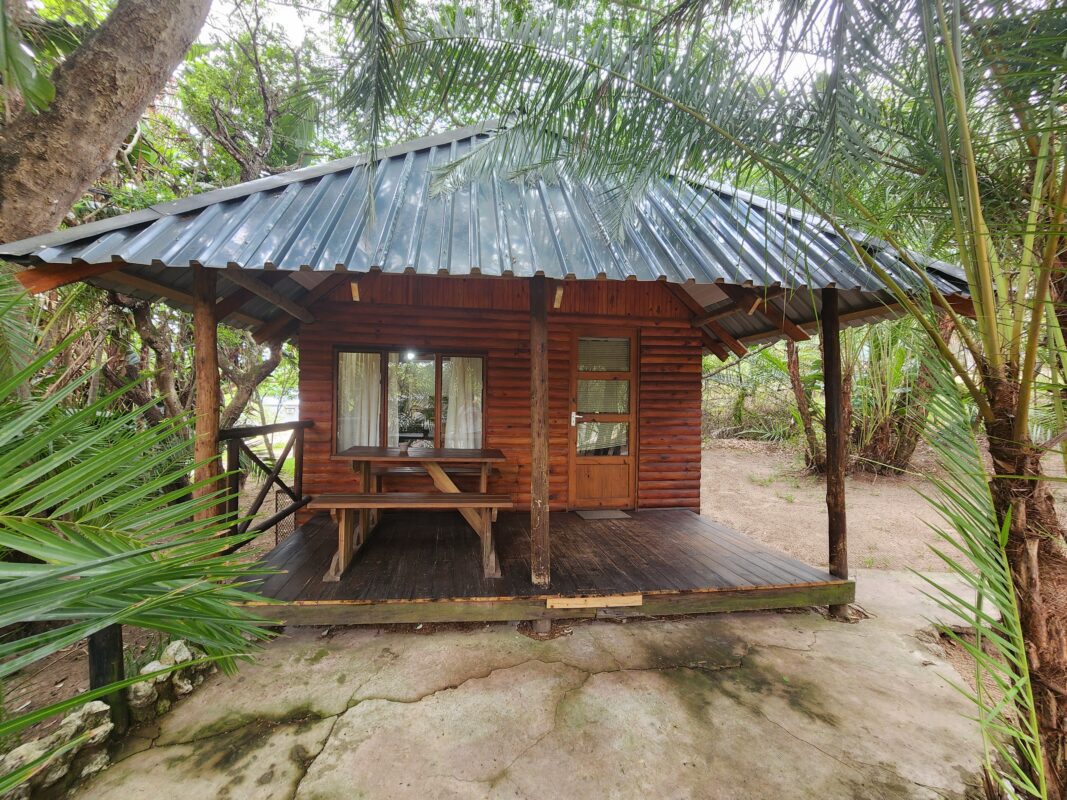
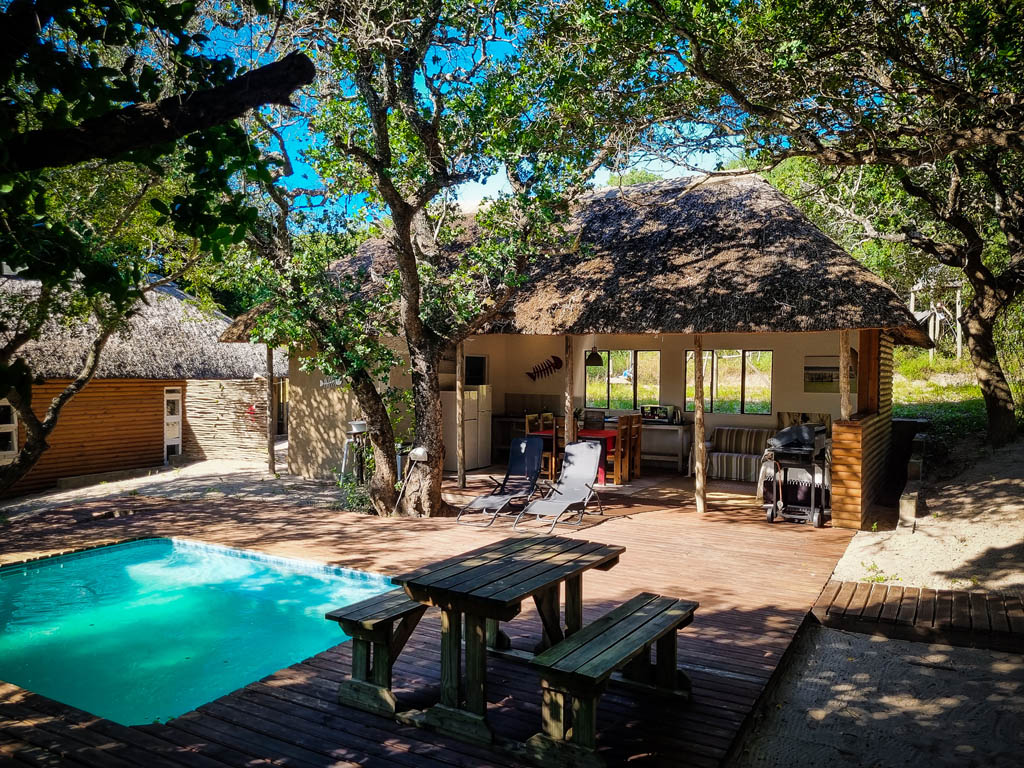
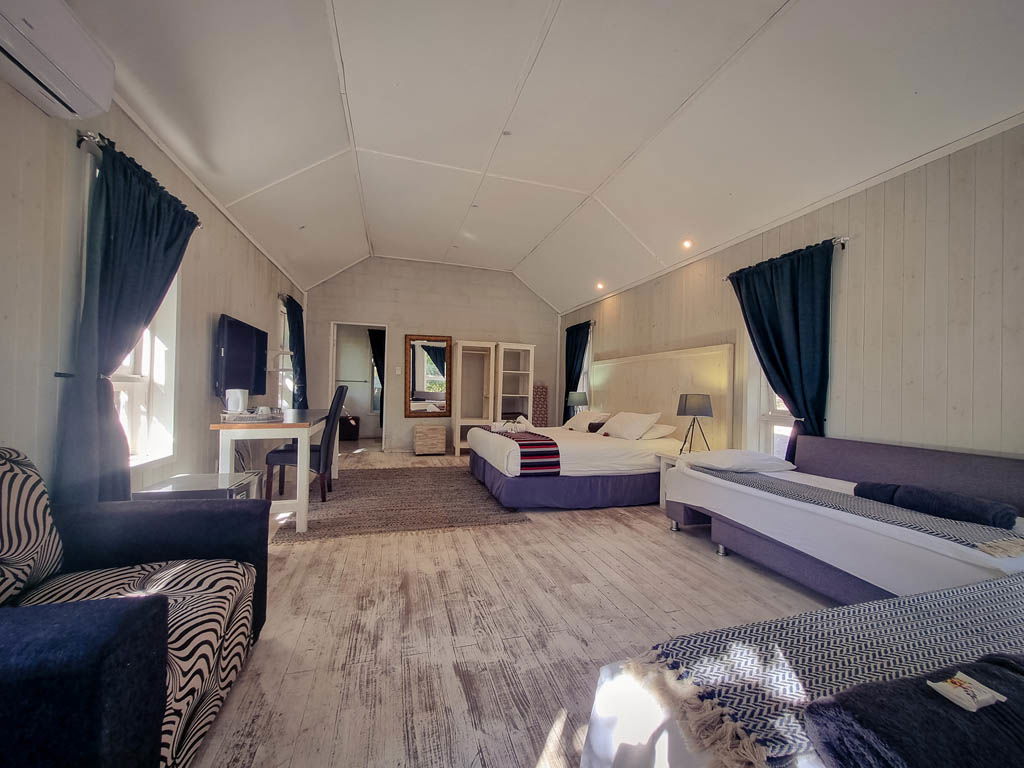
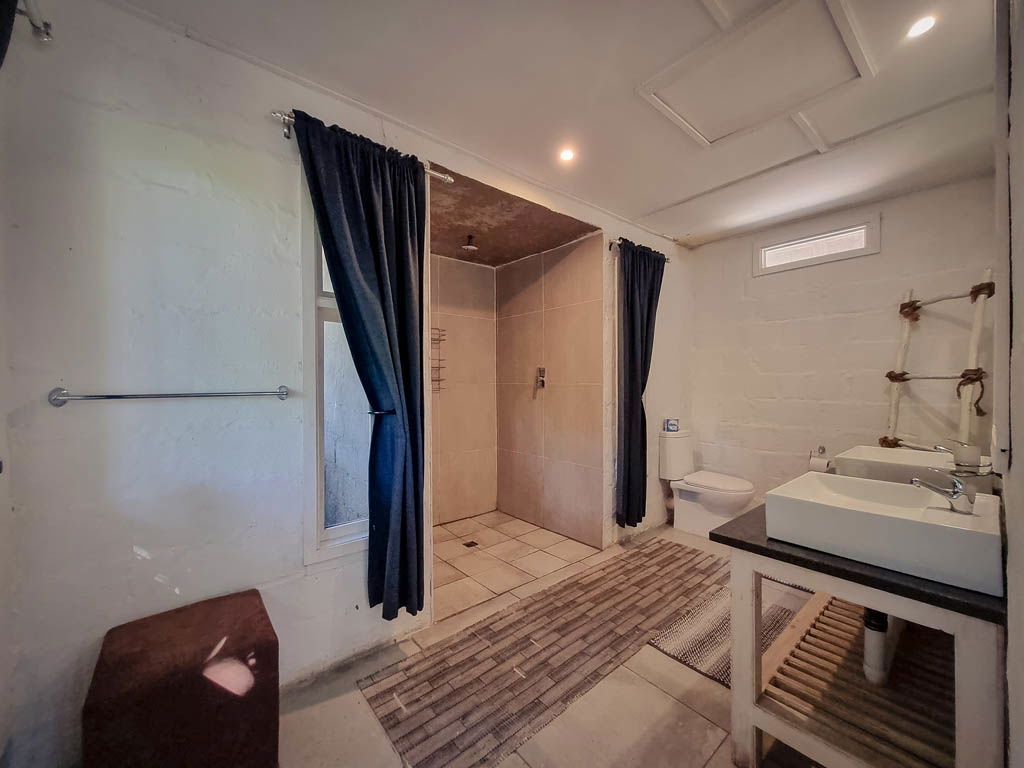
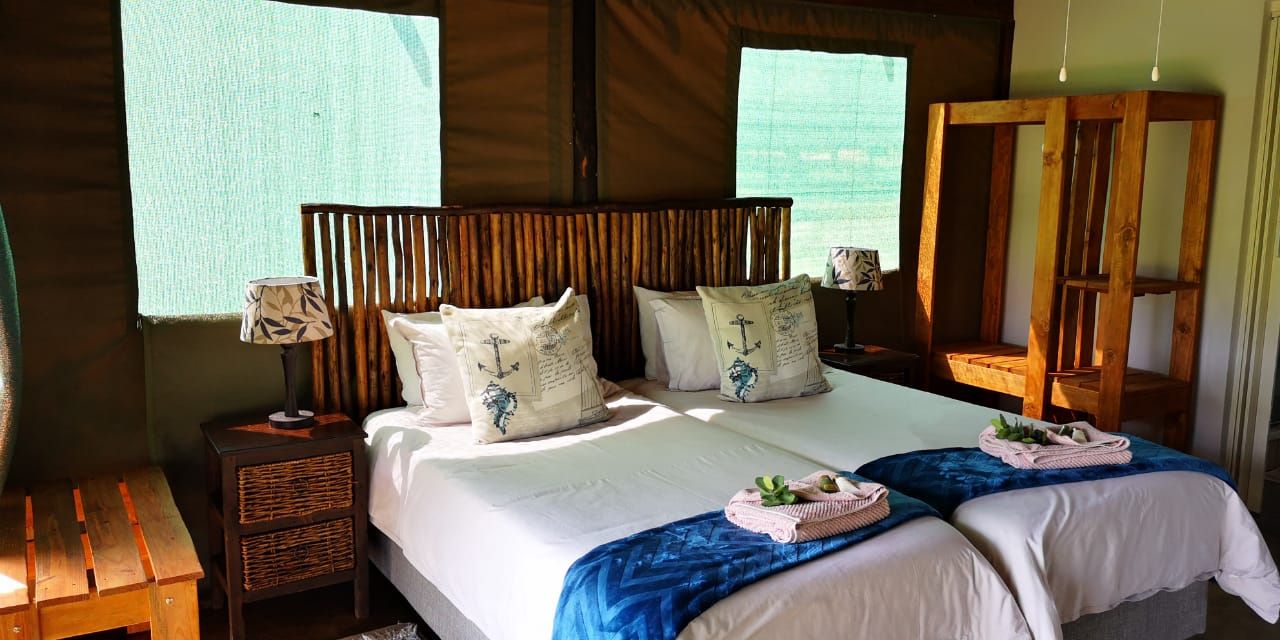
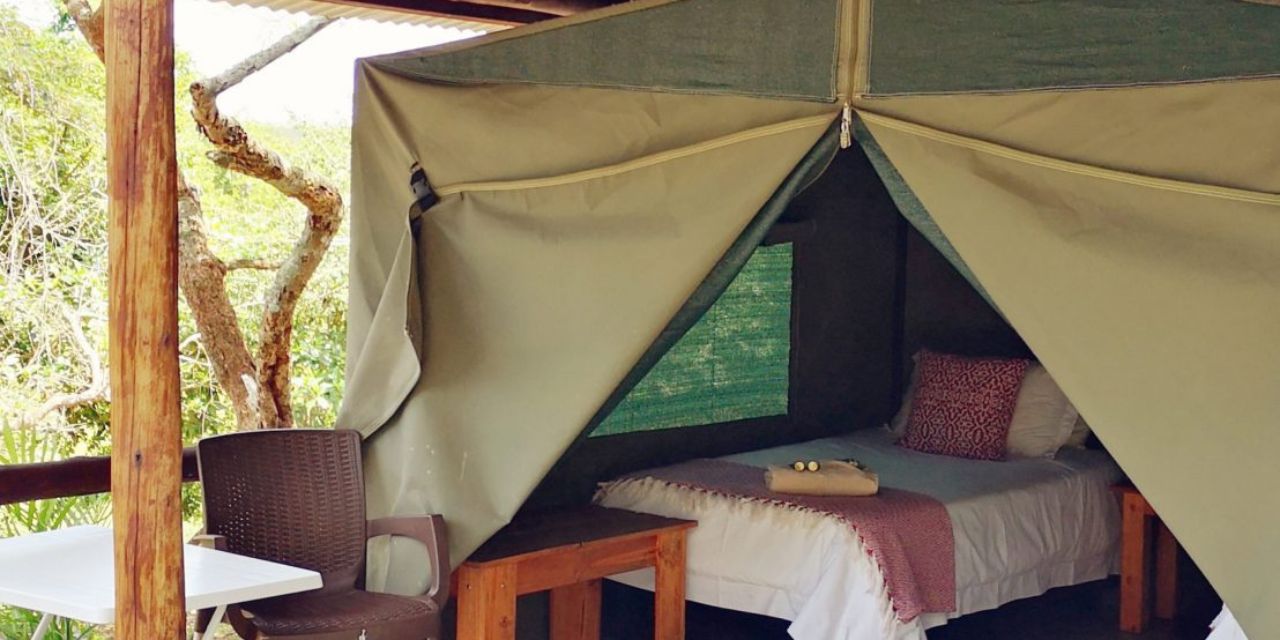
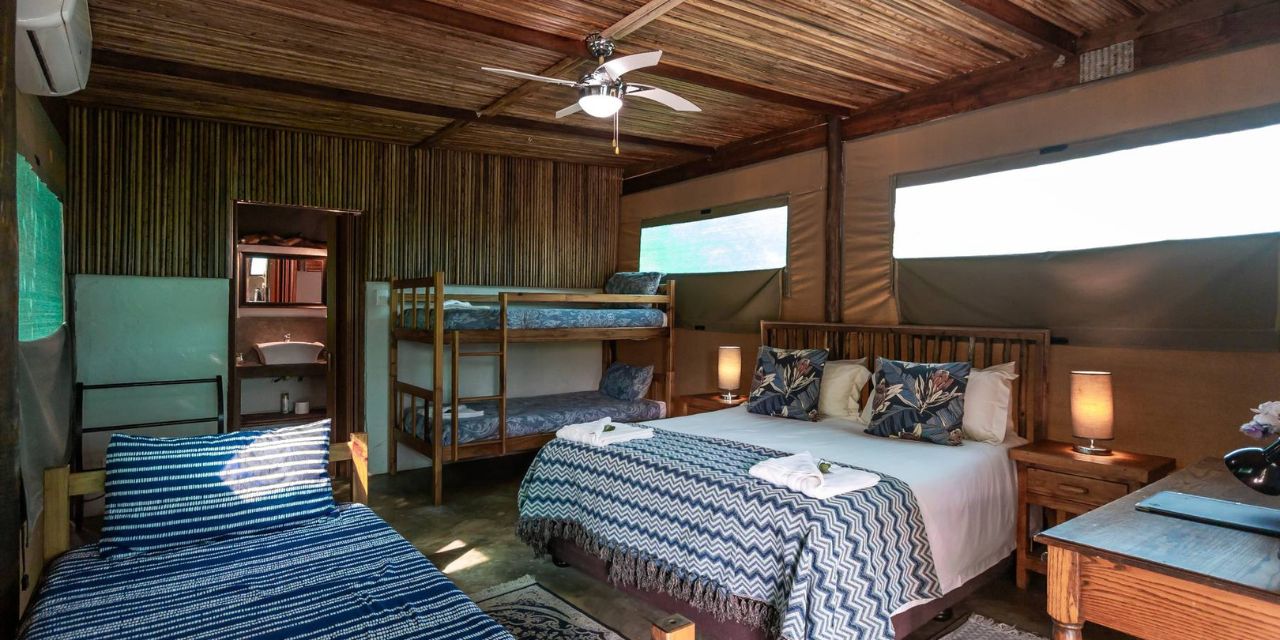
Maputaland Lodge bied selfversorgings en bed and breakfast akkommodasie naby die Kosi Bay meersisteme en die Ponta Do Ora grenspos.
Slaap 4
Kinders welkom
Akkommodasiepryse in Manguzi
| Tipe | Inskrywings | Vanaf | Gemiddeld | Tot |
|---|---|---|---|---|
| Lodge | 2 | R1,100 | R1,100 | R1,100 |
| Self-catering | 1 | – | – | – |
Manguzi Kaart
Nabygeleë Bestemmings
Blaai Deur Alle Manguzi Akkommodasie
Bekyk al 3 akkommodasie-opsies in Manguzi met foto's, pryse en beskikbaarheid.
Blaai Deur Alle Akkommodasie