Nwamitwalokasie Reis- & Akkommodasiegids
Jou volledige gids om Nwamitwalokasie, Suid-Afrika te besoek.
Nwamitwalokasie is a small rural village in the Vhembe District of Limpopo Province, situated in the northern reaches of South Africa near the Kruger National Park region. The area offers visitors an authentic experience of Venda culture and serves as a quiet base for exploring the surrounding bushveld landscape.
## Accommodation in Nwamitwalokasie
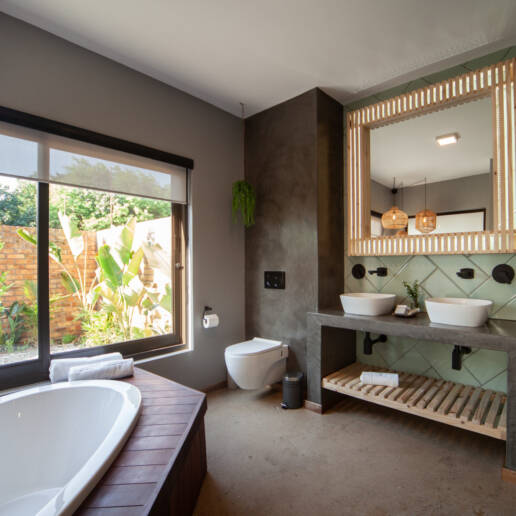
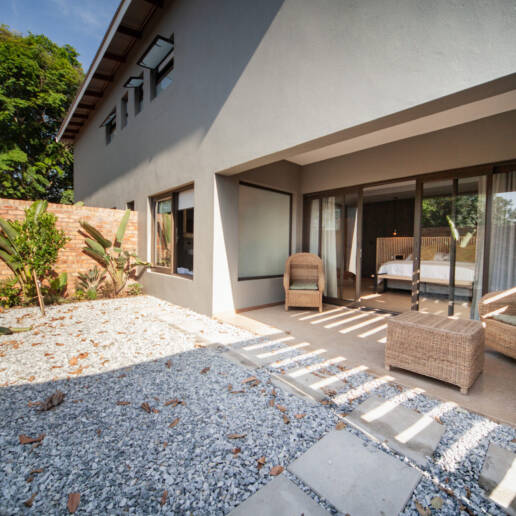
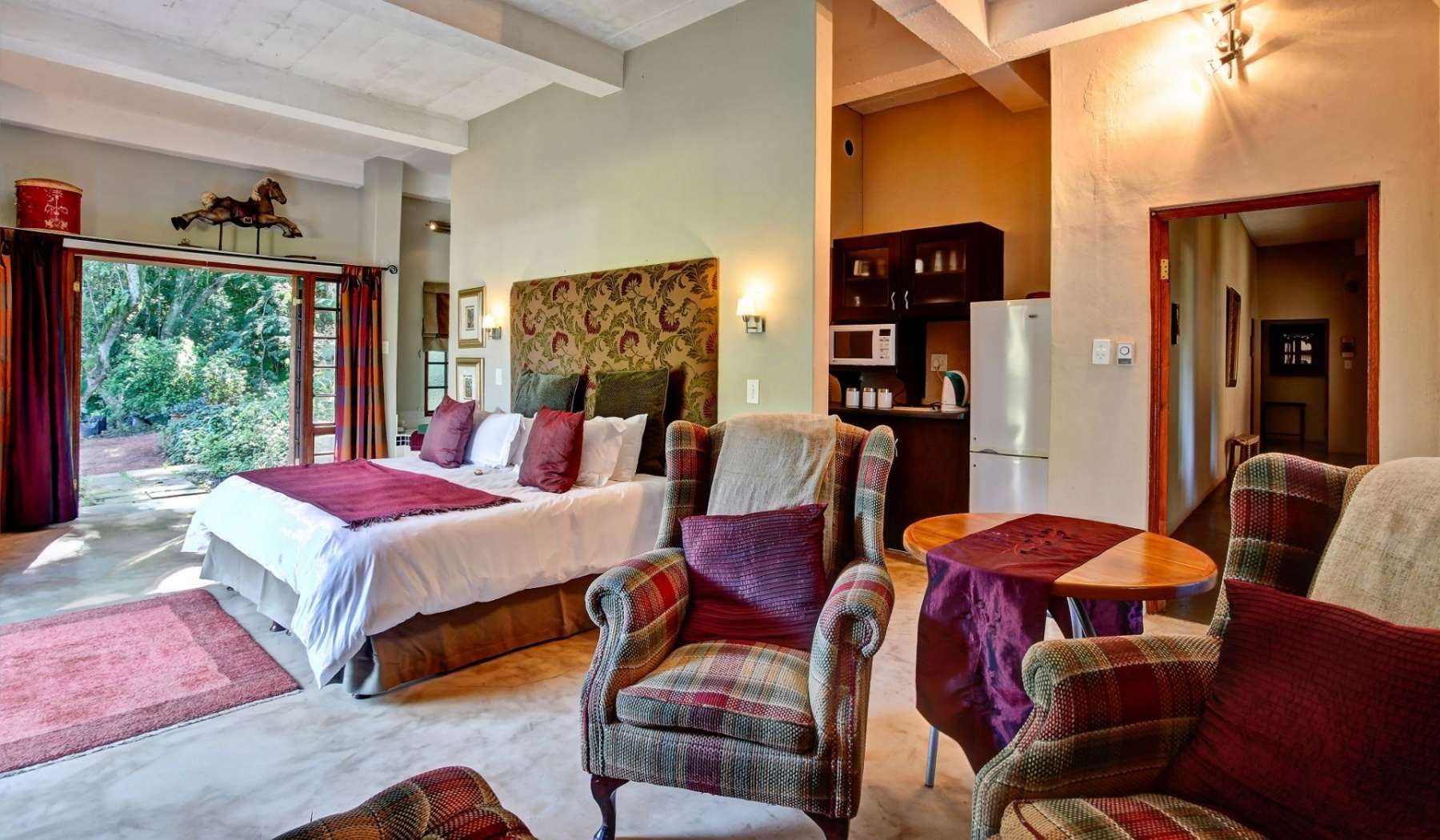
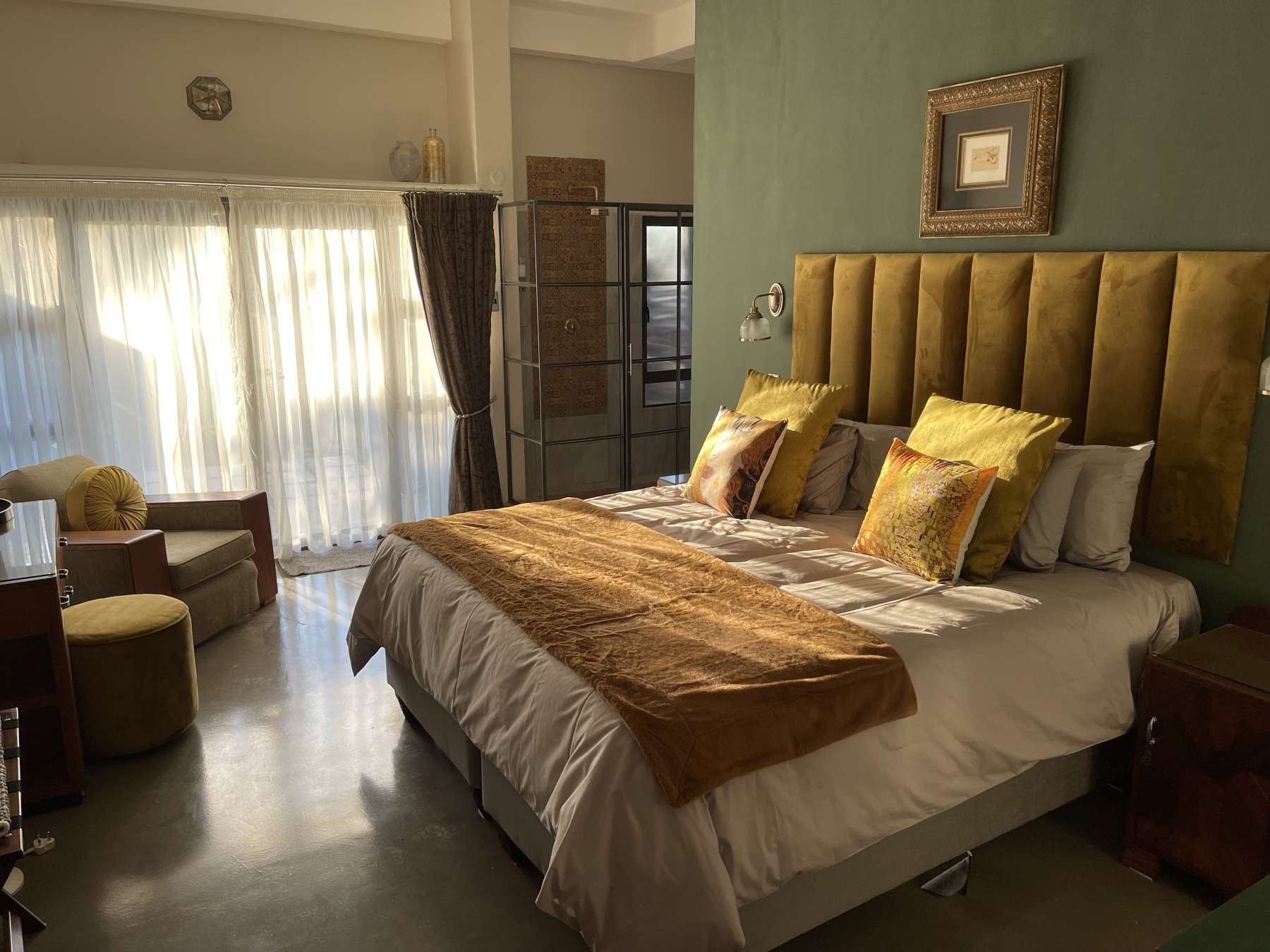
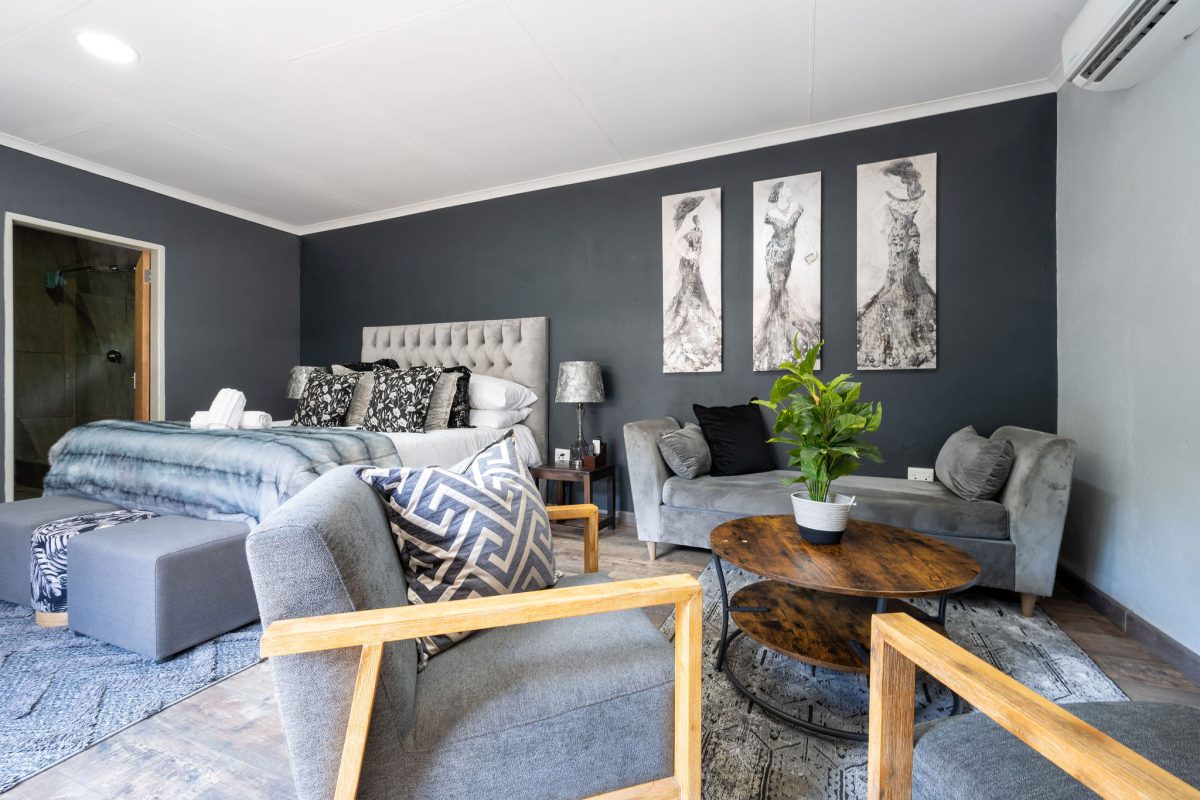
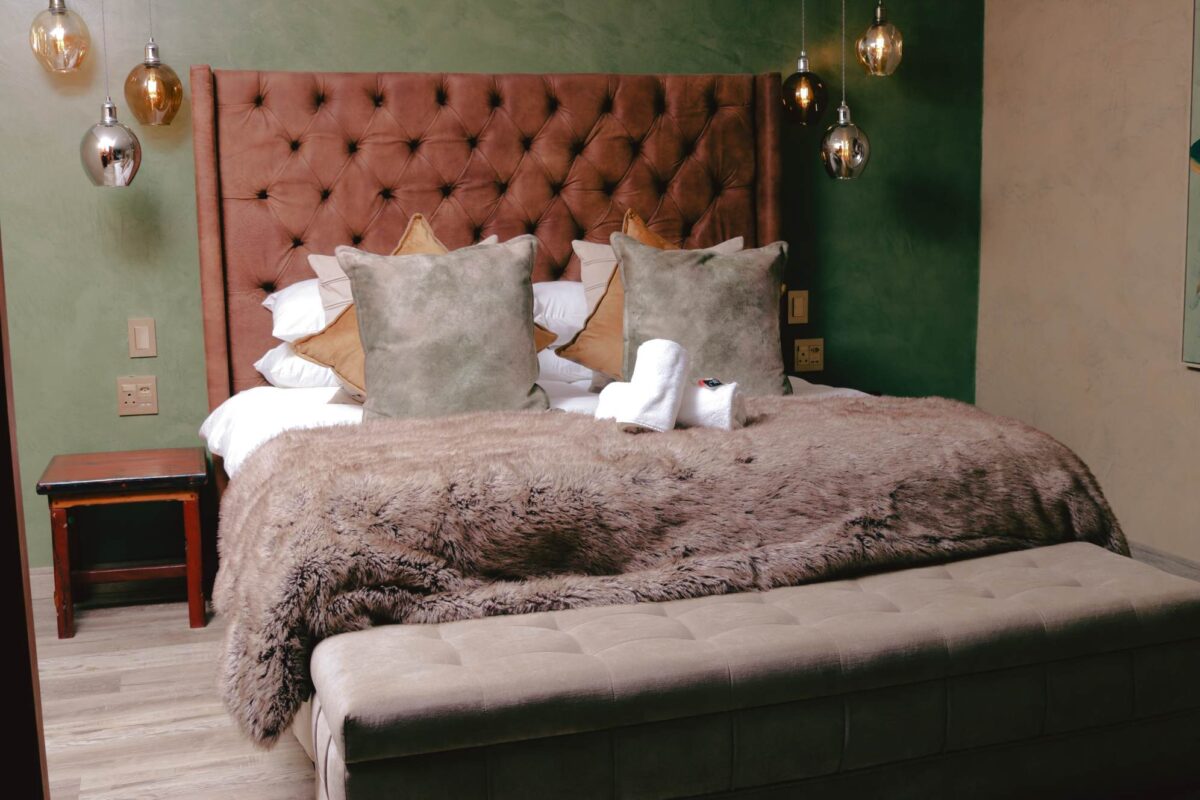
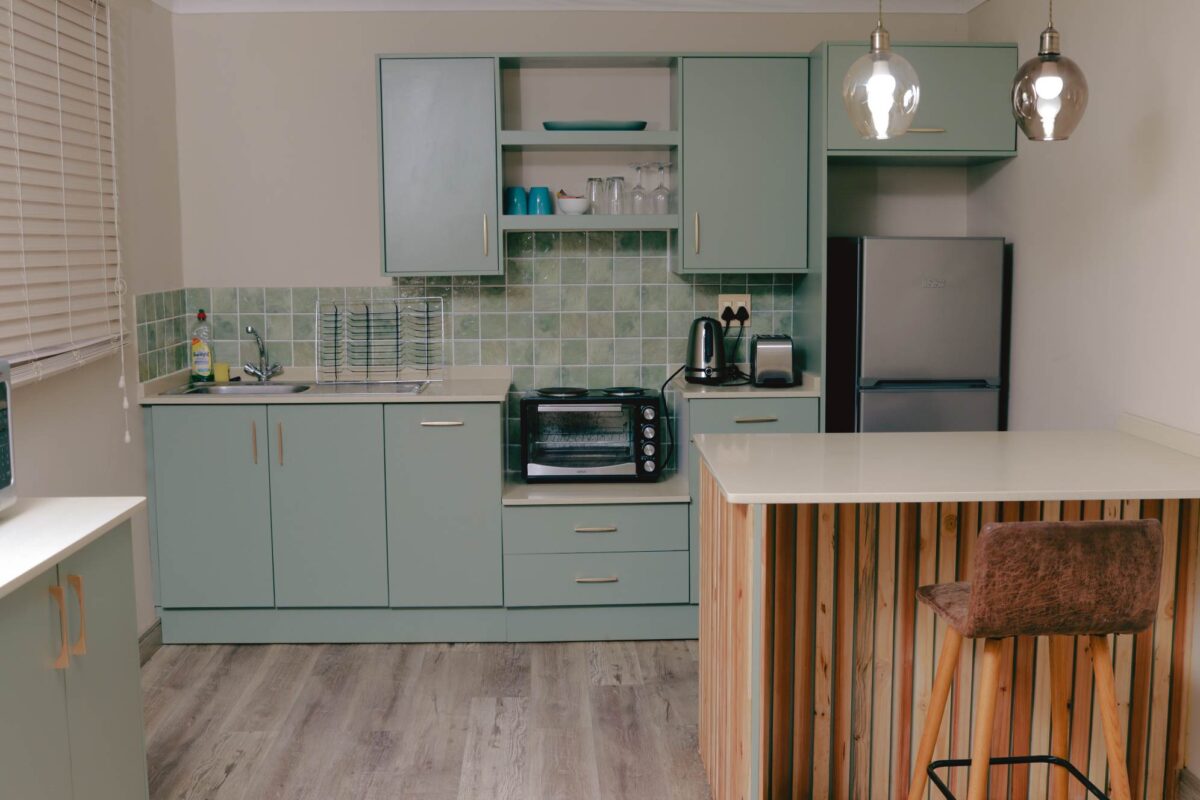
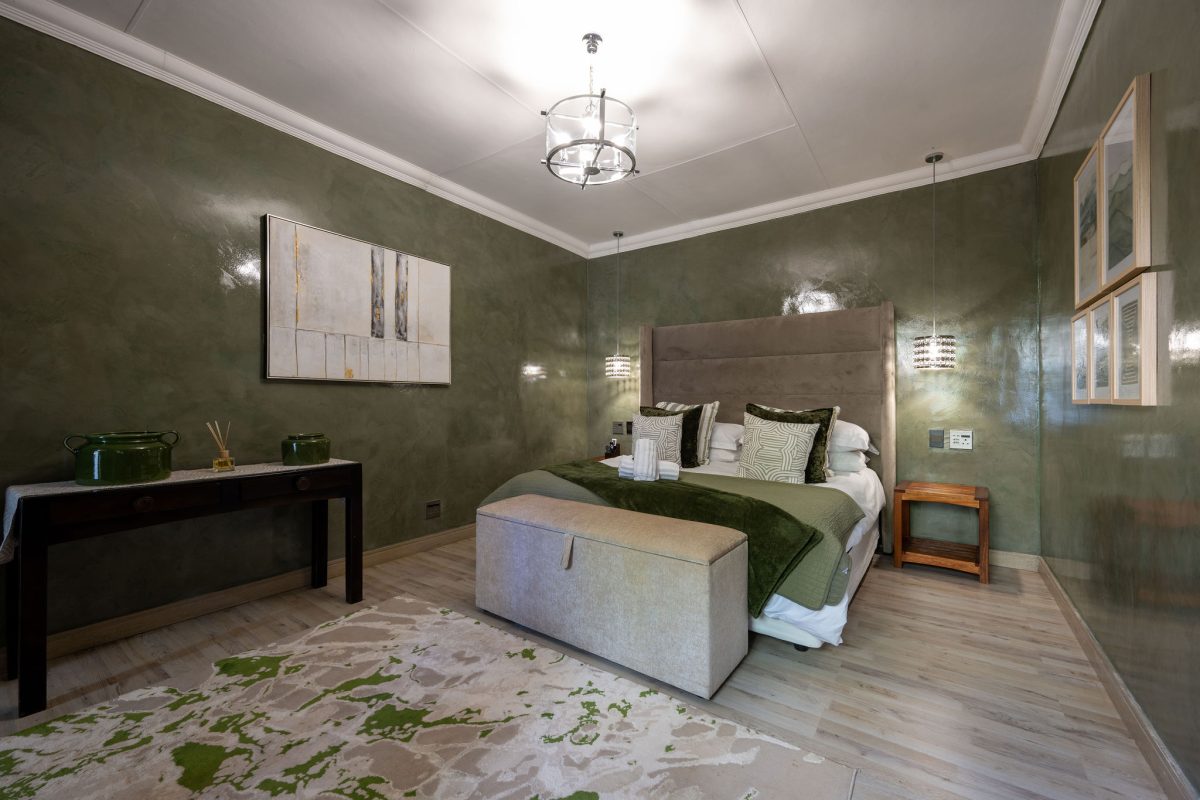
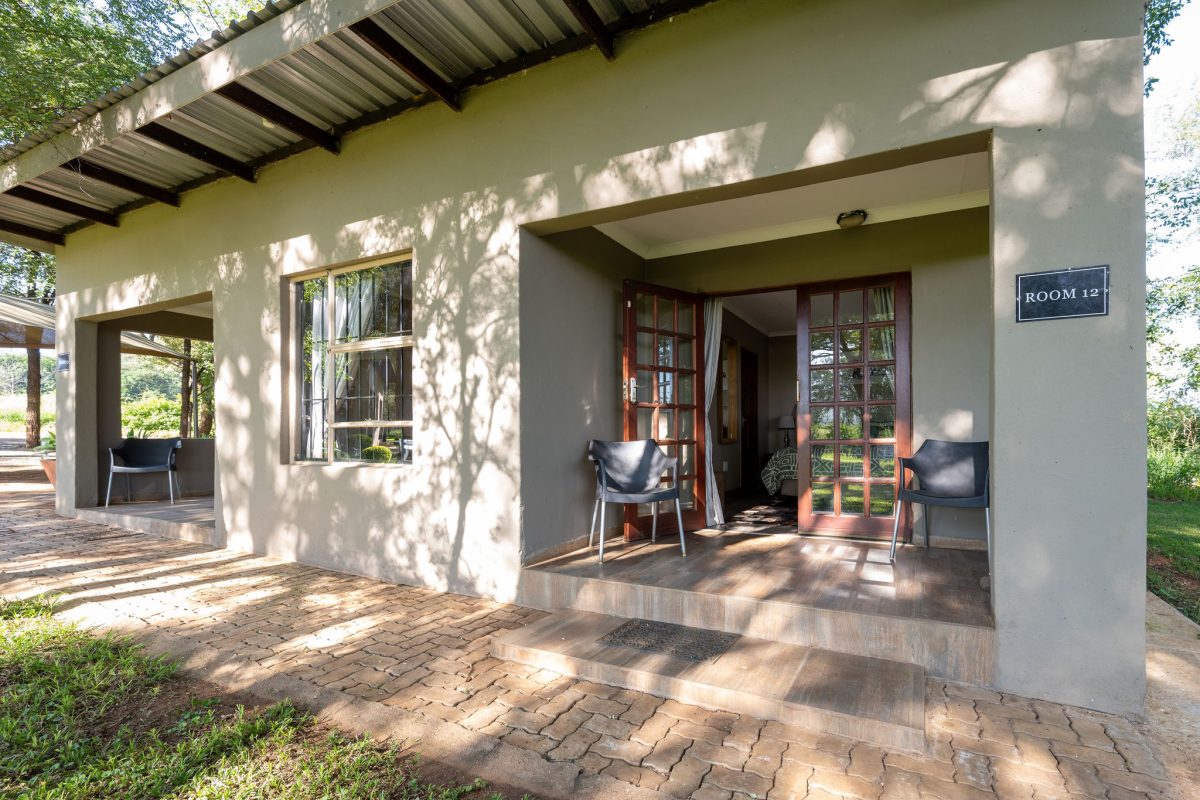
The accommodation landscape here is genuinely limited. With 0 properties currently listed through major booking platforms, visitors are largely reliant on community guesthouses, homestay arrangements, and informal lodging options that operate outside mainstream travel infrastructure. This is not a destination with a developed tourism economy, and expectations should reflect that.
At the budget end, simple rooms in family-run guesthouses represent the most common option. These typically provide a bed, shared bathroom facilities, and access to basic cooking areas. Comfort is functional rather than polished, and the appeal lies in proximity to local community life rather than in amenities. Expect rates that reflect the rural economy, though no published pricing exists to guide planning.
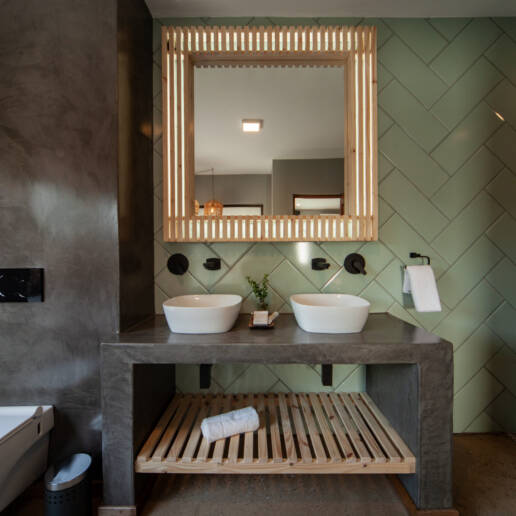
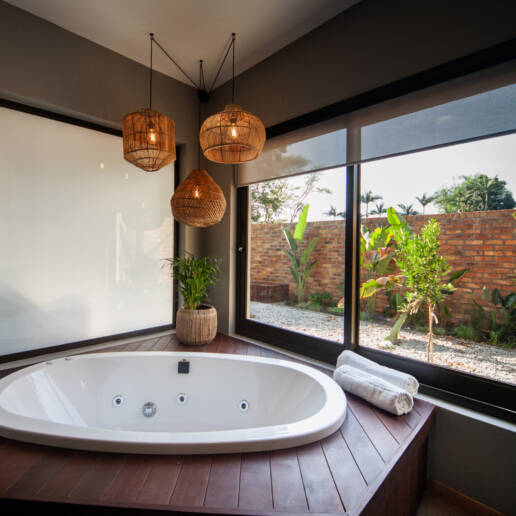
Mid-range options, where they exist, may include more private arrangements, occasionally with en-suite bathrooms and steadier electricity supply. Some community lodges operating in the Vhembe district provide a modest step up in comfort while remaining straightforwardly simple. Air conditioning is not standard at this level, though ceiling fans are common in better-appointed rooms.
There is no established upper-tier accommodation within the village itself. Visitors seeking more comfortable or fully serviced lodging would need to travel to a larger regional centre, as Nwamitwalokasie has no hotels or upmarket guesthouses.
With pricing not formally published and no listings currently active through mainstream booking sites, anyone planning a stay should contact local tourism offices or community organisations in advance to confirm what is available. Coming prepared for intermittent electricity, limited internet access, and basic plumbing is advisable. The accommodation here suits independent travellers comfortable with rural conditions who are content to engage with the community on its own terms.
---
## Best Time to Visit Nwamitwalokasie
The Lowveld climate divides the year into two distinct periods. From November through March, rainfall arrives as heavy afternoon thunderstorms that can turn unpaved roads slippery and occasionally impassable. Temperatures during these months regularly climb above 30 degrees Celsius, and humidity compounds the heat. Despite the discomfort for some, this is when the bush is at its most green and birdlife is at its most active, with migratory species arriving from November onward.
The dry season runs from April through October, bringing cooler and clearer conditions throughout the district. Daytime temperatures in the mid-20s Celsius are comfortable, though winter nights from June to August can drop considerably, requiring warm clothing after dark. Game viewing tends to be more productive during dry months as vegetation thins and animals congregate near water sources.
May through September is the most comfortable window for most visitors. Roads are drier, heat stress is minimal, and the broader landscape is easier to move through. September and October mark the beginning of the pre-rain heat build-up. South African school holidays in July and December bring increased movement through the Vhembe region generally, though Nwamitwalokasie itself remains largely off the main tourist circuit throughout the year.
---
## Getting to Nwamitwalokasie
The most practical access point for both domestic and international travellers is Polokwane, served by scheduled flights from Johannesburg O.R. Tambo International. From Polokwane, the drive northeast covers roughly 200 kilometres on the N1 before branching onto provincial roads through the Limpopo interior. The full journey takes approximately two and a half to three hours, with road quality varying on the final approach.
From Johannesburg, the direct drive is four to five hours northward on the N1. Thohoyandou, roughly 80 kilometres from the village, is the most useful staging town for late arrivals. Fuel, banking facilities, and overnight accommodation are all available there, and it marks the effective end of fully tarred, well-maintained roads for most approach routes.
Main provincial roads into the area are tarred, but gravel sections often cover the last few kilometres to the village. A standard sedan manages these conditions in dry weather, though a vehicle with reasonable ground clearance handles wet-season approaches more reliably.
Shared minibus taxis link rural communities across the region, departing from larger centres on irregular schedules that rarely extend beyond early evening. Travellers relying solely on public transport need to plan around these limitations and confirm timings locally. For most visitors, hiring a vehicle in Polokwane or Johannesburg is the most flexible arrangement.
---
## Nwamitwalokasie and Surrounding Areas
**Nwamitwa**, 2 kilometres away, is effectively continuous with Nwamitwalokasie in daily life. Small trading stores and informal markets here make it the most convenient first stop for day-to-day provisions during a stay.
At 8 kilometres, **Nkambako** marks the beginning of the Tzaneen agricultural corridor, where the landscape shifts noticeably toward tea estates and subtropical fruit farms. It functions as a transit point for those travelling south and signals a distinct change in both terrain and land use.
**Welbeloond**, 13 kilometres from the village, sits at a road junction in a transitional zone between the densely settled Vhembe communities and the drier Lowveld farmland to the south. Its Afrikaans place name reflects the region's layered settlement history, but it holds no specific draw for visitors beyond the road connection it provides.
**Ga-Kgapane**, 19 kilometres out, is the most practically useful stop in the cluster. Shops, a hospital, a filling station, and ATM facilities are all available, making it the essential resupply point before heading into areas with fewer services.
At 23 kilometres, **Quantock** is a farming locality rather than a town. Scattered koppies and open agricultural land define the surrounding terrain, and its back roads connect the Tzaneen valley with the northern Vhembe communities via quieter routes.
The 25-kilometre drive to **Ga-Modjadji** is the most rewarding excursion from Nwamitwalokasie. This is the home of the Balobedu Rain Queen, a hereditary female ruler whose lineage carries deep significance in the region, and the Modjadji Cycad Reserve preserves a rare forest of Encephalartos transvenosus cycads, some of which are centuries old. The site combines genuine botanical rarity with cultural history that gives it a distinct character.
The Soutpansberg mountains to the north offer indigenous forest walks and birding in one of southern Africa's more botanically diverse mountain ranges. Sacred Lake Fundudzi, of profound significance in Venda tradition, lies within reach with a local guide. Venda potters and woodcarvers working in the district maintain craft traditions passed through generations, and small workshops are occasionally open to visitors who enquire locally.
---
## Planning Your Stay
Arranging accommodation requires more groundwork here than in most South African destinations. Because no properties appear on major booking platforms, the starting point is contacting the Limpopo Tourism Agency for referrals to community guesthouses operating in the area. Calling ahead to confirm current availability and operating status avoids complications on arrival, particularly over weekends or public holidays when owners may be harder to reach.
Mobile coverage in the area is patchy. MTN and Vodacom both reach parts of Vhembe, but rural and hilly terrain causes signal gaps. Downloading offline maps for the final approach roads before leaving a larger centre is a practical precaution worth taking.
Cash is important throughout the stay. Card payment facilities are scarce once outside the regional towns, and informal accommodation is almost certainly cash-only. Carry enough rands to cover the full duration, plus a contingency for fuel and local purchases.
Pharmacies and medical facilities of any scale are in the regional towns rather than in the village itself. Handle any prescription or medical requirements before leaving a larger centre, and consider travel insurance that includes medical evacuation cover given the distance from major hospitals.
For visitors wanting to engage with local craft traditions or community cultural activities, making contact in advance through a Vhembe-based cultural guide helps ensure that visits are genuinely welcomed and that community members benefit directly from the interaction.

The accommodation landscape here is genuinely limited. With 0 properties currently listed through major booking platforms, visitors are largely reliant on community guesthouses, homestay arrangements, and informal lodging options that operate outside mainstream travel infrastructure. This is not a destination with a developed tourism economy, and expectations should reflect that.
At the budget end, simple rooms in family-run guesthouses represent the most common option. These typically provide a bed, shared bathroom facilities, and access to basic cooking areas. Comfort is functional rather than polished, and the appeal lies in proximity to local community life rather than in amenities. Expect rates that reflect the rural economy, though no published pricing exists to guide planning.
Mid-range options, where they exist, may include more private arrangements, occasionally with en-suite bathrooms and steadier electricity supply. Some community lodges operating in the Vhembe district provide a modest step up in comfort while remaining straightforwardly simple. Air conditioning is not standard at this level, though ceiling fans are common in better-appointed rooms.
There is no established upper-tier accommodation within the village itself. Visitors seeking more comfortable or fully serviced lodging would need to travel to a larger regional centre, as Nwamitwalokasie has no hotels or upmarket guesthouses.
With pricing not formally published and no listings currently active through mainstream booking sites, anyone planning a stay should contact local tourism offices or community organisations in advance to confirm what is available. Coming prepared for intermittent electricity, limited internet access, and basic plumbing is advisable. The accommodation here suits independent travellers comfortable with rural conditions who are content to engage with the community on its own terms.
---
## Best Time to Visit Nwamitwalokasie
The Lowveld climate divides the year into two distinct periods. From November through March, rainfall arrives as heavy afternoon thunderstorms that can turn unpaved roads slippery and occasionally impassable. Temperatures during these months regularly climb above 30 degrees Celsius, and humidity compounds the heat. Despite the discomfort for some, this is when the bush is at its most green and birdlife is at its most active, with migratory species arriving from November onward.
The dry season runs from April through October, bringing cooler and clearer conditions throughout the district. Daytime temperatures in the mid-20s Celsius are comfortable, though winter nights from June to August can drop considerably, requiring warm clothing after dark. Game viewing tends to be more productive during dry months as vegetation thins and animals congregate near water sources.
May through September is the most comfortable window for most visitors. Roads are drier, heat stress is minimal, and the broader landscape is easier to move through. September and October mark the beginning of the pre-rain heat build-up. South African school holidays in July and December bring increased movement through the Vhembe region generally, though Nwamitwalokasie itself remains largely off the main tourist circuit throughout the year.
---
## Getting to Nwamitwalokasie
The most practical access point for both domestic and international travellers is Polokwane, served by scheduled flights from Johannesburg O.R. Tambo International. From Polokwane, the drive northeast covers roughly 200 kilometres on the N1 before branching onto provincial roads through the Limpopo interior. The full journey takes approximately two and a half to three hours, with road quality varying on the final approach.
From Johannesburg, the direct drive is four to five hours northward on the N1. Thohoyandou, roughly 80 kilometres from the village, is the most useful staging town for late arrivals. Fuel, banking facilities, and overnight accommodation are all available there, and it marks the effective end of fully tarred, well-maintained roads for most approach routes.
Main provincial roads into the area are tarred, but gravel sections often cover the last few kilometres to the village. A standard sedan manages these conditions in dry weather, though a vehicle with reasonable ground clearance handles wet-season approaches more reliably.
Shared minibus taxis link rural communities across the region, departing from larger centres on irregular schedules that rarely extend beyond early evening. Travellers relying solely on public transport need to plan around these limitations and confirm timings locally. For most visitors, hiring a vehicle in Polokwane or Johannesburg is the most flexible arrangement.
---
## Nwamitwalokasie and Surrounding Areas
**Nwamitwa**, 2 kilometres away, is effectively continuous with Nwamitwalokasie in daily life. Small trading stores and informal markets here make it the most convenient first stop for day-to-day provisions during a stay.
At 8 kilometres, **Nkambako** marks the beginning of the Tzaneen agricultural corridor, where the landscape shifts noticeably toward tea estates and subtropical fruit farms. It functions as a transit point for those travelling south and signals a distinct change in both terrain and land use.
**Welbeloond**, 13 kilometres from the village, sits at a road junction in a transitional zone between the densely settled Vhembe communities and the drier Lowveld farmland to the south. Its Afrikaans place name reflects the region's layered settlement history, but it holds no specific draw for visitors beyond the road connection it provides.
**Ga-Kgapane**, 19 kilometres out, is the most practically useful stop in the cluster. Shops, a hospital, a filling station, and ATM facilities are all available, making it the essential resupply point before heading into areas with fewer services.
At 23 kilometres, **Quantock** is a farming locality rather than a town. Scattered koppies and open agricultural land define the surrounding terrain, and its back roads connect the Tzaneen valley with the northern Vhembe communities via quieter routes.
The 25-kilometre drive to **Ga-Modjadji** is the most rewarding excursion from Nwamitwalokasie. This is the home of the Balobedu Rain Queen, a hereditary female ruler whose lineage carries deep significance in the region, and the Modjadji Cycad Reserve preserves a rare forest of Encephalartos transvenosus cycads, some of which are centuries old. The site combines genuine botanical rarity with cultural history that gives it a distinct character.
The Soutpansberg mountains to the north offer indigenous forest walks and birding in one of southern Africa's more botanically diverse mountain ranges. Sacred Lake Fundudzi, of profound significance in Venda tradition, lies within reach with a local guide. Venda potters and woodcarvers working in the district maintain craft traditions passed through generations, and small workshops are occasionally open to visitors who enquire locally.
---
## Planning Your Stay
Arranging accommodation requires more groundwork here than in most South African destinations. Because no properties appear on major booking platforms, the starting point is contacting the Limpopo Tourism Agency for referrals to community guesthouses operating in the area. Calling ahead to confirm current availability and operating status avoids complications on arrival, particularly over weekends or public holidays when owners may be harder to reach.
Mobile coverage in the area is patchy. MTN and Vodacom both reach parts of Vhembe, but rural and hilly terrain causes signal gaps. Downloading offline maps for the final approach roads before leaving a larger centre is a practical precaution worth taking.
Cash is important throughout the stay. Card payment facilities are scarce once outside the regional towns, and informal accommodation is almost certainly cash-only. Carry enough rands to cover the full duration, plus a contingency for fuel and local purchases.
Pharmacies and medical facilities of any scale are in the regional towns rather than in the village itself. Handle any prescription or medical requirements before leaving a larger centre, and consider travel insurance that includes medical evacuation cover given the distance from major hospitals.
For visitors wanting to engage with local craft traditions or community cultural activities, making contact in advance through a Vhembe-based cultural guide helps ensure that visits are genuinely welcomed and that community members benefit directly from the interaction.
Nwamitwalokasie Kaart
Nabygeleë Bestemmings
Blaai Deur Alle Nwamitwalokasie Akkommodasie
Bekyk al 0 akkommodasie-opsies in Nwamitwalokasie met foto's, pryse en beskikbaarheid.
Blaai Deur Alle Akkommodasie