Accommodation in Orania
The accommodation market in Orania reflects both the town's scale and the principles that govern it. No properties are currently listed through this platform, and pricing is not available through standard booking channels. Most accommodation operates through direct contact with the community rather than mainstream travel websites.
Self-catering units form the accessible end of the visitor market. These are typically modest, functional spaces where guests manage their own meals and schedule. They suit travellers arriving with a specific purpose, whether attending a guided tour, exploring the agricultural operations, or researching the community's governance model. Facilities are practical rather than polished.
Guesthouses occupy the middle of the range. Most are family-run, integrated into the residential character of the town, and offer a more personal interaction with hosts who can provide direct insight into daily life in the settlement. Some may offer meals on request. Rooms are clean and adequate, though not designed with leisure travellers in mind.
There is no upper-tier accommodation in Orania. No hotel chains operate here, no lodge-style properties have been developed, and the settlement has not pursued commercial tourism infrastructure. The absence of such facilities is consistent with the community's model: all businesses are resident-run, and the scale of the visitor trade reflects the town's size and ethos.
The practical implication is that the usual process of comparing options online, reading reviews, and booking instantly does not apply. Securing accommodation requires making direct contact, confirming your visit in advance, and accepting that choices are limited. Communication with hosts is conducted in Afrikaans, so some preparation is helpful, though not strictly required for initial booking enquiries.
Best Time to Visit Orania
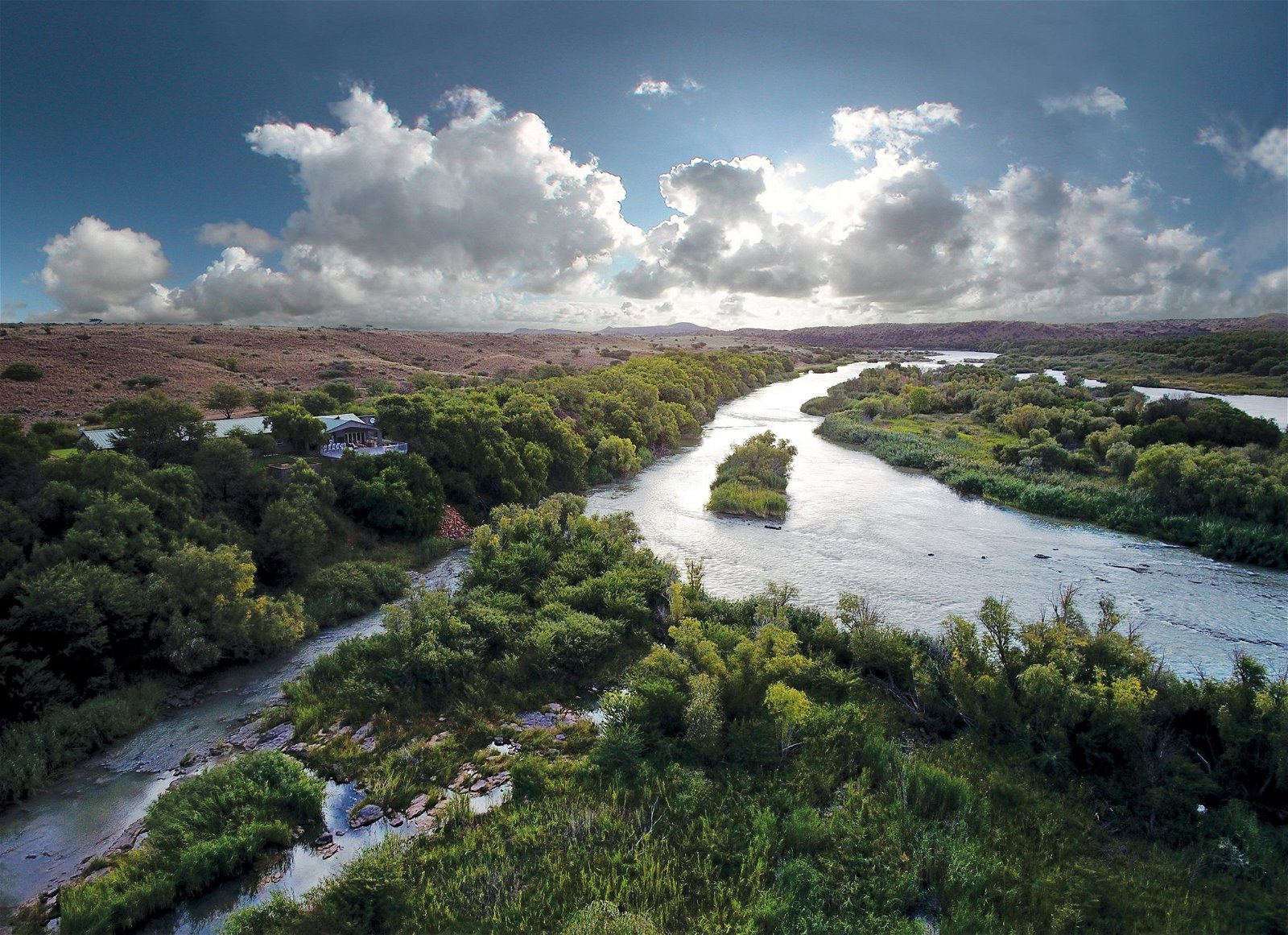
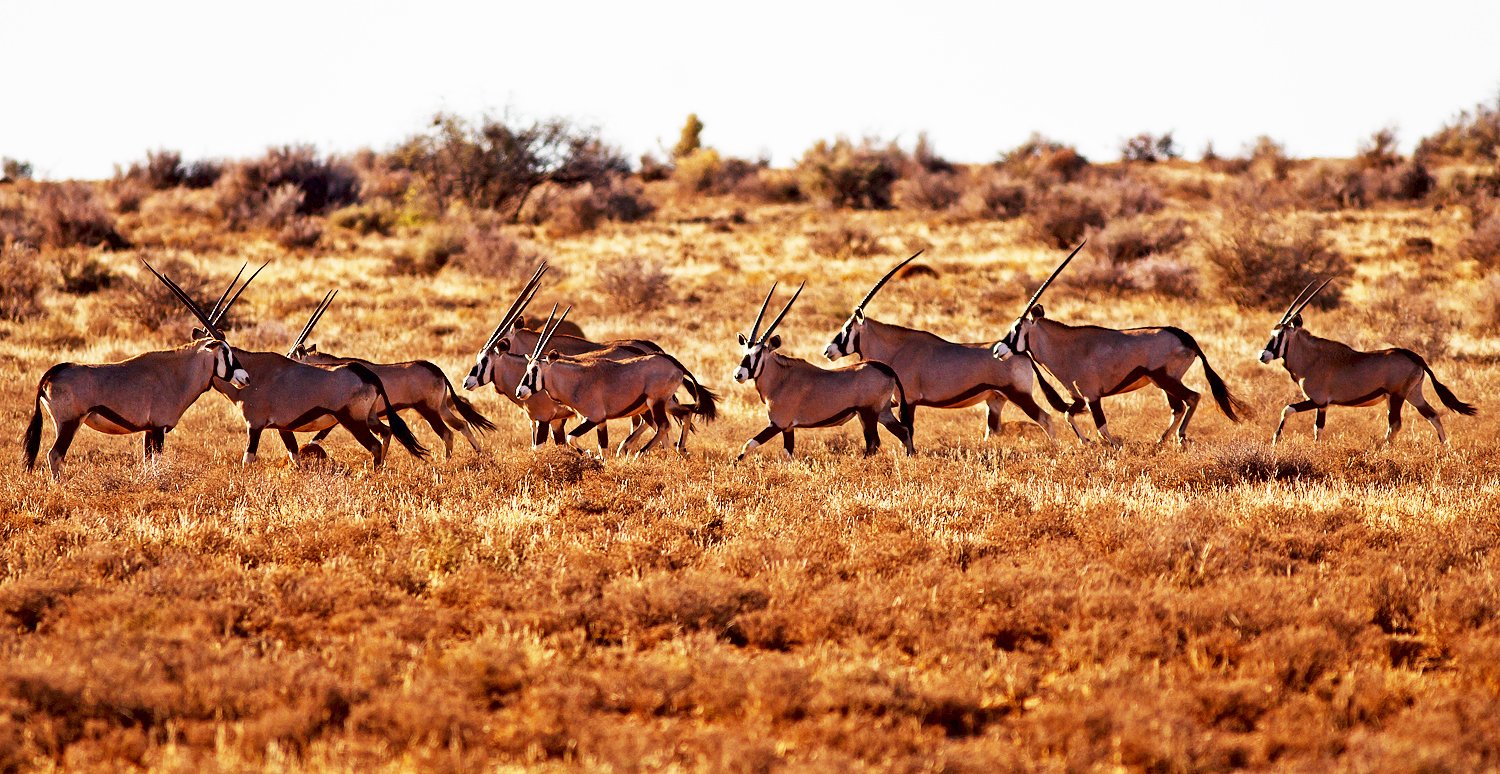
Orania sits in the semi-arid Karoo, a landscape defined by sparse vegetation, low rainfall, and sharp temperature contrasts between seasons. Annual precipitation rarely exceeds 200mm, so weather disruptions to outdoor plans are uncommon regardless of when you travel.
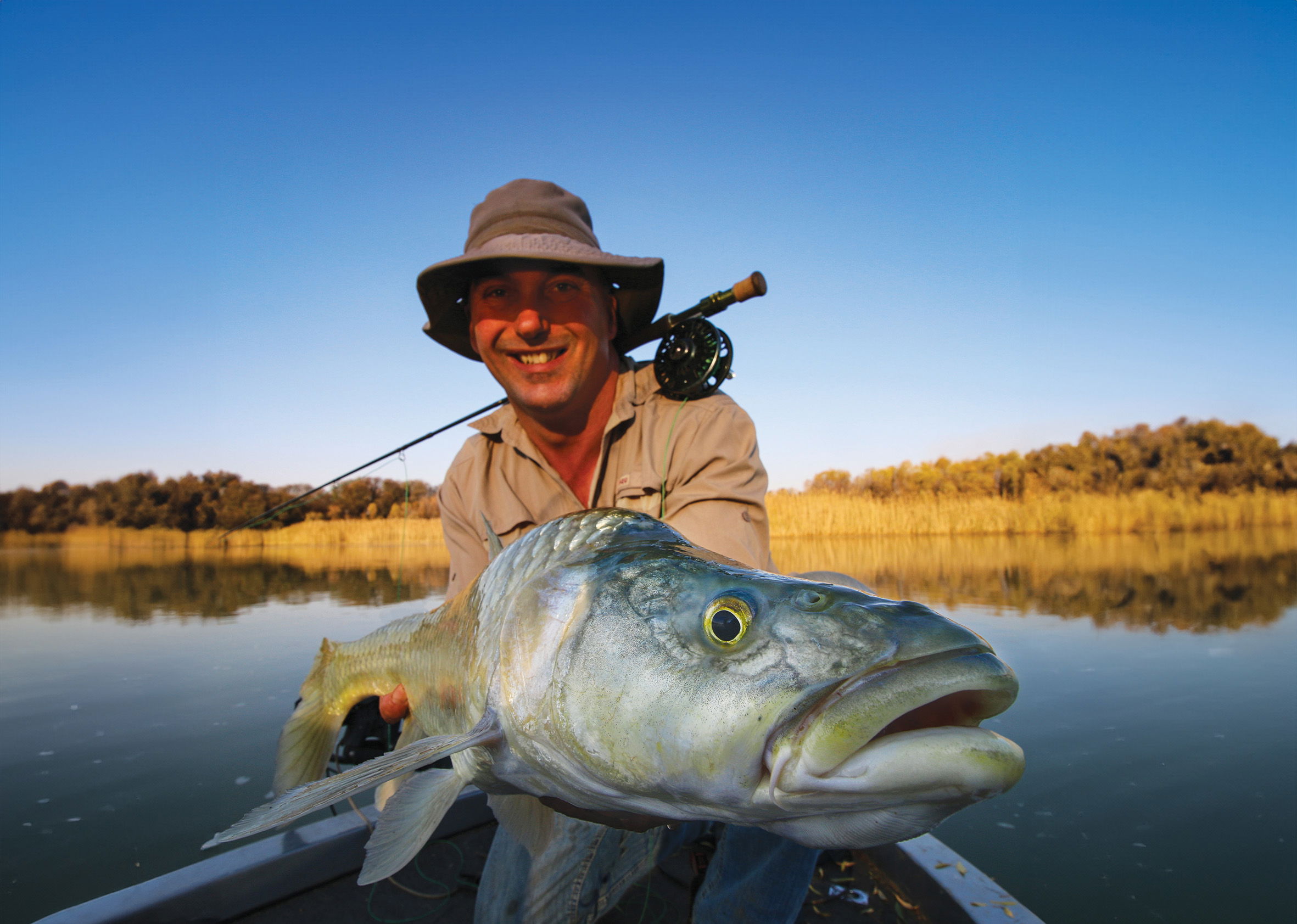
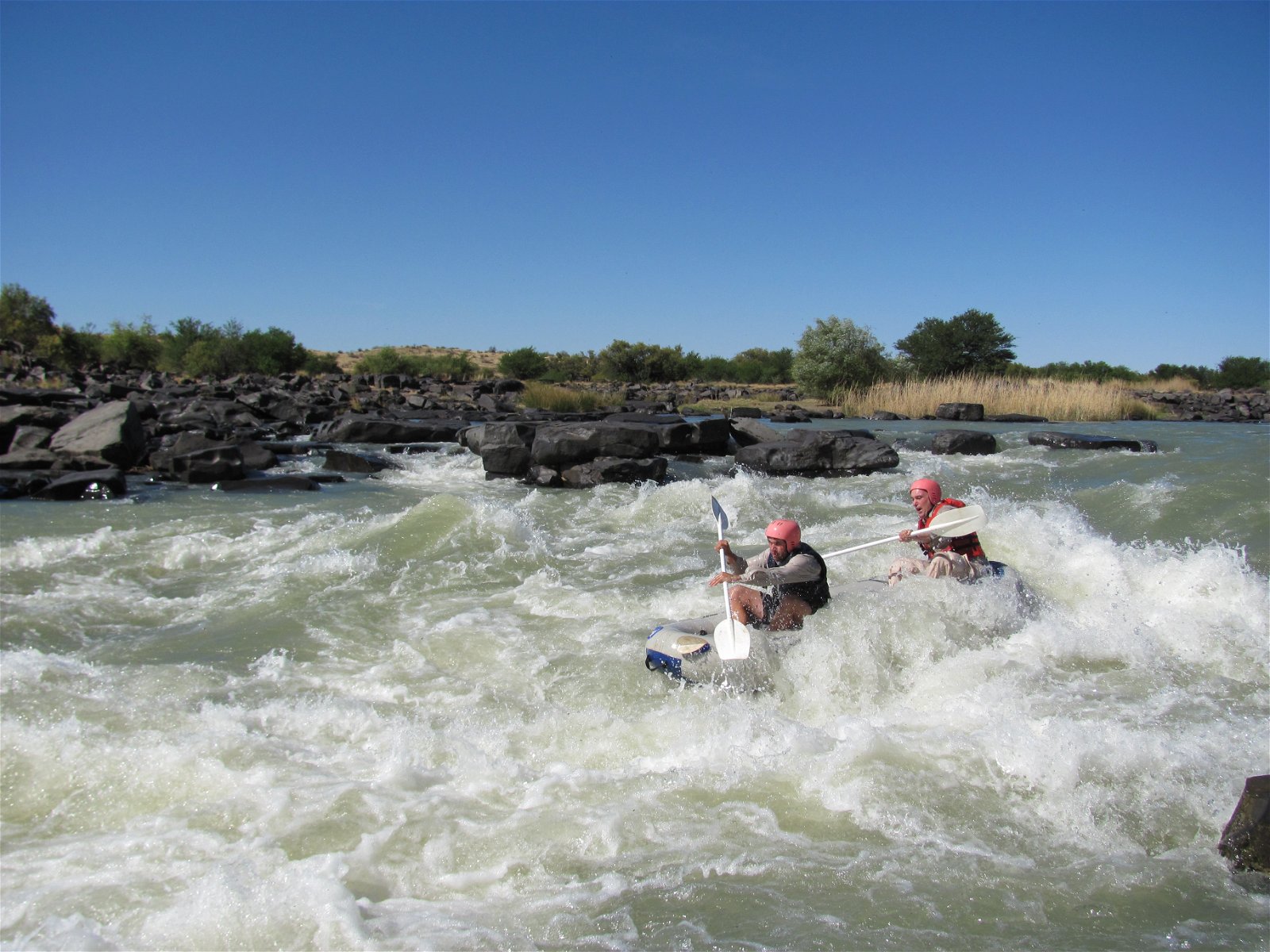
The summer months, November through February, bring intense heat. Daytime temperatures regularly reach 35°C to 40°C, and outdoor activity in the middle of the day is uncomfortable. Morning and late afternoon are the workable windows for walking the town or touring the pecan orchards. Fishing and water activities are best attempted in the early hours before temperatures climb.
Autumn and spring offer the most comfortable conditions. Between March and May, and again from August to October, temperatures settle into the low to mid-20s during the day with cool evenings. Agricultural activity in the orchards tends to be more visible during these periods, and the quality of light across the Karoo in these months is notably clear. For most visitors, this is the practical window for travel.
Winter, from June through August, is dry and often cold at night, with occasional near-freezing temperatures after dark. Days warm up quickly and are usually sunny. Visitor numbers, already modest year-round, drop further in winter, which can work in your favour when securing accommodation.
Getting to Orania
The nearest major airport is roughly 125 kilometres to the northeast, with scheduled flights connecting it to Johannesburg and Cape Town. From there, the drive to Orania takes around 90 minutes heading west on the N12 and then turning south toward the Orange River.
From Johannesburg, the total distance is approximately 800 kilometres, a drive of seven to eight hours. One approach follows the N1 south to the N10 junction, then cuts northwest through the Northern Cape interior toward Orania. An alternative runs the N12 west before turning south. From Cape Town, the journey covers around 900 kilometres along the N1 north before branching into the Karoo.
Fuel stations along the final stretch into Orania are sparse. Fill up at the last sizable town on your approach rather than gambling on finding a station closer in. On a summer drive through the Karoo, carrying extra water is also sensible.
No scheduled bus or rail service operates to the town. All visitors arrive by private vehicle or hired car. Within the settlement itself, the layout is compact enough to cover on foot, though a vehicle is useful for reaching the orchards and the riverbank.
Orania and Surrounding Areas
The country surrounding Orania is sparsely populated Karoo, and the nearby towns reflect that character. Each sits at a distance that makes a day trip feasible, though several function more naturally as stopovers on a longer route.
Vanderkloof, 38 kilometres to the south, is the closest option for structured outdoor recreation. The Vanderkloof Dam, one of the largest in South Africa, sits here where the Orange River has been impounded before continuing its course westward. Boating, fishing, and swimming draw visitors looking for more developed water-based activity. The dam wall itself is an engineering landmark worth seeing on its own terms.
Douglas, 105 kilometres northeast, stands at the confluence of the Vaal and Orange rivers. It functions primarily as an agricultural service town for surrounding irrigation farms and vineyards. Formal tourism infrastructure is limited, but the river confluence and the wine farms in the district give it a distinct character from the Karoo towns to the south.
Bucklands, 109 kilometres away, is a small farming settlement with little in the way of visitor facilities. It registers mainly as a waypoint for navigating the empty country between more substantial centres.
Colesberg, 120 kilometres to the southeast, is one of South Africa's main road junctions, where the N1 from Johannesburg meets routes running toward the coast and the Northern Cape interior. It is primarily a transit hub, with practical fuel, food, and accommodation options that make it a logical staging point for anyone approaching Orania from the east or south.
Beaconfield, 123 kilometres away, is a historically significant area whose roots go back to the 19th-century diamond rush. It predates the formal city that grew around it and retains some of the character of the early mining settlement era, particularly in its older streetscapes and buildings.
Kimberley, 125 kilometres to the northeast, is the Northern Cape's provincial capital and the most substantial urban centre within reach. The Big Hole, the result of open-cast diamond mining that began in 1871, remains the city's most visited site. The Kimberley Mine Museum provides thorough context for the period when this part of South Africa was at the centre of global diamond production. For visitors spending several days in the region, a half-day or full day in Kimberley adds considerable depth to the trip.
Planning Your Stay
The first practical step is making direct contact with the Orania community, as accommodation cannot be booked through standard platforms. The community manages visitor access, and confirming your arrival in advance is a requirement rather than a courtesy. Arriving unannounced is likely to create difficulties at the town entrance.
Check availability well before your intended travel dates. The number of guest rooms and self-catering units in Orania is small, and even modest demand during South African school holidays or long weekends can exhaust what is available. Building some flexibility into your schedule gives you better options if your first-choice dates are full.
Before confirming a booking, clarify a few specifics: whether meals are available or whether you need to bring supplies for self-catering, whether linens and towels are included, and what the exact location of your accommodation is relative to the town entrance. It is also worth asking about language, as all public interaction in Orania is conducted in Afrikaans. Many hosts will have some English, but this should not be assumed.
Mobile connectivity and internet access can be unreliable in remote Karoo areas. Download maps, confirm transfer details, and arrange any activities or guided tours before departure rather than trying to manage logistics on arrival.