Phokwane Reis- & Akkommodasiegids
Jou volledige gids om Phokwane, Suid-Afrika te besoek.
Phokwane is a small settlement in the Limpopo province, located in an area known for its traditional rural character and proximity to the region's mining heritage. The village provides access to the surrounding bushveld landscape and serves as a base for exploring the less-travelled parts of South Africa's northern interior.
## Accommodation in Phokwane
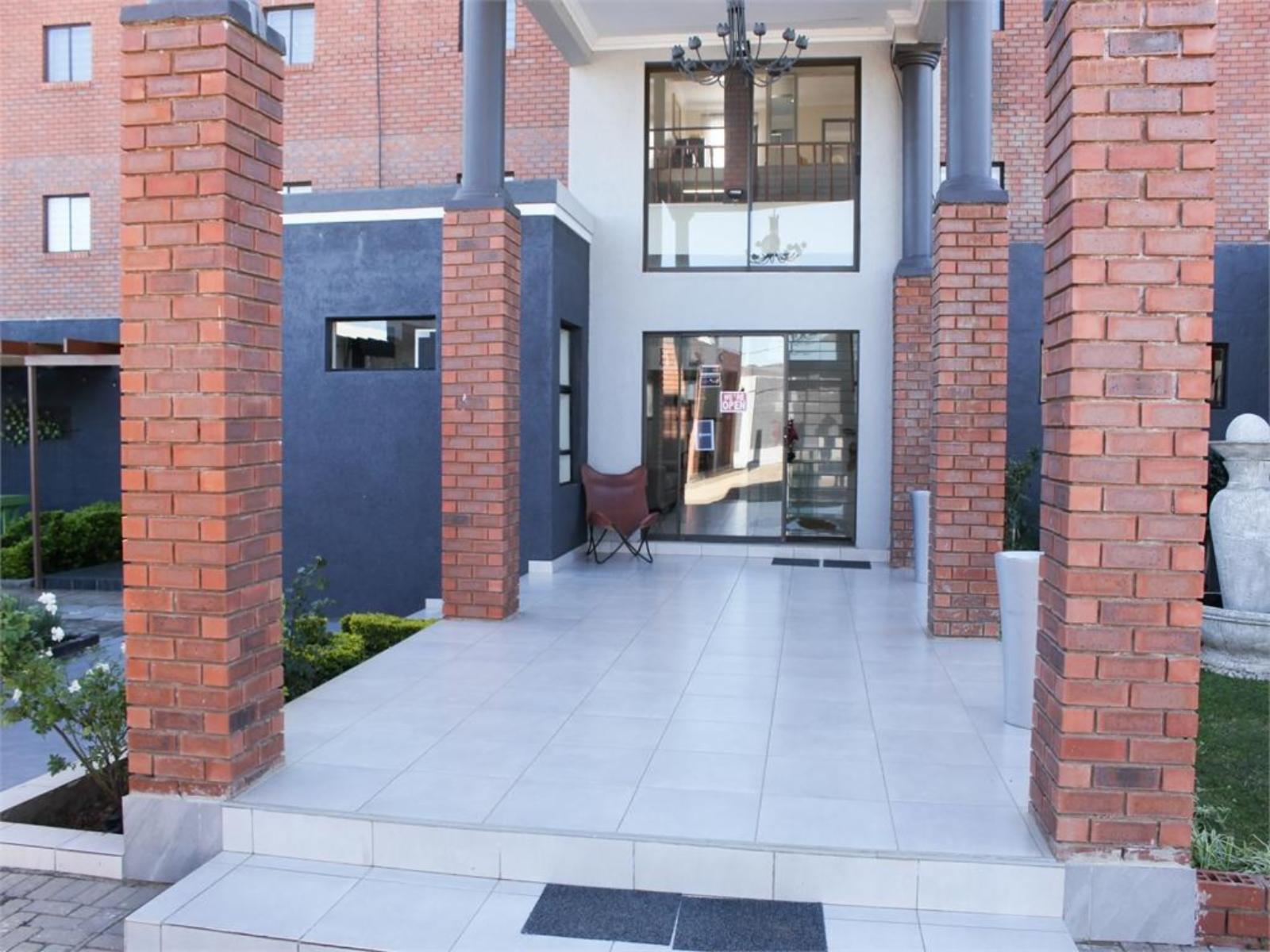
The accommodation market in Phokwane reflects the village's position as a working rural settlement rather than an established tourism destination. Listings remain limited, and visitors should approach the search with flexibility and patience. Pricing information is not consistently available across properties, which itself signals the informal nature of much of the supply here.
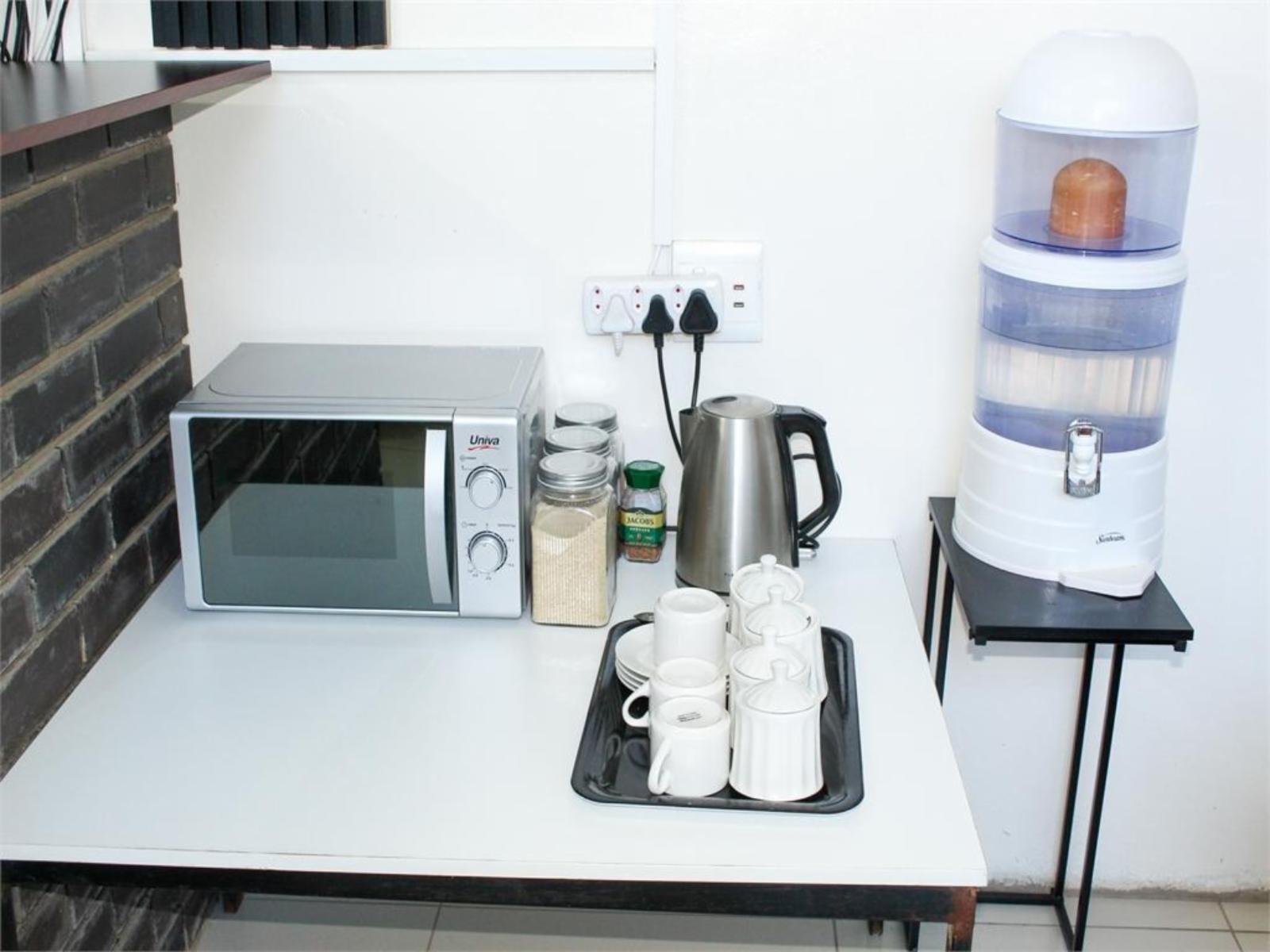
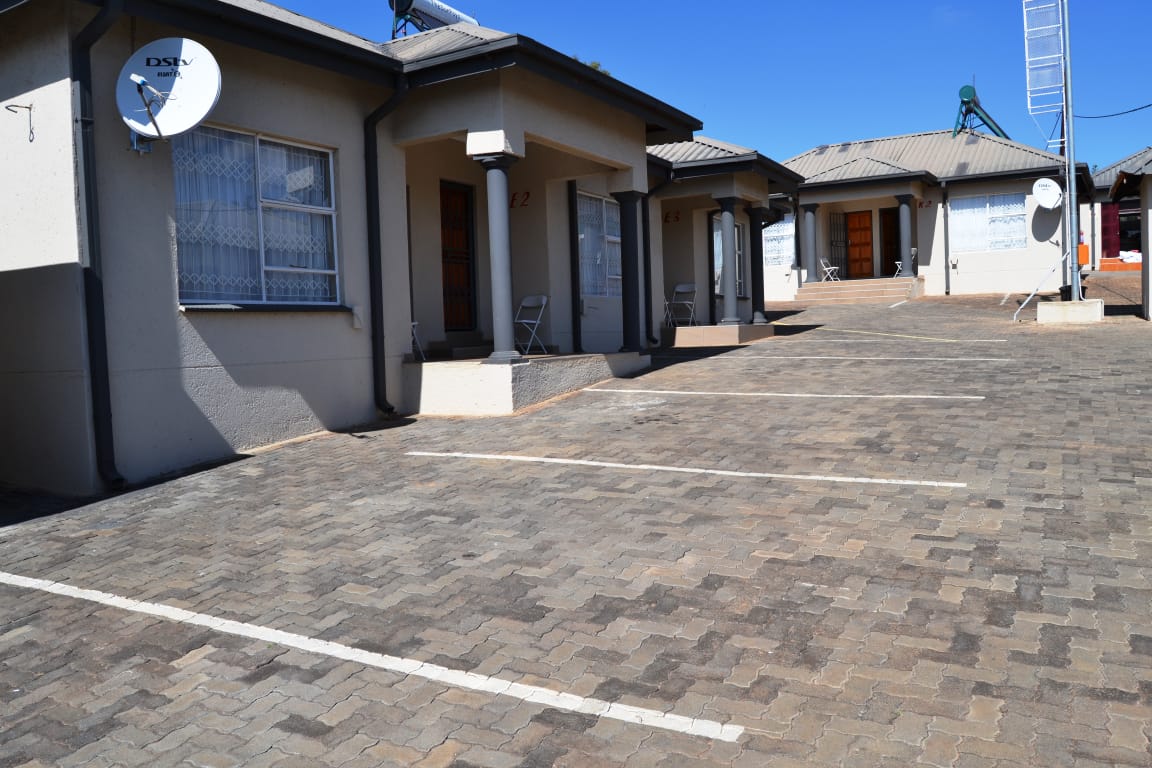
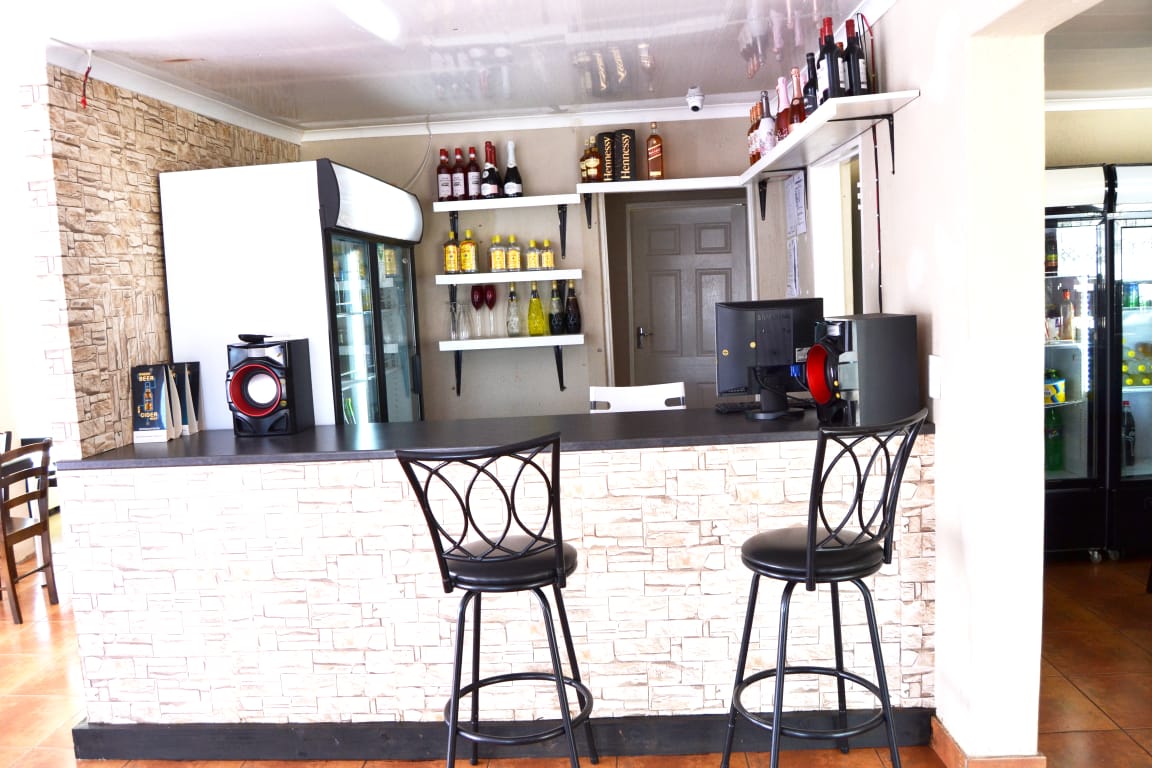
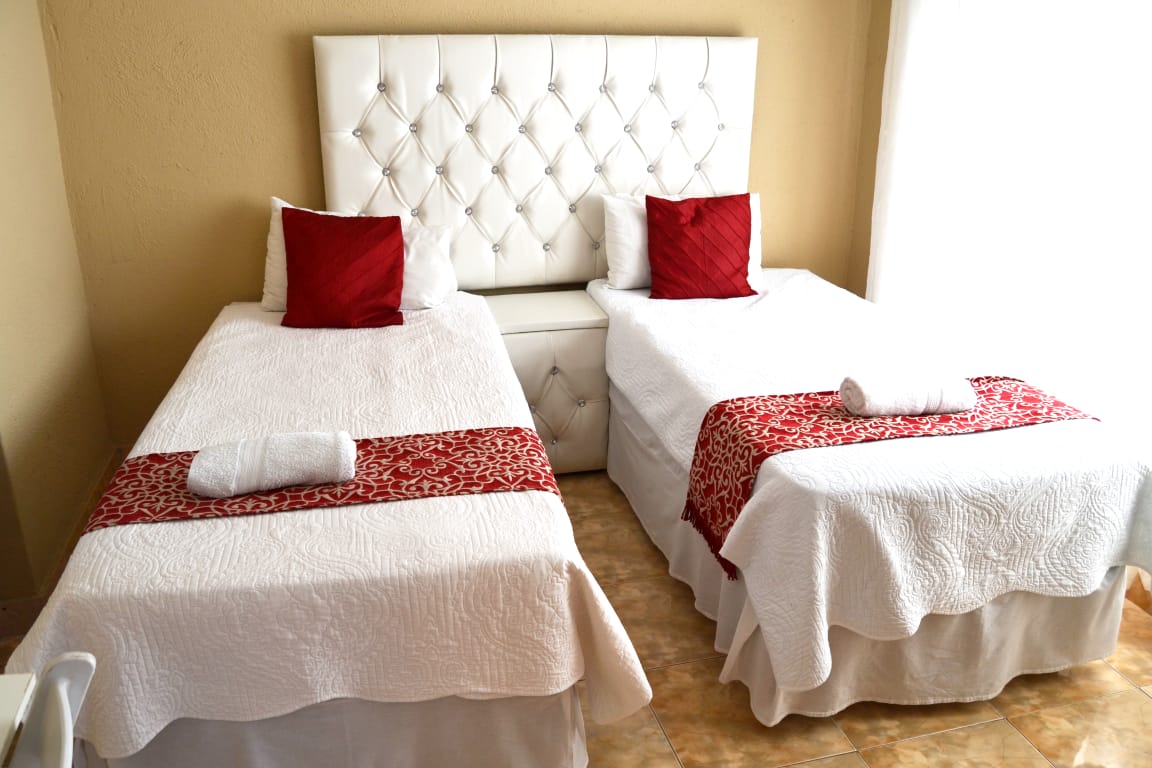
At the budget end, the most accessible options tend to be guesthouses and basic self-catering units operated by local families. These offer a direct window into everyday Pedi life and are often the most practical choice for visitors who prioritise community connection over comfort. Facilities are functional rather than elaborate, and guests are often expected to contribute to their own provisioning, particularly for meals.
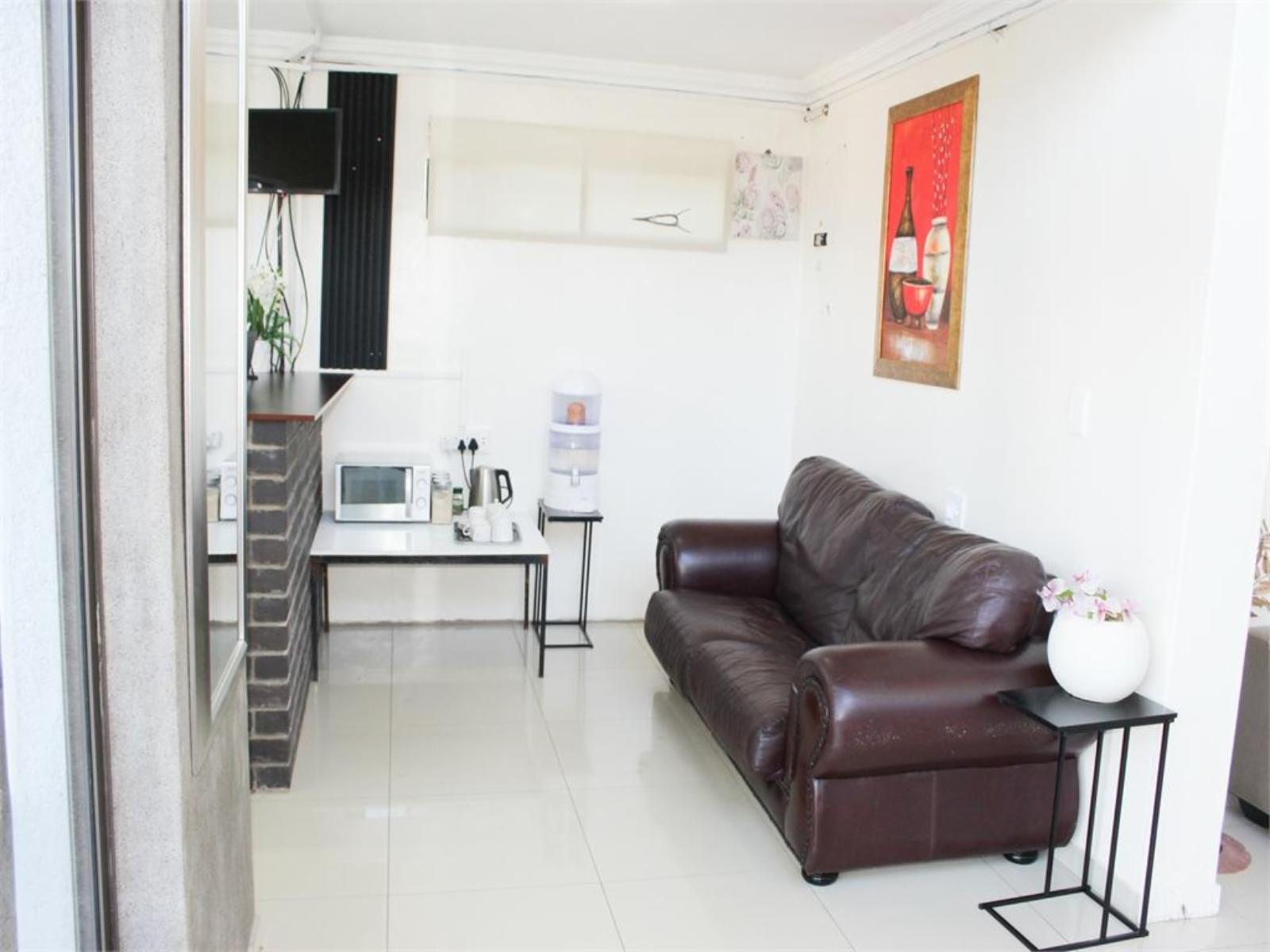
Mid-range accommodation in the broader Sekhukhune District, which encompasses Phokwane, typically takes the form of small guesthouses and country lodges that serve both local business travellers and the occasional leisure visitor. These properties usually offer more reliable hot water, secure parking, and at minimum a basic breakfast. Some cater primarily to workers in the regional mining sector, which means they operate with a practical efficiency that suits independent travellers well enough.
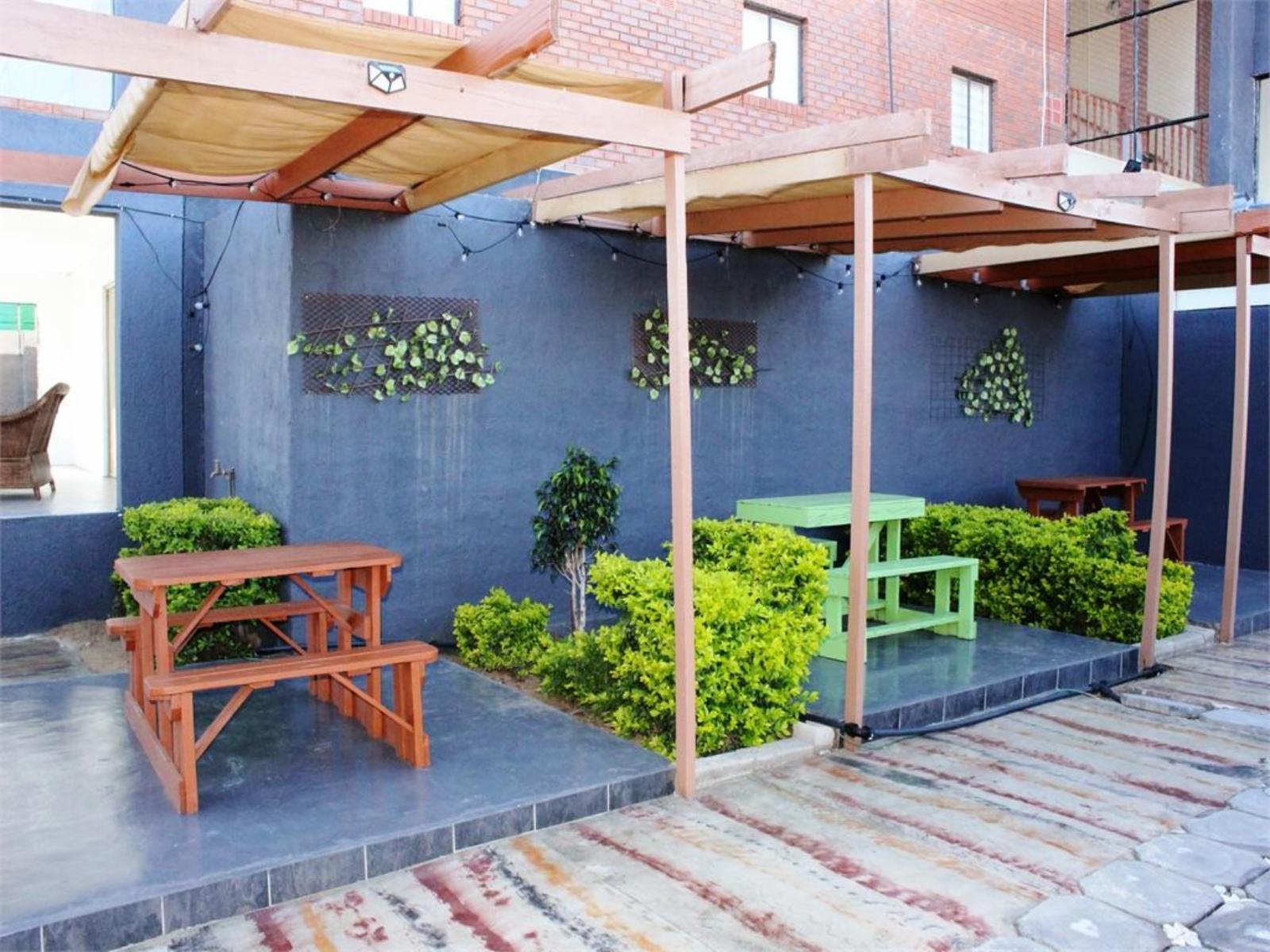
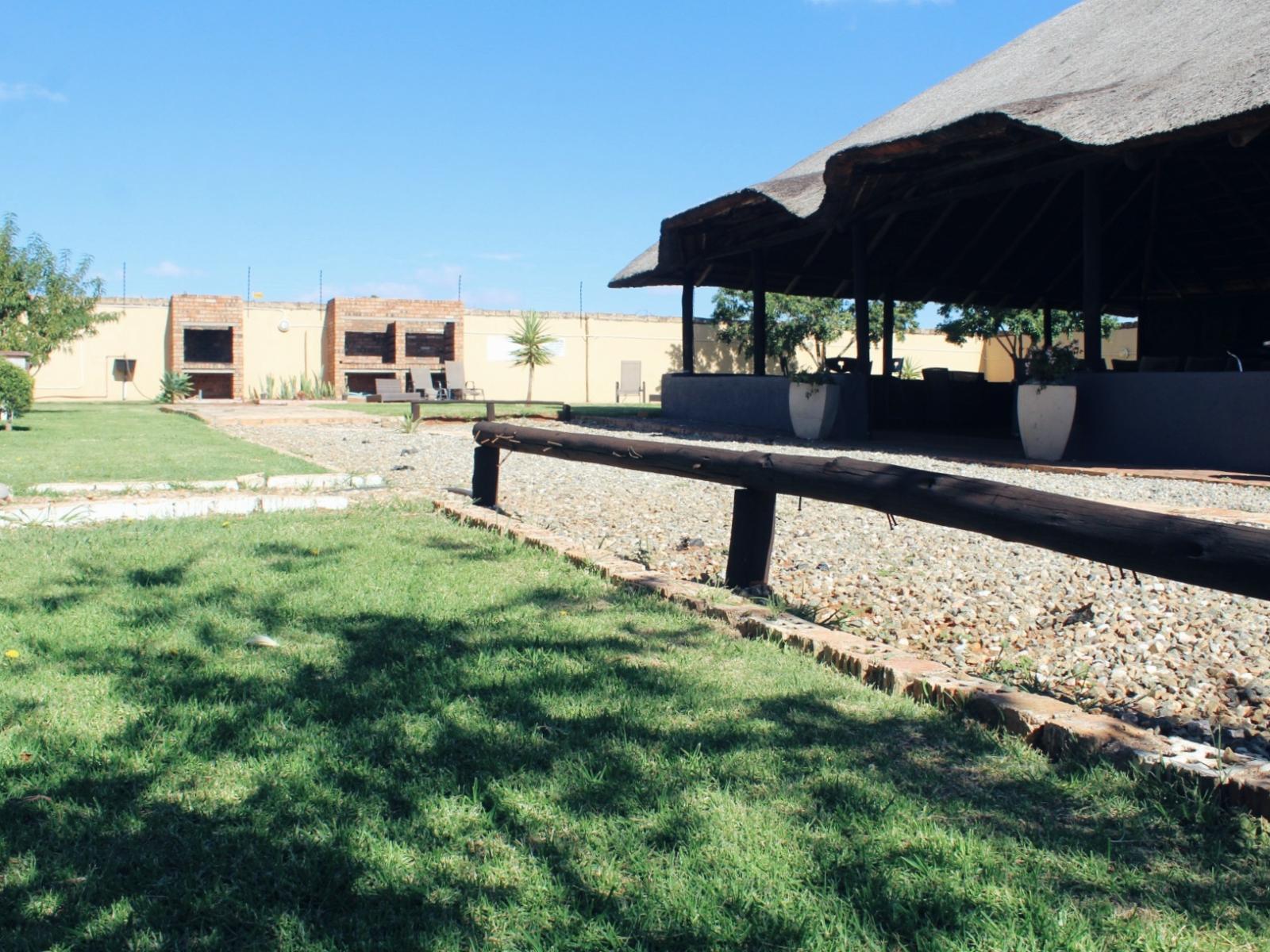
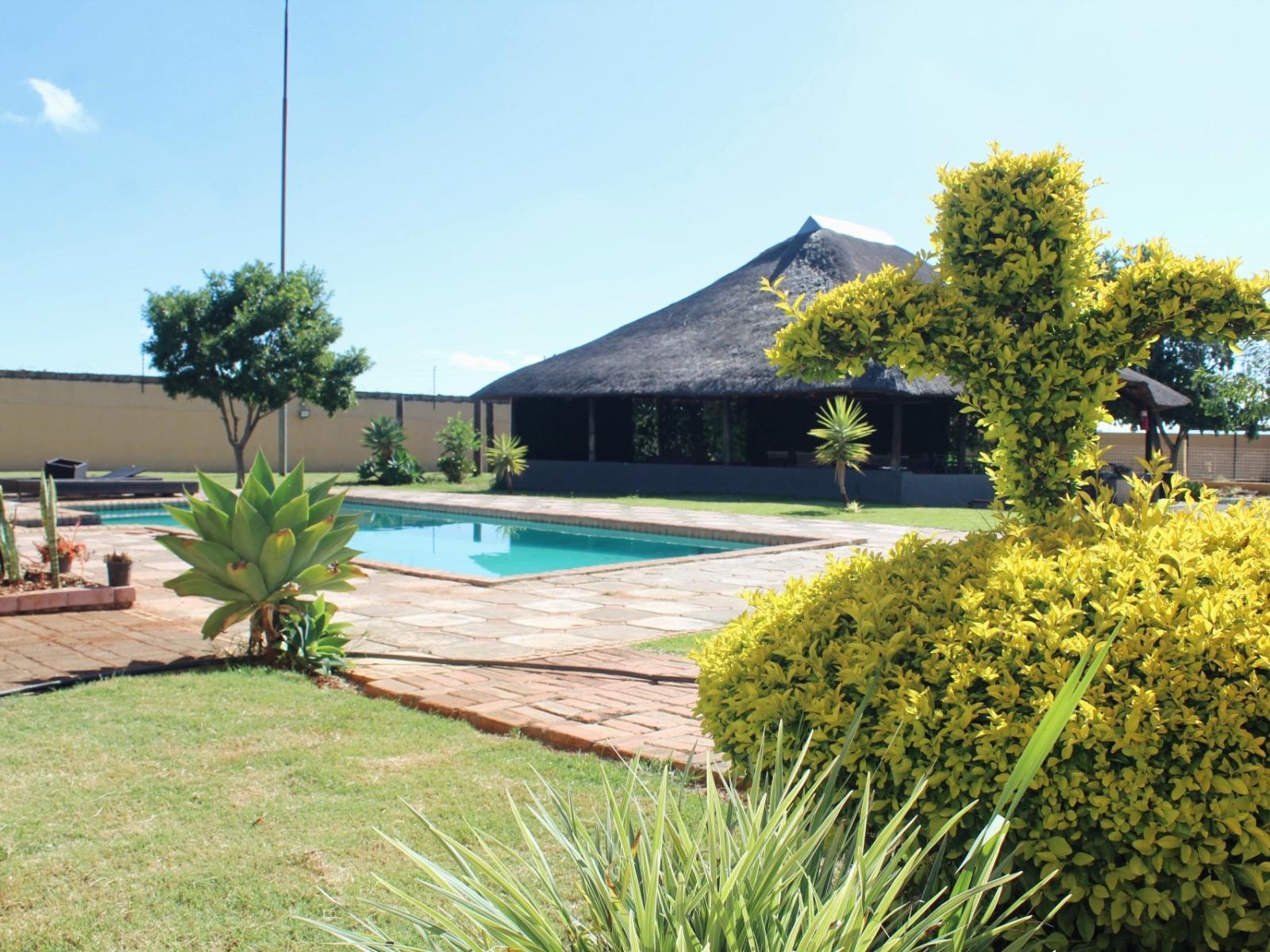
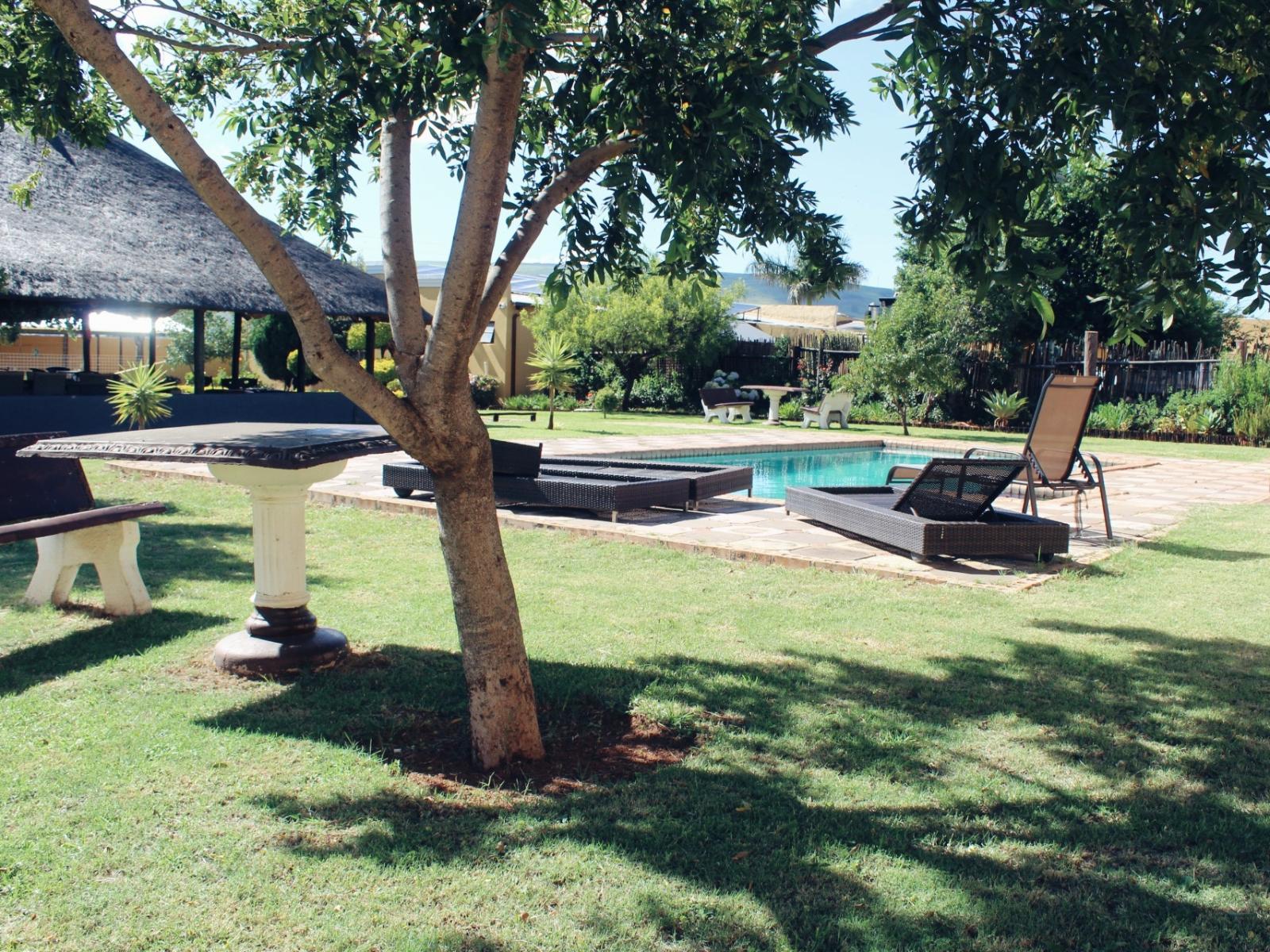
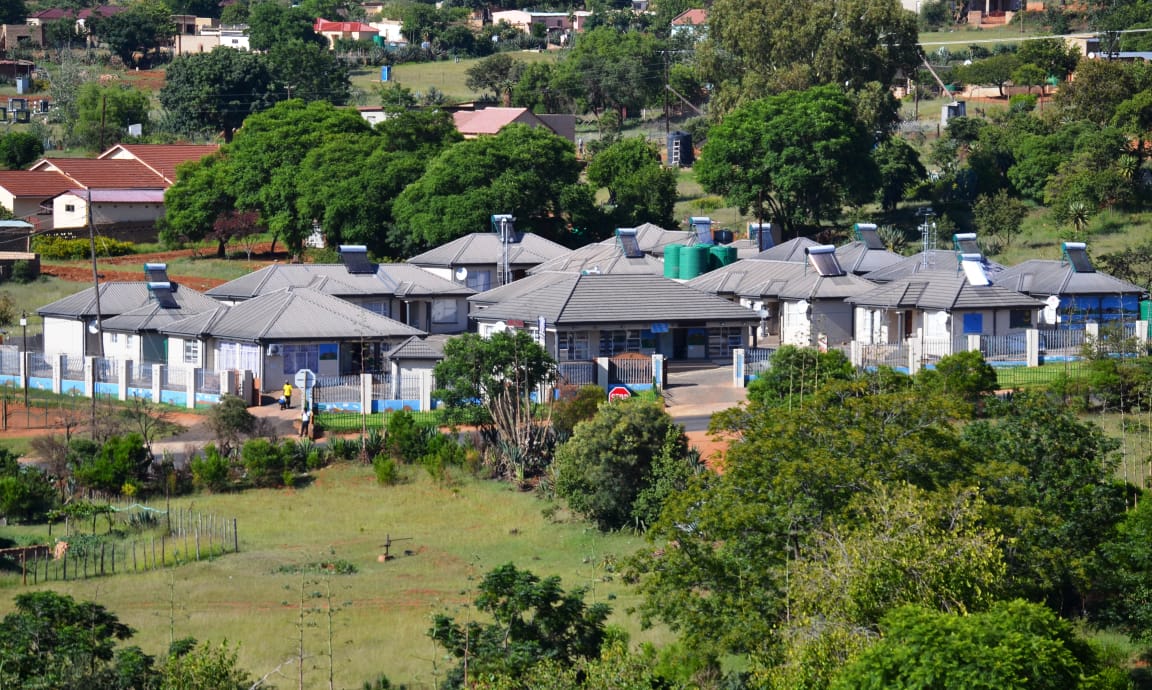
Upper-tier options are not a feature of Phokwane itself. Visitors seeking more polished accommodation will need to look toward Polokwane or consider farm stays and bush retreats in the wider district that occasionally appear on booking platforms. Those who do find a lodge with outdoor space in this part of Limpopo will likely have access to genuine bushveld scenery from the property, along with reliable birdwatching.
Anyone planning a stay would be well served by contacting accommodation providers directly before arrival. Online listings may not capture the full picture of what is available locally, and directly arranged stays often offer better value and a more accurate sense of what to expect on the ground.
---
## Best Time to Visit Phokwane
The dry winter months, running from May through August, offer the most comfortable conditions for visitors. Temperatures are mild during the day, rarely climbing above 25 degrees Celsius, and the absence of rain keeps road surfaces in better condition. Winter mornings can be genuinely cold, particularly in June and July when temperatures occasionally approach freezing overnight, so packing warm layers is practical despite the daytime warmth.
The summer months from November through March bring substantial rainfall and daily temperatures that regularly exceed 30 degrees Celsius. The landscape responds quickly, and the acacia woodland and grassland fill out considerably within weeks of the first rains. Summer is productive for birdwatching, as migratory species supplement resident populations and most birds are more active during this period. Road conditions can deteriorate sharply on dirt and gravel tracks after heavy downpours, which is worth factoring in when planning to reach smaller surrounding settlements.
September and October represent a useful shoulder period. Heat builds before the rains arrive, but the vegetation remains dry and open, making wildlife observation in the surrounding bushveld easier than in midsummer. April is often the most overlooked month to visit: the rain has largely eased, the landscape is still green from the wet season, and tourist pressure across the district is minimal.
---
## Getting to Phokwane
The most practical approach by air is through Polokwane International Airport, which handles domestic flights from Johannesburg and occasionally other South African cities. From the airport, the drive to Phokwane covers roughly 80 kilometres and takes between 60 and 90 minutes depending on road conditions and the specific route taken through the district.
From Johannesburg, the most direct overland route follows the N1 northward through Bela-Bela and on to Polokwane, a journey of around four to five hours covering approximately 300 kilometres. From Polokwane, regional roads lead east into the Sekhukhune District. The final stretch to Phokwane passes through communal farmland and may include sections of unpaved road depending on the exact approach. A vehicle with reasonable ground clearance is useful, particularly after summer rainfall.
Public transport within the district is limited. Minibus taxis operate between Polokwane and larger settlements in the Sekhukhune area, but connections to smaller villages like Phokwane are irregular and schedules are informal. Hiring a car from Polokwane or Johannesburg remains the most reliable option for visitors without local contacts who can arrange collection. Fuel is available in larger service centres before the more rural stretches, so filling up before leaving the main routes is advisable rather than assumed.
---
## Phokwane and Surrounding Areas
The villages within a short radius of Phokwane share much of its character, shaped by the same rocky geology, communal land tenure systems, and Pedi cultural traditions. Each offers a slightly different vantage point on rural Sekhukhune life, and day trips out from Phokwane require nothing more than a vehicle and a willingness to navigate unmarked roads.
**Ga-Magatu**, 8 kilometres away, is a small village centred on subsistence farming and community gatherings. The surrounding terrain includes the rocky koppies that define this part of Limpopo, and a short walk from the village gives good views across the broader landscape. It is close enough to make a morning visit comfortable.
**Ngwaritsi**, at 12 kilometres, sits further into the district and is a primarily residential settlement. Along seasonal water courses near the village, small vegetable gardens are a common sight, a visible adaptation of local agricultural practice to irregular rainfall patterns and communal land arrangements.
**Ga-Matloponya**, 14 kilometres out, has notable connections to the traditional leadership structures that have long governed land use and community affairs in the area. For visitors with an interest in the social and political organisation of rural Limpopo, time spent here and in conversation with residents can be more informative than any written account.
**Goru**, also 14 kilometres distant, sits in terrain where the geology of the Bushveld Complex is especially apparent. The exposed formations in the vicinity have attracted mining exploration over the decades, and the landscape carries the evidence of that history in its contours and in the occasional access road leading off toward disused workings.
**Ga-Phetla**, 16 kilometres from Phokwane, lies in more open country with mixed grazing land. Cattle movements along the roads are routine, requiring patience from drivers. The pace here is slower than most South African itineraries allow for, which is part of the point.
**Deugdvlei**, at 17 kilometres, carries an Afrikaans name that hints at the earlier settler history of the region. The surrounding farmland has historically supported both cattle and dryland crop production, and the area offers a practical illustration of how communal and privately held land sit alongside each other in this corner of South Africa.
---
## Planning Your Stay
Because formal accommodation listings in and around Phokwane are sparse, planning ahead matters more than it would in a well-touristed destination. Contacting potential hosts directly by phone tends to produce clearer information than relying solely on booking platforms, which may not reflect current availability or whether a property is still operating.
Before confirming, ask specifically about water and electricity supply. Load shedding remains a fact of life across South Africa, and rural areas can experience longer outages than urban centres. Properties with backup power or gas cooking facilities are worth identifying early if these are priorities for your stay.
Visiting during South African school holiday periods, particularly December and the July winter break, can increase competition for the limited accommodation available in the region. Domestic travellers from Johannesburg and Pretoria use these windows to visit family in Limpopo, and even small rural guesthouses can fill up. Outside these dates, availability is generally not a concern.
Bring cash. ATM access becomes unreliable once you move beyond the larger service towns, and many small guesthouses and local businesses do not accept card payments. Basic provisions are available in larger nearby centres, but stocking up before arriving reduces reliance on limited local supply. Mobile network coverage exists across the district but can be intermittent on certain routes, so downloading offline maps before departure is a straightforward precaution worth taking.

The accommodation market in Phokwane reflects the village's position as a working rural settlement rather than an established tourism destination. Listings remain limited, and visitors should approach the search with flexibility and patience. Pricing information is not consistently available across properties, which itself signals the informal nature of much of the supply here.
At the budget end, the most accessible options tend to be guesthouses and basic self-catering units operated by local families. These offer a direct window into everyday Pedi life and are often the most practical choice for visitors who prioritise community connection over comfort. Facilities are functional rather than elaborate, and guests are often expected to contribute to their own provisioning, particularly for meals.
Mid-range accommodation in the broader Sekhukhune District, which encompasses Phokwane, typically takes the form of small guesthouses and country lodges that serve both local business travellers and the occasional leisure visitor. These properties usually offer more reliable hot water, secure parking, and at minimum a basic breakfast. Some cater primarily to workers in the regional mining sector, which means they operate with a practical efficiency that suits independent travellers well enough.
Upper-tier options are not a feature of Phokwane itself. Visitors seeking more polished accommodation will need to look toward Polokwane or consider farm stays and bush retreats in the wider district that occasionally appear on booking platforms. Those who do find a lodge with outdoor space in this part of Limpopo will likely have access to genuine bushveld scenery from the property, along with reliable birdwatching.
Anyone planning a stay would be well served by contacting accommodation providers directly before arrival. Online listings may not capture the full picture of what is available locally, and directly arranged stays often offer better value and a more accurate sense of what to expect on the ground.
---
## Best Time to Visit Phokwane
The dry winter months, running from May through August, offer the most comfortable conditions for visitors. Temperatures are mild during the day, rarely climbing above 25 degrees Celsius, and the absence of rain keeps road surfaces in better condition. Winter mornings can be genuinely cold, particularly in June and July when temperatures occasionally approach freezing overnight, so packing warm layers is practical despite the daytime warmth.
The summer months from November through March bring substantial rainfall and daily temperatures that regularly exceed 30 degrees Celsius. The landscape responds quickly, and the acacia woodland and grassland fill out considerably within weeks of the first rains. Summer is productive for birdwatching, as migratory species supplement resident populations and most birds are more active during this period. Road conditions can deteriorate sharply on dirt and gravel tracks after heavy downpours, which is worth factoring in when planning to reach smaller surrounding settlements.
September and October represent a useful shoulder period. Heat builds before the rains arrive, but the vegetation remains dry and open, making wildlife observation in the surrounding bushveld easier than in midsummer. April is often the most overlooked month to visit: the rain has largely eased, the landscape is still green from the wet season, and tourist pressure across the district is minimal.
---
## Getting to Phokwane
The most practical approach by air is through Polokwane International Airport, which handles domestic flights from Johannesburg and occasionally other South African cities. From the airport, the drive to Phokwane covers roughly 80 kilometres and takes between 60 and 90 minutes depending on road conditions and the specific route taken through the district.
From Johannesburg, the most direct overland route follows the N1 northward through Bela-Bela and on to Polokwane, a journey of around four to five hours covering approximately 300 kilometres. From Polokwane, regional roads lead east into the Sekhukhune District. The final stretch to Phokwane passes through communal farmland and may include sections of unpaved road depending on the exact approach. A vehicle with reasonable ground clearance is useful, particularly after summer rainfall.
Public transport within the district is limited. Minibus taxis operate between Polokwane and larger settlements in the Sekhukhune area, but connections to smaller villages like Phokwane are irregular and schedules are informal. Hiring a car from Polokwane or Johannesburg remains the most reliable option for visitors without local contacts who can arrange collection. Fuel is available in larger service centres before the more rural stretches, so filling up before leaving the main routes is advisable rather than assumed.
---
## Phokwane and Surrounding Areas
The villages within a short radius of Phokwane share much of its character, shaped by the same rocky geology, communal land tenure systems, and Pedi cultural traditions. Each offers a slightly different vantage point on rural Sekhukhune life, and day trips out from Phokwane require nothing more than a vehicle and a willingness to navigate unmarked roads.
**Ga-Magatu**, 8 kilometres away, is a small village centred on subsistence farming and community gatherings. The surrounding terrain includes the rocky koppies that define this part of Limpopo, and a short walk from the village gives good views across the broader landscape. It is close enough to make a morning visit comfortable.
**Ngwaritsi**, at 12 kilometres, sits further into the district and is a primarily residential settlement. Along seasonal water courses near the village, small vegetable gardens are a common sight, a visible adaptation of local agricultural practice to irregular rainfall patterns and communal land arrangements.
**Ga-Matloponya**, 14 kilometres out, has notable connections to the traditional leadership structures that have long governed land use and community affairs in the area. For visitors with an interest in the social and political organisation of rural Limpopo, time spent here and in conversation with residents can be more informative than any written account.
**Goru**, also 14 kilometres distant, sits in terrain where the geology of the Bushveld Complex is especially apparent. The exposed formations in the vicinity have attracted mining exploration over the decades, and the landscape carries the evidence of that history in its contours and in the occasional access road leading off toward disused workings.
**Ga-Phetla**, 16 kilometres from Phokwane, lies in more open country with mixed grazing land. Cattle movements along the roads are routine, requiring patience from drivers. The pace here is slower than most South African itineraries allow for, which is part of the point.
**Deugdvlei**, at 17 kilometres, carries an Afrikaans name that hints at the earlier settler history of the region. The surrounding farmland has historically supported both cattle and dryland crop production, and the area offers a practical illustration of how communal and privately held land sit alongside each other in this corner of South Africa.
---
## Planning Your Stay
Because formal accommodation listings in and around Phokwane are sparse, planning ahead matters more than it would in a well-touristed destination. Contacting potential hosts directly by phone tends to produce clearer information than relying solely on booking platforms, which may not reflect current availability or whether a property is still operating.
Before confirming, ask specifically about water and electricity supply. Load shedding remains a fact of life across South Africa, and rural areas can experience longer outages than urban centres. Properties with backup power or gas cooking facilities are worth identifying early if these are priorities for your stay.
Visiting during South African school holiday periods, particularly December and the July winter break, can increase competition for the limited accommodation available in the region. Domestic travellers from Johannesburg and Pretoria use these windows to visit family in Limpopo, and even small rural guesthouses can fill up. Outside these dates, availability is generally not a concern.
Bring cash. ATM access becomes unreliable once you move beyond the larger service towns, and many small guesthouses and local businesses do not accept card payments. Basic provisions are available in larger nearby centres, but stocking up before arriving reduces reliance on limited local supply. Mobile network coverage exists across the district but can be intermittent on certain routes, so downloading offline maps before departure is a straightforward precaution worth taking.
Phokwane Kaart
Nabygeleë Bestemmings
Blaai Deur Alle Phokwane Akkommodasie
Bekyk al 0 akkommodasie-opsies in Phokwane met foto's, pryse en beskikbaarheid.
Blaai Deur Alle Akkommodasie