Ga-phetla Reis- & Akkommodasiegids
Jou volledige gids om Ga-phetla, Suid-Afrika te besoek.
Ga-phetla is a rural village in the Mopani District of Limpopo Province, located in an area known for its traditional communities and proximity to significant natural attractions. The village serves as a gateway to exploring the broader region's wildlife reserves and cultural sites.
## Accommodation in Ga-phetla
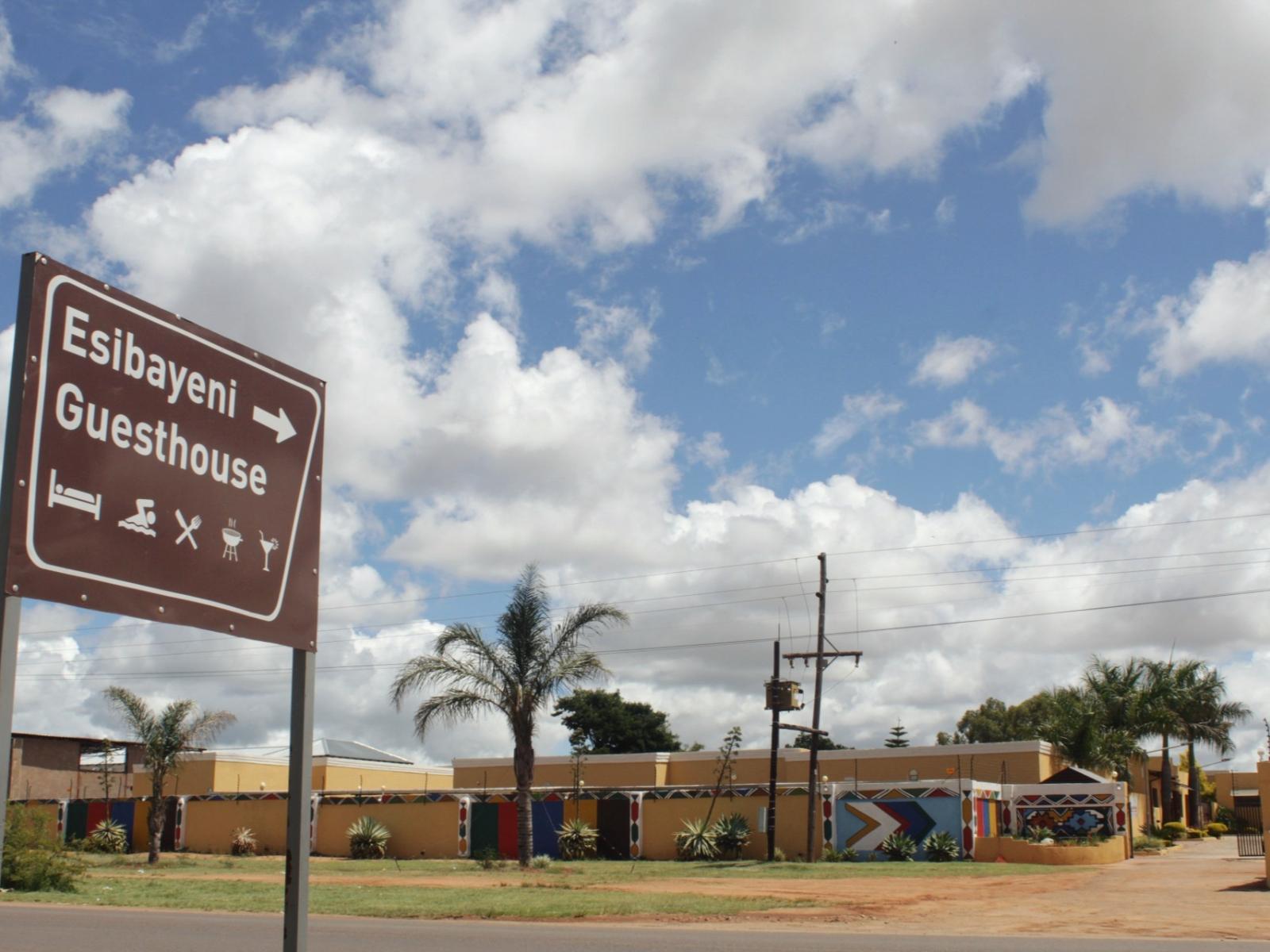
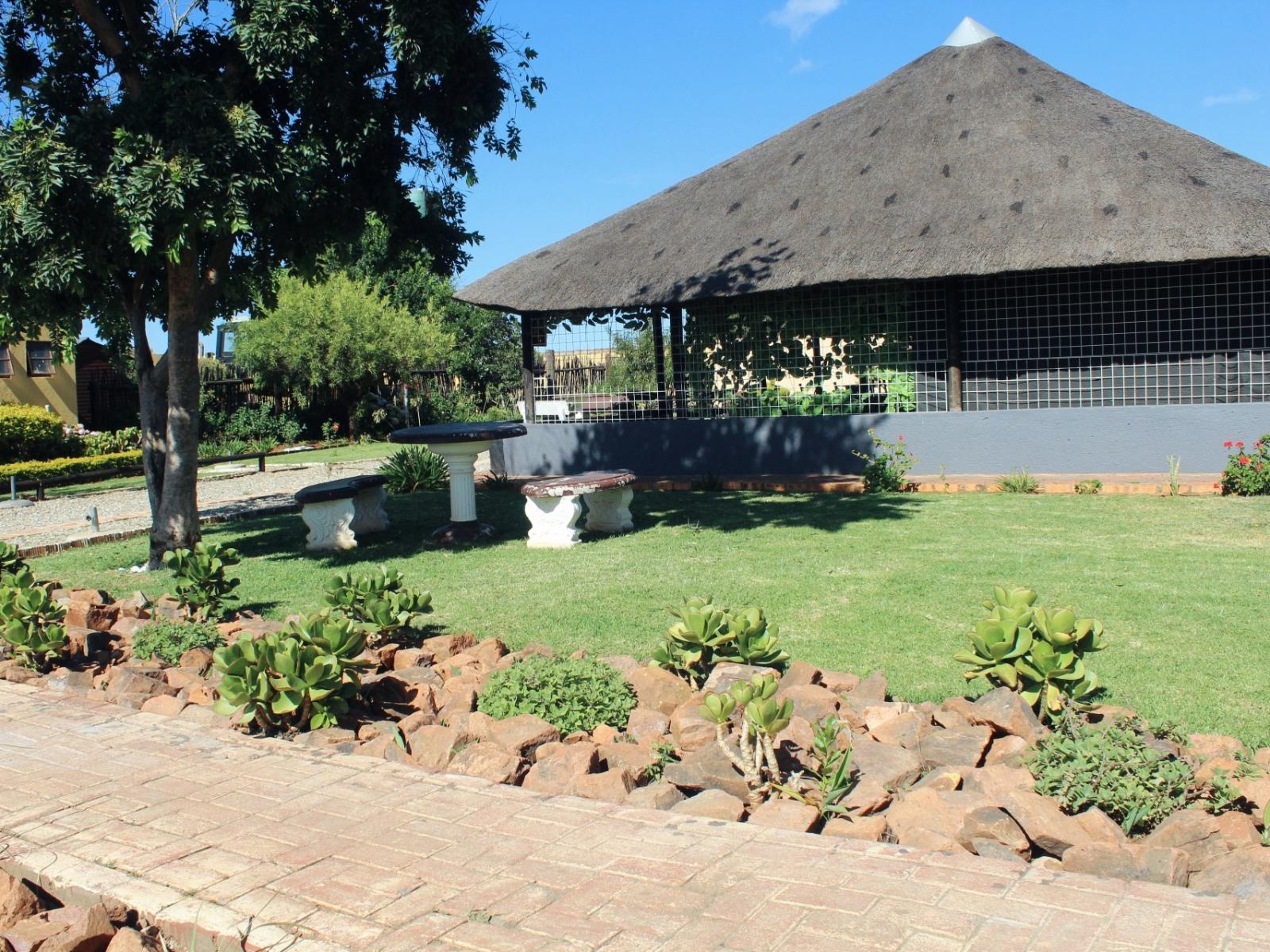
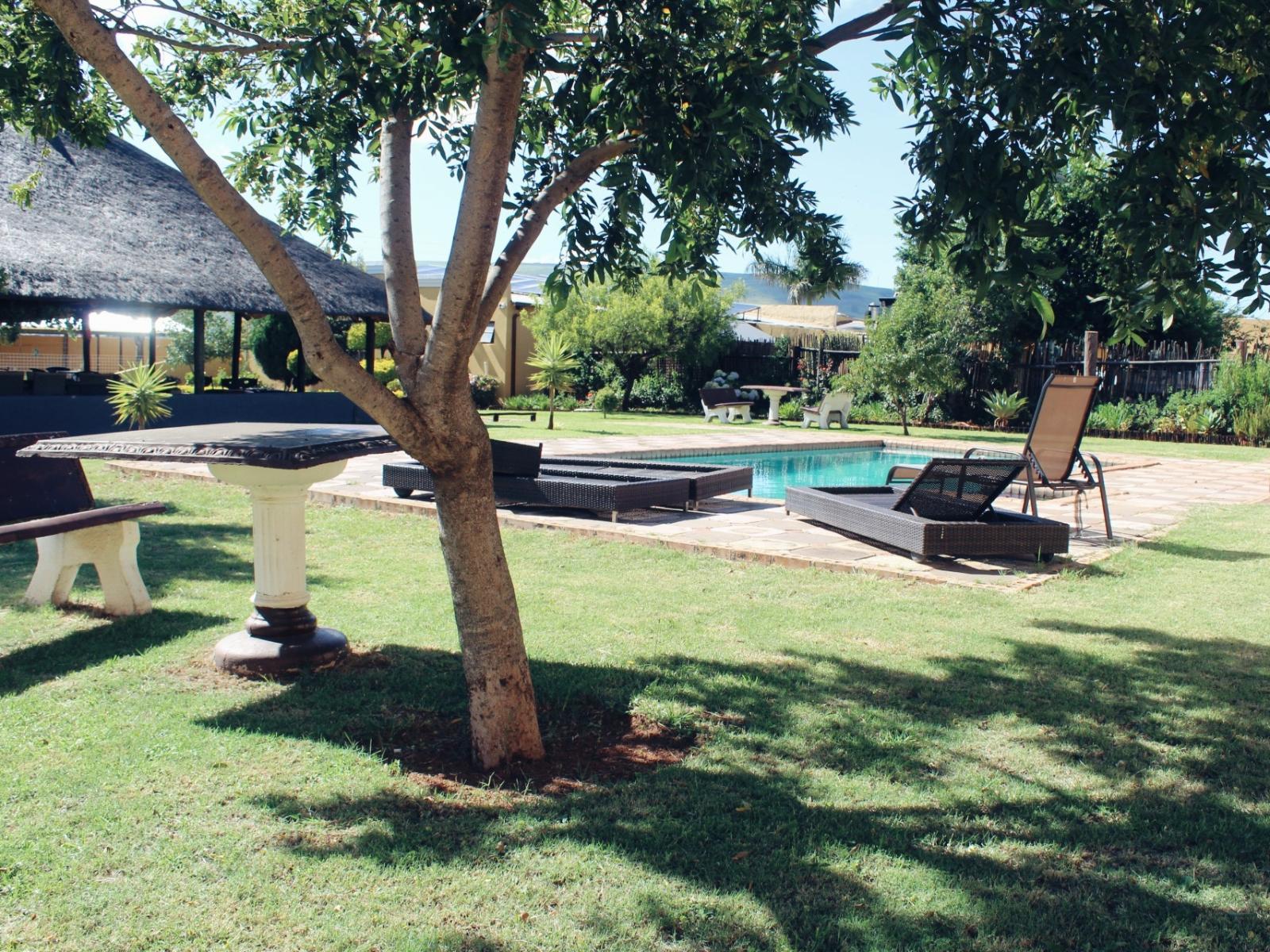
The accommodation landscape around Ga-phetla reflects the rural character of the lowveld region. Current listings are sparse, and pricing depends on individual operators rather than established market rates, so prospective visitors should contact properties directly to confirm availability and costs before travelling. Options generally fall into a couple of broad categories: basic community-style stays and self-catering bush accommodation suited to visitors using Ga-phetla as a base for exploring the Greater Kruger corridor.
At the budget end, accommodation typically means guestrooms within local homes or small community lodges, where meals are often prepared by hosts and the experience is shaped by interaction with Northern Sotho and Tsonga residents. These arrangements suit travellers interested in everyday village life rather than a polished tourist product. Infrastructure is basic in some cases, and guests should expect that Wi-Fi, water pressure, and shared facilities vary considerably between properties.
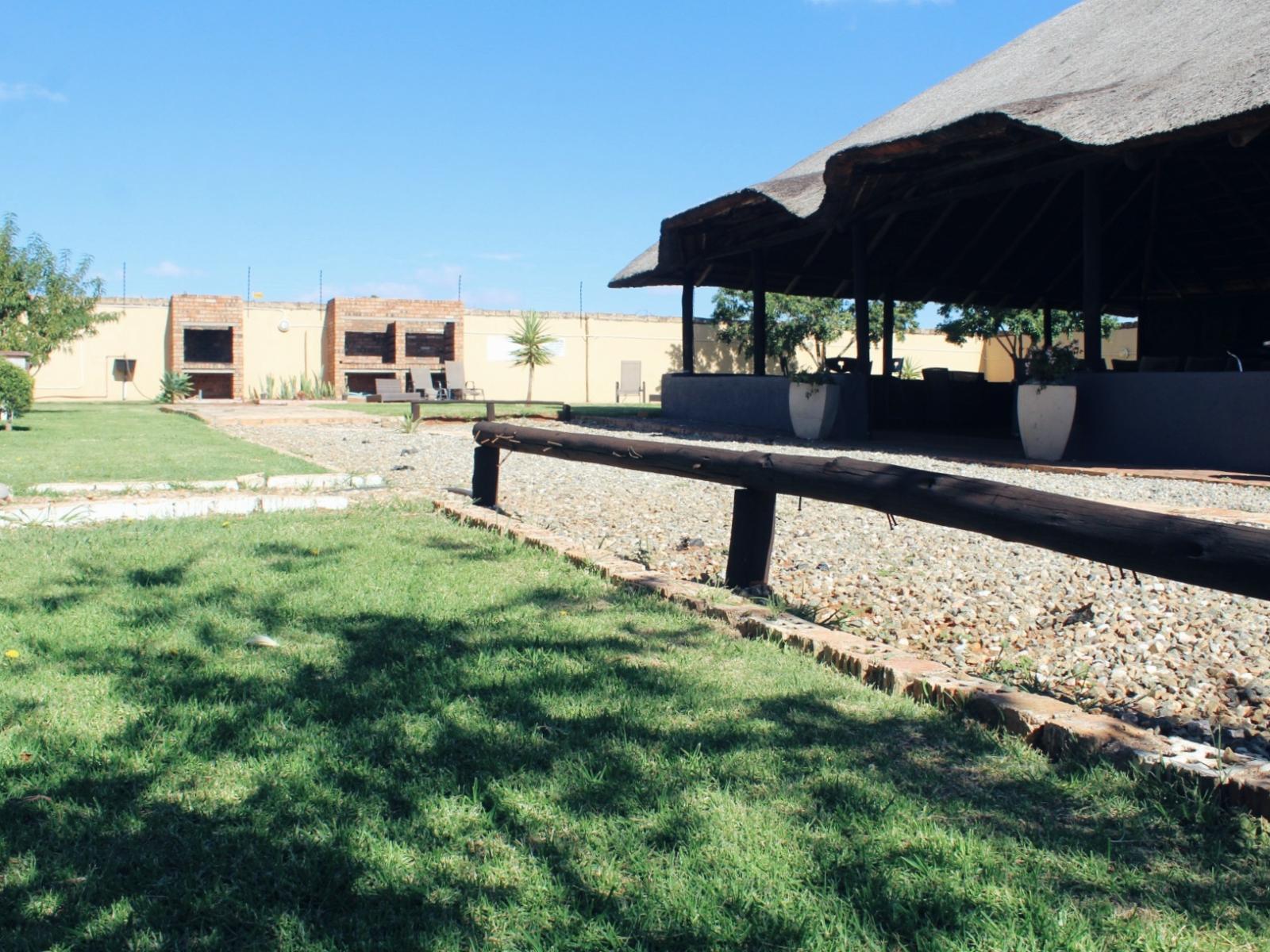
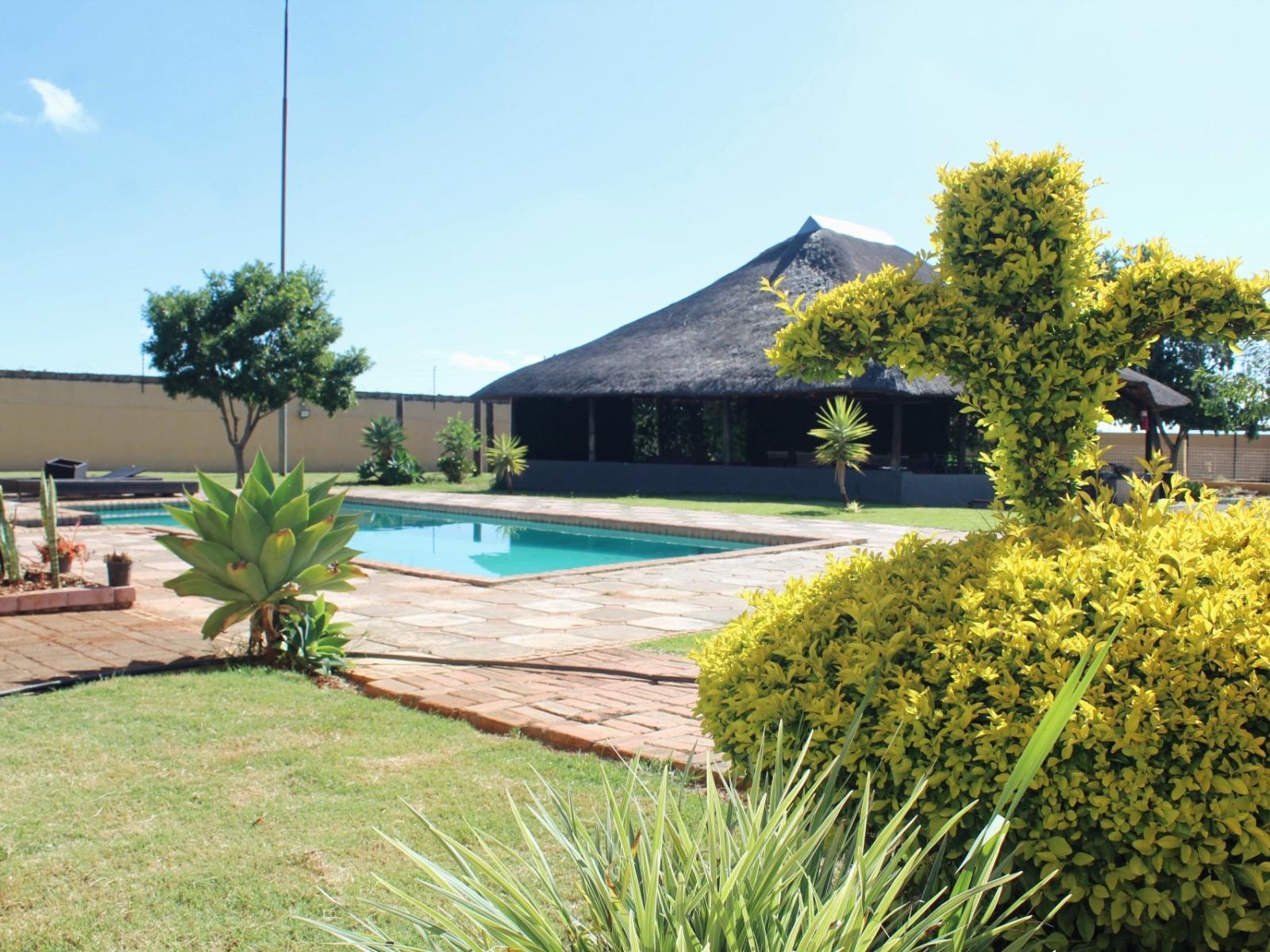
Mid-range options in the broader area tend toward self-catering cottages or chalets on small private holdings, offering more privacy and independent cooking facilities. These properties often sit on a few hectares of bushveld and include outdoor braai areas as standard. They work well for couples or small family groups who plan to self-cater and explore the region by car.
Upper-tier lodge-style accommodation with game drives and full hospitality is not a defining feature of Ga-phetla itself. Travellers seeking that experience will need to look toward private reserves further along the river corridors nearby. Choosing to stay in Ga-phetla instead trades those facilities for genuine proximity to rural community life, and for the right traveller, that is the stronger draw. It is a destination that suits independent visitors comfortable with making their own arrangements and adjusting to a slower, more local pace.
---
## Best Time to Visit Ga-phetla
The Limpopo lowveld operates on a clear seasonal rhythm. Summer, from November through March, brings the bulk of annual rainfall, high humidity, and temperatures that regularly exceed 35 degrees Celsius. District roads to remote communities can become impassable after heavy downpours, and the dense green vegetation of the wet season reduces sightlines considerably. On the other side of that equation, summer draws migratory bird species to the region in significant numbers, and the landscape takes on a lush quality that appeals to photographers and birders willing to manage the heat.
Winter, from May through September, is the conventional peak period for the area. Days are warm and dry, nights cool down sharply, and thinning vegetation concentrates wildlife around permanent water sources. The dry season makes game viewing practical and road conditions reliable.
October functions as a shoulder month, combining accessible roads with the first dramatic afternoon thunderstorms before the main rains establish themselves. School holiday periods in July and December bring noticeably higher demand across the region, so booking further ahead is sensible if travel dates fall within those windows.
---
## Getting to Ga-phetla
The most practical approach for most visitors is by private vehicle. From Johannesburg, the drive covers approximately 450 kilometres via the N1 north to Polokwane, then east on the R71 through Tzaneen toward Phalaborwa. The town of Phalaborwa, roughly 60 kilometres from the village, serves as the main supply point before the final stretch on rural district roads, and it is worth filling the tank and stocking provisions there before continuing.
Two airports serve the broader region. Phalaborwa Airport handles scheduled flights from Johannesburg on most weekdays, while Eastgate Airport near Hoedspruit, to the southwest, operates additional commercial services. Both significantly reduce the overall travel time compared to flying into OR Tambo and completing the journey by road. Car hire is available at Phalaborwa Airport, but the selection is limited and advance booking is advisable.
Once in the area, a high-clearance vehicle is a practical advantage on the unpaved district roads connecting the village to surrounding communities, particularly after rain. Minibus taxis link Phalaborwa to outlying communities, but services are infrequent and not suited to flexible touring. Most visitors choose to drive independently for the duration of their stay.
---
## Ga-phetla and Surrounding Areas
The villages within roughly 20 kilometres of Ga-phetla share the same lowveld character and form a loose network of rural communities spread across communal land and smallholdings.
Ngwaritsi, just 4 kilometres away, is the closest neighbour and has the kind of organic connection to Ga-phetla that comes from sheer proximity. Residents move between the two communities regularly for social and trade purposes, and visitors staying in Ga-phetla will often encounter people from Ngwaritsi without needing to make a separate trip.
Patantswane, 9 kilometres out, sits further into the agricultural belt and has the character of a community oriented around smallholder farming. The roads between it and Ga-phetla pass through open bushveld that carries its own quiet appeal, particularly in the early morning.
Thabaleboto, at 13 kilometres, takes its name from the Sesotho word for mountain, pointing to higher ground or a prominent kopje in its vicinity. The slight elevation in that direction offers useful perspectives across the otherwise flat surrounding terrain for visitors interested in the physical geography of the lowveld.
Ga-magatu and Ga-matloponya, at 14 and 15 kilometres respectively, preserve the "Ga-" naming convention common to Northern Sotho settlements, which indicates the historical lineage or headman associated with each community's founding. Both offer insight into the dispersed settlement patterns typical of the region, and the roads between them and Ga-phetla pass through undeveloped bushveld with good birding.
Phokwane, the furthest of the cluster at 16 kilometres, is slightly larger and may carry basic services including small shops, making it a useful practical reference point when planning day movements from the village.
---
## Planning Your Stay
Because formal listings for the area are limited, research here requires more direct effort than booking through a standard platform. Reaching out to guesthouses or community hosts by phone is often the most reliable method of confirming availability and current conditions. Tourism offices in Phalaborwa occasionally provide referrals to unlisted accommodation in outlying communities and are worth contacting in the planning stage.
Before confirming a booking, ask specifically about road access during your intended travel dates, electricity reliability given that load-shedding affects this part of Limpopo as it does elsewhere in South Africa, and whether the property maintains water storage for periods when municipal supply is interrupted. Hosts who answer these questions directly are generally better prepared than those who offer vague reassurances.
Carry sufficient cash before leaving the nearest town, as card facilities are not available in the village. Travel insurance that includes medical evacuation cover is worth arranging in advance, given the distance from major hospitals. Understanding the location of the nearest private medical facilities before arriving removes one variable from what is otherwise a straightforward rural stay.

The accommodation landscape around Ga-phetla reflects the rural character of the lowveld region. Current listings are sparse, and pricing depends on individual operators rather than established market rates, so prospective visitors should contact properties directly to confirm availability and costs before travelling. Options generally fall into a couple of broad categories: basic community-style stays and self-catering bush accommodation suited to visitors using Ga-phetla as a base for exploring the Greater Kruger corridor.
At the budget end, accommodation typically means guestrooms within local homes or small community lodges, where meals are often prepared by hosts and the experience is shaped by interaction with Northern Sotho and Tsonga residents. These arrangements suit travellers interested in everyday village life rather than a polished tourist product. Infrastructure is basic in some cases, and guests should expect that Wi-Fi, water pressure, and shared facilities vary considerably between properties.
Mid-range options in the broader area tend toward self-catering cottages or chalets on small private holdings, offering more privacy and independent cooking facilities. These properties often sit on a few hectares of bushveld and include outdoor braai areas as standard. They work well for couples or small family groups who plan to self-cater and explore the region by car.
Upper-tier lodge-style accommodation with game drives and full hospitality is not a defining feature of Ga-phetla itself. Travellers seeking that experience will need to look toward private reserves further along the river corridors nearby. Choosing to stay in Ga-phetla instead trades those facilities for genuine proximity to rural community life, and for the right traveller, that is the stronger draw. It is a destination that suits independent visitors comfortable with making their own arrangements and adjusting to a slower, more local pace.
---
## Best Time to Visit Ga-phetla
The Limpopo lowveld operates on a clear seasonal rhythm. Summer, from November through March, brings the bulk of annual rainfall, high humidity, and temperatures that regularly exceed 35 degrees Celsius. District roads to remote communities can become impassable after heavy downpours, and the dense green vegetation of the wet season reduces sightlines considerably. On the other side of that equation, summer draws migratory bird species to the region in significant numbers, and the landscape takes on a lush quality that appeals to photographers and birders willing to manage the heat.
Winter, from May through September, is the conventional peak period for the area. Days are warm and dry, nights cool down sharply, and thinning vegetation concentrates wildlife around permanent water sources. The dry season makes game viewing practical and road conditions reliable.
October functions as a shoulder month, combining accessible roads with the first dramatic afternoon thunderstorms before the main rains establish themselves. School holiday periods in July and December bring noticeably higher demand across the region, so booking further ahead is sensible if travel dates fall within those windows.
---
## Getting to Ga-phetla
The most practical approach for most visitors is by private vehicle. From Johannesburg, the drive covers approximately 450 kilometres via the N1 north to Polokwane, then east on the R71 through Tzaneen toward Phalaborwa. The town of Phalaborwa, roughly 60 kilometres from the village, serves as the main supply point before the final stretch on rural district roads, and it is worth filling the tank and stocking provisions there before continuing.
Two airports serve the broader region. Phalaborwa Airport handles scheduled flights from Johannesburg on most weekdays, while Eastgate Airport near Hoedspruit, to the southwest, operates additional commercial services. Both significantly reduce the overall travel time compared to flying into OR Tambo and completing the journey by road. Car hire is available at Phalaborwa Airport, but the selection is limited and advance booking is advisable.
Once in the area, a high-clearance vehicle is a practical advantage on the unpaved district roads connecting the village to surrounding communities, particularly after rain. Minibus taxis link Phalaborwa to outlying communities, but services are infrequent and not suited to flexible touring. Most visitors choose to drive independently for the duration of their stay.
---
## Ga-phetla and Surrounding Areas
The villages within roughly 20 kilometres of Ga-phetla share the same lowveld character and form a loose network of rural communities spread across communal land and smallholdings.
Ngwaritsi, just 4 kilometres away, is the closest neighbour and has the kind of organic connection to Ga-phetla that comes from sheer proximity. Residents move between the two communities regularly for social and trade purposes, and visitors staying in Ga-phetla will often encounter people from Ngwaritsi without needing to make a separate trip.
Patantswane, 9 kilometres out, sits further into the agricultural belt and has the character of a community oriented around smallholder farming. The roads between it and Ga-phetla pass through open bushveld that carries its own quiet appeal, particularly in the early morning.
Thabaleboto, at 13 kilometres, takes its name from the Sesotho word for mountain, pointing to higher ground or a prominent kopje in its vicinity. The slight elevation in that direction offers useful perspectives across the otherwise flat surrounding terrain for visitors interested in the physical geography of the lowveld.
Ga-magatu and Ga-matloponya, at 14 and 15 kilometres respectively, preserve the "Ga-" naming convention common to Northern Sotho settlements, which indicates the historical lineage or headman associated with each community's founding. Both offer insight into the dispersed settlement patterns typical of the region, and the roads between them and Ga-phetla pass through undeveloped bushveld with good birding.
Phokwane, the furthest of the cluster at 16 kilometres, is slightly larger and may carry basic services including small shops, making it a useful practical reference point when planning day movements from the village.
---
## Planning Your Stay
Because formal listings for the area are limited, research here requires more direct effort than booking through a standard platform. Reaching out to guesthouses or community hosts by phone is often the most reliable method of confirming availability and current conditions. Tourism offices in Phalaborwa occasionally provide referrals to unlisted accommodation in outlying communities and are worth contacting in the planning stage.
Before confirming a booking, ask specifically about road access during your intended travel dates, electricity reliability given that load-shedding affects this part of Limpopo as it does elsewhere in South Africa, and whether the property maintains water storage for periods when municipal supply is interrupted. Hosts who answer these questions directly are generally better prepared than those who offer vague reassurances.
Carry sufficient cash before leaving the nearest town, as card facilities are not available in the village. Travel insurance that includes medical evacuation cover is worth arranging in advance, given the distance from major hospitals. Understanding the location of the nearest private medical facilities before arriving removes one variable from what is otherwise a straightforward rural stay.
Ga-phetla Kaart
Nabygeleë Bestemmings
Blaai Deur Alle Ga-phetla Akkommodasie
Bekyk al 0 akkommodasie-opsies in Ga-phetla met foto's, pryse en beskikbaarheid.
Blaai Deur Alle Akkommodasie